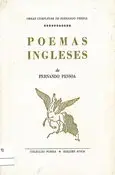
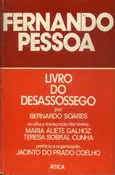
Fernando Pessoa

Fernando Pessoa

1888–1935 · viveu 47 anos PT PT

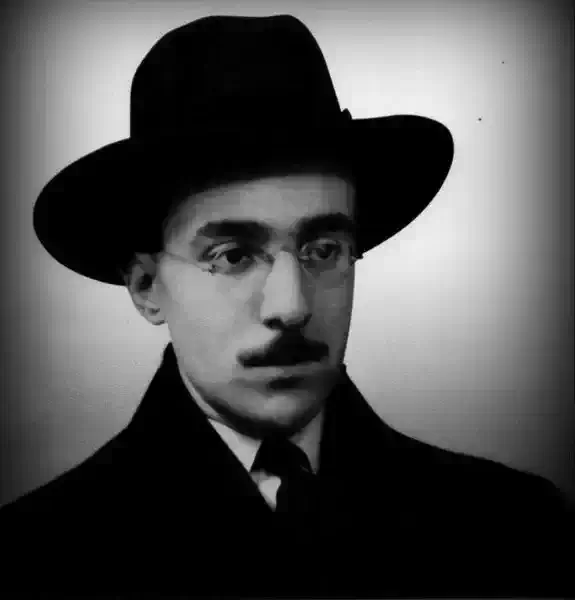
Fernando Pessoa foi um poeta, escritor, crítico literário, tradutor e filósofo português, considerado um dos maiores expoentes da literatura em língua portuguesa e um dos mais relevantes poetas do século XX. A sua vasta obra, marcada pela criação de múltiplos heterónimos com personalidades e estilos distintos, explora temas como a identidade, a angústia existencial, a saudade e a busca por significado num mundo em constante transformação. Pessoa deixou um legado literário complexo e multifacetado, que continua a fascinar e a desafiar leitores e críticos.

n. 1888-06-13, Lisboa · m. 1935-11-30, Lisboa

5 659 377 Visualizações

Para ser grande, sê inteiro: nada

Para ser grande, sê inteiro: nada
Teu exagera ou exclui.
Sê todo em cada coisa. Põe quanto és
No mínimo que fazes.
Assim em cada lago a lua toda
Brilha, porque alta vive.
Ler poema completo
Biografia

Identificação e contexto básico

Fernando António Nogueira Pessoa é amplamente conhecido como Fernando Pessoa. Nasceu em Lisboa, Portugal, a 13 de junho de 1888, e faleceu na mesma cidade a 30 de novembro de 1935. Veio de uma família de classe média. O seu pai, D. Luís Vaz de Jesus Correia de Sá, era funcionário público e crítico musical no jornal 'A Civilização', e a sua mãe, D. Maria Madalena Pinheiro Nogueira, era filha do Coronel Pinheiro Nogueira, que administrava a Typographia da 'A Civilização'. A morte prematura do pai, quando Pessoa tinha cinco anos, e a subsequente viuvez da mãe, que se casou com o cônsul português em Durban, África do Sul, João Miguel dos Reis Quimby, influenciaram profundamente a sua infância e o seu desenvolvimento. Pessoa era português e escrevia primariamente em português, mas também demonstrava proficiência em inglês e francês, línguas que utilizou em algumas das suas obras, especialmente nas fases iniciais. Viveu num período de grandes transformações sociais, políticas e culturais em Portugal e na Europa, marcado pelo fim da Monarquia e o início da República em Portugal, e pelas I e II Guerras Mundiais.

Infância e formação

A infância de Pessoa foi marcada pela perda precoce do pai e pela mudança para a África do Sul, onde viveu até aos dezassete anos. Esta experiência transcultural proporcionou-lhe um contacto precoce com a língua e a cultura inglesas, que moldaram a sua formação intelectual e literária. Foi educado na St. Joseph's Academy e, mais tarde, no Durban High School, onde se destacou em línguas e literatura. A leitura de autores clássicos e contemporâneos em inglês, como Shakespeare, Milton, Byron, e Edgar Allan Poe, foi fundamental. O ambiente de Durban, com a sua diversidade cultural, também pode ter contribuído para o desenvolvimento da sua imaginação e da sua sensibilidade para as diferentes identidades.

Percurso literário

O início da escrita de Pessoa remonta à sua adolescência, com poemas em inglês. A transição para o português e o desenvolvimento dos seus heterónimos marcaram o seu percurso literário. A sua obra é vasta e complexa, com diferentes fases que refletem a sua evolução estilística e temática. Publicou em diversas revistas literárias portuguesas, como a 'Orpheu', que foi marco do Modernismo português, e participou em antologias. Foi também crítico literário e tradutor, demonstrando a sua versatilidade.

Obra, estilo e características literárias

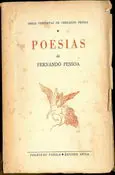
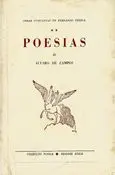
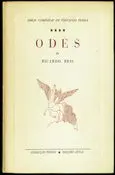
Obra, estilo e características literárias A obra de Fernando Pessoa é dominada pela exploração da fragmentação do eu, da identidade e da realidade. Temas como a dor de pensar, a saudade, a busca pela transcendência, a efemeridade do tempo e a condição humana são centrais. O seu estilo varia imensamente entre os seus heterónimos (Alberto Caeiro, Ricardo Reis, Álvaro de Campos, Bernardo Soares, entre outros), cada um com a sua própria métrica, vocabulário e visão do mundo. Caeiro representa o poeta da natureza, da simplicidade e da negação da metafísica; Reis, o neoclássico estoico, que busca a serenidade e a medida; Campos, o futurista, o poeta da modernidade, da máquina e da exaltação das sensações. Pessoa utilizou diversas formas poéticas, do soneto à forma fixa e ao verso livre, experimentando constantemente com a métrica e a estrutura. A sua linguagem é rica e complexa, com uma densidade imagética notável e um uso frequente de metáforas e símbolos. A voz poética pode ser lírica, confessional, satírica, filosófica e irónica, refletindo a multiplicidade de consciências que habitavam o seu ser.

Obra, estilo e características literárias

Contexto cultural e histórico Pessoa viveu numa época de grande efervescência cultural e de profundas mudanças em Portugal. Foi um dos principais impulsionadores do Modernismo português, através da revista 'Orpheu' (1915), que propunha uma ruptura com a tradição e a introdução de novas linguagens e estéticas. A sua obra dialoga com as correntes filosóficas e literárias da sua época, como o simbolismo, o futurismo, o dadaísmo e o surrealismo, embora tenha desenvolvido uma estética singular. A sua posição perante a sociedade e a política era complexa, marcada por uma certa desilusão e distanciamento, embora tenha manifestado interesse por questões nacionais.

Obra, estilo e características literárias

Vida pessoal A vida pessoal de Pessoa foi marcada por uma certa reclusão e uma intensa vida interior. As suas relações afetivas foram complexas, com destaque para a sua relação com Ofélia Queiroz, que inspirou parte da sua obra. A sua amizade com Mário de Sá-Carneiro foi crucial para o seu percurso literário. Profissionalmente, trabalhou como correspondente comercial, profissão que lhe permitiu manter a sua independência e dedicar-se à escrita.

Obra, estilo e características literárias

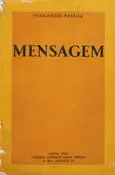
Reconhecimento e receção Em vida, Pessoa teve um reconhecimento limitado, publicando apenas alguns poemas e o livro 'Mensagem'. A sua obra mais vasta e complexa, especialmente a escrita em português e a dos seus heterónimos, só foi amplamente descoberta e publicada postumamente, graças ao trabalho de investigadores e editores. Atualmente, é considerado um dos maiores poetas de língua portuguesa e uma figura incontornável da literatura mundial, com a sua obra a ser objeto de estudo e admiração em todo o mundo.

Obra, estilo e características literárias

Influências e legado Pessoa foi influenciado por autores clássicos e modernos, como Shakespeare, Camões, Edgar Allan Poe, Walt Whitman e Nietzsche. O seu legado é imenso, tendo influenciado gerações de poetas e escritores em Portugal e no Brasil. A sua exploração da identidade e da multiplicidade do eu revolucionou a poesia moderna e continua a ser uma referência para a literatura contemporânea. A sua obra tem sido amplamente traduzida e estudada.

Obra, estilo e características literárias

Interpretação e análise crítica A obra de Pessoa é objeto de inúmeras interpretações. A questão da identidade, da fragmentação do eu, da relação entre o real e o aparente, e a busca por um sentido para a existência são temas recorrentes. Críticos debatem a sua relação com o nacionalismo, o misticismo e a psicanálise. A genialidade na criação dos heterónimos e a sua capacidade de dar voz a diferentes consciências são pontos centrais na análise crítica.

Obra, estilo e características literárias

Curiosidades e aspetos menos conhecidos Pessoa era conhecido pelo seu comportamento reservado e pela sua vida aparentemente discreta. No entanto, a sua intensa vida interior e a multiplicidade de personalidades que habitavam o seu ser são um dos aspetos mais fascinantes. Há relatos sobre os seus hábitos de escrita, a sua caligrafia peculiar e a sua relação com os manuscritos e a organização da sua vasta obra.

Obra, estilo e características literárias

Morte e memória Fernando Pessoa faleceu aos 47 anos, no Hospital de Santa Maria, em Lisboa, vítima de uma indisposição intestinal, possivelmente apendicite, deixando um legado literário colossal e amplamente inexplorado em vida. A publicação póstuma da sua obra, iniciada nas décadas seguintes à sua morte, desvendou a dimensão total do seu génio e consolidou o seu lugar na história da literatura mundial.

Poemas

2232

XVI - No matter now or past or future.

No matter now or past or future. Be
Lovers' age in your glee!
Give all your thoughts to this great muscled day
That like a courser tears
The bit of Time, to make night come and say
The maiden mount now her first rider bears!
Flesh pinched, flesh bit, flesh sucked, flesh girt around,
Flesh crushed and ground,
These things inflame your thoughts and make ye dim
In what ye say or seem!
Rage out in naked glances till ye fright
Your ague of delight,
In glances seeming clothes and thoughts to hate
That fleshes separate;
Stretch out your limbs to the warm day outside,
To feel it while it bide!
For the strong sun, the hot ground, the green grass,
Each far lake's dazzling glass,
And each one's flushed thought of the night to be
Are all one joy-hot unity.
4 343

V - Now will her grave of untorn maidenhood

Now will her grave of untorn maidenhood
Be dug in her small blood.
Assemble ye at that glad funeral
And weave her scarlet pall,
O pinings for the flesh of man that often
Did her secret hours soften
And take her willing and unwilling hand
Where pleasure starteth up.
Come forth, ye moted gnomes, unruly band,
That come so quick ye spill your brimming cup;
Ye that make youth young and flesh nice
And the glad spring and summer sun arise;
Ye by whose secret presence the trees grow
Green, and the flowers bud, and birds sing free,
When with the fury of a trembling glow
The bull climbs on the heifer mightily!
4 387

III - Open the windows and thee doors all wide

Open the windows and the doors all wide
Lest aught of night abide,
Or, like a ship's trail in the sea, survive
What made it there to live!
She lies in bed half waiting that her wish
Grow bolder or more rich
To make her rise, or poorer, to oust fear,
And she rise as a common day were here.
That she would be a bride in bed with man
The parts where she is woman do insist
And send up messages that shame doth ban
From being dreamed but in a shapeless mist.
She opes her eyes, the ceiling sees above
Shutting the small alcove,
And thinks, till she must shut her eyes again,
Another ceiling she this night will know,
Another house, another bed, she lain
In a way she half guesses; so
She shuts her eyes to see not the room she
Soon will no longer see.
4 155

VIII. FERNÃO DE MAGALHÃES

No vale clareia uma fogueira.
Uma dança sacode a terra inteira.
E sombras disformes e descompostas
Em clarões negros do vale vão
Subitamente pelas encostas,
Indo perder-se na escuridão.

De quem é a dança que a noite aterra?
São os Titãs, os filhos da Terra,
Que dançam da morte do marinheiro
Que quis cingir o materno vulto –
Cingi-lo, dos homens, o primeiro –,
Na praia ao longe por fim sepulto.

Dançam, nem sabem que a alma ousada
Do morto ainda comanda a armada,
Pulso sem corpo ao leme a guiar
As naus no resto do fim do espaço:
Que até ausente soube cercar
A terra inteira com seu abraço.

Violou a Terra. Mas eles não
O sabem, e dançam na solidão;
E sombras disformes e descompostas,
Indo perder-se nos horizontes,
Galgam do vale pelas encostas
Dos mudos montes.
4 782

IX. ASCENSÃO DE VASCO DA GAMA

ASCENSÃO DE VASCO DA GAMA

Os Deuses da tormenta e os gigantes da terra
Suspendem de repente o ódio da sua guerra
E pasmam. Pelo vale onde se ascende aos céus
Surge um silêncio, e vai, da névoa ondeando os véus,
Primeiro um movimento e depois um assombro.
Ladeiam-no, ao durar, os medos, ombro a ombro,
E ao longe o rastro ruge em nuvens e clarões.

Em baixo, onde a terra é, o pastor gela, e a flauta
Cai-lhe, e em êxtase vê, à luz de mil trovões,
O céu abrir o abismo à alma do Argonauta.


10/01/1922
5 079

I - Set ope ali shutters, that the day come in

EPITHALAMIUM

I

Set ope all shutters, that the day come in
Like a sea or a din!
Let not a nook of useless shade compel
Thoughts of the night, or tell
The mind's comparing that some things are sad,
For this day all are glad!
'Tis morn, 'tis open morn, the full sun is
Risen from out the abyss
Where last night lay beyond the unseen rim
Of the horizon dim.
Now is the bride awaking. Lo! she starts
To feel the day is home
Whose too-near night will put two different hearts
To beat as near as flesh can let them come.
Guess how she joys in her feared going, nor opes
Her eyes for fear of fearing at her joy.
Now is the pained arrival of all hopes.
With the half-thought she scarce knows how to toy.
Oh, let her wait a moment or a day
And prepare for the fray
For which her thoughts not ever quite prepare!
With the real day's arrival she's half wroth.
Though she wish what she wants, she yet doth stay
Her dreams yet merged are
In the slow verge of sleep, which idly doth
The accurate hope of things remotely mar.
5 270

XVIII - Io! Io! There runs a juice of pleasure's rage

Io! Io! There runs a juice of pleasure's rage
Through these frames' mesh,
That now do really ache to strip and wage
Upon each others' flesh
The war that fills the womb and puts milk in
The teats a man did win,
The battle fought with rage to join and fit
And not to hurt or hit!
Io! Io! Be drunken like the day and hour!
Shout, laugh and overpower
With clamour your own thoughts, lest they a breath
Utter of age or death!
Now is all absolute youth, and the small pains
That thrill the filled veins
Themselves are edged in a great tickling joy
That halts ever ere it cloy.
Put out of mind all things save flesh and giving
The male milk that makes living!
Rake out great peals of joy like grass from ground
In your o'ergrown soul found!
Make your great rut dispersedly rejoice
With laugh or voice,
As if all earth, hot sky and tremulous air
A mighty cymbal were!
4 635

IV - Let the wide light come through the whole house now

Let the wide light come through the whole house now
Like a herald with brow
Garlanded round with roses and those leaves
That love for its love weaves!
Between her and the ceiling this day's ending
A man's weight will be bending.
Lo! with the thought her legs she twines, well knowing
A hand will part them then;
Fearing that entering in her, that allowing
That will make softness begin rude at pain.
If ye, glad sunbeams, are inhabited
By sprites or gnomes that dally with the day,
Whisper her, if she shrink that she'll be bled,
That love's large bower is doored in this small way.
4 194

XX - But these are thoughts or promises or but

But these are thoughts or promises or but
Half the purpose of rut,
And this is lust thought-of or futureless
Or used but lust to ease.
Do ye the circle true of love pretend,
And, what Nature, intend!
Do ye actually ache
The horse of lust by reins of life to bend
And pair in love for love's creating sake!
Bellow! Roar! Stallions be or bulls that fret
On their seed's hole to get!
Surge for that carnal complement that will
Your flesh's young juice thrill
To the wet mortised joints at which you meet
The coming life to greet,
In the tilled womb that will bulge till it do
The plenteous curve of spheric earth renew!
4 326

XVII - In a red bacchic surge of thoughts that beat

In a red bacchic surge of thoughts that beat
On the mad temples like an ire's amaze,
In a fury that hurts the eyes, and yet
Doth make all things clear with a blur around,
The whole group's soul like a glad drunkard sways
And bounds up from the ground!
Ay, though all these be common people heaping
To church, from church, the bridal keeping,
Yet all the satyrs and big pagan haunches
That in taut flesh delight and teats and paunches,
And whose course, trailing through the foliage, nears
The crouched nymph that half fears,
In invisible rush, behind, before
This decent group move, and with hot thoughts store
The passive souls round which their mesh they wind,
The while their rout, loud stumbling as if blind,
Makes the hilled earth wake echoing from her sleep
To the lust in their leap.
4 263

Citações

40

Obras

12

Videos

66

Comentários (14)

Partilhar
Iniciar sessão para publicar um comentário.

Simplesmente um pensador ( tão grande) pois todos nós temos máscaras, nossos sentimentos são todos ocultos na nossa eterna alma. fantástico este texto para sua época vivida.

Luis Rodrigues

cmt

Tomás Lopes

O maior e mais pensador poeta para a sua antiga época. O maior e mais revolucionista da literatura portuguesa, com os seus poemas e textos que enchem a alma de pensamentos. Tem um forma única de se expressar e ditar o que vem da sua alma, como ele dizia " Quem tem alma não tem calma".

mcegonha

O profeta dos poetas!

o tal
o tal

ignorante