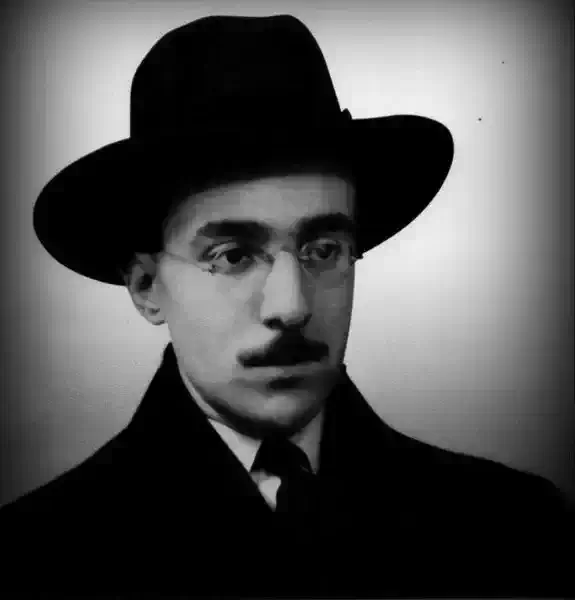
Fernando Pessoa

Fernando Pessoa

1888–1935 · viveu 47 anos PT PT

Fernando Pessoa foi um poeta, escritor, crítico literário, tradutor e filósofo português, considerado um dos maiores expoentes da literatura em língua portuguesa e um dos mais relevantes poetas do século XX. A sua vasta obra, marcada pela criação de múltiplos heterónimos com personalidades e estilos distintos, explora temas como a identidade, a angústia existencial, a saudade e a busca por significado num mundo em constante transformação. Pessoa deixou um legado literário complexo e multifacetado, que continua a fascinar e a desafiar leitores e críticos.

n. 1888-06-13, Lisboa · m. 1935-11-30, Lisboa

5 659 377 Visualizações

Para ser grande, sê inteiro: nada

Para ser grande, sê inteiro: nada
Teu exagera ou exclui.
Sê todo em cada coisa. Põe quanto és
No mínimo que fazes.
Assim em cada lago a lua toda
Brilha, porque alta vive.
Ler poema completo
Biografia

Identificação e contexto básico

Fernando António Nogueira Pessoa é amplamente conhecido como Fernando Pessoa. Nasceu em Lisboa, Portugal, a 13 de junho de 1888, e faleceu na mesma cidade a 30 de novembro de 1935. Veio de uma família de classe média. O seu pai, D. Luís Vaz de Jesus Correia de Sá, era funcionário público e crítico musical no jornal 'A Civilização', e a sua mãe, D. Maria Madalena Pinheiro Nogueira, era filha do Coronel Pinheiro Nogueira, que administrava a Typographia da 'A Civilização'. A morte prematura do pai, quando Pessoa tinha cinco anos, e a subsequente viuvez da mãe, que se casou com o cônsul português em Durban, África do Sul, João Miguel dos Reis Quimby, influenciaram profundamente a sua infância e o seu desenvolvimento. Pessoa era português e escrevia primariamente em português, mas também demonstrava proficiência em inglês e francês, línguas que utilizou em algumas das suas obras, especialmente nas fases iniciais. Viveu num período de grandes transformações sociais, políticas e culturais em Portugal e na Europa, marcado pelo fim da Monarquia e o início da República em Portugal, e pelas I e II Guerras Mundiais.

Infância e formação

A infância de Pessoa foi marcada pela perda precoce do pai e pela mudança para a África do Sul, onde viveu até aos dezassete anos. Esta experiência transcultural proporcionou-lhe um contacto precoce com a língua e a cultura inglesas, que moldaram a sua formação intelectual e literária. Foi educado na St. Joseph's Academy e, mais tarde, no Durban High School, onde se destacou em línguas e literatura. A leitura de autores clássicos e contemporâneos em inglês, como Shakespeare, Milton, Byron, e Edgar Allan Poe, foi fundamental. O ambiente de Durban, com a sua diversidade cultural, também pode ter contribuído para o desenvolvimento da sua imaginação e da sua sensibilidade para as diferentes identidades.

Percurso literário

O início da escrita de Pessoa remonta à sua adolescência, com poemas em inglês. A transição para o português e o desenvolvimento dos seus heterónimos marcaram o seu percurso literário. A sua obra é vasta e complexa, com diferentes fases que refletem a sua evolução estilística e temática. Publicou em diversas revistas literárias portuguesas, como a 'Orpheu', que foi marco do Modernismo português, e participou em antologias. Foi também crítico literário e tradutor, demonstrando a sua versatilidade.

Obra, estilo e características literárias

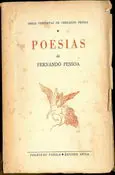
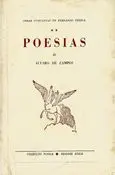
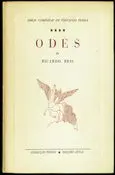
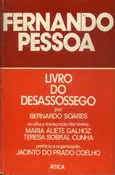
Obra, estilo e características literárias A obra de Fernando Pessoa é dominada pela exploração da fragmentação do eu, da identidade e da realidade. Temas como a dor de pensar, a saudade, a busca pela transcendência, a efemeridade do tempo e a condição humana são centrais. O seu estilo varia imensamente entre os seus heterónimos (Alberto Caeiro, Ricardo Reis, Álvaro de Campos, Bernardo Soares, entre outros), cada um com a sua própria métrica, vocabulário e visão do mundo. Caeiro representa o poeta da natureza, da simplicidade e da negação da metafísica; Reis, o neoclássico estoico, que busca a serenidade e a medida; Campos, o futurista, o poeta da modernidade, da máquina e da exaltação das sensações. Pessoa utilizou diversas formas poéticas, do soneto à forma fixa e ao verso livre, experimentando constantemente com a métrica e a estrutura. A sua linguagem é rica e complexa, com uma densidade imagética notável e um uso frequente de metáforas e símbolos. A voz poética pode ser lírica, confessional, satírica, filosófica e irónica, refletindo a multiplicidade de consciências que habitavam o seu ser.

Obra, estilo e características literárias

Contexto cultural e histórico Pessoa viveu numa época de grande efervescência cultural e de profundas mudanças em Portugal. Foi um dos principais impulsionadores do Modernismo português, através da revista 'Orpheu' (1915), que propunha uma ruptura com a tradição e a introdução de novas linguagens e estéticas. A sua obra dialoga com as correntes filosóficas e literárias da sua época, como o simbolismo, o futurismo, o dadaísmo e o surrealismo, embora tenha desenvolvido uma estética singular. A sua posição perante a sociedade e a política era complexa, marcada por uma certa desilusão e distanciamento, embora tenha manifestado interesse por questões nacionais.

Obra, estilo e características literárias

Vida pessoal A vida pessoal de Pessoa foi marcada por uma certa reclusão e uma intensa vida interior. As suas relações afetivas foram complexas, com destaque para a sua relação com Ofélia Queiroz, que inspirou parte da sua obra. A sua amizade com Mário de Sá-Carneiro foi crucial para o seu percurso literário. Profissionalmente, trabalhou como correspondente comercial, profissão que lhe permitiu manter a sua independência e dedicar-se à escrita.

Obra, estilo e características literárias

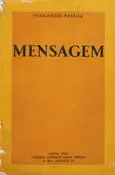
Reconhecimento e receção Em vida, Pessoa teve um reconhecimento limitado, publicando apenas alguns poemas e o livro 'Mensagem'. A sua obra mais vasta e complexa, especialmente a escrita em português e a dos seus heterónimos, só foi amplamente descoberta e publicada postumamente, graças ao trabalho de investigadores e editores. Atualmente, é considerado um dos maiores poetas de língua portuguesa e uma figura incontornável da literatura mundial, com a sua obra a ser objeto de estudo e admiração em todo o mundo.

Obra, estilo e características literárias

Influências e legado Pessoa foi influenciado por autores clássicos e modernos, como Shakespeare, Camões, Edgar Allan Poe, Walt Whitman e Nietzsche. O seu legado é imenso, tendo influenciado gerações de poetas e escritores em Portugal e no Brasil. A sua exploração da identidade e da multiplicidade do eu revolucionou a poesia moderna e continua a ser uma referência para a literatura contemporânea. A sua obra tem sido amplamente traduzida e estudada.

Obra, estilo e características literárias

Interpretação e análise crítica A obra de Pessoa é objeto de inúmeras interpretações. A questão da identidade, da fragmentação do eu, da relação entre o real e o aparente, e a busca por um sentido para a existência são temas recorrentes. Críticos debatem a sua relação com o nacionalismo, o misticismo e a psicanálise. A genialidade na criação dos heterónimos e a sua capacidade de dar voz a diferentes consciências são pontos centrais na análise crítica.

Obra, estilo e características literárias

Curiosidades e aspetos menos conhecidos Pessoa era conhecido pelo seu comportamento reservado e pela sua vida aparentemente discreta. No entanto, a sua intensa vida interior e a multiplicidade de personalidades que habitavam o seu ser são um dos aspetos mais fascinantes. Há relatos sobre os seus hábitos de escrita, a sua caligrafia peculiar e a sua relação com os manuscritos e a organização da sua vasta obra.

Obra, estilo e características literárias

Morte e memória Fernando Pessoa faleceu aos 47 anos, no Hospital de Santa Maria, em Lisboa, vítima de uma indisposição intestinal, possivelmente apendicite, deixando um legado literário colossal e amplamente inexplorado em vida. A publicação póstuma da sua obra, iniciada nas décadas seguintes à sua morte, desvendou a dimensão total do seu génio e consolidou o seu lugar na história da literatura mundial.

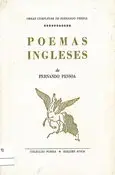
Poemas

2232

XXVIII - The edge of the green wave whitely doth hiss

The edge of the green wave whitely doth hiss
Upon the wetted sand. I look, yet dream.
Surely reality cannot be this!
Somehow, somewhere this surely doth but seem!
The sky, the sea, this great extent disclosed
Of outward joy, this bulk of life we feel,
Is not something, but something interposed.
Only what in this is not this is real.
If this be to have sense, if to be awake
Be but to see this bright, great sleep of things,
For the rarer potion mine own dreams I'll take
And for truth commune with imaginings,
Holding a dream too bitter, a too fair curse,
This common sleep of men, the universe.
4 306

XXIX - My weary life, that lives unsatisfied

My weary life, that lives unsatisfied
On the foiled off-brink of being e'er but this,
To whom the power to will hath been denied
And the will to renounce doth also miss;
My sated life, with having nothing sated,
In the motion of moving poised aye,
Within its dreams from its own dreams abated –
This life let the Gods change or take away.
For this endless succession of empty hours,
Like deserts after deserts, voidly one,
Doth undermine the very dreaming powers
And dull even thought's active inaction,
Tainting with fore-unwilled will the dreamed act
Twice thus removed from the unobtained fact.
4 263

XXVII - How yesterday is long ago! The past

How yesterday is long ago! The past
Is a fixed infinite distance from to-day,
And bygone things, the first-lived as the last,
In irreparable sameness far away.
How the to-be is infinitely ever
Out of the place wherein it will be Now,
Like the seen wave yet far up in the river,
Which reaches not us, but the new-waved flow!
This thing Time is, whose being is having none,
The equable tyrant of our different fates,
Who could not be bought off by a shattered sun
Or tricked by new use of our careful dates.
This thing Time is, that to the grave will bear
My heart, sure but of it and of my fear.
4 392

XX - When in the widening circle of rebirth

When in the widening circle of rebirth
To a new flesh my travelled soul shall come,
And try again the unremembered earth
With the old sadness for the immortal home,
Shall I revisit these same differing fields
And cull the old new flowers with the same sense,
That some small breath of foiled remembrance yields,
Of more age than my days in this pretence?
Shall I again regret strange faces lost
Of which the present memory is forgot
And but in unseen bulks of vagueness tossed
Out of the closed sea and black night of Thought?
Were thy face one, what sweetness will't not be.
Though by blind feeling, to remember thee!
4 456

XXIV - Something in me was born before the stars

Something in me was born before the stars
And saw the sun begin from far away.
Our yellow, local day on its wont jars,
For it hath communed with an absolute day.
Through my Thought's night, as a worn robe's heard trail
That I have never seen, I drag this past
That saw the Possible like a dawn grow pale
On the lost night before it, mute and vast.
It dates remoter than God's birth can reach,
That had no birth but the world's coming after.
So the world's to me as, after whispered speech,
The cause-ignored sudden echoing of laughter.
That 't has a meaning my conjecture knows,
But that 't has meaning's all its meaning shows.
4 454

XIII - No more, no more of church or feast, for these

No more, no more of church or feast, for these
Are outward to the day, like the green trees
That flank the road to church and the same road
Back from the church, under a higher sun trod.
These have no more part than a floor or wall
In the great day's true ceremonial.
The guests themselves, no less than they that wed,
Hold these as nought but corridors to bed.
So are all things, that between this and dark
Will be passed, a dim work
Of minutes, hours seen in a sleep, and dreamed
Untimed and wrongly deemed.
The bridal and the walk back and the feast
Are all for each a mist
Where he sees others through a blurred hot notion
Of drunk and veined emotion,
And a red race runs through his seeing and hearing,
A great carouse of dreams seen each on each,
Till their importunate careering
A stopped, half-hurting point of mad joy reach.
4 351

XII - This is the month and this the day.

This is the month and this the day.
Ye must not stay.
Sally ye out and in warm clusters move
To where beyond the trees the belfry's height
Does in the blue wide heaven a message prove,
Somewhat calm, of delight.
Now flushed and whispering loud sally ye out
To church! The sun pours on the ordered rout,
And all their following eyes clasp round the bride:
They feel like hands her bosom and her side;
Like the inside of the vestment next her skin,
They round her round and fold each crevice in;
They lift her skirts up, as to tease or woo
The cleft hid thing below;
And this they think at her peeps in their ways
And in their glances plays.
4 246

XV - Even ye, now old, that to this come as to

Even ye, now old, that to this come as to
Your past, your own joy throw
Into the cup, and with the younger drink
That which now makes you think
Of what love was when love was. (For not now
Your winter thoughts allow).
Drink with the hot day, the bride's sad joy and
The bridegroom's haste inreined,
The memory of that day when ye were young
And with great paeans sung
Along the surface of the depths of you,
You paired and the night saw
The day come in and you did still pant close,
And still the half-fallen flesh distending rose.
4 358

I - Whether we write or speak or do but look

35 SONETS

I

Whether we write or speak or do but look
We are ever unapparent. What we are
Cannot be transfused into word or book.
Our soul from us is infinitely far.
However much we give our thoughts the will
To be our soul and gesture it abroad,
Our hearts are incommunicable still.
In what we show ourselves we are ignored.
The abyss from soul to soul cannot be bridged
By any skill of thought or trick of seeming.
Unto our very selves we are abridged
When we would utter to our thought our being.
We are our dreams of ourselves, souls by gleams,
And each to each other dreams of others' dreams.
4 712

II - If that apparent part of life's delight

If that apparent part of life's delight
Our tingled flesh-sense circumscribes were seen
By aught save reflex and co-carnal sight,
Joy, flesh and life might prove but a gross screen.
Haply Truth's body is no eyable being,
Appearance even as appearance lies,
Haply our close, dark, vague, warm sense of seeing
Is the choked vision of blindfolded eyes.
Where from what comes to thought's sense of life? Nought.
All is either the irrational world we see
Or some aught-else whose being-unknown doth rot
Its use for our thought's use. Whence taketh me
A qualm-like ache of life, a body-deep
Soul-hate of what we seek and what we, weep.
4 162

Citações

40

Obras

12

Videos

66

Comentários (14)

Partilhar
Iniciar sessão para publicar um comentário.

Simplesmente um pensador ( tão grande) pois todos nós temos máscaras, nossos sentimentos são todos ocultos na nossa eterna alma. fantástico este texto para sua época vivida.

Luis Rodrigues

cmt

Tomás Lopes

O maior e mais pensador poeta para a sua antiga época. O maior e mais revolucionista da literatura portuguesa, com os seus poemas e textos que enchem a alma de pensamentos. Tem um forma única de se expressar e ditar o que vem da sua alma, como ele dizia " Quem tem alma não tem calma".

mcegonha

O profeta dos poetas!

o tal
o tal

ignorante