Lista de Poemas
XXIV - Something in me was born before the stars
And saw the sun begin from far away.
Our yellow, local day on its wont jars,
For it hath communed with an absolute day.
Through my Thought's night, as a worn robe's heard trail
That I have never seen, I drag this past
That saw the Possible like a dawn grow pale
On the lost night before it, mute and vast.
It dates remoter than God's birth can reach,
That had no birth but the world's coming after.
So the world's to me as, after whispered speech,
The cause-ignored sudden echoing of laughter.
That 't has a meaning my conjecture knows,
But that 't has meaning's all its meaning shows.
TO A HAND
Give me thy hand. With my wounded eyes
I would see what this hand contains:
Ah, what a world of hopes here lies!
What a world of feelings and doubts and pains!
Oh to thing that this hand in itself contains
The mystery of mysteries.
This hand has a meaning thou dost not know,
A meaning deeper than human fears;
This hand perchance in times long ago
Wiped off strange and unnatural tears;
Perhaps its gesture was full of snears
Perchance its clenching was full of woe.
There is that in thy hand my soul doth dream
And the shades that haunt my mind;
The howl of the wind and the flow of the stream,
The flow of the stream and the howl of the wind,
All that is horrible and undefined
Of the things that are in the things that seem.
As I look at thy hand my mind is rife
Of thoughts and memories deeper than rhyme;
Thy hand is a part af my soul's deep life,
And I knew thy hand ere the birth of time,
And in ages past it led me to crime,
(...)
A world of woes and of fears and sighs
And love that better had been hate,
And crimes and wars and victories,
And the painful fall of many a state –
All these and more that the heart abate
My raving soul in thy hand descries.
No painter mad, not a fetichist
O'er thy hand would be thus held blind.
At mere blank thought of its being kissed
By my lips I thrill with a fear none find
In the waking thoughts-of a human mind
Save when reason by its own self is missed.
Thy hand has a meaning thou dost not know,
A meaning deeper than human fears;
It has aught of the sea and of the sun's glow
And the seasons too and the months and years,
And the colour hidden in human tears
And the form and number in human woe.
Thy hand was a lofty and empty home,
A collar of pearls and a castle keep;
Thy hand knows well all the thoughts that roam,
Thy hand is the music eternal and deep
That long ere birth held my soul asleep
In a palace quaint with a curious dome.
How finely made is this hand of thine
With its fingers tapering and white,
Soft and palely warm and fine;
There is something in it of day and night.
Ah, dearest child, could I read aright
The text before me deep and divine.
There's a kind of Fact that persists and hangs
O'er thy hand, as on a scratched scroll:
Tis as if some thought had buried its fangs
In a unknown part of my soul.
In a land far in me a bell doth toll,
And my heart aches wild as it shrinks or clangs.
There is aught of new and wild and unreal
In thy hand where my look is pained:
Tis as if hand in itself could see all
Horrible thought, where fear is gained
By a drollness mad and dimly sustained
As of some wide hint out of the Ideal.
There is aught of Personal, of It, of Such
In thy hand o'er me there steals
A sense of dread like a murder's clutch;
I know not how, my hand in thine feels
An eternal thing hand my mad brain reels
As if eternity we could touch.
I see that hand not a hand, but whence
This horrible Fact that creeps in me!
Ah, I have of thy hand the seeing intense
But aught more than hand in that place I see
That abrupt elusion did make to be
Between thought of things and what we call sense.
My thought doth look at thy hand direct
Without eyes or sense or aught of this,
And my reason at such a thing is wrecked
Into such a fear that both pain hand bliss
Are plunged in conscious unconsciousness
For that is no hand that my dreams detect.
And I gaze yet more hand I shake from me
The dream of time and the dream of space,
And as a drowner who sinks in the sea
I dream of the wonders of all we trace
In everything and I plunge full-face
In the sense of what more than seems to be.
There is aught of lovely, wild and unbrute
In thy hand, and I love it well;
In fearing more than pain thoughts of hell
By a sudden portal in the Visible
I have a glimpse of the Absolute.
The sight of thy hand of a horrible heaven
The portals mute throws open again
Thy hand is like music, in it I again
Passing a wild fear and a bitter pain
Weird things more weird than the sense of Seven.
All things stare mystery at my mind,
But thy hand most, to oblivion conn'd
Thrilled with a mute life not all defined,
What is thy hand in itself beyond
The scope of sense where the heart is fond,
The realm of thought where the soul is blind?
Where is the soul that thy hand reveals
In its own there-self till its thought affrights?
What bells are those that say HAND in peals
That traverse impossible infinites?
What fills with lightnings of hands the nights
Where the sense of dread into thoughts congeals?
Take thy hand away; for I now shall dream
Of strange and grotesque and unnatural lands
Watered by many a painful stream
Whose waves are hands, whose banks of hands
Of gardens with trees whose leaves are hands
And a white stiff hand covering the sun's gleam.
(...)
Then, oh horror worst, they begin to live
With a vital life, and to grasp and clutch,
And to twitch and squirm till my thoughts unweave,
And like worms and snails that my throat should touch
My soul qualms and retches at horror such
At fear's transcendent superlative.
And what more doth follow I cannot say,
But it seems that madly I traverse, lone,
Tracts of hells where a hand doth stay
In such a manner that if a groan
Of a madman could in its soul be known
It would be to it as to night is day.
And my thoughts drag on in their weary strain;
Wild and grotesque, or quick or slow,
Uncouth and unseemly they reel in my brain,
Startingly mad as they go,
As a sudden laugh in the midst of woe
Or a clown in a funeral train.
Alexander Search
January, 1906
23 - MEANTIME
Far away far away
Far away from here...
There's no running after joy
Or away from fear,
Far away from here.
Her lips were not very red
Nor her hair quite gold.
Her hands played with rings.
She did not let me hold
Her hands playing with gold.
She is somewhere past,
Far away from pain.
Joy can touch her not, nor hope
Enter her domain,
Neither love in vain.
Perhaps at some day beyond
Shadows and light,
She will think of me and make
All me a delight,
Far away from sight.
XXII - My soul is a stiff pageant, man by man,
Of some Egyptian art than Egypt older,
Found in some tomb whose rite no guess can scan,
Where all things else to coloured dust did moulder.
Whate'er its sense may mean, its age is twin
To that of priesthoods whose feet stood near God,
When knowledge was so great that 'twas a sin
And man's mere soul too man for its abode.
But when I ask what means that pageant I
And would look at it suddenly, I lose
The sense I had of seeing it, nor can try
Again to look, nor hath my memory a use
That seems recalling, save that it recalls
An emptiness of having seen those walls.
3 - LYCANTHROPY
Somewhere dreams will be true.
There is a lonely lake
Moonlit for me and you
And like none for our sake.
There the dark white sail spread
To a vague wind unfelt
Shall make our sleep-life led
Towards where the waters melt
Into the black-tree'd shore,
Where the unknown woods meet
The lake's wish to be more,
And make the dream complete.
There we will hide and fade,
Emptly moon-bound all,
Feeling that what we are made
Was something musical.
XXVIII - The edge of the green wave whitely doth hiss
Upon the wetted sand. I look, yet dream.
Surely reality cannot be this!
Somehow, somewhere this surely doth but seem!
The sky, the sea, this great extent disclosed
Of outward joy, this bulk of life we feel,
Is not something, but something interposed.
Only what in this is not this is real.
If this be to have sense, if to be awake
Be but to see this bright, great sleep of things,
For the rarer potion mine own dreams I'll take
And for truth commune with imaginings,
Holding a dream too bitter, a too fair curse,
This common sleep of men, the universe.
VIII - How many masks wear we, and undermasks,
Upon our countenance of soul, and when,
If for self-sport the soul itself unmasks,
Knows it the last mask off and the face plain?
The true mask feels no inside to the mask
But looks out of the mask by co-masked eyes.
Whatever consciousness begins the task
The task's accepted use to sleepness ties.
Like a child frighted by its mirrored faces,
Our souls, that children are, being thought-losing,
Foist otherness upon their seen grimaces
And get a whole world on their forgot causing:
And, when a thought would unmask our soul's masking,
Itself goes not unmasked to the unmasking.
II - If that apparent part of life's delight
Our tingled flesh-sense circumscribes were seen
By aught save reflex and co-carnal sight,
Joy, flesh and life might prove but a gross screen.
Haply Truth's body is no eyable being,
Appearance even as appearance lies,
Haply our close, dark, vague, warm sense of seeing
Is the choked vision of blindfolded eyes.
Where from what comes to thought's sense of life? Nought.
All is either the irrational world we see
Or some aught-else whose being-unknown doth rot
Its use for our thought's use. Whence taketh me
A qualm-like ache of life, a body-deep
Soul-hate of what we seek and what we, weep.
XII - This is the month and this the day.
Ye must not stay.
Sally ye out and in warm clusters move
To where beyond the trees the belfry's height
Does in the blue wide heaven a message prove,
Somewhat calm, of delight.
Now flushed and whispering loud sally ye out
To church! The sun pours on the ordered rout,
And all their following eyes clasp round the bride:
They feel like hands her bosom and her side;
Like the inside of the vestment next her skin,
They round her round and fold each crevice in;
They lift her skirts up, as to tease or woo
The cleft hid thing below;
And this they think at her peeps in their ways
And in their glances plays.
XV - Even ye, now old, that to this come as to
Your past, your own joy throw
Into the cup, and with the younger drink
That which now makes you think
Of what love was when love was. (For not now
Your winter thoughts allow).
Drink with the hot day, the bride's sad joy and
The bridegroom's haste inreined,
The memory of that day when ye were young
And with great paeans sung
Along the surface of the depths of you,
You paired and the night saw
The day come in and you did still pant close,
And still the half-fallen flesh distending rose.
Comentários (17)
What?
Simplesmente um pensador ( tão grande) pois todos nós temos máscaras, nossos sentimentos são todos ocultos na nossa eterna alma. fantástico este texto para sua época vivida.
cmt
O maior e mais pensador poeta para a sua antiga época. O maior e mais revolucionista da literatura portuguesa, com os seus poemas e textos que enchem a alma de pensamentos. Tem um forma única de se expressar e ditar o que vem da sua alma, como ele dizia " Quem tem alma não tem calma".
O profeta dos poetas!
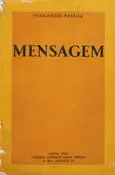
Mensagem
1934
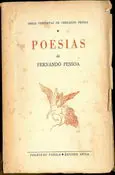
Poesias
1942
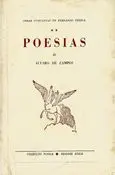
Poesias de Álvaro de Campos
1944
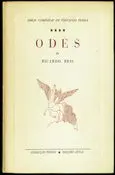
Odes de Ricardo Reis
1946
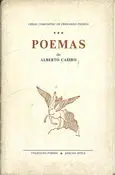
Poemas de Alberto Caeiro
1946
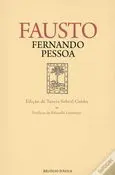
Fausto
1952
Poesias Inéditas (1930-1935)
1955
Poesias Inéditas (1919-1930)
1956
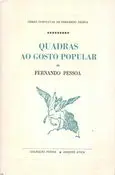
Quadras ao Gosto Popular
1965
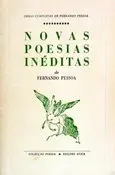
Novas Poesias Inéditas
1973
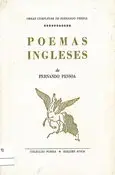
Poemas Ingleses
1974
Livro do Desassossego
1982
Álvaro de Campos - Biografia encenada
Estou Cansado - Poema de Álvaro de Campos
Chico Buarque lê Álvaro de Campos
Álvaro de Campos - Tabacaria (por Mário Viegas)
Mário Viegas - Louvor e Simplificação de Álvaro de Campos
''Acaso & Afinal'' Álvaro de Campos [Fernando Pessoa]
Primeiro é a Angústia - Álvaro de Campos
SIM ESTÁ TUDO CERTO - Álvaro de Campos, Poema do Dia 10.wmv
Maria Bethânia - Ultimatum - Álvaro de Campos
Fernando Pessoa por Joao Villaret- Tabacaria
Sinde Filipe diz Ai Margarida de Álvaro de Campos (2008)
Reticências, Álvaro de Campos (trecho)
Trecho Texto Essa Velha Angustia (Álvaro de Campos)
MANIFESTO DE ÁLVARO DE CAMPOS
Álvaro de Campos (Fernando Pessoa) - Lisbon Revisited
Jô Soares - CRUZOU POR MIM, VEIO TER COMIGO NUMA RUA DA BAIXA - Álvaro de Campos - gravação de 1985
Fernando Pessoa: Tudo o que precisas de saber! 🤓 (CURSO COMPLETO)
The Terrible Paradox of Self-Awareness | Fernando Pessoa
Fernando Pessoa - Brasil Escola
Fernando Pessoa e seus heterônimos *introdução* | Bruna Martiolli
Fernando Pessoa e seus Heterônimos (Modernismo em Portugal)
"FALHEI EM TUDO" | Fernando Pessoa
O Que Há Em Mim É Sobretudo Cansaço | Poema de Fernando Pessoa com narração de Mundo Dos Poemas
"Estou farto de semideuses!" | FERNANDO PESSOA | MARIA BETHÂNIA
Pare de ouvir esse tipo de pessoa
Aproveitar O Tempo | Poema de Fernando Pessoa com narração de Mundo Dos Poemas
Fernando Pessoa: criador de poetas | Rogério Hafez
"NÃO FUI AMADO" | Fernando Pessoa
"SE EU MORRER MUITO NOVO" | Fernando Pessoa
A FILOSOFIA NA POESIA DE FERNANDO PESSOA - Lúcia Helena Galvão
Quem foi FERNANDO PESSOA I 50 FATOS
Alberto Caeiro | Heterônimos de Fernando Pessoa - Brasil Escola
Grandes Portugueses - Fernando Pessoa
Americano especialista em Fernando Pessoa fala da nova biografia do poeta: "Ele era muito reservado"
Não sou nada...
"A vida é pouco ou demais para mim" | FERNANDO PESSOA | MARIA BETHÂNIA
Fernando Pessoa - The Book of Disquiet BOOK REVIEW
Poesia do Ortónimo - RESUMO e ANÁLISE
Se Eu Pudesse | Poema de Fernando Pessoa com narração de Mundo Dos Poemas
Professor David Jackson: Adverse Genres in Fernando Pessoa
Mário Viegas - Fernando Pessoa Por Mário Viegas - O Guardador de rebanhos
"DEITADO NA REALIDADE" | Fernando Pessoa
Fernando Pessoa, ocultista e peregrino
Adeus Senhor António | Texto de Fernando Pessoa com narração de Mundo Dos Poemas
Ricardo Reis | Heterônimos de Fernando Pessoa - Brasil Escola
#3 Fernando Pessoa - Alberto Caeiro ✍️ (Português 12º ano)
LITERATURA – Modernismo em Portugal – Fernando Pessoa e Heterônimos ENEM
Richard Zenith on Fernando Pessoa -- 192 Books
Maria Bethânia Meu coração não aprendeu nada Fernando Pessoa
"NÃO ME SUPORTO MAIS" | Fernando Pessoa
Le génie de Fernando Pessoa - Faut-il vivre ses rêves pour être heureux?
Tabacaria | Poema de Fernando Pessoa com narração de Mundo Dos Poemas
Fernando Pessoa, "Como é por dentro outra pessoa"
FERNANDO PESSOA (Biografia) & O Livro do Desassossego
Um Especialista É Um Homem Que Sabe ... | Poema de Fernando Pessoa narrado por Mundo Dos Poemas
#2 Fernando Pessoa - A poética do ortónimo ✍️ (Português 12º ano)
La última página 14: Fernando Pessoa, poesía y prosa
Livro do Desassossego: a inquietação de Fernando Pessoa | Rogério Hafez
Fernando Pessoa: The Poet as Philosopher - Jonardon Ganeri for the Royal Institute of Philosophy
Aula Aberta - FERNANDO PESSOA REVISITADO - Curso no Atelier Paulista com José Miguel Wisnik
AUTOPSICOGRAFIA - Fernando Pessoa
Colhe O Dia, Porque És Ele | Poema de Fernando Pessoa com narração de Mundo Dos Poemas
I Don't know How Many Souls I Have - Fernando Pessoa
Aulão #02 - Dissecando Fernando Pessoa
"Nem uma coisa nem outra" | FERNANDO PESSOA
"DEIXEM-ME RESPIRAR" | Fernando Pessoa
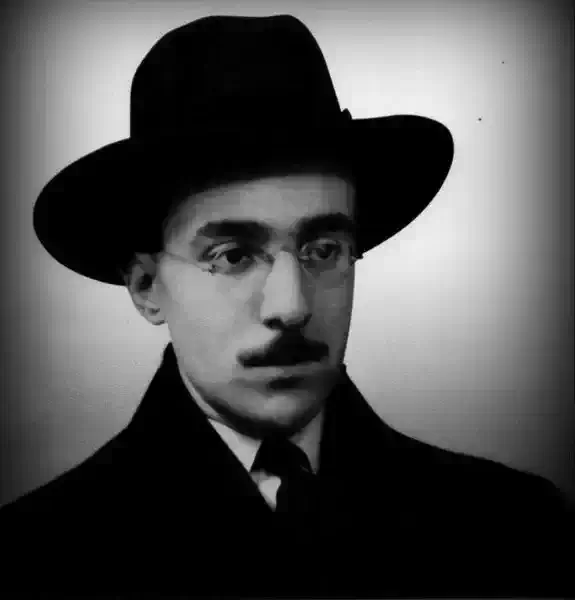
Escritor português, nasceu a 13 de Junho, numa casa do Largo de São Carlos, em Lisboa. Aos cinco anos morreu-lhe o pai, vitimado pela tuberculose, e, no ano seguinte, o irmão, Jorge. Devido ao segundo casamento da mãe, em 1896, com o cônsul português em Durban, na África do Sul, viveu nesse país entre 1895 e 1905, aí seguindo, no Liceu de Durban, os estudos secundários. Frequentou, durante um ano, uma escola comercial e a Durban High School e concluiu, ainda, o «Intermediate Examination in Arts», na Universidade do Cabo (onde obteve o «Queen Victoria Memorial Prize», pelo melhor ensaio de estilo inglês), com que terminou os seus estudos na África do Sul. No tempo em que viveu neste país, passou um ano de férias (entre 1901 e 1902), em Portugal, tendo residido em Lisboa e viajado para Tavira, para contactar com a família paterna, e para a Ilha Terceira, onde vivia a família materna. Já nesse tempo redigiu, sozinho, vários jornais, assinados com diferentes nomes. De regresso definitivo a Lisboa, em 1905, frequentou, por um período breve (1906-1907), o Curso Superior de Letras. Após uma tentativa falhada de montar uma tipografia e editora, «Empresa Íbis — Tipográfica e Editora», dedicou-se, a partir de 1908, e a tempo parcial, à tradução de correspondência estrangeira de várias casas comerciais, sendo o restante tempo dedicado à escrita e ao estudo de filosofia (grega e alemã), ciências humanas e políticas, teosofia e literatura moderna, que assim acrescentava à sua formação cultural anglo-saxónica, determinante na sua personalidade. Em 1920, ano em que a mãe, viúva, regressou a Portugal com os irmãos e em que Fernando Pessoa foi viver de novo com a família, iniciou uma relação sentimental com Ophélia Queiroz (interrompida nesse mesmo ano e retomada, para rápida e definitivamente terminar, em 1929) testemunhada pelas Cartas de Amor de Pessoa, organizadas e anotadas por David Mourão-Ferreira, e editadas em 1978. Em 1925, ocorreria a morte da mãe. Fernando Pessoa viria a morrer uma década depois, a 30 de Novembro de 1935 no Hospital de S. Luís dos Franceses, onde foi internado com uma cólica hepática, causada provavelmente pelo consumo excessivo de álcool. Levando uma vida relativamente apagada, movimentando-se num círculo restrito de amigos que frequentavam as tertúlias intelectuais dos cafés da capital, envolveu-se nas discussões literárias e até políticas da época. Colaborou na revista A Águia, da Renascença Portuguesa, com artigos de crítica literária sobre a nova poesia portuguesa, imbuídos de um sebastianismo animado pela crença no surgimento de um grande poeta nacional, o «super-Camões» (ele próprio?). Data de 1913 a publicação de «Impressões do Crepúsculo» (poema tomado como exemplo de uma nova corrente, o paúlismo, designação advinda da primeira palavra do poema) e de 1914 o aparecimento dos seus três principais heterónimos, segundo indicação do próprio Fernando Pessoa, em carta dirigida a Adolfo Casais Monteiro, sobre a origem destes. Em 1915, com Mário de Sá-Carneiro (seu dilecto amigo, com o qual trocou intensa correspondência e cujas crises acompanhou de perto), Luís de Montalvor e outros poetas e artistas plásticos com os quais formou o grupo «Orpheu», lançou a revista Orpheu, marco do modernismo português, onde publicou, no primeiro número, Opiário e Ode Triunfal, de Campos, e O Marinheiro, de Pessoa ortónimo, e, no segundo, Chuva Oblíqua, de Fernando Pessoa ortónimo, e a Ode Marítima, de Campos. Publicou, ainda em vida, Antinous (1918), 35 Sonnets (1918), e três séries de English Poems (publicados, em 1921, na editora Olisipo, fundada por si). Em 1934, concorreu com Mensagem a um prémio da Secretaria de Propaganda Nacional, que conquistou na categoria B, devido à reduzida extensão do livro. Colaborou ainda nas revistas Exílio (1916), Portugal Futurista (1917), Contemporânea (1922-1926, de que foi co-director e onde publicou O Banqueiro Anarquista, conto de raciocínio e dedução, e o poema Mar Português), Athena (1924-1925, igualmente como co-director e onde foram publicadas algumas odes de Ricardo Reis e excertos de poemas de Alberto Caeiro) e Presença. A sua obra, que permaneceu maioritariamente inédita, foi difundida e valorizada pelo grupo da Presença. A partir de 1943, Luís de Montalvor deu início à edição das obras completas de Fernando Pessoa, abrangendo os textos em poesia dos heterónimos e de Pessoa ortónimo. Foram ainda sucessivamente editados escritos seus sobre temas de doutrina e crítica literárias, filosofia, política e páginas íntimas. Entre estes, contam-se a organização dos volumes poéticos de Poesias (de Fernando Pessoa), Poemas Dramáticos (de Fernando Pessoa), Poemas (de Alberto Caeiro), Poesias (de Álvaro de Campos), Odes (de Ricardo Reis), Poesias Inéditas (de Fernando Pessoa, dois volumes), Quadras ao Gosto Popular (de Fernando Pessoa), e os textos de prosa de Páginas Íntimas e de Auto-Interpretação, Páginas de Estética e de Teoria e Crítica Literárias, Textos Filosóficos, Sobre Portugal — Introdução ao Problema Nacional, Da República (1910-1935) e Ultimatum e Páginas de Sociologia Política. Do seu vasto espólio foram também retirados o Livro do Desassossego por Bernardo Soares e uma série de outros textos. A questão humana dos heterónimos, tanto ou mais que a questão puramente literária, tem atraído as atenções gerais. Concebidos como individualidades distintas da do autor, este criou-lhes uma biografia e até um horóscopo próprios. Encontram-se ligados a alguns dos problemas centrais da sua obra: a unidade ou a pluralidade do eu, a sinceridade, a noção de realidade e a estranheza da existência. Traduzem, por assim dizer, a consciência da fragmentação do eu, reduzindo o eu «real» de Pessoa a um papel que não é maior que o de qualquer um dos seus heterónimos na existência literária do poeta. Assim questiona Pessoa o conceito metafísico de tradição romântica da unidade do sujeito e da sinceridade da expressão da sua emotividade através da linguagem. Enveredando por vários fingimentos, que aprofundam uma teia de polémicas entre si, opondo-se e completando-se, os heterónimos são a mentalização de certas emoções e perspectivas, a sua representação irónica pela inteligência. Deles se destacam três: Alberto Caeiro, Ricardo Reis e Álvaro de Campos. Segundo a carta de Fernando Pessoa sobre a génese dos seus heterónimos, Caeiro (1885-1915) é o Mestre, inclusive do próprio Pessoa ortónimo. Nasceu em Lisboa e aí morreu, tuberculoso, em 1915, embora a maior parte da sua vida tenha decorrido numa quinta no Ribatejo, onde foram escritos quase todos os seus poemas, os do livro O Guardador de Rebanhos, os de O Pastor Amoroso e os Poemas Inconjuntos, sendo os do último período da sua vida escritos em Lisboa, quando se encontrava já gravemente doente (daí, segundo Pessoa, a «novidade um pouco estranha ao carácter geral da obra»). Sem profissão e pouco instruído (teria apenas a instrução primária), e, por isso, «escrevendo mal o português», órfão desde muito cedo, vivia de pequenos rendimentos, com uma tia-avó. Caeiro era, segundo ele próprio, «o único poeta da natureza», procurando viver a exterioridade das sensações e recusando a metafísica, caracterizando-se pelo seu panteísmo e sensacionismo que, de modo diferente, Álvaro de Campos e Ricardo Reis iriam assimilar. Ricardo Reis nasceu no Porto, em 1887. Foi educado num colégio de jesuítas, recebeu uma educação clássica (latina) e estudou, por vontade própria, o helenismo (sendo Horácio o seu modelo literário). Essa formação clássica reflecte-se, quer a nível formal (odes à maneira clássica), quer a nível dos temas por si tratados e da própria linguagem utilizada, com um purismo que Pessoa considerava exagerado. Médico, não exercia, no entanto, a profissão. De convicções monárquicas, emigrou para o Brasil após a implantação da República. Pagão intelectual, lúcido e consciente, reflectia uma moral estoico-epicurista, misto de altivez resignada e gozo dos prazeres. 13 de junho de 1888 - Nasce em Lisboa, às 3 horas da tarde, Fernando Antônio Nogueira Pessoa.
1896 - Parte para Durban, na África do Sul.
1905 - Regressa a Lisboa
1906 - Matricula-se no Curso Superior de Letras, em Lisboa
1907 - Abandona o curso.
1914 - Surge o mestre Alberto Caeiro. Fernando Pessoa passa a escrever poemas dos três heterônimos.
1915 - Primeiro número da Revista "Orfeu". Pessoa "mata" Alberto Caeiro.
1916 - Seu amigo Mário de Sá-Carneiro suicida-se.
1924 - Surge a Revista "Atena", dirigida por Fernando Pessoa e Ruy Vaz.
1926 - Fernando Pessoa requere patente de invenção de um Anuário Indicador Sintético, por Nomes e Outras Classificações, Consultável em Qualquer Língua. Dirige, com seu cunhado, a Revista de Comércio e Contabilidade.
1927 - Passa a colaborar com a Revista "Presença".
1934 - Aparece "Mensagem", seu único livro publicado.
30 de novembro de 1935 - Morre em Lisboa, aos 47 anos.
Português
English
Español
ignorante
pode alguem me ajudar em relacao da referencia de publicao deste livro
Sim Fernando
Amo Fernando Pessoa, e o meu preferido é AQUI NA ORLA DA PRAIA...
O Cosmos descortinado...O sonho coberto de poesias...Assim é Fernando Pessoa.
Great Man ...
Da educaçâo que me deram....
Toda a ordem errada. Aqui na orla da praia... O Poeta é um fingidor...Meta poesia, Taqbacaria... O menino da sua mâe. Nunca comheci que tivesse levado porrada... ETC O desassossego do cais!
e lindo
Tantas citações que poderiam usar, e usam logo uma que a Internet lhe tem atribuído erradamente...
alguem podia me fazer uma interpretação do poema sff?
Gostei do blog