Fernando Pessoa

Fernando Pessoa

1888–1935 · viveu 47 anos PT PT

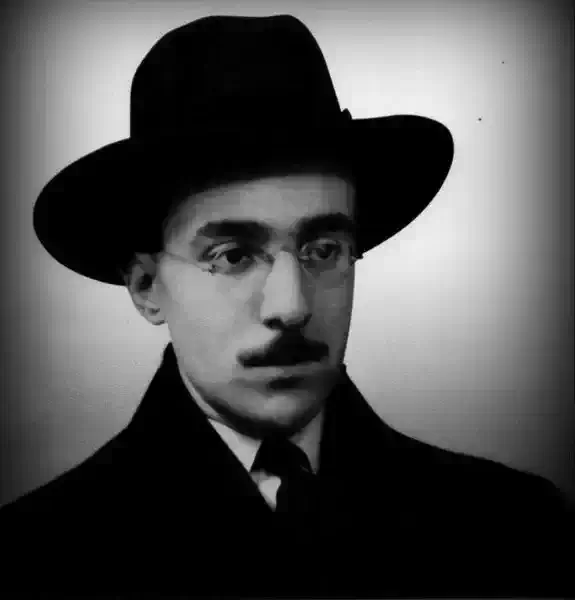
Fernando Pessoa foi um poeta, escritor, crítico literário, tradutor e filósofo português, considerado um dos maiores expoentes da literatura em língua portuguesa e um dos mais relevantes poetas do século XX. A sua vasta obra, marcada pela criação de múltiplos heterónimos com personalidades e estilos distintos, explora temas como a identidade, a angústia existencial, a saudade e a busca por significado num mundo em constante transformação. Pessoa deixou um legado literário complexo e multifacetado, que continua a fascinar e a desafiar leitores e críticos.

n. 1888-06-13, Lisboa · m. 1935-11-30, Lisboa

5 659 444 Visualizações

Para ser grande, sê inteiro: nada

Para ser grande, sê inteiro: nada
Teu exagera ou exclui.
Sê todo em cada coisa. Põe quanto és
No mínimo que fazes.
Assim em cada lago a lua toda
Brilha, porque alta vive.
Ler poema completo
Biografia

Identificação e contexto básico

Fernando António Nogueira Pessoa é amplamente conhecido como Fernando Pessoa. Nasceu em Lisboa, Portugal, a 13 de junho de 1888, e faleceu na mesma cidade a 30 de novembro de 1935. Veio de uma família de classe média. O seu pai, D. Luís Vaz de Jesus Correia de Sá, era funcionário público e crítico musical no jornal 'A Civilização', e a sua mãe, D. Maria Madalena Pinheiro Nogueira, era filha do Coronel Pinheiro Nogueira, que administrava a Typographia da 'A Civilização'. A morte prematura do pai, quando Pessoa tinha cinco anos, e a subsequente viuvez da mãe, que se casou com o cônsul português em Durban, África do Sul, João Miguel dos Reis Quimby, influenciaram profundamente a sua infância e o seu desenvolvimento. Pessoa era português e escrevia primariamente em português, mas também demonstrava proficiência em inglês e francês, línguas que utilizou em algumas das suas obras, especialmente nas fases iniciais. Viveu num período de grandes transformações sociais, políticas e culturais em Portugal e na Europa, marcado pelo fim da Monarquia e o início da República em Portugal, e pelas I e II Guerras Mundiais.

Infância e formação

A infância de Pessoa foi marcada pela perda precoce do pai e pela mudança para a África do Sul, onde viveu até aos dezassete anos. Esta experiência transcultural proporcionou-lhe um contacto precoce com a língua e a cultura inglesas, que moldaram a sua formação intelectual e literária. Foi educado na St. Joseph's Academy e, mais tarde, no Durban High School, onde se destacou em línguas e literatura. A leitura de autores clássicos e contemporâneos em inglês, como Shakespeare, Milton, Byron, e Edgar Allan Poe, foi fundamental. O ambiente de Durban, com a sua diversidade cultural, também pode ter contribuído para o desenvolvimento da sua imaginação e da sua sensibilidade para as diferentes identidades.

Percurso literário

O início da escrita de Pessoa remonta à sua adolescência, com poemas em inglês. A transição para o português e o desenvolvimento dos seus heterónimos marcaram o seu percurso literário. A sua obra é vasta e complexa, com diferentes fases que refletem a sua evolução estilística e temática. Publicou em diversas revistas literárias portuguesas, como a 'Orpheu', que foi marco do Modernismo português, e participou em antologias. Foi também crítico literário e tradutor, demonstrando a sua versatilidade.

Obra, estilo e características literárias

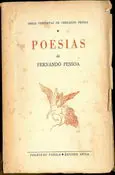
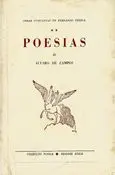
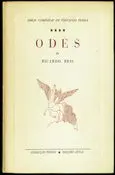
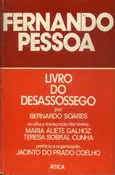
Obra, estilo e características literárias A obra de Fernando Pessoa é dominada pela exploração da fragmentação do eu, da identidade e da realidade. Temas como a dor de pensar, a saudade, a busca pela transcendência, a efemeridade do tempo e a condição humana são centrais. O seu estilo varia imensamente entre os seus heterónimos (Alberto Caeiro, Ricardo Reis, Álvaro de Campos, Bernardo Soares, entre outros), cada um com a sua própria métrica, vocabulário e visão do mundo. Caeiro representa o poeta da natureza, da simplicidade e da negação da metafísica; Reis, o neoclássico estoico, que busca a serenidade e a medida; Campos, o futurista, o poeta da modernidade, da máquina e da exaltação das sensações. Pessoa utilizou diversas formas poéticas, do soneto à forma fixa e ao verso livre, experimentando constantemente com a métrica e a estrutura. A sua linguagem é rica e complexa, com uma densidade imagética notável e um uso frequente de metáforas e símbolos. A voz poética pode ser lírica, confessional, satírica, filosófica e irónica, refletindo a multiplicidade de consciências que habitavam o seu ser.

Obra, estilo e características literárias

Contexto cultural e histórico Pessoa viveu numa época de grande efervescência cultural e de profundas mudanças em Portugal. Foi um dos principais impulsionadores do Modernismo português, através da revista 'Orpheu' (1915), que propunha uma ruptura com a tradição e a introdução de novas linguagens e estéticas. A sua obra dialoga com as correntes filosóficas e literárias da sua época, como o simbolismo, o futurismo, o dadaísmo e o surrealismo, embora tenha desenvolvido uma estética singular. A sua posição perante a sociedade e a política era complexa, marcada por uma certa desilusão e distanciamento, embora tenha manifestado interesse por questões nacionais.

Obra, estilo e características literárias

Vida pessoal A vida pessoal de Pessoa foi marcada por uma certa reclusão e uma intensa vida interior. As suas relações afetivas foram complexas, com destaque para a sua relação com Ofélia Queiroz, que inspirou parte da sua obra. A sua amizade com Mário de Sá-Carneiro foi crucial para o seu percurso literário. Profissionalmente, trabalhou como correspondente comercial, profissão que lhe permitiu manter a sua independência e dedicar-se à escrita.

Obra, estilo e características literárias

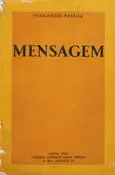
Reconhecimento e receção Em vida, Pessoa teve um reconhecimento limitado, publicando apenas alguns poemas e o livro 'Mensagem'. A sua obra mais vasta e complexa, especialmente a escrita em português e a dos seus heterónimos, só foi amplamente descoberta e publicada postumamente, graças ao trabalho de investigadores e editores. Atualmente, é considerado um dos maiores poetas de língua portuguesa e uma figura incontornável da literatura mundial, com a sua obra a ser objeto de estudo e admiração em todo o mundo.

Obra, estilo e características literárias

Influências e legado Pessoa foi influenciado por autores clássicos e modernos, como Shakespeare, Camões, Edgar Allan Poe, Walt Whitman e Nietzsche. O seu legado é imenso, tendo influenciado gerações de poetas e escritores em Portugal e no Brasil. A sua exploração da identidade e da multiplicidade do eu revolucionou a poesia moderna e continua a ser uma referência para a literatura contemporânea. A sua obra tem sido amplamente traduzida e estudada.

Obra, estilo e características literárias

Interpretação e análise crítica A obra de Pessoa é objeto de inúmeras interpretações. A questão da identidade, da fragmentação do eu, da relação entre o real e o aparente, e a busca por um sentido para a existência são temas recorrentes. Críticos debatem a sua relação com o nacionalismo, o misticismo e a psicanálise. A genialidade na criação dos heterónimos e a sua capacidade de dar voz a diferentes consciências são pontos centrais na análise crítica.

Obra, estilo e características literárias

Curiosidades e aspetos menos conhecidos Pessoa era conhecido pelo seu comportamento reservado e pela sua vida aparentemente discreta. No entanto, a sua intensa vida interior e a multiplicidade de personalidades que habitavam o seu ser são um dos aspetos mais fascinantes. Há relatos sobre os seus hábitos de escrita, a sua caligrafia peculiar e a sua relação com os manuscritos e a organização da sua vasta obra.

Obra, estilo e características literárias

Morte e memória Fernando Pessoa faleceu aos 47 anos, no Hospital de Santa Maria, em Lisboa, vítima de uma indisposição intestinal, possivelmente apendicite, deixando um legado literário colossal e amplamente inexplorado em vida. A publicação póstuma da sua obra, iniciada nas décadas seguintes à sua morte, desvendou a dimensão total do seu génio e consolidou o seu lugar na história da literatura mundial.

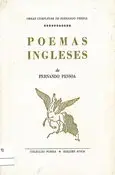
Poemas

2232

XXXV - Good. I have done. My heart weighs. I am sad.

Good. I have done. My heart weighs. I am sad.
The outer day, void statue of lit blue,
Is altogether outward, other, glad
At mere being not-I (so my aches construe).
I, that have failed in everything, bewail
Nothing this hour but that I have bewailed,
For in the general fate what is't to fail?
Why, fate being past for Fate, 'tis but to have failed.
Whatever hap or stop, what matters it,
Sith to the mattering our will bringeth nought?
With the higher trifling let us world our wit,
Conscious that, if we do t, that was the lot
The regular stars bound us to, when they stood
Godfathers to our birth and to our blood.
4 200

XXXII - When I have sense of what to sense appears,

When I have sense of what to sense appears,
Sense is sense ere 'tis mine or mine in me is.
When I hear, Hearing, ere I do hear, hears.
When I see, before me abstract Seeing sees.
I am part Soul part I in all I touch –
Soul by that part I hold in common with all,
And I the spoiled part, that doth make sense such
As I can err by it and my sense mine call.
The rest is wondering what these thoughts may mean,
That come to explain and suddenly are gone,
Like messengers that mock the message' mien,
Explaining all but the explanation;
As if we a ciphered letter's cipher hit
And find it in an unknown language writ.
4 257

XXXIV - Happy the maimed, the halt, the mad, the blind —

Happy the maimed, the halt, the mad, the blind –
All who, stamped separate by curtailing birth,
Owe no duty's allegiance to mankind
Nor stand a valuing in their scheme of worth!
But I, whom Fate, not Nature, did curtail,
By no exterior voidness being exempt,
Must bear accusing glances where I fail,
Fixed in the general orbit of contempt.
Fate, less than Nature in being kind to lacking,
Giving the ill, shows not as outer cause,
Making our mock-free will the mirror's backing
Which Fate s own acts as if in itself shows;
And men, like children, seeing the image there,
Take place for cause and make our will Fate bear.
4 191

XXXIII - He that goes back does, since he goes, advance,

He that goes back does, since he goes, advance,
Though he doth not advance who goeth back,
And he that seeks, though he on nothing chance.
May still by words be said to find a lack.
This paradox of having, that is nought
In the world's meaning of the things it screens,
Is yet true of the substance of pure thought
And there means something by the nought it means.
For thinking nought does on nought being confer,
As giving not is acting not to give,
And, to the same unbribed true thought, to err
Is to find truth, though by its negative.
So why call this world false, if false to be
Be to be aught, and being aught Being to be?
4 000

XXX - I do not know what truth the false untruth

I do not know what truth the false untruth
Of this sad sense of the seen world may own,
Or if this flowered plant bears also a fruit
Unto the true reality unknown.
But as the rainbow, neither earth's nor sky's,
Stands in the dripping freshness of lulled rain,
A hope, note real yet not fancy's, lies
Athwart the moment of our ceasing pain.
Somehow, since pain is felt yet felt as ill,
Hope hath a better warrant than being hoped;
Since pain is felt as aught we should not feel
Man hath a Nature's reason for having groped,
Since Time was Time and age and grief his measures
Towards a better shelter than Time's pleasures.
4 104

XXXI - I am older than Nature and her Time

I am older than Nature and her Time
By all the timeless age of Consciousness,
And my adult oblivion of the clime
Where I was born makes me not countryless.
Ay, and dim through my daylight thoughts escape
Yearnings for that land where my childhood dreamed,
Which I cannot recall in colour or shape
But haunts my hours like something that hath gleamed
And yet is not as light remembered,
Nor to the left or to the right conceived;
And all round me tastes as if life were dead
And the world made but to be disbelieved.
Thus I my hope on unknown truth lay; yet
How but by hope do I the unknown truth get?
4 306

9 - Go: thou hast nothing to forgive

THE SHINNING POOL


Go: thou hast nothing to forgive.
To dream is better than to live.

But he shall see the rising sun
Who leaveth everything undone;
Whose mind from his attention's task
Strays like the shifting of a mask.

He only shall through greener vales
Than even those that shine right through
The window-panes of children's tales
Wander, who thinks the world anew.

Only for him who sits and sings
On the stiles and forgets his road
Does the fairies' bird spread her wings
And the fairies' flowers grow more broad.

He shall not find a hand to feed
The silent sources of his need.
No one shall point the rill where he
May slake the thirst of infancy.

But greener valleys than To-Day
And dearer thoughts than Far Away
Shall tap at his window and wake
His freshness other thirsts to slake.

So, like a seamstress sitting still
At a window in the sunset
Of a village no steps have met,
He shall belong to nothing ill,

But incorporeal, like a wish,
His soul shall like a rainbow cross
The rain-green pastures of his loss
And earth shall blossom into speech.
4 360

8 - ELSEWHERE

ELSEWHERE

Let us away my child,
Away to Elsewhere.
There days are ever mild
And fields are ever fair.

The moon that shines on whom
There wanders happy and free
Hath woven its light and gloom
Of immortality.

Seeing things there is young,
Told tales sweet as untold,
There real dream-songs are sung
By lips we may behold.

Time there's a moment's bliss,
Life a being-slaked thirst,
Love like that in a kiss
When that kiss is the first.

We need no boat, my child,
But our hopes while still fair
No rowers but fancies wild.
O let me seek Elsewhere!
4 316

6 - DREAM

DREAM

It was somewhere secluded
In silence and moon.
All like a lagoon.
No cares there intruded
Save the vague winds swoon.

Landscape intermediate
Between dreams and land.
The wind slept, calm-fanned.
The waters were weedy at
Where we plunged our hand.

We let the hand wander
In the water unseen.
Our eyes were with th' sheen
Of the moonlit meander
Of the forest scene.

There we lost the spirit
Of our still being we.
We were fairy-free,
Having to inherit
Nothing from to be.

The fairies there and the elves
Damasked their moonlit train.
There we shall awhile gain
All the elusive selves
We never can obtain.

I feel pale and I shiver.
What power of the moonlight
Tremulous under the river
Thus pains me with delight?

What spell told by the moon
Unlooses all my soul?
O speak to me! I swoon!
I fade from life's control!

I am a far spirit, e'en
In the felt place of me.
O river too serene
For my tranquillity!

O ache somehow of living!
O sorrow for something!
O moon-pain the sense-giving
That I am vainly king

In some spell-bound realm mute,
In a lunar land lone!
O ache as of a dying flute
When we would have't play on!
4 478

1 - THE MAD FIDDLER

THE MAD FIDDLER

I

THE MAD FIDDLER


THE MAD FIDDLER

Not from the northern road,
Not from the southern way
First his wild music flowed
Into the village that day.

He suddenly was in the lane,
The people came out to hear
He suddenly went, and in vain
Their hopes wished him to appear.

His music strange did fret
Each heart to wish 'twas free.
If was not a melody yet
It was not no melody.

Somewhere far away
Somewhere far outside
Being forced to live, they
Felt this tune replied.

Replied to that longing
All have in their breasts,
To lost sense belonging
To forgotten quests.

The happy wife now knew
That she had married ill,
The glad fond lover grew
Weary of loving still,

The maid and the boy felt glad
That they had dreaming only
The lone hearts that were sad
Felt somewhere less lonely.

In each soul woke the flower
Whose touch leaves earthless dust,
The soul's husband's first hour,
The thing completing us,

The shadow that comes to bless
From kissed depths unexpressed,
The luminous restlessness
That is better than rest.

As he came, he went.
They felt him but half-be.
Then he was quietly blent
With silence and memory.

Sleep left again their laughter,
Their tranced hope ceased to last,
And but a small time after
They knew not he had passed.

Yet when the sorrow of living,
Because life is not willed,
Comes back in dreams' hours, giving
A sense of life being chilled,

Suddenly each remembers –
It glows like a coming moon
On where their dream-life embers –
The mad fiddlers tune.
4 681

Citações

40

Obras

12

Videos

66

Comentários (14)

Partilhar
Iniciar sessão para publicar um comentário.

Simplesmente um pensador ( tão grande) pois todos nós temos máscaras, nossos sentimentos são todos ocultos na nossa eterna alma. fantástico este texto para sua época vivida.

Luis Rodrigues

cmt

Tomás Lopes

O maior e mais pensador poeta para a sua antiga época. O maior e mais revolucionista da literatura portuguesa, com os seus poemas e textos que enchem a alma de pensamentos. Tem um forma única de se expressar e ditar o que vem da sua alma, como ele dizia " Quem tem alma não tem calma".

mcegonha

O profeta dos poetas!

o tal
o tal

ignorante