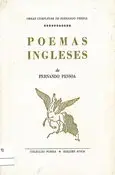
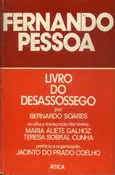
Fernando Pessoa

Fernando Pessoa

1888–1935 · viveu 47 anos PT PT

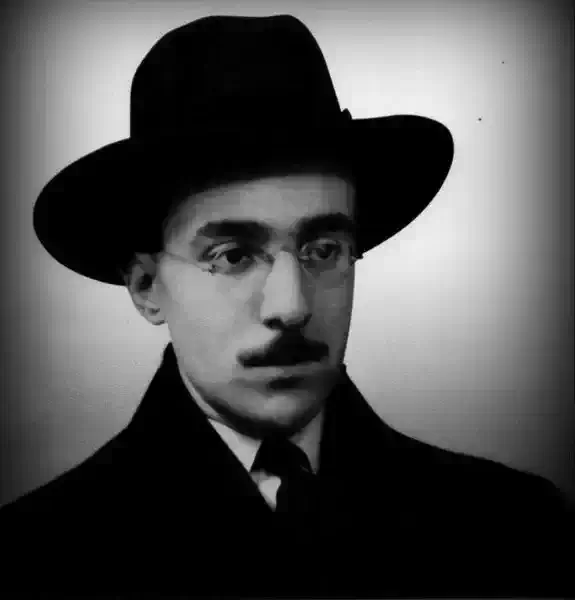
Fernando Pessoa foi um poeta, escritor, crítico literário, tradutor e filósofo português, considerado um dos maiores expoentes da literatura em língua portuguesa e um dos mais relevantes poetas do século XX. A sua vasta obra, marcada pela criação de múltiplos heterónimos com personalidades e estilos distintos, explora temas como a identidade, a angústia existencial, a saudade e a busca por significado num mundo em constante transformação. Pessoa deixou um legado literário complexo e multifacetado, que continua a fascinar e a desafiar leitores e críticos.

n. 1888-06-13, Lisboa · m. 1935-11-30, Lisboa

5 659 484 Visualizações

Para ser grande, sê inteiro: nada

Para ser grande, sê inteiro: nada
Teu exagera ou exclui.
Sê todo em cada coisa. Põe quanto és
No mínimo que fazes.
Assim em cada lago a lua toda
Brilha, porque alta vive.
Ler poema completo
Biografia

Identificação e contexto básico

Fernando António Nogueira Pessoa é amplamente conhecido como Fernando Pessoa. Nasceu em Lisboa, Portugal, a 13 de junho de 1888, e faleceu na mesma cidade a 30 de novembro de 1935. Veio de uma família de classe média. O seu pai, D. Luís Vaz de Jesus Correia de Sá, era funcionário público e crítico musical no jornal 'A Civilização', e a sua mãe, D. Maria Madalena Pinheiro Nogueira, era filha do Coronel Pinheiro Nogueira, que administrava a Typographia da 'A Civilização'. A morte prematura do pai, quando Pessoa tinha cinco anos, e a subsequente viuvez da mãe, que se casou com o cônsul português em Durban, África do Sul, João Miguel dos Reis Quimby, influenciaram profundamente a sua infância e o seu desenvolvimento. Pessoa era português e escrevia primariamente em português, mas também demonstrava proficiência em inglês e francês, línguas que utilizou em algumas das suas obras, especialmente nas fases iniciais. Viveu num período de grandes transformações sociais, políticas e culturais em Portugal e na Europa, marcado pelo fim da Monarquia e o início da República em Portugal, e pelas I e II Guerras Mundiais.

Infância e formação

A infância de Pessoa foi marcada pela perda precoce do pai e pela mudança para a África do Sul, onde viveu até aos dezassete anos. Esta experiência transcultural proporcionou-lhe um contacto precoce com a língua e a cultura inglesas, que moldaram a sua formação intelectual e literária. Foi educado na St. Joseph's Academy e, mais tarde, no Durban High School, onde se destacou em línguas e literatura. A leitura de autores clássicos e contemporâneos em inglês, como Shakespeare, Milton, Byron, e Edgar Allan Poe, foi fundamental. O ambiente de Durban, com a sua diversidade cultural, também pode ter contribuído para o desenvolvimento da sua imaginação e da sua sensibilidade para as diferentes identidades.

Percurso literário

O início da escrita de Pessoa remonta à sua adolescência, com poemas em inglês. A transição para o português e o desenvolvimento dos seus heterónimos marcaram o seu percurso literário. A sua obra é vasta e complexa, com diferentes fases que refletem a sua evolução estilística e temática. Publicou em diversas revistas literárias portuguesas, como a 'Orpheu', que foi marco do Modernismo português, e participou em antologias. Foi também crítico literário e tradutor, demonstrando a sua versatilidade.

Obra, estilo e características literárias

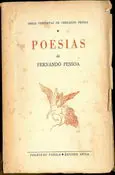
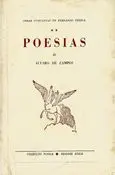
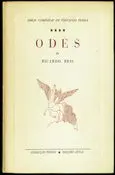
Obra, estilo e características literárias A obra de Fernando Pessoa é dominada pela exploração da fragmentação do eu, da identidade e da realidade. Temas como a dor de pensar, a saudade, a busca pela transcendência, a efemeridade do tempo e a condição humana são centrais. O seu estilo varia imensamente entre os seus heterónimos (Alberto Caeiro, Ricardo Reis, Álvaro de Campos, Bernardo Soares, entre outros), cada um com a sua própria métrica, vocabulário e visão do mundo. Caeiro representa o poeta da natureza, da simplicidade e da negação da metafísica; Reis, o neoclássico estoico, que busca a serenidade e a medida; Campos, o futurista, o poeta da modernidade, da máquina e da exaltação das sensações. Pessoa utilizou diversas formas poéticas, do soneto à forma fixa e ao verso livre, experimentando constantemente com a métrica e a estrutura. A sua linguagem é rica e complexa, com uma densidade imagética notável e um uso frequente de metáforas e símbolos. A voz poética pode ser lírica, confessional, satírica, filosófica e irónica, refletindo a multiplicidade de consciências que habitavam o seu ser.

Obra, estilo e características literárias

Contexto cultural e histórico Pessoa viveu numa época de grande efervescência cultural e de profundas mudanças em Portugal. Foi um dos principais impulsionadores do Modernismo português, através da revista 'Orpheu' (1915), que propunha uma ruptura com a tradição e a introdução de novas linguagens e estéticas. A sua obra dialoga com as correntes filosóficas e literárias da sua época, como o simbolismo, o futurismo, o dadaísmo e o surrealismo, embora tenha desenvolvido uma estética singular. A sua posição perante a sociedade e a política era complexa, marcada por uma certa desilusão e distanciamento, embora tenha manifestado interesse por questões nacionais.

Obra, estilo e características literárias

Vida pessoal A vida pessoal de Pessoa foi marcada por uma certa reclusão e uma intensa vida interior. As suas relações afetivas foram complexas, com destaque para a sua relação com Ofélia Queiroz, que inspirou parte da sua obra. A sua amizade com Mário de Sá-Carneiro foi crucial para o seu percurso literário. Profissionalmente, trabalhou como correspondente comercial, profissão que lhe permitiu manter a sua independência e dedicar-se à escrita.

Obra, estilo e características literárias

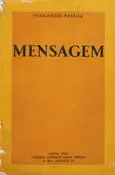
Reconhecimento e receção Em vida, Pessoa teve um reconhecimento limitado, publicando apenas alguns poemas e o livro 'Mensagem'. A sua obra mais vasta e complexa, especialmente a escrita em português e a dos seus heterónimos, só foi amplamente descoberta e publicada postumamente, graças ao trabalho de investigadores e editores. Atualmente, é considerado um dos maiores poetas de língua portuguesa e uma figura incontornável da literatura mundial, com a sua obra a ser objeto de estudo e admiração em todo o mundo.

Obra, estilo e características literárias

Influências e legado Pessoa foi influenciado por autores clássicos e modernos, como Shakespeare, Camões, Edgar Allan Poe, Walt Whitman e Nietzsche. O seu legado é imenso, tendo influenciado gerações de poetas e escritores em Portugal e no Brasil. A sua exploração da identidade e da multiplicidade do eu revolucionou a poesia moderna e continua a ser uma referência para a literatura contemporânea. A sua obra tem sido amplamente traduzida e estudada.

Obra, estilo e características literárias

Interpretação e análise crítica A obra de Pessoa é objeto de inúmeras interpretações. A questão da identidade, da fragmentação do eu, da relação entre o real e o aparente, e a busca por um sentido para a existência são temas recorrentes. Críticos debatem a sua relação com o nacionalismo, o misticismo e a psicanálise. A genialidade na criação dos heterónimos e a sua capacidade de dar voz a diferentes consciências são pontos centrais na análise crítica.

Obra, estilo e características literárias

Curiosidades e aspetos menos conhecidos Pessoa era conhecido pelo seu comportamento reservado e pela sua vida aparentemente discreta. No entanto, a sua intensa vida interior e a multiplicidade de personalidades que habitavam o seu ser são um dos aspetos mais fascinantes. Há relatos sobre os seus hábitos de escrita, a sua caligrafia peculiar e a sua relação com os manuscritos e a organização da sua vasta obra.

Obra, estilo e características literárias

Morte e memória Fernando Pessoa faleceu aos 47 anos, no Hospital de Santa Maria, em Lisboa, vítima de uma indisposição intestinal, possivelmente apendicite, deixando um legado literário colossal e amplamente inexplorado em vida. A publicação póstuma da sua obra, iniciada nas décadas seguintes à sua morte, desvendou a dimensão total do seu génio e consolidou o seu lugar na história da literatura mundial.

Poemas

2232

Ai, os pratos de arroz-doce

Ai, os pratos de arroz-doce
Com as linhas de canela!
Ai a mão branca que os trouxe!
Ai essa mão ser a dela!
1 697

Qual, Pirro, aquilo gosta que o amarga,

Qual, Pirro, aquilo gosta que o amarga,
        Qual aquilo que gosta.
Pares quem os fados diferentes
        Como rios diversos,
Com curso a leste ou oeste, a sul ou norte,
        Sempre ao mar em que acabam.
Gostemos pois aquilo em que pusémos
        O gosto inaprendido,
Temos as tenras tardes, não (...)
1 237

EPIGRAMS - IV

You tell me, for oft you choose
Rude and uncourteous to grow,
I can't say «Bo» to a goose...
        Why, James: Bo!
1 247

39 - CHALICE

Chalice of my communion
        With the lost thing that gleams!
Communion‑bond of union
        Between me and my dreams!
O chalice of love's most!
In thy wine, earth's wine's ghost
        To lips that are God's flowers,
My soul has dipped the host
        Of my diviner hours.

My lips are as lips kissed.
        My sad soul happy sings.
O shining through the mist
        Of tremulous angels' wings!
I feel me God's moon's node,
A child again, outside life's road,
        Remembering how I found me
When I awoke from God
        And felt the world around me.
1 388

A TEMPLE

I have built my temple — wall and face —
Outside the idea of space,
Complex — built as a full-rigged ship;
I made its walls of my fears,
Its turrets many of weird thoughts and tears —
And that strange temple thus unfurled
Like a death's-head flag, that like a whip
Stinging around my soul is curled,
Is far more real than the world.
1 418

Tenho uma ideia comigo

Tenho uma ideia comigo
De que não quero falar.
Se a ideia fosse um postigo,
Era p’ra te ver passar.
1 409

Para quê te falar? Ninguém me irmana

Para quê te falar? Ninguém me irmana
Os pensamentos na compreensão.
Sou só por ser supremo, e tudo em mim
É maior.
1 262

Quando os povos da Dalmácia

Quando os povos da Dalmácia
Fizeram guerra aos da Grécia
Saiu muita gente sécia
Da casa do rei da Trácia.
Houve disto grande falácia,
Lá para as bandas da Fenícia,
Porém temendo malícia,
De gente tão pouco sócia,
Lá se foram para a Beócia
Para se curar da icterícia.
841

40 - ELEVATION

Before light was, light's bright idea lit
        God's thought of it,
And, because through God's thought light's thought did pass,
        Light ever was,
And from beyond eternity became
        The living flame
That trembles into life and reddens with
        Our life's soul‑width.

Before light was, when yet the night was queen
        O'er what had been,
In God's realized prescience it could be
        Light from eternity,
For no time enters into God's thoughts or
        Their spaceless Hour.

Take thou therefore, my Song, from light the mood
        Of being, and brood,
Like the Dove unbegot, over the abyss
        Of consciousness,
Taking as thy true part that thought of God
        Whence light issued.

Let my words burst into that divine flame
        That lights its name
Of each thing from within with ultimate meaning.
        Though earth be screening
With fixed appearance the Sun in each Thing,
        Bear, on thy wing
High‑lifted, rays from the unrisen Sun
        Whence life is spun.

Soar out, my Song, out of despair and night
        And catch that light
Ere it appear, from neath the horizon
        Of action,
Borne out of dreams by intuition bright
        Of endless light.

Though none believe nor any understand,
        Yet feel thee fanned
With those breeze‑breaths that come up with the morn
        From the Unborn.
Soar like a lark into the coming day
        And bear thy way
Into the possibility of noon
        Hid in the dawn.

No matter that none know what thy words speak.
        A day shall break
Out of eternity as each day bright
        Out of each night.
Thy wings shall touch the slanting light of dawn
        And, upwards drawn
By being light‑struck, shall to light be near
        When light's yet far.

Hope is thy ready and high‑soaring flight
        Out of the night,
Joy is thy touching of the first high rays
        That day betrays,
Life is the course thy flight sequesters from
        Earth and its nightly doom,
And these three things are one in thy belief
        That pain is brief.

II

Thou, unseeen Bird, essence of spiritual light,
        That yet art bright
With the epitome of the outer shine,
        Thou that art mine
And yet not mine but general to the earth,
        Wings of rebirth,
Whose song, though in me heard, participates
        Of all that all elates,
Thou point of meeting of me with the wings
        Hidden in all things,
Thou breath, thou vapour, seen and not seen, of
        Some abstract love,
Thou exhalation of the prisoned flight
        Of all things' weight,
Thou that in me art fear, mad splendour, all
        To ache and enthral,

Attract me, take me, o pure flight, and rise
        With me in thine eyes,
Lost, cast, unpetalled and divine, up to
        What thou dost woo!

O Spirit‑Lark that wakest ere the morn
        And art reborn
At each recoming of the sun, and art
        The wiser part
Of all that message is to our low eyes
        Of what shall rise!
Life‑weightless Bird that no meads can attract,
        But that must act
Its fate in air, above our marshes sad
        And meads low‑laid,
In free heights communing with the Great Horn
        As yet unborn!
O sterile Bird that hast no nest nor home
        But what shall come,
That hast no song save in the heights above
        Nests, homes and love,
Nor any thought save for the coming day,
        Though far away
It seem to those who measure yet thy flight
        But by its height
And not by its intention, that is carried
        From life and married
To those diviner hours that winged things
        Find with their wings!
O Bird of ruthless song and untold wishes,
        Whose high flight reaches
Heights not of earth, but of pure air, encumbered
        With no joys weighed and numbered!
Take all my heart in thy purpose of going
        And make the flowing
Down to earth of my song be like thy song,
        Something strange, strong
With distance, eerily half‑perishing
        From farness! Sing,
And let my heart be what thou meanst with singings
        My life with winging.
My hopes and fears with th’tone wherewith thy note
        To me doth float
And the great purpose hidden in my fate
        With thy mere height!

My heart shall thus be happy even if pained,
        Free even if strained
To keep that height of joy whence tremble down
        Thy songs to our own.
My soul may thus be happy, full and free.
        Oh, happily
Raise me from me and lift my life unto
        That thou dost woo -
The light, the sky, the distance and the morn,
        Till I be unborn
Again to pure dispersion in the seas
        Of the high breeze
That speaks to thee, ere light be born, of light,
        Till the delight
Of without being being shall make me
        Song and sky be!
1 663

41 - TO ONE SINGING

O voice the angels kissed when unbreathed yet!
O lips made spiritual with uttering it!
O eyes wild with the lust of the divine
In thy felt presence, making thee its shrine!
O that this moment of thee were Thyself!
That thou ne’er fell'st from this Thou, and the pelf
Of gathered days with avarice of living,
Touched thee not from this moment of God's giving!
O eternal actuality of thee!
O by thy voice sculptured immutably
In some stone‑flesh of spirit! O set free
From being all contained in being seen!
O firmament of joy purely serene
With spaciousness of soul and stars of song
Above thyself, God's human heights among!

Sing on, and let thy singing be a couch
To that of me which to my soul doth vouch
Of God as of a self and of a home!
Dissolve me to thy notes! Make me become
An outside of myself, and have in me
Nought but a selfless sense of hearing thee!
Let me pertain to the sounds thou dost voice!
Let me be other than I and rejoice
Hearing time like a breeze pass by the place
Thy song imprisons in its halcyon grace!

Thy voice compels to parapets from heaven
Dim winged happinesses whence is woven
To our souls such a glamour, spirit‑fair,
That, feeling it, all life becomes despair
And all the sense of life to wish to die.
Sing on! Between the music's human cry
And thy song's meaning there is interposed
Some third reality, less life‑enclosed,
Some subtler tenderness than music makes
Or words sung, and its moonless moonlight takes
Our visionary moods by their child‑hand
And our tired steps begin to understand.

Sing, nor stop singing till bliss ache too much!
O that I could, without moving my hand,
Stretch forth some hand imaginary and touch
That body of thine thy singing giveth thee!
That kiss‑like touch would wake eternity
In me again, and, as by a great morn,
The night my body makes of me were torn
Away from being, and my unbodied shape
Would, like a ship doubling the final cape,
Come to that sight of port and shiver of coming
That God allows to those whose bliss of roaming
Is no more than the wish to find His peace
And mingle with it as a scent with the breeze.
1 398

Citações

40

Obras

12

Videos

66

Comentários (14)

Partilhar
Iniciar sessão para publicar um comentário.

Simplesmente um pensador ( tão grande) pois todos nós temos máscaras, nossos sentimentos são todos ocultos na nossa eterna alma. fantástico este texto para sua época vivida.

Luis Rodrigues

cmt

Tomás Lopes

O maior e mais pensador poeta para a sua antiga época. O maior e mais revolucionista da literatura portuguesa, com os seus poemas e textos que enchem a alma de pensamentos. Tem um forma única de se expressar e ditar o que vem da sua alma, como ele dizia " Quem tem alma não tem calma".

mcegonha

O profeta dos poetas!

o tal
o tal

ignorante