Fernando Pessoa

Fernando Pessoa

1888–1935 · viveu 47 anos PT PT

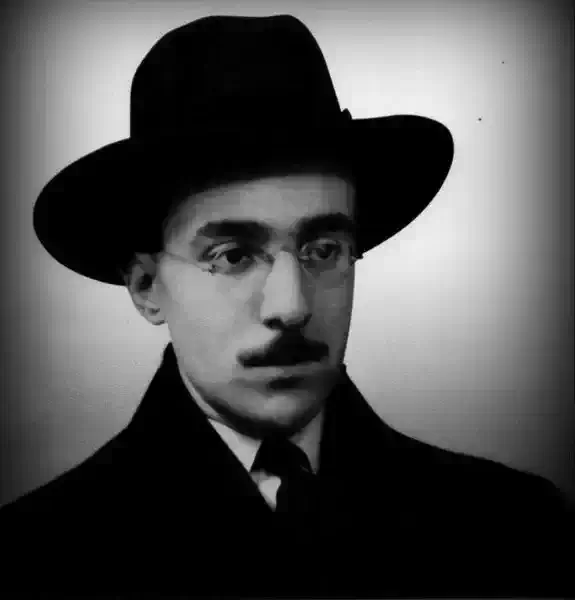
Fernando Pessoa foi um poeta, escritor, crítico literário, tradutor e filósofo português, considerado um dos maiores expoentes da literatura em língua portuguesa e um dos mais relevantes poetas do século XX. A sua vasta obra, marcada pela criação de múltiplos heterónimos com personalidades e estilos distintos, explora temas como a identidade, a angústia existencial, a saudade e a busca por significado num mundo em constante transformação. Pessoa deixou um legado literário complexo e multifacetado, que continua a fascinar e a desafiar leitores e críticos.

n. 1888-06-13, Lisboa · m. 1935-11-30, Lisboa

5 659 484 Visualizações

Para ser grande, sê inteiro: nada

Para ser grande, sê inteiro: nada
Teu exagera ou exclui.
Sê todo em cada coisa. Põe quanto és
No mínimo que fazes.
Assim em cada lago a lua toda
Brilha, porque alta vive.
Ler poema completo
Biografia

Identificação e contexto básico

Fernando António Nogueira Pessoa é amplamente conhecido como Fernando Pessoa. Nasceu em Lisboa, Portugal, a 13 de junho de 1888, e faleceu na mesma cidade a 30 de novembro de 1935. Veio de uma família de classe média. O seu pai, D. Luís Vaz de Jesus Correia de Sá, era funcionário público e crítico musical no jornal 'A Civilização', e a sua mãe, D. Maria Madalena Pinheiro Nogueira, era filha do Coronel Pinheiro Nogueira, que administrava a Typographia da 'A Civilização'. A morte prematura do pai, quando Pessoa tinha cinco anos, e a subsequente viuvez da mãe, que se casou com o cônsul português em Durban, África do Sul, João Miguel dos Reis Quimby, influenciaram profundamente a sua infância e o seu desenvolvimento. Pessoa era português e escrevia primariamente em português, mas também demonstrava proficiência em inglês e francês, línguas que utilizou em algumas das suas obras, especialmente nas fases iniciais. Viveu num período de grandes transformações sociais, políticas e culturais em Portugal e na Europa, marcado pelo fim da Monarquia e o início da República em Portugal, e pelas I e II Guerras Mundiais.

Infância e formação

A infância de Pessoa foi marcada pela perda precoce do pai e pela mudança para a África do Sul, onde viveu até aos dezassete anos. Esta experiência transcultural proporcionou-lhe um contacto precoce com a língua e a cultura inglesas, que moldaram a sua formação intelectual e literária. Foi educado na St. Joseph's Academy e, mais tarde, no Durban High School, onde se destacou em línguas e literatura. A leitura de autores clássicos e contemporâneos em inglês, como Shakespeare, Milton, Byron, e Edgar Allan Poe, foi fundamental. O ambiente de Durban, com a sua diversidade cultural, também pode ter contribuído para o desenvolvimento da sua imaginação e da sua sensibilidade para as diferentes identidades.

Percurso literário

O início da escrita de Pessoa remonta à sua adolescência, com poemas em inglês. A transição para o português e o desenvolvimento dos seus heterónimos marcaram o seu percurso literário. A sua obra é vasta e complexa, com diferentes fases que refletem a sua evolução estilística e temática. Publicou em diversas revistas literárias portuguesas, como a 'Orpheu', que foi marco do Modernismo português, e participou em antologias. Foi também crítico literário e tradutor, demonstrando a sua versatilidade.

Obra, estilo e características literárias

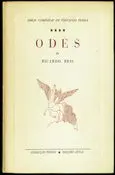
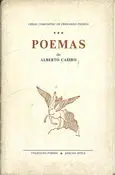
Obra, estilo e características literárias A obra de Fernando Pessoa é dominada pela exploração da fragmentação do eu, da identidade e da realidade. Temas como a dor de pensar, a saudade, a busca pela transcendência, a efemeridade do tempo e a condição humana são centrais. O seu estilo varia imensamente entre os seus heterónimos (Alberto Caeiro, Ricardo Reis, Álvaro de Campos, Bernardo Soares, entre outros), cada um com a sua própria métrica, vocabulário e visão do mundo. Caeiro representa o poeta da natureza, da simplicidade e da negação da metafísica; Reis, o neoclássico estoico, que busca a serenidade e a medida; Campos, o futurista, o poeta da modernidade, da máquina e da exaltação das sensações. Pessoa utilizou diversas formas poéticas, do soneto à forma fixa e ao verso livre, experimentando constantemente com a métrica e a estrutura. A sua linguagem é rica e complexa, com uma densidade imagética notável e um uso frequente de metáforas e símbolos. A voz poética pode ser lírica, confessional, satírica, filosófica e irónica, refletindo a multiplicidade de consciências que habitavam o seu ser.

Obra, estilo e características literárias

Contexto cultural e histórico Pessoa viveu numa época de grande efervescência cultural e de profundas mudanças em Portugal. Foi um dos principais impulsionadores do Modernismo português, através da revista 'Orpheu' (1915), que propunha uma ruptura com a tradição e a introdução de novas linguagens e estéticas. A sua obra dialoga com as correntes filosóficas e literárias da sua época, como o simbolismo, o futurismo, o dadaísmo e o surrealismo, embora tenha desenvolvido uma estética singular. A sua posição perante a sociedade e a política era complexa, marcada por uma certa desilusão e distanciamento, embora tenha manifestado interesse por questões nacionais.

Obra, estilo e características literárias

Vida pessoal A vida pessoal de Pessoa foi marcada por uma certa reclusão e uma intensa vida interior. As suas relações afetivas foram complexas, com destaque para a sua relação com Ofélia Queiroz, que inspirou parte da sua obra. A sua amizade com Mário de Sá-Carneiro foi crucial para o seu percurso literário. Profissionalmente, trabalhou como correspondente comercial, profissão que lhe permitiu manter a sua independência e dedicar-se à escrita.

Obra, estilo e características literárias

Reconhecimento e receção Em vida, Pessoa teve um reconhecimento limitado, publicando apenas alguns poemas e o livro 'Mensagem'. A sua obra mais vasta e complexa, especialmente a escrita em português e a dos seus heterónimos, só foi amplamente descoberta e publicada postumamente, graças ao trabalho de investigadores e editores. Atualmente, é considerado um dos maiores poetas de língua portuguesa e uma figura incontornável da literatura mundial, com a sua obra a ser objeto de estudo e admiração em todo o mundo.

Obra, estilo e características literárias

Influências e legado Pessoa foi influenciado por autores clássicos e modernos, como Shakespeare, Camões, Edgar Allan Poe, Walt Whitman e Nietzsche. O seu legado é imenso, tendo influenciado gerações de poetas e escritores em Portugal e no Brasil. A sua exploração da identidade e da multiplicidade do eu revolucionou a poesia moderna e continua a ser uma referência para a literatura contemporânea. A sua obra tem sido amplamente traduzida e estudada.

Obra, estilo e características literárias

Interpretação e análise crítica A obra de Pessoa é objeto de inúmeras interpretações. A questão da identidade, da fragmentação do eu, da relação entre o real e o aparente, e a busca por um sentido para a existência são temas recorrentes. Críticos debatem a sua relação com o nacionalismo, o misticismo e a psicanálise. A genialidade na criação dos heterónimos e a sua capacidade de dar voz a diferentes consciências são pontos centrais na análise crítica.

Obra, estilo e características literárias

Curiosidades e aspetos menos conhecidos Pessoa era conhecido pelo seu comportamento reservado e pela sua vida aparentemente discreta. No entanto, a sua intensa vida interior e a multiplicidade de personalidades que habitavam o seu ser são um dos aspetos mais fascinantes. Há relatos sobre os seus hábitos de escrita, a sua caligrafia peculiar e a sua relação com os manuscritos e a organização da sua vasta obra.

Obra, estilo e características literárias

Morte e memória Fernando Pessoa faleceu aos 47 anos, no Hospital de Santa Maria, em Lisboa, vítima de uma indisposição intestinal, possivelmente apendicite, deixando um legado literário colossal e amplamente inexplorado em vida. A publicação póstuma da sua obra, iniciada nas décadas seguintes à sua morte, desvendou a dimensão total do seu génio e consolidou o seu lugar na história da literatura mundial.

Poemas

2232

There is no peace save where I am not,

There is no peace save where I am not,
The woods are gay where I never pass,
Nothing but shadows are where my thought
Plunges its feet in the moist dead grass.

Nothing save shadows and day elsewhere
Waiting for those that await and hope.
A horror lays its wind on my hair,
And a cold hand does for my cold hand grope.

Yet nothing in me save pain merits this,
Nothing in me save this merits pain.
Oh, Mother of Shadows, whose ice-dead kiss
Is madness, hasten towards my brain!
1 044

NAVAL ODE

Alone, on the deserted quay, this summer morning,
I look towards the bar, I look towards the Indefinite,
I look and find pleasure in seeing,
Little, black and clear, a steamer coming in.
It is very far yet, distinct and classic after its own fashion.
It leaves on the distant air behind it the vain curls of its smoke.
It is coming in, and morn comes in with it, and on the river
Here, there, naval life awakes,
Sails arise, tugs advance,
Small boats jut out from behind the ships in the port.
There is a vague breeze.
But my soul is with the things that I see least,
With the in-coming steamer,
Because it is with Distance, with Morn,
With the naval meaning of this Hour,
With the painful softness that rises in me like a qualm,
Like a beginning of sea-sickness, but in my soul.

I look from afar at the steamer, with a great independence of mind
And a whell begins to spin in me, very slowly.

The steamers that enter the bar in the morning,
Bring to my eyes with their coming
The glad and sad mystery of all who arrive and depart.
They bring memories of distant quays, and of other moments
Of another kind of the same mankind in other ports.
Every (...), every departure of a ship,
Is — I feel it in me like my blood —
Unconsciously symbolic, terribly
Threatening metaphysical meanings
That startle in me the being I once …

Ah, every quay is a regret made of stone!
And when the ship leaves the quay
And we note suddenly that a space is widening
Between the quay and the ship,
There comes to me, I know not why, a recent anguish,
A mist of feelings of sadness
That shines in the sun of my mosy anguishes
Like the first window the morning strikes on,
And clings round me like some one else's remembrance
Which is somehow mysteriously mine.

Ah, who knows, who knows,
If I did not leave long ago, before Myself,
A quay; if I did not depart, a ship in
The oblique sun of morning,
From another kind of port?
Who knows if I did not leave, before the hour
Of the exterior world as I see it
Dawned for me,
A large quay full of few people,
Of a great half-awakened city,
Of a great city commercial, overgrown, apopletical,
As much as that can be outside Time and Space?

Ay, from a quay, from a quay somehow material,
Real, visible as a quay, really a quay,
The Absolute Quay on whose type, unconsciously imitated,
Insensibly evoked,

We men have built
Our quays in our harbours,
Our quays, of actual stone overlooking true water,
Which, once built, suddenly show themselves to be
Real-Things, Things-Spirits, Entities in Stone-Souls,
At certain moments of ours of root-sentiments
When it seems that a door is opened in the outer world
And, without anything changing
Everything reveals itself to be different.

Ah, the Great Quay whence we embarked in Ship-Nations!
The Great Earlier Quay, eternal and divine!
Of what port? Over what waters? And why do I think of this?
A Great Quay like all other quays, but the Only One.
Full, as they are, of murmurous silences in the fore-dawns
And budding with the dawns in a noise of cranes
And arrivals of goods-trains
And under the black, occasional and light cloud
Of the smoke of the chimneys of the near factories
Which clouds its ground, black with small shining coal,
As if it were the shadow of a cloud passing over dark water.

Ah, what essentiality of mystery and arrested senses
In a divine revealing ecstasy
At the hours coloured like silences and anguishes
Is the bridge between any quay and THE QUAY!

Quay blackly reflected in the still waters,
Suddle [?] on board the ships,
Oh wandering and unstable soul of the people who live in ships,
Of the symbolic people who pass and for whom, nothing lasts
For when the vessel returns to the port,
There is always some change on board!

On continual flights, goings, drunknness of the Different!
Eternal soul of navigators and navigations!
Hulls slowly reflected in the waters
When the ship leaves the port!
To float as soul of life, to depart as voice,
To live the moment tremulously on eternal waters!
To wake to more direct days than the days of Europe,
To see mysterious ports over the loneliness of the sea,
To double distant capes and see sudden great landscapes
Of unnumbred astonished alones!

Ah, the distant beaches, the quays seen from afar,
And then the near beaches and the quays seen from near.
The mystery of each departure and of each arrival,
The painful instability and incomprehensibility
Of this impossible universe
At each naval hour ever more deeply felt right in my skin.
The absurd sob that our souls spill
Over the ever-different tracts of seas with islands afar,
Over the distant lines of the coasts we merely pass by,
Over the clear growing-clear of ports, with their houses and their people,
When the ship nears the land.

Ah, the freshness of morns when we arrive,
And the paleness of the morns when we depart,
When our entrails are gripped up
And a vague sensation resembling a fear
— The ancestral fear of going away and leaving,
The mysterious ancestral terror of Arrivals and New Things —
Grips up our skin and gives us qualms
And all our anguished body feels,
As if it were our soul,
An unexplained desire to feel this in some other way:
A regret at something,
A perturbation of tendernesses towards what vague fatherland?
What coast? what ship? what quay?
That thought sickens within us
And only a great vaccum remains in us,
A hollow satiety of naval minutes,
And a vague anxiety that would be weariness or pain
If it knew how to be that…

The summer morning is, nevertheless, slightly cool,
A slight night-dullness lies yet on the shaken air.
The wheel within me quickens its motion slightly.
And the steamer keeps on coming in, because surely it must coming in,
And not because I see it moving in its excessive distance.

In my imagination it is already near and visible
In all the extent of the lines of its portholes,
And everything trembles in me, all my flesh and all my skin,
On account of that creature that never arrives in any ship
And whom I have come to await to-day on this quay, through an oblique command.

1 671

«Thy will be done» (with a capital T)

«Thy will be done» (with a capital T)
Though ever on earth and on sea
There be the shadow of thy curse
Daily more terrible and worse
        Thy will be done!

«Thy Will be done» (with a capital W)
O Man, though many a woe doth trouble you,
Still you pray on, and beat your heart,
And thank the Tyrant in his nest:
        «Thy w[ill] be done».

«Thy will Be done» (with a capital B).
Though more than horrid misery
Break the whole earth and wreck the nations
Man cries on, in vile resignations:
        «Thy will be done!»

«Thy will be Done» (with a capital D)
All are (...) and all unfree,
And yet from cottage and from hall
The groaning and the dying call
        «Thy will be done!»

«Thy W[ill] Be Done» (all with capital letters),
Although God (...) our mind and fetters,
We roll our eyes and groan uncheerly
We join our hands and half-sincerely
Exclaim from life we pay too dearly:
        «Thy will be done!»
1 357

Nada fica de nada. Nada somos. [1]

Nada fica de nada. Nada somos.
Um pouco ao sol e ao ar nos atrasamos
Da irrespirável treva que nos pese
        Da húmida terra imposta,
Cadáveres adiados que procriam.

Leis feitas, estátuas vistas, odes findas —
Tudo tem cova sua. Se nós, carnes
A que um íntimo sol dá sangue, temos
        Poente, porque não elas?
Somos contos contando contos, nada.
998

No dia em que te casares

No dia em que te casares
Hei-de te ir ver à Igreja
Para haver o sacramento
De amar-te alguém que ali esteja.
1 335

Um verso repete

Um verso repete
Uma brisa fresca,
O verão nas ervas,
E vazio sofre ao sol
O átrio abandonado.

Ou, no inverno, ao longe
Os cimos de neve,
À lareira toadas
Dos contos herdados,
E um verso a dizê-lo.

Os deuses concedem
Poucos mais prazeres
Que estes, que são nada.
Mas também concedem
Não querermos outros.
1 541

Quando a manhã aparece

Quando a manhã aparece
Dizem que nasce alegria.
Isso era se Ela viesse.
Até de noite era dia.
1 961

Duas vezes eu tentei

Duas vezes eu tentei
Dizer-te que te queria,
E duas vezes te achei
Só a que falava e ria.
1 586

O Suspiro do mundo: - Vida, morte,

Vida, morte,
Riso, pranto
É o manto
Que me cobre.
Natureza,
Amor, beleza,
Tudo quanto
A alma descobre.

O Mistério
Deste mundo
Teu profundo
Olhar leu;
D'além dele —
Cerra a alma
De pavor! —
Venho eu.
Nada, nada
Já acalma
Tua dor.
Tu bem sabes
Ser minha voz
Mais atroz
De mudo horror
No que não diz,
E só tu sentes
E compreendes.
Cerra, infeliz
Cerra a (tua) alma
Ao meu pavor!

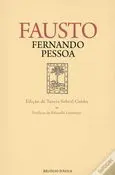
(Fausto, com os olhos fechados, encolhido na cadeira, treme como que dum grande frio.)
1 523

Eu te pedi duas vezes

Eu te pedi duas vezes
Duas vezes, bem o sei.
Que por fim me respondesses
Ao que não te perguntei.
1 256

Citações

40

Obras

12

Videos

66

Comentários (14)

Partilhar
Iniciar sessão para publicar um comentário.

Simplesmente um pensador ( tão grande) pois todos nós temos máscaras, nossos sentimentos são todos ocultos na nossa eterna alma. fantástico este texto para sua época vivida.

Luis Rodrigues

cmt

Tomás Lopes

O maior e mais pensador poeta para a sua antiga época. O maior e mais revolucionista da literatura portuguesa, com os seus poemas e textos que enchem a alma de pensamentos. Tem um forma única de se expressar e ditar o que vem da sua alma, como ele dizia " Quem tem alma não tem calma".

mcegonha

O profeta dos poetas!

o tal
o tal

ignorante