
Poems List
Explore poems from our collection
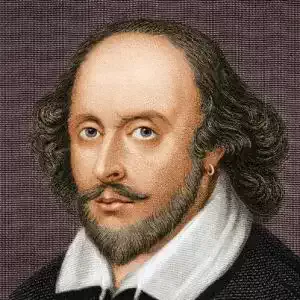
William Shakespeare
Sonnet CXLVI
Sonnet CXLVI
Poor soul, the centre of my sinful earth,
[ ] these rebel powers that thee array;
Why dost thou pine within and suffer dearth,
Painting thy outward walls so costly gay?
Why so large cost, having so short a lease,
Dost thou upon thy fading mansion spend?
Shall worms, inheritors of this excess,
Eat up thy charge? is this thy body's end?
Then soul, live thou upon thy servant's loss,
And let that pine to aggravate thy store;
Buy terms divine in selling hours of dross;
Within be fed, without be rich no more:
So shalt thou feed on Death, that feeds on men,
And Death once dead, there's no more dying then.
Poor soul, the centre of my sinful earth,
[ ] these rebel powers that thee array;
Why dost thou pine within and suffer dearth,
Painting thy outward walls so costly gay?
Why so large cost, having so short a lease,
Dost thou upon thy fading mansion spend?
Shall worms, inheritors of this excess,
Eat up thy charge? is this thy body's end?
Then soul, live thou upon thy servant's loss,
And let that pine to aggravate thy store;
Buy terms divine in selling hours of dross;
Within be fed, without be rich no more:
So shalt thou feed on Death, that feeds on men,
And Death once dead, there's no more dying then.
239
John Donne
Disinherited
Disinherited
Thy father all from thee, by his last will,
Gave to the poor ; thou hast good title still.
Thy father all from thee, by his last will,
Gave to the poor ; thou hast good title still.
366

Emily Dickinson
'They Have Not Chosen Me,' He Said
'They Have Not Chosen Me,' He Said
'They have not chosen me,' he said,
'But I have chosen them!'
Brave—Broken hearted statement—
Uttered in Bethlehem!
I could not have told it,
But since Jesus dared—
Sovereign! Know a Daisy
They dishonor shared!
'They have not chosen me,' he said,
'But I have chosen them!'
Brave—Broken hearted statement—
Uttered in Bethlehem!
I could not have told it,
But since Jesus dared—
Sovereign! Know a Daisy
They dishonor shared!
263
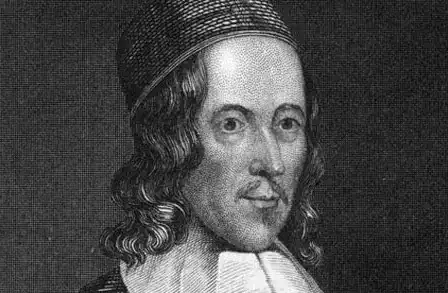
George Herbert
Sin's Round
Sin's Round
Sorry I am, my God, sorry I am,
That my offences course it in a ring.
My thoughts are working like a busy flame,
Until their cockatrice they hatch and bring:
And when they once have perfected their draughts,
My words take fire from my inflamed thoughts.
My words take fire fro m my inflamed thoughts,
Which spit it forth like the Sicilian hill.
They vent their wares, and pass them with their faults,
And by their breathing ventilate the ill.
But words suffice not, where are lewd intentions:
My hands do join to finish the inventions.
My hands do join to finish the inventions:
And so my sins ascend three stories high,
As Babel grew, before there were dissentions.
Let ill deeds loiter not: for they supply
New thoughts of sinning:
wherefore, to my shame,
Sorry I am, my God, sorry I am.
Sorry I am, my God, sorry I am,
That my offences course it in a ring.
My thoughts are working like a busy flame,
Until their cockatrice they hatch and bring:
And when they once have perfected their draughts,
My words take fire from my inflamed thoughts.
My words take fire fro m my inflamed thoughts,
Which spit it forth like the Sicilian hill.
They vent their wares, and pass them with their faults,
And by their breathing ventilate the ill.
But words suffice not, where are lewd intentions:
My hands do join to finish the inventions.
My hands do join to finish the inventions:
And so my sins ascend three stories high,
As Babel grew, before there were dissentions.
Let ill deeds loiter not: for they supply
New thoughts of sinning:
wherefore, to my shame,
Sorry I am, my God, sorry I am.
224
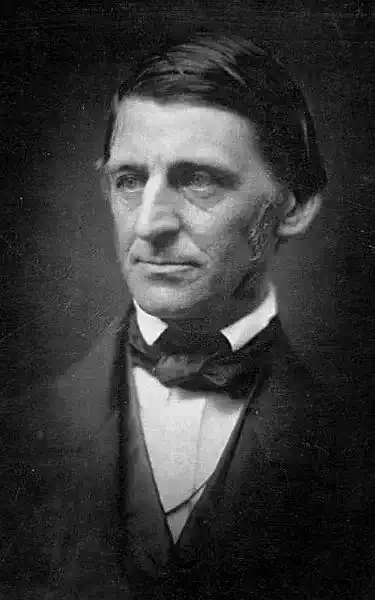
Ralph Waldo Emerson
Tact
Tact
What boots it, thy virtue,
What profit thy parts,
While one thing thou lackest,
The art of all arts!
The only credentials,
Passport to success,
Opens castle and parlor,—
Address, man, Address.
The maiden in danger
Was saved by the swain,
His stout arm restored her
To Broadway again:
The maid would reward him,—
Gay company come,—
They laugh, she laughs with them,
He is moonstruck and dumb.
This clenches the bargain,
Sails out of the bay,
Gets the vote in the Senate,
Spite of Webster and Clay;
Has for genius no mercy,
For speeches no heed,—
It lurks in the eyebeam,
It leaps to its deed.
Church, tavern, and market,
Bed and board it will sway;
It has no to-morrow,
It ends with to-day.
What boots it, thy virtue,
What profit thy parts,
While one thing thou lackest,
The art of all arts!
The only credentials,
Passport to success,
Opens castle and parlor,—
Address, man, Address.
The maiden in danger
Was saved by the swain,
His stout arm restored her
To Broadway again:
The maid would reward him,—
Gay company come,—
They laugh, she laughs with them,
He is moonstruck and dumb.
This clenches the bargain,
Sails out of the bay,
Gets the vote in the Senate,
Spite of Webster and Clay;
Has for genius no mercy,
For speeches no heed,—
It lurks in the eyebeam,
It leaps to its deed.
Church, tavern, and market,
Bed and board it will sway;
It has no to-morrow,
It ends with to-day.
347
William Shakespeare
Sonnet CXLIX
Sonnet CXLIX
Canst thou, O cruel! say I love thee not,
When I against myself with thee partake?
Do I not think on thee, when I forgot
Am of myself, all tyrant, for thy sake?
Who hateth thee that I do call my friend?
On whom frown'st thou that I do fawn upon?
Nay, if thou lour'st on me, do I not spend
Revenge upon myself with present moan?
What merit do I in myself respect,
That is so proud thy service to despise,
When all my best doth worship thy defect,
Commanded by the motion of thine eyes?
But, love, hate on, for now I know thy mind;
Those that can see thou lovest, and I am blind.
Canst thou, O cruel! say I love thee not,
When I against myself with thee partake?
Do I not think on thee, when I forgot
Am of myself, all tyrant, for thy sake?
Who hateth thee that I do call my friend?
On whom frown'st thou that I do fawn upon?
Nay, if thou lour'st on me, do I not spend
Revenge upon myself with present moan?
What merit do I in myself respect,
That is so proud thy service to despise,
When all my best doth worship thy defect,
Commanded by the motion of thine eyes?
But, love, hate on, for now I know thy mind;
Those that can see thou lovest, and I am blind.
257

Edward Lear
Limerick:There was an Old Person of Anerley
Limerick:There was an Old Person of Anerley
There was an Old Person of Anerley,
Whose conduct was strange and unmannerly;
He rushed down the Strand
With a pig in each hand,
But returned in the evening to Anerley.
There was an Old Person of Anerley,
Whose conduct was strange and unmannerly;
He rushed down the Strand
With a pig in each hand,
But returned in the evening to Anerley.
196
George Herbert
Sin (I)
Sin (I)
Lord, with what care hast Thou begirt us round!
Parents first season us; then schoolmasters
Deliver us to laws; -they send us bound
To rules of reason, holy messengers,
Pulpits and Sundays, sorrow dogging sin,
Afflictions sorted, anguish of all sizes,
Fine nets and stratagems to catch us in,
Bibles laid open, millions of surprises,
Blessings beforehand, ties of gratefulness,
The sound of glory ringing in our ears;
Without, our shame; within, our consciences;
Angels and grace, eternal hopes and fears:
Yet all these fences and their whole array
One cunning bosom-sin blows quite away.
Lord, with what care hast Thou begirt us round!
Parents first season us; then schoolmasters
Deliver us to laws; -they send us bound
To rules of reason, holy messengers,
Pulpits and Sundays, sorrow dogging sin,
Afflictions sorted, anguish of all sizes,
Fine nets and stratagems to catch us in,
Bibles laid open, millions of surprises,
Blessings beforehand, ties of gratefulness,
The sound of glory ringing in our ears;
Without, our shame; within, our consciences;
Angels and grace, eternal hopes and fears:
Yet all these fences and their whole array
One cunning bosom-sin blows quite away.
242
Emily Dickinson
They dropped like flakes
They dropped like flakes
They dropped like flakes, they dropped like stars,
Like petals from a rose,
When suddenly across the lune
A wind with fingers goes.
They perished in the seamless grass,-No
eye could find the place;
But God on his repealless list
Can summon every face
They dropped like flakes, they dropped like stars,
Like petals from a rose,
When suddenly across the lune
A wind with fingers goes.
They perished in the seamless grass,-No
eye could find the place;
But God on his repealless list
Can summon every face
302
Emily Dickinson
Houses so the Wise Men tell me
"Houses"-so the Wise Men tell me
127
"Houses"-so the Wise Men tell me"
Mansions"! Mansions must be warm!
Mansions cannot let the tears in,
Mansions must exclude the storm!
"Many Mansions," by "his Father,"
I don't know him; snugly built!
Could the Children find the way there-
Some, would even trudge tonight!
127
"Houses"-so the Wise Men tell me"
Mansions"! Mansions must be warm!
Mansions cannot let the tears in,
Mansions must exclude the storm!
"Many Mansions," by "his Father,"
I don't know him; snugly built!
Could the Children find the way there-
Some, would even trudge tonight!
261
William Shakespeare
Sonnet CXLIII
Sonnet CXLIII
Lo! as a careful housewife runs to catch
One of her feather'd creatures broke away,
Sets down her babe and makes an swift dispatch
In pursuit of the thing she would have stay,
Whilst her neglected child holds her in chase,
Cries to catch her whose busy care is bent
To follow that which flies before her face,
Not prizing her poor infant's discontent;
So runn'st thou after that which flies from thee,
Whilst I thy babe chase thee afar behind;
But if thou catch thy hope, turn back to me,
And play the mother's part, kiss me, be kind:
So will I pray that thou mayst have thy 'Will,'
If thou turn back, and my loud crying still.
Lo! as a careful housewife runs to catch
One of her feather'd creatures broke away,
Sets down her babe and makes an swift dispatch
In pursuit of the thing she would have stay,
Whilst her neglected child holds her in chase,
Cries to catch her whose busy care is bent
To follow that which flies before her face,
Not prizing her poor infant's discontent;
So runn'st thou after that which flies from thee,
Whilst I thy babe chase thee afar behind;
But if thou catch thy hope, turn back to me,
And play the mother's part, kiss me, be kind:
So will I pray that thou mayst have thy 'Will,'
If thou turn back, and my loud crying still.
208
John Donne
Death
Death
DEATH, be not proud, though some have called thee
Mighty and dreadful, for thou art not so:
For those whom thou think'st thou dost overthrow
Die not, poor Death; nor yet canst thou kill me.
From Rest and Sleep, which but thy picture be,
Much pleasure, then from thee much more must flow;
And soonest our best men with thee do go--
Rest of their bones and souls' delivery!
Thou'rt slave to fate, chance, kings, and desperate men,
And dost with poison, war, and sickness dwell;
And poppy or charms can make us sleep as well
And better than thy stroke. Why swell'st thou then?
One short sleep past, we wake eternally,
And Death shall be no more: Death, thou shalt die!
DEATH, be not proud, though some have called thee
Mighty and dreadful, for thou art not so:
For those whom thou think'st thou dost overthrow
Die not, poor Death; nor yet canst thou kill me.
From Rest and Sleep, which but thy picture be,
Much pleasure, then from thee much more must flow;
And soonest our best men with thee do go--
Rest of their bones and souls' delivery!
Thou'rt slave to fate, chance, kings, and desperate men,
And dost with poison, war, and sickness dwell;
And poppy or charms can make us sleep as well
And better than thy stroke. Why swell'st thou then?
One short sleep past, we wake eternally,
And Death shall be no more: Death, thou shalt die!
280
Emily Dickinson
They ask but our Delight
They ask but our Delight
868
They ask but our Delight-
The Darlings of the Soil
And grant us all their Countenance
For a penurious smile.
868
They ask but our Delight-
The Darlings of the Soil
And grant us all their Countenance
For a penurious smile.
250
George Herbert
Sighs And Groans
Sighs And Groans
O do not use me
After my sins! look not on my dessert,
But on your glory! Then you will reform
And not refuse me: for you only art
The mighty God, but I a silly worm;
O do not bruise me!
O do not urge me!
For what account can your ill steward make?
I have abused your stock, destroyed your woods,
Sucked all your storehouses: my head did ache,
Till it found out how to consume your goods:
O do not scourge me!
O do not blind me!
I have deserved that an Egyptian night
Should thicken all my powers; because my lust
Has still sewed fig-leaves to exclude your light:
But I am frailty, and already dust;
O do not grind me!
O do not fill me
With the turned vial of your bitter wrath!
For you have other vessels full of blood,
A part whereof my Savior emptied hath,
Even unto death: since he died for my good,
O do not kill me!
But O reprieve me!
For you have life and death at your command;
You are both Judge and Savior, feast and rod,
Cordial and Corrosive: put not your hand
Into the bitter box; but O my God,
My God, relieve me!
O do not use me
After my sins! look not on my dessert,
But on your glory! Then you will reform
And not refuse me: for you only art
The mighty God, but I a silly worm;
O do not bruise me!
O do not urge me!
For what account can your ill steward make?
I have abused your stock, destroyed your woods,
Sucked all your storehouses: my head did ache,
Till it found out how to consume your goods:
O do not scourge me!
O do not blind me!
I have deserved that an Egyptian night
Should thicken all my powers; because my lust
Has still sewed fig-leaves to exclude your light:
But I am frailty, and already dust;
O do not grind me!
O do not fill me
With the turned vial of your bitter wrath!
For you have other vessels full of blood,
A part whereof my Savior emptied hath,
Even unto death: since he died for my good,
O do not kill me!
But O reprieve me!
For you have life and death at your command;
You are both Judge and Savior, feast and rod,
Cordial and Corrosive: put not your hand
Into the bitter box; but O my God,
My God, relieve me!
223
Ralph Waldo Emerson
Sursum Corda
Sursum Corda
Seek not the Spirit, if it hide,
Inexorable to thy zeal:
Baby, do not whine and chide;
Art thou not also real?
Why should'st thou stoop to poor excuse?
Turn on the Accuser roundly; say,
"Here am I, here will I remain
Forever to myself soothfast,
Go thou, sweet Heaven, or, at thy pleasure stay."—
Already Heaven with thee its lot has cast,
For it only can absolutely deal.
Seek not the Spirit, if it hide,
Inexorable to thy zeal:
Baby, do not whine and chide;
Art thou not also real?
Why should'st thou stoop to poor excuse?
Turn on the Accuser roundly; say,
"Here am I, here will I remain
Forever to myself soothfast,
Go thou, sweet Heaven, or, at thy pleasure stay."—
Already Heaven with thee its lot has cast,
For it only can absolutely deal.
348
William Shakespeare
Sonnet CXLI
Sonnet CXLI
In faith, I do not love thee with mine eyes,
For they in thee a thousand errors note;
But 'tis my heart that loves what they despise,
Who in despite of view is pleased to dote;
In faith, I do not love thee with mine eyes,
For they in thee a thousand errors note;
But 'tis my heart that loves what they despise,
Who in despite of view is pleased to dote;
312
Edward Lear
Limerick:There was an Old Man, on whose nose
Limerick:There was an Old Man, on whose nose
There was an Old Man, on whose nose,
Most birds of the air could repose;
But they all flew away
At the closing of day,
Which relieved that Old Man and his nose.
There was an Old Man, on whose nose,
Most birds of the air could repose;
But they all flew away
At the closing of day,
Which relieved that Old Man and his nose.
151
George Herbert
Repentance
Repentance
Lord, I confess my sin is great;
Great is my sin. Oh! gently treat
With thy quick flow'r, thy momentany bloom;
Whose life still pressing
Is one undressing,
A steady aiming at a tomb.
Man's age is two hours' work, or three:
Each day doth round about us see.
Thus are we to delights: but we are all
To sorrows old,
If life be told
From what life feeleth, Adam's fall.
O let thy height of mercy then
Compassionate short-breathed men.
Cut me not off for my most foul transgression:
I do confess
My foolishness;
My God, accept of my confession.
Sweeten at length this bitter bowl,
Which thou hast pour'd into my soul;
Thy wormwood turn to health, winds to fair weather:
For if thou stay,
I and this day,
As we did rise, we die together.
When thou for sin rebukest man,
Forthwith he waxeth woe and wan:
Bitterness fills our bowels; all our hearts
Pine, and decay,
And dropp away,
And carry with them th'other parts.
But thou wilt sin and grief destroy;
That so the broken bones may joy,
And tune together in a well-set song,
Full of his praises,
Who dead men raises;
Fractures well cur'd make us more strong.
Lord, I confess my sin is great;
Great is my sin. Oh! gently treat
With thy quick flow'r, thy momentany bloom;
Whose life still pressing
Is one undressing,
A steady aiming at a tomb.
Man's age is two hours' work, or three:
Each day doth round about us see.
Thus are we to delights: but we are all
To sorrows old,
If life be told
From what life feeleth, Adam's fall.
O let thy height of mercy then
Compassionate short-breathed men.
Cut me not off for my most foul transgression:
I do confess
My foolishness;
My God, accept of my confession.
Sweeten at length this bitter bowl,
Which thou hast pour'd into my soul;
Thy wormwood turn to health, winds to fair weather:
For if thou stay,
I and this day,
As we did rise, we die together.
When thou for sin rebukest man,
Forthwith he waxeth woe and wan:
Bitterness fills our bowels; all our hearts
Pine, and decay,
And dropp away,
And carry with them th'other parts.
But thou wilt sin and grief destroy;
That so the broken bones may joy,
And tune together in a well-set song,
Full of his praises,
Who dead men raises;
Fractures well cur'd make us more strong.
273
Emily Dickinson
These tested Our Horizon
These tested Our Horizon
886
These tested Our Horizon-
Then disappeared
As Birds before achieving
A Latitude.
Our Retrospection of Them
A fixed Delight,
But our Anticipation
A Dice-a Doubt-
886
These tested Our Horizon-
Then disappeared
As Birds before achieving
A Latitude.
Our Retrospection of Them
A fixed Delight,
But our Anticipation
A Dice-a Doubt-
305
Emily Dickinson
Heaven-is what I cannot reach!
"Heaven"-is what I cannot reach!
239
"Heaven"-is what I cannot reach!
The Apple on the Tree-
Provided it do hopeless-hangThat-"
Heaven" is-to Me!
The Color, on the Cruising Cloud-
The interdicted Land-
Behind the Hill-the House behindThere-
Paradise-is found!
Her teasing Purples-Afternoons-
The credulous-decoyEnamored-
of the Conjuror-
That spurned us-Yesterday!
239
"Heaven"-is what I cannot reach!
The Apple on the Tree-
Provided it do hopeless-hangThat-"
Heaven" is-to Me!
The Color, on the Cruising Cloud-
The interdicted Land-
Behind the Hill-the House behindThere-
Paradise-is found!
Her teasing Purples-Afternoons-
The credulous-decoyEnamored-
of the Conjuror-
That spurned us-Yesterday!
300
William Shakespeare
Sonnet CXIX
Sonnet CXIX
What potions have I drunk of Siren tears,
Distill'd from limbecks foul as hell within,
Applying fears to hopes and hopes to fears,
Still losing when I saw myself to win!
What wretched errors hath my heart committed,
Whilst it hath thought itself so blessed never!
How have mine eyes out of their spheres been fitted
In the distraction of this madding fever!
O benefit of ill! now I find true
That better is by evil still made better;
And ruin'd love, when it is built anew,
Grows fairer than at first, more strong, far greater.
So I return rebuked to my content
And gain by ill thrice more than I have spent.
What potions have I drunk of Siren tears,
Distill'd from limbecks foul as hell within,
Applying fears to hopes and hopes to fears,
Still losing when I saw myself to win!
What wretched errors hath my heart committed,
Whilst it hath thought itself so blessed never!
How have mine eyes out of their spheres been fitted
In the distraction of this madding fever!
O benefit of ill! now I find true
That better is by evil still made better;
And ruin'd love, when it is built anew,
Grows fairer than at first, more strong, far greater.
So I return rebuked to my content
And gain by ill thrice more than I have spent.
310
John Donne
Crucifying
Crucifying
By miracles exceeding power of man,
He faith in some, envy in some begat,
For, what weak spirits admire, ambitious hate :
In both affections many to Him ran.
But O ! the worst are most, they will and can,
Alas ! and do, unto th' Immaculate,
Whose creature Fate is, now prescribe a fate,
Measuring self-life's infinity to span,
Nay to an inch. Lo ! where condemned He
Bears His own cross, with pain, yet by and by
When it bears him, He must bear more and die.
Now Thou art lifted up, draw me to Thee,
And at Thy death giving such liberal dole,
Moist with one drop of Thy blood my dry soul.
By miracles exceeding power of man,
He faith in some, envy in some begat,
For, what weak spirits admire, ambitious hate :
In both affections many to Him ran.
But O ! the worst are most, they will and can,
Alas ! and do, unto th' Immaculate,
Whose creature Fate is, now prescribe a fate,
Measuring self-life's infinity to span,
Nay to an inch. Lo ! where condemned He
Bears His own cross, with pain, yet by and by
When it bears him, He must bear more and die.
Now Thou art lifted up, draw me to Thee,
And at Thy death giving such liberal dole,
Moist with one drop of Thy blood my dry soul.
409
George Herbert
Providence
Providence
O Sacred Providence, who from end to end
Strongly and sweetly movest! shall I write,
And not of thee, through whom my fingers bend
To hold my quill? shall they not do thee right?
Of all the creatures both in sea and land
Onely to Man thou hast made known thy wayes,
And put the penne alone into his hand,
And made him Secretarie of thy praise.
Beasts fain would sing; birds dittie to their notes;
Trees would be tuning on their native lute
To thy renown: but all their hands and throats
Are brought to Man, while they are lame and mute.
Man is the worlds high Priest: he doth present
The sacrifice for all; while they below
Unto the service mutter an assent,
Such as springs use that fall, and windes that blow.
He that to praise and laud thee doth refrain,
Doth not refrain unto himself alone,
But robs a thousand who would praise thee fain,
And doth commit a world of sinne in one.
The beasts say, Eat me: but, if beasts must teach,
The tongue is yours to eat, but mine to praise.
The trees say, Pull me: but the hand you stretch,
Is mine to write, as it is yours to raise.
Wherefore, most sacred Spirit, I here present
For me and all my fellows praise to thee:
And just it is that I should pay the rent,
Because the benefit accrues to me.
We all acknowledge both thy power and love
To be exact, transcendent, and divine;
Who dost so strongly and so sweetly move,
While all things have their will, yet none but thine.
For either thy command, or thy permission
Lay hands on all: they are thy right and left.
The first puts on with speed and expedition;
The other curbs sinnes stealing pace and theft.
Nothing escapes them both; all must appeare,
And be dispos'd, and dress'd, and tun'd by thee,
Who sweetly temper'st all. If we could heare
Thy skill and art, what musick would it be!
Thou art in small things great, not small in any:
Thy even praise can neither rise, nor fall.
Thou art in all things one, in each thing many:
For thou art infinite in one and all.
Tempests are calm to thee; they know thy hand,
And hold it fast, as children do their fathers,
Which crie and follow. Thou hast made poore sand
Check the proud sea, ev'n when it swells and gathers.
Thy cupboard serves the world: the meat is set,
Where all may reach: no beast but knows his feed.
Birds teach us hawking; fishes have their net:
The great prey on the lesse, they on some weed.
Nothing ingendred doth prevent his meat:
Flies have their table spread, ere they appeare.
Some creatures have in winter what to eat;
Others do sleep, and envie not their cheer.
How finely dost thou times and seasons spin.
And make a twist checker'd with night and day!
Which as it lengthens windes, and windes us in,
As bouls go on, but turning all the way.
Each creature hath a wisdome for his good.
The pigeons feed their tender off-spring, crying,
When they are callow; but withdraw their food
When they are fledge, that need may teach them flying.
Bees work for man; and yet they never bruise
Their masters flower, but leave it, having done,
As fair as ever, and as fit to use;
So both the flower doth stay, and hony run.
Sheep eat the grasse, and dung the ground for more:
Trees after bearing drop their leaves for soil:
Springs vent their streams, and by expense get store:
Clouds cool by heat, and baths by cooling boil.
Who hath the vertue to expresse the rare
And curious vertues both of herbs and stones?
Is there a herb for that? O that thy care
Would show a root, that gives expressions!
And if an herb hath power, what have the starres?
A rose, besides his beautie, is a cure.
Doubtlesse our plagues and plentie, peace and warres
Are there much surer then our art is sure.
Thou hast hid metals: man may take them thence;
But at his peril: when he digs the place,
He makes a grave; as if the thing had sense,
And threatned man, that he should fill the space.
Ev'n poysons praise thee. Should a thing be lost?
Should creatures want for want of heed their due?
Since where are poysons, antidots are most:
The help stands close, and keeps the fear in view.
The sea, which seems to stop the traveller,
Is by a ship the speedier passage made.
The windes, who think they rule the mariner,
Are rul'd by him, and taught to serve his trade.
And as thy house is full, so I adore
Thy curious art in marshalling thy goods.
The hills and health abound; the vales with store;
The South with marble; North with furres & woods.
Hard things are glorious; easie things good cheap.
The common all men have; that which is rare,
Men therefore seek to have, and care to keep.
The healthy frosts with summer-fruits compare.
Light without winde is glasse: warm without weight
Is wooll and furres: cool without closenesse, shade:
Speed without pains, a horse: tall without height,
A servile hawk: low without losse, a spade.
All countreys have enough to serve their need:
If they seek fine things, thou dost make them run
For their offence; and then dost turn their speed
To be commerce and trade from sunne to sunne.
Nothing wears clothes, but Man; nothing doth need
But he to wear them. Nothing useth fire,
But Man alone, to show his heav'nly breed:
And onely he hath fuell in desire.
When th'earth was dry, thou mad'st a sea of wet:
When that lay gather'd, thou didst broach the mountains:
When yet some places could no moisture get,
The windes grew gard'ners, and the clouds good fountains.
Rain, do not hurt my flowers; but gently spend
Your hony drops: presse not to smell them here:
When they are ripe, their odour will ascend,
And at your lodging with their thanks appeare.
How harsh are thorns to pears! and yet they make
A better hedge, and need lesse reparation.
How smooth are silks compared with a stake,
Or with a stone! yet make no good foundation.
Sometimes thou dost divide thy gifts to man,
Sometimes unite. The Indian nut alone
Is clothing, meat and trencher, drink and kan,
Boat, cable, sail and needle, all in one.
Most herbs that grow in brooks, are hot and dry.
Cold fruits warm kernells help against the winde.
The lemmons juice and rinde cure mutually.
The whey of milk doth loose, the milk doth binde.
Thy creatures leap not, but expresse a feast,
Where all the guests sit close, and nothing wants.
Frogs marry fish and flesh; bats, bird and beast;
Sponges, non-sense and sense; mines, th'earth & plants.
To show thou art not bound, as if thy lot
Were worse then ours; sometimes thou shiftest hands.
Most things move th'under-jaw; the Crocodile not.
Most things sleep lying; th’ Elephant leans or stands.
But who hath praise enough? nay who hath any?
None can expresse thy works, but he that knows them:
And none can know thy works, which are so many,
And so complete, but onely he that owes them.
All things that are, though they have sev'rall wayes,
Yet in their being joyn with one advise
To honour thee: and so I give thee praise
In all my other hymnes, but in this twice.
Each thing that is, although in use and name
It go for one, hath many wayes in store
To honour thee; and so each hymne thy fame
Extolleth many wayes, yet this one more.
O Sacred Providence, who from end to end
Strongly and sweetly movest! shall I write,
And not of thee, through whom my fingers bend
To hold my quill? shall they not do thee right?
Of all the creatures both in sea and land
Onely to Man thou hast made known thy wayes,
And put the penne alone into his hand,
And made him Secretarie of thy praise.
Beasts fain would sing; birds dittie to their notes;
Trees would be tuning on their native lute
To thy renown: but all their hands and throats
Are brought to Man, while they are lame and mute.
Man is the worlds high Priest: he doth present
The sacrifice for all; while they below
Unto the service mutter an assent,
Such as springs use that fall, and windes that blow.
He that to praise and laud thee doth refrain,
Doth not refrain unto himself alone,
But robs a thousand who would praise thee fain,
And doth commit a world of sinne in one.
The beasts say, Eat me: but, if beasts must teach,
The tongue is yours to eat, but mine to praise.
The trees say, Pull me: but the hand you stretch,
Is mine to write, as it is yours to raise.
Wherefore, most sacred Spirit, I here present
For me and all my fellows praise to thee:
And just it is that I should pay the rent,
Because the benefit accrues to me.
We all acknowledge both thy power and love
To be exact, transcendent, and divine;
Who dost so strongly and so sweetly move,
While all things have their will, yet none but thine.
For either thy command, or thy permission
Lay hands on all: they are thy right and left.
The first puts on with speed and expedition;
The other curbs sinnes stealing pace and theft.
Nothing escapes them both; all must appeare,
And be dispos'd, and dress'd, and tun'd by thee,
Who sweetly temper'st all. If we could heare
Thy skill and art, what musick would it be!
Thou art in small things great, not small in any:
Thy even praise can neither rise, nor fall.
Thou art in all things one, in each thing many:
For thou art infinite in one and all.
Tempests are calm to thee; they know thy hand,
And hold it fast, as children do their fathers,
Which crie and follow. Thou hast made poore sand
Check the proud sea, ev'n when it swells and gathers.
Thy cupboard serves the world: the meat is set,
Where all may reach: no beast but knows his feed.
Birds teach us hawking; fishes have their net:
The great prey on the lesse, they on some weed.
Nothing ingendred doth prevent his meat:
Flies have their table spread, ere they appeare.
Some creatures have in winter what to eat;
Others do sleep, and envie not their cheer.
How finely dost thou times and seasons spin.
And make a twist checker'd with night and day!
Which as it lengthens windes, and windes us in,
As bouls go on, but turning all the way.
Each creature hath a wisdome for his good.
The pigeons feed their tender off-spring, crying,
When they are callow; but withdraw their food
When they are fledge, that need may teach them flying.
Bees work for man; and yet they never bruise
Their masters flower, but leave it, having done,
As fair as ever, and as fit to use;
So both the flower doth stay, and hony run.
Sheep eat the grasse, and dung the ground for more:
Trees after bearing drop their leaves for soil:
Springs vent their streams, and by expense get store:
Clouds cool by heat, and baths by cooling boil.
Who hath the vertue to expresse the rare
And curious vertues both of herbs and stones?
Is there a herb for that? O that thy care
Would show a root, that gives expressions!
And if an herb hath power, what have the starres?
A rose, besides his beautie, is a cure.
Doubtlesse our plagues and plentie, peace and warres
Are there much surer then our art is sure.
Thou hast hid metals: man may take them thence;
But at his peril: when he digs the place,
He makes a grave; as if the thing had sense,
And threatned man, that he should fill the space.
Ev'n poysons praise thee. Should a thing be lost?
Should creatures want for want of heed their due?
Since where are poysons, antidots are most:
The help stands close, and keeps the fear in view.
The sea, which seems to stop the traveller,
Is by a ship the speedier passage made.
The windes, who think they rule the mariner,
Are rul'd by him, and taught to serve his trade.
And as thy house is full, so I adore
Thy curious art in marshalling thy goods.
The hills and health abound; the vales with store;
The South with marble; North with furres & woods.
Hard things are glorious; easie things good cheap.
The common all men have; that which is rare,
Men therefore seek to have, and care to keep.
The healthy frosts with summer-fruits compare.
Light without winde is glasse: warm without weight
Is wooll and furres: cool without closenesse, shade:
Speed without pains, a horse: tall without height,
A servile hawk: low without losse, a spade.
All countreys have enough to serve their need:
If they seek fine things, thou dost make them run
For their offence; and then dost turn their speed
To be commerce and trade from sunne to sunne.
Nothing wears clothes, but Man; nothing doth need
But he to wear them. Nothing useth fire,
But Man alone, to show his heav'nly breed:
And onely he hath fuell in desire.
When th'earth was dry, thou mad'st a sea of wet:
When that lay gather'd, thou didst broach the mountains:
When yet some places could no moisture get,
The windes grew gard'ners, and the clouds good fountains.
Rain, do not hurt my flowers; but gently spend
Your hony drops: presse not to smell them here:
When they are ripe, their odour will ascend,
And at your lodging with their thanks appeare.
How harsh are thorns to pears! and yet they make
A better hedge, and need lesse reparation.
How smooth are silks compared with a stake,
Or with a stone! yet make no good foundation.
Sometimes thou dost divide thy gifts to man,
Sometimes unite. The Indian nut alone
Is clothing, meat and trencher, drink and kan,
Boat, cable, sail and needle, all in one.
Most herbs that grow in brooks, are hot and dry.
Cold fruits warm kernells help against the winde.
The lemmons juice and rinde cure mutually.
The whey of milk doth loose, the milk doth binde.
Thy creatures leap not, but expresse a feast,
Where all the guests sit close, and nothing wants.
Frogs marry fish and flesh; bats, bird and beast;
Sponges, non-sense and sense; mines, th'earth & plants.
To show thou art not bound, as if thy lot
Were worse then ours; sometimes thou shiftest hands.
Most things move th'under-jaw; the Crocodile not.
Most things sleep lying; th’ Elephant leans or stands.
But who hath praise enough? nay who hath any?
None can expresse thy works, but he that knows them:
And none can know thy works, which are so many,
And so complete, but onely he that owes them.
All things that are, though they have sev'rall wayes,
Yet in their being joyn with one advise
To honour thee: and so I give thee praise
In all my other hymnes, but in this twice.
Each thing that is, although in use and name
It go for one, hath many wayes in store
To honour thee; and so each hymne thy fame
Extolleth many wayes, yet this one more.
249
Emily Dickinson
There's something quieter than sleep
There's something quieter than sleep
45
There's something quieter than sleep
Within this inner room!
It wears a sprig upon its breast-
And will not tell its name.
Some touch it, and some kiss it-
Some chafe its idle hand-
It has a simple gravity
I do not understand!
I would not weep if I were they-
How rude in one to sob!
Might scare the quiet fairy
Back to her native wood!
While simple-hearted neighbors
Chat of the "Early dead"We-
prone to periphrasis
Remark that Birds have fled!
45
There's something quieter than sleep
Within this inner room!
It wears a sprig upon its breast-
And will not tell its name.
Some touch it, and some kiss it-
Some chafe its idle hand-
It has a simple gravity
I do not understand!
I would not weep if I were they-
How rude in one to sob!
Might scare the quiet fairy
Back to her native wood!
While simple-hearted neighbors
Chat of the "Early dead"We-
prone to periphrasis
Remark that Birds have fled!
283