
Poems List
Explore poems from our collection
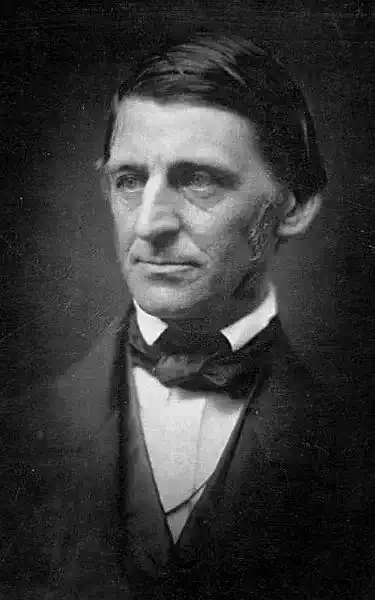
Ralph Waldo Emerson
Seashore
Seashore
I heard or seemed to hear the chiding Sea
Say, Pilgrim, why so late and slow to come?
Am I not always here, thy summer home?
Is not my voice thy music, morn and eve?
My breath thy healthful climate in the heats,
My touch thy antidote, my bay thy bath?
Was ever building like my terraces?
Was ever couch magnificent as mine?
Lie on the warm rock-ledges, and there learn
A little hut suffices like a town.
I make your sculptured architecture vain,
Vain beside mine. I drive my wedges home,
And carve the coastwise mountain into caves.
Lo! here is Rome and Nineveh and Thebes,
Karnak and Pyramid and Giant's Stairs
Half piled or prostrate; and my newest slab
Older than all thy race.
Behold the Sea,
The opaline, the plentiful and strong,
Yet beautiful as is the rose in June,
Fresh as the trickling rainbow of July;
Sea full of food, the nourisher of kinds,
Purger of earth, and medicine of men;
Creating a sweet climate by my breath,
Washing out harms and griefs from memory,
And, in my mathematic ebb and flow,
Giving a hint of that which changes not.
Rich are the sea-gods:--who gives gifts but they?
They grope the sea for pearls, but more than pearls:
They pluck Force thence, and give it to the wise.
For every wave is wealth to Dædalus,
Wealth to the cunning artist who can work
This matchless strength. Where shall he find, O waves!
A load your Atlas shoulders cannot lift?
I with my hammer pounding evermore
The rocky coast, smite Andes into dust,
Strewing my bed, and, in another age,
Rebuild a continent of better men.
Then I unbar the doors: my paths lead out
The exodus of nations: I dispersed
Men to all shores that front the hoary main.
I too have arts and sorceries;
Illusion dwells forever with the wave.
I know what spells are laid. Leave me to deal
With credulous and imaginative man;
For, though he scoop my water in his palm,
A few rods off he deems it gems and clouds.
Planting strange fruits and sunshine on the shore,
I make some coast alluring, some lone isle,
To distant men, who must go there, or die.
I heard or seemed to hear the chiding Sea
Say, Pilgrim, why so late and slow to come?
Am I not always here, thy summer home?
Is not my voice thy music, morn and eve?
My breath thy healthful climate in the heats,
My touch thy antidote, my bay thy bath?
Was ever building like my terraces?
Was ever couch magnificent as mine?
Lie on the warm rock-ledges, and there learn
A little hut suffices like a town.
I make your sculptured architecture vain,
Vain beside mine. I drive my wedges home,
And carve the coastwise mountain into caves.
Lo! here is Rome and Nineveh and Thebes,
Karnak and Pyramid and Giant's Stairs
Half piled or prostrate; and my newest slab
Older than all thy race.
Behold the Sea,
The opaline, the plentiful and strong,
Yet beautiful as is the rose in June,
Fresh as the trickling rainbow of July;
Sea full of food, the nourisher of kinds,
Purger of earth, and medicine of men;
Creating a sweet climate by my breath,
Washing out harms and griefs from memory,
And, in my mathematic ebb and flow,
Giving a hint of that which changes not.
Rich are the sea-gods:--who gives gifts but they?
They grope the sea for pearls, but more than pearls:
They pluck Force thence, and give it to the wise.
For every wave is wealth to Dædalus,
Wealth to the cunning artist who can work
This matchless strength. Where shall he find, O waves!
A load your Atlas shoulders cannot lift?
I with my hammer pounding evermore
The rocky coast, smite Andes into dust,
Strewing my bed, and, in another age,
Rebuild a continent of better men.
Then I unbar the doors: my paths lead out
The exodus of nations: I dispersed
Men to all shores that front the hoary main.
I too have arts and sorceries;
Illusion dwells forever with the wave.
I know what spells are laid. Leave me to deal
With credulous and imaginative man;
For, though he scoop my water in his palm,
A few rods off he deems it gems and clouds.
Planting strange fruits and sunshine on the shore,
I make some coast alluring, some lone isle,
To distant men, who must go there, or die.
370

William Shakespeare
Sonnet CXIII
Sonnet CXIII
Since I left you, mine eye is in my mind;
And that which governs me to go about
Doth part his function and is partly blind,
Seems seeing, but effectually is out;
For it no form delivers to the heart
Of bird of flower, or shape, which it doth latch:
Of his quick objects hath the mind no part,
Nor his own vision holds what it doth catch:
For if it see the rudest or gentlest sight,
The most sweet favour or deformed'st creature,
The mountain or the sea, the day or night,
The crow or dove, it shapes them to your feature:
Incapable of more, replete with you,
My most true mind thus makes mine eye untrue.
Since I left you, mine eye is in my mind;
And that which governs me to go about
Doth part his function and is partly blind,
Seems seeing, but effectually is out;
For it no form delivers to the heart
Of bird of flower, or shape, which it doth latch:
Of his quick objects hath the mind no part,
Nor his own vision holds what it doth catch:
For if it see the rudest or gentlest sight,
The most sweet favour or deformed'st creature,
The mountain or the sea, the day or night,
The crow or dove, it shapes them to your feature:
Incapable of more, replete with you,
My most true mind thus makes mine eye untrue.
271

Edward Lear
Limerick:There was an Old Man with a beard
Limerick:There was an Old Man with a beard
There was an Old Man with a beard,
Who sat on a horse when he reared;
But they said, 'Never mind!
You will fall off behind,
You propitious Old Man with a beard!'
There was an Old Man with a beard,
Who sat on a horse when he reared;
But they said, 'Never mind!
You will fall off behind,
You propitious Old Man with a beard!'
221
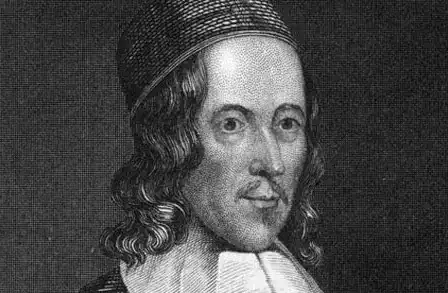
George Herbert
Prayer
Prayer
Prayer the Churches banquet, Angels age,
Gods breath in man returning to his birth,
The soul in paraphrase, heart in pilgramage,
The Christian plummet sounding heav'n and earth;
Engine against th'Almightie, sinners towre,
Reversed thunder, Christ-side-piercing spear,
The six-daies world-transposing in an houre,
A kinde of tune, which all things heare and fear;
Softnesse, and peace, and joy, and love, and blisse,
Exalted Manna, gladnesse of the best,
Heaven in ordinarie, man well drest,
The milkie way, the bird of Paradise,
Church-bels beyond the starres heard, the souls bloud,
The land of spices; something understood.
Prayer the Churches banquet, Angels age,
Gods breath in man returning to his birth,
The soul in paraphrase, heart in pilgramage,
The Christian plummet sounding heav'n and earth;
Engine against th'Almightie, sinners towre,
Reversed thunder, Christ-side-piercing spear,
The six-daies world-transposing in an houre,
A kinde of tune, which all things heare and fear;
Softnesse, and peace, and joy, and love, and blisse,
Exalted Manna, gladnesse of the best,
Heaven in ordinarie, man well drest,
The milkie way, the bird of Paradise,
Church-bels beyond the starres heard, the souls bloud,
The land of spices; something understood.
220

Emily Dickinson
There's a certain Slant of light (258)
There's a certain Slant of light (258)
There's a certain Slant of light,
Winter Afternoons--
That oppresses, like the Heft
Of Cathedral Tunes--
Heavenly Hurt, it gives us--
We can find no scar,
But internal difference,
Where the Meanings, are--
None may teach it--Any-'
Tis the Seal Despair--
An imperial affliction
Sent us of the air--
When it comes, the Landscape listens-Shadows--
hold their breath--
When it goes, 'tis like the Distance
On the look of Death--
There's a certain Slant of light,
Winter Afternoons--
That oppresses, like the Heft
Of Cathedral Tunes--
Heavenly Hurt, it gives us--
We can find no scar,
But internal difference,
Where the Meanings, are--
None may teach it--Any-'
Tis the Seal Despair--
An imperial affliction
Sent us of the air--
When it comes, the Landscape listens-Shadows--
hold their breath--
When it goes, 'tis like the Distance
On the look of Death--
186
Emily Dickinson
Faith is a fine invention
"Faith" is a fine invention
185
"Faith" is a fine invention
When Gentlemen can see-
But Microscopes are prudent
In an Emergency.
185
"Faith" is a fine invention
When Gentlemen can see-
But Microscopes are prudent
In an Emergency.
345
William Shakespeare
Sonnet CXI: O, for my sake do you with Fortune chide
Sonnet CXI: O, for my sake do you with Fortune chide
O, for my sake do you with Fortune chide,
The guilty goddess of my harmful deeds,
That did not better for my life provide
Than public means which public manners breeds.
Thence comes it that my name receives a brand,
And almost thence my nature is subdu'd
To what it works in, like the dyer's hand.
Pity me then and wish I were renew'd;
Whilst, like a willing patient, I will drink
Potions of eisel 'gainst my strong infection;
No bitterness that I will bitter think,
Nor double penance, to correct correction.
Pity me then, dear friend, and I assure ye
Even that your pity is enough to cure me.
O, for my sake do you with Fortune chide,
The guilty goddess of my harmful deeds,
That did not better for my life provide
Than public means which public manners breeds.
Thence comes it that my name receives a brand,
And almost thence my nature is subdu'd
To what it works in, like the dyer's hand.
Pity me then and wish I were renew'd;
Whilst, like a willing patient, I will drink
Potions of eisel 'gainst my strong infection;
No bitterness that I will bitter think,
Nor double penance, to correct correction.
Pity me then, dear friend, and I assure ye
Even that your pity is enough to cure me.
235
John Donne
Community
Community
Good we must love, and must hate ill,
For ill is ill, and good good still ;
But there are things indifferent,
Which wee may neither hate, nor love,
But one, and then another prove,
As we shall find our fancy bent.
If then at first wise Nature had
Made women either good or bad,
Then some wee might hate, and some choose ;
But since she did them so create,
That we may neither love, nor hate,
Only this rests, all all may use.
If they were good it would be seen ;
Good is as visible as green,
And to all eyes itself betrays.
If they were bad, they could not last ;
Bad doth itself, and others waste ;
So they deserve nor blame, nor praise.
But they are ours as fruits are ours ;
He that but tastes, he that devours,
And he that leaves all, doth as well ;
Changed loves are but changed sorts of meat ;
And when he hath the kernel eat,
Who doth not fling away the shell?
Good we must love, and must hate ill,
For ill is ill, and good good still ;
But there are things indifferent,
Which wee may neither hate, nor love,
But one, and then another prove,
As we shall find our fancy bent.
If then at first wise Nature had
Made women either good or bad,
Then some wee might hate, and some choose ;
But since she did them so create,
That we may neither love, nor hate,
Only this rests, all all may use.
If they were good it would be seen ;
Good is as visible as green,
And to all eyes itself betrays.
If they were bad, they could not last ;
Bad doth itself, and others waste ;
So they deserve nor blame, nor praise.
But they are ours as fruits are ours ;
He that but tastes, he that devours,
And he that leaves all, doth as well ;
Changed loves are but changed sorts of meat ;
And when he hath the kernel eat,
Who doth not fling away the shell?
296
Emily Dickinson
There is another sky
There is another sky
2
There is another sky,
Ever serene and fair,
And there is another sunshine,
Though it be darkness there;
Never mind faded forests, Austin,
Never mind silent fields-
Here is a little forest,
Whose leaf is ever green;
Here is a brighter garden,
Where not a frost has been;
In its unfading flowers
I hear the bright bee hum:
Prithee, my brother,
Into my garden come!
2
There is another sky,
Ever serene and fair,
And there is another sunshine,
Though it be darkness there;
Never mind faded forests, Austin,
Never mind silent fields-
Here is a little forest,
Whose leaf is ever green;
Here is a brighter garden,
Where not a frost has been;
In its unfading flowers
I hear the bright bee hum:
Prithee, my brother,
Into my garden come!
573
George Herbert
Peace
Peace
Sweet Peace, where dost thou dwell? I humbly crave,
Let me once know.
I sought thee in a secret cave,
And ask'd, if Peace were there,
A hollow wind did seem to answer, No:
Go seek elsewhere.
I did; and going did a rainbow note:
Surely, thought I,
This is the lace of Peace's coat:
I will search out the matter.
But while I looked the clouds immediately
Did break and scatter.
Then went I to a garden and did spy
A gallant flower,
The crown-imperial: Sure, said I,
Peace at the root must dwell.
But when I digged, I saw a worm devour
What showed so well.
At length I met a rev'rend good old man;
Whom when for Peace
I did demand, he thus began:
There was a Prince of old
At Salem dwelt, who lived with good increase
Of flock and fold.
He sweetly lived; yet sweetness did not save
His life from foes.
But after death out of his grave
There sprang twelve stalks of wheat;
Which many wond'ring at, got some of those
To plant and set.
It prospered strangely, and did soon disperse
Through all the earth:
For they that taste it do rehearse
That virtue lies therein;
A secret virtue, bringing peace and mirth
By flight of sin.
Take of this grain, which in my garden grows,
And grows for you;
Make bread of it: and that repose
And peace, which ev'ry where
With so much earnestness you do pursue,
Is only there.
Sweet Peace, where dost thou dwell? I humbly crave,
Let me once know.
I sought thee in a secret cave,
And ask'd, if Peace were there,
A hollow wind did seem to answer, No:
Go seek elsewhere.
I did; and going did a rainbow note:
Surely, thought I,
This is the lace of Peace's coat:
I will search out the matter.
But while I looked the clouds immediately
Did break and scatter.
Then went I to a garden and did spy
A gallant flower,
The crown-imperial: Sure, said I,
Peace at the root must dwell.
But when I digged, I saw a worm devour
What showed so well.
At length I met a rev'rend good old man;
Whom when for Peace
I did demand, he thus began:
There was a Prince of old
At Salem dwelt, who lived with good increase
Of flock and fold.
He sweetly lived; yet sweetness did not save
His life from foes.
But after death out of his grave
There sprang twelve stalks of wheat;
Which many wond'ring at, got some of those
To plant and set.
It prospered strangely, and did soon disperse
Through all the earth:
For they that taste it do rehearse
That virtue lies therein;
A secret virtue, bringing peace and mirth
By flight of sin.
Take of this grain, which in my garden grows,
And grows for you;
Make bread of it: and that repose
And peace, which ev'ry where
With so much earnestness you do pursue,
Is only there.
244
Ralph Waldo Emerson
Rubies
Rubies
They brought me rubies from the mine,
And held them to the sun;
I said, they are drops of frozen wine
From Eden's vats that run.
I looked again,--I thought them hearts
Of friends to friends unknown;
Tides that should warm each neighboring life
Are locked in sparkling stone.
But fire to thaw that ruddy snow,
To break enchanted ice,
And give love's scarlet tides to flow,--
When shall that sun arise?
They brought me rubies from the mine,
And held them to the sun;
I said, they are drops of frozen wine
From Eden's vats that run.
I looked again,--I thought them hearts
Of friends to friends unknown;
Tides that should warm each neighboring life
Are locked in sparkling stone.
But fire to thaw that ruddy snow,
To break enchanted ice,
And give love's scarlet tides to flow,--
When shall that sun arise?
330
William Shakespeare
Sonnet CX
Sonnet CX
Alas, 'tis true I have gone here and there
And made myself a motley to the view,
Gored mine own thoughts, sold cheap what is most dear,
Made old offences of affections new;
Most true it is that I have look'd on truth
Askance and strangely: but, by all above,
These blenches gave my heart another youth,
And worse essays proved thee my best of love.
Now all is done, have what shall have no end:
Mine appetite I never more will grind
On newer proof, to try an older friend,
A god in love, to whom I am confined.
Then give me welcome, next my heaven the best,
Even to thy pure and most most loving breast.
Alas, 'tis true I have gone here and there
And made myself a motley to the view,
Gored mine own thoughts, sold cheap what is most dear,
Made old offences of affections new;
Most true it is that I have look'd on truth
Askance and strangely: but, by all above,
These blenches gave my heart another youth,
And worse essays proved thee my best of love.
Now all is done, have what shall have no end:
Mine appetite I never more will grind
On newer proof, to try an older friend,
A god in love, to whom I am confined.
Then give me welcome, next my heaven the best,
Even to thy pure and most most loving breast.
262
Edward Lear
Limerick:There was an Old Man of the coast
Limerick:There was an Old Man of the coast
There was an Old Man of the coast,
Who placidly sat on a post;
But when it was cold
He relinquished his hold
And called for some hot buttered toast.
There was an Old Man of the coast,
Who placidly sat on a post;
But when it was cold
He relinquished his hold
And called for some hot buttered toast.
225
George Herbert
Mortification
Mortification
How soon doth man decay!
When clothes are taken from a chest of sweets
To swaddle infants, whose young breath
Scarce knows the way;
Those clouts are little winding-sheets,
Which do consign and send them unto Death.
When boyes go first to bed,
They step into their voluntarie graves;
Sleep binds them fast; onely their breath
Makes them not dead:
Successive nights, like rolling waves,
Convey them quickly who are bound for Death.
When Youth is frank and free,
And calls for musick, while his veins do swell,
All day exchanging mirth and breath
In companie,
That musick summons to the knell
Which shall befriend him at the house of Death.
When man grows staid and wise,
Getting a house and home, where he may move
Within the circle of his breath,
Schooling his eyes,
That dumbe inclosure maketh love
Unto the coffin, that attends his death.
When Age grows low and weak,
Marking his grave, and thawing ev'ry year,
Till all do melt and drown his breath
When he would speak,
A chair or litter shows the biere
Which shall convey him to the house of Death.
Man, ere he is aware,
Hath put together a solemnitie,
And drest his hearse, while he has breath
As yet to spare;
Yet, Lord, instruct us so to die,
That all these dyings may be LIFE in DEATH.
How soon doth man decay!
When clothes are taken from a chest of sweets
To swaddle infants, whose young breath
Scarce knows the way;
Those clouts are little winding-sheets,
Which do consign and send them unto Death.
When boyes go first to bed,
They step into their voluntarie graves;
Sleep binds them fast; onely their breath
Makes them not dead:
Successive nights, like rolling waves,
Convey them quickly who are bound for Death.
When Youth is frank and free,
And calls for musick, while his veins do swell,
All day exchanging mirth and breath
In companie,
That musick summons to the knell
Which shall befriend him at the house of Death.
When man grows staid and wise,
Getting a house and home, where he may move
Within the circle of his breath,
Schooling his eyes,
That dumbe inclosure maketh love
Unto the coffin, that attends his death.
When Age grows low and weak,
Marking his grave, and thawing ev'ry year,
Till all do melt and drown his breath
When he would speak,
A chair or litter shows the biere
Which shall convey him to the house of Death.
Man, ere he is aware,
Hath put together a solemnitie,
And drest his hearse, while he has breath
As yet to spare;
Yet, Lord, instruct us so to die,
That all these dyings may be LIFE in DEATH.
254
Emily Dickinson
There is a word
There is a word
8
There is a word
Which bears a sword
Can pierce an armed man-
It hurls its barbed syllables
And is mute again-
But where it fell
The saved will tell
On patriotic day,
Some epauletted Brother
Gave his breath away.
Wherever runs the breathless sun-
Wherever roams the day-
There is its noiseless onset-
There is its victory!
Behold the keenest marksman!
The most accomplished shot!
Time's sublimest target
Is a soul "forgot!"
8
There is a word
Which bears a sword
Can pierce an armed man-
It hurls its barbed syllables
And is mute again-
But where it fell
The saved will tell
On patriotic day,
Some epauletted Brother
Gave his breath away.
Wherever runs the breathless sun-
Wherever roams the day-
There is its noiseless onset-
There is its victory!
Behold the keenest marksman!
The most accomplished shot!
Time's sublimest target
Is a soul "forgot!"
276
Emily Dickinson
Arcturus is his other name
"Arcturus" is his other name
70
"Arcturus" is his other nameI'd
rather call him "Star."
It's very mean of Science
To go and interfere!
I slew a worm the other day-
A "Savant" passing by
Murmured "Resurgam"-"Centipede"!
"Oh Lord-how frail are we"!
I pull a flower from the woods-
A monster with a glass
Computes the stamens in a breath-
And has her in a "class"!
Whereas I took the Butterfly
Aforetime in my hat-
He sits erect in "Cabinets"-
The Clover bells forgot.
What once was "Heaven"
Is "Zenith" now-
Where I proposed to go
When Time's brief masquerade was done
Is mapped and charted too.
What if the poles should frisk about
And stand upon their heads!
I hope I'm ready for "the worst"-
Whatever prank betides!
Perhaps the "Kingdom of Heaven's" changed-
I hope the "Children" there Won't be "new fashioned" when I come-
And laugh at me-and stare-
I hope the Father in the skies
Will lift his little girl-
Old fashioned-naught-everything-
Over the stile of "Pearl."
70
"Arcturus" is his other nameI'd
rather call him "Star."
It's very mean of Science
To go and interfere!
I slew a worm the other day-
A "Savant" passing by
Murmured "Resurgam"-"Centipede"!
"Oh Lord-how frail are we"!
I pull a flower from the woods-
A monster with a glass
Computes the stamens in a breath-
And has her in a "class"!
Whereas I took the Butterfly
Aforetime in my hat-
He sits erect in "Cabinets"-
The Clover bells forgot.
What once was "Heaven"
Is "Zenith" now-
Where I proposed to go
When Time's brief masquerade was done
Is mapped and charted too.
What if the poles should frisk about
And stand upon their heads!
I hope I'm ready for "the worst"-
Whatever prank betides!
Perhaps the "Kingdom of Heaven's" changed-
I hope the "Children" there Won't be "new fashioned" when I come-
And laugh at me-and stare-
I hope the Father in the skies
Will lift his little girl-
Old fashioned-naught-everything-
Over the stile of "Pearl."
414
William Shakespeare
Sonnet CVII: Not Mine Own Fears, Nor the Prophetic Soul
Sonnet CVII: Not Mine Own Fears, Nor the Prophetic Soul
Not mine own fears, nor the prophetic soul
Of the wide world dreaming on things to come,
Can yet the lease of my true love control,
Suppos'd as forfeit to a confin'd doom.
The mortal moon hath her eclipse endur'd
And the sad augurs mock their own presage;
Incertainties now crown themselves assur'd
And peace proclaims olives of endless age.
Now with the drops of this most balmy time
My love looks fresh, and Death to me subscribes,
Since, spite of him, I'll live in this poor rhyme,
While he insults o'er dull and speechless tribes;
And thou in this shalt find thy monument,
When tyrants' crests and tombs of brass are spent.
Not mine own fears, nor the prophetic soul
Of the wide world dreaming on things to come,
Can yet the lease of my true love control,
Suppos'd as forfeit to a confin'd doom.
The mortal moon hath her eclipse endur'd
And the sad augurs mock their own presage;
Incertainties now crown themselves assur'd
And peace proclaims olives of endless age.
Now with the drops of this most balmy time
My love looks fresh, and Death to me subscribes,
Since, spite of him, I'll live in this poor rhyme,
While he insults o'er dull and speechless tribes;
And thou in this shalt find thy monument,
When tyrants' crests and tombs of brass are spent.
250
John Donne
Break of Day
Break of Day
'Tis true, 'tis day; what though it be?
O wilt thou therefore rise from me?
Why should we rise, because 'tis light?
Did we lie down, because 'twas night?
Love which in spite of darkness brought us hither
Should in despite of light keep us together.
Light hath no tongue, but is all eye;
If it could speak as well as spy,
This were the worst that it could say -
That being well, I fain would stay,
And that I loved my heart and honour so,
That I would not from her, that had them, go.
Must business thee from hence remove?
Oh, that's the worst disease of love!
The poor, the foul, the false, love can
Admit, but not the busied man.
He which hath business, and makes love, doth do
Such wrong as when a married man doth woo.
'Tis true, 'tis day; what though it be?
O wilt thou therefore rise from me?
Why should we rise, because 'tis light?
Did we lie down, because 'twas night?
Love which in spite of darkness brought us hither
Should in despite of light keep us together.
Light hath no tongue, but is all eye;
If it could speak as well as spy,
This were the worst that it could say -
That being well, I fain would stay,
And that I loved my heart and honour so,
That I would not from her, that had them, go.
Must business thee from hence remove?
Oh, that's the worst disease of love!
The poor, the foul, the false, love can
Admit, but not the busied man.
He which hath business, and makes love, doth do
Such wrong as when a married man doth woo.
318
Emily Dickinson
There is a pain—so utter
There is a pain—so utter
599
There is a pain—so utter—
It swallows substance up—
Then covers the Abyss with Trance—
So Memory can step
Around—across—upon it—
As one within a Swoon—
Goes safely—where an open eye—
Would drop Him—Bone by Bone.
599
There is a pain—so utter—
It swallows substance up—
Then covers the Abyss with Trance—
So Memory can step
Around—across—upon it—
As one within a Swoon—
Goes safely—where an open eye—
Would drop Him—Bone by Bone.
214
George Herbert
Man's Medley
Man's Medley
Hark, how the birds do sing,
and woods do ring.
All creatures have their joy: and man hath his.
Yet if we rightly measure,
Man's joy and pleasure
Rather hereafter, than in present, is.
To this life things of sense
Make their pretense:
In th'other Angels have a right by birth:
Man ties them both alone,
And makes them one,
With th'one hand touching heav'n, with th'other earth.
In soul he mounts and flies,
In flesh he dies.
He wears a stuff whose thread is coarse and round,
But trimm'd with curious lace
And should take place
After the trimming, not the stuff and ground.
Not that he may not here
Taste of the cheer,
But as birds drink, and straight lift up their head,
So must he sip and think
Of better drink
He may attain to, after he is dead.
But as his joys are double,
So is his trouble.
He hath two winters, other things but one:
Both frosts and thoughts do nip,
And bite his lip;
And he of all things fears two deaths alone.
Yet ev'n the greatest griefs
May be reliefs,
Could he but take them right, and in their ways.
Happy is he, whose heart
Hath found the art
To turn his double pains to double praise.
Hark, how the birds do sing,
and woods do ring.
All creatures have their joy: and man hath his.
Yet if we rightly measure,
Man's joy and pleasure
Rather hereafter, than in present, is.
To this life things of sense
Make their pretense:
In th'other Angels have a right by birth:
Man ties them both alone,
And makes them one,
With th'one hand touching heav'n, with th'other earth.
In soul he mounts and flies,
In flesh he dies.
He wears a stuff whose thread is coarse and round,
But trimm'd with curious lace
And should take place
After the trimming, not the stuff and ground.
Not that he may not here
Taste of the cheer,
But as birds drink, and straight lift up their head,
So must he sip and think
Of better drink
He may attain to, after he is dead.
But as his joys are double,
So is his trouble.
He hath two winters, other things but one:
Both frosts and thoughts do nip,
And bite his lip;
And he of all things fears two deaths alone.
Yet ev'n the greatest griefs
May be reliefs,
Could he but take them right, and in their ways.
Happy is he, whose heart
Hath found the art
To turn his double pains to double praise.
224
Ralph Waldo Emerson
Ode To William H. Channing
Ode To William H. Channing
Though loth to grieve
The evil time's sole patriot,
I cannot leave
My buried thought
For the priest's cant,
Or statesman's rant.
If I refuse
My study for their politique,
Which at the best is trick,
The angry muse
Puts confusion in my brain.
But who is he that prates
Of the culture of mankind,
Of better arts and life?
Go, blind worm, go,
Behold the famous States
Harrying Mexico
With rifle and with knife.
Or who, with accent bolder,
Dare praise the freedom-loving mountaineer,
I found by thee, O rushing Contoocook!
And in thy valleys, Agiochook!
The jackals of the negro-holder.
The God who made New Hampshire
Taunted the lofty land
With little men.
Small bat and wren
House in the oak.
If earth fire cleave
The upheaved land, and bury the folk,
The southern crocodile would grieve.
Virtue palters, right is hence,
Freedom praised but hid;
Funeral eloquence
Rattles the coffin-lid.
What boots thy zeal,
O glowing friend,
That would indignant rend
The northland from the south?
Wherefore? To what good end?
Boston Bay and Bunker Hill
Would serve things still:
Things are of the snake.
The horseman serves the horse,
The neat-herd serves the neat,
The merchant serves the purse,
The eater serves his meat;
'Tis the day of the chattel,
Web to weave, and corn to grind,
Things are in the saddle,
And ride mankind.
There are two laws discrete
Not reconciled,
Law for man, and law for thing;
The last builds town and fleet,
But it runs wild,
And doth the man unking.
'Tis fit the forest fall,
The steep be graded,
The mountain tunnelled,
The land shaded,
The orchard planted,
The globe tilled,
The prairie planted,
The steamer built.
Live for friendship, live for love,
For truth's and harmony's behoof;
The state may follow how it can,
As Olympus follows Jove.
Yet do not I implore
The wrinkled shopman to my sounding woods,
Nor bid the unwilling senator
Ask votes of thrushes in the solitudes.
Every one to his chosen work.
Foolish hands may mix and mar,
Wise and sure the issues are.
Round they roll, till dark is light,
Sex to sex, and even to odd;
The over-God,
Who marries Right to Might,
Who peoples, unpeoples,
He who exterminates
Races by stronger races,
Black by white faces,
Knows to bring honey
Out of the lion,
Grafts gentlest scion
On Pirate and Turk.
The Cossack eats Poland,
Like stolen fruit;
Her last noble is ruined,
Her last poet mute;
Straight into double band
The victors divide,
Half for freedom strike and stand,
The astonished muse finds thousands at her side.
Though loth to grieve
The evil time's sole patriot,
I cannot leave
My buried thought
For the priest's cant,
Or statesman's rant.
If I refuse
My study for their politique,
Which at the best is trick,
The angry muse
Puts confusion in my brain.
But who is he that prates
Of the culture of mankind,
Of better arts and life?
Go, blind worm, go,
Behold the famous States
Harrying Mexico
With rifle and with knife.
Or who, with accent bolder,
Dare praise the freedom-loving mountaineer,
I found by thee, O rushing Contoocook!
And in thy valleys, Agiochook!
The jackals of the negro-holder.
The God who made New Hampshire
Taunted the lofty land
With little men.
Small bat and wren
House in the oak.
If earth fire cleave
The upheaved land, and bury the folk,
The southern crocodile would grieve.
Virtue palters, right is hence,
Freedom praised but hid;
Funeral eloquence
Rattles the coffin-lid.
What boots thy zeal,
O glowing friend,
That would indignant rend
The northland from the south?
Wherefore? To what good end?
Boston Bay and Bunker Hill
Would serve things still:
Things are of the snake.
The horseman serves the horse,
The neat-herd serves the neat,
The merchant serves the purse,
The eater serves his meat;
'Tis the day of the chattel,
Web to weave, and corn to grind,
Things are in the saddle,
And ride mankind.
There are two laws discrete
Not reconciled,
Law for man, and law for thing;
The last builds town and fleet,
But it runs wild,
And doth the man unking.
'Tis fit the forest fall,
The steep be graded,
The mountain tunnelled,
The land shaded,
The orchard planted,
The globe tilled,
The prairie planted,
The steamer built.
Live for friendship, live for love,
For truth's and harmony's behoof;
The state may follow how it can,
As Olympus follows Jove.
Yet do not I implore
The wrinkled shopman to my sounding woods,
Nor bid the unwilling senator
Ask votes of thrushes in the solitudes.
Every one to his chosen work.
Foolish hands may mix and mar,
Wise and sure the issues are.
Round they roll, till dark is light,
Sex to sex, and even to odd;
The over-God,
Who marries Right to Might,
Who peoples, unpeoples,
He who exterminates
Races by stronger races,
Black by white faces,
Knows to bring honey
Out of the lion,
Grafts gentlest scion
On Pirate and Turk.
The Cossack eats Poland,
Like stolen fruit;
Her last noble is ruined,
Her last poet mute;
Straight into double band
The victors divide,
Half for freedom strike and stand,
The astonished muse finds thousands at her side.
311
William Shakespeare
Sonnet CVI
Sonnet CVI
When in the chronicle of wasted time
I see descriptions of the fairest wights,
And beauty making beautiful old rhyme
In praise of ladies dead and lovely knights,
Then, in the blazon of sweet beauty's best,
Of hand, of foot, of lip, of eye, of brow,
I see their antique pen would have express'd
Even such a beauty as you master now.
So all their praises are but prophecies
Of this our time, all you prefiguring;
And, for they look'd but with divining eyes,
They had not skill enough your worth to sing:
For we, which now behold these present days,
Had eyes to wonder, but lack tongues to praise.
When in the chronicle of wasted time
I see descriptions of the fairest wights,
And beauty making beautiful old rhyme
In praise of ladies dead and lovely knights,
Then, in the blazon of sweet beauty's best,
Of hand, of foot, of lip, of eye, of brow,
I see their antique pen would have express'd
Even such a beauty as you master now.
So all their praises are but prophecies
Of this our time, all you prefiguring;
And, for they look'd but with divining eyes,
They had not skill enough your worth to sing:
For we, which now behold these present days,
Had eyes to wonder, but lack tongues to praise.
344
Edward Lear
Limerick:There was an Old Man of Marseilles
Limerick:There was an Old Man of Marseilles
There was an Old Man of Marseilles,
Whose daughters wore bottle-green veils;
They caught several Fish,
Which they put in a dish,
And sent to their Pa' at Marseilles.
There was an Old Man of Marseilles,
Whose daughters wore bottle-green veils;
They caught several Fish,
Which they put in a dish,
And sent to their Pa' at Marseilles.
171
George Herbert
Love (III)
Love (III)
Love bade me welcome: yet my soul drew back,
Guilty of dust and sin.
But quick-ey'd Love, observing me grow slack,
From my first entrance in,
Drew nearer to me, sweetly questioning,
If I lack'd anything.
A guest, I answer'd, worthy to be here:
Love said, You shall be he.
I the unkind, ungrateful? Ah my dear,
I cannot look on thee.
Love took my hand, and smiling did reply,
Who made the eyes but I?
Truth Lord, but I have marr'd them: let my shame
Go where it doth deserve.
And know you not, says Love, who bore the blame?
My dear, then I will serve.
You must sit down, says Love, and tast me meat:
So I did sit and eat.
Love bade me welcome: yet my soul drew back,
Guilty of dust and sin.
But quick-ey'd Love, observing me grow slack,
From my first entrance in,
Drew nearer to me, sweetly questioning,
If I lack'd anything.
A guest, I answer'd, worthy to be here:
Love said, You shall be he.
I the unkind, ungrateful? Ah my dear,
I cannot look on thee.
Love took my hand, and smiling did reply,
Who made the eyes but I?
Truth Lord, but I have marr'd them: let my shame
Go where it doth deserve.
And know you not, says Love, who bore the blame?
My dear, then I will serve.
You must sit down, says Love, and tast me meat:
So I did sit and eat.
291