
Poems List
Explore poems from our collection

Edward Lear
Limerick:There was an Old Person of Ewell
Limerick:There was an Old Person of Ewell
There was an Old Person of Ewell,
Who chiefly subsisted on gruel;
But to make it more nice
He inserted some mice,
Which refreshed that Old Person of Ewell.
There was an Old Person of Ewell,
Who chiefly subsisted on gruel;
But to make it more nice
He inserted some mice,
Which refreshed that Old Person of Ewell.
216

Emily Dickinson
This heart that broke so long
This heart that broke so long
145
This heart that broke so long-
These feet that never flagged-
This faith that watched for star in vain,
Give gently to the dead-
Hound cannot overtake the Hare
That fluttered panting, here-
Nor any schoolboy rob the nest
Tenderness builded there.
145
This heart that broke so long-
These feet that never flagged-
This faith that watched for star in vain,
Give gently to the dead-
Hound cannot overtake the Hare
That fluttered panting, here-
Nor any schoolboy rob the nest
Tenderness builded there.
310
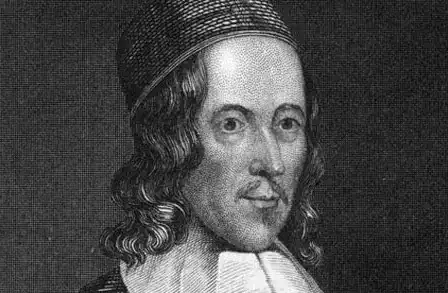
George Herbert
The Dawning
The Dawning
Awake, sad heart, whom sorrow ever drowns ;
Take up thine eyes, which feed on earth ;
Unfold thy forehead, gathered into frowns ;
Thy Saviour comes, and with Him mirth :
Awake, awake,
And with a thankful heart His comforts take.
But thou dost still lament, and pine, and cry,
And feel His death, but not His victory.
Arise, sad heart ; if thou dost not withstand,
Christ's resurrection thine may be ;
Do not by hanging down break from the hand
Which, as it riseth, raiseth thee :
Arise, Arise;
And with His burial linen drie thine eyes.
Christ left His grave-clothes, that we might, when grief
Draws tears or blood, not want a handkerchief.
Awake, sad heart, whom sorrow ever drowns ;
Take up thine eyes, which feed on earth ;
Unfold thy forehead, gathered into frowns ;
Thy Saviour comes, and with Him mirth :
Awake, awake,
And with a thankful heart His comforts take.
But thou dost still lament, and pine, and cry,
And feel His death, but not His victory.
Arise, sad heart ; if thou dost not withstand,
Christ's resurrection thine may be ;
Do not by hanging down break from the hand
Which, as it riseth, raiseth thee :
Arise, Arise;
And with His burial linen drie thine eyes.
Christ left His grave-clothes, that we might, when grief
Draws tears or blood, not want a handkerchief.
240
Emily Dickinson
A Book
A Book
There is no frigate like a book
To take us lands away,
Nor any coursers like a page
Of prancing poetry.
This traverse may the poorest take
Without oppress of toll;
How frugal is the chariot
That bears a human soul!
There is no frigate like a book
To take us lands away,
Nor any coursers like a page
Of prancing poetry.
This traverse may the poorest take
Without oppress of toll;
How frugal is the chariot
That bears a human soul!
297

William Shakespeare
Sonnet CXX
Sonnet CXX
That you were once unkind befriends me now,
And for that sorrow which I then did feel
Needs must I under my transgression bow,
Unless my nerves were brass or hammer'd steel.
For if you were by my unkindness shaken
As I by yours, you've pass'd a hell of time,
And I, a tyrant, have no leisure taken
To weigh how once I suffered in your crime.
O, that our night of woe might have remember'd
My deepest sense, how hard true sorrow hits,
And soon to you, as you to me, then tender'd
The humble slave which wounded bosoms fits!
But that your trespass now becomes a fee;
Mine ransoms yours, and yours must ransom me.
That you were once unkind befriends me now,
And for that sorrow which I then did feel
Needs must I under my transgression bow,
Unless my nerves were brass or hammer'd steel.
For if you were by my unkindness shaken
As I by yours, you've pass'd a hell of time,
And I, a tyrant, have no leisure taken
To weigh how once I suffered in your crime.
O, that our night of woe might have remember'd
My deepest sense, how hard true sorrow hits,
And soon to you, as you to me, then tender'd
The humble slave which wounded bosoms fits!
But that your trespass now becomes a fee;
Mine ransoms yours, and yours must ransom me.
351
John Donne
Elegy III: Change
Elegy III: Change
Although thy hand and faith, and good works too,
Have seal'd thy love which nothing should undo,
Yea though thou fall back, that apostasy
Confirm thy love; yet much, much I fear thee.
Women are like the Arts, forc'd unto none,
Open to'all searchers, unpriz'd, if unknown.
If I have caught a bird, and let him fly,
Another fouler using these means, as I,
May catch the same bird; and, as these things be,
Women are made for men, not him, nor me.
Foxes and goats; all beasts change when they please,
Shall women, more hot, wily, wild then these,
Be bound to one man, and did Nature then
Idly make them apter to endure than men?
They are our clogges, not their owne; if a man be
Chain'd to a galley, yet the galley is free;
Who hath a plow-land, casts all his seed corn there,
And yet allows his ground more corn should bear;
Though Danuby into the sea must flow,
The sea receives the Rhene, Volga, and Po.
By nature, which gave it, this liberty
Thou lov'st, but Oh! canst thou love it and me?
Likeness glues love: Then if so thou do,
To make us like and love, must I change too?
More than thy hate, I hate it, rather let me
Allow her change, then change as oft as she,
And so not teach, but force my opinion
To love not any one, nor every one.
To live in one land is captivity,
To run all countries, a wild roguery;
Waters stink soon, if in one place they bide,
And in the vast sea are worse putrified:
But when they kiss one bank, and leaving this
Never look back, but the next bank do kiss,
Then are they purest; Change is the nursery
Of music, joy, life, and eternity.
Although thy hand and faith, and good works too,
Have seal'd thy love which nothing should undo,
Yea though thou fall back, that apostasy
Confirm thy love; yet much, much I fear thee.
Women are like the Arts, forc'd unto none,
Open to'all searchers, unpriz'd, if unknown.
If I have caught a bird, and let him fly,
Another fouler using these means, as I,
May catch the same bird; and, as these things be,
Women are made for men, not him, nor me.
Foxes and goats; all beasts change when they please,
Shall women, more hot, wily, wild then these,
Be bound to one man, and did Nature then
Idly make them apter to endure than men?
They are our clogges, not their owne; if a man be
Chain'd to a galley, yet the galley is free;
Who hath a plow-land, casts all his seed corn there,
And yet allows his ground more corn should bear;
Though Danuby into the sea must flow,
The sea receives the Rhene, Volga, and Po.
By nature, which gave it, this liberty
Thou lov'st, but Oh! canst thou love it and me?
Likeness glues love: Then if so thou do,
To make us like and love, must I change too?
More than thy hate, I hate it, rather let me
Allow her change, then change as oft as she,
And so not teach, but force my opinion
To love not any one, nor every one.
To live in one land is captivity,
To run all countries, a wild roguery;
Waters stink soon, if in one place they bide,
And in the vast sea are worse putrified:
But when they kiss one bank, and leaving this
Never look back, but the next bank do kiss,
Then are they purest; Change is the nursery
Of music, joy, life, and eternity.
348
George Herbert
The Call
The Call
Come, my Way, my Truth, my Life :
Such a Way, as gives us breath :
Such a Truth, as ends all strife :
And such a Life, as killeth death.
Come, my Light, my Feast, my Strength :
Such a Light, as shows a feast :
Such a Feast, as mends in length :
Such a Strength, as makes his guest.
Come, my Joy, my Love, my Heart :
Such a Joy, as none can move :
Such a Love, as none can part :
Such a Heart, as joyes in love.
Come, my Way, my Truth, my Life :
Such a Way, as gives us breath :
Such a Truth, as ends all strife :
And such a Life, as killeth death.
Come, my Light, my Feast, my Strength :
Such a Light, as shows a feast :
Such a Feast, as mends in length :
Such a Strength, as makes his guest.
Come, my Joy, my Love, my Heart :
Such a Joy, as none can move :
Such a Love, as none can part :
Such a Heart, as joyes in love.
219
Emily Dickinson
This Consciousness that is aware
This Consciousness that is aware
822
This Consciousness that is aware
Of Neighbors and the Sun
Will be the one aware of Death
And that itself alone
Is traversing the interval
Experience between
And most profound experiment
Appointed unto Men-
How adequate unto itself
Its properties shall be
Itself unto itself and none
Shall make discovery.
Adventure most unto itself
The Soul condemned to be-
Attended by a single Hound
Its own identity.
822
This Consciousness that is aware
Of Neighbors and the Sun
Will be the one aware of Death
And that itself alone
Is traversing the interval
Experience between
And most profound experiment
Appointed unto Men-
How adequate unto itself
Its properties shall be
Itself unto itself and none
Shall make discovery.
Adventure most unto itself
The Soul condemned to be-
Attended by a single Hound
Its own identity.
203
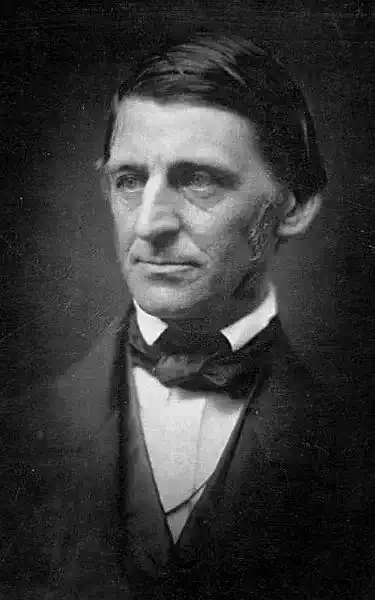
Ralph Waldo Emerson
The Bell
The Bell
I love thy music, mellow bell,
I love thine iron chime,
To life or death, to heaven or hell,
Which calls the sons of Time.
Thy voice upon the deep
The home-bound sea-boy hails,
It charms his cares to sleep,
It cheers him as he sails.
To house of God and heavenly joys
Thy summons called our sires,
And good men thought thy sacred voice
Disarmed the thunder's fires.
And soon thy music, sad death-bell,
Shall lift its notes once more,
And mix my requiem with the wind
That sweeps my native shore.
I love thy music, mellow bell,
I love thine iron chime,
To life or death, to heaven or hell,
Which calls the sons of Time.
Thy voice upon the deep
The home-bound sea-boy hails,
It charms his cares to sleep,
It cheers him as he sails.
To house of God and heavenly joys
Thy summons called our sires,
And good men thought thy sacred voice
Disarmed the thunder's fires.
And soon thy music, sad death-bell,
Shall lift its notes once more,
And mix my requiem with the wind
That sweeps my native shore.
314
William Shakespeare
Sonnet CXVII
Sonnet CXVII
Accuse me thus: that I have scanted all
Wherein I should your great deserts repay,
Forgot upon your dearest love to call,
Whereto all bonds do tie me day by day;
That I have frequent been with unknown minds
And given to time your own dear-purchased right
That I have hoisted sail to all the winds
Which should transport me farthest from your sight.
Book both my wilfulness and errors down
And on just proof surmise accumulate;
Bring me within the level of your frown,
But shoot not at me in your waken'd hate;
Since my appeal says I did strive to prove
The constancy and virtue of your love.
Accuse me thus: that I have scanted all
Wherein I should your great deserts repay,
Forgot upon your dearest love to call,
Whereto all bonds do tie me day by day;
That I have frequent been with unknown minds
And given to time your own dear-purchased right
That I have hoisted sail to all the winds
Which should transport me farthest from your sight.
Book both my wilfulness and errors down
And on just proof surmise accumulate;
Bring me within the level of your frown,
But shoot not at me in your waken'd hate;
Since my appeal says I did strive to prove
The constancy and virtue of your love.
316
Edward Lear
Limerick:There was an Old Person of Chester
Limerick:There was an Old Person of Chester
There was an Old Person of Chester,
Whom several small children did pester;
They threw some large stones,
Which broke most of his bones,
And displeased that Old Person of Chester.
There was an Old Person of Chester,
Whom several small children did pester;
They threw some large stones,
Which broke most of his bones,
And displeased that Old Person of Chester.
189
George Herbert
The Altar
The Altar
A broken ALTAR, Lord, thy servant rears,
Made of a heart and cemented with tears;
Whose parts are as thy hand did frame;
No workman's tool hath touch'd the same.
A HEART alone
Is such a stone,
As nothing but
Thy pow'r doth cut.
Wherefore each part
Of my hard heart
Meets in this frame
To praise thy name.
That if I chance to hold my peace,
These stones to praise thee may not cease.
Oh, let thy blessed SACRIFICE be mine,
And sanctify this ALTAR to be thine.
A broken ALTAR, Lord, thy servant rears,
Made of a heart and cemented with tears;
Whose parts are as thy hand did frame;
No workman's tool hath touch'd the same.
A HEART alone
Is such a stone,
As nothing but
Thy pow'r doth cut.
Wherefore each part
Of my hard heart
Meets in this frame
To praise thy name.
That if I chance to hold my peace,
These stones to praise thee may not cease.
Oh, let thy blessed SACRIFICE be mine,
And sanctify this ALTAR to be thine.
208
Emily Dickinson
This Bauble was preferred of Bees
This Bauble was preferred of Bees
805
This Bauble was preferred of Bees-
By Butterflies admired
At Heavenly-Hopeless Distances-
Was justified of Bird-
Did Noon-enamel-in Herself
Was Summer to a Score
Who only knew of Universe-
It had created Her.
805
This Bauble was preferred of Bees-
By Butterflies admired
At Heavenly-Hopeless Distances-
Was justified of Bird-
Did Noon-enamel-in Herself
Was Summer to a Score
Who only knew of Universe-
It had created Her.
264
Emily Dickinson
Why do I love You, Sir?
"Why do I love" You, Sir?
480
"Why do I love" You, Sir?
Because-
The Wind does not require the Grass
To answer-Wherefore when He pass
She cannot keep Her place.
Because He knows-and
Do not You-
And We know not-
Enough for Us
The Wisdom it be so-
The Lightning-never asked an Eye
Wherefore it shut-when He was by-
Because He knows it cannot speak-
And reasons not contained-
Of Talk-
There be-preferred by Daintier Folk-
The Sunrise-Sire-compelleth Me-
Because He's Sunrise-and I seeTherefore-
Then-
I love Thee-
480
"Why do I love" You, Sir?
Because-
The Wind does not require the Grass
To answer-Wherefore when He pass
She cannot keep Her place.
Because He knows-and
Do not You-
And We know not-
Enough for Us
The Wisdom it be so-
The Lightning-never asked an Eye
Wherefore it shut-when He was by-
Because He knows it cannot speak-
And reasons not contained-
Of Talk-
There be-preferred by Daintier Folk-
The Sunrise-Sire-compelleth Me-
Because He's Sunrise-and I seeTherefore-
Then-
I love Thee-
333
William Shakespeare
Sonnet CXVI
Sonnet CXVI
Let me not to the marriage of true minds
Admit impediments. Love is not love
Which alters when it alteration finds,
Or bends with the remover to remove:
O no! it is an ever-fixed mark
That looks on tempests and is never shaken;
It is the star to every wandering bark,
Whose worth's unknown, although his height be taken.
Love's not Time's fool, though rosy lips and cheeks
Within his bending sickle's compass come:
Love alters not with his brief hours and weeks,
But bears it out even to the edge of doom.
If this be error and upon me proved,
I never writ, nor no man ever loved.
Let me not to the marriage of true minds
Admit impediments. Love is not love
Which alters when it alteration finds,
Or bends with the remover to remove:
O no! it is an ever-fixed mark
That looks on tempests and is never shaken;
It is the star to every wandering bark,
Whose worth's unknown, although his height be taken.
Love's not Time's fool, though rosy lips and cheeks
Within his bending sickle's compass come:
Love alters not with his brief hours and weeks,
But bears it out even to the edge of doom.
If this be error and upon me proved,
I never writ, nor no man ever loved.
334
John Donne
Elegy I: Jealousy
Elegy I: Jealousy
Fond woman, which wouldst have thy husband die,
And yet complain'st of his great jealousy;
If swol'n with poison, he lay in his last bed,
His body with a sere-bark covered,
Drawing his breath, as thick and short, as can
The nimblest crocheting musician,
Ready with loathsome vomiting to spew
His soul out of one hell, into a new,
Made deaf with his poor kindred's howling cries,
Begging with few feigned tears, great legacies,
Thou wouldst not weep, but jolly and frolic be,
As a slave, which tomorrow should be free;
Yet weep'st thou, when thou seest him hungerly
Swallow his own death, hearts-bane jealousy.
O give him many thanks, he's courteous,
That in suspecting kindly warneth us
Wee must not, as we used, flout openly,
In scoffing riddles, his deformity;
Nor at his board together being sat,
With words, nor touch, scarce looks adulterate;
Nor when he swol'n, and pampered with great fare
Sits down, and snorts, caged in his basket chair,
Must we usurp his own bed any more,
Nor kiss and play in his house, as before.
Now I see many dangers; for that is
His realm, his castle, and his diocese.
But if, as envious men, which would revile
Their Prince, or coin his gold, themselves exile
Into another country, and do it there,
We play in another house, what should we fear?
There we will scorn his houshold policies,
His seely plots, and pensionary spies,
As the inhabitants of Thames' right side
Do London's Mayor; or Germans, the Pope's pride.
Fond woman, which wouldst have thy husband die,
And yet complain'st of his great jealousy;
If swol'n with poison, he lay in his last bed,
His body with a sere-bark covered,
Drawing his breath, as thick and short, as can
The nimblest crocheting musician,
Ready with loathsome vomiting to spew
His soul out of one hell, into a new,
Made deaf with his poor kindred's howling cries,
Begging with few feigned tears, great legacies,
Thou wouldst not weep, but jolly and frolic be,
As a slave, which tomorrow should be free;
Yet weep'st thou, when thou seest him hungerly
Swallow his own death, hearts-bane jealousy.
O give him many thanks, he's courteous,
That in suspecting kindly warneth us
Wee must not, as we used, flout openly,
In scoffing riddles, his deformity;
Nor at his board together being sat,
With words, nor touch, scarce looks adulterate;
Nor when he swol'n, and pampered with great fare
Sits down, and snorts, caged in his basket chair,
Must we usurp his own bed any more,
Nor kiss and play in his house, as before.
Now I see many dangers; for that is
His realm, his castle, and his diocese.
But if, as envious men, which would revile
Their Prince, or coin his gold, themselves exile
Into another country, and do it there,
We play in another house, what should we fear?
There we will scorn his houshold policies,
His seely plots, and pensionary spies,
As the inhabitants of Thames' right side
Do London's Mayor; or Germans, the Pope's pride.
288
Emily Dickinson
They Shut Me Up in Prose
They Shut Me Up in Prose
They shut me up in Prose --
As when a little Girl
They put me in the Closet --
Because they liked me "still" --
Still! Could themself have peeped --
And seen my Brain -- go round --
They might as wise have lodged a Bird
For Treason -- in the Pound --
Himself has but to will
And easy as a Star
Abolish his Captivity --
And laugh -- No more have I --
They shut me up in Prose --
As when a little Girl
They put me in the Closet --
Because they liked me "still" --
Still! Could themself have peeped --
And seen my Brain -- go round --
They might as wise have lodged a Bird
For Treason -- in the Pound --
Himself has but to will
And easy as a Star
Abolish his Captivity --
And laugh -- No more have I --
277
George Herbert
The Affliction (I)
The Affliction (I)
When first thou didst entice to thee my heart,
I thought the service brave;
So many joys I writ down for my part,
Besides what I might have
Out of my stock of natural delights,
Augmented with thy gracious benefits.
I looked on thy furniture so fine,
And made it fine to me;
Thy glorious household-stuff did me entwine,
And 'tice me unto thee.
Such stars I counted mine: both heav'n and earth;
Paid me my wages in a world of mirth.
What pleasures could I want, whose King I serv'd,
Where joys my fellows were?
Thus argu'd into hopes, my thoughts reserv'd
No place for grief or fear.
Therefore my sudden soul caught at the place,
And made her youth and fierceness seek thy face.
At first thou gav'st me milk and sweetnesses;
I had my wish and way;
My days were straw'd with flow'rs and happiness;
There was no month but May.
But with my years sorrow did twist and grow,
And made a party unawares for woe.
My flesh began unto my soul in pain,
"Sicknesses cleave my bones;
Consuming agues dwell in ev'ry vein,
And tune my breath to groans."
Sorrow was all my soul; I scarce believ'd,
Till grief did tell me roundly, that I liv'd.
When I got health, thou took'st away my life,
And more, for my friends die;
My mirth and edge was lost, a blunted knife
Was of more use than I.
Thus thin and lean without a fence or friend,
I was blown through with ev'ry storm and wind.
Whereas my birth and spirit rather took
The way that takes the town;
Thou didst betray me to a ling'ring book,
And wrap me in a gown.
I was entangled in the world of strife,
Before I had the power to change my life.
Yet, for I threaten'd oft the siege to raise,
Not simp'ring all mine age,
Thou often didst with academic praise
Melt and dissolve my rage.
I took thy sweet'ned pill, till I came where
I could not go away, nor persevere.
Yet lest perchance I should too happy be
In my unhappiness,
Turning my purge to food, thou throwest me
Into more sicknesses.
Thus doth thy power cross-bias me, not making
Thine own gift good, yet me from my ways taking.
Now I am here, what thou wilt do with me
None of my books will show;
I read, and sigh, and wish I were a tree,
For sure then I should grow
To fruit or shade: at least some bird would trust
Her household to me, and I should be just.
Yet, though thou troublest me, I must be meek;
In weakness must be stout;
Well, I will change the service, and go seek
Some other master out.
Ah my dear God! though I am clean forgot,
Let me not love thee, if I love thee not.
When first thou didst entice to thee my heart,
I thought the service brave;
So many joys I writ down for my part,
Besides what I might have
Out of my stock of natural delights,
Augmented with thy gracious benefits.
I looked on thy furniture so fine,
And made it fine to me;
Thy glorious household-stuff did me entwine,
And 'tice me unto thee.
Such stars I counted mine: both heav'n and earth;
Paid me my wages in a world of mirth.
What pleasures could I want, whose King I serv'd,
Where joys my fellows were?
Thus argu'd into hopes, my thoughts reserv'd
No place for grief or fear.
Therefore my sudden soul caught at the place,
And made her youth and fierceness seek thy face.
At first thou gav'st me milk and sweetnesses;
I had my wish and way;
My days were straw'd with flow'rs and happiness;
There was no month but May.
But with my years sorrow did twist and grow,
And made a party unawares for woe.
My flesh began unto my soul in pain,
"Sicknesses cleave my bones;
Consuming agues dwell in ev'ry vein,
And tune my breath to groans."
Sorrow was all my soul; I scarce believ'd,
Till grief did tell me roundly, that I liv'd.
When I got health, thou took'st away my life,
And more, for my friends die;
My mirth and edge was lost, a blunted knife
Was of more use than I.
Thus thin and lean without a fence or friend,
I was blown through with ev'ry storm and wind.
Whereas my birth and spirit rather took
The way that takes the town;
Thou didst betray me to a ling'ring book,
And wrap me in a gown.
I was entangled in the world of strife,
Before I had the power to change my life.
Yet, for I threaten'd oft the siege to raise,
Not simp'ring all mine age,
Thou often didst with academic praise
Melt and dissolve my rage.
I took thy sweet'ned pill, till I came where
I could not go away, nor persevere.
Yet lest perchance I should too happy be
In my unhappiness,
Turning my purge to food, thou throwest me
Into more sicknesses.
Thus doth thy power cross-bias me, not making
Thine own gift good, yet me from my ways taking.
Now I am here, what thou wilt do with me
None of my books will show;
I read, and sigh, and wish I were a tree,
For sure then I should grow
To fruit or shade: at least some bird would trust
Her household to me, and I should be just.
Yet, though thou troublest me, I must be meek;
In weakness must be stout;
Well, I will change the service, and go seek
Some other master out.
Ah my dear God! though I am clean forgot,
Let me not love thee, if I love thee not.
238
Ralph Waldo Emerson
The Amulet
The Amulet
Your picture smiles as first it smiled,
The ring you gave is still the same,
Your letter tells, O changing child,
No tidings since it came.
Give me an amulet
That keeps intelligence with you,
Red when you love, and rosier red,
And when you love not, pale and blue.
Alas, that neither bonds nor vows
Can certify possession;
Torments me still the fear that love
Died in its last expression.
Your picture smiles as first it smiled,
The ring you gave is still the same,
Your letter tells, O changing child,
No tidings since it came.
Give me an amulet
That keeps intelligence with you,
Red when you love, and rosier red,
And when you love not, pale and blue.
Alas, that neither bonds nor vows
Can certify possession;
Torments me still the fear that love
Died in its last expression.
383
William Shakespeare
Sonnet CXLVIII
Sonnet CXLVIII
O me, what eyes hath Love put in my head,
Which have no correspondence with true sight!
Or, if they have, where is my judgment fled,
That censures falsely what they see aright?
If that be fair whereon my false eyes dote,
What means the world to say it is not so?
If it be not, then love doth well denote
Love's eye is not so true as all men's 'No.'
How can it? O, how can Love's eye be true,
That is so vex'd with watching and with tears?
No marvel then, though I mistake my view;
The sun itself sees not till heaven clears.
O cunning Love! with tears thou keep'st me blind,
Lest eyes well-seeing thy foul faults should find.
O me, what eyes hath Love put in my head,
Which have no correspondence with true sight!
Or, if they have, where is my judgment fled,
That censures falsely what they see aright?
If that be fair whereon my false eyes dote,
What means the world to say it is not so?
If it be not, then love doth well denote
Love's eye is not so true as all men's 'No.'
How can it? O, how can Love's eye be true,
That is so vex'd with watching and with tears?
No marvel then, though I mistake my view;
The sun itself sees not till heaven clears.
O cunning Love! with tears thou keep'st me blind,
Lest eyes well-seeing thy foul faults should find.
234
Edward Lear
Limerick:There was an Old Person of Burton
Limerick:There was an Old Person of Burton
There was an Old Person of Burton,
Whose answers were rather uncertain;
When they said, 'How d'ye do?'
He replied, 'Who are you?'
That distressing Old Person of Burton.
There was an Old Person of Burton,
Whose answers were rather uncertain;
When they said, 'How d'ye do?'
He replied, 'Who are you?'
That distressing Old Person of Burton.
148
George Herbert
Sonnet (II)
Sonnet (II)
O
Sure Lord, there is enough in thee to dry
Oceans of Ink ; for, as the Deluge did
Cover the Earth, so doth thy Majesty :
Each Cloud distills thy praise, and doth forbid
Poets to turn it to another use.
Roses and Lillies speak thee ; and to make
A pair of Cheeks of them, is thy abuse.
Why should I Womens eyes for Chrystal take?
Such poor invention burns in their low mind,
Whose fire is wild, and doth not upward go
To praise, and on thee Lord, some Ink bestow.
Open the bones, and you shall nothing find
In the best face but filth, when Lord, in thee
The beauty lies, in the discovery
O
Sure Lord, there is enough in thee to dry
Oceans of Ink ; for, as the Deluge did
Cover the Earth, so doth thy Majesty :
Each Cloud distills thy praise, and doth forbid
Poets to turn it to another use.
Roses and Lillies speak thee ; and to make
A pair of Cheeks of them, is thy abuse.
Why should I Womens eyes for Chrystal take?
Such poor invention burns in their low mind,
Whose fire is wild, and doth not upward go
To praise, and on thee Lord, some Ink bestow.
Open the bones, and you shall nothing find
In the best face but filth, when Lord, in thee
The beauty lies, in the discovery
233
Emily Dickinson
They put Us far apart
They put Us far apart
474
They put Us far apart-
As separate as Sea
And Her unsown Peninsula-
We signified "These see"-
They took away our Eyes-
They thwarted Us with Guns"
I see Thee" each responded straight
Through Telegraphic Signs-
With Dungeons-They devised-
But through their thickest skill-
And their opaquest Adamant-
Our Souls saw-just as well-
They summoned Us to die-
With sweet alacrity
We stood upon our stapled feetCondemned-
but just-to see-
Permission to recant-
Permission to forget-
We turned our backs upon the Sun
For perjury of that-
Not Either-noticed Death-
Of Paradise-aware-
Each other's Face-was all the Disc
Each other's setting-saw-
474
They put Us far apart-
As separate as Sea
And Her unsown Peninsula-
We signified "These see"-
They took away our Eyes-
They thwarted Us with Guns"
I see Thee" each responded straight
Through Telegraphic Signs-
With Dungeons-They devised-
But through their thickest skill-
And their opaquest Adamant-
Our Souls saw-just as well-
They summoned Us to die-
With sweet alacrity
We stood upon our stapled feetCondemned-
but just-to see-
Permission to recant-
Permission to forget-
We turned our backs upon the Sun
For perjury of that-
Not Either-noticed Death-
Of Paradise-aware-
Each other's Face-was all the Disc
Each other's setting-saw-
335
Emily Dickinson
Morning-means Milking-to the Farmer
"Morning"-means "Milking"-to the Farmer
300
"Morning"-means "Milking"-to the FarmerDawn-
to the TeneriffeDice-
to the Maid-
Morning means just Risk-to the Lover-
Just revelation-to the Beloved
Epicures-date a Breakfast-by itBrides-
an ApocalypseWorlds-
a FloodFaint-
going Lives-Their Lapse from SighingFaith-
The Experiment of Our Lord
300
"Morning"-means "Milking"-to the FarmerDawn-
to the TeneriffeDice-
to the Maid-
Morning means just Risk-to the Lover-
Just revelation-to the Beloved
Epicures-date a Breakfast-by itBrides-
an ApocalypseWorlds-
a FloodFaint-
going Lives-Their Lapse from SighingFaith-
The Experiment of Our Lord
228