
Poems List
Explore poems from our collection
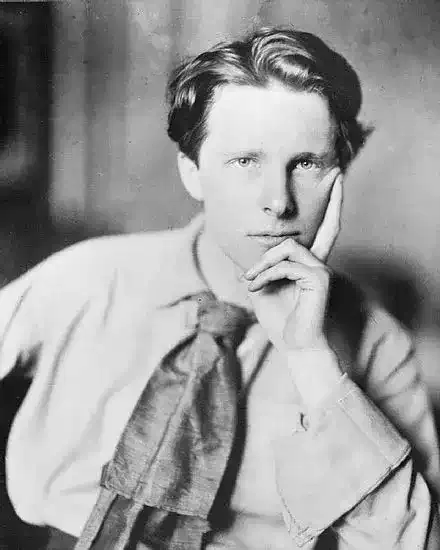
Rupert Brooke
The Hill
The Hill
Breathless, we flung us on the windy hill,
Laughed in the sun, and kissed the lovely grass.
You said, “Through glory and ecstasy we pass;
Wind, sun, and earth remain, the birds sing still,
When we are old, are old.…” “And when we die
All’s over that is ours; and life burns on
Through other lovers, other lips,” said I,
—“Heart of my heart, our heaven is now, is won!”
“We are Earth’s best, that learnt her lesson here.
Life is our cry. We have kept the faith!” we said;
“We shall go down with unreluctant tread
Rose-crowned into the darkness!”… Proud we were,
And laughed, that had such brave true things to say.
—And then you suddenly cried, and turned away.
Breathless, we flung us on the windy hill,
Laughed in the sun, and kissed the lovely grass.
You said, “Through glory and ecstasy we pass;
Wind, sun, and earth remain, the birds sing still,
When we are old, are old.…” “And when we die
All’s over that is ours; and life burns on
Through other lovers, other lips,” said I,
—“Heart of my heart, our heaven is now, is won!”
“We are Earth’s best, that learnt her lesson here.
Life is our cry. We have kept the faith!” we said;
“We shall go down with unreluctant tread
Rose-crowned into the darkness!”… Proud we were,
And laughed, that had such brave true things to say.
—And then you suddenly cried, and turned away.
183
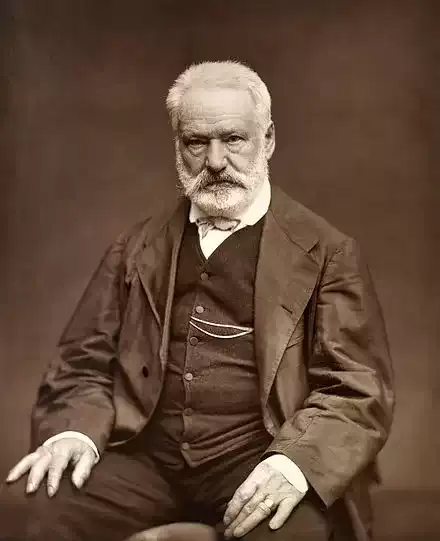
Victor Marie Hugo
The Genesis of the Butterfly
The Genesis of the Butterfly
The dawn is smiling on the dew that covers
The tearful roses; lo, the little lovers
That kiss the buds, and all the flutterings
In jasmine bloom, and privet, of white wings,
That go and come, and fly, and peep and hide,
With muffled music, murmured far and wide.
Ah, the Spring time, when we think of all the lays
That dreamy lovers send to dreamy mays,
Of the fond hearts within a billet bound,
Of all the soft silk paper that pens wound,
The messages of love that mortals write
Filled with intoxication of delight,
Written in April and before the May time
Shredded and flown, playthings for the wind's playtime,
We dream that all white butterflies above,
Who seek through clouds or waters souls to love,
And leave their lady mistress in despair,
To flit to flowers, as kinder and more fair,
Are but torn love-letters, that through the skies
Flutter, and float, and change to butterflies
The dawn is smiling on the dew that covers
The tearful roses; lo, the little lovers
That kiss the buds, and all the flutterings
In jasmine bloom, and privet, of white wings,
That go and come, and fly, and peep and hide,
With muffled music, murmured far and wide.
Ah, the Spring time, when we think of all the lays
That dreamy lovers send to dreamy mays,
Of the fond hearts within a billet bound,
Of all the soft silk paper that pens wound,
The messages of love that mortals write
Filled with intoxication of delight,
Written in April and before the May time
Shredded and flown, playthings for the wind's playtime,
We dream that all white butterflies above,
Who seek through clouds or waters souls to love,
And leave their lady mistress in despair,
To flit to flowers, as kinder and more fair,
Are but torn love-letters, that through the skies
Flutter, and float, and change to butterflies
297
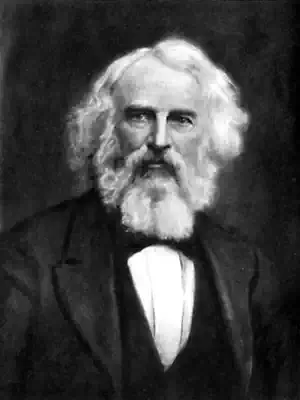
Henry Wadsworth Longfellow
Tales Of A Wayside Inn : Part 2. The Student's Second Tale; The Baron of St.
Tales Of A Wayside Inn : Part 2. The Student's Second Tale; The Baron of St.
Castine
Baron Castine of St. Castine
Has left his château in the Pyrenees,
And sailed across the western seas.
When he went away from his fair demesne
The birds were building, the woods were green;
And now the winds of winter blow
Round the turrets of the old château,
The birds are silent and unseen,
The leaves lie dead in the ravine,
And the Pyrenees are white with snow.
His father, lonely, old, and gray,
Sits by the fireside day by day,
Thinking ever one thought of care;
Through the southern windows, narrow and tall,
The sun shines into the ancient hall,
And makes a glory round his hair.
The house-dog, stretched beneath his chair,
Groans in his sleep as if in pain,
Then wakes, and yawns, and sleeps again,
So silent is it everywhere,--
So silent you can hear the mouse
Run and rummage along the beams
Behind the wainscot of the wall;
And the old man rouses from his dreams,
And wanders restless through the house,
As if he heard strange voices call.
His footsteps echo along the floor
Of a distant passage, and pause awhile;
He is standing by an open door
Looking long, with a sad, sweet smile,
Into the room of his absent son.
There is the bed on which he lay,
There are the pictures bright and gay,
Horses and hounds and sun-lit seas;
There are his powder-flask and gun,
And his hunting-knives in shape of a fan;
The chair by the window where he sat,
With the clouded tiger-skin for a mat,
Looking out on the Pyrenees,
Looking out on Mount Marboré
And the Seven Valleys of Lavedan.
Ah me! he turns away and sighs;
There is a mist before his eyes.
At night whatever the weather be,
Wind or rain or starry heaven,
Just as the clock is striking seven,
Those who look from the windows see
The village Curate, with lantern and maid,
Come through the gateway from the park
And cross the courtyard damp and dark,--
A ring of light in a ring of shade.
And now at the old man's side he stands,
His voice is cheery, his heart expands,
He gossips pleasantly, by the blaze
Of the fire of fagots, about old days,
And Cardinal Mazarin and the Fronde,
And the Cardinal's nieces fair and fond,
And what they did, and what they said,
When they heard his Eminence was dead.
And after a pause the old man says,
His mind still coming back again
To the one sad thought that haunts his brain,
'Are there any tidings from over sea?
Ah, why has that wild boy gone from me?'
And the Curate answers, looking down,
Harmless and docile as a lamb,
'Young blood! young blood! It must so be!'
And draws from the pocket of his gown
A handkerchief like an oriflamb,
And wipes his spectacles, and they play
Their little game of lansquenet
In silence for an hour or so,
Till the clock at nine strikes loud and clear
From the village lying asleep below,
And across the courtyard, into the dark
Of the winding pathway in the park,
Curate and lantern disappear,
And darkness reigns in the old château .
The ship has come back from over sea,
She has been signalled from below,
And into the harbor of Bordeaux
She sails with her gallant company.
But among them is nowhere seen
The brave young Baron of St. Castine;
He hath tarried behind, I ween,
In the beautiful land of Acadie!
And the father paces to and fro
Through the chambers of the old château ,
Waiting, waiting to hear the hum
Of wheels on the road that runs below,
Of servants hurrying here and there,
The voice in the courtyard, the step on the stair,
Waiting for some one who doth not come!
But letters there are, which the old man reads
To the Curate, when he comes at night
Word by word, as an acolyte
Repeats his prayers and tells his beads;
Letters full of the rolling sea,
Full of a young man's joy to be
Abroad in the world, alone and free;
Full of adventures and wonderful scenes
Of hunting the deer through forests vast
In the royal grant of Pierre du Gast;
Of nights in the tents of the Tarratines;
Of Madocawando the Indian chief,
And his daughters, glorious as queens,
And beautiful beyond belief;
And so soft the tones of their native tongue,
The words are not spoken, they are sung!
And the Curate listens, and smiling says:
'Ah yes, dear friend! in our young days
We should have liked to hunt the deer
All day amid those forest scenes,
And to sleep in the tents of the Tarratines;
But now it is better sitting here
Within four walls, and without the fear
Of losing our hearts to Indian queens;
For man is fire and woman is tow,
And the Somebody comes and begins to blow.'
Then a gleam of distrust and vague surmise
Shines in the father's gentle eyes,
As fire-light on a window-pane
Glimmers and vanishes again;
But naught he answers; he only sighs,
And for a moment bows his head;
Then, as their custom is, they play
Their little game of lansquenet,
And another day is with the dead.
Another day, and many a day
And many a week and month depart,
When a fatal letter wings its way
Across the sea, like a bird of prey,
And strikes and tears the old man's heart.
Lo! the young Baron of St. Castine,
Swift as the wind is, and as wild,
Has married a dusky Tarratine,
Has married Madocawando's child!
The letter drops from the father's hand;
Though the sinews of his heart are wrung,
He utters no cry, he breathes no prayer,
No malediction falls from his tongue;
But his stately figure, erect and grand,
Bends and sinks like a column of sand
In the whirlwind of his great despair.
Dying, yes, dying! His latest breath
Of parley at the door of death
Is a blessing on his wayward son.
Lower and lower on his breast
Sinks his gray head; he is at rest;
No longer he waits for any one.
For many a year the old château
Lies tenantless and desolate;
Rank grasses in the courtyard grow,
About its gables caws the crow;
Only the porter at the gate
Is left to guard it, and to wait
The coming of the rightful heir;
No other life or sound is there;
No more the Curate comes at night,
No more is seen the unsteady light,
Threading the alleys of the park;
The windows of the hall are dark,
The chambers dreary, cold, and bare!
At length, at last, when the winter is past,
And birds are building, and woods are green,
With flying skirts is the Curate seen
Speeding along the woodland way,
Humming gayly, 'No day is so long
But it comes at last to vesper-song.'
He stops at the porter's lodge to say
That at last the Baron of St. Castine
Is coming home with his Indian queen,
Is coming without a week's delay;
And all the house must be swept and clean,
And all things set in good array!
And the solemn porter shakes his head;
And the answer he makes is: 'Lackaday!
We will see, as the blind man said!'
Alert since first the day began,
The cock upon the village church
Looks northward from his airy perch,
As if beyond the ken of man
To see the ships come sailing on,
And pass the isle of Oléron,
And pass the Tower of Cordouan.
In the church below is cold in clay
The heart that would have leaped for joy?
O tender heart of truth and trust!?
To see the coming of that day;
In the church below the lips are dust;
Dust are the hands, and dust the feet,
That would have been so swift to meet
The coming of that wayward boy.
At night the front of the old château
Is a blaze of light above and below;
There's a sound of wheels and hoofs in the street,
A cracking of whips, and scamper of feet,
Bells are ringing, and horns are blown,
And the Baron hath come again to his own.
The Curate is waiting in the hall,
Most eager and alive of all
To welcome the Baron and Baroness;
But his mind is full of vague distress,
For he hath read in Jesuit books
Of those children of the wilderness,
And now, good, simple man! he looks
To see a painted savage stride
Into the room, with shoulders bare,
And eagle feathers in her hair,
And around her a robe of panther's hide.
Instead, he beholds with secret shame
A form of beauty undefined,
A loveliness with out a name,
Not of degree, but more of kind;
Nor bold nor shy, nor short nor tall,
But a new mingling of them all.
Yes, beautiful beyond belief,
Transfigured and transfused, he sees
The lady of the Pyrenees,
The daughter of the Indian chief.
Beneath the shadow of her hair
The gold-bronze color of the skin
Seems lighted by a fire within,
As when a burst of sunlight shines
Beneath a sombre grove of pines,--
A dusky splendor in the air.
The two small hands, that now are pressed
In his, seem made to be caressed,
They lie so warm and soft and still,
Like birds half hidden in a nest,
Trustful, and innocent of ill.
And ah! he cannot believe his ears
When her melodious voice he hears
Speaking his native Gascon tongue;
The words she utters seem to be
Part of some poem of Goudouli,
They are not spoken, they are sung!
And the Baron smiles, and says, 'You see,
I told you but the simple truth;
Ah, you may trust the eyes of youth!'
Down in the village day by day
The people gossip in their way,
And stared to see the Baroness pass
On Sunday morning to early Mass;
And when she kneeleth down to pray,
They wonder, and whisper together, and say,
'Surely this is no heathen lass!'
And in course of time they learn to bless
The Baron and the Baroness.
And in course of time the Curate learns
A secret so dreadful, that by turns
He is ice and fire, he freezes and burns.
The Baron at confession hath said,
That though this woman be his wife,
He hath wed her as the Indians wed,
He hath bought her for a gun and a knife!
And the Curate replies: 'O profligate,
O Prodigal Son! return once more
To the open arms and the open door
Of the Church, or ever it be too late.
Thank God, thy father did not live
To see what he could not forgive;
On thee, so reckless and perverse,
He left his blessing, not his curse.
But the nearer the dawn the darker the night,
And by going wrong all things come right;
Things have been mended that were worse,
And the worse, the nearer they are to mend.
For the sake of the living and the dead,
Thou shalt be wed as Christians wed,
And all things come to a happy end.'
O sun, that followest the night,
In yon blue sky, serene and pure,
And pourest thine impartial light
Alike on mountain and on moor,
Pause for a moment in thy course,
And bless the bridegroom and the bride!
O Gave, that from thy hidden source
In yon mysterious mountain-side
Pursuest thy wandering way alone,
And leaping down its steps of stone,
Along the meadow-lands demure
Stealest away to the Adour,
Pause for a moment in thy course
To bless the bridegroom and the bride!
The choir is singing the matin song,
The doors of the church are opened wide,
The people crowd, and press, and throng
To see the bridegroom and the bride.
They enter and pass along the nave;
They stand upon the father's grave;
The bells are ringing soft and slow;
The living above and the dead below
Give their blessing on one and twain;
The warm wind blows from the hills of Spain,
The birds are building, the leaves are green,
And Baron Castine of St. Castine
Hath come at last to his own again.
Castine
Baron Castine of St. Castine
Has left his château in the Pyrenees,
And sailed across the western seas.
When he went away from his fair demesne
The birds were building, the woods were green;
And now the winds of winter blow
Round the turrets of the old château,
The birds are silent and unseen,
The leaves lie dead in the ravine,
And the Pyrenees are white with snow.
His father, lonely, old, and gray,
Sits by the fireside day by day,
Thinking ever one thought of care;
Through the southern windows, narrow and tall,
The sun shines into the ancient hall,
And makes a glory round his hair.
The house-dog, stretched beneath his chair,
Groans in his sleep as if in pain,
Then wakes, and yawns, and sleeps again,
So silent is it everywhere,--
So silent you can hear the mouse
Run and rummage along the beams
Behind the wainscot of the wall;
And the old man rouses from his dreams,
And wanders restless through the house,
As if he heard strange voices call.
His footsteps echo along the floor
Of a distant passage, and pause awhile;
He is standing by an open door
Looking long, with a sad, sweet smile,
Into the room of his absent son.
There is the bed on which he lay,
There are the pictures bright and gay,
Horses and hounds and sun-lit seas;
There are his powder-flask and gun,
And his hunting-knives in shape of a fan;
The chair by the window where he sat,
With the clouded tiger-skin for a mat,
Looking out on the Pyrenees,
Looking out on Mount Marboré
And the Seven Valleys of Lavedan.
Ah me! he turns away and sighs;
There is a mist before his eyes.
At night whatever the weather be,
Wind or rain or starry heaven,
Just as the clock is striking seven,
Those who look from the windows see
The village Curate, with lantern and maid,
Come through the gateway from the park
And cross the courtyard damp and dark,--
A ring of light in a ring of shade.
And now at the old man's side he stands,
His voice is cheery, his heart expands,
He gossips pleasantly, by the blaze
Of the fire of fagots, about old days,
And Cardinal Mazarin and the Fronde,
And the Cardinal's nieces fair and fond,
And what they did, and what they said,
When they heard his Eminence was dead.
And after a pause the old man says,
His mind still coming back again
To the one sad thought that haunts his brain,
'Are there any tidings from over sea?
Ah, why has that wild boy gone from me?'
And the Curate answers, looking down,
Harmless and docile as a lamb,
'Young blood! young blood! It must so be!'
And draws from the pocket of his gown
A handkerchief like an oriflamb,
And wipes his spectacles, and they play
Their little game of lansquenet
In silence for an hour or so,
Till the clock at nine strikes loud and clear
From the village lying asleep below,
And across the courtyard, into the dark
Of the winding pathway in the park,
Curate and lantern disappear,
And darkness reigns in the old château .
The ship has come back from over sea,
She has been signalled from below,
And into the harbor of Bordeaux
She sails with her gallant company.
But among them is nowhere seen
The brave young Baron of St. Castine;
He hath tarried behind, I ween,
In the beautiful land of Acadie!
And the father paces to and fro
Through the chambers of the old château ,
Waiting, waiting to hear the hum
Of wheels on the road that runs below,
Of servants hurrying here and there,
The voice in the courtyard, the step on the stair,
Waiting for some one who doth not come!
But letters there are, which the old man reads
To the Curate, when he comes at night
Word by word, as an acolyte
Repeats his prayers and tells his beads;
Letters full of the rolling sea,
Full of a young man's joy to be
Abroad in the world, alone and free;
Full of adventures and wonderful scenes
Of hunting the deer through forests vast
In the royal grant of Pierre du Gast;
Of nights in the tents of the Tarratines;
Of Madocawando the Indian chief,
And his daughters, glorious as queens,
And beautiful beyond belief;
And so soft the tones of their native tongue,
The words are not spoken, they are sung!
And the Curate listens, and smiling says:
'Ah yes, dear friend! in our young days
We should have liked to hunt the deer
All day amid those forest scenes,
And to sleep in the tents of the Tarratines;
But now it is better sitting here
Within four walls, and without the fear
Of losing our hearts to Indian queens;
For man is fire and woman is tow,
And the Somebody comes and begins to blow.'
Then a gleam of distrust and vague surmise
Shines in the father's gentle eyes,
As fire-light on a window-pane
Glimmers and vanishes again;
But naught he answers; he only sighs,
And for a moment bows his head;
Then, as their custom is, they play
Their little game of lansquenet,
And another day is with the dead.
Another day, and many a day
And many a week and month depart,
When a fatal letter wings its way
Across the sea, like a bird of prey,
And strikes and tears the old man's heart.
Lo! the young Baron of St. Castine,
Swift as the wind is, and as wild,
Has married a dusky Tarratine,
Has married Madocawando's child!
The letter drops from the father's hand;
Though the sinews of his heart are wrung,
He utters no cry, he breathes no prayer,
No malediction falls from his tongue;
But his stately figure, erect and grand,
Bends and sinks like a column of sand
In the whirlwind of his great despair.
Dying, yes, dying! His latest breath
Of parley at the door of death
Is a blessing on his wayward son.
Lower and lower on his breast
Sinks his gray head; he is at rest;
No longer he waits for any one.
For many a year the old château
Lies tenantless and desolate;
Rank grasses in the courtyard grow,
About its gables caws the crow;
Only the porter at the gate
Is left to guard it, and to wait
The coming of the rightful heir;
No other life or sound is there;
No more the Curate comes at night,
No more is seen the unsteady light,
Threading the alleys of the park;
The windows of the hall are dark,
The chambers dreary, cold, and bare!
At length, at last, when the winter is past,
And birds are building, and woods are green,
With flying skirts is the Curate seen
Speeding along the woodland way,
Humming gayly, 'No day is so long
But it comes at last to vesper-song.'
He stops at the porter's lodge to say
That at last the Baron of St. Castine
Is coming home with his Indian queen,
Is coming without a week's delay;
And all the house must be swept and clean,
And all things set in good array!
And the solemn porter shakes his head;
And the answer he makes is: 'Lackaday!
We will see, as the blind man said!'
Alert since first the day began,
The cock upon the village church
Looks northward from his airy perch,
As if beyond the ken of man
To see the ships come sailing on,
And pass the isle of Oléron,
And pass the Tower of Cordouan.
In the church below is cold in clay
The heart that would have leaped for joy?
O tender heart of truth and trust!?
To see the coming of that day;
In the church below the lips are dust;
Dust are the hands, and dust the feet,
That would have been so swift to meet
The coming of that wayward boy.
At night the front of the old château
Is a blaze of light above and below;
There's a sound of wheels and hoofs in the street,
A cracking of whips, and scamper of feet,
Bells are ringing, and horns are blown,
And the Baron hath come again to his own.
The Curate is waiting in the hall,
Most eager and alive of all
To welcome the Baron and Baroness;
But his mind is full of vague distress,
For he hath read in Jesuit books
Of those children of the wilderness,
And now, good, simple man! he looks
To see a painted savage stride
Into the room, with shoulders bare,
And eagle feathers in her hair,
And around her a robe of panther's hide.
Instead, he beholds with secret shame
A form of beauty undefined,
A loveliness with out a name,
Not of degree, but more of kind;
Nor bold nor shy, nor short nor tall,
But a new mingling of them all.
Yes, beautiful beyond belief,
Transfigured and transfused, he sees
The lady of the Pyrenees,
The daughter of the Indian chief.
Beneath the shadow of her hair
The gold-bronze color of the skin
Seems lighted by a fire within,
As when a burst of sunlight shines
Beneath a sombre grove of pines,--
A dusky splendor in the air.
The two small hands, that now are pressed
In his, seem made to be caressed,
They lie so warm and soft and still,
Like birds half hidden in a nest,
Trustful, and innocent of ill.
And ah! he cannot believe his ears
When her melodious voice he hears
Speaking his native Gascon tongue;
The words she utters seem to be
Part of some poem of Goudouli,
They are not spoken, they are sung!
And the Baron smiles, and says, 'You see,
I told you but the simple truth;
Ah, you may trust the eyes of youth!'
Down in the village day by day
The people gossip in their way,
And stared to see the Baroness pass
On Sunday morning to early Mass;
And when she kneeleth down to pray,
They wonder, and whisper together, and say,
'Surely this is no heathen lass!'
And in course of time they learn to bless
The Baron and the Baroness.
And in course of time the Curate learns
A secret so dreadful, that by turns
He is ice and fire, he freezes and burns.
The Baron at confession hath said,
That though this woman be his wife,
He hath wed her as the Indians wed,
He hath bought her for a gun and a knife!
And the Curate replies: 'O profligate,
O Prodigal Son! return once more
To the open arms and the open door
Of the Church, or ever it be too late.
Thank God, thy father did not live
To see what he could not forgive;
On thee, so reckless and perverse,
He left his blessing, not his curse.
But the nearer the dawn the darker the night,
And by going wrong all things come right;
Things have been mended that were worse,
And the worse, the nearer they are to mend.
For the sake of the living and the dead,
Thou shalt be wed as Christians wed,
And all things come to a happy end.'
O sun, that followest the night,
In yon blue sky, serene and pure,
And pourest thine impartial light
Alike on mountain and on moor,
Pause for a moment in thy course,
And bless the bridegroom and the bride!
O Gave, that from thy hidden source
In yon mysterious mountain-side
Pursuest thy wandering way alone,
And leaping down its steps of stone,
Along the meadow-lands demure
Stealest away to the Adour,
Pause for a moment in thy course
To bless the bridegroom and the bride!
The choir is singing the matin song,
The doors of the church are opened wide,
The people crowd, and press, and throng
To see the bridegroom and the bride.
They enter and pass along the nave;
They stand upon the father's grave;
The bells are ringing soft and slow;
The living above and the dead below
Give their blessing on one and twain;
The warm wind blows from the hills of Spain,
The birds are building, the leaves are green,
And Baron Castine of St. Castine
Hath come at last to his own again.
329
Victor Marie Hugo
Letter
Letter
You can see it already: chalks and ochers;
Country crossed with a thousand furrow-lines;
Ground-level rooftops hidden by the shrubbery;
Sporadic haystacks standing on the grass;
Smoky old rooftops tarnishing the landscape;
A river (not Cayster or Ganges, though:
A feeble Norman salt-infested watercourse);
On the right, to the north, bizarre terrain
All angular--you'd think a shovel did it.
So that's the foreground. An old chapel adds
Its antique spire, and gathers alongside it
A few gnarled elms with grumpy silhouettes;
Seemingly tired of all the frisky breezes,
They carp at every gust that stirs them up.
At one side of my house a big wheelbarrow
Is rusting; and before me lies the vast
Horizon, all its notches filled with ocean blue;
Cocks and hens spread their gildings, and converse
Beneath my window; and the rooftop attics,
Now and then, toss me songs in dialect.
In my lane dwells a patriarchal rope-maker;
The old man makes his wheel run loud, and goes
Retrograde, hemp wreathed tightly round the midriff.
I like these waters where the wild gale scuds;
All day the country tempts me to go strolling;
The little village urchins, book in hand,
Envy me, at the schoolmaster's (my lodging),
As a big schoolboy sneaking a day off.
The air is pure, the sky smiles; there's a constant
Soft noise of children spelling things aloud.
The waters flow; a linnet flies; and I say: "Thank you!
Thank you, Almighty God!"--So, then, I live:
Peacefully, hour by hour, with little fuss, I shed
My days, and think of you, my lady fair!
I hear the children chattering; and I see, at times,
Sailing across the high seas in its pride,
Over the gables of the tranquil village,
Some winged ship which is traveling far away,
Flying across the ocean, hounded by all the winds.
Lately it slept in port beside the quay.
Nothing has kept it from the jealous sea-surge:
No tears of relatives, nor fears of wives,
Nor reefs dimly reflected in the waters,
Nor importunity of sinister birds.
You can see it already: chalks and ochers;
Country crossed with a thousand furrow-lines;
Ground-level rooftops hidden by the shrubbery;
Sporadic haystacks standing on the grass;
Smoky old rooftops tarnishing the landscape;
A river (not Cayster or Ganges, though:
A feeble Norman salt-infested watercourse);
On the right, to the north, bizarre terrain
All angular--you'd think a shovel did it.
So that's the foreground. An old chapel adds
Its antique spire, and gathers alongside it
A few gnarled elms with grumpy silhouettes;
Seemingly tired of all the frisky breezes,
They carp at every gust that stirs them up.
At one side of my house a big wheelbarrow
Is rusting; and before me lies the vast
Horizon, all its notches filled with ocean blue;
Cocks and hens spread their gildings, and converse
Beneath my window; and the rooftop attics,
Now and then, toss me songs in dialect.
In my lane dwells a patriarchal rope-maker;
The old man makes his wheel run loud, and goes
Retrograde, hemp wreathed tightly round the midriff.
I like these waters where the wild gale scuds;
All day the country tempts me to go strolling;
The little village urchins, book in hand,
Envy me, at the schoolmaster's (my lodging),
As a big schoolboy sneaking a day off.
The air is pure, the sky smiles; there's a constant
Soft noise of children spelling things aloud.
The waters flow; a linnet flies; and I say: "Thank you!
Thank you, Almighty God!"--So, then, I live:
Peacefully, hour by hour, with little fuss, I shed
My days, and think of you, my lady fair!
I hear the children chattering; and I see, at times,
Sailing across the high seas in its pride,
Over the gables of the tranquil village,
Some winged ship which is traveling far away,
Flying across the ocean, hounded by all the winds.
Lately it slept in port beside the quay.
Nothing has kept it from the jealous sea-surge:
No tears of relatives, nor fears of wives,
Nor reefs dimly reflected in the waters,
Nor importunity of sinister birds.
219
Rupert Brooke
The Goddess in the Wood
The Goddess in the Wood
In a flowered dell the Lady Venus stood,
Amazed with sorrow. Down the morning one
Far golden horn in the gold of trees and sun
Rang out; and held; and died.… She thought the wood
Grew quieter. Wing, and leaf, and pool of light
Forgot to dance. Dumb lay the unfalling stream;
Life one eternal instant rose in dream
Clear out of time, poised on a golden height.…
Till a swift terror broke the abrupt hour.
The gold waves purled amidst the green above her;
And a bird sang. With one sharp-taken breath,
By sunlit branches and unshaken flower,
The immortal limbs flashed to the human lover,
And the immortal eyes to look on death.
In a flowered dell the Lady Venus stood,
Amazed with sorrow. Down the morning one
Far golden horn in the gold of trees and sun
Rang out; and held; and died.… She thought the wood
Grew quieter. Wing, and leaf, and pool of light
Forgot to dance. Dumb lay the unfalling stream;
Life one eternal instant rose in dream
Clear out of time, poised on a golden height.…
Till a swift terror broke the abrupt hour.
The gold waves purled amidst the green above her;
And a bird sang. With one sharp-taken breath,
By sunlit branches and unshaken flower,
The immortal limbs flashed to the human lover,
And the immortal eyes to look on death.
178

Robert W. Service
Pooch
Pooch
Nurse, won't you let him in?
He's barkin' an' scratchen' the door,
Makin' so dreffel a din
I jest can't sleep any more;
Out there in the dark an' the cold,
Hark to him scrape an' whine,
Breakin' his heart o' gold,
Poor little pooch o' mine.
Nurse, I was sat in ma seat
In front o' the barber shop,
When there he was lickin' ma feet
As if he would never stop;
Then all of a sudden I see
That dog-catcher moseyin' by:
"Whose mongrel is that?" says he;
"It's ma pedigree pup," says I.
Nurse, he was starved an' a-stray,
But his eyes was plumbful o' trust.
How could I turn him away?
I throwed him a bit o' a crust,
An' he choked as he gluped it up,
Then down at ma feet he curled:
Poor little pitiful pup!
Hadn't a friend in the world.
Nurse, I was friendless too,
So we was makin' a pair.
I'm black as a cast-off shoe,
But that li'le dog didn't care.
He loved me as much as though
Ma skin was pearly an' white:
Somehow dogs seem to know
When a man's heart's all right.
Nurse, we was thick as thieves;
Nothin' could pry us apart,
An' now to hear how he grieves
Is twistin' a knife in ma heart.
As I worked at ma shoe-shine stand
He'd watch me wi' eyes o' love,
A-wigglin' an' lickin' ma hand
Like I was a god above.
Nurse, I sure had no luck
That night o' the rain an' then fog;
There was that thunderin' truck,
And right in the way - ma dog.
Oh, I was a fool, I fear;
It's harder to think than to feel . . .
I dashed in, flung the pup clear,
But - I went under the wheel. . . .
Nurse, it's a-gittin' dark;
Guess ma time's about up:
Don't seem to hear him bark,
Poor, broken-hearted pup! . . .
Why, here he is, darn his skin!
Lickin' ma face once more:
How did the cuss get in?
Musta' busted the door.
God, I'm an ol' black coon,
But You ain't conscious o' race.
I gotta be goin' soon,
I'll be meetin' You face to face.
I'se been sinful, dice an' hooch,
But Lordy, before I die
I'se a-prayin': "Be good to ma pooch" . . .
That's all - little mutt, good-bye.
Nurse, won't you let him in?
He's barkin' an' scratchen' the door,
Makin' so dreffel a din
I jest can't sleep any more;
Out there in the dark an' the cold,
Hark to him scrape an' whine,
Breakin' his heart o' gold,
Poor little pooch o' mine.
Nurse, I was sat in ma seat
In front o' the barber shop,
When there he was lickin' ma feet
As if he would never stop;
Then all of a sudden I see
That dog-catcher moseyin' by:
"Whose mongrel is that?" says he;
"It's ma pedigree pup," says I.
Nurse, he was starved an' a-stray,
But his eyes was plumbful o' trust.
How could I turn him away?
I throwed him a bit o' a crust,
An' he choked as he gluped it up,
Then down at ma feet he curled:
Poor little pitiful pup!
Hadn't a friend in the world.
Nurse, I was friendless too,
So we was makin' a pair.
I'm black as a cast-off shoe,
But that li'le dog didn't care.
He loved me as much as though
Ma skin was pearly an' white:
Somehow dogs seem to know
When a man's heart's all right.
Nurse, we was thick as thieves;
Nothin' could pry us apart,
An' now to hear how he grieves
Is twistin' a knife in ma heart.
As I worked at ma shoe-shine stand
He'd watch me wi' eyes o' love,
A-wigglin' an' lickin' ma hand
Like I was a god above.
Nurse, I sure had no luck
That night o' the rain an' then fog;
There was that thunderin' truck,
And right in the way - ma dog.
Oh, I was a fool, I fear;
It's harder to think than to feel . . .
I dashed in, flung the pup clear,
But - I went under the wheel. . . .
Nurse, it's a-gittin' dark;
Guess ma time's about up:
Don't seem to hear him bark,
Poor, broken-hearted pup! . . .
Why, here he is, darn his skin!
Lickin' ma face once more:
How did the cuss get in?
Musta' busted the door.
God, I'm an ol' black coon,
But You ain't conscious o' race.
I gotta be goin' soon,
I'll be meetin' You face to face.
I'se been sinful, dice an' hooch,
But Lordy, before I die
I'se a-prayin': "Be good to ma pooch" . . .
That's all - little mutt, good-bye.
221
Victor Marie Hugo
Boaz Asleep
Boaz Asleep
Boaz, overcome with weariness, by torchlight
made his pallet on the threshing floor
where all day he had worked, and now he slept
among the bushels of threshed wheat.
The old man owned wheatfields and barley,
and though he was rich, he was still fair-minded.
No filth soured the sweetness of his well.
No hot iron of torture whitened in his forge.
His beard was silver as a brook in April.
He bound sheaves without the strain of hate
or envy. He saw gleaners pass, and said,
Let handfuls of the fat ears fall to them.
The man's mind, clear of untoward feeling,
clothed itself in candor. He wore clean robes.
His heaped granaries spilled over always
toward the poor, no less than public fountains.
Boaz did well by his workers and by kinsmen.
He was generous, and moderate. Women held him
worthier than younger men, for youth is handsome,
but to him in his old age came greatness.
An old man, nearing his first source, may find
the timelessness beyond times of trouble.
And though fire burned in young men's eyes,
to Ruth the eyes of Boaz shone clear light.
Boaz, overcome with weariness, by torchlight
made his pallet on the threshing floor
where all day he had worked, and now he slept
among the bushels of threshed wheat.
The old man owned wheatfields and barley,
and though he was rich, he was still fair-minded.
No filth soured the sweetness of his well.
No hot iron of torture whitened in his forge.
His beard was silver as a brook in April.
He bound sheaves without the strain of hate
or envy. He saw gleaners pass, and said,
Let handfuls of the fat ears fall to them.
The man's mind, clear of untoward feeling,
clothed itself in candor. He wore clean robes.
His heaped granaries spilled over always
toward the poor, no less than public fountains.
Boaz did well by his workers and by kinsmen.
He was generous, and moderate. Women held him
worthier than younger men, for youth is handsome,
but to him in his old age came greatness.
An old man, nearing his first source, may find
the timelessness beyond times of trouble.
And though fire burned in young men's eyes,
to Ruth the eyes of Boaz shone clear light.
227
Rupert Brooke
The Fish
The Fish
In a cool curving world he lies
And ripples with dark ecstasies.
The kind luxurious lapse and steal
Shapes all his universe to feel
And know and be; the clinging stream
Closes his memory, glooms his dream,
Who lips the roots o’ the shore, and glides
Superb on unreturning tides.
Those silent waters weave for him
A fluctuant mutable world and dim,
Where wavering masses bulge and gape
Mysterious, and shape to shape
Dies momently through whorl and hollow,
And form and line and solid follow
Solid and line and form to dream
Fantastic down the eternal stream;
An obscure world, a shifting world,
Bulbous, or pulled to thin, or curled,
Or serpentine, or driving arrows,
Or serene slidings, or March narrows.
There slipping wave and shore are one,
And weed and mud. No ray of sun,
But glow to glow fades down the deep
(As dream to unknown dream in sleep);
Shaken translucency illumes
The hyaline of drifting glooms;
The strange soft-handed depth subdues
Drowned colour there, but black to hues,
As death to living, decomposes—
Red darkness of the heart of roses,
Blue brilliant from dead starless skies,
And gold that lies behind the eyes,
The unknown unnameable sightless white
That is the essential flame of night,
Lustreless purple, hooded green,
The myriad hues that lie between
Darkness and darkness!…
And all’s one.
Gentle, embracing, quiet, dun,
The world he rests in, world he knows,
Perpetual curving. Only—grows
An eddy in that ordered falling,
A knowledge from the gloom, a calling
Weed in the wave, gleam in the mud—
The dark fire leaps along his blood;
Dateless and deathless, blind and still,
The intricate impulse works its will;
His woven world drops back; and he,
Sans providence, sans memory,
Unconscious and directly driven,
Fades to some dank sufficient heaven.
O world of lips, O world of laughter,
Where hope is fleet and thought flies after,
Of lights in the clear night, of cries
That drift along the wave and rise
Thin to the glittering stars above,
You know the hands, the eyes of love!
The strife of limbs, the sightless clinging,
The infinite distance, and the singing
Blown by the wind, a flame of sound,
The gleam, the flowers, and vast around
The horizon, and the heights above—
You know the sigh, the song of love!
But there the night is close, and there
Darkness is cold and strange and bare;
And the seered deeps are whisperless;
And rhythm is all deliciousness;
And joy is in the throbbing tide,
Whose intricate fingers beat and glide
In felt bewildering harmonies
Of trembling touch; and music is
The exquisite knocking of the blood.
Space is no more, under the mud;
His bliss is older than the sun.
Silent and straight the waters run.
The lights, the cries, the willows dim,
And the dark tide are one with him.
In a cool curving world he lies
And ripples with dark ecstasies.
The kind luxurious lapse and steal
Shapes all his universe to feel
And know and be; the clinging stream
Closes his memory, glooms his dream,
Who lips the roots o’ the shore, and glides
Superb on unreturning tides.
Those silent waters weave for him
A fluctuant mutable world and dim,
Where wavering masses bulge and gape
Mysterious, and shape to shape
Dies momently through whorl and hollow,
And form and line and solid follow
Solid and line and form to dream
Fantastic down the eternal stream;
An obscure world, a shifting world,
Bulbous, or pulled to thin, or curled,
Or serpentine, or driving arrows,
Or serene slidings, or March narrows.
There slipping wave and shore are one,
And weed and mud. No ray of sun,
But glow to glow fades down the deep
(As dream to unknown dream in sleep);
Shaken translucency illumes
The hyaline of drifting glooms;
The strange soft-handed depth subdues
Drowned colour there, but black to hues,
As death to living, decomposes—
Red darkness of the heart of roses,
Blue brilliant from dead starless skies,
And gold that lies behind the eyes,
The unknown unnameable sightless white
That is the essential flame of night,
Lustreless purple, hooded green,
The myriad hues that lie between
Darkness and darkness!…
And all’s one.
Gentle, embracing, quiet, dun,
The world he rests in, world he knows,
Perpetual curving. Only—grows
An eddy in that ordered falling,
A knowledge from the gloom, a calling
Weed in the wave, gleam in the mud—
The dark fire leaps along his blood;
Dateless and deathless, blind and still,
The intricate impulse works its will;
His woven world drops back; and he,
Sans providence, sans memory,
Unconscious and directly driven,
Fades to some dank sufficient heaven.
O world of lips, O world of laughter,
Where hope is fleet and thought flies after,
Of lights in the clear night, of cries
That drift along the wave and rise
Thin to the glittering stars above,
You know the hands, the eyes of love!
The strife of limbs, the sightless clinging,
The infinite distance, and the singing
Blown by the wind, a flame of sound,
The gleam, the flowers, and vast around
The horizon, and the heights above—
You know the sigh, the song of love!
But there the night is close, and there
Darkness is cold and strange and bare;
And the seered deeps are whisperless;
And rhythm is all deliciousness;
And joy is in the throbbing tide,
Whose intricate fingers beat and glide
In felt bewildering harmonies
Of trembling touch; and music is
The exquisite knocking of the blood.
Space is no more, under the mud;
His bliss is older than the sun.
Silent and straight the waters run.
The lights, the cries, the willows dim,
And the dark tide are one with him.
203
Henry Wadsworth Longfellow
Tales Of A Wayside Inn : Part 2. The Sicilian's Tale; The Bell of Atri
Tales Of A Wayside Inn : Part 2. The Sicilian's Tale; The Bell of Atri
At Atri in Abruzzo, a small town
Of ancient Roman date, but scant renown,
One of those little places that have run
Half up the hill, beneath a blazing sun,
And then sat down to rest, as if to say,
'I climb no farther upward, come what may,'--
The Re Giovanni, now unknown to fame,
So many monarchs since have borne the name,
Had a great bell hung in the market-place,
Beneath a roof, projecting some small space,
By way of shelter from the sun and rain.
Then rode he through the streets with all his train,
And, with the blast of trumpets loud and long,
Made proclamation, that whenever wrong
Was done to any man, he should but ring
The great bell in the square, and he, the King,
Would cause the Syndic to decide thereon.
Such was the proclamation of King John.
How swift the happy days in Atri sped,
What wrongs were righted, need not here be said.
Suffice it that, as all things must decay,
The hempen rope at length was worn away,
Unravelled at the end, and, strand by strand,
Loosened and wasted in the ringer's hand,
Till one, who noted this in passing by,
Mended the rope with braids of briony,
So that the leaves and tendrils of the vine
Hung like a votive garland at a shrine.
By chance it happened that in Atri dwelt
A knight, with spur on heel and sword in belt,
Who loved to hunt the wild-boar in the woods,
Who loved his falcons with their crimson hoods,
Who loved his hounds and horses, and all sports
And prodigalities of camps and courts;--
Loved, or had loved them; for at last, grown old,
His only passion was the love of gold.
He sold his horses, sold his hawks and hounds,
Rented his vineyards and his garden-grounds,
Kept but one steed, his favorite steed of all,
To starve and shiver in a naked stall,
And day by day sat brooding in his chair,
Devising plans how best to hoard and spare.
At length he said: 'What is the use or need
To keep at my own cost this lazy steed,
Eating his head off in my stables here,
When rents are low and provender is dear?
Let him go feed upon the public ways;
I want him only for the holidays.'
So the old steed was turned into the heat
Of the long, lonely, silent, shadeless street;
And wandered in suburban lanes forlorn,
Barked at by dogs, and torn by brier and thorn.
One afternoon, as in that sultry clime
It is the custom in the summer time,
With bolted doors and window-shutters closed,
The inhabitants of Atri slept or dozed;
When suddenly upon their senses fell
The loud alarm of the accusing bell!
The Syndic started from his deep repose,
Turned on his couch, and listened, and then rose
And donned his robes, and with reluctant pace
Went panting forth into the market-place,
Where the great bell upon its cross-beams swung,
Reiterating with persistent tongue,
In half-articulate jargon, the old song:
'Some one hath done a wrong, hath done a wrong!'
But ere he reached the belfry's light arcade
He saw, or thought he saw, beneath its shade,
No shape of human form of woman born,
But a poor steed dejected and forlorn,
Who with uplifted head and eager eye
Was tugging at the vines of briony.
'Domeneddio!' cried the Syndic straight,
'This is the Knight of Atri's steed of state!
He calls for justice, being sore distressed,
And pleads his cause as loudly as the best.'
Meanwhile from street and lane a noisy crowd
Had rolled together like a summer cloud,
And told the story of the wretched beast
In five-and-twenty different ways at least,
With much gesticulation and appeal
To heathen gods, in their excessive zeal.
The Knight was called and questioned; in reply
Did not confess the fact, did not deny;
Treated the matter as a pleasant jest,
And set at naught the Syndic and the rest,
Maintaining, in an angry undertone,
That he should do what pleased him with his own.
And thereupon the Syndic gravely read
The proclamation of the King; then said:
'Pride goeth forth on horseback grand and gay,
But cometh back on foot, and begs its way;
Fame is the fragrance of heroic deeds,
Of flowers of chivalry and not of weeds!
These are familiar proverbs; but I fear
They never yet have reached your knightly ear.
What fair renown, what honor, what repute
Can come to you from starving this poor brute?
He who serves well and speaks not, merits more
Than they who clamor loudest at the door.
Therefore the law decrees that as this steed
Served you in youth, henceforth you shall take heed
To comfort his old age, and to provide
Shelter in stall, and food and field beside.'
The Knight withdrew abashed; the people all
Led home the steed in triumph to his stall.
The King heard and approved, and laughed in glee,
And cried aloud: 'Right well it pleaseth me!
Church-bells at best but ring us to the door;
But go not in to mass; my bell doth more:
It cometh into court and pleads the cause
Of creatures dumb and unknown to the laws;
And this shall make, in every Christian clime,
The Bell of Atri famous for all time.'
At Atri in Abruzzo, a small town
Of ancient Roman date, but scant renown,
One of those little places that have run
Half up the hill, beneath a blazing sun,
And then sat down to rest, as if to say,
'I climb no farther upward, come what may,'--
The Re Giovanni, now unknown to fame,
So many monarchs since have borne the name,
Had a great bell hung in the market-place,
Beneath a roof, projecting some small space,
By way of shelter from the sun and rain.
Then rode he through the streets with all his train,
And, with the blast of trumpets loud and long,
Made proclamation, that whenever wrong
Was done to any man, he should but ring
The great bell in the square, and he, the King,
Would cause the Syndic to decide thereon.
Such was the proclamation of King John.
How swift the happy days in Atri sped,
What wrongs were righted, need not here be said.
Suffice it that, as all things must decay,
The hempen rope at length was worn away,
Unravelled at the end, and, strand by strand,
Loosened and wasted in the ringer's hand,
Till one, who noted this in passing by,
Mended the rope with braids of briony,
So that the leaves and tendrils of the vine
Hung like a votive garland at a shrine.
By chance it happened that in Atri dwelt
A knight, with spur on heel and sword in belt,
Who loved to hunt the wild-boar in the woods,
Who loved his falcons with their crimson hoods,
Who loved his hounds and horses, and all sports
And prodigalities of camps and courts;--
Loved, or had loved them; for at last, grown old,
His only passion was the love of gold.
He sold his horses, sold his hawks and hounds,
Rented his vineyards and his garden-grounds,
Kept but one steed, his favorite steed of all,
To starve and shiver in a naked stall,
And day by day sat brooding in his chair,
Devising plans how best to hoard and spare.
At length he said: 'What is the use or need
To keep at my own cost this lazy steed,
Eating his head off in my stables here,
When rents are low and provender is dear?
Let him go feed upon the public ways;
I want him only for the holidays.'
So the old steed was turned into the heat
Of the long, lonely, silent, shadeless street;
And wandered in suburban lanes forlorn,
Barked at by dogs, and torn by brier and thorn.
One afternoon, as in that sultry clime
It is the custom in the summer time,
With bolted doors and window-shutters closed,
The inhabitants of Atri slept or dozed;
When suddenly upon their senses fell
The loud alarm of the accusing bell!
The Syndic started from his deep repose,
Turned on his couch, and listened, and then rose
And donned his robes, and with reluctant pace
Went panting forth into the market-place,
Where the great bell upon its cross-beams swung,
Reiterating with persistent tongue,
In half-articulate jargon, the old song:
'Some one hath done a wrong, hath done a wrong!'
But ere he reached the belfry's light arcade
He saw, or thought he saw, beneath its shade,
No shape of human form of woman born,
But a poor steed dejected and forlorn,
Who with uplifted head and eager eye
Was tugging at the vines of briony.
'Domeneddio!' cried the Syndic straight,
'This is the Knight of Atri's steed of state!
He calls for justice, being sore distressed,
And pleads his cause as loudly as the best.'
Meanwhile from street and lane a noisy crowd
Had rolled together like a summer cloud,
And told the story of the wretched beast
In five-and-twenty different ways at least,
With much gesticulation and appeal
To heathen gods, in their excessive zeal.
The Knight was called and questioned; in reply
Did not confess the fact, did not deny;
Treated the matter as a pleasant jest,
And set at naught the Syndic and the rest,
Maintaining, in an angry undertone,
That he should do what pleased him with his own.
And thereupon the Syndic gravely read
The proclamation of the King; then said:
'Pride goeth forth on horseback grand and gay,
But cometh back on foot, and begs its way;
Fame is the fragrance of heroic deeds,
Of flowers of chivalry and not of weeds!
These are familiar proverbs; but I fear
They never yet have reached your knightly ear.
What fair renown, what honor, what repute
Can come to you from starving this poor brute?
He who serves well and speaks not, merits more
Than they who clamor loudest at the door.
Therefore the law decrees that as this steed
Served you in youth, henceforth you shall take heed
To comfort his old age, and to provide
Shelter in stall, and food and field beside.'
The Knight withdrew abashed; the people all
Led home the steed in triumph to his stall.
The King heard and approved, and laughed in glee,
And cried aloud: 'Right well it pleaseth me!
Church-bells at best but ring us to the door;
But go not in to mass; my bell doth more:
It cometh into court and pleads the cause
Of creatures dumb and unknown to the laws;
And this shall make, in every Christian clime,
The Bell of Atri famous for all time.'
237
Victor Marie Hugo
Beneath their solemn beauty is a mystery infinite:
Beneath their solemn beauty is a mystery infinite:
If winter hue them like a pall, or if the summer night
Fantasy them starre brede.
If winter hue them like a pall, or if the summer night
Fantasy them starre brede.
138
Rupert Brooke
The Dead
The Dead
Blow out, you bugles, over the rich Dead!
There's none of these so lonely and poor of old,
But, dying, has made us rarer gifts than gold.
These laid the world away; poured out the red
Sweet wine of youth; gave up the years to be
Of work and joy, and that unhoped serene,
That men call age; and those who would have been,
Their sons, they gave, their immortality.
Blow, bugles, blow! They brought us, for our dearth,
Holiness, lacked so long, and Love, and Pain.
Honour has come back, as a king, to earth,
And paid his subjects with a royal wage;
And Nobleness walks in our ways again;
And we have come into our heritage.
Blow out, you bugles, over the rich Dead!
There's none of these so lonely and poor of old,
But, dying, has made us rarer gifts than gold.
These laid the world away; poured out the red
Sweet wine of youth; gave up the years to be
Of work and joy, and that unhoped serene,
That men call age; and those who would have been,
Their sons, they gave, their immortality.
Blow, bugles, blow! They brought us, for our dearth,
Holiness, lacked so long, and Love, and Pain.
Honour has come back, as a king, to earth,
And paid his subjects with a royal wage;
And Nobleness walks in our ways again;
And we have come into our heritage.
175
Robert W. Service
Poet's Path
Poet's Path
My garden hath a slender path
With ivy overgrown,
A secret place where once would pace
A pot all alone;
I see him now with fretted brow,
Plunged deep in thought;
And sometimes he would write maybe,
And sometimes he would not.
A verse a day he used to say
Keeps worry from the door;
Without the stink of printer's ink
How life would be a bore!
And so from chime of breakfast time
To supper he would beat
The pathway flat, a mossy mat
For his poetic feet.
He wrote, I'm told, of gods of old
And mythologic men;
Far better he had sung, maybe,
Of plain folks now and then;
With bitterness he would confess
Too lofty was his aim. . . .
And then with woe I saw him throw
His poems to the flame.
He went away one bitter day
When death was in the sky;
No further word I ever heard
Beyond his last goodbye.
Did battle grim take toll of him
In heaven-rocking wrath?
Oh did he write in starry flight
His name in flame on hell-brewed night?
... Well, there's my poet's path.
My garden hath a slender path
With ivy overgrown,
A secret place where once would pace
A pot all alone;
I see him now with fretted brow,
Plunged deep in thought;
And sometimes he would write maybe,
And sometimes he would not.
A verse a day he used to say
Keeps worry from the door;
Without the stink of printer's ink
How life would be a bore!
And so from chime of breakfast time
To supper he would beat
The pathway flat, a mossy mat
For his poetic feet.
He wrote, I'm told, of gods of old
And mythologic men;
Far better he had sung, maybe,
Of plain folks now and then;
With bitterness he would confess
Too lofty was his aim. . . .
And then with woe I saw him throw
His poems to the flame.
He went away one bitter day
When death was in the sky;
No further word I ever heard
Beyond his last goodbye.
Did battle grim take toll of him
In heaven-rocking wrath?
Oh did he write in starry flight
His name in flame on hell-brewed night?
... Well, there's my poet's path.
161
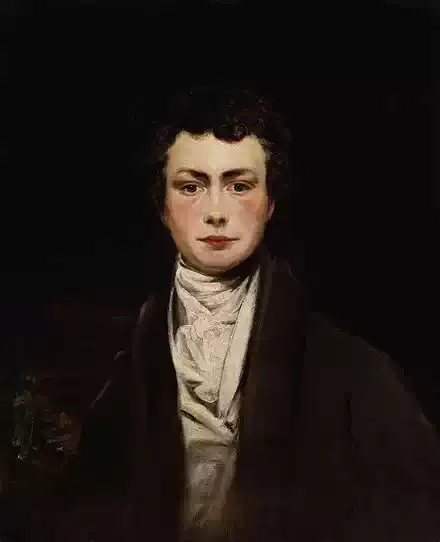
Thomas Moore
Wreath the Bowl
Wreath the Bowl
Wreath the bowl
With flowers of soul,
The brightest Wit can find us,
We'll take a flight
Towards heaven to-night,
And leave dull earth behind us.
Should Love amid
The wreaths be hid
That Joy, the enchanter, brings us,
No danger fear,
While wine is near --
We'll drown him if he stings us.
Then, wreath the bowl
With flowers of soul,
The brightest Wit can find us.
We'll take a flight
Towards heaven to-night,
And leave dull earth behind us.
'Twas nectar fed
Of old, 'tis said,
Their Junos, Joves, Apollos,
And man may brew
His nectar too,
The rich receipt's as follows:
Take wine like this,
Let looks of bliss
Around it well be blended,
Then bring Wit's beam
To warm the stream,
And there's your nectar, splendid!
So, wreath the bowl,
With flowers of soul,
The brightest Wit can find us,
We'll take a flight
Towards heaven to-night,
And leave dull earth behind us.
Say, why did Time
His glass sublime
Fill up with sands unsightly,
When wine, he knew,
Runs brisker through,
And sparkles far more brightly?
Oh, lend it us,
And, smiling thus,
The glass in two we'll sever,
Make pleasure glide
In double tide,
And fill both ends for ever!
Then, wreath the bowl
With flowers of soul
The brightest Wit can find us;
We'll take a flight
Towards heaven to-night,
And leave dull earth behind us.
Wreath the bowl
With flowers of soul,
The brightest Wit can find us,
We'll take a flight
Towards heaven to-night,
And leave dull earth behind us.
Should Love amid
The wreaths be hid
That Joy, the enchanter, brings us,
No danger fear,
While wine is near --
We'll drown him if he stings us.
Then, wreath the bowl
With flowers of soul,
The brightest Wit can find us.
We'll take a flight
Towards heaven to-night,
And leave dull earth behind us.
'Twas nectar fed
Of old, 'tis said,
Their Junos, Joves, Apollos,
And man may brew
His nectar too,
The rich receipt's as follows:
Take wine like this,
Let looks of bliss
Around it well be blended,
Then bring Wit's beam
To warm the stream,
And there's your nectar, splendid!
So, wreath the bowl,
With flowers of soul,
The brightest Wit can find us,
We'll take a flight
Towards heaven to-night,
And leave dull earth behind us.
Say, why did Time
His glass sublime
Fill up with sands unsightly,
When wine, he knew,
Runs brisker through,
And sparkles far more brightly?
Oh, lend it us,
And, smiling thus,
The glass in two we'll sever,
Make pleasure glide
In double tide,
And fill both ends for ever!
Then, wreath the bowl
With flowers of soul
The brightest Wit can find us;
We'll take a flight
Towards heaven to-night,
And leave dull earth behind us.
166
Rupert Brooke
The Charm
The Charm
In darkness the loud sea makes moan;
And earth is shaken, and all evils creep
About her ways.
Oh, now to know you sleep!
Out of the whirling blinding moil, alone,
Out of the slow grim fight,
One thought to wing -- to you, asleep,
In some cool room that's open to the night
Lying half-forward, breathing quietly,
One white hand on the white
Unrumpled sheet, and the ever-moving hair
Quiet and still at length! . . .
Your magic and your beauty and your strength,
Like hills at noon or sunlight on a tree,
Sleeping prevail in earth and air.
In the sweet gloom above the brown and white
Night benedictions hover; and the winds of night
Move gently round the room, and watch you there.
And through the dreadful hours
The trees and waters and the hills have kept
The sacred vigil while you slept,
And lay a way of dew and flowers
Where your feet, your morning feet, shall tread.
And still the darkness ebbs about your bed.
Quiet, and strange, and loving-kind, you sleep.
And holy joy about the earth is shed;
And holiness upon the deep.
In darkness the loud sea makes moan;
And earth is shaken, and all evils creep
About her ways.
Oh, now to know you sleep!
Out of the whirling blinding moil, alone,
Out of the slow grim fight,
One thought to wing -- to you, asleep,
In some cool room that's open to the night
Lying half-forward, breathing quietly,
One white hand on the white
Unrumpled sheet, and the ever-moving hair
Quiet and still at length! . . .
Your magic and your beauty and your strength,
Like hills at noon or sunlight on a tree,
Sleeping prevail in earth and air.
In the sweet gloom above the brown and white
Night benedictions hover; and the winds of night
Move gently round the room, and watch you there.
And through the dreadful hours
The trees and waters and the hills have kept
The sacred vigil while you slept,
And lay a way of dew and flowers
Where your feet, your morning feet, shall tread.
And still the darkness ebbs about your bed.
Quiet, and strange, and loving-kind, you sleep.
And holy joy about the earth is shed;
And holiness upon the deep.
167
Henry Wadsworth Longfellow
Tales Of A Wayside Inn : Part 2. The Musician's Tale; The Ballad of Carmilhan -
Tales Of A Wayside Inn : Part 2. The Musician's Tale; The Ballad of Carmilhan -
IV.
And now along the horizon's edge
Mountains of cloud uprose,
Black as with forests underneath,
Above their sharp and jagged teeth
Were white as drifted snows.
Unseen behind them sank the sun,
But flushed each snowy peak
A little while with rosy light
That faded slowly from the sight
As blushes from the cheek.
Black grew the sky,--all black, all black;
The clouds were everywhere;
There was a feeling of suspense
In nature, a mysterious sense
Of terror in the air.
And all on board the Valdemar
Was still as still could be;
Save when the dismal ship-bell tolled,
As ever and anon she rolled,
And lurched into the sea.
The captain up and down the deck
Went striding to and fro;
Now watched the compass at the wheel,
Now lifted up his hand to feel
Which way the wind might blow.
And now he looked up at the sails,
And now upon the deep;
In every fibre of his frame
He felt the storm before it came,
He had no thought of sleep.
Eight bells! and suddenly abaft,
With a great rush of rain,
Making the ocean white with spume,
In darkness like the day of doom,
On came the hurricane.
The lightning flashed from cloud to cloud,
And rent the sky in two;
A jagged flame, a single jet
Of white fire, like a bayonet_
That pierced the eyeballs through.
Then all around was dark again,
And blacker than before;
But in that single flash of light
He had beheld a fearful sight,
And thought of the oath he swore.
For right ahead lay the Ship of the Dead,
The ghostly Carmilhan!
Her masts were stripped, her yards were bare,
And on her bowsprit, poised in air,
Sat the Klaboterman.
Her crew of ghosts was all on deck
Or clambering up the shrouds;
The boatswain's whistle, the captain's hail,
Were like the piping of the gale,
And thunder in the clouds.
And close behind the Carmilhan
There rose up from the sea,
As from a foundered ship of stone,
Three bare and splintered masts alone:
They were the Chimneys Three.
And onward dashed the Valdemar
And leaped into the dark;
A denser mist, a colder blast,
A little shudder, and she had passed
Right through the Phantom Bark.
She cleft in twain the shadowy hulk,
But cleft it unaware;
As when, careering to her nest,
The sea-gull severs with her breast
The unresisting air.
Again the lightning flashed; again
They saw the Carmilhan,
Whole as before in hull and spar;
But now on board of the Valdemar
Stood the Klaboterman.
And they all knew their doom was sealed;
They knew that death was near;
Some prayed who never prayed before,
And some they wept, and some they swore,
And some were mute with fear.
Then suddenly there came a shock,
And louder than wind or sea
A cry burst from the crew on deck,
As she dashed and crashed, a hopeless wreck,
Upon the Chimneys Three.
The storm and night were passed, the light
To streak the east began;
The cabin-boy, picked up at sea,
Survived the wreck, and only he,
To tell of the Carmilhan.
IV.
And now along the horizon's edge
Mountains of cloud uprose,
Black as with forests underneath,
Above their sharp and jagged teeth
Were white as drifted snows.
Unseen behind them sank the sun,
But flushed each snowy peak
A little while with rosy light
That faded slowly from the sight
As blushes from the cheek.
Black grew the sky,--all black, all black;
The clouds were everywhere;
There was a feeling of suspense
In nature, a mysterious sense
Of terror in the air.
And all on board the Valdemar
Was still as still could be;
Save when the dismal ship-bell tolled,
As ever and anon she rolled,
And lurched into the sea.
The captain up and down the deck
Went striding to and fro;
Now watched the compass at the wheel,
Now lifted up his hand to feel
Which way the wind might blow.
And now he looked up at the sails,
And now upon the deep;
In every fibre of his frame
He felt the storm before it came,
He had no thought of sleep.
Eight bells! and suddenly abaft,
With a great rush of rain,
Making the ocean white with spume,
In darkness like the day of doom,
On came the hurricane.
The lightning flashed from cloud to cloud,
And rent the sky in two;
A jagged flame, a single jet
Of white fire, like a bayonet_
That pierced the eyeballs through.
Then all around was dark again,
And blacker than before;
But in that single flash of light
He had beheld a fearful sight,
And thought of the oath he swore.
For right ahead lay the Ship of the Dead,
The ghostly Carmilhan!
Her masts were stripped, her yards were bare,
And on her bowsprit, poised in air,
Sat the Klaboterman.
Her crew of ghosts was all on deck
Or clambering up the shrouds;
The boatswain's whistle, the captain's hail,
Were like the piping of the gale,
And thunder in the clouds.
And close behind the Carmilhan
There rose up from the sea,
As from a foundered ship of stone,
Three bare and splintered masts alone:
They were the Chimneys Three.
And onward dashed the Valdemar
And leaped into the dark;
A denser mist, a colder blast,
A little shudder, and she had passed
Right through the Phantom Bark.
She cleft in twain the shadowy hulk,
But cleft it unaware;
As when, careering to her nest,
The sea-gull severs with her breast
The unresisting air.
Again the lightning flashed; again
They saw the Carmilhan,
Whole as before in hull and spar;
But now on board of the Valdemar
Stood the Klaboterman.
And they all knew their doom was sealed;
They knew that death was near;
Some prayed who never prayed before,
And some they wept, and some they swore,
And some were mute with fear.
Then suddenly there came a shock,
And louder than wind or sea
A cry burst from the crew on deck,
As she dashed and crashed, a hopeless wreck,
Upon the Chimneys Three.
The storm and night were passed, the light
To streak the east began;
The cabin-boy, picked up at sea,
Survived the wreck, and only he,
To tell of the Carmilhan.
273
Thomas Moore
While Gazing on the Moon's Light
While Gazing on the Moon's Light
While gazing on the moon's light,
A moment from her smile I turn'd,
To look at orbs that, more bright,
In lone and distant glory burn'd.
But too far
Each proud star,
For me to feel its warming flame;
Much more dear
That mild sphere,
Which near our planet smiling came;
Thus, Mary, be but thou my own,
While brighter eyes unheeded play,
I'll love those moonlight looks alone
That bless my home and guide my way.
The day had sunk in dim showers,
But midnight now, with lustre meet,
Illumined all the pale flowers,
Like hope upon a mourner's cheek.
I said (while
The moon's smile
Play'd o'er a stream, in dimpling bliss,)
"The moon looks
On many brooks,
The brook can see no moon but this;"
And thus, I thought, our fortunes run,
For many a lover looks to thee,
While oh! I feel there is but one,
One Mary in the world for me.
While gazing on the moon's light,
A moment from her smile I turn'd,
To look at orbs that, more bright,
In lone and distant glory burn'd.
But too far
Each proud star,
For me to feel its warming flame;
Much more dear
That mild sphere,
Which near our planet smiling came;
Thus, Mary, be but thou my own,
While brighter eyes unheeded play,
I'll love those moonlight looks alone
That bless my home and guide my way.
The day had sunk in dim showers,
But midnight now, with lustre meet,
Illumined all the pale flowers,
Like hope upon a mourner's cheek.
I said (while
The moon's smile
Play'd o'er a stream, in dimpling bliss,)
"The moon looks
On many brooks,
The brook can see no moon but this;"
And thus, I thought, our fortunes run,
For many a lover looks to thee,
While oh! I feel there is but one,
One Mary in the world for me.
167
Rupert Brooke
The Busy Heart
The Busy Heart
Now that we’ve done our best and worst, and parted,
I would fill my mind with thoughts that will not rend.
(O heart, I do not dare go empty-hearted)
I’ll think of Love in books, Love without end;
Women with child, content; and old men sleeping;
And wet strong ploughlands, scarred for certain grain;
And babes that weep, and so forget their weeping;
And the young heavens, forgetful after rain;
And evening hush, broken by homing wings;
And Song’s nobility, and Wisdom holy,
That live, we dead. I would think of a thousand things,
Lovely and durable, and taste them slowly,
One after one, like tasting a sweet food.
I have need to busy my heart with quietude.
Now that we’ve done our best and worst, and parted,
I would fill my mind with thoughts that will not rend.
(O heart, I do not dare go empty-hearted)
I’ll think of Love in books, Love without end;
Women with child, content; and old men sleeping;
And wet strong ploughlands, scarred for certain grain;
And babes that weep, and so forget their weeping;
And the young heavens, forgetful after rain;
And evening hush, broken by homing wings;
And Song’s nobility, and Wisdom holy,
That live, we dead. I would think of a thousand things,
Lovely and durable, and taste them slowly,
One after one, like tasting a sweet food.
I have need to busy my heart with quietude.
165
Robert W. Service
Plebeian Plutocrat
Plebeian Plutocrat
I own a gorgeous Cadillac,
A chauffeur garbed in blue;
And as I sit behind his back
His beefy neck I view.
Yet let me whisper, though you may
Think me a queer old cuss,
From Claude I often sneak away
To board a bus.
A democrat, I love the crowd,
The bustle and the din;
The market wives who gab aloud
As they go out and in.
I chuckle as I pay my dime,
With mien meticulous:
You can't believe how happy I'm;
Aboard a bus.
The driver of my Cadillac
Has such a haughty sneer;
I'm sure he would give me the sack
If he beheld me here.
His horror all my friends would share
Could they but see me thus:
A gleeful multi-millionaire
Aboard a bus.
I own a gorgeous Cadillac,
A chauffeur garbed in blue;
And as I sit behind his back
His beefy neck I view.
Yet let me whisper, though you may
Think me a queer old cuss,
From Claude I often sneak away
To board a bus.
A democrat, I love the crowd,
The bustle and the din;
The market wives who gab aloud
As they go out and in.
I chuckle as I pay my dime,
With mien meticulous:
You can't believe how happy I'm;
Aboard a bus.
The driver of my Cadillac
Has such a haughty sneer;
I'm sure he would give me the sack
If he beheld me here.
His horror all my friends would share
Could they but see me thus:
A gleeful multi-millionaire
Aboard a bus.
237
Thomas Moore
Whene'er I See Those Smiling Eyes
Whene'er I See Those Smiling Eyes
Whene'er I see those smiling eyes,
So full of hope, and joy, and light,
As if no cloud could ever rise,
To dim a heaven so purely bright --
I sigh to think how soon that brow
In grief may lose its every ray,
And that light heart, so joyous now,
Almost forget it once was gay.
For time will come with all its blights,
The ruin'd hope, the friend unkind,
And love, that leaves, where'er it lights,
A chill'd or burning heart behind:
While youth, that now like snow appears,
Ere sullied by the darkening rain,
When once 'tis touch'd by sorrow's tears,
Can never shine so bright again.
Whene'er I see those smiling eyes,
So full of hope, and joy, and light,
As if no cloud could ever rise,
To dim a heaven so purely bright --
I sigh to think how soon that brow
In grief may lose its every ray,
And that light heart, so joyous now,
Almost forget it once was gay.
For time will come with all its blights,
The ruin'd hope, the friend unkind,
And love, that leaves, where'er it lights,
A chill'd or burning heart behind:
While youth, that now like snow appears,
Ere sullied by the darkening rain,
When once 'tis touch'd by sorrow's tears,
Can never shine so bright again.
178
Rupert Brooke
Success
Success
I think if you had loved me when I wanted;
If I'd looked up one day, and seen your eyes,
And found my wild sick blasphemous prayer granted,
And your brown face, that's full of pity and wise,
Flushed suddenly; the white godhead in new fear
Intolerably so struggling, and so shamed;
Most holy and far, if you'd come all too near,
If earth had seen Earth's lordliest wild limbs tamed,
Shaken, and trapped, and shivering, for MY touch --
Myself should I have slain? or that foul you?
But this the strange gods, who had given so much,
To have seen and known you, this they might not do.
One last shame's spared me, one black word's unspoken;
And I'm alone; and you have not awoken.
I think if you had loved me when I wanted;
If I'd looked up one day, and seen your eyes,
And found my wild sick blasphemous prayer granted,
And your brown face, that's full of pity and wise,
Flushed suddenly; the white godhead in new fear
Intolerably so struggling, and so shamed;
Most holy and far, if you'd come all too near,
If earth had seen Earth's lordliest wild limbs tamed,
Shaken, and trapped, and shivering, for MY touch --
Myself should I have slain? or that foul you?
But this the strange gods, who had given so much,
To have seen and known you, this they might not do.
One last shame's spared me, one black word's unspoken;
And I'm alone; and you have not awoken.
190
Henry Wadsworth Longfellow
Tales Of A Wayside Inn : Part 2. The Musician's Tale; The Ballad of Carmilhan -
Tales Of A Wayside Inn : Part 2. The Musician's Tale; The Ballad of Carmilhan -
II.
The jolly skipper paused awhile,
And then again began;
'There is a Spectre Ship,' quoth he,
'A ship of the Dead that sails the sea,
And is called the Carmilhan.
'A ghostly ship, with a ghostly crew,
In tempests she appears;
And before the gale, or against the gale,
She sails without a rag of sail,
Without a helmsman steers.
'She haunts the Atlantic north and south,
But mostly the mid-sea,
Where three great rocks rise bleak and bare
Like furnace-chimneys in the air,
And are called the Chimneys Three.
'And ill betide the luckless ship
That meets the Carmilhan;
Over her decks the seas will leap,
She must go down into the deep,
And perish mouse and man.'
The captain of the Valdemar
Laughed loud with merry heart.
'I should like to see this ship,' said he;
'I should like to find these Chimneys Three,
That are marked down in the chart.
'I have sailed right over the spot,' he said
'With a good stiff breeze behind,
When the sea was blue, and the sky was clear,--
You can follow my course by these pinholes here,--
And never a rock could find.'
And then he swore a dreadful oath,
He swore by the Kingdoms Three,
That, should he meet the Carmilhan,
He would run her down, although he ran
Right into Eternity!
All this, while passing to and fro,
The cabin-boy had heard;
He lingered at the door to hear,
And drank in all with greedy ear,
And pondered every word.
He was a simple country lad,
But of a roving mind.
'Oh, it must be like heaven,' thought he,
'Those far-off foreign lands to see,
And fortune seek and find!'
But in the fo'castle, when he heard
The mariners blaspheme,
He thought of home, he thought of God,
And his mother under the churchyard sod,
And wished it were a dream.
One friend on board that ship had he;
T was the Klaboterman,
Who saw the Bible in his chest,
And made a sign upon his breast,
All evil things to ban.
II.
The jolly skipper paused awhile,
And then again began;
'There is a Spectre Ship,' quoth he,
'A ship of the Dead that sails the sea,
And is called the Carmilhan.
'A ghostly ship, with a ghostly crew,
In tempests she appears;
And before the gale, or against the gale,
She sails without a rag of sail,
Without a helmsman steers.
'She haunts the Atlantic north and south,
But mostly the mid-sea,
Where three great rocks rise bleak and bare
Like furnace-chimneys in the air,
And are called the Chimneys Three.
'And ill betide the luckless ship
That meets the Carmilhan;
Over her decks the seas will leap,
She must go down into the deep,
And perish mouse and man.'
The captain of the Valdemar
Laughed loud with merry heart.
'I should like to see this ship,' said he;
'I should like to find these Chimneys Three,
That are marked down in the chart.
'I have sailed right over the spot,' he said
'With a good stiff breeze behind,
When the sea was blue, and the sky was clear,--
You can follow my course by these pinholes here,--
And never a rock could find.'
And then he swore a dreadful oath,
He swore by the Kingdoms Three,
That, should he meet the Carmilhan,
He would run her down, although he ran
Right into Eternity!
All this, while passing to and fro,
The cabin-boy had heard;
He lingered at the door to hear,
And drank in all with greedy ear,
And pondered every word.
He was a simple country lad,
But of a roving mind.
'Oh, it must be like heaven,' thought he,
'Those far-off foreign lands to see,
And fortune seek and find!'
But in the fo'castle, when he heard
The mariners blaspheme,
He thought of home, he thought of God,
And his mother under the churchyard sod,
And wished it were a dream.
One friend on board that ship had he;
T was the Klaboterman,
Who saw the Bible in his chest,
And made a sign upon his breast,
All evil things to ban.
322
Rupert Brooke
Sonnet: I said I splendidly loved you; it's not true
Sonnet: I said I splendidly loved you; it's not true
I said I splendidly loved you; it's not true.
Such long swift tides stir not a land-locked sea.
On gods or fools the high risk falls -- on you --
The clean clear bitter-sweet that's not for me.
Love soars from earth to ecstasies unwist.
Love is flung Lucifer-like from Heaven to Hell.
But -- there are wanderers in the middle mist,
Who cry for shadows, clutch, and cannot tell
Whether they love at all, or, loving, whom:
An old song's lady, a fool in fancy dress,
Or phantoms, or their own face on the gloom;
For love of Love, or from heart's loneliness.
Pleasure's not theirs, nor pain. They doubt, and sigh,
And do not love at all. Of these am I.
I said I splendidly loved you; it's not true.
Such long swift tides stir not a land-locked sea.
On gods or fools the high risk falls -- on you --
The clean clear bitter-sweet that's not for me.
Love soars from earth to ecstasies unwist.
Love is flung Lucifer-like from Heaven to Hell.
But -- there are wanderers in the middle mist,
Who cry for shadows, clutch, and cannot tell
Whether they love at all, or, loving, whom:
An old song's lady, a fool in fancy dress,
Or phantoms, or their own face on the gloom;
For love of Love, or from heart's loneliness.
Pleasure's not theirs, nor pain. They doubt, and sigh,
And do not love at all. Of these am I.
143
Thomas Moore
When First I Met Thee
When First I Met Thee
When first I met thee, warm and young,
There shone such truth about thee,
And on thy lip such promise hung,
I did not dare to doubt thee.
I saw thee change, yet still relied,
Still clung with hope the fonder,
And thought, though false to all beside,
From me thou couldst not wander.
But go, deceiver! go,
The heart, whose hopes could make it
Trust one so false, so low,
Deserves that thou shouldst break it.
When every tongue thy follies named,
I fled the unwelcome story,
Or found, in even the faults they blamed,
Some gleams of future glory.
I still was true, when nearer friends
Conspired to wrong, to slight thee;
The heart that now thy falsehood rends
Would then have bled to right thee.
But go, deceiver! go --
Some day, perhaps, thou'lt waken
From pleasure's dream, to know
The grief of hearts forsaken.
Even now, though youth its bloom has shed,
No lights of age adorn thee;
The few who loved thee once have fled,
And they who flatter scorn thee.
Thy midnight cup is pledged to slaves,
No genial ties enwreath it;
The smiling there, like light on graves,
Has rank cold hearts beneath it.
Go -- go -- though worlds were thine,
I would not now surrender
One taintless tear of mine
For all thy guilty splendour!
And days may come, thou false one! yet,
When even those ties shall sever!
When thou wilt call, with vain regret,
On her thou'st lost for ever;
On her who, in thy fortune's fall,
With smiles had still received thee,
And gladly died to prove thee all
Her fancy first believed thee.
Go -- go -- 'tis vain to curse,
'Tis weakness to upbraid thee;
Hate cannot wish thee worse
Than guilt and shame have made thee.
When first I met thee, warm and young,
There shone such truth about thee,
And on thy lip such promise hung,
I did not dare to doubt thee.
I saw thee change, yet still relied,
Still clung with hope the fonder,
And thought, though false to all beside,
From me thou couldst not wander.
But go, deceiver! go,
The heart, whose hopes could make it
Trust one so false, so low,
Deserves that thou shouldst break it.
When every tongue thy follies named,
I fled the unwelcome story,
Or found, in even the faults they blamed,
Some gleams of future glory.
I still was true, when nearer friends
Conspired to wrong, to slight thee;
The heart that now thy falsehood rends
Would then have bled to right thee.
But go, deceiver! go --
Some day, perhaps, thou'lt waken
From pleasure's dream, to know
The grief of hearts forsaken.
Even now, though youth its bloom has shed,
No lights of age adorn thee;
The few who loved thee once have fled,
And they who flatter scorn thee.
Thy midnight cup is pledged to slaves,
No genial ties enwreath it;
The smiling there, like light on graves,
Has rank cold hearts beneath it.
Go -- go -- though worlds were thine,
I would not now surrender
One taintless tear of mine
For all thy guilty splendour!
And days may come, thou false one! yet,
When even those ties shall sever!
When thou wilt call, with vain regret,
On her thou'st lost for ever;
On her who, in thy fortune's fall,
With smiles had still received thee,
And gladly died to prove thee all
Her fancy first believed thee.
Go -- go -- 'tis vain to curse,
'Tis weakness to upbraid thee;
Hate cannot wish thee worse
Than guilt and shame have made thee.
146
Robert W. Service
Pipe Smoker
Pipe Smoker
Because I love the soothing weed
And am of sober type,
I'd choose me for a friend in need
A man who smokes a pipe.
A cove who hasn't much to say,
And spits into the fire,
Puffing like me a pipe of clay,
Corn-cob or briar.
A chap original of thought,
With cheery point of view,
Who has of gumption quite a lot,
And streaks of humour too.
He need not be a whiskered sage,
With wisdom over-ripe:
Just give me in the old of age
A pal who smokes a pipe.
A cigarette may make for wit,
Although I like it not;
A good cigar, I must admit,
Gives dignity to thought.
But as my glass of grog I sip
I never, never gripe
If I have for companionship
A guy who smokes a pipe.
Because I love the soothing weed
And am of sober type,
I'd choose me for a friend in need
A man who smokes a pipe.
A cove who hasn't much to say,
And spits into the fire,
Puffing like me a pipe of clay,
Corn-cob or briar.
A chap original of thought,
With cheery point of view,
Who has of gumption quite a lot,
And streaks of humour too.
He need not be a whiskered sage,
With wisdom over-ripe:
Just give me in the old of age
A pal who smokes a pipe.
A cigarette may make for wit,
Although I like it not;
A good cigar, I must admit,
Gives dignity to thought.
But as my glass of grog I sip
I never, never gripe
If I have for companionship
A guy who smokes a pipe.
214