
Poems List
Explore poems from our collection

Vikram Seth
Octet
Octet
You don't love me at all? O God. O Shit.
You still 'respect me.' Thanks. I value it
About as much as one who's asked to use
A second hat when he's in need of shoes.
Since, I discover, my own self-respect
Is quite enough to keep my spine erect
Why is it true my ample self-affection
Will not suffice to buoy me in rejection?
You don't love me at all? O God. O Shit.
You still 'respect me.' Thanks. I value it
About as much as one who's asked to use
A second hat when he's in need of shoes.
Since, I discover, my own self-respect
Is quite enough to keep my spine erect
Why is it true my ample self-affection
Will not suffice to buoy me in rejection?
590
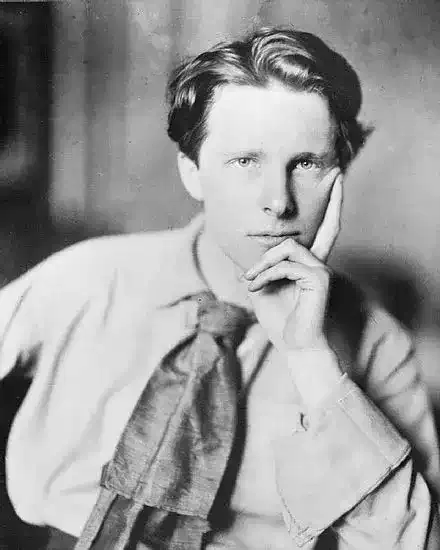
Rupert Brooke
There's Wisdom In Women
There's Wisdom In Women
"Oh love is fair, and love is rare;" my dear one she said,
"But love goes lightly over." I bowed her foolish head,
And kissed her hair and laughed at her. Such a child was she;
So new to love, so true to love, and she spoke so bitterly.
But there's wisdom in women, of more than they have known,
And thoughts go blowing through them, are wiser than their own,
Or how should my dear one, being ignorant and young,
Have cried on love so bitterly, with so true a tongue?
"Oh love is fair, and love is rare;" my dear one she said,
"But love goes lightly over." I bowed her foolish head,
And kissed her hair and laughed at her. Such a child was she;
So new to love, so true to love, and she spoke so bitterly.
But there's wisdom in women, of more than they have known,
And thoughts go blowing through them, are wiser than their own,
Or how should my dear one, being ignorant and young,
Have cried on love so bitterly, with so true a tongue?
201
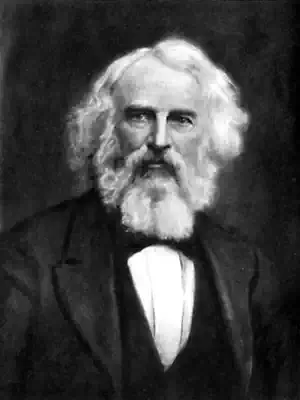
Henry Wadsworth Longfellow
Tales Of A Wayside Inn : Part 3. Interlude VI.
Tales Of A Wayside Inn : Part 3. Interlude VI.
'Now that is after my own heart,'
The Poet cried; 'one understands
Your swarthy hero Scanderbeg,
Gauntlet on hand and boot on leg,
And skilled in every warlike art,
Riding through his Albanian lands,
And following the auspicious star
That shone for him o'er Ak-Hissar.'
The Theologian added here
His word of praise not less sincere,
Although he ended with a jibe;
'The hero of romance and song
Was born,' he said, 'to right the wrong;
And I approve; but all the same
That bit of treason with the Scribe
Adds nothing to your hero's fame.'
The Student praised the good old times,
And liked the canter of the rhymes,
That had a hoofbeat in their sound;
But longed some further word to hear
Of the old chronicler Ben Meir,
And where his volume might he found.
The tall Musician walked the room
With folded arms and gleaming eyes,
As if he saw the Vikings rise,
Gigantic shadows in the gloom;
And much he talked of their emprise
And meteors seen in Northern skies,
And Heimdal's horn, and day of doom.
But the Sicilian laughed again;
'This is the time to laugh,' he said,
For the whole story he well knew
Was an invention of the Jew,
Spun from the cobwebs in his brain,
And of the same bright scarlet thread
As was the Tale of Kambalu.
Only the Landlord spake no word;
'T was doubtful whether he had heard
The tale at all, so full of care
Was he of his impending fate,
That, like the sword of Damocles,
Above his head hung blank and bare,
Suspended by a single hair,
So that he could not sit at ease,
But sighed and looked disconsolate,
And shifted restless in his chair,
Revolving how he might evade
The blow of the descending blade.
The Student came to his relief
By saying in his easy way
To the Musician: 'Calm your grief,
My fair Apollo of the North,
Balder the Beautiful and so forth;
Although your magic lyre or lute
With broken strings is lying mute,
Still you can tell some doleful tale
Of shipwreck in a midnight gale,
Or something of the kind to suit
The mood that we are in to-night
For what is marvellous and strange;
So give your nimble fancy range,
And we will follow in its flight.'
But the Musician shook his head;
'No tale I tell to-night,' he said,
'While my poor instrument lies there,
Even as a child with vacant stare
Lies in its little coffin dead.'
Yet, being urged, he said at last:
'There comes to me out of the Past
A voice, whose tones are sweet and wild,
Singing a song almost divine,
And with a tear in every line;
An ancient ballad, that my nurse
Sang to me when I was a child,
In accents tender as the verse;
And sometimes wept, and sometimes smiled
While singing it, to see arise
The look of wonder in my eyes,
And feel my heart with terror beat.
This simple ballad I retain
Clearly imprinted on my brain,
And as a tale will now repeat.'
'Now that is after my own heart,'
The Poet cried; 'one understands
Your swarthy hero Scanderbeg,
Gauntlet on hand and boot on leg,
And skilled in every warlike art,
Riding through his Albanian lands,
And following the auspicious star
That shone for him o'er Ak-Hissar.'
The Theologian added here
His word of praise not less sincere,
Although he ended with a jibe;
'The hero of romance and song
Was born,' he said, 'to right the wrong;
And I approve; but all the same
That bit of treason with the Scribe
Adds nothing to your hero's fame.'
The Student praised the good old times,
And liked the canter of the rhymes,
That had a hoofbeat in their sound;
But longed some further word to hear
Of the old chronicler Ben Meir,
And where his volume might he found.
The tall Musician walked the room
With folded arms and gleaming eyes,
As if he saw the Vikings rise,
Gigantic shadows in the gloom;
And much he talked of their emprise
And meteors seen in Northern skies,
And Heimdal's horn, and day of doom.
But the Sicilian laughed again;
'This is the time to laugh,' he said,
For the whole story he well knew
Was an invention of the Jew,
Spun from the cobwebs in his brain,
And of the same bright scarlet thread
As was the Tale of Kambalu.
Only the Landlord spake no word;
'T was doubtful whether he had heard
The tale at all, so full of care
Was he of his impending fate,
That, like the sword of Damocles,
Above his head hung blank and bare,
Suspended by a single hair,
So that he could not sit at ease,
But sighed and looked disconsolate,
And shifted restless in his chair,
Revolving how he might evade
The blow of the descending blade.
The Student came to his relief
By saying in his easy way
To the Musician: 'Calm your grief,
My fair Apollo of the North,
Balder the Beautiful and so forth;
Although your magic lyre or lute
With broken strings is lying mute,
Still you can tell some doleful tale
Of shipwreck in a midnight gale,
Or something of the kind to suit
The mood that we are in to-night
For what is marvellous and strange;
So give your nimble fancy range,
And we will follow in its flight.'
But the Musician shook his head;
'No tale I tell to-night,' he said,
'While my poor instrument lies there,
Even as a child with vacant stare
Lies in its little coffin dead.'
Yet, being urged, he said at last:
'There comes to me out of the Past
A voice, whose tones are sweet and wild,
Singing a song almost divine,
And with a tear in every line;
An ancient ballad, that my nurse
Sang to me when I was a child,
In accents tender as the verse;
And sometimes wept, and sometimes smiled
While singing it, to see arise
The look of wonder in my eyes,
And feel my heart with terror beat.
This simple ballad I retain
Clearly imprinted on my brain,
And as a tale will now repeat.'
262
Vikram Seth
Mistaken
Mistaken
I smiled at you because I thought that you
Were someone else; you smiled back; and there grew
Between two strangers in a library
Something that seemes like love; but you loved me
(If that's the word) because you thought that I
Was other than I was. And by and by
We found we'd been mistaken all the while
From that first glance, that first mistaken smile.
I smiled at you because I thought that you
Were someone else; you smiled back; and there grew
Between two strangers in a library
Something that seemes like love; but you loved me
(If that's the word) because you thought that I
Was other than I was. And by and by
We found we'd been mistaken all the while
From that first glance, that first mistaken smile.
782
Rupert Brooke
The Way That Lovers Use
The Way That Lovers Use
The Way that lovers use is this;
They bow, catch hands, with never a word,
And their lips meet, and they do kiss,
—So I have heard.
They queerly find some healing so,
And strange attainment in the touch;
There is a secret lovers know,
—I have read as much.
And theirs no longer joy nor smart,
Changing or ending, night or day;
But mouth to mouth, and heart on heart,
—So lovers say.
The Way that lovers use is this;
They bow, catch hands, with never a word,
And their lips meet, and they do kiss,
—So I have heard.
They queerly find some healing so,
And strange attainment in the touch;
There is a secret lovers know,
—I have read as much.
And theirs no longer joy nor smart,
Changing or ending, night or day;
But mouth to mouth, and heart on heart,
—So lovers say.
180

Robert W. Service
Pragmatic
Pragmatic
When young I was an Atheist,
Yea, pompous as a pigeon
No opportunity I missed
To satirize religion.
I sneered at Scripture, scoffed at Faith,
I blasphemed at believers:
Said I: "There's nothing after Death,-
Your priests are just deceivers."
In middle age I was not so
Contemptuous and caustic.
Thought I: "There's much I do not know:
I'd better be agnostic.
The hope of immortality
'Tis foolish to be flouting."
So in the end I came to be
A doubter of my doubting.
Now I am old, with steps inclined
To hesitate and falter;
I find I get such peace of mind
Just sitting by an altar.
So Friends, don't scorn the family pew,
The preachments of the kirks:
Religion may be false or true,
But by the Lord!--it works.
When young I was an Atheist,
Yea, pompous as a pigeon
No opportunity I missed
To satirize religion.
I sneered at Scripture, scoffed at Faith,
I blasphemed at believers:
Said I: "There's nothing after Death,-
Your priests are just deceivers."
In middle age I was not so
Contemptuous and caustic.
Thought I: "There's much I do not know:
I'd better be agnostic.
The hope of immortality
'Tis foolish to be flouting."
So in the end I came to be
A doubter of my doubting.
Now I am old, with steps inclined
To hesitate and falter;
I find I get such peace of mind
Just sitting by an altar.
So Friends, don't scorn the family pew,
The preachments of the kirks:
Religion may be false or true,
But by the Lord!--it works.
201
Vikram Seth
Interpretation
Interpretation
Somewhere within your loving look I sense,
Without the least intention to deceive,
Without suspicion, without evidence,
Somewhere within your heart the heart to leave.
Somewhere within your loving look I sense,
Without the least intention to deceive,
Without suspicion, without evidence,
Somewhere within your heart the heart to leave.
585
Rupert Brooke
The Vision of the Archangels
The Vision of the Archangels
Slowly up silent peaks, the white edge of the world,
Trod four archangels, clear against the unheeding sky,
Bearing, with quiet even steps, and great wings furled,
A little dingy coffin; where a child must lie,
It was so tiny. (Yet, you had fancied, God could never
Have bidden a child turn from the spring and the sunlight,
And shut him in that lonely shell, to drop for ever
Into the emptiness and silence, into the night.…)
They then from the sheer summit cast, and watched it fall,
Through unknown glooms, that frail black coffin—and therein
God’s little pitiful Body lying, worn and thin,
And curled up like some crumpled, lonely flower petal—
Till it was no more visible; then turned again
With sorrowful quiet faces downward to the plain.
Slowly up silent peaks, the white edge of the world,
Trod four archangels, clear against the unheeding sky,
Bearing, with quiet even steps, and great wings furled,
A little dingy coffin; where a child must lie,
It was so tiny. (Yet, you had fancied, God could never
Have bidden a child turn from the spring and the sunlight,
And shut him in that lonely shell, to drop for ever
Into the emptiness and silence, into the night.…)
They then from the sheer summit cast, and watched it fall,
Through unknown glooms, that frail black coffin—and therein
God’s little pitiful Body lying, worn and thin,
And curled up like some crumpled, lonely flower petal—
Till it was no more visible; then turned again
With sorrowful quiet faces downward to the plain.
159
Henry Wadsworth Longfellow
Tales Of A Wayside Inn : Part 3. Interlude IV.
Tales Of A Wayside Inn : Part 3. Interlude IV.
'A pleasant and a winsome tale,'
The Student said, 'though somewhat pale
And quiet in its coloring,
As if it caught its tone and air
From the gray suits that Quakers wear;
Yet worthy of some German bard,
Hebel, or Voss, or Eberhard,
Who love of humble themes to sing,
In humble verse; but no more true
Than was the tale I told to you.'
The Theologian made reply,
And with some warmth, 'That I deny;
'T is no invention of my own,
But something well and widely known
To readers of a riper age,
Writ by the skilful hand that wrote
The Indian tale of Hobomok,
And Philothea's classic page.
I found it like a waif afloat
Or dulse uprooted from its rock,
On the swift tides that ebb and flow
In daily papers, and at flood
Bear freighted vessels to and fro,
But later, when the ebb is low,
Leave a long waste of sand and mud.'
'It matters little,' quoth the Jew;
'The cloak of truth is lined with lies,
Sayeth some proverb old and wise;
And Love is master of all arts,
And puts it into human hearts
The strangest things to say and do.'
And here the controversy closed
Abruptly, ere 't was well begun;
For the Sicilian interposed
With, 'Lordlings, listen, every one
That listen may, unto a tale
That 's merrier than the nightingale;
A tale that cannot boast, forsooth,
A single rag or shred of truth;
That does not leave the mind in doubt
As to the with it or without;
A naked falsehood and absurd
As mortal ever told or heard.
Therefore I tell it; or, maybe,
Simply because it pleases me.'
'A pleasant and a winsome tale,'
The Student said, 'though somewhat pale
And quiet in its coloring,
As if it caught its tone and air
From the gray suits that Quakers wear;
Yet worthy of some German bard,
Hebel, or Voss, or Eberhard,
Who love of humble themes to sing,
In humble verse; but no more true
Than was the tale I told to you.'
The Theologian made reply,
And with some warmth, 'That I deny;
'T is no invention of my own,
But something well and widely known
To readers of a riper age,
Writ by the skilful hand that wrote
The Indian tale of Hobomok,
And Philothea's classic page.
I found it like a waif afloat
Or dulse uprooted from its rock,
On the swift tides that ebb and flow
In daily papers, and at flood
Bear freighted vessels to and fro,
But later, when the ebb is low,
Leave a long waste of sand and mud.'
'It matters little,' quoth the Jew;
'The cloak of truth is lined with lies,
Sayeth some proverb old and wise;
And Love is master of all arts,
And puts it into human hearts
The strangest things to say and do.'
And here the controversy closed
Abruptly, ere 't was well begun;
For the Sicilian interposed
With, 'Lordlings, listen, every one
That listen may, unto a tale
That 's merrier than the nightingale;
A tale that cannot boast, forsooth,
A single rag or shred of truth;
That does not leave the mind in doubt
As to the with it or without;
A naked falsehood and absurd
As mortal ever told or heard.
Therefore I tell it; or, maybe,
Simply because it pleases me.'
246
Vikram Seth
From California
From California
Sunday night in the house.
The blinds drawn, the phone dead.
The sound of the kettle, the rain.
Supper: cheese, celery, bread.
For company, old letters
In the same disjointed script.
Old love wells up again,
All that I thought had slipped
Through the sieve of long absence
Is here with me again:
The long stone walls, the green
Hillsides renewed with rain.
The way you would lick your finger
And touch your forehead, the way
You hummed a phrase from the flute
Sonatas, or turned to say,
"Larches--the only conifers
That honestly blend with Wales."
I walk with you again
Along these settled trails.
It seems I started this poem
So many years ago
I cannt follow its ending
And must begin anew.
Blame, some bitterness,
I recall there were these.
Yet what survives is Bach
And a few blackberries
Something of the "falling starlight",
In the phrase of Wang Wei,
Falls on my shadowed self.
I thank you that today
His words are open to me.
How much you have inspired
You cannot know. The end
Left much to be desired.
"There is a comfort in
The strength of love." I quote
Another favourite
You vouchsafed me. Please note
The lack of hope or faith:
Neither is justified.
I have closed out the night.
The random rain outside
Rejuvenates the parched
Foothills along the Bay.
Anaesthetised by years
I think of you today
Not with impassionedness
So much as half a smile
To see the weathered past
Still worth my present while.
Sunday night in the house.
The blinds drawn, the phone dead.
The sound of the kettle, the rain.
Supper: cheese, celery, bread.
For company, old letters
In the same disjointed script.
Old love wells up again,
All that I thought had slipped
Through the sieve of long absence
Is here with me again:
The long stone walls, the green
Hillsides renewed with rain.
The way you would lick your finger
And touch your forehead, the way
You hummed a phrase from the flute
Sonatas, or turned to say,
"Larches--the only conifers
That honestly blend with Wales."
I walk with you again
Along these settled trails.
It seems I started this poem
So many years ago
I cannt follow its ending
And must begin anew.
Blame, some bitterness,
I recall there were these.
Yet what survives is Bach
And a few blackberries
Something of the "falling starlight",
In the phrase of Wang Wei,
Falls on my shadowed self.
I thank you that today
His words are open to me.
How much you have inspired
You cannot know. The end
Left much to be desired.
"There is a comfort in
The strength of love." I quote
Another favourite
You vouchsafed me. Please note
The lack of hope or faith:
Neither is justified.
I have closed out the night.
The random rain outside
Rejuvenates the parched
Foothills along the Bay.
Anaesthetised by years
I think of you today
Not with impassionedness
So much as half a smile
To see the weathered past
Still worth my present while.
606
Rupert Brooke
The Song of the Pilgrims
The Song of the Pilgrims
(Halted around the fire by night, after moon-set, they sing this beneath the
trees.)
What light of unremembered skies
Hast thou relumed within our eyes,
Thou whom we seek, whom we shall find?…
A certain odour on the wind,
Thy hidden face beyond the west,
These things have called us; on a quest
Older than any road we trod,
More endless than desire.…
Far God,
Sigh with thy cruel voice, that fills
The soul with longing for dim hills
And faint horizons! For there come
Grey moments of the antient dumb
Sickness of travel, when no song
Can cheer us; but the way seems long;
And one remembers.…
Ah! the beat
Of weary unreturning feet,
And songs of pilgrims unreturning!…
The fires we left are always burning
On the old shrines of home. Our kin
Have built them temples, and therein
Pray to the Gods we know; and dwell
In little houses lovable,
Being happy (we remember how!)
And peaceful even to death...
O Thou,
God of all long desirous roaming,
Our hearts are sick of fruitless homing,
And crying after lost desire.
Hearten us onward! as with fire
Consuming dreams of other bliss.
The best Thou givest, giving this
Sufficient thing—to travel still
Over the plain, beyond the hill,
Unhesitating through the shade,
Amid the silence unafraid,
Till, at some sudden turn, one sees
Against the black and muttering trees
Thine altar, wonderfully white,
Among the Forests of the Night.
(Halted around the fire by night, after moon-set, they sing this beneath the
trees.)
What light of unremembered skies
Hast thou relumed within our eyes,
Thou whom we seek, whom we shall find?…
A certain odour on the wind,
Thy hidden face beyond the west,
These things have called us; on a quest
Older than any road we trod,
More endless than desire.…
Far God,
Sigh with thy cruel voice, that fills
The soul with longing for dim hills
And faint horizons! For there come
Grey moments of the antient dumb
Sickness of travel, when no song
Can cheer us; but the way seems long;
And one remembers.…
Ah! the beat
Of weary unreturning feet,
And songs of pilgrims unreturning!…
The fires we left are always burning
On the old shrines of home. Our kin
Have built them temples, and therein
Pray to the Gods we know; and dwell
In little houses lovable,
Being happy (we remember how!)
And peaceful even to death...
O Thou,
God of all long desirous roaming,
Our hearts are sick of fruitless homing,
And crying after lost desire.
Hearten us onward! as with fire
Consuming dreams of other bliss.
The best Thou givest, giving this
Sufficient thing—to travel still
Over the plain, beyond the hill,
Unhesitating through the shade,
Amid the silence unafraid,
Till, at some sudden turn, one sees
Against the black and muttering trees
Thine altar, wonderfully white,
Among the Forests of the Night.
185
Robert W. Service
Portrait
Portrait
Because life's passing show
Is little to his mind,
There is a man I know
Indrawn from human kind.
His dearest friends are books;
Yet oh how glad he talks
To birds and trees and brooks
On lonely walks.
He takes the same still way
By grove and hill and sea;
He lives that each new day
May like the last one be.
He hates all kinds of change;
His step is sure and slow:
Though life has little range
He loves it so.
He makes it his one aim
His pleasure to repeat;
To always do the same,
Since sameness is so sweet;
In simple things to find
The dearest to his mood.
His true life in his mind
Is oh so good!
Please leave him to his dream,
This old, unweary man,
Who shuns the busy stream
And has outlived his span.
Just leave him on his shelf
To watch the world go by . . .
Because he is--myself:
Yea, such be I.
Because life's passing show
Is little to his mind,
There is a man I know
Indrawn from human kind.
His dearest friends are books;
Yet oh how glad he talks
To birds and trees and brooks
On lonely walks.
He takes the same still way
By grove and hill and sea;
He lives that each new day
May like the last one be.
He hates all kinds of change;
His step is sure and slow:
Though life has little range
He loves it so.
He makes it his one aim
His pleasure to repeat;
To always do the same,
Since sameness is so sweet;
In simple things to find
The dearest to his mood.
His true life in his mind
Is oh so good!
Please leave him to his dream,
This old, unweary man,
Who shuns the busy stream
And has outlived his span.
Just leave him on his shelf
To watch the world go by . . .
Because he is--myself:
Yea, such be I.
194
Rupert Brooke
The Soldier
The Soldier
If I should die, think only this of me:
That there's some corner of a foreign field
That is for ever England. There shall be
In that rich earth a richer dust concealed;
A dust whom England bore, shaped, made aware,
Gave once her flowers to love, her ways to roam;
A body of England's, breathing English air,
Washed by the rivers, blest by suns of home.
And think, this heart, all evil shed away,
A pulse in the eternal mind, no less
Gives somewhere back the thoughts by England given;
Her sights and sounds; dreams happy as her day;
And laughter, learnt of friends; and gentleness,
In hearts at peace, under an English heaven.
If I should die, think only this of me:
That there's some corner of a foreign field
That is for ever England. There shall be
In that rich earth a richer dust concealed;
A dust whom England bore, shaped, made aware,
Gave once her flowers to love, her ways to roam;
A body of England's, breathing English air,
Washed by the rivers, blest by suns of home.
And think, this heart, all evil shed away,
A pulse in the eternal mind, no less
Gives somewhere back the thoughts by England given;
Her sights and sounds; dreams happy as her day;
And laughter, learnt of friends; and gentleness,
In hearts at peace, under an English heaven.
189
Vikram Seth
At Evening
At Evening
Let me now sleep, let me not think, let me
Not ache with inconsistent tenderness.
It was untenable delight; we are free--
Separate, equal--and if loverless,
Love consumes time which is more dear than love,
More unreplicable. With everything
Thus posited, the choice was clear enough
And daylight ratified our reckoning.
Now only movement marks the birds from the pines;
Now it's dark; the blinded stars appear;
I am alone, you cannot read these lines
Who are with me when no one else is here,
Who are with me and cannot hear my voice
And take my hand and abrogate the choice.
Let me now sleep, let me not think, let me
Not ache with inconsistent tenderness.
It was untenable delight; we are free--
Separate, equal--and if loverless,
Love consumes time which is more dear than love,
More unreplicable. With everything
Thus posited, the choice was clear enough
And daylight ratified our reckoning.
Now only movement marks the birds from the pines;
Now it's dark; the blinded stars appear;
I am alone, you cannot read these lines
Who are with me when no one else is here,
Who are with me and cannot hear my voice
And take my hand and abrogate the choice.
599
Henry Wadsworth Longfellow
Tales Of A Wayside Inn : Part 3. Interlude II.
Tales Of A Wayside Inn : Part 3. Interlude II.
Well pleased all listened to the tale,
That drew, the Student said, its pith
And marrow from the ancient myth
Of some one with an iron flail;
Or that portentous Man of Brass
Hephaestus made in days of yore,
Who stalked about the Cretan shore,
And saw the ships appear and pass,
And threw stones at the Argonauts,
Being filled with indiscriminate ire
That tangled and perplexed his thoughts;
But, like a hospitable host,
When strangers landed on the coast,
Heated himself red-hot with fire,
And hugged them in his arms, and pressed
Their bodies to his burning breast.
The Poet answered: 'No, not thus
The legend rose; it sprang at first
Out of the hunger and the thirst
In all men for the marvellous.
And thus it filled and satisfied
The imagination of mankind,
And this ideal to the mind
Was truer than historic fact.
Fancy enlarged and multiplied
The tenors of the awful name
Of Charlemagne, till he became
Armipotent in every act,
And, clothed in mystery, appeared
Not what men saw, but what they feared.
Besides, unless my memory fail,
Your some one with an iron flail
Is not an ancient myth at all,
But comes much later on the scene
As Talus in the Faerie Queene,
The iron groom of Artegall,
Who threshed out falsehood and deceit,
And truth upheld, and righted wrong,
As was, as is the swallow, fleet,
And as the lion is, was strong.'
The Theologian said: 'Perchance
Your chronicler in writing this
Had in his mind the Anabasis,
Where Xenophon describes the advance
Of Artaxerxes to the fight;
At first the low gray cloud of dust,
And then a blackness o'er the fields
As of a passing thunder-gust,
Then flash of brazen armor bright,
And ranks of men, and spears up-thrust,
Bowmen and troops with wicker shields,
And cavalry equipped in white,
And chariots ranged in front of these
With scythes upon their axle-trees.'
To this the Student answered: 'Well,
I also have a tale to tell
Of Charlemagne; a tale that throws
A softer light, more tinged with rose,
Than your grim apparition cast
Upon the darkness of the past.
Listen, and hear in English rhyme
What the good Monk of Lauresheim
Gives as the gossip of his time,
In mediaeval Latin prose.'
Well pleased all listened to the tale,
That drew, the Student said, its pith
And marrow from the ancient myth
Of some one with an iron flail;
Or that portentous Man of Brass
Hephaestus made in days of yore,
Who stalked about the Cretan shore,
And saw the ships appear and pass,
And threw stones at the Argonauts,
Being filled with indiscriminate ire
That tangled and perplexed his thoughts;
But, like a hospitable host,
When strangers landed on the coast,
Heated himself red-hot with fire,
And hugged them in his arms, and pressed
Their bodies to his burning breast.
The Poet answered: 'No, not thus
The legend rose; it sprang at first
Out of the hunger and the thirst
In all men for the marvellous.
And thus it filled and satisfied
The imagination of mankind,
And this ideal to the mind
Was truer than historic fact.
Fancy enlarged and multiplied
The tenors of the awful name
Of Charlemagne, till he became
Armipotent in every act,
And, clothed in mystery, appeared
Not what men saw, but what they feared.
Besides, unless my memory fail,
Your some one with an iron flail
Is not an ancient myth at all,
But comes much later on the scene
As Talus in the Faerie Queene,
The iron groom of Artegall,
Who threshed out falsehood and deceit,
And truth upheld, and righted wrong,
As was, as is the swallow, fleet,
And as the lion is, was strong.'
The Theologian said: 'Perchance
Your chronicler in writing this
Had in his mind the Anabasis,
Where Xenophon describes the advance
Of Artaxerxes to the fight;
At first the low gray cloud of dust,
And then a blackness o'er the fields
As of a passing thunder-gust,
Then flash of brazen armor bright,
And ranks of men, and spears up-thrust,
Bowmen and troops with wicker shields,
And cavalry equipped in white,
And chariots ranged in front of these
With scythes upon their axle-trees.'
To this the Student answered: 'Well,
I also have a tale to tell
Of Charlemagne; a tale that throws
A softer light, more tinged with rose,
Than your grim apparition cast
Upon the darkness of the past.
Listen, and hear in English rhyme
What the good Monk of Lauresheim
Gives as the gossip of his time,
In mediaeval Latin prose.'
261
Rupert Brooke
The Old Vicarage, Grantchester
The Old Vicarage, Grantchester
Just now the lilac is in bloom,
All before my little room;
And in my flower-beds, I think,
Smile the carnation and the pink;
And down the borders, well I know,
The poppy and the pansy blow . . .
Oh! there the chestnuts, summer through,
Beside the river make for you
A tunnel of green gloom, and sleep
Deeply above; and green and deep
The stream mysterious glides beneath,
Green as a dream and deep as death.
-- Oh, damn! I know it! and I know
How the May fields all golden show,
And when the day is young and sweet,
Gild gloriously the bare feet
That run to bathe . . .
`Du lieber Gott!'
Here am I, sweating, sick, and hot,
And there the shadowed waters fresh
Lean up to embrace the naked flesh.
Temperamentvoll German Jews
Drink beer around; -- and THERE the dews
Are soft beneath a morn of gold.
Here tulips bloom as they are told;
Unkempt about those hedges blows
An English unofficial rose;
And there the unregulated sun
Slopes down to rest when day is done,
And wakes a vague unpunctual star,
A slippered Hesper; and there are
Meads towards Haslingfield and Coton
Where das Betreten's not verboten.
ei'qe genoi mhn . . . would I were
In Grantchester, in Grantchester! --
Some, it may be, can get in touch
With Nature there, or Earth, or such.
And clever modern men have seen
A Faun a-peeping through the green,
And felt the Classics were not dead,
To glimpse a Naiad's reedy head,
Or hear the Goat-foot piping low: . . .
But these are things I do not know.
I only know that you may lie
Day long and watch the Cambridge sky,
And, flower-lulled in sleepy grass,
Hear the cool lapse of hours pass,
Until the centuries blend and blur
In Grantchester, in Grantchester. . . .
Still in the dawnlit waters cool
His ghostly Lordship swims his pool,
And tries the strokes, essays the tricks,
Long learnt on Hellespont, or Styx.
Dan Chaucer hears his river still
Chatter beneath a phantom mill.
Tennyson notes, with studious eye,
How Cambridge waters hurry by . . .
And in that garden, black and white,
Creep whispers through the grass all night;
And spectral dance, before the dawn,
A hundred Vicars down the lawn;
Curates, long dust, will come and go
On lissom, clerical, printless toe;
And oft between the boughs is seen
The sly shade of a Rural Dean . . .
Till, at a shiver in the skies,
Vanishing with Satanic cries,
The prim ecclesiastic rout
Leaves but a startled sleeper-out,
Grey heavens, the first bird's drowsy calls,
The falling house that never falls.
epsilon-iota'-theta-epsilon gamma-epsilon-nu-omicron-iota -mu-eta-nu
God! I will pack, and take a train,
And get me to England once again!
For England's the one land, I know,
Where men with Splendid Hearts may go;
And Cambridgeshire, of all England,
The shire for Men who Understand;
And of THAT district I prefer
The lovely hamlet Grantchester.
For Cambridge people rarely smile,
Being urban, squat, and packed with guile;
And Royston men in the far South
Are black and fierce and strange of mouth;
At Over they fling oaths at one,
And worse than oaths at Trumpington,
And Ditton girls are mean and dirty,
And there's none in Harston under thirty,
And folks in Shelford and those parts
Have twisted lips and twisted hearts,
And Barton men make Cockney rhymes,
And Coton's full of nameless crimes,
And things are done you'd not believe
At Madingley on Christmas Eve.
Strong men have run for miles and miles,
When one from Cherry Hinton smiles;
Strong men have blanched, and shot their wives,
Rather than send them to St. Ives;
Strong men have cried like babes, bydam,
To hear what happened at Babraham.
But Grantchester! ah, Grantchester!
There's peace and holy quiet there,
Great clouds along pacific skies,
And men and women with straight eyes,
Lithe children lovelier than a dream,
A bosky wood, a slumbrous stream,
And little kindly winds that creep
Round twilight corners, half asleep.
In Grantchester their skins are white;
They bathe by day, they bathe by night;
The women there do all they ought;
The men observe the Rules of Thought.
They love the Good; they worship Truth;
They laugh uproariously in youth;
(And when they get to feeling old,
They up and shoot themselves, I'm told) . . .
Ah God! to see the branches stir
Across the moon at Grantchester!
To smell the thrilling-sweet and rotten
Unforgettable, unforgotten
River-smell, and hear the breeze
Sobbing in the little trees.
Say, do the elm-clumps greatly stand
Still guardians of that holy land?
The chestnuts shade, in reverend dream,
The yet unacademic stream?
Is dawn a secret shy and cold
Anadyomene, silver-gold?
And sunset still a golden sea
From Haslingfield to Madingley?
And after, ere the night is born,
Do hares come out about the corn?
Oh, is the water sweet and cool,
Gentle and brown, above the pool?
And laughs the immortal river still
Under the mill, under the mill?
Say, is there Beauty yet to find?
And Certainty? and Quiet kind?
Deep meadows yet, for to forget
The lies, and truths, and pain? . . . oh! yet
Stands the Church clock at ten to three?
And is there honey still for tea?
Just now the lilac is in bloom,
All before my little room;
And in my flower-beds, I think,
Smile the carnation and the pink;
And down the borders, well I know,
The poppy and the pansy blow . . .
Oh! there the chestnuts, summer through,
Beside the river make for you
A tunnel of green gloom, and sleep
Deeply above; and green and deep
The stream mysterious glides beneath,
Green as a dream and deep as death.
-- Oh, damn! I know it! and I know
How the May fields all golden show,
And when the day is young and sweet,
Gild gloriously the bare feet
That run to bathe . . .
`Du lieber Gott!'
Here am I, sweating, sick, and hot,
And there the shadowed waters fresh
Lean up to embrace the naked flesh.
Temperamentvoll German Jews
Drink beer around; -- and THERE the dews
Are soft beneath a morn of gold.
Here tulips bloom as they are told;
Unkempt about those hedges blows
An English unofficial rose;
And there the unregulated sun
Slopes down to rest when day is done,
And wakes a vague unpunctual star,
A slippered Hesper; and there are
Meads towards Haslingfield and Coton
Where das Betreten's not verboten.
ei'qe genoi mhn . . . would I were
In Grantchester, in Grantchester! --
Some, it may be, can get in touch
With Nature there, or Earth, or such.
And clever modern men have seen
A Faun a-peeping through the green,
And felt the Classics were not dead,
To glimpse a Naiad's reedy head,
Or hear the Goat-foot piping low: . . .
But these are things I do not know.
I only know that you may lie
Day long and watch the Cambridge sky,
And, flower-lulled in sleepy grass,
Hear the cool lapse of hours pass,
Until the centuries blend and blur
In Grantchester, in Grantchester. . . .
Still in the dawnlit waters cool
His ghostly Lordship swims his pool,
And tries the strokes, essays the tricks,
Long learnt on Hellespont, or Styx.
Dan Chaucer hears his river still
Chatter beneath a phantom mill.
Tennyson notes, with studious eye,
How Cambridge waters hurry by . . .
And in that garden, black and white,
Creep whispers through the grass all night;
And spectral dance, before the dawn,
A hundred Vicars down the lawn;
Curates, long dust, will come and go
On lissom, clerical, printless toe;
And oft between the boughs is seen
The sly shade of a Rural Dean . . .
Till, at a shiver in the skies,
Vanishing with Satanic cries,
The prim ecclesiastic rout
Leaves but a startled sleeper-out,
Grey heavens, the first bird's drowsy calls,
The falling house that never falls.
epsilon-iota'-theta-epsilon gamma-epsilon-nu-omicron-iota -mu-eta-nu
God! I will pack, and take a train,
And get me to England once again!
For England's the one land, I know,
Where men with Splendid Hearts may go;
And Cambridgeshire, of all England,
The shire for Men who Understand;
And of THAT district I prefer
The lovely hamlet Grantchester.
For Cambridge people rarely smile,
Being urban, squat, and packed with guile;
And Royston men in the far South
Are black and fierce and strange of mouth;
At Over they fling oaths at one,
And worse than oaths at Trumpington,
And Ditton girls are mean and dirty,
And there's none in Harston under thirty,
And folks in Shelford and those parts
Have twisted lips and twisted hearts,
And Barton men make Cockney rhymes,
And Coton's full of nameless crimes,
And things are done you'd not believe
At Madingley on Christmas Eve.
Strong men have run for miles and miles,
When one from Cherry Hinton smiles;
Strong men have blanched, and shot their wives,
Rather than send them to St. Ives;
Strong men have cried like babes, bydam,
To hear what happened at Babraham.
But Grantchester! ah, Grantchester!
There's peace and holy quiet there,
Great clouds along pacific skies,
And men and women with straight eyes,
Lithe children lovelier than a dream,
A bosky wood, a slumbrous stream,
And little kindly winds that creep
Round twilight corners, half asleep.
In Grantchester their skins are white;
They bathe by day, they bathe by night;
The women there do all they ought;
The men observe the Rules of Thought.
They love the Good; they worship Truth;
They laugh uproariously in youth;
(And when they get to feeling old,
They up and shoot themselves, I'm told) . . .
Ah God! to see the branches stir
Across the moon at Grantchester!
To smell the thrilling-sweet and rotten
Unforgettable, unforgotten
River-smell, and hear the breeze
Sobbing in the little trees.
Say, do the elm-clumps greatly stand
Still guardians of that holy land?
The chestnuts shade, in reverend dream,
The yet unacademic stream?
Is dawn a secret shy and cold
Anadyomene, silver-gold?
And sunset still a golden sea
From Haslingfield to Madingley?
And after, ere the night is born,
Do hares come out about the corn?
Oh, is the water sweet and cool,
Gentle and brown, above the pool?
And laughs the immortal river still
Under the mill, under the mill?
Say, is there Beauty yet to find?
And Certainty? and Quiet kind?
Deep meadows yet, for to forget
The lies, and truths, and pain? . . . oh! yet
Stands the Church clock at ten to three?
And is there honey still for tea?
213
Vikram Seth
Across
Across
Across these miles I wish you well.
May nothing haunt your heart but sleep.
May you not sense what I don't tell.
May you not dream, or doubt, or weep.
May what my pen this peaceless day
Writes on this page not reach your view
Till its deferred print lets you say
It speaks to someone else than you.
Across these miles I wish you well.
May nothing haunt your heart but sleep.
May you not sense what I don't tell.
May you not dream, or doubt, or weep.
May what my pen this peaceless day
Writes on this page not reach your view
Till its deferred print lets you say
It speaks to someone else than you.
645
Robert W. Service
Poor Poet
Poor Poet
'A man should write to please himself,'
He proudly said.
Well, see his poems on the shelf,
Dusty, unread.
When he came to my shop each day,
So peaked and cold,
I'd sneak one of his books away
And say 'twas sold.
And then by chance he looked below,
And saw a stack
Of his own work,--speechless with woe
He came not back.
I hate to think he took to drink,
And passed away;
I have not heard of him a word
Unto this day.
A man must write to please himself,
Of all it's true;
But happy they who spurning pelf-Please
people too.
'A man should write to please himself,'
He proudly said.
Well, see his poems on the shelf,
Dusty, unread.
When he came to my shop each day,
So peaked and cold,
I'd sneak one of his books away
And say 'twas sold.
And then by chance he looked below,
And saw a stack
Of his own work,--speechless with woe
He came not back.
I hate to think he took to drink,
And passed away;
I have not heard of him a word
Unto this day.
A man must write to please himself,
Of all it's true;
But happy they who spurning pelf-Please
people too.
253
Rupert Brooke
The Night Journey
The Night Journey
Hands and lit faces eddy to a line;
The dazed last minutes click; the clamour dies.
Beyond the great-swung arc o’ the roof, divine,
Night, smoky-scarv’d, with thousand coloured eyes
Glares the imperious mystery of the way.
Thirsty for dark, you feel the long-limbed train
Throb, stretch, thrill motion, slide, pull out and sway,
Strain for the far, pause, draw to strength again.…
As a man, caught by some great hour, will rise,
Slow-limbed, to meet the light or find his love;
And, breathing long, with staring sightless eyes,
Hands out, head back, agape and silent, move
Sure as a flood, smooth as a vast wind blowing;
And, gathering power and purpose as he goes,
Unstumbling, unreluctant, strong, unknowing,
Borne by a will not his, that lifts, that grows,
Sweep out to darkness, triumphing in his goal,
Out of the fire, out of the little room.…
—There is an end appointed, O my soul!
Crimson and green the signals burn; the gloom
Is hung with steam’s far-blowing livid streamers.
Lost into God, as lights in light, we fly,
Grown one with will, end-drunken huddled dreamers.
The white lights roar. The sounds of the world die.
And lips and laughter are forgotten things.
Speed sharpens; grows. Into the night, and on,
The strength and splendour of our purpose swings.
The lamps fade; and the stars. We are alone.
Hands and lit faces eddy to a line;
The dazed last minutes click; the clamour dies.
Beyond the great-swung arc o’ the roof, divine,
Night, smoky-scarv’d, with thousand coloured eyes
Glares the imperious mystery of the way.
Thirsty for dark, you feel the long-limbed train
Throb, stretch, thrill motion, slide, pull out and sway,
Strain for the far, pause, draw to strength again.…
As a man, caught by some great hour, will rise,
Slow-limbed, to meet the light or find his love;
And, breathing long, with staring sightless eyes,
Hands out, head back, agape and silent, move
Sure as a flood, smooth as a vast wind blowing;
And, gathering power and purpose as he goes,
Unstumbling, unreluctant, strong, unknowing,
Borne by a will not his, that lifts, that grows,
Sweep out to darkness, triumphing in his goal,
Out of the fire, out of the little room.…
—There is an end appointed, O my soul!
Crimson and green the signals burn; the gloom
Is hung with steam’s far-blowing livid streamers.
Lost into God, as lights in light, we fly,
Grown one with will, end-drunken huddled dreamers.
The white lights roar. The sounds of the world die.
And lips and laughter are forgotten things.
Speed sharpens; grows. Into the night, and on,
The strength and splendour of our purpose swings.
The lamps fade; and the stars. We are alone.
192
Vikram Seth
A Style Of Loving
A Style Of Loving
Light now restricts itself
To the top half of trees;
The angled sun
Slants honey-coloured rays
That lessen to the ground
As we bike through
The corridor of Palm Drive
We two
Have reached a safety the years
Can claim to have created:
Unconsumated, therefore
Unjaded, unsated.
Picnic, movie, ice-cream;
Talk; to clear my head
Hot buttered rum - coffee for you;
And so not to bed
And so we have set the question
Aside, gently.
Were we to become lovers
Where would our best friends be?
You do not wish, nor I
To risk again
This savoured light for noon's
High joy or pain.
Light now restricts itself
To the top half of trees;
The angled sun
Slants honey-coloured rays
That lessen to the ground
As we bike through
The corridor of Palm Drive
We two
Have reached a safety the years
Can claim to have created:
Unconsumated, therefore
Unjaded, unsated.
Picnic, movie, ice-cream;
Talk; to clear my head
Hot buttered rum - coffee for you;
And so not to bed
And so we have set the question
Aside, gently.
Were we to become lovers
Where would our best friends be?
You do not wish, nor I
To risk again
This savoured light for noon's
High joy or pain.
820
Henry Wadsworth Longfellow
Tales Of A Wayside Inn : Part 3. Finale
Tales Of A Wayside Inn : Part 3. Finale
These are the tales those merry guests
Told to each other, well or ill;
Like summer birds that lift their crests
Above the borders of their nests
And twitter, and again are still.
These are the tales, or new or old,
In idle moments idly told;
Flowers of the field with petals thin,
Lilies that neither toil nor spin,
And tufts of wayside weeds and gorse
Hung in the parlor of the inn
Beneath the sign of the Red Horse.
And still, reluctant to retire,
The friends sat talking by the fire
And watched the smouldering embers burn
To ashes, and flash up again
Into a momentary glow,
Lingering like them when forced to go,
And going when they would remain;
For on the morrow they must turn
Their faces homeward, and the pain
Of parting touched with its unrest
A tender nerve in every breast.
But sleep at last the victory won;
They must be stirring with the sun,
And drowsily good night they said,
And went still gossiping to bed,
And left the parlor wrapped in gloom,
The only live thing in the room
Was the old clock, that in its pace
Kept time with the revolving spheres
And constellations in their flight,
And struck with its uplifted mace
The dark, unconscious hours of night,
To senseless and unlistening ears.
Uprose the sun; and every guest,
Uprisen, was soon equipped and dressed
For journeying home and city-ward;
The old stage-coach was at the door,
With horses harnessed, long before
The sunshine reached the withered sward
Beneath the oaks, whose branches hoar
Murmured: ?Farewell forevermore.?
?Farewell!? the portly Landlord cried;
?Farewell!? the parting guests replied,
But little thought that nevermore
Their feet would pass that thershold o?er;
That nevermore together there
Would they assemble, free from care,
To hear the oaks? mysterious roar,
And breathe the wholesome country air.
Where are they now? What lands and skies
Paint pictures in their friendly eyes?
What hope deludes, what promise cheers,
What pleasant voices fill their ears?
Two are beyond the salt sea waves,
And three already in their graves.
Perchance the living still may look
Into the pages of this book,
And see the days of long ago
Floating and fleeting to and fro,
As in the well-remembered brook
They saw the inverted landscape gleam,
And their own faces like a dream
Look up upon them from below.
These are the tales those merry guests
Told to each other, well or ill;
Like summer birds that lift their crests
Above the borders of their nests
And twitter, and again are still.
These are the tales, or new or old,
In idle moments idly told;
Flowers of the field with petals thin,
Lilies that neither toil nor spin,
And tufts of wayside weeds and gorse
Hung in the parlor of the inn
Beneath the sign of the Red Horse.
And still, reluctant to retire,
The friends sat talking by the fire
And watched the smouldering embers burn
To ashes, and flash up again
Into a momentary glow,
Lingering like them when forced to go,
And going when they would remain;
For on the morrow they must turn
Their faces homeward, and the pain
Of parting touched with its unrest
A tender nerve in every breast.
But sleep at last the victory won;
They must be stirring with the sun,
And drowsily good night they said,
And went still gossiping to bed,
And left the parlor wrapped in gloom,
The only live thing in the room
Was the old clock, that in its pace
Kept time with the revolving spheres
And constellations in their flight,
And struck with its uplifted mace
The dark, unconscious hours of night,
To senseless and unlistening ears.
Uprose the sun; and every guest,
Uprisen, was soon equipped and dressed
For journeying home and city-ward;
The old stage-coach was at the door,
With horses harnessed, long before
The sunshine reached the withered sward
Beneath the oaks, whose branches hoar
Murmured: ?Farewell forevermore.?
?Farewell!? the portly Landlord cried;
?Farewell!? the parting guests replied,
But little thought that nevermore
Their feet would pass that thershold o?er;
That nevermore together there
Would they assemble, free from care,
To hear the oaks? mysterious roar,
And breathe the wholesome country air.
Where are they now? What lands and skies
Paint pictures in their friendly eyes?
What hope deludes, what promise cheers,
What pleasant voices fill their ears?
Two are beyond the salt sea waves,
And three already in their graves.
Perchance the living still may look
Into the pages of this book,
And see the days of long ago
Floating and fleeting to and fro,
As in the well-remembered brook
They saw the inverted landscape gleam,
And their own faces like a dream
Look up upon them from below.
266
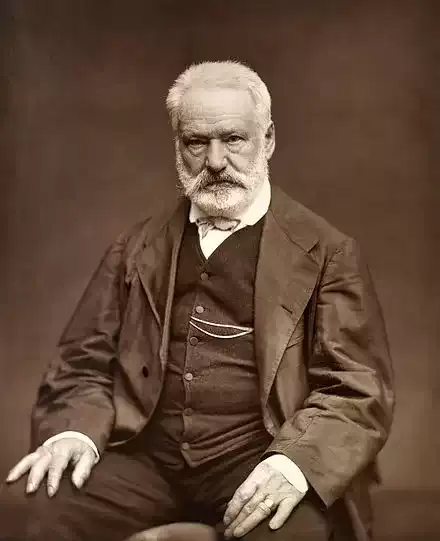
Victor Marie Hugo
The Ocean's Song
The Ocean's Song
We walked amongst the ruins famed in story
Of Rozel-Tower,
And saw the boundless waters stretch in glory
And heave in power.
O Ocean vast! We heard thy song with wonder,
Whilst waves marked time.
"Appear, O Truth!" thou sang'st with tone of thunder,
"And shine sublime!
"The world's enslaved and hunted down by beagles,
To despots sold.
Souls of deep thinkers, soar like mighty eagles!
The Right uphold.
"Be born! arise! o'er the earth and wild waves bounding,
Peoples and suns!
Let darkness vanish; tocsins be resounding,
And flash, ye guns!
"And you who love no pomps of fog or glamour,
Who fear no shocks,
Brave foam and lightning, hurricane and clamour,--
Exiles: the rocks!"
We walked amongst the ruins famed in story
Of Rozel-Tower,
And saw the boundless waters stretch in glory
And heave in power.
O Ocean vast! We heard thy song with wonder,
Whilst waves marked time.
"Appear, O Truth!" thou sang'st with tone of thunder,
"And shine sublime!
"The world's enslaved and hunted down by beagles,
To despots sold.
Souls of deep thinkers, soar like mighty eagles!
The Right uphold.
"Be born! arise! o'er the earth and wild waves bounding,
Peoples and suns!
Let darkness vanish; tocsins be resounding,
And flash, ye guns!
"And you who love no pomps of fog or glamour,
Who fear no shocks,
Brave foam and lightning, hurricane and clamour,--
Exiles: the rocks!"
237
Rupert Brooke
The Life Beyond
The Life Beyond
He wakes, who never thought to wake again,
Who held the end was Death. He opens eyes
Slowly, to one long livid oozing plain
Closed down by the strange eyeless heavens.
He lies;
And waits; and once in timeless sick surmise
Through the dead air heaves up an unknown hand,
Like a dry branch. No life is in that land,
Himself not lives, but is a thing that cries;
An unmeaning point upon the mud; a speck
Of moveless horror; an Immortal One
Cleansed of the world, sentient and dead; a fly
Fast-stuck in grey sweat on a corpse’s neck.
I though when love for you died, I should die.
It’s dead. Alone, most strangely, I live on.
He wakes, who never thought to wake again,
Who held the end was Death. He opens eyes
Slowly, to one long livid oozing plain
Closed down by the strange eyeless heavens.
He lies;
And waits; and once in timeless sick surmise
Through the dead air heaves up an unknown hand,
Like a dry branch. No life is in that land,
Himself not lives, but is a thing that cries;
An unmeaning point upon the mud; a speck
Of moveless horror; an Immortal One
Cleansed of the world, sentient and dead; a fly
Fast-stuck in grey sweat on a corpse’s neck.
I though when love for you died, I should die.
It’s dead. Alone, most strangely, I live on.
189
Robert W. Service
Poor Kid
Poor Kid
Mumsie and Dad are raven dark
And I am lily blonde.
''Tis strange,' I once heard nurse remark,
'You do not correspond.'
And yet they claim me as their own,
Born of their flesh and bone.
To doubt their parenthood I dread,
But now to girlhood grown,
The thought is haunting in my head
That I am not their own:
If so, my radiant bloom of youth
Would wither in the truth.
'Twould give me anguish deep to know
A fondling babe was I;
And that a maid in wedless woe
Left me to live or die:
I'd rather Mother lied and lied
To save my pride.
I love them both and they love me;
I am their all, they say.
Yet though the sweetest home have we,
To know I'm theirs I pray.
If not, please dear ones, never tell . . .
The truth would be of hell.
Mumsie and Dad are raven dark
And I am lily blonde.
''Tis strange,' I once heard nurse remark,
'You do not correspond.'
And yet they claim me as their own,
Born of their flesh and bone.
To doubt their parenthood I dread,
But now to girlhood grown,
The thought is haunting in my head
That I am not their own:
If so, my radiant bloom of youth
Would wither in the truth.
'Twould give me anguish deep to know
A fondling babe was I;
And that a maid in wedless woe
Left me to live or die:
I'd rather Mother lied and lied
To save my pride.
I love them both and they love me;
I am their all, they say.
Yet though the sweetest home have we,
To know I'm theirs I pray.
If not, please dear ones, never tell . . .
The truth would be of hell.
184