
Poems List
Explore poems from our collection
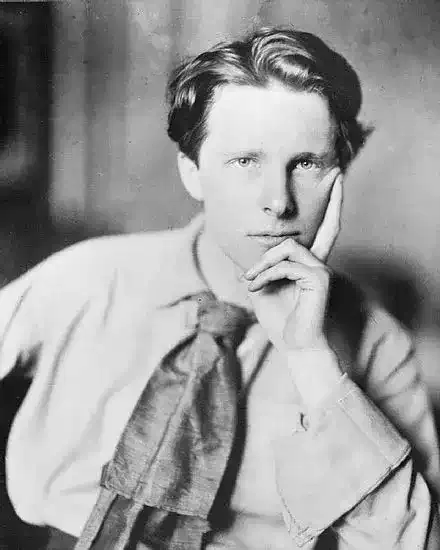
Rupert Brooke
Sonnet: Oh! Death will find me, long before I tire
Sonnet: Oh! Death will find me, long before I tire
Oh! Death will find me, long before I tire
Of watching you; and swing me suddenly
Into the shade and loneliness and mire
Of the last land! There, waiting patiently,
One day, I think, I'll feel a cool wind blowing,
See a slow light across the Stygian tide,
And hear the Dead about me stir, unknowing,
And tremble. And I shall know that you have died,
And watch you, a broad-browed and smiling dream,
Pass, light as ever, through the lightless host,
Quietly ponder, start, and sway, and gleam --
Most individual and bewildering ghost! --
And turn, and toss your brown delightful head
Amusedly, among the ancient Dead.
Oh! Death will find me, long before I tire
Of watching you; and swing me suddenly
Into the shade and loneliness and mire
Of the last land! There, waiting patiently,
One day, I think, I'll feel a cool wind blowing,
See a slow light across the Stygian tide,
And hear the Dead about me stir, unknowing,
And tremble. And I shall know that you have died,
And watch you, a broad-browed and smiling dream,
Pass, light as ever, through the lightless host,
Quietly ponder, start, and sway, and gleam --
Most individual and bewildering ghost! --
And turn, and toss your brown delightful head
Amusedly, among the ancient Dead.
144
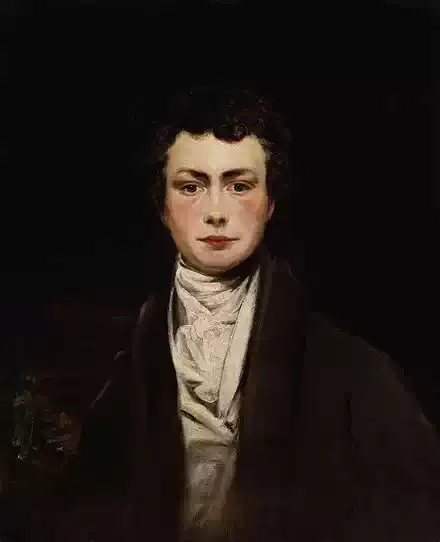
Thomas Moore
What the Bee Is To the Floweret
What the Bee Is To the Floweret
What the bee is to the floweret,
When he looks for honey-dew,
Through the leaves that close embower it,
That, my love, I'll be to you.
She. --
What the bank, with verdure glowing,
Is to waves that wander near,
Whispering kisses, while they're going,
That I'll be to you, my dear.
She. --
But they say, the bee's a rover,
Who will fly, when sweets are gone,
And, when once the kiss is over,
Faithless brooks will wander on.
He. --
Nay, if flowers will lose their looks
If sunny banks will wear away,
'Tis but right that bees and brooks
Should sip and kiss them, while they may.
What the bee is to the floweret,
When he looks for honey-dew,
Through the leaves that close embower it,
That, my love, I'll be to you.
She. --
What the bank, with verdure glowing,
Is to waves that wander near,
Whispering kisses, while they're going,
That I'll be to you, my dear.
She. --
But they say, the bee's a rover,
Who will fly, when sweets are gone,
And, when once the kiss is over,
Faithless brooks will wander on.
He. --
Nay, if flowers will lose their looks
If sunny banks will wear away,
'Tis but right that bees and brooks
Should sip and kiss them, while they may.
131
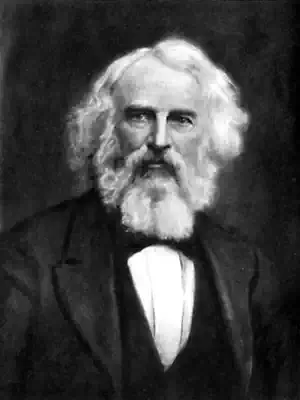
Henry Wadsworth Longfellow
Tales Of A Wayside Inn : Part 2. Prelude
Tales Of A Wayside Inn : Part 2. Prelude
A cold, uninterrupted rain,
That washed each southern window-pane,
And made a river of the road;
A sea of mist that overflowed
The house, the barns, the gilded vane,
And drowned the upland and the plain,
Through which the oak-trees, broad and high,
Like phantom ships went drifting by;
And, hidden behind a watery screen,
The sun unseen, or only seen
As a faint pallor in the sky;--
Thus cold and colorless and gray,
The morn of that autumnal day,
As if reluctant to begin,
Dawned on the silent Sudbury Inn,
And all the guests that in it lay.
Full late they slept. They did not hear
The challenge of Sir Chanticleer,
Who on the empty threshing-floor,
Disdainful of the rain outside,
Was strutting with a martial stride,
As if upon his thigh he wore
The famous broadsword of the Squire,
And said, 'Behold me, and admire!'
Only the Poet seemed to hear,
In drowse or dream, more near and near
Across the border-land of sleep,
The blowing of a blithesome horn,
That laughed the dismal day to scorn;
A splash of hoofs and rush of wheels
Through sand and mire like stranding keels,
As from the road with sudden sweep
The Mail drove up the little steep,
And stopped beside the tavern door;
A moment stopped, and then again
With crack of whip and bark of dog
Plunged forward through the sea of fog,
And all was silent as before,--
All silent save the dripping rain.
Then one by one the guests came down,
And greeted with a smile the Squire,
Who sat before the parlor fire,
Reading the paper fresh from town.
First the Sicilian, like a bird,
Before his form appeared, was heard
Whistling and singing down the stair;
Then came the Student, with a look
As placid as a meadow-brook;
The Theologian, still perplexed
With thoughts of this world and the next;
The Poet then, as one who seems
Walking in visions and in dreams;
Then the Musician, like a fair
Hyperion from whose golden hair
The radiance of the morning streams;
And last the aromatic Jew
Of Alicant, who, as he threw
The door wide open, on the air
Breathed round about him a perfume
Of damask roses in full bloom,
Making a garden of the room.
The breakfast ended, each pursued
The promptings of his various mood;
Beside the fire in silence smoked
The taciturn, impassive Jew,
Lost in a pleasant revery;
While, by his gravity provoked,
His portrait the Sicilian drew,
And wrote beneath it 'Edrehi,
At the Red Horse in Sudbury.'
By far the busiest of them all,
The Theologian in the hall
Was feeding robins in a cage,--
Two corpulent and lazy birds,
Vagrants and pilferers at best,
If one might trust the hostler's words,
Chief instrument of their arrest;
Two poets of the Golden Age,
Heirs of a boundless heritage
Of fields and orchards, east and west,
And sunshine of long summer days,
Though outlawed now and dispossessed!--
Such was the Theologian's phrase.
Meanwhile the Student held discourse
With the Musician, on the source
Of all the legendary lore
Among the nations, scattered wide
Like silt and seaweed by the force
And fluctuation of the tide;
The tale repeated o'er and o'er,
With change of place and change of name,
Disguised, transformed, and yet the same
We've heard a hundred times before.
The Poet at the window mused,
And saw, as in a dream confused,
The countenance of the Sun, discrowned,
And haggard with a pale despair,
And saw the cloud-rack trail and drift
Before it, and the trees uplift
Their leafless branches, and the air
Filled with the arrows of the rain,
And heard amid the mist below,
Like voices of distress and pain,
That haunt the thoughts of men insane,
The fateful cawings of the crow.
Then down the road, with mud besprent,
And drenched with rain from head to hoof,
The rain-drops dripping from his mane
And tail as from a pent-house roof,
A jaded horse, his head down bent,
Passed slowly, limping as he went.
The young Sicilian--who had grown
Impatient longer to abide
A prisoner, greatly mortified
To see completely overthrown
His plans for angling in the brook,
And, leaning o'er the bridge of stone,
To watch the speckled trout glide by,
And float through the inverted sky,
Still round and round the baited hook--
Now paced the room with rapid stride,
And, pausing at the Poet's side,
Looked forth, and saw the wretched steed,
And said: 'Alas for human greed,
That with cold hand and stony eye
Thus turns an old friend out to die,
Or beg his food from gate to gate!
This brings a tale into my mind,
Which, if you are not disinclined
To listen, I will now relate.'
All gave assent; all wished to hear,
Not without many a jest and jeer,
The story of a spavined steed;
And even the Student with the rest
Put in his pleasant little jest
Out of Malherbe, that Pegasus
Is but a horse that with all speed
Bears poets to the hospital;
While the Sicilian, self-possessed,
After a moment's interval
Began his simple story thus.
A cold, uninterrupted rain,
That washed each southern window-pane,
And made a river of the road;
A sea of mist that overflowed
The house, the barns, the gilded vane,
And drowned the upland and the plain,
Through which the oak-trees, broad and high,
Like phantom ships went drifting by;
And, hidden behind a watery screen,
The sun unseen, or only seen
As a faint pallor in the sky;--
Thus cold and colorless and gray,
The morn of that autumnal day,
As if reluctant to begin,
Dawned on the silent Sudbury Inn,
And all the guests that in it lay.
Full late they slept. They did not hear
The challenge of Sir Chanticleer,
Who on the empty threshing-floor,
Disdainful of the rain outside,
Was strutting with a martial stride,
As if upon his thigh he wore
The famous broadsword of the Squire,
And said, 'Behold me, and admire!'
Only the Poet seemed to hear,
In drowse or dream, more near and near
Across the border-land of sleep,
The blowing of a blithesome horn,
That laughed the dismal day to scorn;
A splash of hoofs and rush of wheels
Through sand and mire like stranding keels,
As from the road with sudden sweep
The Mail drove up the little steep,
And stopped beside the tavern door;
A moment stopped, and then again
With crack of whip and bark of dog
Plunged forward through the sea of fog,
And all was silent as before,--
All silent save the dripping rain.
Then one by one the guests came down,
And greeted with a smile the Squire,
Who sat before the parlor fire,
Reading the paper fresh from town.
First the Sicilian, like a bird,
Before his form appeared, was heard
Whistling and singing down the stair;
Then came the Student, with a look
As placid as a meadow-brook;
The Theologian, still perplexed
With thoughts of this world and the next;
The Poet then, as one who seems
Walking in visions and in dreams;
Then the Musician, like a fair
Hyperion from whose golden hair
The radiance of the morning streams;
And last the aromatic Jew
Of Alicant, who, as he threw
The door wide open, on the air
Breathed round about him a perfume
Of damask roses in full bloom,
Making a garden of the room.
The breakfast ended, each pursued
The promptings of his various mood;
Beside the fire in silence smoked
The taciturn, impassive Jew,
Lost in a pleasant revery;
While, by his gravity provoked,
His portrait the Sicilian drew,
And wrote beneath it 'Edrehi,
At the Red Horse in Sudbury.'
By far the busiest of them all,
The Theologian in the hall
Was feeding robins in a cage,--
Two corpulent and lazy birds,
Vagrants and pilferers at best,
If one might trust the hostler's words,
Chief instrument of their arrest;
Two poets of the Golden Age,
Heirs of a boundless heritage
Of fields and orchards, east and west,
And sunshine of long summer days,
Though outlawed now and dispossessed!--
Such was the Theologian's phrase.
Meanwhile the Student held discourse
With the Musician, on the source
Of all the legendary lore
Among the nations, scattered wide
Like silt and seaweed by the force
And fluctuation of the tide;
The tale repeated o'er and o'er,
With change of place and change of name,
Disguised, transformed, and yet the same
We've heard a hundred times before.
The Poet at the window mused,
And saw, as in a dream confused,
The countenance of the Sun, discrowned,
And haggard with a pale despair,
And saw the cloud-rack trail and drift
Before it, and the trees uplift
Their leafless branches, and the air
Filled with the arrows of the rain,
And heard amid the mist below,
Like voices of distress and pain,
That haunt the thoughts of men insane,
The fateful cawings of the crow.
Then down the road, with mud besprent,
And drenched with rain from head to hoof,
The rain-drops dripping from his mane
And tail as from a pent-house roof,
A jaded horse, his head down bent,
Passed slowly, limping as he went.
The young Sicilian--who had grown
Impatient longer to abide
A prisoner, greatly mortified
To see completely overthrown
His plans for angling in the brook,
And, leaning o'er the bridge of stone,
To watch the speckled trout glide by,
And float through the inverted sky,
Still round and round the baited hook--
Now paced the room with rapid stride,
And, pausing at the Poet's side,
Looked forth, and saw the wretched steed,
And said: 'Alas for human greed,
That with cold hand and stony eye
Thus turns an old friend out to die,
Or beg his food from gate to gate!
This brings a tale into my mind,
Which, if you are not disinclined
To listen, I will now relate.'
All gave assent; all wished to hear,
Not without many a jest and jeer,
The story of a spavined steed;
And even the Student with the rest
Put in his pleasant little jest
Out of Malherbe, that Pegasus
Is but a horse that with all speed
Bears poets to the hospital;
While the Sicilian, self-possessed,
After a moment's interval
Began his simple story thus.
269
Thomas Moore
We May Roam Through This World
We May Roam Through This World
We may roam through this world, like a child at a feast,
Who but sips of a sweet, and then flies to the rest;
And, when pleasure begins to grow dull in the east,
We may order our wings and be off to the west:
But if hearts that feel, and eyes that smile,
Are the dearest gifts that heaven supplies,
We never need leave our own green isle,
For sensitive hearts, and for sun-bright eyes.
Then, remember, wherever your goblet is crown'd,
Through this world, whether eastward or westward you roam,
When a cup to the smile of dear woman goes round,
Oh! remember the smile which adorns her at home.
In England, the garden of Beauty is kept
By a dragon of prudery placed within call;
But so oft this unamiable dragon has slept,
That the garden's but carelessly watch'd after all.
Oh! they want the wild sweet-briery fence
Which round the flowers of Erin dwells;
Which warns the touch, while winning the sense,
Nor charms us least when it most repels.
Then remember, wherever your goblet is crown'd,
Through this world, whether eastward or westward you roam,
When a cup to the smile of dear woman goes round,
Oh! remember the smile that adorns her at home.
In France, when the heart of a woman sets sail,
On the ocean of wedlock its fortune to try,
Love seldom goes far in a vessel so frail,
But just pilots her off, and then bids her good-bye.
While the daughters of Erin keep the boy,
Ever smiling beside his faithful oar,
Through billows of woe, and beams of joy,
The same as he look's when he left the shore.
Then remember, wherever your goblet is crown'd,
Through this world, whether eastward or westward you roam,
When a cup to the smile of dear woman goes round,
Oh! remember the smile that adorns her at home.
We may roam through this world, like a child at a feast,
Who but sips of a sweet, and then flies to the rest;
And, when pleasure begins to grow dull in the east,
We may order our wings and be off to the west:
But if hearts that feel, and eyes that smile,
Are the dearest gifts that heaven supplies,
We never need leave our own green isle,
For sensitive hearts, and for sun-bright eyes.
Then, remember, wherever your goblet is crown'd,
Through this world, whether eastward or westward you roam,
When a cup to the smile of dear woman goes round,
Oh! remember the smile which adorns her at home.
In England, the garden of Beauty is kept
By a dragon of prudery placed within call;
But so oft this unamiable dragon has slept,
That the garden's but carelessly watch'd after all.
Oh! they want the wild sweet-briery fence
Which round the flowers of Erin dwells;
Which warns the touch, while winning the sense,
Nor charms us least when it most repels.
Then remember, wherever your goblet is crown'd,
Through this world, whether eastward or westward you roam,
When a cup to the smile of dear woman goes round,
Oh! remember the smile that adorns her at home.
In France, when the heart of a woman sets sail,
On the ocean of wedlock its fortune to try,
Love seldom goes far in a vessel so frail,
But just pilots her off, and then bids her good-bye.
While the daughters of Erin keep the boy,
Ever smiling beside his faithful oar,
Through billows of woe, and beams of joy,
The same as he look's when he left the shore.
Then remember, wherever your goblet is crown'd,
Through this world, whether eastward or westward you roam,
When a cup to the smile of dear woman goes round,
Oh! remember the smile that adorns her at home.
167
Rupert Brooke
Sonnet Reversed
Sonnet Reversed
Hand trembling towards hand; the amazing lights
Of heart and eye. They stood on supreme heights.
Ah, the delirious weeks of honeymoon!
Soon they returned, and, after strange adventures,
Settled at Balham by the end of June.
Their money was in Can. Pacs. B. Debentures,
And in Antofagastas. Still he went
Cityward daily; still she did abide
At home. And both were really quite content
With work and social pleasures. Then they died.
They left three children (besides George, who drank):
The eldest Jane, who married Mr Bell,
William, the head-clerk in the County Bank,
And Henry, a stock-broker, doing well.
Hand trembling towards hand; the amazing lights
Of heart and eye. They stood on supreme heights.
Ah, the delirious weeks of honeymoon!
Soon they returned, and, after strange adventures,
Settled at Balham by the end of June.
Their money was in Can. Pacs. B. Debentures,
And in Antofagastas. Still he went
Cityward daily; still she did abide
At home. And both were really quite content
With work and social pleasures. Then they died.
They left three children (besides George, who drank):
The eldest Jane, who married Mr Bell,
William, the head-clerk in the County Bank,
And Henry, a stock-broker, doing well.
190

Robert W. Service
Picture Dealer
Picture Dealer
There were twin artists A. and B.
Who painted pictures two,
And hung them in my galley
For everyone to view;
The one exhibited by A.
The name "A Sphere" did bear,
While strangely brother B's display
Was catalogued: "A Square".
Now although A. (and this is queer)
Could squeeze a pretty tube,
The picture that he called a Sphere
Was blocky as a cube;
While B. (though no hint he disclosed
To pull the public leg)
The Square he placidly exposed
Was oval as an egg.
Thought I: To sell these pictures two
I never will be able;
There's only one thing I can do,
That's change around the label.
The rotund one I called a Sphere,
The cornered one a Square . . .
And yet, I thought: It's very queer,
Unbought they linger there.
Then strange as it may well appear,
Derision did I bare,
And blandly dubbed the Square a Sphere
And tabbed the Sphere a Square.
Behold the answer I had found,
For to my glad dismay
The curious came crowding round:
A sold the daubs next day.
Well, maybe A. and B. were right,
Not mugs like you and me,
With something missing in our sight
That only artists see.
So what it is and what it ain't
I'll never more discuss . . .
These guys believe in what they paint,
Or . . . are they spoofing us?
There were twin artists A. and B.
Who painted pictures two,
And hung them in my galley
For everyone to view;
The one exhibited by A.
The name "A Sphere" did bear,
While strangely brother B's display
Was catalogued: "A Square".
Now although A. (and this is queer)
Could squeeze a pretty tube,
The picture that he called a Sphere
Was blocky as a cube;
While B. (though no hint he disclosed
To pull the public leg)
The Square he placidly exposed
Was oval as an egg.
Thought I: To sell these pictures two
I never will be able;
There's only one thing I can do,
That's change around the label.
The rotund one I called a Sphere,
The cornered one a Square . . .
And yet, I thought: It's very queer,
Unbought they linger there.
Then strange as it may well appear,
Derision did I bare,
And blandly dubbed the Square a Sphere
And tabbed the Sphere a Square.
Behold the answer I had found,
For to my glad dismay
The curious came crowding round:
A sold the daubs next day.
Well, maybe A. and B. were right,
Not mugs like you and me,
With something missing in our sight
That only artists see.
So what it is and what it ain't
I'll never more discuss . . .
These guys believe in what they paint,
Or . . . are they spoofing us?
157
Thomas Moore
Twas One of Those Dreams
Twas One of Those Dreams
'TWAS one of those dreams, that by music are brought,
Like a bright summer haze, o'er the poet's warm thought --
When, lost in the future, his soul wanders on,
And all of this life, but its sweetness, is gone.
The wild notes he heard o'er the water were those
He had taught to sing Erin's dark bondage and woes,
And the breath of the bugle now wafted them o'er
From Dinis' green isle, to Glena's wooded shore.
He listen'd -- while, high o'er the eagle's rude nest,
The lingering sounds on their way loved to rest;
And the echoes sung back from their full mountain quire,
As if loath to let song to enchanting expire.
It seem'd as if every sweet note that died here
Was again brought to life in some airier sphere,
Some heaven in those hills, where the soul of the strain
That had ceased upon earth was awaking again!
Oh forgive, if, while listening to music, whose breath
Seem'd to circle his name with a charm against death,
He should feel a proud spirit within him proclaim,
"Even so shalt thou live in the echoes of Fame:
"Even so, though thy memory should now die away,
'Twill be caught up again in some happier day,
And the hearts and the voices of Erin prolong,
Through the answering Future, thy name and thy song."
'TWAS one of those dreams, that by music are brought,
Like a bright summer haze, o'er the poet's warm thought --
When, lost in the future, his soul wanders on,
And all of this life, but its sweetness, is gone.
The wild notes he heard o'er the water were those
He had taught to sing Erin's dark bondage and woes,
And the breath of the bugle now wafted them o'er
From Dinis' green isle, to Glena's wooded shore.
He listen'd -- while, high o'er the eagle's rude nest,
The lingering sounds on their way loved to rest;
And the echoes sung back from their full mountain quire,
As if loath to let song to enchanting expire.
It seem'd as if every sweet note that died here
Was again brought to life in some airier sphere,
Some heaven in those hills, where the soul of the strain
That had ceased upon earth was awaking again!
Oh forgive, if, while listening to music, whose breath
Seem'd to circle his name with a charm against death,
He should feel a proud spirit within him proclaim,
"Even so shalt thou live in the echoes of Fame:
"Even so, though thy memory should now die away,
'Twill be caught up again in some happier day,
And the hearts and the voices of Erin prolong,
Through the answering Future, thy name and thy song."
162
Rupert Brooke
Sonnet
Sonnet
(Suggested by some of the Proceedings of the Society for Psychical Research)
Not with vain tears, when we’re beyond the sun,
We’ll beat on the substantial doors, nor tread
Those dusty high-roads of the aimless dead
Plaintive for Earth; but rather turn and run
Down some close-covered by-way of the air,
Some low sweet alley between wind and wind,
Stoop under faint gleams, thread the shadows, find
Some whispering ghost-forgotten nook, and there
Spend in pure converse our eternal day;
Think each in each, immediately wise;
Learn all we lacked before; hear, know, and say
What this tumultuous body now denies;
And feel, who have laid our groping hands away;
And see, no longer blinded by our eyes.
(Suggested by some of the Proceedings of the Society for Psychical Research)
Not with vain tears, when we’re beyond the sun,
We’ll beat on the substantial doors, nor tread
Those dusty high-roads of the aimless dead
Plaintive for Earth; but rather turn and run
Down some close-covered by-way of the air,
Some low sweet alley between wind and wind,
Stoop under faint gleams, thread the shadows, find
Some whispering ghost-forgotten nook, and there
Spend in pure converse our eternal day;
Think each in each, immediately wise;
Learn all we lacked before; hear, know, and say
What this tumultuous body now denies;
And feel, who have laid our groping hands away;
And see, no longer blinded by our eyes.
175
Henry Wadsworth Longfellow
Tales Of A Wayside Inn : Part 2. Interlude V.
Tales Of A Wayside Inn : Part 2. Interlude V.
Well pleased the audience heard the tale.
The Theologian said: 'Indeed,
To praise you there is little need;
One almost hears the farmers flail
Thresh out your wheat, nor does there fail
A certain freshness, as you said,
And sweetness as of home-made bread.
But not less sweet and not less fresh
Are many legends that I know,
Writ by the monks of long-ago,
Who loved to mortify the flesh,
So that the soul might purer grow,
And rise to a diviner state;
And one of these--perhaps of all
Most beautiful--I now recall,
And with permission will narrate;
Hoping thereby to make amends
For that grim tragedy of mine,
As strong and black as Spanish wine,
I told last night, and wish almost
It had remained untold, my friends;
For Torquemada's awful ghost
Came to me in the dreams I dreamed,
And in the darkness glared and gleamed
Like a great lighthouse on the coast.'
The Student laughing said: 'Far more
Like to some dismal fire of bale
Flaring portentous on a hill;
Or torches lighted on a shore
By wreckers in a midnight gale.
No matter; be it as you will,
Only go forward with your tale.'
Well pleased the audience heard the tale.
The Theologian said: 'Indeed,
To praise you there is little need;
One almost hears the farmers flail
Thresh out your wheat, nor does there fail
A certain freshness, as you said,
And sweetness as of home-made bread.
But not less sweet and not less fresh
Are many legends that I know,
Writ by the monks of long-ago,
Who loved to mortify the flesh,
So that the soul might purer grow,
And rise to a diviner state;
And one of these--perhaps of all
Most beautiful--I now recall,
And with permission will narrate;
Hoping thereby to make amends
For that grim tragedy of mine,
As strong and black as Spanish wine,
I told last night, and wish almost
It had remained untold, my friends;
For Torquemada's awful ghost
Came to me in the dreams I dreamed,
And in the darkness glared and gleamed
Like a great lighthouse on the coast.'
The Student laughing said: 'Far more
Like to some dismal fire of bale
Flaring portentous on a hill;
Or torches lighted on a shore
By wreckers in a midnight gale.
No matter; be it as you will,
Only go forward with your tale.'
251
Rupert Brooke
Song of the Pilgrims, The
Song of the Pilgrims, The
(Halted around the fire by night, after moon-set, they sing this beneath the trees.)
What light of unremembered skies
Hast thou relumed within our eyes,
Thou whom we seek, whom we shall find? . . .
A certain odour on the wind,
Thy hidden face beyond the west,
These things have called us; on a quest
Older than any road we trod,
More endless than desire. . . .
Far God,
Sigh with thy cruel voice, that fills
The soul with longing for dim hills
And faint horizons! For there come
Grey moments of the antient dumb
Sickness of travel, when no song
Can cheer us; but the way seems long;
And one remembers. . . .
Ah! the beat
Of weary unreturning feet,
And songs of pilgrims unreturning! . . .
The fires we left are always burning
On the old shrines of home. Our kin
Have built them temples, and therein
Pray to the Gods we know; and dwell
In little houses lovable,
Being happy (we remember how!)
And peaceful even to death. . . .
O Thou,
God of all long desirous roaming,
Our hearts are sick of fruitless homing,
And crying after lost desire.
Hearten us onward! as with fire
Consuming dreams of other bliss.
The best Thou givest, giving this
Sufficient thing -- to travel still
Over the plain, beyond the hill,
Unhesitating through the shade,
Amid the silence unafraid,
Till, at some sudden turn, one sees
Against the black and muttering trees
Thine altar, wonderfully white,
Among the Forests of the Night.
(Halted around the fire by night, after moon-set, they sing this beneath the trees.)
What light of unremembered skies
Hast thou relumed within our eyes,
Thou whom we seek, whom we shall find? . . .
A certain odour on the wind,
Thy hidden face beyond the west,
These things have called us; on a quest
Older than any road we trod,
More endless than desire. . . .
Far God,
Sigh with thy cruel voice, that fills
The soul with longing for dim hills
And faint horizons! For there come
Grey moments of the antient dumb
Sickness of travel, when no song
Can cheer us; but the way seems long;
And one remembers. . . .
Ah! the beat
Of weary unreturning feet,
And songs of pilgrims unreturning! . . .
The fires we left are always burning
On the old shrines of home. Our kin
Have built them temples, and therein
Pray to the Gods we know; and dwell
In little houses lovable,
Being happy (we remember how!)
And peaceful even to death. . . .
O Thou,
God of all long desirous roaming,
Our hearts are sick of fruitless homing,
And crying after lost desire.
Hearten us onward! as with fire
Consuming dreams of other bliss.
The best Thou givest, giving this
Sufficient thing -- to travel still
Over the plain, beyond the hill,
Unhesitating through the shade,
Amid the silence unafraid,
Till, at some sudden turn, one sees
Against the black and muttering trees
Thine altar, wonderfully white,
Among the Forests of the Night.
195
Thomas Moore
To Ladies' Eyes
To Ladies' Eyes
To Ladies' eyes a round, boy,
We can't refuse, we can't refuse;
Though bright eyes so abound, boy,
'Tis hard to choose, 'tis hard to choose.
For thick as stars that lighten
Yon airy bowers, yon airy bowers,
The countless eyes that brighten
This earth of ours, this earth of ours.
But fill the cup -- where'er, boy,
Our choice may fall, our choice may fall,
We're sure to find Love there, boy,
So drink them all! so drink them all!
Some looks there are so holy,
They seem but given, they seem but given,
As shining beacons, solely,
To light to heaven, to light to heaven,
While some -- oh! ne'er believe them --
With tempting ray, with tempting ray,
Would lead us (God forgive them!)
The other way, the other way.
But fill the cup -- where'er, boy,
Our choice may fall, our choice may fall,
We're sure to find Love there, boy;
So drink them all! so drink them all!
In some, as in a mirror,
Love seems pourtray'd, Love seems pourtray'd,
But shun the flattering error,
'Tis but his shade, 'tis but his shade.
Himself has fix'd his dwelling
In eyes we know, in eyes we know,
And lips -- but this is telling --
So here they go! so here they go!
Fill up, fill up -- where'er, boy,
Our choice may fall, our choice may fall,
We're sure to find Love there, boy;
So drink them all ! so drink them all!
To Ladies' eyes a round, boy,
We can't refuse, we can't refuse;
Though bright eyes so abound, boy,
'Tis hard to choose, 'tis hard to choose.
For thick as stars that lighten
Yon airy bowers, yon airy bowers,
The countless eyes that brighten
This earth of ours, this earth of ours.
But fill the cup -- where'er, boy,
Our choice may fall, our choice may fall,
We're sure to find Love there, boy,
So drink them all! so drink them all!
Some looks there are so holy,
They seem but given, they seem but given,
As shining beacons, solely,
To light to heaven, to light to heaven,
While some -- oh! ne'er believe them --
With tempting ray, with tempting ray,
Would lead us (God forgive them!)
The other way, the other way.
But fill the cup -- where'er, boy,
Our choice may fall, our choice may fall,
We're sure to find Love there, boy;
So drink them all! so drink them all!
In some, as in a mirror,
Love seems pourtray'd, Love seems pourtray'd,
But shun the flattering error,
'Tis but his shade, 'tis but his shade.
Himself has fix'd his dwelling
In eyes we know, in eyes we know,
And lips -- but this is telling --
So here they go! so here they go!
Fill up, fill up -- where'er, boy,
Our choice may fall, our choice may fall,
We're sure to find Love there, boy;
So drink them all ! so drink them all!
170
Robert W. Service
Perfection
Perfection
If I could practise what I preach,
Of fellows there would few be finer;
If I were true to what I teach
My life would be a lot diviner.
If I would act the way I speak,
Of halo I might be a winner:
The spirit wills, the flesh is weak,-
I'm just a simple sinner.
Six days I stray,--on number seven
I try to be a little better,
And stake a tiny claim on Heaven
By clinging close to gospel letter.
My pew I occupy on Sunday,
And though I draw the line at snoring,
I must admit I long for Monday,
And find the sermon boring.
Although from godly grace I fall,
For sensed with sin my every act is,
'Twere better not to preach at all,
Then I would have no need to practice.
So Sabbath day I'll sneak away,
And though the Church grieve my defection,
In sunny woodland I will pray:
"God save us from Perfection!"
If I could practise what I preach,
Of fellows there would few be finer;
If I were true to what I teach
My life would be a lot diviner.
If I would act the way I speak,
Of halo I might be a winner:
The spirit wills, the flesh is weak,-
I'm just a simple sinner.
Six days I stray,--on number seven
I try to be a little better,
And stake a tiny claim on Heaven
By clinging close to gospel letter.
My pew I occupy on Sunday,
And though I draw the line at snoring,
I must admit I long for Monday,
And find the sermon boring.
Although from godly grace I fall,
For sensed with sin my every act is,
'Twere better not to preach at all,
Then I would have no need to practice.
So Sabbath day I'll sneak away,
And though the Church grieve my defection,
In sunny woodland I will pray:
"God save us from Perfection!"
216
Thomas Moore
Tis Sweet to Think
Tis Sweet to Think
Tis sweet to think that, where'er we rove,
We are sure to find something blissful and dear,
And that, when we're far from the lips that we love,
We've but to make love to the lips we are near.
The heart, like a tendril, accustom'd to cling,
Let it grow where it will, cannot flourish alone,
But will lean to the nearest and loveliest thing
It can twine with itself, and make closely its own.
Then oh! what pleasure, where'er we rove,
To be sure to find something, still, that is dear,
And to know, when far from the lips we love,
We've but to make love to the lips we are near.
'Twere a shame, when flowers around us rise,
To make light of the rest, if the rose isn't there,
And the world's so rich in resplendent eyes,
'Twere a pity to limit one's love to a pair.
Love's wing and the peacock's are nearly alike,
They are both of them bright, but the're changeable too,
And wherever a new beam of beauty can strike,
It will tincture Love's plume with a different hue.
Then oh! what pleasure, where'er we rove,
To be sure to find something, still, that is dear,
And to know, when far from the lips we love,
We've but to make love to the lips we are near.
Tis sweet to think that, where'er we rove,
We are sure to find something blissful and dear,
And that, when we're far from the lips that we love,
We've but to make love to the lips we are near.
The heart, like a tendril, accustom'd to cling,
Let it grow where it will, cannot flourish alone,
But will lean to the nearest and loveliest thing
It can twine with itself, and make closely its own.
Then oh! what pleasure, where'er we rove,
To be sure to find something, still, that is dear,
And to know, when far from the lips we love,
We've but to make love to the lips we are near.
'Twere a shame, when flowers around us rise,
To make light of the rest, if the rose isn't there,
And the world's so rich in resplendent eyes,
'Twere a pity to limit one's love to a pair.
Love's wing and the peacock's are nearly alike,
They are both of them bright, but the're changeable too,
And wherever a new beam of beauty can strike,
It will tincture Love's plume with a different hue.
Then oh! what pleasure, where'er we rove,
To be sure to find something, still, that is dear,
And to know, when far from the lips we love,
We've but to make love to the lips we are near.
144
Rupert Brooke
Song
Song
"Oh! Love," they said, "is King of Kings,
And Triumph is his crown.
Earth fades in flame before his wings,
And Sun and Moon bow down." --
But that, I knew, would never do;
And Heaven is all too high.
So whenever I meet a Queen, I said,
I will not catch her eye.
"Oh! Love," they said, and "Love," they said,
"The gift of Love is this;
A crown of thorns about thy head,
And vinegar to thy kiss!" --
But Tragedy is not for me;
And I'm content to be gay.
So whenever I spied a Tragic Lady,
I went another way.
And so I never feared to see
You wander down the street,
Or come across the fields to me
On ordinary feet.
For what they'd never told me of,
And what I never knew;
It was that all the time, my love,
Love would be merely you.
"Oh! Love," they said, "is King of Kings,
And Triumph is his crown.
Earth fades in flame before his wings,
And Sun and Moon bow down." --
But that, I knew, would never do;
And Heaven is all too high.
So whenever I meet a Queen, I said,
I will not catch her eye.
"Oh! Love," they said, and "Love," they said,
"The gift of Love is this;
A crown of thorns about thy head,
And vinegar to thy kiss!" --
But Tragedy is not for me;
And I'm content to be gay.
So whenever I spied a Tragic Lady,
I went another way.
And so I never feared to see
You wander down the street,
Or come across the fields to me
On ordinary feet.
For what they'd never told me of,
And what I never knew;
It was that all the time, my love,
Love would be merely you.
185
Henry Wadsworth Longfellow
Tales Of A Wayside Inn : Part 2. Interlude III.
Tales Of A Wayside Inn : Part 2. Interlude III.
'What was the end? I am ashamed
Not to remember Reynard's fate;
I have not read the book of late;
Was he not hanged?' the Poet said.
The Student gravely shook his head,
And answered: 'You exaggerate.
There was a tournament proclaimed,
And Reynard fought with Isegrim
The Wolf, and having vanquished him,
Rose to high honor in the State,
And Keeper of the Seals was named!'
At this the gay Sicilian laughed:
'Fight fire with fire, and craft with craft;
Successful cunning seems to be
The moral of your tale,' said he.
'Mine had a better, and the Jew's
Had none at all, that I could see;
His aim was only to amuse.'
Meanwhile from out its ebon case
His violin the Minstrel drew,
And having tuned its strings anew,
Now held it close in his embrace,
And poising in his outstretched hand
The bow, like a magician's wand,
He paused, and said, with beaming face:
'Last night my story was too long;
To-day I give you but a song,
An old tradition of the North;
But first, to put you in the mood,
I will a little while prelude,
And from this instrument draw forth
Something by way of overture.'
He played; at first the tones were pure
And tender as a summer night,
The full moon climbing to her height,
The sob and ripple of the seas,
The flapping of an idle sail;
And then by sudden and sharp degrees
The multiplied, wild harmonies
Freshened and burst into a gale;
A tempest howling through the dark,
A crash as of some shipwrecked bark.
A loud and melancholy wail.
Such was the prelude to the tale
Told by the Minstrel; and at times
He paused amid its varying rhymes,
And at each pause again broke in
The music of his violin,
With tones of sweetness or of fear,
Movements of trouble or of calm,
Creating their own atmosphere;
As sitting in a church we hear
Between the verses of the psalm
The organ playing soft and clear,
Or thundering on the startled ear.
'What was the end? I am ashamed
Not to remember Reynard's fate;
I have not read the book of late;
Was he not hanged?' the Poet said.
The Student gravely shook his head,
And answered: 'You exaggerate.
There was a tournament proclaimed,
And Reynard fought with Isegrim
The Wolf, and having vanquished him,
Rose to high honor in the State,
And Keeper of the Seals was named!'
At this the gay Sicilian laughed:
'Fight fire with fire, and craft with craft;
Successful cunning seems to be
The moral of your tale,' said he.
'Mine had a better, and the Jew's
Had none at all, that I could see;
His aim was only to amuse.'
Meanwhile from out its ebon case
His violin the Minstrel drew,
And having tuned its strings anew,
Now held it close in his embrace,
And poising in his outstretched hand
The bow, like a magician's wand,
He paused, and said, with beaming face:
'Last night my story was too long;
To-day I give you but a song,
An old tradition of the North;
But first, to put you in the mood,
I will a little while prelude,
And from this instrument draw forth
Something by way of overture.'
He played; at first the tones were pure
And tender as a summer night,
The full moon climbing to her height,
The sob and ripple of the seas,
The flapping of an idle sail;
And then by sudden and sharp degrees
The multiplied, wild harmonies
Freshened and burst into a gale;
A tempest howling through the dark,
A crash as of some shipwrecked bark.
A loud and melancholy wail.
Such was the prelude to the tale
Told by the Minstrel; and at times
He paused amid its varying rhymes,
And at each pause again broke in
The music of his violin,
With tones of sweetness or of fear,
Movements of trouble or of calm,
Creating their own atmosphere;
As sitting in a church we hear
Between the verses of the psalm
The organ playing soft and clear,
Or thundering on the startled ear.
310
Thomas Moore
Though the Last Glimpse of Erin With Sorrow I See
Though the Last Glimpse of Erin With Sorrow I See
Though the last glimpse of Erin with sorrow I see,
Yet wherever thou art shall seem Erin to me;
In exile thy bosom shall still be my home,
And thine eyes make my climate wherever we roam.
To the gloom of some desert or cold rocky shore,
Where the eye of the stranger can haunt us no more,
I will fly with my Coulin, and think the rough wind
Less rude than the foes we leave frowning behind.
And I'll gaze on thy gold hair as graceful it wreathes,
And hang o'er thy soft harp, as wildly it breathes;
Nor dread that the cold-hearted Saxon will tear
One chord from that harp, or one lock from that hair.
Though the last glimpse of Erin with sorrow I see,
Yet wherever thou art shall seem Erin to me;
In exile thy bosom shall still be my home,
And thine eyes make my climate wherever we roam.
To the gloom of some desert or cold rocky shore,
Where the eye of the stranger can haunt us no more,
I will fly with my Coulin, and think the rough wind
Less rude than the foes we leave frowning behind.
And I'll gaze on thy gold hair as graceful it wreathes,
And hang o'er thy soft harp, as wildly it breathes;
Nor dread that the cold-hearted Saxon will tear
One chord from that harp, or one lock from that hair.
141
Rupert Brooke
Sleeping Out: Full Moon
Sleeping Out: Full Moon
They sleep within. . . .
I cower to the earth, I waking, I only.
High and cold thou dreamest, O queen, high-dreaming and lonely.
We have slept too long, who can hardly win
The white one flame, and the night-long crying;
The viewless passers; the world's low sighing
With desire, with yearning,
To the fire unburning,
To the heatless fire, to the flameless ecstasy! . . .
Helpless I lie.
And around me the feet of thy watchers tread.
There is a rumour and a radiance of wings above my head,
An intolerable radiance of wings. . . .
All the earth grows fire,
White lips of desire
Brushing cool on the forehead, croon slumbrous things.
Earth fades; and the air is thrilled with ways,
Dewy paths full of comfort. And radiant bands,
The gracious presence of friendly hands,
Help the blind one, the glad one, who stumbles and strays,
Stretching wavering hands, up, up, through the praise
Of a myriad silver trumpets, through cries,
To all glory, to all gladness, to the infinite height,
To the gracious, the unmoving, the mother eyes,
And the laughter, and the lips, of light.
They sleep within. . . .
I cower to the earth, I waking, I only.
High and cold thou dreamest, O queen, high-dreaming and lonely.
We have slept too long, who can hardly win
The white one flame, and the night-long crying;
The viewless passers; the world's low sighing
With desire, with yearning,
To the fire unburning,
To the heatless fire, to the flameless ecstasy! . . .
Helpless I lie.
And around me the feet of thy watchers tread.
There is a rumour and a radiance of wings above my head,
An intolerable radiance of wings. . . .
All the earth grows fire,
White lips of desire
Brushing cool on the forehead, croon slumbrous things.
Earth fades; and the air is thrilled with ways,
Dewy paths full of comfort. And radiant bands,
The gracious presence of friendly hands,
Help the blind one, the glad one, who stumbles and strays,
Stretching wavering hands, up, up, through the praise
Of a myriad silver trumpets, through cries,
To all glory, to all gladness, to the infinite height,
To the gracious, the unmoving, the mother eyes,
And the laughter, and the lips, of light.
160
Robert W. Service
Pavement Poet
Pavement Poet
God's truth! these be the bitter times.
In vain I sing my sheaf of rhymes,
And hold my battered hat for dimes.
And then a copper collars me,
Barking: "It's begging that you be;
Come on, dad; you're in custody."
And then the Beak looks down and says:
"Sheer doggerel I deem your lays:
I send you down for seven days."
So for the week I won't disturb
The peace by singing at the curb.
I don't mind that, but oh it's hell
To have my verse called doggerel.
God's truth! these be the bitter times.
In vain I sing my sheaf of rhymes,
And hold my battered hat for dimes.
And then a copper collars me,
Barking: "It's begging that you be;
Come on, dad; you're in custody."
And then the Beak looks down and says:
"Sheer doggerel I deem your lays:
I send you down for seven days."
So for the week I won't disturb
The peace by singing at the curb.
I don't mind that, but oh it's hell
To have my verse called doggerel.
180
Thomas Moore
This Life Is All Chequer'd With Pleasures and Woes
This Life Is All Chequer'd With Pleasures and Woes
This life is all chequer'd with pleasures and woes,
That chase one another like waves of the deep --
Each brightly or darkly, as onward it flows,
Reflecting our eyes, as they sparkle or weep.
So closely our whims on our miseries tread,
That the laugh is awaked ere the tear can be dried;
And, as fast as the rain-drop of Pity is shed,
The goose-plumage of Folly can turn it aside.
But pledge me the cup -- if existence would cloy,
With hearts ever happy and heads ever wise,
Be ours the light Sorrow, half-sister to Joy,
And the light brilliant Folly that flashes and dies.
When Hylas was sent with his urn to the fount,
Through fields full of light, and with heart full of play,
Light rambled the boy, over meadow and mount,
And neglected his task for the flowers on the way.
Thus many, like me, who in youth should have tasted
The fountain that runs by Philosophy's shrine,
Their time with the flowers on the margin have wasted,
And left their light urns all as empty as mine.
But pledge me the goblet; -- while idleness weaves
These flowerets together, should Wisdom but see
One bright drop or two that has fall'n on the leaves
From her fountain divine, 'tis sufficient for me.
This life is all chequer'd with pleasures and woes,
That chase one another like waves of the deep --
Each brightly or darkly, as onward it flows,
Reflecting our eyes, as they sparkle or weep.
So closely our whims on our miseries tread,
That the laugh is awaked ere the tear can be dried;
And, as fast as the rain-drop of Pity is shed,
The goose-plumage of Folly can turn it aside.
But pledge me the cup -- if existence would cloy,
With hearts ever happy and heads ever wise,
Be ours the light Sorrow, half-sister to Joy,
And the light brilliant Folly that flashes and dies.
When Hylas was sent with his urn to the fount,
Through fields full of light, and with heart full of play,
Light rambled the boy, over meadow and mount,
And neglected his task for the flowers on the way.
Thus many, like me, who in youth should have tasted
The fountain that runs by Philosophy's shrine,
Their time with the flowers on the margin have wasted,
And left their light urns all as empty as mine.
But pledge me the goblet; -- while idleness weaves
These flowerets together, should Wisdom but see
One bright drop or two that has fall'n on the leaves
From her fountain divine, 'tis sufficient for me.
159
Rupert Brooke
Seaside
Seaside
Swiftly out from the friendly lilt of the band,
The crowd's good laughter, the loved eyes of men,
I am drawn nightward; I must turn again
Where, down beyond the low untrodden strand,
There curves and glimmers outward to the unknown
The old unquiet ocean. All the shade
Is rife with magic and movement. I stray alone
Here on the edge of silence, half afraid,
Waiting a sign. In the deep heart of me
The sullen waters swell towards the moon,
And all my tides set seaward.
From inland
Leaps a gay fragment of some mocking tune,
That tinkles and laughs and fades along the sand,
And dies between the seawall and the sea.
Swiftly out from the friendly lilt of the band,
The crowd's good laughter, the loved eyes of men,
I am drawn nightward; I must turn again
Where, down beyond the low untrodden strand,
There curves and glimmers outward to the unknown
The old unquiet ocean. All the shade
Is rife with magic and movement. I stray alone
Here on the edge of silence, half afraid,
Waiting a sign. In the deep heart of me
The sullen waters swell towards the moon,
And all my tides set seaward.
From inland
Leaps a gay fragment of some mocking tune,
That tinkles and laughs and fades along the sand,
And dies between the seawall and the sea.
191
Henry Wadsworth Longfellow
Tales Of A Wayside Inn : Part 2. Interlude I.
Tales Of A Wayside Inn : Part 2. Interlude I.
'Yes, well your story pleads the cause
Of those dumb mouths that have no speech,
Only a cry from each to each
In its own kind, with its own laws;
Something that is beyond the reach
Of human power to learn or teach,--
An inarticulate moan of pain,
Like the immeasurable main
Breaking upon an unknown beach.'
Thus spake the Poet with a sigh;
Then added, with impassioned cry,
As one who feels the words he speaks,
The color flushing in his cheeks,
The fervor burning in his eye:
'Among the noblest in the land,
Though he may count himself the least,
That man I honor and revere
Who without favor, without fear,
In the great city dares to stand
The friend of every friendless beast,
And tames with his unflinching hand
The brutes that wear our form and face,
The were-wolves of the human race!'
Then paused, and waited with a frown,
Like some old champion of romance,
Who, having thrown his gauntlet down,
Expectant leans upon his lance;
But neither Knight nor Squire is found
To raise the gauntlet from the ground,
And try with him the battle's chance.
'Wake from your dreams, O Edrehi!
Or dreaming speak to us, and make
A feint of being half awake,
And tell us what your dreams may be.
Out of the hazy atmosphere
Of cloud-land deign to reappear
Among us in this Wayside Inn;
Tell us what visions and what scenes
Illuminate the dark ravines
In which you grope your way. Begin!'
Thus the Sicilian spake. The Jew
Made no reply, but only smiled,
As men unto a wayward child,
Not knowing what to answer, do.
As from a cavern's mouth, o'ergrown
With moss and intertangled vines,
A streamlet leaps into the light
And murmurs over root and stone
In a melodious undertone;
Or as amid the noonday night
Of sombre and wind-haunted pines,
There runs a sound as of the sea;
So from his bearded lips there came
A melody without a name,
A song, a tale, a history,
Or whatsoever it may be,
Writ and recorded in these lines.
'Yes, well your story pleads the cause
Of those dumb mouths that have no speech,
Only a cry from each to each
In its own kind, with its own laws;
Something that is beyond the reach
Of human power to learn or teach,--
An inarticulate moan of pain,
Like the immeasurable main
Breaking upon an unknown beach.'
Thus spake the Poet with a sigh;
Then added, with impassioned cry,
As one who feels the words he speaks,
The color flushing in his cheeks,
The fervor burning in his eye:
'Among the noblest in the land,
Though he may count himself the least,
That man I honor and revere
Who without favor, without fear,
In the great city dares to stand
The friend of every friendless beast,
And tames with his unflinching hand
The brutes that wear our form and face,
The were-wolves of the human race!'
Then paused, and waited with a frown,
Like some old champion of romance,
Who, having thrown his gauntlet down,
Expectant leans upon his lance;
But neither Knight nor Squire is found
To raise the gauntlet from the ground,
And try with him the battle's chance.
'Wake from your dreams, O Edrehi!
Or dreaming speak to us, and make
A feint of being half awake,
And tell us what your dreams may be.
Out of the hazy atmosphere
Of cloud-land deign to reappear
Among us in this Wayside Inn;
Tell us what visions and what scenes
Illuminate the dark ravines
In which you grope your way. Begin!'
Thus the Sicilian spake. The Jew
Made no reply, but only smiled,
As men unto a wayward child,
Not knowing what to answer, do.
As from a cavern's mouth, o'ergrown
With moss and intertangled vines,
A streamlet leaps into the light
And murmurs over root and stone
In a melodious undertone;
Or as amid the noonday night
Of sombre and wind-haunted pines,
There runs a sound as of the sea;
So from his bearded lips there came
A melody without a name,
A song, a tale, a history,
Or whatsoever it may be,
Writ and recorded in these lines.
275
Thomas Moore
They Know Not My Heart
They Know Not My Heart
They know not my heart, who believe there can be
One stain of this earth in its feelings for thee;
Who think, while I see thee in beauty's young hour,
As pure as the morning's first dew on the flower,
I could harm what I love, -- as the sun's wanton ray
But smiles on the dew-drop to waste it away.
No -- beaming with light as those young features are,
There's a light round thy heart which is lovelier far:
It is not that cheek -- 'tis the soul dawning clear
Through its innocent blush makes thy beauty so dear:
As the sky we look up to, though glorious and fair,
Is look'd up to the more, because Heaven lies there!
They know not my heart, who believe there can be
One stain of this earth in its feelings for thee;
Who think, while I see thee in beauty's young hour,
As pure as the morning's first dew on the flower,
I could harm what I love, -- as the sun's wanton ray
But smiles on the dew-drop to waste it away.
No -- beaming with light as those young features are,
There's a light round thy heart which is lovelier far:
It is not that cheek -- 'tis the soul dawning clear
Through its innocent blush makes thy beauty so dear:
As the sky we look up to, though glorious and fair,
Is look'd up to the more, because Heaven lies there!
148
Rupert Brooke
Retrospect
Retrospect
In your arms was still delight,
Quiet as a street at night;
And thoughts of you, I do remember,
Were green leaves in a darkened chamber,
Were dark clouds in a moonless sky.
Love, in you, went passing by,
Penetrative, remote, and rare,
Like a bird in the wide air,
And, as the bird, it left no trace
In the heaven of your face.
In your stupidity I found
The sweet hush after a sweet sound.
All about you was the light
That dims the greying end of night;
Desire was the unrisen sun,
Joy the day not yet begun,
With tree whispering to tree,
Without wind, quietly.
Wisdom slept within your hair,
And Long-Suffering was there,
And, in the flowing of your dress,
Undiscerning Tenderness.
And when you thought, it seemed to me,
Infinitely, and like a sea,
About the slight world you had known
Your vast unconsciousness was thrown. . . .
O haven without wave or tide!
Silence, in which all songs have died!
Holy book, where hearts are still!
And home at length under the hill!
O mother quiet, breasts of peace,
Where love itself would faint and cease!
O infinite deep I never knew,
I would come back, come back to you,
Find you, as a pool unstirred,
Kneel down by you, and never a word,
Lay my head, and nothing said,
In your hands, ungarlanded;
And a long watch you would keep;
And I should sleep, and I should sleep!
Mataiea, January
In your arms was still delight,
Quiet as a street at night;
And thoughts of you, I do remember,
Were green leaves in a darkened chamber,
Were dark clouds in a moonless sky.
Love, in you, went passing by,
Penetrative, remote, and rare,
Like a bird in the wide air,
And, as the bird, it left no trace
In the heaven of your face.
In your stupidity I found
The sweet hush after a sweet sound.
All about you was the light
That dims the greying end of night;
Desire was the unrisen sun,
Joy the day not yet begun,
With tree whispering to tree,
Without wind, quietly.
Wisdom slept within your hair,
And Long-Suffering was there,
And, in the flowing of your dress,
Undiscerning Tenderness.
And when you thought, it seemed to me,
Infinitely, and like a sea,
About the slight world you had known
Your vast unconsciousness was thrown. . . .
O haven without wave or tide!
Silence, in which all songs have died!
Holy book, where hearts are still!
And home at length under the hill!
O mother quiet, breasts of peace,
Where love itself would faint and cease!
O infinite deep I never knew,
I would come back, come back to you,
Find you, as a pool unstirred,
Kneel down by you, and never a word,
Lay my head, and nothing said,
In your hands, ungarlanded;
And a long watch you would keep;
And I should sleep, and I should sleep!
Mataiea, January
161
Robert W. Service
Pantheist
Pantheist
Lolling on a bank of thyme
Drunk with Spring I made this rhyme. . . .
Though peoples perish in defeat,
And races suffer to survive,
The sunshine never was so sweet,
So vast he joy to be alive;
The laughing leaves, the glowing grass
Proclaim how good it is to be;
The pines are lyric as I pass,
The hills hosannas sing to me.
Pink roses ring yon placid palm,
Soft shines the blossom of the peach;
The sapphire sea is satin calm,
With bell-like tinkle on the beach;
A lizard lazes in the sun,
A bee is bumbling to my hand;
Shy breezes whisper: "You are one
With us because you understand."
Yea, I am one with all I see,
With wind and wave, with pine and palm;
Their very elements in me
Are fused to make me what I am.
Through me their common life-stream flows,
And when I yield this human breath,
In leaf and blossom, bud and rose,
Live on I will . . . There is no Death.
Oh, let me flee from woeful things,
And listen to the linnet's song;
To solitude my spirit clings,
To sunny woodlands I belong.
O foolish men! Yourselves destroy.
But I from pain would win surcease. . . .
O Earth, grant me eternal joy!
O Nature - everlasting peace!
Amen.
Lolling on a bank of thyme
Drunk with Spring I made this rhyme. . . .
Though peoples perish in defeat,
And races suffer to survive,
The sunshine never was so sweet,
So vast he joy to be alive;
The laughing leaves, the glowing grass
Proclaim how good it is to be;
The pines are lyric as I pass,
The hills hosannas sing to me.
Pink roses ring yon placid palm,
Soft shines the blossom of the peach;
The sapphire sea is satin calm,
With bell-like tinkle on the beach;
A lizard lazes in the sun,
A bee is bumbling to my hand;
Shy breezes whisper: "You are one
With us because you understand."
Yea, I am one with all I see,
With wind and wave, with pine and palm;
Their very elements in me
Are fused to make me what I am.
Through me their common life-stream flows,
And when I yield this human breath,
In leaf and blossom, bud and rose,
Live on I will . . . There is no Death.
Oh, let me flee from woeful things,
And listen to the linnet's song;
To solitude my spirit clings,
To sunny woodlands I belong.
O foolish men! Yourselves destroy.
But I from pain would win surcease. . . .
O Earth, grant me eternal joy!
O Nature - everlasting peace!
Amen.
212