
 Português
 English
 Español
Angústia
Poemas neste tema
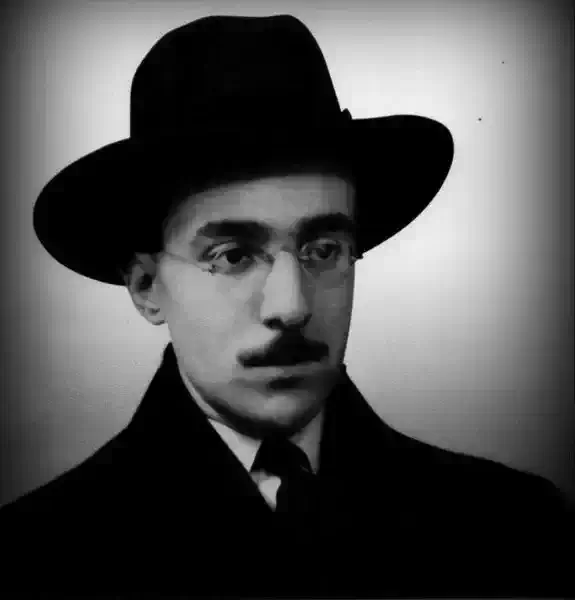
Fernando Pessoa
Nem vã esperança vem, não anos vão,
Nem vã esperança vem, não anos vão,
Desesperança, Lídia, nos governa
A consumanda vida.
Só espera ou desespera quem conhece
Que há que esperar. Nós, no labento curso
Do ser, só ignoramos.
Breves no triste gozo desfolhamos
Rosas. Mais breves que nós fingem legar
A comparada vida.
Desesperança, Lídia, nos governa
A consumanda vida.
Só espera ou desespera quem conhece
Que há que esperar. Nós, no labento curso
Do ser, só ignoramos.
Breves no triste gozo desfolhamos
Rosas. Mais breves que nós fingem legar
A comparada vida.
1 396
Fernando Pessoa
APOLLO UNTO NEPTUNE
Apollo unto Neptune said:
«Come, I shall drink the sea!»
But Neptune laughed out like a lad
In his boyish jollity,
And cried: «You would drink the earth, if you could,
And infinity.»
And the poet the symbol who understood
Felt his misery.
«Come, I shall drink the sea!»
But Neptune laughed out like a lad
In his boyish jollity,
And cried: «You would drink the earth, if you could,
And infinity.»
And the poet the symbol who understood
Felt his misery.
1 397
Fernando Pessoa
FLASHES OF MADNESS — III
III.
Eyes are strange things.
Meaning in them becomes life,
Life in them has wings.
Look at me thus. Thy glance is mad and rare.
Thine eyes show deep and wild an inner strife.
How they are more than Horror fair!
Eyes are strange things.
Meaning in them becomes life,
Life in them has wings.
Look at me thus. Thy glance is mad and rare.
Thine eyes show deep and wild an inner strife.
How they are more than Horror fair!
1 127
Fernando Pessoa
Ser feliz é um jugo, o ser grande
Ser feliz é um jugo, o ser grande
É uma servidão: tudo repugno
Salvo esta majestade.
É uma servidão: tudo repugno
Salvo esta majestade.
1 367
Fernando Pessoa
NAVAL ODE
Alone, on the deserted quay, this summer morning,
I look towards the bar, I look towards the Indefinite,
I look and find pleasure in seeing,
Little, black and clear, a steamer coming in.
It is very far yet, distinct and classic after its own fashion.
It leaves on the distant air behind it the vain curls of its smoke.
It is coming in, and morn comes in with it, and on the river
Here, there, naval life awakes,
Sails arise, tugs advance,
Small boats jut out from behind the ships in the port.
There is a vague breeze.
But my soul is with the things that I see least,
With the in-coming steamer,
Because it is with Distance, with Morn,
With the naval meaning of this Hour,
With the painful softness that rises in me like a qualm,
Like a beginning of sea-sickness, but in my soul.
I look from afar at the steamer, with a great independence of mind
And a whell begins to spin in me, very slowly.
The steamers that enter the bar in the morning,
Bring to my eyes with their coming
The glad and sad mystery of all who arrive and depart.
They bring memories of distant quays, and of other moments
Of another kind of the same mankind in other ports.
Every (...), every departure of a ship,
Is — I feel it in me like my blood —
Unconsciously symbolic, terribly
Threatening metaphysical meanings
That startle in me the being I once …
Ah, every quay is a regret made of stone!
And when the ship leaves the quay
And we note suddenly that a space is widening
Between the quay and the ship,
There comes to me, I know not why, a recent anguish,
A mist of feelings of sadness
That shines in the sun of my mosy anguishes
Like the first window the morning strikes on,
And clings round me like some one else's remembrance
Which is somehow mysteriously mine.
Ah, who knows, who knows,
If I did not leave long ago, before Myself,
A quay; if I did not depart, a ship in
The oblique sun of morning,
From another kind of port?
Who knows if I did not leave, before the hour
Of the exterior world as I see it
Dawned for me,
A large quay full of few people,
Of a great half-awakened city,
Of a great city commercial, overgrown, apopletical,
As much as that can be outside Time and Space?
Ay, from a quay, from a quay somehow material,
Real, visible as a quay, really a quay,
The Absolute Quay on whose type, unconsciously imitated,
Insensibly evoked,
We men have built
Our quays in our harbours,
Our quays, of actual stone overlooking true water,
Which, once built, suddenly show themselves to be
Real-Things, Things-Spirits, Entities in Stone-Souls,
At certain moments of ours of root-sentiments
When it seems that a door is opened in the outer world
And, without anything changing
Everything reveals itself to be different.
Ah, the Great Quay whence we embarked in Ship-Nations!
The Great Earlier Quay, eternal and divine!
Of what port? Over what waters? And why do I think of this?
A Great Quay like all other quays, but the Only One.
Full, as they are, of murmurous silences in the fore-dawns
And budding with the dawns in a noise of cranes
And arrivals of goods-trains
And under the black, occasional and light cloud
Of the smoke of the chimneys of the near factories
Which clouds its ground, black with small shining coal,
As if it were the shadow of a cloud passing over dark water.
Ah, what essentiality of mystery and arrested senses
In a divine revealing ecstasy
At the hours coloured like silences and anguishes
Is the bridge between any quay and THE QUAY!
Quay blackly reflected in the still waters,
Suddle [?] on board the ships,
Oh wandering and unstable soul of the people who live in ships,
Of the symbolic people who pass and for whom, nothing lasts
For when the vessel returns to the port,
There is always some change on board!
On continual flights, goings, drunknness of the Different!
Eternal soul of navigators and navigations!
Hulls slowly reflected in the waters
When the ship leaves the port!
To float as soul of life, to depart as voice,
To live the moment tremulously on eternal waters!
To wake to more direct days than the days of Europe,
To see mysterious ports over the loneliness of the sea,
To double distant capes and see sudden great landscapes
Of unnumbred astonished alones!
Ah, the distant beaches, the quays seen from afar,
And then the near beaches and the quays seen from near.
The mystery of each departure and of each arrival,
The painful instability and incomprehensibility
Of this impossible universe
At each naval hour ever more deeply felt right in my skin.
The absurd sob that our souls spill
Over the ever-different tracts of seas with islands afar,
Over the distant lines of the coasts we merely pass by,
Over the clear growing-clear of ports, with their houses and their people,
When the ship nears the land.
Ah, the freshness of morns when we arrive,
And the paleness of the morns when we depart,
When our entrails are gripped up
And a vague sensation resembling a fear
— The ancestral fear of going away and leaving,
The mysterious ancestral terror of Arrivals and New Things —
Grips up our skin and gives us qualms
And all our anguished body feels,
As if it were our soul,
An unexplained desire to feel this in some other way:
A regret at something,
A perturbation of tendernesses towards what vague fatherland?
What coast? what ship? what quay?
That thought sickens within us
And only a great vaccum remains in us,
A hollow satiety of naval minutes,
And a vague anxiety that would be weariness or pain
If it knew how to be that…
The summer morning is, nevertheless, slightly cool,
A slight night-dullness lies yet on the shaken air.
The wheel within me quickens its motion slightly.
And the steamer keeps on coming in, because surely it must coming in,
And not because I see it moving in its excessive distance.
In my imagination it is already near and visible
In all the extent of the lines of its portholes,
And everything trembles in me, all my flesh and all my skin,
On account of that creature that never arrives in any ship
And whom I have come to await to-day on this quay, through an oblique command.
I look towards the bar, I look towards the Indefinite,
I look and find pleasure in seeing,
Little, black and clear, a steamer coming in.
It is very far yet, distinct and classic after its own fashion.
It leaves on the distant air behind it the vain curls of its smoke.
It is coming in, and morn comes in with it, and on the river
Here, there, naval life awakes,
Sails arise, tugs advance,
Small boats jut out from behind the ships in the port.
There is a vague breeze.
But my soul is with the things that I see least,
With the in-coming steamer,
Because it is with Distance, with Morn,
With the naval meaning of this Hour,
With the painful softness that rises in me like a qualm,
Like a beginning of sea-sickness, but in my soul.
I look from afar at the steamer, with a great independence of mind
And a whell begins to spin in me, very slowly.
The steamers that enter the bar in the morning,
Bring to my eyes with their coming
The glad and sad mystery of all who arrive and depart.
They bring memories of distant quays, and of other moments
Of another kind of the same mankind in other ports.
Every (...), every departure of a ship,
Is — I feel it in me like my blood —
Unconsciously symbolic, terribly
Threatening metaphysical meanings
That startle in me the being I once …
Ah, every quay is a regret made of stone!
And when the ship leaves the quay
And we note suddenly that a space is widening
Between the quay and the ship,
There comes to me, I know not why, a recent anguish,
A mist of feelings of sadness
That shines in the sun of my mosy anguishes
Like the first window the morning strikes on,
And clings round me like some one else's remembrance
Which is somehow mysteriously mine.
Ah, who knows, who knows,
If I did not leave long ago, before Myself,
A quay; if I did not depart, a ship in
The oblique sun of morning,
From another kind of port?
Who knows if I did not leave, before the hour
Of the exterior world as I see it
Dawned for me,
A large quay full of few people,
Of a great half-awakened city,
Of a great city commercial, overgrown, apopletical,
As much as that can be outside Time and Space?
Ay, from a quay, from a quay somehow material,
Real, visible as a quay, really a quay,
The Absolute Quay on whose type, unconsciously imitated,
Insensibly evoked,
We men have built
Our quays in our harbours,
Our quays, of actual stone overlooking true water,
Which, once built, suddenly show themselves to be
Real-Things, Things-Spirits, Entities in Stone-Souls,
At certain moments of ours of root-sentiments
When it seems that a door is opened in the outer world
And, without anything changing
Everything reveals itself to be different.
Ah, the Great Quay whence we embarked in Ship-Nations!
The Great Earlier Quay, eternal and divine!
Of what port? Over what waters? And why do I think of this?
A Great Quay like all other quays, but the Only One.
Full, as they are, of murmurous silences in the fore-dawns
And budding with the dawns in a noise of cranes
And arrivals of goods-trains
And under the black, occasional and light cloud
Of the smoke of the chimneys of the near factories
Which clouds its ground, black with small shining coal,
As if it were the shadow of a cloud passing over dark water.
Ah, what essentiality of mystery and arrested senses
In a divine revealing ecstasy
At the hours coloured like silences and anguishes
Is the bridge between any quay and THE QUAY!
Quay blackly reflected in the still waters,
Suddle [?] on board the ships,
Oh wandering and unstable soul of the people who live in ships,
Of the symbolic people who pass and for whom, nothing lasts
For when the vessel returns to the port,
There is always some change on board!
On continual flights, goings, drunknness of the Different!
Eternal soul of navigators and navigations!
Hulls slowly reflected in the waters
When the ship leaves the port!
To float as soul of life, to depart as voice,
To live the moment tremulously on eternal waters!
To wake to more direct days than the days of Europe,
To see mysterious ports over the loneliness of the sea,
To double distant capes and see sudden great landscapes
Of unnumbred astonished alones!
Ah, the distant beaches, the quays seen from afar,
And then the near beaches and the quays seen from near.
The mystery of each departure and of each arrival,
The painful instability and incomprehensibility
Of this impossible universe
At each naval hour ever more deeply felt right in my skin.
The absurd sob that our souls spill
Over the ever-different tracts of seas with islands afar,
Over the distant lines of the coasts we merely pass by,
Over the clear growing-clear of ports, with their houses and their people,
When the ship nears the land.
Ah, the freshness of morns when we arrive,
And the paleness of the morns when we depart,
When our entrails are gripped up
And a vague sensation resembling a fear
— The ancestral fear of going away and leaving,
The mysterious ancestral terror of Arrivals and New Things —
Grips up our skin and gives us qualms
And all our anguished body feels,
As if it were our soul,
An unexplained desire to feel this in some other way:
A regret at something,
A perturbation of tendernesses towards what vague fatherland?
What coast? what ship? what quay?
That thought sickens within us
And only a great vaccum remains in us,
A hollow satiety of naval minutes,
And a vague anxiety that would be weariness or pain
If it knew how to be that…
The summer morning is, nevertheless, slightly cool,
A slight night-dullness lies yet on the shaken air.
The wheel within me quickens its motion slightly.
And the steamer keeps on coming in, because surely it must coming in,
And not because I see it moving in its excessive distance.
In my imagination it is already near and visible
In all the extent of the lines of its portholes,
And everything trembles in me, all my flesh and all my skin,
On account of that creature that never arrives in any ship
And whom I have come to await to-day on this quay, through an oblique command.
1 592
Fernando Pessoa
THE WOMAN IN BLACK
I
My tale is simple, sad and brief -
As simple as all tales of grief,
As brief as all that is ours, though
It seem eternal to its woe;
No tale of glorious deeds or fair,
But one short poem of despair;
Dark as all things where man is caught
In the fine‑poisoned nets of thought.
Here is no flame of love's old fire,
Nor song of pent or free desire,
No thousand herses [?] fill its plan,
But it is centred round one man.
A man? A boy, if boyhood be
That where is sober misery.
About a boy all moves, an elf
Careless of happiness or pelf,
But fated to sing but himself.
I was not born to joy nor love.
The earth below, the sky above
Compel a sense within my soul
That deeply, heavily doth roll,
Like a tremendous, mystic sea
In lands where dreams alone can be;
A feeling that a sadness is,
Weeping in broken‑hearted bliss;
A sense that is a deep despair -
I know not why I should feel this
Before the things that are most fair.
Beauty is more than pleasure's joy:
That which must please is made to cloy,
And Nature cloys not with distaste
But gives a sorrow [?], as of past
Things whence the Present does inherit
Something where [...] is and deep
Beauty delicious in a sleep
That is half‑sadness to the spirit.
For Pleasure is not Joy - we know
Joy lives as sorrow in the heart;
One or the other lives; the dart
That Sorrow kills comes from Joy's bow.
Pleasure and distaste are not so.
Sorrow and Joy are as the strange
And unknown forms of life and change
That are ignored in depths of ocean:
Pure is the depth of their emotion.
Pleasure and Pain are not like these,
But as on surfaces of seas
The alternation of their motion
And shows of shifting without end.
Joy may like the sun's light transcend
The clouds of Pain; Pleasure may be
The face and look of Misery.
III
Ay, Nature chills me with deep fear,
For Nature, to my seeing, spent
With looking on my woes too near,
It is but Mystery eloquent.
The plainest stone, the simplest flower -
All have a meaning deep and vast,
Mocking their living of an hour.
But this significance, that hath past
So oft to poet’s song and word,
Makes them but madmen, even as I,
Speaking in outline [?] sense absurd
Strange thoughts for beings that must die.
But Man to me is dreader still,
The thing of thought, feeling and will,
Which is so dark unto mine eyes
That of the sense he calls his soul
- Let not of seeing speak the mole [?] -
I cannot dream to theorize.
For men, who have wrought creeds and codes
And guided nations by the roads
Of feeling and of speculation,
Have seen as much - nothing - as I
Into the world. All could perceive
That Nature aught doth signify:
Beyond this they could stop or rave.
Most raved and therefore could believe.
Yet I, naturally wrapt about,
Normally, as in feathers the bird,
With hesitation and with doubt,
Find all the world a thing absurd.
Because myself, a part of it,
Am an absurdity unfit.
Too young I learnt to reason coldly
And draw conclusions firmly, boldly,
From thoughts and facts to shatter creeds,
Careless of man's mendacious needs.
Preciseness cast in me the seeds
Of madness, and the soil was good
For that abnormal growth of pain
Whose flowers are red, colour of blood.
Too soon I learned to see too clear,
And therefore nothing now can capture
My heart, to which reasoning is rapture,
That sees night where most poets say
«'Tis day - I see it all - 'tis day.ª
They sing of joy, T sing of fear.
Alas! Why should I stop thus long
Over the illness of my life,
That has Insanity for wife?
Turn I back with an impulse strong.
Leave I this shallowness and sing.
The deeper sorrow of my song.
My tale is simple, sad and brief -
As simple as all tales of grief,
As brief as all that is ours, though
It seem eternal to its woe;
No tale of glorious deeds or fair,
But one short poem of despair;
Dark as all things where man is caught
In the fine‑poisoned nets of thought.
Here is no flame of love's old fire,
Nor song of pent or free desire,
No thousand herses [?] fill its plan,
But it is centred round one man.
A man? A boy, if boyhood be
That where is sober misery.
About a boy all moves, an elf
Careless of happiness or pelf,
But fated to sing but himself.
I was not born to joy nor love.
The earth below, the sky above
Compel a sense within my soul
That deeply, heavily doth roll,
Like a tremendous, mystic sea
In lands where dreams alone can be;
A feeling that a sadness is,
Weeping in broken‑hearted bliss;
A sense that is a deep despair -
I know not why I should feel this
Before the things that are most fair.
Beauty is more than pleasure's joy:
That which must please is made to cloy,
And Nature cloys not with distaste
But gives a sorrow [?], as of past
Things whence the Present does inherit
Something where [...] is and deep
Beauty delicious in a sleep
That is half‑sadness to the spirit.
For Pleasure is not Joy - we know
Joy lives as sorrow in the heart;
One or the other lives; the dart
That Sorrow kills comes from Joy's bow.
Pleasure and distaste are not so.
Sorrow and Joy are as the strange
And unknown forms of life and change
That are ignored in depths of ocean:
Pure is the depth of their emotion.
Pleasure and Pain are not like these,
But as on surfaces of seas
The alternation of their motion
And shows of shifting without end.
Joy may like the sun's light transcend
The clouds of Pain; Pleasure may be
The face and look of Misery.
III
Ay, Nature chills me with deep fear,
For Nature, to my seeing, spent
With looking on my woes too near,
It is but Mystery eloquent.
The plainest stone, the simplest flower -
All have a meaning deep and vast,
Mocking their living of an hour.
But this significance, that hath past
So oft to poet’s song and word,
Makes them but madmen, even as I,
Speaking in outline [?] sense absurd
Strange thoughts for beings that must die.
But Man to me is dreader still,
The thing of thought, feeling and will,
Which is so dark unto mine eyes
That of the sense he calls his soul
- Let not of seeing speak the mole [?] -
I cannot dream to theorize.
For men, who have wrought creeds and codes
And guided nations by the roads
Of feeling and of speculation,
Have seen as much - nothing - as I
Into the world. All could perceive
That Nature aught doth signify:
Beyond this they could stop or rave.
Most raved and therefore could believe.
Yet I, naturally wrapt about,
Normally, as in feathers the bird,
With hesitation and with doubt,
Find all the world a thing absurd.
Because myself, a part of it,
Am an absurdity unfit.
Too young I learnt to reason coldly
And draw conclusions firmly, boldly,
From thoughts and facts to shatter creeds,
Careless of man's mendacious needs.
Preciseness cast in me the seeds
Of madness, and the soil was good
For that abnormal growth of pain
Whose flowers are red, colour of blood.
Too soon I learned to see too clear,
And therefore nothing now can capture
My heart, to which reasoning is rapture,
That sees night where most poets say
«'Tis day - I see it all - 'tis day.ª
They sing of joy, T sing of fear.
Alas! Why should I stop thus long
Over the illness of my life,
That has Insanity for wife?
Turn I back with an impulse strong.
Leave I this shallowness and sing.
The deeper sorrow of my song.
1 574
Fernando Pessoa
Cantos, risos e flores alumiem
Cantos, risos e flores alumiem
Nosso mortal destino,
Para o ermo ocultar fundo, nocturno
De nosso pensamento,
Curvado, já em vida, sob a ideia
Do plutónico gozo,
Cônscio já da lívida esperança
Do caos redivivo.
Nosso mortal destino,
Para o ermo ocultar fundo, nocturno
De nosso pensamento,
Curvado, já em vida, sob a ideia
Do plutónico gozo,
Cônscio já da lívida esperança
Do caos redivivo.
1 450
Fernando Pessoa
O mistério dos olhos e do olhar
O mistério dos olhos e do olhar
Do sujeito e do objecto, transparente
Ao horror que além dele está; o mudo
Sentimento de se desconhecer,
E a confrangida comoção que nasce
De sentir a loucura do vazio;
O horror duma existência incompreendida
Quando à alma se chega desse horror
Faz toda a dor humana uma ilusão.
Essa é a suprema dor, a vera cruz.
Querem desdenhar o teu sentir orgulho
Oh, Cristo!
Então eu vejo — horror — a íntima alma,
O perene mistério que atravessa
Como um suspiro céus e corações.
Do sujeito e do objecto, transparente
Ao horror que além dele está; o mudo
Sentimento de se desconhecer,
E a confrangida comoção que nasce
De sentir a loucura do vazio;
O horror duma existência incompreendida
Quando à alma se chega desse horror
Faz toda a dor humana uma ilusão.
Essa é a suprema dor, a vera cruz.
Querem desdenhar o teu sentir orgulho
Oh, Cristo!
Então eu vejo — horror — a íntima alma,
O perene mistério que atravessa
Como um suspiro céus e corações.
1 142
Fernando Pessoa
II - Dói viver, nada sou que valha ser.
II
Dói viver, nada sou que valha ser.
Tardo-me porque penso e tudo rui.
Tento saber, porque tentar é ser.
Longe de isto ser tudo, tudo flui.
Mágoa que, indiferente, faz viver.
Névoa que, diferente, em tudo influi.
O exílio nada do que foi sequer
Ilude, fixa, dá, faz ou possui.
Assim, nocturna, a áreas indecisas,
O prelúdio perdido traz à mente
O que das ilhas mortas foi só brisas,
E o que a memória análoga dedica
Ao sonho, e onde, lua na corrente,
Não passa o sonho e a água inútil fica.
Dói viver, nada sou que valha ser.
Tardo-me porque penso e tudo rui.
Tento saber, porque tentar é ser.
Longe de isto ser tudo, tudo flui.
Mágoa que, indiferente, faz viver.
Névoa que, diferente, em tudo influi.
O exílio nada do que foi sequer
Ilude, fixa, dá, faz ou possui.
Assim, nocturna, a áreas indecisas,
O prelúdio perdido traz à mente
O que das ilhas mortas foi só brisas,
E o que a memória análoga dedica
Ao sonho, e onde, lua na corrente,
Não passa o sonho e a água inútil fica.
1 296
Fernando Pessoa
The sky is a great turquoise shining glee
The sky is a great turquoise shining glee,
All the earth is gathered up in the blue sea
Ev'n the green fields tend thereto in their joy,
The whole day playeth like a happy boy
Among the dales the hours build with their glee.
How happy, had I no cares, would I be!
But there is too much sorrow in mere seeing
The feminine disease of consciousness
Eats like a worm into the source of being.
The very thought I live gives me distress.
My heart is felt by me like some heavy place.
All the earth is gathered up in the blue sea
Ev'n the green fields tend thereto in their joy,
The whole day playeth like a happy boy
Among the dales the hours build with their glee.
How happy, had I no cares, would I be!
But there is too much sorrow in mere seeing
The feminine disease of consciousness
Eats like a worm into the source of being.
The very thought I live gives me distress.
My heart is felt by me like some heavy place.
1 156
Fernando Pessoa
Li vaga — inerte — e sonhadoramente li
Li vaga — inerte — e sonhadoramente li
Compreendendo mais do que havia
Em frase (...)
Fechei tremendo, os livros, e sentindo
Como que de detrás da consciência,
Negrume transcendendo o que de horror
(...)
Desde então o constante persistir
Do mistério em minha alma não me deixa
Quieto o espírito, por meditar
Que seja, meditando sempre.
Compreendendo mais do que havia
Em frase (...)
Fechei tremendo, os livros, e sentindo
Como que de detrás da consciência,
Negrume transcendendo o que de horror
(...)
Desde então o constante persistir
Do mistério em minha alma não me deixa
Quieto o espírito, por meditar
Que seja, meditando sempre.
1 271
Fernando Pessoa
Fausto no seu laboratório
FAUSTO: (só)
Ondas de aspiração que vãs morreis
Sem mesmo o coração e alma atingir
Do vosso sentimento; ondas de pranto,
Não vos posso chorar, e em mim subis,
Maré imensa rumorosa e surda,
Para morrer na praia do limite
Que a vida impõe ao Ser; ondas saudosas
D'algum mar alto Aonde a praia seja
Um sonho inútil, ou d'alguma terra
Desconhecida mais que a eterna aura
Do eterno sofrimento, e onde formas
Dos olhos d'alma não imaginadas
Vagam, essências lúcidas e (...)
Esquecidas daquilo que chamamos
Suspiro, lágrima, desolação;
Ondas nas quais não posso visionar,
Nem dentro em mim, em sonho, barco ou ilha,
Nem esperança transitória, nem
Ilusão nada da desilusão;
Oh ondas sem brancuras, asperezas,
Mas redondas, como óleos e silentes
No vosso intérmino e total rumor...
Oh ondas d'alma, decaí em lago
Ou levantai-vos ásperas e brancas
Com o sussurro ácido da espuma
Erguei em tempestades no meu ser.
Vós sois um mar sem céu, sem luz, sem ar
Sentido, visto não, rumorejante
Sobre o fundo profundo da minha alma!
Lágrimas, sinto em mim vosso amargor!
Não vos quero chorar. Se vos chorasse
Como chegar — tantas! — ao vosso fim?
Chegado ao vosso fim que encontraria?
Talvez uma aridez desesperada
Uma ânsia vã de não poder trazer-vos
Outra vez para mim para chorar-vos
Em vã consolação inda outra vez!
Não haver alma, inda ideia vã!
Havê-la e imortal, sonho pequeno
De término[?], embora coerente
À sua pequenez. Que mais? Havê-la,
Havê-la e ser mortal, morrer num Todo
Celeste? Vago, vão. Não haverá
Além da morte e da imortalidade
Qualquer cousa maior? Ah, deve haver
Além de vida e morte, ser, não ser,
Um Inominável supertranscendente
Eterno Incógnito e incognoscível!
Deus? Nojo. Céu, inferno? Nojo, nojo.
P'ra quê pensar, se há-de parar aqui
O curto voo do entendimento?
Mais além! Pensamento, mais além!
Ondas de aspiração que vãs morreis
Sem mesmo o coração e alma atingir
Do vosso sentimento; ondas de pranto,
Não vos posso chorar, e em mim subis,
Maré imensa rumorosa e surda,
Para morrer na praia do limite
Que a vida impõe ao Ser; ondas saudosas
D'algum mar alto Aonde a praia seja
Um sonho inútil, ou d'alguma terra
Desconhecida mais que a eterna aura
Do eterno sofrimento, e onde formas
Dos olhos d'alma não imaginadas
Vagam, essências lúcidas e (...)
Esquecidas daquilo que chamamos
Suspiro, lágrima, desolação;
Ondas nas quais não posso visionar,
Nem dentro em mim, em sonho, barco ou ilha,
Nem esperança transitória, nem
Ilusão nada da desilusão;
Oh ondas sem brancuras, asperezas,
Mas redondas, como óleos e silentes
No vosso intérmino e total rumor...
Oh ondas d'alma, decaí em lago
Ou levantai-vos ásperas e brancas
Com o sussurro ácido da espuma
Erguei em tempestades no meu ser.
Vós sois um mar sem céu, sem luz, sem ar
Sentido, visto não, rumorejante
Sobre o fundo profundo da minha alma!
Lágrimas, sinto em mim vosso amargor!
Não vos quero chorar. Se vos chorasse
Como chegar — tantas! — ao vosso fim?
Chegado ao vosso fim que encontraria?
Talvez uma aridez desesperada
Uma ânsia vã de não poder trazer-vos
Outra vez para mim para chorar-vos
Em vã consolação inda outra vez!
Não haver alma, inda ideia vã!
Havê-la e imortal, sonho pequeno
De término[?], embora coerente
À sua pequenez. Que mais? Havê-la,
Havê-la e ser mortal, morrer num Todo
Celeste? Vago, vão. Não haverá
Além da morte e da imortalidade
Qualquer cousa maior? Ah, deve haver
Além de vida e morte, ser, não ser,
Um Inominável supertranscendente
Eterno Incógnito e incognoscível!
Deus? Nojo. Céu, inferno? Nojo, nojo.
P'ra quê pensar, se há-de parar aqui
O curto voo do entendimento?
Mais além! Pensamento, mais além!
1 146
Fernando Pessoa
Meu coração, mistério batido pelas lonas dos ventos...
Meu coração, mistério batido pelas lonas dos ventos...
Bandeira a estralejar desfraldadamente ao alto,
Árvore misturada, curvada, sacudida pelo vendaval,
Agitada como uma espuma verde pegada a si mesma,
(...)
Para sempre condenada à raiz de não se poder exprimir!
Queria gritar alto com uma voz que dissesse!
Queria levar ao menos a um outro coração a consciência do meu!
Queria ser lá fora...
Mas o que Sou? O trapo que foi bandeira,
As folhas varridas para o canto que foram ramos,
As palavras socialmente desentendidas, até por quem as aprecia,
Eu que quis fora a minha alma inteira,
E ficou só a chapéu do mendigo debaixo do automóvel,
Estragado estragado,
E o riso dos rápidos Soou para trás na estrada dos felizes...
Bandeira a estralejar desfraldadamente ao alto,
Árvore misturada, curvada, sacudida pelo vendaval,
Agitada como uma espuma verde pegada a si mesma,
(...)
Para sempre condenada à raiz de não se poder exprimir!
Queria gritar alto com uma voz que dissesse!
Queria levar ao menos a um outro coração a consciência do meu!
Queria ser lá fora...
Mas o que Sou? O trapo que foi bandeira,
As folhas varridas para o canto que foram ramos,
As palavras socialmente desentendidas, até por quem as aprecia,
Eu que quis fora a minha alma inteira,
E ficou só a chapéu do mendigo debaixo do automóvel,
Estragado estragado,
E o riso dos rápidos Soou para trás na estrada dos felizes...
1 122
Fernando Pessoa
Onda que vens e que vais
Onda que vens e que vais
Mar que vais e depois vens,
Já não sei se tu me atrais,
E, se me atrais, se me tens.
Mar que vais e depois vens,
Já não sei se tu me atrais,
E, se me atrais, se me tens.
1 523
Fernando Pessoa
A luz crua do estio prematuro
A luz crua do estio prematuro
Sai como um grito do ar da primavera...
Meus olhos ardem-me como se viesse da Noite...
Meu cérebro está tonto, como se eu quisesse justiça...
Contra a luz crua todas as formas são silhuetas.
Sai como um grito do ar da primavera...
Meus olhos ardem-me como se viesse da Noite...
Meu cérebro está tonto, como se eu quisesse justiça...
Contra a luz crua todas as formas são silhuetas.
1 444
Fernando Pessoa
O cão que veio do abismo
O cão que veio do abismo
Roeu-me os ossos da alma,
E erguendo a perna — o que eu cismo —
Mijou no meu misticismo
Que me dava a minha calma.
O cão veio de onde dorme
Aquele anseio que tenho
Por qualquer coisa de enorme
Que indistintamente forme
A forma de quanto estranho.
E depois de isso completo
O cão que veio do abismo
Que estava inteiro e repleto
Fez sobre tudo o dejecto
Que é hoje o meu misticismo.
Roeu-me os ossos da alma,
E erguendo a perna — o que eu cismo —
Mijou no meu misticismo
Que me dava a minha calma.
O cão veio de onde dorme
Aquele anseio que tenho
Por qualquer coisa de enorme
Que indistintamente forme
A forma de quanto estranho.
E depois de isso completo
O cão que veio do abismo
Que estava inteiro e repleto
Fez sobre tudo o dejecto
Que é hoje o meu misticismo.
1 455
Fernando Pessoa
NOCTURNO DE DIA
NOCTURNO DE DIA
...Não: o que tenho é sono.
O quê? Tanto cansaço por causa das responsabilidades,
Tanta amargura por causa de talvez se não ser célebre
Tanto desenvolvimento de opiniões sobre a imortalidade...
O que tenho é sono, meu velho, sono...
Deixem-me ao menos ter sono; quem sabe que mais terei?
...Não: o que tenho é sono.
O quê? Tanto cansaço por causa das responsabilidades,
Tanta amargura por causa de talvez se não ser célebre
Tanto desenvolvimento de opiniões sobre a imortalidade...
O que tenho é sono, meu velho, sono...
Deixem-me ao menos ter sono; quem sabe que mais terei?
1 381
Fernando Pessoa
O abismo é o muro que tenho
O abismo é o muro que tenho
Ser eu não tem um tamanho.
Ser eu não tem um tamanho.
1 754
Fernando Pessoa
GOD’S WORK
«God's work ‑ how great his power!» said he
As we gazed out upon the sea
Beating the beach tumultuously
Round the land-head.
The vessel then strikes with a crash,
Over her deck the waters rash
Make horror deep in rent and gash.
«God's work» , I said.
As we gazed out upon the sea
Beating the beach tumultuously
Round the land-head.
The vessel then strikes with a crash,
Over her deck the waters rash
Make horror deep in rent and gash.
«God's work» , I said.
1 268
Fernando Pessoa
Há entre mim e a humanidade um golfo,
Há entre mim e a humanidade um golfo,
E esse golfo está dentro do meu ser.
Quer solitário, quer com outros, eu
Estou sempre só, nem a mim mesmo faço
A companhia de sentir. Navego,
Desabitada nau no mar da vida,
Mais só que a solidão. Sou um estranho
Ao que em mim pensa. Sou de qualquer modo
Dois, para que, quando passageira
Alegria do esforço de pensar (
A única alegria que me resta (
Me (...), eu tenha a consciência dela
Como vazia, como o prazer todo.
E esse golfo está dentro do meu ser.
Quer solitário, quer com outros, eu
Estou sempre só, nem a mim mesmo faço
A companhia de sentir. Navego,
Desabitada nau no mar da vida,
Mais só que a solidão. Sou um estranho
Ao que em mim pensa. Sou de qualquer modo
Dois, para que, quando passageira
Alegria do esforço de pensar (
A única alegria que me resta (
Me (...), eu tenha a consciência dela
Como vazia, como o prazer todo.
1 256
Fernando Pessoa
Horror! Não sei ser inconsciente
Horror! Não sei ser inconsciente
E tenho para tudo, do que é bom
À inconsciência, o pensamento aberto,
Tornando-o impossível.
O amor causa-me horror é abandono,
Intimidade, mostrar (...) do ser
E eu tenho do alto orgulho a timidez
E sinto horror a abrir o ser a alguém,
A confiar n'alguém. Horror eu sinto
A que prescrute alguém, ou levemente
Ou não, quaisquer recantos do meu ser.
Abandonar-me em braços nus e belos
(Inda que deles o amor viesse)
No conceber de tudo me horroriza;
Seria violar meu ser profundo,
Aproximar-me muito doutros homens;
Uma nudez qualquer — espírito ou corpo (
Confrange-me: acostumei-me cedo
Aos despimentos do meu ser,
A fixar olhos púdicos, conscientes
Demais. Pensar em dizer «amo-te»
E «amo-te» só — só isto me angustia...
Pensar que ao rir (e mesmo que o não seja)
Exponho uma íntima parte de mim,
Para poder amar eu precisava
Esquecer que sou Fausto o pensador.
Eu queria era dormir, dormi, dormir,
Longo dormir, meio sentindo em sono,
E dormir sempre, sem consciência ter
Do tempo, só do sono sonolento
E da vacuidade do meu ser;
Dormir sem vir a morte, nem sonhar
Mas dormir só dormir, sempre dormir.
Que hoje já de dormir desaprendi.
Cansado de pensar, a pensar fico,
E as noites longas, longas, longas, longas,
E o pálido raiar de inda doutro dia...
Inda outro dia que trará ainda
Uma outra noite e essa mais dias, mais...
Insone sentir isto, e o deslizar
Suave e horroroso do tempo.
Cai então sobre mim todo o horror claro
E nítido e visível do mistério,
E eu tal fico em abalo e em comoção
Que durmo — sim que durmo de pesar-me
Tudo de mais p'ra mais poder sentir.
Então durmo... e antes eu não dormisse
Porque desordenadas incoerências
Mas não visões, só abstracções terríveis
(...)
E tenho para tudo, do que é bom
À inconsciência, o pensamento aberto,
Tornando-o impossível.
O amor causa-me horror é abandono,
Intimidade, mostrar (...) do ser
E eu tenho do alto orgulho a timidez
E sinto horror a abrir o ser a alguém,
A confiar n'alguém. Horror eu sinto
A que prescrute alguém, ou levemente
Ou não, quaisquer recantos do meu ser.
Abandonar-me em braços nus e belos
(Inda que deles o amor viesse)
No conceber de tudo me horroriza;
Seria violar meu ser profundo,
Aproximar-me muito doutros homens;
Uma nudez qualquer — espírito ou corpo (
Confrange-me: acostumei-me cedo
Aos despimentos do meu ser,
A fixar olhos púdicos, conscientes
Demais. Pensar em dizer «amo-te»
E «amo-te» só — só isto me angustia...
Pensar que ao rir (e mesmo que o não seja)
Exponho uma íntima parte de mim,
Para poder amar eu precisava
Esquecer que sou Fausto o pensador.
Eu queria era dormir, dormi, dormir,
Longo dormir, meio sentindo em sono,
E dormir sempre, sem consciência ter
Do tempo, só do sono sonolento
E da vacuidade do meu ser;
Dormir sem vir a morte, nem sonhar
Mas dormir só dormir, sempre dormir.
Que hoje já de dormir desaprendi.
Cansado de pensar, a pensar fico,
E as noites longas, longas, longas, longas,
E o pálido raiar de inda doutro dia...
Inda outro dia que trará ainda
Uma outra noite e essa mais dias, mais...
Insone sentir isto, e o deslizar
Suave e horroroso do tempo.
Cai então sobre mim todo o horror claro
E nítido e visível do mistério,
E eu tal fico em abalo e em comoção
Que durmo — sim que durmo de pesar-me
Tudo de mais p'ra mais poder sentir.
Então durmo... e antes eu não dormisse
Porque desordenadas incoerências
Mas não visões, só abstracções terríveis
(...)
1 371
Fernando Pessoa
Hoje que tudo me falta, como se fosse o chão,
Hoje que tudo me falta, como se fosse o chão,
Que me conheço atrozmente, que toda a literatura
Que uso de mim para mim, para ter consciência de mim,
Caiu, como o papel que embrulhou um rebuçado mau —
Hoje tenho uma alma parecida com a morte dos nervos
Necrose da alma,
Apodrecimento dos sentidos.
Tudo quanto tenho feito conheço-o claramente: é nada.
Tudo quanto sonhei, podia tê-lo sonhado o moço de fretes.
Tudo quanto amei, se hoje me lembro que o amei, morreu há muito.
Ó Paraíso Perdido da minha infância burguesa,
Meu Éden agasalhando o chá nocturno,
Minha colcha limpa de menino!
O Destino acabou-me como a um manuscrito interrompido.
Nem altos nem baixos — consciência de nem sequer a ter...
Papelotes da velha solteira — toda a minha vida.
Tenho uma náusea do estômago nos pulmões.
Custa-me a respirar para sustentar a alma.
Tenho uma quantidade de doenças tristes nas juntas da vontade.
Minha grinalda de poeta — eras de flores de papel,
A tua imortalidade presumida era o não teres vida.
Minha coroa de louros de poeta — sonhada petrarquicamente,
Sem capotinho mas com fama,
Sem dados mas com Deus —
Tabuleta [de] vinho falsificado na última taberna da esquina!
Que me conheço atrozmente, que toda a literatura
Que uso de mim para mim, para ter consciência de mim,
Caiu, como o papel que embrulhou um rebuçado mau —
Hoje tenho uma alma parecida com a morte dos nervos
Necrose da alma,
Apodrecimento dos sentidos.
Tudo quanto tenho feito conheço-o claramente: é nada.
Tudo quanto sonhei, podia tê-lo sonhado o moço de fretes.
Tudo quanto amei, se hoje me lembro que o amei, morreu há muito.
Ó Paraíso Perdido da minha infância burguesa,
Meu Éden agasalhando o chá nocturno,
Minha colcha limpa de menino!
O Destino acabou-me como a um manuscrito interrompido.
Nem altos nem baixos — consciência de nem sequer a ter...
Papelotes da velha solteira — toda a minha vida.
Tenho uma náusea do estômago nos pulmões.
Custa-me a respirar para sustentar a alma.
Tenho uma quantidade de doenças tristes nas juntas da vontade.
Minha grinalda de poeta — eras de flores de papel,
A tua imortalidade presumida era o não teres vida.
Minha coroa de louros de poeta — sonhada petrarquicamente,
Sem capotinho mas com fama,
Sem dados mas com Deus —
Tabuleta [de] vinho falsificado na última taberna da esquina!
1 392
Fernando Pessoa
Montanhas, solidões, objectos todos,
Montanhas, solidões, objectos todos,
Ainda que assim eu tenha de morrer,
Revelai-me a vossa alma, isso que faz
Que se me gele a mente ao perceber
Que realmente existis e em verdade,
Que sois facto, existência, cousas, ser.
Quantos o sentem, quantos, ao ouvir-me
«Estou aqui» compreenderão
Íntima e inteiramente, ouvindo n'alma
A alma da minha voz?
A expressão
Fez-se para o vulgar, para o banal.
A poesia torce-a e dilacera-a;
Mas isto que eu em vão impor-lhe quero
Transcende-lhe o poder e a sugestão.
Metáfora nem símbolo o exprime;
Desespero ao ouvir-me assim dizer
Isso que n'alma tenho. Sinto-o, sinto-o
E só falando não me compreendo.
No mais simples dos factos é que existe
O horror maior: nisto: que há existência.
Sentir isto, eis o horror que não tem nome!
Mas senti-lo a sentir, intimamente,
Não com anseios ou suspiros d'alma,
Mas com pavor supremo, com gelado
Inerte horror de desesperação.
Ainda que assim eu tenha de morrer,
Revelai-me a vossa alma, isso que faz
Que se me gele a mente ao perceber
Que realmente existis e em verdade,
Que sois facto, existência, cousas, ser.
Quantos o sentem, quantos, ao ouvir-me
«Estou aqui» compreenderão
Íntima e inteiramente, ouvindo n'alma
A alma da minha voz?
A expressão
Fez-se para o vulgar, para o banal.
A poesia torce-a e dilacera-a;
Mas isto que eu em vão impor-lhe quero
Transcende-lhe o poder e a sugestão.
Metáfora nem símbolo o exprime;
Desespero ao ouvir-me assim dizer
Isso que n'alma tenho. Sinto-o, sinto-o
E só falando não me compreendo.
No mais simples dos factos é que existe
O horror maior: nisto: que há existência.
Sentir isto, eis o horror que não tem nome!
Mas senti-lo a sentir, intimamente,
Não com anseios ou suspiros d'alma,
Mas com pavor supremo, com gelado
Inerte horror de desesperação.
1 279
Fernando Pessoa
Sucata de alma vendida pelo peso do corpo,
Sucata de alma vendida pelo peso do corpo,
Se algum guindaste te eleva é para te despejar...
Nenhum guindaste te eleva senão para te baixar.
Olho analiticamente sem querer, o que romantizo sem querer...
Se algum guindaste te eleva é para te despejar...
Nenhum guindaste te eleva senão para te baixar.
Olho analiticamente sem querer, o que romantizo sem querer...
1 529