
Poems List
Explore poems from our collection

William Shakespeare
Sonnet 46: Mine eye and heart are at a mortal war
Sonnet 46: Mine eye and heart are at a mortal war
Mine eye and heart are at a mortal war
How to divide the conquest of thy sight;
Mine eye my heart thy picture's sight would bar,
My heart mine eye the freedom of that right,
My heart doth plead that thou in him dost lie—
A closet never pierced with crystal eyes—
But the defendant doth that plea deny,
And says in him thy fair appearance lies.
To 'cide this title is impanellèd
A quest of thoughts, all tenants to the heart,
And by their verdict is determinèd
The clear eye's moiety, and the dear heart's part.
As thus, mine eye's due is thy outward part,
And my heart's right thy inward love of heart.
Mine eye and heart are at a mortal war
How to divide the conquest of thy sight;
Mine eye my heart thy picture's sight would bar,
My heart mine eye the freedom of that right,
My heart doth plead that thou in him dost lie—
A closet never pierced with crystal eyes—
But the defendant doth that plea deny,
And says in him thy fair appearance lies.
To 'cide this title is impanellèd
A quest of thoughts, all tenants to the heart,
And by their verdict is determinèd
The clear eye's moiety, and the dear heart's part.
As thus, mine eye's due is thy outward part,
And my heart's right thy inward love of heart.
310
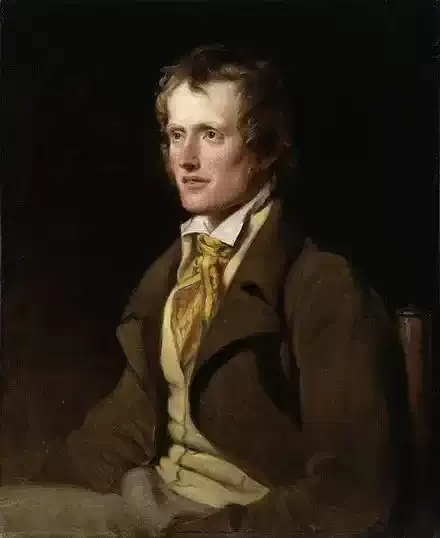
John Clare
Thou Flower Of Summer
Thou Flower Of Summer
When in summer thou walkest
In the meads by the river,
And to thyself talkest,
Dost thou think of one ever--
A lost and a lorn one
That adores thee and loves thee?
And when happy morn's gone,
And nature's calm moves thee,
Leaving thee to thy sleep like an angel at rest,
Does the one who adores thee still live in thy breast?
Does nature eer give thee
Love's past happy vision,
And wrap thee and leave thee
In fancies elysian?
Thy beauty I clung to,
As leaves to the tree;
When thou fair and young too
Looked lightly on me,
Till love came upon thee like the sun to the west
And shed its perfuming and bloom on thy breast.
When in summer thou walkest
In the meads by the river,
And to thyself talkest,
Dost thou think of one ever--
A lost and a lorn one
That adores thee and loves thee?
And when happy morn's gone,
And nature's calm moves thee,
Leaving thee to thy sleep like an angel at rest,
Does the one who adores thee still live in thy breast?
Does nature eer give thee
Love's past happy vision,
And wrap thee and leave thee
In fancies elysian?
Thy beauty I clung to,
As leaves to the tree;
When thou fair and young too
Looked lightly on me,
Till love came upon thee like the sun to the west
And shed its perfuming and bloom on thy breast.
320

Emily Dickinson
The Loneliness One dare not sound
The Loneliness One dare not sound
777
The Loneliness One dare not sound-
And would as soon surmise
As in its Grave go plumbing
To ascertain the size-
The Loneliness whose worst alarm
Is lest itself should see-
And perish from before itself
For just a scrutiny-
The Horror not to be surveyed-
But skirted in the Dark-
With Consciousness suspended-
And Being under Lock-
I fear me this-is Loneliness-
The Maker of the soul
Its Caverns and its Corridors
Illuminate-or seal-
777
The Loneliness One dare not sound-
And would as soon surmise
As in its Grave go plumbing
To ascertain the size-
The Loneliness whose worst alarm
Is lest itself should see-
And perish from before itself
For just a scrutiny-
The Horror not to be surveyed-
But skirted in the Dark-
With Consciousness suspended-
And Being under Lock-
I fear me this-is Loneliness-
The Maker of the soul
Its Caverns and its Corridors
Illuminate-or seal-
267
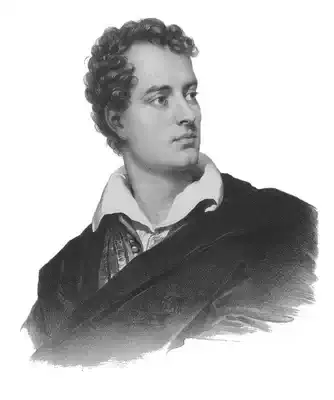
Lord Byron
To M. S. G.
To M. S. G.
Whene'er I view those lips of thine,
Their hue invites my fervent kiss;
Yet, I forego that bliss divine,
Alas! it wereunhallow'd
bliss.
Whene'er I dream of that pure breast,
How could I dwell upon its snows!
Yet, is the daring wish represt,
For that,would
banish its repose.
A glance from thy soulsearching
eye
Can raise with hope, depress with fear;
Yet, I conceal my love,and
why?
I would not force a painful tear.
I ne'er have told my love, yet thou
Hast seen my ardent flame too well;
And shall I plead my passion now,
To make thy bosom's heaven a hell?
No! for thou never canst be mine,
United by the priest's decree:
By any ties but those divine,
Mine, my belov'd, thou ne'er shalt be.
Then let the secret fire consume,
Let it consume, thou shalt not know:
With joy I court a certain doom,
Rather than spread its guilty glow.
I will not ease my tortur'd heart,
By driving doveey'd
peace from thine;
Rather than such a sting impart,
Each thought presumptuous I resign.
Yes! yield those lips, for which I'd brave
More than I here shall dare to tell;
Thy innocence and mine to save,I
bid thee now a last farewell.
Yes! yield that breast, to seek despair
And hope no more thy soft embrace;
Which to obtain, my soul would dare,
All, all reproach, but thy disgrace.
At least from guilt shalt thou be free,
No matron shall thy shame reprove;
Though cureless pangs may prey on me,
No martyr shalt thou be to love.
Whene'er I view those lips of thine,
Their hue invites my fervent kiss;
Yet, I forego that bliss divine,
Alas! it wereunhallow'd
bliss.
Whene'er I dream of that pure breast,
How could I dwell upon its snows!
Yet, is the daring wish represt,
For that,would
banish its repose.
A glance from thy soulsearching
eye
Can raise with hope, depress with fear;
Yet, I conceal my love,and
why?
I would not force a painful tear.
I ne'er have told my love, yet thou
Hast seen my ardent flame too well;
And shall I plead my passion now,
To make thy bosom's heaven a hell?
No! for thou never canst be mine,
United by the priest's decree:
By any ties but those divine,
Mine, my belov'd, thou ne'er shalt be.
Then let the secret fire consume,
Let it consume, thou shalt not know:
With joy I court a certain doom,
Rather than spread its guilty glow.
I will not ease my tortur'd heart,
By driving doveey'd
peace from thine;
Rather than such a sting impart,
Each thought presumptuous I resign.
Yes! yield those lips, for which I'd brave
More than I here shall dare to tell;
Thy innocence and mine to save,I
bid thee now a last farewell.
Yes! yield that breast, to seek despair
And hope no more thy soft embrace;
Which to obtain, my soul would dare,
All, all reproach, but thy disgrace.
At least from guilt shalt thou be free,
No matron shall thy shame reprove;
Though cureless pangs may prey on me,
No martyr shalt thou be to love.
443
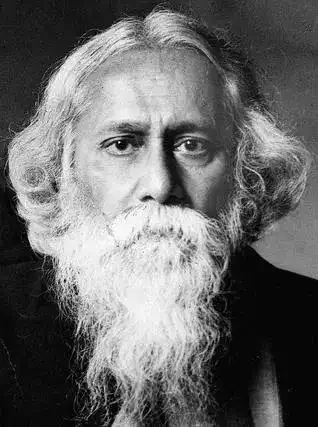
Rabindranath Tagore
When The Two Sisters Go To Fetch Water
When The Two Sisters Go To Fetch Water
WHEN the two sisters go to fetch water, they come to this spot and they smile.
They must be aware of somebody who stands behind the trees whenever they go to
fetch water.
The two sisters whisper to each other when they pass this spot.
They must have guessed the secret of that somebody who stands behind the trees
whenever they go to fetch water.
Their pitchers lurch suddenly, and water spills when they reach this spot.
They must have found out that somebody's heart is beating who stands behind the
trees whenever they go to fetch water.
The two sisters glance at each other when they come to this spot, and they smile.
There is a laughter in their swift-stepping feet, which makes confusion in somebody's
mind who stands behind the trees whenever they go to fetch water.
WHEN the two sisters go to fetch water, they come to this spot and they smile.
They must be aware of somebody who stands behind the trees whenever they go to
fetch water.
The two sisters whisper to each other when they pass this spot.
They must have guessed the secret of that somebody who stands behind the trees
whenever they go to fetch water.
Their pitchers lurch suddenly, and water spills when they reach this spot.
They must have found out that somebody's heart is beating who stands behind the
trees whenever they go to fetch water.
The two sisters glance at each other when they come to this spot, and they smile.
There is a laughter in their swift-stepping feet, which makes confusion in somebody's
mind who stands behind the trees whenever they go to fetch water.
587
William Shakespeare
Sonnet 44: If the dull substance of my flesh were thought
Sonnet 44: If the dull substance of my flesh were thought
If the dull substance of my flesh were thought,
Injurious distance should not stop my way;
For then despite of space I would be brought,
From limits far remote, where thou dost stay.
No matter then although my foot did stand
Upon the farthest earth removed from thee;
For nimble thought can jump both sea and land
As soon as think the place where he would be.
But, ah, thought kills me that I am not thought,
To leap large lengths of miles when thou art gone,
But that, so much of earth and water wrought,
I must attend time's leisure with my moan,
Receiving nought by elements so slow,
But heavy tears, badges of either's woe.
If the dull substance of my flesh were thought,
Injurious distance should not stop my way;
For then despite of space I would be brought,
From limits far remote, where thou dost stay.
No matter then although my foot did stand
Upon the farthest earth removed from thee;
For nimble thought can jump both sea and land
As soon as think the place where he would be.
But, ah, thought kills me that I am not thought,
To leap large lengths of miles when thou art gone,
But that, so much of earth and water wrought,
I must attend time's leisure with my moan,
Receiving nought by elements so slow,
But heavy tears, badges of either's woe.
256

Edward Lear
Limerick: There was an old man whose despair
Limerick: There was an old man whose despair
There was an old man whose despair
Induced him to purchase a hare:
Whereon one fine day,
He rode wholly away,
Which partly assuaged his despair.
There was an old man whose despair
Induced him to purchase a hare:
Whereon one fine day,
He rode wholly away,
Which partly assuaged his despair.
192
Lord Byron
To Lord Thurlow
To Lord Thurlow
'I lay my branch of laurel down.
Then thus to form Apollo's crown.
Let every other bring his own.'~Lord Thurlow's lines to Mr. Rogers
'I lay my branch of laurel down.'
Thou 'lay thy branch of laurel down!'
Why, what thou'st stole is not enow;
And, were it lawfully thine own,
Does Rogers want it most, or thou?
Keep to thyself thy wither'd bough,
Or send it back to Doctor Donne:
Were justice done to both, I trow,
He'd have but little, and thounone.
'Then thus to form Apollo's crown.'
A crown! why, twist it how you will,
Thy chaplet must be foolscap still.
When next you visit Delphi's town,
Inquire amongst your fellowlodgers,
They'll tell you Phoebus gave his crown,
Some years before your birth, to Rogers.
'Let every other bring his own.'
When coals to Newcastle are carried,
And owls sent to Athens, as wonders,
From his spouse when the R egent's unmarried,
Or Liverpool weeps o'er his blunders;
When Tories and Whigs cease to quarrel,
When Castlereagh's wife has an heir,
Then Rogers shall ask us for laurel,
And thou shalt have plenty to spare.
'I lay my branch of laurel down.
Then thus to form Apollo's crown.
Let every other bring his own.'~Lord Thurlow's lines to Mr. Rogers
'I lay my branch of laurel down.'
Thou 'lay thy branch of laurel down!'
Why, what thou'st stole is not enow;
And, were it lawfully thine own,
Does Rogers want it most, or thou?
Keep to thyself thy wither'd bough,
Or send it back to Doctor Donne:
Were justice done to both, I trow,
He'd have but little, and thounone.
'Then thus to form Apollo's crown.'
A crown! why, twist it how you will,
Thy chaplet must be foolscap still.
When next you visit Delphi's town,
Inquire amongst your fellowlodgers,
They'll tell you Phoebus gave his crown,
Some years before your birth, to Rogers.
'Let every other bring his own.'
When coals to Newcastle are carried,
And owls sent to Athens, as wonders,
From his spouse when the R egent's unmarried,
Or Liverpool weeps o'er his blunders;
When Tories and Whigs cease to quarrel,
When Castlereagh's wife has an heir,
Then Rogers shall ask us for laurel,
And thou shalt have plenty to spare.
487
Emily Dickinson
The last Night that She lived
The last Night that She lived
1100
The last Night that She lived
It was a Common Night
Except the Dying-this to Us
Made Nature different
We noticed smallest things-
Things overlooked before
By this great light upon our Minds
Italicized-as 'twere.
As We went out and in
Between Her final Room
And Rooms where Those to be alive
Tomorrow were, a Blame
That Others could exist
While She must finish quite
A Jealousy for Her arose
So nearly infinite-
We waited while She passed-
It was a narrow time-
Too jostled were Our Souls to speak
At length the notice came.
She mentioned, and forgot-
Then lightly as a Reed
Bent to the Water, struggled scarce-
Consented, and was dead-
And We-We placed the Hair-
And drew the Head erect-
And then an awful leisure was
Belief to regulate-
1100
The last Night that She lived
It was a Common Night
Except the Dying-this to Us
Made Nature different
We noticed smallest things-
Things overlooked before
By this great light upon our Minds
Italicized-as 'twere.
As We went out and in
Between Her final Room
And Rooms where Those to be alive
Tomorrow were, a Blame
That Others could exist
While She must finish quite
A Jealousy for Her arose
So nearly infinite-
We waited while She passed-
It was a narrow time-
Too jostled were Our Souls to speak
At length the notice came.
She mentioned, and forgot-
Then lightly as a Reed
Bent to the Water, struggled scarce-
Consented, and was dead-
And We-We placed the Hair-
And drew the Head erect-
And then an awful leisure was
Belief to regulate-
458

Ella Wheeler Wilcox
Warning
Warning
High in the heavens I saw the moon this morning,
Albeit the sun shone bright;
Unto my soul it spoke, in voice of warning,
‘Remember Night! ’
High in the heavens I saw the moon this morning,
Albeit the sun shone bright;
Unto my soul it spoke, in voice of warning,
‘Remember Night! ’
305
William Shakespeare
Sonnet 42: That thou hast her, it is not all my grief
Sonnet 42: That thou hast her, it is not all my grief
That thou hast her, it is not all my grief,
And yet it may be said I loved her dearly;
That she hath thee is of my wailing chief,
A loss in love that touches me more nearly.
Loving offenders, thus I will excuse ye:
Thou dost love her because thou know'st I love her,
And for my sake even so doth she abuse me,
Suff'ring my friend for my sake to approve her.
If I lose thee, my loss is my love's gain,
And, losing her, my friend hath found that loss;
Both find each other, and I lose both twain,
And both for my sake lay on me this cross.
But here's the joy: my friend and I are one,
Sweet flattery! Then she loves but me alone.
That thou hast her, it is not all my grief,
And yet it may be said I loved her dearly;
That she hath thee is of my wailing chief,
A loss in love that touches me more nearly.
Loving offenders, thus I will excuse ye:
Thou dost love her because thou know'st I love her,
And for my sake even so doth she abuse me,
Suff'ring my friend for my sake to approve her.
If I lose thee, my loss is my love's gain,
And, losing her, my friend hath found that loss;
Both find each other, and I lose both twain,
And both for my sake lay on me this cross.
But here's the joy: my friend and I are one,
Sweet flattery! Then she loves but me alone.
283
John Clare
The Wood-Cutter's Night Song
The Wood-Cutter's Night Song
Welcome, red and roundy sun,
Dropping lowly in the west;
Now my hard day's work is done,
I'm as happy as the best.
Joyful are the thoughts of home,
Now I'm ready for my chair,
So, till morrow-morning's come,
Bill and mittens, lie ye there!
Though to leave your pretty song,
Little birds, it gives me pain,
Yet to-morrow is not long,
Then I'm with you all again.
If I stop, and stand about,
Well I know how things will be,
Judy will be looking out
Every now-and-then for me.
So fare ye well! and hold your tongues,
Sing no more until I come;
They're not worthy of your songs
That never care to drop a crumb.
All day long I love the oaks,
But, at nights, yon little cot,
Where I see the chimney smokes,
Is by far the prettiest spot.
Wife and children all are there,
To revive with pleasant looks,
Table ready set, and chair,
Supper hanging on the hooks.
Soon as ever I get in,
When my faggot down I fling,
Little prattlers they begin
Teasing me to talk and sing.
Welcome, red and roundy sun,
Dropping lowly in the west;
Now my hard day's work is done,
I'm as happy as the best.
Joyful are the thoughts of home,
Now I'm ready for my chair,
So, till morrow-morning's come,
Bill and mittens, lie ye there!
Welcome, red and roundy sun,
Dropping lowly in the west;
Now my hard day's work is done,
I'm as happy as the best.
Joyful are the thoughts of home,
Now I'm ready for my chair,
So, till morrow-morning's come,
Bill and mittens, lie ye there!
Though to leave your pretty song,
Little birds, it gives me pain,
Yet to-morrow is not long,
Then I'm with you all again.
If I stop, and stand about,
Well I know how things will be,
Judy will be looking out
Every now-and-then for me.
So fare ye well! and hold your tongues,
Sing no more until I come;
They're not worthy of your songs
That never care to drop a crumb.
All day long I love the oaks,
But, at nights, yon little cot,
Where I see the chimney smokes,
Is by far the prettiest spot.
Wife and children all are there,
To revive with pleasant looks,
Table ready set, and chair,
Supper hanging on the hooks.
Soon as ever I get in,
When my faggot down I fling,
Little prattlers they begin
Teasing me to talk and sing.
Welcome, red and roundy sun,
Dropping lowly in the west;
Now my hard day's work is done,
I'm as happy as the best.
Joyful are the thoughts of home,
Now I'm ready for my chair,
So, till morrow-morning's come,
Bill and mittens, lie ye there!
849
Lord Byron
To George, Earl Delwarr
To George, Earl Delwarr
Oh! yes, I will own we were dear to each other;
The friendships of childhood, though fleeting are true;
The love which you felt was the love of a brother,
Nor less the affection I cherish'd for you.
But Friendship can vary her gentle dominion;
The attachment of years in a moment expires:
Like Love, too, she moves on a swiftwaving
pinion,
But glows not, like Love, with unquenchable fires.
Full oft have we wander'd through Ida together,
And blest were the scenes of our youth, I allow:
In the spring of our life, how serene is the weather!
But winter's rude tempests are gathering now.
No more with affection shall memory blending,
The wonted delights of our childhood retrace:
When pride steels the bosom, the heart is unbending,
And what would be Justice appears a disgrace.
However, dear George, for I still must esteem you;
The few whom I love I can never upbraid:
The chance which has lost may in future redeem you,
Repentance will cancel the vow you have made.
I will not complain, and though chill'd is affection,
With me no corroding resentment shall live:
My bosom is calm'd by the simple reflection,
That both may be wrong, and that both should forgive.
You knew that my soul, that my heart, my existence,
If danger demanded, were wholly your own.
You knew me unalter'd by years or by distance
Devoted to love and to friendship alone.
You knew but
away with the vain retropection!
The bond of affection no longer endures;
Too late you may droop o'er the fond recollection,
And sigh for the friend who was formerly yours.
For the present, we part,I
will hope not for ever;
For time and regret will restore you at last:
To forget our dimension we both should endeavour,
I ask no atonement, but days like the past.
Oh! yes, I will own we were dear to each other;
The friendships of childhood, though fleeting are true;
The love which you felt was the love of a brother,
Nor less the affection I cherish'd for you.
But Friendship can vary her gentle dominion;
The attachment of years in a moment expires:
Like Love, too, she moves on a swiftwaving
pinion,
But glows not, like Love, with unquenchable fires.
Full oft have we wander'd through Ida together,
And blest were the scenes of our youth, I allow:
In the spring of our life, how serene is the weather!
But winter's rude tempests are gathering now.
No more with affection shall memory blending,
The wonted delights of our childhood retrace:
When pride steels the bosom, the heart is unbending,
And what would be Justice appears a disgrace.
However, dear George, for I still must esteem you;
The few whom I love I can never upbraid:
The chance which has lost may in future redeem you,
Repentance will cancel the vow you have made.
I will not complain, and though chill'd is affection,
With me no corroding resentment shall live:
My bosom is calm'd by the simple reflection,
That both may be wrong, and that both should forgive.
You knew that my soul, that my heart, my existence,
If danger demanded, were wholly your own.
You knew me unalter'd by years or by distance
Devoted to love and to friendship alone.
You knew but
away with the vain retropection!
The bond of affection no longer endures;
Too late you may droop o'er the fond recollection,
And sigh for the friend who was formerly yours.
For the present, we part,I
will hope not for ever;
For time and regret will restore you at last:
To forget our dimension we both should endeavour,
I ask no atonement, but days like the past.
534
Emily Dickinson
The Lady feeds Her little Bird
The Lady feeds Her little Bird
941
The Lady feeds Her little Bird
At rarer intervals-
The little Bird would not dissent
But meekly recognize
The Gulf between the Hand and Her
And crumbless and afar
And fainting, on Her yellow Knee
Fall softly, and adore-
941
The Lady feeds Her little Bird
At rarer intervals-
The little Bird would not dissent
But meekly recognize
The Gulf between the Hand and Her
And crumbless and afar
And fainting, on Her yellow Knee
Fall softly, and adore-
311
Rabindranath Tagore
When Day Is Done
When Day Is Done
If the day is done,
if birds sing no more,
if the wind has flagged tired,
then draw the veil of darkness thick upon me,
even as thou hast wrapt the earth with the coverlet of sleep
and tenderly closed the petals of the drooping lotus at dusk.
From the traveler,
whose sack of provisions is empty before the voyage is ended,
whose garment is torn and dust-laden,
whose strength is exhausted,
remove shame and poverty,
and renew his life like a flower under the cover of thy kindly night.
If the day is done,
if birds sing no more,
if the wind has flagged tired,
then draw the veil of darkness thick upon me,
even as thou hast wrapt the earth with the coverlet of sleep
and tenderly closed the petals of the drooping lotus at dusk.
From the traveler,
whose sack of provisions is empty before the voyage is ended,
whose garment is torn and dust-laden,
whose strength is exhausted,
remove shame and poverty,
and renew his life like a flower under the cover of thy kindly night.
612
William Shakespeare
Sonnet 40: Take all my loves, my love, yea, take them all
Sonnet 40: Take all my loves, my love, yea, take them all
Take all my loves, my love, yea, take them all;
What hast thou then more than thou hadst before?
No love, my love, that thou mayst true love call;
All mine was thine, before thou hadst this more.
Then if for my love, thou my love receivest,
I cannot blame thee, for my love thou usest;
But yet be blamed, if thou thy self deceivest
By wilful taste of what thy self refusest.
I do forgive thy robbery, gentle thief,
Although thou steal thee all my poverty;
And yet love knows it is a greater grief
To bear love's wrong, than hate's known injury.
Lascivious grace, in whom all ill well shows,
Kill me with spites; yet we must not be foes.
Take all my loves, my love, yea, take them all;
What hast thou then more than thou hadst before?
No love, my love, that thou mayst true love call;
All mine was thine, before thou hadst this more.
Then if for my love, thou my love receivest,
I cannot blame thee, for my love thou usest;
But yet be blamed, if thou thy self deceivest
By wilful taste of what thy self refusest.
I do forgive thy robbery, gentle thief,
Although thou steal thee all my poverty;
And yet love knows it is a greater grief
To bear love's wrong, than hate's known injury.
Lascivious grace, in whom all ill well shows,
Kill me with spites; yet we must not be foes.
206
Edward Lear
Limerick: There Was an Old Man who Supposed
Limerick: There Was an Old Man who Supposed
There was an Old Man who supposed,
That the street door was partially closed;
But some very large rats,
Ate his coats and his hats,
While that futile old gentleman dozed.
There was an Old Man who supposed,
That the street door was partially closed;
But some very large rats,
Ate his coats and his hats,
While that futile old gentleman dozed.
189
Lord Byron
To Emma
To Emma
Since now the hour is come at last,
When you must quit your anxious lover;
Since now our dream of bliss is past,
One pang, my girl, and all is over.
Alas! that pang will be severe,
Which bids us part to meet no more;
Which tears me far from one so dear,
Departing for a distant shore.
Well! we have pass'd some happy hours,
And joy will mingle with our tears;
When thinking on these ancient towers,
We shelter of our infant years;
Where from this Gothic casement's height,
We view's the lake, the park, the dell,
And still, though tears obstruct our sight,
We lingering look a last farewell,
O'er fields through which we used to run,
And spend the hours in childish play;
O'er shades where, when our race was done,
Reposing on my breast you lay;
Whilst I, admiring, too remiss,
Forgot to scare the hovering flies,
Yet envied every fly the kiss
It dared to give your slumbering eyes:
See still the little painted bark,
In which I row'd you o'er the lake;
See there, high waving o'er the park,
The elm I clamber'd for your sake.
These times are past — our joys are gone,
You leave me, leave this happy vale;
These scenes I must retrace alone:
Without thee what will they avail?
Who can conceive, who has not proved,
The anguish of a last embrace?
When, torn from all you fondly loved,
You bid a long adieu to peace.
This is the deepest of our woes,
For this these tears our cheeks bedew;
This is of love the final close,
Oh, God! the fondest, last adieu!
Since now the hour is come at last,
When you must quit your anxious lover;
Since now our dream of bliss is past,
One pang, my girl, and all is over.
Alas! that pang will be severe,
Which bids us part to meet no more;
Which tears me far from one so dear,
Departing for a distant shore.
Well! we have pass'd some happy hours,
And joy will mingle with our tears;
When thinking on these ancient towers,
We shelter of our infant years;
Where from this Gothic casement's height,
We view's the lake, the park, the dell,
And still, though tears obstruct our sight,
We lingering look a last farewell,
O'er fields through which we used to run,
And spend the hours in childish play;
O'er shades where, when our race was done,
Reposing on my breast you lay;
Whilst I, admiring, too remiss,
Forgot to scare the hovering flies,
Yet envied every fly the kiss
It dared to give your slumbering eyes:
See still the little painted bark,
In which I row'd you o'er the lake;
See there, high waving o'er the park,
The elm I clamber'd for your sake.
These times are past — our joys are gone,
You leave me, leave this happy vale;
These scenes I must retrace alone:
Without thee what will they avail?
Who can conceive, who has not proved,
The anguish of a last embrace?
When, torn from all you fondly loved,
You bid a long adieu to peace.
This is the deepest of our woes,
For this these tears our cheeks bedew;
This is of love the final close,
Oh, God! the fondest, last adieu!
476
Emily Dickinson
The Judge is like the Owl
The Judge is like the Owl
699
The Judge is like the OwlI've
heard my Father tell-
And Owls do build in Oaks-
So here's an Amber Sill-
That slanted in my Path-
When going to the Barn-
And if it serve You for a House-
Itself is not in vain-
About the price-'tis small-
I only ask a Tune
At Midnight-Let the Owl select
His favorite Refrain.
699
The Judge is like the OwlI've
heard my Father tell-
And Owls do build in Oaks-
So here's an Amber Sill-
That slanted in my Path-
When going to the Barn-
And if it serve You for a House-
Itself is not in vain-
About the price-'tis small-
I only ask a Tune
At Midnight-Let the Owl select
His favorite Refrain.
258
Ella Wheeler Wilcox
War
War
I
There is no picturesqueness and no glory,
No halo of romance, in war to-day.
It is a hideous thing; Time would turn grey
With horror, were he not already hoary
At sight of this vile monster, foul and gory.
Yet while sweet women perish as they pray,
And new-born babes are slaughtered, who dare say
'Halt!' till Right pens its 'Finis' to the story!
There is no pathway, but the path through blood,
Out of the horrors of this holocaust.
Hell has let loose its scalding crimson flood,
And he who stops to argue now is lost.
Not brooms of creeds, not Pacifistic words
Can stem the tide, but swords-uplifted swords!
II
Yet, after Peace has turned the clean white page
There shall be sorrow on the earth for years;
Abysmal grief, that has no eyes for tears,
And youth that hobbles through the earth like age.
But better to play this part upon life's stage
Than to aid structures that a tyrant rears,
To live a stalwart hireling torn with fears,
And shamed by feeding on a conqueror's wage.
Death, yea, a thousand deaths, were sweet in truth
Rather than such ignoble life. God gave
Being, and breath, and high resolve to youth
That it might be Wrong's master, not its slave.
Our road to Freedom is the road to guns!
Go, arm your sons! I say, Go, arm your sons!
III
Arm! arm! that mandate on each wind is whirled.
Let no man hesitate or look askance,
For from the devastated homes of France
And ruined Belgium the cry is hurled.
Why, Christ Himself would keep peace banners furled
Were He among us, till, with lifted lance,
He saw the hosts of Righteousness advance
To purify the Temples of the world.
There is no safety on the earth to-day
For any sacred thing, or clean, or fair;
Nor can there be, until men rise and slay
The hydra-headed monster in his lair.
War! horrid War! now Virtue's only friend;
Clasp hands with War, and battle to the end!
I
There is no picturesqueness and no glory,
No halo of romance, in war to-day.
It is a hideous thing; Time would turn grey
With horror, were he not already hoary
At sight of this vile monster, foul and gory.
Yet while sweet women perish as they pray,
And new-born babes are slaughtered, who dare say
'Halt!' till Right pens its 'Finis' to the story!
There is no pathway, but the path through blood,
Out of the horrors of this holocaust.
Hell has let loose its scalding crimson flood,
And he who stops to argue now is lost.
Not brooms of creeds, not Pacifistic words
Can stem the tide, but swords-uplifted swords!
II
Yet, after Peace has turned the clean white page
There shall be sorrow on the earth for years;
Abysmal grief, that has no eyes for tears,
And youth that hobbles through the earth like age.
But better to play this part upon life's stage
Than to aid structures that a tyrant rears,
To live a stalwart hireling torn with fears,
And shamed by feeding on a conqueror's wage.
Death, yea, a thousand deaths, were sweet in truth
Rather than such ignoble life. God gave
Being, and breath, and high resolve to youth
That it might be Wrong's master, not its slave.
Our road to Freedom is the road to guns!
Go, arm your sons! I say, Go, arm your sons!
III
Arm! arm! that mandate on each wind is whirled.
Let no man hesitate or look askance,
For from the devastated homes of France
And ruined Belgium the cry is hurled.
Why, Christ Himself would keep peace banners furled
Were He among us, till, with lifted lance,
He saw the hosts of Righteousness advance
To purify the Temples of the world.
There is no safety on the earth to-day
For any sacred thing, or clean, or fair;
Nor can there be, until men rise and slay
The hydra-headed monster in his lair.
War! horrid War! now Virtue's only friend;
Clasp hands with War, and battle to the end!
350
William Shakespeare
Sonnet 39: O, how thy worth with manners may I sing
Sonnet 39: O, how thy worth with manners may I sing
O, how thy worth with manners may I sing,
When thou art all the better part of me?
What can mine own praise to mine own self bring?
And what is't but mine own when I praise thee?
Even for this let us divided live,
And our dear love lose name of single one,
That by this separation I may give
That due to thee which thou deserv'st alone.
O, absence what a torment wouldst thou prove,
Were it not thy sour leisure gave sweet leave
To entertain the time with thoughts of love,
Which time and thoughts so sweetly doth deceive,
And that thou teachest how to make one twain
By praising him here who doth hence remain!
O, how thy worth with manners may I sing,
When thou art all the better part of me?
What can mine own praise to mine own self bring?
And what is't but mine own when I praise thee?
Even for this let us divided live,
And our dear love lose name of single one,
That by this separation I may give
That due to thee which thou deserv'st alone.
O, absence what a torment wouldst thou prove,
Were it not thy sour leisure gave sweet leave
To entertain the time with thoughts of love,
Which time and thoughts so sweetly doth deceive,
And that thou teachest how to make one twain
By praising him here who doth hence remain!
317
John Clare
The Winter's Come
The Winter's Come
Sweet chestnuts brown like soling leather turn;
The larch trees, like the colour of the Sun;
That paled sky in the Autumn seemed to burn,
What a strange scene before us now does run--
Red, brown, and yellow, russet, black, and dun;
White thorn, wild cherry, and the poplar bare;
The sycamore all withered in the sun.
No leaves are now upon the birch tree there:
All now is stript to the cold wintry air.
See, not one tree but what has lost its leaves--
And yet the landscape wears a pleasing hue.
The winter chill on his cold bed receives
Foliage which once hung oer the waters blue.
Naked and bare the leafless trees repose.
Blue-headed titmouse now seeks maggots rare,
Sluggish and dull the leaf-strewn river flows;
That is not green, which was so through the year
Dark chill November draweth to a close.
Tis Winter, and I love to read indoors,
When the Moon hangs her crescent up on high;
While on the window shutters the wind roars,
And storms like furies pass remorseless by.
How pleasant on a feather bed to lie,
Or, sitting by the fire, in fancy soar
With Dante or with Milton to regions high,
Or read fresh volumes we've not seen before,
Or oer old Burton's Melancholy pore.
Sweet chestnuts brown like soling leather turn;
The larch trees, like the colour of the Sun;
That paled sky in the Autumn seemed to burn,
What a strange scene before us now does run--
Red, brown, and yellow, russet, black, and dun;
White thorn, wild cherry, and the poplar bare;
The sycamore all withered in the sun.
No leaves are now upon the birch tree there:
All now is stript to the cold wintry air.
See, not one tree but what has lost its leaves--
And yet the landscape wears a pleasing hue.
The winter chill on his cold bed receives
Foliage which once hung oer the waters blue.
Naked and bare the leafless trees repose.
Blue-headed titmouse now seeks maggots rare,
Sluggish and dull the leaf-strewn river flows;
That is not green, which was so through the year
Dark chill November draweth to a close.
Tis Winter, and I love to read indoors,
When the Moon hangs her crescent up on high;
While on the window shutters the wind roars,
And storms like furies pass remorseless by.
How pleasant on a feather bed to lie,
Or, sitting by the fire, in fancy soar
With Dante or with Milton to regions high,
Or read fresh volumes we've not seen before,
Or oer old Burton's Melancholy pore.
338
Lord Byron
To Edward Noel Long, Esq.
To Edward Noel Long, Esq.
'Nil ego contulerim jucundo sanus amico.'~Horace.
Dear Long, in this sequester'd scene,
While all around in slumber lie,
The joyous days, which ours have been
Come rolling fresh on Fancy's eye;
Thus, if, amidst the gathering storm,
While clouds the darken'd noon deform,
Yon heaven assumes a varied glow,
I hail the sky's celestial bow,
Which spreads the sign of future peace,
And bids the war of tempests cease.
Ah! though the present brings but pain,
I think those days may come again;
Or if, in melancholy mood,
Some lurking envious fear intrude,
To check my bosom's fondest thought,
And interrupt the golden dream
I crush the fiend with malice fraught,
And, still, indulge my wonted theme.
Although we ne'er again can trace,
In Granta's vale, the pedant's lore,
Nor through the groves of Ida chace
Our raptured visions, as before;
Though Youth has flown on rosy pinion,
And Manhood claims his stern dominion,
Age will not every hope destroy,
But yields some hours of sober joy.
Yes, I will hope that Time's broad wing
Will shed around some dews of spring:
But, if his scythe must sweep the flowers
Which bloom among the fairy bowers,
Where smiling Youth delights to dwell,
And hearts with early rapture swell;
In frowning Age, with cold control,
Confines the current of the soul,
Congeals the tear of Pity's eye,
Or checks the sympathetic sigh,
Or hears, unmov'd, Misfortune's groan,
And bids me feel for self alone;
Oh! may my bosom never learn
To soothe its wonted heedless flow;
Still may I rove untutor'd, wild,
But ne'er forget another's woe.
Yes, as you knew me in the days
O'er which Remembrance yet delays
And even in age, at heart a child.
Though, now, on airy visions borne,
To you my soul is still the same.
Oft has it ben my fate to mourn,
And all my former joys are tame:
But, hence! ye hours of sabl hue!
Your frowns are gone, my sorrows o'er:
By every bliss my childhood knew,
I'll think upon your shade no more.
Thus, when the whirlwind's rage is past,
And caves their sullen roar enclose,
We heed no more the wintery blast,
When lull'd by zephyr to repose.
Full often has my infant Muse
Attun'd to love her languid lyre;
But, now, without a theme to choose,
The strains in stolen sighs expire.
My youthful nymps, alas! are flown;
E — is a wife, and C — a mother,
And Carolina sighs alone,
And Mary's given to another;
And Cora's eye, which roll'd on me,
Can now no more my love recall In
truth, dear LONG, 'twas time to flee For
Cora's eye will shine on all.
And though the Sun, with genial rays,
His beams aike to all displays,
And every lady's eye's a sun,
These last should be confin'd to one.
The souls' meridian don't become her,
Whose sun desplays a general summer!
Thus faint is every former flame,
And Passion's self is now a name;
As, when the ebbing flames are low,
The aid which once improv'd their light,
And bade them burn with fiercer glow,
Now quenches all their sparks in night;
Thus has it been with Passion's fires,
As many a boy and girl remembers,
While all the force of love expires,
Extinguish'd with the dying embers.
But now, dear LONG, 'tis midnight's noon,
And clouds obscure the watery moon,
Whose beauties I shall not rehearse,
Describ'd in every stripling's verse;
For why should I the path go o'er
Which every bard has trod before?
Yet ere yon silver lamp of night
Has thrice perform'd her stated round,
Has thrice retraced her path of light,
And chased away the gloom profound,
I trust that we, my gentle Friend,
Shall see her rolling orbit wend,
Above the dearloved
peaceful seat,
Which once contain'd our youth's retreat;
And then, with those our childhood knew,
We'll mingle in the festive crew;
While many a tale of former day
Shall wing the laughing hours away;
And all the flow of souls shall pour
Tha sacred intellectual shower,
Nor cease, till Luna's waning horn
Scarce glimmers through the mist of Morn.
'Nil ego contulerim jucundo sanus amico.'~Horace.
Dear Long, in this sequester'd scene,
While all around in slumber lie,
The joyous days, which ours have been
Come rolling fresh on Fancy's eye;
Thus, if, amidst the gathering storm,
While clouds the darken'd noon deform,
Yon heaven assumes a varied glow,
I hail the sky's celestial bow,
Which spreads the sign of future peace,
And bids the war of tempests cease.
Ah! though the present brings but pain,
I think those days may come again;
Or if, in melancholy mood,
Some lurking envious fear intrude,
To check my bosom's fondest thought,
And interrupt the golden dream
I crush the fiend with malice fraught,
And, still, indulge my wonted theme.
Although we ne'er again can trace,
In Granta's vale, the pedant's lore,
Nor through the groves of Ida chace
Our raptured visions, as before;
Though Youth has flown on rosy pinion,
And Manhood claims his stern dominion,
Age will not every hope destroy,
But yields some hours of sober joy.
Yes, I will hope that Time's broad wing
Will shed around some dews of spring:
But, if his scythe must sweep the flowers
Which bloom among the fairy bowers,
Where smiling Youth delights to dwell,
And hearts with early rapture swell;
In frowning Age, with cold control,
Confines the current of the soul,
Congeals the tear of Pity's eye,
Or checks the sympathetic sigh,
Or hears, unmov'd, Misfortune's groan,
And bids me feel for self alone;
Oh! may my bosom never learn
To soothe its wonted heedless flow;
Still may I rove untutor'd, wild,
But ne'er forget another's woe.
Yes, as you knew me in the days
O'er which Remembrance yet delays
And even in age, at heart a child.
Though, now, on airy visions borne,
To you my soul is still the same.
Oft has it ben my fate to mourn,
And all my former joys are tame:
But, hence! ye hours of sabl hue!
Your frowns are gone, my sorrows o'er:
By every bliss my childhood knew,
I'll think upon your shade no more.
Thus, when the whirlwind's rage is past,
And caves their sullen roar enclose,
We heed no more the wintery blast,
When lull'd by zephyr to repose.
Full often has my infant Muse
Attun'd to love her languid lyre;
But, now, without a theme to choose,
The strains in stolen sighs expire.
My youthful nymps, alas! are flown;
E — is a wife, and C — a mother,
And Carolina sighs alone,
And Mary's given to another;
And Cora's eye, which roll'd on me,
Can now no more my love recall In
truth, dear LONG, 'twas time to flee For
Cora's eye will shine on all.
And though the Sun, with genial rays,
His beams aike to all displays,
And every lady's eye's a sun,
These last should be confin'd to one.
The souls' meridian don't become her,
Whose sun desplays a general summer!
Thus faint is every former flame,
And Passion's self is now a name;
As, when the ebbing flames are low,
The aid which once improv'd their light,
And bade them burn with fiercer glow,
Now quenches all their sparks in night;
Thus has it been with Passion's fires,
As many a boy and girl remembers,
While all the force of love expires,
Extinguish'd with the dying embers.
But now, dear LONG, 'tis midnight's noon,
And clouds obscure the watery moon,
Whose beauties I shall not rehearse,
Describ'd in every stripling's verse;
For why should I the path go o'er
Which every bard has trod before?
Yet ere yon silver lamp of night
Has thrice perform'd her stated round,
Has thrice retraced her path of light,
And chased away the gloom profound,
I trust that we, my gentle Friend,
Shall see her rolling orbit wend,
Above the dearloved
peaceful seat,
Which once contain'd our youth's retreat;
And then, with those our childhood knew,
We'll mingle in the festive crew;
While many a tale of former day
Shall wing the laughing hours away;
And all the flow of souls shall pour
Tha sacred intellectual shower,
Nor cease, till Luna's waning horn
Scarce glimmers through the mist of Morn.
507
Emily Dickinson
The Himmaleh was known to stoop
The Himmaleh was known to stoop
481
The Himmaleh was known to stoop
Unto the Daisy low-
Transported with Compassion
That such a Doll should grow
Where Tent by Tent-Her Universe
Hung out its Flags of Snow-
481
The Himmaleh was known to stoop
Unto the Daisy low-
Transported with Compassion
That such a Doll should grow
Where Tent by Tent-Her Universe
Hung out its Flags of Snow-
287