
Poems List
Explore poems from our collection
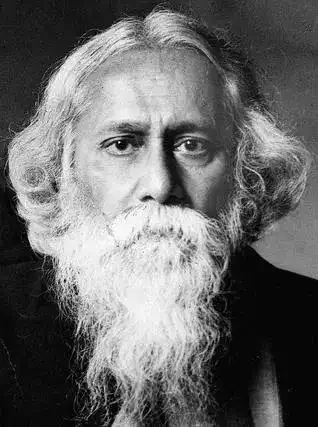
Rabindranath Tagore
We Are To Play The Game Of Death
We Are To Play The Game Of Death
WE are to play the game of death to-night, my bride and I.
The night is black, the clouds in the sky are capricious, and the waves are raving at
sea.
We have left our bed of dreams, flung open the door and come out, my bride and I.
We sit upon a swing, and the storm winds give us a wild push from behind.
My bride starts up with fear and delight, she trembles and clings to my breast.
Long have I served her tenderly.
I made for her a bed of flowers and I closed the doors to shut out the rude light from
her eyes.
I kissed her gently on her lips and whispered softly in her ears till she half swooned in
languor.
She was lost in the endless mist of vague sweetness.
She answered not to my touch, my songs failed to arouse her.
To-night has come to us the call of the storm from the wild.
My bride has shivered and stood up, she has clasped my hand and come out.
Her hair is flying in the wind, her veil is fluttering, her garland rustles over her breast.
The push of death has swung her into life.
We are face to face and heart to heart, my bride and I.
WE are to play the game of death to-night, my bride and I.
The night is black, the clouds in the sky are capricious, and the waves are raving at
sea.
We have left our bed of dreams, flung open the door and come out, my bride and I.
We sit upon a swing, and the storm winds give us a wild push from behind.
My bride starts up with fear and delight, she trembles and clings to my breast.
Long have I served her tenderly.
I made for her a bed of flowers and I closed the doors to shut out the rude light from
her eyes.
I kissed her gently on her lips and whispered softly in her ears till she half swooned in
languor.
She was lost in the endless mist of vague sweetness.
She answered not to my touch, my songs failed to arouse her.
To-night has come to us the call of the storm from the wild.
My bride has shivered and stood up, she has clasped my hand and come out.
Her hair is flying in the wind, her veil is fluttering, her garland rustles over her breast.
The push of death has swung her into life.
We are face to face and heart to heart, my bride and I.
463

William Shakespeare
Sonnet 38:
Sonnet 38:
How can my muse want subject to invent,
While thou dost breathe, that pour'st into my verse
Thine own sweet argument, too excellent
For every vulgar paper to rehearse?
O! give thy self the thanks, if aught in me
Worthy perusal stand against thy sight;
For who's so dumb that cannot write to thee,
When thou thy self dost give invention light?
Be thou the tenth Muse, ten times more in worth
Than those old nine which rhymers invocate;
And he that calls on thee, let him bring forth
Eternal numbers to outlive long date.
If my slight muse do please these curious days,
The pain be mine, but thine shall be the praise.
How can my muse want subject to invent,
While thou dost breathe, that pour'st into my verse
Thine own sweet argument, too excellent
For every vulgar paper to rehearse?
O! give thy self the thanks, if aught in me
Worthy perusal stand against thy sight;
For who's so dumb that cannot write to thee,
When thou thy self dost give invention light?
Be thou the tenth Muse, ten times more in worth
Than those old nine which rhymers invocate;
And he that calls on thee, let him bring forth
Eternal numbers to outlive long date.
If my slight muse do please these curious days,
The pain be mine, but thine shall be the praise.
315

Edward Lear
Limerick: There was an Old Man who said, 'How
Limerick: There was an Old Man who said, 'How
There was an Old Man who said, 'How
Shall I flee from that horrible cow?
I will sit on this stile,
And continue to smile,
Which may soften the heart of that cow.'
There was an Old Man who said, 'How
Shall I flee from that horrible cow?
I will sit on this stile,
And continue to smile,
Which may soften the heart of that cow.'
159

Emily Dickinson
The Heart has narrow Banks
The Heart has narrow Banks
928
The Heart has narrow Banks
It measures like the Sea
In mighty-unremitting Bass
And Blue Monotony
Till Hurricane bisect
And as itself discerns
Its sufficient Area
The Heart convulsive learns
That Calm is but a Wall
Of unattempted Gauze
An instant's Push demolishes
A Questioning-dissolves.
928
The Heart has narrow Banks
It measures like the Sea
In mighty-unremitting Bass
And Blue Monotony
Till Hurricane bisect
And as itself discerns
Its sufficient Area
The Heart convulsive learns
That Calm is but a Wall
Of unattempted Gauze
An instant's Push demolishes
A Questioning-dissolves.
284
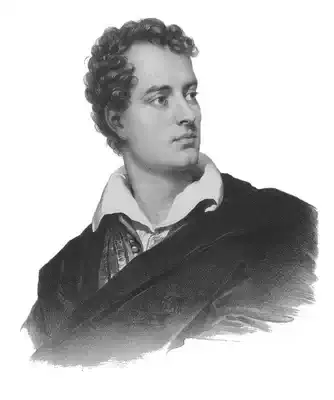
Lord Byron
To Dives. A Fragment
To Dives. A Fragment
Unhappy Dives! in an evil hour
'Gainst Nature's voice seduced to deeds accurst!
Once Fortune's minion, now thou feel'st her power;
Wrath's vial on thy lofty head bath burst.
In Wit, in Genius, as in Wealth the first,
How wondrous bright thy blooming morn arose!
But thou went smitten with th' unhallow'd thirst
Of crime unnamed,
and thy sad noon must close
In scorn, and solitude unsought, the worst of woes.
Unhappy Dives! in an evil hour
'Gainst Nature's voice seduced to deeds accurst!
Once Fortune's minion, now thou feel'st her power;
Wrath's vial on thy lofty head bath burst.
In Wit, in Genius, as in Wealth the first,
How wondrous bright thy blooming morn arose!
But thou went smitten with th' unhallow'd thirst
Of crime unnamed,
and thy sad noon must close
In scorn, and solitude unsought, the worst of woes.
365

Ella Wheeler Wilcox
Voice of the Voiceless
Voice of the Voiceless
I am the Voice of the Voiceless
Through me the dumb shall speak
Till the world's deaf ear be made to hear
The wrongs of the wordless weak.
Oh shame on the mothers of mortals
Who do not stoop to teach
The sorrow that lies in dear dumb eyes
The sorrow that has no speech.
From street, from cage, from kennel
From stable and from zoo
The wall of my tortured kin proclaims the sin
Of the mighty against the frail.
But I am my brother's keeper
And I shall fight their fight
And speak the word for beast and bird
Till the world shall set things right.
I am the Voice of the Voiceless
Through me the dumb shall speak
Till the world's deaf ear be made to hear
The wrongs of the wordless weak.
Oh shame on the mothers of mortals
Who do not stoop to teach
The sorrow that lies in dear dumb eyes
The sorrow that has no speech.
From street, from cage, from kennel
From stable and from zoo
The wall of my tortured kin proclaims the sin
Of the mighty against the frail.
But I am my brother's keeper
And I shall fight their fight
And speak the word for beast and bird
Till the world shall set things right.
329
William Shakespeare
Sonnet 36: Let me confess that we two must be twain
Sonnet 36: Let me confess that we two must be twain
Let me confess that we two must be twain,
Although our undivided loves are one;
So shall those blots that do with me remain,
Without thy help, by me be borne alone.
In our two loves there is but one respect,
Though in our lives a separable spite,
Which, though it alter not love's sole effect,
Yet doth it steal sweet hours from love's delight.
I may not evermore acknowledge thee,
Lest my bewailèd guilt should do thee shame,
Nor thou with public kindness honour me
Unless thou take that honour from thy name.
But do not so; I love thee in such sort
As, thou being mine, mine is thy good report.
Let me confess that we two must be twain,
Although our undivided loves are one;
So shall those blots that do with me remain,
Without thy help, by me be borne alone.
In our two loves there is but one respect,
Though in our lives a separable spite,
Which, though it alter not love's sole effect,
Yet doth it steal sweet hours from love's delight.
I may not evermore acknowledge thee,
Lest my bewailèd guilt should do thee shame,
Nor thou with public kindness honour me
Unless thou take that honour from thy name.
But do not so; I love thee in such sort
As, thou being mine, mine is thy good report.
291
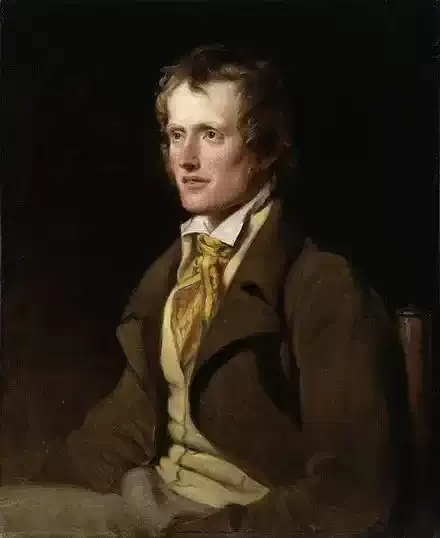
John Clare
The Vanities Of Life
The Vanities Of Life
Vanity of vanities, all is vanity.--_Solomon_
What are life's joys and gains?
What pleasures crowd its ways,
That man should take such pains
To seek them all his days?
Sift this untoward strife
On which thy mind is bent:
See if this chaff of life
Is worth the trouble spent.
Is pride thy heart's desire?
Is power thy climbing aim?
Is love thy folly's fire?
Is wealth thy restless game?
Pride, power, love, wealth, and all
Time's touchstone shall destroy,
And, like base coin, prove all
Vain substitutes for joy.
Dost think that pride exalts
Thyself in other's eyes,
And hides thy folly's faults,
Which reason will despise?
Dost strut, and turn, and stride,
Like walking weathercocks?
The shadow by thy side
Becomes thy ape, and mocks.
Dost think that power's disguise
Can make thee mighty seem?
It may in folly's eyes,
But not in worth's esteem,
When all that thou canst ask,
And all that she can give,
Is but a paltry mask
Which tyrants wear and live.
Go, let thy fancies range
And ramble where they may;
View power in every change,
And what is the display?
--The country magistrate,
The meanest shade in power,
To rulers of the state,
The meteors of an hour.
View all, and mark the end
Of every proud extreme,
Where flattery turns a friend,
And counterfeits esteem;
Where worth is aped in show,
That doth her name purloin,
Like toys of golden glow
That's sold for copper coin.
Ambition's haughty nod
With fancies may deceive,
Nay, tell thee thou'rt a god,
And wilt thou such believe?
Go, bid the seas be dry;
Go, hold earth like a ball,
Or throw thy fancies by,
For God can do it all.
Dost thou possess the dower
Of laws to spare or kill?
Call it not heavenly power
When but a tyrant's will.
Know what a God will do,
And know thyself a fool,
Nor, tyrant-like, pursue
Where He alone should rule.
O put away thy pride,
Or be ashamed of power
That cannot turn aside
The breeze that waves a flower.
Or bid the clouds be still:
Though shadows, they can brave
Thy poor power mocking will:
Then make not man a slave.
Dost think, when wealth is won,
Thy heart has its desire?
Hold ice up to the sun,
And wax before the fire;
Nor triumph oer the reign
Which they so soon resign;
In this world's ways they gain,
Insurance safe as thine.
Dost think life's peace secure
In house and in land?
Go, read the fairy lure
To twist a cord in sand;
Lodge stones upon the sky,
Hold water in a sieve,
Nor give such tales the lie,
And still thine own believe.
Whoso with riches deals,
And thinks peace bought and sold,
Will find them slipping eels,
That slide the firmest hold:
Though sweet as sleep with health
Thy lulling luck may be,
Pride may oerstride thy wealth,
And check prosperity.
Dost think that beauty's power
Life sweetest pleasure gives?
Go, pluck the summer flower,
And see how long it lives:
Behold, the rays glide on
Along the summer plain
Ere thou canst say 'they're gone,'
And measure beauty's reign.
Look on the brightest eye,
Nor teach it to be proud;
View but the clearest sky,
And thou shalt find a cloud;
Nor call each face ye meet
An angel's, cause it's fair,
But look beneath your feet,
And think of what they are.
Who thinks that love doth live
In beauty's tempting show,
Shall find his hopes ungive,
And melt in reason's thaw.
Who thinks that pleasure lies
In every fairy bower,
Shall oft, to his surprise,
Find poison in the flower.
Dost lawless passions grasp?
Judge not thou deal'st in joy:
Its flowers but hide the asp,
Thy revels to destroy.
Who trusts an harlot's smile,
And by her wiles are led,
Plays, with a sword the while
Hung dropping oer his head.
Dost doubt my warning song?
Then doubt the sun gives light,
Doubt truth to teach thee wrong,
And wrong alone as right;
And live as lives the knave,
Intrigue's deceiving guest;
Be tyrant, or be slave,
As suits thy ends the best.
Or pause amid thy toils
For visions won and lost,
And count the fancied spoils,
If eer they quit the cost:
And if they still possess
Thy mind, as worthy things,
Plat straws with bedlam Bess,
And call them diamond rings.
Thy folly's past advice,
Thy heart's already won,
Thy fall's above all price,
So go, and be undone;
For all who thus prefer
The seeming great for small
Shall make wine vinegar,
And sweetest honey gall.
Wouldst heed the truths I sing,
To profit wherewithal,
Clip folly's wanton wing,
And keep her within call.
I've little else to give,
What thou canst easy try;
The lesson how to live
Is but to learn to die.
Vanity of vanities, all is vanity.--_Solomon_
What are life's joys and gains?
What pleasures crowd its ways,
That man should take such pains
To seek them all his days?
Sift this untoward strife
On which thy mind is bent:
See if this chaff of life
Is worth the trouble spent.
Is pride thy heart's desire?
Is power thy climbing aim?
Is love thy folly's fire?
Is wealth thy restless game?
Pride, power, love, wealth, and all
Time's touchstone shall destroy,
And, like base coin, prove all
Vain substitutes for joy.
Dost think that pride exalts
Thyself in other's eyes,
And hides thy folly's faults,
Which reason will despise?
Dost strut, and turn, and stride,
Like walking weathercocks?
The shadow by thy side
Becomes thy ape, and mocks.
Dost think that power's disguise
Can make thee mighty seem?
It may in folly's eyes,
But not in worth's esteem,
When all that thou canst ask,
And all that she can give,
Is but a paltry mask
Which tyrants wear and live.
Go, let thy fancies range
And ramble where they may;
View power in every change,
And what is the display?
--The country magistrate,
The meanest shade in power,
To rulers of the state,
The meteors of an hour.
View all, and mark the end
Of every proud extreme,
Where flattery turns a friend,
And counterfeits esteem;
Where worth is aped in show,
That doth her name purloin,
Like toys of golden glow
That's sold for copper coin.
Ambition's haughty nod
With fancies may deceive,
Nay, tell thee thou'rt a god,
And wilt thou such believe?
Go, bid the seas be dry;
Go, hold earth like a ball,
Or throw thy fancies by,
For God can do it all.
Dost thou possess the dower
Of laws to spare or kill?
Call it not heavenly power
When but a tyrant's will.
Know what a God will do,
And know thyself a fool,
Nor, tyrant-like, pursue
Where He alone should rule.
O put away thy pride,
Or be ashamed of power
That cannot turn aside
The breeze that waves a flower.
Or bid the clouds be still:
Though shadows, they can brave
Thy poor power mocking will:
Then make not man a slave.
Dost think, when wealth is won,
Thy heart has its desire?
Hold ice up to the sun,
And wax before the fire;
Nor triumph oer the reign
Which they so soon resign;
In this world's ways they gain,
Insurance safe as thine.
Dost think life's peace secure
In house and in land?
Go, read the fairy lure
To twist a cord in sand;
Lodge stones upon the sky,
Hold water in a sieve,
Nor give such tales the lie,
And still thine own believe.
Whoso with riches deals,
And thinks peace bought and sold,
Will find them slipping eels,
That slide the firmest hold:
Though sweet as sleep with health
Thy lulling luck may be,
Pride may oerstride thy wealth,
And check prosperity.
Dost think that beauty's power
Life sweetest pleasure gives?
Go, pluck the summer flower,
And see how long it lives:
Behold, the rays glide on
Along the summer plain
Ere thou canst say 'they're gone,'
And measure beauty's reign.
Look on the brightest eye,
Nor teach it to be proud;
View but the clearest sky,
And thou shalt find a cloud;
Nor call each face ye meet
An angel's, cause it's fair,
But look beneath your feet,
And think of what they are.
Who thinks that love doth live
In beauty's tempting show,
Shall find his hopes ungive,
And melt in reason's thaw.
Who thinks that pleasure lies
In every fairy bower,
Shall oft, to his surprise,
Find poison in the flower.
Dost lawless passions grasp?
Judge not thou deal'st in joy:
Its flowers but hide the asp,
Thy revels to destroy.
Who trusts an harlot's smile,
And by her wiles are led,
Plays, with a sword the while
Hung dropping oer his head.
Dost doubt my warning song?
Then doubt the sun gives light,
Doubt truth to teach thee wrong,
And wrong alone as right;
And live as lives the knave,
Intrigue's deceiving guest;
Be tyrant, or be slave,
As suits thy ends the best.
Or pause amid thy toils
For visions won and lost,
And count the fancied spoils,
If eer they quit the cost:
And if they still possess
Thy mind, as worthy things,
Plat straws with bedlam Bess,
And call them diamond rings.
Thy folly's past advice,
Thy heart's already won,
Thy fall's above all price,
So go, and be undone;
For all who thus prefer
The seeming great for small
Shall make wine vinegar,
And sweetest honey gall.
Wouldst heed the truths I sing,
To profit wherewithal,
Clip folly's wanton wing,
And keep her within call.
I've little else to give,
What thou canst easy try;
The lesson how to live
Is but to learn to die.
392
Emily Dickinson
The hallowing of Pain
The hallowing of Pain
772
The hallowing of Pain
Like hallowing of Heaven,
Obtains at a corporeal cost-
The Summit is not given
To Him who strives severe
At middle of the Hill-
But He who has achieved the TopAll-
is the price of All-
772
The hallowing of Pain
Like hallowing of Heaven,
Obtains at a corporeal cost-
The Summit is not given
To Him who strives severe
At middle of the Hill-
But He who has achieved the TopAll-
is the price of All-
255
Lord Byron
To Caroline: When I Hear That You Express An Affection So Warm
To Caroline: When I Hear That You Express An Affection So Warm
When I hear that you express an affection so warm,
Ne'er think, my beloved, that I do not believe;
For your lip would the soul of suspicion disarm,
And your eye beams a ray which can never deceive.
Yet, still, this fond bosom regrets, while adoring,
That love, like the leaf, must fall into the sear;
That age will come on, when remembrance, deploring,
Contemplates the scenes of her youth with a tear;
That the time must arrive, when, no longer retaining
Their auburn, those locks must wave thin to the breeze,
When a few silver hairs of those tresses remaining
Prove nature a prey to decay and disease.
'Tis this, my beloved, which spreads gloom o'er my features,
Though I ne'er shall presume to arraign the decree,
Which God has proclaim'd as the fate of his creatures,
In the death which will one day deprive you of me.
Mistake not, sweet sceptic, the cause of emotion,
No doubt can the mind of your lover invade;
He worships each look with such faithful devotion,
A smile can enchant, or a tear can dissuade.
But as death, my beloved, soon or late shall o'ertake us,
And our breasts, which alive with such sympathy glow,
Will sleep in the grave till the blast shall awake us,
When calling the dead, in earth's bosom laid low,
Oh! then let us drain, while we may, draughts of pleasure,
Which from passion like ours may unceasingly flow;
Let us pass round the cup of love's bliss in full measure,
And quaff the contents as our nectar below.
1805
When I hear that you express an affection so warm,
Ne'er think, my beloved, that I do not believe;
For your lip would the soul of suspicion disarm,
And your eye beams a ray which can never deceive.
Yet, still, this fond bosom regrets, while adoring,
That love, like the leaf, must fall into the sear;
That age will come on, when remembrance, deploring,
Contemplates the scenes of her youth with a tear;
That the time must arrive, when, no longer retaining
Their auburn, those locks must wave thin to the breeze,
When a few silver hairs of those tresses remaining
Prove nature a prey to decay and disease.
'Tis this, my beloved, which spreads gloom o'er my features,
Though I ne'er shall presume to arraign the decree,
Which God has proclaim'd as the fate of his creatures,
In the death which will one day deprive you of me.
Mistake not, sweet sceptic, the cause of emotion,
No doubt can the mind of your lover invade;
He worships each look with such faithful devotion,
A smile can enchant, or a tear can dissuade.
But as death, my beloved, soon or late shall o'ertake us,
And our breasts, which alive with such sympathy glow,
Will sleep in the grave till the blast shall awake us,
When calling the dead, in earth's bosom laid low,
Oh! then let us drain, while we may, draughts of pleasure,
Which from passion like ours may unceasingly flow;
Let us pass round the cup of love's bliss in full measure,
And quaff the contents as our nectar below.
1805
413
Rabindranath Tagore
Vocation
Vocation
When the gong sounds ten in the morning and I walk to school by our
lane.
Every day I meet the hawker crying, "Bangles, crystal
bangles!"
There is nothing to hurry him on, there is no road he must
take, no place he must go to, no time when he must come home.
I wish I were a hawker, spending my day in the road, crying,
"Bangles, crystal bangles!"
When at four in the afternoon I come back from the school,
I can see through the gate of that house the gardener digging
the ground.
He does what he likes with his spade, he soils his clothes
with dust, nobody takes him to task if he gets baked in the sun or
gets wet.
I wish I were a gardener digging away at the garden with
nobody to stop me from digging.
Just as it gets dark in the evening and my mother sends me to
bed,
I can see through my open window the watchman walking up and
down.
The lane is dark and lonely, and the street-lamp stands like
a giant with one red eye in its head.
The watchman swings his lantern and walks with his shadow at
his side, and never once goes to bed in his life.
I wish I were a watchman walking the streets all night,
chasing the shadows with my lantern.
When the gong sounds ten in the morning and I walk to school by our
lane.
Every day I meet the hawker crying, "Bangles, crystal
bangles!"
There is nothing to hurry him on, there is no road he must
take, no place he must go to, no time when he must come home.
I wish I were a hawker, spending my day in the road, crying,
"Bangles, crystal bangles!"
When at four in the afternoon I come back from the school,
I can see through the gate of that house the gardener digging
the ground.
He does what he likes with his spade, he soils his clothes
with dust, nobody takes him to task if he gets baked in the sun or
gets wet.
I wish I were a gardener digging away at the garden with
nobody to stop me from digging.
Just as it gets dark in the evening and my mother sends me to
bed,
I can see through my open window the watchman walking up and
down.
The lane is dark and lonely, and the street-lamp stands like
a giant with one red eye in its head.
The watchman swings his lantern and walks with his shadow at
his side, and never once goes to bed in his life.
I wish I were a watchman walking the streets all night,
chasing the shadows with my lantern.
583
William Shakespeare
Sonnet 34: Why didst thou promise such a beauteous day
Sonnet 34: Why didst thou promise such a beauteous day
Why didst thou promise such a beauteous day
And make me travel forth without my cloak,
To let base clouds o'ertake me in my way,
Hiding thy brav'ry in their rotten smoke?
'Tis not enough that through the cloud thou break,
To dry the rain on my storm-beaten face,
For no man well of such a salve can speak
That heals the wound and cures not the disgrace.
Nor can thy shame give physic to my grief;
Though thou repent, yet I have still the loss.
Th' offender's sorrow lends but weak relief
To him that bears the strong offence's cross.
Ah, but those tears are pearl which thy love sheds,
And they are rich, and ransom all ill deeds.
Why didst thou promise such a beauteous day
And make me travel forth without my cloak,
To let base clouds o'ertake me in my way,
Hiding thy brav'ry in their rotten smoke?
'Tis not enough that through the cloud thou break,
To dry the rain on my storm-beaten face,
For no man well of such a salve can speak
That heals the wound and cures not the disgrace.
Nor can thy shame give physic to my grief;
Though thou repent, yet I have still the loss.
Th' offender's sorrow lends but weak relief
To him that bears the strong offence's cross.
Ah, but those tears are pearl which thy love sheds,
And they are rich, and ransom all ill deeds.
323
Edward Lear
Limerick: There was an old man who felt pert
Limerick: There was an old man who felt pert
There was an old man who felt pert
When he wore a pale rose-coloured shirt.
When they said 'Is it pleasant?'
He cried 'Not at present-It's
a little to short -- is my shirt!'
There was an old man who felt pert
When he wore a pale rose-coloured shirt.
When they said 'Is it pleasant?'
He cried 'Not at present-It's
a little to short -- is my shirt!'
151
Emily Dickinson
The Grass so little has to do
The Grass so little has to do
The Grass so little has to do –
A Sphere of simple Green –
With only Butterflies to brood
And Bees to entertain –
And stir all day to pretty Tunes
The Breezes fetch along –
And hold the Sunshine in its lap
And bow to everything –
And thread the Dews, all night, like Pearls –
And make itself so fine
A Duchess were too common
For such a noticing –
And even when it dies – to pass
In Odors so divine –
Like Lowly spices, lain to sleep –
Or Spikenards, perishing –
And then, in Sovereign Barns to dwell –
And dream the Days away,
The Grass so little has to do
I wish I were a Hay –
The Grass so little has to do –
A Sphere of simple Green –
With only Butterflies to brood
And Bees to entertain –
And stir all day to pretty Tunes
The Breezes fetch along –
And hold the Sunshine in its lap
And bow to everything –
And thread the Dews, all night, like Pearls –
And make itself so fine
A Duchess were too common
For such a noticing –
And even when it dies – to pass
In Odors so divine –
Like Lowly spices, lain to sleep –
Or Spikenards, perishing –
And then, in Sovereign Barns to dwell –
And dream the Days away,
The Grass so little has to do
I wish I were a Hay –
188
Lord Byron
To Caroline
To Caroline
Think'st thou I saw thy beauteous eyes,
Suffus'd in tears, implore to stay;
And heard unmov'd thy plenteous sighs,
Which said far more than words can say?
Though keen the grief thy tears exprest,
When love and hope lay both o'erthrown;
Yet still, my girl, this bleeding breast
Throbb'd, with deep sorrow, as thine own.
But, when our cheeks with anguish glow'd,
When thy sweet lips were join'd to mine;
The tears that from my eyelids flow'd
Were lost in those which fell from thine.
Thou could'st not feel my burning cheek,
Thy gushing tears had quench'd its flame,
And, as thy tongue essay'd to speak,
In sighs alone it breath'd my name.
And yet, my girl, we weep in vain,
In vain our fate in sighs deplore;
Remembrance only can remain,
But that, will make us weep the more.
Again, thou best belov'd, adieu!
Ah! if thou canst, o'ercome regret,
Nor let thy mind past joys review,
Our only hope is, to forget!
Think'st thou I saw thy beauteous eyes,
Suffus'd in tears, implore to stay;
And heard unmov'd thy plenteous sighs,
Which said far more than words can say?
Though keen the grief thy tears exprest,
When love and hope lay both o'erthrown;
Yet still, my girl, this bleeding breast
Throbb'd, with deep sorrow, as thine own.
But, when our cheeks with anguish glow'd,
When thy sweet lips were join'd to mine;
The tears that from my eyelids flow'd
Were lost in those which fell from thine.
Thou could'st not feel my burning cheek,
Thy gushing tears had quench'd its flame,
And, as thy tongue essay'd to speak,
In sighs alone it breath'd my name.
And yet, my girl, we weep in vain,
In vain our fate in sighs deplore;
Remembrance only can remain,
But that, will make us weep the more.
Again, thou best belov'd, adieu!
Ah! if thou canst, o'ercome regret,
Nor let thy mind past joys review,
Our only hope is, to forget!
498
Ella Wheeler Wilcox
Vanity Fair
Vanity Fair
In Vanity Fair, as we bow and smile,
As we talk of the opera after the weather,
As we chat of fashion and fad and style,
We know we are playing a part together.
You know that the mirth she wears, she borrows;
She knows you laugh but to hide your sorrows;
We know that under the silks and laces,
And back of beautiful, beaming faces,
Lie secret trouble and grim despair,
In Vanity Fair.
In Vanity Fair, on dress parade,
Our colors look bright and our swords are gleaming;
But many a uniform's worn and frayed,
And most of the weapons, despite their seeming.
Are dull and blunted and badly battered,
And close inspection will show how tattered
And stained are the banners that float above us.
Our comrades hate, while they swear to love us;
And robed like Pleasure walks gaunt-eyed Care,
In Vanity Fair.
In Vanity Fair, as we strive for place,
As we rush and jostle and crowd and hurry,
We know the goal is not worth the race-
We know the prize is not worth the worry;
That all our gain means loss for another;
That in fighting for self we wound each other;
That the crown of success weighs hard and presse
The brow of the victor with thorns-not caresses;
That honors are empty and worthless to wear,
In Vanity Fair.
But in Vanity Fair, as we pass along,
We meet strong hearts that are worth the knowing;
'Mong poor paste jewels that deck the throng,
We see a solitaire sometimes glowing.
We find grand souls under robes of fashion,
'Neath light demeanors hide strength and passion;
And fair fine honor and Godlike resistance.
In halls of pleasure may have existence;
And we find pure altars and shrines of prayer,
In Vanity Fair.
In Vanity Fair, as we bow and smile,
As we talk of the opera after the weather,
As we chat of fashion and fad and style,
We know we are playing a part together.
You know that the mirth she wears, she borrows;
She knows you laugh but to hide your sorrows;
We know that under the silks and laces,
And back of beautiful, beaming faces,
Lie secret trouble and grim despair,
In Vanity Fair.
In Vanity Fair, on dress parade,
Our colors look bright and our swords are gleaming;
But many a uniform's worn and frayed,
And most of the weapons, despite their seeming.
Are dull and blunted and badly battered,
And close inspection will show how tattered
And stained are the banners that float above us.
Our comrades hate, while they swear to love us;
And robed like Pleasure walks gaunt-eyed Care,
In Vanity Fair.
In Vanity Fair, as we strive for place,
As we rush and jostle and crowd and hurry,
We know the goal is not worth the race-
We know the prize is not worth the worry;
That all our gain means loss for another;
That in fighting for self we wound each other;
That the crown of success weighs hard and presse
The brow of the victor with thorns-not caresses;
That honors are empty and worthless to wear,
In Vanity Fair.
But in Vanity Fair, as we pass along,
We meet strong hearts that are worth the knowing;
'Mong poor paste jewels that deck the throng,
We see a solitaire sometimes glowing.
We find grand souls under robes of fashion,
'Neath light demeanors hide strength and passion;
And fair fine honor and Godlike resistance.
In halls of pleasure may have existence;
And we find pure altars and shrines of prayer,
In Vanity Fair.
467
William Shakespeare
Sonnet 32: If thou survive my well-contented day
Sonnet 32: If thou survive my well-contented day
If thou survive my well-contented day
When that churl Death my bones with dust shall cover,
And shalt by fortune once more re-survey
These poor rude lines of thy deceasèd lover,
Compare them with the bett'ring of the time,
And though they be outstripped by every pen,
Reserve them for my love, not for their rhyme,
Exceeded by the height of happier men.
O, then vouchsafe me but this loving thought:
"Had my friend's Muse grown with this growing age,
A dearer birth than this his love had brought
To march in ranks of better equipage;
But since he died and poets better prove,
Theirs for their style I'll read, his for his love."
If thou survive my well-contented day
When that churl Death my bones with dust shall cover,
And shalt by fortune once more re-survey
These poor rude lines of thy deceasèd lover,
Compare them with the bett'ring of the time,
And though they be outstripped by every pen,
Reserve them for my love, not for their rhyme,
Exceeded by the height of happier men.
O, then vouchsafe me but this loving thought:
"Had my friend's Muse grown with this growing age,
A dearer birth than this his love had brought
To march in ranks of better equipage;
But since he died and poets better prove,
Theirs for their style I'll read, his for his love."
317
John Clare
The Thrush's Nest
The Thrush's Nest
Within a thick and spreading hawthorn bush
That overhung a molehill large and round,
I heard from morn to morn a merry thrush
Sing hymns to sunrise, and I drank the sound
With joy; and often, an intruding guest,
I watched her secret toil from day to day -
How true she warped the moss to form a nest,
And modelled it within with wood and clay;
And by and by, like heath-bells gilt with dew,
There lay her shining eggs, as bright as flowers,
Ink-spotted over shells of greeny blue;
And there I witnessed, in the sunny hours,
A brood of nature's minstrels chirp and fly,
Glad as the sunshine and the laughing sky.
Within a thick and spreading hawthorn bush
That overhung a molehill large and round,
I heard from morn to morn a merry thrush
Sing hymns to sunrise, and I drank the sound
With joy; and often, an intruding guest,
I watched her secret toil from day to day -
How true she warped the moss to form a nest,
And modelled it within with wood and clay;
And by and by, like heath-bells gilt with dew,
There lay her shining eggs, as bright as flowers,
Ink-spotted over shells of greeny blue;
And there I witnessed, in the sunny hours,
A brood of nature's minstrels chirp and fly,
Glad as the sunshine and the laughing sky.
448
Lord Byron
To Anne: Oh, Say Not, Sweet Anne
To Anne: Oh, Say Not, Sweet Anne
Oh, say not, sweet Anne, that the Fates have decreed
The heart which adores you should wish to dissever;
Such Fates were to me most unkind ones indeed,
To bear me from love and from beauty for ever.
Your frowns, lovely girl, are the Fates which alone
Could bid me from fond admiration refrain;
By these, every hope, every wish were o'erthrown,
Till smiles should restore me to rapture again.
As the ivy and oak, in the forest entwined,
The rage of the tempest united must weather;
My love and my life were by nature design'd
To flourish alike, or to perish together.
Then say not, sweet Anne, that the Fates have decreed
Your lover should bid you a lasting adieu;
Till Fate can ordain that his bosom shall bleed,
His soul, his existence, are centred in you.
Oh, say not, sweet Anne, that the Fates have decreed
The heart which adores you should wish to dissever;
Such Fates were to me most unkind ones indeed,
To bear me from love and from beauty for ever.
Your frowns, lovely girl, are the Fates which alone
Could bid me from fond admiration refrain;
By these, every hope, every wish were o'erthrown,
Till smiles should restore me to rapture again.
As the ivy and oak, in the forest entwined,
The rage of the tempest united must weather;
My love and my life were by nature design'd
To flourish alike, or to perish together.
Then say not, sweet Anne, that the Fates have decreed
Your lover should bid you a lasting adieu;
Till Fate can ordain that his bosom shall bleed,
His soul, his existence, are centred in you.
500
Emily Dickinson
The good Will of a Flower
The good Will of a Flower
849
The good Will of a Flower
The Man who would possess
Must first present
Certificate
Of minted Holiness.
849
The good Will of a Flower
The Man who would possess
Must first present
Certificate
Of minted Holiness.
286
Rabindranath Tagore
Untimely Leave
Untimely Leave
No more noisy, loud words from me---such is my master's will.
Henceforth I deal in whispers.
The speech of my heart will be carried on in murmurings of a song.
Men hasten to the King's market. All the buyers and sellers are there.
But I have my untimely leave in the middle of the day, in the thick of work.
Let then the flowers come out in my garden, though it is not their time;
and let the midday bees strike up their lazy hum.
Full many an hour have I spent in the strife of the good and the evil,
but now it is the pleasure of my playmate of the empty days to draw my heart on to
him;
and I know not why is this sudden call to what useless inconsequence!
No more noisy, loud words from me---such is my master's will.
Henceforth I deal in whispers.
The speech of my heart will be carried on in murmurings of a song.
Men hasten to the King's market. All the buyers and sellers are there.
But I have my untimely leave in the middle of the day, in the thick of work.
Let then the flowers come out in my garden, though it is not their time;
and let the midday bees strike up their lazy hum.
Full many an hour have I spent in the strife of the good and the evil,
but now it is the pleasure of my playmate of the empty days to draw my heart on to
him;
and I know not why is this sudden call to what useless inconsequence!
462
William Shakespeare
Sonnet 30: When to the sessions of sweet silent thought
Sonnet 30: When to the sessions of sweet silent thought
When to the sessions of sweet silent thought
I summon up remembrance of things past,
I sigh the lack of many a thing I sought,
And with old woes new wail my dear time's waste.
Then can I drown an eye, unused to flow,
For precious friends hid in death's dateless night,
And weep afresh love's long since cancelled woe,
And moan th' expense of many a vanished sight.
Then can I grieve at grievances foregone,
And heavily from woe to woe tell o'er
The sad account of fore-bemoanèd moan,
Which I new pay as if not paid before.
But if the while I think on thee, dear friend,
All losses are restored and sorrows end.
When to the sessions of sweet silent thought
I summon up remembrance of things past,
I sigh the lack of many a thing I sought,
And with old woes new wail my dear time's waste.
Then can I drown an eye, unused to flow,
For precious friends hid in death's dateless night,
And weep afresh love's long since cancelled woe,
And moan th' expense of many a vanished sight.
Then can I grieve at grievances foregone,
And heavily from woe to woe tell o'er
The sad account of fore-bemoanèd moan,
Which I new pay as if not paid before.
But if the while I think on thee, dear friend,
All losses are restored and sorrows end.
355
Edward Lear
Limerick: There Was an Old Man on a Hill
Limerick: There Was an Old Man on a Hill
There was an Old Man on a hill,
Who seldom, if ever, stood still;
He ran up and down,
In his Grandmother's gown,
Which adorned that Old Man on a hill.
There was an Old Man on a hill,
Who seldom, if ever, stood still;
He ran up and down,
In his Grandmother's gown,
Which adorned that Old Man on a hill.
212
Lord Byron
To An Oak At Newstead
To An Oak At Newstead
Young Oak! when I planted thee deep in the ground,
I hoped that thy days would be longer than mine;
That thy dark‑waving branches would flourish around,
And ivy thy trunk with its mantle entwine.
Such, such was my hope, when in infancy's
On the land of my fathers I rear'd thee with pride;
They are past, and I water thy stem with my tears,
Thy decay not the weeds that surround thee can hide.
I left thee, my Oak, and, since that fatal hour,
A stranger has dwelt in the hall of my sire;
Till manhood shall crown me, not mine is the power,
But his, whose neglect may have bade thee expire.
Oh! hardy thou wenteven
now little care
Might revive thy young head, and thy wounds gently heal:
But thou went not fated affection to shareFor
who could suppose that a stranger would feel!
Ah, droop not, my Oak! lift thy head for a while;
Ere twice round yon Glory this planet shall run,
The hand of thy Master will teach thee to smile,
When Infancy's years of probation are done.
Oh, live then, my Oak! tow'r aloft from the weeds,
That clog thy young growth, and assist thy decay,
For still in thy bosom are life's early seeds,
And still may thy branches their beauty display.
Oh! yet, if maturity's years may be thine,
Though I shall lie low in the cavern of death,
On thy leaves yet the day‑beam of ages may shine,
Uninjured by time, or the rude winter's breath.
For centuries still may thy boughs lightly wave
O'er the Gorse of thy lord in thy canopy laid;
While the branches thus gratefully shelter his grave,
The chief who survives may recline in thy shade.
And as he, with his boys, shall revisit this spot,
He will tell them is whispers more softly to tread.
Oh! surely, by these I shall ne'er be forgot;
Remembrance still hallows the dust of the dead.
And here, will they say, when in life's glowing prime,
Perhaps he has pour'd forth his young simple lay,
And here must he sleep, till the moments of time
Are lost in the hours of Eternity's day.
Young Oak! when I planted thee deep in the ground,
I hoped that thy days would be longer than mine;
That thy dark‑waving branches would flourish around,
And ivy thy trunk with its mantle entwine.
Such, such was my hope, when in infancy's
On the land of my fathers I rear'd thee with pride;
They are past, and I water thy stem with my tears,
Thy decay not the weeds that surround thee can hide.
I left thee, my Oak, and, since that fatal hour,
A stranger has dwelt in the hall of my sire;
Till manhood shall crown me, not mine is the power,
But his, whose neglect may have bade thee expire.
Oh! hardy thou wenteven
now little care
Might revive thy young head, and thy wounds gently heal:
But thou went not fated affection to shareFor
who could suppose that a stranger would feel!
Ah, droop not, my Oak! lift thy head for a while;
Ere twice round yon Glory this planet shall run,
The hand of thy Master will teach thee to smile,
When Infancy's years of probation are done.
Oh, live then, my Oak! tow'r aloft from the weeds,
That clog thy young growth, and assist thy decay,
For still in thy bosom are life's early seeds,
And still may thy branches their beauty display.
Oh! yet, if maturity's years may be thine,
Though I shall lie low in the cavern of death,
On thy leaves yet the day‑beam of ages may shine,
Uninjured by time, or the rude winter's breath.
For centuries still may thy boughs lightly wave
O'er the Gorse of thy lord in thy canopy laid;
While the branches thus gratefully shelter his grave,
The chief who survives may recline in thy shade.
And as he, with his boys, shall revisit this spot,
He will tell them is whispers more softly to tread.
Oh! surely, by these I shall ne'er be forgot;
Remembrance still hallows the dust of the dead.
And here, will they say, when in life's glowing prime,
Perhaps he has pour'd forth his young simple lay,
And here must he sleep, till the moments of time
Are lost in the hours of Eternity's day.
526