
Poems List
Explore poems from our collection

Edward Lear
Limerick: There was an Old Person in Gray
Limerick: There was an Old Person in Gray
There was an Old Person in Gray,
Whose feelings were tinged with disman;
She purchased two Parrots,
And fed them with Carrots,
Which pleased that Old Person in Gray.
There was an Old Person in Gray,
Whose feelings were tinged with disman;
She purchased two Parrots,
And fed them with Carrots,
Which pleased that Old Person in Gray.
157

Emily Dickinson
The Morning after Woe
The Morning after Woe
364
The Morning after Woe'
Tis frequently the Way-
Surpasses all that rose before-
For utter Jubilee-
As Nature did not care-
And piled her Blossoms on-
And further to parade a Joy
Her Victim stared upon-
The Birds declaim their Tunes-
Pronouncing every word
Like Hammers-Did they know they fell
Like Litanies of Lead-
On here and there-a creatureThey'd
modify the Glee
To fit some Crucifixal Clef-
Some Key of Calvary-
364
The Morning after Woe'
Tis frequently the Way-
Surpasses all that rose before-
For utter Jubilee-
As Nature did not care-
And piled her Blossoms on-
And further to parade a Joy
Her Victim stared upon-
The Birds declaim their Tunes-
Pronouncing every word
Like Hammers-Did they know they fell
Like Litanies of Lead-
On here and there-a creatureThey'd
modify the Glee
To fit some Crucifixal Clef-
Some Key of Calvary-
238
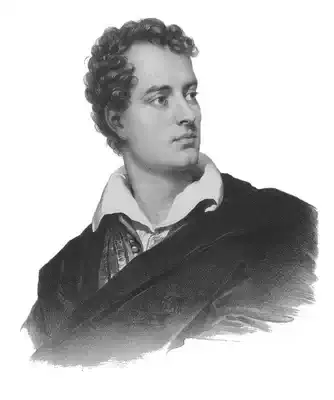
Lord Byron
To The Countess Of Blessington
To The Countess Of Blessington
You have ask'd for a verse:the
request
In a rhymer 'twere strange to deny;
But my Hippocrene was but my breast,
And my feelings (its fountain) are dry.
Were I now as I was, I had sung
What Lawrence has painted so well;
But the strain would expire on my tongue,
And the theme is too soft for my shell.
I am ashes where once I was fire,
And the bard in my bosom is dead;
What I loved I now merely admire,
And my heart is as grey as my head.
My life is not dated by yearsThere
are moments which act as plough;
And there is not a furrow appears
But is deep in my soul as my brow.
Let the young and the brilliant aspire
To sing what I gaze on in vain;
For sorrow has torn from my lyre
The string which was worthy the strain.
You have ask'd for a verse:the
request
In a rhymer 'twere strange to deny;
But my Hippocrene was but my breast,
And my feelings (its fountain) are dry.
Were I now as I was, I had sung
What Lawrence has painted so well;
But the strain would expire on my tongue,
And the theme is too soft for my shell.
I am ashes where once I was fire,
And the bard in my bosom is dead;
What I loved I now merely admire,
And my heart is as grey as my head.
My life is not dated by yearsThere
are moments which act as plough;
And there is not a furrow appears
But is deep in my soul as my brow.
Let the young and the brilliant aspire
To sing what I gaze on in vain;
For sorrow has torn from my lyre
The string which was worthy the strain.
491

Ella Wheeler Wilcox
What I Have Seen #4
What I Have Seen #4
I saw a youth, one of God's favored few,
Crowned with beauty, and talents, and health;
He had climbed the steep pathway, and cut his way through
To the summit of glory and wealth.
The day is breaking, hearts are waking,
Refreshed for the field of labor:
Arise, arise, like the king of the skies,
With a greeting for friend and neighbor.
He had toiled hard for the honors he'd won,
He had climbed over high rocks, forded streams;
Braved the bleak winter snow, the hot summer sun,
He was reaching the goal of his dreams.
The day hangs around us, the sun hath bound us
With fetters silken and yellow:
Flow, flow away, fleeting day,
Golden-hearted and mellow.
I saw the youth lift a mug to his mouth,
Drink the last drop of the fearful first glass!
Ah! his veins thrill in a fierce, scorching drouth,
He fills it again, again drinks it! alas!
The day is dying, hearts are sighing,
Crushed with a weight of sorrow:
Sleep, oh! sleep, in a slumber deep,
And wait for a bright to-morrow.
I saw him low in the dust at my feet,
Gone beauty, health, wealth, strength, talents, all;
From the summit of Fame to the slime of the street,
He had bartered his soul for the fiend Alcohol.
The night hangs o'er us, the wind's wild chorus
Shrieks like a demons' revel:
Weep, sob, weep, for the fog is deep,
And the world is sold to the devil.
I saw a youth, one of God's favored few,
Crowned with beauty, and talents, and health;
He had climbed the steep pathway, and cut his way through
To the summit of glory and wealth.
The day is breaking, hearts are waking,
Refreshed for the field of labor:
Arise, arise, like the king of the skies,
With a greeting for friend and neighbor.
He had toiled hard for the honors he'd won,
He had climbed over high rocks, forded streams;
Braved the bleak winter snow, the hot summer sun,
He was reaching the goal of his dreams.
The day hangs around us, the sun hath bound us
With fetters silken and yellow:
Flow, flow away, fleeting day,
Golden-hearted and mellow.
I saw the youth lift a mug to his mouth,
Drink the last drop of the fearful first glass!
Ah! his veins thrill in a fierce, scorching drouth,
He fills it again, again drinks it! alas!
The day is dying, hearts are sighing,
Crushed with a weight of sorrow:
Sleep, oh! sleep, in a slumber deep,
And wait for a bright to-morrow.
I saw him low in the dust at my feet,
Gone beauty, health, wealth, strength, talents, all;
From the summit of Fame to the slime of the street,
He had bartered his soul for the fiend Alcohol.
The night hangs o'er us, the wind's wild chorus
Shrieks like a demons' revel:
Weep, sob, weep, for the fog is deep,
And the world is sold to the devil.
14

William Shakespeare
Sonnet 53: What is your substance, whereof are you made
Sonnet 53: What is your substance, whereof are you made
What is your substance, whereof are you made,
That millions of strange shadows on you tend?
Since everyone hath, every one, one shade,
And you, but one, can every shadow lend.
Describe Adonis, and the counterfeit
Is poorly imitated after you;
On Helen's cheek all art of beauty set,
And you in Grecian tires are painted new.
Speak of the spring, and foison of the year;
The one doth shadow of your beauty show,
The other as your bounty doth appear,
And you in every blessèd shape we know.
In all external grace you have some part,
But you like none, none you, for constant heart.
What is your substance, whereof are you made,
That millions of strange shadows on you tend?
Since everyone hath, every one, one shade,
And you, but one, can every shadow lend.
Describe Adonis, and the counterfeit
Is poorly imitated after you;
On Helen's cheek all art of beauty set,
And you in Grecian tires are painted new.
Speak of the spring, and foison of the year;
The one doth shadow of your beauty show,
The other as your bounty doth appear,
And you in every blessèd shape we know.
In all external grace you have some part,
But you like none, none you, for constant heart.
303
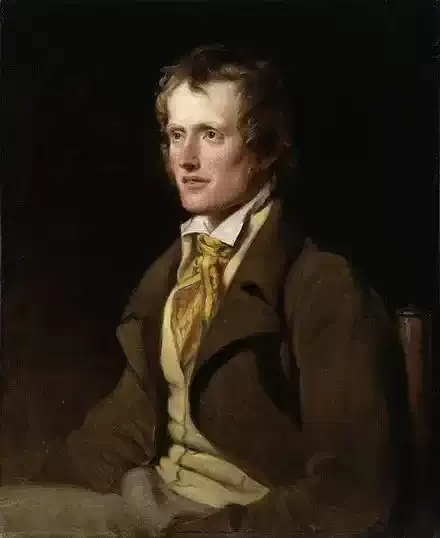
John Clare
To John Milton
To John Milton
_'From his honoured friend, William Davenant'_
Poet of mighty power, I fain
Would court the muse that honoured thee,
And, like Elisha's spirit, gain
A part of thy intensity;
And share the mantle which she flung
Around thee, when thy lyre was strung.
Though faction's scorn at first did shun
With coldness thy inspired song,
Though clouds of malice passed thy sun,
They could not hide it long;
Its brightness soon exhaled away
Dank night, and gained eternal day.
The critics' wrath did darkly frown
Upon thy muse's mighty lay;
But blasts that break the blossom down
Do only stir the bay;
And thine shall flourish, green and long,
With the eternity of song.
Thy genius saw, in quiet mood,
Gilt fashion's follies pass thee by,
And, like the monarch of the wood,
Towered oer it to the sky,
Where thou couldst sing of other spheres,
And feel the fame of future years.
Though bitter sneers and stinging scorns
Did throng the muse's dangerous way,
Thy powers were past such little thorns,
They gave thee no dismay;
The scoffer's insult passed thee by,
Thou smild'st and mad'st him no reply.
Envy will gnaw its heart away
To see thy genius gather root;
And as its flowers their sweets display
Scorn's malice shall be mute;
Hornets that summer warmed to fly,
Shall at the death of summer die.
Though friendly praise hath but its hour.
And little praise with thee hath been;
The bay may lose its summer flower,
But still its leaves are green;
And thine, whose buds are on the shoot,
Shall only fade to change to fruit.
Fame lives not in the breath of words,
In public praises' hue and cry;
The music of these summer birds
Is silent in a winter sky,
When thine shall live and flourish on,
Oer wrecks where crowds of fames are gone.
The ivy shuns the city wall,
When busy clamorous crowds intrude,
And climbs the desolated hall
In silent solitude;
The time-worn arch, the fallen dome,
Are roots for its eternal home.
The bard his glory neer receives
Where summer's common flowers are seen,
But winter finds it when she leaves
The laurel only green;
And time from that eternal tree,
Shall weave a wreath to honour thee;
A sunny wreath for poets meet,
From Helicon's immortal soil,
Where sacred Time with pilgrim feet
Walks forth to worship, not to spoil,
A wreath which Fame creates and bears,
And deathless genius only heirs.
Nought but thy ashes shall expire;
Thy genius, at thy obsequies,
Shall kindle up its living fire
And light the muse's skies;
Ay, it shall rise, and shine, and be
A sun in song's posterity.
_'From his honoured friend, William Davenant'_
Poet of mighty power, I fain
Would court the muse that honoured thee,
And, like Elisha's spirit, gain
A part of thy intensity;
And share the mantle which she flung
Around thee, when thy lyre was strung.
Though faction's scorn at first did shun
With coldness thy inspired song,
Though clouds of malice passed thy sun,
They could not hide it long;
Its brightness soon exhaled away
Dank night, and gained eternal day.
The critics' wrath did darkly frown
Upon thy muse's mighty lay;
But blasts that break the blossom down
Do only stir the bay;
And thine shall flourish, green and long,
With the eternity of song.
Thy genius saw, in quiet mood,
Gilt fashion's follies pass thee by,
And, like the monarch of the wood,
Towered oer it to the sky,
Where thou couldst sing of other spheres,
And feel the fame of future years.
Though bitter sneers and stinging scorns
Did throng the muse's dangerous way,
Thy powers were past such little thorns,
They gave thee no dismay;
The scoffer's insult passed thee by,
Thou smild'st and mad'st him no reply.
Envy will gnaw its heart away
To see thy genius gather root;
And as its flowers their sweets display
Scorn's malice shall be mute;
Hornets that summer warmed to fly,
Shall at the death of summer die.
Though friendly praise hath but its hour.
And little praise with thee hath been;
The bay may lose its summer flower,
But still its leaves are green;
And thine, whose buds are on the shoot,
Shall only fade to change to fruit.
Fame lives not in the breath of words,
In public praises' hue and cry;
The music of these summer birds
Is silent in a winter sky,
When thine shall live and flourish on,
Oer wrecks where crowds of fames are gone.
The ivy shuns the city wall,
When busy clamorous crowds intrude,
And climbs the desolated hall
In silent solitude;
The time-worn arch, the fallen dome,
Are roots for its eternal home.
The bard his glory neer receives
Where summer's common flowers are seen,
But winter finds it when she leaves
The laurel only green;
And time from that eternal tree,
Shall weave a wreath to honour thee;
A sunny wreath for poets meet,
From Helicon's immortal soil,
Where sacred Time with pilgrim feet
Walks forth to worship, not to spoil,
A wreath which Fame creates and bears,
And deathless genius only heirs.
Nought but thy ashes shall expire;
Thy genius, at thy obsequies,
Shall kindle up its living fire
And light the muse's skies;
Ay, it shall rise, and shine, and be
A sun in song's posterity.
325
Emily Dickinson
The Months have ends—the Years—a knot
The Months have ends—the Years—a knot
423
The Months have ends—the Years—a knot—
No Power can untie
To stretch a little further
A Skein of Misery—
The Earth lays back these tired lives
In her mysterious Drawers—
Too tenderly, that any doubt
An ultimate Repose—
The manner of the Children—
Who weary of the Day—
Themself—the noisy Plaything
They cannot put away—
423
The Months have ends—the Years—a knot—
No Power can untie
To stretch a little further
A Skein of Misery—
The Earth lays back these tired lives
In her mysterious Drawers—
Too tenderly, that any doubt
An ultimate Repose—
The manner of the Children—
Who weary of the Day—
Themself—the noisy Plaything
They cannot put away—
169
Lord Byron
To Romance
To Romance
Parent of golden dreams, Romance!
Auspicious Queen of childish joys,
Who lead'st along, in airy dance,
Thy votive train of girls and boys;
At length, in spells no longer bound,
I break the fetters of my youth;
No more I tread thy mystic round,
But leave thy realms for those of Truth.
And yet 'tis hard to quit the dreams
Which haunt the unsuspicious soul,
Where every nymph a goddess seems,
Whose eyes through rays immortal roll;
While Fancy holds her boundless reign,
And all assume a varied hue;
When Virgins seem no longer vain,
And even Woman's smiles are true.
And must we own thee, but a name,
And from thy hall of clouds descend?
Nor find a Sylph in every dame,
A Pylades in every friend?
But leave, at once, thy realms of air i
To mingling bands of fairy elves;
Confess that woman's false as fair,
And friends have feeling forthemselves?
With shame, I own, I've felt thy sway;
Repentant, now thy reign is o'er;
No more thy precepts I obey,
No more on fancied pinions soar;
Fond fool! to love a sparkling eye,
And think that eye to truth was dear;
To trust a passing wanton's sigh,
And melt beneath a wanton's tear!
Romance! disgusted with deceit,
Far from thy motley court I fly,
Where Affectation holds her seat,
And sickly Sensibility;
Whose silly tears can never flow
For any pangs excepting thine;
Who turns aside from real woe,
To steep in dew thy gaudy shrine.
Now join with sable Sympathy,
With cypress crown'd, array'd in weeds,
Who heaves with thee her simple sigh,
Whose breast for every bosom bleeds;
And call thy sylvan female choir,
To mourn a Swain for ever gone,
Who once could glow with equal fire,
But bends not now before thy throne.
Ye genial Nymphs, whose ready tears
On all occasions swiftly flow;
Whose bosoms heave with fancied fears,
With fancied flames and phrenzy glow
Say, will you mourn my absent name,
Apostate from your gentle train
An infant Bard, at least, may claim
From you a sympathetic strain.
Adieu, fond race! a long adieu!
The hour of fate is hovering nigh;
E'en now the gulf appears in view,
Where unlamented you must lie:
Oblivion's blackening lake is seen,
Convuls'd by gales you cannot weather,
Where you, and eke your gentle queen,
Alas! must perish altogether.
Parent of golden dreams, Romance!
Auspicious Queen of childish joys,
Who lead'st along, in airy dance,
Thy votive train of girls and boys;
At length, in spells no longer bound,
I break the fetters of my youth;
No more I tread thy mystic round,
But leave thy realms for those of Truth.
And yet 'tis hard to quit the dreams
Which haunt the unsuspicious soul,
Where every nymph a goddess seems,
Whose eyes through rays immortal roll;
While Fancy holds her boundless reign,
And all assume a varied hue;
When Virgins seem no longer vain,
And even Woman's smiles are true.
And must we own thee, but a name,
And from thy hall of clouds descend?
Nor find a Sylph in every dame,
A Pylades in every friend?
But leave, at once, thy realms of air i
To mingling bands of fairy elves;
Confess that woman's false as fair,
And friends have feeling forthemselves?
With shame, I own, I've felt thy sway;
Repentant, now thy reign is o'er;
No more thy precepts I obey,
No more on fancied pinions soar;
Fond fool! to love a sparkling eye,
And think that eye to truth was dear;
To trust a passing wanton's sigh,
And melt beneath a wanton's tear!
Romance! disgusted with deceit,
Far from thy motley court I fly,
Where Affectation holds her seat,
And sickly Sensibility;
Whose silly tears can never flow
For any pangs excepting thine;
Who turns aside from real woe,
To steep in dew thy gaudy shrine.
Now join with sable Sympathy,
With cypress crown'd, array'd in weeds,
Who heaves with thee her simple sigh,
Whose breast for every bosom bleeds;
And call thy sylvan female choir,
To mourn a Swain for ever gone,
Who once could glow with equal fire,
But bends not now before thy throne.
Ye genial Nymphs, whose ready tears
On all occasions swiftly flow;
Whose bosoms heave with fancied fears,
With fancied flames and phrenzy glow
Say, will you mourn my absent name,
Apostate from your gentle train
An infant Bard, at least, may claim
From you a sympathetic strain.
Adieu, fond race! a long adieu!
The hour of fate is hovering nigh;
E'en now the gulf appears in view,
Where unlamented you must lie:
Oblivion's blackening lake is seen,
Convuls'd by gales you cannot weather,
Where you, and eke your gentle queen,
Alas! must perish altogether.
540
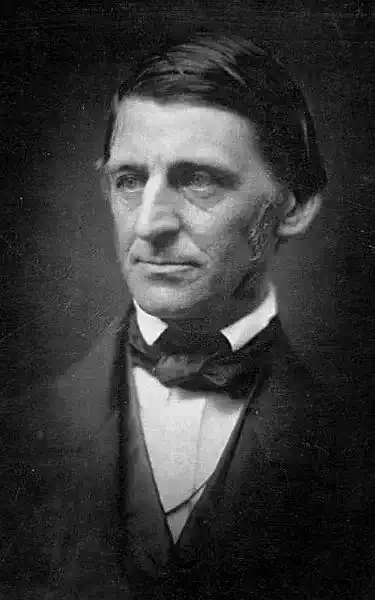
Ralph Waldo Emerson
You have tried famine: no more try it;
You have tried famine: no more try it;
Ply us now with a full diet;
Teach your pupils now with plenty,
For one sun supply us twenty:
I have thought it thoroughly over,
State of hermit, state of lover;
We must have society,
We cannot spare variety.
Hear you, then, celestial fellows!
Fits not to be over zealous;
Steads not to work on the clean jump,
Nor wine nor brains perpetual pump;
Men and gods are too extense,—
Could you slacken and condense?
Your rank overgrowths reduce,
Till your kinds abound with juice;
Earth crowded cries, "Too many men,"—
My counsel is, Kill nine in ten,
And bestow the shares of all
On the remnant decimal.
Add their nine lives to this cat;
Stuff their nine brains in his hat;
Make his frame and forces square
With the labors he must dare;
Thatch his flesh, and even his years
With the marble which he rears;
There growing slowly old at ease,
No faster than his planted trees,
He may, by warrant of his age,
In schemes of broader scope engage:
So shall ye have a man of the sphere,
Fit to grace the solar year.
Ply us now with a full diet;
Teach your pupils now with plenty,
For one sun supply us twenty:
I have thought it thoroughly over,
State of hermit, state of lover;
We must have society,
We cannot spare variety.
Hear you, then, celestial fellows!
Fits not to be over zealous;
Steads not to work on the clean jump,
Nor wine nor brains perpetual pump;
Men and gods are too extense,—
Could you slacken and condense?
Your rank overgrowths reduce,
Till your kinds abound with juice;
Earth crowded cries, "Too many men,"—
My counsel is, Kill nine in ten,
And bestow the shares of all
On the remnant decimal.
Add their nine lives to this cat;
Stuff their nine brains in his hat;
Make his frame and forces square
With the labors he must dare;
Thatch his flesh, and even his years
With the marble which he rears;
There growing slowly old at ease,
No faster than his planted trees,
He may, by warrant of his age,
In schemes of broader scope engage:
So shall ye have a man of the sphere,
Fit to grace the solar year.
303
William Shakespeare
Sonnet 51: Thus can my love excuse the slow offence
Sonnet 51: Thus can my love excuse the slow offence
Thus can my love excuse the slow offence
Of my dull bearer, when from thee I speed:
From where thou art, why should I haste me thence?
Till I return, of posting is no need.
O, what excuse will my poor beast then find
When swift extremity can seem but slow?
Then should I spur, though mounted on the wind;
In wingèd speed no motion shall I know.
Then can no horse with my desire keep pace;
Therefore desire, of perfect'st love being made,
Shall neigh—no dull flesh—in his fiery race.
But love, for love, thus shall excuse my jade:
Since from thee going he went wilful-slow,
Towards thee I'll run, and give him leave to go.
Thus can my love excuse the slow offence
Of my dull bearer, when from thee I speed:
From where thou art, why should I haste me thence?
Till I return, of posting is no need.
O, what excuse will my poor beast then find
When swift extremity can seem but slow?
Then should I spur, though mounted on the wind;
In wingèd speed no motion shall I know.
Then can no horse with my desire keep pace;
Therefore desire, of perfect'st love being made,
Shall neigh—no dull flesh—in his fiery race.
But love, for love, thus shall excuse my jade:
Since from thee going he went wilful-slow,
Towards thee I'll run, and give him leave to go.
254
Edward Lear
Limerick: There was an Old Man with a Nose
Limerick: There was an Old Man with a Nose
There was an Old Man with a nose,
Who said, 'If you choose to suppose,
That my nose is too long,
You are certainly wrong!'
That remarkable Man with a nose.
There was an Old Man with a nose,
Who said, 'If you choose to suppose,
That my nose is too long,
You are certainly wrong!'
That remarkable Man with a nose.
152
Emily Dickinson
The Martyr Poets—did not tell
The Martyr Poets—did not tell
544
The Martyr Poets—did not tell—
But wrought their Pang in syllable—
That when their mortal name be numb—
Their mortal fate—encourage Some—
The Martyr Painters—never spoke—
Bequeathing—rather—to their Work—
That when their conscious fingers cease—
Some seek in Art—the Art of Peace—
544
The Martyr Poets—did not tell—
But wrought their Pang in syllable—
That when their mortal name be numb—
Their mortal fate—encourage Some—
The Martyr Painters—never spoke—
Bequeathing—rather—to their Work—
That when their conscious fingers cease—
Some seek in Art—the Art of Peace—
189
Lord Byron
To Mr. Murray (Strahan, Tonson Lintot Of The Times)
To Mr. Murray (Strahan, Tonson Lintot Of The Times)
Strahan, Tonson Lintot of the times,
Patron and publisher of rhymes,
For thee the bard up Pindus climbs,
My Murray.
To thee, with hope and terror dumb,
The unedged MS. authors come;
Thou printest all and
sellest someMy
Murray.
Upon thy table's baize so green
The last new Quarterly is seen,But
where is thy new Magazine,
My Murray?
Along thy sprucest bookshelves shine
The works thou deemest most divineThe
'Art of Cookery,' and mine,
My Murray.
Tours, Travels, Essays, too, I wist,
And Sermons, to thy mill bring grist;
And then thou hast the 'Navy List,'
My Murray.
And Heaven forbid I should conclude
Without 'the Board of Longitude,'
Although this narrow paper would,
My Murray.
Venice, March 25, 1818.
Strahan, Tonson Lintot of the times,
Patron and publisher of rhymes,
For thee the bard up Pindus climbs,
My Murray.
To thee, with hope and terror dumb,
The unedged MS. authors come;
Thou printest all and
sellest someMy
Murray.
Upon thy table's baize so green
The last new Quarterly is seen,But
where is thy new Magazine,
My Murray?
Along thy sprucest bookshelves shine
The works thou deemest most divineThe
'Art of Cookery,' and mine,
My Murray.
Tours, Travels, Essays, too, I wist,
And Sermons, to thy mill bring grist;
And then thou hast the 'Navy List,'
My Murray.
And Heaven forbid I should conclude
Without 'the Board of Longitude,'
Although this narrow paper would,
My Murray.
Venice, March 25, 1818.
425
Ella Wheeler Wilcox
What I Have Seen #2
What I Have Seen #2
I saw a maid with her chivalrous lover:
He was both tender and true;
He kissed her lips, vowing over and over,
'Darling, I worship you.'
Sing, sing, bird of the spring,
Tell of the flowers the summer will bring.
I saw the maiden, sweet, loving, confiding,
Smile when he whispered 'Mine,'
Saw her lips meet his with no word of chiding,
Though his breath fumed with wine.
Wail, wail, Nightingale,
Sing of a mourner bowed and pale.
I saw the lover and maid at the altar,
Bound by the bands divine;
Heard the responses-they fail not nor falter-
Saw the guests pledge in wine.
Howl, howl, ominous Owl,
Shriek of the terrible tempest's scowl.
I saw the drunkard's wife weeping in anguish,
Saw her struck down by a blow;
I saw the husband in prison-cells languish-
Thus ends the tale of woe.
Shriek, shriek, O Raven! speak
Of the terrible midnight, dark and bleak.
I saw a maid with her chivalrous lover:
He was both tender and true;
He kissed her lips, vowing over and over,
'Darling, I worship you.'
Sing, sing, bird of the spring,
Tell of the flowers the summer will bring.
I saw the maiden, sweet, loving, confiding,
Smile when he whispered 'Mine,'
Saw her lips meet his with no word of chiding,
Though his breath fumed with wine.
Wail, wail, Nightingale,
Sing of a mourner bowed and pale.
I saw the lover and maid at the altar,
Bound by the bands divine;
Heard the responses-they fail not nor falter-
Saw the guests pledge in wine.
Howl, howl, ominous Owl,
Shriek of the terrible tempest's scowl.
I saw the drunkard's wife weeping in anguish,
Saw her struck down by a blow;
I saw the husband in prison-cells languish-
Thus ends the tale of woe.
Shriek, shriek, O Raven! speak
Of the terrible midnight, dark and bleak.
18
William Shakespeare
Sonnet 5: Those hours, that with gentle work did frame
Sonnet 5: Those hours, that with gentle work did frame
Those hours, that with gentle work did frame
The lovely gaze where every eye doth dwell,
Will play the tyrants to the very same
And that unfair which fairly doth excel;
For never-resting Time leads summer on
To hideous winter and confounds him there,
Sap checked with frost and lusty leaves quite gone,
Beauty o'ersnowed and bareness everywhere.
Then, were not summer's distillation left
A liquid prisoner pent in walls of glass,
Beauty's effect with beauty were bereft,
Nor it nor no remembrance what it was.
But flowers distilled, though they with winter meet,
Leese but their show; their substance still lives sweet.
Those hours, that with gentle work did frame
The lovely gaze where every eye doth dwell,
Will play the tyrants to the very same
And that unfair which fairly doth excel;
For never-resting Time leads summer on
To hideous winter and confounds him there,
Sap checked with frost and lusty leaves quite gone,
Beauty o'ersnowed and bareness everywhere.
Then, were not summer's distillation left
A liquid prisoner pent in walls of glass,
Beauty's effect with beauty were bereft,
Nor it nor no remembrance what it was.
But flowers distilled, though they with winter meet,
Leese but their show; their substance still lives sweet.
312
John Clare
To Anna Three Years Old
To Anna Three Years Old
My Anna, summer laughs in mirth,
And we will of the party be,
And leave the crickets in the hearth
For green fields' merry minstrelsy.
I see thee now with little hand
Catch at each object passing bye,
The happiest thing in all the land
Except the bee and butterfly.
* * * * *
And limpid brook that leaps along,
Gilt with the summer's burnished gleam,
Will stop thy little tale or song
To gaze upon its crimping stream.
Thou'lt leave my hand with eager speed
The new discovered things to see--
The old pond with its water weed
And danger-daring willow tree,
Who leans an ancient invalid
Oer spots where deepest waters be.
In sudden shout and wild surprise
I hear thy simple wonderment,
As new things meet thy childish eyes
And wake some innocent intent;
As bird or bee or butterfly
Bounds through the crowd of merry leaves
And starts the rapture of thine eye
To run for what it neer achieves.
But thou art on the bed of pain,
So tells each poor forsaken toy.
Ah, could I see that happy hour
When these shall be thy heart's employ,
And see thee toddle oer the plain,
And stoop for flowers, and shout for joy.
My Anna, summer laughs in mirth,
And we will of the party be,
And leave the crickets in the hearth
For green fields' merry minstrelsy.
I see thee now with little hand
Catch at each object passing bye,
The happiest thing in all the land
Except the bee and butterfly.
* * * * *
And limpid brook that leaps along,
Gilt with the summer's burnished gleam,
Will stop thy little tale or song
To gaze upon its crimping stream.
Thou'lt leave my hand with eager speed
The new discovered things to see--
The old pond with its water weed
And danger-daring willow tree,
Who leans an ancient invalid
Oer spots where deepest waters be.
In sudden shout and wild surprise
I hear thy simple wonderment,
As new things meet thy childish eyes
And wake some innocent intent;
As bird or bee or butterfly
Bounds through the crowd of merry leaves
And starts the rapture of thine eye
To run for what it neer achieves.
But thou art on the bed of pain,
So tells each poor forsaken toy.
Ah, could I see that happy hour
When these shall be thy heart's employ,
And see thee toddle oer the plain,
And stoop for flowers, and shout for joy.
341
Emily Dickinson
The Malay—took the Pearl
The Malay—took the Pearl
452
The Malay—took the Pearl—
Not—I—the Earl—
I—feared the Sea—too much
Unsanctified—to touch—
Praying that I might be
Worthy—the Destiny—
The Swarthy fellow swam—
And bore my Jewel—Home—
Home to the Hut! What lot
Had I—the Jewel—got—
Borne on a Dusky Breasty—
I had not deemed a Vest
Of Amber—fit—
The Negro never knew
I—wooed it—too—
To gain, or be undone—
Alike to Him—One—
452
The Malay—took the Pearl—
Not—I—the Earl—
I—feared the Sea—too much
Unsanctified—to touch—
Praying that I might be
Worthy—the Destiny—
The Swarthy fellow swam—
And bore my Jewel—Home—
Home to the Hut! What lot
Had I—the Jewel—got—
Borne on a Dusky Breasty—
I had not deemed a Vest
Of Amber—fit—
The Negro never knew
I—wooed it—too—
To gain, or be undone—
Alike to Him—One—
218
Lord Byron
To Mr. Murray
To Mr. Murray
To hook the reader, you, John Murray,
Have publish'd 'Anjou's Margaret,
Which won't be sold off in a hurry
(At least, it has not been as yet);
And then, still further to bewilder em,
Without remorse, you set up 'Ilderim;'
So mind you don't get into debt,
Because as how, if you should fail,
These books would he but baddish bail.
And mind you do not let escape
These rhymes to Morning Post or Parry,
Which would be very treacherousvery,
And get me into such a scrape!
For, firstly, I should have to sally,
All in my little boat, against a Galley;
And, should I chance to slay the Assyrian wight,
Have next to combat with the female knight.
March 25, 1817.
To hook the reader, you, John Murray,
Have publish'd 'Anjou's Margaret,
Which won't be sold off in a hurry
(At least, it has not been as yet);
And then, still further to bewilder em,
Without remorse, you set up 'Ilderim;'
So mind you don't get into debt,
Because as how, if you should fail,
These books would he but baddish bail.
And mind you do not let escape
These rhymes to Morning Post or Parry,
Which would be very treacherousvery,
And get me into such a scrape!
For, firstly, I should have to sally,
All in my little boat, against a Galley;
And, should I chance to slay the Assyrian wight,
Have next to combat with the female knight.
March 25, 1817.
469
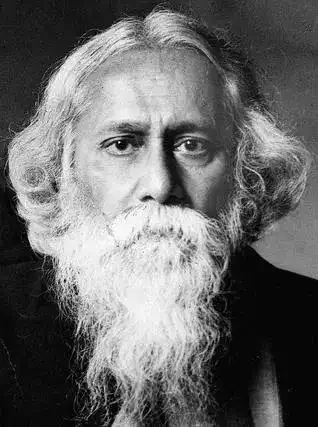
Rabindranath Tagore
Where The Mind Is Without Fear
Where The Mind Is Without Fear
Where the mind is without fear and the head is held high
Where knowledge is free
Where the world has not been broken up into fragments
By narrow domestic walls
Where words come out from the depth of truth
Where tireless striving stretches its arms towards perfection
Where the clear stream of reason has not lost its way
Into the dreary desert sand of dead habit
Where the mind is led forward by thee
Into ever-widening thought and action
Into that heaven of freedom, my Father, let my country awake
Where the mind is without fear and the head is held high
Where knowledge is free
Where the world has not been broken up into fragments
By narrow domestic walls
Where words come out from the depth of truth
Where tireless striving stretches its arms towards perfection
Where the clear stream of reason has not lost its way
Into the dreary desert sand of dead habit
Where the mind is led forward by thee
Into ever-widening thought and action
Into that heaven of freedom, my Father, let my country awake
505
William Shakespeare
Sonnet 48: How careful was I, when I took my way
Sonnet 48: How careful was I, when I took my way
How careful was I, when I took my way,
Each trifle under truest bars to thrust,
That to my use it might unusèd stay
From hands of falsehood, in sure wards of trust!
But thou, to whom my jewels trifles are,
Most worthy comfort, now my greatest grief,
Thou best of dearest, and mine only care,
Art left the prey of every vulgar thief.
Thee have I not locked up in any chest,
Save where thou art not—though I feel thou art—
Within the gentle closure of my breast,
From whence at pleasure thou mayst come and part;
And even thence thou wilt be stol'n, I fear,
For truth proves thievish for a prize so dear.
How careful was I, when I took my way,
Each trifle under truest bars to thrust,
That to my use it might unusèd stay
From hands of falsehood, in sure wards of trust!
But thou, to whom my jewels trifles are,
Most worthy comfort, now my greatest grief,
Thou best of dearest, and mine only care,
Art left the prey of every vulgar thief.
Thee have I not locked up in any chest,
Save where thou art not—though I feel thou art—
Within the gentle closure of my breast,
From whence at pleasure thou mayst come and part;
And even thence thou wilt be stol'n, I fear,
For truth proves thievish for a prize so dear.
274
Edward Lear
Limerick: There was an Old Man with a flute
Limerick: There was an Old Man with a flute
There was an Old Man with a flute,
A serpent ran into his boot;
But he played day and night,
Till the serpent took flight,
And avoided that man with a flute.
There was an Old Man with a flute,
A serpent ran into his boot;
But he played day and night,
Till the serpent took flight,
And avoided that man with a flute.
170
Lord Byron
To Marion
To Marion
Marion! why that pensive brow?
What disgust to life hast thou?
Change that discontented air;
Frowns become not one so fair.
'Tis not love disturbs thy rest,
Love's a stranger to thy breast;
He in dimpling smiles appears,
Or mourns in weedy timid tears'
Or bends the languid eyelid down,
But shuns the cold forbidding frown.
Then resume thy former fire
Some will love, and all admire;
While that icy aspect chills us,
Nought but cool indifference thrills us.
Wou'dst thou wandering hearts beguile,
Smile at least, or seem to smile.
Eyes like thine were never meant
To hide their orbs in dark restraint.
Spite of all thou fain wouldst say,
Still in truant beams they play.
Thy lips – but here my modest Muse
Her impulse chaste must needs refuse:
She blushes, curt'sies, frowns,– in short she
Dreads lest the subject should transport me;
And flying off in search of reason,
Brings prudence back in proper season.
All I shall therefore say (whate'er
I think, is neither here nor there)
Is, that such lips of looks endearing,
Were form'd for better things than sneering:
Of soothing compliments divested,
Advice at least's disinterested;
Such is my artless song to thee,
From all the flow of flattery free;
Counsel like mine is as a brother's,
My heart is given to some others;
That is to say, unskill'd to cozen
It shares itself among a dozen.
Marion, adieu! oh, pr'ythee slight not
This warning, though it may delight not;
And, lest my precepts be displeasing
To those who think remonstrance teasing:
At once I'll tell thee our opinion
Concerning woman's soft dominion:
Howe'er we gaze with admiration
On eyes of blue or lips carnation,
Howe'er the flowing locks attract us,
Howe'er those beauties may distract us,
Still fickle, we are prone to rove,
These cannot fix our souls to love;
It is not too severe a stricture
To say they form a pretty picture;
But wouldst thou see the secret chain
Which binds us in your humble train,
To hail you queens of all creation,
Know, in a word, 'tis ANIMATION.
Marion! why that pensive brow?
What disgust to life hast thou?
Change that discontented air;
Frowns become not one so fair.
'Tis not love disturbs thy rest,
Love's a stranger to thy breast;
He in dimpling smiles appears,
Or mourns in weedy timid tears'
Or bends the languid eyelid down,
But shuns the cold forbidding frown.
Then resume thy former fire
Some will love, and all admire;
While that icy aspect chills us,
Nought but cool indifference thrills us.
Wou'dst thou wandering hearts beguile,
Smile at least, or seem to smile.
Eyes like thine were never meant
To hide their orbs in dark restraint.
Spite of all thou fain wouldst say,
Still in truant beams they play.
Thy lips – but here my modest Muse
Her impulse chaste must needs refuse:
She blushes, curt'sies, frowns,– in short she
Dreads lest the subject should transport me;
And flying off in search of reason,
Brings prudence back in proper season.
All I shall therefore say (whate'er
I think, is neither here nor there)
Is, that such lips of looks endearing,
Were form'd for better things than sneering:
Of soothing compliments divested,
Advice at least's disinterested;
Such is my artless song to thee,
From all the flow of flattery free;
Counsel like mine is as a brother's,
My heart is given to some others;
That is to say, unskill'd to cozen
It shares itself among a dozen.
Marion, adieu! oh, pr'ythee slight not
This warning, though it may delight not;
And, lest my precepts be displeasing
To those who think remonstrance teasing:
At once I'll tell thee our opinion
Concerning woman's soft dominion:
Howe'er we gaze with admiration
On eyes of blue or lips carnation,
Howe'er the flowing locks attract us,
Howe'er those beauties may distract us,
Still fickle, we are prone to rove,
These cannot fix our souls to love;
It is not too severe a stricture
To say they form a pretty picture;
But wouldst thou see the secret chain
Which binds us in your humble train,
To hail you queens of all creation,
Know, in a word, 'tis ANIMATION.
419
Emily Dickinson
The Love a Life can show Below
The Love a Life can show Below
673
The Love a Life can show Below
Is but a filament, I know,
Of that diviner thing
That faints upon the face of Noon-
And smites the Tinder in the Sun-
And hinders Gabriel's Wing
'Tis this-in Music-hints and sways-
And far abroad on Summer days-
Distils uncertain pain'
Tis this enamors in the East-
And tints the Transit in the West
With harrowing Iodine
'Tis this-invites-appalls-endowsFlits-
glimmers-proves-dissolvesReturns-
suggests-convicts-enchantsThen-
flings in Paradise-
673
The Love a Life can show Below
Is but a filament, I know,
Of that diviner thing
That faints upon the face of Noon-
And smites the Tinder in the Sun-
And hinders Gabriel's Wing
'Tis this-in Music-hints and sways-
And far abroad on Summer days-
Distils uncertain pain'
Tis this enamors in the East-
And tints the Transit in the West
With harrowing Iodine
'Tis this-invites-appalls-endowsFlits-
glimmers-proves-dissolvesReturns-
suggests-convicts-enchantsThen-
flings in Paradise-
322
Ella Wheeler Wilcox
What Had He Done?
What Had He Done?
I saw the farmer, when the day was done,
And the proud sun had sought his crimson bed,
And the mild stars came forward one by one-
I saw the sturdy farmer, and I said:
'What have you done to-day,
O farmer! say?'
'Oh! I have sown the wheat in yonder field,
And pruned my orchard to increase its yield,
And turned the furrow for a patch of corn:
This have I done, with other things, since morn.'
I saw the blacksmith in his smithy-door,
When day had vanished and the west grew red,
And all the busy noise and strife were o'er-
I saw the kingly blacksmith, and I said:
'What have you done to-day,
O blacksmith! say?
'Oh! I have made two plough-shares all complete,
And nailed the shoes on many horses' feet;
And-O my friend! I cannot tell you half,'
The man of muscle answered, with a laugh.
I saw the miller, when the day had gone,
And all the sunlight from the hills had fled,
And tender shadows crept across the lawn-
I saw the trusty miller, and I said:
'What have you done to-day,
O miller gray?'
'Oh! I have watched my mill from morn to night,
And never saw yon flour so snowy white.
And many are the mouths to-day I've fed,
I ween,' the merry miller laughed and said.
I saw another, when the night grew nigh,
And turned each daily toiler from his task,
When gold and crimson banners decked the sky-
I saw another, and I paused to ask:
'What have you done to-day,
Rumseller, say?'
But the rumseller turned with dropping head,
And not a single word in answer said.
What had he done? His work he knew full well
Was plunging human souls in deepest hell.
Alas! rumseller, on that awful day,
When death shall call you, and your race is run,
How can you answer? What can you hope to say?
When God shall ask you, 'What have you done?'
How can you meet the eye
Of the Most High?
When night approaches and the day grows late,
Think you to find the way to heaven's gate?
Think you to dwell with souls of righteous men?
Think you to enter in? If not, what then?
I saw the farmer, when the day was done,
And the proud sun had sought his crimson bed,
And the mild stars came forward one by one-
I saw the sturdy farmer, and I said:
'What have you done to-day,
O farmer! say?'
'Oh! I have sown the wheat in yonder field,
And pruned my orchard to increase its yield,
And turned the furrow for a patch of corn:
This have I done, with other things, since morn.'
I saw the blacksmith in his smithy-door,
When day had vanished and the west grew red,
And all the busy noise and strife were o'er-
I saw the kingly blacksmith, and I said:
'What have you done to-day,
O blacksmith! say?
'Oh! I have made two plough-shares all complete,
And nailed the shoes on many horses' feet;
And-O my friend! I cannot tell you half,'
The man of muscle answered, with a laugh.
I saw the miller, when the day had gone,
And all the sunlight from the hills had fled,
And tender shadows crept across the lawn-
I saw the trusty miller, and I said:
'What have you done to-day,
O miller gray?'
'Oh! I have watched my mill from morn to night,
And never saw yon flour so snowy white.
And many are the mouths to-day I've fed,
I ween,' the merry miller laughed and said.
I saw another, when the night grew nigh,
And turned each daily toiler from his task,
When gold and crimson banners decked the sky-
I saw another, and I paused to ask:
'What have you done to-day,
Rumseller, say?'
But the rumseller turned with dropping head,
And not a single word in answer said.
What had he done? His work he knew full well
Was plunging human souls in deepest hell.
Alas! rumseller, on that awful day,
When death shall call you, and your race is run,
How can you answer? What can you hope to say?
When God shall ask you, 'What have you done?'
How can you meet the eye
Of the Most High?
When night approaches and the day grows late,
Think you to find the way to heaven's gate?
Think you to dwell with souls of righteous men?
Think you to enter in? If not, what then?
437