
Poems List
Explore poems from our collection
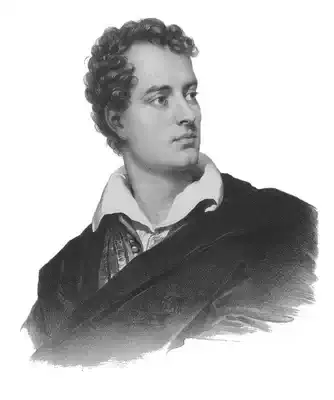
Lord Byron
To Woman
To Woman
Woman! experience might have told me,
That all must love thee who behold thee:
Surely experience might have taught
Thy firmest promises are nought:
But, placed in all thy charms before me,
All I forget, but to adore thee.
Oh memory! Thou choicest blessing
When join'd with hope, when still possessing;
But how much cursed by every lover
When hope is fled and passion's over.
Woman, that fair and fond deceiver,
How throbs the pulse when first we view
The eye that rolls in glossy blue,
Or sparkles black, or mildly throws
A beam from under hazel brows!
How quick we credit every oath,
And hear her plight the willing troth!
Fondly we hope't will last for aye,
When, lo! she changes in a day.
This record will for ever stand,
'Woman, thy vows are traced in sand.'
Woman! experience might have told me,
That all must love thee who behold thee:
Surely experience might have taught
Thy firmest promises are nought:
But, placed in all thy charms before me,
All I forget, but to adore thee.
Oh memory! Thou choicest blessing
When join'd with hope, when still possessing;
But how much cursed by every lover
When hope is fled and passion's over.
Woman, that fair and fond deceiver,
How throbs the pulse when first we view
The eye that rolls in glossy blue,
Or sparkles black, or mildly throws
A beam from under hazel brows!
How quick we credit every oath,
And hear her plight the willing troth!
Fondly we hope't will last for aye,
When, lo! she changes in a day.
This record will for ever stand,
'Woman, thy vows are traced in sand.'
485

Emily Dickinson
The only ghost I ever saw
The only ghost I ever saw
The only ghost I ever saw
Was dressed in mechlin, --so;
He wore no sandal on his foot,
And stepped like flakes of snow.
His gait was soundless, like the bird,
But rapid, like the roe;
His fashions quaint, mosaic,
Or, haply, mistletoe.
Hi conversation seldom,
His laughter like the breeze
That dies away in dimples
Among the pensive trees.
Our interview was transient, --
Of me, himself was shy;
And God forbid I look behind
Since that appalling day!
The only ghost I ever saw
Was dressed in mechlin, --so;
He wore no sandal on his foot,
And stepped like flakes of snow.
His gait was soundless, like the bird,
But rapid, like the roe;
His fashions quaint, mosaic,
Or, haply, mistletoe.
Hi conversation seldom,
His laughter like the breeze
That dies away in dimples
Among the pensive trees.
Our interview was transient, --
Of me, himself was shy;
And God forbid I look behind
Since that appalling day!
307
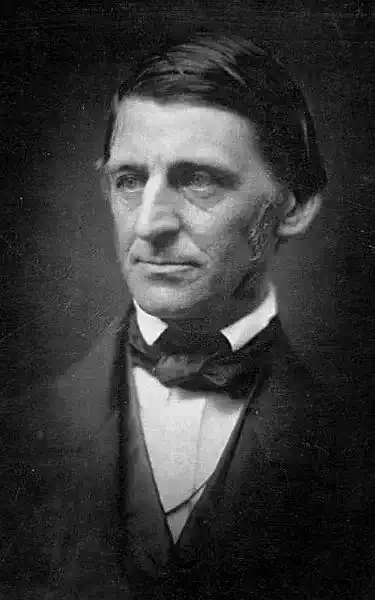
Ralph Waldo Emerson
Brahma
Brahma
If the red slayer think he slays,
Or if the slain think he is slain,
They know not well the subtle ways
I keep, and pass, and turn again.
Far or forgot to me is near;
Shadow and sunlight are the same;
The vanished gods to me appear;
And one to me are shame and fame.
They reckon ill who leave me out;
When me they fly, I am the wings;
I am the doubter and the doubt,
And I the hymn the Brahmin sings.
The strong gods pine for my abode,
And pine in vain the sacred Seven;
But thou, meek lover of the good!
Find me, and turn thy back on heaven.
If the red slayer think he slays,
Or if the slain think he is slain,
They know not well the subtle ways
I keep, and pass, and turn again.
Far or forgot to me is near;
Shadow and sunlight are the same;
The vanished gods to me appear;
And one to me are shame and fame.
They reckon ill who leave me out;
When me they fly, I am the wings;
I am the doubter and the doubt,
And I the hymn the Brahmin sings.
The strong gods pine for my abode,
And pine in vain the sacred Seven;
But thou, meek lover of the good!
Find me, and turn thy back on heaven.
385

William Shakespeare
Sonnet 62: Sin of self-love possesseth all mine eye
Sonnet 62: Sin of self-love possesseth all mine eye
Sin of self-love possesseth all mine eye,
And all my soul, and all my every part;
And for this sin there is no remedy,
It is so grounded inward in my heart.
Methinks no face so gracious is as mine,
No shape so true, no truth of such account;
And for my self mine own worth do define,
As I all other in all worths surmount.
But when my glass shows me myself indeed
Beated and chapped with tanned antiquity,
Mine own self-love quite contrary I read;
Self so self-loving were iniquity.
'Tis thee, myself, that for my self I praise,
Painting my age with beauty of thy days.
Sin of self-love possesseth all mine eye,
And all my soul, and all my every part;
And for this sin there is no remedy,
It is so grounded inward in my heart.
Methinks no face so gracious is as mine,
No shape so true, no truth of such account;
And for my self mine own worth do define,
As I all other in all worths surmount.
But when my glass shows me myself indeed
Beated and chapped with tanned antiquity,
Mine own self-love quite contrary I read;
Self so self-loving were iniquity.
'Tis thee, myself, that for my self I praise,
Painting my age with beauty of thy days.
283

Edward Lear
Limerick: There was an Old Person of Cadiz
Limerick: There was an Old Person of Cadiz
There was an Old Person of Cadiz,
Who was always polite to all ladies;
But in handing his daughter,
He fell into the water,
Which drowned that Old Person of Cadiz.
There was an Old Person of Cadiz,
Who was always polite to all ladies;
But in handing his daughter,
He fell into the water,
Which drowned that Old Person of Cadiz.
179
Lord Byron
To Thyrza: And Thou Art Dead, As Young And Fair
To Thyrza: And Thou Art Dead, As Young And Fair
And thou art dead, as young and fair
As aught of mortal birth;
And form so soft, and charms so rare,
Too soon return'd to Earth!
Though Earth received them in her bed
And o'er the spot the crowd may tread
In carelessness or mirth,
There is an eye which could not brook
A moment on that grave to look.
I will not ask where thou liest low,
Nor gaze upon the spot;
There flowers or weeds at will may grow,
So I behold them not:
It is enough for me to prove
That what I loved, and long must love,
Like common earth can rot;
To me there needs no stone to tell,
'Tis Nothing that I loved so well.
Yet did I love thee to the last
As fervently as thou,
Who didst not change through all the past,
And cans't not alter now.
The love where Death has set his seal,
Nor age can chill, nor rival steal,
Nor falsehood disavow:
And, what were worse, thou canst not see
Or wrong, or change, or fault in me.
The better days of life were ours;
The worst can be but mine:
The sun that cheers, the storm that lowers,
Shall never more be thine.
The silence of that dreamless sleep
I envy now too much to weep;
Nor need I to repine,
That all those charms have pass'd away
I might have watch'd through long decay.
The flower in ripen'd bloom unmatch'd
Must fall the earliest prey;
Though by no hand untimely snatch'd,
The leaves must drop away:
And yet it were a greater grief
To watch it withering, leaf by leaf,
Than see it pluck'd today;
Since earthly eye but ill can bear
To trace the change to foul from fair.
I know not if I could have borne
To see thy beauties fade;
The night that followed such a morn
Had worn a deeper shade:
Thy day without a cloud hath passed
And thou wert lovely to the last;
Extinguish'd, not decay'd;
As stars that shoot along the sky
Shine brightest as they fall from high.
As once I wept, if I could weep,
My tears might well be shed,
To think I was not near to keep
One vigil o'er thy bed;
To gaze, how fondly! on thy face,
To fold thee in a faint embrace,
Uphold thy drooping head;
And show that love, however vain,
Nor thou nor I can feel again.
Yet how much less it were to gain,
Though thou hast left me free,
The loveliest things that still remain,
Than thus remember thee!
The all of thine that cannot die
Through dark and dread Eternity
Returns again to me,
And more thy buried love endears
Than aught except its living years.
And thou art dead, as young and fair
As aught of mortal birth;
And form so soft, and charms so rare,
Too soon return'd to Earth!
Though Earth received them in her bed
And o'er the spot the crowd may tread
In carelessness or mirth,
There is an eye which could not brook
A moment on that grave to look.
I will not ask where thou liest low,
Nor gaze upon the spot;
There flowers or weeds at will may grow,
So I behold them not:
It is enough for me to prove
That what I loved, and long must love,
Like common earth can rot;
To me there needs no stone to tell,
'Tis Nothing that I loved so well.
Yet did I love thee to the last
As fervently as thou,
Who didst not change through all the past,
And cans't not alter now.
The love where Death has set his seal,
Nor age can chill, nor rival steal,
Nor falsehood disavow:
And, what were worse, thou canst not see
Or wrong, or change, or fault in me.
The better days of life were ours;
The worst can be but mine:
The sun that cheers, the storm that lowers,
Shall never more be thine.
The silence of that dreamless sleep
I envy now too much to weep;
Nor need I to repine,
That all those charms have pass'd away
I might have watch'd through long decay.
The flower in ripen'd bloom unmatch'd
Must fall the earliest prey;
Though by no hand untimely snatch'd,
The leaves must drop away:
And yet it were a greater grief
To watch it withering, leaf by leaf,
Than see it pluck'd today;
Since earthly eye but ill can bear
To trace the change to foul from fair.
I know not if I could have borne
To see thy beauties fade;
The night that followed such a morn
Had worn a deeper shade:
Thy day without a cloud hath passed
And thou wert lovely to the last;
Extinguish'd, not decay'd;
As stars that shoot along the sky
Shine brightest as they fall from high.
As once I wept, if I could weep,
My tears might well be shed,
To think I was not near to keep
One vigil o'er thy bed;
To gaze, how fondly! on thy face,
To fold thee in a faint embrace,
Uphold thy drooping head;
And show that love, however vain,
Nor thou nor I can feel again.
Yet how much less it were to gain,
Though thou hast left me free,
The loveliest things that still remain,
Than thus remember thee!
The all of thine that cannot die
Through dark and dread Eternity
Returns again to me,
And more thy buried love endears
Than aught except its living years.
415
Emily Dickinson
The Night was wide, and furnished scant
The Night was wide, and furnished scant
589
The Night was wide, and furnished scant
With but a single Star-
That often as a Cloud it met-
Blew out itself-for fear-
The Wind pursued the little Bush-
And drove away the Leaves
November left-then clambered up
And fretted in the Eaves-
No Squirrel went abroad-
A Dog's belated feet
Like intermittent Plush, he heard
Adown the empty Street-
To feel if Blinds be fast-
And closer to the fire-
Her little Rocking Chair to draw-
And shiver for the Poor-
The Housewife's gentle Task-
How pleasanter-said she
Unto the Sofa opposite-
The Sleet-than May, no Thee-
589
The Night was wide, and furnished scant
With but a single Star-
That often as a Cloud it met-
Blew out itself-for fear-
The Wind pursued the little Bush-
And drove away the Leaves
November left-then clambered up
And fretted in the Eaves-
No Squirrel went abroad-
A Dog's belated feet
Like intermittent Plush, he heard
Adown the empty Street-
To feel if Blinds be fast-
And closer to the fire-
Her little Rocking Chair to draw-
And shiver for the Poor-
The Housewife's gentle Task-
How pleasanter-said she
Unto the Sofa opposite-
The Sleet-than May, no Thee-
251

Ella Wheeler Wilcox
What Uncle Rob Says
What Uncle Rob Says
Uncle Rob says,
That once on a time the fire flies
Were stars with the others up in the skies.
They used to shimmer, and dance and play,
Night after night in the Milky Way.
But when their papa, the stern old Sun
Said 'off to bed with you every one,'
These bold little stars refused to obey,
'Let's hide in that cloud and then run away.'
'Let's run to the earth,' these bad stars said
'We are quite too old to be sent to bed.'
So then they were exiled out of the skies,
And that's how we came with the fire flies,
So Uncle Rob says.
Uncle Rob says,
That once on a time the fire flies
Were stars with the others up in the skies.
They used to shimmer, and dance and play,
Night after night in the Milky Way.
But when their papa, the stern old Sun
Said 'off to bed with you every one,'
These bold little stars refused to obey,
'Let's hide in that cloud and then run away.'
'Let's run to the earth,' these bad stars said
'We are quite too old to be sent to bed.'
So then they were exiled out of the skies,
And that's how we came with the fire flies,
So Uncle Rob says.
577
William Shakespeare
Sonnet 60: Like as the waves make towards the pebbled shore
Sonnet 60: Like as the waves make towards the pebbled shore
Like as the waves make towards the pebbled shore,
So do our minutes hasten to their end;
Each changing place with that which goes before,
In sequent toil all forwards do contend.
Nativity once in the main of light,
Crawls to maturity, wherewith being crowned,
Crookèd eclipses 'gainst his glory fight,
And Time that gave doth now his gift confound.
Time doth transfix the flourish set on youth,
And delves the parallels in beauty's brow,
Feeds on the rarities of nature's truth,
And nothing stands but for his scythe to mow.
And yet to times in hope my verse shall stand,
Praising thy worth despite his cruel hand.
Like as the waves make towards the pebbled shore,
So do our minutes hasten to their end;
Each changing place with that which goes before,
In sequent toil all forwards do contend.
Nativity once in the main of light,
Crawls to maturity, wherewith being crowned,
Crookèd eclipses 'gainst his glory fight,
And Time that gave doth now his gift confound.
Time doth transfix the flourish set on youth,
And delves the parallels in beauty's brow,
Feeds on the rarities of nature's truth,
And nothing stands but for his scythe to mow.
And yet to times in hope my verse shall stand,
Praising thy worth despite his cruel hand.
339
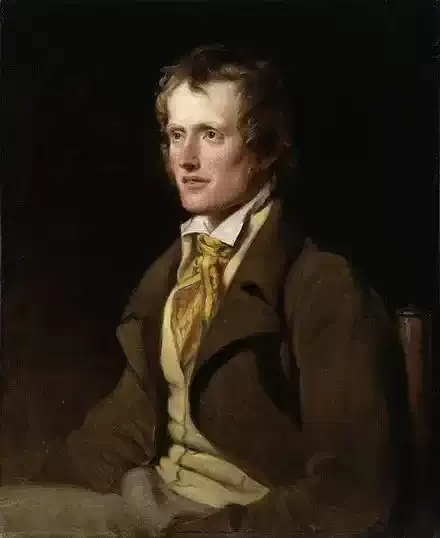
John Clare
What is Life?
What is Life?
And what is Life? An hour-glass on the run,
A mist retreating from the morning sun,
A busy, bustling, still-repeated dream.
Its length? A minute's pause, a moment's thought.
And Happiness? A bubble on the stream,
That in the act of seizing shrinks to nought.
And what is Hope? The puffing gale of morn,
That of its charms divests the dewy lawn,
And robs each flow'ret of its gem -and dies;
A cobweb, hiding disappointment's thorn,
Which stings more keenly through the thin disguise.
And what is Death? Is still the cause unfound?
That dark mysterious name of horrid sound?
A long and lingering sleep the weary crave.
And Peace? Where can its happiness abound?
Nowhere at all, save heaven and the grave.
Then what is Life? When stripped of its disguise,
A thing to be desired it cannot be;
Since everything that meets our foolish eyes
Gives proof sufficient of its vanity.
'Tis but a trial all must undergo,
To teach unthankful mortals how to prize
That happiness vain man's denied to know,
Until he's called to claim it in the skies.
And what is Life? An hour-glass on the run,
A mist retreating from the morning sun,
A busy, bustling, still-repeated dream.
Its length? A minute's pause, a moment's thought.
And Happiness? A bubble on the stream,
That in the act of seizing shrinks to nought.
And what is Hope? The puffing gale of morn,
That of its charms divests the dewy lawn,
And robs each flow'ret of its gem -and dies;
A cobweb, hiding disappointment's thorn,
Which stings more keenly through the thin disguise.
And what is Death? Is still the cause unfound?
That dark mysterious name of horrid sound?
A long and lingering sleep the weary crave.
And Peace? Where can its happiness abound?
Nowhere at all, save heaven and the grave.
Then what is Life? When stripped of its disguise,
A thing to be desired it cannot be;
Since everything that meets our foolish eyes
Gives proof sufficient of its vanity.
'Tis but a trial all must undergo,
To teach unthankful mortals how to prize
That happiness vain man's denied to know,
Until he's called to claim it in the skies.
406
Lord Byron
To Thomas Moore : Written The Evening Before His Visit To Mr. Leigh Hunt In
To Thomas Moore : Written The Evening Before His Visit To Mr. Leigh Hunt In
Horsemonger Lane Gaol, May 19, 1813
Oh you, who in all names can tickle the town,
Anacreon, Tom Little, Tom Moore, or Tom Brown,
For hang me if I know of which you may most brag,
Your Quarto twopounds,
or your Twopenny
Post Bag;
But now to my letterto
yours 'tis an answerTomorrow
be with me, as soon as you can, sir,
All ready and dress'd for proceeding to spunge on
(According to compact) the wit in the dungeonPray
Phobus at length our political malice
May not get us lodgings within the same palace!
I suppose that tonight
you're engaged with some codgers,
And for Sotheby's Blues have deserted Sam Rogers;
And I, though with cold I have nearly my death got,
Must put on my breeches, and wait on the Heathcote;
But tomorrow,
at four, we will both play the Scurra,
And you'll be Catullus, the Regent Mamurra.
Horsemonger Lane Gaol, May 19, 1813
Oh you, who in all names can tickle the town,
Anacreon, Tom Little, Tom Moore, or Tom Brown,
For hang me if I know of which you may most brag,
Your Quarto twopounds,
or your Twopenny
Post Bag;
But now to my letterto
yours 'tis an answerTomorrow
be with me, as soon as you can, sir,
All ready and dress'd for proceeding to spunge on
(According to compact) the wit in the dungeonPray
Phobus at length our political malice
May not get us lodgings within the same palace!
I suppose that tonight
you're engaged with some codgers,
And for Sotheby's Blues have deserted Sam Rogers;
And I, though with cold I have nearly my death got,
Must put on my breeches, and wait on the Heathcote;
But tomorrow,
at four, we will both play the Scurra,
And you'll be Catullus, the Regent Mamurra.
423
Emily Dickinson
The name-of it-is Autumn
The name-of it-is "Autumn"
656
The name-of it-is "Autumn"-
The hue-of it-is Blood-
An Artery-upon the Hill-
A Vein-along the Road-
Great Globules-in the Alleys-
And Oh, the Shower of Stain-
When Winds-upset the Basin-
And spill the Scarlet Rain-
It sprinkles Bonnets-far below-
It gathers ruddy PoolsThen-
eddies like a Rose-away-
Upon Vermilion Wheels-
656
The name-of it-is "Autumn"-
The hue-of it-is Blood-
An Artery-upon the Hill-
A Vein-along the Road-
Great Globules-in the Alleys-
And Oh, the Shower of Stain-
When Winds-upset the Basin-
And spill the Scarlet Rain-
It sprinkles Bonnets-far below-
It gathers ruddy PoolsThen-
eddies like a Rose-away-
Upon Vermilion Wheels-
327
Ralph Waldo Emerson
Berrying
Berrying
"May be true what I had heard,
Earth's a howling wilderness
Truculent with fraud and force,"
Said I, strolling through the pastures,
And along the riverside.
Caught among the blackberry vines,
Feeding on the Ethiops sweet,
Pleasant fancies overtook me:
I said, "What influence me preferred
Elect to dreams thus beautiful?"
The vines replied, "And didst thou deem
No wisdom to our berries went?"
"May be true what I had heard,
Earth's a howling wilderness
Truculent with fraud and force,"
Said I, strolling through the pastures,
And along the riverside.
Caught among the blackberry vines,
Feeding on the Ethiops sweet,
Pleasant fancies overtook me:
I said, "What influence me preferred
Elect to dreams thus beautiful?"
The vines replied, "And didst thou deem
No wisdom to our berries went?"
355
William Shakespeare
Sonnet 59: If there be nothing new, but that which is
Sonnet 59: If there be nothing new, but that which is
If there be nothing new, but that which is
Hath been before, how are our brains beguiled,
Which, labouring for invention bear amis
The second burthen of a former child!
O, that record could with a backward look,
Even of five hundred courses of the sun,
Show me your image in some antique book,
Since mind at first in character was done.
That I might see what the old world could say
To this composèd wonder of your frame;
Whether we are mended, or whe'er better they,
Or whether revolution be the same.
O, sure I am the wits of former days
To subjects worse have given admiring praise.
If there be nothing new, but that which is
Hath been before, how are our brains beguiled,
Which, labouring for invention bear amis
The second burthen of a former child!
O, that record could with a backward look,
Even of five hundred courses of the sun,
Show me your image in some antique book,
Since mind at first in character was done.
That I might see what the old world could say
To this composèd wonder of your frame;
Whether we are mended, or whe'er better they,
Or whether revolution be the same.
O, sure I am the wits of former days
To subjects worse have given admiring praise.
343
Edward Lear
Limerick: There was an Old Person of Basing
Limerick: There was an Old Person of Basing
There was an Old Person of Basing,
Whose presence of mind was amazing;
He purchased a steed,
Which he rode at full speed,
And escaped from the people of Basing.
There was an Old Person of Basing,
Whose presence of mind was amazing;
He purchased a steed,
Which he rode at full speed,
And escaped from the people of Basing.
200
Emily Dickinson
The Murmur of a Bee
The Murmur of a Bee
155
The Murmur of a Bee
A Witchcraft-yieldeth me-
If any ask me why'
Twere easier to die-
Than tell-
The Red upon the Hill
Taketh away my will-
If anybody sneer-
Take care-for God is hereThat's
all.
The Breaking of the Day
Addeth to my Degree-
If any ask me howArtist-
who drew me so-
Must tell!
155
The Murmur of a Bee
A Witchcraft-yieldeth me-
If any ask me why'
Twere easier to die-
Than tell-
The Red upon the Hill
Taketh away my will-
If anybody sneer-
Take care-for God is hereThat's
all.
The Breaking of the Day
Addeth to my Degree-
If any ask me howArtist-
who drew me so-
Must tell!
216
Lord Byron
To Thomas Moore
To Thomas Moore
My boat is on the shore,
And my bark is on the sea;
But, before I go, Tom Moore,
Here's a double health to thee!
Here's a sigh to those who love me,
And a smile to those who hate;
And, whatever sky's above me,
Here's a heart for every fate.
Though the ocean roar around me,
Yet it still shall bear me on;
Though a desert should surround me,
It hath springs that may be won.
Were't the last drop in the well,
As I gasp'd upon the brink,
Ere my fainting spirit fell,
'Tis to thee that I would drink.
With that water, as this wine,
The libation I would pour
Should be peace
with thine and mine,
And a health to thee, Tom Moore!
My boat is on the shore,
And my bark is on the sea;
But, before I go, Tom Moore,
Here's a double health to thee!
Here's a sigh to those who love me,
And a smile to those who hate;
And, whatever sky's above me,
Here's a heart for every fate.
Though the ocean roar around me,
Yet it still shall bear me on;
Though a desert should surround me,
It hath springs that may be won.
Were't the last drop in the well,
As I gasp'd upon the brink,
Ere my fainting spirit fell,
'Tis to thee that I would drink.
With that water, as this wine,
The libation I would pour
Should be peace
with thine and mine,
And a health to thee, Tom Moore!
556
Ella Wheeler Wilcox
What Is Flirtation?
What Is Flirtation?
What is flirtation? Really,
How can I tell you that?
But when she smiles I see its wiles,
And when he lifts his hat.
'Tis walking in the moonlight,
'Tis buttoning on a glove,
'Tis lips that speak of plays next week,
While eyes are talking love.
Tis meeting in the ball-room,
'Tis whirling in the dance;
'Tis something hid beneath the lid,
More than a simple glance.
'Tis lingering in the hallway,
'Tis sitting on the stair,
'Tis bearded lips on finger-tips,
If mamma isn't there.
'Tis tucking in the carriage,
'Tis asking for a call;
'Tis long good-nights in tender lights,
And that is-no, not all!
'Tis parting when it's over,
And one goes home to sleep;
Best joys must end, tra la, my friend,
But one goes home to weep!
What is flirtation? Really,
How can I tell you that?
But when she smiles I see its wiles,
And when he lifts his hat.
'Tis walking in the moonlight,
'Tis buttoning on a glove,
'Tis lips that speak of plays next week,
While eyes are talking love.
Tis meeting in the ball-room,
'Tis whirling in the dance;
'Tis something hid beneath the lid,
More than a simple glance.
'Tis lingering in the hallway,
'Tis sitting on the stair,
'Tis bearded lips on finger-tips,
If mamma isn't there.
'Tis tucking in the carriage,
'Tis asking for a call;
'Tis long good-nights in tender lights,
And that is-no, not all!
'Tis parting when it's over,
And one goes home to sleep;
Best joys must end, tra la, my friend,
But one goes home to weep!
401
William Shakespeare
Sonnet 57: Being your slave, what should I do but tend
Sonnet 57: Being your slave, what should I do but tend
Being your slave, what should I do but tend
Upon the hours and times of your desire?
I have no precious time at all to spend,
Nor services to do, till you require.
Nor dare I chide the world-without-end hour,
Whilst I, my sovereign, watch the clock for you,
Nor think the bitterness of absence sour
When you have bid your servant once adieu.
Nor dare I question with my jealous thought
Where you may be, or your affairs suppose,
But, like a sad slave, stay and think of naught
Save where you are, how happy you make those.
So true a fool is love that in your will,
Though you do any thing, he thinks no ill.
Being your slave, what should I do but tend
Upon the hours and times of your desire?
I have no precious time at all to spend,
Nor services to do, till you require.
Nor dare I chide the world-without-end hour,
Whilst I, my sovereign, watch the clock for you,
Nor think the bitterness of absence sour
When you have bid your servant once adieu.
Nor dare I question with my jealous thought
Where you may be, or your affairs suppose,
But, like a sad slave, stay and think of naught
Save where you are, how happy you make those.
So true a fool is love that in your will,
Though you do any thing, he thinks no ill.
310
John Clare
To Napoleon
To Napoleon
The heroes of the present and the past
Were puny, vague, and nothingness to thee:
Thou didst a span grasp mighty to the last,
And strain for glory when thy die was cast.
That little island, on the Atlantic sea,
Was but a dust-spot in a lake: thy mind
Swept space as shoreless as eternity.
Thy giant powers outstript this gaudy age
Of heroes; and, as looking at the sun,
So gazing on thy greatness, made men blind
To merits, that had adoration won
In olden times. The world was on thy page
Of victories but a comma. Fame could find
No parallel, thy greatness to presage.
The heroes of the present and the past
Were puny, vague, and nothingness to thee:
Thou didst a span grasp mighty to the last,
And strain for glory when thy die was cast.
That little island, on the Atlantic sea,
Was but a dust-spot in a lake: thy mind
Swept space as shoreless as eternity.
Thy giant powers outstript this gaudy age
Of heroes; and, as looking at the sun,
So gazing on thy greatness, made men blind
To merits, that had adoration won
In olden times. The world was on thy page
Of victories but a comma. Fame could find
No parallel, thy greatness to presage.
379
Lord Byron
To The Earl Of Clare
To The Earl Of Clare
'Tu semper amoris
Sisd memor, etcari comitis ne abscedat imago'~Val Flac
Friend of my youth! when young we roved,
Like striplings mutually beloved,
With friendship's purest glow,
The bliss which wing'd those rosy hours
Was such as pleasure seldom showers
On mortals here below.
The recollectlon seems alone
Dearer than all the joys I've known,
When distant far from you:
Though pain, 'tis still a pleasing pain,
To trace those days and hours again,
And sigh again, adieu!
My pensive memory lingers o'er
Those scenes to be enjoy'd no more,
Those scenes regretted ever
The measure of our youth is full,
Life's evening dream is dark and dull,
And we rnay meet ah!
never!
As when one parent spring supplies
Two strearns which from one fountain rise
Together join'd in 'vain;
How soon' diverging from their source,
Each murmuring, seeks another course,
Till mingled in the main!
Our vital streams of weal or woe,
Though near, alas! distinctly flow,
Nor mingle as before:
Now swift or slow, now black or clear,
Till death's unfathom'd gulf appear,
And both shall quit the shore.
Our souls, my friend! which once supplied
One wish, nor breathed a thought beside,
Now flow in different channels:
Disdaining humbler rural sports,
'Tis yours to mix in polish'd courts,
And shine in fashion's annals
;'Tis mine to waste on love my time,
Or vent my reveries in rhyme,
Without the aid of reason;
For sense and reason (critics know it)
Have quitted every amorous poet,
Nor left a thought to seize on.
Poor LITTLE! sweet, melodlous bard!
Of late esteem'd it monstrous hard
That he, who sang before all,He
who the lore of love expanded,By
dire reviewers should be branded
As void of wit and moral.
And yet, while Beauty's praise is thine,
Harmonious favourite of the nine,
Repine not at thy lot.
Thy soothing lays may still be read,
When Persecution's arm is dead,
And critics are forgot.
Still I must yield those worthies merit,
Who chasten, with unsparing spirit,
Bad rhymes, and those who write them;
And though myself may be the next
By criticism to be vext,
I really will not fight them.
Perhaps they wouid do quite as well
To break the rudely sounding shell
Of such a young beginner:
He who offends at pert nineteen,
Ere thirty may become, I ween,
A very harden'd sinner.
Now, Clare, I must return to you;
And, sure, apologies are due:
Accept, then, my concession
In truth dear Clare, in fancy's flight
I soar along from left to right;
My muse admires digression
I think I said 'twould he your fate
To add one star to royal state;May
regal smiles attend you!
And should a noble monarch reign,
You will not seek his smiles in vain,
If worth can recommend you.
Yet since in danger courts abound,
Where specious rivals glitter round,
From snares may saints preserve you;
And grant your love or friendship ne'er
From any claim a kindred care,
But those who best deserve you!
Not for a moment may you stray
From truth's secure, unerring way!
May no delights decoy!
O'er roses may your footsteps move,
Your smiles be ever smiles of love,
Your tears be tears of joy!
Oh! if you wish that happiness
Your coming days and years may bless,
And virtues crown your brow;
Be still as you were wont to be,
Spotless as you've been known to me,Be
still as you are now.
And though some trifling share of praise,
To cheer my last declining days,
To me were doubly dear;
Whilst blessing your beloved name
I'd waive at once a poet's fame,
To prove a prophet here.
'Tu semper amoris
Sisd memor, etcari comitis ne abscedat imago'~Val Flac
Friend of my youth! when young we roved,
Like striplings mutually beloved,
With friendship's purest glow,
The bliss which wing'd those rosy hours
Was such as pleasure seldom showers
On mortals here below.
The recollectlon seems alone
Dearer than all the joys I've known,
When distant far from you:
Though pain, 'tis still a pleasing pain,
To trace those days and hours again,
And sigh again, adieu!
My pensive memory lingers o'er
Those scenes to be enjoy'd no more,
Those scenes regretted ever
The measure of our youth is full,
Life's evening dream is dark and dull,
And we rnay meet ah!
never!
As when one parent spring supplies
Two strearns which from one fountain rise
Together join'd in 'vain;
How soon' diverging from their source,
Each murmuring, seeks another course,
Till mingled in the main!
Our vital streams of weal or woe,
Though near, alas! distinctly flow,
Nor mingle as before:
Now swift or slow, now black or clear,
Till death's unfathom'd gulf appear,
And both shall quit the shore.
Our souls, my friend! which once supplied
One wish, nor breathed a thought beside,
Now flow in different channels:
Disdaining humbler rural sports,
'Tis yours to mix in polish'd courts,
And shine in fashion's annals
;'Tis mine to waste on love my time,
Or vent my reveries in rhyme,
Without the aid of reason;
For sense and reason (critics know it)
Have quitted every amorous poet,
Nor left a thought to seize on.
Poor LITTLE! sweet, melodlous bard!
Of late esteem'd it monstrous hard
That he, who sang before all,He
who the lore of love expanded,By
dire reviewers should be branded
As void of wit and moral.
And yet, while Beauty's praise is thine,
Harmonious favourite of the nine,
Repine not at thy lot.
Thy soothing lays may still be read,
When Persecution's arm is dead,
And critics are forgot.
Still I must yield those worthies merit,
Who chasten, with unsparing spirit,
Bad rhymes, and those who write them;
And though myself may be the next
By criticism to be vext,
I really will not fight them.
Perhaps they wouid do quite as well
To break the rudely sounding shell
Of such a young beginner:
He who offends at pert nineteen,
Ere thirty may become, I ween,
A very harden'd sinner.
Now, Clare, I must return to you;
And, sure, apologies are due:
Accept, then, my concession
In truth dear Clare, in fancy's flight
I soar along from left to right;
My muse admires digression
I think I said 'twould he your fate
To add one star to royal state;May
regal smiles attend you!
And should a noble monarch reign,
You will not seek his smiles in vain,
If worth can recommend you.
Yet since in danger courts abound,
Where specious rivals glitter round,
From snares may saints preserve you;
And grant your love or friendship ne'er
From any claim a kindred care,
But those who best deserve you!
Not for a moment may you stray
From truth's secure, unerring way!
May no delights decoy!
O'er roses may your footsteps move,
Your smiles be ever smiles of love,
Your tears be tears of joy!
Oh! if you wish that happiness
Your coming days and years may bless,
And virtues crown your brow;
Be still as you were wont to be,
Spotless as you've been known to me,Be
still as you are now.
And though some trifling share of praise,
To cheer my last declining days,
To me were doubly dear;
Whilst blessing your beloved name
I'd waive at once a poet's fame,
To prove a prophet here.
445
Emily Dickinson
The Mountain sat upon the Plain
The Mountain sat upon the Plain
975
The Mountain sat upon the Plain
In his tremendous Chair-
His observation omnifold,
His inquest, everywhere-
The Seasons played around his knees
Like Children round a sire-
Grandfather of the Days is He
Of Dawn, the Ancestor-
975
The Mountain sat upon the Plain
In his tremendous Chair-
His observation omnifold,
His inquest, everywhere-
The Seasons played around his knees
Like Children round a sire-
Grandfather of the Days is He
Of Dawn, the Ancestor-
268
Ralph Waldo Emerson
Astræ
Astræ
Himself it was who wrote
His rank, and quartered his own coat.
There is no king nor sovereign state
That can fix a hero's rate;
Each to all is venerable,
Cap-a-pie invulnerable,
Until he write, where all eyes rest,
Slave or master on his breast.
I saw men go up and down
In the country and the town,
With this prayer upon their neck,
"Judgment and a judge we seek."
Not to monarchs they repair,
Nor to learned jurist's chair,
But they hurry to their peers,
To their kinsfolk and their dears,
Louder than with speech they pray,
What am I? companion; say.
And the friend not hesitates
To assign just place and mates,
Answers not in word or letter,
Yet is understood the better;—
Is to his friend a looking-glass,
Reflects his figure that doth pass.
Every wayfarer he meets
What himself declared, repeats;
What himself confessed, records;
Sentences him in his words,
The form is his own corporal form,
And his thought the penal worm.
Yet shine for ever virgin minds,
Loved by stars and purest winds,
Which, o'er passion throned sedate,
Have not hazarded their state,
Disconcert the searching spy,
Rendering to a curious eye
The durance of a granite ledge
To those who gaze from the sea's edge.
It is there for benefit,
It is there for purging light,
There for purifying storms,
And its depths reflect all forms;
It cannot parley with the mean,
Pure by impure is not seen.
For there's no sequestered grot,
Lone mountain tam, or isle forgot,
But justice journeying in the sphere
Daily stoops to harbor there.
Himself it was who wrote
His rank, and quartered his own coat.
There is no king nor sovereign state
That can fix a hero's rate;
Each to all is venerable,
Cap-a-pie invulnerable,
Until he write, where all eyes rest,
Slave or master on his breast.
I saw men go up and down
In the country and the town,
With this prayer upon their neck,
"Judgment and a judge we seek."
Not to monarchs they repair,
Nor to learned jurist's chair,
But they hurry to their peers,
To their kinsfolk and their dears,
Louder than with speech they pray,
What am I? companion; say.
And the friend not hesitates
To assign just place and mates,
Answers not in word or letter,
Yet is understood the better;—
Is to his friend a looking-glass,
Reflects his figure that doth pass.
Every wayfarer he meets
What himself declared, repeats;
What himself confessed, records;
Sentences him in his words,
The form is his own corporal form,
And his thought the penal worm.
Yet shine for ever virgin minds,
Loved by stars and purest winds,
Which, o'er passion throned sedate,
Have not hazarded their state,
Disconcert the searching spy,
Rendering to a curious eye
The durance of a granite ledge
To those who gaze from the sea's edge.
It is there for benefit,
It is there for purging light,
There for purifying storms,
And its depths reflect all forms;
It cannot parley with the mean,
Pure by impure is not seen.
For there's no sequestered grot,
Lone mountain tam, or isle forgot,
But justice journeying in the sphere
Daily stoops to harbor there.
322
William Shakespeare
Sonnet 55: Not marble, nor the gilded monuments
Sonnet 55: Not marble, nor the gilded monuments
Not marble, nor the gilded monuments
Of princes shall outlive this powerful rhyme,
But you shall shine more bright in these contents
Than unswept stone besmeared with sluttish time.
When wasteful war shall statues overturn,
And broils root out the work of masonry,
Nor Mars his sword, nor war's quick fire shall burn
The living record of your memory.
'Gainst death and all-oblivious enmity
Shall you pace forth; your praise shall still find room
Even in the eyes of all posterity
That wear this world out to the ending doom.
So, till the judgment that yourself arise,
You live in this, and dwell in lovers' eyes.
Not marble, nor the gilded monuments
Of princes shall outlive this powerful rhyme,
But you shall shine more bright in these contents
Than unswept stone besmeared with sluttish time.
When wasteful war shall statues overturn,
And broils root out the work of masonry,
Nor Mars his sword, nor war's quick fire shall burn
The living record of your memory.
'Gainst death and all-oblivious enmity
Shall you pace forth; your praise shall still find room
Even in the eyes of all posterity
That wear this world out to the ending doom.
So, till the judgment that yourself arise,
You live in this, and dwell in lovers' eyes.
325