
Poems List
Explore poems from our collection
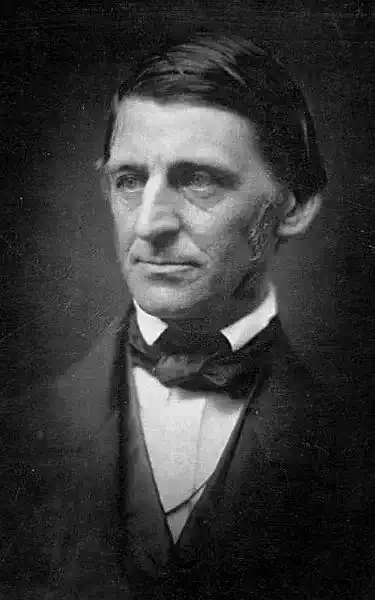
Ralph Waldo Emerson
Fable
Fable
The mountain and the squirrel
Had a quarrel;
And the former called the latter "Little Prig."
Bun replied,
"You are doubtless very big;
But all sorts of things and weather
Must be taken in together
To make up a year
And a sphere.
And I think it's no disgrace
To occupy my place.
If I'm not so large as you,
You are not so small as I,
And not half so spry.
I'll not deny you make
A very pretty squirrel track;
Talents differ: all is well and wisely put;
If I cannot carry forests on my back,
Neither can you crack a nut."
The mountain and the squirrel
Had a quarrel;
And the former called the latter "Little Prig."
Bun replied,
"You are doubtless very big;
But all sorts of things and weather
Must be taken in together
To make up a year
And a sphere.
And I think it's no disgrace
To occupy my place.
If I'm not so large as you,
You are not so small as I,
And not half so spry.
I'll not deny you make
A very pretty squirrel track;
Talents differ: all is well and wisely put;
If I cannot carry forests on my back,
Neither can you crack a nut."
846

William Shakespeare
Sonnet 76: Why is my verse so barren of new pride?
Sonnet 76: Why is my verse so barren of new pride?
Why is my verse so barren of new pride?
So far from variation or quick change?
Why with the time do I not glance aside
To new-found methods, and to compounds strange?
Why write I still all one, ever the same,
And keep invention in a noted weed,
That every word doth almost tell my name,
Showing their birth and where they did proceed?
O, know, sweet love, I always write of you,
And you and love are still my argument;
So all my best is dressing old words new,
Spending again what is already spent.
For as the sun is daily new and old,
So is my love still telling what is told.
Why is my verse so barren of new pride?
So far from variation or quick change?
Why with the time do I not glance aside
To new-found methods, and to compounds strange?
Why write I still all one, ever the same,
And keep invention in a noted weed,
That every word doth almost tell my name,
Showing their birth and where they did proceed?
O, know, sweet love, I always write of you,
And you and love are still my argument;
So all my best is dressing old words new,
Spending again what is already spent.
For as the sun is daily new and old,
So is my love still telling what is told.
196

Edward Lear
Limerick: There was an Old Person of Rhodes
Limerick: There was an Old Person of Rhodes
There was an Old Person of Rhodes,
Who strongly objected to toads;
He paid several cousins,
To catch them by the dozens,
That futile Old Person of Rhodes.
There was an Old Person of Rhodes,
Who strongly objected to toads;
He paid several cousins,
To catch them by the dozens,
That futile Old Person of Rhodes.
169

Emily Dickinson
The Soul has Bandaged moments
The Soul has Bandaged moments
512
The Soul has Bandaged moments-
When too appalled to stir-
She feels some ghastly Fright come up
And stop to look at her-
Salute her-with long fingers-
Caress her freezing hair-
Sip, Goblin, from the very lips
The Lover-hovered-o'er-
Unworthy, that a thought so mean
Accost a Theme-so-fair-
The soul has moments of Escape-
When bursting all the doors-
She dances like a Bomb, abroad,
And swings upon the Hours,
As do the Bee-delirious borne-
Long Dungeoned from his Rose-
Touch Liberty-then know no more,
But Noon, and Paradise-
The Soul's retaken moments-
When, Felon led along,
With shackles on the plumed feet,
And staples, in the Song,
The Horror welcomes her, again,
These, are not brayed of Tongue-
512
The Soul has Bandaged moments-
When too appalled to stir-
She feels some ghastly Fright come up
And stop to look at her-
Salute her-with long fingers-
Caress her freezing hair-
Sip, Goblin, from the very lips
The Lover-hovered-o'er-
Unworthy, that a thought so mean
Accost a Theme-so-fair-
The soul has moments of Escape-
When bursting all the doors-
She dances like a Bomb, abroad,
And swings upon the Hours,
As do the Bee-delirious borne-
Long Dungeoned from his Rose-
Touch Liberty-then know no more,
But Noon, and Paradise-
The Soul's retaken moments-
When, Felon led along,
With shackles on the plumed feet,
And staples, in the Song,
The Horror welcomes her, again,
These, are not brayed of Tongue-
285
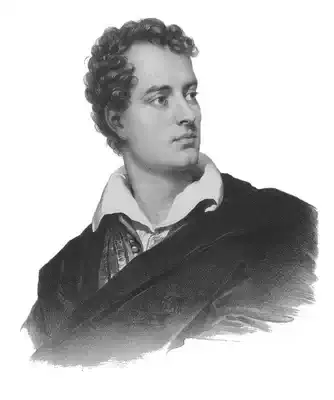
Lord Byron
Windsor Poetics : Lines Composed On The Occasion Of His Royal Highness The
Windsor Poetics : Lines Composed On The Occasion Of His Royal Highness The
Prince Regent Being Seen Standing Between The Coffins Of Henry VIII And
Charles I, In The Royal Vault At Windsor
Famed for contemptuous breach of sacred ties,
By headless Charles see heartless Henry lies;
Between them stands another sceptred thingIt
moves, it reignsin
all but name, a king:
Charles to his people, Henry to his wife,
In
him the double tyrant starts to life:
Justice and death have mix'd their dust in vain,
Each royal vampire wakes to life again.
Ah, what can tombs avail!since
these disgorge
The blood and dust of bothto
mould a George.
Prince Regent Being Seen Standing Between The Coffins Of Henry VIII And
Charles I, In The Royal Vault At Windsor
Famed for contemptuous breach of sacred ties,
By headless Charles see heartless Henry lies;
Between them stands another sceptred thingIt
moves, it reignsin
all but name, a king:
Charles to his people, Henry to his wife,
In
him the double tyrant starts to life:
Justice and death have mix'd their dust in vain,
Each royal vampire wakes to life again.
Ah, what can tombs avail!since
these disgorge
The blood and dust of bothto
mould a George.
400

Ella Wheeler Wilcox
Which are You?
Which are You?
There are two kinds of people on earth to-day;
Just two kinds of people, no more, I say.
Not the sinner and saint, for it's well understood,
The good are half bad, and the bad are half good.
Not the rich and the poor, for to rate a man's wealth,
You must first know the state of his conscience and health.
Not the humble and proud, for in life's little span,
Who puts on vain airs, is not counted a man.
Not the happy and sad, for the swift flying years
Bring each man his laughter and each man his tears.
No; the two kinds of people on earth I mean,
Are the people who lift, and the people who lean.
Wherever you go, you will find the earth's masses,
Are always divided in just these two classes.
And oddly enough, you will find too, I ween,
There's only one lifter to twenty who lean.
In which class are you? Are you easing the load,
Of overtaxed lifters, who toil down the road?
Or are you a leaner, who lets others share
Your portion of labor, and worry and care?
There are two kinds of people on earth to-day;
Just two kinds of people, no more, I say.
Not the sinner and saint, for it's well understood,
The good are half bad, and the bad are half good.
Not the rich and the poor, for to rate a man's wealth,
You must first know the state of his conscience and health.
Not the humble and proud, for in life's little span,
Who puts on vain airs, is not counted a man.
Not the happy and sad, for the swift flying years
Bring each man his laughter and each man his tears.
No; the two kinds of people on earth I mean,
Are the people who lift, and the people who lean.
Wherever you go, you will find the earth's masses,
Are always divided in just these two classes.
And oddly enough, you will find too, I ween,
There's only one lifter to twenty who lean.
In which class are you? Are you easing the load,
Of overtaxed lifters, who toil down the road?
Or are you a leaner, who lets others share
Your portion of labor, and worry and care?
350
William Shakespeare
Sonnet 74: But be contented when that fell arrest
Sonnet 74: But be contented when that fell arrest
But be contented when that fell arrest
Without all bail shall carry me away;
My life hath in this line some interest,
Which for memorial still with thee shall stay.
When thou reviewest this, thou dost review
The very part was consecrate to thee,
The earth can have but earth, which is his due;
My spirit is thine the better part of me.
So then thou hast but lost the dregs of life,
The prey of worms, my body being dead,
The coward conquest of a wretch's knife,
Too base of thee to be rememberèd,
The worth of that is that which it contains,
And that is this, and this with thee remains.
But be contented when that fell arrest
Without all bail shall carry me away;
My life hath in this line some interest,
Which for memorial still with thee shall stay.
When thou reviewest this, thou dost review
The very part was consecrate to thee,
The earth can have but earth, which is his due;
My spirit is thine the better part of me.
So then thou hast but lost the dregs of life,
The prey of worms, my body being dead,
The coward conquest of a wretch's knife,
Too base of thee to be rememberèd,
The worth of that is that which it contains,
And that is this, and this with thee remains.
228

John Donne
A dialogue between Sir Henry Wootton and Mr. Donne
A dialogue between Sir Henry Wootton and Mr. Donne
[W.]
IF her disdain least change in you can move,
You do not love,
For when that hope gives fuel to the fire,
You sell desire.
Love is not love, but given free ;
And so is mine ; so should yours be.
[D.]
Her heart, that weeps to hear of others' moan,
To mine is stone.
Her eyes, that weep a stranger's eyes to see,
Joy to wound me.
Yet I so well affect each part,
As—caused by them—I love my smart.
[W.]
Say her disdainings justly must be graced
With name of chaste ;
And that she frowns lest longing should exceed,
And raging breed ;
So her disdains can ne'er offend,
Unless self-love take private end.
[D.]
'Tis love breeds love in me, and cold disdain
Kills that again,
As water causeth fire to fret and fume,
Till all consume.
Who can of love more rich gift make,
That to Love's self for love's own sake?
I'll never dig in quarry of an heart
To have no part,
Nor roast in fiery eyes, which always are
Canicular.
Who this way would a lover prove,
May show his patience, not his love.
A frown may be sometimes for physic good,
But not for food ;
And for that raging humour there is sure
A gentler cure.
Why bar you love of private end,
Which never should to public tend?
[W.]
IF her disdain least change in you can move,
You do not love,
For when that hope gives fuel to the fire,
You sell desire.
Love is not love, but given free ;
And so is mine ; so should yours be.
[D.]
Her heart, that weeps to hear of others' moan,
To mine is stone.
Her eyes, that weep a stranger's eyes to see,
Joy to wound me.
Yet I so well affect each part,
As—caused by them—I love my smart.
[W.]
Say her disdainings justly must be graced
With name of chaste ;
And that she frowns lest longing should exceed,
And raging breed ;
So her disdains can ne'er offend,
Unless self-love take private end.
[D.]
'Tis love breeds love in me, and cold disdain
Kills that again,
As water causeth fire to fret and fume,
Till all consume.
Who can of love more rich gift make,
That to Love's self for love's own sake?
I'll never dig in quarry of an heart
To have no part,
Nor roast in fiery eyes, which always are
Canicular.
Who this way would a lover prove,
May show his patience, not his love.
A frown may be sometimes for physic good,
But not for food ;
And for that raging humour there is sure
A gentler cure.
Why bar you love of private end,
Which never should to public tend?
250
Emily Dickinson
The Skies can't keep their secret!
The Skies can't keep their secret!
191
The Skies can't keep their secret!
They tell it to the Hills-
The Hills just tell the Orchards-
And they-the Daffodils!
A Bird-by chance-that goes that way-
Soft overhears the whole-
If I should bribe the little Bird-
Who knows but she would tell?
I think I won't-howeverIt's
finer-not to know-
If Summer were an Axiom-
What sorcery had Snow?
So keep your secret-Father!
I would not-if I could,
Know what the Sapphire Fellows, do,
In your new-fashioned world!
191
The Skies can't keep their secret!
They tell it to the Hills-
The Hills just tell the Orchards-
And they-the Daffodils!
A Bird-by chance-that goes that way-
Soft overhears the whole-
If I should bribe the little Bird-
Who knows but she would tell?
I think I won't-howeverIt's
finer-not to know-
If Summer were an Axiom-
What sorcery had Snow?
So keep your secret-Father!
I would not-if I could,
Know what the Sapphire Fellows, do,
In your new-fashioned world!
287
Lord Byron
When I Roved A Young Highlander
When I Roved A Young Highlander
When I roved a young Highlander o'er the dark heath,
And climb'd thy steep sumrnit, oh Morven of snow!
To gaze on the torrent that thunder'd beneath,
Or the mist of the tempest that gather'd below,
Untutor'd by science, a stranger to fear,
And rude as the rocks where my infancy grew,
No feeling, save one, to my bosom was dear
Need I say, my sweet Mary, 'twas centred in you?
Yet it could not be love, for I knew not the name,What
passion can dwell in the heart of a child?
But still I pereceive an emotion the same
As I felt, when a boy, on the crag cover'd wild:
One image alone on my bosom impress'd
I loved my bleak regions, nor panted for new;
And few were my wants, for my wishes were bless'd;
And pure were my thoughts, for my soul was with you.
I arose with the dawn; with my dog as my guide,
From mountain to mountain I bounded along
I breasted the billows of Dee's rushing tide,
And heard at a distance the Highlander's song:
At eve, on my heathcover'd
couch of repose,
No dreams, save of Mary, were spread to my view;
And warm to the skies my devotions aoose,
For the first of my prayers was a blessing on you.
I left my bleak home, and my visions are gone;
The mountains are vanish'd, my youth is no more;
As the last of my race, I must wither alone,
And delight but in days I have witness'd before:
Ah! splendour has raised but embitter'd my lot;
More dear were the scenes which my infancy knew:
Though my hopes may have fail'd, yet they are not forgot;
Though cold is my heart, still it lingers with you.
When I see some dark hill point its crest to the sky,
I think of the rocks that o'ershadow Colbleen
When I see the soft blue of a lovespeaking
eye
I think of those eyes that endear'd the rude scene;
When, haply, some lightwaving
locks I behold,
That faintly resemble my Mary's in hue,
I think on the long, flowing ringlets of gold,
The locks that were sacred to beauty, and you.
Yet the day may arrive when the mountains once more
Shall rise to my sight In their mantles of snow:
But while these soar above me, unchanged as before
Will Mary be there to receive me? ah,
no!
Adieu, then, ye hills, where my childhood was bred!
Thou sweet flowing Dee, to thy waters adieu!
No home in the forest shall shelter my head,
Ah! Mary, what home could be mine but with you?
When I roved a young Highlander o'er the dark heath,
And climb'd thy steep sumrnit, oh Morven of snow!
To gaze on the torrent that thunder'd beneath,
Or the mist of the tempest that gather'd below,
Untutor'd by science, a stranger to fear,
And rude as the rocks where my infancy grew,
No feeling, save one, to my bosom was dear
Need I say, my sweet Mary, 'twas centred in you?
Yet it could not be love, for I knew not the name,What
passion can dwell in the heart of a child?
But still I pereceive an emotion the same
As I felt, when a boy, on the crag cover'd wild:
One image alone on my bosom impress'd
I loved my bleak regions, nor panted for new;
And few were my wants, for my wishes were bless'd;
And pure were my thoughts, for my soul was with you.
I arose with the dawn; with my dog as my guide,
From mountain to mountain I bounded along
I breasted the billows of Dee's rushing tide,
And heard at a distance the Highlander's song:
At eve, on my heathcover'd
couch of repose,
No dreams, save of Mary, were spread to my view;
And warm to the skies my devotions aoose,
For the first of my prayers was a blessing on you.
I left my bleak home, and my visions are gone;
The mountains are vanish'd, my youth is no more;
As the last of my race, I must wither alone,
And delight but in days I have witness'd before:
Ah! splendour has raised but embitter'd my lot;
More dear were the scenes which my infancy knew:
Though my hopes may have fail'd, yet they are not forgot;
Though cold is my heart, still it lingers with you.
When I see some dark hill point its crest to the sky,
I think of the rocks that o'ershadow Colbleen
When I see the soft blue of a lovespeaking
eye
I think of those eyes that endear'd the rude scene;
When, haply, some lightwaving
locks I behold,
That faintly resemble my Mary's in hue,
I think on the long, flowing ringlets of gold,
The locks that were sacred to beauty, and you.
Yet the day may arrive when the mountains once more
Shall rise to my sight In their mantles of snow:
But while these soar above me, unchanged as before
Will Mary be there to receive me? ah,
no!
Adieu, then, ye hills, where my childhood was bred!
Thou sweet flowing Dee, to thy waters adieu!
No home in the forest shall shelter my head,
Ah! Mary, what home could be mine but with you?
646
Ralph Waldo Emerson
Eros
Eros
The sense of the world is short, -
Long and various the report, -
To love and be beloved;
Men and gods have not outlearned it;
And, how oft soe'er they've turned it,
'Tis not to be improved.
The sense of the world is short, -
Long and various the report, -
To love and be beloved;
Men and gods have not outlearned it;
And, how oft soe'er they've turned it,
'Tis not to be improved.
398
William Shakespeare
Sonnet 73:
Sonnet 73:
That time of year thou mayst in me behold
When yellow leaves, or none, or few, do hang
Upon those boughs which shake against the cold,
Bare ruin'd choirs, where late the sweet birds sang.
In me thou see'st the twilight of such day
As after sunset fadeth in the west,
Which by and by black night doth take away,
Death's second self, that seals up all in rest.
In me thou see'st the glowing of such fire
That on the ashes of his youth doth lie,
As the death-bed whereon it must expire,
Consum'd with that which it was nourish'd by.
This thou perceiv'st, which makes thy love more strong,
To love that well which thou must leave ere long.
That time of year thou mayst in me behold
When yellow leaves, or none, or few, do hang
Upon those boughs which shake against the cold,
Bare ruin'd choirs, where late the sweet birds sang.
In me thou see'st the twilight of such day
As after sunset fadeth in the west,
Which by and by black night doth take away,
Death's second self, that seals up all in rest.
In me thou see'st the glowing of such fire
That on the ashes of his youth doth lie,
As the death-bed whereon it must expire,
Consum'd with that which it was nourish'd by.
This thou perceiv'st, which makes thy love more strong,
To love that well which thou must leave ere long.
372
Edward Lear
Limerick: There was an Old Person of Philæ,
Limerick: There was an Old Person of Philæ,
There was an Old Person of Philæ,
Whose conduct was scroobious and wily;
He rushed up a Palm,
When the weather was calm,
And observed all the ruins of Philæ.
There was an Old Person of Philæ,
Whose conduct was scroobious and wily;
He rushed up a Palm,
When the weather was calm,
And observed all the ruins of Philæ.
166
Emily Dickinson
The Service without Hope
The Service without Hope
779
The Service without Hope-
Is tenderest, I think-
Because 'tis unsustained
By stint-Rewarded Work-
Has impetus of Gain-
And impetus of Goal-
There is no Diligence like that
That knows not an Until-
779
The Service without Hope-
Is tenderest, I think-
Because 'tis unsustained
By stint-Rewarded Work-
Has impetus of Gain-
And impetus of Goal-
There is no Diligence like that
That knows not an Until-
234
Lord Byron
Were My Bosom As False as Thou Deem'st It To Be
Were My Bosom As False as Thou Deem'st It To Be
Were my bosom as false as thou deem'st it to be,
I need not have wander'd from far Galilee;
It was but abjuring my creed to efface
The curse which, thou say'st, is the crime of my race.
If the bad never triumph, then God is with thee!
If the slave only sin, thou art spotless and free!
If the Exile on earth is an Outcast on high,
Live on in thy faith, but in mine I will die.
I have lost for that faith more than thou canst bestow,
As the God who permits thee to prosper doth know;
In his hand is my heart and my hope and
in thine
The land and the life which for him I resign.
Were my bosom as false as thou deem'st it to be,
I need not have wander'd from far Galilee;
It was but abjuring my creed to efface
The curse which, thou say'st, is the crime of my race.
If the bad never triumph, then God is with thee!
If the slave only sin, thou art spotless and free!
If the Exile on earth is an Outcast on high,
Live on in thy faith, but in mine I will die.
I have lost for that faith more than thou canst bestow,
As the God who permits thee to prosper doth know;
In his hand is my heart and my hope and
in thine
The land and the life which for him I resign.
374
Ella Wheeler Wilcox
Where Are The Temperance People? In Reply To A Query
Where Are The Temperance People? In Reply To A Query
Where are the temperance people?
Well, scattered here and there:
Some gathering in their produce
To show at the autumn fair;
Some threshing wheat for market,
And others threshing rye,
That will go to the fat distiller
For whiskey by-and-by.
And some are selling their hop crops
At a first-rate price, this year,
And the seller pockets the money,
While the drunkard swallows the beer.
And some 'staunch temperance workers'(?)
Who'd do anything for the cause,
Save to give it a dime or a moment,
Or work for temperance laws,
May be seen from now to election,
Near any tavern stand
Where liquor flows in plenty,
With a voter on either hand.
And these temperance office-seekers
That we hear of far and near
Are the ones who furnish the money
That buys the lager-beer.
But these are only the black sheep
Who want the temperance name
Without living up to the precepts,
And so bring themselves to shame.
And the true, brave temperance people,
Who have the cause at heart,
Are doing the work that's nearest,
Each his allotted part:
Some lifting the fallen drunkard,
Some preaching unto men,
Some aiding the cause with money,
And others with the pen.
Each has a different mission,
Each works in a different way,
But their works shall melt together
In one grand result, some day.
And one, our chief (God bless him),
Is working day and night:
With his sword of burning eloquence,
He is fighting the noble fight.
Whether in lodge or convention,
Whether at home or abroad,
He is reaping a golden harvest
To lay at the feet of God.
Where are the temperance people?
All scattered here and there,
Sowing the seeds of righteous deeds,
That the harvest may be fair.
Where are the temperance people?
Well, scattered here and there:
Some gathering in their produce
To show at the autumn fair;
Some threshing wheat for market,
And others threshing rye,
That will go to the fat distiller
For whiskey by-and-by.
And some are selling their hop crops
At a first-rate price, this year,
And the seller pockets the money,
While the drunkard swallows the beer.
And some 'staunch temperance workers'(?)
Who'd do anything for the cause,
Save to give it a dime or a moment,
Or work for temperance laws,
May be seen from now to election,
Near any tavern stand
Where liquor flows in plenty,
With a voter on either hand.
And these temperance office-seekers
That we hear of far and near
Are the ones who furnish the money
That buys the lager-beer.
But these are only the black sheep
Who want the temperance name
Without living up to the precepts,
And so bring themselves to shame.
And the true, brave temperance people,
Who have the cause at heart,
Are doing the work that's nearest,
Each his allotted part:
Some lifting the fallen drunkard,
Some preaching unto men,
Some aiding the cause with money,
And others with the pen.
Each has a different mission,
Each works in a different way,
But their works shall melt together
In one grand result, some day.
And one, our chief (God bless him),
Is working day and night:
With his sword of burning eloquence,
He is fighting the noble fight.
Whether in lodge or convention,
Whether at home or abroad,
He is reaping a golden harvest
To lay at the feet of God.
Where are the temperance people?
All scattered here and there,
Sowing the seeds of righteous deeds,
That the harvest may be fair.
339
William Shakespeare
Sonnet 71: No longer mourn for me when I am dead
Sonnet 71: No longer mourn for me when I am dead
No longer mourn for me when I am dead
Than you shall hear the surly sullen bell
Give warning to the world that I am fled
From this vile world with vilest worms to dwell.
Nay if you read this line, remember not
The hand that writ it, for I love you so
That I in your sweet thoughts would be forgot
If thinking on me then should make you woe.
O, if, I say, you look upon this verse,
When I perhaps compounded am with clay,
Do not so much as my poor name rehearse,
But let your love even with my life decay,
Lest the wise world should look into your moan
And mock you with me after I am gone.
No longer mourn for me when I am dead
Than you shall hear the surly sullen bell
Give warning to the world that I am fled
From this vile world with vilest worms to dwell.
Nay if you read this line, remember not
The hand that writ it, for I love you so
That I in your sweet thoughts would be forgot
If thinking on me then should make you woe.
O, if, I say, you look upon this verse,
When I perhaps compounded am with clay,
Do not so much as my poor name rehearse,
But let your love even with my life decay,
Lest the wise world should look into your moan
And mock you with me after I am gone.
249
John Donne
A Burnt Ship
A Burnt Ship
Out of a fired ship, which by no way
But drowning could be rescued from the flame,
Some men leap'd forth, and ever as they came
Near the foes' ships, did by their shot decay;
So all were lost, which in the ship were found,
They in the sea being burnt, they in the burnt ship drown'd.
Out of a fired ship, which by no way
But drowning could be rescued from the flame,
Some men leap'd forth, and ever as they came
Near the foes' ships, did by their shot decay;
So all were lost, which in the ship were found,
They in the sea being burnt, they in the burnt ship drown'd.
314
Lord Byron
We Sate Down And Wept By The Waters
We Sate Down And Wept By The Waters
I.
We sate down and wept by the waters
Of Babel, and thought of the day
When our foe, in the hue of his slaughters,
Made Salem's high places his prey;
And ye, oh her desolate daughters!
Were scattered all weeping away.
II.
While sadly we gazed on the river
Which roll'd on in freedom below,
They demanded the song; but, oh never
That triumph the stranger shall know!
May this right hand be withered for ever,
Ere it string our high harp for the foe!
III.
On the willow that harp is suspended,
Oh Salem! its sound should be free;
And the hour when thy glories were ended
But left me that token of thee:
And ne'er shall its soft tones be blended
With the voice of the spoiler by me!
I.
We sate down and wept by the waters
Of Babel, and thought of the day
When our foe, in the hue of his slaughters,
Made Salem's high places his prey;
And ye, oh her desolate daughters!
Were scattered all weeping away.
II.
While sadly we gazed on the river
Which roll'd on in freedom below,
They demanded the song; but, oh never
That triumph the stranger shall know!
May this right hand be withered for ever,
Ere it string our high harp for the foe!
III.
On the willow that harp is suspended,
Oh Salem! its sound should be free;
And the hour when thy glories were ended
But left me that token of thee:
And ne'er shall its soft tones be blended
With the voice of the spoiler by me!
515
Emily Dickinson
The Robin's my Criterion for Tune
The Robin's my Criterion for Tune
285
The Robin's my Criterion for Tune-
Because I grow-where Robins do-
But, were I Cuckoo bornI'd
swear by him-
The ode familiar-rules the Noon-
The Buttercup's, my Whim for Bloom-
Because, we're Orchard sprung-
But, were I Britain born,
I'd Daisies spurn-
None but the Nut-October fit-
Because, through dropping it,
The Seasons flit-I'm taught-
Without the Snow's Tableau
Winter, were lie-to me-
Because I see-New Englandly-
The Queen, discerns like me-
Provincially-
285
The Robin's my Criterion for Tune-
Because I grow-where Robins do-
But, were I Cuckoo bornI'd
swear by him-
The ode familiar-rules the Noon-
The Buttercup's, my Whim for Bloom-
Because, we're Orchard sprung-
But, were I Britain born,
I'd Daisies spurn-
None but the Nut-October fit-
Because, through dropping it,
The Seasons flit-I'm taught-
Without the Snow's Tableau
Winter, were lie-to me-
Because I see-New Englandly-
The Queen, discerns like me-
Provincially-
291
Ralph Waldo Emerson
Dirge
Dirge
Knows he who tills this lonely field
To reap its scanty corn,
What mystic fruit his acres yield
At midnight and at morn?
In the long sunny afternoon,
The plain was full of ghosts,
I wandered up, I wandered down,
Beset by pensive hosts.
The winding Concord gleamed below,
Pouring as wide a flood
As when my brothers long ago,
Came with me to the wood.
But they are gone,— the holy ones,
Who trod with me this lonely vale,
The strong, star-bright companions
Are silent, low, and pale.
My good, my noble, in their prime,
Who made this world the feast it was,
Who learned with me the lore of time,
Who loved this dwelling-place.
They took this valley for their toy,
They played with it in every mood,
A cell for prayer, a hall for joy,
They treated nature as they would.
They colored the horizon round,
Stars flamed and faded as they bade,
All echoes hearkened for their sound,
They made the woodlands glad or mad.
I touch this flower of silken leaf
Which once our childhood knew
Its soft leaves wound me with a grief
Whose balsam never grew.
Hearken to yon pine warbler
Singing aloft in the tree;
Hearest thou, O traveller!
What he singeth to me?
Not unless God made sharp thine ear
With sorrow such as mine,
Out of that delicate lay couldst thou
The heavy dirge divine.
Go, lonely man, it saith,
They loved thee from their birth,
Their hands were pure, and pure their faith,
There are no such hearts on earth.
Ye drew one mother's milk,
One chamber held ye all;
A very tender history
Did in your childhood fall.
Ye cannot unlock your heart,
The key is gone with them;
The silent organ loudest chants
The master's requiem.
Knows he who tills this lonely field
To reap its scanty corn,
What mystic fruit his acres yield
At midnight and at morn?
In the long sunny afternoon,
The plain was full of ghosts,
I wandered up, I wandered down,
Beset by pensive hosts.
The winding Concord gleamed below,
Pouring as wide a flood
As when my brothers long ago,
Came with me to the wood.
But they are gone,— the holy ones,
Who trod with me this lonely vale,
The strong, star-bright companions
Are silent, low, and pale.
My good, my noble, in their prime,
Who made this world the feast it was,
Who learned with me the lore of time,
Who loved this dwelling-place.
They took this valley for their toy,
They played with it in every mood,
A cell for prayer, a hall for joy,
They treated nature as they would.
They colored the horizon round,
Stars flamed and faded as they bade,
All echoes hearkened for their sound,
They made the woodlands glad or mad.
I touch this flower of silken leaf
Which once our childhood knew
Its soft leaves wound me with a grief
Whose balsam never grew.
Hearken to yon pine warbler
Singing aloft in the tree;
Hearest thou, O traveller!
What he singeth to me?
Not unless God made sharp thine ear
With sorrow such as mine,
Out of that delicate lay couldst thou
The heavy dirge divine.
Go, lonely man, it saith,
They loved thee from their birth,
Their hands were pure, and pure their faith,
There are no such hearts on earth.
Ye drew one mother's milk,
One chamber held ye all;
A very tender history
Did in your childhood fall.
Ye cannot unlock your heart,
The key is gone with them;
The silent organ loudest chants
The master's requiem.
292
William Shakespeare
Sonnet 70:That thou art blamed shall not be thy defect…
Sonnet 70:That thou art blamed shall not be thy defect…
That thou art blamed shall not be thy defect,
For slander's mark was ever yet the fair,
The ornament of beauty is suspect,
A crow that flies in heaven's sweetest air.
So thou be good, slander doth but approve,
Thy worth the greater being wooed of time,
For canker vice the sweetest buds doth love,
And thou present'st a pure unstained prime.
Thou hast passed by the ambush of young days,
Either not assailed, or victor being charged,
Yet this thy praise cannot be so thy praise,
To tie up envy, evermore enlarged,
If some suspect of ill masked not thy show,
Then thou alone kingdoms of hearts shouldst owe.
That thou art blamed shall not be thy defect,
For slander's mark was ever yet the fair,
The ornament of beauty is suspect,
A crow that flies in heaven's sweetest air.
So thou be good, slander doth but approve,
Thy worth the greater being wooed of time,
For canker vice the sweetest buds doth love,
And thou present'st a pure unstained prime.
Thou hast passed by the ambush of young days,
Either not assailed, or victor being charged,
Yet this thy praise cannot be so thy praise,
To tie up envy, evermore enlarged,
If some suspect of ill masked not thy show,
Then thou alone kingdoms of hearts shouldst owe.
211
Edward Lear
Limerick: There was an old person of Paxo
Limerick: There was an old person of Paxo
There was an old person of Paxo
Which complained when the fleas bit his back so,
But they gave him a chair
And impelled him to swear,
Which relieved that old person of Paxo.
There was an old person of Paxo
Which complained when the fleas bit his back so,
But they gave him a chair
And impelled him to swear,
Which relieved that old person of Paxo.
169
Lord Byron
Versicles
Versicles
I Read the 'Christabel';
Very well:
I read the Missionary';
Pretty very
I tried at Ilderim ;
Ahem!
I read a sheet of 'Marg'ret of Anjou';
Can you?
I turn'd a page of Scott's 'Waterloo';
Pooh! pooh!
I look'd at Wordsworth's milkwhite
'Rylstone Doe';
Hillo!
&c. &c. &c.
March 1817.
I Read the 'Christabel';
Very well:
I read the Missionary';
Pretty very
I tried at Ilderim ;
Ahem!
I read a sheet of 'Marg'ret of Anjou';
Can you?
I turn'd a page of Scott's 'Waterloo';
Pooh! pooh!
I look'd at Wordsworth's milkwhite
'Rylstone Doe';
Hillo!
&c. &c. &c.
March 1817.
413