
Poems List
Explore poems from our collection

William Shakespeare
Sonnet 84: Who is it that says most, which can say more
Sonnet 84: Who is it that says most, which can say more
Who is it that says most, which can say more,
Than this rich praise, that you alone, are you,
In whose confine immured is the store
Which should example where your equal grew?
Lean penury within that pen doth dwell
That to his subject lends not some small glory;
But he that writes of you, if he can tell
That you are you, so dignifies his story.
Let him but copy what in you is writ,
Not making worse what nature made so clear,
And such a counterpart shall fame his wit,
Making his style admired every where.
You to your beauteous blessings add a curse,
Being fond on praise, which makes your praises worse.
Who is it that says most, which can say more,
Than this rich praise, that you alone, are you,
In whose confine immured is the store
Which should example where your equal grew?
Lean penury within that pen doth dwell
That to his subject lends not some small glory;
But he that writes of you, if he can tell
That you are you, so dignifies his story.
Let him but copy what in you is writ,
Not making worse what nature made so clear,
And such a counterpart shall fame his wit,
Making his style admired every where.
You to your beauteous blessings add a curse,
Being fond on praise, which makes your praises worse.
316
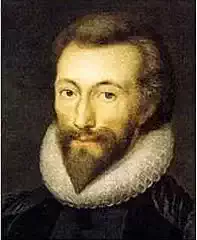
John Donne
A Lecture Upon The Shadow
A Lecture Upon The Shadow
Stand still, and I will read to thee
A lecture, love, in love's philosophy.
These three hours that we have spent,
Walking here, two shadows went
Along with us, which we ourselves produc'd.
But, now the sun is just above our head,
We do those shadows tread,
And to brave clearness all things are reduc'd.
So whilst our infant loves did grow,
Disguises did, and shadows, flow
From us, and our cares; but now 'tis not so.
That love has not attain'd the high'st degree,
Which is still diligent lest others see.
Except our loves at this noon stay,
We shall new shadows make the other way.
As the first were made to blind
Others, these which come behind
Will work upon ourselves, and blind our eyes.
If our loves faint, and westwardly decline,
To me thou, falsely, thine,
And I to thee mine actions shall disguise.
The morning shadows wear away,
But these grow longer all the day;
But oh, love's day is short, if love decay.
Love is a growing, or full constant light,
And his first minute, after noon, is night.
Stand still, and I will read to thee
A lecture, love, in love's philosophy.
These three hours that we have spent,
Walking here, two shadows went
Along with us, which we ourselves produc'd.
But, now the sun is just above our head,
We do those shadows tread,
And to brave clearness all things are reduc'd.
So whilst our infant loves did grow,
Disguises did, and shadows, flow
From us, and our cares; but now 'tis not so.
That love has not attain'd the high'st degree,
Which is still diligent lest others see.
Except our loves at this noon stay,
We shall new shadows make the other way.
As the first were made to blind
Others, these which come behind
Will work upon ourselves, and blind our eyes.
If our loves faint, and westwardly decline,
To me thou, falsely, thine,
And I to thee mine actions shall disguise.
The morning shadows wear away,
But these grow longer all the day;
But oh, love's day is short, if love decay.
Love is a growing, or full constant light,
And his first minute, after noon, is night.
328

Emily Dickinson
The Sun kept setting—setting—still
The Sun kept setting—setting—still
692
The Sun kept setting—setting—still
No Hue of Afternoon—
Upon the Village I perceived
From House to House 'twas Noon—
The Dusk kept dropping—dropping—still
No Dew upon the Grass—
But only on my Forehead stopped—
And wandered in my Face—
My Feet kept drowsing—drowsing—still
My fingers were awake—
Yet why so little sound—Myself
Unto my Seeming—make?
How well I knew the Light before—
I could see it now—
'Tis Dying—I am doing—but
I'm not afraid to know—
692
The Sun kept setting—setting—still
No Hue of Afternoon—
Upon the Village I perceived
From House to House 'twas Noon—
The Dusk kept dropping—dropping—still
No Dew upon the Grass—
But only on my Forehead stopped—
And wandered in my Face—
My Feet kept drowsing—drowsing—still
My fingers were awake—
Yet why so little sound—Myself
Unto my Seeming—make?
How well I knew the Light before—
I could see it now—
'Tis Dying—I am doing—but
I'm not afraid to know—
224
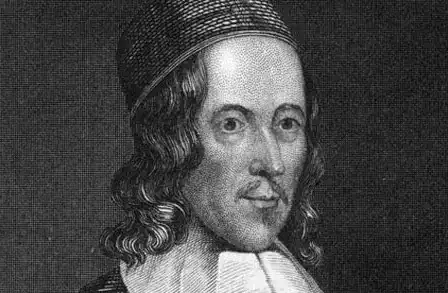
George Herbert
Affliction (II)
Affliction (II)
Kill me not ev'ry day,
Thou Lord of life, since thy one death for me
Is more than all my deaths can be,
Though I in broken pay
Die over each hour of Methusalem's stay.
If all men's tears were let
Into one common sewer, sea, and brine;
What were they all, compar'd to thine?
Wherein if they were set,
They would discolour thy most bloody sweat.
Thou art my grief alone,
Thou Lord conceal it not: and as thou art
All my delight, so all my smart:
Thy cross took up in one,
By way of imprest, all my future moan.
Kill me not ev'ry day,
Thou Lord of life, since thy one death for me
Is more than all my deaths can be,
Though I in broken pay
Die over each hour of Methusalem's stay.
If all men's tears were let
Into one common sewer, sea, and brine;
What were they all, compar'd to thine?
Wherein if they were set,
They would discolour thy most bloody sweat.
Thou art my grief alone,
Thou Lord conceal it not: and as thou art
All my delight, so all my smart:
Thy cross took up in one,
By way of imprest, all my future moan.
202
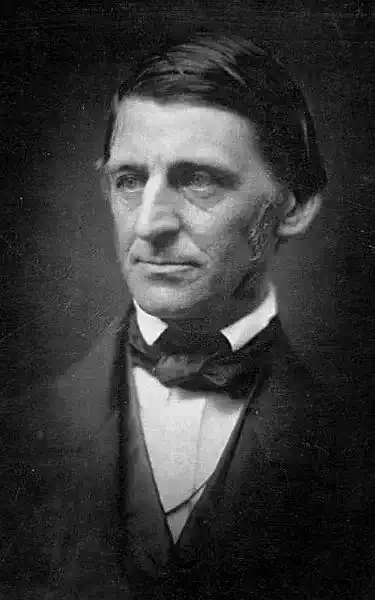
Ralph Waldo Emerson
Good-by
Good-by
Good-by, proud world, I'm going home,
Thou'rt not my friend, and I'm not thine;
Long through thy weary crowds I roam;
A river-ark on the ocean brine,
Long I've been tossed like the driven foam,
But now, proud world, I'm going home.
Good-by to Flattery's fawning face,
To Grandeur, with his wise grimace,
To upstart Wealth's averted eye,
To supple Office low and high,
To crowded halls, to court, and street,
To frozen hearts, and hasting feet,
To those who go, and those who come,
Good-by, proud world, I'm going home.
I'm going to my own hearth-stone
Bosomed in yon green hills, alone,
A secret nook in a pleasant land,
Whose groves the frolic fairies planned;
Where arches green the livelong day
Echo the blackbird's roundelay,
And vulgar feet have never trod
A spot that is sacred to thought and God.
Oh, when I am safe in my sylvan home,
I tread on the pride of Greece and Rome;
And when I am stretched beneath the pines
Where the evening star so holy shines,
I laugh at the lore and the pride of man,
At the sophist schools, and the learned clan;
For what are they all in their high conceit,
When man in the bush with God may meet.
Good-by, proud world, I'm going home,
Thou'rt not my friend, and I'm not thine;
Long through thy weary crowds I roam;
A river-ark on the ocean brine,
Long I've been tossed like the driven foam,
But now, proud world, I'm going home.
Good-by to Flattery's fawning face,
To Grandeur, with his wise grimace,
To upstart Wealth's averted eye,
To supple Office low and high,
To crowded halls, to court, and street,
To frozen hearts, and hasting feet,
To those who go, and those who come,
Good-by, proud world, I'm going home.
I'm going to my own hearth-stone
Bosomed in yon green hills, alone,
A secret nook in a pleasant land,
Whose groves the frolic fairies planned;
Where arches green the livelong day
Echo the blackbird's roundelay,
And vulgar feet have never trod
A spot that is sacred to thought and God.
Oh, when I am safe in my sylvan home,
I tread on the pride of Greece and Rome;
And when I am stretched beneath the pines
Where the evening star so holy shines,
I laugh at the lore and the pride of man,
At the sophist schools, and the learned clan;
For what are they all in their high conceit,
When man in the bush with God may meet.
388
William Shakespeare
Sonnet 83: I never saw that you did painting need
Sonnet 83: I never saw that you did painting need
I never saw that you did painting need,
And therefore to your fair no painting set;
I found, or thought I found, you did exceed
That barren tender of a poet's debt;
And therefore have I slept in your report,
That you yourself being extant well might show
How far a modern quill doth come too short,
Speaking of worth, what worth in you doth grow.
This silence for my sin you did impute,
Which shall be most my glory, being dumb,
For I impair not beauty, being mute,
When others would give life and bring a tomb.
There lives more life in one of your fair eyes,
Than both your poets can in praise devise.
I never saw that you did painting need,
And therefore to your fair no painting set;
I found, or thought I found, you did exceed
That barren tender of a poet's debt;
And therefore have I slept in your report,
That you yourself being extant well might show
How far a modern quill doth come too short,
Speaking of worth, what worth in you doth grow.
This silence for my sin you did impute,
Which shall be most my glory, being dumb,
For I impair not beauty, being mute,
When others would give life and bring a tomb.
There lives more life in one of your fair eyes,
Than both your poets can in praise devise.
337

Edward Lear
Limerick: There was an Old Person whose habits,
Limerick: There was an Old Person whose habits,
There was an Old Person whose habits,
Induced him to feed upon rabbits;
When he'd eaten eighteen,
He turned perfectly green,
Upon which he relinquished those habits.
There was an Old Person whose habits,
Induced him to feed upon rabbits;
When he'd eaten eighteen,
He turned perfectly green,
Upon which he relinquished those habits.
174
Emily Dickinson
The Sun and Moon must make their haste
The Sun and Moon must make their haste
871
The Sun and Moon must make their haste-
The Stars express around
For in the Zones of Paradise
The Lord alone is burned-
His Eye, it is the East and West-
The North and South when He
Do concentrate His Countenance
Like Glow Worms, flee away-
Oh Poor and Far-
Oh Hindred Eye
That hunted for the Day-
The Lord a Candle entertains
Entirely for Thee-
871
The Sun and Moon must make their haste-
The Stars express around
For in the Zones of Paradise
The Lord alone is burned-
His Eye, it is the East and West-
The North and South when He
Do concentrate His Countenance
Like Glow Worms, flee away-
Oh Poor and Far-
Oh Hindred Eye
That hunted for the Day-
The Lord a Candle entertains
Entirely for Thee-
252
George Herbert
Aaron
Aaron
Holiness on the head,
Light and perfection on the breast,
Harmonious bells below, raising the dead
To led them unto life and rest.
Thus are true Aarons dressed.
Profaneness in my head,
Defects and darkness in my breast,
A noise of passions ringing me for dead
Unto a place where is no rest.
Poor priest thus am I dressed.
Only another head
I have, another heart and breast,
another music, making live not dead,
without whom I could have no rest:
In him I am well dressed.
Christ is my only head,
My alone only heart and breast,
My only music, striking me even dead;
That to the old man I may rest,
And be in him new dressed.
So holy in my head,
Perfect and light in my dear breast,
My doctrine tuned by Christ, (who is not dead,
But lives in me while I do rest)
Come people; Aaron's dressed.
Holiness on the head,
Light and perfection on the breast,
Harmonious bells below, raising the dead
To led them unto life and rest.
Thus are true Aarons dressed.
Profaneness in my head,
Defects and darkness in my breast,
A noise of passions ringing me for dead
Unto a place where is no rest.
Poor priest thus am I dressed.
Only another head
I have, another heart and breast,
another music, making live not dead,
without whom I could have no rest:
In him I am well dressed.
Christ is my only head,
My alone only heart and breast,
My only music, striking me even dead;
That to the old man I may rest,
And be in him new dressed.
So holy in my head,
Perfect and light in my dear breast,
My doctrine tuned by Christ, (who is not dead,
But lives in me while I do rest)
Come people; Aaron's dressed.
318

Ella Wheeler Wilcox
Widows
Widows
The world was widowed by the death of Christ:
Vainly its suffering soul for peace has sought
And found it not.
For nothing, nothing, nothing has sufficed
To bring back comfort to the stricken house
From whence has gone the Master and the Spouse.
In its long widowhood the world has striven
To find diversion. It has turned away
From the vast awefull silences of Heaven
(Which answer but with silence when we pray)
And sought for something to assuage its grief.
Some surcease and relief
From sorrow, in pursuit of mortal joys.
It drowned God's stillness in a sea of noise;
It lost God's presence in a blur of forms;
Till, bruised and bleeding with life's brutal storms,
Unto immutable and speechless space
The World lifts up its face,
Its haggard, tear-drenched face,
And cries aloud for faith's supreme reward,
The promised Second Coming of its Lord.
So many widows, widows everywhere,
The whole earth teems with widows.
Guns that blare-
Winged monsters of the air-
And deep-sea monsters leaping through the water,
Hell bent on slaughter,
All these plough paths for widows. Maids at dawn,
And brides at noon, ere eventide pass on
Into the ranks of widows: but to weep
Just for a little space; then will grief sleep
In their young bosoms, where sweet hope belongs,
New love will sing once more its age-old songs,
And life bloom as a rose-tree blooms again
After a night of rain.
There are complacent widows clothed in crêpe
Who simulate a grief that is not real.
Through paths of seeming sorrow they escape
From disappointed hopes to some ideal,
Or, from the penury of unloved wives
Walk forth to opulent lives.
And there are widows who shed all their tears
Just at the first
In one wild burst,
And then go lilting lightly down the years:
Black butterflies, they flit from flower to flower
And live in the thin pleasures of the hour;
Merging their tender memories of the dead
In tenderer dreams of being once more wed.
But there are others: women who have proved
That loving greatly means so being loved.
Women who through full beauteous years have grown
Into the very body, souls, and heart
Of their dear comrades. When death tears apart
Such close-knit bonds as these, and one alone
Out to the larger freer life is called,
And one is left-
Then God in heaven must sometimes be appalled
At the wild anguish of the soul bereft,
And unto His Son must say, 'I did not know
Mortals could suffer so.'
But Christ, remembering Gethsemane,
Will answer softly, 'It was known to Me.'
God's alchemist, old Time, will merge to calm
That bitter anguish; but there is no balm
Save the sweet certitude that each long day
Is one step in a stair
That circles up to where freed spirits stay.
Widows, so many widows everywhere.
The world was widowed by the death of Christ,
And nothing, nothing, nothing has sufficed
To bring back comfort to the stricken house
From whence has gone the Master and the Spouse.
Hasten, dear Lord, with Thy Millennium,
Hasten and come.
The world was widowed by the death of Christ:
Vainly its suffering soul for peace has sought
And found it not.
For nothing, nothing, nothing has sufficed
To bring back comfort to the stricken house
From whence has gone the Master and the Spouse.
In its long widowhood the world has striven
To find diversion. It has turned away
From the vast awefull silences of Heaven
(Which answer but with silence when we pray)
And sought for something to assuage its grief.
Some surcease and relief
From sorrow, in pursuit of mortal joys.
It drowned God's stillness in a sea of noise;
It lost God's presence in a blur of forms;
Till, bruised and bleeding with life's brutal storms,
Unto immutable and speechless space
The World lifts up its face,
Its haggard, tear-drenched face,
And cries aloud for faith's supreme reward,
The promised Second Coming of its Lord.
So many widows, widows everywhere,
The whole earth teems with widows.
Guns that blare-
Winged monsters of the air-
And deep-sea monsters leaping through the water,
Hell bent on slaughter,
All these plough paths for widows. Maids at dawn,
And brides at noon, ere eventide pass on
Into the ranks of widows: but to weep
Just for a little space; then will grief sleep
In their young bosoms, where sweet hope belongs,
New love will sing once more its age-old songs,
And life bloom as a rose-tree blooms again
After a night of rain.
There are complacent widows clothed in crêpe
Who simulate a grief that is not real.
Through paths of seeming sorrow they escape
From disappointed hopes to some ideal,
Or, from the penury of unloved wives
Walk forth to opulent lives.
And there are widows who shed all their tears
Just at the first
In one wild burst,
And then go lilting lightly down the years:
Black butterflies, they flit from flower to flower
And live in the thin pleasures of the hour;
Merging their tender memories of the dead
In tenderer dreams of being once more wed.
But there are others: women who have proved
That loving greatly means so being loved.
Women who through full beauteous years have grown
Into the very body, souls, and heart
Of their dear comrades. When death tears apart
Such close-knit bonds as these, and one alone
Out to the larger freer life is called,
And one is left-
Then God in heaven must sometimes be appalled
At the wild anguish of the soul bereft,
And unto His Son must say, 'I did not know
Mortals could suffer so.'
But Christ, remembering Gethsemane,
Will answer softly, 'It was known to Me.'
God's alchemist, old Time, will merge to calm
That bitter anguish; but there is no balm
Save the sweet certitude that each long day
Is one step in a stair
That circles up to where freed spirits stay.
Widows, so many widows everywhere.
The world was widowed by the death of Christ,
And nothing, nothing, nothing has sufficed
To bring back comfort to the stricken house
From whence has gone the Master and the Spouse.
Hasten, dear Lord, with Thy Millennium,
Hasten and come.
321
William Shakespeare
Sonnet 81: Or I shall live your epitaph to make
Sonnet 81: Or I shall live your epitaph to make
Or I shall live your epitaph to make,
Or you survive when I in earth am rotten,
From hence your memory death cannot take,
Although in me each part will be forgotten.
Your name from hence immortal life shall have,
Though I, once gone, to all the world must die;
The earth can yield me but a common grave,
When you entombèd in men's eyes shall lie.
Your monument shall be my gentle verse,
Which eyes not yet created shall o'er-read,
And tongues to be your being shall rehearse
When all the breathers of this world are dead.
You still shall live—such virtue hath my pen—
Where breath most breathes, even in the mouths of men.
Or I shall live your epitaph to make,
Or you survive when I in earth am rotten,
From hence your memory death cannot take,
Although in me each part will be forgotten.
Your name from hence immortal life shall have,
Though I, once gone, to all the world must die;
The earth can yield me but a common grave,
When you entombèd in men's eyes shall lie.
Your monument shall be my gentle verse,
Which eyes not yet created shall o'er-read,
And tongues to be your being shall rehearse
When all the breathers of this world are dead.
You still shall live—such virtue hath my pen—
Where breath most breathes, even in the mouths of men.
301
John Donne
A Jet Ring Sent
A Jet Ring Sent
Thou art not so black as my heart,
Nor half so brittle as her heart, thou art ;
What would'st thou say ? shall both our properties by thee be spoke,
—Nothing more endless, nothing sooner broke?
Marriage rings are not of this stuff ;
Oh, why should ought less precious, or less tough
Figure our loves ? except in thy name thou have bid it say,
'—I'm cheap, and nought but fashion ; fling me away.'
Yet stay with me since thou art come,
Circle this finger's top, which didst her thumb ;
Be justly proud, and gladly safe, that thou dost dwell with me ;
She that, O ! broke her faith, would soon break thee.
Thou art not so black as my heart,
Nor half so brittle as her heart, thou art ;
What would'st thou say ? shall both our properties by thee be spoke,
—Nothing more endless, nothing sooner broke?
Marriage rings are not of this stuff ;
Oh, why should ought less precious, or less tough
Figure our loves ? except in thy name thou have bid it say,
'—I'm cheap, and nought but fashion ; fling me away.'
Yet stay with me since thou art come,
Circle this finger's top, which didst her thumb ;
Be justly proud, and gladly safe, that thou dost dwell with me ;
She that, O ! broke her faith, would soon break thee.
314
Emily Dickinson
The Spider holds a Silver Ball
The Spider holds a Silver Ball
The spider holds a Silver Ball
In unperceived Hands--
And dancing softly to Himself
His Yarn of Pearl--unwinds--
He plies from Nought to Nought--
In unsubstantial Trade--
Supplants our Tapestries with His--
In half the period--
An Hour to rear supreme
His Continents of Light--
Then dangle from the Housewife's Broom--
His Boundaries--forgot--
The spider holds a Silver Ball
In unperceived Hands--
And dancing softly to Himself
His Yarn of Pearl--unwinds--
He plies from Nought to Nought--
In unsubstantial Trade--
Supplants our Tapestries with His--
In half the period--
An Hour to rear supreme
His Continents of Light--
Then dangle from the Housewife's Broom--
His Boundaries--forgot--
345
George Herbert
A Dialogue-Anthem
A Dialogue-Anthem
Alas, poor Death! Where is thy glory?
Where is thy famous force, thy ancient sting?
Alas, poor mortal, void of story!
Go spell and read how I have killed thy King.
Poor Death! And who was hurt thereby?
Thy curse being laid on Him makes thee accurst.
Let losers talk, yet thou shalt die;
These arms shall crush thee.
Spare not, do thy worst.
I shall be one day better than before;
Thou so much worse, that thou shalt be no more.
Alas, poor Death! Where is thy glory?
Where is thy famous force, thy ancient sting?
Alas, poor mortal, void of story!
Go spell and read how I have killed thy King.
Poor Death! And who was hurt thereby?
Thy curse being laid on Him makes thee accurst.
Let losers talk, yet thou shalt die;
These arms shall crush thee.
Spare not, do thy worst.
I shall be one day better than before;
Thou so much worse, that thou shalt be no more.
233
Ralph Waldo Emerson
Forebearance
Forebearance
Hast thou named all the birds without a gun;
Loved the wood-rose, and left it on its stalk;
At rich men's tables eaten bread and pulse;
Unarmed, faced danger with a heart of trust;
And loved so well a high behavior
In man or maid, that thou from speech refrained,
Nobility more nobly to repay?—
O be my friend, and teach me to be thine!
Hast thou named all the birds without a gun;
Loved the wood-rose, and left it on its stalk;
At rich men's tables eaten bread and pulse;
Unarmed, faced danger with a heart of trust;
And loved so well a high behavior
In man or maid, that thou from speech refrained,
Nobility more nobly to repay?—
O be my friend, and teach me to be thine!
274
William Shakespeare
Sonnet 8: Music to hear, why hear'st thou music sadly?
Sonnet 8: Music to hear, why hear'st thou music sadly?
Music to hear, why hear'st thou music sadly?
Sweets with sweets war not, joy delights in joy.
Why lov'st thou that which thou receiv'st not gladly,
Or else receiv'st with pleasure thine annoy?
If the true concord of well-tunèd sounds,
By unions married, do offend thine ear,
They do but sweetly chide thee, who confounds
In singleness the parts that thou shouldst bear.
Mark how one string, sweet husband to another,
Strikes each in each by mutual ordering,
Resembling sire and child and happy mother,
Who, all in one, one pleasing note do sing;
Whose speechless song being many, seeming one,
Sings this to thee: "Thou single wilt prove none."
Music to hear, why hear'st thou music sadly?
Sweets with sweets war not, joy delights in joy.
Why lov'st thou that which thou receiv'st not gladly,
Or else receiv'st with pleasure thine annoy?
If the true concord of well-tunèd sounds,
By unions married, do offend thine ear,
They do but sweetly chide thee, who confounds
In singleness the parts that thou shouldst bear.
Mark how one string, sweet husband to another,
Strikes each in each by mutual ordering,
Resembling sire and child and happy mother,
Who, all in one, one pleasing note do sing;
Whose speechless song being many, seeming one,
Sings this to thee: "Thou single wilt prove none."
307
Edward Lear
Limerick: There was an old person of Troy
Limerick: There was an old person of Troy
There was an old person of Troy,
Whose drink was warm brandy and soy,
Which he took with a spoon,
By the light of the moon,
In sight of the city of Troy.
There was an old person of Troy,
Whose drink was warm brandy and soy,
Which he took with a spoon,
By the light of the moon,
In sight of the city of Troy.
246
Emily Dickinson
The Soul's distinct connection
The Soul's distinct connection
974
The Soul's distinct connection
With immortality
Is best disclosed by Danger
Or quick Calamity-
As Lightning on a Landscape
Exhibits Sheets of Place-
Not yet suspected-but for Flash-
And Click-and Suddenness.
974
The Soul's distinct connection
With immortality
Is best disclosed by Danger
Or quick Calamity-
As Lightning on a Landscape
Exhibits Sheets of Place-
Not yet suspected-but for Flash-
And Click-and Suddenness.
222
George Herbert
A Dialogue
A Dialogue
Man. SWEETEST Saviour, if my soul
Were but worth the having,
Quickly should I then control
Any thought of waving.
But when all my care and pains
Cannot give the name of gains
To Thy wretch so full of stains,
What delight or hope remains?
Saviour. What, child, is the balance thine,
Thine the poise and measure?
If I say, 'Thou shalt be Mine,'
Finger not My treasure.
What the gains in having thee
Do amount to, only He
Who for man was sold can see;
That transferr'd th' accounts to Me.
Man. But as I can see no merit
Leading to this favour,
So the way to fit me for it
Is beyond my savour.
As the reason, then, is Thine,
So the way is none of mine;
I disclaim the whole design;
Sin disclaims and I resign.
Saviour. That is all: if that I could
Get without repining;
And My clay, My creature, would
Follow My resigning;
That as I did freely part
With My glory and desert,
Left all joys to feel all smart----
Man. Ah, no more! Thou break'st my heart!
Man. SWEETEST Saviour, if my soul
Were but worth the having,
Quickly should I then control
Any thought of waving.
But when all my care and pains
Cannot give the name of gains
To Thy wretch so full of stains,
What delight or hope remains?
Saviour. What, child, is the balance thine,
Thine the poise and measure?
If I say, 'Thou shalt be Mine,'
Finger not My treasure.
What the gains in having thee
Do amount to, only He
Who for man was sold can see;
That transferr'd th' accounts to Me.
Man. But as I can see no merit
Leading to this favour,
So the way to fit me for it
Is beyond my savour.
As the reason, then, is Thine,
So the way is none of mine;
I disclaim the whole design;
Sin disclaims and I resign.
Saviour. That is all: if that I could
Get without repining;
And My clay, My creature, would
Follow My resigning;
That as I did freely part
With My glory and desert,
Left all joys to feel all smart----
Man. Ah, no more! Thou break'st my heart!
235
Ella Wheeler Wilcox
Why The Daisies Are Not All White
Why The Daisies Are Not All White
Uncle Rob says:
Once the daisies all were white,
Till a baby fellow
Ate his supper down one night,
And stained his face all yellow.
Smeared with butter, off to bed
Crept the sleepy flower.
'Fie!' the good nurse dew-drop said,
Come now to my bower.
'Let me wash you clean, I pray,
Like the pink and rosy.'
But the daisy pulled away
Like a stubborn posy.
All unwashed he went to sleep,
Naughty little fellow.
Ever since he's had to keep
That great patch of yellow.
So Uncle Rob says.
Uncle Rob says:
Once the daisies all were white,
Till a baby fellow
Ate his supper down one night,
And stained his face all yellow.
Smeared with butter, off to bed
Crept the sleepy flower.
'Fie!' the good nurse dew-drop said,
Come now to my bower.
'Let me wash you clean, I pray,
Like the pink and rosy.'
But the daisy pulled away
Like a stubborn posy.
All unwashed he went to sleep,
Naughty little fellow.
Ever since he's had to keep
That great patch of yellow.
So Uncle Rob says.
325
William Shakespeare
Sonnet 78: So oft have I invoked thee for my Muse
Sonnet 78: So oft have I invoked thee for my Muse
So oft have I invoked thee for my Muse,
And found such fair assistance in my verse
As every alien pen hath got my use,
And under thee their poesy disperse.
Thine eyes, that taught the dumb on high to sing,
And heavy ignorance aloft to fly,
Have added feathers to the learnèd's wing
And given grace a double majesty.
Yet be most proud of that which I compile,
Whose influence is thine, and born of thee.
In others' works thou dost but mend the style,
And arts with thy sweet graces gracèd be.
But thou art all my art, and dost advance
As high as learning my rude ignorance.
So oft have I invoked thee for my Muse,
And found such fair assistance in my verse
As every alien pen hath got my use,
And under thee their poesy disperse.
Thine eyes, that taught the dumb on high to sing,
And heavy ignorance aloft to fly,
Have added feathers to the learnèd's wing
And given grace a double majesty.
Yet be most proud of that which I compile,
Whose influence is thine, and born of thee.
In others' works thou dost but mend the style,
And arts with thy sweet graces gracèd be.
But thou art all my art, and dost advance
As high as learning my rude ignorance.
335
John Donne
A Hymn To Christ At The Author's Last Going Into Germany
A Hymn To Christ At The Author's Last Going Into Germany
In what torn ship soever I embark,
That ship shall be my emblem of thy Ark;
What sea soever swallow me, that flood
Shall be to me an emblem of thy blood;
Though thou with clouds of anger do disguise
Thy face, yet through that mask I know those eyes,
Which, though they turn away sometimes,
They never will despise.
I sacrifice this Island unto thee,
And all whom I loved there, and who loved me;
When I have put our seas 'twixt them and me,
Put thou thy sea betwixt my sins and thee.
As the tree's sap doth seek the root below
In winter, in my winter now I go,
Where none but thee, th' Eternal root
Of true Love, I may know.
Nor thou nor thy religion dost control
The amorousness of an harmonious Soul,
But thou wouldst have that love thyself: as thou
Art jealous, Lord, so I am jealous now,
Thou lov'st not, till from loving more, Thou free
My soul: who ever gives, takes liberty:
O, if thou car'st not whom I love
Alas, thou lov'st not me.
Seal then this bill of my Divorce to All,
On whom those fainter beams of love did fall;
Marry those loves, which in youth scattered be
On Fame, Wit, Hopes (false mistresses) to thee.
Churches are best for Prayer, that have least light:
To see God only, I go out of sight:
And to 'scape stormy days, I choose
An Everlasting night.
In what torn ship soever I embark,
That ship shall be my emblem of thy Ark;
What sea soever swallow me, that flood
Shall be to me an emblem of thy blood;
Though thou with clouds of anger do disguise
Thy face, yet through that mask I know those eyes,
Which, though they turn away sometimes,
They never will despise.
I sacrifice this Island unto thee,
And all whom I loved there, and who loved me;
When I have put our seas 'twixt them and me,
Put thou thy sea betwixt my sins and thee.
As the tree's sap doth seek the root below
In winter, in my winter now I go,
Where none but thee, th' Eternal root
Of true Love, I may know.
Nor thou nor thy religion dost control
The amorousness of an harmonious Soul,
But thou wouldst have that love thyself: as thou
Art jealous, Lord, so I am jealous now,
Thou lov'st not, till from loving more, Thou free
My soul: who ever gives, takes liberty:
O, if thou car'st not whom I love
Alas, thou lov'st not me.
Seal then this bill of my Divorce to All,
On whom those fainter beams of love did fall;
Marry those loves, which in youth scattered be
On Fame, Wit, Hopes (false mistresses) to thee.
Churches are best for Prayer, that have least light:
To see God only, I go out of sight:
And to 'scape stormy days, I choose
An Everlasting night.
284
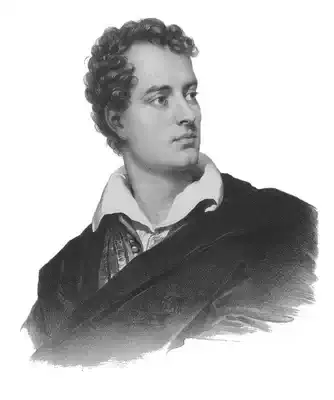
Lord Byron
Written Shortly After The Marriage Of Miss Chaworth
Written Shortly After The Marriage Of Miss Chaworth
Hills of Annesley, bleak and barren,
Where my thoughtless childhood stray'd,
How the northern tempests, warring,
Howl above thy tufted shade!
Now no more, the hours beguiling,
Former favourite haunts I see;
Now no more my Mary smiling
Makes ye seem a heaven to me.
Hills of Annesley, bleak and barren,
Where my thoughtless childhood stray'd,
How the northern tempests, warring,
Howl above thy tufted shade!
Now no more, the hours beguiling,
Former favourite haunts I see;
Now no more my Mary smiling
Makes ye seem a heaven to me.
418
Emily Dickinson
The Soul that hath a Guest
The Soul that hath a Guest
674
The Soul that hath a Guest
Doth seldom go abroad-
Diviner Crowd at Home-
Obliterate the need-
And Courtesy forbid
A Host's departure when
Upon Himself be visiting
The Emperor of Men-
674
The Soul that hath a Guest
Doth seldom go abroad-
Diviner Crowd at Home-
Obliterate the need-
And Courtesy forbid
A Host's departure when
Upon Himself be visiting
The Emperor of Men-
267