
Poems List
Explore poems from our collection

Edward Lear
Limerick:There was a Young Lady of Parma
Limerick:There was a Young Lady of Parma
There was a Young Lady of Parma,
Whose conduct grew calmer and calmer;
When they said, 'Are you dumb?'
She merely said, 'Hum!'
That provoking Young Lady of Parma.
There was a Young Lady of Parma,
Whose conduct grew calmer and calmer;
When they said, 'Are you dumb?'
She merely said, 'Hum!'
That provoking Young Lady of Parma.
159

Emily Dickinson
The Way I read a Letter's—this
The Way I read a Letter's—this
636
The Way I read a Letter's—this—
'Tis first—I lock the Door—
And push it with my fingers—next—
For transport it be sure—
And then I go the furthest off
To counteract a knock—
Then draw my little Letter forth
And slowly pick the lock—
Then—glancing narrow, at the Wall—
And narrow at the floor
For firm Conviction of a Mouse
Not exorcised before—
Peruse how infinite I am
To no one that You—know—
And sigh for lack of Heaven—but not
The Heaven God bestow—
636
The Way I read a Letter's—this—
'Tis first—I lock the Door—
And push it with my fingers—next—
For transport it be sure—
And then I go the furthest off
To counteract a knock—
Then draw my little Letter forth
And slowly pick the lock—
Then—glancing narrow, at the Wall—
And narrow at the floor
For firm Conviction of a Mouse
Not exorcised before—
Peruse how infinite I am
To no one that You—know—
And sigh for lack of Heaven—but not
The Heaven God bestow—
267
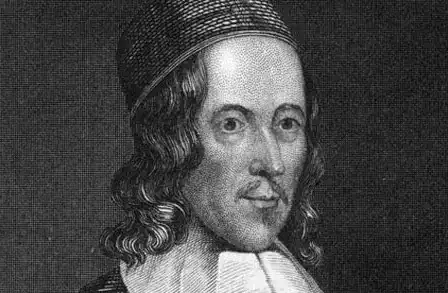
George Herbert
Discipline
Discipline
THROW away Thy rod,
Throw away Thy wrath;
O my God,
Take the gentle path!
For my heart's desire
Unto Thine is bent:
I aspire
To a full consent.
Not a word or look
I affect to own,
But by book,
And Thy Book alone.
Though I fail, I weep;
Though I halt in pace,
Yet I creep
To the throne of grace.
Then let wrath remove;
Love will do the deed;
For with love
Stony hearts will bleed.
Love is swift of foot;
Love 's a man of war,
And can shoot,
And can hit from far.
Who can 'scape his bow?
That which wrought on Thee,
Brought Thee low,
Needs must work on me.
Throw away Thy rod;
Though man frailties hath,
Thou art God:
Throw away Thy wrath!
THROW away Thy rod,
Throw away Thy wrath;
O my God,
Take the gentle path!
For my heart's desire
Unto Thine is bent:
I aspire
To a full consent.
Not a word or look
I affect to own,
But by book,
And Thy Book alone.
Though I fail, I weep;
Though I halt in pace,
Yet I creep
To the throne of grace.
Then let wrath remove;
Love will do the deed;
For with love
Stony hearts will bleed.
Love is swift of foot;
Love 's a man of war,
And can shoot,
And can hit from far.
Who can 'scape his bow?
That which wrought on Thee,
Brought Thee low,
Needs must work on me.
Throw away Thy rod;
Though man frailties hath,
Thou art God:
Throw away Thy wrath!
180

Ella Wheeler Wilcox
Woman
Woman
Give us that grand word ‘woman’ once again,
And let’s have done with ‘lady’: one’s a term
Full of fine force, strong, beautiful, and firm,
Fit for the noblest use of tongue or pen;
And one’s a word for lackeys. One suggests
The Mother, Wife, and Sister! One the dame
Whose costly robe, mayhap, gives her the name,
One word upon its own strength leans and rests;
The other minces tiptoe. Who would be
The perfect woman must grow brave of heart
And broad of soul to play her troubled part
Well in life’s drama. While each day we see
The ‘perfect lady’ skilled in what to do
And what to say, grace in each tone and act
(‘Tis taught in schools, but needs some native tact) ,
Yet narrow in her mind as in her shoe.
Give the first place then to the nobler phrase,
And leave the lesser word for lesser praise.
Give us that grand word ‘woman’ once again,
And let’s have done with ‘lady’: one’s a term
Full of fine force, strong, beautiful, and firm,
Fit for the noblest use of tongue or pen;
And one’s a word for lackeys. One suggests
The Mother, Wife, and Sister! One the dame
Whose costly robe, mayhap, gives her the name,
One word upon its own strength leans and rests;
The other minces tiptoe. Who would be
The perfect woman must grow brave of heart
And broad of soul to play her troubled part
Well in life’s drama. While each day we see
The ‘perfect lady’ skilled in what to do
And what to say, grace in each tone and act
(‘Tis taught in schools, but needs some native tact) ,
Yet narrow in her mind as in her shoe.
Give the first place then to the nobler phrase,
And leave the lesser word for lesser praise.
419
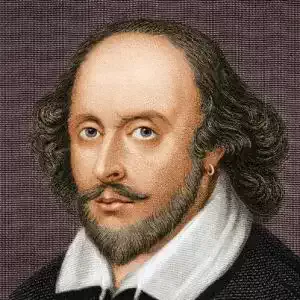
William Shakespeare
Sonnet 91: Some glory in their birth, some in their skill
Sonnet 91: Some glory in their birth, some in their skill
Some glory in their birth, some in their skill,
Some in their wealth, some in their body's force,
Some in their garments though new-fangled ill,
Some in their hawks and hounds, some in their horse;
And every humour hath his adjunct pleasure,
Wherein it finds a joy above the rest,
But these particulars are not my measure;
All these I better in one general best.
Thy love is better than high birth to me,
Richer than wealth, prouder than garments' costs,
Of more delight than hawks and horses be;
And having thee, of all men's pride I boast—
Wretched in this alone, that thou mayst take,
All this away and me most wretched make.
Some glory in their birth, some in their skill,
Some in their wealth, some in their body's force,
Some in their garments though new-fangled ill,
Some in their hawks and hounds, some in their horse;
And every humour hath his adjunct pleasure,
Wherein it finds a joy above the rest,
But these particulars are not my measure;
All these I better in one general best.
Thy love is better than high birth to me,
Richer than wealth, prouder than garments' costs,
Of more delight than hawks and horses be;
And having thee, of all men's pride I boast—
Wretched in this alone, that thou mayst take,
All this away and me most wretched make.
347
John Donne
A Self Accuser
A Self Accuser
Your mistress, that you follow whores, still taxeth
you ;
'Tis strange that she should thus confess it, though 't be true.
Your mistress, that you follow whores, still taxeth
you ;
'Tis strange that she should thus confess it, though 't be true.
283
George Herbert
Clasping of Hands
Clasping of Hands
LORD, Thou art mine, and I am Thine,
If mine I am; and Thine much more
Then I or ought or can be mine.
Yet to be Thine doth me restore,
So that again I now am mine,
And with advantage mine the more,
Since this being mine brings with it Thine,
And Thou with me dost Thee restore:
If I without Thee would be mine,
I neither should be mine nor Thine.
Lord, I am Thine, and Thou art mine;
So mine Thou art, that something more
I may presume Thee mine then Thine,
For Thou didst suffer to restore
Not Thee, but me, and to be mine:
And with advantage mine the more,
Since Thou in death wast none of Thine,
Yet then as mine didst me restore:
O, be mine still; still make me Thine;
Or rather make no Thine and Mine.
LORD, Thou art mine, and I am Thine,
If mine I am; and Thine much more
Then I or ought or can be mine.
Yet to be Thine doth me restore,
So that again I now am mine,
And with advantage mine the more,
Since this being mine brings with it Thine,
And Thou with me dost Thee restore:
If I without Thee would be mine,
I neither should be mine nor Thine.
Lord, I am Thine, and Thou art mine;
So mine Thou art, that something more
I may presume Thee mine then Thine,
For Thou didst suffer to restore
Not Thee, but me, and to be mine:
And with advantage mine the more,
Since Thou in death wast none of Thine,
Yet then as mine didst me restore:
O, be mine still; still make me Thine;
Or rather make no Thine and Mine.
227
Emily Dickinson
The Truth—is stirless
The Truth—is stirless
780
The Truth—is stirless—
Other force—may be presumed to move—
This—then—is best for confidence—
When oldest Cedars swerve—
And Oaks untwist their fists—
And Mountains—feeble—lean—
How excellent a Body, that
Stands without a Bone—
How vigorous a Force
That holds without a Prop—
Truth stays Herself—and every man
That trusts Her—boldly up—
780
The Truth—is stirless—
Other force—may be presumed to move—
This—then—is best for confidence—
When oldest Cedars swerve—
And Oaks untwist their fists—
And Mountains—feeble—lean—
How excellent a Body, that
Stands without a Bone—
How vigorous a Force
That holds without a Prop—
Truth stays Herself—and every man
That trusts Her—boldly up—
239
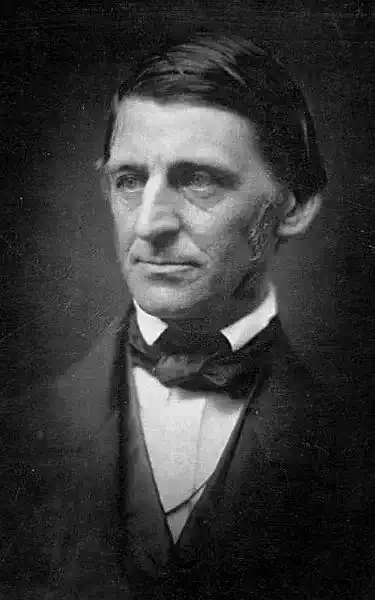
Ralph Waldo Emerson
Initial Love
Initial Love
Venus, when her son was lost,
Cried him up and down the coast,
In hamlets, palaces, and parks,
And told the truant by his marks,
Golden curls, and quiver, and bow;—
This befell long ago.
Time and tide are strangely changed,
Men and manners much deranged;
None will now find Cupid latent
By this foolish antique patent.
He came late along the waste,
Shod like a traveller for haste,
With malice dared me to proclaim him,
That the maids and boys might name him.
Boy no more, he wears all coats,
Frocks, and blouses, capes, capôtes,
He bears no bow, or quiver, or wand,
Nor chaplet on his head or hand:
Leave his weeds and heed his eyes,
All the rest he can disguise.
In the pit of his eyes a spark
Would bring back day if it were dark,
And,—if I tell you all my thought,
Though I comprehend it not,—
In those unfathomable orbs
Every function he absorbs;
He doth eat, and drink, and fish, and shoot,
And write, and reason, and compute,
And ride, and run, and have, and hold,
And whine, and flatter, and regret,
And kiss, and couple, and beget,
By those roving eye-balls bold;
Undaunted are their courages,
Right Cossacks in their forages;
Fleeter they than any creature,
They are his steeds and not his feature,
Inquisitive, and fierce, and fasting,
Restless, predatory, hasting,—
And they pounce on other eyes,
As lions on their prey;
And round their circles is writ,
Plainer than the day,
Underneath, within, above,
Love, love, love, love.
He lives in his eyes,
There doth digest, and work, and spin,
And buy, and sell, and lose, and win;
He rolls them with delighted motion,
Joy-tides swell their mimic ocean.
Yet holds he them with tortest rein,
That they may seize and entertain
The glance that to their glance opposes,
Like fiery honey sucked from roses.
He palmistry can understand,
Imbibing virtue by his hand
As if it were a living root;
The pulse of hands will make him mute;
With all his force he gathers balms
Into those wise thrilling palms.
Cupid is a casuist,
A mystic, and a cabalist,
Can your lurking Thought surprise,
And interpret your device;
Mainly versed in occult science,
In magic, and in clairvoyance.
Oft he keeps his fine ear strained,
And reason on her tiptoe pained,
For aery intelligence,
And for strange coincidence.
But it touches his quick heart
When Fate by omens takes his part,
And chance-dropt hints from Nature's sphere
Deeply soothe his anxious ear.
Heralds high before him run,
He has ushers many a one,
Spreads his welcome where he goes,
And touches all things with his rose.
All things wait for and divine him,—
How shall I dare to malign him,
Or accuse the god of sport?—
I must end my true report,
Painting him from head to foot,
In as far as I took note,
Trusting well the matchless power
Of this young-eyed emperor
Will clear his fame from every cloud,
With the bards, and with the crowd.
He is wilful, mutable,
Shy, untamed, inscrutable,
Swifter-fashioned than the fairies,
Substance mixed of pure contraries,
His vice some elder virtue's token,
And his good is evil spoken.
Failing sometimes of his own,
He is headstrong and alone;
He affects the wood and wild,
Like a flower-hunting child,
Buries himself in summer waves,
In trees, with beasts, in mines, and caves,
Loves nature like a horned cow,
Bird, or deer, or cariboo.
Shun him, nymphs, on the fleet horses!
He has a total world of wit,
O how wise are his discourses!
But he is the arch-hypocrite,
And through all science and all art,
Seeks alone his counterpart.
He is a Pundit of the east,
He is an augur and a priest,
And his soul will melt in prayer,
But word and wisdom are a snare;
Corrupted by the present toy,
He follows joy, and only joy.
There is no mask but he will wear,
He invented oaths to swear,
He paints, he carves, he chants, he prays,
And holds all stars in his embrace,
Godlike, —but 'tis for his fine pelf,
The social quintessence of self.
Well, said I, he is hypocrite,
And folly the end of his subtle wit,
He takes a sovran privilege
Not allowed to any liege,
For he does go behind all law,
And right into himself does draw,
For he is sovranly allied.
Heaven's oldest blood flows in his side,
And interchangeably at one
With every king on every throne,
That no God dare say him nay,
Or see the fault, or seen betray;
He has the Muses by the heart,
And the Parcæ all are of his part.
His many signs cannot be told,
He has not one mode, but manifold,
Many fashions and addresses,
Piques, reproaches, hurts, caresses,
Action, service, badinage,
He will preach like a friar,
And jump like Harlequin,
He will read like a crier,
And fight like a Paladin.
Boundless is his memory,
Plans immense his term prolong,
He is not of counted age,
Meaning always to be young.
And his wish is intimacy,
Intimater intimacy,
And a stricter privacy,
The impossible shall yet be done,
And being two shall still be one.
As the wave breaks to foam on shelves,
Then runs into a wave again,
So lovers melt their sundered selves,
Yet melted would be twain.
Venus, when her son was lost,
Cried him up and down the coast,
In hamlets, palaces, and parks,
And told the truant by his marks,
Golden curls, and quiver, and bow;—
This befell long ago.
Time and tide are strangely changed,
Men and manners much deranged;
None will now find Cupid latent
By this foolish antique patent.
He came late along the waste,
Shod like a traveller for haste,
With malice dared me to proclaim him,
That the maids and boys might name him.
Boy no more, he wears all coats,
Frocks, and blouses, capes, capôtes,
He bears no bow, or quiver, or wand,
Nor chaplet on his head or hand:
Leave his weeds and heed his eyes,
All the rest he can disguise.
In the pit of his eyes a spark
Would bring back day if it were dark,
And,—if I tell you all my thought,
Though I comprehend it not,—
In those unfathomable orbs
Every function he absorbs;
He doth eat, and drink, and fish, and shoot,
And write, and reason, and compute,
And ride, and run, and have, and hold,
And whine, and flatter, and regret,
And kiss, and couple, and beget,
By those roving eye-balls bold;
Undaunted are their courages,
Right Cossacks in their forages;
Fleeter they than any creature,
They are his steeds and not his feature,
Inquisitive, and fierce, and fasting,
Restless, predatory, hasting,—
And they pounce on other eyes,
As lions on their prey;
And round their circles is writ,
Plainer than the day,
Underneath, within, above,
Love, love, love, love.
He lives in his eyes,
There doth digest, and work, and spin,
And buy, and sell, and lose, and win;
He rolls them with delighted motion,
Joy-tides swell their mimic ocean.
Yet holds he them with tortest rein,
That they may seize and entertain
The glance that to their glance opposes,
Like fiery honey sucked from roses.
He palmistry can understand,
Imbibing virtue by his hand
As if it were a living root;
The pulse of hands will make him mute;
With all his force he gathers balms
Into those wise thrilling palms.
Cupid is a casuist,
A mystic, and a cabalist,
Can your lurking Thought surprise,
And interpret your device;
Mainly versed in occult science,
In magic, and in clairvoyance.
Oft he keeps his fine ear strained,
And reason on her tiptoe pained,
For aery intelligence,
And for strange coincidence.
But it touches his quick heart
When Fate by omens takes his part,
And chance-dropt hints from Nature's sphere
Deeply soothe his anxious ear.
Heralds high before him run,
He has ushers many a one,
Spreads his welcome where he goes,
And touches all things with his rose.
All things wait for and divine him,—
How shall I dare to malign him,
Or accuse the god of sport?—
I must end my true report,
Painting him from head to foot,
In as far as I took note,
Trusting well the matchless power
Of this young-eyed emperor
Will clear his fame from every cloud,
With the bards, and with the crowd.
He is wilful, mutable,
Shy, untamed, inscrutable,
Swifter-fashioned than the fairies,
Substance mixed of pure contraries,
His vice some elder virtue's token,
And his good is evil spoken.
Failing sometimes of his own,
He is headstrong and alone;
He affects the wood and wild,
Like a flower-hunting child,
Buries himself in summer waves,
In trees, with beasts, in mines, and caves,
Loves nature like a horned cow,
Bird, or deer, or cariboo.
Shun him, nymphs, on the fleet horses!
He has a total world of wit,
O how wise are his discourses!
But he is the arch-hypocrite,
And through all science and all art,
Seeks alone his counterpart.
He is a Pundit of the east,
He is an augur and a priest,
And his soul will melt in prayer,
But word and wisdom are a snare;
Corrupted by the present toy,
He follows joy, and only joy.
There is no mask but he will wear,
He invented oaths to swear,
He paints, he carves, he chants, he prays,
And holds all stars in his embrace,
Godlike, —but 'tis for his fine pelf,
The social quintessence of self.
Well, said I, he is hypocrite,
And folly the end of his subtle wit,
He takes a sovran privilege
Not allowed to any liege,
For he does go behind all law,
And right into himself does draw,
For he is sovranly allied.
Heaven's oldest blood flows in his side,
And interchangeably at one
With every king on every throne,
That no God dare say him nay,
Or see the fault, or seen betray;
He has the Muses by the heart,
And the Parcæ all are of his part.
His many signs cannot be told,
He has not one mode, but manifold,
Many fashions and addresses,
Piques, reproaches, hurts, caresses,
Action, service, badinage,
He will preach like a friar,
And jump like Harlequin,
He will read like a crier,
And fight like a Paladin.
Boundless is his memory,
Plans immense his term prolong,
He is not of counted age,
Meaning always to be young.
And his wish is intimacy,
Intimater intimacy,
And a stricter privacy,
The impossible shall yet be done,
And being two shall still be one.
As the wave breaks to foam on shelves,
Then runs into a wave again,
So lovers melt their sundered selves,
Yet melted would be twain.
411
William Shakespeare
Sonnet 9: Is it for fear to wet a widow's eye
Sonnet 9: Is it for fear to wet a widow's eye
Is it for fear to wet a widow's eye,
That thou consum'st thy self in single life?
Ah, if thou issueless shalt hap to die,
The world will wail thee like a makeless wife.
The world will be thy widow and still weep,
That thou no form of thee hast left behind,
When every private widow well may keep,
By children's eyes, her husband's shape in mind.
Look what an unthrift in the world doth spend
Shifts but his place, for still the world enjoys it;
But beauty's waste hath in the world an end,
And kept unused the user so destroys it.
No love toward others in that bosom sits
That on himself such murd'rous shame commits.
Is it for fear to wet a widow's eye,
That thou consum'st thy self in single life?
Ah, if thou issueless shalt hap to die,
The world will wail thee like a makeless wife.
The world will be thy widow and still weep,
That thou no form of thee hast left behind,
When every private widow well may keep,
By children's eyes, her husband's shape in mind.
Look what an unthrift in the world doth spend
Shifts but his place, for still the world enjoys it;
But beauty's waste hath in the world an end,
And kept unused the user so destroys it.
No love toward others in that bosom sits
That on himself such murd'rous shame commits.
297
Edward Lear
Limerick:There was a Young Lady of Clare
Limerick:There was a Young Lady of Clare
There was a Young Lady of Clare,
Who was sadly pursued by a bear;
When she found she was tired,
She abruptly expired,
That unfortunate Lady of Clare.
There was a Young Lady of Clare,
Who was sadly pursued by a bear;
When she found she was tired,
She abruptly expired,
That unfortunate Lady of Clare.
165
Emily Dickinson
The Tint I cannot take—is best
The Tint I cannot take—is best
627
The Tint I cannot take—is best—
The Color too remote
That I could show it in Bazaar—
A Guinea at a sight—
The fine—impalpable Array—
That swaggers on the eye
Like Cleopatra's Company—
Repeated—in the sky—
The Moments of Dominion
That happen on the Soul
And leave it with a Discontent
Too exquisite—to tell—
The eager look—on Landscapes—
As if they just repressed
Some Secret—that was pushing
Like Chariots—in the Vest—
The Pleading of the Summer—
That other Prank—of Snow—
That Cushions Mystery with Tulle,
For fear the Squirrels—know.
Their Graspless manners—mock us—
Until the Cheated Eye
Shuts arrogantly—in the Grave—
Another way—to see—
627
The Tint I cannot take—is best—
The Color too remote
That I could show it in Bazaar—
A Guinea at a sight—
The fine—impalpable Array—
That swaggers on the eye
Like Cleopatra's Company—
Repeated—in the sky—
The Moments of Dominion
That happen on the Soul
And leave it with a Discontent
Too exquisite—to tell—
The eager look—on Landscapes—
As if they just repressed
Some Secret—that was pushing
Like Chariots—in the Vest—
The Pleading of the Summer—
That other Prank—of Snow—
That Cushions Mystery with Tulle,
For fear the Squirrels—know.
Their Graspless manners—mock us—
Until the Cheated Eye
Shuts arrogantly—in the Grave—
Another way—to see—
299
George Herbert
Church Monuments
Church Monuments
While that my soul repairs to her devotion,
Here I intomb my flesh, that it betimes
May take acquaintance of this heap of dust;
To which the blast of death's incessant motion,
Fed with the exhalation of our crimes,
Drives all at last. Therefore I gladly trust
My body to this school, that it may learn
To spell his elements, and find his birth
Written in dusty heraldry and lines;
Which dissolution sure doth best discern,
Comparing dust with dust, and earth with earth.
These laugh at jet and marble put for signs,
To sever the good fellowship of dust,
And spoil the meeting. What shall point out them,
When they shall bow, and kneel, and fall down flat
To kiss those heaps, which now they have in trust?
Dear flesh, while I do pray, learn here thy stem
And true descent, that when thou shalt grow fat
And wanton in thy cravings, thou mayst know
That flesh is but the glass which holds the dust
That measures all our time; which also shall
Be crumbled into dust. Mark, here below
How tame these ashes are, how free from lust,
That thou mayst fit thyself against thy fall.
While that my soul repairs to her devotion,
Here I intomb my flesh, that it betimes
May take acquaintance of this heap of dust;
To which the blast of death's incessant motion,
Fed with the exhalation of our crimes,
Drives all at last. Therefore I gladly trust
My body to this school, that it may learn
To spell his elements, and find his birth
Written in dusty heraldry and lines;
Which dissolution sure doth best discern,
Comparing dust with dust, and earth with earth.
These laugh at jet and marble put for signs,
To sever the good fellowship of dust,
And spoil the meeting. What shall point out them,
When they shall bow, and kneel, and fall down flat
To kiss those heaps, which now they have in trust?
Dear flesh, while I do pray, learn here thy stem
And true descent, that when thou shalt grow fat
And wanton in thy cravings, thou mayst know
That flesh is but the glass which holds the dust
That measures all our time; which also shall
Be crumbled into dust. Mark, here below
How tame these ashes are, how free from lust,
That thou mayst fit thyself against thy fall.
264
Ella Wheeler Wilcox
Wishing
Wishing
Do you wish the world were better?
Let me tell you what to do:
Set a watch for your actions,
Keep them always straight and true;
Rid tour mind of selfish motives;
Let your thoughts be clean and high.
You can make a little Eden
Of the sphere you occupy.
Do you wish the world were wiser?
Well, suppose you made a start,
By accumulating wisdom
In the scrapbook of your heart:
Do not waste one page on folly;
Live to learn, and learn to live.
If you want to give men knowledge
You must get it, ere you give.
Do you wish the world were happy?
Then remember day by day
Just to scatter seeds of kindness
As you pass along the way;
For the pleasures of the many
May ofttimes traced to one,
As the hand that plants an acorn
Shelters armies from the sun.
Do you wish the world were better?
Let me tell you what to do:
Set a watch for your actions,
Keep them always straight and true;
Rid tour mind of selfish motives;
Let your thoughts be clean and high.
You can make a little Eden
Of the sphere you occupy.
Do you wish the world were wiser?
Well, suppose you made a start,
By accumulating wisdom
In the scrapbook of your heart:
Do not waste one page on folly;
Live to learn, and learn to live.
If you want to give men knowledge
You must get it, ere you give.
Do you wish the world were happy?
Then remember day by day
Just to scatter seeds of kindness
As you pass along the way;
For the pleasures of the many
May ofttimes traced to one,
As the hand that plants an acorn
Shelters armies from the sun.
460
William Shakespeare
Sonnet 88: When thou shalt be disposed to set me light
Sonnet 88: When thou shalt be disposed to set me light
When thou shalt be disposed to set me light
And place my merit in the eye of scorn,
Upon thy side, against myself I'll fight,
And prove thee virtuous, though thou art forsworn.
With mine own weakness being best acquainted,
Upon thy part I can set down a story
Of faults concealed, wherein I am attainted,
That thou in losing me shalt win much glory.
And I by this will be a gainer too;
For bending all my loving thoughts on thee,
The injuries that to myself I do,
Doing thee vantage, double-vantage me.
Such is my love, to thee I so belong,
That for thy right, myself will bear all wrong.
When thou shalt be disposed to set me light
And place my merit in the eye of scorn,
Upon thy side, against myself I'll fight,
And prove thee virtuous, though thou art forsworn.
With mine own weakness being best acquainted,
Upon thy part I can set down a story
Of faults concealed, wherein I am attainted,
That thou in losing me shalt win much glory.
And I by this will be a gainer too;
For bending all my loving thoughts on thee,
The injuries that to myself I do,
Doing thee vantage, double-vantage me.
Such is my love, to thee I so belong,
That for thy right, myself will bear all wrong.
345
John Donne
A Litany
A Litany
I.
THE FATHER.
FATHER of Heaven, and Him, by whom
It, and us for it, and all else for us,
Thou madest, and govern'st ever, come
And re-create me, now grown ruinous:
My heart is by dejection, clay,
And by self-murder, red.
From this red earth, O Father, purge away
All vicious tinctures, that new-fashioned
I may rise up from death, before I'm dead.
II.
THE SON.
O Son of God, who, seeing two things,
Sin and Death, crept in, which were never made,
By bearing one, tried'st with what stings
The other could Thine heritage invade ;
O be Thou nail'd unto my heart,
And crucified again ;
Part not from it, though it from Thee would part,
But let it be by applying so Thy pain,
Drown'd in Thy blood, and in Thy passion slain.
III.
THE HOLY GHOST.
O Holy Ghost, whose temple I
Am, but of mud walls , and condensèd dust,
And being sacrilegiously
Half wasted with youth's fires of pride and lust,
Must with new storms be weather-beat,
Double in my heart Thy flame,
Which let devout sad tears intend, and let—
Though this glass lanthorn, flesh, do suffer maim—
Fire, sacrifice, priest, altar be the same.
IV.
THE TRINITY.
O blessed glorious Trinity,
Bones to philosophy, but milk to faith,
Which, as wise serpents, diversely
Most slipperiness, yet most entanglings hath,
As you distinguish'd, undistinct,
By power, love, knowledge be,
Give me a such self different instinct,
Of these let all me elemented be,
Of power, to love, to know you unnumbered three.
V.
THE VIRGIN MARY.
For that fair blessed mother-maid,
Whose flesh redeem'd us, that she-cherubin,
Which unlock'd paradise, and made
One claim for innocence, and disseizèd sin,
Whose womb was a strange heaven, for there
God clothed Himself, and grew,
Our zealous thanks we pour. As her deeds were
Our helps, so are her prayers ; nor can she sue
In vain, who hath such titles unto you.
VI.
THE ANGELS.
And since this life our nonage is,
And we in wardship to Thine angels be,
Native in heaven's fair palaces
Where we shall be but denizen'd by Thee ;
As th' earth conceiving by the sun,
Yields fair diversity,
Yet never knows what course that light doth run ;
So let me study that mine actions be
Worthy their sight, though blind in how they see.
VII.
THE PATRIARCHS.
And let Thy patriarchs' desire,
—Those great grandfathers of Thy Church, which saw
More in the cloud than we in fire,
Whom nature clear'd more, than us grace and law,
And now in heaven still pray, that we
May use our new helps right—
Be satisfied, and fructify in me ;
Let not my mind be blinder by more light,
Nor faith by reason added lose her sight.
VIII.
THE PROPHETS.
Thy eagle-sighted prophets too,
—Which were Thy Church's organs, and did sound
That harmony which made of two
One law, and did unite, but not confound ;
Those heavenly poets which did see
Thy will, and it express
In rhythmic feet—in common pray for me,
That I by them excuse not my excess
In seeking secrets, or poeticness.
IX.
THE APOSTLES.
And thy illustrious zodiac
Of twelve apostles, which engirt this All,
—From whom whosoever do not take
Their light, to dark deep pits throw down and fall ;—
As through their prayers Thou'st let me know
That their books are divine,
May they pray still, and be heard, that I go
Th' old broad way in applying ; O decline
Me, when my comment would make Thy word mine.
X.
THE MARTYRS.
And since Thou so desirously
Didst long to die, that long before Thou couldst,
And long since Thou no more couldst die,
Thou in thy scatter'd mystic body wouldst
In Abel die, and ever since
In Thine ; let their blood come
To beg for us a discreet patience
Of death, or of worse life ; for O, to some
Not to be martyrs, is a martyrdom.
XI.
THE CONFESSORS.
Therefore with Thee triumpheth there
A virgin squadron of white confessors,
Whose bloods betroth'd not married were,
Tender'd, not taken by those ravishers.
They know, and pray that we may know,
In every Christian
Hourly tempestuous persecutions grow ;
Temptations martyr us alive ; a man
Is to himself a Diocletian.
XII.
THE VIRGINS.
The cold white snowy nunnery,
Which, as Thy Mother, their high abbess, sent
Their bodies back again to Thee,
As Thou hadst lent them, clean and innocent ;
Though they have not obtain'd of Thee,
That or Thy Church or I
Should keep, as they, our first integrity,
Divorce Thou sin in us, or bid it die,
And call chaste widowhead virginity.
XIII.
THE DOCTORS.
The sacred academy above
Of Doctors, whose pains have unclasp'd, and taught
Both books of life to us—for love
To know Thy scriptures tells us, we are wrote
In Thy other book—pray for us there,
That what they have misdone
Or missaid, we to that may not adhere.
Their zeal may be our sin. Lord, let us run
Mean ways, and call them stars, but not the sun.
XIV.
And whilst this universal quire,
That Church in triumph, this in warfare here,
Warm'd with one all-partaking fire
Of love, that none be lost, which cost Thee dear,
Prays ceaselessly, and Thou hearken too
—Since to be gracious
Our task is treble, to pray, bear, and do—
Hear this prayer, Lord ; O Lord, deliver us
From trusting in those prayers, though pour'd out
thus.
XV.
From being anxious, or secure,
Dead clods of sadness, or light squibs of mirth,
From thinking that great courts immure
All, or no happiness, or that this earth
Is only for our prison framed,
Or that Thou'rt covetous
To them whom Thou lovest, or that they are maim'd
From reaching this world's sweet who seek Thee
thus,
With all their might, good Lord, deliver us.
XVI.
From needing danger, to be good,
From owing Thee yesterday's tears to-day,
From trusting so much to Thy blood
That in that hope we wound our soul away,
From bribing Thee with alms, to excuse
Some sin more burdenous,
From light affecting, in religion, news,
From thinking us all soul, neglecting thus
Our mutual duties, Lord, deliver us.
XVII.
From tempting Satan to tempt us,
By our connivance, or slack company,
From measuring ill by vicious
Neglecting to choke sin's spawn, vanity,
From indiscreet humility,
Which might be scandalous
And cast reproach on Christianity,
From being spies, or to spies pervious,
From thirst or scorn of fame, deliver us.
XVIII.
Deliver us through Thy descent
Into the Virgin, whose womb was a place
Of middle kind ; and Thou being sent
To ungracious us, stay'dst at her full of grace ;
And through Thy poor birth, where first Thou
Glorified'st poverty ;
And yet soon after riches didst allow,
By accepting kings' gifts in th' Epiphany ;
Deliver us, and make us to both ways free.
XIX.
And through that bitter agony,
Which is still th' agony of pious wits,
Disputing what distorted Thee,
And interrupted evenness with fits ;
And through Thy free confession,
Though thereby they were then
Made blind, so that Thou mightst from them have gone ;
Good Lord, deliver us, and teach us when
We may not, and we may, blind unjust men.
XX.
Through Thy submitting all, to blows
Thy face, Thy robes to spoil, Thy fame to scorn,
All ways, which rage, or justice knows,
And by which Thou couldst show that Thou wast born ;
And through Thy gallant humbleness
Which Thou in death didst show,
Dying before Thy soul they could express ;
Deliver us from death, by dying so
To this world, ere this world do bid us go.
XXI.
When senses, which Thy soldiers are,
We arm against Thee, and they fight for sin ;
When want, sent but to tame, doth war,
And work despair a breach to enter in ;
When plenty, God's image, and seal,
Makes us idolatrous,
And love it, not him, whom it should reveal ;
When we are moved to seem religious
Only to vent wit ; Lord, deliver us.
XXII.
In churches, when th' infirmity
Of him which speaks, diminishes the word ;
When magistrates do misapply
To us, as we judge, lay or ghostly sword ;
When plague, which is Thine angel, reigns,
Or wars, Thy champions, sway ;
When heresy, Thy second deluge, gains ;
In th' hour of death, th' eve of last Judgment day ;
Deliver us from the sinister way.
XXIII.
Hear us, O hear us, Lord; to Thee
A sinner is more music, when he prays,
Than spheres' or angels' praises be,
In panegyric alleluias ;
Hear us, for till Thou hear us, Lord,
We know not what to say ;
Thine ear to our sighs, tears, thoughts, gives voice and word ;
O Thou, who Satan heard'st in Job's sick day,
Hear Thyself now, for Thou in us dost pray.
XXIV.
That we may change to evenness
This intermitting aguish piety ;
That snatching cramps of wickedness
And apoplexies of fast sin may die ;
That music of Thy promises,
Not threats in thunder may
Awaken us to our just offices ;
What in Thy book Thou dost, or creatures say,
That we may hear, Lord, hear us when we pray.
XXV.
That our ears' sickness we may cure,
And rectify those labyrinths aright,
That we by heark'ning not procure
Our praise, nor others' dispraise so invite ;
That we get not a slipp'riness
And senselessly decline,
From hearing bold wits jest at kings' excess,
To admit the like of majesty divine ;
That we may lock our ears, Lord, open Thine.
XXVI.
That living law, the magistrate,
Which to give us, and make us physic, doth
Our vices often aggravate ;
That preachers taxing sin, before her growth ;
That Satan, and envenom'd men—
Which will, if we starve, dine—
When they do most accuse us, may see then
Us to amendment hear them, Thee decline ;
That we may open our ears, Lord, lock Thine.
XXVII.
That learning, Thine ambassador,
From Thine allegiance we never tempt ;
That beauty, paradise's flower
For physic made, from poison be exempt ;
That wit—born apt high good to do—
By dwelling lazily
On nature's nothing be not nothing too ;
That our affections kill us not, nor die ;
Hear us, weak echoes, O, Thou Ear and Eye.
XXVIII.
Son of God, hear us, and since Thou
By taking our blood, owest it us again,
Gain to Thyself, or us allow ;
And let not both us and Thyself be slain ;
O Lamb of God, which took'st our sin,
Which could not stick to Thee,
O let it not return to us again ;
But patient and physician being free,
As sin is nothing, let it nowhere be.
I.
THE FATHER.
FATHER of Heaven, and Him, by whom
It, and us for it, and all else for us,
Thou madest, and govern'st ever, come
And re-create me, now grown ruinous:
My heart is by dejection, clay,
And by self-murder, red.
From this red earth, O Father, purge away
All vicious tinctures, that new-fashioned
I may rise up from death, before I'm dead.
II.
THE SON.
O Son of God, who, seeing two things,
Sin and Death, crept in, which were never made,
By bearing one, tried'st with what stings
The other could Thine heritage invade ;
O be Thou nail'd unto my heart,
And crucified again ;
Part not from it, though it from Thee would part,
But let it be by applying so Thy pain,
Drown'd in Thy blood, and in Thy passion slain.
III.
THE HOLY GHOST.
O Holy Ghost, whose temple I
Am, but of mud walls , and condensèd dust,
And being sacrilegiously
Half wasted with youth's fires of pride and lust,
Must with new storms be weather-beat,
Double in my heart Thy flame,
Which let devout sad tears intend, and let—
Though this glass lanthorn, flesh, do suffer maim—
Fire, sacrifice, priest, altar be the same.
IV.
THE TRINITY.
O blessed glorious Trinity,
Bones to philosophy, but milk to faith,
Which, as wise serpents, diversely
Most slipperiness, yet most entanglings hath,
As you distinguish'd, undistinct,
By power, love, knowledge be,
Give me a such self different instinct,
Of these let all me elemented be,
Of power, to love, to know you unnumbered three.
V.
THE VIRGIN MARY.
For that fair blessed mother-maid,
Whose flesh redeem'd us, that she-cherubin,
Which unlock'd paradise, and made
One claim for innocence, and disseizèd sin,
Whose womb was a strange heaven, for there
God clothed Himself, and grew,
Our zealous thanks we pour. As her deeds were
Our helps, so are her prayers ; nor can she sue
In vain, who hath such titles unto you.
VI.
THE ANGELS.
And since this life our nonage is,
And we in wardship to Thine angels be,
Native in heaven's fair palaces
Where we shall be but denizen'd by Thee ;
As th' earth conceiving by the sun,
Yields fair diversity,
Yet never knows what course that light doth run ;
So let me study that mine actions be
Worthy their sight, though blind in how they see.
VII.
THE PATRIARCHS.
And let Thy patriarchs' desire,
—Those great grandfathers of Thy Church, which saw
More in the cloud than we in fire,
Whom nature clear'd more, than us grace and law,
And now in heaven still pray, that we
May use our new helps right—
Be satisfied, and fructify in me ;
Let not my mind be blinder by more light,
Nor faith by reason added lose her sight.
VIII.
THE PROPHETS.
Thy eagle-sighted prophets too,
—Which were Thy Church's organs, and did sound
That harmony which made of two
One law, and did unite, but not confound ;
Those heavenly poets which did see
Thy will, and it express
In rhythmic feet—in common pray for me,
That I by them excuse not my excess
In seeking secrets, or poeticness.
IX.
THE APOSTLES.
And thy illustrious zodiac
Of twelve apostles, which engirt this All,
—From whom whosoever do not take
Their light, to dark deep pits throw down and fall ;—
As through their prayers Thou'st let me know
That their books are divine,
May they pray still, and be heard, that I go
Th' old broad way in applying ; O decline
Me, when my comment would make Thy word mine.
X.
THE MARTYRS.
And since Thou so desirously
Didst long to die, that long before Thou couldst,
And long since Thou no more couldst die,
Thou in thy scatter'd mystic body wouldst
In Abel die, and ever since
In Thine ; let their blood come
To beg for us a discreet patience
Of death, or of worse life ; for O, to some
Not to be martyrs, is a martyrdom.
XI.
THE CONFESSORS.
Therefore with Thee triumpheth there
A virgin squadron of white confessors,
Whose bloods betroth'd not married were,
Tender'd, not taken by those ravishers.
They know, and pray that we may know,
In every Christian
Hourly tempestuous persecutions grow ;
Temptations martyr us alive ; a man
Is to himself a Diocletian.
XII.
THE VIRGINS.
The cold white snowy nunnery,
Which, as Thy Mother, their high abbess, sent
Their bodies back again to Thee,
As Thou hadst lent them, clean and innocent ;
Though they have not obtain'd of Thee,
That or Thy Church or I
Should keep, as they, our first integrity,
Divorce Thou sin in us, or bid it die,
And call chaste widowhead virginity.
XIII.
THE DOCTORS.
The sacred academy above
Of Doctors, whose pains have unclasp'd, and taught
Both books of life to us—for love
To know Thy scriptures tells us, we are wrote
In Thy other book—pray for us there,
That what they have misdone
Or missaid, we to that may not adhere.
Their zeal may be our sin. Lord, let us run
Mean ways, and call them stars, but not the sun.
XIV.
And whilst this universal quire,
That Church in triumph, this in warfare here,
Warm'd with one all-partaking fire
Of love, that none be lost, which cost Thee dear,
Prays ceaselessly, and Thou hearken too
—Since to be gracious
Our task is treble, to pray, bear, and do—
Hear this prayer, Lord ; O Lord, deliver us
From trusting in those prayers, though pour'd out
thus.
XV.
From being anxious, or secure,
Dead clods of sadness, or light squibs of mirth,
From thinking that great courts immure
All, or no happiness, or that this earth
Is only for our prison framed,
Or that Thou'rt covetous
To them whom Thou lovest, or that they are maim'd
From reaching this world's sweet who seek Thee
thus,
With all their might, good Lord, deliver us.
XVI.
From needing danger, to be good,
From owing Thee yesterday's tears to-day,
From trusting so much to Thy blood
That in that hope we wound our soul away,
From bribing Thee with alms, to excuse
Some sin more burdenous,
From light affecting, in religion, news,
From thinking us all soul, neglecting thus
Our mutual duties, Lord, deliver us.
XVII.
From tempting Satan to tempt us,
By our connivance, or slack company,
From measuring ill by vicious
Neglecting to choke sin's spawn, vanity,
From indiscreet humility,
Which might be scandalous
And cast reproach on Christianity,
From being spies, or to spies pervious,
From thirst or scorn of fame, deliver us.
XVIII.
Deliver us through Thy descent
Into the Virgin, whose womb was a place
Of middle kind ; and Thou being sent
To ungracious us, stay'dst at her full of grace ;
And through Thy poor birth, where first Thou
Glorified'st poverty ;
And yet soon after riches didst allow,
By accepting kings' gifts in th' Epiphany ;
Deliver us, and make us to both ways free.
XIX.
And through that bitter agony,
Which is still th' agony of pious wits,
Disputing what distorted Thee,
And interrupted evenness with fits ;
And through Thy free confession,
Though thereby they were then
Made blind, so that Thou mightst from them have gone ;
Good Lord, deliver us, and teach us when
We may not, and we may, blind unjust men.
XX.
Through Thy submitting all, to blows
Thy face, Thy robes to spoil, Thy fame to scorn,
All ways, which rage, or justice knows,
And by which Thou couldst show that Thou wast born ;
And through Thy gallant humbleness
Which Thou in death didst show,
Dying before Thy soul they could express ;
Deliver us from death, by dying so
To this world, ere this world do bid us go.
XXI.
When senses, which Thy soldiers are,
We arm against Thee, and they fight for sin ;
When want, sent but to tame, doth war,
And work despair a breach to enter in ;
When plenty, God's image, and seal,
Makes us idolatrous,
And love it, not him, whom it should reveal ;
When we are moved to seem religious
Only to vent wit ; Lord, deliver us.
XXII.
In churches, when th' infirmity
Of him which speaks, diminishes the word ;
When magistrates do misapply
To us, as we judge, lay or ghostly sword ;
When plague, which is Thine angel, reigns,
Or wars, Thy champions, sway ;
When heresy, Thy second deluge, gains ;
In th' hour of death, th' eve of last Judgment day ;
Deliver us from the sinister way.
XXIII.
Hear us, O hear us, Lord; to Thee
A sinner is more music, when he prays,
Than spheres' or angels' praises be,
In panegyric alleluias ;
Hear us, for till Thou hear us, Lord,
We know not what to say ;
Thine ear to our sighs, tears, thoughts, gives voice and word ;
O Thou, who Satan heard'st in Job's sick day,
Hear Thyself now, for Thou in us dost pray.
XXIV.
That we may change to evenness
This intermitting aguish piety ;
That snatching cramps of wickedness
And apoplexies of fast sin may die ;
That music of Thy promises,
Not threats in thunder may
Awaken us to our just offices ;
What in Thy book Thou dost, or creatures say,
That we may hear, Lord, hear us when we pray.
XXV.
That our ears' sickness we may cure,
And rectify those labyrinths aright,
That we by heark'ning not procure
Our praise, nor others' dispraise so invite ;
That we get not a slipp'riness
And senselessly decline,
From hearing bold wits jest at kings' excess,
To admit the like of majesty divine ;
That we may lock our ears, Lord, open Thine.
XXVI.
That living law, the magistrate,
Which to give us, and make us physic, doth
Our vices often aggravate ;
That preachers taxing sin, before her growth ;
That Satan, and envenom'd men—
Which will, if we starve, dine—
When they do most accuse us, may see then
Us to amendment hear them, Thee decline ;
That we may open our ears, Lord, lock Thine.
XXVII.
That learning, Thine ambassador,
From Thine allegiance we never tempt ;
That beauty, paradise's flower
For physic made, from poison be exempt ;
That wit—born apt high good to do—
By dwelling lazily
On nature's nothing be not nothing too ;
That our affections kill us not, nor die ;
Hear us, weak echoes, O, Thou Ear and Eye.
XXVIII.
Son of God, hear us, and since Thou
By taking our blood, owest it us again,
Gain to Thyself, or us allow ;
And let not both us and Thyself be slain ;
O Lamb of God, which took'st our sin,
Which could not stick to Thee,
O let it not return to us again ;
But patient and physician being free,
As sin is nothing, let it nowhere be.
388
George Herbert
Artillery
Artillery
As I one ev'ning sat before my cell,
Me thoughts a star did shoot into my lap.
I rose, and shook my clothes, as knowing well,
That from small fires comes oft no small mishap.
When suddenly I heard one say,
-Do as thou usest, disobey,
Expell good motions from thy breast,
Which have the face of fire, but end in rest-.
I, who had heard of music in the spheres,
But not of speech in stars, began to muse:
But turning to my God, whose ministers
The stars and all things are; if I refuse,
Dread Lord, said I , so oft my good;
Then I refuse not ev'n with blood
To wash away my stubborn thought:
For I will do, or suffer what I ought.
But I have also stars and shooters too,
Born where thy servants both artilleries use.
My tears and prayers night and day do woo,
And work up to thee; yet thou dost refuse.
Not but that I am (I must say still)
Much more oblig'd to do thy will,
Than thou to grant mine: but because
Thy promise now hath ev'n set thee thy laws.
Then we are shooters both, and thou dost deign
To enter combat with us, and contest
With thine own clay. But I would parley fain:
Shun not my arrows, and behold my breast.
Yet if thou shunnest, I am thine:
I must be so, if I am mine.
There is no articling with thee:
I am but finite, yet thine infinitely.
As I one ev'ning sat before my cell,
Me thoughts a star did shoot into my lap.
I rose, and shook my clothes, as knowing well,
That from small fires comes oft no small mishap.
When suddenly I heard one say,
-Do as thou usest, disobey,
Expell good motions from thy breast,
Which have the face of fire, but end in rest-.
I, who had heard of music in the spheres,
But not of speech in stars, began to muse:
But turning to my God, whose ministers
The stars and all things are; if I refuse,
Dread Lord, said I , so oft my good;
Then I refuse not ev'n with blood
To wash away my stubborn thought:
For I will do, or suffer what I ought.
But I have also stars and shooters too,
Born where thy servants both artilleries use.
My tears and prayers night and day do woo,
And work up to thee; yet thou dost refuse.
Not but that I am (I must say still)
Much more oblig'd to do thy will,
Than thou to grant mine: but because
Thy promise now hath ev'n set thee thy laws.
Then we are shooters both, and thou dost deign
To enter combat with us, and contest
With thine own clay. But I would parley fain:
Shun not my arrows, and behold my breast.
Yet if thou shunnest, I am thine:
I must be so, if I am mine.
There is no articling with thee:
I am but finite, yet thine infinitely.
316
Emily Dickinson
The Sunset stopped on Cottages
The Sunset stopped on Cottages
950
The Sunset stopped on Cottages
Where Sunset hence must be
For treason not of His, but Life's,
Gone Westerly, Today-
The Sunset stopped on Cottages
Where Morning just begun-
What difference, after all, Thou mak'st
Thou supercilious Sun?
950
The Sunset stopped on Cottages
Where Sunset hence must be
For treason not of His, but Life's,
Gone Westerly, Today-
The Sunset stopped on Cottages
Where Morning just begun-
What difference, after all, Thou mak'st
Thou supercilious Sun?
285
Ralph Waldo Emerson
Grace
Grace
How much, preventing God! how much I owe
To the defenses thou hast round me set:
Example, custom, fear, occasional slow,
These scorned bondmen were my parapet.
I dare not peep over this parapet
To gauge with glance the roaring gulf beelow,
The depths of sin to which I had descended,
Had not these me against myself defended.
How much, preventing God! how much I owe
To the defenses thou hast round me set:
Example, custom, fear, occasional slow,
These scorned bondmen were my parapet.
I dare not peep over this parapet
To gauge with glance the roaring gulf beelow,
The depths of sin to which I had descended,
Had not these me against myself defended.
366
William Shakespeare
Sonnet 86: Was it the proud full sail of his great verse
Sonnet 86: Was it the proud full sail of his great verse
Was it the proud full sail of his great verse,
Bound for the prize of all-too-precious you,
That did my ripe thoughts in my brain inhearse,
Making their tomb the womb wherein they grew?
Was it his spirit, by spirits taught to write
Above a mortal pitch, that struck me dead?
No, neither he, nor his compeers by night
Giving him aid, my verse astonishèd.
He nor that affable familiar ghost
Which nightly gulls him with intelligence,
As victors of my silence cannot boast;
I was not sick of any fear from thence.
But when your countenance filled up his line,
Then lacked I matter, that enfeebled mine.
Was it the proud full sail of his great verse,
Bound for the prize of all-too-precious you,
That did my ripe thoughts in my brain inhearse,
Making their tomb the womb wherein they grew?
Was it his spirit, by spirits taught to write
Above a mortal pitch, that struck me dead?
No, neither he, nor his compeers by night
Giving him aid, my verse astonishèd.
He nor that affable familiar ghost
Which nightly gulls him with intelligence,
As victors of my silence cannot boast;
I was not sick of any fear from thence.
But when your countenance filled up his line,
Then lacked I matter, that enfeebled mine.
328
Edward Lear
Limerick: There was Old Man in a pew
Limerick: There was Old Man in a pew
There was Old Man in a pew,
Whose waistcoat was spotted with blue;
But he tore it in pieces
To give to his nieces,
That cheerful Old Man in a pew.
There was Old Man in a pew,
Whose waistcoat was spotted with blue;
But he tore it in pieces
To give to his nieces,
That cheerful Old Man in a pew.
184
George Herbert
Affliction (IV)
Affliction (IV)
Broken in pieces all asunder,
Lord, hunt me not,
A thing forgot,
Once a poor creature, now a wonder,
A wonder tortur'd in the space
Betwixt this world and that of grace.
My thoughts are all a case of knives,
Wounding my heart
With scatter'd smart,
As wat'ring pots give flowers their lives.
Nothing their fury can control,
While they do wound and prick my soul.
All my attendants are at strife,
Quitting their place
Unto my face:
Nothing performs the task of life:
The elements are let loose to fight,
And while I live, try out their right.
Oh help, my God! let not their plot
Kill them and me,
And also thee,
Who art my life: dissolve the knot,
As the sun scatters by his light
All the rebellions of the night.
Then shall those powers, which work for grief,
Enter thy pay,
And day by day
Labour thy praise, and my relief;
With care and courage building me,
Till I reach heav'n, and much more, thee.
Broken in pieces all asunder,
Lord, hunt me not,
A thing forgot,
Once a poor creature, now a wonder,
A wonder tortur'd in the space
Betwixt this world and that of grace.
My thoughts are all a case of knives,
Wounding my heart
With scatter'd smart,
As wat'ring pots give flowers their lives.
Nothing their fury can control,
While they do wound and prick my soul.
All my attendants are at strife,
Quitting their place
Unto my face:
Nothing performs the task of life:
The elements are let loose to fight,
And while I live, try out their right.
Oh help, my God! let not their plot
Kill them and me,
And also thee,
Who art my life: dissolve the knot,
As the sun scatters by his light
All the rebellions of the night.
Then shall those powers, which work for grief,
Enter thy pay,
And day by day
Labour thy praise, and my relief;
With care and courage building me,
Till I reach heav'n, and much more, thee.
225
Emily Dickinson
The Sun—just touched the Morning
The Sun—just touched the Morning
232
The Sun—just touched the Morning—
The Morning—Happy thing—
Supposed that He had come to dwell—
And Life would all be Spring!
She felt herself supremer—
A Raised—Ethereal Thing!
Henceforth—for Her—What Holiday!
Meanwhile—Her wheeling King—
Trailed—slow—along the Orchards—
His haughty—spangled Hems—
Leaving a new necessity!
The want of Diadems!
The Morning—fluttered—staggered—
Felt feebly—for Her Crown—
Her unanointed forehead—
Henceforth—Her only One!
232
The Sun—just touched the Morning—
The Morning—Happy thing—
Supposed that He had come to dwell—
And Life would all be Spring!
She felt herself supremer—
A Raised—Ethereal Thing!
Henceforth—for Her—What Holiday!
Meanwhile—Her wheeling King—
Trailed—slow—along the Orchards—
His haughty—spangled Hems—
Leaving a new necessity!
The want of Diadems!
The Morning—fluttered—staggered—
Felt feebly—for Her Crown—
Her unanointed forehead—
Henceforth—Her only One!
225
Ella Wheeler Wilcox
Will
Will
There is no chance, no destiny, no fate,
Can circumvent or hinder or control
The firm resolve of a determined soul.
Gifts count for nothing; will alone is great;
All things give way before it, soon or late.
What obstacle can stay the mighty force
Of the sea-seeking river in its course,
Or cause the ascending orb of day to wait?
Each well-born soul must win what it deserves.
Let the fool prate of luck. The fortunate
Is he whose earnest purpose never swerves,
Whose slightest action or inaction serves
The one great aim. Why, even Death stands still,
And waits an hour sometimes for such a will.
There is no chance, no destiny, no fate,
Can circumvent or hinder or control
The firm resolve of a determined soul.
Gifts count for nothing; will alone is great;
All things give way before it, soon or late.
What obstacle can stay the mighty force
Of the sea-seeking river in its course,
Or cause the ascending orb of day to wait?
Each well-born soul must win what it deserves.
Let the fool prate of luck. The fortunate
Is he whose earnest purpose never swerves,
Whose slightest action or inaction serves
The one great aim. Why, even Death stands still,
And waits an hour sometimes for such a will.
473