
Poems List
Explore poems from our collection

Emily Dickinson
There is a Languor of the Life
There is a Languor of the Life
396
There is a Languor of the Life
More imminent than Pain'
Tis Pain's Successor-When the Soul
Has suffered all it can-
A Drowsiness-diffuses-
A Dimness like a Fog
Envelops Consciousness-
As Mists-obliterate a Crag.
The Surgeon-does not blanch-at pain
His Habit-is severe-
But tell him that it ceased to feel-
The Creature lying there-
And he will tell you-skill is late-
A Mightier than He-
Has ministered before HimThere's
no Vitality.
396
There is a Languor of the Life
More imminent than Pain'
Tis Pain's Successor-When the Soul
Has suffered all it can-
A Drowsiness-diffuses-
A Dimness like a Fog
Envelops Consciousness-
As Mists-obliterate a Crag.
The Surgeon-does not blanch-at pain
His Habit-is severe-
But tell him that it ceased to feel-
The Creature lying there-
And he will tell you-skill is late-
A Mightier than He-
Has ministered before HimThere's
no Vitality.
218

Ella Wheeler Wilcox
You Never Can Tell
You Never Can Tell
You never can tell when you send a word,
Like an arrow shot from a bow
By an archer blind, be it cruel or kind,
Just where it may chance to go.
It may pierce the breast of your dearest friend,
Tipped with its poison or balm,
To a stranger’s heart in life’s great mart,
It may carry its pain or its calm.
You never can tell when you do an act
Just what the result will be;
But with every deed you are sowing a seed,
Though the harvest you may not see.
Each kindly act is an acorn dropped
In God’s productive soil
You may not know, but the tree shall grow,
With shelter for those who toil.
You never can tell what your thoughts will do,
In bringing you hate or love;
For thoughts are things, and their airy wings
Are swifter than carrier doves.
They follow the law of the universe –
Each thing must create its kind,
And they speed o’er the track to bring you back
Whatever went out from your mind.
You never can tell when you send a word,
Like an arrow shot from a bow
By an archer blind, be it cruel or kind,
Just where it may chance to go.
It may pierce the breast of your dearest friend,
Tipped with its poison or balm,
To a stranger’s heart in life’s great mart,
It may carry its pain or its calm.
You never can tell when you do an act
Just what the result will be;
But with every deed you are sowing a seed,
Though the harvest you may not see.
Each kindly act is an acorn dropped
In God’s productive soil
You may not know, but the tree shall grow,
With shelter for those who toil.
You never can tell what your thoughts will do,
In bringing you hate or love;
For thoughts are things, and their airy wings
Are swifter than carrier doves.
They follow the law of the universe –
Each thing must create its kind,
And they speed o’er the track to bring you back
Whatever went out from your mind.
338
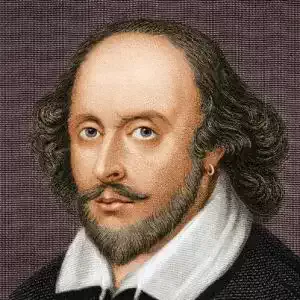
William Shakespeare
Sonnet CLIV
Sonnet CLIV
The little Love-god lying once asleep
Laid by his side his heart-inflaming brand,
Whilst many nymphs that vow'd chaste life to keep
Came tripping by; but in her maiden hand
The fairest votary took up that fire
Which many legions of true hearts had warm'd;
And so the general of hot desire
Was sleeping by a virgin hand disarm'd.
This brand she quenched in a cool well by,
Which from Love's fire took heat perpetual,
Growing a bath and healthful remedy
For men diseased; but I, my mistress' thrall,
Came there for cure, and this by that I prove,
Love's fire heats water, water cools not love.
The little Love-god lying once asleep
Laid by his side his heart-inflaming brand,
Whilst many nymphs that vow'd chaste life to keep
Came tripping by; but in her maiden hand
The fairest votary took up that fire
Which many legions of true hearts had warm'd;
And so the general of hot desire
Was sleeping by a virgin hand disarm'd.
This brand she quenched in a cool well by,
Which from Love's fire took heat perpetual,
Growing a bath and healthful remedy
For men diseased; but I, my mistress' thrall,
Came there for cure, and this by that I prove,
Love's fire heats water, water cools not love.
298
John Donne
Ascension
Ascension
Salute the last and everlasting day,
Joy at th' uprising of this Sun, and Son,
Ye whose true tears, or tribulation
Have purely wash'd, or burnt your drossy clay.
Behold, the Highest, parting hence away,
Lightens the dark clouds, which He treads upon ;
Nor doth He by ascending show alone,
But first He, and He first enters the way.
O strong Ram, which hast batter'd heaven for me !
Mild Lamb, which with Thy Blood hast mark'd the path !
Bright Torch, which shinest, that I the way may see !
O, with Thy own Blood quench Thy own just wrath ;
And if Thy Holy Spirit my Muse did raise,
Deign at my hands this crown of prayer and praise.
Salute the last and everlasting day,
Joy at th' uprising of this Sun, and Son,
Ye whose true tears, or tribulation
Have purely wash'd, or burnt your drossy clay.
Behold, the Highest, parting hence away,
Lightens the dark clouds, which He treads upon ;
Nor doth He by ascending show alone,
But first He, and He first enters the way.
O strong Ram, which hast batter'd heaven for me !
Mild Lamb, which with Thy Blood hast mark'd the path !
Bright Torch, which shinest, that I the way may see !
O, with Thy own Blood quench Thy own just wrath ;
And if Thy Holy Spirit my Muse did raise,
Deign at my hands this crown of prayer and praise.
324
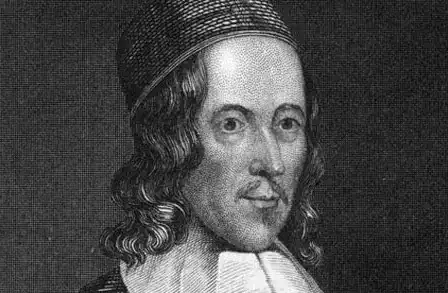
George Herbert
Love (I)
Love (I)
Immortal love, authour of this great frame,
Sprung from that beautie which can never fade;
How hath man parcel’d out thy glorious name,
And thrown it on that dust which thou hast made,
While mortall love doth all the title gain!
Which siding with invention, they together
Bear all the sway, possessing heart and brain,
(Thy workmanship) and give thee share in neither.
Wit fancies beautie, beautie raiseth wit:
The world is theirs; they two play out the game,
Thou standing by: and though thy glorious name
Wrought our deliverance from th’ infernall pit,
Who sings thy praise? onely a skarf or glove
Doth warm our hands, and make them write of love.
Immortal love, authour of this great frame,
Sprung from that beautie which can never fade;
How hath man parcel’d out thy glorious name,
And thrown it on that dust which thou hast made,
While mortall love doth all the title gain!
Which siding with invention, they together
Bear all the sway, possessing heart and brain,
(Thy workmanship) and give thee share in neither.
Wit fancies beautie, beautie raiseth wit:
The world is theirs; they two play out the game,
Thou standing by: and though thy glorious name
Wrought our deliverance from th’ infernall pit,
Who sings thy praise? onely a skarf or glove
Doth warm our hands, and make them write of love.
245
Emily Dickinson
There is a flower that Bees prefer
There is a flower that Bees prefer
380
There is a flower that Bees prefer-
And Butterflies-desire-
To gain the Purple Democrat
The Humming Bird-aspire-
And Whatsoever Insect pass-
A Honey bear away
Proportioned to his several dearth
And her-capacity-
Her face be rounder than the Moon
And ruddier than the Gown
Or Orchis in the Pasture-
Or Rhododendron-worn-
She doth not wait for June-
Before the World be Green-
Her sturdy little Countenance
Against the Wind-be seen-
Contending with the Grass-
Near Kinsman to Herself-
For Privilege of Sod and Sun-
Sweet Litigants for Life-
And when the Hills be full-
And newer fashions blow-
Doth not retract a single spice
For pang of jealousy-
Her Public-be the Noon-
Her Providence-the Sun-
Her Progress-by the Bee-proclaimed-
In sovereign-Swerveless Tune-
The Bravest-of the HostSurrendering-
the last-
Nor even of Defeat-aware-
What cancelled by the Frost-
380
There is a flower that Bees prefer-
And Butterflies-desire-
To gain the Purple Democrat
The Humming Bird-aspire-
And Whatsoever Insect pass-
A Honey bear away
Proportioned to his several dearth
And her-capacity-
Her face be rounder than the Moon
And ruddier than the Gown
Or Orchis in the Pasture-
Or Rhododendron-worn-
She doth not wait for June-
Before the World be Green-
Her sturdy little Countenance
Against the Wind-be seen-
Contending with the Grass-
Near Kinsman to Herself-
For Privilege of Sod and Sun-
Sweet Litigants for Life-
And when the Hills be full-
And newer fashions blow-
Doth not retract a single spice
For pang of jealousy-
Her Public-be the Noon-
Her Providence-the Sun-
Her Progress-by the Bee-proclaimed-
In sovereign-Swerveless Tune-
The Bravest-of the HostSurrendering-
the last-
Nor even of Defeat-aware-
What cancelled by the Frost-
262
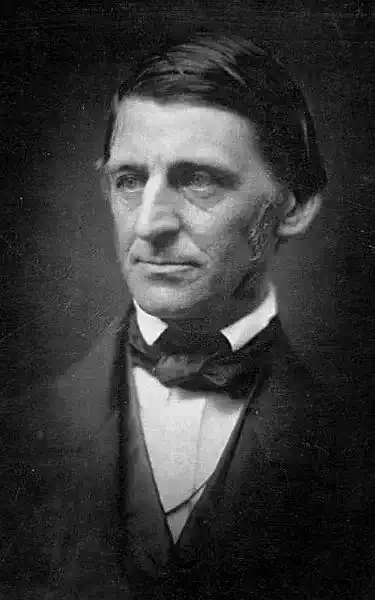
Ralph Waldo Emerson
Ode
Ode
Inscribed to W.H. Channing
Though loath to grieve
The evil time's sole patriot,
I cannot leave
My honeyed thought
For the priest's cant,
Or statesman's rant.
If I refuse
My study for their politic,
Which at the best is trick,
The angry Muse
Puts confusion in my brain.
But who is he that prates
Of the culture of mankind,
Of better arts and life?
Go, blindworm, go,
Behold the famous States
Harrying Mexico
With rifle and with knife!
Or who, with accent bolder
Dare praise the freedom-loving mountaineer?
I found by thee, O rushing Contoocook!
And in thy valleys, Agiochook!
The jackals of the Negro-holder.
The God who made New Hampshire
Taunted the lofty land
With little men;--
Small bat and wren
House in the oak:--
If earth-fire cleave
The upheaved land, and bury the folk,
The southern crocodile would grieve.
Virtue palters; Right is hence;
Freedom praised, but hid;
Funeral eloquence
Rattles the coffin lid.
What boots thy zeal,
O glowing friend,
That would indignant rend
The northland from the south?
Wherefore? to what good end?
Boston Bay and Bunker Hill
Would serve things still;--
Things are of the snake.
The horseman serves the horse
The neatherd serves the neat,
The merchant serves the purse,
The eater serves his meat;
'Tis the day of the chattel,
Web to weave, and corn to grind;
Things are in the saddle,
And ride mankind.
There are two laws discrete,
Not reconciled,--
Law for man, and law for thing;
The last builds town and fleet,
But it runs wild,
And doth the man unking.
'Tis fit the forest fall,
The steep be graded,
The mountain tunneled,
The sand shaded,
The orchard planted,
The glebe tilled,
The prairie granted
The steamer built.
Let man serve law for man;
Live for friendship, live for love,
For truth's and harmony's behoof;
The state may follow how it can,
As Olympus follows Jove.
Yet do not I implore
The wrinkled shopman to my sounding woods,
Nor did the unwilling senator
Ask votes of thrushes in the solitudes.
Everyone to his chosen work--
Foolish hands may mix and mar;
Wise and sure the issues are.
Round they roll till dark is light,
Sex to sex, and even to odd;--
The overgod
Who marries Right to Might,
Who peoples, unpeoples,--
He who exterminates
Races by stronger races,
Black by white faces,--
Knows to bring honey
Out of the lion;
Grafts gentlest scion
On pirate and Turk.
The Cossack eats Poland,
Like stolen fruit;
Her last noble is ruined,
Her last poet mute;
Straight, into double band
The victors divide;
Half for freedom strike and stand;--
The astonished Muse finds thousands at her side.
Inscribed to W.H. Channing
Though loath to grieve
The evil time's sole patriot,
I cannot leave
My honeyed thought
For the priest's cant,
Or statesman's rant.
If I refuse
My study for their politic,
Which at the best is trick,
The angry Muse
Puts confusion in my brain.
But who is he that prates
Of the culture of mankind,
Of better arts and life?
Go, blindworm, go,
Behold the famous States
Harrying Mexico
With rifle and with knife!
Or who, with accent bolder
Dare praise the freedom-loving mountaineer?
I found by thee, O rushing Contoocook!
And in thy valleys, Agiochook!
The jackals of the Negro-holder.
The God who made New Hampshire
Taunted the lofty land
With little men;--
Small bat and wren
House in the oak:--
If earth-fire cleave
The upheaved land, and bury the folk,
The southern crocodile would grieve.
Virtue palters; Right is hence;
Freedom praised, but hid;
Funeral eloquence
Rattles the coffin lid.
What boots thy zeal,
O glowing friend,
That would indignant rend
The northland from the south?
Wherefore? to what good end?
Boston Bay and Bunker Hill
Would serve things still;--
Things are of the snake.
The horseman serves the horse
The neatherd serves the neat,
The merchant serves the purse,
The eater serves his meat;
'Tis the day of the chattel,
Web to weave, and corn to grind;
Things are in the saddle,
And ride mankind.
There are two laws discrete,
Not reconciled,--
Law for man, and law for thing;
The last builds town and fleet,
But it runs wild,
And doth the man unking.
'Tis fit the forest fall,
The steep be graded,
The mountain tunneled,
The sand shaded,
The orchard planted,
The glebe tilled,
The prairie granted
The steamer built.
Let man serve law for man;
Live for friendship, live for love,
For truth's and harmony's behoof;
The state may follow how it can,
As Olympus follows Jove.
Yet do not I implore
The wrinkled shopman to my sounding woods,
Nor did the unwilling senator
Ask votes of thrushes in the solitudes.
Everyone to his chosen work--
Foolish hands may mix and mar;
Wise and sure the issues are.
Round they roll till dark is light,
Sex to sex, and even to odd;--
The overgod
Who marries Right to Might,
Who peoples, unpeoples,--
He who exterminates
Races by stronger races,
Black by white faces,--
Knows to bring honey
Out of the lion;
Grafts gentlest scion
On pirate and Turk.
The Cossack eats Poland,
Like stolen fruit;
Her last noble is ruined,
Her last poet mute;
Straight, into double band
The victors divide;
Half for freedom strike and stand;--
The astonished Muse finds thousands at her side.
364
William Shakespeare
Sonnet CLII
Sonnet CLII
In loving thee thou know'st I am forsworn,
But thou art twice forsworn, to me love swearing,
In act thy bed-vow broke and new faith torn,
In vowing new hate after new love bearing.
But why of two oaths' breach do I accuse thee,
When I break twenty? I am perjured most;
For all my vows are oaths but to misuse thee
And all my honest faith in thee is lost,
For I have sworn deep oaths of thy deep kindness,
Oaths of thy love, thy truth, thy constancy,
And, to enlighten thee, gave eyes to blindness,
Or made them swear against the thing they see;
For I have sworn thee fair; more perjured I,
To swear against the truth so foul a lie!
In loving thee thou know'st I am forsworn,
But thou art twice forsworn, to me love swearing,
In act thy bed-vow broke and new faith torn,
In vowing new hate after new love bearing.
But why of two oaths' breach do I accuse thee,
When I break twenty? I am perjured most;
For all my vows are oaths but to misuse thee
And all my honest faith in thee is lost,
For I have sworn deep oaths of thy deep kindness,
Oaths of thy love, thy truth, thy constancy,
And, to enlighten thee, gave eyes to blindness,
Or made them swear against the thing they see;
For I have sworn thee fair; more perjured I,
To swear against the truth so foul a lie!
335

Edward Lear
Limerick:There was an Old Man of Aôsta
Limerick:There was an Old Man of Aôsta
There was an Old Man of Aôsta,
Who possessed a large cow, but he lost her;
But they said, 'Don't you see
She has rushed up a tree?
You invidious Old Man of Aôsta!'
There was an Old Man of Aôsta,
Who possessed a large cow, but he lost her;
But they said, 'Don't you see
She has rushed up a tree?
You invidious Old Man of Aôsta!'
156
Emily Dickinson
There came a Wind like a Bugle
There came a Wind like a Bugle
There cam a Wind like a Bugle -
It quivered through the Grass
And a Green Chill upon the Heat
So ominous did pass
We barred the Windows and the Doors
As from an Emerald Ghost -
The Doom's electric Moccasin
The very instant passed -
On a strange Mob of panting Trees
And Fences fled away
And Rivers where the Houses ran
Those looked that lived - that Day -
The Bell within the steeple wild
The flying tidings told -
How much can come
And much can go,
And yet abide the World!
There cam a Wind like a Bugle -
It quivered through the Grass
And a Green Chill upon the Heat
So ominous did pass
We barred the Windows and the Doors
As from an Emerald Ghost -
The Doom's electric Moccasin
The very instant passed -
On a strange Mob of panting Trees
And Fences fled away
And Rivers where the Houses ran
Those looked that lived - that Day -
The Bell within the steeple wild
The flying tidings told -
How much can come
And much can go,
And yet abide the World!
285
George Herbert
Life
Life
I made a posie, while the day ran by:
Here will I smell my remnant out, and tie
My life within this band.
But time did becken to the flowers, and they
By noon most cunningly did steal away
And wither'd in my hand.
My hand was next to them, and then my heart:
I took, without more thinking, in good part
Times gentle admonition:
Who did so sweetly deaths sad taste convey
Making my minde to smell my fatall day;
Yet sugring the suspicion.
Farewell deare flowers, sweetly your time ye spent,
Fit, while ye liv'd, for smell or ornament,
And after death for cures.
I follow straight without complaints or grief,
Since if my sent be good, I care not, if
It be as short as yours.
I made a posie, while the day ran by:
Here will I smell my remnant out, and tie
My life within this band.
But time did becken to the flowers, and they
By noon most cunningly did steal away
And wither'd in my hand.
My hand was next to them, and then my heart:
I took, without more thinking, in good part
Times gentle admonition:
Who did so sweetly deaths sad taste convey
Making my minde to smell my fatall day;
Yet sugring the suspicion.
Farewell deare flowers, sweetly your time ye spent,
Fit, while ye liv'd, for smell or ornament,
And after death for cures.
I follow straight without complaints or grief,
Since if my sent be good, I care not, if
It be as short as yours.
257
Ella Wheeler Wilcox
Worthy The Name of Sir Knight
Worthy The Name of Sir Knight
I
Sir Knight of the world's oldest order,
Sir Knight of the Army of God,
You have crossed the strange mystical border,
The ground floor of truth you have trod;
You have entered the sanctum sanctorum,
Which leads to the temple above,
Where you come as a stone, and a Christ-chosen one,
In the kingdom of Friendship and Love.
II
As you stand in this new realm of beauty,
Where each man you meet is your friend,
Think not that your promise of duty
In hall, or asylum, shall end;
Outside, in the great world of pleasure,
Beyond, in the clamor of trade,
In the battle of life and its coarse daily strife
Remember the vows you have made.
III
Your service, majestic and solemn,
Your symbols, suggestive and sweet,
Your uniformed phalanx in column
On gala days marching the street;
Your sword and your plume and your helmet,
Your 'secrets' hid from the world's sight;
These things are the small, lesser parts of the all
Which are needed to form the true Knight.
IV
The martyrs who perished rejoicing
In Templary's glorious laws,
Who died 'midst the fagots while voicing
The glory and worth of their cause-
They honored the title of 'Templar'
No more than the Knight of to-day
Who mars not the name with one blemish of shame,
But carries it clean through life's fray.
V
To live for a cause, to endeavor
To make your deeds grace it, to try
And uphold its precepts forever,
Is harder by far than to die.
For the battle of life is unending,
The enemy, Self, never tires,
And the true Knight must slay that sly foe every day
Ere he reaches the heights he desires.
VI
Sir Knight, have you pondered the meaning
Of all you have heard and been told?
Have you strengthened your heart for its weaning
From vices and faults loved of old?
Will you honor, in hours of temptation,
Your promises noble and grand?
Will your spirit be strong to do battle with wrong,
'And having done all, to stand?'
VII
Will you ever be true to a brother
In actions as well as in creed?
Will you stand by his side as no other
Could stand in the hour of his need?
Will you boldly defend him from peril,
And lift him from poverty's curse-
Will the promise of aid which you willingly made,
Reach down from your lips to your purse?
VIII
The world's battle field is before you!
Let Wisdom walk close by your side,
Let Faith spread her snowy wings o'er you,
Let Truth be your comrade and guide;
Let Fortitude, Justice and Mercy
Direct all your conduct aright,
And let each word and act tell to men the proud fact,
You are worthy the name of 'Sir Knight'.
I
Sir Knight of the world's oldest order,
Sir Knight of the Army of God,
You have crossed the strange mystical border,
The ground floor of truth you have trod;
You have entered the sanctum sanctorum,
Which leads to the temple above,
Where you come as a stone, and a Christ-chosen one,
In the kingdom of Friendship and Love.
II
As you stand in this new realm of beauty,
Where each man you meet is your friend,
Think not that your promise of duty
In hall, or asylum, shall end;
Outside, in the great world of pleasure,
Beyond, in the clamor of trade,
In the battle of life and its coarse daily strife
Remember the vows you have made.
III
Your service, majestic and solemn,
Your symbols, suggestive and sweet,
Your uniformed phalanx in column
On gala days marching the street;
Your sword and your plume and your helmet,
Your 'secrets' hid from the world's sight;
These things are the small, lesser parts of the all
Which are needed to form the true Knight.
IV
The martyrs who perished rejoicing
In Templary's glorious laws,
Who died 'midst the fagots while voicing
The glory and worth of their cause-
They honored the title of 'Templar'
No more than the Knight of to-day
Who mars not the name with one blemish of shame,
But carries it clean through life's fray.
V
To live for a cause, to endeavor
To make your deeds grace it, to try
And uphold its precepts forever,
Is harder by far than to die.
For the battle of life is unending,
The enemy, Self, never tires,
And the true Knight must slay that sly foe every day
Ere he reaches the heights he desires.
VI
Sir Knight, have you pondered the meaning
Of all you have heard and been told?
Have you strengthened your heart for its weaning
From vices and faults loved of old?
Will you honor, in hours of temptation,
Your promises noble and grand?
Will your spirit be strong to do battle with wrong,
'And having done all, to stand?'
VII
Will you ever be true to a brother
In actions as well as in creed?
Will you stand by his side as no other
Could stand in the hour of his need?
Will you boldly defend him from peril,
And lift him from poverty's curse-
Will the promise of aid which you willingly made,
Reach down from your lips to your purse?
VIII
The world's battle field is before you!
Let Wisdom walk close by your side,
Let Faith spread her snowy wings o'er you,
Let Truth be your comrade and guide;
Let Fortitude, Justice and Mercy
Direct all your conduct aright,
And let each word and act tell to men the proud fact,
You are worthy the name of 'Sir Knight'.
413
William Shakespeare
Sonnet CL
Sonnet CL
O, from what power hast thou this powerful might
With insufficiency my heart to sway?
To make me give the lie to my true sight,
And swear that brightness doth not grace the day?
Whence hast thou this becoming of things ill,
That in the very refuse of thy deeds
There is such strength and warrantize of skill
That, in my mind, thy worst all best exceeds?
Who taught thee how to make me love thee more
The more I hear and see just cause of hate?
O, though I love what others do abhor,
With others thou shouldst not abhor my state:
If thy unworthiness raised love in me,
More worthy I to be beloved of thee.
O, from what power hast thou this powerful might
With insufficiency my heart to sway?
To make me give the lie to my true sight,
And swear that brightness doth not grace the day?
Whence hast thou this becoming of things ill,
That in the very refuse of thy deeds
There is such strength and warrantize of skill
That, in my mind, thy worst all best exceeds?
Who taught thee how to make me love thee more
The more I hear and see just cause of hate?
O, though I love what others do abhor,
With others thou shouldst not abhor my state:
If thy unworthiness raised love in me,
More worthy I to be beloved of thee.
336
John Donne
Annunciation
Annunciation
Salvation to all that will is nigh;
That All, which always is all everywhere,
Which cannot sin, and yet all sins must bear,
Which cannot die, yet cannot choose but die,
Lo, faithful virgin, yields Himself to lie
In prison, in thy womb; and though He there
Can take no sin, nor thou give, yet He will wear,
Taken from thence, flesh, which death's force may try.
Ere by the spheres time was created, thou
Wast in His mind, who is thy Son and Brother;
Whom thou conceivst, conceived; yea thou art now
Thy Maker's maker, and thy Father's mother;
Thou hast light in dark, and shutst in little room,
Immensity cloistered in thy dear womb.
Salvation to all that will is nigh;
That All, which always is all everywhere,
Which cannot sin, and yet all sins must bear,
Which cannot die, yet cannot choose but die,
Lo, faithful virgin, yields Himself to lie
In prison, in thy womb; and though He there
Can take no sin, nor thou give, yet He will wear,
Taken from thence, flesh, which death's force may try.
Ere by the spheres time was created, thou
Wast in His mind, who is thy Son and Brother;
Whom thou conceivst, conceived; yea thou art now
Thy Maker's maker, and thy Father's mother;
Thou hast light in dark, and shutst in little room,
Immensity cloistered in thy dear womb.
351
George Herbert
Joseph's Coat
Joseph's Coat
Wounded I sing, tormented I indite,
Thrown down I fall into a bed, and rest:
Sorrow hath chang'd its note: such is his will
Who changeth all things, as him pleaseth best.
For well he knows, if but one grief and smart
Among my many had his full career,
Sure it would carry with it ev'n my heart,
And both would run until they found a bier
To fetch the body; both being due to grief.
But he hath spoil'd the race; and giv'n to anguish
One of Joy's coats, 'ticing it with relief
To linger in me, and together languish.
I live to shew his power, who once did bring
My joys to weep, and now my griefs to sing.
Wounded I sing, tormented I indite,
Thrown down I fall into a bed, and rest:
Sorrow hath chang'd its note: such is his will
Who changeth all things, as him pleaseth best.
For well he knows, if but one grief and smart
Among my many had his full career,
Sure it would carry with it ev'n my heart,
And both would run until they found a bier
To fetch the body; both being due to grief.
But he hath spoil'd the race; and giv'n to anguish
One of Joy's coats, 'ticing it with relief
To linger in me, and together languish.
I live to shew his power, who once did bring
My joys to weep, and now my griefs to sing.
219
Emily Dickinson
There are two Ripenings—one—of sight
There are two Ripenings—one—of sight
332
There are two Ripenings—one—of sight—
Whose forces Spheric wind
Until the Velvet product
Drop spicy to the ground—
A homelier maturing—
A process in the Bur—
That teeth of Frosts alone disclose
In far October Air.
332
There are two Ripenings—one—of sight—
Whose forces Spheric wind
Until the Velvet product
Drop spicy to the ground—
A homelier maturing—
A process in the Bur—
That teeth of Frosts alone disclose
In far October Air.
246
Ralph Waldo Emerson
My Garden
My Garden
If I could put my woods in song
And tell what's there enjoyed,
All men would to my gardens throng,
And leave the cities void.
In my plot no tulips blow,--
Snow-loving pines and oaks instead;
And rank the savage maples grow
From Spring's faint flush to Autumn red.
My garden is a forest ledge
Which older forests bound;
The banks slope down to the blue lake-edge,
Then plunge to depths profound.
Here once the Deluge ploughed,
Laid the terraces, one by one;
Ebbing later whence it flowed,
They bleach and dry in the sun.
The sowers made haste to depart,--
The wind and the birds which sowed it;
Not for fame, nor by rules of art,
Planted these, and tempests flowed it.
Waters that wash my garden-side
Play not in Nature's lawful web,
They heed not moon or solar tide,--
Five years elapse from flood to ebb.
Hither hasted, in old time, Jove,
And every god,--none did refuse;
And be sure at last came Love,
And after Love, the Muse.
Keen ears can catch a syllable,
As if one spake to another,
In the hemlocks tall, untamable,
And what the whispering grasses smother.
Æolian harps in the pine
Ring with the song of the Fates;
Infant Bacchus in the vine,--
Far distant yet his chorus waits.
Canst thou copy in verse one chime
Of the wood-bell's peal and cry,
Write in a book the morning's prime,
Or match with words that tender sky?
Wonderful verse of the gods,
Of one import, of varied tone;
They chant the bliss of their abodes
To man imprisoned in his own.
Ever the words of the gods resound;
But the porches of man's ear
Seldom in this low life's round
Are unsealed, that he may hear.
Wandering voices in the air
And murmurs in the wold
Speak what I cannot declare,
Yet cannot all withhold.
When the shadow fell on the lake,
The whirlwind in ripples wrote
Air-bells of fortune that shine and break,
And omens above thought.
But the meanings cleave to the lake,
Cannot be carried in book or urn;
Go thy ways now, come later back,
On waves and hedges still they burn.
These the fates of men forecast,
Of better men than live to-day;
If who can read them comes at last
He will spell in the sculpture,'Stay.'
If I could put my woods in song
And tell what's there enjoyed,
All men would to my gardens throng,
And leave the cities void.
In my plot no tulips blow,--
Snow-loving pines and oaks instead;
And rank the savage maples grow
From Spring's faint flush to Autumn red.
My garden is a forest ledge
Which older forests bound;
The banks slope down to the blue lake-edge,
Then plunge to depths profound.
Here once the Deluge ploughed,
Laid the terraces, one by one;
Ebbing later whence it flowed,
They bleach and dry in the sun.
The sowers made haste to depart,--
The wind and the birds which sowed it;
Not for fame, nor by rules of art,
Planted these, and tempests flowed it.
Waters that wash my garden-side
Play not in Nature's lawful web,
They heed not moon or solar tide,--
Five years elapse from flood to ebb.
Hither hasted, in old time, Jove,
And every god,--none did refuse;
And be sure at last came Love,
And after Love, the Muse.
Keen ears can catch a syllable,
As if one spake to another,
In the hemlocks tall, untamable,
And what the whispering grasses smother.
Æolian harps in the pine
Ring with the song of the Fates;
Infant Bacchus in the vine,--
Far distant yet his chorus waits.
Canst thou copy in verse one chime
Of the wood-bell's peal and cry,
Write in a book the morning's prime,
Or match with words that tender sky?
Wonderful verse of the gods,
Of one import, of varied tone;
They chant the bliss of their abodes
To man imprisoned in his own.
Ever the words of the gods resound;
But the porches of man's ear
Seldom in this low life's round
Are unsealed, that he may hear.
Wandering voices in the air
And murmurs in the wold
Speak what I cannot declare,
Yet cannot all withhold.
When the shadow fell on the lake,
The whirlwind in ripples wrote
Air-bells of fortune that shine and break,
And omens above thought.
But the meanings cleave to the lake,
Cannot be carried in book or urn;
Go thy ways now, come later back,
On waves and hedges still they burn.
These the fates of men forecast,
Of better men than live to-day;
If who can read them comes at last
He will spell in the sculpture,'Stay.'
352
William Shakespeare
Sonnet CIV
Sonnet CIV
To me, fair friend, you never can be old,
For as you were when first your eye I eyed,
Such seems your beauty still. Three winters cold
Have from the forests shook three summers' pride,
Three beauteous springs to yellow autumn turn'd
In process of the seasons have I seen,
Three April perfumes in three hot Junes burn'd,
Since first I saw you fresh, which yet are green.
Ah! yet doth beauty, like a dial-hand,
Steal from his figure and no pace perceived;
So your sweet hue, which methinks still doth stand,
Hath motion and mine eye may be deceived:
For fear of which, hear this, thou age unbred;
Ere you were born was beauty's summer dead.
To me, fair friend, you never can be old,
For as you were when first your eye I eyed,
Such seems your beauty still. Three winters cold
Have from the forests shook three summers' pride,
Three beauteous springs to yellow autumn turn'd
In process of the seasons have I seen,
Three April perfumes in three hot Junes burn'd,
Since first I saw you fresh, which yet are green.
Ah! yet doth beauty, like a dial-hand,
Steal from his figure and no pace perceived;
So your sweet hue, which methinks still doth stand,
Hath motion and mine eye may be deceived:
For fear of which, hear this, thou age unbred;
Ere you were born was beauty's summer dead.
334
Edward Lear
Limerick:There was an Old Lady of Prague
Limerick:There was an Old Lady of Prague
There was an Old Lady of Prague,
Whose language was horribly vague;
When they said, 'Are these caps?'
She answered, 'Perhaps!'
That oracular Lady of Prague.
There was an Old Lady of Prague,
Whose language was horribly vague;
When they said, 'Are these caps?'
She answered, 'Perhaps!'
That oracular Lady of Prague.
138
George Herbert
Jordan
Jordan
Who says that fictions only and false hair
Become a verse? Is there in truth no beauty?
Is all good structure in a winding stair?
May no lines pass, except they do their duty
Not to a true, but painted chair?
Is it no verse, except enchanted groves
And sudden arbours shadow coarse-spun lines?
Must purling streams refresh a lover's loves?
Must all be veiled, while he that reads divines,
Catching the sense at two removes?
Shepherds are honest people: let them sing:
Riddle who list, for me, and pull for prime:
I envy no man's nightingale or spring;
Nor let them punish me with loss of rhyme,
Who plainly say, My God, My King.
Who says that fictions only and false hair
Become a verse? Is there in truth no beauty?
Is all good structure in a winding stair?
May no lines pass, except they do their duty
Not to a true, but painted chair?
Is it no verse, except enchanted groves
And sudden arbours shadow coarse-spun lines?
Must purling streams refresh a lover's loves?
Must all be veiled, while he that reads divines,
Catching the sense at two removes?
Shepherds are honest people: let them sing:
Riddle who list, for me, and pull for prime:
I envy no man's nightingale or spring;
Nor let them punish me with loss of rhyme,
Who plainly say, My God, My King.
193
Emily Dickinson
The Zeroes—taught us—Phosphorous
The Zeroes—taught us—Phosphorous
689
The Zeroes—taught us—Phosphorous—
We learned to like the Fire
By playing Glaciers—when a Boy—
And Tinder—guessed—by power
Of Opposite—to balance Odd—
If White—a Red—must be!
Paralysis—our Primer—dumb—
Unto Vitality!
689
The Zeroes—taught us—Phosphorous—
We learned to like the Fire
By playing Glaciers—when a Boy—
And Tinder—guessed—by power
Of Opposite—to balance Odd—
If White—a Red—must be!
Paralysis—our Primer—dumb—
Unto Vitality!
221
Ella Wheeler Wilcox
Worldly Wisdom
Worldly Wisdom
If it were in my dead Past’s power
To let my Present bask
In some lost pleasure for an hour,
This is the boon I’d ask:
Re-pedestal from out the dust
Where long ago ‘twas hurled,
My beautiful incautious trust
In this unworthy world.
The symbol of my souls own truth –
I saw it go with tears –
The sweet unwisdom of my youth –
That vanished with the years.
Since knowledge brings us only grief,
I would return again
To happy ignorance and belief
In motives and in men.
For worldly wisdom learned in pain
Is in itself a cross,
Significant mayhap of gain,
Yet sign of saddest loss.
If it were in my dead Past’s power
To let my Present bask
In some lost pleasure for an hour,
This is the boon I’d ask:
Re-pedestal from out the dust
Where long ago ‘twas hurled,
My beautiful incautious trust
In this unworthy world.
The symbol of my souls own truth –
I saw it go with tears –
The sweet unwisdom of my youth –
That vanished with the years.
Since knowledge brings us only grief,
I would return again
To happy ignorance and belief
In motives and in men.
For worldly wisdom learned in pain
Is in itself a cross,
Significant mayhap of gain,
Yet sign of saddest loss.
392
William Shakespeare
Sonnet CII
Sonnet CII
My love is strengthen'd, though more weak in seeming;
I love not less, though less the show appear:
That love is merchandized whose rich esteeming
The owner's tongue doth publish every where.
Our love was new and then but in the spring
When I was wont to greet it with my lays,
As Philomel in summer's front doth sing
And stops her pipe in growth of riper days:
Not that the summer is less pleasant now
Than when her mournful hymns did hush the night,
But that wild music burthens every bough
And sweets grown common lose their dear delight.
Therefore like her I sometime hold my tongue,
Because I would not dull you with my song.
My love is strengthen'd, though more weak in seeming;
I love not less, though less the show appear:
That love is merchandized whose rich esteeming
The owner's tongue doth publish every where.
Our love was new and then but in the spring
When I was wont to greet it with my lays,
As Philomel in summer's front doth sing
And stops her pipe in growth of riper days:
Not that the summer is less pleasant now
Than when her mournful hymns did hush the night,
But that wild music burthens every bough
And sweets grown common lose their dear delight.
Therefore like her I sometime hold my tongue,
Because I would not dull you with my song.
380
John Donne
An Anatomy Of The World...
An Anatomy Of The World...
When that rich soul which to her heaven is gone,
Whom all do celebrate, who know they have one
(For who is sure he hath a soul, unless
It see, and judge, and follow worthiness,
And by deeds praise it? He who doth not this,
May lodge an inmate soul, but 'tis not his)
When that queen ended here her progress time,
And, as t'her standing house, to heaven did climb,
Where loath to make the saints attend her long,
She's now a part both of the choir, and song;
This world, in that great earthquake languished;
For in a common bath of tears it bled,
Which drew the strongest vital spirits out;
But succour'd then with a perplexed doubt,
Whether the world did lose, or gain in this,
(Because since now no other way there is,
But goodness, to see her, whom all would see,
All must endeavour to be good as she)
This great consumption to a fever turn'd,
And so the world had fits; it joy'd, it mourn'd;
And, as men think, that agues physic are,
And th' ague being spent, give over care,
So thou, sick world, mistak'st thy self to be
Well, when alas, thou'rt in a lethargy.
Her death did wound and tame thee then, and then
Thou might'st have better spar'd the sun, or man.
That wound was deep, but 'tis more misery
That thou hast lost thy sense and memory.
'Twas heavy then to hear thy voice of moan,
But this is worse, that thou art speechless grown.
Thou hast forgot thy name thou hadst; thou wast
Nothing but she, and her thou hast o'erpast.
For, as a child kept from the font until
A prince, expected long, come to fulfill
The ceremonies, thou unnam'd had'st laid,
Had not her coming, thee her palace made;
Her name defin'd thee, gave thee form, and frame,
And thou forget'st to celebrate thy name.
Some months she hath been dead (but being dead,
Measures of times are all determined)
But long she'ath been away, long, long, yet none
Offers to tell us who it is that's gone.
But as in states doubtful of future heirs,
When sickness without remedy impairs
The present prince, they're loath it should be said,
'The prince doth languish,' or 'The prince is dead;'
So mankind feeling now a general thaw,
A strong example gone, equal to law,
The cement which did faithfully compact
And glue all virtues, now resolv'd, and slack'd,
Thought it some blasphemy to say sh'was dead,
Or that our weakness was discovered
In that confession; therefore spoke no more
Than tongues, the soul being gone, the loss deplore.
But though it be too late to succour thee,
Sick world, yea dead, yea putrified, since she
Thy' intrinsic balm, and thy preservative,
Can never be renew'd, thou never live,
I (since no man can make thee live) will try,
What we may gain by thy anatomy.
Her death hath taught us dearly that thou art
Corrupt and mortal in thy purest part.
Let no man say, the world itself being dead,
'Tis labour lost to have discovered
The world's infirmities, since there is none
Alive to study this dissection;
For there's a kind of world remaining still,
Though she which did inanimate and fill
The world, be gone, yet in this last long night,
Her ghost doth walk; that is a glimmering light,
A faint weak love of virtue, and of good,
Reflects from her on them which understood
Her worth; and though she have shut in all day,
The twilight of her memory doth stay,
Which, from the carcass of the old world free,
Creates a new world, and new creatures be
Produc'd. The matter and the stuff of this,
Her virtue, and the form our practice is.
And though to be thus elemented, arm
These creatures from home-born intrinsic harm,
(For all assum'd unto this dignity
So many weedless paradises be,
Which of themselves produce no venomous sin,
Except some foreign serpent bring it in)
Yet, because outward storms the strongest break,
And strength itself by confidence grows weak,
This new world may be safer, being told
The dangers and diseases of the old;
For with due temper men do then forgo,
Or covet things, when they their true worth know.
There is no health; physicians say that we
At best enjoy but a neutrality.
And can there be worse sickness than to know
That we are never well, nor can be so?
We are born ruinous: poor mothers cry
That children come not right, nor orderly;
Except they headlong come and fall upon
An ominous precipitation.
How witty's ruin! how importunate
Upon mankind! It labour'd to frustrate
Even God's purpose; and made woman, sent
For man's relief, cause of his languishment.
They were to good ends, and they are so still,
But accessory, and principal in ill,
For that first marriage was our funeral;
One woman at one blow, then kill'd us all,
And singly, one by one, they kill us now.
We do delightfully our selves allow
To that consumption; and profusely blind,
We kill our selves to propagate our kind.
And yet we do not that; we are not men;
There is not now that mankind, which was then,
When as the sun and man did seem to strive,
(Joint tenants of the world) who should survive;
When stag, and raven, and the long-liv'd tree,
Compar'd with man, died in minority;
When, if a slow-pac'd star had stol'n away
From the observer's marking, he might stay
Two or three hundred years to see't again,
And then make up his observation plain;
When, as the age was long, the size was great
(Man's growth confess'd, and recompens'd the meat),
So spacious and large, that every soul
Did a fair kingdom, and large realm control;
And when the very stature, thus erect,
Did that soul a good way towards heaven direct.
Where is this mankind now? Who lives to age,
Fit to be made Methusalem his page?
Alas, we scarce live long enough to try
Whether a true-made clock run right, or lie.
Old grandsires talk of yesterday with sorrow,
And for our children we reserve tomorrow.
So short is life, that every peasant strives,
In a torn house, or field, to have three lives.
And as in lasting, so in length is man
Contracted to an inch, who was a span;
For had a man at first in forests stray'd,
Or shipwrack'd in the sea, one would have laid
A wager, that an elephant, or whale,
That met him, would not hastily assail
A thing so equall to him; now alas,
The fairies, and the pigmies well may pass
As credible; mankind decays so soon,
We'are scarce our fathers' shadows cast at noon,
Only death adds t'our length: nor are we grown
In stature to be men, till we are none.
But this were light, did our less volume hold
All the old text; or had we chang'd to gold
Their silver; or dispos'd into less glass
Spirits of virtue, which then scatter'd was.
But 'tis not so; w'are not retir'd, but damp'd;
And as our bodies, so our minds are cramp'd;
'Tis shrinking, not close weaving, that hath thus
In mind and body both bedwarfed us.
We seem ambitious, God's whole work t'undo;
Of nothing he made us, and we strive too,
To bring our selves to nothing back; and we
Do what we can, to do't so soon as he.
With new diseases on our selves we war,
And with new physic, a worse engine far.
Thus man, this world's vice-emperor, in whom
All faculties, all graces are at home
(And if in other creatures they appear,
They're but man's ministers and legates there
To work on their rebellions, and reduce
Them to civility, and to man's use);
This man, whom God did woo, and loath t'attend
Till man came up, did down to man descend,
This man, so great, that all that is, is his,
O what a trifle, and poor thing he is!
If man were anything, he's nothing now;
Help, or at least some time to waste, allow
T'his other wants, yet when he did depart
With her whom we lament, he lost his heart.
She, of whom th'ancients seem'd to prophesy,
When they call'd virtues by the name of she;
She in whom virtue was so much refin'd,
That for alloy unto so pure a mind
She took the weaker sex; she that could drive
The poisonous tincture, and the stain of Eve,
Out of her thoughts, and deeds, and purify
All, by a true religious alchemy,
She, she is dead; she's dead: when thou knowest this,
Thou knowest how poor a trifling thing man is,
And learn'st thus much by our anatomy,
The heart being perish'd, no part can be free,
And that except thou feed (not banquet) on
The supernatural food, religion,
Thy better growth grows withered, and scant;
Be more than man, or thou'rt less than an ant.
Then, as mankind, so is the world's whole frame
Quite out of joint, almost created lame,
For, before God had made up all the rest,
Corruption ent'red, and deprav'd the best;
It seiz'd the angels, and then first of all
The world did in her cradle take a fall,
And turn'd her brains, and took a general maim,
Wronging each joint of th'universal frame.
The noblest part, man, felt it first; and then
Both beasts and plants, curs'd in the curse of man.
So did the world from the first hour decay,
That evening was beginning of the day,
And now the springs and summers which we see,
Like sons of women after fifty be.
And new philosophy calls all in doubt,
The element of fire is quite put out,
The sun is lost, and th'earth, and no man's wit
Can well direct him where to look for it.
And freely men confess that this world's spent,
When in the planets and the firmament
They seek so many new; they see that this
Is crumbled out again to his atomies.
'Tis all in pieces, all coherence gone,
All just supply, and all relation;
Prince, subject, father, son, are things forgot,
For every man alone thinks he hath got
To be a phoenix, and that then can be
None of that kind, of which he is, but he.
This is the world's condition now, and now
She that should all parts to reunion bow,
She that had all magnetic force alone,
To draw, and fasten sund'red parts in one;
She whom wise nature had invented then
When she observ'd that every sort of men
Did in their voyage in this world's sea stray,
And needed a new compass for their way;
She that was best and first original
Of all fair copies, and the general
Steward to fate; she whose rich eyes and breast
Gilt the West Indies, and perfum'd the East;
Whose having breath'd in this world, did bestow
Spice on those Isles, and bade them still smell so,
And that rich India which doth gold inter,
Is but as single money, coin'd from her;
She to whom this world must it self refer,
As suburbs or the microcosm of her,
She, she is dead; she's dead: when thou know'st this,
Thou know'st how lame a cripple this world is
....
When that rich soul which to her heaven is gone,
Whom all do celebrate, who know they have one
(For who is sure he hath a soul, unless
It see, and judge, and follow worthiness,
And by deeds praise it? He who doth not this,
May lodge an inmate soul, but 'tis not his)
When that queen ended here her progress time,
And, as t'her standing house, to heaven did climb,
Where loath to make the saints attend her long,
She's now a part both of the choir, and song;
This world, in that great earthquake languished;
For in a common bath of tears it bled,
Which drew the strongest vital spirits out;
But succour'd then with a perplexed doubt,
Whether the world did lose, or gain in this,
(Because since now no other way there is,
But goodness, to see her, whom all would see,
All must endeavour to be good as she)
This great consumption to a fever turn'd,
And so the world had fits; it joy'd, it mourn'd;
And, as men think, that agues physic are,
And th' ague being spent, give over care,
So thou, sick world, mistak'st thy self to be
Well, when alas, thou'rt in a lethargy.
Her death did wound and tame thee then, and then
Thou might'st have better spar'd the sun, or man.
That wound was deep, but 'tis more misery
That thou hast lost thy sense and memory.
'Twas heavy then to hear thy voice of moan,
But this is worse, that thou art speechless grown.
Thou hast forgot thy name thou hadst; thou wast
Nothing but she, and her thou hast o'erpast.
For, as a child kept from the font until
A prince, expected long, come to fulfill
The ceremonies, thou unnam'd had'st laid,
Had not her coming, thee her palace made;
Her name defin'd thee, gave thee form, and frame,
And thou forget'st to celebrate thy name.
Some months she hath been dead (but being dead,
Measures of times are all determined)
But long she'ath been away, long, long, yet none
Offers to tell us who it is that's gone.
But as in states doubtful of future heirs,
When sickness without remedy impairs
The present prince, they're loath it should be said,
'The prince doth languish,' or 'The prince is dead;'
So mankind feeling now a general thaw,
A strong example gone, equal to law,
The cement which did faithfully compact
And glue all virtues, now resolv'd, and slack'd,
Thought it some blasphemy to say sh'was dead,
Or that our weakness was discovered
In that confession; therefore spoke no more
Than tongues, the soul being gone, the loss deplore.
But though it be too late to succour thee,
Sick world, yea dead, yea putrified, since she
Thy' intrinsic balm, and thy preservative,
Can never be renew'd, thou never live,
I (since no man can make thee live) will try,
What we may gain by thy anatomy.
Her death hath taught us dearly that thou art
Corrupt and mortal in thy purest part.
Let no man say, the world itself being dead,
'Tis labour lost to have discovered
The world's infirmities, since there is none
Alive to study this dissection;
For there's a kind of world remaining still,
Though she which did inanimate and fill
The world, be gone, yet in this last long night,
Her ghost doth walk; that is a glimmering light,
A faint weak love of virtue, and of good,
Reflects from her on them which understood
Her worth; and though she have shut in all day,
The twilight of her memory doth stay,
Which, from the carcass of the old world free,
Creates a new world, and new creatures be
Produc'd. The matter and the stuff of this,
Her virtue, and the form our practice is.
And though to be thus elemented, arm
These creatures from home-born intrinsic harm,
(For all assum'd unto this dignity
So many weedless paradises be,
Which of themselves produce no venomous sin,
Except some foreign serpent bring it in)
Yet, because outward storms the strongest break,
And strength itself by confidence grows weak,
This new world may be safer, being told
The dangers and diseases of the old;
For with due temper men do then forgo,
Or covet things, when they their true worth know.
There is no health; physicians say that we
At best enjoy but a neutrality.
And can there be worse sickness than to know
That we are never well, nor can be so?
We are born ruinous: poor mothers cry
That children come not right, nor orderly;
Except they headlong come and fall upon
An ominous precipitation.
How witty's ruin! how importunate
Upon mankind! It labour'd to frustrate
Even God's purpose; and made woman, sent
For man's relief, cause of his languishment.
They were to good ends, and they are so still,
But accessory, and principal in ill,
For that first marriage was our funeral;
One woman at one blow, then kill'd us all,
And singly, one by one, they kill us now.
We do delightfully our selves allow
To that consumption; and profusely blind,
We kill our selves to propagate our kind.
And yet we do not that; we are not men;
There is not now that mankind, which was then,
When as the sun and man did seem to strive,
(Joint tenants of the world) who should survive;
When stag, and raven, and the long-liv'd tree,
Compar'd with man, died in minority;
When, if a slow-pac'd star had stol'n away
From the observer's marking, he might stay
Two or three hundred years to see't again,
And then make up his observation plain;
When, as the age was long, the size was great
(Man's growth confess'd, and recompens'd the meat),
So spacious and large, that every soul
Did a fair kingdom, and large realm control;
And when the very stature, thus erect,
Did that soul a good way towards heaven direct.
Where is this mankind now? Who lives to age,
Fit to be made Methusalem his page?
Alas, we scarce live long enough to try
Whether a true-made clock run right, or lie.
Old grandsires talk of yesterday with sorrow,
And for our children we reserve tomorrow.
So short is life, that every peasant strives,
In a torn house, or field, to have three lives.
And as in lasting, so in length is man
Contracted to an inch, who was a span;
For had a man at first in forests stray'd,
Or shipwrack'd in the sea, one would have laid
A wager, that an elephant, or whale,
That met him, would not hastily assail
A thing so equall to him; now alas,
The fairies, and the pigmies well may pass
As credible; mankind decays so soon,
We'are scarce our fathers' shadows cast at noon,
Only death adds t'our length: nor are we grown
In stature to be men, till we are none.
But this were light, did our less volume hold
All the old text; or had we chang'd to gold
Their silver; or dispos'd into less glass
Spirits of virtue, which then scatter'd was.
But 'tis not so; w'are not retir'd, but damp'd;
And as our bodies, so our minds are cramp'd;
'Tis shrinking, not close weaving, that hath thus
In mind and body both bedwarfed us.
We seem ambitious, God's whole work t'undo;
Of nothing he made us, and we strive too,
To bring our selves to nothing back; and we
Do what we can, to do't so soon as he.
With new diseases on our selves we war,
And with new physic, a worse engine far.
Thus man, this world's vice-emperor, in whom
All faculties, all graces are at home
(And if in other creatures they appear,
They're but man's ministers and legates there
To work on their rebellions, and reduce
Them to civility, and to man's use);
This man, whom God did woo, and loath t'attend
Till man came up, did down to man descend,
This man, so great, that all that is, is his,
O what a trifle, and poor thing he is!
If man were anything, he's nothing now;
Help, or at least some time to waste, allow
T'his other wants, yet when he did depart
With her whom we lament, he lost his heart.
She, of whom th'ancients seem'd to prophesy,
When they call'd virtues by the name of she;
She in whom virtue was so much refin'd,
That for alloy unto so pure a mind
She took the weaker sex; she that could drive
The poisonous tincture, and the stain of Eve,
Out of her thoughts, and deeds, and purify
All, by a true religious alchemy,
She, she is dead; she's dead: when thou knowest this,
Thou knowest how poor a trifling thing man is,
And learn'st thus much by our anatomy,
The heart being perish'd, no part can be free,
And that except thou feed (not banquet) on
The supernatural food, religion,
Thy better growth grows withered, and scant;
Be more than man, or thou'rt less than an ant.
Then, as mankind, so is the world's whole frame
Quite out of joint, almost created lame,
For, before God had made up all the rest,
Corruption ent'red, and deprav'd the best;
It seiz'd the angels, and then first of all
The world did in her cradle take a fall,
And turn'd her brains, and took a general maim,
Wronging each joint of th'universal frame.
The noblest part, man, felt it first; and then
Both beasts and plants, curs'd in the curse of man.
So did the world from the first hour decay,
That evening was beginning of the day,
And now the springs and summers which we see,
Like sons of women after fifty be.
And new philosophy calls all in doubt,
The element of fire is quite put out,
The sun is lost, and th'earth, and no man's wit
Can well direct him where to look for it.
And freely men confess that this world's spent,
When in the planets and the firmament
They seek so many new; they see that this
Is crumbled out again to his atomies.
'Tis all in pieces, all coherence gone,
All just supply, and all relation;
Prince, subject, father, son, are things forgot,
For every man alone thinks he hath got
To be a phoenix, and that then can be
None of that kind, of which he is, but he.
This is the world's condition now, and now
She that should all parts to reunion bow,
She that had all magnetic force alone,
To draw, and fasten sund'red parts in one;
She whom wise nature had invented then
When she observ'd that every sort of men
Did in their voyage in this world's sea stray,
And needed a new compass for their way;
She that was best and first original
Of all fair copies, and the general
Steward to fate; she whose rich eyes and breast
Gilt the West Indies, and perfum'd the East;
Whose having breath'd in this world, did bestow
Spice on those Isles, and bade them still smell so,
And that rich India which doth gold inter,
Is but as single money, coin'd from her;
She to whom this world must it self refer,
As suburbs or the microcosm of her,
She, she is dead; she's dead: when thou know'st this,
Thou know'st how lame a cripple this world is
....
331