
Poems List
Explore poems from our collection
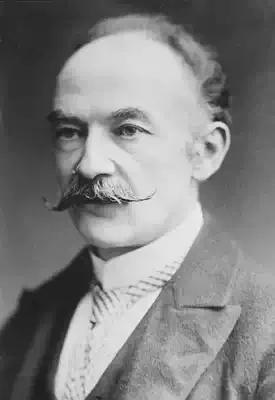
Thomas Hardy
Hap
Hap
IF but some vengeful god would call to me
From up the sky, and laugh: "Thou suffering thing,
Know that thy sorrow is my ecstasy,
That thy love's loss is my hate's profiting!"
Then would I bear, and clench myself, and die,
Steeled by the sense of ire unmerited;
Half-eased, too, that a Powerfuller than I
Had willed and meted me the tears I shed.
But not so. How arrives it joy lies slain,
And why unblooms the best hope ever sown?
--Crass Casualty obstructs the sun and rain,
And dicing Time for gladness casts a moan....
These purblind Doomsters had as readily strown
Blisses about my pilgrimage as pain.
IF but some vengeful god would call to me
From up the sky, and laugh: "Thou suffering thing,
Know that thy sorrow is my ecstasy,
That thy love's loss is my hate's profiting!"
Then would I bear, and clench myself, and die,
Steeled by the sense of ire unmerited;
Half-eased, too, that a Powerfuller than I
Had willed and meted me the tears I shed.
But not so. How arrives it joy lies slain,
And why unblooms the best hope ever sown?
--Crass Casualty obstructs the sun and rain,
And dicing Time for gladness casts a moan....
These purblind Doomsters had as readily strown
Blisses about my pilgrimage as pain.
204
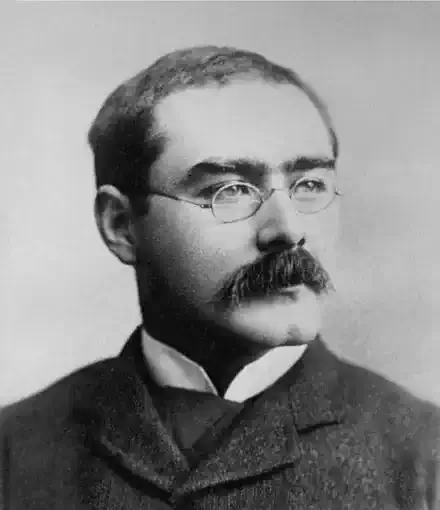
Rudyard Kipling
The Derelict
The Derelict
~And reports the derelict ~Mary Pollock~ still at sea.~
SHIPPING NEWS.
I was the staunchest of our fleet
Till the sea rose beneath our feet
Unheralded, in hatred past all measure.
Into his pits he stamped my crew,
Buffeted, blinded, bound and threw,
Bidding me eyeless wait upon his pleasure.
Man made me, and my will
Is to my maker still,
Whom now the currents con, the rollers steer --
Lifting forlorn to spy
Trailed smoke along the sky,
Falling afraid lest any keel come near!
Wrenched as the lips of thirst,
Wried, dried, and split and burst,
Bone-bleached my decks, wind-scoured to the graining;
And jarred at every roll
The gear that was my soul
Answers the anguish of my beams' complaining.
For life that crammed me full,
Gangs of the prying gull
That shriek and scrabble on the riven hatches!
For roar that dumbed the gale,
My hawse-pipes guttering wail,
Sobbing my heart out through the uncounted watches!
Blind in the hot blue ring
Through all my points I swing --
Swing and return to shift the sun anew.
Blind in my well-known sky
I hear the stars go by,
Mocking the prow that cannot hold one true!
White on my wasted path
Wave after wave in wrath
Frets 'gainst his fellow, warring where to send me.
Flung forward, heaved aside,
Witless and dazed I bide
The mercy of the comber that shall end me.
North where the bergs careen,
The spray of seas unseen
Smokes round my head and freezes in the falling;
South where the corals breed,
The footless, floating weed
Folds me and fouls me, strake on strake upcrawling.
I that was clean to run
My race against the sun --
Strength on the deep, am bawd to all disaster --
Whipped forth by night to meet
My sister's careless feet,
And with a kiss betray her to my master!
Man made me, and my will
Is to my maker still --
To him and his, our peoples at their pier:
Lifting in hope to spy
Trailed smoke along the sky,
Falling afraid lest any keel come near!
~And reports the derelict ~Mary Pollock~ still at sea.~
SHIPPING NEWS.
I was the staunchest of our fleet
Till the sea rose beneath our feet
Unheralded, in hatred past all measure.
Into his pits he stamped my crew,
Buffeted, blinded, bound and threw,
Bidding me eyeless wait upon his pleasure.
Man made me, and my will
Is to my maker still,
Whom now the currents con, the rollers steer --
Lifting forlorn to spy
Trailed smoke along the sky,
Falling afraid lest any keel come near!
Wrenched as the lips of thirst,
Wried, dried, and split and burst,
Bone-bleached my decks, wind-scoured to the graining;
And jarred at every roll
The gear that was my soul
Answers the anguish of my beams' complaining.
For life that crammed me full,
Gangs of the prying gull
That shriek and scrabble on the riven hatches!
For roar that dumbed the gale,
My hawse-pipes guttering wail,
Sobbing my heart out through the uncounted watches!
Blind in the hot blue ring
Through all my points I swing --
Swing and return to shift the sun anew.
Blind in my well-known sky
I hear the stars go by,
Mocking the prow that cannot hold one true!
White on my wasted path
Wave after wave in wrath
Frets 'gainst his fellow, warring where to send me.
Flung forward, heaved aside,
Witless and dazed I bide
The mercy of the comber that shall end me.
North where the bergs careen,
The spray of seas unseen
Smokes round my head and freezes in the falling;
South where the corals breed,
The footless, floating weed
Folds me and fouls me, strake on strake upcrawling.
I that was clean to run
My race against the sun --
Strength on the deep, am bawd to all disaster --
Whipped forth by night to meet
My sister's careless feet,
And with a kiss betray her to my master!
Man made me, and my will
Is to my maker still --
To him and his, our peoples at their pier:
Lifting in hope to spy
Trailed smoke along the sky,
Falling afraid lest any keel come near!
484
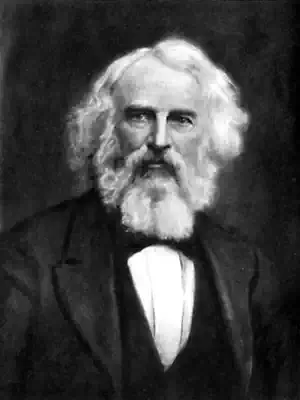
Henry Wadsworth Longfellow
Hermes Trismegistus
Hermes Trismegistus
Still through Egypt's desert places
Flows the lordly Nile,
From its banks the great stone faces
Gaze with patient smile.
Still the pyramids imperious
Pierce the cloudless skies,
And the Sphinx stares with mysterious,
Solemn, stony eyes.
But where are the old Egyptian
Demi-gods and kings?
Nothing left but an inscription
Graven on stones and rings.
Where are Helios and Hephaestus,
Gods of eldest eld?
Where is Hermes Trismegistus,
Who their secrets held?
Where are now the many hundred
Thousand books he wrote?
By the Thaumaturgists plundered,
Lost in lands remote;
In oblivion sunk forever,
As when o'er the land
Blows a storm-wind, in the river
Sinks the scattered sand.
Something unsubstantial, ghostly,
Seems this Theurgist,
In deep meditation mostly
Wrapped, as in a mist.
Vague, phantasmal, and unreal
To our thought he seems,
Walking in a world ideal,
In a land of dreams.
Was he one, or many, merging
Name and fame in one,
Like a stream, to which, converging
Many streamlets run?
Till, with gathered power proceeding,
Ampler sweep it takes,
Downward the sweet waters leading
From unnumbered lakes.
By the Nile I see him wandering,
Pausing now and then,
On the mystic union pondering
Between gods and men;
Half believing, wholly feeling,
With supreme delight,
How the gods, themselves concealing,
Lift men to their height.
Or in Thebes, the hundred-gated,
In the thoroughfare
Breathing, as if consecrated,
A diviner air;
And amid discordant noises,
In the jostling throng,
Hearing far, celestial voices
Of Olympian song.
Who shall call his dreams fallacious?
Who has searched or sought
All the unexplored and spacious
Universe of thought?
Who, in his own skill confiding,
Shall with rule and line
Mark the border-land dividing
Human and divine?
Trismegistus! three times greatest!
How thy name sublime
Has descended to this latest
Progeny of time!
Happy they whose written pages
Perish with their lives,
If amid the crumbling ages
Still their name survives!
Thine, O priest of Egypt, lately
Found I in the vast,
Weed-encumbered sombre, stately,
Grave-yard of the Past;
And a presence moved before me
On that gloomy shore,
As a waft of wind, that o'er me
Breathed, and was no more.
Still through Egypt's desert places
Flows the lordly Nile,
From its banks the great stone faces
Gaze with patient smile.
Still the pyramids imperious
Pierce the cloudless skies,
And the Sphinx stares with mysterious,
Solemn, stony eyes.
But where are the old Egyptian
Demi-gods and kings?
Nothing left but an inscription
Graven on stones and rings.
Where are Helios and Hephaestus,
Gods of eldest eld?
Where is Hermes Trismegistus,
Who their secrets held?
Where are now the many hundred
Thousand books he wrote?
By the Thaumaturgists plundered,
Lost in lands remote;
In oblivion sunk forever,
As when o'er the land
Blows a storm-wind, in the river
Sinks the scattered sand.
Something unsubstantial, ghostly,
Seems this Theurgist,
In deep meditation mostly
Wrapped, as in a mist.
Vague, phantasmal, and unreal
To our thought he seems,
Walking in a world ideal,
In a land of dreams.
Was he one, or many, merging
Name and fame in one,
Like a stream, to which, converging
Many streamlets run?
Till, with gathered power proceeding,
Ampler sweep it takes,
Downward the sweet waters leading
From unnumbered lakes.
By the Nile I see him wandering,
Pausing now and then,
On the mystic union pondering
Between gods and men;
Half believing, wholly feeling,
With supreme delight,
How the gods, themselves concealing,
Lift men to their height.
Or in Thebes, the hundred-gated,
In the thoroughfare
Breathing, as if consecrated,
A diviner air;
And amid discordant noises,
In the jostling throng,
Hearing far, celestial voices
Of Olympian song.
Who shall call his dreams fallacious?
Who has searched or sought
All the unexplored and spacious
Universe of thought?
Who, in his own skill confiding,
Shall with rule and line
Mark the border-land dividing
Human and divine?
Trismegistus! three times greatest!
How thy name sublime
Has descended to this latest
Progeny of time!
Happy they whose written pages
Perish with their lives,
If amid the crumbling ages
Still their name survives!
Thine, O priest of Egypt, lately
Found I in the vast,
Weed-encumbered sombre, stately,
Grave-yard of the Past;
And a presence moved before me
On that gloomy shore,
As a waft of wind, that o'er me
Breathed, and was no more.
344
Rudyard Kipling
The Decline of the West
The Decline of the West
Now it is not good for the Christian's health to hustle the Aryan
brown,
For the Christian riles, and the Aryan smiles, and he weareth the
Christian down;
And the end of the fight is a tombstone white with the name of
the late deceased,
And the epitaph drear: "A Fool lies here who tried to hustle the
East."
Now it is not good for the Christian's health to hustle the Aryan
brown,
For the Christian riles, and the Aryan smiles, and he weareth the
Christian down;
And the end of the fight is a tombstone white with the name of
the late deceased,
And the epitaph drear: "A Fool lies here who tried to hustle the
East."
626
Thomas Hardy
God-Forgotten
God-Forgotten
I towered far, and lo! I stood within
The presence of the Lord Most High,
Sent thither by the sons of earth, to win
Some answer to their cry.
--"The Earth, say'st thou? The Human race?
By Me created? Sad its lot?
Nay: I have no remembrance of such place:
Such world I fashioned not." -
--"O Lord, forgive me when I say
Thou spak'st the word, and mad'st it all." -
"The Earth of men--let me bethink me . . . Yea!
I dimly do recall
"Some tiny sphere I built long back
(Mid millions of such shapes of mine)
So named . . . It perished, surely--not a wrack
Remaining, or a sign?
"It lost my interest from the first,
My aims therefor succeeding ill;
Haply it died of doing as it durst?" -
"Lord, it existeth still." -
"Dark, then, its life! For not a cry
Of aught it bears do I now hear;
Of its own act the threads were snapt whereby
Its plaints had reached mine ear.
"It used to ask for gifts of good,
Till came its severance self-entailed,
When sudden silence on that side ensued,
And has till now prevailed.
"All other orbs have kept in touch;
Their voicings reach me speedily:
Thy people took upon them overmuch
In sundering them from me!
"And it is strange--though sad enough -
Earth's race should think that one whose call
Frames, daily, shining spheres of flawless stuff
Must heed their tainted ball! . . .
"But say'st thou 'tis by pangs distraught,
And strife, and silent suffering? -
Deep grieved am I that injury should be wrought
Even on so poor a thing!
"Thou should'st have learnt that Not to Mend
For Me could mean but Not to Know:
Hence, Messengers! and straightway put an end
To what men undergo." . . .
Homing at dawn, I thought to see
One of the Messengers standing by.
- Oh, childish thought! . . . Yet oft it comes to me
When trouble hovers nigh.
I towered far, and lo! I stood within
The presence of the Lord Most High,
Sent thither by the sons of earth, to win
Some answer to their cry.
--"The Earth, say'st thou? The Human race?
By Me created? Sad its lot?
Nay: I have no remembrance of such place:
Such world I fashioned not." -
--"O Lord, forgive me when I say
Thou spak'st the word, and mad'st it all." -
"The Earth of men--let me bethink me . . . Yea!
I dimly do recall
"Some tiny sphere I built long back
(Mid millions of such shapes of mine)
So named . . . It perished, surely--not a wrack
Remaining, or a sign?
"It lost my interest from the first,
My aims therefor succeeding ill;
Haply it died of doing as it durst?" -
"Lord, it existeth still." -
"Dark, then, its life! For not a cry
Of aught it bears do I now hear;
Of its own act the threads were snapt whereby
Its plaints had reached mine ear.
"It used to ask for gifts of good,
Till came its severance self-entailed,
When sudden silence on that side ensued,
And has till now prevailed.
"All other orbs have kept in touch;
Their voicings reach me speedily:
Thy people took upon them overmuch
In sundering them from me!
"And it is strange--though sad enough -
Earth's race should think that one whose call
Frames, daily, shining spheres of flawless stuff
Must heed their tainted ball! . . .
"But say'st thou 'tis by pangs distraught,
And strife, and silent suffering? -
Deep grieved am I that injury should be wrought
Even on so poor a thing!
"Thou should'st have learnt that Not to Mend
For Me could mean but Not to Know:
Hence, Messengers! and straightway put an end
To what men undergo." . . .
Homing at dawn, I thought to see
One of the Messengers standing by.
- Oh, childish thought! . . . Yet oft it comes to me
When trouble hovers nigh.
301

Robert W. Service
Julot The Apache
Julot The Apache
You've heard of Julot the apache, and Gigolette, his mome. . . .
Montmartre was their hunting-ground, but Belville was their home.
A little chap just like a boy, with smudgy black mustache, --
Yet there was nothing juvenile in Julot the apache.
From head to heel as tough as steel, as nimble as a cat,
With every trick of twist and kick, a master of savate.
And Gigolette was tall and fair, as stupid as a cow,
With three combs in the greasy hair she banged upon her brow.
You'd see her on the Place Pigalle on any afternoon,
A primitive and strapping wench as brazen as the moon.
And yet there is a tale that's told of Clichy after dark,
And two gendarmes who swung their arms with Julot for a mark.
And oh, but they'd have got him too; they banged and blazed away,
When like a flash a woman leapt between them and their prey.
She took the medicine meant for him; she came down with a crash . . .
"Quick now, and make your get-away, O Julot the apache!" . . .
But no! He turned, ran swiftly back, his arms around her met;
They nabbed him sobbing like a kid, and kissing Gigolette.
Now I'm a reckless painter chap who loves a jamboree,
And one night in Cyrano's bar I got upon a spree;
And there were trollops all about, and crooks of every kind,
But though the place was reeling round I didn't seem to mind.
Till down I sank, and all was blank when in the bleary dawn
I woke up in my studio to find -- my money gone;
Three hundred francs I'd scraped and squeezed to pay my quarter's rent.
"Some one has pinched my wad," I wailed; "it never has been spent."
And as I racked my brains to seek how I could raise some more,
Before my cruel landlord kicked me cowering from the door:
A knock . . . "Come in," I gruffly groaned; I did not raise my head,
Then lo! I heard a husky voice, a swift and silky tread:
"You got so blind, last night, mon vieux, I collared all your cash --
Three hundred francs. . . . There! Nom de Dieu," said Julot the apache.
And that was how I came to know Julot and Gigolette,
And we would talk and drink a bock, and smoke a cigarette.
And I would meditate upon the artistry of crime,
And he would tell of cracking cribs and cops and doing time;
Or else when he was flush of funds he'd carelessly explain
He'd biffed some bloated bourgeois on the border of the Seine.
So gentle and polite he was, just like a man of peace,
And not a desperado and the terror of the police.
Now one day in a bistro that's behind the Place Vendôme
I came on Julot the apache, and Gigolette his mome.
And as they looked so very grave, says I to them, says I,
"Come on and have a little glass, it's good to rinse the eye.
You both look mighty serious; you've something on the heart."
"Ah, yes," said Julot the apache, "we've something to impart.
When such things come to folks like us, it isn't very gay . . .
It's Gigolette -- she tells me that a gosse is on the way."
Then Gigolette, she looked at me with eyes like stones of gall:
"If we were honest folks," said she, "I wouldn't mind at all.
But then . . . you know the life we lead; well, anyway I mean
(That is, providing it's a girl) to call her Angeline."
"Cheer up," said I; "it's all in life. There's gold within the dross.
Come on, we'll drink another verre to Angeline the gosse."
And so the weary winter passed, and then one April morn
The worthy Julot came at last to say the babe was born.
"I'd like to chuck it in the Seine," he sourly snarled, "and yet
I guess I'll have to let it live, because of Gigolette."
I only laughed, for sure I saw his spite was all a bluff,
And he was prouder than a prince behind his manner gruff.
Yet every day he'd blast the brat with curses deep and grim,
And swear to me that Gigolette no longer thought of him.
And then one night he dropped the mask; his eyes were sick with dread,
And when I offered him a smoke he groaned and shook his head:
"I'm all upset; it's Angeline . . . she's covered with a rash . . .
She'll maybe die, my little gosse," cried Julot the apache.
But Angeline, I joy to say, came through the test all right,
Though Julot, so they tell me, watched beside her day and night.
And when I saw him next, says he: "Come up and dine with me.
We'll buy a beefsteak on the way, a bottle and some brie."
And so I had a merry night within his humble home,
And laughed with Angeline the gosse and Gigolette the mome.
And every time that Julot used a word the least obscene,
How Gigolette would frown at him and point to Angeline:
Oh, such a little innocent, with hair of silken floss,
I do not wonder they were proud of Angeline the gosse.
And when her arms were round his neck, then Julot says to me:
"I must work harder now, mon vieux, since I've to work for three."
He worked so very hard indeed, the police dropped in one day,
And for a year behind the bars they put him safe away.
So dark and silent now, their home; they'd gone -- I wondered where,
Till in a laundry near I saw a child with shining hair;
And o'er the tub a strapping wench, her arms in soapy foam;
Lo! it was Angeline the gosse, and Gigolette the mome.
And so I kept an eye on them and saw that all went right,
Until at last came Julot home, half crazy with delight.
And when he'd kissed them both, says he: "I've had my fill this time.
I'm on the honest now, I am; I'm all fed up with crime.
You mark my words, the page I turn is going to be clean,
I swear it on the head of her, my little Angeline."
And so, to finish up my tale, this morning as I strolled
Along the boulevard I heard a voice I knew of old.
I saw a rosy little man with walrus-like mustache . . .
I stopped, I stared. . . . By all the gods! 'twas Julot the apache.
"I'm in the garden way," he said, "and doing mighty well;
I've half an acre under glass, and heaps of truck to sell.
Come out and see. Oh come, my friend, on Sunday, wet or shine . . .
Say! -- it's the First Communion of that little girl of mine."
You've heard of Julot the apache, and Gigolette, his mome. . . .
Montmartre was their hunting-ground, but Belville was their home.
A little chap just like a boy, with smudgy black mustache, --
Yet there was nothing juvenile in Julot the apache.
From head to heel as tough as steel, as nimble as a cat,
With every trick of twist and kick, a master of savate.
And Gigolette was tall and fair, as stupid as a cow,
With three combs in the greasy hair she banged upon her brow.
You'd see her on the Place Pigalle on any afternoon,
A primitive and strapping wench as brazen as the moon.
And yet there is a tale that's told of Clichy after dark,
And two gendarmes who swung their arms with Julot for a mark.
And oh, but they'd have got him too; they banged and blazed away,
When like a flash a woman leapt between them and their prey.
She took the medicine meant for him; she came down with a crash . . .
"Quick now, and make your get-away, O Julot the apache!" . . .
But no! He turned, ran swiftly back, his arms around her met;
They nabbed him sobbing like a kid, and kissing Gigolette.
Now I'm a reckless painter chap who loves a jamboree,
And one night in Cyrano's bar I got upon a spree;
And there were trollops all about, and crooks of every kind,
But though the place was reeling round I didn't seem to mind.
Till down I sank, and all was blank when in the bleary dawn
I woke up in my studio to find -- my money gone;
Three hundred francs I'd scraped and squeezed to pay my quarter's rent.
"Some one has pinched my wad," I wailed; "it never has been spent."
And as I racked my brains to seek how I could raise some more,
Before my cruel landlord kicked me cowering from the door:
A knock . . . "Come in," I gruffly groaned; I did not raise my head,
Then lo! I heard a husky voice, a swift and silky tread:
"You got so blind, last night, mon vieux, I collared all your cash --
Three hundred francs. . . . There! Nom de Dieu," said Julot the apache.
And that was how I came to know Julot and Gigolette,
And we would talk and drink a bock, and smoke a cigarette.
And I would meditate upon the artistry of crime,
And he would tell of cracking cribs and cops and doing time;
Or else when he was flush of funds he'd carelessly explain
He'd biffed some bloated bourgeois on the border of the Seine.
So gentle and polite he was, just like a man of peace,
And not a desperado and the terror of the police.
Now one day in a bistro that's behind the Place Vendôme
I came on Julot the apache, and Gigolette his mome.
And as they looked so very grave, says I to them, says I,
"Come on and have a little glass, it's good to rinse the eye.
You both look mighty serious; you've something on the heart."
"Ah, yes," said Julot the apache, "we've something to impart.
When such things come to folks like us, it isn't very gay . . .
It's Gigolette -- she tells me that a gosse is on the way."
Then Gigolette, she looked at me with eyes like stones of gall:
"If we were honest folks," said she, "I wouldn't mind at all.
But then . . . you know the life we lead; well, anyway I mean
(That is, providing it's a girl) to call her Angeline."
"Cheer up," said I; "it's all in life. There's gold within the dross.
Come on, we'll drink another verre to Angeline the gosse."
And so the weary winter passed, and then one April morn
The worthy Julot came at last to say the babe was born.
"I'd like to chuck it in the Seine," he sourly snarled, "and yet
I guess I'll have to let it live, because of Gigolette."
I only laughed, for sure I saw his spite was all a bluff,
And he was prouder than a prince behind his manner gruff.
Yet every day he'd blast the brat with curses deep and grim,
And swear to me that Gigolette no longer thought of him.
And then one night he dropped the mask; his eyes were sick with dread,
And when I offered him a smoke he groaned and shook his head:
"I'm all upset; it's Angeline . . . she's covered with a rash . . .
She'll maybe die, my little gosse," cried Julot the apache.
But Angeline, I joy to say, came through the test all right,
Though Julot, so they tell me, watched beside her day and night.
And when I saw him next, says he: "Come up and dine with me.
We'll buy a beefsteak on the way, a bottle and some brie."
And so I had a merry night within his humble home,
And laughed with Angeline the gosse and Gigolette the mome.
And every time that Julot used a word the least obscene,
How Gigolette would frown at him and point to Angeline:
Oh, such a little innocent, with hair of silken floss,
I do not wonder they were proud of Angeline the gosse.
And when her arms were round his neck, then Julot says to me:
"I must work harder now, mon vieux, since I've to work for three."
He worked so very hard indeed, the police dropped in one day,
And for a year behind the bars they put him safe away.
So dark and silent now, their home; they'd gone -- I wondered where,
Till in a laundry near I saw a child with shining hair;
And o'er the tub a strapping wench, her arms in soapy foam;
Lo! it was Angeline the gosse, and Gigolette the mome.
And so I kept an eye on them and saw that all went right,
Until at last came Julot home, half crazy with delight.
And when he'd kissed them both, says he: "I've had my fill this time.
I'm on the honest now, I am; I'm all fed up with crime.
You mark my words, the page I turn is going to be clean,
I swear it on the head of her, my little Angeline."
And so, to finish up my tale, this morning as I strolled
Along the boulevard I heard a voice I knew of old.
I saw a rosy little man with walrus-like mustache . . .
I stopped, I stared. . . . By all the gods! 'twas Julot the apache.
"I'm in the garden way," he said, "and doing mighty well;
I've half an acre under glass, and heaps of truck to sell.
Come out and see. Oh come, my friend, on Sunday, wet or shine . . .
Say! -- it's the First Communion of that little girl of mine."
252
Rudyard Kipling
The Dead King
The Dead King
EDWARD VII.
Who in the Realm to-day lays down dear life for the sake of a land more dear?
And, unconcerned for his own estate, toils till the last grudged sands have run?
Let him approach. It is proven here
Our King asks nothing of any man more than Our King himself, has done.
For to him above all was Life good, above all he commanded
Her abundance full-handed.
The peculiar treasure of Kings was his for the taking:
All that men come to in dreams he inherited waking: --
His marvel of world-gathered armies -- one heart and all races;
His seas 'neath his keels when his war-castles foamed to their places;
The thundering foreshores that answered his heralded landing;
The huge lighted cities adoring, the assemblies upstanding;
The Councils of Kings called in haste to learn how he was minded --
The kingdoms, the Powers, and the Glories he dealt with unblinded.
To him came all captains of men, all achievers of glory
Hot from the press of their battles they told him their story.
They revealed him their lives in an hour and, saluting departed,
Joyful to labour afresh -- he had made them new-hearted.
And, since he weighed men from his youth, and no lie long deceived him,
He spoke and exacted the truth, and the basest believed him.
And God poured him an exquisite wine, that was daily renewed to him,
In the clear-welling love of his peoples that daily accrued to him.
Honour and service we gave him, rejoicingly fearless;
Faith absolute, trust beyond speech and a friendship as peerless.
And since he was Master and Servant in all that we asked him,
We leaned hard on his wisdom in all things, knowing not how we tasked him.
For on him each new day laid command, every tyrannous hour,
To confront, or confirm, or make smooth some dread issue of power;
To deliver true, judgment aright at the instant, unaided,
In the strict, level, ultimate phrase that allowed or dissuaded;
To foresee, to allay, to avert from us perils unnumbered,
To stand guard on our gates when he guessed that the watchmen had slumbered;
To win time, to turn hate, to woo folly to service and, mightily schooling
His strength to the use of his Nations, to rule as not ruling.
These were the works of our King; Earth's peace was the proof of them.
God gave him great works to fulfil, and to us the behoof of them.
We accepted his toil as our right -- none spared, none excused him.
When he was bowed by his burden his rest was refused him.
We troubled his age with our weakness -- the blacker our shame to us!
Hearing his People had need of him, straightway he came to us.
As he received so he gave -- nothing grudged, naught denying,
Not even the last gasp of his breath when he strove for us, dying.
For our sakes, without question, he put from him all that he cherished.
Simply as any that serve him he served and he perished.
All that Kings covet was his, and he flung it aside for us.
Simply as any that die in his service he died for us!
Who in the Realm to-day has choice of the easy road or the hard to tread?
And, much concerned for his own estate, would sell his soul to remain in the
sun?
Let him depart nor look on Our dead.
Our King asks nothing of any man more than Our King himself has done.
EDWARD VII.
Who in the Realm to-day lays down dear life for the sake of a land more dear?
And, unconcerned for his own estate, toils till the last grudged sands have run?
Let him approach. It is proven here
Our King asks nothing of any man more than Our King himself, has done.
For to him above all was Life good, above all he commanded
Her abundance full-handed.
The peculiar treasure of Kings was his for the taking:
All that men come to in dreams he inherited waking: --
His marvel of world-gathered armies -- one heart and all races;
His seas 'neath his keels when his war-castles foamed to their places;
The thundering foreshores that answered his heralded landing;
The huge lighted cities adoring, the assemblies upstanding;
The Councils of Kings called in haste to learn how he was minded --
The kingdoms, the Powers, and the Glories he dealt with unblinded.
To him came all captains of men, all achievers of glory
Hot from the press of their battles they told him their story.
They revealed him their lives in an hour and, saluting departed,
Joyful to labour afresh -- he had made them new-hearted.
And, since he weighed men from his youth, and no lie long deceived him,
He spoke and exacted the truth, and the basest believed him.
And God poured him an exquisite wine, that was daily renewed to him,
In the clear-welling love of his peoples that daily accrued to him.
Honour and service we gave him, rejoicingly fearless;
Faith absolute, trust beyond speech and a friendship as peerless.
And since he was Master and Servant in all that we asked him,
We leaned hard on his wisdom in all things, knowing not how we tasked him.
For on him each new day laid command, every tyrannous hour,
To confront, or confirm, or make smooth some dread issue of power;
To deliver true, judgment aright at the instant, unaided,
In the strict, level, ultimate phrase that allowed or dissuaded;
To foresee, to allay, to avert from us perils unnumbered,
To stand guard on our gates when he guessed that the watchmen had slumbered;
To win time, to turn hate, to woo folly to service and, mightily schooling
His strength to the use of his Nations, to rule as not ruling.
These were the works of our King; Earth's peace was the proof of them.
God gave him great works to fulfil, and to us the behoof of them.
We accepted his toil as our right -- none spared, none excused him.
When he was bowed by his burden his rest was refused him.
We troubled his age with our weakness -- the blacker our shame to us!
Hearing his People had need of him, straightway he came to us.
As he received so he gave -- nothing grudged, naught denying,
Not even the last gasp of his breath when he strove for us, dying.
For our sakes, without question, he put from him all that he cherished.
Simply as any that serve him he served and he perished.
All that Kings covet was his, and he flung it aside for us.
Simply as any that die in his service he died for us!
Who in the Realm to-day has choice of the easy road or the hard to tread?
And, much concerned for his own estate, would sell his soul to remain in the
sun?
Let him depart nor look on Our dead.
Our King asks nothing of any man more than Our King himself has done.
449
Thomas Hardy
Genoa and the Mediterranean.
Genoa and the Mediterranean.
O epic-famed, god-haunted Central Sea,
Heave careless of the deep wrong done to thee
When from Torino's track I saw thy face first flash on me.
And multimarbled Genova the Proud,
Gleam all unconscious how, wide-lipped, up-browed,
I first beheld thee clad--not as the Beauty but the Dowd.
Out from a deep-delved way my vision lit
On housebacks pink, green, ochreous--where a slit
Shoreward 'twixt row and row revealed the classic blue through it.
And thereacross waved fishwives' high-hung smocks,
Chrome kerchiefs, scarlet hose, darned underfrocks;
Since when too oft my dreams of thee, O Queen, that frippery mocks:
Whereat I grieve, Superba! . . . Afterhours
Within Palazzo Doria's orange bowers
Went far to mend these marrings of thy soul-subliming powers.
But, Queen, such squalid undress none should see,
Those dream-endangering eyewounds no more be
Where lovers first behold thy form in pilgrimage to thee.
O epic-famed, god-haunted Central Sea,
Heave careless of the deep wrong done to thee
When from Torino's track I saw thy face first flash on me.
And multimarbled Genova the Proud,
Gleam all unconscious how, wide-lipped, up-browed,
I first beheld thee clad--not as the Beauty but the Dowd.
Out from a deep-delved way my vision lit
On housebacks pink, green, ochreous--where a slit
Shoreward 'twixt row and row revealed the classic blue through it.
And thereacross waved fishwives' high-hung smocks,
Chrome kerchiefs, scarlet hose, darned underfrocks;
Since when too oft my dreams of thee, O Queen, that frippery mocks:
Whereat I grieve, Superba! . . . Afterhours
Within Palazzo Doria's orange bowers
Went far to mend these marrings of thy soul-subliming powers.
But, Queen, such squalid undress none should see,
Those dream-endangering eyewounds no more be
Where lovers first behold thy form in pilgrimage to thee.
189
Henry Wadsworth Longfellow
Haunted Houses. (Birds Of Passage. Flight The First)
Haunted Houses. (Birds Of Passage. Flight The First)
All houses wherein men have lived and died
Are haunted houses. Through the open doors
The harmless phantoms on their errands glide,
With feet that make no sound upon the floors.
We meet them at the doorway, on the stair,
Along the passages they come and go,
Impalpable impressions on the air,
A sense of something moving to and fro.
There are more guests at table, than the hosts
Invited; the illuminated hall
Is thronged with quiet, inoffensive ghosts,
As silent as the pictures on the wall.
The stranger at my fireside cannot see
The forms I see, nor hear the sounds I hear;
He but perceives what is; while unto me
All that has been is visible and clear.
We have no title-deeds to house or lands;
Owners and occupants of earlier dates
From graves forgotten stretch their dusty hands,
And hold in mortmain still their old estates.
The spirit-world around this world of sense
Floats like an atmosphere, and everywhere
Wafts through these earthly mists and vapors dense
A vital breath of more ethereal air.
Our little lives are kept in equipoise
By opposite attractions and desires;
The struggle of the instinct that enjoys,
And the more noble instinct that aspires.
These perturbations, this perpetual jar
Of earthly wants and aspirations high,
Come from the influence of an unseen star,
An undiscovered planet in our sky.
And as the moon from some dark gate of cloud
Throws o'er the sea a floating bridge of light,
Across whose trembling planks our fancies crowd
Into the realm of mystery and night,--
So from the world of spirits there descends
A bridge of light, connecting it with this,
O'er whose unsteady floor, that sways and bends,
Wander our thoughts above the dark abyss.
All houses wherein men have lived and died
Are haunted houses. Through the open doors
The harmless phantoms on their errands glide,
With feet that make no sound upon the floors.
We meet them at the doorway, on the stair,
Along the passages they come and go,
Impalpable impressions on the air,
A sense of something moving to and fro.
There are more guests at table, than the hosts
Invited; the illuminated hall
Is thronged with quiet, inoffensive ghosts,
As silent as the pictures on the wall.
The stranger at my fireside cannot see
The forms I see, nor hear the sounds I hear;
He but perceives what is; while unto me
All that has been is visible and clear.
We have no title-deeds to house or lands;
Owners and occupants of earlier dates
From graves forgotten stretch their dusty hands,
And hold in mortmain still their old estates.
The spirit-world around this world of sense
Floats like an atmosphere, and everywhere
Wafts through these earthly mists and vapors dense
A vital breath of more ethereal air.
Our little lives are kept in equipoise
By opposite attractions and desires;
The struggle of the instinct that enjoys,
And the more noble instinct that aspires.
These perturbations, this perpetual jar
Of earthly wants and aspirations high,
Come from the influence of an unseen star,
An undiscovered planet in our sky.
And as the moon from some dark gate of cloud
Throws o'er the sea a floating bridge of light,
Across whose trembling planks our fancies crowd
Into the realm of mystery and night,--
So from the world of spirits there descends
A bridge of light, connecting it with this,
O'er whose unsteady floor, that sways and bends,
Wander our thoughts above the dark abyss.
586
Rudyard Kipling
The Cure
The Cure
Long years ago, ere R--lls or R--ce
Trebled the mileage man could cover;
When Sh--nks's Mare was H--bs--n's Choice,
And Bl--r--ot had not flown to Dover:
When good hoteliers looked askance
If any power save horse-flesh drew vans--
'Time was in easy, hand-made France,
I met the Cure of Saint Juvans.
He was no babbler, but, at last,
One learned from things he left unspoken
How in some fiery, far-off past,
His, and a woman's, heart were broken.
He sought for death, but found it not,
Yet, seeking, found his true vocation,
And fifty years, by all forgot,
Toiled at a simple folk's salvation.
His pay was lower than our Dole;
The piteous little church he tended
Had neither roof nor vestments whole
Save what his own hard fingers mended:
While, any hour, at every need
(As Conscience or La Grippe assailed 'em),
His parish bade him come with speed,
And, foot or cart, he never failed 'em,
His speech--to suit his hearers--ran
From pure Parisian to gross peasant,
With interludes North African
If any Legionnaire were present:
And when some wine-ripe atheist mocked
His office or the Faith he knelt in,
He left the sinner dumb and shocked
By oaths his old Battalion dealt in.
And he was learned in Death and Life;
And he was Logic's self (as France is).
He knew his flock-man, maid, and wife--
Their forebears, failings, and finances.
Spite, Avarice, Devotion, Lies--
Passion ablaze or sick Obsession--
He dealt with each physician-wise;
Stern or most tender, at Confession...
To-day? God knows where he may lie--
His Cross of weathered beads above him:
But one not worthy to untie
His shoe-string, prays you read--and love him!
Long years ago, ere R--lls or R--ce
Trebled the mileage man could cover;
When Sh--nks's Mare was H--bs--n's Choice,
And Bl--r--ot had not flown to Dover:
When good hoteliers looked askance
If any power save horse-flesh drew vans--
'Time was in easy, hand-made France,
I met the Cure of Saint Juvans.
He was no babbler, but, at last,
One learned from things he left unspoken
How in some fiery, far-off past,
His, and a woman's, heart were broken.
He sought for death, but found it not,
Yet, seeking, found his true vocation,
And fifty years, by all forgot,
Toiled at a simple folk's salvation.
His pay was lower than our Dole;
The piteous little church he tended
Had neither roof nor vestments whole
Save what his own hard fingers mended:
While, any hour, at every need
(As Conscience or La Grippe assailed 'em),
His parish bade him come with speed,
And, foot or cart, he never failed 'em,
His speech--to suit his hearers--ran
From pure Parisian to gross peasant,
With interludes North African
If any Legionnaire were present:
And when some wine-ripe atheist mocked
His office or the Faith he knelt in,
He left the sinner dumb and shocked
By oaths his old Battalion dealt in.
And he was learned in Death and Life;
And he was Logic's self (as France is).
He knew his flock-man, maid, and wife--
Their forebears, failings, and finances.
Spite, Avarice, Devotion, Lies--
Passion ablaze or sick Obsession--
He dealt with each physician-wise;
Stern or most tender, at Confession...
To-day? God knows where he may lie--
His Cross of weathered beads above him:
But one not worthy to untie
His shoe-string, prays you read--and love him!
361
Thomas Hardy
From Victor Hugo
From Victor Hugo
Child, were I king, I'd yield my royal rule,
My chariot, sceptre, vassal-service due,
My crown, my porphyry-basined waters cool,
My fleets, whereto the sea is but a pool,
For a glance from you!
Love, were I God, the earth and its heaving airs,
Angels, the demons abject under me,
Vast chaos with its teeming womby lairs,
Time, space, all would I give--aye, upper spheres,
For a kiss from thee!
Child, were I king, I'd yield my royal rule,
My chariot, sceptre, vassal-service due,
My crown, my porphyry-basined waters cool,
My fleets, whereto the sea is but a pool,
For a glance from you!
Love, were I God, the earth and its heaving airs,
Angels, the demons abject under me,
Vast chaos with its teeming womby lairs,
Time, space, all would I give--aye, upper spheres,
For a kiss from thee!
144
Robert W. Service
Joey
Joey
I thought I would go daft when Joey died.
He was my first, and wise beyond his years.
For nigh a hundred nights I cried and cried,
Until my weary eyes burned up my tears.
Willie and Rosie tried to comfort me:
A woeful, weeping family were we.
I was a widow with no friends at all,
Ironing men's shirts to buy my kiddies grub;
And then one day a lawyer came to call,
Me with my arms deep in the washing-tub.
The gentleman who ran poor Joey down
Was willing to give us a thousand poun'.
What a godsend! It meant goodbye to care,
The fear of being dumped out on the street.
Rosie and Willie could have wool to wear,
And more than bread and margerine to eat . . .
To Joey's broken little legs we owe
Our rescue from a fate of want and woe.
How happily he hurried home to me,
Bringing a new-baked, crisp-brown loaf of bread.
The headlights of the car he did not see,
And when help came they thought that he was dead.
He stared with wonder from a face so wan . . .
A long, last look and he was gone,--was gone.
We've comfort now, and yet it hurts to know
We owe our joy to little, laughing Joe.
I thought I would go daft when Joey died.
He was my first, and wise beyond his years.
For nigh a hundred nights I cried and cried,
Until my weary eyes burned up my tears.
Willie and Rosie tried to comfort me:
A woeful, weeping family were we.
I was a widow with no friends at all,
Ironing men's shirts to buy my kiddies grub;
And then one day a lawyer came to call,
Me with my arms deep in the washing-tub.
The gentleman who ran poor Joey down
Was willing to give us a thousand poun'.
What a godsend! It meant goodbye to care,
The fear of being dumped out on the street.
Rosie and Willie could have wool to wear,
And more than bread and margerine to eat . . .
To Joey's broken little legs we owe
Our rescue from a fate of want and woe.
How happily he hurried home to me,
Bringing a new-baked, crisp-brown loaf of bread.
The headlights of the car he did not see,
And when help came they thought that he was dead.
He stared with wonder from a face so wan . . .
A long, last look and he was gone,--was gone.
We've comfort now, and yet it hurts to know
We owe our joy to little, laughing Joe.
236
John Donne
Elegy VI
Elegy VI
Oh, let me not serve so, as those men serve
Whom honour's smokes at once fatten and starve;
Poorly enrich't with great men's words or looks;
Nor so write my name in thy loving books
As those idolatrous flatterers, which still
Their Prince's styles, with many realms fulfil
Whence they no tribute have, and where no sway.
Such services I offer as shall pay
Themselves, I hate dead names: Oh then let me
Favourite in Ordinary, or no favourite be.
When my soul was in her own body sheathed,
Nor yet by oaths betrothed, nor kisses breathed
Into my Purgatory, faithless thee,
Thy heart seemed wax, and steel thy constancy:
So, careless flowers strowed on the waters face
The curled whirlpools suck, smack, and embrace,
Yet drown them; so, the taper's beamy eye
Amorously twinkling beckons the giddy fly,
Yet burns his wings; and such the devil is,
Scarce visiting them who are entirely his.
When I behold a stream which, from the spring,
Doth with doubtful melodious murmuring,
Or in a speechless slumber, calmly ride
Her wedded channels' bosom, and then chide
And bend her brows, and swell if any bough
Do but stoop down, or kiss her upmost brow:
Yet, if her often gnawing kisses win
The traiterous bank to gape, and let her in,
She rusheth violently, and doth divorce
Her from her native, and her long-kept course,
And roars, and braves it, and in gallant scorn,
In flattering eddies promising retorn,
She flouts the channel, who thenceforth is dry;
Then say I, That is she, and this am I.
Yet let not thy deep bitterness beget
Careless despair in me, for that will whet
My mind to scorn; and Oh, love dulled with pain
Was ne'er so wise, nor well armed as disdain.
Then with new eyes I shall survey thee, and spy
Death in thy cheeks, and darkness in thine eye.
Though hope bred faith and love: thus taught, I shall,
As nations do from Rome, from thy love fall.
My hate shall outgrow thine, and utterly
I will renounce thy dalliance: and when I
Am the recusant, in that resolute state,
What hurts it me to be excommunicate?
Oh, let me not serve so, as those men serve
Whom honour's smokes at once fatten and starve;
Poorly enrich't with great men's words or looks;
Nor so write my name in thy loving books
As those idolatrous flatterers, which still
Their Prince's styles, with many realms fulfil
Whence they no tribute have, and where no sway.
Such services I offer as shall pay
Themselves, I hate dead names: Oh then let me
Favourite in Ordinary, or no favourite be.
When my soul was in her own body sheathed,
Nor yet by oaths betrothed, nor kisses breathed
Into my Purgatory, faithless thee,
Thy heart seemed wax, and steel thy constancy:
So, careless flowers strowed on the waters face
The curled whirlpools suck, smack, and embrace,
Yet drown them; so, the taper's beamy eye
Amorously twinkling beckons the giddy fly,
Yet burns his wings; and such the devil is,
Scarce visiting them who are entirely his.
When I behold a stream which, from the spring,
Doth with doubtful melodious murmuring,
Or in a speechless slumber, calmly ride
Her wedded channels' bosom, and then chide
And bend her brows, and swell if any bough
Do but stoop down, or kiss her upmost brow:
Yet, if her often gnawing kisses win
The traiterous bank to gape, and let her in,
She rusheth violently, and doth divorce
Her from her native, and her long-kept course,
And roars, and braves it, and in gallant scorn,
In flattering eddies promising retorn,
She flouts the channel, who thenceforth is dry;
Then say I, That is she, and this am I.
Yet let not thy deep bitterness beget
Careless despair in me, for that will whet
My mind to scorn; and Oh, love dulled with pain
Was ne'er so wise, nor well armed as disdain.
Then with new eyes I shall survey thee, and spy
Death in thy cheeks, and darkness in thine eye.
Though hope bred faith and love: thus taught, I shall,
As nations do from Rome, from thy love fall.
My hate shall outgrow thine, and utterly
I will renounce thy dalliance: and when I
Am the recusant, in that resolute state,
What hurts it me to be excommunicate?
281
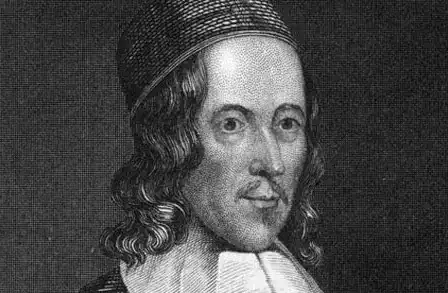
George Herbert
The Holdfast
The Holdfast
I threatened to observe the strict decree
Of my deare God with all my power and might:
But I was told by one, `It could not be;
Yet I might trust in God to be my light.'
`Then will I trust,' said I, `in Him alone.'
`Nay, ev'n to trust in Him, was also His:
We must confesse that nothing is our own.'
`Then I confesse that He my succour is.'
`But to have nought is ours, not to confesse
That we have nought.' I stood amaz'd at this,
Much troubled, till I heard a friend expresse
That all things were more ours by being His:
What Adam had, and forfeited for all,
Christ keepeth now, Who cannot fail or fall.
I threatened to observe the strict decree
Of my deare God with all my power and might:
But I was told by one, `It could not be;
Yet I might trust in God to be my light.'
`Then will I trust,' said I, `in Him alone.'
`Nay, ev'n to trust in Him, was also His:
We must confesse that nothing is our own.'
`Then I confesse that He my succour is.'
`But to have nought is ours, not to confesse
That we have nought.' I stood amaz'd at this,
Much troubled, till I heard a friend expresse
That all things were more ours by being His:
What Adam had, and forfeited for all,
Christ keepeth now, Who cannot fail or fall.
263
Rudyard Kipling
The Crab That Played with the Sea
The Crab That Played with the Sea
China-going P. & O.'s
Pass Pau Amma's playground close,
And his Pusat Tasek lies
Near the track of most B.I.'s.
N.Y.K. and N.D.L.
Know Pau Amma's home as well
As the Fisher of the Sea knows
"Bens," M.M.'s and Rubattinos.
But (and this is rather queer)
A.T.L.'s can qiot come here;
O. and O. and D.O.A.
Must go round another way.
Orient, Anchor, Bibby, Hall,
Never go that way at all.
U.C.S. would have a fit
If it found itself on it.
And if "Beavers" took their cargoes
To Penang instead of Lagos,
Or a fat Shaw-Savill bore
Passengers to Singapore,
Or a White Star were to try a
Little trip to Sourabaya,
Or a B.S.A. went on
Past Natal to Cheribon,
The the great Mr. Lloyds would come
Whith a wire and drag them home!
. . . . .
You will know what my riddle means
When you've eaten mangosteens.
China-going P. & O.'s
Pass Pau Amma's playground close,
And his Pusat Tasek lies
Near the track of most B.I.'s.
N.Y.K. and N.D.L.
Know Pau Amma's home as well
As the Fisher of the Sea knows
"Bens," M.M.'s and Rubattinos.
But (and this is rather queer)
A.T.L.'s can qiot come here;
O. and O. and D.O.A.
Must go round another way.
Orient, Anchor, Bibby, Hall,
Never go that way at all.
U.C.S. would have a fit
If it found itself on it.
And if "Beavers" took their cargoes
To Penang instead of Lagos,
Or a fat Shaw-Savill bore
Passengers to Singapore,
Or a White Star were to try a
Little trip to Sourabaya,
Or a B.S.A. went on
Past Natal to Cheribon,
The the great Mr. Lloyds would come
Whith a wire and drag them home!
. . . . .
You will know what my riddle means
When you've eaten mangosteens.
557

Edward Lear
Limerick:There was an Old Person of Sparta
Limerick:There was an Old Person of Sparta
There was an Old Person of Sparta,
Who had twenty-one sons and one 'darter';
He fed them on snails,
And weighed them in scales,
That wonderful Person of Sparta.
There was an Old Person of Sparta,
Who had twenty-one sons and one 'darter';
He fed them on snails,
And weighed them in scales,
That wonderful Person of Sparta.
162
George Herbert
The H. Communion
The H. Communion
Not in rich furniture, or fine array,
Nor in a wedge of gold,
Thou, who from me wast sold,
To me dost now thy self convey;
For so thou should'st without me still have been,
Leaving within me sin:
But by the way of nourishment and strength
Thou creep'st into my breast;
Making thy way my rest,
And thy small quantities my length;
Which spread their forces into every part,
Meeting sin's force and art.
Yet can these not get over to my soul,
Leaping the wall that parts
Our souls, and fleshly hearts;
But as th'outworks, they may control
My rebel-flesh, and carrying thy name,
Affright both sin and shame.
Only thy grace, which with these elements comes,
Knoweth the ready way,
And hath the privy key,
Op'ning the soul's most subtle rooms;
While those to spirits refin'd, at door attend
Dispatches from their friend.
Give me my captive soul, or take
My body also thither,
Another lift like this will make
Them both to be together.
Before that sin turn'd flesh into stone,
And all our lump to leaven,
A fervent sigh might well have blown
Our innocent earth to heaven.
For sure when Adam did not know
To sin, or sin to smother;
He might to heav'n from Paradise go,
As from one room t'another.
Thou hast restor'd to us this ease
By this thy heav'nly blood;
Which I can go to, when I please,
And leave th'earth to their food.
Not in rich furniture, or fine array,
Nor in a wedge of gold,
Thou, who from me wast sold,
To me dost now thy self convey;
For so thou should'st without me still have been,
Leaving within me sin:
But by the way of nourishment and strength
Thou creep'st into my breast;
Making thy way my rest,
And thy small quantities my length;
Which spread their forces into every part,
Meeting sin's force and art.
Yet can these not get over to my soul,
Leaping the wall that parts
Our souls, and fleshly hearts;
But as th'outworks, they may control
My rebel-flesh, and carrying thy name,
Affright both sin and shame.
Only thy grace, which with these elements comes,
Knoweth the ready way,
And hath the privy key,
Op'ning the soul's most subtle rooms;
While those to spirits refin'd, at door attend
Dispatches from their friend.
Give me my captive soul, or take
My body also thither,
Another lift like this will make
Them both to be together.
Before that sin turn'd flesh into stone,
And all our lump to leaven,
A fervent sigh might well have blown
Our innocent earth to heaven.
For sure when Adam did not know
To sin, or sin to smother;
He might to heav'n from Paradise go,
As from one room t'another.
Thou hast restor'd to us this ease
By this thy heav'nly blood;
Which I can go to, when I please,
And leave th'earth to their food.
219

Emily Dickinson
This Merit hath the worst
This Merit hath the worst
979
This Merit hath the worst-
It cannot be again-
When Fate hath taunted last
And thrown Her furthest Stone-
The Maimed may pause, and breathe,
And glance securely round-
The Deer attracts no further
Than it resists-the Hound-
979
This Merit hath the worst-
It cannot be again-
When Fate hath taunted last
And thrown Her furthest Stone-
The Maimed may pause, and breathe,
And glance securely round-
The Deer attracts no further
Than it resists-the Hound-
282
Emily Dickinson
A Charm invests a face
A Charm invests a face
421
A Charm invests a face
Imperfectly beheld-
The Lady date not lift her Veil
For fear it be dispelled-
But peers beyond her mesh-
And wishes-and denies-
Lest Interview-annul a want
That Image-satisfies-
421
A Charm invests a face
Imperfectly beheld-
The Lady date not lift her Veil
For fear it be dispelled-
But peers beyond her mesh-
And wishes-and denies-
Lest Interview-annul a want
That Image-satisfies-
411
John Donne
Elegy IX: The Autumnal
Elegy IX: The Autumnal
No spring nor summer beauty hath such grace
As I have seen in one autumnal face.
Young beauties force our love, and that's a rape,
This doth but counsel, yet you cannot scape.
If 'twere a shame to love, here 'twere no shame;
Affection here takes reverence's name.
Were her first years the golden age? That's true,
But now she's gold oft tried and ever new.
That was her torrid and inflaming time,
This is her tolerable tropic clime.
Fair eyes, who asks more heat than comes from hence,
He in a fever wishes pestilence.
Call not these wrinkles, graves; if graves they were,
They were Love's graves, for else he is no where.
Yet lies not Love dead here, but here doth sit
Vow'd to this trench, like an anachorit;
And here till hers, which must be his death, come,
He doth not dig a grave, but build a tomb.
Here dwells he; though he sojourn ev'rywhere
In progress, yet his standing house is here:
Here where still evening is, not noon nor night,
Where no voluptuousness, yet all delight.
In all her words, unto all hearers fit,
You may at revels, you at council, sit.
This is Love's timber, youth his underwood;
There he, as wine in June, enrages blood,
Which then comes seasonabliest when our taste
And appetite to other things is past.
Xerxes' strange Lydian love, the platan tree,
Was lov'd for age, none being so large as she,
Or else because, being young, nature did bless
Her youth with age's glory, barrenness.
If we love things long sought, age is a thing
Which we are fifty years in compassing;
If transitory things, which soon decay,
Age must be loveliest at the latest day.
But name not winter faces, whose skin's slack,
Lank as an unthrift's purse, but a soul's sack;
Whose eyes seek light within, for all here's shade;
Whose mouths are holes, rather worn out than made;
Whose every tooth to a several place is gone,
To vex their souls at resurrection:
Name not these living death's-heads unto me,
For these, not ancient, but antique be.
I hate extremes, yet I had rather stay
With tombs than cradles, to wear out a day.
Since such love's natural lation is, may still
My love descend, and journey down the hill,
Not panting after growing beauties. So,
I shall ebb on with them who homeward go.
No spring nor summer beauty hath such grace
As I have seen in one autumnal face.
Young beauties force our love, and that's a rape,
This doth but counsel, yet you cannot scape.
If 'twere a shame to love, here 'twere no shame;
Affection here takes reverence's name.
Were her first years the golden age? That's true,
But now she's gold oft tried and ever new.
That was her torrid and inflaming time,
This is her tolerable tropic clime.
Fair eyes, who asks more heat than comes from hence,
He in a fever wishes pestilence.
Call not these wrinkles, graves; if graves they were,
They were Love's graves, for else he is no where.
Yet lies not Love dead here, but here doth sit
Vow'd to this trench, like an anachorit;
And here till hers, which must be his death, come,
He doth not dig a grave, but build a tomb.
Here dwells he; though he sojourn ev'rywhere
In progress, yet his standing house is here:
Here where still evening is, not noon nor night,
Where no voluptuousness, yet all delight.
In all her words, unto all hearers fit,
You may at revels, you at council, sit.
This is Love's timber, youth his underwood;
There he, as wine in June, enrages blood,
Which then comes seasonabliest when our taste
And appetite to other things is past.
Xerxes' strange Lydian love, the platan tree,
Was lov'd for age, none being so large as she,
Or else because, being young, nature did bless
Her youth with age's glory, barrenness.
If we love things long sought, age is a thing
Which we are fifty years in compassing;
If transitory things, which soon decay,
Age must be loveliest at the latest day.
But name not winter faces, whose skin's slack,
Lank as an unthrift's purse, but a soul's sack;
Whose eyes seek light within, for all here's shade;
Whose mouths are holes, rather worn out than made;
Whose every tooth to a several place is gone,
To vex their souls at resurrection:
Name not these living death's-heads unto me,
For these, not ancient, but antique be.
I hate extremes, yet I had rather stay
With tombs than cradles, to wear out a day.
Since such love's natural lation is, may still
My love descend, and journey down the hill,
Not panting after growing beauties. So,
I shall ebb on with them who homeward go.
264
Emily Dickinson
This is my letter to the world,
This is my letter to the world,
This is my letter to the world,
That never wrote to me,--
The simple news that Nature told,
With tender majesty.
Her message is committed
To hands I cannot see;
For love of her, sweet countrymen,
Judge tenderly of me!
This is my letter to the world,
That never wrote to me,--
The simple news that Nature told,
With tender majesty.
Her message is committed
To hands I cannot see;
For love of her, sweet countrymen,
Judge tenderly of me!
257
George Herbert
The Flower
The Flower
How fresh, O Lord, how sweet and clean
Are thy returns! ev'n as the flowers in spring;
To which, besides their own demean,
The late-past frosts tributes of pleasures bring.
Grief melts away
Like snow in May,
As if there were no such cold thing.
Who would have thought my shrivl'd heart
Could have recover'd greenness? It was gone
Quite under ground; as flowers depart
To see their mother-root, when they have blown;
Where they together
All the hard weather
Dead to the world, keep house unknown.
These are thy wonders, Lord of power,
Killing and quickning, bringing down to hell
And up to heaven in an hour;
Making a chiming of a passing-bell.
We say amiss,
This or that is:
Thy word is all, if we could spell.
O that I once past changing were,
Fast in thy Paradise, where no flower can wither!
Many a spring I shoot up fair,
Off'ring at heav'n, growing and groaning thither:
Nor doth my flower
Want a spring-shower,
My sins and I joining together:
But while I grow in a straight line,
Still upwards bent, as if heav'n were mine own,
Thy anger comes, and I decline:
What frost to that? what pole is not the zone,
Where all things burn,
When thou dost turn,
And the least frown of thine is shown?
And now in age I bud again,
After so many deaths I live and write;
I once more smell the dew and rain,
And relish versing: O my only light,
It cannot be
That I am her
On whom thy tempests fell all night.
These are thy wonders, Lord of love,
To make us see we are but flowers that glide:
Which when we once can find and prove,
Thou hast a garden for us, where to bide.
Who would be more,
Swelling through store,
Forfeit their Paradise by their pride.
How fresh, O Lord, how sweet and clean
Are thy returns! ev'n as the flowers in spring;
To which, besides their own demean,
The late-past frosts tributes of pleasures bring.
Grief melts away
Like snow in May,
As if there were no such cold thing.
Who would have thought my shrivl'd heart
Could have recover'd greenness? It was gone
Quite under ground; as flowers depart
To see their mother-root, when they have blown;
Where they together
All the hard weather
Dead to the world, keep house unknown.
These are thy wonders, Lord of power,
Killing and quickning, bringing down to hell
And up to heaven in an hour;
Making a chiming of a passing-bell.
We say amiss,
This or that is:
Thy word is all, if we could spell.
O that I once past changing were,
Fast in thy Paradise, where no flower can wither!
Many a spring I shoot up fair,
Off'ring at heav'n, growing and groaning thither:
Nor doth my flower
Want a spring-shower,
My sins and I joining together:
But while I grow in a straight line,
Still upwards bent, as if heav'n were mine own,
Thy anger comes, and I decline:
What frost to that? what pole is not the zone,
Where all things burn,
When thou dost turn,
And the least frown of thine is shown?
And now in age I bud again,
After so many deaths I live and write;
I once more smell the dew and rain,
And relish versing: O my only light,
It cannot be
That I am her
On whom thy tempests fell all night.
These are thy wonders, Lord of love,
To make us see we are but flowers that glide:
Which when we once can find and prove,
Thou hast a garden for us, where to bide.
Who would be more,
Swelling through store,
Forfeit their Paradise by their pride.
245
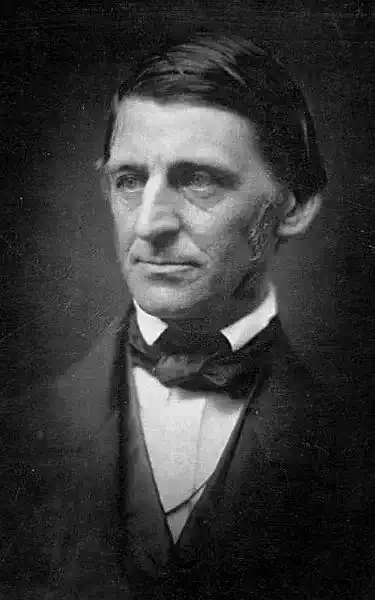
Ralph Waldo Emerson
The Forerunners
The Forerunners
Long I followed happy guides,—
I could never reach their sides.
Their step is forth, and, ere the day,
Breaks up their leaguer, and away.
Keen my sense, my heart was young,
Right goodwill my sinews strung,
But no speed of mine avails
To hunt upon their shining trails.
On and away, their hasting feet
Make the morning proud and sweet.
Flowers they strew, I catch the scent,
Or tone of silver instrument
Leaves on the wind melodious trace,
Yet I could never see their face.
On eastern hills I see their smokes
Mixed with mist by distant lochs.
I meet many travellers
Who the road had surely kept,—
They saw not my fine revellers,—
These had crossed them while they slept.
Some had heard their fair report
In the country or the court.
Fleetest couriers alive
Never yet could once arrive,
As they went or they returned,
At the house where these sojourned.
Sometimes their strong speed they slacken,
Though they are not overtaken:
In sleep, their jubilant troop is near,
I tuneful voices overhear,
It may be in wood or waste,—
At unawares 'tis come and passed.
Their near camp my spirit knows
By signs gracious as rainbows.
I thenceforward and long after
Listen for their harplike laughter,
And carry in my heart for days
Peace that hallows rudest ways.—
Long I followed happy guides,—
I could never reach their sides.
Their step is forth, and, ere the day,
Breaks up their leaguer, and away.
Keen my sense, my heart was young,
Right goodwill my sinews strung,
But no speed of mine avails
To hunt upon their shining trails.
On and away, their hasting feet
Make the morning proud and sweet.
Flowers they strew, I catch the scent,
Or tone of silver instrument
Leaves on the wind melodious trace,
Yet I could never see their face.
On eastern hills I see their smokes
Mixed with mist by distant lochs.
I meet many travellers
Who the road had surely kept,—
They saw not my fine revellers,—
These had crossed them while they slept.
Some had heard their fair report
In the country or the court.
Fleetest couriers alive
Never yet could once arrive,
As they went or they returned,
At the house where these sojourned.
Sometimes their strong speed they slacken,
Though they are not overtaken:
In sleep, their jubilant troop is near,
I tuneful voices overhear,
It may be in wood or waste,—
At unawares 'tis come and passed.
Their near camp my spirit knows
By signs gracious as rainbows.
I thenceforward and long after
Listen for their harplike laughter,
And carry in my heart for days
Peace that hallows rudest ways.—
261

William Shakespeare
Sonnet CXXII
Sonnet CXXII
Thy gift, thy tables, are within my brain
Full character'd with lasting memory,
Which shall above that idle rank remain
Beyond all date, even to eternity;
Or at the least, so long as brain and heart
Have faculty by nature to subsist;
Till each to razed oblivion yield his part
Of thee, thy record never can be miss'd.
That poor retention could not so much hold,
Nor need I tallies thy dear love to score;
Therefore to give them from me was I bold,
To trust those tables that receive thee more:
To keep an adjunct to remember thee
Were to import forgetfulness in me.
Thy gift, thy tables, are within my brain
Full character'd with lasting memory,
Which shall above that idle rank remain
Beyond all date, even to eternity;
Or at the least, so long as brain and heart
Have faculty by nature to subsist;
Till each to razed oblivion yield his part
Of thee, thy record never can be miss'd.
That poor retention could not so much hold,
Nor need I tallies thy dear love to score;
Therefore to give them from me was I bold,
To trust those tables that receive thee more:
To keep an adjunct to remember thee
Were to import forgetfulness in me.
270