
Poems List
Explore poems from our collection
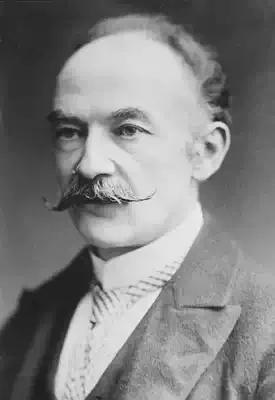
Thomas Hardy
The Peasent's Confession
The Peasent's Confession
"Si le maréchal Grouchy avait été rejoint par l'officier que
Napoléon lui avait expédié la veille à dix heures du soir, toute
question eût disparu. Mais cet officier n'était point parvenu à sa
destination, ainsi que le maréchal n'a cessé de l'affirmer toute sa
vie, et il faut l'en croire, car autrement il n'aurait eu aucune
raison pour hésiter. Cet officier avait-il été pris? avait-il passé à
l'ennemi? C'est ce qu'on a toujours ignoré."
--Thiers: Histoire de l'Empire. "Waterloo."
GOOD Father!... 'Twas an eve in middle June,
And war was waged anew
By great Napoleon, who for years had strewn
Men's bones all Europe through.
Three nights ere this, with columned corps he'd crossed
The Sambre at Charleroi,
To move on Brussels, where the English host
Dallied in Parc and Bois.
The yestertide we'd heard the gloomy gun
Growl through the long-sunned day
From Quatre-Bras and Ligny; till the dun
Twilight suppressed the fray;
Albeit therein--as lated tongues bespoke--
Brunswick's high heart was drained,
And Prussia's Line and Landwehr, though unbroke,
Stood cornered and constrained.
And at next noon-time Grouchy slowly passed
With thirty thousand men:
We hoped thenceforth no army, small or vast,
Would trouble us again.
My hut lay deeply in a vale recessed,
And never a soul seemed nigh
When, reassured at length, we went to rest--
My children, wife, and I.
But what was this that broke our humble ease?
What noise, above the rain,
Above the dripping of the poplar trees
That smote along the pane?
--A call of mastery, bidding me arise,
Compelled me to the door,
At which a horseman stood in martial guise--
Splashed--sweating from every pore.
Had I seen Grouchy? Yes? Which track took he?
Could I lead thither on?--
Fulfilment would ensure gold pieces three,
Perchance more gifts anon.
"I bear the Emperor's mandate," then he said,
"Charging the Marshal straight
To strike between the double host ahead
Ere they co-operate,
"Engaging Blücher till the Emperor put
Lord Wellington to flight,
And next the Prussians. This to set afoot
Is my emprise to-night."
I joined him in the mist; but, pausing, sought
To estimate his say,
Grouchy had made for Wavre; and yet, on thought,
I did not lead that way.
I mused: "If Grouchy thus instructed be,
The clash comes sheer hereon;
My farm is stript. While, as for pieces three,
Money the French have none.
"Grouchy unwarned, moreo'er, the English win,
And mine is left to me--
They buy, not borrow."--Hence did I begin
To lead him treacherously.
By Joidoigne, near to east, as we ondrew,
Dawn pierced the humid air;
And eastward faced I with him, though I knew
Never marched Grouchy there.
Near Ottignies we passed, across the Dyle
(Lim'lette left far aside),
And thence direct toward Pervez and Noville
Through green grain, till he cried:
"I doubt thy conduct, man! no track is here
I doubt they gagèd word!"
Thereat he scowled on me, and pranced me near,
And pricked me with his sword.
"Nay, Captain, hold! We skirt, not trace the course
Of Grouchy," said I then:
"As we go, yonder went he, with his force
Of thirty thousand men."
--At length noon nighed, when west, from Saint-John's-Mound,
A hoarse artillery boomed,
And from Saint-Lambert's upland, chapel-crowned,
The Prussian squadrons loomed.
Then to the wayless wet gray ground he leapt;
"My mission fails!" he cried;
"Too late for Grouchy now to intercept,
For, peasant, you have lied!"
He turned to pistol me. I sprang, and drew
The sabre from his flank,
And 'twixt his nape and shoulder, ere he knew,
I struck, and dead he sank.
I hid him deep in nodding rye and oat--
His shroud green stalks and loam;
His requiem the corn-blade's husky note--
And then I hastened home....
--Two armies writhe in coils of red and blue,
And brass and iron clang
From Goumont, past the front of Waterloo,
To Pap'lotte and Smohain.
The Guard Imperial wavered on the height;
The Emperor's face grew glum;
"I sent," he said, "to Grouchy yesternight,
And yet he does not come!"
'Twas then, Good Father, that the French espied,
Streaking the summer land,
The men of Blücher. But the Emperor cried,
"Grouchy is now at hand!"
And meanwhile Vand'leur, Vivian, Maitland, Kempt,
Met d'Erlon, Friant, Ney;
But Grouchy--mis-sent, blamed, yet blame-exempt--
Grouchy was far away.
Be even, slain or struck, Michel the strong,
Bold Travers, Dnop, Delord,
Smart Guyot, Reil-le, l'Heriter, Friant.
Scattered that champaign o'er.
Fallen likewise wronged Duhesme, and skilled Lobau
Did that red sunset see;
Colbert, Legros, Blancard!... And of the foe
Picton and Ponsonby;
With Gordon, Canning, Blackman, Ompteda,
L'Estrange, Delancey, Packe,
Grose, D'Oyly, Stables, Morice, Howard, Hay,
Von Schwerin, Watzdorf, Boek,
Smith, Phelips, Fuller, Lind, and Battersby,
And hosts of ranksmen round...
Memorials linger yet to speak to thee
Of those that bit the ground!
The Guards' last column yielded; dykes of dead
Lay between vale and ridge,
As, thinned yet closing, faint yet fierce, they sped
In packs to Genappe Bridge.
Safe was my stock; my capple cow unslain;
Intact each cock and hen;
But Grouchy far at Wavre all day had lain,
And thirty thousand men.
O Saints, had I but lost my earing corn
And saved the cause once prized!
O Saints, why such false witness had I borne
When late I'd sympathized!...
So, now, being old, my children eye askance
My slowly dwindling store,
And crave my mite; till, worn with tarriance,
I care for life no more.
To Almighty God henceforth I stand confessed,
And Virgin-Saint Marie;
O Michael, John, and Holy Ones in rest,
Entreat the Lord for me!
"Si le maréchal Grouchy avait été rejoint par l'officier que
Napoléon lui avait expédié la veille à dix heures du soir, toute
question eût disparu. Mais cet officier n'était point parvenu à sa
destination, ainsi que le maréchal n'a cessé de l'affirmer toute sa
vie, et il faut l'en croire, car autrement il n'aurait eu aucune
raison pour hésiter. Cet officier avait-il été pris? avait-il passé à
l'ennemi? C'est ce qu'on a toujours ignoré."
--Thiers: Histoire de l'Empire. "Waterloo."
GOOD Father!... 'Twas an eve in middle June,
And war was waged anew
By great Napoleon, who for years had strewn
Men's bones all Europe through.
Three nights ere this, with columned corps he'd crossed
The Sambre at Charleroi,
To move on Brussels, where the English host
Dallied in Parc and Bois.
The yestertide we'd heard the gloomy gun
Growl through the long-sunned day
From Quatre-Bras and Ligny; till the dun
Twilight suppressed the fray;
Albeit therein--as lated tongues bespoke--
Brunswick's high heart was drained,
And Prussia's Line and Landwehr, though unbroke,
Stood cornered and constrained.
And at next noon-time Grouchy slowly passed
With thirty thousand men:
We hoped thenceforth no army, small or vast,
Would trouble us again.
My hut lay deeply in a vale recessed,
And never a soul seemed nigh
When, reassured at length, we went to rest--
My children, wife, and I.
But what was this that broke our humble ease?
What noise, above the rain,
Above the dripping of the poplar trees
That smote along the pane?
--A call of mastery, bidding me arise,
Compelled me to the door,
At which a horseman stood in martial guise--
Splashed--sweating from every pore.
Had I seen Grouchy? Yes? Which track took he?
Could I lead thither on?--
Fulfilment would ensure gold pieces three,
Perchance more gifts anon.
"I bear the Emperor's mandate," then he said,
"Charging the Marshal straight
To strike between the double host ahead
Ere they co-operate,
"Engaging Blücher till the Emperor put
Lord Wellington to flight,
And next the Prussians. This to set afoot
Is my emprise to-night."
I joined him in the mist; but, pausing, sought
To estimate his say,
Grouchy had made for Wavre; and yet, on thought,
I did not lead that way.
I mused: "If Grouchy thus instructed be,
The clash comes sheer hereon;
My farm is stript. While, as for pieces three,
Money the French have none.
"Grouchy unwarned, moreo'er, the English win,
And mine is left to me--
They buy, not borrow."--Hence did I begin
To lead him treacherously.
By Joidoigne, near to east, as we ondrew,
Dawn pierced the humid air;
And eastward faced I with him, though I knew
Never marched Grouchy there.
Near Ottignies we passed, across the Dyle
(Lim'lette left far aside),
And thence direct toward Pervez and Noville
Through green grain, till he cried:
"I doubt thy conduct, man! no track is here
I doubt they gagèd word!"
Thereat he scowled on me, and pranced me near,
And pricked me with his sword.
"Nay, Captain, hold! We skirt, not trace the course
Of Grouchy," said I then:
"As we go, yonder went he, with his force
Of thirty thousand men."
--At length noon nighed, when west, from Saint-John's-Mound,
A hoarse artillery boomed,
And from Saint-Lambert's upland, chapel-crowned,
The Prussian squadrons loomed.
Then to the wayless wet gray ground he leapt;
"My mission fails!" he cried;
"Too late for Grouchy now to intercept,
For, peasant, you have lied!"
He turned to pistol me. I sprang, and drew
The sabre from his flank,
And 'twixt his nape and shoulder, ere he knew,
I struck, and dead he sank.
I hid him deep in nodding rye and oat--
His shroud green stalks and loam;
His requiem the corn-blade's husky note--
And then I hastened home....
--Two armies writhe in coils of red and blue,
And brass and iron clang
From Goumont, past the front of Waterloo,
To Pap'lotte and Smohain.
The Guard Imperial wavered on the height;
The Emperor's face grew glum;
"I sent," he said, "to Grouchy yesternight,
And yet he does not come!"
'Twas then, Good Father, that the French espied,
Streaking the summer land,
The men of Blücher. But the Emperor cried,
"Grouchy is now at hand!"
And meanwhile Vand'leur, Vivian, Maitland, Kempt,
Met d'Erlon, Friant, Ney;
But Grouchy--mis-sent, blamed, yet blame-exempt--
Grouchy was far away.
Be even, slain or struck, Michel the strong,
Bold Travers, Dnop, Delord,
Smart Guyot, Reil-le, l'Heriter, Friant.
Scattered that champaign o'er.
Fallen likewise wronged Duhesme, and skilled Lobau
Did that red sunset see;
Colbert, Legros, Blancard!... And of the foe
Picton and Ponsonby;
With Gordon, Canning, Blackman, Ompteda,
L'Estrange, Delancey, Packe,
Grose, D'Oyly, Stables, Morice, Howard, Hay,
Von Schwerin, Watzdorf, Boek,
Smith, Phelips, Fuller, Lind, and Battersby,
And hosts of ranksmen round...
Memorials linger yet to speak to thee
Of those that bit the ground!
The Guards' last column yielded; dykes of dead
Lay between vale and ridge,
As, thinned yet closing, faint yet fierce, they sped
In packs to Genappe Bridge.
Safe was my stock; my capple cow unslain;
Intact each cock and hen;
But Grouchy far at Wavre all day had lain,
And thirty thousand men.
O Saints, had I but lost my earing corn
And saved the cause once prized!
O Saints, why such false witness had I borne
When late I'd sympathized!...
So, now, being old, my children eye askance
My slowly dwindling store,
And crave my mite; till, worn with tarriance,
I care for life no more.
To Almighty God henceforth I stand confessed,
And Virgin-Saint Marie;
O Michael, John, and Holy Ones in rest,
Entreat the Lord for me!
506
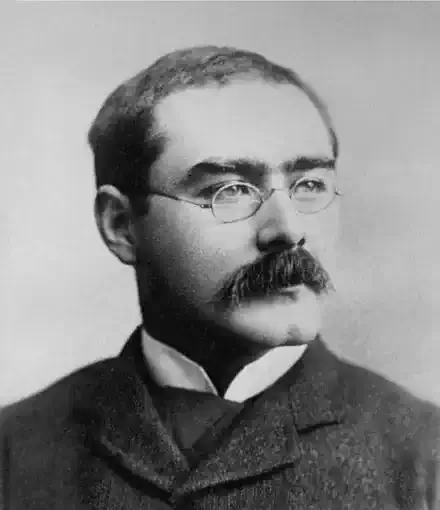
Rudyard Kipling
The Reeds of Runnymede
The Reeds of Runnymede
Magna Charta, June ,
At Runnymede, At Runnymede,
What say the reeds at Runnymede?
The lissom reeds that give and take,
That bend so far, but never break,
They keep the sleepy Thames awake
With tales of John at Runnymede.
At Runnymede, at Runnymede,
Oh, hear the reeds at Runnymede:--
"You mustn't sell, delay, deny,
A freeman's right or liberty.
It makes the stubborn Englishry,
We saw 'em roused at Runnymede!
"When through our ranks the Barons came,
With little thought of praise or blame,
But resolute to pay a game,
They lumbered up to Runnymede;
And there they launched in solid time
The first attack on Right Divine--
The curt, uncompromising 'Sign!'
That settled John at Runnymede.
"At Runnymede, at Runnymede,
Your rights were won at Runnymede!
No freeman shall be fined or bound,
Or dispossessed or freehold ground,
Except by lawful judgment found
And passed upon him by his peers.
Forget not, after all these years,
The Charter Signed at Runnymede."
And still when Mob or Monarch lays
Too rude hand on English ways,
The whisper wakes, the shudder plays,
Across the reeds at Runnymede.
And Tames, that knows the moods of kings,
And crowds and priests and suchlike things,
Rolls deep and dreadful as he brings
Their warning down from Runnymede!
Magna Charta, June ,
At Runnymede, At Runnymede,
What say the reeds at Runnymede?
The lissom reeds that give and take,
That bend so far, but never break,
They keep the sleepy Thames awake
With tales of John at Runnymede.
At Runnymede, at Runnymede,
Oh, hear the reeds at Runnymede:--
"You mustn't sell, delay, deny,
A freeman's right or liberty.
It makes the stubborn Englishry,
We saw 'em roused at Runnymede!
"When through our ranks the Barons came,
With little thought of praise or blame,
But resolute to pay a game,
They lumbered up to Runnymede;
And there they launched in solid time
The first attack on Right Divine--
The curt, uncompromising 'Sign!'
That settled John at Runnymede.
"At Runnymede, at Runnymede,
Your rights were won at Runnymede!
No freeman shall be fined or bound,
Or dispossessed or freehold ground,
Except by lawful judgment found
And passed upon him by his peers.
Forget not, after all these years,
The Charter Signed at Runnymede."
And still when Mob or Monarch lays
Too rude hand on English ways,
The whisper wakes, the shudder plays,
Across the reeds at Runnymede.
And Tames, that knows the moods of kings,
And crowds and priests and suchlike things,
Rolls deep and dreadful as he brings
Their warning down from Runnymede!
484
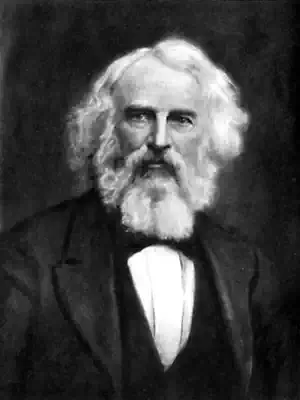
Henry Wadsworth Longfellow
Milton
Milton
I pace the sounding sea-beach and behold
How the voluminous billows roll and run,
Upheaving and subsiding, while the sun
Shines through their sheeted emerald far unrolled,
And the ninth wave, slow gathering fold by fold
All its loose-flowing garments into one,
Plunges upon the shore, and floods the dun
Pale reach of sands, and changes them to gold.
So in majestic cadence rise and fall
The mighty undulations of thy song,
O sightless bard, England's Mæonides!
And ever and anon, high over all
Uplifted, a ninth wave superb and strong,
Floods all the soul with its melodious seas.
I pace the sounding sea-beach and behold
How the voluminous billows roll and run,
Upheaving and subsiding, while the sun
Shines through their sheeted emerald far unrolled,
And the ninth wave, slow gathering fold by fold
All its loose-flowing garments into one,
Plunges upon the shore, and floods the dun
Pale reach of sands, and changes them to gold.
So in majestic cadence rise and fall
The mighty undulations of thy song,
O sightless bard, England's Mæonides!
And ever and anon, high over all
Uplifted, a ninth wave superb and strong,
Floods all the soul with its melodious seas.
368
Rudyard Kipling
The Rabbi's Song
The Rabbi's Song
Samuel XIV. .
If Thought can reach to Heaven,
On Heaven let it dwell,
For fear the Thought be given
Like power to reach to Hell.
For fear the desolation
And darkness of thy mind
Perplex an habitation
Which thou hast left behind.
Let nothing linger after--
No whimpering gost remain,
In wall, or beam, or rafter,
Of any hate or pain.
Cleans and call home thy spirit,
Deny her leave to cast,
On aught thy heirs inherit,
The shadow of her past.
For think, in all thy sadness,
What road our griefs may take;
Whose brain reflect our madness,
Or whom our terrors shake:
For think, lest any languish
By cause of thy distress--
The arrows of our anguish
Fly farther than we guess.
Our lives, our tears, as water,
Are spilled upon the ground;
God giveth no man quarter,
Yet God a means hath found,
Though Faith and Hope have vanished,
And even Love grows dim--
A means whereby His banished
Be not expelled from Him!
Samuel XIV. .
If Thought can reach to Heaven,
On Heaven let it dwell,
For fear the Thought be given
Like power to reach to Hell.
For fear the desolation
And darkness of thy mind
Perplex an habitation
Which thou hast left behind.
Let nothing linger after--
No whimpering gost remain,
In wall, or beam, or rafter,
Of any hate or pain.
Cleans and call home thy spirit,
Deny her leave to cast,
On aught thy heirs inherit,
The shadow of her past.
For think, in all thy sadness,
What road our griefs may take;
Whose brain reflect our madness,
Or whom our terrors shake:
For think, lest any languish
By cause of thy distress--
The arrows of our anguish
Fly farther than we guess.
Our lives, our tears, as water,
Are spilled upon the ground;
God giveth no man quarter,
Yet God a means hath found,
Though Faith and Hope have vanished,
And even Love grows dim--
A means whereby His banished
Be not expelled from Him!
383
Thomas Hardy
The Oxen
The Oxen
Christmas Eve, and twelve of the clock.
"Now they are all on their knees,"
An elder said as we sat in a flock
By the embers in hearthside ease.
We pictured the meek mild creatures where
They dwelt in their strawy pen,
Nor did it occur to one of us there
To doubt they were kneeling then.
So fair a fancy few would weave
In these years! Yet, I feel,
If someone said on Christmas Eve,
"Come; see the oxen kneel
"In the lonely barton by yonder coomb
Our childhood used to know,"
I should go with him in the gloom,
Hoping it might be so.
Christmas Eve, and twelve of the clock.
"Now they are all on their knees,"
An elder said as we sat in a flock
By the embers in hearthside ease.
We pictured the meek mild creatures where
They dwelt in their strawy pen,
Nor did it occur to one of us there
To doubt they were kneeling then.
So fair a fancy few would weave
In these years! Yet, I feel,
If someone said on Christmas Eve,
"Come; see the oxen kneel
"In the lonely barton by yonder coomb
Our childhood used to know,"
I should go with him in the gloom,
Hoping it might be so.
215

Robert W. Service
My Book
My Book
Before I drink myself to death,
God, let me finish up my Book!
At night, I fear, I fight for breath,
And wake up whiter than a spook;
And crawl off to a bistro near,
And drink until my brain is clear.
Rare Absinthe! Oh, it gives me strength
To write and write; and so I spend
Day after day, until at length
With joy and pain I'll write The End:
Then let this carcase rot; I give
The world my Book -- my Book will live.
For every line is tense with truth,
There's hope and joy on every page;
A cheer, a clarion call to Youth,
A hymn, a comforter to Age:
All's there that I was meant to be,
My part divine, the God in me.
It's of my life the golden sum;
Ah! who that reads this Book of mine,
In stormy centuries to come,
Will dream I rooted with the swine?
Behold! I give mankind my best:
What does it matter, all the rest?
It's this that makes sublime my day;
It's this that makes me struggle on.
Oh, let them mock my mortal clay,
My spirit's deathless as the dawn;
Oh, let them shudder as they look . . .
I'll be immortal in my Book.
And so beside the sullen Seine
I fight with dogs for filthy food,
Yet know that from my sin and pain
Will soar serene a Something Good;
Exultantly from shame and wrong
A Right, a Glory and a Song.
Before I drink myself to death,
God, let me finish up my Book!
At night, I fear, I fight for breath,
And wake up whiter than a spook;
And crawl off to a bistro near,
And drink until my brain is clear.
Rare Absinthe! Oh, it gives me strength
To write and write; and so I spend
Day after day, until at length
With joy and pain I'll write The End:
Then let this carcase rot; I give
The world my Book -- my Book will live.
For every line is tense with truth,
There's hope and joy on every page;
A cheer, a clarion call to Youth,
A hymn, a comforter to Age:
All's there that I was meant to be,
My part divine, the God in me.
It's of my life the golden sum;
Ah! who that reads this Book of mine,
In stormy centuries to come,
Will dream I rooted with the swine?
Behold! I give mankind my best:
What does it matter, all the rest?
It's this that makes sublime my day;
It's this that makes me struggle on.
Oh, let them mock my mortal clay,
My spirit's deathless as the dawn;
Oh, let them shudder as they look . . .
I'll be immortal in my Book.
And so beside the sullen Seine
I fight with dogs for filthy food,
Yet know that from my sin and pain
Will soar serene a Something Good;
Exultantly from shame and wrong
A Right, a Glory and a Song.
142
Thomas Hardy
The Mother Mourns
The Mother Mourns
When mid-autumn's moan shook the night-time,
And sedges were horny,
And summer's green wonderwork faltered
On leaze and in lane,
I fared Yell'ham-Firs way, where dimly
Came wheeling around me
Those phantoms obscure and insistent
That shadows unchain.
Till airs from the needle-thicks brought me
A low lamentation,
As 'twere of a tree-god disheartened,
Perplexed, or in pain.
And, heeding, it awed me to gather
That Nature herself there
Was breathing in aerie accents,
With dirgeful refrain,
Weary plaint that Mankind, in these late days,
Had grieved her by holding
Her ancient high fame of perfection
In doubt and disdain . . .
- "I had not proposed me a Creature
(She soughed) so excelling
All else of my kingdom in compass
And brightness of brain
"As to read my defects with a god-glance,
Uncover each vestige
Of old inadvertence, annunciate
Each flaw and each stain!
"My purpose went not to develop
Such insight in Earthland;
Such potent appraisements affront me,
And sadden my reign!
"Why loosened I olden control here
To mechanize skywards,
Undeeming great scope could outshape in
A globe of such grain?
"Man's mountings of mind-sight I checked not,
Till range of his vision
Has topped my intent, and found blemish
Throughout my domain.
"He holds as inept his own soul-shell -
My deftest achievement -
Contemns me for fitful inventions
Ill-timed and inane:
"No more sees my sun as a Sanct-shape,
My moon as the Night-queen,
My stars as august and sublime ones
That influences rain:
"Reckons gross and ignoble my teaching,
Immoral my story,
My love-lights a lure, that my species
May gather and gain.
"'Give me,' he has said, 'but the matter
And means the gods lot her,
My brain could evolve a creation
More seemly, more sane.'
- "If ever a naughtiness seized me
To woo adulation
From creatures more keen than those crude ones
That first formed my train -
"If inly a moment I murmured,
'The simple praise sweetly,
But sweetlier the sage'--and did rashly
Man's vision unrein,
"I rue it! . . . His guileless forerunners,
Whose brains I could blandish,
To measure the deeps of my mysteries
Applied them in vain.
"From them my waste aimings and futile
I subtly could cover;
'Every best thing,' said they, 'to best purpose
Her powers preordain.' -
"No more such! . . . My species are dwindling,
My forests grow barren,
My popinjays fail from their tappings,
My larks from their strain.
"My leopardine beauties are rarer,
My tusky ones vanish,
My children have aped mine own slaughters
To quicken my wane.
"Let me grow, then, but mildews and mandrakes,
And slimy distortions,
Let nevermore things good and lovely
To me appertain;
"For Reason is rank in my temples,
And Vision unruly,
And chivalrous laud of my cunning
Is heard not again!"
When mid-autumn's moan shook the night-time,
And sedges were horny,
And summer's green wonderwork faltered
On leaze and in lane,
I fared Yell'ham-Firs way, where dimly
Came wheeling around me
Those phantoms obscure and insistent
That shadows unchain.
Till airs from the needle-thicks brought me
A low lamentation,
As 'twere of a tree-god disheartened,
Perplexed, or in pain.
And, heeding, it awed me to gather
That Nature herself there
Was breathing in aerie accents,
With dirgeful refrain,
Weary plaint that Mankind, in these late days,
Had grieved her by holding
Her ancient high fame of perfection
In doubt and disdain . . .
- "I had not proposed me a Creature
(She soughed) so excelling
All else of my kingdom in compass
And brightness of brain
"As to read my defects with a god-glance,
Uncover each vestige
Of old inadvertence, annunciate
Each flaw and each stain!
"My purpose went not to develop
Such insight in Earthland;
Such potent appraisements affront me,
And sadden my reign!
"Why loosened I olden control here
To mechanize skywards,
Undeeming great scope could outshape in
A globe of such grain?
"Man's mountings of mind-sight I checked not,
Till range of his vision
Has topped my intent, and found blemish
Throughout my domain.
"He holds as inept his own soul-shell -
My deftest achievement -
Contemns me for fitful inventions
Ill-timed and inane:
"No more sees my sun as a Sanct-shape,
My moon as the Night-queen,
My stars as august and sublime ones
That influences rain:
"Reckons gross and ignoble my teaching,
Immoral my story,
My love-lights a lure, that my species
May gather and gain.
"'Give me,' he has said, 'but the matter
And means the gods lot her,
My brain could evolve a creation
More seemly, more sane.'
- "If ever a naughtiness seized me
To woo adulation
From creatures more keen than those crude ones
That first formed my train -
"If inly a moment I murmured,
'The simple praise sweetly,
But sweetlier the sage'--and did rashly
Man's vision unrein,
"I rue it! . . . His guileless forerunners,
Whose brains I could blandish,
To measure the deeps of my mysteries
Applied them in vain.
"From them my waste aimings and futile
I subtly could cover;
'Every best thing,' said they, 'to best purpose
Her powers preordain.' -
"No more such! . . . My species are dwindling,
My forests grow barren,
My popinjays fail from their tappings,
My larks from their strain.
"My leopardine beauties are rarer,
My tusky ones vanish,
My children have aped mine own slaughters
To quicken my wane.
"Let me grow, then, but mildews and mandrakes,
And slimy distortions,
Let nevermore things good and lovely
To me appertain;
"For Reason is rank in my temples,
And Vision unruly,
And chivalrous laud of my cunning
Is heard not again!"
213
Rudyard Kipling
The Queen's Men
The Queen's Men
Valour and Innocence
Have latterly gone hence
To certain death by certain shame attended.
Envy--ah! even to tears! --
The fortune of their years
Which, though so few, yet so divinely ended.
Scarce had they lifted up
Life's full and fiery cup,
Than they had set it down untouched before them.
Before their day arose
They beckoned it to close--
Close in confusion and destruction o'er them.
They did not stay to ask
What prize should crown their task--
Well sure that prize was such as no man strives for;
But passed into eclipse,
Her kiss upon their lips--
Even Belphoebe's, whom they gave their lives for!
Valour and Innocence
Have latterly gone hence
To certain death by certain shame attended.
Envy--ah! even to tears! --
The fortune of their years
Which, though so few, yet so divinely ended.
Scarce had they lifted up
Life's full and fiery cup,
Than they had set it down untouched before them.
Before their day arose
They beckoned it to close--
Close in confusion and destruction o'er them.
They did not stay to ask
What prize should crown their task--
Well sure that prize was such as no man strives for;
But passed into eclipse,
Her kiss upon their lips--
Even Belphoebe's, whom they gave their lives for!
474
Henry Wadsworth Longfellow
Mezzo Cammin
Mezzo Cammin
Half of my life is gone, and I have let
The years slip from me and have not fulfilled
The aspiration of my youth, to build
Some tower of song with lofty parapet.
Not indolence, nor pleasure, nor the fret
Of restless passions chat would not be stilled,
But sorrow, and a care that almost killed,
Kept me from what I may accomplish yet;
Though, half way up the hill, I see the Past
Lying beneath me with its sounds and sights,-A
city in the twilight dim and vast,
With smoking roofs, soft bells, and gleaming lights.-And
hear above me on the autumnal blast
The cataract of Death far thundering from the heights.
Half of my life is gone, and I have let
The years slip from me and have not fulfilled
The aspiration of my youth, to build
Some tower of song with lofty parapet.
Not indolence, nor pleasure, nor the fret
Of restless passions chat would not be stilled,
But sorrow, and a care that almost killed,
Kept me from what I may accomplish yet;
Though, half way up the hill, I see the Past
Lying beneath me with its sounds and sights,-A
city in the twilight dim and vast,
With smoking roofs, soft bells, and gleaming lights.-And
hear above me on the autumnal blast
The cataract of Death far thundering from the heights.
340
Thomas Hardy
The Masked Face
The Masked Face
I found me in a great surging space,
At either end a door,
And I said: "What is this giddying place,
With no firm-fixéd floor,
That I knew not of before?"
"It is Life," said a mask-clad face.
I asked: "But how do I come here,
Who never wished to come;
Can the light and air be made more clear,
The floor more quietsome,
And the doors set wide? They numb
Fast-locked, and fill with fear."
The mask put on a bleak smile then,
And said, "O vassal-wight,
There once complained a goosequill pen
To the scribe of the Infinite
Of the words it had to write
Because they were past its ken."
I found me in a great surging space,
At either end a door,
And I said: "What is this giddying place,
With no firm-fixéd floor,
That I knew not of before?"
"It is Life," said a mask-clad face.
I asked: "But how do I come here,
Who never wished to come;
Can the light and air be made more clear,
The floor more quietsome,
And the doors set wide? They numb
Fast-locked, and fill with fear."
The mask put on a bleak smile then,
And said, "O vassal-wight,
There once complained a goosequill pen
To the scribe of the Infinite
Of the words it had to write
Because they were past its ken."
254
Rudyard Kipling
The Puzzler
The Puzzler
The Celt in all his variants from Builth to Ballyhoo,
His mental processes are plain--one knows what he will do,
And can logically predicate his finish by his start;
But the English--ah, the English!--they are quite a race apart.
Their psychology is bovine, their outlook crude and raw.
They abandon vital matters to be tickled with a straw;
But the straw that they were tickled with-the chaff that they were fed with--
They convert into a weaver's beam to break their foeman's head with.
For undemocratic reasons and for motives not of State,
They arrive at their conclusions--largely inarticulate.
Being void of self-expression they confide their views to none;
But sometimes in a smoking-room, one learns why things were done.
Yes, sometimes in a smoking-room, through clouds of "Ers" an "Ums,"
Obliquely and by inference, illumination comes,
On some step that they have taken, or some action they approve
Embellished with the argot of the Upper Fourth Remove.
In telegraphic sentences half nodded to their friends,
They hint a matter's inwardness--and there the matter ends.
And while the Celt is talking from Valencia to Kirkwall,
The English--ah, the English!--don't say anything at all.
The Celt in all his variants from Builth to Ballyhoo,
His mental processes are plain--one knows what he will do,
And can logically predicate his finish by his start;
But the English--ah, the English!--they are quite a race apart.
Their psychology is bovine, their outlook crude and raw.
They abandon vital matters to be tickled with a straw;
But the straw that they were tickled with-the chaff that they were fed with--
They convert into a weaver's beam to break their foeman's head with.
For undemocratic reasons and for motives not of State,
They arrive at their conclusions--largely inarticulate.
Being void of self-expression they confide their views to none;
But sometimes in a smoking-room, one learns why things were done.
Yes, sometimes in a smoking-room, through clouds of "Ers" an "Ums,"
Obliquely and by inference, illumination comes,
On some step that they have taken, or some action they approve
Embellished with the argot of the Upper Fourth Remove.
In telegraphic sentences half nodded to their friends,
They hint a matter's inwardness--and there the matter ends.
And while the Celt is talking from Valencia to Kirkwall,
The English--ah, the English!--don't say anything at all.
405
Robert W. Service
My Bay'nit
My Bay'nit
When first I left Blighty they gave me a bay'nit
And told me it 'ad to be smothered wiv gore;
But blimey! I 'aven't been able to stain it,
So far as I've gone wiv the vintage of war.
For ain't it a fraud! when a Boche and yours truly
Gits into a mix in the grit and the grime,
'E jerks up 'is 'ands wiv a yell and 'e's duly
Part of me outfit every time.
Left, right, Hans and Fritz!
Goose step, keep up yer mits!
Oh my, Ain't it a shyme!
Part of me outfit every time.
At toasting a biscuit me bay'nit's a dandy;
I've used it to open a bully beef can;
For pokin' the fire it comes in werry 'andy;
For any old thing but for stickin' a man.
'Ow often I've said: "'Ere, I'm goin' to press you
Into a 'Un till you're seasoned for prime,"
And fiercely I rushes to do it, but bless you!
Part of me outfit every time.
Lor, yus; DON'T they look glad?
Right O! 'Owl Kamerad!
Oh my, always the syme!
Part of me outfit every time.
I'm 'untin' for someone to christen me bay'nit,
Some nice juicy Chewton wot's fightin' in France;
I'm fairly down-'earted -- 'ow CAN yer explain it?
I keeps gettin' prisoners every chance.
As soon as they sees me they ups and surrenders,
Extended like monkeys wot's tryin' to climb;
And I uses me bay'nit -- to slit their suspenders -
Part of me outfit every time.
Four 'Uns; lor, wot a bag!
'Ere, Fritz, sample a fag!
Oh my, ain't it a gyme!
Part of me outfit every time.
When first I left Blighty they gave me a bay'nit
And told me it 'ad to be smothered wiv gore;
But blimey! I 'aven't been able to stain it,
So far as I've gone wiv the vintage of war.
For ain't it a fraud! when a Boche and yours truly
Gits into a mix in the grit and the grime,
'E jerks up 'is 'ands wiv a yell and 'e's duly
Part of me outfit every time.
Left, right, Hans and Fritz!
Goose step, keep up yer mits!
Oh my, Ain't it a shyme!
Part of me outfit every time.
At toasting a biscuit me bay'nit's a dandy;
I've used it to open a bully beef can;
For pokin' the fire it comes in werry 'andy;
For any old thing but for stickin' a man.
'Ow often I've said: "'Ere, I'm goin' to press you
Into a 'Un till you're seasoned for prime,"
And fiercely I rushes to do it, but bless you!
Part of me outfit every time.
Lor, yus; DON'T they look glad?
Right O! 'Owl Kamerad!
Oh my, always the syme!
Part of me outfit every time.
I'm 'untin' for someone to christen me bay'nit,
Some nice juicy Chewton wot's fightin' in France;
I'm fairly down-'earted -- 'ow CAN yer explain it?
I keeps gettin' prisoners every chance.
As soon as they sees me they ups and surrenders,
Extended like monkeys wot's tryin' to climb;
And I uses me bay'nit -- to slit their suspenders -
Part of me outfit every time.
Four 'Uns; lor, wot a bag!
'Ere, Fritz, sample a fag!
Oh my, ain't it a gyme!
Part of me outfit every time.
176
Rudyard Kipling
The Prodigal Son
The Prodigal Son
Here come I to my own again,
Fed, forgiven and known again,
Claimed by bone of my bone again
And cheered by flesh of my flesh.
The fatted calf is dressed for me,
But the husks have greater rest for me,
I think my pigs will be best for me,
So I'm off to the Yards afresh.
I never was very refined, you see,
(And it weighs on my brother's mind, you see)
But there's no reproach among swine, d'you see,
For being a bit of a swine.
So I'm off with wallet and staff to eat
The bread that is three parts chaff to wheat,
But glory be! - there's a laugh to it,
Which isn't the case when we dine.
My father glooms and advises me,
My brother sulks and despises me,
And Mother catechises me
Till I want to go out and swear.
And, in spite of the butler's gravity,
I know that the servants have it I
Am a monster of moral depravity,
And I'm damned if I think it's fair!
I wasted my substance, I know I did,
On riotous living, so I did,
But there's nothing on record to show I did
Worse than my betters have done.
They talk of the money I spent out there -
They hint at the pace that I went out there -
But they all forget I was sent out there
Alone as a rich man's son.
So I was a mark for plunder at once,
And lost my cash (can you wonder?) at once,
But I didn't give up and knock under at once,
I worked in the Yards, for a spell,
Where I spent my nights and my days with hogs.
And shared their milk and maize with hogs,
Till, I guess, I have learned what pays with hogs
And - I have that knowledge to sell!
So back I go to my job again,
Not so easy to rob again,
Or quite so ready to sob again
On any neck that's around.
I'm leaving, Pater. Good-bye to you!
God bless you, Mater! I'll write to you!
I wouldn't be impolite to you,
But, Brother, you are a hound!
Here come I to my own again,
Fed, forgiven and known again,
Claimed by bone of my bone again
And cheered by flesh of my flesh.
The fatted calf is dressed for me,
But the husks have greater rest for me,
I think my pigs will be best for me,
So I'm off to the Yards afresh.
I never was very refined, you see,
(And it weighs on my brother's mind, you see)
But there's no reproach among swine, d'you see,
For being a bit of a swine.
So I'm off with wallet and staff to eat
The bread that is three parts chaff to wheat,
But glory be! - there's a laugh to it,
Which isn't the case when we dine.
My father glooms and advises me,
My brother sulks and despises me,
And Mother catechises me
Till I want to go out and swear.
And, in spite of the butler's gravity,
I know that the servants have it I
Am a monster of moral depravity,
And I'm damned if I think it's fair!
I wasted my substance, I know I did,
On riotous living, so I did,
But there's nothing on record to show I did
Worse than my betters have done.
They talk of the money I spent out there -
They hint at the pace that I went out there -
But they all forget I was sent out there
Alone as a rich man's son.
So I was a mark for plunder at once,
And lost my cash (can you wonder?) at once,
But I didn't give up and knock under at once,
I worked in the Yards, for a spell,
Where I spent my nights and my days with hogs.
And shared their milk and maize with hogs,
Till, I guess, I have learned what pays with hogs
And - I have that knowledge to sell!
So back I go to my job again,
Not so easy to rob again,
Or quite so ready to sob again
On any neck that's around.
I'm leaving, Pater. Good-bye to you!
God bless you, Mater! I'll write to you!
I wouldn't be impolite to you,
But, Brother, you are a hound!
481
Thomas Hardy
The Lost Pyx: A Mediaeval Legend
The Lost Pyx: A Mediaeval Legend
Some say the spot is banned; that the pillar Cross-and-Hand
Attests to a deed of hell;
But of else than of bale is the mystic tale
That ancient Vale-folk tell.
Ere Cernel's Abbey ceased hereabout there dwelt a priest,
(In later life sub-prior
Of the brotherhood there, whose bones are now bare
In the field that was Cernel choir).
One night in his cell at the foot of yon dell
The priest heard a frequent cry:
"Go, father, in haste to the cot on the waste,
And shrive a man waiting to die."
Said the priest in a shout to the caller without,
"The night howls, the tree-trunks bow;
One may barely by day track so rugged a way,
And can I then do so now?"
No further word from the dark was heard,
And the priest moved never a limb;
And he slept and dreamed; till a Visage seemed
To frown from Heaven at him.
In a sweat he arose; and the storm shrieked shrill,
And smote as in savage joy;
While High-Stoy trees twanged to Bubb-Down Hill,
And Bubb-Down to High-Stoy.
There seemed not a holy thing in hail,
Nor shape of light or love,
From the Abbey north of Blackmore Vale
To the Abbey south thereof.
Yet he plodded thence through the dark immense,
And with many a stumbling stride
Through copse and briar climbed nigh and nigher
To the cot and the sick man's side.
When he would have unslung the Vessels uphung
To his arm in the steep ascent,
He made loud moan: the Pyx was gone
Of the Blessed Sacrament.
Then in dolorous dread he beat his head:
"No earthly prize or pelf
Is the thing I've lost in tempest tossed,
But the Body of Christ Himself!"
He thought of the Visage his dream revealed,
And turned towards whence he came,
Hands groping the ground along foot-track and field,
And head in a heat of shame.
Till here on the hill, betwixt vill and vill,
He noted a clear straight ray
Stretching down from the sky to a spot hard by,
Which shone with the light of day.
And gathered around the illumined ground
Were common beasts and rare,
All kneeling at gaze, and in pause profound
Attent on an object there.
'Twas the Pyx, unharmed 'mid the circling rows
Of Blackmore's hairy throng,
Whereof were oxen, sheep, and does,
And hares from the brakes among;
And badgers grey, and conies keen,
And squirrels of the tree,
And many a member seldom seen
Of Nature's family.
The ireful winds that scoured and swept
Through coppice, clump, and dell,
Within that holy circle slept
Calm as in hermit's cell.
Then the priest bent likewise to the sod
And thanked the Lord of Love,
And Blessed Mary, Mother of God,
And all the saints above.
And turning straight with his priceless freight,
He reached the dying one,
Whose passing sprite had been stayed for the rite
Without which bliss hath none.
And when by grace the priest won place,
And served the Abbey well,
He reared this stone to mark where shone
That midnight miracle.
Some say the spot is banned; that the pillar Cross-and-Hand
Attests to a deed of hell;
But of else than of bale is the mystic tale
That ancient Vale-folk tell.
Ere Cernel's Abbey ceased hereabout there dwelt a priest,
(In later life sub-prior
Of the brotherhood there, whose bones are now bare
In the field that was Cernel choir).
One night in his cell at the foot of yon dell
The priest heard a frequent cry:
"Go, father, in haste to the cot on the waste,
And shrive a man waiting to die."
Said the priest in a shout to the caller without,
"The night howls, the tree-trunks bow;
One may barely by day track so rugged a way,
And can I then do so now?"
No further word from the dark was heard,
And the priest moved never a limb;
And he slept and dreamed; till a Visage seemed
To frown from Heaven at him.
In a sweat he arose; and the storm shrieked shrill,
And smote as in savage joy;
While High-Stoy trees twanged to Bubb-Down Hill,
And Bubb-Down to High-Stoy.
There seemed not a holy thing in hail,
Nor shape of light or love,
From the Abbey north of Blackmore Vale
To the Abbey south thereof.
Yet he plodded thence through the dark immense,
And with many a stumbling stride
Through copse and briar climbed nigh and nigher
To the cot and the sick man's side.
When he would have unslung the Vessels uphung
To his arm in the steep ascent,
He made loud moan: the Pyx was gone
Of the Blessed Sacrament.
Then in dolorous dread he beat his head:
"No earthly prize or pelf
Is the thing I've lost in tempest tossed,
But the Body of Christ Himself!"
He thought of the Visage his dream revealed,
And turned towards whence he came,
Hands groping the ground along foot-track and field,
And head in a heat of shame.
Till here on the hill, betwixt vill and vill,
He noted a clear straight ray
Stretching down from the sky to a spot hard by,
Which shone with the light of day.
And gathered around the illumined ground
Were common beasts and rare,
All kneeling at gaze, and in pause profound
Attent on an object there.
'Twas the Pyx, unharmed 'mid the circling rows
Of Blackmore's hairy throng,
Whereof were oxen, sheep, and does,
And hares from the brakes among;
And badgers grey, and conies keen,
And squirrels of the tree,
And many a member seldom seen
Of Nature's family.
The ireful winds that scoured and swept
Through coppice, clump, and dell,
Within that holy circle slept
Calm as in hermit's cell.
Then the priest bent likewise to the sod
And thanked the Lord of Love,
And Blessed Mary, Mother of God,
And all the saints above.
And turning straight with his priceless freight,
He reached the dying one,
Whose passing sprite had been stayed for the rite
Without which bliss hath none.
And when by grace the priest won place,
And served the Abbey well,
He reared this stone to mark where shone
That midnight miracle.
180
Henry Wadsworth Longfellow
Maidenhood
Maidenhood
Maiden! with the meek, brown eyes,
In whose orbs a shadow lies
Like the dusk in evening skies!
Thou whose locks outshine the sun,
Golden tresses, wreathed in one,
As the braided streamlets run!
Standing, with reluctant feet,
Where the brook and river meet,
Womanhood and childhood fleet!
Gazing, with a timid glance,
On the brooklet's swift advance,
On the river's broad expanse!
Deep and still, that gliding stream
Beautiful to thee must seem,
As the river of a dream.
Then why pause with indecision,
When bright angels in thy vision
Beckon thee to fields Elysian?
Seest thou shadows sailing by,
As the dove, with startled eye,
Sees the falcon's shadow fly?
Hearest thou voices on the shore,
That our ears perceive no more,
Deafened by the cataract's roar?
O, thou child of many prayers!
Life hath quickeands,--Life hath snares
Care and age come unawares!
Like the swell of some sweet tune,
Morning rises into noon,
May glides onward into June.
Childhood is the bough, where slumbered
Birds and blossoms many-numbered;--
Age, that bough with snows encumbered.
Gather, then, each flower that grows,
When the young heart overflows,
To embalm that tent of snows.
Bear a lily in thy hand;
Gates of brass cannot withstand
One touch of that magic wand.
Bear through sorrow, wrong, and ruth,
In thy heart the dew of youth,
On thy lips the smile of truth1
O, that dew, like balm, shall steal
Into wounds that cannot heal,
Even as sleep our eyes doth seal;
And that smile, like sunshine, dart
Into many a sunless heart,
For a smile of God thou art.
Maiden! with the meek, brown eyes,
In whose orbs a shadow lies
Like the dusk in evening skies!
Thou whose locks outshine the sun,
Golden tresses, wreathed in one,
As the braided streamlets run!
Standing, with reluctant feet,
Where the brook and river meet,
Womanhood and childhood fleet!
Gazing, with a timid glance,
On the brooklet's swift advance,
On the river's broad expanse!
Deep and still, that gliding stream
Beautiful to thee must seem,
As the river of a dream.
Then why pause with indecision,
When bright angels in thy vision
Beckon thee to fields Elysian?
Seest thou shadows sailing by,
As the dove, with startled eye,
Sees the falcon's shadow fly?
Hearest thou voices on the shore,
That our ears perceive no more,
Deafened by the cataract's roar?
O, thou child of many prayers!
Life hath quickeands,--Life hath snares
Care and age come unawares!
Like the swell of some sweet tune,
Morning rises into noon,
May glides onward into June.
Childhood is the bough, where slumbered
Birds and blossoms many-numbered;--
Age, that bough with snows encumbered.
Gather, then, each flower that grows,
When the young heart overflows,
To embalm that tent of snows.
Bear a lily in thy hand;
Gates of brass cannot withstand
One touch of that magic wand.
Bear through sorrow, wrong, and ruth,
In thy heart the dew of youth,
On thy lips the smile of truth1
O, that dew, like balm, shall steal
Into wounds that cannot heal,
Even as sleep our eyes doth seal;
And that smile, like sunshine, dart
Into many a sunless heart,
For a smile of God thou art.
334
Thomas Hardy
The Last Chrysanthemum
The Last Chrysanthemum
Why should this flower delay so long
To show its tremulous plumes?
Now is the time of plaintive robin-song,
When flowers are in their tombs.
Through the slow summer, when the sun
Called to each frond and whorl
That all he could for flowers was being done,
Why did it not uncurl?
It must have felt that fervid call
Although it took no heed,
Waking but now, when leaves like corpses fall,
And saps all retrocede.
Too late its beauty, lonely thing,
The season's shine is spent,
Nothing remains for it but shivering
In tempests turbulent.
Had it a reason for delay,
Dreaming in witlessness
That for a bloom so delicately gay
Winter would stay its stress?
- I talk as if the thing were born
With sense to work its mind;
Yet it is but one mask of many worn
By the Great Face behind.
Why should this flower delay so long
To show its tremulous plumes?
Now is the time of plaintive robin-song,
When flowers are in their tombs.
Through the slow summer, when the sun
Called to each frond and whorl
That all he could for flowers was being done,
Why did it not uncurl?
It must have felt that fervid call
Although it took no heed,
Waking but now, when leaves like corpses fall,
And saps all retrocede.
Too late its beauty, lonely thing,
The season's shine is spent,
Nothing remains for it but shivering
In tempests turbulent.
Had it a reason for delay,
Dreaming in witlessness
That for a bloom so delicately gay
Winter would stay its stress?
- I talk as if the thing were born
With sense to work its mind;
Yet it is but one mask of many worn
By the Great Face behind.
280
Rudyard Kipling
The Press
The Press
The Soldier may forget his Sword,
The Sailorman the Sea,
The Mason may forget the Word
And the Priest his Litany:
The Maid may forget both jewel and gem,
And the Bride her wedding-dress--
But the Jew shall forget Jerusalem
Ere we forget the Press!
Who once hath stood through the loaded hour
Ere, roaring like the gale,
The Harrild and the Hoe devour
Their league-long paper-bale,
And has lit his pipe in the morning calm
That follows the midnight stress--
He hath sold his heart to the old Black Art
We call the daily Press.
Who once hath dealt in the widest game
That all of a man can play,
No later love, no larger fame
Will lure him long away.
As the war-horse snuffeth the battle afar,
The entered Soul, no less,
He saith: "Ha! Ha!" where the trumpets are
And the thunders of the Press!
Canst thou number the days that we fulfill,
Or the Times that we bring forth?
Canst thou send the lightnings to do thy will,
And cause them reign on earth?
Hast thou given a peacock goodly wings,
To please his foolishness?
Sit down at the heart of men and things,
Companion of the Press!
The Pope may launch his Interdict,
The Union its decree,
But the bubble is blown and the bubble is pricked
By Us and such as We.
Remember the battle and stand aside
While Thrones and Powers confess
That King over all the children of pride
Is the Press--the Press--the Press!
The Soldier may forget his Sword,
The Sailorman the Sea,
The Mason may forget the Word
And the Priest his Litany:
The Maid may forget both jewel and gem,
And the Bride her wedding-dress--
But the Jew shall forget Jerusalem
Ere we forget the Press!
Who once hath stood through the loaded hour
Ere, roaring like the gale,
The Harrild and the Hoe devour
Their league-long paper-bale,
And has lit his pipe in the morning calm
That follows the midnight stress--
He hath sold his heart to the old Black Art
We call the daily Press.
Who once hath dealt in the widest game
That all of a man can play,
No later love, no larger fame
Will lure him long away.
As the war-horse snuffeth the battle afar,
The entered Soul, no less,
He saith: "Ha! Ha!" where the trumpets are
And the thunders of the Press!
Canst thou number the days that we fulfill,
Or the Times that we bring forth?
Canst thou send the lightnings to do thy will,
And cause them reign on earth?
Hast thou given a peacock goodly wings,
To please his foolishness?
Sit down at the heart of men and things,
Companion of the Press!
The Pope may launch his Interdict,
The Union its decree,
But the bubble is blown and the bubble is pricked
By Us and such as We.
Remember the battle and stand aside
While Thrones and Powers confess
That King over all the children of pride
Is the Press--the Press--the Press!
429
Robert W. Service
Music In The Bush
Music In The Bush
O'er the dark pines she sees the silver moon,
And in the west, all tremulous, a star;
And soothing sweet she hears the mellow tune
Of cow-bells jangled in the fields afar.
Quite listless, for her daily stent is done,
She stands, sad exile, at her rose-wreathed door,
And sends her love eternal with the sun
That goes to gild the land she'll see no more.
The grave, gaunt pines imprison her sad gaze,
All still the sky and darkling drearily;
She feels the chilly breath of dear, dead days
Come sifting through the alders eerily.
Oh, how the roses riot in their bloom!
The curtains stir as with an ancient pain;
Her old piano gleams from out the gloom
And waits and waits her tender touch in vain.
But now her hands like moonlight brush the keys
With velvet grace -- melodious delight;
And now a sad refrain from over seas
Goes sobbing on the bosom of the night;
And now she sings. (O! singer in the gloom,
Voicing a sorrow we can ne'er express,
Here in the Farness where we few have room
Unshamed to show our love and tenderness,
Our hearts will echo, till they beat no more,
That song of sadness and of motherland;
And, stretched in deathless love to England's shore,
Some day she'll hearken and she'll understand.)
A prima-donna in the shining past,
But now a mother growing old and gray,
She thinks of how she held a people fast
In thrall, and gleaned the triumphs of a day.
She sees a sea of faces like a dream;
She sees herself a queen of song once more;
She sees lips part in rapture, eyes agleam;
She sings as never once she sang before.
She sings a wild, sweet song that throbs with pain,
The added pain of life that transcends art --
A song of home, a deep, celestial strain,
The glorious swan-song of a dying heart.
A lame tramp comes along the railway track,
A grizzled dog whose day is nearly done;
He passes, pauses, then comes slowly back
And listens there -- an audience of one.
She sings -- her golden voice is passion-fraught,
As when she charmed a thousand eager ears;
He listens trembling, and she knows it not,
And down his hollow cheeks roll bitter tears.
She ceases and is still, as if to pray;
There is no sound, the stars are all alight --
Only a wretch who stumbles on his way,
Only a vagrant sobbing in the night.
O'er the dark pines she sees the silver moon,
And in the west, all tremulous, a star;
And soothing sweet she hears the mellow tune
Of cow-bells jangled in the fields afar.
Quite listless, for her daily stent is done,
She stands, sad exile, at her rose-wreathed door,
And sends her love eternal with the sun
That goes to gild the land she'll see no more.
The grave, gaunt pines imprison her sad gaze,
All still the sky and darkling drearily;
She feels the chilly breath of dear, dead days
Come sifting through the alders eerily.
Oh, how the roses riot in their bloom!
The curtains stir as with an ancient pain;
Her old piano gleams from out the gloom
And waits and waits her tender touch in vain.
But now her hands like moonlight brush the keys
With velvet grace -- melodious delight;
And now a sad refrain from over seas
Goes sobbing on the bosom of the night;
And now she sings. (O! singer in the gloom,
Voicing a sorrow we can ne'er express,
Here in the Farness where we few have room
Unshamed to show our love and tenderness,
Our hearts will echo, till they beat no more,
That song of sadness and of motherland;
And, stretched in deathless love to England's shore,
Some day she'll hearken and she'll understand.)
A prima-donna in the shining past,
But now a mother growing old and gray,
She thinks of how she held a people fast
In thrall, and gleaned the triumphs of a day.
She sees a sea of faces like a dream;
She sees herself a queen of song once more;
She sees lips part in rapture, eyes agleam;
She sings as never once she sang before.
She sings a wild, sweet song that throbs with pain,
The added pain of life that transcends art --
A song of home, a deep, celestial strain,
The glorious swan-song of a dying heart.
A lame tramp comes along the railway track,
A grizzled dog whose day is nearly done;
He passes, pauses, then comes slowly back
And listens there -- an audience of one.
She sings -- her golden voice is passion-fraught,
As when she charmed a thousand eager ears;
He listens trembling, and she knows it not,
And down his hollow cheeks roll bitter tears.
She ceases and is still, as if to pray;
There is no sound, the stars are all alight --
Only a wretch who stumbles on his way,
Only a vagrant sobbing in the night.
231
Thomas Hardy
The King's Experiment
The King's Experiment
It was a wet wan hour in spring,
And Nature met King Doom beside a lane,
Wherein Hodge trudged, all blithely ballading
The Mother's smiling reign.
"Why warbles he that skies are fair
And coombs alight," she cried, "and fallows gay,
When I have placed no sunshine in the air
Or glow on earth to-day?"
"'Tis in the comedy of things
That such should be," returned the one of Doom;
"Charge now the scene with brightest blazonings,
And he shall call them gloom."
She gave the word: the sun outbroke,
All Froomside shone, the hedgebirds raised a song;
And later Hodge, upon the midday stroke,
Returned the lane along,
Low murmuring: "O this bitter scene,
And thrice accurst horizon hung with gloom!
How deadly like this sky, these fields, these treen,
To trappings of the tomb!"
The Beldame then: "The fool and blind!
Such mad perverseness who may apprehend?" -
"Nay; there's no madness in it; thou shalt find
Thy law there," said her friend.
"When Hodge went forth 'twas to his Love,
To make her, ere this eve, his wedded prize,
And Earth, despite the heaviness above,
Was bright as Paradise.
"But I sent on my messenger,
With cunning arrows poisonous and keen,
To take forthwith her laughing life from her,
And dull her little een,
"And white her cheek, and still her breath,
Ere her too buoyant Hodge had reached her side;
So, when he came, he clasped her but in death,
And never as his bride.
"And there's the humour, as I said;
Thy dreary dawn he saw as gleaming gold,
And in thy glistening green and radiant red
Funereal gloom and cold."
It was a wet wan hour in spring,
And Nature met King Doom beside a lane,
Wherein Hodge trudged, all blithely ballading
The Mother's smiling reign.
"Why warbles he that skies are fair
And coombs alight," she cried, "and fallows gay,
When I have placed no sunshine in the air
Or glow on earth to-day?"
"'Tis in the comedy of things
That such should be," returned the one of Doom;
"Charge now the scene with brightest blazonings,
And he shall call them gloom."
She gave the word: the sun outbroke,
All Froomside shone, the hedgebirds raised a song;
And later Hodge, upon the midday stroke,
Returned the lane along,
Low murmuring: "O this bitter scene,
And thrice accurst horizon hung with gloom!
How deadly like this sky, these fields, these treen,
To trappings of the tomb!"
The Beldame then: "The fool and blind!
Such mad perverseness who may apprehend?" -
"Nay; there's no madness in it; thou shalt find
Thy law there," said her friend.
"When Hodge went forth 'twas to his Love,
To make her, ere this eve, his wedded prize,
And Earth, despite the heaviness above,
Was bright as Paradise.
"But I sent on my messenger,
With cunning arrows poisonous and keen,
To take forthwith her laughing life from her,
And dull her little een,
"And white her cheek, and still her breath,
Ere her too buoyant Hodge had reached her side;
So, when he came, he clasped her but in death,
And never as his bride.
"And there's the humour, as I said;
Thy dreary dawn he saw as gleaming gold,
And in thy glistening green and radiant red
Funereal gloom and cold."
210
Rudyard Kipling
The Prayer
The Prayer
My brother kneels, so saith Kabir,
To stone and brass in heathen wise,
But in my brother's voice I hear
My own unanswered agonies.
His God is as his fates assign,
His prayer is all the world's--and mine.
My brother kneels, so saith Kabir,
To stone and brass in heathen wise,
But in my brother's voice I hear
My own unanswered agonies.
His God is as his fates assign,
His prayer is all the world's--and mine.
450
Henry Wadsworth Longfellow
Loss And Gain
Loss And Gain
When I compare
What I have lost with what I have gained,
What I have missed with what attained,
Little room do I find for pride.
I am aware
How many days have been idly spent;
How like an arrow the good intent
Has fallen short or been turned aside.
But who shall dare
To measure loss and gain in this wise?
Defeat may be victory in disguise;
The lowest ebb is the turn of the tide.
When I compare
What I have lost with what I have gained,
What I have missed with what attained,
Little room do I find for pride.
I am aware
How many days have been idly spent;
How like an arrow the good intent
Has fallen short or been turned aside.
But who shall dare
To measure loss and gain in this wise?
Defeat may be victory in disguise;
The lowest ebb is the turn of the tide.
409
Thomas Hardy
The Inconsistent
The Inconsistent
I say, "She was as good as fair,"
When standing by her mound;
"Such passing sweetness," I declare,
"No longer treads the ground."
I say, "What living Love can catch
Her bloom and bonhomie,
And what in newer maidens match
Her olden warmth to me!"
- There stands within yon vestry-nook
Where bonded lovers sign,
Her name upon a faded book
With one that is not mine.
To him she breathed the tender vow
She once had breathed to me,
But yet I say, "O love, even now
Would I had died for thee!"
I say, "She was as good as fair,"
When standing by her mound;
"Such passing sweetness," I declare,
"No longer treads the ground."
I say, "What living Love can catch
Her bloom and bonhomie,
And what in newer maidens match
Her olden warmth to me!"
- There stands within yon vestry-nook
Where bonded lovers sign,
Her name upon a faded book
With one that is not mine.
To him she breathed the tender vow
She once had breathed to me,
But yet I say, "O love, even now
Would I had died for thee!"
182
Rudyard Kipling
The Power of the Dog
The Power of the Dog
There is sorrow enough in the natural way
From men and women to fill our day;
And when we are certain of sorrow in store,
Why do we always arrange for more?
Brothers and Sisters, I bid you beware
Of giving your heart to a dog to tear.
Buy a pup and your money will buy
Love unflinching that cannot lie--
Perfect passion and worship fed
By a kick in the ribs or a pat on the head.
Nevertheless it is hardly fair
To risk your heart for a dog to tear.
When the fourteen years which Nature permits
Are closing in asthma, or tumour, or fits,
And the vet's unspoken prescription runs
To lethal chambers or loaded guns,
Then you will find--it's your own affair--
But...you've given your heart for a dog to tear.
When the body that lived at your single will,
With its whimper of welcome, is stilled (how still!);
When the spirit that answered your every mood
Is gone--wherever it goes--for good,
You will discover how much you care,
And will give your heart for the dog to tear.
We've sorrow enough in the natural way,
When it comes to burying Christian clay.
Our loves are not given, but only lent,
At compound interest of cent per cent.
Though it is not always the case, I believe,
That the longer we've kept 'em, the more do we grieve:
For, when debts are payable, right or wrong,
A short-time loan is as bad as a long--
So why in Heaven (before we are there)
Should we give our hearts to a dog to tear?
There is sorrow enough in the natural way
From men and women to fill our day;
And when we are certain of sorrow in store,
Why do we always arrange for more?
Brothers and Sisters, I bid you beware
Of giving your heart to a dog to tear.
Buy a pup and your money will buy
Love unflinching that cannot lie--
Perfect passion and worship fed
By a kick in the ribs or a pat on the head.
Nevertheless it is hardly fair
To risk your heart for a dog to tear.
When the fourteen years which Nature permits
Are closing in asthma, or tumour, or fits,
And the vet's unspoken prescription runs
To lethal chambers or loaded guns,
Then you will find--it's your own affair--
But...you've given your heart for a dog to tear.
When the body that lived at your single will,
With its whimper of welcome, is stilled (how still!);
When the spirit that answered your every mood
Is gone--wherever it goes--for good,
You will discover how much you care,
And will give your heart for the dog to tear.
We've sorrow enough in the natural way,
When it comes to burying Christian clay.
Our loves are not given, but only lent,
At compound interest of cent per cent.
Though it is not always the case, I believe,
That the longer we've kept 'em, the more do we grieve:
For, when debts are payable, right or wrong,
A short-time loan is as bad as a long--
So why in Heaven (before we are there)
Should we give our hearts to a dog to tear?
708
Robert W. Service
Munition Maker
Munition Maker
I am the Cannon King, behold!
I perish on a throne of gold.
With forest far and turret high,
Renowned and rajah-rich am I.
My father was, and his before,
With wealth we owe to war on war;
But let no potentate be proud . . .
There are no pockets in a shroud.
By nature I am mild and kind,
To gentleness and ruth inclined;
And though the pheasants over-run
My woods I will not touch a gun.
Yet while each monster that I forge
Thunders destruction form its gorge.
Death's whisper is, I vow, more loud . . .
There are no pockets in a shroud.
My time is short, my ships at sea
Already seem like ghosts to me;
My millions mock me I am poor
As any beggar at my door.
My vast dominion I resign,
Six feet of earth to claim is mine,
Brooding with shoulders bitter-bowed . . .
There are no pockets in a shroud.
Dear God, let me purge my heart,
And be of heaven's hope a part!
Flinging my fortune's foul increase
To fight for pity, love and peace.
Oh that I could with healing fare,
And pledged to poverty and prayer
Cry high above the cringing crowd:
"Ye fools! Be not Mammon cowed . . .
There are no pockets in a shroud."
I am the Cannon King, behold!
I perish on a throne of gold.
With forest far and turret high,
Renowned and rajah-rich am I.
My father was, and his before,
With wealth we owe to war on war;
But let no potentate be proud . . .
There are no pockets in a shroud.
By nature I am mild and kind,
To gentleness and ruth inclined;
And though the pheasants over-run
My woods I will not touch a gun.
Yet while each monster that I forge
Thunders destruction form its gorge.
Death's whisper is, I vow, more loud . . .
There are no pockets in a shroud.
My time is short, my ships at sea
Already seem like ghosts to me;
My millions mock me I am poor
As any beggar at my door.
My vast dominion I resign,
Six feet of earth to claim is mine,
Brooding with shoulders bitter-bowed . . .
There are no pockets in a shroud.
Dear God, let me purge my heart,
And be of heaven's hope a part!
Flinging my fortune's foul increase
To fight for pity, love and peace.
Oh that I could with healing fare,
And pledged to poverty and prayer
Cry high above the cringing crowd:
"Ye fools! Be not Mammon cowed . . .
There are no pockets in a shroud."
276