
Poems List
Explore poems from our collection
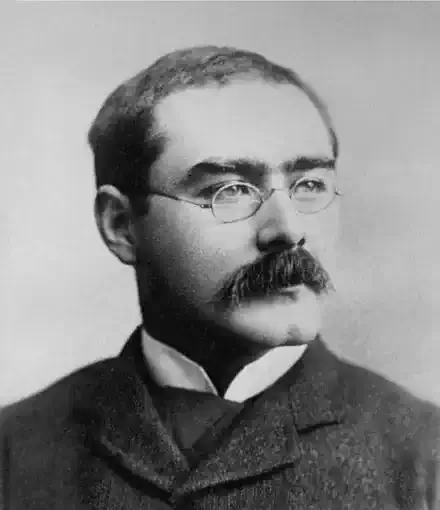
Rudyard Kipling
The Song of the Old Guard
The Song of the Old Guard
Know this, my brethren, Heaven is clear
And all the clouds are gone--
The Proper Sort shall flourish now,
Good times are coming on"--
The evil that was threatened late
To all of our degree
Hath passed in discord and debate,
And,Hey then up go we!
A common people strove in vain
To shame us unto toil,
But they are spent and we remain,
And we shall share the spoil
According to our several needs
As Beauty shall decree,
As Age ordains or Birth concedes,
And, Hey then up go we!
And they that with accursed zeal
Our Service would amend,
Shall own the odds and come to heel
Ere worse befall their end:
For though no naked word be wrote
Yet plainly shall they see
What pinneth Orders on their coat,
And, Hey then up go we!
Our doorways that, in time of fear,
We opened overwide
Shall softly close from year to year
Till all be purified;
For though no fluttering fan be heard .
Nor chaff be seen to flee--
The Lord shall winnow the Lord's Preferred--
And, Hey then up go we!
Our altars which the heathen brake
Shall rankly smoke anew,
And anise, mint and cummin take
Their dread and sovereign due,
Whereby the buttons of our trade
Shall soon restored be
With curious work in gilt and braid,
And, Hey then up go we!
Then come, my brethren, and prepare
The candlesticks and bells,
The scarlet, brass, and badger's hair
Wherein our Honour dwells,
And straitly fence and strictly keep
The Ark's integrity
Till Armageddon break our sleep . . .
And, Hey then go we!
Know this, my brethren, Heaven is clear
And all the clouds are gone--
The Proper Sort shall flourish now,
Good times are coming on"--
The evil that was threatened late
To all of our degree
Hath passed in discord and debate,
And,Hey then up go we!
A common people strove in vain
To shame us unto toil,
But they are spent and we remain,
And we shall share the spoil
According to our several needs
As Beauty shall decree,
As Age ordains or Birth concedes,
And, Hey then up go we!
And they that with accursed zeal
Our Service would amend,
Shall own the odds and come to heel
Ere worse befall their end:
For though no naked word be wrote
Yet plainly shall they see
What pinneth Orders on their coat,
And, Hey then up go we!
Our doorways that, in time of fear,
We opened overwide
Shall softly close from year to year
Till all be purified;
For though no fluttering fan be heard .
Nor chaff be seen to flee--
The Lord shall winnow the Lord's Preferred--
And, Hey then up go we!
Our altars which the heathen brake
Shall rankly smoke anew,
And anise, mint and cummin take
Their dread and sovereign due,
Whereby the buttons of our trade
Shall soon restored be
With curious work in gilt and braid,
And, Hey then up go we!
Then come, my brethren, and prepare
The candlesticks and bells,
The scarlet, brass, and badger's hair
Wherein our Honour dwells,
And straitly fence and strictly keep
The Ark's integrity
Till Armageddon break our sleep . . .
And, Hey then go we!
396
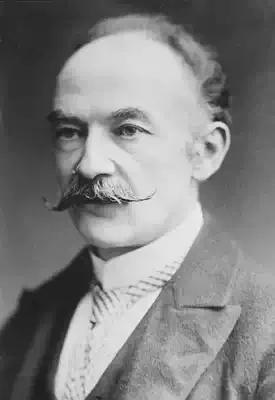
Thomas Hardy
The Widow
The Widow
By Mellstock Lodge and Avenue
Towards her door I went,
And sunset on her window-panes
Reflected our intent.
The creeper on the gable nigh
Was fired to more than red
And when I came to halt thereby
"Bright as my joy!" I said.
Of late days it had been her aim
To meet me in the hall;
Now at my footsteps no one came;
And no one to my call.
Again I knocked; and tardily
An inner step was heard,
And I was shown her presence then
With scarce an answering word.
She met me, and but barely took
My proffered warm embrace;
Preoccupation weighed her look,
And hardened her sweet face.
"To-morrow--could you--would you call?
Make brief your present stay?
My child is ill--my one, my all! -
And can't be left to-day."
And then she turns, and gives commands
As I were out of sound,
Or were no more to her and hers
Than any neighbour round . . .
- As maid I wooed her; but one came
And coaxed her heart away,
And when in time he wedded her
I deemed her gone for aye.
He won, I lost her; and my loss
I bore I know not how;
But I do think I suffered then
Less wretchedness than now.
For Time, in taking him, had oped
An unexpected door
Of bliss for me, which grew to seem
Far surer than before . . .
Her word is steadfast, and I know
That plighted firm are we:
But she has caught new love-calls since
She smiled as maid on me!
By Mellstock Lodge and Avenue
Towards her door I went,
And sunset on her window-panes
Reflected our intent.
The creeper on the gable nigh
Was fired to more than red
And when I came to halt thereby
"Bright as my joy!" I said.
Of late days it had been her aim
To meet me in the hall;
Now at my footsteps no one came;
And no one to my call.
Again I knocked; and tardily
An inner step was heard,
And I was shown her presence then
With scarce an answering word.
She met me, and but barely took
My proffered warm embrace;
Preoccupation weighed her look,
And hardened her sweet face.
"To-morrow--could you--would you call?
Make brief your present stay?
My child is ill--my one, my all! -
And can't be left to-day."
And then she turns, and gives commands
As I were out of sound,
Or were no more to her and hers
Than any neighbour round . . .
- As maid I wooed her; but one came
And coaxed her heart away,
And when in time he wedded her
I deemed her gone for aye.
He won, I lost her; and my loss
I bore I know not how;
But I do think I suffered then
Less wretchedness than now.
For Time, in taking him, had oped
An unexpected door
Of bliss for me, which grew to seem
Far surer than before . . .
Her word is steadfast, and I know
That plighted firm are we:
But she has caught new love-calls since
She smiled as maid on me!
228
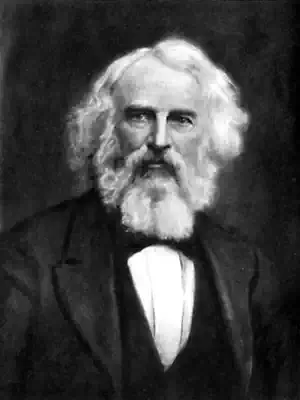
Henry Wadsworth Longfellow
Oliver Basselin. (Birds Of Passage. Flight The First)
Oliver Basselin. (Birds Of Passage. Flight The First)
In the Valley of the Vire
Still is seen an ancient mill,
With its gables quaint and queer,
And beneath the window-sill,
On the stone,
These words alone:
'Oliver Basselin lived here.'
Far above it, on the steep,
Ruined stands the old Chateau;
Nothing but the donjon-keep
Left for shelter or for show.
Its vacant eyes
Stare at the skies,
Stare at the valley green and deep.
Once a convent, old and brown,
Looked, but ah! it looks no more,
From the neighboring hillside down
On the rushing and the roar
Of the stream
Whose sunny gleam
Cheers the little Norman town.
In that darksome mill of stone,
To the water's dash and din,
Careless, humble, and unknown,
Sang the poet Basselin
Songs that fill
That ancient mill
With a splendor of its own.
Never feeling of unrest
Broke the pleasant dream he dreamed;
Only made to be his nest,
All the lovely valley seemed;
No desire
Of soaring higher
Stirred or fluttered in his breast.
True, his songs were not divine;
Were not songs of that high art,
Which, as winds do in the pine,
Find an answer in each heart;
But the mirth
Of this green earth
Laughed and revelled in his line.
From the alehouse and the inn,
Opening on the narrow street,
Came the loud, convivial din,
Singing and applause of feet,
The laughing lays
That in those days
Sang the poet Basselin.
In the castle, cased in steel,
Knights, who fought at Agincourt,
Watched and waited, spur on heel;
But the poet sang for sport
Songs that rang
Another clang,
Songs that lowlier hearts could feel.
In the convent, clad in gray,
Sat the monks in lonely cells,
Paced the cloisters, knelt to pray,
And the poet heard their bells;
But his rhymes
Found other chimes,
Nearer to the earth than they.
Gone are all the barons bold,
Gone are all the knights and squires,
Gone the abbot stern and cold,
And the brotherhood of friars;
Not a name
Remains to fame,
From those mouldering days of old!
But the poet's memory here
Of the landscape makes a part;
Like the river, swift and clear,
Flows his song through many a heart;
Haunting still
That ancient mill,
In the Valley of the Vire.
In the Valley of the Vire
Still is seen an ancient mill,
With its gables quaint and queer,
And beneath the window-sill,
On the stone,
These words alone:
'Oliver Basselin lived here.'
Far above it, on the steep,
Ruined stands the old Chateau;
Nothing but the donjon-keep
Left for shelter or for show.
Its vacant eyes
Stare at the skies,
Stare at the valley green and deep.
Once a convent, old and brown,
Looked, but ah! it looks no more,
From the neighboring hillside down
On the rushing and the roar
Of the stream
Whose sunny gleam
Cheers the little Norman town.
In that darksome mill of stone,
To the water's dash and din,
Careless, humble, and unknown,
Sang the poet Basselin
Songs that fill
That ancient mill
With a splendor of its own.
Never feeling of unrest
Broke the pleasant dream he dreamed;
Only made to be his nest,
All the lovely valley seemed;
No desire
Of soaring higher
Stirred or fluttered in his breast.
True, his songs were not divine;
Were not songs of that high art,
Which, as winds do in the pine,
Find an answer in each heart;
But the mirth
Of this green earth
Laughed and revelled in his line.
From the alehouse and the inn,
Opening on the narrow street,
Came the loud, convivial din,
Singing and applause of feet,
The laughing lays
That in those days
Sang the poet Basselin.
In the castle, cased in steel,
Knights, who fought at Agincourt,
Watched and waited, spur on heel;
But the poet sang for sport
Songs that rang
Another clang,
Songs that lowlier hearts could feel.
In the convent, clad in gray,
Sat the monks in lonely cells,
Paced the cloisters, knelt to pray,
And the poet heard their bells;
But his rhymes
Found other chimes,
Nearer to the earth than they.
Gone are all the barons bold,
Gone are all the knights and squires,
Gone the abbot stern and cold,
And the brotherhood of friars;
Not a name
Remains to fame,
From those mouldering days of old!
But the poet's memory here
Of the landscape makes a part;
Like the river, swift and clear,
Flows his song through many a heart;
Haunting still
That ancient mill,
In the Valley of the Vire.
248
Thomas Hardy
The Voice
The Voice
Woman much missed, how you call to me, call to me,
Saying that now you are not as you were
When you had changed from the one who was all to me,
But as at first, when our day was fair.
Can it be you that I hear? Let me view you, then,
Standing as when I drew near to the town
Where you would wait for me: yes, as I knew you then,
Even to the original air-blue gown!
Or is it only the breeze, in its listlessness
Travelling across the wet mead to me here,
You being ever dissolved to wan wistlessness,
Heard no more again far or near?
Thus I; faltering forward,
Leaves around me falling,
Wind oozing thin through the thorn from norward,
And the woman calling.
Woman much missed, how you call to me, call to me,
Saying that now you are not as you were
When you had changed from the one who was all to me,
But as at first, when our day was fair.
Can it be you that I hear? Let me view you, then,
Standing as when I drew near to the town
Where you would wait for me: yes, as I knew you then,
Even to the original air-blue gown!
Or is it only the breeze, in its listlessness
Travelling across the wet mead to me here,
You being ever dissolved to wan wistlessness,
Heard no more again far or near?
Thus I; faltering forward,
Leaves around me falling,
Wind oozing thin through the thorn from norward,
And the woman calling.
326
Rudyard Kipling
The Song of the English
The Song of the English
Fair is our lot -- O goodly is our heritage!
(Humble ye, my people, and be fearful in your mirth!)
For the Lord our God Most High
He hath made the deep as dry,
He hath smote for us a pathway to the ends of all the Earth!
Yea, though we sinned -- and our rulers went from righteousness --
Deep in all dishonour though we stained our garments' hem.
Oh be ye not dismayed,
Though we stumbled and we strayed,
We were led by evil counsellors -- the Lord shall deal with them!
Hold ye the Faith -- the Faith our Fathers seal]\ed us;
Whoring not with visions -- overwise and overstale.
Except ye pay the Lord
Single heart and single sword,
Of your children in their bondage shall He ask them treble-tale!
Keep ye the Law -- be swift in all obedience --
Clear the land of evil, drive the road and bridge the ford.
Make ye sure to each his own
That he reap where he hath sown;
By the peace among Our peoples let men know we serve the Lord!
. . . . .
Hear now a song -- a song of broken interludes --
A song of little cunning; of a singer nothing worth.
Through the naked words and mean
May ye see the truth between
As the singer knew and touched it in the ends of all the Earth!
Fair is our lot -- O goodly is our heritage!
(Humble ye, my people, and be fearful in your mirth!)
For the Lord our God Most High
He hath made the deep as dry,
He hath smote for us a pathway to the ends of all the Earth!
Yea, though we sinned -- and our rulers went from righteousness --
Deep in all dishonour though we stained our garments' hem.
Oh be ye not dismayed,
Though we stumbled and we strayed,
We were led by evil counsellors -- the Lord shall deal with them!
Hold ye the Faith -- the Faith our Fathers seal]\ed us;
Whoring not with visions -- overwise and overstale.
Except ye pay the Lord
Single heart and single sword,
Of your children in their bondage shall He ask them treble-tale!
Keep ye the Law -- be swift in all obedience --
Clear the land of evil, drive the road and bridge the ford.
Make ye sure to each his own
That he reap where he hath sown;
By the peace among Our peoples let men know we serve the Lord!
. . . . .
Hear now a song -- a song of broken interludes --
A song of little cunning; of a singer nothing worth.
Through the naked words and mean
May ye see the truth between
As the singer knew and touched it in the ends of all the Earth!
424

Robert W. Service
My Favourite Fan
My Favourite Fan
Being a writer I receive
Sweet screeds from folk of every land;
Some are so weird you'd scarce believe,
And some quite hard to understand:
But as a conscientious man
I type my thanks to all I can.
So when I got a foreign scrawl
That spider-webbed across the page,
Said I: "This is the worst of all;
No doubt a child of tender age
Has written it, so I'll be kind,
And send an answer to her mind.
Promptly I typed a nice reply
And thought that it would be the end,
But in due course confused was I
To get a letter signed: Your Friend;
And with it, full of girlish grace,
A snapshot of a winsome face.
"I am afraid," she wrote to me,
"That you must have bees sure surprised
At my poor penmanship . . . You see,
My arms and legs are paralyzed:
With pen held in a sort of sheath
I do my writing with my teeth."
Though sadness followed my amaze,
And pity too, I must confess
The look that lit her laughing gaze
Was one of sunny happiness. . . .
Oh spirit of a heroine!
Your smile so tender, so divine,
I pray, may never cease to shine.
Being a writer I receive
Sweet screeds from folk of every land;
Some are so weird you'd scarce believe,
And some quite hard to understand:
But as a conscientious man
I type my thanks to all I can.
So when I got a foreign scrawl
That spider-webbed across the page,
Said I: "This is the worst of all;
No doubt a child of tender age
Has written it, so I'll be kind,
And send an answer to her mind.
Promptly I typed a nice reply
And thought that it would be the end,
But in due course confused was I
To get a letter signed: Your Friend;
And with it, full of girlish grace,
A snapshot of a winsome face.
"I am afraid," she wrote to me,
"That you must have bees sure surprised
At my poor penmanship . . . You see,
My arms and legs are paralyzed:
With pen held in a sort of sheath
I do my writing with my teeth."
Though sadness followed my amaze,
And pity too, I must confess
The look that lit her laughing gaze
Was one of sunny happiness. . . .
Oh spirit of a heroine!
Your smile so tender, so divine,
I pray, may never cease to shine.
205
Thomas Hardy
The Tree: An Old Man's Story
The Tree: An Old Man's Story
I
Its roots are bristling in the air
Like some mad Earth-god's spiny hair;
The loud south-wester's swell and yell
Smote it at midnight, and it fell.
Thus ends the tree
Where Some One sat with me.
II
Its boughs, which none but darers trod,
A child may step on from the sod,
And twigs that earliest met the dawn
Are lit the last upon the lawn.
Cart off the tree
Beneath whose trunk sat we!
III
Yes, there we sat: she cooed content,
And bats ringed round, and daylight went;
The gnarl, our seat, is wrenched and sunk,
Prone that queer pocket in the trunk
Where lay the key
To her pale mystery.
IV
"Years back, within this pocket-hole
I found, my Love, a hurried scrawl
Meant not for me," at length said I;
"I glanced thereat, and let it lie:
The words were three -
'Beloved, I agree.'
V
"Who placed it here; to what request
It gave assent, I never guessed.
Some prayer of some hot heart, no doubt,
To some coy maiden hereabout,
Just as, maybe,
With you, Sweet Heart, and me."
VI
She waited, till with quickened breath
She spoke, as one who banisheth
Reserves that lovecraft heeds so well,
To ease some mighty wish to tell:
"'Twas I," said she,
"Who wrote thus clinchingly.
VII
"My lover's wife--aye, wife!--knew nought
Of what we felt, and bore, and thought . . .
He'd said: 'I wed with thee or die:
She stands between, 'tis true. But why?
Do thou agree,
And--she shalt cease to be.'
VIII
"How I held back, how love supreme
Involved me madly in his scheme
Why should I say? . . . I wrote assent
(You found it hid) to his intent . . .
She--DIED . . . But he
Came not to wed with me.
IX
"O shrink not, Love!--Had these eyes seen
But once thine own, such had not been!
But we were strangers . . . Thus the plot
Cleared passion's path.--Why came he not
To wed with me? . . .
He wived the gibbet-tree."
X
- Under that oak of heretofore
Sat Sweetheart mine with me no more:
By many a Fiord, and Strom, and Fleuve
Have I since wandered . . . Soon, for love,
Distraught went she -
'Twas said for love of me.
I
Its roots are bristling in the air
Like some mad Earth-god's spiny hair;
The loud south-wester's swell and yell
Smote it at midnight, and it fell.
Thus ends the tree
Where Some One sat with me.
II
Its boughs, which none but darers trod,
A child may step on from the sod,
And twigs that earliest met the dawn
Are lit the last upon the lawn.
Cart off the tree
Beneath whose trunk sat we!
III
Yes, there we sat: she cooed content,
And bats ringed round, and daylight went;
The gnarl, our seat, is wrenched and sunk,
Prone that queer pocket in the trunk
Where lay the key
To her pale mystery.
IV
"Years back, within this pocket-hole
I found, my Love, a hurried scrawl
Meant not for me," at length said I;
"I glanced thereat, and let it lie:
The words were three -
'Beloved, I agree.'
V
"Who placed it here; to what request
It gave assent, I never guessed.
Some prayer of some hot heart, no doubt,
To some coy maiden hereabout,
Just as, maybe,
With you, Sweet Heart, and me."
VI
She waited, till with quickened breath
She spoke, as one who banisheth
Reserves that lovecraft heeds so well,
To ease some mighty wish to tell:
"'Twas I," said she,
"Who wrote thus clinchingly.
VII
"My lover's wife--aye, wife!--knew nought
Of what we felt, and bore, and thought . . .
He'd said: 'I wed with thee or die:
She stands between, 'tis true. But why?
Do thou agree,
And--she shalt cease to be.'
VIII
"How I held back, how love supreme
Involved me madly in his scheme
Why should I say? . . . I wrote assent
(You found it hid) to his intent . . .
She--DIED . . . But he
Came not to wed with me.
IX
"O shrink not, Love!--Had these eyes seen
But once thine own, such had not been!
But we were strangers . . . Thus the plot
Cleared passion's path.--Why came he not
To wed with me? . . .
He wived the gibbet-tree."
X
- Under that oak of heretofore
Sat Sweetheart mine with me no more:
By many a Fiord, and Strom, and Fleuve
Have I since wandered . . . Soon, for love,
Distraught went she -
'Twas said for love of me.
203
Rudyard Kipling
The Song OF The Cities
The Song OF The Cities
BOMBAY
Royal and Dower-royal, I the Queen
Fronting thy richest sea with richer hands --
A thousand mills roar through me where I glean
All races from all lands.
CALCUTTA
Me the Sea-captain loved, the River built,
Wealth sought and Kings adventured life to hold.
Hail, England! I am Asia -- Power on silt,
Death in my hands, but Gold!
MADRAS
Clive kissed me on the mouth and eyes and brow,
Wonderful kisses, so that I became
Crowned above Queens -- a withered beldame now,
Brooding on ancient fame.
RANGOON
Hail, Mother! Do they call me rich in trade?
Little care I, but hear the shorn priest drone,
And watch my silk-clad lovers, man by maid,
Laugh 'neath my Shwe Dagon.
SINGAPORE
Hail, Mother! East and West must seek my aid
Ere the spent gear may dare the ports afar.
The second doorway of the wide world's trade
Is mine to loose or bar.
HONG-KONG
Hail, Mother! Hold me fast; my Praya sleeps
Under innumerable keels to-day.
Yet guard (and landward), or to-morrow sweeps
Thy war-ships down the bay!
HALIFAX
Into the mist my guardian prows put forth,
Behind the mist my virgin ramparts lie,
The Warden of the Honour of the North,
Sleepless and veiled am I!
QUEBEC AND MONTREAL
Peace is our portion. Yet a whisper rose,
Foolish and causeless, half in jest, half hate.
Now wake we and remember mighty blows,
And, fearing no man, wait!
VICTORIA
From East to West the circling word has passed,
Till West is East beside our land-locked blue;
From East to West the tested chain holds fast,
The well-forged link rings true!
CAPE TOWN
Hail! Snatched and bartered oft from hand to hand,
I dream my dream, by rock and heath and pine,
Of Empire to the northward. Ay, one land
From Lion's Head to Line!
MELBOURNE
Greeting! Nor fear nor favour won us place,
Got between greed of gold and dread of drouth,
Loud-voiced and reckless as the wild tide-race
That whips our harbour-mouth!
SYDNEY
Greeting! My birth-stain have I turned to good;
Forcing strong wills perverse to steadfastness:
The first flush of the tropics in my blood,
And at my feet Success!
BRISBANE
The northern stirp beneath the southern skies --
I build a Nation for an Empire's need,
Suffer a little, and my land shall rise,
Queen over lands indeed!
HOBART
Man's love first found me; man's hate made me Hell;
For my babes' sake I cleansed those infamies.
Earnest for leave to live and labour well,
God flung me peace and ease.
AUCKLAND
Last, loneliest, loveliest, exquisite, apart --
On us, on us the unswerving season smiles,
Who wonder 'mid our fern why men depart
To seek the Happy Isles!
BOMBAY
Royal and Dower-royal, I the Queen
Fronting thy richest sea with richer hands --
A thousand mills roar through me where I glean
All races from all lands.
CALCUTTA
Me the Sea-captain loved, the River built,
Wealth sought and Kings adventured life to hold.
Hail, England! I am Asia -- Power on silt,
Death in my hands, but Gold!
MADRAS
Clive kissed me on the mouth and eyes and brow,
Wonderful kisses, so that I became
Crowned above Queens -- a withered beldame now,
Brooding on ancient fame.
RANGOON
Hail, Mother! Do they call me rich in trade?
Little care I, but hear the shorn priest drone,
And watch my silk-clad lovers, man by maid,
Laugh 'neath my Shwe Dagon.
SINGAPORE
Hail, Mother! East and West must seek my aid
Ere the spent gear may dare the ports afar.
The second doorway of the wide world's trade
Is mine to loose or bar.
HONG-KONG
Hail, Mother! Hold me fast; my Praya sleeps
Under innumerable keels to-day.
Yet guard (and landward), or to-morrow sweeps
Thy war-ships down the bay!
HALIFAX
Into the mist my guardian prows put forth,
Behind the mist my virgin ramparts lie,
The Warden of the Honour of the North,
Sleepless and veiled am I!
QUEBEC AND MONTREAL
Peace is our portion. Yet a whisper rose,
Foolish and causeless, half in jest, half hate.
Now wake we and remember mighty blows,
And, fearing no man, wait!
VICTORIA
From East to West the circling word has passed,
Till West is East beside our land-locked blue;
From East to West the tested chain holds fast,
The well-forged link rings true!
CAPE TOWN
Hail! Snatched and bartered oft from hand to hand,
I dream my dream, by rock and heath and pine,
Of Empire to the northward. Ay, one land
From Lion's Head to Line!
MELBOURNE
Greeting! Nor fear nor favour won us place,
Got between greed of gold and dread of drouth,
Loud-voiced and reckless as the wild tide-race
That whips our harbour-mouth!
SYDNEY
Greeting! My birth-stain have I turned to good;
Forcing strong wills perverse to steadfastness:
The first flush of the tropics in my blood,
And at my feet Success!
BRISBANE
The northern stirp beneath the southern skies --
I build a Nation for an Empire's need,
Suffer a little, and my land shall rise,
Queen over lands indeed!
HOBART
Man's love first found me; man's hate made me Hell;
For my babes' sake I cleansed those infamies.
Earnest for leave to live and labour well,
God flung me peace and ease.
AUCKLAND
Last, loneliest, loveliest, exquisite, apart --
On us, on us the unswerving season smiles,
Who wonder 'mid our fern why men depart
To seek the Happy Isles!
579
Henry Wadsworth Longfellow
Old Age. (Sonnet IV.)
Old Age. (Sonnet IV.)
The course of my long life hath reached at last,
In fragile bark o'er a tempestuous sea,
The common harbor, where must rendered be
Account of all the actions of the past.
The impassioned phantasy, that, vague and vast,
Made art an idol and a king to me,
Was an illusion, and but vanity
Were the desires that lured me and harassed.
The dreams of love, that were so sweet of yore,
What are they now, when two deaths may be mine,--
One sure, and one forecasting its alarms?
Painting and sculpture satisfy no more
The soul now turning to the Love Divine,
That oped, to embrace us, on the cross its arms.
The course of my long life hath reached at last,
In fragile bark o'er a tempestuous sea,
The common harbor, where must rendered be
Account of all the actions of the past.
The impassioned phantasy, that, vague and vast,
Made art an idol and a king to me,
Was an illusion, and but vanity
Were the desires that lured me and harassed.
The dreams of love, that were so sweet of yore,
What are they now, when two deaths may be mine,--
One sure, and one forecasting its alarms?
Painting and sculpture satisfy no more
The soul now turning to the Love Divine,
That oped, to embrace us, on the cross its arms.
410
Thomas Hardy
The Tenant-For-Life
The Tenant-For-Life
The sun said, watching my watering-pot
"Some morn you'll pass away;
These flowers and plants I parch up hot -
Who'll water them that day?
"Those banks and beds whose shape your eye
Has planned in line so true,
New hands will change, unreasoning why
Such shape seemed best to you.
"Within your house will strangers sit,
And wonder how first it came;
They'll talk of their schemes for improving it,
And will not mention your name.
"They'll care not how, or when, or at what
You sighed, laughed, suffered here,
Though you feel more in an hour of the spot
Than they will feel in a year
"As I look on at you here, now,
Shall I look on at these;
But as to our old times, avow
No knowledge--hold my peace! . . .
"O friend, it matters not, I say;
Bethink ye, I have shined
On nobler ones than you, and they
Are dead men out of mind!"
The sun said, watching my watering-pot
"Some morn you'll pass away;
These flowers and plants I parch up hot -
Who'll water them that day?
"Those banks and beds whose shape your eye
Has planned in line so true,
New hands will change, unreasoning why
Such shape seemed best to you.
"Within your house will strangers sit,
And wonder how first it came;
They'll talk of their schemes for improving it,
And will not mention your name.
"They'll care not how, or when, or at what
You sighed, laughed, suffered here,
Though you feel more in an hour of the spot
Than they will feel in a year
"As I look on at you here, now,
Shall I look on at these;
But as to our old times, avow
No knowledge--hold my peace! . . .
"O friend, it matters not, I say;
Bethink ye, I have shined
On nobler ones than you, and they
Are dead men out of mind!"
146
Rudyard Kipling
The Song of Diego Valdez
The Song of Diego Valdez
The God of Fair Beginnings
Hath prospered here my hand --
The cargoes of my lading,
And the keels of my command.
For out of many ventures
That sailed with hope as high,
My own have made the better trade,
And Admiral am I.
To me my King's much honour,
To me my people's love --
To me the pride of Princes
And power all pride above;
To me the shouting cities,
To me the mob's refrain: --
"Who knows not noble Valdez
"Hath never heard of Spain."
But I remember comrades --
Old playmates on new seas --
Whenas we traded orpiment
Among the savages --
A thousand leagues to south'ard
And thirty years removed --
They knew nor noble Valdez,
But me they knew and loved.
Then they that found good liquor,
They drank it not alone,
And they that found fair plunder,
They told us every one,
About our chosen islands
Or secret shoals between,
When, weary from far voyage,
We gathered to careen.
Were burned our breaming-fagots
All pale along the shore:
There rose our worn pavilions --
A sail above an oar:
As flashed each yeaming anchor
Through mellow seas afire,
So swift our careless captains
Rowed each to his desire.
Where lay our loosened harness?
Where turned our naked feet?
Whose tavern 'mid the palm-trees?
What quenchings of what heat?
Oh, fountain in the desert!
Oh, cistern in the waste!
Oh, bread we ate in secret!
Oh, cup we spilled in haste!
The youth new-taught of longing,
The widow curbed and wan,
The goodwife proud at season,
And the maid aware of man --
All souls unslaked, consuming,
Defrauded in delays,
Desire not more their quittance
Than I those forfeit days!
I dreamed to wait my pleasure
Unchanged my spring would bide:
Wherefore, to wait my pleasure,
I put my spring aside
Till, first in face of Fortune,
And last in mazed disdain,
I made Diego Valdez
High Admiral of Spain.
Then walked no wind 'neath Heaven
Nor surge that did not aid --
I dared extreme occasion,
Nor ever one betrayed.
They wrought a deeper treason --
(Led seas that served my needs!)
They sold Diego Valdez
To bondage of great deeds.
The tempest flung me seaward,
And pinned and bade me hold
The course I might not alter --
And men esteemed me bold!
The calms embayed my quarry,
The fog-wreath sealed his eyes;
The dawn-wind brought my topsails --
And men esteemed me wise!
Yet, 'spite my tyrant triumphs,
Bewildered, dispossessed --
My dream held I beore me
My vision of my rest;
But, crowned by Fleet and People,
And bound by King and Pope --
Stands here Diego Valdez
To rob me of my hope.
No prayer of mine shall move him.
No word of his set free
The Lord of Sixty Pennants
And the Steward of the Sea.
His will can loose ten thousand
To seek their loves again --
But not Diego Valdez,
High Admiral of Spain.
There walks no wind 'neath Heaven
Nor wave that shall restore
The old careening riot
And the clamorous, crowded shore --
The fountain in the desert,
The cistern in the waste,
The bread we ate in secret,
The cup we spilled in haste.
Now call I to my Captains --
For council fly the sign --
Now leap their zealous galleys,
Twelve-oared, across the brine.
To me the straiter prison,
To me the heavier chain --
To me Diego Valdez,
High Admiral of Spain!
The God of Fair Beginnings
Hath prospered here my hand --
The cargoes of my lading,
And the keels of my command.
For out of many ventures
That sailed with hope as high,
My own have made the better trade,
And Admiral am I.
To me my King's much honour,
To me my people's love --
To me the pride of Princes
And power all pride above;
To me the shouting cities,
To me the mob's refrain: --
"Who knows not noble Valdez
"Hath never heard of Spain."
But I remember comrades --
Old playmates on new seas --
Whenas we traded orpiment
Among the savages --
A thousand leagues to south'ard
And thirty years removed --
They knew nor noble Valdez,
But me they knew and loved.
Then they that found good liquor,
They drank it not alone,
And they that found fair plunder,
They told us every one,
About our chosen islands
Or secret shoals between,
When, weary from far voyage,
We gathered to careen.
Were burned our breaming-fagots
All pale along the shore:
There rose our worn pavilions --
A sail above an oar:
As flashed each yeaming anchor
Through mellow seas afire,
So swift our careless captains
Rowed each to his desire.
Where lay our loosened harness?
Where turned our naked feet?
Whose tavern 'mid the palm-trees?
What quenchings of what heat?
Oh, fountain in the desert!
Oh, cistern in the waste!
Oh, bread we ate in secret!
Oh, cup we spilled in haste!
The youth new-taught of longing,
The widow curbed and wan,
The goodwife proud at season,
And the maid aware of man --
All souls unslaked, consuming,
Defrauded in delays,
Desire not more their quittance
Than I those forfeit days!
I dreamed to wait my pleasure
Unchanged my spring would bide:
Wherefore, to wait my pleasure,
I put my spring aside
Till, first in face of Fortune,
And last in mazed disdain,
I made Diego Valdez
High Admiral of Spain.
Then walked no wind 'neath Heaven
Nor surge that did not aid --
I dared extreme occasion,
Nor ever one betrayed.
They wrought a deeper treason --
(Led seas that served my needs!)
They sold Diego Valdez
To bondage of great deeds.
The tempest flung me seaward,
And pinned and bade me hold
The course I might not alter --
And men esteemed me bold!
The calms embayed my quarry,
The fog-wreath sealed his eyes;
The dawn-wind brought my topsails --
And men esteemed me wise!
Yet, 'spite my tyrant triumphs,
Bewildered, dispossessed --
My dream held I beore me
My vision of my rest;
But, crowned by Fleet and People,
And bound by King and Pope --
Stands here Diego Valdez
To rob me of my hope.
No prayer of mine shall move him.
No word of his set free
The Lord of Sixty Pennants
And the Steward of the Sea.
His will can loose ten thousand
To seek their loves again --
But not Diego Valdez,
High Admiral of Spain.
There walks no wind 'neath Heaven
Nor wave that shall restore
The old careening riot
And the clamorous, crowded shore --
The fountain in the desert,
The cistern in the waste,
The bread we ate in secret,
The cup we spilled in haste.
Now call I to my Captains --
For council fly the sign --
Now leap their zealous galleys,
Twelve-oared, across the brine.
To me the straiter prison,
To me the heavier chain --
To me Diego Valdez,
High Admiral of Spain!
580
Robert W. Service
My Dog's My Boss
My Dog's My Boss
Each day when it's anighing three
Old Dick looks at the clock,
Then proudly brings my stick to me
To mind me of our walk.
And in his doggy rapture he
Does everything but talk.
But since I lack his zip and zest
My old bones often tire;
And so I ventured to suggest
Today we hug the fire.
But with what wailing he expressed
The death of his desire!
He gazed at me with eyes of woe
As if to say: 'Old boy,
You mustn't lose your grip, you know,
Let us with laughing joy,
On heath and hill six miles or so
Our legs and lungs employ.'
And then his bark was stilled to a sigh
He flopped upon the floor;
But such a soft old mug am I
I threw awide the door;
So gaily, though the wind was high
We hiked across the moor.
Each day when it's anighing three
Old Dick looks at the clock,
Then proudly brings my stick to me
To mind me of our walk.
And in his doggy rapture he
Does everything but talk.
But since I lack his zip and zest
My old bones often tire;
And so I ventured to suggest
Today we hug the fire.
But with what wailing he expressed
The death of his desire!
He gazed at me with eyes of woe
As if to say: 'Old boy,
You mustn't lose your grip, you know,
Let us with laughing joy,
On heath and hill six miles or so
Our legs and lungs employ.'
And then his bark was stilled to a sigh
He flopped upon the floor;
But such a soft old mug am I
I threw awide the door;
So gaily, though the wind was high
We hiked across the moor.
178
Thomas Hardy
The Supplanter: A Tale
The Supplanter: A Tale
I
He bends his travel-tarnished feet
To where she wastes in clay:
From day-dawn until eve he fares
Along the wintry way;
From day-dawn until eve repairs
Unto her mound to pray.
II
"Are these the gravestone shapes that meet
My forward-straining view?
Or forms that cross a window-blind
In circle, knot, and queue:
Gay forms, that cross and whirl and wind
To music throbbing through?" -
III
"The Keeper of the Field of Tombs
Dwells by its gateway-pier;
He celebrates with feast and dance
His daughter's twentieth year:
He celebrates with wine of France
The birthday of his dear." -
IV
"The gates are shut when evening glooms:
Lay down your wreath, sad wight;
To-morrow is a time more fit
For placing flowers aright:
The morning is the time for it;
Come, wake with us to-night!" -
V
He grounds his wreath, and enters in,
And sits, and shares their cheer. -
"I fain would foot with you, young man,
Before all others here;
I fain would foot it for a span
With such a cavalier!"
VI
She coaxes, clasps, nor fails to win
His first-unwilling hand:
The merry music strikes its staves,
The dancers quickly band;
And with the damsel of the graves
He duly takes his stand.
VII
"You dance divinely, stranger swain,
Such grace I've never known.
O longer stay! Breathe not adieu
And leave me here alone!
O longer stay: to her be true
Whose heart is all your own!" -
VIII
"I mark a phantom through the pane,
That beckons in despair,
Its mouth all drawn with heavy moan -
Her to whom once I sware!" -
"Nay; 'tis the lately carven stone
Of some strange girl laid there!" -
IX
"I see white flowers upon the floor
Betrodden to a clot;
My wreath were they?"--"Nay; love me much,
Swear you'll forget me not!
'Twas but a wreath! Full many such
Are brought here and forgot."
* * *
X
The watches of the night grow hoar,
He rises ere the sun;
"Now could I kill thee here!" he says,
"For winning me from one
Who ever in her living days
Was pure as cloistered nun!"
XI
She cowers, and he takes his track
Afar for many a mile,
For evermore to be apart
From her who could beguile
His senses by her burning heart,
And win his love awhile.
XII
A year: and he is travelling back
To her who wastes in clay;
From day-dawn until eve he fares
Along the wintry way,
From day-dawn until eve repairs
Unto her mound to pray.
XIII
And there he sets him to fulfil
His frustrate first intent:
And lay upon her bed, at last,
The offering earlier meant:
When, on his stooping figure, ghast
And haggard eyes are bent.
XIV
"O surely for a little while
You can be kind to me!
For do you love her, do you hate,
She knows not--cares not she:
Only the living feel the weight
Of loveless misery!
XV
"I own my sin; I've paid its cost,
Being outcast, shamed, and bare:
I give you daily my whole heart,
Your babe my tender care,
I pour you prayers; and aye to part
Is more than I can bear!"
XVI
He turns--unpitying, passion-tossed;
"I know you not!" he cries,
"Nor know your child. I knew this maid,
But she's in Paradise!"
And swiftly in the winter shade
He breaks from her and flies.
I
He bends his travel-tarnished feet
To where she wastes in clay:
From day-dawn until eve he fares
Along the wintry way;
From day-dawn until eve repairs
Unto her mound to pray.
II
"Are these the gravestone shapes that meet
My forward-straining view?
Or forms that cross a window-blind
In circle, knot, and queue:
Gay forms, that cross and whirl and wind
To music throbbing through?" -
III
"The Keeper of the Field of Tombs
Dwells by its gateway-pier;
He celebrates with feast and dance
His daughter's twentieth year:
He celebrates with wine of France
The birthday of his dear." -
IV
"The gates are shut when evening glooms:
Lay down your wreath, sad wight;
To-morrow is a time more fit
For placing flowers aright:
The morning is the time for it;
Come, wake with us to-night!" -
V
He grounds his wreath, and enters in,
And sits, and shares their cheer. -
"I fain would foot with you, young man,
Before all others here;
I fain would foot it for a span
With such a cavalier!"
VI
She coaxes, clasps, nor fails to win
His first-unwilling hand:
The merry music strikes its staves,
The dancers quickly band;
And with the damsel of the graves
He duly takes his stand.
VII
"You dance divinely, stranger swain,
Such grace I've never known.
O longer stay! Breathe not adieu
And leave me here alone!
O longer stay: to her be true
Whose heart is all your own!" -
VIII
"I mark a phantom through the pane,
That beckons in despair,
Its mouth all drawn with heavy moan -
Her to whom once I sware!" -
"Nay; 'tis the lately carven stone
Of some strange girl laid there!" -
IX
"I see white flowers upon the floor
Betrodden to a clot;
My wreath were they?"--"Nay; love me much,
Swear you'll forget me not!
'Twas but a wreath! Full many such
Are brought here and forgot."
* * *
X
The watches of the night grow hoar,
He rises ere the sun;
"Now could I kill thee here!" he says,
"For winning me from one
Who ever in her living days
Was pure as cloistered nun!"
XI
She cowers, and he takes his track
Afar for many a mile,
For evermore to be apart
From her who could beguile
His senses by her burning heart,
And win his love awhile.
XII
A year: and he is travelling back
To her who wastes in clay;
From day-dawn until eve he fares
Along the wintry way,
From day-dawn until eve repairs
Unto her mound to pray.
XIII
And there he sets him to fulfil
His frustrate first intent:
And lay upon her bed, at last,
The offering earlier meant:
When, on his stooping figure, ghast
And haggard eyes are bent.
XIV
"O surely for a little while
You can be kind to me!
For do you love her, do you hate,
She knows not--cares not she:
Only the living feel the weight
Of loveless misery!
XV
"I own my sin; I've paid its cost,
Being outcast, shamed, and bare:
I give you daily my whole heart,
Your babe my tender care,
I pour you prayers; and aye to part
Is more than I can bear!"
XVI
He turns--unpitying, passion-tossed;
"I know you not!" he cries,
"Nor know your child. I knew this maid,
But she's in Paradise!"
And swiftly in the winter shade
He breaks from her and flies.
171
Rudyard Kipling
The Sing-Song of Old Man Kangaroo
The Sing-Song of Old Man Kangaroo
This is the mouth-filling song of the race that was run by a Boomer.
Run in a single burst--only event of its kind--
Started by Big God Nqong from Warrigaborrigarooma,
Old Man Kangaroo first, Yellow-Dog Dingo behind.
Kangaroo bounded away, his back-legs working like pistons--
Bounded from morning till dark, twenty-five feet at a bound.
Yellow-Dog Dingo lay like a yellow cloud in the distance--
Much too busy to bark. My! but they covered the ground!
Nobody knows where they went, or followed the track that they flew in,
For that Continent hadn't been given a name.
They ran thirty degrees from Torres Straits to Leeuwin
(Look at the Atlas, please then they ran back as they came.
S'posing you could trot from Adelaide to the Pacific
For an afternoon's run -- half what these gentlemen did--
You would feel rather hot, but your legs would develop terrific,
Yes, my importunate son, you'd be a Marvellous Kid!
This is the mouth-filling song of the race that was run by a Boomer.
Run in a single burst--only event of its kind--
Started by Big God Nqong from Warrigaborrigarooma,
Old Man Kangaroo first, Yellow-Dog Dingo behind.
Kangaroo bounded away, his back-legs working like pistons--
Bounded from morning till dark, twenty-five feet at a bound.
Yellow-Dog Dingo lay like a yellow cloud in the distance--
Much too busy to bark. My! but they covered the ground!
Nobody knows where they went, or followed the track that they flew in,
For that Continent hadn't been given a name.
They ran thirty degrees from Torres Straits to Leeuwin
(Look at the Atlas, please then they ran back as they came.
S'posing you could trot from Adelaide to the Pacific
For an afternoon's run -- half what these gentlemen did--
You would feel rather hot, but your legs would develop terrific,
Yes, my importunate son, you'd be a Marvellous Kid!
617
Henry Wadsworth Longfellow
O Ship of State
O Ship of State
Thou, too, sail on, O Ship of State!
Sail on, O Union, strong and great!
Humanity with all its fears,
With all the hopes of future years,
Is hanging breathless on thy fate!
We know what Master laid thy keel,
What Workmen wrought thy ribs of steel,
Who made each mast, and sail, and rope,
What anvils rang, what hammers beat,
In what a forge and what a heat
Were shaped the anchors of thy hope!
Fear not each sudden sound and shock,
'Tis of the wave and not the rock;
'Tis but the flapping of the sail,
And not a rent made by the gale!
In spite of rock and tempest's roar,
In spite of false lights on the shore,
Sail on, nor fear to breast the sea!
Our hearts, our hopes, are all with thee.
Our hearts, our hopes, our prayers, our tears,
Our faith triumphant o'er our fears,
Are all with thee, -are all with thee!
Thou, too, sail on, O Ship of State!
Sail on, O Union, strong and great!
Humanity with all its fears,
With all the hopes of future years,
Is hanging breathless on thy fate!
We know what Master laid thy keel,
What Workmen wrought thy ribs of steel,
Who made each mast, and sail, and rope,
What anvils rang, what hammers beat,
In what a forge and what a heat
Were shaped the anchors of thy hope!
Fear not each sudden sound and shock,
'Tis of the wave and not the rock;
'Tis but the flapping of the sail,
And not a rent made by the gale!
In spite of rock and tempest's roar,
In spite of false lights on the shore,
Sail on, nor fear to breast the sea!
Our hearts, our hopes, are all with thee.
Our hearts, our hopes, our prayers, our tears,
Our faith triumphant o'er our fears,
Are all with thee, -are all with thee!
337
Rudyard Kipling
The Ship That Found Herself
The Ship That Found Herself
We now, held in captivity,
Spring to our bondage nor grieve--
See now, how it is blesseder,
Brothers, to give than receive!
Keep trust, wherefore we were made,
Paying the debt that we owe;
For a clean thrust, and the shear of the blade,
Will carry us where would go.
We now, held in captivity,
Spring to our bondage nor grieve--
See now, how it is blesseder,
Brothers, to give than receive!
Keep trust, wherefore we were made,
Paying the debt that we owe;
For a clean thrust, and the shear of the blade,
Will carry us where would go.
345
Thomas Hardy
The Sun on the Bookcase
The Sun on the Bookcase
Once more the cauldron of the sun
Smears the bookcase with winy red,
And here my page is, and there my bed,
And the apple-tree shadows travel along.
Soon their intangible track will be run,
And dusk grow strong
And they have fled.
Yes: now the boiling ball is gone,
And I have wasted another day....
But wasted--wasted, do I say?
Is it a waste to have imagined one
Beyond the hills there, who, anon,
My great deeds done,
Will be mine alway?
Once more the cauldron of the sun
Smears the bookcase with winy red,
And here my page is, and there my bed,
And the apple-tree shadows travel along.
Soon their intangible track will be run,
And dusk grow strong
And they have fled.
Yes: now the boiling ball is gone,
And I have wasted another day....
But wasted--wasted, do I say?
Is it a waste to have imagined one
Beyond the hills there, who, anon,
My great deeds done,
Will be mine alway?
148
Robert W. Service
My Dentist
My Dentist
Sitting in the dentist's chair,
Wishing that I wasn't there,
To forget and pass the time
I have made this bit of rhyme.
I had a rendez-vous at ten;
I rushed to get in line,
But found a lot of dames and men
Had waited there since nine;
I stared at them, then in an hour
Was blandly ushered in;
But though my face was grim and sour
He met me with a grin.
He told me of his horse of blood,
And how it "also ran",
He plans to own a racing stud (
He seems a wealthy man.)
And then he left me there until
I growled: "At any rate,
I hope he'll not charge in his bill
For all the time I wait."
His wife has sables on her back,
With jewels she's ablaze;
She drives a stately Cadillac,
And I'm the mug who pays:
At least I'm one of those who peer
With pessimistic gloom
At magazines of yester-year
In his damn waiting room.
I am a Christian Scientist;
I don't believe in pain;
My dentist had a powerful wrist,
He tries and tries in vain
To make me grunt or groan or squeal
With probe or rasp or drill. . . .
But oh, what agony I feel
When HE PRESENTS HIS BILL!
Sitting in the dental chair,
Don't you wish you weren't there:
Well, your cup of woe to fill,
Just think of his infernal bill.
Sitting in the dentist's chair,
Wishing that I wasn't there,
To forget and pass the time
I have made this bit of rhyme.
I had a rendez-vous at ten;
I rushed to get in line,
But found a lot of dames and men
Had waited there since nine;
I stared at them, then in an hour
Was blandly ushered in;
But though my face was grim and sour
He met me with a grin.
He told me of his horse of blood,
And how it "also ran",
He plans to own a racing stud (
He seems a wealthy man.)
And then he left me there until
I growled: "At any rate,
I hope he'll not charge in his bill
For all the time I wait."
His wife has sables on her back,
With jewels she's ablaze;
She drives a stately Cadillac,
And I'm the mug who pays:
At least I'm one of those who peer
With pessimistic gloom
At magazines of yester-year
In his damn waiting room.
I am a Christian Scientist;
I don't believe in pain;
My dentist had a powerful wrist,
He tries and tries in vain
To make me grunt or groan or squeal
With probe or rasp or drill. . . .
But oh, what agony I feel
When HE PRESENTS HIS BILL!
Sitting in the dental chair,
Don't you wish you weren't there:
Well, your cup of woe to fill,
Just think of his infernal bill.
146
Thomas Hardy
The Stranger's Song
The Stranger's Song
(As sung by Mr. Charles Charrington in the play of "The Three Wayfarers")
O MY trade it is the rarest one,
Simple shepherds all--
My trade is a sight to see;
For my customers I tie, and take 'em up on high,
And waft 'em to a far countree!
My tools are but common ones,
Simple shepherds all--
My tools are no sight to see:
A little hempen string, and a post whereon to swing,
Are implements enough for me!
To-morrow is my working day,
Simple shepherds all--
To-morrow is a working day for me:
For the farmer's sheep is slain, and the lad who did it ta'en,
And on his soul may God ha' mer-cy!
(As sung by Mr. Charles Charrington in the play of "The Three Wayfarers")
O MY trade it is the rarest one,
Simple shepherds all--
My trade is a sight to see;
For my customers I tie, and take 'em up on high,
And waft 'em to a far countree!
My tools are but common ones,
Simple shepherds all--
My tools are no sight to see:
A little hempen string, and a post whereon to swing,
Are implements enough for me!
To-morrow is my working day,
Simple shepherds all--
To-morrow is a working day for me:
For the farmer's sheep is slain, and the lad who did it ta'en,
And on his soul may God ha' mer-cy!
198
Rudyard Kipling
The Servant When He Reigneth
The Servant When He Reigneth
For three things the earth is disquieted, and for four which it cannot bear. For a
servant when he reigneth, and a fool when he is filled with meat; for an odious woman
when she is married, and an handmaid that is heir to her mistress. -- Prov. XXX.
--.
Three things make earth unquiet
And four she cannot brook
The godly Agur counted them
And put them in a book --
Those Four Tremendous Curses
With which mankind is cursed;
But a Servant when He Reigneth
Old Agur entered first.
An Handmaid that is Mistress
We need not call upon.
A Fool when he is full of Meat
Will fall asleep anon.
An Odious Woman Married
May bear a babe and mend;
But a Servant when He Reigneth
Is Confusion to the end.
His feet are swift to tumult,
His hands are slow to toil,
His ears are deaf to reason,
His lips are loud in broil.
He knows no use for power
Except to show his might.
He gives no heed to judgment
Unless it prove him right.
Because he served a master
Before his Kingship came,
And hid in all disaster
Behind his master's name,
So, when his Folly opens
The unnecessary hells,
A Servant when He Reigneth
Throws the blame on some one else.
His vows are lightly spoken,
His faith is hard to bind,
His trust is easy boken,
He fears his fellow-kind.
The nearest mob will move him
To break the pledge he gave --
Oh, a Servant when he Reigneth
Is more than ever slave!
For three things the earth is disquieted, and for four which it cannot bear. For a
servant when he reigneth, and a fool when he is filled with meat; for an odious woman
when she is married, and an handmaid that is heir to her mistress. -- Prov. XXX.
--.
Three things make earth unquiet
And four she cannot brook
The godly Agur counted them
And put them in a book --
Those Four Tremendous Curses
With which mankind is cursed;
But a Servant when He Reigneth
Old Agur entered first.
An Handmaid that is Mistress
We need not call upon.
A Fool when he is full of Meat
Will fall asleep anon.
An Odious Woman Married
May bear a babe and mend;
But a Servant when He Reigneth
Is Confusion to the end.
His feet are swift to tumult,
His hands are slow to toil,
His ears are deaf to reason,
His lips are loud in broil.
He knows no use for power
Except to show his might.
He gives no heed to judgment
Unless it prove him right.
Because he served a master
Before his Kingship came,
And hid in all disaster
Behind his master's name,
So, when his Folly opens
The unnecessary hells,
A Servant when He Reigneth
Throws the blame on some one else.
His vows are lightly spoken,
His faith is hard to bind,
His trust is easy boken,
He fears his fellow-kind.
The nearest mob will move him
To break the pledge he gave --
Oh, a Servant when he Reigneth
Is more than ever slave!
403
Henry Wadsworth Longfellow
Nature
Nature
As a fond mother, when the day is o'er,
Leads by the hand her little child to bed,
Half willing, half reluctant to be led,
And leave his broken playthings on the floor,
Still gazing at them through the open door,
Nor wholly reassured and comforted
By promises of others in their stead,
Which though more splendid, may not please him more;
So Nature deals with us, and takes away
Our playthings one by one, and by the hand
Leads us to rest so gently, that we go
Scarce knowing if we wish to go or stay,
Being too full of sleep to understand
How far the unknown transcends the what we know.
As a fond mother, when the day is o'er,
Leads by the hand her little child to bed,
Half willing, half reluctant to be led,
And leave his broken playthings on the floor,
Still gazing at them through the open door,
Nor wholly reassured and comforted
By promises of others in their stead,
Which though more splendid, may not please him more;
So Nature deals with us, and takes away
Our playthings one by one, and by the hand
Leads us to rest so gently, that we go
Scarce knowing if we wish to go or stay,
Being too full of sleep to understand
How far the unknown transcends the what we know.
316
Rudyard Kipling
The Secret of the Machines
The Secret of the Machines
Modern Machinery
We were taken from the ore-bed and the mine,
We were melted in the furnace and the pit--
We were cast and wrought and hammered to design,
We were cut and filed and tooled and gauged to fit.
Some water, coal, and oil is all we ask,
And a thousandth of an inch to give us play:
And now, if you will set us to our task,
We will serve you four and twenty hours a day!
We can pull and haul and push and lift and drive,
We can print and plough and weave and heat and light,
We can run and race and swim and fly and dive,
We can see and hear and count and read and write!
Would you call a friend from half across the world?
If you'll let us have his name and town and state,
You shall see and hear your cracking question hurled
Across the arch of heaven while you wait.
Has he answered? Does he need you at his side-
You can start this very evening if you choose
And take the Western Ocean in the stride
O seventy thousand horses and some screws!
The boat-express is waiting your command!
You will find the Mauritania at the quay,
Till her captain turns the lever 'neath his hand,
And the monstrouos nine-decked city goes to sea.
Do you wish to make the mountains bare their head
And lay their new-cut forests at your feet?
Do you want to turn a river in its bed,
Or plant a barren wilderness with wheat?
Shall we pipe aloft and bring you water down
From the never-failing cisterns of the snows,
To work the mills and tramways in your town,
And irrigate your orchards as it flows?
It is easy! Give us dynamite and drills!
Watch the iron-shouldered rocks lie down and quake,
As the thirsty desert-level floods and fills,
And the valley we have dammed becomes a lake.
But remember, please, the Law by which we live,
We are not built to comprehend a lie,
We can neither love nor pity nor forgive.
If you make a slip in handling us you die!
We are greater than the Peoples or the Kings-
Be humble, as you crawl beneath our rods!--
Our touch can alter all created things,
We are everything on earth--except The Gods!
Though our smoke may hide the Heavens from your eyes,
It will vanish and the stars will shine again,
Because, for all our power and weight and size,
We are nothing more than children of your brain!
Modern Machinery
We were taken from the ore-bed and the mine,
We were melted in the furnace and the pit--
We were cast and wrought and hammered to design,
We were cut and filed and tooled and gauged to fit.
Some water, coal, and oil is all we ask,
And a thousandth of an inch to give us play:
And now, if you will set us to our task,
We will serve you four and twenty hours a day!
We can pull and haul and push and lift and drive,
We can print and plough and weave and heat and light,
We can run and race and swim and fly and dive,
We can see and hear and count and read and write!
Would you call a friend from half across the world?
If you'll let us have his name and town and state,
You shall see and hear your cracking question hurled
Across the arch of heaven while you wait.
Has he answered? Does he need you at his side-
You can start this very evening if you choose
And take the Western Ocean in the stride
O seventy thousand horses and some screws!
The boat-express is waiting your command!
You will find the Mauritania at the quay,
Till her captain turns the lever 'neath his hand,
And the monstrouos nine-decked city goes to sea.
Do you wish to make the mountains bare their head
And lay their new-cut forests at your feet?
Do you want to turn a river in its bed,
Or plant a barren wilderness with wheat?
Shall we pipe aloft and bring you water down
From the never-failing cisterns of the snows,
To work the mills and tramways in your town,
And irrigate your orchards as it flows?
It is easy! Give us dynamite and drills!
Watch the iron-shouldered rocks lie down and quake,
As the thirsty desert-level floods and fills,
And the valley we have dammed becomes a lake.
But remember, please, the Law by which we live,
We are not built to comprehend a lie,
We can neither love nor pity nor forgive.
If you make a slip in handling us you die!
We are greater than the Peoples or the Kings-
Be humble, as you crawl beneath our rods!--
Our touch can alter all created things,
We are everything on earth--except The Gods!
Though our smoke may hide the Heavens from your eyes,
It will vanish and the stars will shine again,
Because, for all our power and weight and size,
We are nothing more than children of your brain!
743
Thomas Hardy
The Souls of the Slain
The Souls of the Slain
I
The thick lids of Night closed upon me
Alone at the Bill
Of the Isle by the Race {} -
Many-caverned, bald, wrinkled of face -
And with darkness and silence the spirit was on me
To brood and be still.
II
No wind fanned the flats of the ocean,
Or promontory sides,
Or the ooze by the strand,
Or the bent-bearded slope of the land,
Whose base took its rest amid everlong motion
Of criss-crossing tides.
III
Soon from out of the Southward seemed nearing
A whirr, as of wings
Waved by mighty-vanned flies,
Or by night-moths of measureless size,
And in softness and smoothness well-nigh beyond hearing
Of corporal things.
IV
And they bore to the bluff, and alighted -
A dim-discerned train
Of sprites without mould,
Frameless souls none might touch or might hold -
On the ledge by the turreted lantern, farsighted
By men of the main.
V
And I heard them say "Home!" and I knew them
For souls of the felled
On the earth's nether bord
Under Capricorn, whither they'd warred,
And I neared in my awe, and gave heedfulness to them
With breathings inheld.
VI
Then, it seemed, there approached from the northward
A senior soul-flame
Of the like filmy hue:
And he met them and spake: "Is it you,
O my men?" Said they, "Aye! We bear homeward and hearthward
To list to our fame!"
VII
"I've flown there before you," he said then:
"Your households are well;
But--your kin linger less
On your glory arid war-mightiness
Than on dearer things."--"Dearer?" cried these from the dead then,
"Of what do they tell?"
VIII
"Some mothers muse sadly, and murmur
Your doings as boys -
Recall the quaint ways
Of your babyhood's innocent days.
Some pray that, ere dying, your faith had grown firmer,
And higher your joys.
IX
"A father broods: 'Would I had set him
To some humble trade,
And so slacked his high fire,
And his passionate martial desire;
Had told him no stories to woo him and whet him
To this due crusade!"
X
"And, General, how hold out our sweethearts,
Sworn loyal as doves?"
--"Many mourn; many think
It is not unattractive to prink
Them in sables for heroes. Some fickle and fleet hearts
Have found them new loves."
XI
"And our wives?" quoth another resignedly,
"Dwell they on our deeds?"
--"Deeds of home; that live yet
Fresh as new--deeds of fondness or fret;
Ancient words that were kindly expressed or unkindly,
These, these have their heeds."
XII
--"Alas! then it seems that our glory
Weighs less in their thought
Than our old homely acts,
And the long-ago commonplace facts
Of our lives--held by us as scarce part of our story,
And rated as nought!"
XIII
Then bitterly some: "Was it wise now
To raise the tomb-door
For such knowledge? Away!"
But the rest: "Fame we prized till to-day;
Yet that hearts keep us green for old kindness we prize now
A thousand times more!"
XIV
Thus speaking, the trooped apparitions
Began to disband
And resolve them in two:
Those whose record was lovely and true
Bore to northward for home: those of bitter traditions
Again left the land,
XV
And, towering to seaward in legions,
They paused at a spot
Overbending the Race -
That engulphing, ghast, sinister place -
Whither headlong they plunged, to the fathomless regions
Of myriads forgot.
XVI
And the spirits of those who were homing
Passed on, rushingly,
Like the Pentecost Wind;
And the whirr of their wayfaring thinned
And surceased on the sky, and but left in the gloaming
Sea-mutterings and me.
I
The thick lids of Night closed upon me
Alone at the Bill
Of the Isle by the Race {} -
Many-caverned, bald, wrinkled of face -
And with darkness and silence the spirit was on me
To brood and be still.
II
No wind fanned the flats of the ocean,
Or promontory sides,
Or the ooze by the strand,
Or the bent-bearded slope of the land,
Whose base took its rest amid everlong motion
Of criss-crossing tides.
III
Soon from out of the Southward seemed nearing
A whirr, as of wings
Waved by mighty-vanned flies,
Or by night-moths of measureless size,
And in softness and smoothness well-nigh beyond hearing
Of corporal things.
IV
And they bore to the bluff, and alighted -
A dim-discerned train
Of sprites without mould,
Frameless souls none might touch or might hold -
On the ledge by the turreted lantern, farsighted
By men of the main.
V
And I heard them say "Home!" and I knew them
For souls of the felled
On the earth's nether bord
Under Capricorn, whither they'd warred,
And I neared in my awe, and gave heedfulness to them
With breathings inheld.
VI
Then, it seemed, there approached from the northward
A senior soul-flame
Of the like filmy hue:
And he met them and spake: "Is it you,
O my men?" Said they, "Aye! We bear homeward and hearthward
To list to our fame!"
VII
"I've flown there before you," he said then:
"Your households are well;
But--your kin linger less
On your glory arid war-mightiness
Than on dearer things."--"Dearer?" cried these from the dead then,
"Of what do they tell?"
VIII
"Some mothers muse sadly, and murmur
Your doings as boys -
Recall the quaint ways
Of your babyhood's innocent days.
Some pray that, ere dying, your faith had grown firmer,
And higher your joys.
IX
"A father broods: 'Would I had set him
To some humble trade,
And so slacked his high fire,
And his passionate martial desire;
Had told him no stories to woo him and whet him
To this due crusade!"
X
"And, General, how hold out our sweethearts,
Sworn loyal as doves?"
--"Many mourn; many think
It is not unattractive to prink
Them in sables for heroes. Some fickle and fleet hearts
Have found them new loves."
XI
"And our wives?" quoth another resignedly,
"Dwell they on our deeds?"
--"Deeds of home; that live yet
Fresh as new--deeds of fondness or fret;
Ancient words that were kindly expressed or unkindly,
These, these have their heeds."
XII
--"Alas! then it seems that our glory
Weighs less in their thought
Than our old homely acts,
And the long-ago commonplace facts
Of our lives--held by us as scarce part of our story,
And rated as nought!"
XIII
Then bitterly some: "Was it wise now
To raise the tomb-door
For such knowledge? Away!"
But the rest: "Fame we prized till to-day;
Yet that hearts keep us green for old kindness we prize now
A thousand times more!"
XIV
Thus speaking, the trooped apparitions
Began to disband
And resolve them in two:
Those whose record was lovely and true
Bore to northward for home: those of bitter traditions
Again left the land,
XV
And, towering to seaward in legions,
They paused at a spot
Overbending the Race -
That engulphing, ghast, sinister place -
Whither headlong they plunged, to the fathomless regions
Of myriads forgot.
XVI
And the spirits of those who were homing
Passed on, rushingly,
Like the Pentecost Wind;
And the whirr of their wayfaring thinned
And surceased on the sky, and but left in the gloaming
Sea-mutterings and me.
222
Robert W. Service
My Cross
My Cross
I wrote a poem to the moon
But no one noticed it;
Although I hoped that late or soon
Someone would praise a bit
Its purity and grace forlone,
Its beauty tulip-cool...
But as my poem died still-born,
I felt a fool.
I wrote a verse of vulgar trend
Spiced with an oath or two;
I tacked a snapper at the end
And called it Dan McGrew.
I spouted it to bar-room boys,
Full fifty years away;
Yet still with rude and ribald noise
It lives today.
'Tis bitter truth, but there you areThat's
how a name is made;
Write of a rose, a lark, a star,
You'll never make the grade.
But write of gutter and of grime,
Of pimp and prostitute,
The multitude will read your rhyme,
And pay to boot.
So what's the use to burn and bleed
And strive for beauty's sake?
No one your poetry will read,
Your heart will only break.
But set your song in vulgar pitch,
If rhyme you will not rue,
And make your heroine a bitch...
Like Lady Lou.
I wrote a poem to the moon
But no one noticed it;
Although I hoped that late or soon
Someone would praise a bit
Its purity and grace forlone,
Its beauty tulip-cool...
But as my poem died still-born,
I felt a fool.
I wrote a verse of vulgar trend
Spiced with an oath or two;
I tacked a snapper at the end
And called it Dan McGrew.
I spouted it to bar-room boys,
Full fifty years away;
Yet still with rude and ribald noise
It lives today.
'Tis bitter truth, but there you areThat's
how a name is made;
Write of a rose, a lark, a star,
You'll never make the grade.
But write of gutter and of grime,
Of pimp and prostitute,
The multitude will read your rhyme,
And pay to boot.
So what's the use to burn and bleed
And strive for beauty's sake?
No one your poetry will read,
Your heart will only break.
But set your song in vulgar pitch,
If rhyme you will not rue,
And make your heroine a bitch...
Like Lady Lou.
187