
Poems List
Explore poems from our collection
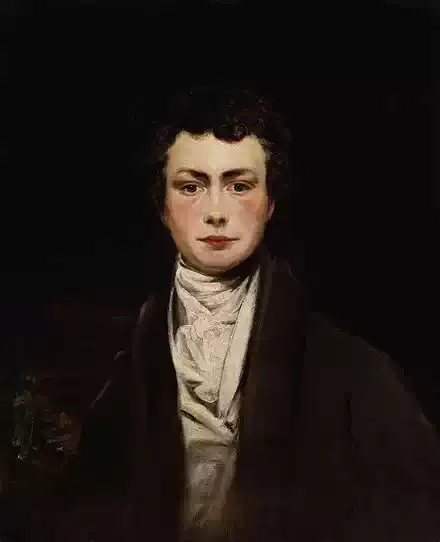
Thomas Moore
As a Beam O'er the Face of the Waters May Glow
As a Beam O'er the Face of the Waters May Glow
As a beam o'er the face of the waters may glow
While the tide runs in darkness and coldness below,
So the cheek may be tinged with a warm sunny smile,
Though the cold heart to ruin runs darkly the while.
One fatal remembrance, one sorrow that throws
Its bleak shade alike o'er our joys and our woes,
To which life nothing darker or brighter can bring,
For which joy has no balm and affliction no sting --
Oh! this thought in the midst of enjoyment will stay,
Like a dead, leafless branch in the summer's bright ray;
The beams of the warm sun play round it in vain;
It may smile in his light, but it blooms not again.
As a beam o'er the face of the waters may glow
While the tide runs in darkness and coldness below,
So the cheek may be tinged with a warm sunny smile,
Though the cold heart to ruin runs darkly the while.
One fatal remembrance, one sorrow that throws
Its bleak shade alike o'er our joys and our woes,
To which life nothing darker or brighter can bring,
For which joy has no balm and affliction no sting --
Oh! this thought in the midst of enjoyment will stay,
Like a dead, leafless branch in the summer's bright ray;
The beams of the warm sun play round it in vain;
It may smile in his light, but it blooms not again.
168
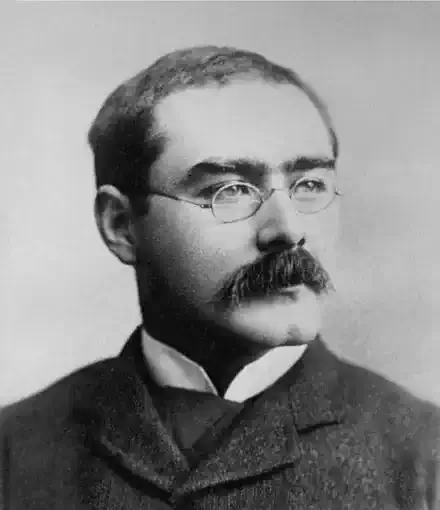
Rudyard Kipling
The White Seal
The White Seal
Oh! hush thee, my baby, the night is behind us,
And black are the waters that sparkled so green.
The moon, o'er the combers, looks downward to find us
At rest in the hollows that rustle between.
Where billow meets billow, there soft be thy pillow;
Ah, weary wee flipperling, curl at thy ease!
The storm shall not wake thee, nor shark overtake thee,
Asleep in the arms of the slow-swinging seas.
You mustn't swim till you're six weeks old,
Or your head will be sunk by your heels;
And summer gales and Killer Whales
Are bad for baby seals.
Are bad for baby seals, dear rat,
As bad as bad can be.
But splash and grow strong,
And you can't be wrong,
Child of the Open Sea!
Oh! hush thee, my baby, the night is behind us,
And black are the waters that sparkled so green.
The moon, o'er the combers, looks downward to find us
At rest in the hollows that rustle between.
Where billow meets billow, there soft be thy pillow;
Ah, weary wee flipperling, curl at thy ease!
The storm shall not wake thee, nor shark overtake thee,
Asleep in the arms of the slow-swinging seas.
You mustn't swim till you're six weeks old,
Or your head will be sunk by your heels;
And summer gales and Killer Whales
Are bad for baby seals.
Are bad for baby seals, dear rat,
As bad as bad can be.
But splash and grow strong,
And you can't be wrong,
Child of the Open Sea!
681
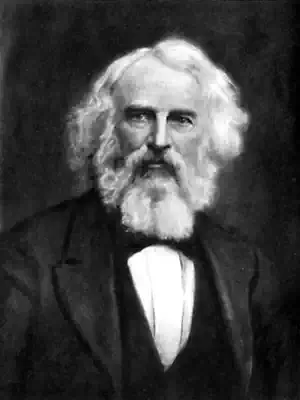
Henry Wadsworth Longfellow
Santa Teresa's Bookmark. (From The Spanish Of Santa Teresa)
Santa Teresa's Bookmark. (From The Spanish Of Santa Teresa)
Let nothing disturb thee,
Nothing affright thee
All things are passing;
God never changeth;
Patient endurance
Attaineth to all things;
Who God possesseth
In nothing is wanting;
Alone God sufficeth.
Let nothing disturb thee,
Nothing affright thee
All things are passing;
God never changeth;
Patient endurance
Attaineth to all things;
Who God possesseth
In nothing is wanting;
Alone God sufficeth.
240
Rudyard Kipling
The Wet Litany
The Wet Litany
When the waters' countenance
Blurs 'twixt glance and second glance;
When our tattered smokes forerun
Ashen 'neath a silvered sun;
When the curtain of the haze
Shuts upon our helpless ways--
Hear the Channel Fleet at sea:
Libera nos Domine!
When the engines' bated pulse
Scarcely thrills the nosing hulls;
When the wash along the side
Sounds, a-sudden, magnified;
When the intolerable blast
Marks each blindfold minute passed;
When the fog-buoy's squattering flight
Guides us 'through the haggard night;
When the warning bugle blows;
When the lettered doorway's close;
When our brittle townships press,
Impotent, on emptiness;
When the unseen leadsmen lean
Questioning a deep unseen;
When their lessened count they tell
To a bridge invisible;
When the hid and perilous
Cliffs return our cry to us;
When the treble thickness spread
Swallows up our next-ahead;
When her sirens frightened whine
Shows her sheering out of line;
When--her passage undiscerned--
We must turn where she has turned,
Hear the Channel Fleet at sea:
Libera nos Domine!
When the waters' countenance
Blurs 'twixt glance and second glance;
When our tattered smokes forerun
Ashen 'neath a silvered sun;
When the curtain of the haze
Shuts upon our helpless ways--
Hear the Channel Fleet at sea:
Libera nos Domine!
When the engines' bated pulse
Scarcely thrills the nosing hulls;
When the wash along the side
Sounds, a-sudden, magnified;
When the intolerable blast
Marks each blindfold minute passed;
When the fog-buoy's squattering flight
Guides us 'through the haggard night;
When the warning bugle blows;
When the lettered doorway's close;
When our brittle townships press,
Impotent, on emptiness;
When the unseen leadsmen lean
Questioning a deep unseen;
When their lessened count they tell
To a bridge invisible;
When the hid and perilous
Cliffs return our cry to us;
When the treble thickness spread
Swallows up our next-ahead;
When her sirens frightened whine
Shows her sheering out of line;
When--her passage undiscerned--
We must turn where she has turned,
Hear the Channel Fleet at sea:
Libera nos Domine!
379
Thomas Moore
An Incantation
An Incantation
Come with me, and we will blow
Lots of bubbles, as we go;
Bubbles bright as ever Hope
Drew from fancy -- or from soap;
Bright as e'er the South Sea sent
from its frothy element!
Come with me, and we will blow
Lots of bubbles, as we go.
Mix the lather, Johnny W--lks,
Thou, who rhym'st so well to bilks;
Mix the lather - who can be
Fitter for such task than thee,
Great M.P. for Sudsbury!
For the frothy charm is ripe,
Puffing Peter bring thy pipe, --
Thou, whom ancient Coventry,
Once so dearly lov'd, that she
Knew not which to her was sweeter,
Peeping Tom or Puffing Peter; --
Puff the bubbles high in air,
Puff thy best to keep them there.
Bravo, bravo, Peter M--re!
Now the rainbow humbugs soar,
Glitt'ring all with golden hues,
Such as haunt the dreams of Jews; --
Some reflecting mines that lie
Under Chili's glowing sky,
Some, those virgin pearls that sleep
Cloister'd in the southern deep;
Others, as if lent a ray
Form the streaming Milky Way,
Glist'ning o'er with curds and whey
From the cows of Alderney.
Now's the moment -- who shall first
Catch the buble, ere they burst?
Run, ye Squires, ye Viscounts, run,
Br-gd-n, T-ynh-m, P-lm-t-n; --
John W--lks junior runs beside ye!
Take the good the knaves provide ye!
See, with upturn'd eyes and hands,
Where the Shareman, Bri-gd-n, stands,
Gaping for the froth to fall
Down his gullet - lye and all.
See!---But hark my time is out --
Now, like some great water-spout,
Scaterr'd by the cannon's thunder,
Burst, ye bubbles, burst asunder!
Come with me, and we will blow
Lots of bubbles, as we go;
Bubbles bright as ever Hope
Drew from fancy -- or from soap;
Bright as e'er the South Sea sent
from its frothy element!
Come with me, and we will blow
Lots of bubbles, as we go.
Mix the lather, Johnny W--lks,
Thou, who rhym'st so well to bilks;
Mix the lather - who can be
Fitter for such task than thee,
Great M.P. for Sudsbury!
For the frothy charm is ripe,
Puffing Peter bring thy pipe, --
Thou, whom ancient Coventry,
Once so dearly lov'd, that she
Knew not which to her was sweeter,
Peeping Tom or Puffing Peter; --
Puff the bubbles high in air,
Puff thy best to keep them there.
Bravo, bravo, Peter M--re!
Now the rainbow humbugs soar,
Glitt'ring all with golden hues,
Such as haunt the dreams of Jews; --
Some reflecting mines that lie
Under Chili's glowing sky,
Some, those virgin pearls that sleep
Cloister'd in the southern deep;
Others, as if lent a ray
Form the streaming Milky Way,
Glist'ning o'er with curds and whey
From the cows of Alderney.
Now's the moment -- who shall first
Catch the buble, ere they burst?
Run, ye Squires, ye Viscounts, run,
Br-gd-n, T-ynh-m, P-lm-t-n; --
John W--lks junior runs beside ye!
Take the good the knaves provide ye!
See, with upturn'd eyes and hands,
Where the Shareman, Bri-gd-n, stands,
Gaping for the froth to fall
Down his gullet - lye and all.
See!---But hark my time is out --
Now, like some great water-spout,
Scaterr'd by the cannon's thunder,
Burst, ye bubbles, burst asunder!
203

Robert W. Service
My Inner Life
My Inner Life
'Tis true my garments threadbare are,
And sorry poor I seem;
But inly I am richer far
Than any poet's dream.
For I've a hidden life no one
Can ever hope to see;
A sacred sanctuary none
May share with me.
Aloof I stand from out the strife,
Within my heart a song;
By virtue of my inner life
I to myself belong.
Against man-ruling I rebel,
Yet do not fear defeat,
For to my secret citadel
I may retreat.
Oh you who have an inner life
Beyond this dismal day
With wars and evil rumours rife,
Go blessedly your way.
Your refuge hold inviolate;
Unto yourself be true,
And shield serene from sordid fate
The Real You.
'Tis true my garments threadbare are,
And sorry poor I seem;
But inly I am richer far
Than any poet's dream.
For I've a hidden life no one
Can ever hope to see;
A sacred sanctuary none
May share with me.
Aloof I stand from out the strife,
Within my heart a song;
By virtue of my inner life
I to myself belong.
Against man-ruling I rebel,
Yet do not fear defeat,
For to my secret citadel
I may retreat.
Oh you who have an inner life
Beyond this dismal day
With wars and evil rumours rife,
Go blessedly your way.
Your refuge hold inviolate;
Unto yourself be true,
And shield serene from sordid fate
The Real You.
265
Thomas Moore
An Argument
An Argument
I've oft been told by learned friars,
That wishing and the crime are one,
And Heaven punishes desires
As much as if the deed were done.
If wishing damns us, you and I
Are damned to all our heart's content;
Come, then, at least we may enjoy
Some pleasure for our punishment!
I've oft been told by learned friars,
That wishing and the crime are one,
And Heaven punishes desires
As much as if the deed were done.
If wishing damns us, you and I
Are damned to all our heart's content;
Come, then, at least we may enjoy
Some pleasure for our punishment!
165
Rudyard Kipling
The Watcher
The Watcher
Put forth to watch, unschooled, alone,
'Twixt hostile earth and sky;
The mottled lizard 'neath the stone
Is wiser here than I.
What stir across the haze of heat?
What omen down the wind?
The buck that break before my feet--
They know, but I am blind!
Put forth to watch, unschooled, alone,
'Twixt hostile earth and sky;
The mottled lizard 'neath the stone
Is wiser here than I.
What stir across the haze of heat?
What omen down the wind?
The buck that break before my feet--
They know, but I am blind!
443
Henry Wadsworth Longfellow
Sandalphon. (Birds Of Passage. Flight The First)
Sandalphon. (Birds Of Passage. Flight The First)
Have you read in the Talmud of old,
In the Legends the Rabbins have told
Of the limitless realms of the air,--
Have you read it,--the marvellous story
Of Sandalphon, the Angel of Glory,
Sandalphon, the Angel of Prayer?
How, erect, at the outermost gates
Of the City Celestial he waits,
With his feet on the ladder of light,
That, crowded with angels unnumbered,
By Jacob was seen, as he slumbered
Alone in the desert at night?
The Angels of Wind and of Fire
Chant only one hymn, and expire
With the song's irresistible stress;
Expire in their rapture and wonder,
As harp-strings are broken asunder
By music they throb to express.
But serene in the rapturous throng,
Unmoved by the rush of the song,
With eyes unimpassioned and slow,
Among the dead angels, the deathless
Sandalphon stands listening breathless
To sounds that ascend from below;--
From the spirits on earth that adore,
From the souls that entreat and implore
In the fervor and passion of prayer;
From the hearts that are broken with losses,
And weary with dragging the crosses
Too heavy for mortals to bear.
And he gathers the prayers as he stands,
And they change into flowers in his hands,
Into garlands of purple and red;
And beneath the great arch of the portal,
Through the streets of the City Immortal
Is wafted the fragrance they shed.
It is but a legend, I know,--
A fable, a phantom, a show,
Of the ancient Rabbinical lore;
Yet the old mediaeval tradition,
The beautiful, strange superstition,
But haunts me and holds me the more.
When I look from my window at night,
And the welkin above is all white,
All throbbing and panting with stars,
Among them majestic is standing
Sandalphon the angel, expanding
His pinions in nebulous bars.
And the legend, I feel, is a part
Of the hunger and thirst of the heart,
The frenzy and fire of the brain,
That grasps at the fruitage forbidden,
The golden pomegranates of Eden,
To quiet its fever and pain.
Have you read in the Talmud of old,
In the Legends the Rabbins have told
Of the limitless realms of the air,--
Have you read it,--the marvellous story
Of Sandalphon, the Angel of Glory,
Sandalphon, the Angel of Prayer?
How, erect, at the outermost gates
Of the City Celestial he waits,
With his feet on the ladder of light,
That, crowded with angels unnumbered,
By Jacob was seen, as he slumbered
Alone in the desert at night?
The Angels of Wind and of Fire
Chant only one hymn, and expire
With the song's irresistible stress;
Expire in their rapture and wonder,
As harp-strings are broken asunder
By music they throb to express.
But serene in the rapturous throng,
Unmoved by the rush of the song,
With eyes unimpassioned and slow,
Among the dead angels, the deathless
Sandalphon stands listening breathless
To sounds that ascend from below;--
From the spirits on earth that adore,
From the souls that entreat and implore
In the fervor and passion of prayer;
From the hearts that are broken with losses,
And weary with dragging the crosses
Too heavy for mortals to bear.
And he gathers the prayers as he stands,
And they change into flowers in his hands,
Into garlands of purple and red;
And beneath the great arch of the portal,
Through the streets of the City Immortal
Is wafted the fragrance they shed.
It is but a legend, I know,--
A fable, a phantom, a show,
Of the ancient Rabbinical lore;
Yet the old mediaeval tradition,
The beautiful, strange superstition,
But haunts me and holds me the more.
When I look from my window at night,
And the welkin above is all white,
All throbbing and panting with stars,
Among them majestic is standing
Sandalphon the angel, expanding
His pinions in nebulous bars.
And the legend, I feel, is a part
Of the hunger and thirst of the heart,
The frenzy and fire of the brain,
That grasps at the fruitage forbidden,
The golden pomegranates of Eden,
To quiet its fever and pain.
338
Rudyard Kipling
The Virginity
The Virginity
Try as he will, no man breaks wholly loose
From his first love, no matter who she be.
Oh, was there ever sailor free to choose,
That didn't settle somewhere near the sea?
Myself, it don't excite me nor amuse
To watch a pack o' shipping on the sea;
But I can understand my neighbour's views
From certain things which have occured to me.
Men must keep touch with things they used to use
To earn their living, even when they are free;
And so come back upon the least excuse --
Same as the sailor settled near the sea.
He knows he's never going on no cruise --
He knows he's done and finished with the sea;
And yet he likes to feel she's there to use --
If he should ask her -- as she used to be.
Even though she cost him all he had to lose,
Even though she made him sick to hear or see,
Still, what she left of him will mostly choose
Her skirts to sit by. How comes such to be?
Parsons in pulpits, tax-payers in pews,
Kings on your thrones, you know as well as me,
We've only one virginity to lose,
And where we lost it there our hearts will be!
Try as he will, no man breaks wholly loose
From his first love, no matter who she be.
Oh, was there ever sailor free to choose,
That didn't settle somewhere near the sea?
Myself, it don't excite me nor amuse
To watch a pack o' shipping on the sea;
But I can understand my neighbour's views
From certain things which have occured to me.
Men must keep touch with things they used to use
To earn their living, even when they are free;
And so come back upon the least excuse --
Same as the sailor settled near the sea.
He knows he's never going on no cruise --
He knows he's done and finished with the sea;
And yet he likes to feel she's there to use --
If he should ask her -- as she used to be.
Even though she cost him all he had to lose,
Even though she made him sick to hear or see,
Still, what she left of him will mostly choose
Her skirts to sit by. How comes such to be?
Parsons in pulpits, tax-payers in pews,
Kings on your thrones, you know as well as me,
We've only one virginity to lose,
And where we lost it there our hearts will be!
423
Thomas Moore
All In a Family Way
All In a Family Way
My banks are all furnished with rags,
So thick, even Freddy can't thin 'em;
I've torn up my old money-bags,
Having little or nought to put in 'em.
My tradesman are smashing by dozens,
But this is all nothing, they say;
For bankrupts, since Adam, are cousins,
So, it's all in the family way.
My Debt not a penny takes from me,
As sages the matter explain; --
Bob owes it to Tom and then Tommy
Just owes it to Bob back again.
Since all have thus taken to owing,
There's nobody left that can pay;
And this is the way to keep going, --
All quite in the family way.
My senators vote away millions,
To put in Prosperity's budget;
And though it were billions or trillions,
The generous rogues wouldn't grudge it.
'Tis all but a family hop,
'Twas Pitt began dancing the hay;
Hands round! -- why the deuce should we stop?
'Tis all in the family way.
My labourers used to eat mutton,
As any great man of the State does;
And now the poor devils are put on
Small rations of tea and potatoes.
But cheer up John, Sawney and Paddy,
The King is your father, they say;
So ev'n if you starve for your Daddy,
'Tis all in the family way.
My rich manufacturers tumble,
My poor ones have nothing to chew;
And, even if themselves do not grumble,
Their stomachs undoubtedly do.
But coolly to fast en famille,
Is as good for the soul as to pray;
And famine itself is genteel,
When one starves in a family way.
I have found out a secret for Freddy,
A secret for next Budget day;
Though, perhaps he may know it already,
As he, too, 's a sage in his way.
When next for the Treasury scene he
Announces "the Devil to pay",
Let him write on the bills, "Nota bene,
'Tis all in the family way."
My banks are all furnished with rags,
So thick, even Freddy can't thin 'em;
I've torn up my old money-bags,
Having little or nought to put in 'em.
My tradesman are smashing by dozens,
But this is all nothing, they say;
For bankrupts, since Adam, are cousins,
So, it's all in the family way.
My Debt not a penny takes from me,
As sages the matter explain; --
Bob owes it to Tom and then Tommy
Just owes it to Bob back again.
Since all have thus taken to owing,
There's nobody left that can pay;
And this is the way to keep going, --
All quite in the family way.
My senators vote away millions,
To put in Prosperity's budget;
And though it were billions or trillions,
The generous rogues wouldn't grudge it.
'Tis all but a family hop,
'Twas Pitt began dancing the hay;
Hands round! -- why the deuce should we stop?
'Tis all in the family way.
My labourers used to eat mutton,
As any great man of the State does;
And now the poor devils are put on
Small rations of tea and potatoes.
But cheer up John, Sawney and Paddy,
The King is your father, they say;
So ev'n if you starve for your Daddy,
'Tis all in the family way.
My rich manufacturers tumble,
My poor ones have nothing to chew;
And, even if themselves do not grumble,
Their stomachs undoubtedly do.
But coolly to fast en famille,
Is as good for the soul as to pray;
And famine itself is genteel,
When one starves in a family way.
I have found out a secret for Freddy,
A secret for next Budget day;
Though, perhaps he may know it already,
As he, too, 's a sage in his way.
When next for the Treasury scene he
Announces "the Devil to pay",
Let him write on the bills, "Nota bene,
'Tis all in the family way."
213
Robert W. Service
My Husky Team
My Husky Team
I met an ancient man who mushed
With Peary to the Pole.
Said I, "In all that land so hushed
What most inspired your soul?"
He looked at me with bleary eye,
He scratched a hoary head:
"You know that Sourdoughs jest cain't lie
So here's the dope," he said.
"That hike was like a devil's dream,
Just blizzards, gales and fogs,
But I was leadin' wi' my team
O' seven husky dogs.
Day after day I steered my sleigh,
Yet spry o' heart was I,
And every night the Northern Light
Danced ballys in the sky.
"Them dogs o' mine seemed to divine
Their mighty destiny.
They howled with joy, and like a boy
I jined them in their glee.
While like a spark from out the dark
Fame spurred us to our goal,
On, on we sped, the winnin' sled
To gain the Pole, the POLE.
"I saw it clear, I raised a cheer,
I knowed the prize was won:
The huskies too, like wind they flew -
Them critters sure could run.
The light was dim, the site was grim,
But sunshine swept my soul,
To see - each husky lift a limb
And...irrigate the Pole."
I met an ancient man who mushed
With Peary to the Pole.
Said I, "In all that land so hushed
What most inspired your soul?"
He looked at me with bleary eye,
He scratched a hoary head:
"You know that Sourdoughs jest cain't lie
So here's the dope," he said.
"That hike was like a devil's dream,
Just blizzards, gales and fogs,
But I was leadin' wi' my team
O' seven husky dogs.
Day after day I steered my sleigh,
Yet spry o' heart was I,
And every night the Northern Light
Danced ballys in the sky.
"Them dogs o' mine seemed to divine
Their mighty destiny.
They howled with joy, and like a boy
I jined them in their glee.
While like a spark from out the dark
Fame spurred us to our goal,
On, on we sped, the winnin' sled
To gain the Pole, the POLE.
"I saw it clear, I raised a cheer,
I knowed the prize was won:
The huskies too, like wind they flew -
Them critters sure could run.
The light was dim, the site was grim,
But sunshine swept my soul,
To see - each husky lift a limb
And...irrigate the Pole."
234
Rudyard Kipling
The Veterans
The Veterans
To-day, across our fathers' graves,
The astonished years reveal
The remnant of that desperate host
Which cleansed our East with steel.
Hail and farewell! We greet you here,
With tears that none will scorn--
O Keepers of the House of old,
Or ever we were born!
One service more we dare to ask--
Pray for us, heroes, pray,
That when Fate lays on us our task
We do not shame the Day!
To-day, across our fathers' graves,
The astonished years reveal
The remnant of that desperate host
Which cleansed our East with steel.
Hail and farewell! We greet you here,
With tears that none will scorn--
O Keepers of the House of old,
Or ever we were born!
One service more we dare to ask--
Pray for us, heroes, pray,
That when Fate lays on us our task
We do not shame the Day!
355
Thomas Moore
After the Battle
After the Battle
Night closed around the conqueror's way,
And lightnings show'd the distant hill,
Where those who lost that dreadful day
Stood few and faint, but fearless still.
The soldier's hope, the patriot's zeal,
For ever dimm'd, for ever crost --
Oh! who shall say what heroes feel,
When all but life and honour's lost?
The last sad hour of freedom's dream,
And valour's task, moved slowly by,
While mute they watch'd, till morning's beam
Should rise and give them light to die.
There's yet a world, where souls are free,
Where tyrants taint not nature's bliss; --
If death that world's bright opening be,
Oh! who would live a slave in this?
Night closed around the conqueror's way,
And lightnings show'd the distant hill,
Where those who lost that dreadful day
Stood few and faint, but fearless still.
The soldier's hope, the patriot's zeal,
For ever dimm'd, for ever crost --
Oh! who shall say what heroes feel,
When all but life and honour's lost?
The last sad hour of freedom's dream,
And valour's task, moved slowly by,
While mute they watch'd, till morning's beam
Should rise and give them light to die.
There's yet a world, where souls are free,
Where tyrants taint not nature's bliss; --
If death that world's bright opening be,
Oh! who would live a slave in this?
193
Henry Wadsworth Longfellow
Rondel. (From Froissart)
Rondel. (From Froissart)
Love, love, what wilt thou with this heart of mine?
Naught see I fixed or sure in thee!
I do not know thee,--nor what deeds are thine:
Love, love, what wilt thou with this heart of mine?
Naught see I fixed or sure in thee!
Shall I be mute, or vows with prayers combine?
Ye who are blessed in loving, tell it me:
Love, love, what wilt thou with this heart of mine?
Naught see I permanent or sure in thee!
Love, love, what wilt thou with this heart of mine?
Naught see I fixed or sure in thee!
I do not know thee,--nor what deeds are thine:
Love, love, what wilt thou with this heart of mine?
Naught see I fixed or sure in thee!
Shall I be mute, or vows with prayers combine?
Ye who are blessed in loving, tell it me:
Love, love, what wilt thou with this heart of mine?
Naught see I permanent or sure in thee!
306
Rudyard Kipling
The Vampire
The Vampire
A fool there was and he made his prayer
(Even as you and I!)
To a rag and a bone and a hank of hair
(We called her the woman who did not care),
But the fool he called her his lady fair
(Even as you and I!)
Oh the years we waste and the tears we waste
And the work of our head and hand,
Belong to the woman who did not know
(And now we know that she never could know)
And did not understand.
A fool there was and his goods he spent
(Even as you and I!)
Honor and faith and a sure intent
But a fool must follow his natural bent
(And it wasn't the least what the lady meant),
(Even as you and I!)
Oh the toil we lost and the spoil we lost
And the excellent things we planned,
Belong to the woman who didn't know why
(And now we know she never knew why)
And did not understand.
The fool we stripped to his foolish hide
(Even as you and I!)
Which she might have seen when she threw him aside --
(But it isn't on record the lady tried)
So some of him lived but the most of him died --
(Even as you and I!)
And it isn't the shame and it isn't the blame
That stings like a white hot brand.
It's coming to know that she never knew why
(Seeing at last she could never know why)
And never could understand.
A fool there was and he made his prayer
(Even as you and I!)
To a rag and a bone and a hank of hair
(We called her the woman who did not care),
But the fool he called her his lady fair
(Even as you and I!)
Oh the years we waste and the tears we waste
And the work of our head and hand,
Belong to the woman who did not know
(And now we know that she never could know)
And did not understand.
A fool there was and his goods he spent
(Even as you and I!)
Honor and faith and a sure intent
But a fool must follow his natural bent
(And it wasn't the least what the lady meant),
(Even as you and I!)
Oh the toil we lost and the spoil we lost
And the excellent things we planned,
Belong to the woman who didn't know why
(And now we know she never knew why)
And did not understand.
The fool we stripped to his foolish hide
(Even as you and I!)
Which she might have seen when she threw him aside --
(But it isn't on record the lady tried)
So some of him lived but the most of him died --
(Even as you and I!)
And it isn't the shame and it isn't the blame
That stings like a white hot brand.
It's coming to know that she never knew why
(Seeing at last she could never know why)
And never could understand.
452
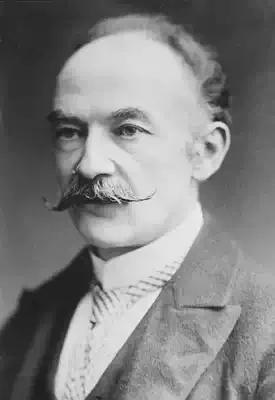
Thomas Hardy
Zermat: To the Matterhorn (June-July, )
Zermat: To the Matterhorn (June-July, )
Thirty-two years since, up against the sun,
Seven shapes, thin atomies to lower sight,
Labouringly leapt and gained thy gabled height,
And four lives paid for what the seven had won.
They were the first by whom the deed was done,
And when I look at thee, my mind takes flight
To that day's tragic feat of manly might,
As though, till then, of history thou hadst none.
Yet ages ere men topped thee, late and soon
Thou watch'dst each night the planets lift and lower;
Thou gleam'dst to Joshua's pausing sun and moon,
And brav'dst the tokening sky when Caesar's power
Approached its bloody end: yea, saw'st that Noon
When darkness filled the earth till the ninth hour.
Thirty-two years since, up against the sun,
Seven shapes, thin atomies to lower sight,
Labouringly leapt and gained thy gabled height,
And four lives paid for what the seven had won.
They were the first by whom the deed was done,
And when I look at thee, my mind takes flight
To that day's tragic feat of manly might,
As though, till then, of history thou hadst none.
Yet ages ere men topped thee, late and soon
Thou watch'dst each night the planets lift and lower;
Thou gleam'dst to Joshua's pausing sun and moon,
And brav'dst the tokening sky when Caesar's power
Approached its bloody end: yea, saw'st that Noon
When darkness filled the earth till the ninth hour.
175
Robert W. Service
My Hundred Books
My Hundred Books
A thousand books my library
Contains;
And all are primed, it seems to me
With brains.
Mine are so few I scratch in thought
My head;
For just a hundred of the lot
I've read.
A hundred books, but of the best,
I can
With wisdom savour and digest
And scan.
Yet when afar from kin and kith
In nooks
Of quietness I'm happy with
Sweet books.
So as nine hundred at me stare
In vain,
My lack I'm wistfully aware
Of brain;
Yet as my leave of living ends,
With looks
Of love I view a hundred friends,
My books.
A thousand books my library
Contains;
And all are primed, it seems to me
With brains.
Mine are so few I scratch in thought
My head;
For just a hundred of the lot
I've read.
A hundred books, but of the best,
I can
With wisdom savour and digest
And scan.
Yet when afar from kin and kith
In nooks
Of quietness I'm happy with
Sweet books.
So as nine hundred at me stare
In vain,
My lack I'm wistfully aware
Of brain;
Yet as my leave of living ends,
With looks
Of love I view a hundred friends,
My books.
201
Rudyard Kipling
The Undertaker's Horse
The Undertaker's Horse
The eldest son bestrides him,
And the pretty daughter rides him,
And I meet him oft o' mornings on the Course;
And there kindles in my bosom
An emotion chill and gruesome
As I canter past the Undertaker's Horse.
Neither shies he nor is restive,
But a hideously suggestive
Trot, professional and placid, he affects;
And the cadence of his hoof-beats
To my mind this grim reproof beats: --
"Mend your pace, my friend, I'm coming. Who's the next?"
Ah! stud-bred of ill-omen,
I have watched the strongest go -- men
Of pith and might and muscle -- at your heels,
Down the plantain-bordered highway,
(Heaven send it ne'er be my way!)
In a lacquered box and jetty upon wheels.
Answer, sombre beast and dreary,
Where is Brown, the young, the cheery,
Smith, the pride of all his friends and half the Force?
You were at that last dread dak
We must cover at a walk,
Bring them back to me, O Undertaker's Horse!
With your mane unhogged and flowing,
And your curious way of going,
And that businesslike black crimping of your tail,
E'en with Beauty on your back, Sir,
Pacing as a lady's hack, Sir,
What wonder when I meet you I turn pale?
It may be you wait your time, Beast,
Till I write my last bad rhyme, Beast --
Quit the sunlight, cut the rhyming, drop the glass --
Follow after with the others,
Where some dusky heathen smothers
Us with marigolds in lieu of English grass.
Or, perchance, in years to follow,
I shall watch your plump sides hollow,
See Carnifex (gone lame) become a corse --
See old age at last o'erpower you,
And the Station Pack devour you,
I shall chuckle then, O Undertaker's Horse!
But to insult, jibe, and quest, I've
Still the hideously suggestive
Trot that hammers out the unrelenting text,
And I hear it hard behind me
In what place soe'er I find me: --
"'Sure to catch you sooner or later. Who's the next?"
The eldest son bestrides him,
And the pretty daughter rides him,
And I meet him oft o' mornings on the Course;
And there kindles in my bosom
An emotion chill and gruesome
As I canter past the Undertaker's Horse.
Neither shies he nor is restive,
But a hideously suggestive
Trot, professional and placid, he affects;
And the cadence of his hoof-beats
To my mind this grim reproof beats: --
"Mend your pace, my friend, I'm coming. Who's the next?"
Ah! stud-bred of ill-omen,
I have watched the strongest go -- men
Of pith and might and muscle -- at your heels,
Down the plantain-bordered highway,
(Heaven send it ne'er be my way!)
In a lacquered box and jetty upon wheels.
Answer, sombre beast and dreary,
Where is Brown, the young, the cheery,
Smith, the pride of all his friends and half the Force?
You were at that last dread dak
We must cover at a walk,
Bring them back to me, O Undertaker's Horse!
With your mane unhogged and flowing,
And your curious way of going,
And that businesslike black crimping of your tail,
E'en with Beauty on your back, Sir,
Pacing as a lady's hack, Sir,
What wonder when I meet you I turn pale?
It may be you wait your time, Beast,
Till I write my last bad rhyme, Beast --
Quit the sunlight, cut the rhyming, drop the glass --
Follow after with the others,
Where some dusky heathen smothers
Us with marigolds in lieu of English grass.
Or, perchance, in years to follow,
I shall watch your plump sides hollow,
See Carnifex (gone lame) become a corse --
See old age at last o'erpower you,
And the Station Pack devour you,
I shall chuckle then, O Undertaker's Horse!
But to insult, jibe, and quest, I've
Still the hideously suggestive
Trot that hammers out the unrelenting text,
And I hear it hard behind me
In what place soe'er I find me: --
"'Sure to catch you sooner or later. Who's the next?"
418
Thomas Hardy
Winter in Durnover Field
Winter in Durnover Field
Scene.--A wide stretch of fallow ground recently sown with wheat, and
frozen to iron hardness. Three large birds walking about thereon,
and wistfully eyeing the surface. Wind keen from north-east: sky a
dull grey.
(Triolet)
Rook.--Throughout the field I find no grain;
The cruel frost encrusts the cornland!
Starling.--Aye: patient pecking now is vain
Throughout the field, I find . . .
Rook.--No grain!
Pigeon.--Nor will be, comrade, till it rain,
Or genial thawings loose the lorn land
Throughout the field.
Rook.--I find no grain:
The cruel frost encrusts the cornland!
Scene.--A wide stretch of fallow ground recently sown with wheat, and
frozen to iron hardness. Three large birds walking about thereon,
and wistfully eyeing the surface. Wind keen from north-east: sky a
dull grey.
(Triolet)
Rook.--Throughout the field I find no grain;
The cruel frost encrusts the cornland!
Starling.--Aye: patient pecking now is vain
Throughout the field, I find . . .
Rook.--No grain!
Pigeon.--Nor will be, comrade, till it rain,
Or genial thawings loose the lorn land
Throughout the field.
Rook.--I find no grain:
The cruel frost encrusts the cornland!
194
Henry Wadsworth Longfellow
Remorse. (From August Von Platen)
Remorse. (From August Von Platen)
How I started up in the night, in the night,
Drawn on without rest or reprieval!
The streets, with their watchmen, were lost to my sight,
As I wandered so light
In the night, in the night,
Through the gate with the arch mediaeval.
The mill-brook rushed from the rocky height,
I leaned o'er the bridge in my yearning;
Deep under me watched I the waves in their flight,
As they glided so light
In the night, in the night,
Yet backward not one was returning.
O'erhead were revolving, so countless and bright,
The stars in melodious existence;
And with them the moon, more serenely bedight;--
They sparkled so light
In the night, in the night,
Through the magical, measureless distance.
And upward I gazed in the night, in the night,
And again on the waves in their fleeting;
Ah woe! thou hast wasted thy days in delight,
Now silence thou light,
In the night, in the night,
The remorse in thy heart that is beating.
How I started up in the night, in the night,
Drawn on without rest or reprieval!
The streets, with their watchmen, were lost to my sight,
As I wandered so light
In the night, in the night,
Through the gate with the arch mediaeval.
The mill-brook rushed from the rocky height,
I leaned o'er the bridge in my yearning;
Deep under me watched I the waves in their flight,
As they glided so light
In the night, in the night,
Yet backward not one was returning.
O'erhead were revolving, so countless and bright,
The stars in melodious existence;
And with them the moon, more serenely bedight;--
They sparkled so light
In the night, in the night,
Through the magical, measureless distance.
And upward I gazed in the night, in the night,
And again on the waves in their fleeting;
Ah woe! thou hast wasted thy days in delight,
Now silence thou light,
In the night, in the night,
The remorse in thy heart that is beating.
317
Thomas Hardy
Weathers
Weathers
This is the weather the cuckoo likes,
And so do I;
When showers betumble the chestnut spikes,
And nestlings fly;
And the little brown nightingale bills his best,
And they sit outside at 'The Traveller's Rest,'
And maids come forth sprig-muslin drest,
And citizens dream of the south and west,
And so do I.
This is the weather the shepherd shuns,
And so do I;
When beeches drip in browns and duns,
And thresh and ply;
And hill-hid tides throb, throe on throe,
And meadow rivulets overflow,
And drops on gate bars hang in a row,
And rooks in families homeward go,
And so do I.
This is the weather the cuckoo likes,
And so do I;
When showers betumble the chestnut spikes,
And nestlings fly;
And the little brown nightingale bills his best,
And they sit outside at 'The Traveller's Rest,'
And maids come forth sprig-muslin drest,
And citizens dream of the south and west,
And so do I.
This is the weather the shepherd shuns,
And so do I;
When beeches drip in browns and duns,
And thresh and ply;
And hill-hid tides throb, throe on throe,
And meadow rivulets overflow,
And drops on gate bars hang in a row,
And rooks in families homeward go,
And so do I.
158
Rudyard Kipling
The Two-Sided Man
The Two-Sided Man
Much I owe to the Lands that grew--
More to the Lives that fed--
But most to Allah Who gave me two
Separate sides to my head.
Much I reflect on the Good and the True
In the Faiths beneath the sun,
But most to Allah Who gave me two
Sides to my head, not one.
Wesley's following, Calvin's flock,
White or yellow or bronze,
Shaman, Ju-ju or Angekok,
Minister, Mukamuk, Bonze--
Here is a health, my brothers, to you,
However your prayers are said,
And praised be Allah Who gave me two
Separate sides to my head!
I would go without shirt or shoe,
Friend, tobacco or bread,
Sooner than lose for a minute the two
Separate sides of my head!
Much I owe to the Lands that grew--
More to the Lives that fed--
But most to Allah Who gave me two
Separate sides to my head.
Much I reflect on the Good and the True
In the Faiths beneath the sun,
But most to Allah Who gave me two
Sides to my head, not one.
Wesley's following, Calvin's flock,
White or yellow or bronze,
Shaman, Ju-ju or Angekok,
Minister, Mukamuk, Bonze--
Here is a health, my brothers, to you,
However your prayers are said,
And praised be Allah Who gave me two
Separate sides to my head!
I would go without shirt or shoe,
Friend, tobacco or bread,
Sooner than lose for a minute the two
Separate sides of my head!
481
Robert W. Service
My Hour
My Hour
Day after day behold me plying
My pen within an office drear;
The dullest dog, till homeward hieing,
Then lo! I reign a king of cheer.
A throne have I of padded leather,
A little court of kiddies three,
A wife who smiles whate'er the weather,
A feast of muffins, jam and tea.
The table cleared, a romping battle,
A fairy tale, a "Children, bed,"
A kiss, a hug, a hush of prattle
(God save each little drowsy head!)
A cozy chat with wife a-sewing,
A silver lining clouds that low'r,
Then she too goes, and with her going,
I come again into my Hour.
I poke the fire, I snugly settle,
My pipe I prime with proper care;
The water's purring in the kettle,
Rum, lemon, sugar, all are there.
And now the honest grog is steaming,
And now the trusty briar's aglow:
Alas! in smoking, drinking, dreaming,
How sadly swift the moments go!
Oh, golden hour! 'twixt love and duty,
All others I to others give;
But you are mine to yield to Beauty,
To glean Romance, to greatly live.
For in my easy-chair reclining . . .
I feel the sting of ocean spray;
And yonder wondrously are shining
The Magic Isles of Far Away.
Beyond the comber's crashing thunder
Strange beaches flash into my ken;
On jetties heaped head-high with plunder
I dance and dice with sailor-men.
Strange stars swarm down to burn above me,
Strange shadows haunt, strange voices greet;
Strange women lure and laugh and love me,
And fling their bastards at my feet.
Oh, I would wish the wide world over,
In ports of passion and unrest,
To drink and drain, a tarry rover
With dragons tattooed on my chest,
With haunted eyes that hold red glories
Of foaming seas and crashing shores,
With lips that tell the strangest stories
Of sunken ships and gold moidores;
Till sick of storm and strife and slaughter,
Some ghostly night when hides the moon,
I slip into the milk-warm water
And softly swim the stale lagoon.
Then through some jungle python-haunted,
Or plumed morass, or woodland wild,
I win my way with heart undaunted,
And all the wonder of a child.
The pathless plains shall swoon around me,
The forests frown, the floods appall;
The mountains tiptoe to confound me,
The rivers roar to speed my fall.
Wild dooms shall daunt, and dawns be gory,
And Death shall sit beside my knee;
Till after terror, torment, glory,
I win again the sea, the sea. . . .
Oh, anguish sweet! Oh, triumph splendid!
Oh, dreams adieu! my pipe is dead.
My glass is dry, my Hour is ended,
It's time indeed I stole to bed.
How peacefully the house is sleeping!
Ah! why should I strange fortunes plan?
To guard the dear ones in my keeping -That's
task enough for any man.
So through dim seas I'll ne'er go spoiling;
The red Tortugas never roam;
Please God! I'll keep the pot a-boiling,
And make at least a happy home.
My children's path shall gleam with roses,
Their grace abound, their joy increase.
And so my Hour divinely closes
With tender thoughts of praise and peace.
Day after day behold me plying
My pen within an office drear;
The dullest dog, till homeward hieing,
Then lo! I reign a king of cheer.
A throne have I of padded leather,
A little court of kiddies three,
A wife who smiles whate'er the weather,
A feast of muffins, jam and tea.
The table cleared, a romping battle,
A fairy tale, a "Children, bed,"
A kiss, a hug, a hush of prattle
(God save each little drowsy head!)
A cozy chat with wife a-sewing,
A silver lining clouds that low'r,
Then she too goes, and with her going,
I come again into my Hour.
I poke the fire, I snugly settle,
My pipe I prime with proper care;
The water's purring in the kettle,
Rum, lemon, sugar, all are there.
And now the honest grog is steaming,
And now the trusty briar's aglow:
Alas! in smoking, drinking, dreaming,
How sadly swift the moments go!
Oh, golden hour! 'twixt love and duty,
All others I to others give;
But you are mine to yield to Beauty,
To glean Romance, to greatly live.
For in my easy-chair reclining . . .
I feel the sting of ocean spray;
And yonder wondrously are shining
The Magic Isles of Far Away.
Beyond the comber's crashing thunder
Strange beaches flash into my ken;
On jetties heaped head-high with plunder
I dance and dice with sailor-men.
Strange stars swarm down to burn above me,
Strange shadows haunt, strange voices greet;
Strange women lure and laugh and love me,
And fling their bastards at my feet.
Oh, I would wish the wide world over,
In ports of passion and unrest,
To drink and drain, a tarry rover
With dragons tattooed on my chest,
With haunted eyes that hold red glories
Of foaming seas and crashing shores,
With lips that tell the strangest stories
Of sunken ships and gold moidores;
Till sick of storm and strife and slaughter,
Some ghostly night when hides the moon,
I slip into the milk-warm water
And softly swim the stale lagoon.
Then through some jungle python-haunted,
Or plumed morass, or woodland wild,
I win my way with heart undaunted,
And all the wonder of a child.
The pathless plains shall swoon around me,
The forests frown, the floods appall;
The mountains tiptoe to confound me,
The rivers roar to speed my fall.
Wild dooms shall daunt, and dawns be gory,
And Death shall sit beside my knee;
Till after terror, torment, glory,
I win again the sea, the sea. . . .
Oh, anguish sweet! Oh, triumph splendid!
Oh, dreams adieu! my pipe is dead.
My glass is dry, my Hour is ended,
It's time indeed I stole to bed.
How peacefully the house is sleeping!
Ah! why should I strange fortunes plan?
To guard the dear ones in my keeping -That's
task enough for any man.
So through dim seas I'll ne'er go spoiling;
The red Tortugas never roam;
Please God! I'll keep the pot a-boiling,
And make at least a happy home.
My children's path shall gleam with roses,
Their grace abound, their joy increase.
And so my Hour divinely closes
With tender thoughts of praise and peace.
172