
Poems List
Explore poems from our collection
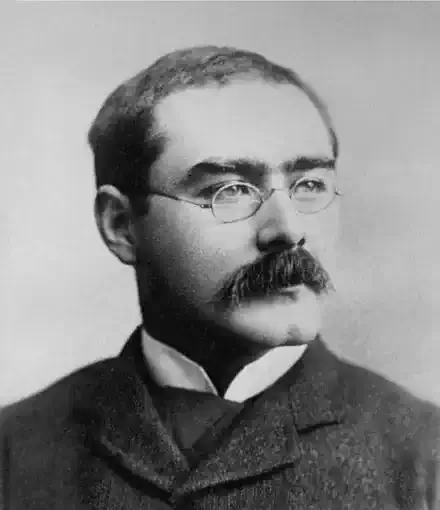
Rudyard Kipling
To the Companions
To the Companions
How comes it that, at even-tide,
When level beams should show most truth,
Man, failing, takes unfailing pride
In memories of his frolic youth?
Venus and Liber fill their hour;
The games engage, the law-courts prove;
Till hardened life breeds love of power
Or Avarice, Age's final love.
Yet at the end, these comfort not--
Nor any triumph Fate decrees--
Compared with glorious, unforgot--
Ten innocent enormities
Of frontless days before the beard,
When, instant on the casual jest,
The God Himself of Mirth appeared
And snatched us to His heaving breast
And we--not caring who He was
But certain He would come again--
Accepted all He brought to pass
As Gods accept the lives of men...
Then He withdrew from sight and speech,
Nor left a shrine. How comes it now,
While Charon's keel grates on the beach,
He calls so clear: "Rememberest thou?"
How comes it that, at even-tide,
When level beams should show most truth,
Man, failing, takes unfailing pride
In memories of his frolic youth?
Venus and Liber fill their hour;
The games engage, the law-courts prove;
Till hardened life breeds love of power
Or Avarice, Age's final love.
Yet at the end, these comfort not--
Nor any triumph Fate decrees--
Compared with glorious, unforgot--
Ten innocent enormities
Of frontless days before the beard,
When, instant on the casual jest,
The God Himself of Mirth appeared
And snatched us to His heaving breast
And we--not caring who He was
But certain He would come again--
Accepted all He brought to pass
As Gods accept the lives of men...
Then He withdrew from sight and speech,
Nor left a shrine. How comes it now,
While Charon's keel grates on the beach,
He calls so clear: "Rememberest thou?"
432
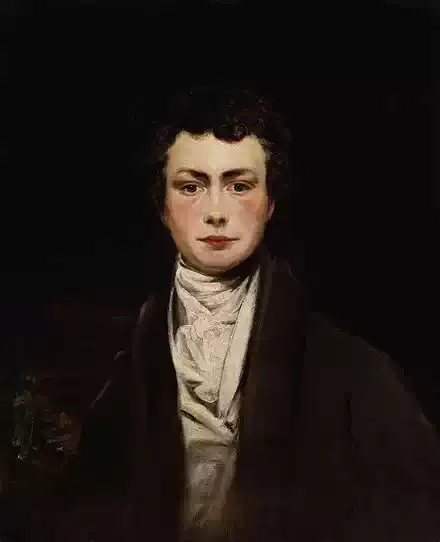
Thomas Moore
Did Not
Did Not
'Twas a new feeling - something more
Than we had dared to own before,
Which then we hid not;
We saw it in each other's eye,
And wished, in every half-breathed sigh,
To speak, but did not.
She felt my lips' impassioned touch -
'Twas the first time I dared so much,
And yet she chid not;
But whispered o'er my burning brow,
'Oh, do you doubt I love you now?'
Sweet soul! I did not.
Warmly I felt her bosom thrill,
I pressed it closer, closer still,
Though gently bid not;
Till - oh! the world hath seldom heard
Of lovers, who so nearly erred,
And yet, who did not.
'Twas a new feeling - something more
Than we had dared to own before,
Which then we hid not;
We saw it in each other's eye,
And wished, in every half-breathed sigh,
To speak, but did not.
She felt my lips' impassioned touch -
'Twas the first time I dared so much,
And yet she chid not;
But whispered o'er my burning brow,
'Oh, do you doubt I love you now?'
Sweet soul! I did not.
Warmly I felt her bosom thrill,
I pressed it closer, closer still,
Though gently bid not;
Till - oh! the world hath seldom heard
Of lovers, who so nearly erred,
And yet, who did not.
208
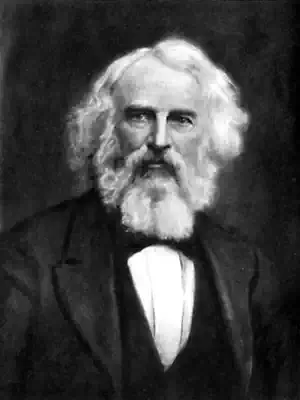
Henry Wadsworth Longfellow
Song
Song
Where, from the eye of day,
The dark and silent river
Pursues through tangled woods a way
O'er which the tall trees quiver;
The silver mist, that breaks
From out that woodland cover,
Betrays the hidden path it takes,
And hangs the current over!
So oft the thoughts that burst
From hidden springs of feeling,
Like silent streams, unseen at first,
From our cold hearts are stealing:
But soon the clouds that veil
The eye of Love, when glowing,
Betray the long unwhispered tale
Of thoughts in darkness flowing!
Where, from the eye of day,
The dark and silent river
Pursues through tangled woods a way
O'er which the tall trees quiver;
The silver mist, that breaks
From out that woodland cover,
Betrays the hidden path it takes,
And hangs the current over!
So oft the thoughts that burst
From hidden springs of feeling,
Like silent streams, unseen at first,
From our cold hearts are stealing:
But soon the clouds that veil
The eye of Love, when glowing,
Betray the long unwhispered tale
Of thoughts in darkness flowing!
273
Thomas Moore
Desmond's Song
Desmond's Song
By the Feal's wave benighted,
No star in the skies,
To thy door by Love lighted,
I first saw those eyes.
Some voice whisper'd o'er me,
As the threshold I cross'd,
There was ruin before me,
If I loved, I was lost.
Love came, and brought sorrow
Too soon in his train;
Yet so sweet, that to-morrow
'Twere welcome again.
Though misery's full measure
My portion should be,
I would drain it with pleasure,
If pour'd out by thee.
You, who call it dishonour
To bow to this flame,
If you've eyes, look but on her,
And blush while you blame.
Hath the pearl less whiteness
Because of its birth?
Hath the violet less brightness
For growing near earth?
No -- Man for his glory
To ancestry flies;
But Woman's bright story
Is told in her eyes.
While the Monarch but traces
Through mortals his line,
Beauty, born of the Graces,
Ranks next to Divine!
By the Feal's wave benighted,
No star in the skies,
To thy door by Love lighted,
I first saw those eyes.
Some voice whisper'd o'er me,
As the threshold I cross'd,
There was ruin before me,
If I loved, I was lost.
Love came, and brought sorrow
Too soon in his train;
Yet so sweet, that to-morrow
'Twere welcome again.
Though misery's full measure
My portion should be,
I would drain it with pleasure,
If pour'd out by thee.
You, who call it dishonour
To bow to this flame,
If you've eyes, look but on her,
And blush while you blame.
Hath the pearl less whiteness
Because of its birth?
Hath the violet less brightness
For growing near earth?
No -- Man for his glory
To ancestry flies;
But Woman's bright story
Is told in her eyes.
While the Monarch but traces
Through mortals his line,
Beauty, born of the Graces,
Ranks next to Divine!
172
Rudyard Kipling
To T. A.
To T. A.
I have made for you a song,
And it may be right or wrong,
But only you can tell me if it's true;
I have tried for to explain
Both your pleasure and your pain,
And, Thomas, here's my best respects to you!
O there'll surely come a day
When they'll give you all your pay,
And treat you as a Christian ought to do;
So, until that day comes round,
Heaven keep you safe and sound,
And, Thomas, here's my best respects to you!
I have made for you a song,
And it may be right or wrong,
But only you can tell me if it's true;
I have tried for to explain
Both your pleasure and your pain,
And, Thomas, here's my best respects to you!
O there'll surely come a day
When they'll give you all your pay,
And treat you as a Christian ought to do;
So, until that day comes round,
Heaven keep you safe and sound,
And, Thomas, here's my best respects to you!
380

Robert W. Service
My Picture
My Picture
I made a picture; all my heart
I put in it, and all I knew
Of canvas-cunning and of Art,
Of tenderness and passion true.
A worshipped Master came to see;
Oh he was kind and gentle, too.
He studied it with sympathy,
And sensed what I had sought to do.
Said he: "Your paint is fresh and fair,
And I can praise it without cease;
And yet a touch just here and there
Would make of it a masterpiece."
He took the brush from out my hand;
He touched it here, he touched it there.
So well he seemed to understand,
And momently it grew more fair.
Oh there was nothing I could say,
And there was nothing I could do.
I thanked him, and he went his way,
And then - I slashed my picture through.
For though his brush with soft caress
Had made my daub a thing divine,
Oh God! I wept with bitterness,
. . . It wasn't mine, it wasn't mine.
I made a picture; all my heart
I put in it, and all I knew
Of canvas-cunning and of Art,
Of tenderness and passion true.
A worshipped Master came to see;
Oh he was kind and gentle, too.
He studied it with sympathy,
And sensed what I had sought to do.
Said he: "Your paint is fresh and fair,
And I can praise it without cease;
And yet a touch just here and there
Would make of it a masterpiece."
He took the brush from out my hand;
He touched it here, he touched it there.
So well he seemed to understand,
And momently it grew more fair.
Oh there was nothing I could say,
And there was nothing I could do.
I thanked him, and he went his way,
And then - I slashed my picture through.
For though his brush with soft caress
Had made my daub a thing divine,
Oh God! I wept with bitterness,
. . . It wasn't mine, it wasn't mine.
219
Thomas Moore
Cotton and Corn
Cotton and Corn
Said Cotton to Corn, t'other day,
As they met and exchang'd salute--
(Squire Corn in his carriage so gay,
Poor Cotton, half famish'd on foot):
"Great Squire, if it isn't uncivil
To hint at starvation before you,
Look down on a poor hungry devil,
And give him some bread, I implore you!"
Quoth Corn, then, in answer to Cotton,
Perceiving he meant to make free --
"Low fellow, you've surely forgotten
The distance between you and me!
To expect that we, Peers of high birth,
Should waste our illustrious acres,
For no other purpose on earth
Than to fatten curst calico-makers! --
That Biships to hobbins should bend --
Should stoop from their Bench's sublimity,
Great dealers in lawn, to befriend
Such contemptible dealers in dimity!
"No -- vile Manufacture! ne'er harbour
A hope to be fed at our boards; --
Base offspring of Arkwright the barber,
What claim canst thou have upon Lords?
"No -- thanks to the taxes and debt,
And the triumph of paper o'er guineas,
Our race of Lord Jemmys, as yet,
May defy your whole rabble of Jennys!"
So saying -- whip, crack and away
Went Corn in his chaise through the throng,
So headlong, I heard them all say,
"Squire Corn would be down, before long."
Said Cotton to Corn, t'other day,
As they met and exchang'd salute--
(Squire Corn in his carriage so gay,
Poor Cotton, half famish'd on foot):
"Great Squire, if it isn't uncivil
To hint at starvation before you,
Look down on a poor hungry devil,
And give him some bread, I implore you!"
Quoth Corn, then, in answer to Cotton,
Perceiving he meant to make free --
"Low fellow, you've surely forgotten
The distance between you and me!
To expect that we, Peers of high birth,
Should waste our illustrious acres,
For no other purpose on earth
Than to fatten curst calico-makers! --
That Biships to hobbins should bend --
Should stoop from their Bench's sublimity,
Great dealers in lawn, to befriend
Such contemptible dealers in dimity!
"No -- vile Manufacture! ne'er harbour
A hope to be fed at our boards; --
Base offspring of Arkwright the barber,
What claim canst thou have upon Lords?
"No -- thanks to the taxes and debt,
And the triumph of paper o'er guineas,
Our race of Lord Jemmys, as yet,
May defy your whole rabble of Jennys!"
So saying -- whip, crack and away
Went Corn in his chaise through the throng,
So headlong, I heard them all say,
"Squire Corn would be down, before long."
258
Rudyard Kipling
To James Whitcomb Riley
To James Whitcomb Riley
Your trail runs to the westward,
And mine to my own place;
There is water between our lodges,
And I have not seen your face.
But since I have read your verses
'Tis easy to guess the rest,--
Because in the hearts of the children
There is neither East nor West.
Born to a thousand fortunes
Of good or evil hap,
Once they were kings together,
Throned in a mother's lap.
Surely they know that secret--
Yellow and black and white--
When they meet as kings together
In innocent dreams at night.
By a moon they all can play with--
Grubby and grimed and unshod,
Very happy together,
And very near to God.
Your trail runs to the westward,
And mine to my own place:
There is water between our lodges,
And you cannot see my face.--
And that is well--for crying
Should neither be written nor seen,
But if I call you Smoke-in-the-Eyes,
I know you will know what I mean.
Your trail runs to the westward,
And mine to my own place;
There is water between our lodges,
And I have not seen your face.
But since I have read your verses
'Tis easy to guess the rest,--
Because in the hearts of the children
There is neither East nor West.
Born to a thousand fortunes
Of good or evil hap,
Once they were kings together,
Throned in a mother's lap.
Surely they know that secret--
Yellow and black and white--
When they meet as kings together
In innocent dreams at night.
By a moon they all can play with--
Grubby and grimed and unshod,
Very happy together,
And very near to God.
Your trail runs to the westward,
And mine to my own place:
There is water between our lodges,
And you cannot see my face.--
And that is well--for crying
Should neither be written nor seen,
But if I call you Smoke-in-the-Eyes,
I know you will know what I mean.
488
Henry Wadsworth Longfellow
Something Left Undone
Something Left Undone
Labor with what zeal we will,
Something still remains undone,
Something uncompleted still
Waits the rising of the sun.
By the bedside, on the stair,
At the threshhold, near the gates,
With its menace or its prayer,
Like a medicant it waits;
Waits, and will not go away;
Waits, and will not be gainsaid;
By the cares of yesterday
Each to-day is heavier made;
Till at length the burden seems
Greater than our strength can bear,
Heavy as the weight of dreams
Pressing on us everywhere.
And we stand from day to day,
Like the dwarfs of times gone by,
Who, as Northern legends say,
On their shoulders held the sky.
Labor with what zeal we will,
Something still remains undone,
Something uncompleted still
Waits the rising of the sun.
By the bedside, on the stair,
At the threshhold, near the gates,
With its menace or its prayer,
Like a medicant it waits;
Waits, and will not go away;
Waits, and will not be gainsaid;
By the cares of yesterday
Each to-day is heavier made;
Till at length the burden seems
Greater than our strength can bear,
Heavy as the weight of dreams
Pressing on us everywhere.
And we stand from day to day,
Like the dwarfs of times gone by,
Who, as Northern legends say,
On their shoulders held the sky.
277
Rudyard Kipling
Tiger--Tiger!
Tiger--Tiger!
What of the hunting, hunter bold?
Brother, the watch was long and cold.
What of the quarry ye went to kill?
Brother, he crops in the jungle still.
Where is the power that made your pride?
Brother, it ebbs from my flank and side.
Where is the haste that ye hurry by?
Brother, I go to my lair to die!
What of the hunting, hunter bold?
Brother, the watch was long and cold.
What of the quarry ye went to kill?
Brother, he crops in the jungle still.
Where is the power that made your pride?
Brother, it ebbs from my flank and side.
Where is the haste that ye hurry by?
Brother, I go to my lair to die!
391
Thomas Moore
Come, Send Round the Wine
Come, Send Round the Wine
Come, send round the wine, and leave points of belief
To simpleton sages and reasoning fools;
This moment's a flower too fair and brief
To be wither'd and stain'd by the dust of the schools.
Your glass may be purple, and mine may be blue,
But, while they are fill'd from the same bright bowl,
The fool who would quarrel for difference of hue,
Deserves not the comfort they shed o'er the soul.
Shall I ask the brave soldier, who fights by my side
In the cause of mankind, if our creeds agree?
Shall I give up the friend I have valued and tried,
If he kneel not before the same altar with me?
From the heretic girl of my soul should I fly?
To seek somewhere else a more orthodox kiss?
No, perish the hearts, and the laws that try
Truth, valour, or love, by a standard like this!
Come, send round the wine, and leave points of belief
To simpleton sages and reasoning fools;
This moment's a flower too fair and brief
To be wither'd and stain'd by the dust of the schools.
Your glass may be purple, and mine may be blue,
But, while they are fill'd from the same bright bowl,
The fool who would quarrel for difference of hue,
Deserves not the comfort they shed o'er the soul.
Shall I ask the brave soldier, who fights by my side
In the cause of mankind, if our creeds agree?
Shall I give up the friend I have valued and tried,
If he kneel not before the same altar with me?
From the heretic girl of my soul should I fly?
To seek somewhere else a more orthodox kiss?
No, perish the hearts, and the laws that try
Truth, valour, or love, by a standard like this!
153
Robert W. Service
My Mate
My Mate
I've been sittin' starin', starin' at 'is muddy pair of boots,
And tryin' to convince meself it's 'im.
(Look out there, lad! That sniper -- 'e's a dysey when 'e shoots;
'E'll be layin' of you out the same as Jim.)
Jim as lies there in the dug-out wiv 'is blanket round 'is 'ead,
To keep 'is brains from mixin' wiv the mud;
And 'is face as white as putty, and 'is overcoat all red,
Like 'e's spilt a bloomin' paint-pot -- but it's blood.
And I'm tryin' to remember of a time we wasn't pals.
'Ow often we've played 'ookey, 'im and me;
And sometimes it was music-'alls, and sometimes it was gals,
And even there we 'ad no disagree.
For when 'e copped Mariar Jones, the one I liked the best,
I shook 'is 'and and loaned 'im 'arf a quid;
I saw 'im through the parson's job, I 'elped 'im make 'is nest,
I even stood god-farther to the kid.
So when the war broke out, sez 'e: "Well, wot abaht it, Joe?"
"Well, wot abaht it, lad?" sez I to 'im.
'Is missis made a awful fuss, but 'e was mad to go,
('E always was 'igh-sperrited was Jim).
Well, none of it's been 'eaven, and the most of it's been 'ell,
But we've shared our baccy, and we've 'alved our bread.
We'd all the luck at Wipers, and we shaved through Noove Chapelle,
And . . . that snipin' barstard gits 'im on the 'ead.
Now wot I wants to know is, why it wasn't me was took?
I've only got meself, 'e stands for three.
I'm plainer than a louse, while 'e was 'andsome as a dook;
'E always WAS a better man than me.
'E was goin' 'ome next Toosday; 'e was 'appy as a lark,
And 'e'd just received a letter from 'is kid;
And 'e struck a match to show me, as we stood there in the dark,
When . . . that bleedin' bullet got 'im on the lid.
'E was killed so awful sudden that 'e 'adn't time to die.
'E sorto jumped, and came down wiv a thud.
Them corpsy-lookin' star-shells kept a-streamin' in the sky,
And there 'e lay like nothin' in the mud.
And there 'e lay so quiet wiv no mansard to 'is 'ead,
And I'm sick, and blamed if I can understand:
The pots of 'alf and 'alf we've 'ad, and ZIP! like that -- 'e's dead,
Wiv the letter of 'is nipper in 'is 'and.
There's some as fights for freedom and there's some as fights for fun,
But me, my lad, I fights for bleedin' 'ate.
You can blame the war and blast it, but I 'opes it won't be done
Till I gets the bloomin' blood-price for me mate.
It'll take a bit o' bayonet to level up for Jim;
Then if I'm spared I think I'll 'ave a bid,
Wiv 'er that was Mariar Jones to take the place of 'im,
To sorter be a farther to 'is kid.
I've been sittin' starin', starin' at 'is muddy pair of boots,
And tryin' to convince meself it's 'im.
(Look out there, lad! That sniper -- 'e's a dysey when 'e shoots;
'E'll be layin' of you out the same as Jim.)
Jim as lies there in the dug-out wiv 'is blanket round 'is 'ead,
To keep 'is brains from mixin' wiv the mud;
And 'is face as white as putty, and 'is overcoat all red,
Like 'e's spilt a bloomin' paint-pot -- but it's blood.
And I'm tryin' to remember of a time we wasn't pals.
'Ow often we've played 'ookey, 'im and me;
And sometimes it was music-'alls, and sometimes it was gals,
And even there we 'ad no disagree.
For when 'e copped Mariar Jones, the one I liked the best,
I shook 'is 'and and loaned 'im 'arf a quid;
I saw 'im through the parson's job, I 'elped 'im make 'is nest,
I even stood god-farther to the kid.
So when the war broke out, sez 'e: "Well, wot abaht it, Joe?"
"Well, wot abaht it, lad?" sez I to 'im.
'Is missis made a awful fuss, but 'e was mad to go,
('E always was 'igh-sperrited was Jim).
Well, none of it's been 'eaven, and the most of it's been 'ell,
But we've shared our baccy, and we've 'alved our bread.
We'd all the luck at Wipers, and we shaved through Noove Chapelle,
And . . . that snipin' barstard gits 'im on the 'ead.
Now wot I wants to know is, why it wasn't me was took?
I've only got meself, 'e stands for three.
I'm plainer than a louse, while 'e was 'andsome as a dook;
'E always WAS a better man than me.
'E was goin' 'ome next Toosday; 'e was 'appy as a lark,
And 'e'd just received a letter from 'is kid;
And 'e struck a match to show me, as we stood there in the dark,
When . . . that bleedin' bullet got 'im on the lid.
'E was killed so awful sudden that 'e 'adn't time to die.
'E sorto jumped, and came down wiv a thud.
Them corpsy-lookin' star-shells kept a-streamin' in the sky,
And there 'e lay like nothin' in the mud.
And there 'e lay so quiet wiv no mansard to 'is 'ead,
And I'm sick, and blamed if I can understand:
The pots of 'alf and 'alf we've 'ad, and ZIP! like that -- 'e's dead,
Wiv the letter of 'is nipper in 'is 'and.
There's some as fights for freedom and there's some as fights for fun,
But me, my lad, I fights for bleedin' 'ate.
You can blame the war and blast it, but I 'opes it won't be done
Till I gets the bloomin' blood-price for me mate.
It'll take a bit o' bayonet to level up for Jim;
Then if I'm spared I think I'll 'ave a bid,
Wiv 'er that was Mariar Jones to take the place of 'im,
To sorter be a farther to 'is kid.
194
Rudyard Kipling
Three Friends
Three Friends
There were three friends that buried the fourth,
The mould in his mouth and the dust in his eyes,
And they went south and east and north—
The strong man fights but the sick man dies.
There were three friends that spoke of the dead—
The strong man fights but the sick man dies—
"And would he were here with us now," they said,
"The sun in our face and the wind in our eyes."
There were three friends that buried the fourth,
The mould in his mouth and the dust in his eyes,
And they went south and east and north—
The strong man fights but the sick man dies.
There were three friends that spoke of the dead—
The strong man fights but the sick man dies—
"And would he were here with us now," they said,
"The sun in our face and the wind in our eyes."
448
Thomas Moore
Come O'er the Sea
Come O'er the Sea
Come o'er the sea,
Maiden with me,
Mine through sunshine, storm, and snows;
Seasons may roll,
But the true soul
Burns the same, where'er it goes.
Let fate frown on, so we love and part not;
'Tis life where thou art, 'tis death were thou are not.
Then come o'er the sea,
Maiden with me,
Come wherever the wild wind blows;
Seasons may roll,
But the true soul
Burns the same, where'er it goes.
Was not the sea
Made for the Free,
Land for courts and chains alone?
Here we are slaves,
But, on the waves,
Love and Liberty's all our own.
No eye to watch, and no tongue to wound us
All earth forgot, and all heaven around us --
Then come o'er the sea,
Maiden, with me,
Mine through sunshine, storms, and snows
Seasons may roll,
But the true soul
Burns the same, where'er it goes.
Come o'er the sea,
Maiden with me,
Mine through sunshine, storm, and snows;
Seasons may roll,
But the true soul
Burns the same, where'er it goes.
Let fate frown on, so we love and part not;
'Tis life where thou art, 'tis death were thou are not.
Then come o'er the sea,
Maiden with me,
Come wherever the wild wind blows;
Seasons may roll,
But the true soul
Burns the same, where'er it goes.
Was not the sea
Made for the Free,
Land for courts and chains alone?
Here we are slaves,
But, on the waves,
Love and Liberty's all our own.
No eye to watch, and no tongue to wound us
All earth forgot, and all heaven around us --
Then come o'er the sea,
Maiden, with me,
Mine through sunshine, storms, and snows
Seasons may roll,
But the true soul
Burns the same, where'er it goes.
188
Henry Wadsworth Longfellow
Sleep
Sleep
Lull me to sleep, ye winds, whose fitful sound
Seems from some faint Aeolian harp-string caught;
Seal up the hundred wakeful eyes of thought
As Hermes with his lyre in sleep profound
The hundred wakeful eyes of Argus bound;
For I am weary, and am overwrought
With too much toil, with too much care distraught,
And with the iron crown of anguish crowned.
Lay thy soft hand upon my brow and cheek,
O peaceful Sleep! until from pain released
I breathe again uninterrupted breath!
Ah, with what subtle meaning did the Greek
Call thee the lesser mystery at the feast
Whereof the greater mystery is death!
Lull me to sleep, ye winds, whose fitful sound
Seems from some faint Aeolian harp-string caught;
Seal up the hundred wakeful eyes of thought
As Hermes with his lyre in sleep profound
The hundred wakeful eyes of Argus bound;
For I am weary, and am overwrought
With too much toil, with too much care distraught,
And with the iron crown of anguish crowned.
Lay thy soft hand upon my brow and cheek,
O peaceful Sleep! until from pain released
I breathe again uninterrupted breath!
Ah, with what subtle meaning did the Greek
Call thee the lesser mystery at the feast
Whereof the greater mystery is death!
343
Thomas Moore
Believe Me, If All Those Endearing Young Charms
Believe Me, If All Those Endearing Young Charms
Believe me, if all those endearing young charms,
Which I gaze on so fondly to-day,
Were to change by to-morrow, and fleet in my arms,
Live fairy-gifts fading away,
Thou wouldst still be adored, as this moment thou art,
Let thy loveliness fade as it will,
And around the dear ruin each wish of my heart
Would entwine itself verdantly still.
It is not while beauty and youth are thine own,
And thy cheeks unprofaned by a tear,
That the fervor and faith of a soul may be known,
To which time will but make thee more dear!
No, the heart that has truly loved never forgets,
But as truly loves on to the close,
As the sunflower turns on her god when he sets
The same look which she turned when he rose!
Believe me, if all those endearing young charms,
Which I gaze on so fondly to-day,
Were to change by to-morrow, and fleet in my arms,
Live fairy-gifts fading away,
Thou wouldst still be adored, as this moment thou art,
Let thy loveliness fade as it will,
And around the dear ruin each wish of my heart
Would entwine itself verdantly still.
It is not while beauty and youth are thine own,
And thy cheeks unprofaned by a tear,
That the fervor and faith of a soul may be known,
To which time will but make thee more dear!
No, the heart that has truly loved never forgets,
But as truly loves on to the close,
As the sunflower turns on her god when he sets
The same look which she turned when he rose!
149
Rudyard Kipling
The Young British Soldier
The Young British Soldier
When the 'arf-made recruity goes out to the East
'E acts like a babe an' 'e drinks like a beast,
An' 'e wonders because 'e is frequent deceased
Ere 'e's fit for to serve as a soldier.
Serve, serve, serve as a soldier,
Serve, serve, serve as a soldier,
Serve, serve, serve as a soldier,
So-oldier ~OF~ the Queen!
Now all you recruities what's drafted to-day,
You shut up your rag-box an' 'ark to my lay,
An' I'll sing you a soldier as far as I may:
A soldier what's fit for a soldier.
Fit, fit, fit for a soldier . . .
First mind you steer clear o' the grog-sellers' huts,
For they sell you Fixed Bay'nets that rots out your guts --
Ay, drink that 'ud eat the live steel from your butts --
An' it's bad for the young British soldier.
Bad, bad, bad for the soldier . . .
When the cholera comes -- as it will past a doubt --
Keep out of the wet and don't go on the shout,
For the sickness gets in as the liquor dies out,
An' it crumples the young British soldier.
Crum-, crum-, crumples the soldier . . .
But the worst o' your foes is the sun over'ead:
You ~must~ wear your 'elmet for all that is said:
If 'e finds you uncovered 'e'll knock you down dead,
An' you'll die like a fool of a soldier.
Fool, fool, fool of a soldier . . .
If you're cast for fatigue by a sergeant unkind,
Don't grouse like a woman nor crack on nor blind;
Be handy and civil, and then you will find
That it's beer for the young British soldier.
Beer, beer, beer for the soldier . . .
Now, if you must marry, take care she is old --
A troop-sergeant's widow's the nicest I'm told,
For beauty won't help if your rations is cold,
Nor love ain't enough for a soldier.
'Nough, 'nough, 'nough for a soldier . . .
If the wife should go wrong with a comrade, be loath
To shoot when you catch 'em -- you'll swing, on my oath! --
Make 'im take 'er and keep 'er: that's Hell for them both,
An' you're shut o' the curse of a soldier.
Curse, curse, curse of a soldier . . .
When first under fire an' you're wishful to duck,
Don't look nor take 'eed at the man that is struck,
Be thankful you're livin', and trust to your luck
And march to your front like a soldier.
Front, front, front like a soldier . . .
When 'arf of your bullets fly wide in the ditch,
Don't call your Martini a cross-eyed old bitch;
She's human as you are -- you treat her as sich,
An' she'll fight for the young British soldier.
Fight, fight, fight for the soldier . . .
When shakin' their bustles like ladies so fine,
The guns o' the enemy wheel into line,
Shoot low at the limbers an' don't mind the shine,
For noise never startles the soldier.
Start-, start-, startles the soldier . . .
If your officer's dead and the sergeants look white,
Remember it's ruin to run from a fight:
So take open order, lie down, and sit tight,
And wait for supports like a soldier.
Wait, wait, wait like a soldier . . .
When you're wounded and left on Afghanistan's plains,
And the women come out to cut up what remains,
Jest roll to your rifle and blow out your brains
An' go to your Gawd like a soldier.
Go, go, go like a soldier,
Go, go, go like a soldier,
Go, go, go like a soldier,
So-oldier ~of~ the Queen!
When the 'arf-made recruity goes out to the East
'E acts like a babe an' 'e drinks like a beast,
An' 'e wonders because 'e is frequent deceased
Ere 'e's fit for to serve as a soldier.
Serve, serve, serve as a soldier,
Serve, serve, serve as a soldier,
Serve, serve, serve as a soldier,
So-oldier ~OF~ the Queen!
Now all you recruities what's drafted to-day,
You shut up your rag-box an' 'ark to my lay,
An' I'll sing you a soldier as far as I may:
A soldier what's fit for a soldier.
Fit, fit, fit for a soldier . . .
First mind you steer clear o' the grog-sellers' huts,
For they sell you Fixed Bay'nets that rots out your guts --
Ay, drink that 'ud eat the live steel from your butts --
An' it's bad for the young British soldier.
Bad, bad, bad for the soldier . . .
When the cholera comes -- as it will past a doubt --
Keep out of the wet and don't go on the shout,
For the sickness gets in as the liquor dies out,
An' it crumples the young British soldier.
Crum-, crum-, crumples the soldier . . .
But the worst o' your foes is the sun over'ead:
You ~must~ wear your 'elmet for all that is said:
If 'e finds you uncovered 'e'll knock you down dead,
An' you'll die like a fool of a soldier.
Fool, fool, fool of a soldier . . .
If you're cast for fatigue by a sergeant unkind,
Don't grouse like a woman nor crack on nor blind;
Be handy and civil, and then you will find
That it's beer for the young British soldier.
Beer, beer, beer for the soldier . . .
Now, if you must marry, take care she is old --
A troop-sergeant's widow's the nicest I'm told,
For beauty won't help if your rations is cold,
Nor love ain't enough for a soldier.
'Nough, 'nough, 'nough for a soldier . . .
If the wife should go wrong with a comrade, be loath
To shoot when you catch 'em -- you'll swing, on my oath! --
Make 'im take 'er and keep 'er: that's Hell for them both,
An' you're shut o' the curse of a soldier.
Curse, curse, curse of a soldier . . .
When first under fire an' you're wishful to duck,
Don't look nor take 'eed at the man that is struck,
Be thankful you're livin', and trust to your luck
And march to your front like a soldier.
Front, front, front like a soldier . . .
When 'arf of your bullets fly wide in the ditch,
Don't call your Martini a cross-eyed old bitch;
She's human as you are -- you treat her as sich,
An' she'll fight for the young British soldier.
Fight, fight, fight for the soldier . . .
When shakin' their bustles like ladies so fine,
The guns o' the enemy wheel into line,
Shoot low at the limbers an' don't mind the shine,
For noise never startles the soldier.
Start-, start-, startles the soldier . . .
If your officer's dead and the sergeants look white,
Remember it's ruin to run from a fight:
So take open order, lie down, and sit tight,
And wait for supports like a soldier.
Wait, wait, wait like a soldier . . .
When you're wounded and left on Afghanistan's plains,
And the women come out to cut up what remains,
Jest roll to your rifle and blow out your brains
An' go to your Gawd like a soldier.
Go, go, go like a soldier,
Go, go, go like a soldier,
Go, go, go like a soldier,
So-oldier ~of~ the Queen!
497
Robert W. Service
My Masterpiece
My Masterpiece
It's slim and trim and bound in blue;
Its leaves are crisp and edged with gold;
Its words are simple, stalwart too;
Its thoughts are tender, wise and bold.
Its pages scintillate with wit;
Its pathos clutches at my throat:
Oh, how I love each line of it!
That Little Book I Never Wrote.
In dreams I see it praised and prized
By all, from plowman unto peer;
It's pencil-marked and memorized,
It's loaned (and not returned, I fear);
It's worn and torn and travel-tossed,
And even dusky natives quote
That classic that the world has lost,
The Little Book I Never Wrote.
Poor ghost! For homes you've failed to cheer,
For grieving hearts uncomforted,
Don't haunt me now. . . . Alas! I fear
The fire of Inspiration's dead.
A humdrum way I go to-night,
From all I hoped and dreamed remote:
Too late . . . a better man must write
That Little Book I Never Wrote.
It's slim and trim and bound in blue;
Its leaves are crisp and edged with gold;
Its words are simple, stalwart too;
Its thoughts are tender, wise and bold.
Its pages scintillate with wit;
Its pathos clutches at my throat:
Oh, how I love each line of it!
That Little Book I Never Wrote.
In dreams I see it praised and prized
By all, from plowman unto peer;
It's pencil-marked and memorized,
It's loaned (and not returned, I fear);
It's worn and torn and travel-tossed,
And even dusky natives quote
That classic that the world has lost,
The Little Book I Never Wrote.
Poor ghost! For homes you've failed to cheer,
For grieving hearts uncomforted,
Don't haunt me now. . . . Alas! I fear
The fire of Inspiration's dead.
A humdrum way I go to-night,
From all I hoped and dreamed remote:
Too late . . . a better man must write
That Little Book I Never Wrote.
181
Thomas Moore
Avenging and Bright
Avenging and Bright
Avenging and bright fall the swift sword of Erin
On him who the brave sons of Usna betray'd! --
For every fond eye he hath waken'd a tear in
A drop from his heart-wounds shall weep o'er her blade.
By the red cloud that hung over Conor's dark dwelling,
When Ulad's three champions lay sleeping in gore --
By the billows of war, which so often, high swelling,,
Have wafted these heroes to victory's shore --
We swear to avenge them! -- no joy shall be tasted,
The harp shall be silent, the maiden unwed,
Our halls shall be mute, and our fields shall lie wasted,
Till vengeance is wreak'd on the murderer's head.
Yes, monarch! though sweet are our home recollections,
Though sweet are the tears that from tenderness fall;
Though sweet are our friendships, our hopes, our affections,
Revenge on a tyrant is sweetest of all!
Avenging and bright fall the swift sword of Erin
On him who the brave sons of Usna betray'd! --
For every fond eye he hath waken'd a tear in
A drop from his heart-wounds shall weep o'er her blade.
By the red cloud that hung over Conor's dark dwelling,
When Ulad's three champions lay sleeping in gore --
By the billows of war, which so often, high swelling,,
Have wafted these heroes to victory's shore --
We swear to avenge them! -- no joy shall be tasted,
The harp shall be silent, the maiden unwed,
Our halls shall be mute, and our fields shall lie wasted,
Till vengeance is wreak'd on the murderer's head.
Yes, monarch! though sweet are our home recollections,
Though sweet are the tears that from tenderness fall;
Though sweet are our friendships, our hopes, our affections,
Revenge on a tyrant is sweetest of all!
181
Rudyard Kipling
The Winners
The Winners
("The Story of the Gadsbys")
What the moral? Who rides may read.
When the night is thick and the tracks are blind
A friend at a pinch is a friend, indeed,
But a fool to wait for the laggard behind.
Down to Gehenna or up to the Throne,
He travels the fastest who travels alone.
White hands cling to the tightened rein,
Slipping the spur from the booted heel,
Tenderest voices cry " Turn again!"
Red lips tarnish the scabbarded steel,
High hopes faint on a warm hearth-stone--
He travels the fastest who travels alone.
One may fall but he falls by himself--
Falls by himself with himself to blame.
One may attain and to him is pelf--
Loot of the city in Gold or Fame.
Plunder of earth shall be all his own
Who travels the fastest and travels alone.
Wherefore the more ye be helpen-.en and stayed,
Stayed by a friend in the hour of toil,
Sing the heretical song I have made--
His be the labour and yours be the spoil.
Win by his aid and the aid disown--
He travels the fastest who travels alone!
("The Story of the Gadsbys")
What the moral? Who rides may read.
When the night is thick and the tracks are blind
A friend at a pinch is a friend, indeed,
But a fool to wait for the laggard behind.
Down to Gehenna or up to the Throne,
He travels the fastest who travels alone.
White hands cling to the tightened rein,
Slipping the spur from the booted heel,
Tenderest voices cry " Turn again!"
Red lips tarnish the scabbarded steel,
High hopes faint on a warm hearth-stone--
He travels the fastest who travels alone.
One may fall but he falls by himself--
Falls by himself with himself to blame.
One may attain and to him is pelf--
Loot of the city in Gold or Fame.
Plunder of earth shall be all his own
Who travels the fastest and travels alone.
Wherefore the more ye be helpen-.en and stayed,
Stayed by a friend in the hour of toil,
Sing the heretical song I have made--
His be the labour and yours be the spoil.
Win by his aid and the aid disown--
He travels the fastest who travels alone!
818
Henry Wadsworth Longfellow
Silent Love. (From The German)
Silent Love. (From The German)
Who love would seek,
Let him love evermore
And seldom speak:
For in love's domain
Silence must reign;
Or it brings the heart
Smart
And pain.
Who love would seek,
Let him love evermore
And seldom speak:
For in love's domain
Silence must reign;
Or it brings the heart
Smart
And pain.
339
Thomas Moore
As Vanquish'd Erin
As Vanquish'd Erin
As vanquish'd Erin wept beside
The Boyne's ill-fated river,
She saw where Discord, in the tide,
Had dropp'd his loaded quiver.
"Lie hid," she cried, "ye venom'd darts,
Where mortal eye may shun you;
Lie hid -- the stain of manly hearts,
That bled for me, is on you."
But vain her wish, her weeping vain --
As Time too well hath taught her --
Each year the Fiend returns again,
And dives into that water;
And brings, triumphant, from beneath
His shafts of desolation,
And sends them, wing'd with worse than death,
Through all her maddening nation.
Alas for her who sits and mourns,
Even now, beside that river --
Unwearied still the Fiend returns,
And stored is still his quiver.
"When will this end, ye Powers of Good?"
She weeping asks for ever;
But only hears, from out that flood,
The Demon answer, "Never!"
As vanquish'd Erin wept beside
The Boyne's ill-fated river,
She saw where Discord, in the tide,
Had dropp'd his loaded quiver.
"Lie hid," she cried, "ye venom'd darts,
Where mortal eye may shun you;
Lie hid -- the stain of manly hearts,
That bled for me, is on you."
But vain her wish, her weeping vain --
As Time too well hath taught her --
Each year the Fiend returns again,
And dives into that water;
And brings, triumphant, from beneath
His shafts of desolation,
And sends them, wing'd with worse than death,
Through all her maddening nation.
Alas for her who sits and mourns,
Even now, beside that river --
Unwearied still the Fiend returns,
And stored is still his quiver.
"When will this end, ye Powers of Good?"
She weeping asks for ever;
But only hears, from out that flood,
The Demon answer, "Never!"
171
Rudyard Kipling
The Widower
The Widower
For a season there must be pain--
For a little, little space
I shall lose the sight of her face,
Take back the old life again
While She is at rest in her place.
For a season this pain must endure,
For a little, little while
I shall sigh more often than smile
Till time shall work me a cure,
And the pitiful days beguile.
For that season we must be apart,
For a little length of years,
Till my life's last hour nears,
And, above the beat of my heart,
I hear Her voice in my ears.
But I shall not understand--
Being set on some later love,
Shall not know her for whom I strove,
Till she reach me forth her hand,
Saying, "Who but I have the right?"
And out of a troubled night
Shall draw me safe to the land.
For a season there must be pain--
For a little, little space
I shall lose the sight of her face,
Take back the old life again
While She is at rest in her place.
For a season this pain must endure,
For a little, little while
I shall sigh more often than smile
Till time shall work me a cure,
And the pitiful days beguile.
For that season we must be apart,
For a little length of years,
Till my life's last hour nears,
And, above the beat of my heart,
I hear Her voice in my ears.
But I shall not understand--
Being set on some later love,
Shall not know her for whom I strove,
Till she reach me forth her hand,
Saying, "Who but I have the right?"
And out of a troubled night
Shall draw me safe to the land.
415
Robert W. Service
My Library
My Library
Like prim Professor of a College
I primed my shelves with books of knowledge;
And now I stand before them dumb,
Just like a child that sucks its thumb,
And stares forlorn and turns away,
With dolls or painted bricks to play.
They glour at me, my tomes of learning.
"You dolt!" they jibe; "you undiscerning
Moronic oaf, you make a fuss,
With highbrow swank selecting us;
Saying: "I'll read you all some day' -
And now you yawn and turn away.
"Unwanted wait we with our store
Of facts and philosophic lore;
The scholarship of all the ages
Snug packed within our uncut pages;
The mystery of all mankind
In part revealed - but you are blind.
"You have no time to read, you tell us;
Oh, do not think that we are jealous
Of all the trash that wins your favour,
The flimsy fiction that you savour:
We only beg that sometimes you
Will spare us just an hour or two.
"For all the minds that went to make us
Are dust if folk like you forsake us,
And they can only live again
By virtue of your kindling brain;
In magice print they packed their best:
Come - try their wisdom to digest. . . ."
Said I: "Alas! I am not able;
I lay my cards upon the table,
And with deep shame and blame avow
I am too old to read you now;
So I will lock you in glass cases
And shun your sad, reproachful faces."
* * * * * * * * *
My library is noble planned,
Yet in it desolate I stand;
And though my thousand books I prize,
Feeling a witling in their eyes,
I turn from them in weariness
To wallow in the Daily Press.
For, oh, I never, never will
The noble field of knowledge till:
I pattern words with artful tricks,
As children play with painted bricks,
And realize with futile woe,
Nothing I know - nor want to know.
My library has windowed nooks;
And so I turn from arid books
To vastitude of sea and sky,
And like a child content am I
With peak and plain and brook and tree,
Crying: "Behold! the books for me:
Nature, be thou my Library!"
Like prim Professor of a College
I primed my shelves with books of knowledge;
And now I stand before them dumb,
Just like a child that sucks its thumb,
And stares forlorn and turns away,
With dolls or painted bricks to play.
They glour at me, my tomes of learning.
"You dolt!" they jibe; "you undiscerning
Moronic oaf, you make a fuss,
With highbrow swank selecting us;
Saying: "I'll read you all some day' -
And now you yawn and turn away.
"Unwanted wait we with our store
Of facts and philosophic lore;
The scholarship of all the ages
Snug packed within our uncut pages;
The mystery of all mankind
In part revealed - but you are blind.
"You have no time to read, you tell us;
Oh, do not think that we are jealous
Of all the trash that wins your favour,
The flimsy fiction that you savour:
We only beg that sometimes you
Will spare us just an hour or two.
"For all the minds that went to make us
Are dust if folk like you forsake us,
And they can only live again
By virtue of your kindling brain;
In magice print they packed their best:
Come - try their wisdom to digest. . . ."
Said I: "Alas! I am not able;
I lay my cards upon the table,
And with deep shame and blame avow
I am too old to read you now;
So I will lock you in glass cases
And shun your sad, reproachful faces."
* * * * * * * * *
My library is noble planned,
Yet in it desolate I stand;
And though my thousand books I prize,
Feeling a witling in their eyes,
I turn from them in weariness
To wallow in the Daily Press.
For, oh, I never, never will
The noble field of knowledge till:
I pattern words with artful tricks,
As children play with painted bricks,
And realize with futile woe,
Nothing I know - nor want to know.
My library has windowed nooks;
And so I turn from arid books
To vastitude of sea and sky,
And like a child content am I
With peak and plain and brook and tree,
Crying: "Behold! the books for me:
Nature, be thou my Library!"
196