
Poems List
Explore poems from our collection
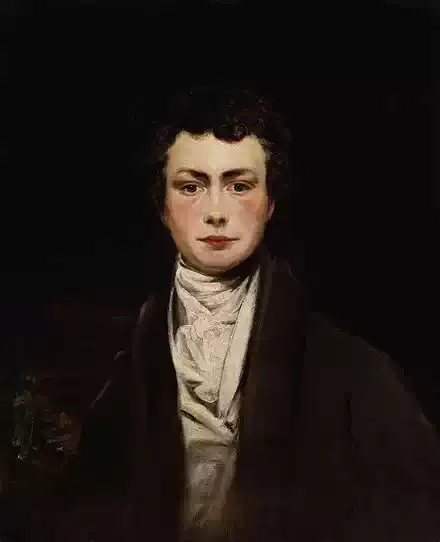
Thomas Moore
How Dear to Me the Hour
How Dear to Me the Hour
How dear to me the hour when daylight dies,
And sunbeams melt along the silent sea,
For then sweet dreams of other days arise,
And memory breathes her vesper sigh to thee.
And, as I watch the line of light, that plays
Along the smooth wave toward the burning west,
I long to tread that golden path of rays,
And think 'twould lead to some bright isle of rest.
How dear to me the hour when daylight dies,
And sunbeams melt along the silent sea,
For then sweet dreams of other days arise,
And memory breathes her vesper sigh to thee.
And, as I watch the line of light, that plays
Along the smooth wave toward the burning west,
I long to tread that golden path of rays,
And think 'twould lead to some bright isle of rest.
144
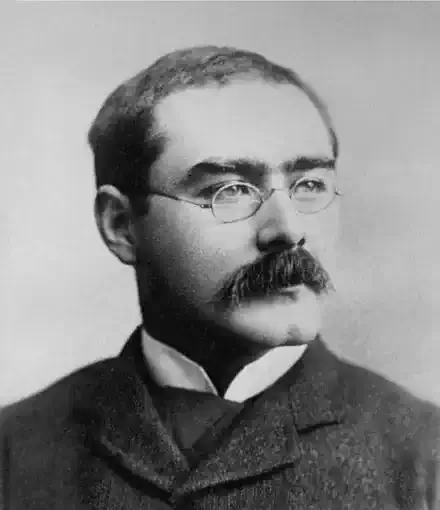
Rudyard Kipling
What Happened
What Happened
Hurree Chunder Mookerjee, pride of Bow Bazaar,
Owner of a native press, "Barrishter-at-Lar,"
Waited on the Government with a claim to wear
Sabres by the bucketful, rifles by the pair.
Then the Indian Government winked a wicked wink,
Said to Chunder Mookerjee: "Stick to pen and ink.
They are safer implements, but, if you insist,
We will let you carry arms wheresoe'er you list."
Hurree Chunder Mookerjee sought the gunsmith and
Bought the tubes of Lancaster, Ballard, Dean, and Bland,
Bought a shiny bowie-knife, bought a town-made sword,
Jingled like a carriage-horse when he went abroad.
But the Indian Government, always keen to please,
Also gave permission to horrid men like these --
Yar Mahommed Yusufzai, down to kill or steal,
Chimbu Singh from Bikaneer, Tantia the Bhil;
Killar Khan the Marri chief, Jowar Singh the Sikh,
Nubbee Baksh Punjabi Jat, Abdul Huq Rafiq --
He was a Wahabi; last, little Boh Hla-oo
Took advantage of the Act -- took a Snider too.
They were unenlightened men, Ballard knew them not.
They procured their swords and guns chiefly on the spot;
And the lore of centuries, plus a hundred fights,
Made them slow to disregard one another's rights.
With a unanimity dear to patriot hearts
All those hairy gentlemen out of foreign parts
Said: "The good old days are back -- let us go to war!"
Swaggered down the Grand Trunk Road into Bow Bazaar,
Nubbee Baksh Punjabi Jat found a hide-bound flail;
Chimbu Singh from Bikaneer oiled his Tonk jezail;
Yar Mahommed Yusufzai spat and grinned with glee
As he ground the butcher-knife of the Khyberee.
Jowar Singh the Sikh procured sabre, quoit, and mace,
Abdul Huq, Wahabi, jerked his dagger from its place,
While amid the jungle-grass danced and grinned and jabbered
Little Boh Hla-oo and cleared his dah-blade from the scabbard.
What became of Mookerjee? Smoothly, who can say?
Yar Mahommed only grins in a nasty way,
Jowar Singh is reticent, Chimbu Singh is mute.
But the belts of all of them simply bulge with loot.
What became of Ballard's guns? Afghans black and grubby
Sell them for their silver weight to the men of Pubbi;
And the shiny bowie-knife and the town-made sword are
Hanging in a Marri camp just across the Border.
What became of Mookerjee? Ask Mahommed Yar
Prodding Siva's sacred bull down the Bow Bazaar.
Speak to placid Nubbee Baksh -- question land and sea --
Ask the Indian Congressmen -- only don't ask me!
Hurree Chunder Mookerjee, pride of Bow Bazaar,
Owner of a native press, "Barrishter-at-Lar,"
Waited on the Government with a claim to wear
Sabres by the bucketful, rifles by the pair.
Then the Indian Government winked a wicked wink,
Said to Chunder Mookerjee: "Stick to pen and ink.
They are safer implements, but, if you insist,
We will let you carry arms wheresoe'er you list."
Hurree Chunder Mookerjee sought the gunsmith and
Bought the tubes of Lancaster, Ballard, Dean, and Bland,
Bought a shiny bowie-knife, bought a town-made sword,
Jingled like a carriage-horse when he went abroad.
But the Indian Government, always keen to please,
Also gave permission to horrid men like these --
Yar Mahommed Yusufzai, down to kill or steal,
Chimbu Singh from Bikaneer, Tantia the Bhil;
Killar Khan the Marri chief, Jowar Singh the Sikh,
Nubbee Baksh Punjabi Jat, Abdul Huq Rafiq --
He was a Wahabi; last, little Boh Hla-oo
Took advantage of the Act -- took a Snider too.
They were unenlightened men, Ballard knew them not.
They procured their swords and guns chiefly on the spot;
And the lore of centuries, plus a hundred fights,
Made them slow to disregard one another's rights.
With a unanimity dear to patriot hearts
All those hairy gentlemen out of foreign parts
Said: "The good old days are back -- let us go to war!"
Swaggered down the Grand Trunk Road into Bow Bazaar,
Nubbee Baksh Punjabi Jat found a hide-bound flail;
Chimbu Singh from Bikaneer oiled his Tonk jezail;
Yar Mahommed Yusufzai spat and grinned with glee
As he ground the butcher-knife of the Khyberee.
Jowar Singh the Sikh procured sabre, quoit, and mace,
Abdul Huq, Wahabi, jerked his dagger from its place,
While amid the jungle-grass danced and grinned and jabbered
Little Boh Hla-oo and cleared his dah-blade from the scabbard.
What became of Mookerjee? Smoothly, who can say?
Yar Mahommed only grins in a nasty way,
Jowar Singh is reticent, Chimbu Singh is mute.
But the belts of all of them simply bulge with loot.
What became of Ballard's guns? Afghans black and grubby
Sell them for their silver weight to the men of Pubbi;
And the shiny bowie-knife and the town-made sword are
Hanging in a Marri camp just across the Border.
What became of Mookerjee? Ask Mahommed Yar
Prodding Siva's sacred bull down the Bow Bazaar.
Speak to placid Nubbee Baksh -- question land and sea --
Ask the Indian Congressmen -- only don't ask me!
450
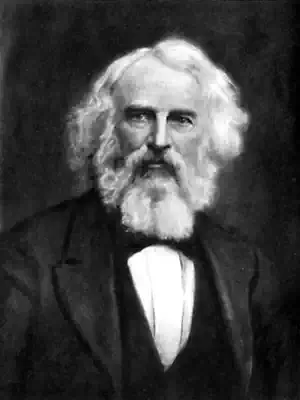
Henry Wadsworth Longfellow
Sound Of The Sea, The
Sound Of The Sea, The
The sea awoke at midnight from its sleep,
And round the pebbly beaches far and wide
I heard the first wave of the rising tide
Rush onward with uninterrupted sweep;
A voice out of the silence of the deep,
A sound mysteriously multiplied
As of a cataract from the mountain's side,
Or roar of winds upon a wooded steep.
So comes to us at times, from the unknown
And inaccessible solitudes of being,
The rushing of the sea-tides of the soul;
And inspirations, that we deem our own,
Are some divine foreshadowing and foreseeing
Of things beyond our reason or control.
The sea awoke at midnight from its sleep,
And round the pebbly beaches far and wide
I heard the first wave of the rising tide
Rush onward with uninterrupted sweep;
A voice out of the silence of the deep,
A sound mysteriously multiplied
As of a cataract from the mountain's side,
Or roar of winds upon a wooded steep.
So comes to us at times, from the unknown
And inaccessible solitudes of being,
The rushing of the sea-tides of the soul;
And inspirations, that we deem our own,
Are some divine foreshadowing and foreseeing
Of things beyond our reason or control.
307
Thomas Moore
Go Where Glory Waits Thee
Go Where Glory Waits Thee
Go where glory waits thee,
But while fame elates thee,
Oh! still remember me.
When the praise thou meetest
To thine ear is sweetest,
Oh! then remember me.
Other arms may press thee,
Dearer friends caress thee,
All the joys that bless thee,
Sweeter far may be;
But when friends are nearest,
And when joys are dearest,
Oh! then remember me!
When, at eve, thou rovest
By the star thou lovest,
Oh! then remember me.
Think, when home returning,
Bright we've seen it burning,
Oh! thus remember me.
Oft as summer closes,
When thine eye reposes
On its lingering roses,
Once so loved by thee,
Think of her who wove them,
Her who made thee love them,
Oh! then remember me.
When, around thee dying,
Autumn leaves are lying,
Oh! then remember me.
And, at night, when gazing
On the gay hearth blazing,
Oh! still remember me.
Then should music, stealing
All the soul of feeling,
To thy heart appealing,
Draw one tear from thee;
Then let memory bring thee
Strains I used to sing thee, --
Oh! then remember me.
Go where glory waits thee,
But while fame elates thee,
Oh! still remember me.
When the praise thou meetest
To thine ear is sweetest,
Oh! then remember me.
Other arms may press thee,
Dearer friends caress thee,
All the joys that bless thee,
Sweeter far may be;
But when friends are nearest,
And when joys are dearest,
Oh! then remember me!
When, at eve, thou rovest
By the star thou lovest,
Oh! then remember me.
Think, when home returning,
Bright we've seen it burning,
Oh! thus remember me.
Oft as summer closes,
When thine eye reposes
On its lingering roses,
Once so loved by thee,
Think of her who wove them,
Her who made thee love them,
Oh! then remember me.
When, around thee dying,
Autumn leaves are lying,
Oh! then remember me.
And, at night, when gazing
On the gay hearth blazing,
Oh! still remember me.
Then should music, stealing
All the soul of feeling,
To thy heart appealing,
Draw one tear from thee;
Then let memory bring thee
Strains I used to sing thee, --
Oh! then remember me.
192
Rudyard Kipling
Untimely
Untimely
Nothing in life has been made by man for man's using
But it was shown long since to man in ages
Lost as the name of the maker of it,
Who received oppression and shame for his wages--
Hate, avoidance, and scorn in his daily dealings--
Until he perished, wholly confounded
More to be pitied than he are the wise
Souls which foresaw the evil of loosing
Knowledge or Art before time, and aborted
Noble devices and deep-wrought healings,
Lest offense should arise.
Heaven delivers on earth the Hour that cannot be
thwarted,
Neither advanced, at the price of a world nor a soul,
and its Prophet
Comes through the blood of the vanguards who
dreamed--too soon--it had sounded.
Nothing in life has been made by man for man's using
But it was shown long since to man in ages
Lost as the name of the maker of it,
Who received oppression and shame for his wages--
Hate, avoidance, and scorn in his daily dealings--
Until he perished, wholly confounded
More to be pitied than he are the wise
Souls which foresaw the evil of loosing
Knowledge or Art before time, and aborted
Noble devices and deep-wrought healings,
Lest offense should arise.
Heaven delivers on earth the Hour that cannot be
thwarted,
Neither advanced, at the price of a world nor a soul,
and its Prophet
Comes through the blood of the vanguards who
dreamed--too soon--it had sounded.
431

Robert W. Service
My Tails
My Tails
I haven't worn my evening dress
For nearly twenty years;
Oh I'm unsocial, I confess,
A hermit, it appears.
So much moth-balled it's but away,
And though wee wifie wails,
Never unto my dimmest day
I'll don my tails.
How slim and trim I looked in them,
Though I was sixty old;
And now their sleekness I condemn
To lie in rigid fold.
I have a portrait of myself
Proud-printed in the Press,
In garb now doomed to wardrobe shelf,-My
evening dress.
So let this be my last request,
That when I come to die,
In tails I may be deftly drest,
With white waistcoat and tie.
No, not for me a vulgar shroud
My carcass to caress;--
Oh let me do my coffin proud
In evening dress!
I haven't worn my evening dress
For nearly twenty years;
Oh I'm unsocial, I confess,
A hermit, it appears.
So much moth-balled it's but away,
And though wee wifie wails,
Never unto my dimmest day
I'll don my tails.
How slim and trim I looked in them,
Though I was sixty old;
And now their sleekness I condemn
To lie in rigid fold.
I have a portrait of myself
Proud-printed in the Press,
In garb now doomed to wardrobe shelf,-My
evening dress.
So let this be my last request,
That when I come to die,
In tails I may be deftly drest,
With white waistcoat and tie.
No, not for me a vulgar shroud
My carcass to caress;--
Oh let me do my coffin proud
In evening dress!
176
Thomas Moore
Forget Not the Field
Forget Not the Field
Forget not the field where they perish'd,
The truest, the last of the brave,
All gone -- and the bright hope we cherish'd
Gone with them, and quench'd in their grave!
Oh! could we from death but recover
Those hearts as they bounded before,
In the face of high heaven to fight over
That combat for freedom once more; --
Could the chain for an instant be riven
Which Tyranny flung round us then,
No, 'tis not in Man, nor in Heaven,
To let Tyranny bind it again!
But 'tis past -- and, though blazon'd in story
The name of our Victor may be,
Accurst is the march of that glory
Which treads o'er the hearts of the free.
For dearer the grave or the prison,
Illumed by one patriot name,
Than the trophies of all who have risen
On Liberty's ruins to fame.
Forget not the field where they perish'd,
The truest, the last of the brave,
All gone -- and the bright hope we cherish'd
Gone with them, and quench'd in their grave!
Oh! could we from death but recover
Those hearts as they bounded before,
In the face of high heaven to fight over
That combat for freedom once more; --
Could the chain for an instant be riven
Which Tyranny flung round us then,
No, 'tis not in Man, nor in Heaven,
To let Tyranny bind it again!
But 'tis past -- and, though blazon'd in story
The name of our Victor may be,
Accurst is the march of that glory
Which treads o'er the hearts of the free.
For dearer the grave or the prison,
Illumed by one patriot name,
Than the trophies of all who have risen
On Liberty's ruins to fame.
156
Rudyard Kipling
Ulster
Ulster
("Their webs shall not become garments, neither shall they
cover themselves with their works: their works are works
of inquity and the act of violence is in their hands." --
Isaiah lix. .)
The dark eleventh hour
Draws on and sees us sold
To every evil power
We fought against of old.
Rebellion, rapine hate
Oppression, wrong and greed
Are loosed to rule our fate,
By England's act and deed.
The Faith in which we stand,
The laws we made and guard,
Our honour, lives, and land
Are given for reward
To Murder done by night,
To Treason taught by day,
To folly, sloth, and spite,
And we are thrust away.
The blood our fathers spilt,
Our love, our toils, our pains,
Are counted us for guilt,
And only bind our chains.
Before an Empire's eyes
The traitor claims his price.
What need of further lies?
We are the sacrifice.
We asked no more than leave
To reap where we had sown,
Through good and ill to cleave
To our own flag and throne.
Now England's shot and steel
Beneath that flag must show
How loyal hearts should kneel
To England's oldest foe.
We know the war prepared
On every peaceful home,
We know the hells declared
For such as serve not Rome --
The terror, threats, and dread
In market, hearth, and field --
We know, when all is said,
We perish if we yield.
Believe, we dare not boast,
Believe, we do not fear --
We stand to pay the cost
In all that men hold dear.
What answer from the North?
One Law, one Land, one Throne.
If England drive us forth
We shall not fall alone!
("Their webs shall not become garments, neither shall they
cover themselves with their works: their works are works
of inquity and the act of violence is in their hands." --
Isaiah lix. .)
The dark eleventh hour
Draws on and sees us sold
To every evil power
We fought against of old.
Rebellion, rapine hate
Oppression, wrong and greed
Are loosed to rule our fate,
By England's act and deed.
The Faith in which we stand,
The laws we made and guard,
Our honour, lives, and land
Are given for reward
To Murder done by night,
To Treason taught by day,
To folly, sloth, and spite,
And we are thrust away.
The blood our fathers spilt,
Our love, our toils, our pains,
Are counted us for guilt,
And only bind our chains.
Before an Empire's eyes
The traitor claims his price.
What need of further lies?
We are the sacrifice.
We asked no more than leave
To reap where we had sown,
Through good and ill to cleave
To our own flag and throne.
Now England's shot and steel
Beneath that flag must show
How loyal hearts should kneel
To England's oldest foe.
We know the war prepared
On every peaceful home,
We know the hells declared
For such as serve not Rome --
The terror, threats, and dread
In market, hearth, and field --
We know, when all is said,
We perish if we yield.
Believe, we dare not boast,
Believe, we do not fear --
We stand to pay the cost
In all that men hold dear.
What answer from the North?
One Law, one Land, one Throne.
If England drive us forth
We shall not fall alone!
487
Henry Wadsworth Longfellow
Songo River. (Birds Of Passage. Flight The Fourth)
Songo River. (Birds Of Passage. Flight The Fourth)
Nowhere such a devious stream,
Save in fancy or in dream,
Winding slow through bush and brake,
Links together lake and lake.
Walled with woods or sandy shelf,
Ever doubling on itself
Flows the stream, so still and slow
That it hardly seems to flow.
Never errant knight of old,
Lost in woodland or on wold,
Such a winding path pursued
Through the sylvan solitude.
Never school-boy, in his quest
After hazel-nut or nest,
Through the forest in and out
Wandered loitering thus about.
In the mirror of its tide
Tangled thickets on each side
Hang inverted, and between
Floating cloud or sky serene.
Swift or swallow on the wing
Seems the only living thing,
Or the loon, that laughs and flies
Down to those reflected skies.
Silent stream! thy Indian name
Unfamiliar is to fame;
For thou hidest here alone,
Well content to be unknown.
But thy tranquil waters teach
Wisdom deep as human speech,
Moving without haste or noise
In unbroken equipoise.
Though thou turnest no busy mill,
And art ever calm and still,
Even thy silence seems to say
To the traveller on his way:-
'Traveller, hurrying from the heat
Of the city, stay thy feet!
Rest awhile, nor longer waste
Life with inconsiderate haste!
'Be not like a stream that brawls
Loud with shallow waterfalls,
But in quiet self-control
Link together soul and soul.'
Nowhere such a devious stream,
Save in fancy or in dream,
Winding slow through bush and brake,
Links together lake and lake.
Walled with woods or sandy shelf,
Ever doubling on itself
Flows the stream, so still and slow
That it hardly seems to flow.
Never errant knight of old,
Lost in woodland or on wold,
Such a winding path pursued
Through the sylvan solitude.
Never school-boy, in his quest
After hazel-nut or nest,
Through the forest in and out
Wandered loitering thus about.
In the mirror of its tide
Tangled thickets on each side
Hang inverted, and between
Floating cloud or sky serene.
Swift or swallow on the wing
Seems the only living thing,
Or the loon, that laughs and flies
Down to those reflected skies.
Silent stream! thy Indian name
Unfamiliar is to fame;
For thou hidest here alone,
Well content to be unknown.
But thy tranquil waters teach
Wisdom deep as human speech,
Moving without haste or noise
In unbroken equipoise.
Though thou turnest no busy mill,
And art ever calm and still,
Even thy silence seems to say
To the traveller on his way:-
'Traveller, hurrying from the heat
Of the city, stay thy feet!
Rest awhile, nor longer waste
Life with inconsiderate haste!
'Be not like a stream that brawls
Loud with shallow waterfalls,
But in quiet self-control
Link together soul and soul.'
329
Rudyard Kipling
Two Kopjes
Two Kopjes
(Made Yeomanry towards End of Boer War)
Only two African kopjes,
Only the cart-tracks that wind
Empty and open between 'em,
Only the Transvaal behind;
Only an Aldershot column
Marching to conquer the land . . .
Only a sudden and solemn
Visit, unarmed, to the Rand.
Then scorn not the African kopje,
The kopje that smiles in the heat,
The wholly unoccupied kopje,
The home of Cornelius and Piet.
You can never be sure of your kopje,
But of this be you blooming well sure,
A kopje is always a kopje,
And a Boojer is always a Boer!
Only two African kopjes,
Only the vultures above,
Only baboons--at the bottom,
Only some buck on the move;
Only a Kensington draper
Only pretending to scout . . .
.Only bad news for the paper,
Only another knock-out.
Then mock not the African kopje,
And rub not your flank on its side,
The silent and simmering kopje,
The kopje beloved by the guide.
You can never be, etc.
Only two African kopjes,
Only the dust of their wheels,
Only a bolted commando,
Only our guns at their heels . . .
Only a little barb-wire,
Only a natural fort,
Only "by sections retire,"
Only "regret to report! "
Then mock not the .African kopje,
Especially when it is twins,
One sharp and one table-topped kopje
For that's where the trouble begins.
You never can be, etc.
Only two African kopjes
Baited the same as before--
Only we've had it so often,
Only we're taking no more . . .
Only a wave to our troopers,
Only our flanks swinging past,
Only a dozen voorloopers,.
Only we've learned it at last!
Then mock not the African kopje,
But take off your hat to the same,
The patient, impartial old kopje,
The kopje that taught us the game!
For all that we knew in the Columns,
And all they've forgot on the Staff,
We learned at the Fight o' Two Kopjes,
Which lasted two years an' a half.
mock not the African kopje,
Not even when peace has been signed--
The kopje that isn't a kopje--
The kopje that copies its kind.
You can never be sure of your kopje,
But of this be you blooming well sure,
That a kopje is always a kopje,
And a Boojer is always a Boer!
(Made Yeomanry towards End of Boer War)
Only two African kopjes,
Only the cart-tracks that wind
Empty and open between 'em,
Only the Transvaal behind;
Only an Aldershot column
Marching to conquer the land . . .
Only a sudden and solemn
Visit, unarmed, to the Rand.
Then scorn not the African kopje,
The kopje that smiles in the heat,
The wholly unoccupied kopje,
The home of Cornelius and Piet.
You can never be sure of your kopje,
But of this be you blooming well sure,
A kopje is always a kopje,
And a Boojer is always a Boer!
Only two African kopjes,
Only the vultures above,
Only baboons--at the bottom,
Only some buck on the move;
Only a Kensington draper
Only pretending to scout . . .
.Only bad news for the paper,
Only another knock-out.
Then mock not the African kopje,
And rub not your flank on its side,
The silent and simmering kopje,
The kopje beloved by the guide.
You can never be, etc.
Only two African kopjes,
Only the dust of their wheels,
Only a bolted commando,
Only our guns at their heels . . .
Only a little barb-wire,
Only a natural fort,
Only "by sections retire,"
Only "regret to report! "
Then mock not the .African kopje,
Especially when it is twins,
One sharp and one table-topped kopje
For that's where the trouble begins.
You never can be, etc.
Only two African kopjes
Baited the same as before--
Only we've had it so often,
Only we're taking no more . . .
Only a wave to our troopers,
Only our flanks swinging past,
Only a dozen voorloopers,.
Only we've learned it at last!
Then mock not the African kopje,
But take off your hat to the same,
The patient, impartial old kopje,
The kopje that taught us the game!
For all that we knew in the Columns,
And all they've forgot on the Staff,
We learned at the Fight o' Two Kopjes,
Which lasted two years an' a half.
mock not the African kopje,
Not even when peace has been signed--
The kopje that isn't a kopje--
The kopje that copies its kind.
You can never be sure of your kopje,
But of this be you blooming well sure,
That a kopje is always a kopje,
And a Boojer is always a Boer!
408
Thomas Moore
Fill the Bumper Fair
Fill the Bumper Fair
Fill the bumper fair!
Every drop we sprinkle
O'er the brow of Care
Smooths away a wrinkle.
Wit's electric flame
Ne'er so swiftly passes,
As when through the frame
It shoots from brimming glasses.
Fill the bumper fair!
Every drop we sprinkle
O'er the brow of Care
Smooths away a wrinkle.
Sages can, they say,
Grasp the lightning's pinions,
And bring down its ray
From the starr'd dominions:
So we, Sages, sit,
And, 'mid bumpers brightening,
From the Heaven of Wit
Draw down all its lightning.
Fill the bumper, etc.
Wouldst thou know what first
Made our souls inherit
This ennobling thirst
For wine's celestial spirit?
It chanced, upon that day,
When, as bards inform us,
Prometheus stole away
The living fires that warm us:
Fill the bumper etc.
The careless Youth, when up
To Glory's fount aspiring,
Took nor urn nor cup
To hide the pilfer'd fire in. --
But oh, his joy, when, round
The halls of heaven spying,
Among the stars he found,
The bowl of Bacchus lying!
Fill the bumper, etc.
Some drops were in that bowl,
Remains of last night's pleasure,
With which the Sparks of Soul
Mix'd their burning treasure.
Hence the goblet's shower
Hath such spells to win us;
Hence its mighty power
O'er that flame within us.
Fill the bumper fair!
Every drop we sprinkle
O'er the brow of Care
Smooths away a wrinkle.
Fill the bumper fair!
Every drop we sprinkle
O'er the brow of Care
Smooths away a wrinkle.
Wit's electric flame
Ne'er so swiftly passes,
As when through the frame
It shoots from brimming glasses.
Fill the bumper fair!
Every drop we sprinkle
O'er the brow of Care
Smooths away a wrinkle.
Sages can, they say,
Grasp the lightning's pinions,
And bring down its ray
From the starr'd dominions:
So we, Sages, sit,
And, 'mid bumpers brightening,
From the Heaven of Wit
Draw down all its lightning.
Fill the bumper, etc.
Wouldst thou know what first
Made our souls inherit
This ennobling thirst
For wine's celestial spirit?
It chanced, upon that day,
When, as bards inform us,
Prometheus stole away
The living fires that warm us:
Fill the bumper etc.
The careless Youth, when up
To Glory's fount aspiring,
Took nor urn nor cup
To hide the pilfer'd fire in. --
But oh, his joy, when, round
The halls of heaven spying,
Among the stars he found,
The bowl of Bacchus lying!
Fill the bumper, etc.
Some drops were in that bowl,
Remains of last night's pleasure,
With which the Sparks of Soul
Mix'd their burning treasure.
Hence the goblet's shower
Hath such spells to win us;
Hence its mighty power
O'er that flame within us.
Fill the bumper fair!
Every drop we sprinkle
O'er the brow of Care
Smooths away a wrinkle.
185
Robert W. Service
My Son
My Son
I must not let my boy Dick down,
Knight of the air.
With wings of light he won renown
Then crashed somewhere.
To fly to France from London town
I do not dare.
Oh he was such a simple lad
Who loved the sky;
A modern day Sir Galahad,
No need to die:
Earthbound he might have been so glad,
Yet chose to fly.
I ask from where his courage stemmed?
I've never flown;
Air-travel I have oft condemned,-Now
I'm alone,
Yet somehow hold the bright belief
God gave his brief.
So now I must live up to him
Who won on high
A lustre time will never dim;
Though coward I,
Let me revere till life be done
My hero son.
I must not let my boy Dick down,
Knight of the air.
With wings of light he won renown
Then crashed somewhere.
To fly to France from London town
I do not dare.
Oh he was such a simple lad
Who loved the sky;
A modern day Sir Galahad,
No need to die:
Earthbound he might have been so glad,
Yet chose to fly.
I ask from where his courage stemmed?
I've never flown;
Air-travel I have oft condemned,-Now
I'm alone,
Yet somehow hold the bright belief
God gave his brief.
So now I must live up to him
Who won on high
A lustre time will never dim;
Though coward I,
Let me revere till life be done
My hero son.
156
Thomas Moore
Fairest! Put on a While
Fairest! Put on a While
Fairest! put on a while
These pinions of light I bring thee,
And o'er thy own green isle
In fancy let me wing thee.
Never did Ariel's plume,
At golden sunset, hover
O'er scenes so full of bloom
As I shall waft thee over.
Fields, where the Spring delays
And fearlessly meets the ardour
Of the warm Summer's gaze,
With only her tears to guard her;
Rocks, through myrtle boughs
In grace majestic frowning,
Like some bold warrior's brows
That Love hath just been crowning.
Islets, so freshly fair,
That never hath bird come nigh them,
But, from his course through air,
He hath been won down by them; --
Types, sweet maid, of thee,
Whose look, whose blush inviting,
Never did Love yet see
From heaven, without alighting.
Lakes, where the pearl lies hid,
And caves, where the gem is sleeping,
Bright as the tears thy lid
Lets fall in lonely weepin.
Glens, where Ocean comes,
To 'scape the wild wind's rancour;
And harbours, worthiest homes
Where Freedom's fleet can anchor.
Then, if, while scenes so grand,
So beautiful, shine before thee,
Pride for thy own dear land
Should haply be stealing o'er thee,
Oh, let grief come first,
O'er pride itself victorious --
Thinking how man hath curst
What Heaven hath made so glorious.
Fairest! put on a while
These pinions of light I bring thee,
And o'er thy own green isle
In fancy let me wing thee.
Never did Ariel's plume,
At golden sunset, hover
O'er scenes so full of bloom
As I shall waft thee over.
Fields, where the Spring delays
And fearlessly meets the ardour
Of the warm Summer's gaze,
With only her tears to guard her;
Rocks, through myrtle boughs
In grace majestic frowning,
Like some bold warrior's brows
That Love hath just been crowning.
Islets, so freshly fair,
That never hath bird come nigh them,
But, from his course through air,
He hath been won down by them; --
Types, sweet maid, of thee,
Whose look, whose blush inviting,
Never did Love yet see
From heaven, without alighting.
Lakes, where the pearl lies hid,
And caves, where the gem is sleeping,
Bright as the tears thy lid
Lets fall in lonely weepin.
Glens, where Ocean comes,
To 'scape the wild wind's rancour;
And harbours, worthiest homes
Where Freedom's fleet can anchor.
Then, if, while scenes so grand,
So beautiful, shine before thee,
Pride for thy own dear land
Should haply be stealing o'er thee,
Oh, let grief come first,
O'er pride itself victorious --
Thinking how man hath curst
What Heaven hath made so glorious.
151
Rudyard Kipling
Toomai of the Elephants
Toomai of the Elephants
I will remember what I was. I am sick of rope and chain--
I will remember my old strength and all my forest-affairs.
I will not sell my back to man for a bundle of sugarcane.
I will go out to my own kind, and the wood-folk in their lairs.
I will go out until the day, until the morning break,
Out to the winds 'untainted kiss, the waters' clean caress.
I will forget my ankle-ring and snap my picket-stake.
I will revisit my lost loves, and playmates masterless!
I will remember what I was. I am sick of rope and chain--
I will remember my old strength and all my forest-affairs.
I will not sell my back to man for a bundle of sugarcane.
I will go out to my own kind, and the wood-folk in their lairs.
I will go out until the day, until the morning break,
Out to the winds 'untainted kiss, the waters' clean caress.
I will forget my ankle-ring and snap my picket-stake.
I will revisit my lost loves, and playmates masterless!
505
Henry Wadsworth Longfellow
Song. (From The Portuguese)
Song. (From The Portuguese)
If thou art sleeping, maiden,
Awake, and open thy door:
'Tis the break of day, and we must away,
O'er meadow, and mount, and moor.
Wait not to find thy slippers,
But come with thy naked feet:
We shall have to pass through the dewy grass,
And waters wide and fleet.
If thou art sleeping, maiden,
Awake, and open thy door:
'Tis the break of day, and we must away,
O'er meadow, and mount, and moor.
Wait not to find thy slippers,
But come with thy naked feet:
We shall have to pass through the dewy grass,
And waters wide and fleet.
254
Thomas Moore
Erin, Oh Erin
Erin, Oh Erin
Like the bright lamp, that shone in Kildare's holy fane,
And burn'd through long ages of darkness and storm,
Is the heart that sorrows have frown'd on in vain,
Whose spirit outlives them, unfading and warm.
Erin, oh Erin, thus bright through the tears
Of a long night of bondage, thy spirit appears.
The nations have fallen, and thou still art young,
Thy sun is but rising, when others are set;
And though slavery's cloud o'er thy morning hath hung,
The full noon of freedom shall beam round thee yet.
Erin, oh Erin, though long in the shade,
Thy star will shine out when the proudest shall fade.
Unchill'd by the rain, and unwaked by the wind,
The lily lies sleeping through winter's cold hour,
Till Spring's light touch her fetters unbind,
And daylight and liberty bless the young flower.
Thus Erin, oh Erin, thy winter is past,
And the hope that lived through it shall blossom at last.
Like the bright lamp, that shone in Kildare's holy fane,
And burn'd through long ages of darkness and storm,
Is the heart that sorrows have frown'd on in vain,
Whose spirit outlives them, unfading and warm.
Erin, oh Erin, thus bright through the tears
Of a long night of bondage, thy spirit appears.
The nations have fallen, and thou still art young,
Thy sun is but rising, when others are set;
And though slavery's cloud o'er thy morning hath hung,
The full noon of freedom shall beam round thee yet.
Erin, oh Erin, though long in the shade,
Thy star will shine out when the proudest shall fade.
Unchill'd by the rain, and unwaked by the wind,
The lily lies sleeping through winter's cold hour,
Till Spring's light touch her fetters unbind,
And daylight and liberty bless the young flower.
Thus Erin, oh Erin, thy winter is past,
And the hope that lived through it shall blossom at last.
153
Rudyard Kipling
Tomlinson
Tomlinson
Now Tomlinson gave up the ghost in his house in Berkeley Square,
And a Spirit came to his bedside and gripped him by the hair --
A Spirit gripped him by the hair and carried him far away,
Till he heard as the roar of a rain-fed ford the roar of the Milky Way:
Till he heard the roar of the Milky Way die down and drone and cease,
And they came to the Gate within the Wall where Peter holds the keys.
"Stand up, stand up now, Tomlinson, and answer loud and high
The good that ye did for the sake of men or ever ye came to die --
The good that ye did for the sake of men in little earth so lone!"
And the naked soul of Tomlinson grew white as a rain-washed bone.
"O I have a friend on earth," he said, "that was my priest and guide,
And well would he answer all for me if he were by my side."
-- "For that ye strove in neighbour-love it shall be written fair,
But now ye wait at Heaven's Gate and not in Berkeley Square:
Though we called your friend from his bed this night,
he could not speak for you,
For the race is run by one and one and never by two and two."
Then Tomlinson looked up and down, and little gain was there,
For the naked stars grinned overhead, and he saw that his soul was bare:
The Wind that blows between the worlds, it cut him like a knife,
And Tomlinson took up his tale and spoke of his good in life.
"This I have read in a book," he said, "and that was told to me,
And this I have thought that another man thought of a Prince in Muscovy."
The good souls flocked like homing doves and bade him clear the path,
And Peter twirled the jangling keys in weariness and wrath.
"Ye have read, ye have heard, ye have thought," he said,
"and the tale is yet to run:
By the worth of the body that once ye had, give answer -- what ha' ye done?"
Then Tomlinson looked back and forth, and little good it bore,
For the Darkness stayed at his shoulder-blade and Heaven's Gate before: --
"O this I have felt, and this I have guessed, and this I have heard men say,
And this they wrote that another man wrote of a carl in Norroway."
-- "Ye have read, ye have felt, ye have guessed, good lack!
Ye have hampered Heaven's Gate;
There's little room between the stars in idleness to prate!
O none may reach by hired speech of neighbour, priest, and kin
Through borrowed deed to God's good meed that lies so fair within;
Get hence, get hence to the Lord of Wrong, for doom has yet to run,
And. . .the faith that ye share with Berkeley Square uphold you, Tomlinson!"
. . . . .
The Spirit gripped him by the hair, and sun by sun they fell
Till they came to the belt of Naughty Stars that rim the mouth of Hell:
The first are red with pride and wrath, the next are white with pain,
But the third are black with clinkered sin that cannot burn again:
They may hold their path, they may leave their path,
with never a soul to mark,
They may burn or freeze, but they must not cease
in the Scorn of the Outer Dark.
The Wind that blows between the worlds, it nipped him to the bone,
And he yearned to the flare of Hell-Gate
there as the light of his own hearth-stone.
The Devil he sat behind the bars, where the desperate legions drew,
But he caught the hasting Tomlinson and would not let him through.
"Wot ye the price of good pit-coal that I must pay?" said he,
"That ye rank yoursel' so fit for Hell and ask no leave of me?
I am all o'er-sib to Adam's breed that ye should give me scorn,
For I strove with God for your First Father the day that he was born.
Sit down, sit down upon the slag, and answer loud and high
The harm that ye did to the Sons of Men or ever you came to die."
And Tomlinson looked up and up, and saw against the night
The belly of a tortured star blood-red in Hell-Mouth light;
And Tomlinson looked down and down, and saw beneath his feet
The frontlet of a tortured star milk-white in Hell-Mouth heat.
"O I had a love on earth," said he, "that kissed me to my fall,
And if ye would call my love to me I know she would answer all."
-- "All that ye did in love forbid it shall be written fair,
But now ye wait at Hell-Mouth Gate and not in Berkeley Square:
Though we whistled your love from her bed to-night, I trow she would not run,
For the sin ye do by two and two ye must pay for one by one!"
The Wind that blows between the worlds, it cut him like a knife,
And Tomlinson took up the tale and spoke of his sin in life: --
"Once I ha' laughed at the power of Love and twice at the grip of the Grave,
And thrice I ha' patted my God on the head that men might call me brave."
The Devil he blew on a brandered soul and set it aside to cool: --
"Do ye think I would waste my good pit-coal on the hide of a brain-sick fool?
I see no worth in the hobnailed mirth or the jolthead jest ye did
That I should waken my gentlemen that are sleeping three on a grid."
Then Tomlinson looked back and forth, and there was little grace,
For Hell-Gate filled the houseless Soul with the Fear of Naked Space.
"Nay, this I ha' heard," quo' Tomlinson, "and this was noised abroad,
And this I ha' got from a Belgian book on the word of a dead French lord."
-- "Ye ha' heard, ye ha' read, ye ha' got, good lack!
and the tale begins afresh --
Have ye sinned one sin for the pride o' the eye
or the sinful lust of the flesh?"
Then Tomlinson he gripped the bars and yammered, "Let me in --
For I mind that I borrowed my neighbour's wife to sin the deadly sin."
The Devil he grinned behind the bars, and banked the fires high:
"Did ye read of that sin in a book?" said he; and Tomlinson said, "Ay!"
The Devil he blew upon his nails, and the little devils ran,
And he said: "Go husk this whimpering thief that comes in the guise of a man:
Winnow him out 'twixt star and star, and sieve his proper worth:
There's sore decline in Adam's line if this be spawn of earth."
Empusa's crew, so naked-new they may not face the fire,
But weep that they bin too small to sin to the height of their desire,
Over the coal they chased the Soul, and racked it all abroad,
As children rifle a caddis-case or the raven's foolish hoard.
And back they came with the tattered Thing, as children after play,
And they said: "The soul that he got from God he has bartered clean away.
We have threshed a stook of print and book, and winnowed a chattering wind
And many a soul wherefrom he stole, but his we cannot find:
We have handled him, we have dandled him, we have seared him to the bone,
And sure if tooth and nail show truth he has no soul of his own."
The Devil he bowed his head on his breast and rumbled deep and low: --
"I'm all o'er-sib to Adam's breed that I should bid him go.
Yet close we lie, and deep we lie, and if I gave him place,
My gentlemen that are so proud would flout me to my face;
They'd call my house a common stews and me a careless host,
And -- I would not anger my gentlemen for the sake of a shiftless ghost."
The Devil he looked at the mangled Soul that prayed to feel the flame,
And he thought of Holy Charity, but he thought of his own good name: --
"Now ye could haste my coal to waste, and sit ye down to fry:
Did ye think of that theft for yourself?" said he; and Tomlinson said, "Ay!"
The Devil he blew an outward breath, for his heart was free from care: --
"Ye have scarce the soul of a louse," he said,
"but the roots of sin are there,
And for that sin should ye come in were I the lord alone.
But sinful pride has rule inside -- and mightier than my own.
Honour and Wit, fore-damned they sit, to each his priest and whore:
Nay, scarce I dare myself go there, and you they'd torture sore.
Ye are neither spirit nor spirk," he said; "ye are neither book nor brute --
Go, get ye back to the flesh again for the sake of Man's repute.
I'm all o'er-sib to Adam's breed that I should mock your pain,
But look that ye win to worthier sin ere ye come back again.
Get hence, the hearse is at your door -- the grim black stallions wait --
They bear your clay to place to-day. Speed, lest ye come too late!
Go back to Earth with a lip unsealed -- go back with an open eye,
And carry my word to the Sons of Men or ever ye come to die:
That the sin they do by two and two they must pay for one by one --
And. . .the God that you took from a printed book be with you, Tomlinson!"
Now Tomlinson gave up the ghost in his house in Berkeley Square,
And a Spirit came to his bedside and gripped him by the hair --
A Spirit gripped him by the hair and carried him far away,
Till he heard as the roar of a rain-fed ford the roar of the Milky Way:
Till he heard the roar of the Milky Way die down and drone and cease,
And they came to the Gate within the Wall where Peter holds the keys.
"Stand up, stand up now, Tomlinson, and answer loud and high
The good that ye did for the sake of men or ever ye came to die --
The good that ye did for the sake of men in little earth so lone!"
And the naked soul of Tomlinson grew white as a rain-washed bone.
"O I have a friend on earth," he said, "that was my priest and guide,
And well would he answer all for me if he were by my side."
-- "For that ye strove in neighbour-love it shall be written fair,
But now ye wait at Heaven's Gate and not in Berkeley Square:
Though we called your friend from his bed this night,
he could not speak for you,
For the race is run by one and one and never by two and two."
Then Tomlinson looked up and down, and little gain was there,
For the naked stars grinned overhead, and he saw that his soul was bare:
The Wind that blows between the worlds, it cut him like a knife,
And Tomlinson took up his tale and spoke of his good in life.
"This I have read in a book," he said, "and that was told to me,
And this I have thought that another man thought of a Prince in Muscovy."
The good souls flocked like homing doves and bade him clear the path,
And Peter twirled the jangling keys in weariness and wrath.
"Ye have read, ye have heard, ye have thought," he said,
"and the tale is yet to run:
By the worth of the body that once ye had, give answer -- what ha' ye done?"
Then Tomlinson looked back and forth, and little good it bore,
For the Darkness stayed at his shoulder-blade and Heaven's Gate before: --
"O this I have felt, and this I have guessed, and this I have heard men say,
And this they wrote that another man wrote of a carl in Norroway."
-- "Ye have read, ye have felt, ye have guessed, good lack!
Ye have hampered Heaven's Gate;
There's little room between the stars in idleness to prate!
O none may reach by hired speech of neighbour, priest, and kin
Through borrowed deed to God's good meed that lies so fair within;
Get hence, get hence to the Lord of Wrong, for doom has yet to run,
And. . .the faith that ye share with Berkeley Square uphold you, Tomlinson!"
. . . . .
The Spirit gripped him by the hair, and sun by sun they fell
Till they came to the belt of Naughty Stars that rim the mouth of Hell:
The first are red with pride and wrath, the next are white with pain,
But the third are black with clinkered sin that cannot burn again:
They may hold their path, they may leave their path,
with never a soul to mark,
They may burn or freeze, but they must not cease
in the Scorn of the Outer Dark.
The Wind that blows between the worlds, it nipped him to the bone,
And he yearned to the flare of Hell-Gate
there as the light of his own hearth-stone.
The Devil he sat behind the bars, where the desperate legions drew,
But he caught the hasting Tomlinson and would not let him through.
"Wot ye the price of good pit-coal that I must pay?" said he,
"That ye rank yoursel' so fit for Hell and ask no leave of me?
I am all o'er-sib to Adam's breed that ye should give me scorn,
For I strove with God for your First Father the day that he was born.
Sit down, sit down upon the slag, and answer loud and high
The harm that ye did to the Sons of Men or ever you came to die."
And Tomlinson looked up and up, and saw against the night
The belly of a tortured star blood-red in Hell-Mouth light;
And Tomlinson looked down and down, and saw beneath his feet
The frontlet of a tortured star milk-white in Hell-Mouth heat.
"O I had a love on earth," said he, "that kissed me to my fall,
And if ye would call my love to me I know she would answer all."
-- "All that ye did in love forbid it shall be written fair,
But now ye wait at Hell-Mouth Gate and not in Berkeley Square:
Though we whistled your love from her bed to-night, I trow she would not run,
For the sin ye do by two and two ye must pay for one by one!"
The Wind that blows between the worlds, it cut him like a knife,
And Tomlinson took up the tale and spoke of his sin in life: --
"Once I ha' laughed at the power of Love and twice at the grip of the Grave,
And thrice I ha' patted my God on the head that men might call me brave."
The Devil he blew on a brandered soul and set it aside to cool: --
"Do ye think I would waste my good pit-coal on the hide of a brain-sick fool?
I see no worth in the hobnailed mirth or the jolthead jest ye did
That I should waken my gentlemen that are sleeping three on a grid."
Then Tomlinson looked back and forth, and there was little grace,
For Hell-Gate filled the houseless Soul with the Fear of Naked Space.
"Nay, this I ha' heard," quo' Tomlinson, "and this was noised abroad,
And this I ha' got from a Belgian book on the word of a dead French lord."
-- "Ye ha' heard, ye ha' read, ye ha' got, good lack!
and the tale begins afresh --
Have ye sinned one sin for the pride o' the eye
or the sinful lust of the flesh?"
Then Tomlinson he gripped the bars and yammered, "Let me in --
For I mind that I borrowed my neighbour's wife to sin the deadly sin."
The Devil he grinned behind the bars, and banked the fires high:
"Did ye read of that sin in a book?" said he; and Tomlinson said, "Ay!"
The Devil he blew upon his nails, and the little devils ran,
And he said: "Go husk this whimpering thief that comes in the guise of a man:
Winnow him out 'twixt star and star, and sieve his proper worth:
There's sore decline in Adam's line if this be spawn of earth."
Empusa's crew, so naked-new they may not face the fire,
But weep that they bin too small to sin to the height of their desire,
Over the coal they chased the Soul, and racked it all abroad,
As children rifle a caddis-case or the raven's foolish hoard.
And back they came with the tattered Thing, as children after play,
And they said: "The soul that he got from God he has bartered clean away.
We have threshed a stook of print and book, and winnowed a chattering wind
And many a soul wherefrom he stole, but his we cannot find:
We have handled him, we have dandled him, we have seared him to the bone,
And sure if tooth and nail show truth he has no soul of his own."
The Devil he bowed his head on his breast and rumbled deep and low: --
"I'm all o'er-sib to Adam's breed that I should bid him go.
Yet close we lie, and deep we lie, and if I gave him place,
My gentlemen that are so proud would flout me to my face;
They'd call my house a common stews and me a careless host,
And -- I would not anger my gentlemen for the sake of a shiftless ghost."
The Devil he looked at the mangled Soul that prayed to feel the flame,
And he thought of Holy Charity, but he thought of his own good name: --
"Now ye could haste my coal to waste, and sit ye down to fry:
Did ye think of that theft for yourself?" said he; and Tomlinson said, "Ay!"
The Devil he blew an outward breath, for his heart was free from care: --
"Ye have scarce the soul of a louse," he said,
"but the roots of sin are there,
And for that sin should ye come in were I the lord alone.
But sinful pride has rule inside -- and mightier than my own.
Honour and Wit, fore-damned they sit, to each his priest and whore:
Nay, scarce I dare myself go there, and you they'd torture sore.
Ye are neither spirit nor spirk," he said; "ye are neither book nor brute --
Go, get ye back to the flesh again for the sake of Man's repute.
I'm all o'er-sib to Adam's breed that I should mock your pain,
But look that ye win to worthier sin ere ye come back again.
Get hence, the hearse is at your door -- the grim black stallions wait --
They bear your clay to place to-day. Speed, lest ye come too late!
Go back to Earth with a lip unsealed -- go back with an open eye,
And carry my word to the Sons of Men or ever ye come to die:
That the sin they do by two and two they must pay for one by one --
And. . .the God that you took from a printed book be with you, Tomlinson!"
540
Robert W. Service
My Rocking-Chair
My Rocking-Chair
When I am old and worse for wear
I want to buy a rocking-chair,
And set it on a porch where shine
The stars of morning-glory vine;
With just beyond, a gleam of grass,
A shady street where people pass;
And some who come with time to spare,
To yarn beside my rocking-chair.
Then I will light my corn-cob pipe
And dose and dream and rarely gripe.
My morning paper on my knee
I won't allow to worry me.
For if I know the latest news
Is bad,--to read it I'll refuse,
Since I have always tried to see
The side of life that clicks with glee.
And looking back with days nigh done,
I feel I've had a heap of fun.
Of course I guess that more or less
It's you yourself make happiness
And if your needs are small and few,
Like me you may be happy too:
And end up with a hope, a prayer,
A chuckle in a rocking-chair.
When I am old and worse for wear
I want to buy a rocking-chair,
And set it on a porch where shine
The stars of morning-glory vine;
With just beyond, a gleam of grass,
A shady street where people pass;
And some who come with time to spare,
To yarn beside my rocking-chair.
Then I will light my corn-cob pipe
And dose and dream and rarely gripe.
My morning paper on my knee
I won't allow to worry me.
For if I know the latest news
Is bad,--to read it I'll refuse,
Since I have always tried to see
The side of life that clicks with glee.
And looking back with days nigh done,
I feel I've had a heap of fun.
Of course I guess that more or less
It's you yourself make happiness
And if your needs are small and few,
Like me you may be happy too:
And end up with a hope, a prayer,
A chuckle in a rocking-chair.
223
Thomas Moore
Enigma
Enigma
Come riddle-me-ree, come riddle-me-ree,
And tell me, what my name may be.
I am nearly one hundred and thirty years old,
And therefore no chicken, as you may suppose; --
Though a dwarf in my youth (as my nurses have told),
I have, ev'ry year since, been outgrowing my clothes;
Till, at last, such a corpulent giant I stand,
That if folks were to furnish me now with a suit,
It would take ev'ry morsel of scrip in the land
But to measure my bulk from the head to the foot.
Hence, they who maintain me, grown sick of my stature,
To cover me nothing but rags will supply;
And the doctors declare that, in due course of nature,
About the year in rags I shall die.
Meanwhile I stalk hungry and bloated around,
An object of int'rest, most painful, to all;
In the warehouse, the cottage, the palace I'm found,
Holding citizen, peasant, and king in my thrall.
Then riddle-me-ree, oh riddle-me-ree,
Come, tell me what my name may be.
When the lord of the counting-house bends o'er his book,
Bright pictures of profit delighting to draw,
O'er his shoulders with large cipher eye-balls I look,
And down drops the pen from his paralyz'd paw!
When the Premier lies dreaming of dear Waterloo,
And expects through another to caper and prank it,
You'd laugh did you see, when I bellow out "Boo!"
How he hides his brave Waterloo head in the blanket.
When mighty Belshazzar brims high in the hall
His cup, full of gout, to Gaul's overthrow,
Lo, "Eight Hundred Millions" I write on the wall,
And the cup falls to earth and -- the gout to his toe!
But the joy of my heart is when largely I cram
My maw with the fruits of the Squirearchy's acres,
And, knowing who made me the thing that I am,
Like the monster of Frankenstein, worry my makers.
Then riddle-me-ree, come, riddle-me-ree,
And tell, if thou knows't, who I may be.
Come riddle-me-ree, come riddle-me-ree,
And tell me, what my name may be.
I am nearly one hundred and thirty years old,
And therefore no chicken, as you may suppose; --
Though a dwarf in my youth (as my nurses have told),
I have, ev'ry year since, been outgrowing my clothes;
Till, at last, such a corpulent giant I stand,
That if folks were to furnish me now with a suit,
It would take ev'ry morsel of scrip in the land
But to measure my bulk from the head to the foot.
Hence, they who maintain me, grown sick of my stature,
To cover me nothing but rags will supply;
And the doctors declare that, in due course of nature,
About the year in rags I shall die.
Meanwhile I stalk hungry and bloated around,
An object of int'rest, most painful, to all;
In the warehouse, the cottage, the palace I'm found,
Holding citizen, peasant, and king in my thrall.
Then riddle-me-ree, oh riddle-me-ree,
Come, tell me what my name may be.
When the lord of the counting-house bends o'er his book,
Bright pictures of profit delighting to draw,
O'er his shoulders with large cipher eye-balls I look,
And down drops the pen from his paralyz'd paw!
When the Premier lies dreaming of dear Waterloo,
And expects through another to caper and prank it,
You'd laugh did you see, when I bellow out "Boo!"
How he hides his brave Waterloo head in the blanket.
When mighty Belshazzar brims high in the hall
His cup, full of gout, to Gaul's overthrow,
Lo, "Eight Hundred Millions" I write on the wall,
And the cup falls to earth and -- the gout to his toe!
But the joy of my heart is when largely I cram
My maw with the fruits of the Squirearchy's acres,
And, knowing who made me the thing that I am,
Like the monster of Frankenstein, worry my makers.
Then riddle-me-ree, come, riddle-me-ree,
And tell, if thou knows't, who I may be.
224
Rudyard Kipling
To Wolcott Balestier
To Wolcott Balestier
Beyond the path of the outmost sun through utter darkness hurled --
Further than ever comet flared or vagrant star-dust swirled --
Live such as fought and sailed and ruled and loved and made our world.
They are purged of pride because they died, they know the worth of their bays,
They sit at wine with the Maidens Nine and the Gods of the Elder Days,
It is their will to serve or be still as fitteth our Father's praise.
'Tis theirs to sweep through the ringing deep where Azrael's outposts are,
Or buffet a path through the Pit's red wrath when God goes out to war,
Or hang with the reckless Seraphim on the rein of a red-maned star.
They take their mirth in the joy of the Earth --
they dare not grieve for her pain --
They know of toil and the end of toil, they know God's law is plain,
So they whistle the Devil to make them sport who know that Sin is vain.
And ofttimes cometh our wise Lord God, master of every trade,
And tells them tales of His daily toil, of Edens newly made;
And they rise to their feet as He passes by, gentlemen unafraid.
To these who are cleansed of base Desire, Sorrow and Lust and Shame --
Gods for they knew the hearts of men, men for they stooped to Fame,
Borne on the breath that men call Death, my brother's spirit came.
He scarce had need to doff his pride or slough the dross of Earth --
E'en as he trod that day to God so walked he from his birth,
In simpleness and gentleness and honour and clean mirth.
So cup to lip in fellowship they gave him welcome high
And made him place at the banquet board -- the Strong Men ranged thereby,
Who had done his work and held his peace and had no fear to die.
Beyond the loom of the last lone star, through open darkness hurled,
Further than rebel comet dared or hiving star-swarm swirled,
Sits he with those that praise our God for that they served His world.
Beyond the path of the outmost sun through utter darkness hurled --
Further than ever comet flared or vagrant star-dust swirled --
Live such as fought and sailed and ruled and loved and made our world.
They are purged of pride because they died, they know the worth of their bays,
They sit at wine with the Maidens Nine and the Gods of the Elder Days,
It is their will to serve or be still as fitteth our Father's praise.
'Tis theirs to sweep through the ringing deep where Azrael's outposts are,
Or buffet a path through the Pit's red wrath when God goes out to war,
Or hang with the reckless Seraphim on the rein of a red-maned star.
They take their mirth in the joy of the Earth --
they dare not grieve for her pain --
They know of toil and the end of toil, they know God's law is plain,
So they whistle the Devil to make them sport who know that Sin is vain.
And ofttimes cometh our wise Lord God, master of every trade,
And tells them tales of His daily toil, of Edens newly made;
And they rise to their feet as He passes by, gentlemen unafraid.
To these who are cleansed of base Desire, Sorrow and Lust and Shame --
Gods for they knew the hearts of men, men for they stooped to Fame,
Borne on the breath that men call Death, my brother's spirit came.
He scarce had need to doff his pride or slough the dross of Earth --
E'en as he trod that day to God so walked he from his birth,
In simpleness and gentleness and honour and clean mirth.
So cup to lip in fellowship they gave him welcome high
And made him place at the banquet board -- the Strong Men ranged thereby,
Who had done his work and held his peace and had no fear to die.
Beyond the loom of the last lone star, through open darkness hurled,
Further than rebel comet dared or hiving star-swarm swirled,
Sits he with those that praise our God for that they served His world.
409
Henry Wadsworth Longfellow
Song Of The Silent Land. (From The German Of Salis)
Song Of The Silent Land. (From The German Of Salis)
Into the Silent Land!
Ah! who shall lead us thither?
Clouds in the evening sky more darkly gather,
And shattered wrecks lie thicker on the strand.
Who leads us with a gentle hand
Thither, O thither,
Into the Silent Land?
Into the Silent Land!
To you, ye boundless regions
Of all perfection! Tender morning-visions
Of beauteous souls! The Future's pledge and band!
Who in Life's battle firm doth stand,
Shall bear Hope's tender blossoms
Into the Silent Land!
O Land! O Land!
For all the broken-hearted
The mildest herald by our faith allotted,
Beckons, and with inverted torch doth stand
To lead us with a gentle hand
Into the land of the great Departed,
Into the Silent Land!
Into the Silent Land!
Ah! who shall lead us thither?
Clouds in the evening sky more darkly gather,
And shattered wrecks lie thicker on the strand.
Who leads us with a gentle hand
Thither, O thither,
Into the Silent Land?
Into the Silent Land!
To you, ye boundless regions
Of all perfection! Tender morning-visions
Of beauteous souls! The Future's pledge and band!
Who in Life's battle firm doth stand,
Shall bear Hope's tender blossoms
Into the Silent Land!
O Land! O Land!
For all the broken-hearted
The mildest herald by our faith allotted,
Beckons, and with inverted torch doth stand
To lead us with a gentle hand
Into the land of the great Departed,
Into the Silent Land!
301
Thomas Moore
Drink To Her
Drink To Her
Drink to her who long
Hath waked the poet's sigh,
The girl who gave to song
What gold could never buy.
Oh! woman's heart was made
For minstrel hands alone;
By other fingers play'd,
It yields not half the tone.
Then here's to her who long
Hath waked the poet's sigh,
The girl who gave to song
What gold could never buy.
At Beauty's door of glass,
When Wealth and Wit once stood,
They ask'd her, "which might pass?"
She answer'd, "he who could."
With golden key Wealth thought
To pass -- but 'twould not do:
While Wit a diamond brought,
Which cut his bright way through.
So here's to her who long
Hath waked the poet's sigh,
The girl who gave to song
What gold could never buy.
The love that seeks a home
Where wealth or grandeur shines,
Is like the gloomy gnome,
That dwells in dark mines.
But oh! the poet's love
Can boast a brighter sphere;
Its native home's above,
Though woman keeps it here.
Then drink to her who long
Hath waked the poet's sigh,
The girl who gave to song
What gold could never buy.
Drink to her who long
Hath waked the poet's sigh,
The girl who gave to song
What gold could never buy.
Oh! woman's heart was made
For minstrel hands alone;
By other fingers play'd,
It yields not half the tone.
Then here's to her who long
Hath waked the poet's sigh,
The girl who gave to song
What gold could never buy.
At Beauty's door of glass,
When Wealth and Wit once stood,
They ask'd her, "which might pass?"
She answer'd, "he who could."
With golden key Wealth thought
To pass -- but 'twould not do:
While Wit a diamond brought,
Which cut his bright way through.
So here's to her who long
Hath waked the poet's sigh,
The girl who gave to song
What gold could never buy.
The love that seeks a home
Where wealth or grandeur shines,
Is like the gloomy gnome,
That dwells in dark mines.
But oh! the poet's love
Can boast a brighter sphere;
Its native home's above,
Though woman keeps it here.
Then drink to her who long
Hath waked the poet's sigh,
The girl who gave to song
What gold could never buy.
234
Rudyard Kipling
To the Unknown Goddess
To the Unknown Goddess
Will you conquer my heart with your beauty; my sould going out from afar?
Shall I fall to your hand as a victim of crafty and cautions shikar?
Have I met you and passed you already, unknowing, unthinking and blind?
Shall I meet you next session at Simla, O sweetest and best of your kind?
Does the P. and O. bear you to meward, or, clad in short frocks in the West,
Are you growing the charms that shall capture and torture the heart in my breast?
Will you stay in the Plains till September -- my passion as warm as the day?
Will you bring me to book on the Mountains, or where the thermantidotes play?
When the light of your eyes shall make pallid the mean lesser lights I pursue,
And the charm of your presence shall lure me from love of the gay "thirteen-two";
When the peg and the pig-skin shall please not; when I buy me Calcutta-build clothes;
When I quit the Delight of Wild Asses; foreswearing the swearing of oaths ;
As a deer to the hand of the hunter when I turn 'mid the gibes of my friends;
When the days of my freedom are numbered, and the life of the bachelor ends.
Ah, Goddess! child, spinster, or widow -- as of old on Mars Hill whey they raised
To the God that they knew not an altar -- so I, a young Pagan, have praised
The Goddess I know not nor worship; yet, if half that men tell me be true,
You will come in the future, and therefore these verses are written to you.
Will you conquer my heart with your beauty; my sould going out from afar?
Shall I fall to your hand as a victim of crafty and cautions shikar?
Have I met you and passed you already, unknowing, unthinking and blind?
Shall I meet you next session at Simla, O sweetest and best of your kind?
Does the P. and O. bear you to meward, or, clad in short frocks in the West,
Are you growing the charms that shall capture and torture the heart in my breast?
Will you stay in the Plains till September -- my passion as warm as the day?
Will you bring me to book on the Mountains, or where the thermantidotes play?
When the light of your eyes shall make pallid the mean lesser lights I pursue,
And the charm of your presence shall lure me from love of the gay "thirteen-two";
When the peg and the pig-skin shall please not; when I buy me Calcutta-build clothes;
When I quit the Delight of Wild Asses; foreswearing the swearing of oaths ;
As a deer to the hand of the hunter when I turn 'mid the gibes of my friends;
When the days of my freedom are numbered, and the life of the bachelor ends.
Ah, Goddess! child, spinster, or widow -- as of old on Mars Hill whey they raised
To the God that they knew not an altar -- so I, a young Pagan, have praised
The Goddess I know not nor worship; yet, if half that men tell me be true,
You will come in the future, and therefore these verses are written to you.
442
Robert W. Service
My Prisoner
My Prisoner
We was in a crump-'ole, 'im and me;
Fightin' wiv our bayonets was we;
Fightin' 'ard as 'ell we was,
Fightin' fierce as fire because
It was 'im or me as must be downed;
'E was twice as big as me;
I was 'arf the weight of 'e;
We was like a terryer and a 'ound.
'Struth! But 'e was sich a 'andsome bloke.
Me, I'm 'andsome as a chunk o' coke.
Did I give it 'im? Not 'arf!
Why, it fairly made me laugh,
'Cos 'is bloomin' bellows wasn't sound.
Couldn't fight for monkey nuts.
Soon I gets 'im in the guts,
There 'e lies a-floppin' on the ground.
In I goes to finish up the job.
Quick 'e throws 'is 'ands above 'is nob;
Speakin' English good as me:
"'Tain't no use to kill," says 'e;
"Can't yer tyke me prisoner instead?"
"Why, I'd like to, sir," says I;
"But -- yer knows the reason why:
If we pokes our noses out we're dead.
"Sorry, sir. Then on the other 'and
(As a gent like you must understand),
If I 'olds you longer 'ere,
Wiv yer pals so werry near,
It's me 'oo'll 'ave a free trip to Berlin;
If I lets yer go away,
Why, you'll fight another day:
See the sitooation I am in.
"Anyway I'll tell you wot I'll do,
Bein' kind and seein' as it's you,
Knowin' 'ow it's cold, the feel
Of a 'alf a yard o' steel,
I'll let yer 'ave a rifle ball instead;
Now, jist think yerself in luck. . . .
'Ere, ol' man! You keep 'em stuck,
Them saucy dooks o' yours, above yer 'ead."
'Ow 'is mits shot up it made me smile!
'Ow 'e seemed to ponder for a while!
Then 'e says: "It seems a shyme,
Me, a man wot's known ter Fyme:
Give me blocks of stone, I'll give yer gods.
Whereas, pardon me, I'm sure
You, my friend, are still obscure. . . ."
"In war," says I, "that makes no blurry odds."
Then says 'e: "I've painted picters too. . . .
Oh, dear God! The work I planned to do,
And to think this is the end!"
"'Ere," says I, "my hartist friend,
Don't you give yerself no friskin' airs.
Picters, statoos, is that why
You should be let off to die?
That the best ye done? Just say yer prayers."
Once again 'e seems ter think awhile.
Then 'e smiles a werry 'aughty smile:
"Why, no, sir, it's not the best;
There's a locket next me breast,
Picter of a gel 'oo's eyes are blue.
That's the best I've done," says 'e.
"That's me darter, aged three. . . ."
"Blimy!" says I, "I've a nipper, too."
Straight I chucks my rifle to one side;
Shows 'im wiv a lovin' farther's pride
Me own little Mary Jane.
Proud 'e shows me 'is Elaine,
And we talks as friendly as can be;
Then I 'elps 'im on 'is way,
'Opes 'e's sife at 'ome to-day,
Wonders -- 'ow would eE 'Aave treated me?
We was in a crump-'ole, 'im and me;
Fightin' wiv our bayonets was we;
Fightin' 'ard as 'ell we was,
Fightin' fierce as fire because
It was 'im or me as must be downed;
'E was twice as big as me;
I was 'arf the weight of 'e;
We was like a terryer and a 'ound.
'Struth! But 'e was sich a 'andsome bloke.
Me, I'm 'andsome as a chunk o' coke.
Did I give it 'im? Not 'arf!
Why, it fairly made me laugh,
'Cos 'is bloomin' bellows wasn't sound.
Couldn't fight for monkey nuts.
Soon I gets 'im in the guts,
There 'e lies a-floppin' on the ground.
In I goes to finish up the job.
Quick 'e throws 'is 'ands above 'is nob;
Speakin' English good as me:
"'Tain't no use to kill," says 'e;
"Can't yer tyke me prisoner instead?"
"Why, I'd like to, sir," says I;
"But -- yer knows the reason why:
If we pokes our noses out we're dead.
"Sorry, sir. Then on the other 'and
(As a gent like you must understand),
If I 'olds you longer 'ere,
Wiv yer pals so werry near,
It's me 'oo'll 'ave a free trip to Berlin;
If I lets yer go away,
Why, you'll fight another day:
See the sitooation I am in.
"Anyway I'll tell you wot I'll do,
Bein' kind and seein' as it's you,
Knowin' 'ow it's cold, the feel
Of a 'alf a yard o' steel,
I'll let yer 'ave a rifle ball instead;
Now, jist think yerself in luck. . . .
'Ere, ol' man! You keep 'em stuck,
Them saucy dooks o' yours, above yer 'ead."
'Ow 'is mits shot up it made me smile!
'Ow 'e seemed to ponder for a while!
Then 'e says: "It seems a shyme,
Me, a man wot's known ter Fyme:
Give me blocks of stone, I'll give yer gods.
Whereas, pardon me, I'm sure
You, my friend, are still obscure. . . ."
"In war," says I, "that makes no blurry odds."
Then says 'e: "I've painted picters too. . . .
Oh, dear God! The work I planned to do,
And to think this is the end!"
"'Ere," says I, "my hartist friend,
Don't you give yerself no friskin' airs.
Picters, statoos, is that why
You should be let off to die?
That the best ye done? Just say yer prayers."
Once again 'e seems ter think awhile.
Then 'e smiles a werry 'aughty smile:
"Why, no, sir, it's not the best;
There's a locket next me breast,
Picter of a gel 'oo's eyes are blue.
That's the best I've done," says 'e.
"That's me darter, aged three. . . ."
"Blimy!" says I, "I've a nipper, too."
Straight I chucks my rifle to one side;
Shows 'im wiv a lovin' farther's pride
Me own little Mary Jane.
Proud 'e shows me 'is Elaine,
And we talks as friendly as can be;
Then I 'elps 'im on 'is way,
'Opes 'e's sife at 'ome to-day,
Wonders -- 'ow would eE 'Aave treated me?
231