
Poems List
Explore poems from our collection
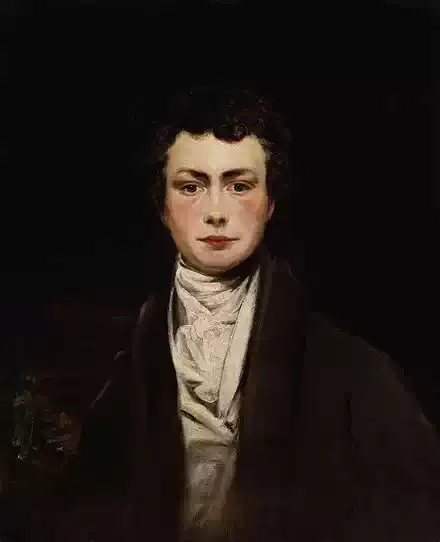
Thomas Moore
Memorabilia of Last Week
Memorabilia of Last Week
Monday, March ,
The Budget - quite charming and witty - no hearing,
For plaudits and laughs, the good things that were in it; --
Great comfort to find, though the Speech isn't cheering,
That all its gay auditors were, every minute.
What, still more prosperity! - mercy upon us,
"This boy'll be the death of me" - oft as, already,
Such smooth Budgeteers have genteelly undone us,
For Ruin made easy there's no one like Freddy.
Tuesday
Much grave apprehension express'd by the Peers,
Lest -- calling to life the old Peachums and Lockitts --
The large stock of gold we're to have in three years,
Should all find its way into highwayman's pockets![]
Wednesday
Little doing - for sacred, oh Wednesday, thou art
To the seven-o'-clock joys of full many a table --
When the Members all meet, to make much of that part
With which they so rashly fell out in the Fable.
It appear'd, though, to-night, that - as churchwardens, yearly,
Eat up a small baby - those cormorant sinners,
The Bankrupt-Commissioners bolt very nearly
A moderate-siz'd bankrupt, tout chaud, for their dinners![]
Nota bene - a rumour to-day, in the City,
"Mr. R-b-ns-n just has resign'd" - what a pity!
The Bulls and the Bears all fell a sobbing,
When they heard of the fate of poor Cock Robin;
While thus, to the nursery tune, so pretty,
A murmuring Stock-dove breath'd her ditty: --
"Alas, poor Robin, he crow'd as long
And as sweet as a prosperous Cock could crow;
Was a pitch too high for Robin to go.
Who'll make his shroud?"
"I," said the Bank, "though he play'd me a prank,
When I have a rag, poor Rob shall be roll'd in 't,
With many a pound I'll paper him round,
Like a plump rouleau - without the gold in 't."
Monday, March ,
The Budget - quite charming and witty - no hearing,
For plaudits and laughs, the good things that were in it; --
Great comfort to find, though the Speech isn't cheering,
That all its gay auditors were, every minute.
What, still more prosperity! - mercy upon us,
"This boy'll be the death of me" - oft as, already,
Such smooth Budgeteers have genteelly undone us,
For Ruin made easy there's no one like Freddy.
Tuesday
Much grave apprehension express'd by the Peers,
Lest -- calling to life the old Peachums and Lockitts --
The large stock of gold we're to have in three years,
Should all find its way into highwayman's pockets![]
Wednesday
Little doing - for sacred, oh Wednesday, thou art
To the seven-o'-clock joys of full many a table --
When the Members all meet, to make much of that part
With which they so rashly fell out in the Fable.
It appear'd, though, to-night, that - as churchwardens, yearly,
Eat up a small baby - those cormorant sinners,
The Bankrupt-Commissioners bolt very nearly
A moderate-siz'd bankrupt, tout chaud, for their dinners![]
Nota bene - a rumour to-day, in the City,
"Mr. R-b-ns-n just has resign'd" - what a pity!
The Bulls and the Bears all fell a sobbing,
When they heard of the fate of poor Cock Robin;
While thus, to the nursery tune, so pretty,
A murmuring Stock-dove breath'd her ditty: --
"Alas, poor Robin, he crow'd as long
And as sweet as a prosperous Cock could crow;
Was a pitch too high for Robin to go.
Who'll make his shroud?"
"I," said the Bank, "though he play'd me a prank,
When I have a rag, poor Rob shall be roll'd in 't,
With many a pound I'll paper him round,
Like a plump rouleau - without the gold in 't."
136
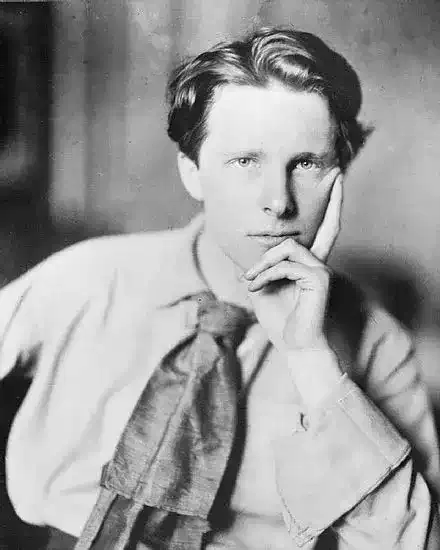
Rupert Brooke
A Memory
A Memory
(From a sonnet-sequence)
Somewhile before the dawn I rose, and stept
Softly along the dim way to your room,
And found you sleeping in the quiet gloom,
And holiness about you as you slept.
I knelt there; till your waking fingers crept
About my head, and held it. I had rest
Unhoped this side of Heaven, beneath your breast.
I knelt a long time, still; nor even wept.
It was great wrong you did me; and for gain
Of that poor moment’s kindliness, and ease,
And sleepy mother-comfort!
Child, you know
How easily love leaps out to dreams like these,
Who has seen them true. And love that’s wakened so
Takes all too long to lay asleep again.
(From a sonnet-sequence)
Somewhile before the dawn I rose, and stept
Softly along the dim way to your room,
And found you sleeping in the quiet gloom,
And holiness about you as you slept.
I knelt there; till your waking fingers crept
About my head, and held it. I had rest
Unhoped this side of Heaven, beneath your breast.
I knelt a long time, still; nor even wept.
It was great wrong you did me; and for gain
Of that poor moment’s kindliness, and ease,
And sleepy mother-comfort!
Child, you know
How easily love leaps out to dreams like these,
Who has seen them true. And love that’s wakened so
Takes all too long to lay asleep again.
208
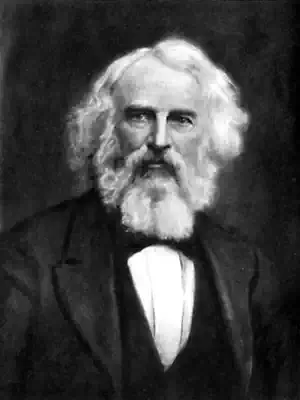
Henry Wadsworth Longfellow
Tales Of A Wayside Inn : Part 1. Interlude I.
Tales Of A Wayside Inn : Part 1. Interlude I.
The Landlord ended thus his tale,
Then rising took down from its nail
The sword that hung there, dim with dust
And cleaving to its sheath with rust,
And said, 'This sword was in the fight.'
The Poet seized it, and exclaimed,
'It is the sword of a good knight,
Though homespun was his coat-of-mail;
What matter if it be not named
Joyeuse, Colada, Durindale,
Excalibar, or Aroundight,
Or other name the books record?
Your ancestor, who bore this sword
As Colonel of the Volunteers,
Mounted upon his old gray mare,
Seen here and there and everywhere,
To me a grander shape appears
Than old Sir William, or what not,
Clinking about in foreign lands
With iron gauntlets on his hands,
And on his head an iron pot!'
All laughed; the Landlord's face grew red
As his escutcheon on the wall;
He could not comprehend at all
The drift of what the Poet said;
For those who had been longest dead
Were always greatest in his eyes;
And be was speechless with surprise
To see Sir William's pluméd head
Brought to a level with the rest,
And made the subject of a jest.
And this perceiving, to appease
The Landlord's wrath, the others' fears,
The Student said, with careless ease,
'The ladies and the cavaliers,
The arms, the loves, the courtesies,
The deeds of high emprise, I sing!
Thus Ariosto says, in words
That have the stately stride and ring
Of arméd knights and clashing swords.
Now listen to the tale I bring;
Listen! though not to me belong
The flowing draperies of his song,
The words that rouse, the voice that charms.
The Landlord's tale was one of arms,
Only a tale of love is mine,
Blending the human and divine,
A tale of the Decameron, told
In Palmieri's garden old,
By Fiametta, laurel-crowned,
While her companions lay around,
And heard the intermingled sound
Of airs that on their errands sped,
And wild birds gossiping overhead,
And lisp of leaves, and fountain's fall,
And her own voice more sweet than all,
Telling the tale, which, wanting these,
Perchance may lose its power to please.'
The Landlord ended thus his tale,
Then rising took down from its nail
The sword that hung there, dim with dust
And cleaving to its sheath with rust,
And said, 'This sword was in the fight.'
The Poet seized it, and exclaimed,
'It is the sword of a good knight,
Though homespun was his coat-of-mail;
What matter if it be not named
Joyeuse, Colada, Durindale,
Excalibar, or Aroundight,
Or other name the books record?
Your ancestor, who bore this sword
As Colonel of the Volunteers,
Mounted upon his old gray mare,
Seen here and there and everywhere,
To me a grander shape appears
Than old Sir William, or what not,
Clinking about in foreign lands
With iron gauntlets on his hands,
And on his head an iron pot!'
All laughed; the Landlord's face grew red
As his escutcheon on the wall;
He could not comprehend at all
The drift of what the Poet said;
For those who had been longest dead
Were always greatest in his eyes;
And be was speechless with surprise
To see Sir William's pluméd head
Brought to a level with the rest,
And made the subject of a jest.
And this perceiving, to appease
The Landlord's wrath, the others' fears,
The Student said, with careless ease,
'The ladies and the cavaliers,
The arms, the loves, the courtesies,
The deeds of high emprise, I sing!
Thus Ariosto says, in words
That have the stately stride and ring
Of arméd knights and clashing swords.
Now listen to the tale I bring;
Listen! though not to me belong
The flowing draperies of his song,
The words that rouse, the voice that charms.
The Landlord's tale was one of arms,
Only a tale of love is mine,
Blending the human and divine,
A tale of the Decameron, told
In Palmieri's garden old,
By Fiametta, laurel-crowned,
While her companions lay around,
And heard the intermingled sound
Of airs that on their errands sped,
And wild birds gossiping overhead,
And lisp of leaves, and fountain's fall,
And her own voice more sweet than all,
Telling the tale, which, wanting these,
Perchance may lose its power to please.'
249
Rupert Brooke
A Channel Passage
A Channel Passage
The damned ship lurched and slithered. Quiet and quick
My cold gorge rose; the long sea rolled; I knew
I must think hard of something, or be sick;
And could think hard of only one thing -- YOU!
You, you alone could hold my fancy ever!
And with you memories come, sharp pain, and dole.
Now there's a choice -- heartache or tortured liver!
A sea-sick body, or a you-sick soul!
Do I forget you? Retchings twist and tie me,
Old meat, good meals, brown gobbets, up I throw.
Do I remember? Acrid return and slimy,
The sobs and slobber of a last years woe.
And still the sick ship rolls. 'Tis hard, I tell ye,
To choose 'twixt love and nausea, heart and belly.
The damned ship lurched and slithered. Quiet and quick
My cold gorge rose; the long sea rolled; I knew
I must think hard of something, or be sick;
And could think hard of only one thing -- YOU!
You, you alone could hold my fancy ever!
And with you memories come, sharp pain, and dole.
Now there's a choice -- heartache or tortured liver!
A sea-sick body, or a you-sick soul!
Do I forget you? Retchings twist and tie me,
Old meat, good meals, brown gobbets, up I throw.
Do I remember? Acrid return and slimy,
The sobs and slobber of a last years woe.
And still the sick ship rolls. 'Tis hard, I tell ye,
To choose 'twixt love and nausea, heart and belly.
237
Thomas Moore
Love and the Novice
Love and the Novice
"Here we dwell, in holiest bowers,
Where angels of light o'er our orisans bend;
Where sighs of devotion and breathings of flowers
To heaven in mingled odour ascend.
Do not disturb our calm, oh Love!
So like is thy form to the cherubs above,
It well might deceive such hearts as ours."
Love stood near the Novice and listen'd,
And Love is no novice in taking a hint;
His laughing blue eyes soon with piety glisten'd;
His rosy wing turn'd to heaven's own tint.
"Who would have thought," the urchin cries,
"That Love could so well, so gravely disguise
His wandering wings, and wounding eyes?"
Love now warms thee, waking and sleeping,
Young Novice, to him all thy orisons rise.
He tinges the heavenly fount with his weeping,
He brightens the censer's flame with his sighs.
Love is the Saint enshrined in thy breast,
And angels themselves would admit such a guest,
If he came to them clothed in Piety's vest.
"Here we dwell, in holiest bowers,
Where angels of light o'er our orisans bend;
Where sighs of devotion and breathings of flowers
To heaven in mingled odour ascend.
Do not disturb our calm, oh Love!
So like is thy form to the cherubs above,
It well might deceive such hearts as ours."
Love stood near the Novice and listen'd,
And Love is no novice in taking a hint;
His laughing blue eyes soon with piety glisten'd;
His rosy wing turn'd to heaven's own tint.
"Who would have thought," the urchin cries,
"That Love could so well, so gravely disguise
His wandering wings, and wounding eyes?"
Love now warms thee, waking and sleeping,
Young Novice, to him all thy orisons rise.
He tinges the heavenly fount with his weeping,
He brightens the censer's flame with his sighs.
Love is the Saint enshrined in thy breast,
And angels themselves would admit such a guest,
If he came to them clothed in Piety's vest.
174

Robert W. Service
Nature's Way
Nature's Way
To tribulations of mankind
Dame Nature is indifferent;
To human sorrow she is blind,
And deaf to human discontent.
Mid fear and fratricidal fray,
Mid woe and tyranny of toil,
She goes her unregarding way
Of sky and sun and soil.
In leaf and blade, in bud and bloom
Exultantly her gladness glows,
And careless of Man's dreary doom
Around the palm she wreathes the rose;
Creating beauty everywhere,
With happy bird in holy song . . .
Please God, let us be unaware
Like her of wrath and wrong.
Let us too be indifferent,
And in her hands our fate resign;
Aye, though the world with rage is rent
Let us be placid as the pine.
For if we turn from greed and guile
Maybe Dame Nature will relent,
And bless us with her lovely smile
Of comfort and content.
To tribulations of mankind
Dame Nature is indifferent;
To human sorrow she is blind,
And deaf to human discontent.
Mid fear and fratricidal fray,
Mid woe and tyranny of toil,
She goes her unregarding way
Of sky and sun and soil.
In leaf and blade, in bud and bloom
Exultantly her gladness glows,
And careless of Man's dreary doom
Around the palm she wreathes the rose;
Creating beauty everywhere,
With happy bird in holy song . . .
Please God, let us be unaware
Like her of wrath and wrong.
Let us too be indifferent,
And in her hands our fate resign;
Aye, though the world with rage is rent
Let us be placid as the pine.
For if we turn from greed and guile
Maybe Dame Nature will relent,
And bless us with her lovely smile
Of comfort and content.
243
Rupert Brooke
IV: The Dead
IV: The Dead
These hearts were woven of human joys and cares,
Washed marvellously with sorrow, swift to mirth.
The years had given them kindness. Dawn was theirs,
And sunset, and the colours of the earth.
These had seen movement, and heard music; known
Slumber and waking; loved; gone proudly friended;
Felt the quick stir of wonder; sat alone;
Touched flowers and furs and cheeks. All this is ended.
There are waters blown by changing winds to laughter
And lit by the rich skies, all day. And after,
Frost, with a gesture, stays the waves that dance
And wandering loveliness. He leaves a white
Unbroken glory, a gathered radiance,
A width, a shining peace, under the night.
These hearts were woven of human joys and cares,
Washed marvellously with sorrow, swift to mirth.
The years had given them kindness. Dawn was theirs,
And sunset, and the colours of the earth.
These had seen movement, and heard music; known
Slumber and waking; loved; gone proudly friended;
Felt the quick stir of wonder; sat alone;
Touched flowers and furs and cheeks. All this is ended.
There are waters blown by changing winds to laughter
And lit by the rich skies, all day. And after,
Frost, with a gesture, stays the waves that dance
And wandering loveliness. He leaves a white
Unbroken glory, a gathered radiance,
A width, a shining peace, under the night.
140
Thomas Moore
Lesbia Hath a Beaming Eye
Lesbia Hath a Beaming Eye
Lesbia hath a beaming eye,
But no one knows for whom it beameth;
Right and left its arrows fly,
But what they aim at no one dreameth.
Sweeter 'tis to gaze upon
My Nora's lid that seldom rises;
Few its looks, but every one,
Like unexpected light, surprises!
Oh, my Nora Creina, dear,
My gentle, bashful Nora Creina,
Beauty lies
In many eyes,
But Love in yours, my Nora Creina.
Lesbia wears a robe of gold,
But all so close the nymph hath laced it,
Not a charm of beauty's mould
Presumes to stay where Nature placed it.
Oh! my Nora's gown for me,
That floats as wild as mountain breezes,
Leaving every beauty free
To sink or swell as Heaven pleases.
Yes, my Nora Creina, dear,
My simple, graceful Nora Creina,
Nature's dress
Is loveliness --
The dress you wear, my Nora Creina.
Lesbia hath a wit refined,
But, when its points are gleaning round us,
Who can tell if they're design'd
To dazzle merely, or to wound us?
Pillow'd on my Nora's heart,
In safer slumber Love reposes --
Bed of peace! whose roughest part
Is but the crumpling of the roses.
Oh! my Nora Creina, dear,
My mild, my artless Nora Creina!
Wit, though bright,
Hath no such light
As warms your eyes, my Nora Creina.
Lesbia hath a beaming eye,
But no one knows for whom it beameth;
Right and left its arrows fly,
But what they aim at no one dreameth.
Sweeter 'tis to gaze upon
My Nora's lid that seldom rises;
Few its looks, but every one,
Like unexpected light, surprises!
Oh, my Nora Creina, dear,
My gentle, bashful Nora Creina,
Beauty lies
In many eyes,
But Love in yours, my Nora Creina.
Lesbia wears a robe of gold,
But all so close the nymph hath laced it,
Not a charm of beauty's mould
Presumes to stay where Nature placed it.
Oh! my Nora's gown for me,
That floats as wild as mountain breezes,
Leaving every beauty free
To sink or swell as Heaven pleases.
Yes, my Nora Creina, dear,
My simple, graceful Nora Creina,
Nature's dress
Is loveliness --
The dress you wear, my Nora Creina.
Lesbia hath a wit refined,
But, when its points are gleaning round us,
Who can tell if they're design'd
To dazzle merely, or to wound us?
Pillow'd on my Nora's heart,
In safer slumber Love reposes --
Bed of peace! whose roughest part
Is but the crumpling of the roses.
Oh! my Nora Creina, dear,
My mild, my artless Nora Creina!
Wit, though bright,
Hath no such light
As warms your eyes, my Nora Creina.
188
Henry Wadsworth Longfellow
Suspiria
Suspiria
Take them, O Death! and bear away
Whatever thou canst call thine own!
Thine image, stamped upon this clay,
Doth give thee that, but that alone!
Take them, O Grave! and let them lie
Folded upon thy narrow shelves,
As garments by the soul laid by,
And precious only to ourselves!
Take them, O great Eternity!
Our little life is but a gust
That bends the branches of thy tree,
And trails its blossoms in the dust!
Take them, O Death! and bear away
Whatever thou canst call thine own!
Thine image, stamped upon this clay,
Doth give thee that, but that alone!
Take them, O Grave! and let them lie
Folded upon thy narrow shelves,
As garments by the soul laid by,
And precious only to ourselves!
Take them, O great Eternity!
Our little life is but a gust
That bends the branches of thy tree,
And trails its blossoms in the dust!
237
Thomas Moore
Lalla Rookh
Lalla Rookh
"How sweetly," said the trembling maid,
Of her own gentle voice afraid,
So long had they in silence stood,
Looking upon that tranquil flood--
"How sweetly does the moon-beam smile
To-night upon yon leafy isle!
Oft in my fancy's wanderings,
I've wish'd that little isle had wings,
And we, within its fairy bow'rs,
Were wafted off to seas unknown,
Where not a pulse should beat but ours,
And we might live, love, die alone!
Far from the cruel and the cold,--
Where the bright eyes of angels only
Should come around us, to behold
A paradise so pure and lonely.
Would this be world enough for thee?"--
Playful she turn'd, that he might see
The passing smile her cheek put on;
But when she mark'd how mournfully
His eyes met hers, that smile was gone;
And, bursting into heart-felt tears,
"Yes, yes," she cried, "my hourly fears
My dreams have boded all too right--
We part--for ever part--to-night!
I knew, I knew it could not last--
'Twas bright, 'twas heav'nly, but 'tis past!
Oh! ever thus, from childhood's hour,
I've seen my fondest hopes decay;
I never lov'd a tree or flow'r,
But 'twas the first to fade away.
I never nurs'd a dear gazelle
To glad me with its soft black eye,
But when it came to know me well
And love me, it was sure to die!
Now too--the joy most like divine
Of all I ever dreamt or knew,
To see thee, hear thee, call thee mine,--
Oh misery! must I lose that too?
Yet go--on peril's brink we meet;--
Those frightful rocks--that treach'rous sea--
No, never come again--though sweet,
Though heav'n, it may be death to thee.
Farewell--and blessings on thy way,
Where'er thou goest, beloved stranger!
Better to sit and watch that ray,
And think thee safe, though far away,
Than have thee near me, and in danger!"
"How sweetly," said the trembling maid,
Of her own gentle voice afraid,
So long had they in silence stood,
Looking upon that tranquil flood--
"How sweetly does the moon-beam smile
To-night upon yon leafy isle!
Oft in my fancy's wanderings,
I've wish'd that little isle had wings,
And we, within its fairy bow'rs,
Were wafted off to seas unknown,
Where not a pulse should beat but ours,
And we might live, love, die alone!
Far from the cruel and the cold,--
Where the bright eyes of angels only
Should come around us, to behold
A paradise so pure and lonely.
Would this be world enough for thee?"--
Playful she turn'd, that he might see
The passing smile her cheek put on;
But when she mark'd how mournfully
His eyes met hers, that smile was gone;
And, bursting into heart-felt tears,
"Yes, yes," she cried, "my hourly fears
My dreams have boded all too right--
We part--for ever part--to-night!
I knew, I knew it could not last--
'Twas bright, 'twas heav'nly, but 'tis past!
Oh! ever thus, from childhood's hour,
I've seen my fondest hopes decay;
I never lov'd a tree or flow'r,
But 'twas the first to fade away.
I never nurs'd a dear gazelle
To glad me with its soft black eye,
But when it came to know me well
And love me, it was sure to die!
Now too--the joy most like divine
Of all I ever dreamt or knew,
To see thee, hear thee, call thee mine,--
Oh misery! must I lose that too?
Yet go--on peril's brink we meet;--
Those frightful rocks--that treach'rous sea--
No, never come again--though sweet,
Though heav'n, it may be death to thee.
Farewell--and blessings on thy way,
Where'er thou goest, beloved stranger!
Better to sit and watch that ray,
And think thee safe, though far away,
Than have thee near me, and in danger!"
175
Rupert Brooke
II: Safety
II: Safety
Dear! of all happy in the hour, most blest
He who has found our hid security,
Assured in the dark tides of the world that rest,
And heard our word, 'Who is so safe as we?'
We have found safety with all things undying,
The winds, and morning, tears of men and mirth,
The deep night, and birds singing, and clouds flying,
And sleep, and freedom, and the autumnal earth.
We have built a house that is not for Time's throwing.
We have gained a peace unshaken by pain for ever.
War knows no power. Safe shall be my going,
Secretly armed against all death's endeavour;
Safe though all safety's lost; safe where men fall;
And if these poor limbs die, safest of all.
Dear! of all happy in the hour, most blest
He who has found our hid security,
Assured in the dark tides of the world that rest,
And heard our word, 'Who is so safe as we?'
We have found safety with all things undying,
The winds, and morning, tears of men and mirth,
The deep night, and birds singing, and clouds flying,
And sleep, and freedom, and the autumnal earth.
We have built a house that is not for Time's throwing.
We have gained a peace unshaken by pain for ever.
War knows no power. Safe shall be my going,
Secretly armed against all death's endeavour;
Safe though all safety's lost; safe where men fall;
And if these poor limbs die, safest of all.
160
Robert W. Service
My Will
My Will
I've made my Will. I don't believe
In luxury and wealth;
And to those loving ones who grieve
My age and frailing health
I give the meed to soothe their ways
That they may happy be,
And pass serenely all their days
In snug security.
That duty done, I leave behind
The all I have to give
To crippled children and the blind
Who lamentably live;
Hoping my withered hand may freight
To happiness a few
Poor innocents whom cruel fate
Has cheated of their due.
A am no grey philanthropist,
Too humble is my lot
Yet how I'm glad to give the grist
My singing mill has brought.
For I have had such lyric days,
So rich, so full, so sweet,
That I with gratitude and praise
Would make my life complete.
I'VE MADE MY WILL: now near the end,
At peace with all mankind,
To children lame I would be friend,
And brother to the blind . . .
And if there be a God, I pray
He bless my last bequest,
And in His love and pity say:
"Good servant,--rest!"
I've made my Will. I don't believe
In luxury and wealth;
And to those loving ones who grieve
My age and frailing health
I give the meed to soothe their ways
That they may happy be,
And pass serenely all their days
In snug security.
That duty done, I leave behind
The all I have to give
To crippled children and the blind
Who lamentably live;
Hoping my withered hand may freight
To happiness a few
Poor innocents whom cruel fate
Has cheated of their due.
A am no grey philanthropist,
Too humble is my lot
Yet how I'm glad to give the grist
My singing mill has brought.
For I have had such lyric days,
So rich, so full, so sweet,
That I with gratitude and praise
Would make my life complete.
I'VE MADE MY WILL: now near the end,
At peace with all mankind,
To children lame I would be friend,
And brother to the blind . . .
And if there be a God, I pray
He bless my last bequest,
And in His love and pity say:
"Good servant,--rest!"
195
Rupert Brooke
I: Peace
I: Peace
Now, God be thanked Who has watched us with His hour,
And caught our youth, and wakened us from sleeping,
With hand made sure, clear eye, and sharpened power,
To turn, as swimmers into cleanness leaping,
Glad from a world grown old and cold and weary,
Leave the sick hearts that honour could not move,
And half-men, and their dirty songs and dreary,
And all the little emptiness of love!
Oh! we, who have known shame, we have found release there,
Where there's no ill, no grief, but sleep has mending,
Naught broken save this body, lost but breath;
Nothing to shake the laughing heart's long peace there
But only agony, and that has ending;
And the worst friend and enemy is but Death.
Now, God be thanked Who has watched us with His hour,
And caught our youth, and wakened us from sleeping,
With hand made sure, clear eye, and sharpened power,
To turn, as swimmers into cleanness leaping,
Glad from a world grown old and cold and weary,
Leave the sick hearts that honour could not move,
And half-men, and their dirty songs and dreary,
And all the little emptiness of love!
Oh! we, who have known shame, we have found release there,
Where there's no ill, no grief, but sleep has mending,
Naught broken save this body, lost but breath;
Nothing to shake the laughing heart's long peace there
But only agony, and that has ending;
And the worst friend and enemy is but Death.
167
Thomas Moore
It Is Not the Tear At This Moment Shed
It Is Not the Tear At This Moment Shed
It is not the tear at this moment shed,
When the cold turf has just been laid o'er him,
That can tell how beloved was the friend that's fled,
Or how deep in our hearts we deplore him.
'Tis the tear, through many a long day wept,
'Tis life's whole path o'ershaded;
'Tis the one remembrance, fondly kept,
When all lighter griefs have faded.
Thus his memory, like some holy light,
Kept alive in our hearts, will improve them,
For worth shall look fairer, and truth more bright,
When we think how he lived but to love them.
And as fresher flowers the sod perfume
Where buried saints are lying,
So our hearts shall borrow a sweetening bloom
From the image he left there in dying!
It is not the tear at this moment shed,
When the cold turf has just been laid o'er him,
That can tell how beloved was the friend that's fled,
Or how deep in our hearts we deplore him.
'Tis the tear, through many a long day wept,
'Tis life's whole path o'ershaded;
'Tis the one remembrance, fondly kept,
When all lighter griefs have faded.
Thus his memory, like some holy light,
Kept alive in our hearts, will improve them,
For worth shall look fairer, and truth more bright,
When we think how he lived but to love them.
And as fresher flowers the sod perfume
Where buried saints are lying,
So our hearts shall borrow a sweetening bloom
From the image he left there in dying!
148
Henry Wadsworth Longfellow
Sundown
Sundown
The summer sun is sinking low;
Only the tree-tops redden and glow:
Only the weathercock on the spire
Of the neighboring church is a flame of fire;
All is in shadow below.
O beautiful, awful summer day,
What hast thou given, what taken away?
Life and death, and love and hate,
Homes made happy or desolate,
Hearts made sad or gay!
On the road of life one mile-stone more!
In the book of life one leaf turned o'er!
Like a red seal is the setting sun
On the good and the evil men have done,--
Naught can to-day restore!
The summer sun is sinking low;
Only the tree-tops redden and glow:
Only the weathercock on the spire
Of the neighboring church is a flame of fire;
All is in shadow below.
O beautiful, awful summer day,
What hast thou given, what taken away?
Life and death, and love and hate,
Homes made happy or desolate,
Hearts made sad or gay!
On the road of life one mile-stone more!
In the book of life one leaf turned o'er!
Like a red seal is the setting sun
On the good and the evil men have done,--
Naught can to-day restore!
256
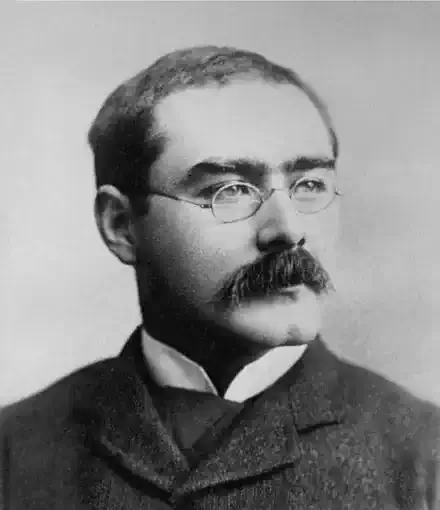
Rudyard Kipling
With Scindia To Delhi
With Scindia To Delhi
More than a hundred years ago, in a great battle fought near Delhi,
an Indian Prince rode fifty miles after the day was lost
with a beggar-girl, who had loved him and followed him in all his camps,
on his saddle-bow. He lost the girl when almost within sight of safety.
A Maratta trooper tells the story: --
The wreath of banquet overnight lay withered on the neck,
Our hands and scarfs were saffron-dyed for signal of despair,
When we went forth to Paniput to battle with the ~Mlech~, --
Ere we came back from Paniput and left a kingdom there.
Thrice thirty thousand men were we to force the Jumna fords --
The hawk-winged horse of Damajee, mailed squadrons of the Bhao,
Stark levies of the southern hills, the Deccan's sharpest swords,
And he the harlot's traitor son the goatherd Mulhar Rao!
Thrice thirty thousand men were we before the mists had cleared,
The low white mists of morning heard the war-conch scream and bray;
We called upon Bhowani and we gripped them by the beard,
We rolled upon them like a flood and washed their ranks away.
The children of the hills of Khost before our lances ran,
We drove the black Rohillas back as cattle to the pen;
'Twas then we needed Mulhar Rao to end what we began,
A thousand men had saved the charge; he fled the field with ten!
There was no room to clear a sword -- no power to strike a blow,
For foot to foot, ay, breast to breast, the battle held us fast --
Save where the naked hill-men ran, and stabbing from below
Brought down the horse and rider and we trampled them and passed.
To left the roar of musketry rang like a falling flood --
To right the sunshine rippled red from redder lance and blade --
Above the dark ~Upsaras~* flew, beneath us plashed the blood,
And, bellying black against the dust, the Bhagwa Jhanda swayed.
* The Choosers of the Slain.
I saw it fall in smoke and fire, the banner of the Bhao;
I heard a voice across the press of one who called in vain: --
"Ho! Anand Rao Nimbalkhur, ride! Get aid of Mulhar Rao!
Go shame his squadrons into fight -- the Bhao -- the Bhao is slain!"
Thereat, as when a sand-bar breaks in clotted spume and spray --
When rain of later autumn sweeps the Jumna water-head,
Before their charge from flank to flank our riven ranks gave way;
But of the waters of that flood the Jumna fords ran red.
I held by Scindia, my lord, as close as man might hold;
A Soobah of the Deccan asks no aid to guard his life;
But Holkar's Horse were flying, and our chiefest chiefs were cold,
And like a flame among us leapt the long lean Northern knife.
I held by Scindia -- my lance from butt to tuft was dyed,
The froth of battle bossed the shield and roped the bridle-chain --
What time beneath our horses' feet a maiden rose and cried,
And clung to Scindia, and I turned a sword-cut from the twain.
(He set a spell upon the maid in woodlands long ago,
A hunter by the Tapti banks she gave him water there:
He turned her heart to water, and she followed to her woe.
What need had he of Lalun who had twenty maids as fair?)
Now in that hour strength left my lord; he wrenched his mare aside;
He bound the girl behind him and we slashed and struggled free.
Across the reeling wreck of strife we rode as shadows ride
From Paniput to Delhi town, but not alone were we.
'Twas Lutuf-Ullah Populzai laid horse upon our track,
A swine-fed reiver of the North that lusted for the maid;
I might have barred his path awhile, but Scindia called me back,
And I -- O woe for Scindia! -- I listened and obeyed.
League after league the formless scrub took shape and glided by --
League after league the white road swirled behind the white mare's feet --
League after league, when leagues were done, we heard the Populzai,
Where sure as Time and swift as Death the tireless footfall beat.
Noon's eye beheld that shame of flight, the shadows fell, we fled
Where steadfast as the wheeling kite he followed in our train;
The black wolf warred where we had warred, the jackal mocked our dead,
And terror born of twilight-tide made mad the labouring brain.
I gasped: -- "A kingdom waits my lord; her love is but her own.
A day shall mar, a day shall cure for her, but what for thee?
Cut loose the girl: he follows fast. Cut loose and ride alone!"
Then Scindia 'twixt his blistered lips: -- "My Queens' Queen shall she be!
"Of all who ate my bread last night 'twas she alone that came
To seek her love between the spears and find her crown therein!
One shame is mine to-day, what need the weight of double shame?
If once we reach the Delhi gate, though all be lost, I win!"
We rode -- the white mare failed -- her trot a staggering stumble grew, --
The cooking-smoke of even rose and weltered and hung low;
And still we heard the Populzai and still we strained anew,
And Delhi town was very near, but nearer was the foe.
Yea, Delhi town was very near when Lalun whispered: -- "Slay!
Lord of my life, the mare sinks fast -- stab deep and let me die!"
But Scindia would not, and the maid tore free and flung away,
And turning as she fell we heard the clattering Populzai.
Then Scindia checked the gasping mare that rocked and groaned for breath,
And wheeled to charge and plunged the knife a hand's-breadth in her side --
The hunter and the hunted know how that last pause is death --
The blood had chilled about her heart, she reared and fell and died.
Our Gods were kind. Before he heard the maiden's piteous scream
A log upon the Delhi road, beneath the mare he lay --
Lost mistress and lost battle passed before him like a dream;
The darkness closed about his eyes -- I bore my King away.
More than a hundred years ago, in a great battle fought near Delhi,
an Indian Prince rode fifty miles after the day was lost
with a beggar-girl, who had loved him and followed him in all his camps,
on his saddle-bow. He lost the girl when almost within sight of safety.
A Maratta trooper tells the story: --
The wreath of banquet overnight lay withered on the neck,
Our hands and scarfs were saffron-dyed for signal of despair,
When we went forth to Paniput to battle with the ~Mlech~, --
Ere we came back from Paniput and left a kingdom there.
Thrice thirty thousand men were we to force the Jumna fords --
The hawk-winged horse of Damajee, mailed squadrons of the Bhao,
Stark levies of the southern hills, the Deccan's sharpest swords,
And he the harlot's traitor son the goatherd Mulhar Rao!
Thrice thirty thousand men were we before the mists had cleared,
The low white mists of morning heard the war-conch scream and bray;
We called upon Bhowani and we gripped them by the beard,
We rolled upon them like a flood and washed their ranks away.
The children of the hills of Khost before our lances ran,
We drove the black Rohillas back as cattle to the pen;
'Twas then we needed Mulhar Rao to end what we began,
A thousand men had saved the charge; he fled the field with ten!
There was no room to clear a sword -- no power to strike a blow,
For foot to foot, ay, breast to breast, the battle held us fast --
Save where the naked hill-men ran, and stabbing from below
Brought down the horse and rider and we trampled them and passed.
To left the roar of musketry rang like a falling flood --
To right the sunshine rippled red from redder lance and blade --
Above the dark ~Upsaras~* flew, beneath us plashed the blood,
And, bellying black against the dust, the Bhagwa Jhanda swayed.
* The Choosers of the Slain.
I saw it fall in smoke and fire, the banner of the Bhao;
I heard a voice across the press of one who called in vain: --
"Ho! Anand Rao Nimbalkhur, ride! Get aid of Mulhar Rao!
Go shame his squadrons into fight -- the Bhao -- the Bhao is slain!"
Thereat, as when a sand-bar breaks in clotted spume and spray --
When rain of later autumn sweeps the Jumna water-head,
Before their charge from flank to flank our riven ranks gave way;
But of the waters of that flood the Jumna fords ran red.
I held by Scindia, my lord, as close as man might hold;
A Soobah of the Deccan asks no aid to guard his life;
But Holkar's Horse were flying, and our chiefest chiefs were cold,
And like a flame among us leapt the long lean Northern knife.
I held by Scindia -- my lance from butt to tuft was dyed,
The froth of battle bossed the shield and roped the bridle-chain --
What time beneath our horses' feet a maiden rose and cried,
And clung to Scindia, and I turned a sword-cut from the twain.
(He set a spell upon the maid in woodlands long ago,
A hunter by the Tapti banks she gave him water there:
He turned her heart to water, and she followed to her woe.
What need had he of Lalun who had twenty maids as fair?)
Now in that hour strength left my lord; he wrenched his mare aside;
He bound the girl behind him and we slashed and struggled free.
Across the reeling wreck of strife we rode as shadows ride
From Paniput to Delhi town, but not alone were we.
'Twas Lutuf-Ullah Populzai laid horse upon our track,
A swine-fed reiver of the North that lusted for the maid;
I might have barred his path awhile, but Scindia called me back,
And I -- O woe for Scindia! -- I listened and obeyed.
League after league the formless scrub took shape and glided by --
League after league the white road swirled behind the white mare's feet --
League after league, when leagues were done, we heard the Populzai,
Where sure as Time and swift as Death the tireless footfall beat.
Noon's eye beheld that shame of flight, the shadows fell, we fled
Where steadfast as the wheeling kite he followed in our train;
The black wolf warred where we had warred, the jackal mocked our dead,
And terror born of twilight-tide made mad the labouring brain.
I gasped: -- "A kingdom waits my lord; her love is but her own.
A day shall mar, a day shall cure for her, but what for thee?
Cut loose the girl: he follows fast. Cut loose and ride alone!"
Then Scindia 'twixt his blistered lips: -- "My Queens' Queen shall she be!
"Of all who ate my bread last night 'twas she alone that came
To seek her love between the spears and find her crown therein!
One shame is mine to-day, what need the weight of double shame?
If once we reach the Delhi gate, though all be lost, I win!"
We rode -- the white mare failed -- her trot a staggering stumble grew, --
The cooking-smoke of even rose and weltered and hung low;
And still we heard the Populzai and still we strained anew,
And Delhi town was very near, but nearer was the foe.
Yea, Delhi town was very near when Lalun whispered: -- "Slay!
Lord of my life, the mare sinks fast -- stab deep and let me die!"
But Scindia would not, and the maid tore free and flung away,
And turning as she fell we heard the clattering Populzai.
Then Scindia checked the gasping mare that rocked and groaned for breath,
And wheeled to charge and plunged the knife a hand's-breadth in her side --
The hunter and the hunted know how that last pause is death --
The blood had chilled about her heart, she reared and fell and died.
Our Gods were kind. Before he heard the maiden's piteous scream
A log upon the Delhi road, beneath the mare he lay --
Lost mistress and lost battle passed before him like a dream;
The darkness closed about his eyes -- I bore my King away.
553
Thomas Moore
If Thou'lt Be Mine
If Thou'lt Be Mine
If thou'lt be mine, the treasures of air,
Of earth, and sea, shall lie at thy feet;
Whatever in Fancy's eye looks fair,
Or in Hope's sweet music sounds most sweet,
Shall be ours -- if thou wilt be mine, love!
Bright flowers shall bloom wherever we rove,
A voice divine shall talk in each stream;
The stars shall look like world of love,
And this earth be all one beautiful dream
In our eyes -- if thou wilt be mine, love!
And thoughts, whose source is hidden and high,
Like streams that come from heaven-ward hills,
Shall keep our hearts, like meads, that lie
To be bathed by those eternal rills,
Ever green, if thou wilt be mine, love!
All this and more the Spirit of Love
Can breathe o'er them who feel his spells;
That heaven, which forms his home above,
He can make on earth, wherever he dwells,
As thou'lt own, -- if thou wilt be mine, love!
If thou'lt be mine, the treasures of air,
Of earth, and sea, shall lie at thy feet;
Whatever in Fancy's eye looks fair,
Or in Hope's sweet music sounds most sweet,
Shall be ours -- if thou wilt be mine, love!
Bright flowers shall bloom wherever we rove,
A voice divine shall talk in each stream;
The stars shall look like world of love,
And this earth be all one beautiful dream
In our eyes -- if thou wilt be mine, love!
And thoughts, whose source is hidden and high,
Like streams that come from heaven-ward hills,
Shall keep our hearts, like meads, that lie
To be bathed by those eternal rills,
Ever green, if thou wilt be mine, love!
All this and more the Spirit of Love
Can breathe o'er them who feel his spells;
That heaven, which forms his home above,
He can make on earth, wherever he dwells,
As thou'lt own, -- if thou wilt be mine, love!
159
Robert W. Service
My Vineyard
My Vineyard
To me at night the stars are vocal.
They say: 'Your planet's oh so local!
A speck of dust in heaven's ceiling;
Your faith divine a foolish feeling.
What odds if you are chaos hurled,
Yours is a silly little world.'
For their derision, haply true,
I hate the stars, as wouldn't you?
But whether earth be great or little,
I do not care a fishwife's spittle;
I do not fret its where or why,-Today's
a day and I am I.
Serene, afar from woe and worry
I tend my vines and do not hurry.
I buss the lass and tip the bottle,
Fill up the glass and rinse my throttle.
Tomorrow though the earth should perish,
The lust of life today I cherish.
Ah no, the stars I will not curse:
Though things are bad they might be worse.
So when vast constellations shine
I drink to them in ruby wine;
For they themselves,--although it odd is,
Somehow give me a sense that God is.
Because we trust and realise
His love he steers us in the skies.
For faith however foolish can
Be mighty helpful to a man:
And as I tend my vines so He
With tenderness looks after me.
To me at night the stars are vocal.
They say: 'Your planet's oh so local!
A speck of dust in heaven's ceiling;
Your faith divine a foolish feeling.
What odds if you are chaos hurled,
Yours is a silly little world.'
For their derision, haply true,
I hate the stars, as wouldn't you?
But whether earth be great or little,
I do not care a fishwife's spittle;
I do not fret its where or why,-Today's
a day and I am I.
Serene, afar from woe and worry
I tend my vines and do not hurry.
I buss the lass and tip the bottle,
Fill up the glass and rinse my throttle.
Tomorrow though the earth should perish,
The lust of life today I cherish.
Ah no, the stars I will not curse:
Though things are bad they might be worse.
So when vast constellations shine
I drink to them in ruby wine;
For they themselves,--although it odd is,
Somehow give me a sense that God is.
Because we trust and realise
His love he steers us in the skies.
For faith however foolish can
Be mighty helpful to a man:
And as I tend my vines so He
With tenderness looks after me.
199
Rudyard Kipling
Wilful Missing
Wilful Missing
(Deserters)
There is a world outside the one you know,
To which for curiousness 'Ell can't compare--
It is the place where "wilful-missings" go,
As we can testify, for we are there.
You may 'ave read a bullet laid us low,
That we was gathered in "with reverent care"
And buried proper. But it was not so,
As we can testify --for we are there!
They can't be certain--faces alter so
After the old aasvogel 'ad 'is share.
The uniform's the mark by which they go--
And--ain't it odd?--the one we best can spare.
We might 'ave seen our chance to cut the show--
Name, number, record, an 'begin elsewhere--
Leaven'' some not too late-lamented foe
One funeral-private-British-for 'is share.
We may 'ave took it yonder in the Low
Bush-veldt that sends men stragglin' 'unaware
Among the Kaffirs, till their columns go,
An 'they are left past call or count or care.
We might 'ave been your lovers long ago,
'Usbands or children--comfort or despair.
Our death (an' burial) settles all we owe,
An' why we done it is our own affair.
Marry again, and we will not say no,
Nor come to barstardise the kids you bear.
Wait on in 'ope--you've all your life below
Before you'll ever 'ear us on the stair.
There is no need to give our reasons, though
Gawd knows we all 'ad reasons which were fair;
But other people might not judge 'em so--
And now it doesn't matter what they were.
What man can weigh or size another's woe:
There are some things too bitter 'ard to bear.
Suffice it we 'ave finished--Domino!
As we can testify, for we are there,
In the side-world where "wilful-missings " go.
(Deserters)
There is a world outside the one you know,
To which for curiousness 'Ell can't compare--
It is the place where "wilful-missings" go,
As we can testify, for we are there.
You may 'ave read a bullet laid us low,
That we was gathered in "with reverent care"
And buried proper. But it was not so,
As we can testify --for we are there!
They can't be certain--faces alter so
After the old aasvogel 'ad 'is share.
The uniform's the mark by which they go--
And--ain't it odd?--the one we best can spare.
We might 'ave seen our chance to cut the show--
Name, number, record, an 'begin elsewhere--
Leaven'' some not too late-lamented foe
One funeral-private-British-for 'is share.
We may 'ave took it yonder in the Low
Bush-veldt that sends men stragglin' 'unaware
Among the Kaffirs, till their columns go,
An 'they are left past call or count or care.
We might 'ave been your lovers long ago,
'Usbands or children--comfort or despair.
Our death (an' burial) settles all we owe,
An' why we done it is our own affair.
Marry again, and we will not say no,
Nor come to barstardise the kids you bear.
Wait on in 'ope--you've all your life below
Before you'll ever 'ear us on the stair.
There is no need to give our reasons, though
Gawd knows we all 'ad reasons which were fair;
But other people might not judge 'em so--
And now it doesn't matter what they were.
What man can weigh or size another's woe:
There are some things too bitter 'ard to bear.
Suffice it we 'ave finished--Domino!
As we can testify, for we are there,
In the side-world where "wilful-missings " go.
408
Thomas Moore
I Wish I Was By That Dim Lake
I Wish I Was By That Dim Lake
I wish I was by that dim Lake,
Where sinful souls their farewell take
Of this vain world, and half-way lie
In death's cold shadow, ere they die.
There, there, far from thee,
Deceitful world, my home should be;
Where, come what might of gloom and pain,
False hope should n'er deceive again.
The lifeless sky, the mournful sound
Of unseen waters falling round;
The dry leaves, quivering o'er my head,
Like man, unquiet even when dead!
These, ay, these shall wean
My soul from life's deluding scene,
And turn each thought, o'ercharged with gloom
Like willows, downward towards the tomb.
As they, who to their couch at night
Would win repose, first quench the light,
So must the hopes, that keep this breast
Awake, be quench'd, ere it can rest.
Cold, cold, this heart must grow,
Unmmoved by either joy or woe,
Like freezing founts, where all that's thrown
Within their current turns to stone.
I wish I was by that dim Lake,
Where sinful souls their farewell take
Of this vain world, and half-way lie
In death's cold shadow, ere they die.
There, there, far from thee,
Deceitful world, my home should be;
Where, come what might of gloom and pain,
False hope should n'er deceive again.
The lifeless sky, the mournful sound
Of unseen waters falling round;
The dry leaves, quivering o'er my head,
Like man, unquiet even when dead!
These, ay, these shall wean
My soul from life's deluding scene,
And turn each thought, o'ercharged with gloom
Like willows, downward towards the tomb.
As they, who to their couch at night
Would win repose, first quench the light,
So must the hopes, that keep this breast
Awake, be quench'd, ere it can rest.
Cold, cold, this heart must grow,
Unmmoved by either joy or woe,
Like freezing founts, where all that's thrown
Within their current turns to stone.
184
Henry Wadsworth Longfellow
Spring. (From The French Of Charles D'Orleans. XV. Century)
Spring. (From The French Of Charles D'Orleans. XV. Century)
Gentle Spring! in sunshine clad,
Well dost thou thy power display!
For Winter maketh the light heart sad,
And thou, thou makest the sad heart gay,
He sees thee, and calls to his gloomy train,
The sleet, and the snow, and the wind, and the rain;
And they shrink away, and they flee in fear,
When thy merry step draws near.
Winter giveth the fields and the trees, so old,
Their beards of icicles and snow;
And the rain, it raineth so fast and cold,
We must cower over the embers low;
And, snugly housed from the wind and weather,
Mope like birds that are changing feather.
But the storm retires, and the sky grows clear,
When thy merry step draws near.
Winter maketh the sun in the gloomy sky
Wrap him round with a mantle of cloud;
But, Heaven be praised, thy step is nigh;
Thou tearest away the mournful shroud,
And the earth looks bright, and Winter surly,
Who has toiled for nought both late and early,
Is banished afar by the new-born year,
When thy merry step draws near.
Gentle Spring! in sunshine clad,
Well dost thou thy power display!
For Winter maketh the light heart sad,
And thou, thou makest the sad heart gay,
He sees thee, and calls to his gloomy train,
The sleet, and the snow, and the wind, and the rain;
And they shrink away, and they flee in fear,
When thy merry step draws near.
Winter giveth the fields and the trees, so old,
Their beards of icicles and snow;
And the rain, it raineth so fast and cold,
We must cower over the embers low;
And, snugly housed from the wind and weather,
Mope like birds that are changing feather.
But the storm retires, and the sky grows clear,
When thy merry step draws near.
Winter maketh the sun in the gloomy sky
Wrap him round with a mantle of cloud;
But, Heaven be praised, thy step is nigh;
Thou tearest away the mournful shroud,
And the earth looks bright, and Winter surly,
Who has toiled for nought both late and early,
Is banished afar by the new-born year,
When thy merry step draws near.
251
Thomas Moore
I Saw From the Beach
I Saw From the Beach
I saw from the beach, when the morning was shining,
A bark o'er the waters move gloriously on;
I came when the sun o'er that beach was declining,
The bark was still there, but the waters were gone.
And such is the fate of our life's early promise,
So passing the spring-tide of joy we have known;
Each wave that we danced on at morning ebbs from us,
And leaves us, at eve, on the bleak shore alone.
Oh, who would not welcome that moment's returning
When passion first waked a new life through his frame,
And his soul, like the wood that grows precious in burning,
Gave out all its sweets to love's exquisite flame.
I saw from the beach, when the morning was shining,
A bark o'er the waters move gloriously on;
I came when the sun o'er that beach was declining,
The bark was still there, but the waters were gone.
And such is the fate of our life's early promise,
So passing the spring-tide of joy we have known;
Each wave that we danced on at morning ebbs from us,
And leaves us, at eve, on the bleak shore alone.
Oh, who would not welcome that moment's returning
When passion first waked a new life through his frame,
And his soul, like the wood that grows precious in burning,
Gave out all its sweets to love's exquisite flame.
165
Rudyard Kipling
When Earth's Last Picture Is Painted
When Earth's Last Picture Is Painted
When Earth's last picture is painted
And the tubes are twisted and dried
When the oldest colors have faded
And the youngest critic has died
We shall rest, and faith, we shall need it
Lie down for an aeon or two
'Till the Master of all good workmen
Shall put us to work anew
And those that were good shall be happy
They'll sit in a golden chair
They'll splash at a ten league canvas
With brushes of comet's hair
They'll find real saints to draw from
Magdalene, Peter, and Paul
They'll work for an age at a sitting
And never be tired at all.
And only the Master shall praise us.
And only the Master shall blame.
And no one will work for the money.
No one will work for the fame.
But each for the joy of the working,
And each, in his separate star,
Will draw the thing as he sees it.
For the God of things as they are!
When Earth's last picture is painted
And the tubes are twisted and dried
When the oldest colors have faded
And the youngest critic has died
We shall rest, and faith, we shall need it
Lie down for an aeon or two
'Till the Master of all good workmen
Shall put us to work anew
And those that were good shall be happy
They'll sit in a golden chair
They'll splash at a ten league canvas
With brushes of comet's hair
They'll find real saints to draw from
Magdalene, Peter, and Paul
They'll work for an age at a sitting
And never be tired at all.
And only the Master shall praise us.
And only the Master shall blame.
And no one will work for the money.
No one will work for the fame.
But each for the joy of the working,
And each, in his separate star,
Will draw the thing as he sees it.
For the God of things as they are!
378
Robert W. Service
My Twins
My Twins
Of twin daughters I'm the mother -
Lord! how I was proud of them;
Each the image of the other,
Like two lilies on one stem;
But while May, my first-born daughter,
Was angelic from the first,
Different as wine and water,
Maude, my second, seemed accurst.
I'm a tender-hearted dame,
Military is my bent;
Thus my pretty dears can claim
For their Pa the Regiment.
As they say: to err is human;
But though lots of love I've had,
I'm an ordinary women,
Just as good as I am bad.
Good and bad should find their level,
So I often wonder why
May was angel, Maude was devil,
Yet between the two was I.
May, they say, has taken vows -
Sister Mary, pure and sweet;
Maudie's in a bawdy house,
Down in Mariposa Street.
It's not natural I'm thinking,
One should pray, the other curse;
I'm so worried I am drinking,
Which is making matters worse.
Yet my daughters love each other,
And I love them equal well;
Saint and sinner call me mother . . .
Ain't heredity just hell?
Of twin daughters I'm the mother -
Lord! how I was proud of them;
Each the image of the other,
Like two lilies on one stem;
But while May, my first-born daughter,
Was angelic from the first,
Different as wine and water,
Maude, my second, seemed accurst.
I'm a tender-hearted dame,
Military is my bent;
Thus my pretty dears can claim
For their Pa the Regiment.
As they say: to err is human;
But though lots of love I've had,
I'm an ordinary women,
Just as good as I am bad.
Good and bad should find their level,
So I often wonder why
May was angel, Maude was devil,
Yet between the two was I.
May, they say, has taken vows -
Sister Mary, pure and sweet;
Maudie's in a bawdy house,
Down in Mariposa Street.
It's not natural I'm thinking,
One should pray, the other curse;
I'm so worried I am drinking,
Which is making matters worse.
Yet my daughters love each other,
And I love them equal well;
Saint and sinner call me mother . . .
Ain't heredity just hell?
226