
Poems List
Explore poems from our collection
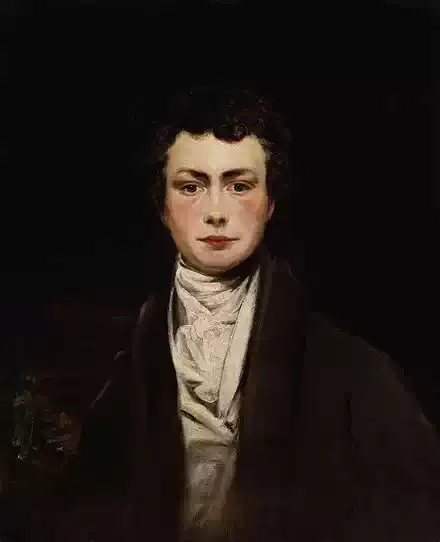
Thomas Moore
Silence is in Our Festal Halls
Silence is in Our Festal Halls
Silence is in our festal halls --
Sweet son of song! thy course is o'er;
In vain on thee sad Erin calls,
Her minstrel's voice responds no more; --
All silent as the Eolian shell
Sleeps at the close of some bright day,
When the sweet breeze, that waked its swell
At sunny morn, hath died away.
Yet, at our feasts, thy spirit long,
Awaked by music's spell, shall rise;
For, name so link'd with deathless song
Partakes its charm and never dies;
And even within the holy fane,
When music wafts the soul to heaven,
One thought to him, whose earliest strain
Was echoed there, shall long be given.
But where is now the cheerful day,
The social night, when by thy side,
He who now weaves this parting lay
His skilless voice with thine allied;
And sung those songs whose every tone,
When bard and minstrel long have past,
Shall still, in sweetness all their own,
Embalm'd by fame, undying last.
Yes, Erin, shine alone the fame --
Or, if thy bard have shared the crown,
From thee the borrow'd glory came,
And at thy feet is now laid down.
Enough, if Freedom still inspire,
His latest song, and still there be,
As evening closes round his lyre,
One ray upon its chords from thee.
Silence is in our festal halls --
Sweet son of song! thy course is o'er;
In vain on thee sad Erin calls,
Her minstrel's voice responds no more; --
All silent as the Eolian shell
Sleeps at the close of some bright day,
When the sweet breeze, that waked its swell
At sunny morn, hath died away.
Yet, at our feasts, thy spirit long,
Awaked by music's spell, shall rise;
For, name so link'd with deathless song
Partakes its charm and never dies;
And even within the holy fane,
When music wafts the soul to heaven,
One thought to him, whose earliest strain
Was echoed there, shall long be given.
But where is now the cheerful day,
The social night, when by thy side,
He who now weaves this parting lay
His skilless voice with thine allied;
And sung those songs whose every tone,
When bard and minstrel long have past,
Shall still, in sweetness all their own,
Embalm'd by fame, undying last.
Yes, Erin, shine alone the fame --
Or, if thy bard have shared the crown,
From thee the borrow'd glory came,
And at thy feet is now laid down.
Enough, if Freedom still inspire,
His latest song, and still there be,
As evening closes round his lyre,
One ray upon its chords from thee.
148
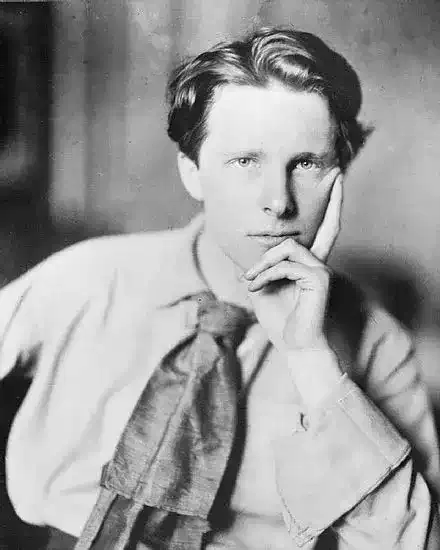
Rupert Brooke
Hauntings
Hauntings
In the grey tumult of these after years
Oft silence falls; the incessant wranglers part;
And less-than-echoes of remembered tears
Hush all the loud confusion of the heart;
And a shade, through the toss'd ranks of mirth and crying
Hungers, and pains, and each dull passionate mood, --
Quite lost, and all but all forgot, undying,
Comes back the ecstasy of your quietude.
So a poor ghost, beside his misty streams,
Is haunted by strange doubts, evasive dreams,
Hints of a pre-Lethean life, of men,
Stars, rocks, and flesh, things unintelligible,
And light on waving grass, he knows not when,
And feet that ran, but where, he cannot tell.
In the grey tumult of these after years
Oft silence falls; the incessant wranglers part;
And less-than-echoes of remembered tears
Hush all the loud confusion of the heart;
And a shade, through the toss'd ranks of mirth and crying
Hungers, and pains, and each dull passionate mood, --
Quite lost, and all but all forgot, undying,
Comes back the ecstasy of your quietude.
So a poor ghost, beside his misty streams,
Is haunted by strange doubts, evasive dreams,
Hints of a pre-Lethean life, of men,
Stars, rocks, and flesh, things unintelligible,
And light on waving grass, he knows not when,
And feet that ran, but where, he cannot tell.
172
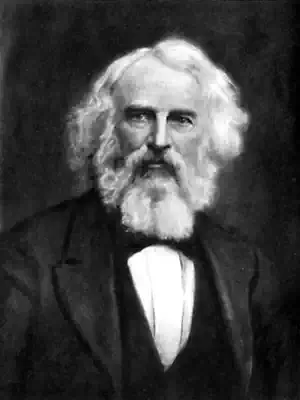
Henry Wadsworth Longfellow
Tales Of A Wayside Inn : Part 1. The Musician's Tale; The Saga of King Olaf XI.
Tales Of A Wayside Inn : Part 1. The Musician's Tale; The Saga of King Olaf XI.
-- Bishop Sigurd At Salten Fiord
Loud the anngy wind was wailing
As King Olaf's ships came sailing
Northward out of Drontheim haven
To the mouth of Salten Fiord.
Though the flying sea-spray drenches
Fore and aft the rowers' benches,
Not a single heart is craven
Of the champions there on board.
All without the Fiord was quiet
But within it storm and riot,
Such as on his Viking cruises
Raud the Strong was wont to ride.
And the sea through all its tide-ways
Swept the reeling vessels sideways,
As the leaves are swept through sluices,
When the flood-gates open wide.
''T is the warlock! 't is the demon
Raud!' cried Sigurd to the seamen;
'But the Lord is not affrighted
By the witchcraft of his foes.'
To the ship's bow he ascended,
By his choristers attended,
Round him were the tapers lighted,
And the sacred incense rose.
On the bow stood Bishop Sigurd,
In his robes, as one transfigured,
And the Crucifix he planted
High amid the rain and mist.
Then with holy water sprinkled
All the ship; the mass-bells tinkled.
Loud the monks around him chanted,
Loud he read the Evangelist.
As into the Fiord they darted,
On each side the water parted;
Down a path like silver molten
Steadily rowed King Olaf's ships;
Steadily burned all night the tapers,
And the White Christ through the vapors
Gleamed across the Fiord of Salten,
As through John's Apocalypse,--
Till at last they reached Raud's dwelling
On the little isle of Gelling;
Not a guard was at the doorway,
Not a glimmer of light was seen.
But at anchor, carved and gilded,
Lay the dragon-ship he builded;
'T was the grandest ship in Norway,
With its crest and scales of green.
Up the stairway, softly creeping,
To the loft where Raud was sleeping,
With their fists they burst asunder
Bolt and bar that held the door.
Drunken with sleep and ale they found him,
Dragged him from his bed and bound him,
While he stared with stupid wonder,
At the look and garb they wore.
Then King Olaf said: 'O Sea-King!
Little time have we for speaking,
Choose between the good and evil;
Be baptized, or thou shalt die!?
But in scorn the heathen scoffer
Answered: 'I disdain thine offer;
Neither fear I God nor Devil;
Thee and thy Gospel I defy!'
Then between his jaws distended,
When his frantic struggles ended,
Through King Olaf's horn an adder,
Touched by fire, they forced to glide.
Sharp his tooth was as an arrow,
As he gnawed through bone and marrow;
But without a groan or shudder,
Raud the Strong blaspheming died.
Then baptized they all that region,
Swarthy Lap and fair Norwegian,
Far as swims the salmon, leaping,
Up the streams of Salten Fiord.
In their temples Thor and Odin
Lay in dust and ashes trodden,
As King Olaf, onward sweeping,
Preached the Gospel with his sword.
Then he took the carved and gilded
Dragon-ship that Raud had builded,
And the tiller single-handed,
Grasping, steered into the main.
Southward sailed the sea-gulls o'er him,
Southward sailed the ship that bore him,
Till at Drontheim haven landed
Olaf and his crew again.
-- Bishop Sigurd At Salten Fiord
Loud the anngy wind was wailing
As King Olaf's ships came sailing
Northward out of Drontheim haven
To the mouth of Salten Fiord.
Though the flying sea-spray drenches
Fore and aft the rowers' benches,
Not a single heart is craven
Of the champions there on board.
All without the Fiord was quiet
But within it storm and riot,
Such as on his Viking cruises
Raud the Strong was wont to ride.
And the sea through all its tide-ways
Swept the reeling vessels sideways,
As the leaves are swept through sluices,
When the flood-gates open wide.
''T is the warlock! 't is the demon
Raud!' cried Sigurd to the seamen;
'But the Lord is not affrighted
By the witchcraft of his foes.'
To the ship's bow he ascended,
By his choristers attended,
Round him were the tapers lighted,
And the sacred incense rose.
On the bow stood Bishop Sigurd,
In his robes, as one transfigured,
And the Crucifix he planted
High amid the rain and mist.
Then with holy water sprinkled
All the ship; the mass-bells tinkled.
Loud the monks around him chanted,
Loud he read the Evangelist.
As into the Fiord they darted,
On each side the water parted;
Down a path like silver molten
Steadily rowed King Olaf's ships;
Steadily burned all night the tapers,
And the White Christ through the vapors
Gleamed across the Fiord of Salten,
As through John's Apocalypse,--
Till at last they reached Raud's dwelling
On the little isle of Gelling;
Not a guard was at the doorway,
Not a glimmer of light was seen.
But at anchor, carved and gilded,
Lay the dragon-ship he builded;
'T was the grandest ship in Norway,
With its crest and scales of green.
Up the stairway, softly creeping,
To the loft where Raud was sleeping,
With their fists they burst asunder
Bolt and bar that held the door.
Drunken with sleep and ale they found him,
Dragged him from his bed and bound him,
While he stared with stupid wonder,
At the look and garb they wore.
Then King Olaf said: 'O Sea-King!
Little time have we for speaking,
Choose between the good and evil;
Be baptized, or thou shalt die!?
But in scorn the heathen scoffer
Answered: 'I disdain thine offer;
Neither fear I God nor Devil;
Thee and thy Gospel I defy!'
Then between his jaws distended,
When his frantic struggles ended,
Through King Olaf's horn an adder,
Touched by fire, they forced to glide.
Sharp his tooth was as an arrow,
As he gnawed through bone and marrow;
But without a groan or shudder,
Raud the Strong blaspheming died.
Then baptized they all that region,
Swarthy Lap and fair Norwegian,
Far as swims the salmon, leaping,
Up the streams of Salten Fiord.
In their temples Thor and Odin
Lay in dust and ashes trodden,
As King Olaf, onward sweeping,
Preached the Gospel with his sword.
Then he took the carved and gilded
Dragon-ship that Raud had builded,
And the tiller single-handed,
Grasping, steered into the main.
Southward sailed the sea-gulls o'er him,
Southward sailed the ship that bore him,
Till at Drontheim haven landed
Olaf and his crew again.
235
Rupert Brooke
Goddess In The Wood, The
Goddess In The Wood, The
In a flowered dell the Lady Venus stood,
Amazed with sorrow. Down the morning one
Far golden horn in the gold of trees and sun
Rang out; and held; and died. . . . She thought the wood
Grew quieter. Wing, and leaf, and pool of light
Forgot to dance. Dumb lay the unfalling stream;
Life one eternal instant rose in dream
Clear out of time, poised on a golden height. . . .
Till a swift terror broke the abrupt hour.
The gold waves purled amidst the green above her;
And a bird sang. With one sharp-taken breath,
By sunlit branches and unshaken flower,
The immortal limbs flashed to the human lover,
And the immortal eyes to look on death.
In a flowered dell the Lady Venus stood,
Amazed with sorrow. Down the morning one
Far golden horn in the gold of trees and sun
Rang out; and held; and died. . . . She thought the wood
Grew quieter. Wing, and leaf, and pool of light
Forgot to dance. Dumb lay the unfalling stream;
Life one eternal instant rose in dream
Clear out of time, poised on a golden height. . . .
Till a swift terror broke the abrupt hour.
The gold waves purled amidst the green above her;
And a bird sang. With one sharp-taken breath,
By sunlit branches and unshaken flower,
The immortal limbs flashed to the human lover,
And the immortal eyes to look on death.
182
Thomas Moore
She is Far From the Land
She is Far From the Land
She is far from the land where her young hero sleeps,
And lovers are round her, sighing;
But coldly she turns from their gaze, and weeps,
For her heart in his grave is lying.
She sings the wild song of her dear native plains,
Every note which he loved awaking; --
Ah! little they think, who delight in her strains,
How the heart of the Minstrel is breaking.
He had lived for his love, for his country he died,
They were all that to life had entwined him;
Nor soon shall the tears of his country be dried,
Nor long will his Love stay behind him.
Oh! make her a grave where the sunbeams rest,
When they promise a glorious morrow;
They'll shine o'er her sleep, like a smile from the West,
From her own loved island of sorrow.
She is far from the land where her young hero sleeps,
And lovers are round her, sighing;
But coldly she turns from their gaze, and weeps,
For her heart in his grave is lying.
She sings the wild song of her dear native plains,
Every note which he loved awaking; --
Ah! little they think, who delight in her strains,
How the heart of the Minstrel is breaking.
He had lived for his love, for his country he died,
They were all that to life had entwined him;
Nor soon shall the tears of his country be dried,
Nor long will his Love stay behind him.
Oh! make her a grave where the sunbeams rest,
When they promise a glorious morrow;
They'll shine o'er her sleep, like a smile from the West,
From her own loved island of sorrow.
108

Robert W. Service
Old Codger
Old Codger
Of garden truck he made his fare,
As his bright eyes bore witness;
Health was his habit and his care,
His hobby human fitness.
He sang the praise of open sky,
The gladth of Nature's giving;
And when at last he came to die
It was of too long living.
He held aloof from hate and strife,
Drank peace in dreamful doses;
He never voted in his life,
Loved children, dogs and roses.
Let tyrants romp in gory glee,
And revolutions roister,
He passed his days as peacefully
As friar in a cloister.
So fellow sinners, should you choose
Of doom to be a dodger,
At eighty be a bland recluse
Like this serene old codger,
Who turned his back on fear and fret,
And died nigh eighty-seven . . .
His name was--Robert Service: let
Us hope he went to Heaven
Of garden truck he made his fare,
As his bright eyes bore witness;
Health was his habit and his care,
His hobby human fitness.
He sang the praise of open sky,
The gladth of Nature's giving;
And when at last he came to die
It was of too long living.
He held aloof from hate and strife,
Drank peace in dreamful doses;
He never voted in his life,
Loved children, dogs and roses.
Let tyrants romp in gory glee,
And revolutions roister,
He passed his days as peacefully
As friar in a cloister.
So fellow sinners, should you choose
Of doom to be a dodger,
At eighty be a bland recluse
Like this serene old codger,
Who turned his back on fear and fret,
And died nigh eighty-seven . . .
His name was--Robert Service: let
Us hope he went to Heaven
257
Thomas Moore
Sail On, Sail On
Sail On, Sail On
Sail on, sail on, thou fearless bark --
Where'er blows the welcome wind,
It cannot lead to scenes more dark,
More sad than those we leave behind.
Each wave that passes seems to say,
"Though death beneath our smile may be,
Less cold we are, less false than they,
Whose smiling wreck'd thy hopes and thee."
Sail on, sail on -- through endless space --
Through calm -- through tempest -- stop no more:
The stormiest sea's a resting-place
To him who leaves such hearts on shore.
Or -- if some desert land we meet,
Where never yet false-hearted men
Profaned a world, that else were sweet --
Then rest thee, bark, but not till then.
Sail on, sail on, thou fearless bark --
Where'er blows the welcome wind,
It cannot lead to scenes more dark,
More sad than those we leave behind.
Each wave that passes seems to say,
"Though death beneath our smile may be,
Less cold we are, less false than they,
Whose smiling wreck'd thy hopes and thee."
Sail on, sail on -- through endless space --
Through calm -- through tempest -- stop no more:
The stormiest sea's a resting-place
To him who leaves such hearts on shore.
Or -- if some desert land we meet,
Where never yet false-hearted men
Profaned a world, that else were sweet --
Then rest thee, bark, but not till then.
157
Rupert Brooke
Flight
Flight
Voices out of the shade that cried,
And long noon in the hot calm places,
And children's play by the wayside,
And country eyes, and quiet faces --
All these were round my steady paces.
Those that I could have loved went by me;
Cool gardened homes slept in the sun;
I heard the whisper of water nigh me,
Saw hands that beckoned, shone, were gone
In the green and gold. And I went on.
For if my echoing footfall slept,
Soon a far whispering there'd be
Of a little lonely wind that crept
From tree to tree, and distantly
Followed me, followed me. . . .
But the blue vaporous end of day
Brought peace, and pursuit baffled quite,
Where between pine-woods dipped the way.
I turned, slipped in and out of sight.
I trod as quiet as the night.
The pine-boles kept perpetual hush;
And in the boughs wind never swirled.
I found a flowering lowly bush,
And bowed, slid in, and sighed and curled,
Hidden at rest from all the world.
Safe! I was safe, and glad, I knew!
Yet -- with cold heart and cold wet brows
I lay. And the dark fell. . . . There grew
Meward a sound of shaken boughs;
And ceased, above my intricate house;
And silence, silence, silence found me. . . .
I felt the unfaltering movement creep
Among the leaves. They shed around me
Calm clouds of scent, that I did weep;
And stroked my face. I fell asleep.
Voices out of the shade that cried,
And long noon in the hot calm places,
And children's play by the wayside,
And country eyes, and quiet faces --
All these were round my steady paces.
Those that I could have loved went by me;
Cool gardened homes slept in the sun;
I heard the whisper of water nigh me,
Saw hands that beckoned, shone, were gone
In the green and gold. And I went on.
For if my echoing footfall slept,
Soon a far whispering there'd be
Of a little lonely wind that crept
From tree to tree, and distantly
Followed me, followed me. . . .
But the blue vaporous end of day
Brought peace, and pursuit baffled quite,
Where between pine-woods dipped the way.
I turned, slipped in and out of sight.
I trod as quiet as the night.
The pine-boles kept perpetual hush;
And in the boughs wind never swirled.
I found a flowering lowly bush,
And bowed, slid in, and sighed and curled,
Hidden at rest from all the world.
Safe! I was safe, and glad, I knew!
Yet -- with cold heart and cold wet brows
I lay. And the dark fell. . . . There grew
Meward a sound of shaken boughs;
And ceased, above my intricate house;
And silence, silence, silence found me. . . .
I felt the unfaltering movement creep
Among the leaves. They shed around me
Calm clouds of scent, that I did weep;
And stroked my face. I fell asleep.
181
Henry Wadsworth Longfellow
Tales Of A Wayside Inn : Part 1. The Musician's Tale; The Saga of King Olaf
Tales Of A Wayside Inn : Part 1. The Musician's Tale; The Saga of King Olaf
VIII. -- Gudrun
On King Olaf's bridal night
Shines the moon with tender light,
And across the chamber streams
Its tide of dreams.
At the fatal midnight hour,
When all evil things have power,
In the glimmer of the moon
Stands Gudrun.
Close against her heaving breast
Something in her hand is pressed;
Like an icicle, its sheen
Is cold and keen.
On the cairn are fixed her eyes
Where her murdered father lies,
And a voice remote and drear
She seems to hear.
What a bridal night is this!
Cold will be the dagger's kiss;
Laden with the chill of death
Is its breath.
Like the drifting snow she sweeps
To the couch where Olaf sleeps;
Suddenly he wakes and stirs,
His eyes meet hers.
'What is that,' King Olaf said,
'Gleams so bright above my head?
Wherefore standest thou so white
In pale moonlight?'
''T is the bodkin that I wear
When at night I bind my hair;
It woke me falling on the floor;
'T is nothing more.'
'Forests have ears, and fields have eyes;
Often treachery lurking lies
Underneath the fairest hair!
Gudrun beware!'
Ere the earliest peep of morn
Blew King Olaf's bugle-horn;
And forever sundered ride
Bridegroom and bride!
VIII. -- Gudrun
On King Olaf's bridal night
Shines the moon with tender light,
And across the chamber streams
Its tide of dreams.
At the fatal midnight hour,
When all evil things have power,
In the glimmer of the moon
Stands Gudrun.
Close against her heaving breast
Something in her hand is pressed;
Like an icicle, its sheen
Is cold and keen.
On the cairn are fixed her eyes
Where her murdered father lies,
And a voice remote and drear
She seems to hear.
What a bridal night is this!
Cold will be the dagger's kiss;
Laden with the chill of death
Is its breath.
Like the drifting snow she sweeps
To the couch where Olaf sleeps;
Suddenly he wakes and stirs,
His eyes meet hers.
'What is that,' King Olaf said,
'Gleams so bright above my head?
Wherefore standest thou so white
In pale moonlight?'
''T is the bodkin that I wear
When at night I bind my hair;
It woke me falling on the floor;
'T is nothing more.'
'Forests have ears, and fields have eyes;
Often treachery lurking lies
Underneath the fairest hair!
Gudrun beware!'
Ere the earliest peep of morn
Blew King Olaf's bugle-horn;
And forever sundered ride
Bridegroom and bride!
262
Rupert Brooke
Finding
Finding
From the candles and dumb shadows,
And the house where love had died,
I stole to the vast moonlight
And the whispering life outside.
But I found no lips of comfort,
No home in the moon's light
(I, little and lone and frightened
In the unfriendly night),
And no meaning in the voices. . . .
Far over the lands and through
The dark, beyond the ocean,
I willed to think of YOU!
For I knew, had you been with me
I'd have known the words of night,
Found peace of heart, gone gladly
In comfort of that light.
Oh! the wind with soft beguiling
Would have stolen my thought away;
And the night, subtly smiling,
Came by the silver way;
And the moon came down and danced to me,
And her robe was white and flying;
And trees bent their heads to me
Mysteriously crying;
And dead voices wept around me;
And dead soft fingers thrilled;
And the little gods whispered. . . .
But ever
Desperately I willed;
Till all grew soft and far
And silent . . .
And suddenly
I found you white and radiant,
Sleeping quietly,
Far out through the tides of darkness.
And I there in that great light
Was alone no more, nor fearful;
For there, in the homely night,
Was no thought else that mattered,
And nothing else was true,
But the white fire of moonlight,
And a white dream of you.
From the candles and dumb shadows,
And the house where love had died,
I stole to the vast moonlight
And the whispering life outside.
But I found no lips of comfort,
No home in the moon's light
(I, little and lone and frightened
In the unfriendly night),
And no meaning in the voices. . . .
Far over the lands and through
The dark, beyond the ocean,
I willed to think of YOU!
For I knew, had you been with me
I'd have known the words of night,
Found peace of heart, gone gladly
In comfort of that light.
Oh! the wind with soft beguiling
Would have stolen my thought away;
And the night, subtly smiling,
Came by the silver way;
And the moon came down and danced to me,
And her robe was white and flying;
And trees bent their heads to me
Mysteriously crying;
And dead voices wept around me;
And dead soft fingers thrilled;
And the little gods whispered. . . .
But ever
Desperately I willed;
Till all grew soft and far
And silent . . .
And suddenly
I found you white and radiant,
Sleeping quietly,
Far out through the tides of darkness.
And I there in that great light
Was alone no more, nor fearful;
For there, in the homely night,
Was no thought else that mattered,
And nothing else was true,
But the white fire of moonlight,
And a white dream of you.
158
Thomas Moore
Remember Thee!
Remember Thee!
Remember thee! yes, while there's life in this heart,
It shall never forget thee, all lorn as thou art;
More dear in thy sorrow, thy gloom, and thy showers,
Than the rest of the world in their sunniest hours.
Wert thou all that I wish thee, great, glorious, and free,
First flower of the earth, and first gem of the sea,
I might hail thee with prouder, with happier brow,
But oh! could I love thee more deeply tha now?
No, thy chains as they rankle, thy blood as it runs,
But make thee more painfully dear to thy sons --
Whose hearts, like the young of the desert-bird's nest,
Drink love in each life-drop that flows from thy breast.
Remember thee! yes, while there's life in this heart,
It shall never forget thee, all lorn as thou art;
More dear in thy sorrow, thy gloom, and thy showers,
Than the rest of the world in their sunniest hours.
Wert thou all that I wish thee, great, glorious, and free,
First flower of the earth, and first gem of the sea,
I might hail thee with prouder, with happier brow,
But oh! could I love thee more deeply tha now?
No, thy chains as they rankle, thy blood as it runs,
But make thee more painfully dear to thy sons --
Whose hearts, like the young of the desert-bird's nest,
Drink love in each life-drop that flows from thy breast.
262
Robert W. Service
Old Bob
Old Bob
I guess folks think I'm mighty dumb
Since Jack and Jim and Joe
Have hit the trail to Kingdom Come
And left me here below:
Since Death, the bastard, bowled them out,
And left me faced with--Doubt.
My pals have all passed out on me
And I am by my lone;
Old Bill was last, and now I see
His name cut on a stone;
A marble slab, but not as fine
As I have picked for mine.
I nurse and curse rheumatic pain
As on the porch I sit;
With nothing special in my brain
I rock and smoke and spit:
When one is nearing to the end
One sorely needs a friend.
My Pals have gone,--in God's good earth
I guess they're packed up snug,
And since I have no guts for mirth
I zipper to my mug:
The question that I ponder on
Is--where the heck they've gone?
I guess folks think I'm mighty dumb
Since Jack and Jim and Joe
Have hit the trail to Kingdom Come
And left me here below:
Since Death, the bastard, bowled them out,
And left me faced with--Doubt.
My pals have all passed out on me
And I am by my lone;
Old Bill was last, and now I see
His name cut on a stone;
A marble slab, but not as fine
As I have picked for mine.
I nurse and curse rheumatic pain
As on the porch I sit;
With nothing special in my brain
I rock and smoke and spit:
When one is nearing to the end
One sorely needs a friend.
My Pals have gone,--in God's good earth
I guess they're packed up snug,
And since I have no guts for mirth
I zipper to my mug:
The question that I ponder on
Is--where the heck they've gone?
147
Thomas Moore
Quantum Est Quod Desit
Quantum Est Quod Desit
'Twas a new feeling - something more
Than we had dar'd to own before,
Which then we hid not;
We saw it in each other's eye,
And wish'd in every broken sigh
To speak, but did not!
She felt my lips' impassion'd touch;
'Twas the first time I dar'd so much,
And yet, she chid not;
But whisper'd o'er my burning brow,
'Oh! do you doubt I love you now?'
Sweet soul! I did not!
Warmly I felt her bosom thrill,
I prest it closer, closer still,
Though gently bid not;
Till - oh! the world hath seldom heard
Of lovers, who so nearly err'd,
And yet who - did not!
'Twas a new feeling - something more
Than we had dar'd to own before,
Which then we hid not;
We saw it in each other's eye,
And wish'd in every broken sigh
To speak, but did not!
She felt my lips' impassion'd touch;
'Twas the first time I dar'd so much,
And yet, she chid not;
But whisper'd o'er my burning brow,
'Oh! do you doubt I love you now?'
Sweet soul! I did not!
Warmly I felt her bosom thrill,
I prest it closer, closer still,
Though gently bid not;
Till - oh! the world hath seldom heard
Of lovers, who so nearly err'd,
And yet who - did not!
134
Rupert Brooke
Dust
Dust
When the white flame in us is gone,
And we that lost the world's delight
Stiffen in darkness, left alone
To crumble in our separate night;
When your swift hair is quiet in death,
And through the lips corruption thrust
Has stilled the labour of my breath --
When we are dust, when we are dust! --
Not dead, not undesirous yet,
Still sentient, still unsatisfied,
We'll ride the air, and shine, and flit,
Around the places where we died,
And dance as dust before the sun,
And light of foot, and unconfined,
Hurry from road to road, and run
About the errands of the wind.
And every mote, on earth or air,
Will speed and gleam, down later days,
And like a secret pilgrim fare
By eager and invisible ways,
Nor ever rest, nor ever lie,
Till, beyond thinking, out of view,
One mote of all the dust that's I
Shall meet one atom that was you.
Then in some garden hushed from wind,
Warm in a sunset's afterglow,
The lovers in the flowers will find
A sweet and strange unquiet grow
Upon the peace; and, past desiring,
So high a beauty in the air,
And such a light, and such a quiring,
And such a radiant ecstasy there,
They'll know not if it's fire, or dew,
Or out of earth, or in the height,
Singing, or flame, or scent, or hue,
Or two that pass, in light, to light,
Out of the garden, higher, higher. . . .
But in that instant they shall learn
The shattering ecstasy of our fire,
And the weak passionless hearts will burn
And faint in that amazing glow,
Until the darkness close above;
And they will know -- poor fools, they'll know! --
One moment, what it is to love.
When the white flame in us is gone,
And we that lost the world's delight
Stiffen in darkness, left alone
To crumble in our separate night;
When your swift hair is quiet in death,
And through the lips corruption thrust
Has stilled the labour of my breath --
When we are dust, when we are dust! --
Not dead, not undesirous yet,
Still sentient, still unsatisfied,
We'll ride the air, and shine, and flit,
Around the places where we died,
And dance as dust before the sun,
And light of foot, and unconfined,
Hurry from road to road, and run
About the errands of the wind.
And every mote, on earth or air,
Will speed and gleam, down later days,
And like a secret pilgrim fare
By eager and invisible ways,
Nor ever rest, nor ever lie,
Till, beyond thinking, out of view,
One mote of all the dust that's I
Shall meet one atom that was you.
Then in some garden hushed from wind,
Warm in a sunset's afterglow,
The lovers in the flowers will find
A sweet and strange unquiet grow
Upon the peace; and, past desiring,
So high a beauty in the air,
And such a light, and such a quiring,
And such a radiant ecstasy there,
They'll know not if it's fire, or dew,
Or out of earth, or in the height,
Singing, or flame, or scent, or hue,
Or two that pass, in light, to light,
Out of the garden, higher, higher. . . .
But in that instant they shall learn
The shattering ecstasy of our fire,
And the weak passionless hearts will burn
And faint in that amazing glow,
Until the darkness close above;
And they will know -- poor fools, they'll know! --
One moment, what it is to love.
195
Henry Wadsworth Longfellow
Tales Of A Wayside Inn : Part 1. The Musician's Tale; The Saga of King Olaf IX.
Tales Of A Wayside Inn : Part 1. The Musician's Tale; The Saga of King Olaf IX.
-- Thangbrand The Priest
Short of stature, large of limb,
Burly face and russet beard,
All the women stared at him,
When in Iceland he appeared.
'Look!' they said,
With nodding head,
'There goes Thangbrand, Olaf's Priest.'
All the prayers he knew by rote,
He could preach like Chrysostome,
From the Fathers he could quote,
He had even been at Rome,
A learned clerk,
A man of mark,
Was this Thangbrand, Olaf's Priest.
He was quarrelsome and loud,
And impatient of control,
Boisterous in the market crowd,
Boisterous at the wassail-bowl,
Everywhere
Would drink and swear,
Swaggering Thangbrand, Olaf's Priest
In his house this malcontent
Could the King no longer bear,
So to Iceland he was sent
To convert the heathen there,
And away
One summer day
Sailed this Thangbrand, Olaf's Priest.
There in Iceland, o'er their books
Pored the people day and night,
But he did not like their looks,
Nor the songs they used to write.
'All this rhyme
Is waste of time!'
Grumbled Thangbrand, Olaf's Priest.
To the alehouse, where he sat
Came the Scalds and Saga-men;
Is it to be wondered at,
That they quarrelled now and then,
When o'er his beer
Began to leer
Drunken Thangbrand, Olaf's Priest?
All the folk in Altafiord
Boasted of their island grand;
Saying in a single word,
'Iceland is the finest land
That the sun
Doth shine upon!'
Loud laughed Thangbrand, Olaf's Priest.
And he answered: 'What's the use
Of this bragging up and down,
When three women and one goose
Make a market in your town!'
Every Scald
Satires drawled
On poor Thangbrand, Olaf's Priest.
Something worse they did than that;
And what vexed him most of all
Was a figure in shovel hat,
Drawn in charcoal on the wall;
With words that go
Sprawling below,
'This is Thangbrand, Olaf's Priest.'
Hardly knowing what he did,
Then he smote them might and main,
Thorvald Veile and Veterlid
Lay there in the alehouse slain.
'To-day we are gold,
To-morrow mould!'
Muttered Thangbrand, Olaf's Priest.
Much in fear of axe and rope,
Back to Norway sailed he then.
'O King Olaf! little hope
Is there of these Iceland men!'
Meekly said,
With bending head,
Pious Thangbrand, Olaf's Priest.
-- Thangbrand The Priest
Short of stature, large of limb,
Burly face and russet beard,
All the women stared at him,
When in Iceland he appeared.
'Look!' they said,
With nodding head,
'There goes Thangbrand, Olaf's Priest.'
All the prayers he knew by rote,
He could preach like Chrysostome,
From the Fathers he could quote,
He had even been at Rome,
A learned clerk,
A man of mark,
Was this Thangbrand, Olaf's Priest.
He was quarrelsome and loud,
And impatient of control,
Boisterous in the market crowd,
Boisterous at the wassail-bowl,
Everywhere
Would drink and swear,
Swaggering Thangbrand, Olaf's Priest
In his house this malcontent
Could the King no longer bear,
So to Iceland he was sent
To convert the heathen there,
And away
One summer day
Sailed this Thangbrand, Olaf's Priest.
There in Iceland, o'er their books
Pored the people day and night,
But he did not like their looks,
Nor the songs they used to write.
'All this rhyme
Is waste of time!'
Grumbled Thangbrand, Olaf's Priest.
To the alehouse, where he sat
Came the Scalds and Saga-men;
Is it to be wondered at,
That they quarrelled now and then,
When o'er his beer
Began to leer
Drunken Thangbrand, Olaf's Priest?
All the folk in Altafiord
Boasted of their island grand;
Saying in a single word,
'Iceland is the finest land
That the sun
Doth shine upon!'
Loud laughed Thangbrand, Olaf's Priest.
And he answered: 'What's the use
Of this bragging up and down,
When three women and one goose
Make a market in your town!'
Every Scald
Satires drawled
On poor Thangbrand, Olaf's Priest.
Something worse they did than that;
And what vexed him most of all
Was a figure in shovel hat,
Drawn in charcoal on the wall;
With words that go
Sprawling below,
'This is Thangbrand, Olaf's Priest.'
Hardly knowing what he did,
Then he smote them might and main,
Thorvald Veile and Veterlid
Lay there in the alehouse slain.
'To-day we are gold,
To-morrow mould!'
Muttered Thangbrand, Olaf's Priest.
Much in fear of axe and rope,
Back to Norway sailed he then.
'O King Olaf! little hope
Is there of these Iceland men!'
Meekly said,
With bending head,
Pious Thangbrand, Olaf's Priest.
306
Rupert Brooke
Dining-Room Tea
Dining-Room Tea
When you were there, and you, and you,
Happiness crowned the night; I too,
Laughing and looking, one of all,
I watched the quivering lamplight fall
On plate and flowers and pouring tea
And cup and cloth; and they and we
Flung all the dancing moments by
With jest and glitter. Lip and eye
Flashed on the glory, shone and cried,
Improvident, unmemoried;
And fitfully and like a flame
The light of laughter went and came.
Proud in their careless transience moved
The changing faces that I loved.
Till suddenly, and otherwhence,
I looked upon your innocence.
For lifted clear and still and strange
From the dark woven flow of change
Under a vast and starless sky
I saw the immortal moment lie.
One Instant I, an instant, knew
As God knows all. And it and you
I, above Time, oh, blind! could see
In witless immortality.
I saw the marble cup; the tea,
Hung on the air, an amber stream;
I saw the fire’s unglittering gleam,
The painted flame, the frozen smoke.
No more the flooding lamplight broke
On flying eyes and lips and hair;
But lay, but slept unbroken there,
On stiller flesh, and body breathless,
And lips and laughter stayed and deathless,
And words on which no silence grew.
Light was more alive than you.
For suddenly, and otherwhence,
I looked on your magnificence.
I saw the stillness and the light,
And you, august, immortal, white,
Holy and strange; and every glint
Posture and jest and thought and tint
Freed from the mask of transiency,
Triumphant in eternity,
Immote, immortal.
Dazed at length
Human eyes grew, mortal strength
Wearied; and Time began to creep.
Change closed about me like a sleep.
Light glinted on the eyes I loved.
The cup was filled. The bodies moved.
The drifting petal came to ground.
The laughter chimed its perfect round.
The broken syllable was ended.
And I, so certain and so friended,
How could I cloud, or how distress,
The heaven of your unconsciousness?
Or shake at Time’s sufficient spell,
Stammering of lights unutterable?
The eternal holiness of you,
The timeless end, you never knew,
The peace that lay, the light that shone.
You never knew that I had gone
A million miles away, and stayed
A million years. The laughter played
Unbroken round me; and the jest
Flashed on. And we that knew the best
Down wonderful hours grew happier yet.
I sang at heart, and talked, and eat,
And lived from laugh to laugh, I too,
When you were there, and you, and you.
When you were there, and you, and you,
Happiness crowned the night; I too,
Laughing and looking, one of all,
I watched the quivering lamplight fall
On plate and flowers and pouring tea
And cup and cloth; and they and we
Flung all the dancing moments by
With jest and glitter. Lip and eye
Flashed on the glory, shone and cried,
Improvident, unmemoried;
And fitfully and like a flame
The light of laughter went and came.
Proud in their careless transience moved
The changing faces that I loved.
Till suddenly, and otherwhence,
I looked upon your innocence.
For lifted clear and still and strange
From the dark woven flow of change
Under a vast and starless sky
I saw the immortal moment lie.
One Instant I, an instant, knew
As God knows all. And it and you
I, above Time, oh, blind! could see
In witless immortality.
I saw the marble cup; the tea,
Hung on the air, an amber stream;
I saw the fire’s unglittering gleam,
The painted flame, the frozen smoke.
No more the flooding lamplight broke
On flying eyes and lips and hair;
But lay, but slept unbroken there,
On stiller flesh, and body breathless,
And lips and laughter stayed and deathless,
And words on which no silence grew.
Light was more alive than you.
For suddenly, and otherwhence,
I looked on your magnificence.
I saw the stillness and the light,
And you, august, immortal, white,
Holy and strange; and every glint
Posture and jest and thought and tint
Freed from the mask of transiency,
Triumphant in eternity,
Immote, immortal.
Dazed at length
Human eyes grew, mortal strength
Wearied; and Time began to creep.
Change closed about me like a sleep.
Light glinted on the eyes I loved.
The cup was filled. The bodies moved.
The drifting petal came to ground.
The laughter chimed its perfect round.
The broken syllable was ended.
And I, so certain and so friended,
How could I cloud, or how distress,
The heaven of your unconsciousness?
Or shake at Time’s sufficient spell,
Stammering of lights unutterable?
The eternal holiness of you,
The timeless end, you never knew,
The peace that lay, the light that shone.
You never knew that I had gone
A million miles away, and stayed
A million years. The laughter played
Unbroken round me; and the jest
Flashed on. And we that knew the best
Down wonderful hours grew happier yet.
I sang at heart, and talked, and eat,
And lived from laugh to laugh, I too,
When you were there, and you, and you.
159
Thomas Moore
On Music
On Music
When through life unblest we rove,
Losing all that made life dear,
Should some notes we used to love,
In days of boyhood, meet our ear,
Oh! how welcome breathes the strain!
Wakening thoughts that long have slept,
Kindling former smiles again
In faded eyes that long have wept.
Like the gale, that sighs along
Beds of oriental flowers,
Is the grateful breath of song,
That once was heard in happier hours.
Fill'd with balm the gale sighs on,
Though the flowers have sunk in death;
So, when pleasure's dream is gone,
Its memory lives in Music's breath.
Music, oh, how faint, how weak,
Language fades before thy spell!
Why should Feeling ever speak,
When thou canst breathe her soul so well?
Friendship's balmy words may feign,
Love's are even more false than they;
Oh! 'tis only music's strain
Can sweetly soothe, and not betray.
When through life unblest we rove,
Losing all that made life dear,
Should some notes we used to love,
In days of boyhood, meet our ear,
Oh! how welcome breathes the strain!
Wakening thoughts that long have slept,
Kindling former smiles again
In faded eyes that long have wept.
Like the gale, that sighs along
Beds of oriental flowers,
Is the grateful breath of song,
That once was heard in happier hours.
Fill'd with balm the gale sighs on,
Though the flowers have sunk in death;
So, when pleasure's dream is gone,
Its memory lives in Music's breath.
Music, oh, how faint, how weak,
Language fades before thy spell!
Why should Feeling ever speak,
When thou canst breathe her soul so well?
Friendship's balmy words may feign,
Love's are even more false than they;
Oh! 'tis only music's strain
Can sweetly soothe, and not betray.
168
Robert W. Service
Obesity
Obesity
With belly like a poisoned pup
Said I: 'I must give bacon up:
And also, I profanely fear,
I must abandon bread and beer
That make for portliness they say;
Yet of them copiously today
I ate with an increasingly sense
Of grievous corpulence.
I like a lot of thinks I like.
Too bad that I must go on strike
Against pork sausages and mash,
Spaghetti and fried corn-beef hash.
I deem he is a lucky soul
Who has no need of girth control;
For in the old of age: 'Il faut
Souffrir pour etre bean.'
Yet let me not be unconsoled:
So many greybeards I behold,
Distinguished in affairs of state,
In culture counted with the Great,
Have tummies with a shameless bulge,
And so I think I'll still indulge
In eats I like without a qualm,
And damn my diaphragm!'
With belly like a poisoned pup
Said I: 'I must give bacon up:
And also, I profanely fear,
I must abandon bread and beer
That make for portliness they say;
Yet of them copiously today
I ate with an increasingly sense
Of grievous corpulence.
I like a lot of thinks I like.
Too bad that I must go on strike
Against pork sausages and mash,
Spaghetti and fried corn-beef hash.
I deem he is a lucky soul
Who has no need of girth control;
For in the old of age: 'Il faut
Souffrir pour etre bean.'
Yet let me not be unconsoled:
So many greybeards I behold,
Distinguished in affairs of state,
In culture counted with the Great,
Have tummies with a shameless bulge,
And so I think I'll still indulge
In eats I like without a qualm,
And damn my diaphragm!'
351
Rupert Brooke
Desertion
Desertion
So light we were, so right we were, so fair faith shone,
And the way was laid so certainly, that, when I'd gone,
What dumb thing looked up at you? Was it something heard,
Or a sudden cry, that meekly and without a word
You broke the faith, and strangely, weakly, slipped apart.
You gave in -- you, the proud of heart, unbowed of heart!
Was this, friend, the end of all that we could do?
And have you found the best for you, the rest for you?
Did you learn so suddenly (and I not by!)
Some whispered story, that stole the glory from the sky,
And ended all the splendid dream, and made you go
So dully from the fight we know, the light we know?
O faithless! the faith remains, and I must pass
Gay down the way, and on alone. Under the grass
You wait; the breeze moves in the trees, and stirs, and calls,
And covers you with white petals, with light petals.
There it shall crumble, frail and fair, under the sun,
O little heart, your brittle heart; till day be done,
And the shadows gather, falling light, and, white with dew,
Whisper, and weep; and creep to you. Good sleep to you!
So light we were, so right we were, so fair faith shone,
And the way was laid so certainly, that, when I'd gone,
What dumb thing looked up at you? Was it something heard,
Or a sudden cry, that meekly and without a word
You broke the faith, and strangely, weakly, slipped apart.
You gave in -- you, the proud of heart, unbowed of heart!
Was this, friend, the end of all that we could do?
And have you found the best for you, the rest for you?
Did you learn so suddenly (and I not by!)
Some whispered story, that stole the glory from the sky,
And ended all the splendid dream, and made you go
So dully from the fight we know, the light we know?
O faithless! the faith remains, and I must pass
Gay down the way, and on alone. Under the grass
You wait; the breeze moves in the trees, and stirs, and calls,
And covers you with white petals, with light petals.
There it shall crumble, frail and fair, under the sun,
O little heart, your brittle heart; till day be done,
And the shadows gather, falling light, and, white with dew,
Whisper, and weep; and creep to you. Good sleep to you!
176
Thomas Moore
Oh, Ye Dead!
Oh, Ye Dead!
Oh, ye Dead! oh, ye Dead! whom we know by the light you give
From your cold gleaming eyes, though you move like men who live,
Why leave you thus your graves,
In far off fields and waves,
Where the worm and the sea-bird only know your bed,
To haunt this spot where all
Those eyes that wept your fall,
And the hearts that wail'd you, like your own, lie dead?
It is true, it is true, we are shadows cold and wan;
And the fair and the brave whom we loved on earth are gone;
But still thus even in death,
So sweet the living breath
Of the fields and the flowers in our youth we wander'd o'er,
That ere, condemn'd, we go
To freeze 'mid Hecla's snow,
We would taste it a while, and think we live once more!
Oh, ye Dead! oh, ye Dead! whom we know by the light you give
From your cold gleaming eyes, though you move like men who live,
Why leave you thus your graves,
In far off fields and waves,
Where the worm and the sea-bird only know your bed,
To haunt this spot where all
Those eyes that wept your fall,
And the hearts that wail'd you, like your own, lie dead?
It is true, it is true, we are shadows cold and wan;
And the fair and the brave whom we loved on earth are gone;
But still thus even in death,
So sweet the living breath
Of the fields and the flowers in our youth we wander'd o'er,
That ere, condemn'd, we go
To freeze 'mid Hecla's snow,
We would taste it a while, and think we live once more!
163
Henry Wadsworth Longfellow
Tales Of A Wayside Inn : Part 1. The Musician's Tale; The Saga of King Olaf
Tales Of A Wayside Inn : Part 1. The Musician's Tale; The Saga of King Olaf
III. -- Thora Of Rimol
'Thora of Rimol! hide me! hide me!
Danger and shame and death betide me!
For Olaf the King is hunting me down
Through field and forest, through thorp and town!'
Thus cried Jarl Hakon
To Thora, the fairest of women.
?Hakon Jarl! for the love I bear thee
Neither shall shame nor death come near thee!
But the hiding-place wherein thou must lie
Is the cave underneath the swine in the sty.'
Thus to Jarl Hakon
Said Thora, the fairest of women.
So Hakon Jarl and his base thrall Karker
Crouched in the cave, than a dungeon darker,
As Olaf came riding, with men in mail,
Through the forest roads into Orkadale,
Demanding Jarl Hakon
Of Thorn, the fairest of women.
'Rich and honored shall be whoever
The head of Hakon Jarl shall dissever!'
Hakon heard him, and Karker the slave,
Through the breathing-holes of the darksome cave.
Alone in her chamber
Wept Thora, the fairest of women.
Said Karker, the crafty, 'I will not slay thee!
For all the king's gold I will never betray thee!'
'Then why dost thou turn so pale, O churl,
And then again black as the earth?' said the Earl.
More pale and more faithful
Was Thora, the fairest of women.
From a dream in the night the thrall started, saying,
'Round my neck a gold ring King Olaf was laying!'
And Hakon answered, 'Beware of the king!
He will lay round thy neck a blood-red ring.'
At the ring on her finger
Gazed Thora, the fairest of women.
At daybreak slept Hakon, with sorrows encumbered,
But screamed and drew up his feet as he slumbered;
The thrall in the darkness plunged with his knife,
And the Earl awakened no more in this life.
But wakeful and weeping
Sat Thora, the fairest of women.
At Nidarholm the priests are all singing,
Two ghastly heads on the gibbet are swinging;
One is Jarl Hakon's and one is his thrall's,
And the people are shouting from windows and walls;
While alone in her chamber
Swoons Thora, the fairest of women.
III. -- Thora Of Rimol
'Thora of Rimol! hide me! hide me!
Danger and shame and death betide me!
For Olaf the King is hunting me down
Through field and forest, through thorp and town!'
Thus cried Jarl Hakon
To Thora, the fairest of women.
?Hakon Jarl! for the love I bear thee
Neither shall shame nor death come near thee!
But the hiding-place wherein thou must lie
Is the cave underneath the swine in the sty.'
Thus to Jarl Hakon
Said Thora, the fairest of women.
So Hakon Jarl and his base thrall Karker
Crouched in the cave, than a dungeon darker,
As Olaf came riding, with men in mail,
Through the forest roads into Orkadale,
Demanding Jarl Hakon
Of Thorn, the fairest of women.
'Rich and honored shall be whoever
The head of Hakon Jarl shall dissever!'
Hakon heard him, and Karker the slave,
Through the breathing-holes of the darksome cave.
Alone in her chamber
Wept Thora, the fairest of women.
Said Karker, the crafty, 'I will not slay thee!
For all the king's gold I will never betray thee!'
'Then why dost thou turn so pale, O churl,
And then again black as the earth?' said the Earl.
More pale and more faithful
Was Thora, the fairest of women.
From a dream in the night the thrall started, saying,
'Round my neck a gold ring King Olaf was laying!'
And Hakon answered, 'Beware of the king!
He will lay round thy neck a blood-red ring.'
At the ring on her finger
Gazed Thora, the fairest of women.
At daybreak slept Hakon, with sorrows encumbered,
But screamed and drew up his feet as he slumbered;
The thrall in the darkness plunged with his knife,
And the Earl awakened no more in this life.
But wakeful and weeping
Sat Thora, the fairest of women.
At Nidarholm the priests are all singing,
Two ghastly heads on the gibbet are swinging;
One is Jarl Hakon's and one is his thrall's,
And the people are shouting from windows and walls;
While alone in her chamber
Swoons Thora, the fairest of women.
273
Thomas Moore
Oh, the Shamrock
Oh, the Shamrock
Through Erin's Isle
To sport awhile
As Love and Valour wander'd,
With Wit, the sprite,
Whose quiver bright
A thousand arrows squander'd;
Where'er they pass,
A triple grass
Shoots up, with dew-drops streaming,
As softly green
As emeralds seen
Through purest crystal gleaming.
Oh the Shamrock, the green, immortal Shamrock!
Chosen leaf
Of Bard and Chief,
Old Erin's native Shamrock!
Says Valour, "See,
They spring for me,
Those leafy gems of morning!" --
Says Love, "No, no,
For me they grow,
My fragrant path adorning."
But Wit perceives
The triple leaves,
And cries, "Oh! do not sever
A type that blends
Three godlike friends,
Love, Valour, Wit, for ever!"
Oh, the Shamrock, the green, immortal Shamrock!
Chosen leaf, etc.
So firmly fond
May last the bond
They wove that morn together,
And ne'er may fall
One drop of gall
On Wit's celestial feather.
May Love, as twine
His flowers divine,
Of thorny falsehood weed 'em:
May Valour ne'er
His standard rear
Against the cause of Freedom!
Oh the Shamrock, the green, immortal Shamrock!
Chosen leaf, etc.
Through Erin's Isle
To sport awhile
As Love and Valour wander'd,
With Wit, the sprite,
Whose quiver bright
A thousand arrows squander'd;
Where'er they pass,
A triple grass
Shoots up, with dew-drops streaming,
As softly green
As emeralds seen
Through purest crystal gleaming.
Oh the Shamrock, the green, immortal Shamrock!
Chosen leaf
Of Bard and Chief,
Old Erin's native Shamrock!
Says Valour, "See,
They spring for me,
Those leafy gems of morning!" --
Says Love, "No, no,
For me they grow,
My fragrant path adorning."
But Wit perceives
The triple leaves,
And cries, "Oh! do not sever
A type that blends
Three godlike friends,
Love, Valour, Wit, for ever!"
Oh, the Shamrock, the green, immortal Shamrock!
Chosen leaf, etc.
So firmly fond
May last the bond
They wove that morn together,
And ne'er may fall
One drop of gall
On Wit's celestial feather.
May Love, as twine
His flowers divine,
Of thorny falsehood weed 'em:
May Valour ne'er
His standard rear
Against the cause of Freedom!
Oh the Shamrock, the green, immortal Shamrock!
Chosen leaf, etc.
178
Rupert Brooke
Day That I Have Loved
Day That I Have Loved
Tenderly, day that I have loved, I close your eyes,
And smooth your quiet brow, and fold your thin dead hands.
The grey veils of the half-light deepen; colour dies.
I bear you, a light burden, to the shrouded sands,
Where lies your waiting boat, by wreaths of the sea's making
Mist-garlanded, with all grey weeds of the water crowned.
There you'll be laid, past fear of sleep or hope of waking;
And over the unmoving sea, without a sound,
Faint hands will row you outward, out beyond our sight,
Us with stretched arms and empty eyes on the far-gleaming
And marble sand. . . .
Beyond the shifting cold twilight,
Further than laughter goes, or tears, further than dreaming,
There'll be no port, no dawn-lit islands! But the drear
Waste darkening, and, at length, flame ultimate on the deep.
Oh, the last fire -- and you, unkissed, unfriended there!
Oh, the lone way's red ending, and we not there to weep!
(We found you pale and quiet, and strangely crowned with flowers,
Lovely and secret as a child. You came with us,
Came happily, hand in hand with the young dancing hours,
High on the downs at dawn!) Void now and tenebrous,
The grey sands curve before me. . . .
From the inland meadows,
Fragrant of June and clover, floats the dark, and fills
The hollow sea's dead face with little creeping shadows,
And the white silence brims the hollow of the hills.
Close in the nest is folded every weary wing,
Hushed all the joyful voices; and we, who held you dear,
Eastward we turn and homeward, alone, remembering . . .
Day that I loved, day that I loved, the Night is here!
Tenderly, day that I have loved, I close your eyes,
And smooth your quiet brow, and fold your thin dead hands.
The grey veils of the half-light deepen; colour dies.
I bear you, a light burden, to the shrouded sands,
Where lies your waiting boat, by wreaths of the sea's making
Mist-garlanded, with all grey weeds of the water crowned.
There you'll be laid, past fear of sleep or hope of waking;
And over the unmoving sea, without a sound,
Faint hands will row you outward, out beyond our sight,
Us with stretched arms and empty eyes on the far-gleaming
And marble sand. . . .
Beyond the shifting cold twilight,
Further than laughter goes, or tears, further than dreaming,
There'll be no port, no dawn-lit islands! But the drear
Waste darkening, and, at length, flame ultimate on the deep.
Oh, the last fire -- and you, unkissed, unfriended there!
Oh, the lone way's red ending, and we not there to weep!
(We found you pale and quiet, and strangely crowned with flowers,
Lovely and secret as a child. You came with us,
Came happily, hand in hand with the young dancing hours,
High on the downs at dawn!) Void now and tenebrous,
The grey sands curve before me. . . .
From the inland meadows,
Fragrant of June and clover, floats the dark, and fills
The hollow sea's dead face with little creeping shadows,
And the white silence brims the hollow of the hills.
Close in the nest is folded every weary wing,
Hushed all the joyful voices; and we, who held you dear,
Eastward we turn and homeward, alone, remembering . . .
Day that I loved, day that I loved, the Night is here!
151
Robert W. Service
Noctambule
Noctambule
Zut! it's two o'clock.
See! the lights are jumping.
Finish up your bock,
Time we all were humping.
Waiters stack the chairs,
Pile them on the tables;
Let us to our lairs
Underneath the gables.
Up the old Boul' Mich'
Climb with steps erratic.
Steady . . . how I wish
I was in my attic!
Full am I with cheer;
In my heart the joy stirs;
Couldn't be the beer,
Must have been the oysters.
In obscene array
Garbage cans spill over;
How I wish that they
Smelled as sweet as clover!
Charing women wait;
Cafes drop their shutters;
Rats perambulate
Up and down the gutters.
Down the darkened street
Market carts are creeping;
Horse with wary feet,
Red-faced driver sleeping.
Loads of vivid greens,
Carrots, leeks, potatoes,
Cabbages and beans,
Turnips and tomatoes.
Pair of dapper chaps,
Cigarettes and sashes,
Stare at me, perhaps
Desperate Apachès.
"Needn't bother me,
Jolly well you know it;
Parceque je suis
Quartier Latin poet.
"Give you villanelles,
Madrigals and lyrics;
Ballades and rondels,
Odes and panegyrics.
Poet pinched and poor,
Pricked by cold and hunger;
Trouble's troubadour,
Misery's balladmonger."
Think how queer it is!
Every move I'm making,
Cosmic gravity's
Center I am shaking;
Oh, how droll to feel
(As I now am feeling),
Even as I reel,
All the world is reeling.
Reeling too the stars,
Neptune and Uranus,
Jupiter and Mars,
Mercury and Venus;
Suns and moons with me,
As I'm homeward straying,
All in sympathy
Swaying, swaying, swaying.
Lord! I've got a head.
Well, it's not surprising.
I must gain my bed
Ere the sun be rising;
When the merry lark
In the sky is soaring,
I'll refuse to hark,
I'll be snoring, snoring.
Strike a sulphur match . . .
Ha! at last my garret.
Fumble at the latch,
Close the door and bar it.
Bed, you graciously
Wait, despite my scorning . . .
So, bibaciously
Mad old world, good morning.
Zut! it's two o'clock.
See! the lights are jumping.
Finish up your bock,
Time we all were humping.
Waiters stack the chairs,
Pile them on the tables;
Let us to our lairs
Underneath the gables.
Up the old Boul' Mich'
Climb with steps erratic.
Steady . . . how I wish
I was in my attic!
Full am I with cheer;
In my heart the joy stirs;
Couldn't be the beer,
Must have been the oysters.
In obscene array
Garbage cans spill over;
How I wish that they
Smelled as sweet as clover!
Charing women wait;
Cafes drop their shutters;
Rats perambulate
Up and down the gutters.
Down the darkened street
Market carts are creeping;
Horse with wary feet,
Red-faced driver sleeping.
Loads of vivid greens,
Carrots, leeks, potatoes,
Cabbages and beans,
Turnips and tomatoes.
Pair of dapper chaps,
Cigarettes and sashes,
Stare at me, perhaps
Desperate Apachès.
"Needn't bother me,
Jolly well you know it;
Parceque je suis
Quartier Latin poet.
"Give you villanelles,
Madrigals and lyrics;
Ballades and rondels,
Odes and panegyrics.
Poet pinched and poor,
Pricked by cold and hunger;
Trouble's troubadour,
Misery's balladmonger."
Think how queer it is!
Every move I'm making,
Cosmic gravity's
Center I am shaking;
Oh, how droll to feel
(As I now am feeling),
Even as I reel,
All the world is reeling.
Reeling too the stars,
Neptune and Uranus,
Jupiter and Mars,
Mercury and Venus;
Suns and moons with me,
As I'm homeward straying,
All in sympathy
Swaying, swaying, swaying.
Lord! I've got a head.
Well, it's not surprising.
I must gain my bed
Ere the sun be rising;
When the merry lark
In the sky is soaring,
I'll refuse to hark,
I'll be snoring, snoring.
Strike a sulphur match . . .
Ha! at last my garret.
Fumble at the latch,
Close the door and bar it.
Bed, you graciously
Wait, despite my scorning . . .
So, bibaciously
Mad old world, good morning.
182