
Poems List
Explore poems from our collection
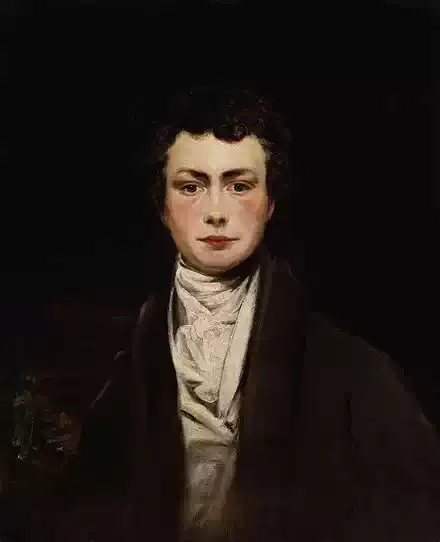
Thomas Moore
The Light of Other Days
The Light of Other Days
OFT, in the stilly night,
Ere slumber's chain has bound me,
Fond Memory brings the light
Of other days around me:
The smiles, the tears
Of boyhood's years,
The words of love then spoken;
The eyes that shone,
Now dimm'd and gone,
The cheerful hearts now broken!
Thus, in the stilly night,
Ere slumber's chain has bound me,
Sad Memory brings the light
Of other days around me.
When I remember all
The friends, so link'd together,
I've seen around me fall
Like leaves in wintry weather,
I feel like one
Who treads alone
Some banquet-hall deserted,
Whose lights are fled,
Whose garlands dead,
And all but he departed!
Thus, in the stilly night,
Ere slumber's chain has bound me.
Sad Memory brings the light
Of other days around me.
OFT, in the stilly night,
Ere slumber's chain has bound me,
Fond Memory brings the light
Of other days around me:
The smiles, the tears
Of boyhood's years,
The words of love then spoken;
The eyes that shone,
Now dimm'd and gone,
The cheerful hearts now broken!
Thus, in the stilly night,
Ere slumber's chain has bound me,
Sad Memory brings the light
Of other days around me.
When I remember all
The friends, so link'd together,
I've seen around me fall
Like leaves in wintry weather,
I feel like one
Who treads alone
Some banquet-hall deserted,
Whose lights are fled,
Whose garlands dead,
And all but he departed!
Thus, in the stilly night,
Ere slumber's chain has bound me.
Sad Memory brings the light
Of other days around me.
198
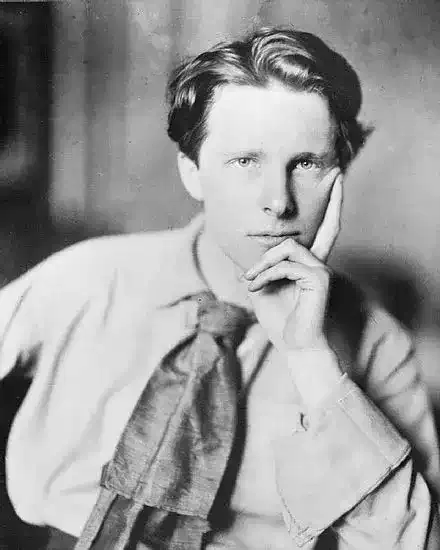
Rupert Brooke
Lines Written In The Belief That The Ancient Roman Festival Of The Dead Was
Lines Written In The Belief That The Ancient Roman Festival Of The Dead Was
Called Ambarvalia
Swings the way still by hollow and hill,
And all the world's a song;
"She's far," it sings me, "but fair," it rings me,
"Quiet," it laughs, "and strong!"
Oh! spite of the miles and years between us,
Spite of your chosen part,
I do remember; and I go
With laughter in my heart.
So above the little folk that know not,
Out of the white hill-town,
High up I clamber; and I remember;
And watch the day go down.
Gold is my heart, and the world's golden,
And one peak tipped with light;
And the air lies still about the hill
With the first fear of night;
Till mystery down the soundless valley
Thunders, and dark is here;
And the wind blows, and the light goes,
And the night is full of fear,
And I know, one night, on some far height,
In the tongue I never knew,
I yet shall hear the tidings clear
From them that were friends of you.
They'll call the news from hill to hill,
Dark and uncomforted,
Earth and sky and the winds; and I
Shall know that you are dead.
I shall not hear your trentals,
Nor eat your arval bread;
For the kin of you will surely do
Their duty by the dead.
Their little dull greasy eyes will water;
They'll paw you, and gulp afresh.
They'll sniffle and weep, and their thoughts will creep
Like flies on the cold flesh.
They will put pence on your grey eyes,
Bind up your fallen chin,
And lay you straight, the fools that loved you
Because they were your kin.
They will praise all the bad about you,
And hush the good away,
And wonder how they'll do without you,
And then they'll go away.
But quieter than one sleeping,
And stranger than of old,
You will not stir for weeping,
You will not mind the cold;
But through the night the lips will laugh not,
The hands will be in place,
And at length the hair be lying still
About the quiet face.
With snuffle and sniff and handkerchief,
And dim and decorous mirth,
With ham and sherry, they'll meet to bury
The lordliest lass of earth.
The little dead hearts will tramp ungrieving
Behind lone-riding you,
The heart so high, the heart so living,
Heart that they never knew.
I shall not hear your trentals,
Nor eat your arval bread,
Nor with smug breath tell lies of death
To the unanswering dead.
With snuffle and sniff and handkerchief,
The folk who loved you not
Will bury you, and go wondering
Back home. And you will rot.
But laughing and half-way up to heaven,
With wind and hill and star,
I yet shall keep, before I sleep,
Your Ambarvalia.
Called Ambarvalia
Swings the way still by hollow and hill,
And all the world's a song;
"She's far," it sings me, "but fair," it rings me,
"Quiet," it laughs, "and strong!"
Oh! spite of the miles and years between us,
Spite of your chosen part,
I do remember; and I go
With laughter in my heart.
So above the little folk that know not,
Out of the white hill-town,
High up I clamber; and I remember;
And watch the day go down.
Gold is my heart, and the world's golden,
And one peak tipped with light;
And the air lies still about the hill
With the first fear of night;
Till mystery down the soundless valley
Thunders, and dark is here;
And the wind blows, and the light goes,
And the night is full of fear,
And I know, one night, on some far height,
In the tongue I never knew,
I yet shall hear the tidings clear
From them that were friends of you.
They'll call the news from hill to hill,
Dark and uncomforted,
Earth and sky and the winds; and I
Shall know that you are dead.
I shall not hear your trentals,
Nor eat your arval bread;
For the kin of you will surely do
Their duty by the dead.
Their little dull greasy eyes will water;
They'll paw you, and gulp afresh.
They'll sniffle and weep, and their thoughts will creep
Like flies on the cold flesh.
They will put pence on your grey eyes,
Bind up your fallen chin,
And lay you straight, the fools that loved you
Because they were your kin.
They will praise all the bad about you,
And hush the good away,
And wonder how they'll do without you,
And then they'll go away.
But quieter than one sleeping,
And stranger than of old,
You will not stir for weeping,
You will not mind the cold;
But through the night the lips will laugh not,
The hands will be in place,
And at length the hair be lying still
About the quiet face.
With snuffle and sniff and handkerchief,
And dim and decorous mirth,
With ham and sherry, they'll meet to bury
The lordliest lass of earth.
The little dead hearts will tramp ungrieving
Behind lone-riding you,
The heart so high, the heart so living,
Heart that they never knew.
I shall not hear your trentals,
Nor eat your arval bread,
Nor with smug breath tell lies of death
To the unanswering dead.
With snuffle and sniff and handkerchief,
The folk who loved you not
Will bury you, and go wondering
Back home. And you will rot.
But laughing and half-way up to heaven,
With wind and hill and star,
I yet shall keep, before I sleep,
Your Ambarvalia.
177
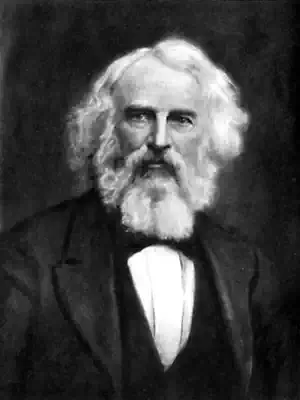
Henry Wadsworth Longfellow
Tales Of A Wayside Inn : Part 1. The Musician's Tale; The Saga of King Olaf
Tales Of A Wayside Inn : Part 1. The Musician's Tale; The Saga of King Olaf
XVIII. -- King Olaf And Earl Sigvald
On the gray sea-sands
King Olaf stands,
Northward and seaward
He points with his hands.
With eddy and whirl
The sea-tides curl,
Washing the sandals
Of Sigvald the Earl.
The mariners shout,
The ships swing about,
The yards are all hoisted,
The sails flutter out.
The war-horns are played,
The anchors are weighed,
Like moths in the distance
The sails flit and fade.
The sea is like lead
The harbor lies dead,
As a corse on the sea-shore,
Whose spirit has fled!
On that fatal day,
The histories say,
Seventy vessels
Sailed out of the bay.
But soon scattered wide
O'er the billows they ride,
While Sigvald and Olaf
Sail side by side.
Cried the Earl: 'Follow me!
I your pilot will be,
For I know all the channels
Where flows the deep sea!'
So into the strait
Where his foes lie in wait,
Gallant King Olaf
Sails to his fate!
Then the sea-fog veils
The ships and their sails;
Queen Sigrid the Haughty,
Thy vengeance prevails!
XVIII. -- King Olaf And Earl Sigvald
On the gray sea-sands
King Olaf stands,
Northward and seaward
He points with his hands.
With eddy and whirl
The sea-tides curl,
Washing the sandals
Of Sigvald the Earl.
The mariners shout,
The ships swing about,
The yards are all hoisted,
The sails flutter out.
The war-horns are played,
The anchors are weighed,
Like moths in the distance
The sails flit and fade.
The sea is like lead
The harbor lies dead,
As a corse on the sea-shore,
Whose spirit has fled!
On that fatal day,
The histories say,
Seventy vessels
Sailed out of the bay.
But soon scattered wide
O'er the billows they ride,
While Sigvald and Olaf
Sail side by side.
Cried the Earl: 'Follow me!
I your pilot will be,
For I know all the channels
Where flows the deep sea!'
So into the strait
Where his foes lie in wait,
Gallant King Olaf
Sails to his fate!
Then the sea-fog veils
The ships and their sails;
Queen Sigrid the Haughty,
Thy vengeance prevails!
315
Rupert Brooke
Libido
Libido
How should I know? The enormous wheels of will
Drove me cold-eyed on tired and sleepless feet.
Night was void arms and you a phantom still,
And day your far light swaying down the street.
As never fool for love, I starved for you;
My throat was dry and my eyes hot to see.
Your mouth so lying was most heaven in view,
And your remembered smell most agony.
Love wakens love! I felt your hot wrist shiver
And suddenly the mad victory I planned
Flashed real, in your burning bending head. . . .
My conqueror's blood was cool as a deep river
In shadow; and my heart beneath your hand
Quieter than a dead man on a bed.
How should I know? The enormous wheels of will
Drove me cold-eyed on tired and sleepless feet.
Night was void arms and you a phantom still,
And day your far light swaying down the street.
As never fool for love, I starved for you;
My throat was dry and my eyes hot to see.
Your mouth so lying was most heaven in view,
And your remembered smell most agony.
Love wakens love! I felt your hot wrist shiver
And suddenly the mad victory I planned
Flashed real, in your burning bending head. . . .
My conqueror's blood was cool as a deep river
In shadow; and my heart beneath your hand
Quieter than a dead man on a bed.
174
Thomas Moore
The Irish Peasant to his Mistress
The Irish Peasant to his Mistress
Through grief and through danger thy smile hath cheer'd my way,
Till hope seem'd to bud from each thorn that round me lay;
The darker our fortune, the brighter our pure love burn'd,
Till shame into glory, till fear into zeal was turn'd;
Yes, slave as I was, in thy arms my spirit felt free,
And bless'd even the sorrows that made me more dear to thee.
Thy rival was honour'd, while thou wert wrong'd and scorn'd,
Thy crown was of briers, while gold her brows adorn'd;
She woo'd me to temples, while thou lay'st hid in caves,
Her friends were all masters, while thine, alas! were slaves;
Yet cold in the earth, at thy feet, I would rather be,
Then wed what I loved not, or turn one thought from thee.
They slander thee sorely, who say thy vows are frail --
Hadst thou been a false one, thy cheek had look'd less pale.
They say, too, so long thou hast worn those lingering chains --
That deep in thy heart they have printed their servile stains --
Oh! foul is the slander -- no chain could that soul subdue --
Where shineth thy spirit, there liberty shineth too!
Through grief and through danger thy smile hath cheer'd my way,
Till hope seem'd to bud from each thorn that round me lay;
The darker our fortune, the brighter our pure love burn'd,
Till shame into glory, till fear into zeal was turn'd;
Yes, slave as I was, in thy arms my spirit felt free,
And bless'd even the sorrows that made me more dear to thee.
Thy rival was honour'd, while thou wert wrong'd and scorn'd,
Thy crown was of briers, while gold her brows adorn'd;
She woo'd me to temples, while thou lay'st hid in caves,
Her friends were all masters, while thine, alas! were slaves;
Yet cold in the earth, at thy feet, I would rather be,
Then wed what I loved not, or turn one thought from thee.
They slander thee sorely, who say thy vows are frail --
Hadst thou been a false one, thy cheek had look'd less pale.
They say, too, so long thou hast worn those lingering chains --
That deep in thy heart they have printed their servile stains --
Oh! foul is the slander -- no chain could that soul subdue --
Where shineth thy spirit, there liberty shineth too!
168

Robert W. Service
Old Trouper
Old Trouper
I was Mojeska's leading man
And famous parts I used to play,
But now I do the best I can
To earn my bread from day to day;
Here in this Burg of Breaking Hears,
Where one wins as a thousand fail,
I play a score of scurvy parts
Till Time writes Finis to my tale.
My wife is dead, my daughter wed,
With heaps of trouble of their own;
And though I hold aloft my head
I'm humble, scared and all alone . . .
To-night I burn each photograph,
Each record of my former fame,
And oh, how bitterly I laugh
And feed them to the hungry flame!
Behold how handsome I was then -
What glowing eye, what noble mien;
I towered above my fellow men,
And proudly strode the painted scene.
Ah, Vanity! What fools are we,
With empty ends and foolish aims . . .
There now, I fling with savage glee
My David Garrick to the flames.
"Is this a dagger that I see":
Oh, how I used to love that speech;
We were old-fashioned - "hams" maybe,
Yet we Young Arrogance could teach.
"Out, out brief candle!" There are gone
My Lear, my Hamlet and MacBeth;
And now by ashes cold and wan
I wait my cue, my prompter Death.
This life of ours is just a play;
Its end is fashioned from the start;
Fate writes each word we have to say,
And puppet-like we strut our part.
Once I wore laurels on my brow,
But now I wait, a sorry clown,
To make my furtive, farewell bow . . .
Haste Time! Oh, ring the Curtain down.
I was Mojeska's leading man
And famous parts I used to play,
But now I do the best I can
To earn my bread from day to day;
Here in this Burg of Breaking Hears,
Where one wins as a thousand fail,
I play a score of scurvy parts
Till Time writes Finis to my tale.
My wife is dead, my daughter wed,
With heaps of trouble of their own;
And though I hold aloft my head
I'm humble, scared and all alone . . .
To-night I burn each photograph,
Each record of my former fame,
And oh, how bitterly I laugh
And feed them to the hungry flame!
Behold how handsome I was then -
What glowing eye, what noble mien;
I towered above my fellow men,
And proudly strode the painted scene.
Ah, Vanity! What fools are we,
With empty ends and foolish aims . . .
There now, I fling with savage glee
My David Garrick to the flames.
"Is this a dagger that I see":
Oh, how I used to love that speech;
We were old-fashioned - "hams" maybe,
Yet we Young Arrogance could teach.
"Out, out brief candle!" There are gone
My Lear, my Hamlet and MacBeth;
And now by ashes cold and wan
I wait my cue, my prompter Death.
This life of ours is just a play;
Its end is fashioned from the start;
Fate writes each word we have to say,
And puppet-like we strut our part.
Once I wore laurels on my brow,
But now I wait, a sorry clown,
To make my furtive, farewell bow . . .
Haste Time! Oh, ring the Curtain down.
254
Thomas Moore
The Ghost of Miltiades
The Ghost of Miltiades
The Ghost of Miltiades came at night,
And he stood by the bed of the Benthamite,
And he said, in a voice, that thrill'd the frame,
"If ever the sound of Marathon's name
Hath fir'd they blood or flush'd thy brow,
Lover of Liberty, rise thee now!"
The Benthamite, yawning, left his bed --
Away to the Stock Exchange he sped,
And he found the Scrip of Greece so high,
That it fir'd his blood, it flush'd his eye,
And oh, 'twas a sight to see,
For never was Greek more Greek than he!
And still as the premium higher went,
His ecstas rose - so much per cent.,
(As we see in a glass, that tells the weather,
The heat and the silver rise together,)
And Liberty sung from the patriot's lip,
While a voice from pocket whisper'd "Scrip!"
The Ghost of Miltiades came again; --
He smil'd as the pale moon smiles through rain,
For his soul was glad at the patriot strain;
(And poor, dear ghost -- how little he knew
The jobs and the tricks of the Philhellene crew!)
"Blessings and thanks!" was all he said,
Then, melting away, like a night-dream, fled!
The Benthamite hears -- amaz'd that ghosts
Could be such fools -- and away he posts,
A patriot still? Ah no, ah no --
Goddess of Freedom, thy scrip is low,
And, warm and fond as they lovers are,
Thou triest their passion, when under par.
The Benthamite's ardour fast decays,
By turns he weeps, and swears, and prays,
And wishes the d--l had Crescent and Cross,
Ere he had been forc'd to sell at a loss.
They quote thim the Stock of various nations,
But, spite of his classical associations,
Lord how he loathes the Greek quotations!
"Who'll buy my Scrip! Who'll buy my Scrip?"
Is now the theme of the patriot's lip,
And he runs to tell how hard his lot is
To Messrs. Orlando and Luriottis,
And says, "Oh Greece, for Liberty's sake,
Do buy my Scrip and I vow to break
Those dark, unholy bonds of thine --
If you'll only consent to buy up mine!"
The Ghost of Miltiades came once more; --
His brow, like the night, was lowering o'er,
And he said, with a look that flash'd dismay,
"Of Liberty's foes the worst are they
Who turn to a trade her cause divine,
And gamble for gold on Freedom's shrine!"
Thus saying, the Ghost, as he took his flight,
Gave a Parthian kick to the Benthamite,
Which sent him, whimpering, off to Jerry --
And vanish'd away to the Stygian ferry!
The Ghost of Miltiades came at night,
And he stood by the bed of the Benthamite,
And he said, in a voice, that thrill'd the frame,
"If ever the sound of Marathon's name
Hath fir'd they blood or flush'd thy brow,
Lover of Liberty, rise thee now!"
The Benthamite, yawning, left his bed --
Away to the Stock Exchange he sped,
And he found the Scrip of Greece so high,
That it fir'd his blood, it flush'd his eye,
And oh, 'twas a sight to see,
For never was Greek more Greek than he!
And still as the premium higher went,
His ecstas rose - so much per cent.,
(As we see in a glass, that tells the weather,
The heat and the silver rise together,)
And Liberty sung from the patriot's lip,
While a voice from pocket whisper'd "Scrip!"
The Ghost of Miltiades came again; --
He smil'd as the pale moon smiles through rain,
For his soul was glad at the patriot strain;
(And poor, dear ghost -- how little he knew
The jobs and the tricks of the Philhellene crew!)
"Blessings and thanks!" was all he said,
Then, melting away, like a night-dream, fled!
The Benthamite hears -- amaz'd that ghosts
Could be such fools -- and away he posts,
A patriot still? Ah no, ah no --
Goddess of Freedom, thy scrip is low,
And, warm and fond as they lovers are,
Thou triest their passion, when under par.
The Benthamite's ardour fast decays,
By turns he weeps, and swears, and prays,
And wishes the d--l had Crescent and Cross,
Ere he had been forc'd to sell at a loss.
They quote thim the Stock of various nations,
But, spite of his classical associations,
Lord how he loathes the Greek quotations!
"Who'll buy my Scrip! Who'll buy my Scrip?"
Is now the theme of the patriot's lip,
And he runs to tell how hard his lot is
To Messrs. Orlando and Luriottis,
And says, "Oh Greece, for Liberty's sake,
Do buy my Scrip and I vow to break
Those dark, unholy bonds of thine --
If you'll only consent to buy up mine!"
The Ghost of Miltiades came once more; --
His brow, like the night, was lowering o'er,
And he said, with a look that flash'd dismay,
"Of Liberty's foes the worst are they
Who turn to a trade her cause divine,
And gamble for gold on Freedom's shrine!"
Thus saying, the Ghost, as he took his flight,
Gave a Parthian kick to the Benthamite,
Which sent him, whimpering, off to Jerry --
And vanish'd away to the Stygian ferry!
170
Rupert Brooke
Jolly Company, The
Jolly Company, The
The stars, a jolly company,
I envied, straying late and lonely;
And cried upon their revelry:
"O white companionship! You only
In love, in faith unbroken dwell,
Friends radiant and inseparable!"
Light-heart and glad they seemed to me
And merry comrades (EVEN SO
GOD OUT OF HEAVEN MAY LAUGH TO SEE
THE HAPPY CROWDS; AND NEVER KNOW
THAT IN HIS LONE OBSCURE DISTRESS
EACH WALKETH IN A WILDERNESS).
But I, remembering, pitied well
And loved them, who, with lonely light,
In empty infinite spaces dwell,
Disconsolate. For, all the night,
I heard the thin gnat-voices cry,
Star to faint star, across the sky.
The stars, a jolly company,
I envied, straying late and lonely;
And cried upon their revelry:
"O white companionship! You only
In love, in faith unbroken dwell,
Friends radiant and inseparable!"
Light-heart and glad they seemed to me
And merry comrades (EVEN SO
GOD OUT OF HEAVEN MAY LAUGH TO SEE
THE HAPPY CROWDS; AND NEVER KNOW
THAT IN HIS LONE OBSCURE DISTRESS
EACH WALKETH IN A WILDERNESS).
But I, remembering, pitied well
And loved them, who, with lonely light,
In empty infinite spaces dwell,
Disconsolate. For, all the night,
I heard the thin gnat-voices cry,
Star to faint star, across the sky.
205
Henry Wadsworth Longfellow
Tales Of A Wayside Inn : Part 1. The Musician's Tale; The Saga of King Olaf
Tales Of A Wayside Inn : Part 1. The Musician's Tale; The Saga of King Olaf
XVI. -- Queen Thuri And The Angelica Stalks
Northward over Drontheim,
Flew the clamorous sea-gulls,
Sang the lark and linnet
From the meadows green;
Weeping in her chamber,
Lonely and unhappy,
Sat the Drottning Thyri,
Sat King Olaf's Queen.
In at all the windows
Streamed the pleasant sunshine,
On the roof above her
Softly cooed the dove;
But the sound she heard not,
Nor the sunshine heeded,
For the thoughts of Thyri
Were not thoughts of love,
Then King Olaf entered,
Beautiful as morning,
Like the sun at Easter
Shone his happy face;
In his hand he carried
Angelicas uprooted,
With delicious fragrance
Filling all the place.
Like a rainy midnight
Sat the Drottning Thyri,
Even the smile of Olaf
Could not cheer her gloom;
Nor the stalks he gave her
With a gracious gesture,
And with words as pleasant
As their own perfume.
In her hands he placed them,
And her jewelled fingers
Through the green leaves glistened
Like the dews of morn;
But she cast them from her,
Haughty and indignant,
On the floor she threw them
With a look of scorn.
'Richer presents,' said she,
'Gave King Harald Gormson
To the Queen, my mother,
Than such worthless weeds;
'When he ravaged Norway,
Laying waste the kingdom,
Seizing scatt and treasure
For her royal needs.
'But thou darest not venture
Through the Sound to Vendland,
My domains to rescue
From King Burislaf;
'Lest King Svend of Denmark,
Forked Beard, my brother,
Scatter all thy vessels
As the wind the chaff.'
Then up sprang King Olaf,
Like a reindeer bounding,
With an oath he answered
Thus the luckless Queen:
'Never yet did Olaf
Fear King Svend of Denmark;
This right hand shall hale him
By his forked chin!'
Then he left the chamber,
Thundering through the doorway,
Loud his steps resounded
Down the outer stair.
Smarting with the insult,
Through the streets of Drontheim
Strode he red and wrathful,
With his stately air.
All his ships he gathered,
Summoned all his forces,
Making his war levy
In the region round;
Down the coast of Norway,
Like a flock of sea-gulls,
Sailed the fleet of Olaf
Through the Danish Sound.
With his own hand fearless,
Steered he the Long Serpent,
Strained the creaking cordage,
Bent each boom and gaff;
Till in Venland landing,
The domains of Thyri
He redeemed and rescued
From King Burislaf.
Then said Olaf, laughing,
'Not ten yoke of oxen
Have the power to draw us
Like a woman's hair!
'Now will I confess it,
Better things are jewels
Than angelica stalks are
For a Queen to wear.'
XVI. -- Queen Thuri And The Angelica Stalks
Northward over Drontheim,
Flew the clamorous sea-gulls,
Sang the lark and linnet
From the meadows green;
Weeping in her chamber,
Lonely and unhappy,
Sat the Drottning Thyri,
Sat King Olaf's Queen.
In at all the windows
Streamed the pleasant sunshine,
On the roof above her
Softly cooed the dove;
But the sound she heard not,
Nor the sunshine heeded,
For the thoughts of Thyri
Were not thoughts of love,
Then King Olaf entered,
Beautiful as morning,
Like the sun at Easter
Shone his happy face;
In his hand he carried
Angelicas uprooted,
With delicious fragrance
Filling all the place.
Like a rainy midnight
Sat the Drottning Thyri,
Even the smile of Olaf
Could not cheer her gloom;
Nor the stalks he gave her
With a gracious gesture,
And with words as pleasant
As their own perfume.
In her hands he placed them,
And her jewelled fingers
Through the green leaves glistened
Like the dews of morn;
But she cast them from her,
Haughty and indignant,
On the floor she threw them
With a look of scorn.
'Richer presents,' said she,
'Gave King Harald Gormson
To the Queen, my mother,
Than such worthless weeds;
'When he ravaged Norway,
Laying waste the kingdom,
Seizing scatt and treasure
For her royal needs.
'But thou darest not venture
Through the Sound to Vendland,
My domains to rescue
From King Burislaf;
'Lest King Svend of Denmark,
Forked Beard, my brother,
Scatter all thy vessels
As the wind the chaff.'
Then up sprang King Olaf,
Like a reindeer bounding,
With an oath he answered
Thus the luckless Queen:
'Never yet did Olaf
Fear King Svend of Denmark;
This right hand shall hale him
By his forked chin!'
Then he left the chamber,
Thundering through the doorway,
Loud his steps resounded
Down the outer stair.
Smarting with the insult,
Through the streets of Drontheim
Strode he red and wrathful,
With his stately air.
All his ships he gathered,
Summoned all his forces,
Making his war levy
In the region round;
Down the coast of Norway,
Like a flock of sea-gulls,
Sailed the fleet of Olaf
Through the Danish Sound.
With his own hand fearless,
Steered he the Long Serpent,
Strained the creaking cordage,
Bent each boom and gaff;
Till in Venland landing,
The domains of Thyri
He redeemed and rescued
From King Burislaf.
Then said Olaf, laughing,
'Not ten yoke of oxen
Have the power to draw us
Like a woman's hair!
'Now will I confess it,
Better things are jewels
Than angelica stalks are
For a Queen to wear.'
330
Thomas Moore
The Dream of Those Days
The Dream of Those Days
The dream of those days when first I sung thee is o'er
Thy triumph hath stain'd the charm thy sorrows then wore;
And even the light which Hope once shed o'er thy chains,
Alas, not a gleam to grace thy freedom remains.
Say, is it that slavery sunk so deep in thy heart,
That still the dark brand is there, though chainless thou art;
And Freedom's sweet fruit, for which thy spirit long burn'd,
Now, reaching at last thy lip, to ashes hath turn'd?
Up Liberty's steep by Truth and Eloquence led,
With eyes on her temple fix'd, how proud was thy tread!
Ah, better thou ne'er hadst lived that summit to gain,
Denied in the porch, than thus dishonour the fane.
The dream of those days when first I sung thee is o'er
Thy triumph hath stain'd the charm thy sorrows then wore;
And even the light which Hope once shed o'er thy chains,
Alas, not a gleam to grace thy freedom remains.
Say, is it that slavery sunk so deep in thy heart,
That still the dark brand is there, though chainless thou art;
And Freedom's sweet fruit, for which thy spirit long burn'd,
Now, reaching at last thy lip, to ashes hath turn'd?
Up Liberty's steep by Truth and Eloquence led,
With eyes on her temple fix'd, how proud was thy tread!
Ah, better thou ne'er hadst lived that summit to gain,
Denied in the porch, than thus dishonour the fane.
172
Rupert Brooke
IV. The Dead
IV. The Dead
These hearts were woven of human joys and cares,
Washed marvellously with sorrow, swift to mirth.
The years had given them kindness. Dawn was theirs,
And sunset, and the colours of the earth.
These had seen movement, and heard music; known
Slumber and waking; loved; gone proudly friended;
Felt the quick stir of wonder; sat alone;
Touched flowers and furs and cheeks. All this is ended.
There are waters blown by changing winds to laughter
And lit by the rich skies, all day. And after,
Frost, with a gesture, stays the waves that dance
And wandering loveliness. He leaves a white
Unbroken glory, a gathered radiance,
A width, a shining peace, under the night.
These hearts were woven of human joys and cares,
Washed marvellously with sorrow, swift to mirth.
The years had given them kindness. Dawn was theirs,
And sunset, and the colours of the earth.
These had seen movement, and heard music; known
Slumber and waking; loved; gone proudly friended;
Felt the quick stir of wonder; sat alone;
Touched flowers and furs and cheeks. All this is ended.
There are waters blown by changing winds to laughter
And lit by the rich skies, all day. And after,
Frost, with a gesture, stays the waves that dance
And wandering loveliness. He leaves a white
Unbroken glory, a gathered radiance,
A width, a shining peace, under the night.
224
Robert W. Service
Old Sweethearts
Old Sweethearts
Oh Maggie, do you mind the day
We went to school together,
And as we stoppit by the way
I rolled you in the heather?
My! but you were the bonny lass
And we were awfu' late for class.
Your locks are now as white as snow,
And you are ripe and wrinkled,
A grandmother ten times or so,
Yet how your blue eyes twinkled
At me above your spectacles,
Recalling naughty neck-tickles!
It must be fifty years today
I left you for the Yukon;
You haven't changed - your just as gay
And just as sweet to look on.
But can you see in this old fool
The lad who made you late for school?
Oh Maggie, ask me in to tea
And we can talk things over,
And contemplate the nuptial state,
For I am still your lover:
And though the bell be slow to chime
We'll no be grudgin' o' the time
Oh Maggie, do you mind the day
We went to school together,
And as we stoppit by the way
I rolled you in the heather?
My! but you were the bonny lass
And we were awfu' late for class.
Your locks are now as white as snow,
And you are ripe and wrinkled,
A grandmother ten times or so,
Yet how your blue eyes twinkled
At me above your spectacles,
Recalling naughty neck-tickles!
It must be fifty years today
I left you for the Yukon;
You haven't changed - your just as gay
And just as sweet to look on.
But can you see in this old fool
The lad who made you late for school?
Oh Maggie, ask me in to tea
And we can talk things over,
And contemplate the nuptial state,
For I am still your lover:
And though the bell be slow to chime
We'll no be grudgin' o' the time
177
Thomas Moore
Take Back the Virgin Page
Take Back the Virgin Page
Written on Returning a Blank Book
Take back the virgin page,
White and unwritten still;
Some hand, more calm and sage,
The leaf must fill.
Thoughts come, as pure as light
Pure as even you require;
But, oh! each word I write
Love turns to fire.
Yet let me keep the book:
Oft shall my heart renew,
When on its leaves I look,
Dear thoughts of you.
Like you, 'tis fair and bright;
Like you, too bright and fair
To let wild passion write
One wrong wish there.
Haply, when from those eyes
Far, far away I roam,
Should calmer thoughts arise
Towards you and home;
Fancy may trace some line,
Worthy those eyes to meet,
Thoughts that not burn, but shine,
Pure, calm, and sweet.
And as, o'er ocean far,
Seamen their records keep,
Led by some hidden star
Through the cold deep;
So may the words I write
Tell through what storms I stray --
You still the unseen light,
Guiding my way.
Written on Returning a Blank Book
Take back the virgin page,
White and unwritten still;
Some hand, more calm and sage,
The leaf must fill.
Thoughts come, as pure as light
Pure as even you require;
But, oh! each word I write
Love turns to fire.
Yet let me keep the book:
Oft shall my heart renew,
When on its leaves I look,
Dear thoughts of you.
Like you, 'tis fair and bright;
Like you, too bright and fair
To let wild passion write
One wrong wish there.
Haply, when from those eyes
Far, far away I roam,
Should calmer thoughts arise
Towards you and home;
Fancy may trace some line,
Worthy those eyes to meet,
Thoughts that not burn, but shine,
Pure, calm, and sweet.
And as, o'er ocean far,
Seamen their records keep,
Led by some hidden star
Through the cold deep;
So may the words I write
Tell through what storms I stray --
You still the unseen light,
Guiding my way.
168
Rupert Brooke
III. The Dead
III. The Dead
Blow out, you bugles, over the rich Dead!
There's none of these so lonely and poor of old,
But, dying, has made us rarer gifts than gold.
These laid the world away; poured out the red
Sweet wine of youth; gave up the years to be
Of work and joy, and that unhoped serene,
That men call age; and those who would have been,
Their sons, they gave, their immortality.
Blow, bugles, blow! They brought us, for our dearth,
Holiness, lacked so long, and Love, and Pain.
Honour has come back, as a king, to earth,
And paid his subjects with a royal wage;
And Nobleness walks in our ways again;
And we have come into our heritage.
Blow out, you bugles, over the rich Dead!
There's none of these so lonely and poor of old,
But, dying, has made us rarer gifts than gold.
These laid the world away; poured out the red
Sweet wine of youth; gave up the years to be
Of work and joy, and that unhoped serene,
That men call age; and those who would have been,
Their sons, they gave, their immortality.
Blow, bugles, blow! They brought us, for our dearth,
Holiness, lacked so long, and Love, and Pain.
Honour has come back, as a king, to earth,
And paid his subjects with a royal wage;
And Nobleness walks in our ways again;
And we have come into our heritage.
207
Henry Wadsworth Longfellow
Tales Of A Wayside Inn : Part 1. The Musician's Tale; The Saga of King Olaf
Tales Of A Wayside Inn : Part 1. The Musician's Tale; The Saga of King Olaf
XIX. -- King Olaf's War-Horns
'Strike the sails!' King Olaf said;
'Never shall men of mine take flight;
Never away from battle I fled,
Never away from my foes!
Let God dispose
Of my life in the fight!'
'Sound the horns!' said Olaf the King;
And suddenly through the drifting brume
The blare of the horns began to ring,
Like the terrible trumpet shock
Of Regnarock,
On the Day of Doom!
Louder and louder the war-horns sang
Over the level floor of the flood;
All the sails came down with a clang,
And there in the mist overhead
The sun hung red
As a drop of blood.
Drifting down on the Danish fleet
Three together the ships were lashed,
So that neither should turn and retreat;
In the midst, but in front of the rest
The burnished crest
Of the Serpent flashed.
King Olaf stood on the quarter-deck,
With bow of ash and arrows of oak,
His gilded shield was without a fleck,
His helmet inlaid with gold,
And in many a fold
Hung his crimson cloak.
On the forecastle Ulf the Red
Watched the lashing of the ships;
'If the Serpent lie so far ahead,
We shall have hard work of it here,'
Said he with a sneer
On his bearded lips.
King Olaf laid an arrow on string,
'Have I a coward on board?' said he.
'Shoot it another way, O King!'
Sullenly answered Ulf,
The old sea-wolf;
'You have need of me!'
In front came Svend, the King of the Danes,
Sweeping down with his fifty rowers;
To the right, the Swedish king with his thanes;
And on board of the Iron Beard
Earl Eric steered
To the left with his oars.
'These soft Danes and Swedes,' said the King,
'At home with their wives had better stay,
Than come within reach of my Serpent's sting:
But where Eric the Norseman leads
Heroic deeds
Will be done to-day!'
Then as together the vessels crashed,
Eric severed the cables of hide,
With which King Olaf's ships were lashed,
And left them to drive and drift
With the currents swift
Of the outward tide.
Louder the war-horns growl and snarl,
Sharper the dragons bite and sting!
Eric the son of Hakon Jarl
A death-drink salt as the sea
Pledges to thee,
Olaf the King!
XIX. -- King Olaf's War-Horns
'Strike the sails!' King Olaf said;
'Never shall men of mine take flight;
Never away from battle I fled,
Never away from my foes!
Let God dispose
Of my life in the fight!'
'Sound the horns!' said Olaf the King;
And suddenly through the drifting brume
The blare of the horns began to ring,
Like the terrible trumpet shock
Of Regnarock,
On the Day of Doom!
Louder and louder the war-horns sang
Over the level floor of the flood;
All the sails came down with a clang,
And there in the mist overhead
The sun hung red
As a drop of blood.
Drifting down on the Danish fleet
Three together the ships were lashed,
So that neither should turn and retreat;
In the midst, but in front of the rest
The burnished crest
Of the Serpent flashed.
King Olaf stood on the quarter-deck,
With bow of ash and arrows of oak,
His gilded shield was without a fleck,
His helmet inlaid with gold,
And in many a fold
Hung his crimson cloak.
On the forecastle Ulf the Red
Watched the lashing of the ships;
'If the Serpent lie so far ahead,
We shall have hard work of it here,'
Said he with a sneer
On his bearded lips.
King Olaf laid an arrow on string,
'Have I a coward on board?' said he.
'Shoot it another way, O King!'
Sullenly answered Ulf,
The old sea-wolf;
'You have need of me!'
In front came Svend, the King of the Danes,
Sweeping down with his fifty rowers;
To the right, the Swedish king with his thanes;
And on board of the Iron Beard
Earl Eric steered
To the left with his oars.
'These soft Danes and Swedes,' said the King,
'At home with their wives had better stay,
Than come within reach of my Serpent's sting:
But where Eric the Norseman leads
Heroic deeds
Will be done to-day!'
Then as together the vessels crashed,
Eric severed the cables of hide,
With which King Olaf's ships were lashed,
And left them to drive and drift
With the currents swift
Of the outward tide.
Louder the war-horns growl and snarl,
Sharper the dragons bite and sting!
Eric the son of Hakon Jarl
A death-drink salt as the sea
Pledges to thee,
Olaf the King!
257
Thomas Moore
Sublime Was the Warning
Sublime Was the Warning
Sublime was the warning that liberty spoke,
And grand was the moment when Spaniards awoke
Into life and revenge from the conqueror's chain.
Oh, Liberty! let not this spirit have rest,
Till it move, like a breeze, o'er the waves of the west --
Give the light of your look to each sorrowing spot,
Nor, oh, be the Shamrock of Erin forgot
While you add to your garland the Olive of Spain.
If the fame of our fathers, bequeathed with their rights,
Give to country its charm, and to home its delights;
If deceit be a wound, and suspicion a stain,
Then, ye men of Iberia, our cause is the same!
And oh! may his tomb want a tear and a name,
Who would ask for a nobler, a holier death,
Than to turn his last sigh into victory's breath,
For the Shamrock of Erin and the Olive of Spain!
Ye Blakes and O'Donnels, whose fathers resign'd
The green hills of their youth, among strangers to find
That repose which, at home, they had sigh'd for in vain,
Join, join in our hope that the flame, which you light,
May be felt yet in Erin, as calm and as bright,
And forgive even Albion while blushing she draws,
Like a truant, her sword, in the long-slighted cause
Of the Shamrock of Erin and Olive of Spain!
God prosper the cause! -- oh, it cannot but thrive,
While the pulse of one patriot heart is alive,
Its devotion to feel, and its rights to maintain;
Then, how sainted by sorrow its martyrs will die!
The finger of Glory shall point where they lie;
While, far from the footstep of coward or slave,
The young spirit of Freedom shall shelter their grave,
Beneath Shamrocks of Erin and Olives of Spain!
Sublime was the warning that liberty spoke,
And grand was the moment when Spaniards awoke
Into life and revenge from the conqueror's chain.
Oh, Liberty! let not this spirit have rest,
Till it move, like a breeze, o'er the waves of the west --
Give the light of your look to each sorrowing spot,
Nor, oh, be the Shamrock of Erin forgot
While you add to your garland the Olive of Spain.
If the fame of our fathers, bequeathed with their rights,
Give to country its charm, and to home its delights;
If deceit be a wound, and suspicion a stain,
Then, ye men of Iberia, our cause is the same!
And oh! may his tomb want a tear and a name,
Who would ask for a nobler, a holier death,
Than to turn his last sigh into victory's breath,
For the Shamrock of Erin and the Olive of Spain!
Ye Blakes and O'Donnels, whose fathers resign'd
The green hills of their youth, among strangers to find
That repose which, at home, they had sigh'd for in vain,
Join, join in our hope that the flame, which you light,
May be felt yet in Erin, as calm and as bright,
And forgive even Albion while blushing she draws,
Like a truant, her sword, in the long-slighted cause
Of the Shamrock of Erin and Olive of Spain!
God prosper the cause! -- oh, it cannot but thrive,
While the pulse of one patriot heart is alive,
Its devotion to feel, and its rights to maintain;
Then, how sainted by sorrow its martyrs will die!
The finger of Glory shall point where they lie;
While, far from the footstep of coward or slave,
The young spirit of Freedom shall shelter their grave,
Beneath Shamrocks of Erin and Olives of Spain!
169
Rupert Brooke
I. Peace
I. Peace
Now, God be thanked Who has matched us with His hour,
And caught our youth, and wakened us from sleeping,
With hand made sure, clear eye, and sharpened power,
To turn, as swimmers into cleanness leaping,
Glad from a world grown old and cold and weary,
Leave the sick hearts that honour could not move,
And half-men, and their dirty songs and dreary,
And all the little emptiness of love!
Oh! we, who have known shame, we have found release there,
Where there's no ill, no grief, but sleep has mending,
Naught broken save this body, lost but breath;
Nothing to shake the laughing heart's long peace there
But only agony, and that has ending;
And the worst friend and enemy is but Death.
Now, God be thanked Who has matched us with His hour,
And caught our youth, and wakened us from sleeping,
With hand made sure, clear eye, and sharpened power,
To turn, as swimmers into cleanness leaping,
Glad from a world grown old and cold and weary,
Leave the sick hearts that honour could not move,
And half-men, and their dirty songs and dreary,
And all the little emptiness of love!
Oh! we, who have known shame, we have found release there,
Where there's no ill, no grief, but sleep has mending,
Naught broken save this body, lost but breath;
Nothing to shake the laughing heart's long peace there
But only agony, and that has ending;
And the worst friend and enemy is but Death.
177
Robert W. Service
Old Engine Driver
Old Engine Driver
For five and twenty years I've run
A famous train;
But now my spell of speed is done,
No more I'll strain
My sight along the treadless tracks,
The gleamy rails:
My hand upon the throttle slacks,
My vision fails.
No more I'll urge my steed of steel
Through hostile nights;
No more the mastery I'll feel
Of monster might.
I'll miss the hiss of giant steam,
The clank, the roar;
The agony of brakes that scream
I'll hear no more.
Oh I have held within my hand
A million lives;
And now my son takes command
And proudly drives;
While from my cottage wistfully
I watch his train,
And wave and wave and seem to see
Myself again.
For five and twenty years I've run
A famous train;
But now my spell of speed is done,
No more I'll strain
My sight along the treadless tracks,
The gleamy rails:
My hand upon the throttle slacks,
My vision fails.
No more I'll urge my steed of steel
Through hostile nights;
No more the mastery I'll feel
Of monster might.
I'll miss the hiss of giant steam,
The clank, the roar;
The agony of brakes that scream
I'll hear no more.
Oh I have held within my hand
A million lives;
And now my son takes command
And proudly drives;
While from my cottage wistfully
I watch his train,
And wave and wave and seem to see
Myself again.
177
Rupert Brooke
Hill, The
Hill, The
Breathless, we flung us on the windy hill,
Laughed in the sun, and kissed the lovely grass.
You said, "Through glory and ecstasy we pass;
Wind, sun, and earth remain, the birds sing still,
When we are old, are old. . . ." "And when we die
All's over that is ours; and life burns on
Through other lovers, other lips," said I,
-- "Heart of my heart, our heaven is now, is won!"
"We are Earth's best, that learnt her lesson here.
Life is our cry. We have kept the faith!" we said;
"We shall go down with unreluctant tread
Rose-crowned into the darkness!" . . . Proud we were,
And laughed, that had such brave true things to say.
-- And then you suddenly cried, and turned away.
Breathless, we flung us on the windy hill,
Laughed in the sun, and kissed the lovely grass.
You said, "Through glory and ecstasy we pass;
Wind, sun, and earth remain, the birds sing still,
When we are old, are old. . . ." "And when we die
All's over that is ours; and life burns on
Through other lovers, other lips," said I,
-- "Heart of my heart, our heaven is now, is won!"
"We are Earth's best, that learnt her lesson here.
Life is our cry. We have kept the faith!" we said;
"We shall go down with unreluctant tread
Rose-crowned into the darkness!" . . . Proud we were,
And laughed, that had such brave true things to say.
-- And then you suddenly cried, and turned away.
176
Thomas Moore
Song of the Battle Eve
Song of the Battle Eve
(Time -- the Ninth Century)
To-morrow, comrade, we
On the battle-plain must be,
There to conquer, or both lie low!
The morning star is up --
But there's wine still in the cup,
And we'll take another quaff, ere we go, boy, go;
We'll take another quaff, ere we go.
'Tis true, in manliest eyes
A passing tear will rise,
When we think of the friends we leave lone;
But what can wailing do?
See, our goblet's weeping too!
With its tears we'll chase away our own, boy, our own;
With its tears we'll chase away our own.
But daylight's stealing on;
The last that o'er us shone
Saw our children around us play;
The next -- ah! where shall we
And those rosy urchins be?
But -- no matter -- grasp thy sword and away, boy, away;
No matter -- grasp thy sword and away!
Let those, who brook the chain
Of Saxon or of Dane,
Ignobly by their fire-sides stay;
One sigh to home be given,
One heartfelt prayer to heaven,
Then, for Erin and her cause, boy, hurra! hurra! hurra!
Then, for Erin and her cause, hurra!
(Time -- the Ninth Century)
To-morrow, comrade, we
On the battle-plain must be,
There to conquer, or both lie low!
The morning star is up --
But there's wine still in the cup,
And we'll take another quaff, ere we go, boy, go;
We'll take another quaff, ere we go.
'Tis true, in manliest eyes
A passing tear will rise,
When we think of the friends we leave lone;
But what can wailing do?
See, our goblet's weeping too!
With its tears we'll chase away our own, boy, our own;
With its tears we'll chase away our own.
But daylight's stealing on;
The last that o'er us shone
Saw our children around us play;
The next -- ah! where shall we
And those rosy urchins be?
But -- no matter -- grasp thy sword and away, boy, away;
No matter -- grasp thy sword and away!
Let those, who brook the chain
Of Saxon or of Dane,
Ignobly by their fire-sides stay;
One sigh to home be given,
One heartfelt prayer to heaven,
Then, for Erin and her cause, boy, hurra! hurra! hurra!
Then, for Erin and her cause, hurra!
159
Henry Wadsworth Longfellow
Tales Of A Wayside Inn : Part 1. The Musician's Tale; The Saga of King Olaf
Tales Of A Wayside Inn : Part 1. The Musician's Tale; The Saga of King Olaf
XIII. -- The Building Of The Long Serpent
Thorberg Skafting, master-builder,
In his ship-yard by the sea,
Whistling, said, 'It would bewilder
Any man but Thorberg Skafting,
Any man but me!'
Near him lay the Dragon stranded,
Built of old by Raud the Strong,
And King Olaf had commanded
He should build another Dragon,
Twice as large and long.
Therefore whistled Thorberg Skafting,
As he sat with half-closed eyes,
And his head turned sideways, drafting
That new vessel for King Olaf
Twice the Dragon's size.
Round him busily hewed and hammered
Mallet huge and heavy axe;
Workmen laughed and sang and clamored;
Whirred the wheels, that into rigging
Spun the shining flax!
All this tumult heard the master,--
It was music to his ear;
Fancy whispered all the faster,
'Men shall hear of Thorberg Skafting
For a hundred year!'
Workmen sweating at the forges
Fashioned iron bolt and bar,
Like a warlock's midnight orgies
Smoked and bubbled the black caldron
With the boiling tar.
Did the warlocks mingle in it,
Thorberg Skafting, any curse?
Could you not be gone a minute
But some mischief must be doing,
Turning bad to worse?
'T was an ill wind that came wafting,
From his homestead words of woe;
To his farm went Thorberg Skafting,
Oft repeating to his workmen,
Build ye thus and so.
After long delays returning
Came the master back by night;
To his ship-yard longing, yearning,
Hurried he, and did not leave it
Till the morning's light.
'Come and see my ship, my darling!?
On the morrow said the King;
'Finished now from keel to carling;
Never yet was seen in Norway
Such a wondrous thing!'
In the ship-yard, idly talking,
At the ship the workmen stared:
Some one, all their labor balking,
Down her sides had cut deep gashes,
Not a plank was spared!
'Death be to the evil-doer!'
With an oath King Olaf spoke;
'But rewards to his pursuer!?
And with wrath his face grew redder
Than his scarlet cloak.
Straight the master-builder, smiling,
Answered thus the angry King:
'Cease blaspheming and reviling,
Olaf, it was Thorberg Skafting
Who has done this thing!'
Then he chipped and smoothed the planking,
Till the King, delighted, swore,
With much lauding and much thanking,
'Handsomer is now my Dragon
Than she was before!'
Seventy ells and four extended
On the grass the vessel's keel;
High above it, gilt and splendid,
Rose the figure-head ferocious
With its crest of steel.
Then they launched her from the tressels,
In the ship-yard by the sea;
She was the grandest of all vessels,
Never ship was built in Norway
Half so fine as she!
The Long Serpent was she christened,
'Mid the roar of cheer on cheer!
They who to the Saga listened
Heard the name of Thorberg Skafting
For a hundred year!
XIII. -- The Building Of The Long Serpent
Thorberg Skafting, master-builder,
In his ship-yard by the sea,
Whistling, said, 'It would bewilder
Any man but Thorberg Skafting,
Any man but me!'
Near him lay the Dragon stranded,
Built of old by Raud the Strong,
And King Olaf had commanded
He should build another Dragon,
Twice as large and long.
Therefore whistled Thorberg Skafting,
As he sat with half-closed eyes,
And his head turned sideways, drafting
That new vessel for King Olaf
Twice the Dragon's size.
Round him busily hewed and hammered
Mallet huge and heavy axe;
Workmen laughed and sang and clamored;
Whirred the wheels, that into rigging
Spun the shining flax!
All this tumult heard the master,--
It was music to his ear;
Fancy whispered all the faster,
'Men shall hear of Thorberg Skafting
For a hundred year!'
Workmen sweating at the forges
Fashioned iron bolt and bar,
Like a warlock's midnight orgies
Smoked and bubbled the black caldron
With the boiling tar.
Did the warlocks mingle in it,
Thorberg Skafting, any curse?
Could you not be gone a minute
But some mischief must be doing,
Turning bad to worse?
'T was an ill wind that came wafting,
From his homestead words of woe;
To his farm went Thorberg Skafting,
Oft repeating to his workmen,
Build ye thus and so.
After long delays returning
Came the master back by night;
To his ship-yard longing, yearning,
Hurried he, and did not leave it
Till the morning's light.
'Come and see my ship, my darling!?
On the morrow said the King;
'Finished now from keel to carling;
Never yet was seen in Norway
Such a wondrous thing!'
In the ship-yard, idly talking,
At the ship the workmen stared:
Some one, all their labor balking,
Down her sides had cut deep gashes,
Not a plank was spared!
'Death be to the evil-doer!'
With an oath King Olaf spoke;
'But rewards to his pursuer!?
And with wrath his face grew redder
Than his scarlet cloak.
Straight the master-builder, smiling,
Answered thus the angry King:
'Cease blaspheming and reviling,
Olaf, it was Thorberg Skafting
Who has done this thing!'
Then he chipped and smoothed the planking,
Till the King, delighted, swore,
With much lauding and much thanking,
'Handsomer is now my Dragon
Than she was before!'
Seventy ells and four extended
On the grass the vessel's keel;
High above it, gilt and splendid,
Rose the figure-head ferocious
With its crest of steel.
Then they launched her from the tressels,
In the ship-yard by the sea;
She was the grandest of all vessels,
Never ship was built in Norway
Half so fine as she!
The Long Serpent was she christened,
'Mid the roar of cheer on cheer!
They who to the Saga listened
Heard the name of Thorberg Skafting
For a hundred year!
323
Rupert Brooke
He Wonders Whether To Praise Or To Blame Her
He Wonders Whether To Praise Or To Blame Her
I have peace to weigh your worth, now all is over,
But if to praise or blame you, cannot say.
For, who decries the loved, decries the lover;
Yet what man lauds the thing he's thrown away?
Be you, in truth, this dull, slight, cloudy naught,
The more fool I, so great a fool to adore;
But if you're that high goddess once I thought,
The more your godhead is, I lose the more.
Dear fool, pity the fool who thought you clever!
Dear wisdom, do not mock the fool that missed you!
Most fair, -- the blind has lost your face for ever!
Most foul, -- how could I see you while I kissed you?
So . . . the poor love of fools and blind I've proved you,
For, foul or lovely, 'twas a fool that loved you.
I have peace to weigh your worth, now all is over,
But if to praise or blame you, cannot say.
For, who decries the loved, decries the lover;
Yet what man lauds the thing he's thrown away?
Be you, in truth, this dull, slight, cloudy naught,
The more fool I, so great a fool to adore;
But if you're that high goddess once I thought,
The more your godhead is, I lose the more.
Dear fool, pity the fool who thought you clever!
Dear wisdom, do not mock the fool that missed you!
Most fair, -- the blind has lost your face for ever!
Most foul, -- how could I see you while I kissed you?
So . . . the poor love of fools and blind I've proved you,
For, foul or lovely, 'twas a fool that loved you.
184
Thomas Moore
Sing, Sweet Harp
Sing, Sweet Harp
Sing, sweet Harp, oh sing to me
Some song of ancient days,
Whose sounds, in this sad memory,
Long-buried dreams shall raise; --
Some lay that tells of vanish'd fame,
Whose light once round us shone,
Of noble pride, now turn'd to shame,
And hopes for ever gone.
Sing, sad Harp, thus sing to me;
Alike our doom is cast,
Both lost to all but memory,
We live but in the past.
How mournfully the midnight air
Among thy chords doth sigh,
As if it sought some echo there,
Of voices long gone by; --
Of chieftains, now forgot, who seem'd
The foremost then in fame;
Of Bards who, once immortal deem'd,
Now sleep without a name.
In vain, sad Harp, the midnight air
Among thy chords doth sigh;
In vain it seeks an echo there
Of voices long gone by.
Couldst thou but call those spirits round,
Who once, in bower and hall,
Sate listening to thy magic sound,
Now mute and mouldering all; --
But, no; they would but wake to weep
Their children's slavery;
Then leave them in their dreamless sleep,
The dead, at least are free!
Hush, hush, sad Harp, that dreary tone,
That knell of Freedom's day;
Or, listening to its death-like moan,
Let me, too, die away.
Sing, sweet Harp, oh sing to me
Some song of ancient days,
Whose sounds, in this sad memory,
Long-buried dreams shall raise; --
Some lay that tells of vanish'd fame,
Whose light once round us shone,
Of noble pride, now turn'd to shame,
And hopes for ever gone.
Sing, sad Harp, thus sing to me;
Alike our doom is cast,
Both lost to all but memory,
We live but in the past.
How mournfully the midnight air
Among thy chords doth sigh,
As if it sought some echo there,
Of voices long gone by; --
Of chieftains, now forgot, who seem'd
The foremost then in fame;
Of Bards who, once immortal deem'd,
Now sleep without a name.
In vain, sad Harp, the midnight air
Among thy chords doth sigh;
In vain it seeks an echo there
Of voices long gone by.
Couldst thou but call those spirits round,
Who once, in bower and hall,
Sate listening to thy magic sound,
Now mute and mouldering all; --
But, no; they would but wake to weep
Their children's slavery;
Then leave them in their dreamless sleep,
The dead, at least are free!
Hush, hush, sad Harp, that dreary tone,
That knell of Freedom's day;
Or, listening to its death-like moan,
Let me, too, die away.
144
Robert W. Service
Old David Smail
Old David Smail
He dreamed away his hours in school;
He sat with such an absent air,
The master reckoned him a fool,
And gave him up in dull despair.
When other lads were making hay
You'd find him loafing by the stream;
He'd take a book and slip away,
And just pretend to fish . . . and dream.
His brothers passed him in the race;
They climbed the hill and clutched the prize.
He did not seem to heed, his face
Was tranquil as the evening skies.
He lived apart, he spoke with few;
Abstractedly through life he went;
Oh, what he dreamed of no one knew,
And yet he seemed to be content.
I see him now, so old and gray,
His eyes with inward vision dim;
And though he faltered on the way,
Somehow I almost envied him.
At last beside his bed I stood:
"And is Life done so soon?" he sighed;
"It's been so rich, so full, so good,
I've loved it all . . ." -- and so he died.
He dreamed away his hours in school;
He sat with such an absent air,
The master reckoned him a fool,
And gave him up in dull despair.
When other lads were making hay
You'd find him loafing by the stream;
He'd take a book and slip away,
And just pretend to fish . . . and dream.
His brothers passed him in the race;
They climbed the hill and clutched the prize.
He did not seem to heed, his face
Was tranquil as the evening skies.
He lived apart, he spoke with few;
Abstractedly through life he went;
Oh, what he dreamed of no one knew,
And yet he seemed to be content.
I see him now, so old and gray,
His eyes with inward vision dim;
And though he faltered on the way,
Somehow I almost envied him.
At last beside his bed I stood:
"And is Life done so soon?" he sighed;
"It's been so rich, so full, so good,
I've loved it all . . ." -- and so he died.
184