
Poems List
Explore poems from our collection
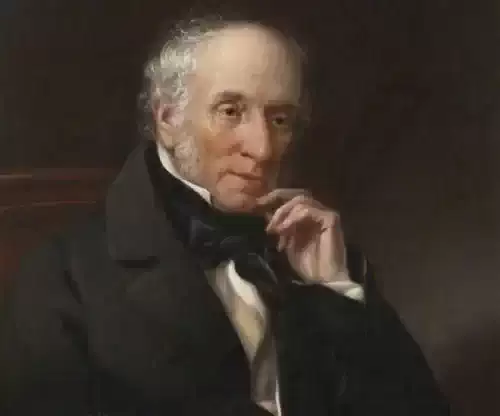
William Wordsworth
Oak and The Broom, The: A Pastoral Poem
Oak and The Broom, The: A Pastoral Poem
I
His simple truths did Andrew glean
Beside the babbling rills;
A careful student he had been
Among the woods and hills.
One winter's night, when through the trees
The wind was roaring, on his knees
His youngest born did Andrew hold:
And while the rest, a ruddy quire,
Were seated round their blazing fire,
This Tale the Shepherd told.
II
"I saw a crag, a lofty stone
As ever tempest beat!
Out of its head an Oak had grown,
A Broom out of its feet.
The time was March, a cheerful noon--
The thaw-wind, with the breath of June,
Breathed gently from the warm south-west:
When, in a voice sedate with age,
This Oak, a giant and a sage,
His neighbour thus addressed:--
III
"'Eight weary weeks, through rock and clay,
Along this mountain's edge,
The Frost hath wrought both night and day,
Wedge driving after wedge.
Look up! and think, above your head
What trouble, surely, will be bred;
Last night I heard a crash--'tis true,
The splinters took another road--
I see them yonder--what a load
For such a Thing as you!
IV
"'You are preparing as before,
To deck your slender shape;
And yet, just three years back--no more--
You had a strange escape:
Down from yon cliff a fragment broke;
It thundered down, with fire and smoke,
And hitherward pursued its way;
This ponderous block was caught by me,
And o'er your head, as you may see,
'Tis hanging to this day!
V
"'If breeze or bird to this rough steep
Your kind's first seed did bear;
The breeze had better been asleep,
The bird caught in a snare:
For you and your green twigs decoy
The little witless shepherd-boy
To come and slumber in your bower;
And, trust me, on some sultry noon,
Both you and he, Heaven knows how soon!
Will perish in one hour.
VI
"'From me this friendly warning take'--
The Broom began to doze,
And thus, to keep herself awake,
Did gently interpose:
'My thanks for your discourse are due;
That more than what you say is true,
I know, and I have known it long;
Frail is the bond by which we hold
Our being, whether young or old,
Wise, foolish, weak, or strong.
VII
"'Disasters, do the best we can,
Will reach both great and small;
And he is oft the wisest man,
Who is not wise at all.
For me, why should I wish to roam?
This spot is my paternal home,
It is my pleasant heritage;
My father many a happy year,
Spread here his careless blossoms, here
Attained a good old age.
VIII
"'Even such as his may be my lot.
What cause have I to haunt
My heart with terrors? Am I not
In truth a favoured plant!
On me such bounty Summer pours,
That I am covered o'er with flowers;
And, when the Frost is in the sky,
My branches are so fresh and gay
That you might look at me and say,
This Plant can never die.
IX
"'The butterfly, all green and gold,
To me hath often flown,
Here in my blossoms to behold
Wings lovely as his own.
When grass is chill with rain or dew,
Beneath my shade, the mother-ewe
Lies with her infant lamb; I see
The love they to each other make,
And the sweet joy which they partake,
It is a joy to me.'
X
"Her voice was blithe, her heart was light;
The Broom might have pursued
Her speech, until the stars of night
Their journey had renewed;
But in the branches of the oak
Two ravens now began to croak
Their nuptial song, a gladsome air;
And to her own green bower the breeze
That instant brought two stripling bees
To rest, or murmur there.
XI
"One night, my Children! from the north
There came a furious blast;
At break of day I ventured forth,
And near the cliff I passed.
The storm had fallen upon the Oak,
And struck him with a mighty stroke,
And whirled, and whirled him far away;
And, in one hospitable cleft,
The little careless Broom was left
To live for many a day."
I
His simple truths did Andrew glean
Beside the babbling rills;
A careful student he had been
Among the woods and hills.
One winter's night, when through the trees
The wind was roaring, on his knees
His youngest born did Andrew hold:
And while the rest, a ruddy quire,
Were seated round their blazing fire,
This Tale the Shepherd told.
II
"I saw a crag, a lofty stone
As ever tempest beat!
Out of its head an Oak had grown,
A Broom out of its feet.
The time was March, a cheerful noon--
The thaw-wind, with the breath of June,
Breathed gently from the warm south-west:
When, in a voice sedate with age,
This Oak, a giant and a sage,
His neighbour thus addressed:--
III
"'Eight weary weeks, through rock and clay,
Along this mountain's edge,
The Frost hath wrought both night and day,
Wedge driving after wedge.
Look up! and think, above your head
What trouble, surely, will be bred;
Last night I heard a crash--'tis true,
The splinters took another road--
I see them yonder--what a load
For such a Thing as you!
IV
"'You are preparing as before,
To deck your slender shape;
And yet, just three years back--no more--
You had a strange escape:
Down from yon cliff a fragment broke;
It thundered down, with fire and smoke,
And hitherward pursued its way;
This ponderous block was caught by me,
And o'er your head, as you may see,
'Tis hanging to this day!
V
"'If breeze or bird to this rough steep
Your kind's first seed did bear;
The breeze had better been asleep,
The bird caught in a snare:
For you and your green twigs decoy
The little witless shepherd-boy
To come and slumber in your bower;
And, trust me, on some sultry noon,
Both you and he, Heaven knows how soon!
Will perish in one hour.
VI
"'From me this friendly warning take'--
The Broom began to doze,
And thus, to keep herself awake,
Did gently interpose:
'My thanks for your discourse are due;
That more than what you say is true,
I know, and I have known it long;
Frail is the bond by which we hold
Our being, whether young or old,
Wise, foolish, weak, or strong.
VII
"'Disasters, do the best we can,
Will reach both great and small;
And he is oft the wisest man,
Who is not wise at all.
For me, why should I wish to roam?
This spot is my paternal home,
It is my pleasant heritage;
My father many a happy year,
Spread here his careless blossoms, here
Attained a good old age.
VIII
"'Even such as his may be my lot.
What cause have I to haunt
My heart with terrors? Am I not
In truth a favoured plant!
On me such bounty Summer pours,
That I am covered o'er with flowers;
And, when the Frost is in the sky,
My branches are so fresh and gay
That you might look at me and say,
This Plant can never die.
IX
"'The butterfly, all green and gold,
To me hath often flown,
Here in my blossoms to behold
Wings lovely as his own.
When grass is chill with rain or dew,
Beneath my shade, the mother-ewe
Lies with her infant lamb; I see
The love they to each other make,
And the sweet joy which they partake,
It is a joy to me.'
X
"Her voice was blithe, her heart was light;
The Broom might have pursued
Her speech, until the stars of night
Their journey had renewed;
But in the branches of the oak
Two ravens now began to croak
Their nuptial song, a gladsome air;
And to her own green bower the breeze
That instant brought two stripling bees
To rest, or murmur there.
XI
"One night, my Children! from the north
There came a furious blast;
At break of day I ventured forth,
And near the cliff I passed.
The storm had fallen upon the Oak,
And struck him with a mighty stroke,
And whirled, and whirled him far away;
And, in one hospitable cleft,
The little careless Broom was left
To live for many a day."
174
William Wordsworth
Nutting
Nutting
---------------------It seems a day
(I speak of one from many singled out)
One of those heavenly days that cannot die;
When, in the eagerness of boyish hope,
I left our cottage-threshold, sallying forth
With a huge wallet o'er my shoulders slung,
A nutting-crook in hand; and turned my steps
Tow'rd some far-distant wood, a Figure quaint,
Tricked out in proud disguise of cast-off weeds
Which for that service had been husbanded,
By exhortation of my frugal Dame--
Motley accoutrement, of power to smile
At thorns, and brakes, and brambles,--and, in truth,
More ragged than need was! O'er pathless rocks,
Through beds of matted fern, and tangled thickets,
Forcing my way, I came to one dear nook
Unvisited, where not a broken bough
Drooped with its withered leaves, ungracious sign
Of devastation; but the hazels rose
Tall and erect, with tempting clusters hung,
A virgin scene!--A little while I stood,
Breathing with such suppression of the heart
As joy delights in; and, with wise restraint
Voluptuous, fearless of a rival, eyed
The banquet;--or beneath the trees I sate
Among the flowers, and with the flowers I played;
A temper known to those, who, after long
And weary expectation, have been blest
With sudden happiness beyond all hope.
Perhaps it was a bower beneath whose leaves
The violets of five seasons re-appear
And fade, unseen by any human eye;
Where fairy water-breaks do murmur on
For ever; and I saw the sparkling foam,
And--with my cheek on one of those green stones
That, fleeced with moss, under the shady trees,
Lay round me, scattered like a flock of sheep--
I heard the murmur and the murmuring sound,
In that sweet mood when pleasure loves to pay
Tribute to ease; and, of its joy secure,
The heart luxuriates with indifferent things,
Wasting its kindliness on stocks and stones,
And on the vacant air. Then up I rose,
And dragged to earth both branch and bough, with crash
And merciless ravage: and the shady nook
Of hazels, and the green and mossy bower,
Deformed and sullied, patiently gave up
Their quiet being: and, unless I now
Confound my present feelings with the past;
Ere from the mutilated bower I turned
Exulting, rich beyond the wealth of kings,
I felt a sense of pain when I beheld
The silent trees, and saw the intruding sky--
Then, dearest Maiden, move along these shades
In gentleness of heart; with gentle hand
Touch--for there is a spirit in the woods.
---------------------It seems a day
(I speak of one from many singled out)
One of those heavenly days that cannot die;
When, in the eagerness of boyish hope,
I left our cottage-threshold, sallying forth
With a huge wallet o'er my shoulders slung,
A nutting-crook in hand; and turned my steps
Tow'rd some far-distant wood, a Figure quaint,
Tricked out in proud disguise of cast-off weeds
Which for that service had been husbanded,
By exhortation of my frugal Dame--
Motley accoutrement, of power to smile
At thorns, and brakes, and brambles,--and, in truth,
More ragged than need was! O'er pathless rocks,
Through beds of matted fern, and tangled thickets,
Forcing my way, I came to one dear nook
Unvisited, where not a broken bough
Drooped with its withered leaves, ungracious sign
Of devastation; but the hazels rose
Tall and erect, with tempting clusters hung,
A virgin scene!--A little while I stood,
Breathing with such suppression of the heart
As joy delights in; and, with wise restraint
Voluptuous, fearless of a rival, eyed
The banquet;--or beneath the trees I sate
Among the flowers, and with the flowers I played;
A temper known to those, who, after long
And weary expectation, have been blest
With sudden happiness beyond all hope.
Perhaps it was a bower beneath whose leaves
The violets of five seasons re-appear
And fade, unseen by any human eye;
Where fairy water-breaks do murmur on
For ever; and I saw the sparkling foam,
And--with my cheek on one of those green stones
That, fleeced with moss, under the shady trees,
Lay round me, scattered like a flock of sheep--
I heard the murmur and the murmuring sound,
In that sweet mood when pleasure loves to pay
Tribute to ease; and, of its joy secure,
The heart luxuriates with indifferent things,
Wasting its kindliness on stocks and stones,
And on the vacant air. Then up I rose,
And dragged to earth both branch and bough, with crash
And merciless ravage: and the shady nook
Of hazels, and the green and mossy bower,
Deformed and sullied, patiently gave up
Their quiet being: and, unless I now
Confound my present feelings with the past;
Ere from the mutilated bower I turned
Exulting, rich beyond the wealth of kings,
I felt a sense of pain when I beheld
The silent trees, and saw the intruding sky--
Then, dearest Maiden, move along these shades
In gentleness of heart; with gentle hand
Touch--for there is a spirit in the woods.
444
William Wordsworth
November,
November,
. Another year!--another deadly blow!
Another mighty Empire overthrown!
And We are left, or shall be left, alone;
The last that dare to struggle with the Foe.
'Tis well! from this day forward we shall know
That in ourselves our safety must be sought;
That by our own right hands it must be wrought;
That we must stand unpropped, or be laid low.
O dastard whom such foretaste doth not cheer!
We shall exult, if they who rule the land
Be men who hold its many blessings dear,
Wise, upright, valiant; not a servile band,
Who are to judge of danger which they fear,
And honour which they do not understand.
. Another year!--another deadly blow!
Another mighty Empire overthrown!
And We are left, or shall be left, alone;
The last that dare to struggle with the Foe.
'Tis well! from this day forward we shall know
That in ourselves our safety must be sought;
That by our own right hands it must be wrought;
That we must stand unpropped, or be laid low.
O dastard whom such foretaste doth not cheer!
We shall exult, if they who rule the land
Be men who hold its many blessings dear,
Wise, upright, valiant; not a servile band,
Who are to judge of danger which they fear,
And honour which they do not understand.
182
William Wordsworth
Mutability
Mutability
FROM low to high doth dissolution climb,
And sink from high to low, along a scale
Of awful notes, whose concord shall not fail;
A musical but melancholy chime,
Which they can hear who meddle not with crime,
Nor avarice, nor over-anxious care.
Truth fails not; but her outward forms that bear
The longest date do melt like frosty rime,
That in the morning whiten'd hill and plain
And is no more; drop like the tower sublime
Of yesterday, which royally did wear
His crown of weeds, but could not even sustain
Some casual shout that broke the silent air,
Or the unimaginable touch of Time.
FROM low to high doth dissolution climb,
And sink from high to low, along a scale
Of awful notes, whose concord shall not fail;
A musical but melancholy chime,
Which they can hear who meddle not with crime,
Nor avarice, nor over-anxious care.
Truth fails not; but her outward forms that bear
The longest date do melt like frosty rime,
That in the morning whiten'd hill and plain
And is no more; drop like the tower sublime
Of yesterday, which royally did wear
His crown of weeds, but could not even sustain
Some casual shout that broke the silent air,
Or the unimaginable touch of Time.
176
William Wordsworth
Most Sweet it is
Most Sweet it is
. Most sweet it is with unuplifted eyes
To pace the ground, if path be there or none,
While a fair region round the traveller lies
Which he forbears again to look upon;
Pleased rather with some soft ideal scene,
The work of Fancy, or some happy tone
Of meditation, slipping in between
The beauty coming and the beauty gone.
If Thought and Love desert us, from that day
Let us break off all commerce with the Muse:
With Thought and Love companions of our way,
Whate'er the senses take or may refuse,
The Mind's internal heaven shall shed her dews
Of inspiration on the humblest lay.
. Most sweet it is with unuplifted eyes
To pace the ground, if path be there or none,
While a fair region round the traveller lies
Which he forbears again to look upon;
Pleased rather with some soft ideal scene,
The work of Fancy, or some happy tone
Of meditation, slipping in between
The beauty coming and the beauty gone.
If Thought and Love desert us, from that day
Let us break off all commerce with the Muse:
With Thought and Love companions of our way,
Whate'er the senses take or may refuse,
The Mind's internal heaven shall shed her dews
Of inspiration on the humblest lay.
206
William Wordsworth
Memory
Memory
A pen--to register; a key--
That winds through secret wards
Are well assigned to Memory
By allegoric Bards.
As aptly, also, might be given
A Pencil to her hand;
That, softening objects, sometimes even
Outstrips the heart's demand;
That smooths foregone distress, the lines
Of lingering care subdues,
Long-vanished happiness refines,
And clothes in brighter hues;
Yet, like a tool of Fancy, works
Those Spectres to dilate
That startle Conscience, as she lurks
Within her lonely seat.
Oh! that our lives, which flee so fast,
In purity were such,
That not an image of the past
Should fear that pencil's touch!
Retirement then might hourly look
Upon a soothing scene,
Age steal to his allotted nook
Contented and serene;
With heart as calm as lakes that sleep,
In frosty moonlight glistening;
Or mountain rivers, where they creep
Along a channel smooth and deep,
To their own far-off murmurs listening.
A pen--to register; a key--
That winds through secret wards
Are well assigned to Memory
By allegoric Bards.
As aptly, also, might be given
A Pencil to her hand;
That, softening objects, sometimes even
Outstrips the heart's demand;
That smooths foregone distress, the lines
Of lingering care subdues,
Long-vanished happiness refines,
And clothes in brighter hues;
Yet, like a tool of Fancy, works
Those Spectres to dilate
That startle Conscience, as she lurks
Within her lonely seat.
Oh! that our lives, which flee so fast,
In purity were such,
That not an image of the past
Should fear that pencil's touch!
Retirement then might hourly look
Upon a soothing scene,
Age steal to his allotted nook
Contented and serene;
With heart as calm as lakes that sleep,
In frosty moonlight glistening;
Or mountain rivers, where they creep
Along a channel smooth and deep,
To their own far-off murmurs listening.
232
William Wordsworth
Lucy iv
Lucy iv
THREE years she grew in sun and shower;
Then Nature said, 'A lovelier flower
On earth was never sown;
This child I to myself will take;
She shall be mine, and I will make
A lady of my own.
"Myself will to my darling be
Both law and impulse: and with me
The girl, in rock and plain,
In earth and heaven, in glade and bower,
Shall feel an overseeing power
To kindle or restrain.
'She shall be sportive as the fawn
That wild with glee across the lawn
Or up the mountain springs;
And hers shall be the breathing balm,
And hers the silence and the calm
Of mute insensate things.
'The floating clouds their state shall lend
To her; for her the willow bend;
Nor shall she fail to see
Even in the motions of the storm
Grace that shall mould the maiden's form
By silent sympathy.
'The stars of midnight shall be dear
To her; and she shall lean her ear
In many a secret place
Where rivulets dance their wayward round,
And beauty born of murmuring sound
Shall pass into her face.
'And vital feelings of delight
Shall rear her form to stately height,
Her virgin bosom swell;
Such thoughts to Lucy I will give
While she and I together live
Here in this happy dell.'
Thus Nature spake--The work was done--
How soon my Lucy's race was run!
She died, and left to me
This heath, this calm, and quiet scene;
The memory of what has been,
And never more will be.
THREE years she grew in sun and shower;
Then Nature said, 'A lovelier flower
On earth was never sown;
This child I to myself will take;
She shall be mine, and I will make
A lady of my own.
"Myself will to my darling be
Both law and impulse: and with me
The girl, in rock and plain,
In earth and heaven, in glade and bower,
Shall feel an overseeing power
To kindle or restrain.
'She shall be sportive as the fawn
That wild with glee across the lawn
Or up the mountain springs;
And hers shall be the breathing balm,
And hers the silence and the calm
Of mute insensate things.
'The floating clouds their state shall lend
To her; for her the willow bend;
Nor shall she fail to see
Even in the motions of the storm
Grace that shall mould the maiden's form
By silent sympathy.
'The stars of midnight shall be dear
To her; and she shall lean her ear
In many a secret place
Where rivulets dance their wayward round,
And beauty born of murmuring sound
Shall pass into her face.
'And vital feelings of delight
Shall rear her form to stately height,
Her virgin bosom swell;
Such thoughts to Lucy I will give
While she and I together live
Here in this happy dell.'
Thus Nature spake--The work was done--
How soon my Lucy's race was run!
She died, and left to me
This heath, this calm, and quiet scene;
The memory of what has been,
And never more will be.
180
William Wordsworth
Lucy ii
Lucy ii
SHE dwelt among the untrodden ways
Beside the springs of Dove,
A Maid whom there were none to praise
And very few to love:
A violet by a mossy stone
Half hidden from the eye!
Fair as a star, when only one
Is shining in the sky.
She lived unknown, and few could know
When Lucy ceased to be;
But she is in her grave, and oh,
The difference to me!
SHE dwelt among the untrodden ways
Beside the springs of Dove,
A Maid whom there were none to praise
And very few to love:
A violet by a mossy stone
Half hidden from the eye!
Fair as a star, when only one
Is shining in the sky.
She lived unknown, and few could know
When Lucy ceased to be;
But she is in her grave, and oh,
The difference to me!
106
William Wordsworth
Lucy Gray
Lucy Gray
Oft I had heard of Lucy Gray:
And, when I crossed the wild,
I chanced to see at break of day
The solitary child.
No mate, no comrade Lucy knew;
She dwelt on a wide moor,
--The sweetest thing that ever grew
Beside a human door!
You yet may spy the fawn at play,
The hare upon the green;
But the sweet face of Lucy Gray
Will never more be seen.
"To-night will be a stormy night--
You to the town must go;
And take a lantern, Child, to light
Your mother through the snow."
"That, Father! will I gladly do:
'Tis scarcely afternoon--
The minster-clock has just struck two,
And yonder is the moon!"
At this the Father raised his hook,
And snapped a faggot-band;
He plied his work;--and Lucy took
The lantern in her hand.
Not blither is the mountain roe:
With many a wanton stroke
Her feet disperse the powdery snow,
That rises up like smoke.
The storm came on before its time:
She wandered up and down;
And many a hill did Lucy climb:
But never reached the town.
The wretched parents all that night
Went shouting far and wide;
But there was neither sound nor sight
To serve them for a guide.
At day-break on a hill they stood
That overlooked the moor;
And thence they saw the bridge of wood,
A furlong from their door.
They wept--and, turning homeward, cried,
"In heaven we all shall meet;"
--When in the snow the mother spied
The print of Lucy's feet.
Then downwards from the steep hill's edge
They tracked the footmarks small;
And through the broken hawthorn hedge,
And by the long stone-wall;
And then an open field they crossed:
The marks were still the same;
They tracked them on, nor ever lost;
And to the bridge they came.
They followed from the snowy bank
Those footmarks, one by one,
Into the middle of the plank;
And further there were none!
--Yet some maintain that to this day
She is a living child;
That you may see sweet Lucy Gray
Upon the lonesome wild.
O'er rough and smooth she trips along,
And never looks behind;
And sings a solitary song
That whistles in the wind.
Oft I had heard of Lucy Gray:
And, when I crossed the wild,
I chanced to see at break of day
The solitary child.
No mate, no comrade Lucy knew;
She dwelt on a wide moor,
--The sweetest thing that ever grew
Beside a human door!
You yet may spy the fawn at play,
The hare upon the green;
But the sweet face of Lucy Gray
Will never more be seen.
"To-night will be a stormy night--
You to the town must go;
And take a lantern, Child, to light
Your mother through the snow."
"That, Father! will I gladly do:
'Tis scarcely afternoon--
The minster-clock has just struck two,
And yonder is the moon!"
At this the Father raised his hook,
And snapped a faggot-band;
He plied his work;--and Lucy took
The lantern in her hand.
Not blither is the mountain roe:
With many a wanton stroke
Her feet disperse the powdery snow,
That rises up like smoke.
The storm came on before its time:
She wandered up and down;
And many a hill did Lucy climb:
But never reached the town.
The wretched parents all that night
Went shouting far and wide;
But there was neither sound nor sight
To serve them for a guide.
At day-break on a hill they stood
That overlooked the moor;
And thence they saw the bridge of wood,
A furlong from their door.
They wept--and, turning homeward, cried,
"In heaven we all shall meet;"
--When in the snow the mother spied
The print of Lucy's feet.
Then downwards from the steep hill's edge
They tracked the footmarks small;
And through the broken hawthorn hedge,
And by the long stone-wall;
And then an open field they crossed:
The marks were still the same;
They tracked them on, nor ever lost;
And to the bridge they came.
They followed from the snowy bank
Those footmarks, one by one,
Into the middle of the plank;
And further there were none!
--Yet some maintain that to this day
She is a living child;
That you may see sweet Lucy Gray
Upon the lonesome wild.
O'er rough and smooth she trips along,
And never looks behind;
And sings a solitary song
That whistles in the wind.
287
William Wordsworth
Lines Written In Early Spring
Lines Written In Early Spring
I HEARD a thousand blended notes,
While in a grove I sate reclined,
In that sweet mood when pleasant thoughts
Bring sad thoughts to the mind.
To her fair works did Nature link
The human soul that through me ran;
And much it grieved my heart to think
What man has made of man.
Through primrose tufts, in that green bower,
The periwinkle trailed its wreaths;
And 'tis my faith that every flower
Enjoys the air it breathes.
The birds around me hopped and played,
Their thoughts I cannot measure:---
But the least motion which they made,
It seemed a thrill of pleasure.
The budding twigs spread out their fan,
To catch the breezy air;
And I must think, do all I can,
That there was pleasure there.
If this belief from heaven be sent,
If such be Nature's holy plan,
Have I not reason to lament
What man has made of man?
I HEARD a thousand blended notes,
While in a grove I sate reclined,
In that sweet mood when pleasant thoughts
Bring sad thoughts to the mind.
To her fair works did Nature link
The human soul that through me ran;
And much it grieved my heart to think
What man has made of man.
Through primrose tufts, in that green bower,
The periwinkle trailed its wreaths;
And 'tis my faith that every flower
Enjoys the air it breathes.
The birds around me hopped and played,
Their thoughts I cannot measure:---
But the least motion which they made,
It seemed a thrill of pleasure.
The budding twigs spread out their fan,
To catch the breezy air;
And I must think, do all I can,
That there was pleasure there.
If this belief from heaven be sent,
If such be Nature's holy plan,
Have I not reason to lament
What man has made of man?
175
William Wordsworth
Lines Left upon a Seat in a Yew-tree
Lines Left upon a Seat in a Yew-tree
Nay, Traveller! rest. This lonely Yew-tree stands
Far from all human dwelling: what if here
No sparkling rivulet spread the verdant herb?
What if the bee love not these barren boughs?
Yet, if the wind breathe soft, the curling waves,
That break against the shore, shall lull thy mind
By one soft impulse saved from vacancy.
--------------------Who he was
That piled these stones and with the mossy sod
First covered, and here taught this aged Tree
With its dark arms to form a circling bower,
I well remember.--He was one who owned
No common soul. In youth by science nursed,
And led by nature into a wild scene
Of lofty hopes, he to the world went forth
A favoured Being, knowing no desire
Which genius did not hallow; 'gainst the taint
Of dissolute tongues, and jealousy, and hate,
And scorn,--against all enemies prepared,
All but neglect. The world, for so it thought,
Owed him no service; wherefore he at once
With indignation turned himself away,
And with the food of pride sustained his soul
In solitude.--Stranger! these gloomy boughs
Had charms for him; and here he loved to sit,
His only visitants a straggling sheep,
The stone-chat, or the glancing sand-piper:
And on these barren rocks, with fern and heath,
And juniper and thistle, sprinkled o'er,
Fixing his downcast eye, he many an hour
A morbid pleasure nourished, tracing here
An emblem of his own unfruitful life:
And, lifting up his head, he then would gaze
On the more distant scene,--how lovely 'tis
Thou seest,--and he would gaze till it became
Far lovelier, and his heart could not sustain
The beauty, still more beauteous! Nor, that time,
When nature had subdued him to herself,
Would he forget those Beings to whose minds,
Warm from the labours of benevolence,
The world, and human life, appeared a scene
Of kindred loveliness: then he would sigh,
Inly disturbed, to think that others felt
What he must never feel: and so, lost Man!
On visionary views would fancy feed,
Till his eye streamed with tears. In this deep vale
He died,--this seat his only monument.
If Thou be one whose heart the holy forms
Of young imagination have kept pure,
Stranger! henceforth be warned; and know that pride,
Howe'er disguised in its own majesty,
Is littleness; that he, who feels contempt
For any living thing, hath faculties
Which he has never used; that thought with him
Is in its infancy. The man whose eye
Is ever on himself doth look on one,
The least of Nature's works, one who might move
The wise man to that scorn which wisdom holds
Unlawful, ever. O be wiser, Thou!
Instructed that true knowledge leads to love;
True dignity abides with him alone
Who, in the silent hour of inward thought,
Can still suspect, and still revere himself
In lowliness of heart.
Nay, Traveller! rest. This lonely Yew-tree stands
Far from all human dwelling: what if here
No sparkling rivulet spread the verdant herb?
What if the bee love not these barren boughs?
Yet, if the wind breathe soft, the curling waves,
That break against the shore, shall lull thy mind
By one soft impulse saved from vacancy.
--------------------Who he was
That piled these stones and with the mossy sod
First covered, and here taught this aged Tree
With its dark arms to form a circling bower,
I well remember.--He was one who owned
No common soul. In youth by science nursed,
And led by nature into a wild scene
Of lofty hopes, he to the world went forth
A favoured Being, knowing no desire
Which genius did not hallow; 'gainst the taint
Of dissolute tongues, and jealousy, and hate,
And scorn,--against all enemies prepared,
All but neglect. The world, for so it thought,
Owed him no service; wherefore he at once
With indignation turned himself away,
And with the food of pride sustained his soul
In solitude.--Stranger! these gloomy boughs
Had charms for him; and here he loved to sit,
His only visitants a straggling sheep,
The stone-chat, or the glancing sand-piper:
And on these barren rocks, with fern and heath,
And juniper and thistle, sprinkled o'er,
Fixing his downcast eye, he many an hour
A morbid pleasure nourished, tracing here
An emblem of his own unfruitful life:
And, lifting up his head, he then would gaze
On the more distant scene,--how lovely 'tis
Thou seest,--and he would gaze till it became
Far lovelier, and his heart could not sustain
The beauty, still more beauteous! Nor, that time,
When nature had subdued him to herself,
Would he forget those Beings to whose minds,
Warm from the labours of benevolence,
The world, and human life, appeared a scene
Of kindred loveliness: then he would sigh,
Inly disturbed, to think that others felt
What he must never feel: and so, lost Man!
On visionary views would fancy feed,
Till his eye streamed with tears. In this deep vale
He died,--this seat his only monument.
If Thou be one whose heart the holy forms
Of young imagination have kept pure,
Stranger! henceforth be warned; and know that pride,
Howe'er disguised in its own majesty,
Is littleness; that he, who feels contempt
For any living thing, hath faculties
Which he has never used; that thought with him
Is in its infancy. The man whose eye
Is ever on himself doth look on one,
The least of Nature's works, one who might move
The wise man to that scorn which wisdom holds
Unlawful, ever. O be wiser, Thou!
Instructed that true knowledge leads to love;
True dignity abides with him alone
Who, in the silent hour of inward thought,
Can still suspect, and still revere himself
In lowliness of heart.
234
William Wordsworth
Last of The Flock, The
Last of The Flock, The
I
In distant countries have I been,
And yet I have not often seen
A healthy man, a man full grown,
Weep in the public roads, alone.
But such a one, on English ground,
And in the broad highway, I met;
Along the broad highway he came,
His cheeks with tears were wet:
Sturdy he seemed, though he was sad;
And in his arms a Lamb he had.
II
He saw me, and he turned aside,
As if he wished himself to hide:
And with his coat did then essay
To wipe those briny tears away.
I followed him, and said, "My friend,
What ails you? wherefore weep you so?"
--"Shame on me, Sir! this lusty Lamb,
He makes my tears to flow.
To-day I fetched him from the rock;
He is the last of all my flock,
III
"When I was young, a single man,
And after youthful follies ran,
Though little given to care and thought,
Yet, so it was, an ewe I bought;
And other sheep from her I raised,
As healthy sheep as you might see;
And then I married, and was rich
As I could wish to be;
Of sheep I numbered a full score,
And every year increased my store.
IV
"Year after year my stock it grew;
And from this one, this single ewe,
Full fifty comely sheep I raised,
As fine a flock as ever grazed!
Upon the Quantock hills they fed;
They throve, and we at home did thrive:
--This lusty Lamb of all my store
Is all that is alive;
And now I care not if we die,
And perish all of poverty.
V
"Six Children, Sir! had I to feed;
Hard labour in a time of need!
My pride was tamed, and in our grief
I of the Parish asked relief.
They said, I was a wealthy man;
My sheep upon the uplands fed,
And it was fit that thence I took
Whereof to buy us bread.
'Do this: how can we give to you,'
They cried, 'what to the poor is due?'
VI
"I sold a sheep, as they had said,
And bought my little children bread,
And they were healthy with their food
For me--it never did me good.
A woeful time it was for me,
To see the end of all my gains,
The pretty flock which I had reared
With all my care and pains,
To see it melt like snow away--
For me it was a woeful day.
VII
"Another still! and still another!
A little lamb, and then its mother!
It was a vein that never stopped--
Like blood-drops from my heart they dropped.
'Till thirty were not left alive
They dwindled, dwindled, one by one
And I may say, that many a time
I wished they all were gone--
Reckless of what might come at last
Were but the bitter struggle past.
VIII
"To wicked deeds I was inclined,
And wicked fancies crossed my mind;
And every man I chanced to see,
I thought he knew some ill of me:
No peace, no comfort could I find,
No ease, within doors or without;
And, crazily and wearily
I went my work about;
And oft was moved to flee from home,
And hide my head where wild beasts roam.
IX
"Sir! 'twas a precious flock to me,
As dear as my own children be;
For daily with my growing store
I loved my children more and more.
Alas! it was an evil time;
God cursed me in my sore distress;
I prayed, yet every day I thought
I loved my children less;
And every week, and every day,
My flock it seemed to melt away.
X
"They dwindled, Sir, sad sight to see!
From ten to five, from five to three,
A lamb, a wether, and a ewe;--
And then at last from three to two;
And, of my fifty, yesterday
I had but only one:
And here it lies upon my arm,
Alas! and I have none;--
To-day I fetched it from the rock;
It is the last of all my flock."
I
In distant countries have I been,
And yet I have not often seen
A healthy man, a man full grown,
Weep in the public roads, alone.
But such a one, on English ground,
And in the broad highway, I met;
Along the broad highway he came,
His cheeks with tears were wet:
Sturdy he seemed, though he was sad;
And in his arms a Lamb he had.
II
He saw me, and he turned aside,
As if he wished himself to hide:
And with his coat did then essay
To wipe those briny tears away.
I followed him, and said, "My friend,
What ails you? wherefore weep you so?"
--"Shame on me, Sir! this lusty Lamb,
He makes my tears to flow.
To-day I fetched him from the rock;
He is the last of all my flock,
III
"When I was young, a single man,
And after youthful follies ran,
Though little given to care and thought,
Yet, so it was, an ewe I bought;
And other sheep from her I raised,
As healthy sheep as you might see;
And then I married, and was rich
As I could wish to be;
Of sheep I numbered a full score,
And every year increased my store.
IV
"Year after year my stock it grew;
And from this one, this single ewe,
Full fifty comely sheep I raised,
As fine a flock as ever grazed!
Upon the Quantock hills they fed;
They throve, and we at home did thrive:
--This lusty Lamb of all my store
Is all that is alive;
And now I care not if we die,
And perish all of poverty.
V
"Six Children, Sir! had I to feed;
Hard labour in a time of need!
My pride was tamed, and in our grief
I of the Parish asked relief.
They said, I was a wealthy man;
My sheep upon the uplands fed,
And it was fit that thence I took
Whereof to buy us bread.
'Do this: how can we give to you,'
They cried, 'what to the poor is due?'
VI
"I sold a sheep, as they had said,
And bought my little children bread,
And they were healthy with their food
For me--it never did me good.
A woeful time it was for me,
To see the end of all my gains,
The pretty flock which I had reared
With all my care and pains,
To see it melt like snow away--
For me it was a woeful day.
VII
"Another still! and still another!
A little lamb, and then its mother!
It was a vein that never stopped--
Like blood-drops from my heart they dropped.
'Till thirty were not left alive
They dwindled, dwindled, one by one
And I may say, that many a time
I wished they all were gone--
Reckless of what might come at last
Were but the bitter struggle past.
VIII
"To wicked deeds I was inclined,
And wicked fancies crossed my mind;
And every man I chanced to see,
I thought he knew some ill of me:
No peace, no comfort could I find,
No ease, within doors or without;
And, crazily and wearily
I went my work about;
And oft was moved to flee from home,
And hide my head where wild beasts roam.
IX
"Sir! 'twas a precious flock to me,
As dear as my own children be;
For daily with my growing store
I loved my children more and more.
Alas! it was an evil time;
God cursed me in my sore distress;
I prayed, yet every day I thought
I loved my children less;
And every week, and every day,
My flock it seemed to melt away.
X
"They dwindled, Sir, sad sight to see!
From ten to five, from five to three,
A lamb, a wether, and a ewe;--
And then at last from three to two;
And, of my fifty, yesterday
I had but only one:
And here it lies upon my arm,
Alas! and I have none;--
To-day I fetched it from the rock;
It is the last of all my flock."
397
William Wordsworth
Lament of Mary Queen of Scots, on The Eve of a New Year
Lament of Mary Queen of Scots, on The Eve of a New Year
Smile of the Moon!---for I so name
That silent greeting from above;
A gentle flash of light that came
From her whom drooping captives love;
Or art thou of still higher birth?
Thou that didst part the clouds of earth,
My torpor to reprove!
Bright boon of pitying Heaven!---alas,
I may not trust thy placid cheer!
Pondering that Time tonight will pass
The threshold of another year;
For years to me are sad and dull;
My very moments are too full
Of hopelessness and fear.
And yet, the soul-awakening gleam,
That struck perchance the farthest cone
Of Scotland's rocky wilds, did seem
To visit me, and me alone;
Me, unapproached by any friend,
Save those who to my sorrow lend
Tears due unto their own.
To night the church-tower bells will ring
Through these wide realms a festire peal;
To the new year a welcoming;
A tuneful offering for the weal
Of happy millions lulled in deep;
While I am forced to watch and weep,
By wounds that may not heal.
Born all too high, by wedlock raised
Still higherÑto be cast thus low!
Would that mine eyes had never gazed
On aught of more ambitious show
Than the sweet flowerets of the fields
---It is my royal state that yields
This bitterness of woe.
Yet how?---for I, if there be truth
In the world's voice, was passing fair;
And beauty, for confiding youth,
Those shocks of passion can prepare
That kill the bloom before its time;
And blanch, without the owner's crime,
The most resplendent hair.
Unblest distinction! showered on me
To bind a lingering life in chains:
All that could quit my grasp, or flee,
Is gone;---but not the subtle stains
Fixed in the spirit; for even here
Can I be proud that jealous fear
Of what I was remains.
A Woman rules my prison's key;
A sister Queen, against the bent
O£ law and holiest sympathy,
Detains me, doubtful of the event;
Great God, who feel'st for my distress,
My thoughts are all that I possess,
O keep them innocent!
Farewell desire of human aid,
Which abject mortals vainly court!
By friends deceived, by foes betrayed,
Of fears the prey, of hopes the sport;
Nought but the world-redeeming Cross
Is able to support my loss,
My burthen to support.
Hark! the death-note of the year
Sounded by the castle-clock!
From her sunk eyes a stagnant tear
Stole forth, unsettled by the shock;
But oft the woods renewed their green,
Ere the tired head of Scotland's Queen
Reposed upon the block!
Smile of the Moon!---for I so name
That silent greeting from above;
A gentle flash of light that came
From her whom drooping captives love;
Or art thou of still higher birth?
Thou that didst part the clouds of earth,
My torpor to reprove!
Bright boon of pitying Heaven!---alas,
I may not trust thy placid cheer!
Pondering that Time tonight will pass
The threshold of another year;
For years to me are sad and dull;
My very moments are too full
Of hopelessness and fear.
And yet, the soul-awakening gleam,
That struck perchance the farthest cone
Of Scotland's rocky wilds, did seem
To visit me, and me alone;
Me, unapproached by any friend,
Save those who to my sorrow lend
Tears due unto their own.
To night the church-tower bells will ring
Through these wide realms a festire peal;
To the new year a welcoming;
A tuneful offering for the weal
Of happy millions lulled in deep;
While I am forced to watch and weep,
By wounds that may not heal.
Born all too high, by wedlock raised
Still higherÑto be cast thus low!
Would that mine eyes had never gazed
On aught of more ambitious show
Than the sweet flowerets of the fields
---It is my royal state that yields
This bitterness of woe.
Yet how?---for I, if there be truth
In the world's voice, was passing fair;
And beauty, for confiding youth,
Those shocks of passion can prepare
That kill the bloom before its time;
And blanch, without the owner's crime,
The most resplendent hair.
Unblest distinction! showered on me
To bind a lingering life in chains:
All that could quit my grasp, or flee,
Is gone;---but not the subtle stains
Fixed in the spirit; for even here
Can I be proud that jealous fear
Of what I was remains.
A Woman rules my prison's key;
A sister Queen, against the bent
O£ law and holiest sympathy,
Detains me, doubtful of the event;
Great God, who feel'st for my distress,
My thoughts are all that I possess,
O keep them innocent!
Farewell desire of human aid,
Which abject mortals vainly court!
By friends deceived, by foes betrayed,
Of fears the prey, of hopes the sport;
Nought but the world-redeeming Cross
Is able to support my loss,
My burthen to support.
Hark! the death-note of the year
Sounded by the castle-clock!
From her sunk eyes a stagnant tear
Stole forth, unsettled by the shock;
But oft the woods renewed their green,
Ere the tired head of Scotland's Queen
Reposed upon the block!
253
William Wordsworth
Kitten And Falling Leaves, The
Kitten And Falling Leaves, The
That way look, my Infant, lo!
What a pretty baby-show!
See the kitten on the wall,
Sporting with the leaves that fall,
Withered leaves---one---two---and three---
From the lofty elder-tree!
Through the calm and frosty air
Of this morning bright and fair,
Eddying round and round they sink
Softly, slowly: one might think,
From the motions that are made,
Every little leaf conveyed
Sylph or Faery hither tending,---
To this lower world descending,
Each invisible and mute,
In his wavering parachute.
---But the Kitten, how she starts,
Crouches, stretches, paws, and darts!
First at one, and then its fellow
Just as light and just as yellow;
There are many now---now one---
Now they stop and there are none
What intenseness of desire
In her upward eye of fire!
With a tiger-leap half way
Now she meets the coming prey,
Lets it go as fast, and then
Has it in her power again:
Now she works with three or four,
Like an Indian conjurer;
Quick as he in feats of art,
Far beyond in joy of heart.
Were her antics played in the eye
Of a thousand standers-by,
Clapping hands with shout and stare,
What would little Tabby care
For the plaudits of the crowd?
Over happy to be proud,
Over wealthy in the treasure
Of her own exceeding pleasure!
'Tis a pretty baby-treat;
Nor, I deem, for me unmeet;
Here, for neither Babe nor me,
Other play-mate can I see.
Of the countless living things,
That with stir of feet and wings
(In the sun or under shade,
Upon bough or grassy blade)
And with busy revellings,
Chirp and song, and murmurings,
Made this orchard's narrow space,
And this vale so blithe a place;
Multitudes are swept away
Never more to breathe the day:
Some are sleeping; some in bands
Travelled into distant lands;
Others slunk to moor and wood,
Far from human neighborhood;
And, among the Kinds that keep
With us closer fellowship,
With us openly abide,
All have laid their mirth aside.
Where is he that giddy Sprite,
Blue-cap, with his colors bright,
Who was blest as bird could be,
Feeding in the apple-tree;
Made such wanton spoil and rout,
Turning blossoms inside out;
Hung---head pointing towards the ground---
Fluttered, perched, into a round
Bound himself, and then unbound;
Lithest, gaudiest Harlequin!
Prettiest Tumbler ever seen!
Light of heart and light of limb;
What is now become of Him?
Lambs, that through the mountains went
Frisking, bleating merriment,
When the year was in its prime,
They are sobered by this time.
If you look to vale or hill,
If you listen, all is still,
Save a little neighboring rill,
That from out the rocky ground
Strikes a solitary sound.
Vainly glitter hill and plain,
And the air is calm in vain;
Vainly Morning spreads the lure
Of a sky serene and pure;
Creature none can she decoy
Into open sign of joy:
Is it that they have a fear
Of the dreary season near?
Or that other pleasures be
Sweeter even than gaiety ?
Yet, whate'er enjoyments dwell
In the impenetrable cell
Of the silent heart which Nature
Furnishes to every creature;
Whatsoe'er we feel and know
Too sedate for outward show,
Such a light of gladness breaks,
Pretty Kitten! from thy freaks,---
Spreads with such a living grace
O'er my little Dora's face;
Yes, the sight so stirs and charms
Thee, Baby, laughing in my arms,
That almost I could repine
That your transports are not mine,
That I do not wholly fare
Even as ye do, thoughtless pair!
And I will have my careless season
Spite of melancholy reason,
Will walk through life in such a way
That, when time brings on decay,
Now and then I may possess
Hours of perfect gladsomeness.
---Pleased by any random toy;
By a kitten's busy joy,
Or an infant's laughing eye
Sharing in the ecstasy;
I would fare like that or this,
Find my wisdom in my bliss;
Keep the sprightly soul awake,
And have faculties to take,
Even from things by sorrow wrought,
Matter for a jocund thought,
Spite of care, and spite of grief,
To gambol with Life's falling Leaf.
That way look, my Infant, lo!
What a pretty baby-show!
See the kitten on the wall,
Sporting with the leaves that fall,
Withered leaves---one---two---and three---
From the lofty elder-tree!
Through the calm and frosty air
Of this morning bright and fair,
Eddying round and round they sink
Softly, slowly: one might think,
From the motions that are made,
Every little leaf conveyed
Sylph or Faery hither tending,---
To this lower world descending,
Each invisible and mute,
In his wavering parachute.
---But the Kitten, how she starts,
Crouches, stretches, paws, and darts!
First at one, and then its fellow
Just as light and just as yellow;
There are many now---now one---
Now they stop and there are none
What intenseness of desire
In her upward eye of fire!
With a tiger-leap half way
Now she meets the coming prey,
Lets it go as fast, and then
Has it in her power again:
Now she works with three or four,
Like an Indian conjurer;
Quick as he in feats of art,
Far beyond in joy of heart.
Were her antics played in the eye
Of a thousand standers-by,
Clapping hands with shout and stare,
What would little Tabby care
For the plaudits of the crowd?
Over happy to be proud,
Over wealthy in the treasure
Of her own exceeding pleasure!
'Tis a pretty baby-treat;
Nor, I deem, for me unmeet;
Here, for neither Babe nor me,
Other play-mate can I see.
Of the countless living things,
That with stir of feet and wings
(In the sun or under shade,
Upon bough or grassy blade)
And with busy revellings,
Chirp and song, and murmurings,
Made this orchard's narrow space,
And this vale so blithe a place;
Multitudes are swept away
Never more to breathe the day:
Some are sleeping; some in bands
Travelled into distant lands;
Others slunk to moor and wood,
Far from human neighborhood;
And, among the Kinds that keep
With us closer fellowship,
With us openly abide,
All have laid their mirth aside.
Where is he that giddy Sprite,
Blue-cap, with his colors bright,
Who was blest as bird could be,
Feeding in the apple-tree;
Made such wanton spoil and rout,
Turning blossoms inside out;
Hung---head pointing towards the ground---
Fluttered, perched, into a round
Bound himself, and then unbound;
Lithest, gaudiest Harlequin!
Prettiest Tumbler ever seen!
Light of heart and light of limb;
What is now become of Him?
Lambs, that through the mountains went
Frisking, bleating merriment,
When the year was in its prime,
They are sobered by this time.
If you look to vale or hill,
If you listen, all is still,
Save a little neighboring rill,
That from out the rocky ground
Strikes a solitary sound.
Vainly glitter hill and plain,
And the air is calm in vain;
Vainly Morning spreads the lure
Of a sky serene and pure;
Creature none can she decoy
Into open sign of joy:
Is it that they have a fear
Of the dreary season near?
Or that other pleasures be
Sweeter even than gaiety ?
Yet, whate'er enjoyments dwell
In the impenetrable cell
Of the silent heart which Nature
Furnishes to every creature;
Whatsoe'er we feel and know
Too sedate for outward show,
Such a light of gladness breaks,
Pretty Kitten! from thy freaks,---
Spreads with such a living grace
O'er my little Dora's face;
Yes, the sight so stirs and charms
Thee, Baby, laughing in my arms,
That almost I could repine
That your transports are not mine,
That I do not wholly fare
Even as ye do, thoughtless pair!
And I will have my careless season
Spite of melancholy reason,
Will walk through life in such a way
That, when time brings on decay,
Now and then I may possess
Hours of perfect gladsomeness.
---Pleased by any random toy;
By a kitten's busy joy,
Or an infant's laughing eye
Sharing in the ecstasy;
I would fare like that or this,
Find my wisdom in my bliss;
Keep the sprightly soul awake,
And have faculties to take,
Even from things by sorrow wrought,
Matter for a jocund thought,
Spite of care, and spite of grief,
To gambol with Life's falling Leaf.
355
William Wordsworth
It is not to be Thought of
It is not to be Thought of
. It is not to be thought of that the Flood
Of British freedom, which, to the open sea
Of the world's praise, from dark antiquity
Hath flowed, "with pomp of waters, unwithstood,"
Roused though it be full often to a mood
Which spurns the check of salutary bands,
That this most famous Stream in bogs and sands
Should perish; and to evil and to good
Be lost for ever. In our halls is hung
Armoury of the invincible Knights of old:
We must be free or die, who speak the tongue
That Shakespeare spake; the faith and morals hold
Which Milton held.--In every thing we are sprung
Of Earth's first blood, have titles manifold.
. It is not to be thought of that the Flood
Of British freedom, which, to the open sea
Of the world's praise, from dark antiquity
Hath flowed, "with pomp of waters, unwithstood,"
Roused though it be full often to a mood
Which spurns the check of salutary bands,
That this most famous Stream in bogs and sands
Should perish; and to evil and to good
Be lost for ever. In our halls is hung
Armoury of the invincible Knights of old:
We must be free or die, who speak the tongue
That Shakespeare spake; the faith and morals hold
Which Milton held.--In every thing we are sprung
Of Earth's first blood, have titles manifold.
168
William Wordsworth
Inside of King's College Chapel, Cambridge
Inside of King's College Chapel, Cambridge
. Tax not the royal Saint with vain expense,
With ill-matched aims the Architect who planned--
Albeit labouring for a scanty band
Of white-robed Scholars only--this immense
And glorious Work of fine intelligence!
Give all thou canst; high Heaven rejects the lore
Of nicely-calculated less or more;
So deemed the man who fashioned for the sense
These lofty pillars, spread that branching roof
Self-poised, and scooped into ten thousand cells,
Where light and shade repose, where music dwells
Lingering--and wandering on as loth to die;
Like thoughts whose very sweetness yieldeth proof
That they were born for immortality.
. Tax not the royal Saint with vain expense,
With ill-matched aims the Architect who planned--
Albeit labouring for a scanty band
Of white-robed Scholars only--this immense
And glorious Work of fine intelligence!
Give all thou canst; high Heaven rejects the lore
Of nicely-calculated less or more;
So deemed the man who fashioned for the sense
These lofty pillars, spread that branching roof
Self-poised, and scooped into ten thousand cells,
Where light and shade repose, where music dwells
Lingering--and wandering on as loth to die;
Like thoughts whose very sweetness yieldeth proof
That they were born for immortality.
163
William Wordsworth
Influence of Natural Objects
Influence of Natural Objects
Wisdom and Spirit of the universe!
Thou Soul, that art the Eternity of thought!
And giv'st to forms and images a breath
And everlasting motion! not in vain,
By day or star-light, thus from my first dawn
Of childhood didst thou intertwine for me
The passions that build up our human soul;
Not with the mean and vulgar works of Man;
But with high objects, with enduring things,
With life and nature; purifying thus
The elements of feeling and of thought,
And sanctifying by such discipline
Both pain and fear,--until we recognise
A grandeur in the beatings of the heart.
Nor was this fellowship vouchsafed to me
With stinted kindness. In November days,
When vapours rolling down the valleys made
A lonely scene more lonesome; among woods
At noon; and 'mid the calm of summer nights,
When, by the margin of the trembling lake,
Beneath the gloomy hills, homeward I went
In solitude, such intercourse was mine:
Mine was it in the fields both day and night,
And by the waters, all the summer long.
And in the frosty season, when the sun
Was set, and, visible for many a mile,
The cottage-windows through the twilight blazed,
I heeded not the summons: happy time
It was indeed for all of us; for me
It was a time of rapture! Clear and loud
The village-clock tolled six--I wheeled about,
Proud and exulting like an untired horse
That cares not for his home.--All shod with steel
We hissed along the polished ice, in games
Confederate, imitative of the chase
And woodland pleasures,--the resounding horn,
The pack loud-chiming, and the hunted hare.
So through the darkness and the cold we flew,
And not a voice was idle: with the din
Smitten, the precipices rang aloud;
The leafless trees and every icy crag
Tinkled like iron; while far-distant hills
Into the tumult sent an alien sound
Of melancholy, not unnoticed while the stars,
Eastward, were sparkling clear, and in the west
The orange sky of evening died away.
Not seldom from the uproar I retired
Into a silent bay, or sportively
Glanced sideway, leaving the tumultuous throng,
To cut across the reflex of a star;
Image, that, flying still before me, gleamed
Upon the glassy plain: and oftentimes,
When we had given our bodies to the wind,
And all the shadowy banks on either side
Came sweeping through the darkness, spinning still
The rapid line of motion, then at once
Have I, reclining back upon my heels,
Stopped short; yet still the solitary cliffs
Wheeled by me--even as if the earth had rolled
With visible motion her diurnal round!
Behind me did they stretch in solemn train,
Feebler and feebler, and I stood and watched
Till all was tranquil as a summer sea.
Wisdom and Spirit of the universe!
Thou Soul, that art the Eternity of thought!
And giv'st to forms and images a breath
And everlasting motion! not in vain,
By day or star-light, thus from my first dawn
Of childhood didst thou intertwine for me
The passions that build up our human soul;
Not with the mean and vulgar works of Man;
But with high objects, with enduring things,
With life and nature; purifying thus
The elements of feeling and of thought,
And sanctifying by such discipline
Both pain and fear,--until we recognise
A grandeur in the beatings of the heart.
Nor was this fellowship vouchsafed to me
With stinted kindness. In November days,
When vapours rolling down the valleys made
A lonely scene more lonesome; among woods
At noon; and 'mid the calm of summer nights,
When, by the margin of the trembling lake,
Beneath the gloomy hills, homeward I went
In solitude, such intercourse was mine:
Mine was it in the fields both day and night,
And by the waters, all the summer long.
And in the frosty season, when the sun
Was set, and, visible for many a mile,
The cottage-windows through the twilight blazed,
I heeded not the summons: happy time
It was indeed for all of us; for me
It was a time of rapture! Clear and loud
The village-clock tolled six--I wheeled about,
Proud and exulting like an untired horse
That cares not for his home.--All shod with steel
We hissed along the polished ice, in games
Confederate, imitative of the chase
And woodland pleasures,--the resounding horn,
The pack loud-chiming, and the hunted hare.
So through the darkness and the cold we flew,
And not a voice was idle: with the din
Smitten, the precipices rang aloud;
The leafless trees and every icy crag
Tinkled like iron; while far-distant hills
Into the tumult sent an alien sound
Of melancholy, not unnoticed while the stars,
Eastward, were sparkling clear, and in the west
The orange sky of evening died away.
Not seldom from the uproar I retired
Into a silent bay, or sportively
Glanced sideway, leaving the tumultuous throng,
To cut across the reflex of a star;
Image, that, flying still before me, gleamed
Upon the glassy plain: and oftentimes,
When we had given our bodies to the wind,
And all the shadowy banks on either side
Came sweeping through the darkness, spinning still
The rapid line of motion, then at once
Have I, reclining back upon my heels,
Stopped short; yet still the solitary cliffs
Wheeled by me--even as if the earth had rolled
With visible motion her diurnal round!
Behind me did they stretch in solemn train,
Feebler and feebler, and I stood and watched
Till all was tranquil as a summer sea.
263
William Wordsworth
Idiot Boy, The
Idiot Boy, The
'Tis eight o'clock,--a clear March night,
The moon is up,--the sky is blue,
The owlet, in the moonlight air,
Shouts from nobody knows where;
He lengthens out his lonely shout,
Halloo! halloo! a long halloo!
--Why bustle thus about your door,
What means this bustle, Betty Foy?
Why are you in this mighty fret?
And why on horseback have you set
Him whom you love, your Idiot Boy?
Scarcely a soul is out of bed;
Good Betty, put him down again;
His lips with joy they burr at you;
But, Betty! what has he to do
With stirrup, saddle, or with rein?
But Betty's bent on her intent;
For her good neighbour, Susan Gale,
Old Susan, she who dwells alone,
Is sick, and makes a piteous moan
As if her very life would fail.
There's not a house within a mile,
No hand to help them in distress;
Old Susan lies a-bed in pain,
And sorely puzzled are the twain,
For what she ails they cannot guess.
And Betty's husband's at the wood,
Where by the week he doth abide,
A woodman in the distant vale;
There's none to help poor Susan Gale;
What must be done? what will betide?
And Betty from the lane has fetched
Her Pony, that is mild and good;
Whether he be in joy or pain,
Feeding at will along the lane,
Or bringing faggots from the wood.
And he is all in travelling trim,--
And, by the moonlight, Betty Foy
Has on the well-girt saddle set
(The like was never heard of yet)
Him whom she loves, her Idiot Boy.
And he must post without delay
Across the bridge and through the dale,
And by the church, and o'er the down,
To bring a Doctor from the town,
Or she will die, old Susan Gale.
There is no need of boot or spur,
There is no need of whip or wand;
For Johnny has his holly-bough,
And with a 'hurly-burly' now
He shakes the green bough in his hand.
And Betty o'er and o'er has told
The Boy, who is her best delight,
Both what to follow, what to shun,
What do, and what to leave undone,
How turn to left, and how to right.
And Betty's most especial charge,
Was, "Johnny! Johnny! mind that you
Come home again, nor stop at all,--
Come home again, whate'er befall,
My Johnny, do, I pray you do."
To this did Johnny answer make,
Both with his head and with his hand,
And proudly shook the bridle too;
And then! his words were not a few,
Which Betty well could understand.
And now that Johnny is just going,
Though Betty's in a mighty flurry,
She gently pats the Pony's side,
On which her Idiot Boy must ride,
And seems no longer in a hurry.
But when the Pony moved his legs,
Oh! then for the poor Idiot Boy!
For joy he cannot hold the bridle,
For joy his head and heels are idle,
He's idle all for very joy.
And while the Pony moves his legs,
In Johnny's left hand you may see
The green bough motionless and dead:
The Moon that shines above his head
Is not more still and mute than he.
His heart it was so full of glee,
That till full fifty yards were gone,
He quite forgot his holly whip,
And all his skill in horsemanship:
Oh! happy, happy, happy John.
And while the Mother, at the door,
Stands fixed, her face with joy o'erflows,
Proud of herself, and proud of him,
She sees him in his travelling trim,
How quietly her Johnny goes.
The silence of her Idiot Boy,
What hopes it sends to Betty's heart!
He's at the guide-post--he turns right;
She watches till he's out of sight,
And Betty will not then depart.
Burr, burr--now Johnny's lips they burr,
As loud as any mill, or near it;
Meek as a lamb the Pony moves,
And Johnny makes the noise he loves,
And Betty listens, glad to hear it.
Away she hies to Susan Gale:
Her Messenger's in merry tune;
The owlets hoot, the owlets curr,
And Johnny's lips they burr, burr, burr,
As on he goes beneath the moon.
His steed and he right well agree;
For of this Pony there's a rumour,
That, should he lose his eyes and ears,
And should he live a thousand years,
He never will be out of humour.
But then he is a horse that thinks!
And when he thinks, his pace is slack;
Now, though he knows poor Johnny well,
Yet, for his life, he cannot tell
What he has got upon his back.
So through the moonlight lanes they go,
And far into the moonlight dale,
And by the church, and o'er the down,
To bring a Doctor from the town,
To comfort poor old Susan Gale.
And Betty, now at Susan's side,
Is in the middle of her story,
What speedy help her Boy will bring,
With many a most diverting thing,
Of Johnny's wit, and Johnny's glory.
And Betty, still at Susan's side,
By this time is not quite so flurried:
Demure with porringer and plate
She sits, as if in Susan's fate
Her life and soul were buried.
But Betty, poor good woman! she,
You plainly in her face may read it,
Could lend out of that moment's store
Five years of happiness or more
To any that might need it.
But yet I guess that now and then
With Betty all was not so well;
And to the road she turns her ears,
And thence full many a sound she hears,
Which she to Susan will not tell.
Poor Susan moans, poor Susan groans;
"As sure as there's a moon in heaven,"
Cries Betty, "he'll be back again;
They'll both be here--'tis almost ten--
Both will be here before eleven."
Poor Susan moans, poor Susan groans;
The clock gives warning for eleven;
'Tis on the stroke--"He must be near,"
Quoth Betty, "and will soon be here,
As sure as there's a moon in heaven."
The clock is on the stroke of twelve,
And Johnny is not yet in sight:
--The Moon's in heaven, as Betty sees,
But Betty is not quite at ease;
And Susan has a dreadful night.
And Betty, half an hour ago,
On Johnny vile reflections cast:
"A little idle sauntering Thing!"
With other names, an endless string;
But now that time is gone and past.
And Betty's drooping at the heart,
That happy time all past and gone,
"How can it be he is so late?
The Doctor, he has made him wait;
Susan! they'll both be here anon."
And Susan's growing worse and worse,
And Betty's in a sad 'quandary';
And then there's nobody to say
If she must go, or she must stay!
--She's in a sad 'quandary'.
The clock is on the stroke of one;
But neither Doctor nor his Guide
Appears along the moonlight road;
There's neither horse nor man abroad,
And Betty's still at Susan's side.
And Susan now begins to fear
Of sad mischances not a few,
That Johnny may perhaps be drowned;
Or lost, perhaps, and never found;
Which they must both for ever rue.
She prefaced half a hint of this
With, "God forbid it should be true!"
At the first word that Susan said
Cried Betty, rising from the bed,
"Susan, I'd gladly stay with you.
"I must be gone, I must away:
Consider, Johnny's but half-wise;
Susan, we must take care of him,
If he is hurt in life or limb"--
"Oh God forbid!" poor Susan cries.
"What can I do?" says Betty, going,
"What can I do to ease your pain?
Good Susan tell me, and I'll stay;
I fear you're in a dreadful way,
But I shall soon be back again."
"Nay, Betty, go! good Betty, go!
There's nothing that can ease my pain,"
Then off she hies, but with a prayer
That God poor Susan's life would spare,
Till she comes back again.
So, through the moonlight lane she goes,
And far into the moonlight dale;
And how she ran, and how she walked,
And all that to herself she talked,
Would surely be a tedious tale.
In high and low, above, below,
In great and small, in round and square,
In tree and tower was Johnny seen,
In bush and brake, in black and green;
'Twas Johnny, Johnny, every where.
And while she crossed the bridge, there came
A thought with which her heart is sore--
Johnny perhaps his horse forsook,
To hunt the moon within the brook,
And never will be heard of more.
Now is she high upon the down,
Alone amid a prospect wide;
There's neither Johnny nor his Horse
Among the fern or in the gorse;
There's neither Doctor nor his Guide.
"O saints! what is become of him?
Perhaps he's climbed into an oak,
Where he will stay till he is dead;
Or, sadly he has been misled,
And joined the wandering gipsy-folk.
"Or him that wicked Pony's carried
To the dark cave, the goblin's hall;
Or in the castle he's pursuing
Among the ghosts his own undoing;
Or playing with the waterfall."
At poor old Susan then she railed,
While to the town she posts away;
"If Susan had not been so ill,
Alas! I should have had him still,
My Johnny, till my dying day."
Poor Betty, in this sad distemper,
The Doctor's self could hardly spare:
Unworthy things she talked, and wild;
Even he, of cattle the most mild,
The Pony had his share.
But now she's fairly in the town,
And to the Doctor's door she hies;
'Tis silence all on every side;
The town so long, the town so wide,
Is silent as the skies.
And now she's at the Doctor's door,
She lifts the knocker, rap, rap, rap;
The Doctor at the casement shows
His glimmering eyes that peep and doze!
And one hand rubs his old night-cap.
"O Doctor! Doctor! where's my Johnny?"
"I'm here, what is't you want with me?"
"O Sir! you know I'm Betty Foy,
And I have lost my poor dear Boy,
You know him--him you often see;
"He's not so wise as some folks be:"
"The devil take his wisdom!" said
The Doctor, looking somewhat grim,
"What, Woman! should I know of him?"
And, grumbling, he went back to bed!
"O woe is me! O woe is me!
Here will I die, here will I die;
I thought to find my lost one here,
But he is neither far nor near,
Oh! what a wretched Mother I!"
She stops, she stands, she looks about;
Which way to turn she cannot tell.
Poor Betty! it would ease her pain
If she had heart to knock again;
--The clock strikes three--a dismal knell!
Then up along the town she hies,
No wonder if her senses fail;
This piteous news so much it shocked her,
She quite forgot to send the Doctor,
To comfort poor old Susan Gale.
And now she's high upon the down,
And she can see a mile of road:
"O cruel! I'm almost threescore;
Such night as this was ne'er before,
There's not a single soul abroad."
She listens, but she cannot hear
The foot of horse, the voice of man;
The streams with softest sound are flowing,
The grass you almost hear it growing,
You hear it now, if e'er you can.
The owlets through the long blue night
Are shouting to each other still:
Fond lovers! yet not quite hob nob,
They lengthen out the tremulous sob,
That echoes far from hill to hill.
Poor Betty now has lost all hope,
Her thoughts are bent on deadly sin,
A green-grown pond she just has past,
And from the brink she hurries fast,
Lest she should drown herself therein.
And now she sits her down and weeps;
Such tears she never shed before;
"Oh dear, dear Pony! my sweet joy!
Oh carry back my Idiot Boy!
And we will ne'er o'erload thee more."
A thought is come into her head:
The Pony he is mild and good,
And we have always used him well;
Perhaps he's gone along the dell,
And carried Johnny to the wood.
Then up she springs as if on wings;
She thinks no more of deadly sin;
If Betty fifty ponds should see,
The last of all her thoughts would be
To drown herself therein.
O Reader! now that I might tell
What Johnny and his Horse are doing
What they've been doing all this time,
Oh could I put it into rhyme,
A most delightful tale pursuing!
Perhaps, and no unlikely thought!
He with his Pony now doth roam
The cliffs and peaks so high that are,
To lay his hands upon a star,
And in his pocket bring it home.
Perhaps he's turned himself about,
His face unto his horse's tail,
And, still and mute, in wonder lost,
All silent as a horseman-ghost,
He travels slowly down the vale.
And now, perhaps, is hunting sheep,
A fierce and dreadful hunter he;
Yon valley, now so trim and green,
In five months' time, should he be seen,
A desert wilderness will be!
Perhaps, with head and heels on fire,
And like the very soul of evil,
He's galloping away, away,
And so will gallop on for aye,
The bane of all that dread the devil!
I to the Muses have been bound
These fourteen years, by strong indentures:
O gentle Muses! let me tell
But half of what to him befell;
He surely met with strange adventures.
O gentle Muses! is this kind?
Why will ye thus my suit repel?
Why of your further aid bereave me?
And can ye thus unfriended leave me
Ye Muses! whom I love so well?
Who's yon, that, near the waterfall,
Which thunders down with headlong force,
Beneath the moon, yet shining fair,
As careless as if nothing were,
Sits upright on a feeding horse?
Unto his horse--there feeding free,
He seems, I think, the rein to give;
Of moon or stars he takes no heed;
Of such we in romances read:
--'Tis Johnny! Johnny! as I live.
And that's the very Pony, too!
Where is she, where is Betty Foy?
She hardly can sustain her fears;
The roaring waterfall she hears,
And cannot find her Idiot Boy.
Your Pony's worth his weight in gold:
Then calm your terrors, Betty Foy!
She's coming from among the trees,
And now all full in view she sees
Him whom she loves, her Idiot Boy.
And Betty sees the Pony too:
Why stand you thus, good Betty Foy?
It is no goblin, 'tis no ghost,
'Tis he whom you so long have lost,
He whom you love, your Idiot Boy.
She looks again--her arms are up--
She screams--she cannot move for joy;
She darts, as with a torrent's force,
She almost has o'erturned the Horse,
And fast she holds her Idiot Boy.
And Johnny burrs, and laughs aloud;
Whether in cunning or in joy
I cannot tell; but while he laughs,
Betty a drunken pleasure quaffs
To hear again her Idiot Boy.
And now she's at the Pony's tail,
And now is at the Pony's head,--
On that side now, and now on this;
And, almost stifled with her bliss,
A few sad tears does Betty shed.
She kisses o'er and o'er again
Him whom she loves, her Idiot Boy;
She's happy here, is happy there,
She is uneasy every where;
Her limbs are all alive with joy.
She pats the Pony, where or when
She knows not, happy Betty Foy!
The little Pony glad may be,
But he is milder far than she,
You hardly can perceive his joy.
"Oh! Johnny, never mind the Doctor;
You've done your best, and that is all:"
She took the reins, when this was said,
And gently turned the Pony's head
From the loud waterfall.
By this the stars were almost gone,
The moon was setting on the hill,
So pale you scarcely looked at her:
The little birds began to stir,
Though yet their tongues were still.
The Pony, Betty, and her Boy,
Wind slowly through the woody dale;
And who is she, betimes abroad,
That hobbles up the steep rough road?
Who is it, but old Susan Gale?
Long time lay Susan lost in thought;
And many dreadful fears beset her,
Both for her Messenger and Nurse;
And, as her mind grew worse and worse,
Her body--it grew better.
She turned, she tossed herself in bed,
On all sides doubts and terrors met her;
Point after point did she discuss;
And, while her mind was fighting thus,
Her body still grew better.
"Alas! what is become of them?
These fears can never be endured;
I'll to the wood."--The word scarce said,
Did Susan rise up from her bed,
As if by magic cured.
Away she goes up hill and down,
And to the wood at length is come;
She spies her Friends, she shouts a greeting;
Oh me! it is a merry meeting
As ever was in Christendom.
The owls have hardly sung their last,
While our four travellers homeward wend;
The owls have hooted all night long,
And with the owls began my song,
And with the owls must end.
For while they all were travelling home,
Cried Betty, "Tell us, Johnny, do,
Where all this long night you have been,
What you have heard, what you have seen:
And, Johnny, mind you tell us true."
Now Johnny all night long had heard
The owls in tuneful concert strive;
No doubt too he the moon had seen;
For in the moonlight he had been
From eight o'clock till five.
And thus, to Betty's question, he
Made answer, like a traveller bold,
(His very words I give to you,)
"The cocks did crow to-whoo, to-whoo,
And the sun did shine so cold!"
--Thus answered Johnny in his glory,
And that was all his travel's story,
'Tis eight o'clock,--a clear March night,
The moon is up,--the sky is blue,
The owlet, in the moonlight air,
Shouts from nobody knows where;
He lengthens out his lonely shout,
Halloo! halloo! a long halloo!
--Why bustle thus about your door,
What means this bustle, Betty Foy?
Why are you in this mighty fret?
And why on horseback have you set
Him whom you love, your Idiot Boy?
Scarcely a soul is out of bed;
Good Betty, put him down again;
His lips with joy they burr at you;
But, Betty! what has he to do
With stirrup, saddle, or with rein?
But Betty's bent on her intent;
For her good neighbour, Susan Gale,
Old Susan, she who dwells alone,
Is sick, and makes a piteous moan
As if her very life would fail.
There's not a house within a mile,
No hand to help them in distress;
Old Susan lies a-bed in pain,
And sorely puzzled are the twain,
For what she ails they cannot guess.
And Betty's husband's at the wood,
Where by the week he doth abide,
A woodman in the distant vale;
There's none to help poor Susan Gale;
What must be done? what will betide?
And Betty from the lane has fetched
Her Pony, that is mild and good;
Whether he be in joy or pain,
Feeding at will along the lane,
Or bringing faggots from the wood.
And he is all in travelling trim,--
And, by the moonlight, Betty Foy
Has on the well-girt saddle set
(The like was never heard of yet)
Him whom she loves, her Idiot Boy.
And he must post without delay
Across the bridge and through the dale,
And by the church, and o'er the down,
To bring a Doctor from the town,
Or she will die, old Susan Gale.
There is no need of boot or spur,
There is no need of whip or wand;
For Johnny has his holly-bough,
And with a 'hurly-burly' now
He shakes the green bough in his hand.
And Betty o'er and o'er has told
The Boy, who is her best delight,
Both what to follow, what to shun,
What do, and what to leave undone,
How turn to left, and how to right.
And Betty's most especial charge,
Was, "Johnny! Johnny! mind that you
Come home again, nor stop at all,--
Come home again, whate'er befall,
My Johnny, do, I pray you do."
To this did Johnny answer make,
Both with his head and with his hand,
And proudly shook the bridle too;
And then! his words were not a few,
Which Betty well could understand.
And now that Johnny is just going,
Though Betty's in a mighty flurry,
She gently pats the Pony's side,
On which her Idiot Boy must ride,
And seems no longer in a hurry.
But when the Pony moved his legs,
Oh! then for the poor Idiot Boy!
For joy he cannot hold the bridle,
For joy his head and heels are idle,
He's idle all for very joy.
And while the Pony moves his legs,
In Johnny's left hand you may see
The green bough motionless and dead:
The Moon that shines above his head
Is not more still and mute than he.
His heart it was so full of glee,
That till full fifty yards were gone,
He quite forgot his holly whip,
And all his skill in horsemanship:
Oh! happy, happy, happy John.
And while the Mother, at the door,
Stands fixed, her face with joy o'erflows,
Proud of herself, and proud of him,
She sees him in his travelling trim,
How quietly her Johnny goes.
The silence of her Idiot Boy,
What hopes it sends to Betty's heart!
He's at the guide-post--he turns right;
She watches till he's out of sight,
And Betty will not then depart.
Burr, burr--now Johnny's lips they burr,
As loud as any mill, or near it;
Meek as a lamb the Pony moves,
And Johnny makes the noise he loves,
And Betty listens, glad to hear it.
Away she hies to Susan Gale:
Her Messenger's in merry tune;
The owlets hoot, the owlets curr,
And Johnny's lips they burr, burr, burr,
As on he goes beneath the moon.
His steed and he right well agree;
For of this Pony there's a rumour,
That, should he lose his eyes and ears,
And should he live a thousand years,
He never will be out of humour.
But then he is a horse that thinks!
And when he thinks, his pace is slack;
Now, though he knows poor Johnny well,
Yet, for his life, he cannot tell
What he has got upon his back.
So through the moonlight lanes they go,
And far into the moonlight dale,
And by the church, and o'er the down,
To bring a Doctor from the town,
To comfort poor old Susan Gale.
And Betty, now at Susan's side,
Is in the middle of her story,
What speedy help her Boy will bring,
With many a most diverting thing,
Of Johnny's wit, and Johnny's glory.
And Betty, still at Susan's side,
By this time is not quite so flurried:
Demure with porringer and plate
She sits, as if in Susan's fate
Her life and soul were buried.
But Betty, poor good woman! she,
You plainly in her face may read it,
Could lend out of that moment's store
Five years of happiness or more
To any that might need it.
But yet I guess that now and then
With Betty all was not so well;
And to the road she turns her ears,
And thence full many a sound she hears,
Which she to Susan will not tell.
Poor Susan moans, poor Susan groans;
"As sure as there's a moon in heaven,"
Cries Betty, "he'll be back again;
They'll both be here--'tis almost ten--
Both will be here before eleven."
Poor Susan moans, poor Susan groans;
The clock gives warning for eleven;
'Tis on the stroke--"He must be near,"
Quoth Betty, "and will soon be here,
As sure as there's a moon in heaven."
The clock is on the stroke of twelve,
And Johnny is not yet in sight:
--The Moon's in heaven, as Betty sees,
But Betty is not quite at ease;
And Susan has a dreadful night.
And Betty, half an hour ago,
On Johnny vile reflections cast:
"A little idle sauntering Thing!"
With other names, an endless string;
But now that time is gone and past.
And Betty's drooping at the heart,
That happy time all past and gone,
"How can it be he is so late?
The Doctor, he has made him wait;
Susan! they'll both be here anon."
And Susan's growing worse and worse,
And Betty's in a sad 'quandary';
And then there's nobody to say
If she must go, or she must stay!
--She's in a sad 'quandary'.
The clock is on the stroke of one;
But neither Doctor nor his Guide
Appears along the moonlight road;
There's neither horse nor man abroad,
And Betty's still at Susan's side.
And Susan now begins to fear
Of sad mischances not a few,
That Johnny may perhaps be drowned;
Or lost, perhaps, and never found;
Which they must both for ever rue.
She prefaced half a hint of this
With, "God forbid it should be true!"
At the first word that Susan said
Cried Betty, rising from the bed,
"Susan, I'd gladly stay with you.
"I must be gone, I must away:
Consider, Johnny's but half-wise;
Susan, we must take care of him,
If he is hurt in life or limb"--
"Oh God forbid!" poor Susan cries.
"What can I do?" says Betty, going,
"What can I do to ease your pain?
Good Susan tell me, and I'll stay;
I fear you're in a dreadful way,
But I shall soon be back again."
"Nay, Betty, go! good Betty, go!
There's nothing that can ease my pain,"
Then off she hies, but with a prayer
That God poor Susan's life would spare,
Till she comes back again.
So, through the moonlight lane she goes,
And far into the moonlight dale;
And how she ran, and how she walked,
And all that to herself she talked,
Would surely be a tedious tale.
In high and low, above, below,
In great and small, in round and square,
In tree and tower was Johnny seen,
In bush and brake, in black and green;
'Twas Johnny, Johnny, every where.
And while she crossed the bridge, there came
A thought with which her heart is sore--
Johnny perhaps his horse forsook,
To hunt the moon within the brook,
And never will be heard of more.
Now is she high upon the down,
Alone amid a prospect wide;
There's neither Johnny nor his Horse
Among the fern or in the gorse;
There's neither Doctor nor his Guide.
"O saints! what is become of him?
Perhaps he's climbed into an oak,
Where he will stay till he is dead;
Or, sadly he has been misled,
And joined the wandering gipsy-folk.
"Or him that wicked Pony's carried
To the dark cave, the goblin's hall;
Or in the castle he's pursuing
Among the ghosts his own undoing;
Or playing with the waterfall."
At poor old Susan then she railed,
While to the town she posts away;
"If Susan had not been so ill,
Alas! I should have had him still,
My Johnny, till my dying day."
Poor Betty, in this sad distemper,
The Doctor's self could hardly spare:
Unworthy things she talked, and wild;
Even he, of cattle the most mild,
The Pony had his share.
But now she's fairly in the town,
And to the Doctor's door she hies;
'Tis silence all on every side;
The town so long, the town so wide,
Is silent as the skies.
And now she's at the Doctor's door,
She lifts the knocker, rap, rap, rap;
The Doctor at the casement shows
His glimmering eyes that peep and doze!
And one hand rubs his old night-cap.
"O Doctor! Doctor! where's my Johnny?"
"I'm here, what is't you want with me?"
"O Sir! you know I'm Betty Foy,
And I have lost my poor dear Boy,
You know him--him you often see;
"He's not so wise as some folks be:"
"The devil take his wisdom!" said
The Doctor, looking somewhat grim,
"What, Woman! should I know of him?"
And, grumbling, he went back to bed!
"O woe is me! O woe is me!
Here will I die, here will I die;
I thought to find my lost one here,
But he is neither far nor near,
Oh! what a wretched Mother I!"
She stops, she stands, she looks about;
Which way to turn she cannot tell.
Poor Betty! it would ease her pain
If she had heart to knock again;
--The clock strikes three--a dismal knell!
Then up along the town she hies,
No wonder if her senses fail;
This piteous news so much it shocked her,
She quite forgot to send the Doctor,
To comfort poor old Susan Gale.
And now she's high upon the down,
And she can see a mile of road:
"O cruel! I'm almost threescore;
Such night as this was ne'er before,
There's not a single soul abroad."
She listens, but she cannot hear
The foot of horse, the voice of man;
The streams with softest sound are flowing,
The grass you almost hear it growing,
You hear it now, if e'er you can.
The owlets through the long blue night
Are shouting to each other still:
Fond lovers! yet not quite hob nob,
They lengthen out the tremulous sob,
That echoes far from hill to hill.
Poor Betty now has lost all hope,
Her thoughts are bent on deadly sin,
A green-grown pond she just has past,
And from the brink she hurries fast,
Lest she should drown herself therein.
And now she sits her down and weeps;
Such tears she never shed before;
"Oh dear, dear Pony! my sweet joy!
Oh carry back my Idiot Boy!
And we will ne'er o'erload thee more."
A thought is come into her head:
The Pony he is mild and good,
And we have always used him well;
Perhaps he's gone along the dell,
And carried Johnny to the wood.
Then up she springs as if on wings;
She thinks no more of deadly sin;
If Betty fifty ponds should see,
The last of all her thoughts would be
To drown herself therein.
O Reader! now that I might tell
What Johnny and his Horse are doing
What they've been doing all this time,
Oh could I put it into rhyme,
A most delightful tale pursuing!
Perhaps, and no unlikely thought!
He with his Pony now doth roam
The cliffs and peaks so high that are,
To lay his hands upon a star,
And in his pocket bring it home.
Perhaps he's turned himself about,
His face unto his horse's tail,
And, still and mute, in wonder lost,
All silent as a horseman-ghost,
He travels slowly down the vale.
And now, perhaps, is hunting sheep,
A fierce and dreadful hunter he;
Yon valley, now so trim and green,
In five months' time, should he be seen,
A desert wilderness will be!
Perhaps, with head and heels on fire,
And like the very soul of evil,
He's galloping away, away,
And so will gallop on for aye,
The bane of all that dread the devil!
I to the Muses have been bound
These fourteen years, by strong indentures:
O gentle Muses! let me tell
But half of what to him befell;
He surely met with strange adventures.
O gentle Muses! is this kind?
Why will ye thus my suit repel?
Why of your further aid bereave me?
And can ye thus unfriended leave me
Ye Muses! whom I love so well?
Who's yon, that, near the waterfall,
Which thunders down with headlong force,
Beneath the moon, yet shining fair,
As careless as if nothing were,
Sits upright on a feeding horse?
Unto his horse--there feeding free,
He seems, I think, the rein to give;
Of moon or stars he takes no heed;
Of such we in romances read:
--'Tis Johnny! Johnny! as I live.
And that's the very Pony, too!
Where is she, where is Betty Foy?
She hardly can sustain her fears;
The roaring waterfall she hears,
And cannot find her Idiot Boy.
Your Pony's worth his weight in gold:
Then calm your terrors, Betty Foy!
She's coming from among the trees,
And now all full in view she sees
Him whom she loves, her Idiot Boy.
And Betty sees the Pony too:
Why stand you thus, good Betty Foy?
It is no goblin, 'tis no ghost,
'Tis he whom you so long have lost,
He whom you love, your Idiot Boy.
She looks again--her arms are up--
She screams--she cannot move for joy;
She darts, as with a torrent's force,
She almost has o'erturned the Horse,
And fast she holds her Idiot Boy.
And Johnny burrs, and laughs aloud;
Whether in cunning or in joy
I cannot tell; but while he laughs,
Betty a drunken pleasure quaffs
To hear again her Idiot Boy.
And now she's at the Pony's tail,
And now is at the Pony's head,--
On that side now, and now on this;
And, almost stifled with her bliss,
A few sad tears does Betty shed.
She kisses o'er and o'er again
Him whom she loves, her Idiot Boy;
She's happy here, is happy there,
She is uneasy every where;
Her limbs are all alive with joy.
She pats the Pony, where or when
She knows not, happy Betty Foy!
The little Pony glad may be,
But he is milder far than she,
You hardly can perceive his joy.
"Oh! Johnny, never mind the Doctor;
You've done your best, and that is all:"
She took the reins, when this was said,
And gently turned the Pony's head
From the loud waterfall.
By this the stars were almost gone,
The moon was setting on the hill,
So pale you scarcely looked at her:
The little birds began to stir,
Though yet their tongues were still.
The Pony, Betty, and her Boy,
Wind slowly through the woody dale;
And who is she, betimes abroad,
That hobbles up the steep rough road?
Who is it, but old Susan Gale?
Long time lay Susan lost in thought;
And many dreadful fears beset her,
Both for her Messenger and Nurse;
And, as her mind grew worse and worse,
Her body--it grew better.
She turned, she tossed herself in bed,
On all sides doubts and terrors met her;
Point after point did she discuss;
And, while her mind was fighting thus,
Her body still grew better.
"Alas! what is become of them?
These fears can never be endured;
I'll to the wood."--The word scarce said,
Did Susan rise up from her bed,
As if by magic cured.
Away she goes up hill and down,
And to the wood at length is come;
She spies her Friends, she shouts a greeting;
Oh me! it is a merry meeting
As ever was in Christendom.
The owls have hardly sung their last,
While our four travellers homeward wend;
The owls have hooted all night long,
And with the owls began my song,
And with the owls must end.
For while they all were travelling home,
Cried Betty, "Tell us, Johnny, do,
Where all this long night you have been,
What you have heard, what you have seen:
And, Johnny, mind you tell us true."
Now Johnny all night long had heard
The owls in tuneful concert strive;
No doubt too he the moon had seen;
For in the moonlight he had been
From eight o'clock till five.
And thus, to Betty's question, he
Made answer, like a traveller bold,
(His very words I give to you,)
"The cocks did crow to-whoo, to-whoo,
And the sun did shine so cold!"
--Thus answered Johnny in his glory,
And that was all his travel's story,
239
William Wordsworth
I Wandered Lonely as a Cloud
I Wandered Lonely as a Cloud
I wandered lonely as a cloud
That floats on high o'er vales and hills,
When all at once I saw a crowd,
A host, of golden daffodils;
Beside the lake, beneath the trees,
Fluttering and dancing in the breeze.
Continuous as the stars that shine
And twinkle on the milky way,
They stretched in never-ending line
Along the margin of a bay:
Ten thousand saw I at a glance,
Tossing their heads in sprightly dance.
The waves beside them danced; but they
Out-did the sparkling waves in glee:
A poet could not but be gay,
In such a jocund company:
I gazed---and gazed---but little thought
What wealth the show to me had brought:
For oft, when on my couch I lie
In vacant or in pensive mood,
They flash upon that inward eye
Which is the bliss of solitude;
And then my heart with pleasure fills,
And dances with the daffodils.
I wandered lonely as a cloud
That floats on high o'er vales and hills,
When all at once I saw a crowd,
A host, of golden daffodils;
Beside the lake, beneath the trees,
Fluttering and dancing in the breeze.
Continuous as the stars that shine
And twinkle on the milky way,
They stretched in never-ending line
Along the margin of a bay:
Ten thousand saw I at a glance,
Tossing their heads in sprightly dance.
The waves beside them danced; but they
Out-did the sparkling waves in glee:
A poet could not but be gay,
In such a jocund company:
I gazed---and gazed---but little thought
What wealth the show to me had brought:
For oft, when on my couch I lie
In vacant or in pensive mood,
They flash upon that inward eye
Which is the bliss of solitude;
And then my heart with pleasure fills,
And dances with the daffodils.
404
William Wordsworth
I Know an Old Man Constrained to Dwell
I Know an Old Man Constrained to Dwell
I know an aged Man constrained to dwell
In a large house of public charity,
Where he abides, as in a Prisoner's cell,
With numbers near, alas! no company.
When he could creep about, at will, though poor
And forced to live on alms, this old Man fed
A Redbreast, one that to his cottage door
Came not, but in a lane partook his bread.
There, at the root of one particular tree,
An easy seat this worn-out Labourer found
While Robin pecked the crumbs upon his knee
Laid one by one, or scattered on the ground.
Dear intercourse was theirs, day after day;
What signs of mutual gladness when they met!
Think of their common peace, their simple play,
The parting moment and its fond regret.
Months passed in love that failed not to fulfil,
In spite of season's change, its own demand,
By fluttering pinions here and busy bill;
There by caresses from a tremulous hand.
Thus in the chosen spot a tie so strong
Was formed between the solitary pair,
That when his fate had housed him 'mid a throng
The Captive shunned all converse proffered there.
Wife, children, kindred, they were dead and gone;
But, if no evil hap his wishes crossed,
One living Stay was left, and on that one
Some recompence for all that he had lost.
Oh that the good old Man had power to prove,
By message sent through air or visible token,
That still he loves the Bird, and still must love;
That friendship lasts though fellowship is broken!
I know an aged Man constrained to dwell
In a large house of public charity,
Where he abides, as in a Prisoner's cell,
With numbers near, alas! no company.
When he could creep about, at will, though poor
And forced to live on alms, this old Man fed
A Redbreast, one that to his cottage door
Came not, but in a lane partook his bread.
There, at the root of one particular tree,
An easy seat this worn-out Labourer found
While Robin pecked the crumbs upon his knee
Laid one by one, or scattered on the ground.
Dear intercourse was theirs, day after day;
What signs of mutual gladness when they met!
Think of their common peace, their simple play,
The parting moment and its fond regret.
Months passed in love that failed not to fulfil,
In spite of season's change, its own demand,
By fluttering pinions here and busy bill;
There by caresses from a tremulous hand.
Thus in the chosen spot a tie so strong
Was formed between the solitary pair,
That when his fate had housed him 'mid a throng
The Captive shunned all converse proffered there.
Wife, children, kindred, they were dead and gone;
But, if no evil hap his wishes crossed,
One living Stay was left, and on that one
Some recompence for all that he had lost.
Oh that the good old Man had power to prove,
By message sent through air or visible token,
That still he loves the Bird, and still must love;
That friendship lasts though fellowship is broken!
189
William Wordsworth
Hart-Leap Well
Hart-Leap Well
The Knight had ridden down from Wensley Moor
With the slow motion of a summer's cloud,
And now, as he approached a vassal's door,
"Bring forth another horse!" he cried aloud.
"Another horse!"--That shout the vassal heard
And saddled his best Steed, a comely grey;
Sir Walter mounted him; he was the third
Which he had mounted on that glorious day.
Joy sparkled in the prancing courser's eyes;
The horse and horseman are a happy pair;
But, though Sir Walter like a falcon flies,
There is a doleful silence in the air.
A rout this morning left Sir Walter's Hall,
That as they galloped made the echoes roar;
But horse and man are vanished, one and all;
Such race, I think, was never seen before.
Sir Walter, restless as a veering wind,
Calls to the few tired dogs that yet remain:
Blanch, Swift, and Music, noblest of their kind,
Follow, and up the weary mountain strain.
The Knight hallooed, he cheered and chid them on
With suppliant gestures and upbraidings stern;
But breath and eyesight fail; and, one by one,
The dogs are stretched among the mountain fern.
Where is the throng, the tumult of the race?
The bugles that so joyfully were blown?
--This chase it looks not like an earthly chase;
Sir Walter and the Hart are left alone.
The poor Hart toils along the mountainside;
I will not stop to tell how far he fled,
Nor will I mention by what death he died;
But now the Knight beholds him lying dead.
Dismounting, then, he leaned against a thorn;
He had no follower, dog, nor man, nor boy:
He neither cracked his whip, nor blew his horn,
But gazed upon the spoil with silent joy.
Close to the thorn on which Sir Walter leaned,
Stood his dumb partner in this glorious feat;
Weak as a lamb the hour that it is yeaned;
And white with foam as if with cleaving sleet.
Upon his side the Hart was lying stretched:
His nostril touched a spring beneath a hill,
And with the last deep groan his breath had fetched
The waters of the spring were trembling still.
And now, too happy for repose or rest,
(Never had living man such joyful lot!)
Sir Walter walked all round, north, south, and west,
And gazed and gazed upon that darling spot.
And climbing up the hill--(it was at least
Four roods of sheer ascent) Sir Walter found
Three several hoof-marks which the hunted Beast
Had left imprinted on the grassy ground.
Sir Walter wiped his face, and cried, "Till now
Such sight was never seen by human eyes:
Three leaps have borne him from this lofty brow,
Down to the very fountain where he lies.
"I'll build a pleasure-house upon this spot,
And a small arbour, made for rural joy;
'Twill be the traveller's shed, the pilgrim's cot,
A place of love for damsels that are coy.
"A cunning artist will I have to frame
A basin for that fountain in the dell!
And they who do make mention of the same,
From this day forth, shall call it HART-LEAP WELL.
"And, gallant Stag! to make thy praises known,
Another monument shall here be raised;
Three several pillars, each a rough-hewn stone,
And planted where thy hoofs the turf have grazed.
"And, in the summer-time when days are long,
I will come hither with my Paramour;
And with the dancers and the minstrel's song
We will make merry in that pleasant bower.
"Till the foundations of the mountains fail
My mansion with its arbour shall endure;--
The joy of them who till the fields of Swale,
And them who dwell among the woods of Ure!"
Then home he went, and left the Hart, stone-dead,
With breathless nostrils stretched above the spring.
--Soon did the Knight perform what he had said;
And far and wide the fame thereof did ring.
Ere thrice the Moon into her port had steered,
A cup of stone received the living well;
Three pillars of rude stone Sir Walter reared,
And built a house of pleasure in the dell.
And near the fountain, flowers of stature tall
With trailing plants and trees were intertwined,--
Which soon composed a little sylvan hall,
A leafy shelter from the sun and wind.
And thither, when the summer days were long,
Sir Walter led his wondering Paramour;
And with the dancers and the minstrel's song
Made merriment within that pleasant bower.
The Knight, Sir Walter, died in course of time,
And his bones lie in his paternal vale.--
But there is matter for a second rhyme,
And I to this would add another tale.
PART SECOND
THE moving accident is not my trade;
To freeze the blood I have no ready arts:
'Tis my delight, alone in summer shade,
To pipe a simple song for thinking hearts.
As I from Hawes to Richmond did repair,
It chanced that I saw standing in a dell
Three aspens at three corners of a square;
And one, not four yards distant, near a well.
What this imported I could ill divine:
And, pulling now the rein my horse to stop,
I saw three pillars standing in a line,--
The last stone-pillar on a dark hill-top.
The trees were grey, with neither arms nor head;
Half wasted the square mound of tawny green;
So that you just might say, as then I said,
"Here in old time the hand of man hath been."
I looked upon the hill both far and near,
More doleful place did never eye survey;
It seemed as if the spring-time came not here,
And Nature here were willing to decay.
I stood in various thoughts and fancies lost,
When one, who was in shepherd's garb attired,
Came up the hollow:--him did I accost,
And what this place might be I then inquired.
The Shepherd stopped, and that same story told
Which in my former rhyme I have rehearsed.
"A jolly place," said he, "in times of old!
But something ails it now: the spot is curst.
"You see these lifeless stumps of aspen wood--
Some say that they are beeches, others elms--
These were the bower; and here a mansion stood,
The finest palace of a hundred realms!
"The arbour does its own condition tell;
You see the stones, the fountain, and the stream;
But as to the great Lodge! you might as well
Hunt half a day for a forgotten dream.
"There's neither dog nor heifer, horse nor sheep,
Will wet his lips within that cup of stone;
And oftentimes, when all are fast asleep,
This water doth send forth a dolorous groan.
"Some say that here a murder has been done,
And blood cries out for blood: but, for my part,
I've guessed, when I've been sitting in the sun,
That it was all for that unhappy Hart.
"What thoughts must through the creature's brain have past!
Even from the topmost stone, upon the steep,
Are but three bounds--and look, Sir, at this last--
O Master! it has been a cruel leap.
"For thirteen hours he ran a desperate race;
And in my simple mind we cannot tell
What cause the Hart might have to love this place,
And come and make his deathbed near the well.
"Here on the grass perhaps asleep he sank,
Lulled by the fountain in the summer-tide;
This water was perhaps the first he drank
When he had wandered from his mother's side.
"In April here beneath the flowering thorn
He heard the birds their morning carols sing;
And he, perhaps, for aught we know, was born
Not half a furlong from that self-same spring.
"Now, here is neither grass nor pleasant shade;
The sun on drearier hollow never shone;
So will it be, as I have often said,
Till trees, and stones, and fountain, all are gone."
"Grey-headed Shepherd, thou hast spoken well;
Small difference lies between thy creed and mine:
This Beast not unobserved by Nature fell;
His death was mourned by sympathy divine.
"The Being, that is in the clouds and air,
That is in the green leaves among the groves,
Maintains a deep and reverential care
For the unoffending creatures whom he loves.
"The pleasure-house is dust:--behind, before,
This is no common waste, no common gloom;
But Nature, in due course of time, once more
Shall here put on her beauty and her bloom.
"She leaves these objects to a slow decay,
That what we are, and have been, may be known;
But at the coming of the milder day,
These monuments shall all be overgrown.
"One lesson, Shepherd, let us two divide,
Taught both by what she shows, and what conceals;
Never to blend our pleasure or our pride
With sorrow of the meanest thing that feels."
The Knight had ridden down from Wensley Moor
With the slow motion of a summer's cloud,
And now, as he approached a vassal's door,
"Bring forth another horse!" he cried aloud.
"Another horse!"--That shout the vassal heard
And saddled his best Steed, a comely grey;
Sir Walter mounted him; he was the third
Which he had mounted on that glorious day.
Joy sparkled in the prancing courser's eyes;
The horse and horseman are a happy pair;
But, though Sir Walter like a falcon flies,
There is a doleful silence in the air.
A rout this morning left Sir Walter's Hall,
That as they galloped made the echoes roar;
But horse and man are vanished, one and all;
Such race, I think, was never seen before.
Sir Walter, restless as a veering wind,
Calls to the few tired dogs that yet remain:
Blanch, Swift, and Music, noblest of their kind,
Follow, and up the weary mountain strain.
The Knight hallooed, he cheered and chid them on
With suppliant gestures and upbraidings stern;
But breath and eyesight fail; and, one by one,
The dogs are stretched among the mountain fern.
Where is the throng, the tumult of the race?
The bugles that so joyfully were blown?
--This chase it looks not like an earthly chase;
Sir Walter and the Hart are left alone.
The poor Hart toils along the mountainside;
I will not stop to tell how far he fled,
Nor will I mention by what death he died;
But now the Knight beholds him lying dead.
Dismounting, then, he leaned against a thorn;
He had no follower, dog, nor man, nor boy:
He neither cracked his whip, nor blew his horn,
But gazed upon the spoil with silent joy.
Close to the thorn on which Sir Walter leaned,
Stood his dumb partner in this glorious feat;
Weak as a lamb the hour that it is yeaned;
And white with foam as if with cleaving sleet.
Upon his side the Hart was lying stretched:
His nostril touched a spring beneath a hill,
And with the last deep groan his breath had fetched
The waters of the spring were trembling still.
And now, too happy for repose or rest,
(Never had living man such joyful lot!)
Sir Walter walked all round, north, south, and west,
And gazed and gazed upon that darling spot.
And climbing up the hill--(it was at least
Four roods of sheer ascent) Sir Walter found
Three several hoof-marks which the hunted Beast
Had left imprinted on the grassy ground.
Sir Walter wiped his face, and cried, "Till now
Such sight was never seen by human eyes:
Three leaps have borne him from this lofty brow,
Down to the very fountain where he lies.
"I'll build a pleasure-house upon this spot,
And a small arbour, made for rural joy;
'Twill be the traveller's shed, the pilgrim's cot,
A place of love for damsels that are coy.
"A cunning artist will I have to frame
A basin for that fountain in the dell!
And they who do make mention of the same,
From this day forth, shall call it HART-LEAP WELL.
"And, gallant Stag! to make thy praises known,
Another monument shall here be raised;
Three several pillars, each a rough-hewn stone,
And planted where thy hoofs the turf have grazed.
"And, in the summer-time when days are long,
I will come hither with my Paramour;
And with the dancers and the minstrel's song
We will make merry in that pleasant bower.
"Till the foundations of the mountains fail
My mansion with its arbour shall endure;--
The joy of them who till the fields of Swale,
And them who dwell among the woods of Ure!"
Then home he went, and left the Hart, stone-dead,
With breathless nostrils stretched above the spring.
--Soon did the Knight perform what he had said;
And far and wide the fame thereof did ring.
Ere thrice the Moon into her port had steered,
A cup of stone received the living well;
Three pillars of rude stone Sir Walter reared,
And built a house of pleasure in the dell.
And near the fountain, flowers of stature tall
With trailing plants and trees were intertwined,--
Which soon composed a little sylvan hall,
A leafy shelter from the sun and wind.
And thither, when the summer days were long,
Sir Walter led his wondering Paramour;
And with the dancers and the minstrel's song
Made merriment within that pleasant bower.
The Knight, Sir Walter, died in course of time,
And his bones lie in his paternal vale.--
But there is matter for a second rhyme,
And I to this would add another tale.
PART SECOND
THE moving accident is not my trade;
To freeze the blood I have no ready arts:
'Tis my delight, alone in summer shade,
To pipe a simple song for thinking hearts.
As I from Hawes to Richmond did repair,
It chanced that I saw standing in a dell
Three aspens at three corners of a square;
And one, not four yards distant, near a well.
What this imported I could ill divine:
And, pulling now the rein my horse to stop,
I saw three pillars standing in a line,--
The last stone-pillar on a dark hill-top.
The trees were grey, with neither arms nor head;
Half wasted the square mound of tawny green;
So that you just might say, as then I said,
"Here in old time the hand of man hath been."
I looked upon the hill both far and near,
More doleful place did never eye survey;
It seemed as if the spring-time came not here,
And Nature here were willing to decay.
I stood in various thoughts and fancies lost,
When one, who was in shepherd's garb attired,
Came up the hollow:--him did I accost,
And what this place might be I then inquired.
The Shepherd stopped, and that same story told
Which in my former rhyme I have rehearsed.
"A jolly place," said he, "in times of old!
But something ails it now: the spot is curst.
"You see these lifeless stumps of aspen wood--
Some say that they are beeches, others elms--
These were the bower; and here a mansion stood,
The finest palace of a hundred realms!
"The arbour does its own condition tell;
You see the stones, the fountain, and the stream;
But as to the great Lodge! you might as well
Hunt half a day for a forgotten dream.
"There's neither dog nor heifer, horse nor sheep,
Will wet his lips within that cup of stone;
And oftentimes, when all are fast asleep,
This water doth send forth a dolorous groan.
"Some say that here a murder has been done,
And blood cries out for blood: but, for my part,
I've guessed, when I've been sitting in the sun,
That it was all for that unhappy Hart.
"What thoughts must through the creature's brain have past!
Even from the topmost stone, upon the steep,
Are but three bounds--and look, Sir, at this last--
O Master! it has been a cruel leap.
"For thirteen hours he ran a desperate race;
And in my simple mind we cannot tell
What cause the Hart might have to love this place,
And come and make his deathbed near the well.
"Here on the grass perhaps asleep he sank,
Lulled by the fountain in the summer-tide;
This water was perhaps the first he drank
When he had wandered from his mother's side.
"In April here beneath the flowering thorn
He heard the birds their morning carols sing;
And he, perhaps, for aught we know, was born
Not half a furlong from that self-same spring.
"Now, here is neither grass nor pleasant shade;
The sun on drearier hollow never shone;
So will it be, as I have often said,
Till trees, and stones, and fountain, all are gone."
"Grey-headed Shepherd, thou hast spoken well;
Small difference lies between thy creed and mine:
This Beast not unobserved by Nature fell;
His death was mourned by sympathy divine.
"The Being, that is in the clouds and air,
That is in the green leaves among the groves,
Maintains a deep and reverential care
For the unoffending creatures whom he loves.
"The pleasure-house is dust:--behind, before,
This is no common waste, no common gloom;
But Nature, in due course of time, once more
Shall here put on her beauty and her bloom.
"She leaves these objects to a slow decay,
That what we are, and have been, may be known;
But at the coming of the milder day,
These monuments shall all be overgrown.
"One lesson, Shepherd, let us two divide,
Taught both by what she shows, and what conceals;
Never to blend our pleasure or our pride
With sorrow of the meanest thing that feels."
218
William Wordsworth
Green Linnet, The
Green Linnet, The
Beneath these fruit-tree boughs that shed
Their snow-white blossoms on my head,
With brightest sunshine round me spread
Of spring's unclouded weather,
In this sequestered nook how sweet
To sit upon my orchard-seat!
And birds and flowers once more to greet,
My last year's friends together.
One have I marked, the happiest guest
In all this covert of the blest:
Hail to Thee, far above the rest
In joy of voice and pinion!
Thou, Linnet! in thy green array,
Presiding Spirit here today,
Dost lead the revels of the May;
And this is thy dominion.
While bird, and butterflies, and flowers,
Make all one band of paramours,
Thou, ranging up and down the bowers,
Art sole in thy employment:
A Life, a Presence like the Air,
Scattering thy gladness without care,
Too blest with any one to pair;
Thyself thy own enjoyment.
Amid yon tuft of hazel trees,
That twinkle to the gusty breeze,
Behold him perched in ecstasies,
Yet seeming still to hover;
There! where the flutter of his wings
Upon his back and body flings
Shadows and sunny glimmerings,
That cover him all over.
My dazzled sight he oft deceives,
A Brother of the dancing leaves;
Then flits, and from the cottage eaves
Pours forth his song in gushes;
As if by that exulting strain
He mocked and treated with disdain
The voiceless Form he chose to feign,
While fluttering in the bushes.
Beneath these fruit-tree boughs that shed
Their snow-white blossoms on my head,
With brightest sunshine round me spread
Of spring's unclouded weather,
In this sequestered nook how sweet
To sit upon my orchard-seat!
And birds and flowers once more to greet,
My last year's friends together.
One have I marked, the happiest guest
In all this covert of the blest:
Hail to Thee, far above the rest
In joy of voice and pinion!
Thou, Linnet! in thy green array,
Presiding Spirit here today,
Dost lead the revels of the May;
And this is thy dominion.
While bird, and butterflies, and flowers,
Make all one band of paramours,
Thou, ranging up and down the bowers,
Art sole in thy employment:
A Life, a Presence like the Air,
Scattering thy gladness without care,
Too blest with any one to pair;
Thyself thy own enjoyment.
Amid yon tuft of hazel trees,
That twinkle to the gusty breeze,
Behold him perched in ecstasies,
Yet seeming still to hover;
There! where the flutter of his wings
Upon his back and body flings
Shadows and sunny glimmerings,
That cover him all over.
My dazzled sight he oft deceives,
A Brother of the dancing leaves;
Then flits, and from the cottage eaves
Pours forth his song in gushes;
As if by that exulting strain
He mocked and treated with disdain
The voiceless Form he chose to feign,
While fluttering in the bushes.
171
William Wordsworth
Fountain, The: A Conversation
Fountain, The: A Conversation
We talked with open heart, and tongue
Affectionate and true,
A pair of friends, though I was young,
And Matthew seventy-two.
We lay beneath a spreading oak,
Beside a mossy seat;
And from the turf a fountain broke,
And gurgled at our feet.
"Now, Matthew!" said I, "let us match
This water's pleasant tune
With some old border-song, or catch
That suits a summer's noon;
"Or of the church-clock and the chimes
Sing here beneath the shade,
That half-mad thing of witty rhymes
Which you last April made!"
In silence Matthew lay, and eyed
The spring beneath the tree;
And thus the dear old Man replied,
The grey-haired man of glee:
"No check, no stay, this Streamlet fears;
How merrily it goes!
'Twill murmur on a thousand years,
And flow as now it flows.
"And here, on this delightful day,
I cannot choose but think
How oft, a vigorous man, I lay
Beside this fountain's brink.
"My eyes are dim with childish tears,
My heart is idly stirred,
For the same sound is in my ears
Which in those days I heard.
"Thus fares it still in our decay:
And yet the wiser mind
Mourns less for what age takes away
Than what it leaves behind.
"The blackbird amid leafy trees,
The lark above the hill,
Let loose their carols when they please
Are quiet when they will.
"With Nature never do 'they' wage
A foolish strife; they see
A happy youth, and their old age
Is beautiful and free:
"But we are pressed by heavy laws;
And often, glad no more,
We wear a face of joy, because
We have been glad of yore.
"If there be one who need bemoan
His kindred laid in earth,
The household hearts that were his own;
It is the man of mirth.
"My days, my Friend, are almost gone,
My life has been approved,
And many love me; but by none
Am I enough beloved."
"Now both himself and me he wrongs,
The man who thus complains;
I live and sing my idle songs
Upon these happy plains;
"And, Matthew, for thy children dead
I'll be a son to thee!"
At this he grasped my hand, and said,
"Alas! that cannot be."
We rose up from the fountain-side;
And down the smooth descent
Of the green sheep-track did we glide;
And through the wood we went;
And, ere we came to Leonard's rock,
He sang those witty rhymes
About the crazy old church-clock,
And the bewildered chimes.
We talked with open heart, and tongue
Affectionate and true,
A pair of friends, though I was young,
And Matthew seventy-two.
We lay beneath a spreading oak,
Beside a mossy seat;
And from the turf a fountain broke,
And gurgled at our feet.
"Now, Matthew!" said I, "let us match
This water's pleasant tune
With some old border-song, or catch
That suits a summer's noon;
"Or of the church-clock and the chimes
Sing here beneath the shade,
That half-mad thing of witty rhymes
Which you last April made!"
In silence Matthew lay, and eyed
The spring beneath the tree;
And thus the dear old Man replied,
The grey-haired man of glee:
"No check, no stay, this Streamlet fears;
How merrily it goes!
'Twill murmur on a thousand years,
And flow as now it flows.
"And here, on this delightful day,
I cannot choose but think
How oft, a vigorous man, I lay
Beside this fountain's brink.
"My eyes are dim with childish tears,
My heart is idly stirred,
For the same sound is in my ears
Which in those days I heard.
"Thus fares it still in our decay:
And yet the wiser mind
Mourns less for what age takes away
Than what it leaves behind.
"The blackbird amid leafy trees,
The lark above the hill,
Let loose their carols when they please
Are quiet when they will.
"With Nature never do 'they' wage
A foolish strife; they see
A happy youth, and their old age
Is beautiful and free:
"But we are pressed by heavy laws;
And often, glad no more,
We wear a face of joy, because
We have been glad of yore.
"If there be one who need bemoan
His kindred laid in earth,
The household hearts that were his own;
It is the man of mirth.
"My days, my Friend, are almost gone,
My life has been approved,
And many love me; but by none
Am I enough beloved."
"Now both himself and me he wrongs,
The man who thus complains;
I live and sing my idle songs
Upon these happy plains;
"And, Matthew, for thy children dead
I'll be a son to thee!"
At this he grasped my hand, and said,
"Alas! that cannot be."
We rose up from the fountain-side;
And down the smooth descent
Of the green sheep-track did we glide;
And through the wood we went;
And, ere we came to Leonard's rock,
He sang those witty rhymes
About the crazy old church-clock,
And the bewildered chimes.
185
William Wordsworth
Foresight
Foresight
That is work of waste and ruin--
Do as Charles and I are doing!
Strawberry-blossoms, one and all,
We must spare them--here are many:
Look at it--the flower is small,
Small and low, though fair as any:
Do not touch it! summers two
I am older, Anne, than you.
Pull the primrose, sister Anne!
Pull as many as you can.
--Here are daisies, take your fill;
Pansies, and the cuckoo-flower:
Of the lofty daffodil
Make your bed, or make your bower;
Fill your lap, and fill your bosom;
Only spare the strawberry-blossom!
Primroses, the Spring may love them--
Summer knows but little of them:
Violets, a barren kind,
Withered on the ground must lie;
Daisies leave no fruit behind
When the pretty flowerets die;
Pluck them, and another year
As many will be blowing here.
God has given a kindlier power
To the favoured strawberry-flower.
Hither soon as spring is fled
You and Charles and I will walk;
Lurking berries, ripe and red,
Then will hang on every stalk,
Each within its leafy bower;
And for that promise spare the flower!
That is work of waste and ruin--
Do as Charles and I are doing!
Strawberry-blossoms, one and all,
We must spare them--here are many:
Look at it--the flower is small,
Small and low, though fair as any:
Do not touch it! summers two
I am older, Anne, than you.
Pull the primrose, sister Anne!
Pull as many as you can.
--Here are daisies, take your fill;
Pansies, and the cuckoo-flower:
Of the lofty daffodil
Make your bed, or make your bower;
Fill your lap, and fill your bosom;
Only spare the strawberry-blossom!
Primroses, the Spring may love them--
Summer knows but little of them:
Violets, a barren kind,
Withered on the ground must lie;
Daisies leave no fruit behind
When the pretty flowerets die;
Pluck them, and another year
As many will be blowing here.
God has given a kindlier power
To the favoured strawberry-flower.
Hither soon as spring is fled
You and Charles and I will walk;
Lurking berries, ripe and red,
Then will hang on every stalk,
Each within its leafy bower;
And for that promise spare the flower!
172