
Poems List
Explore poems from our collection
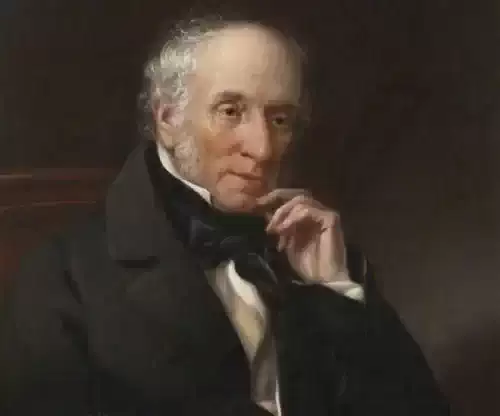
William Wordsworth
Extempore Effusion upon the Death of James Hogg
Extempore Effusion upon the Death of James Hogg
. When first, descending from the moorlands,
I saw the Stream of Yarrow glide
Along a bare and open valley,
The Ettrick Shepherd was my guide.
When last along its banks I wandered,
Through groves that had begun to shed
Their golden leaves upon the pathways,
My steps the Border-minstrel led.
The mighty Minstrel breathes no longer,
'Mid mouldering ruins low he lies;
And death upon the braes of Yarrow,
Has closed the Shepherd-poet's eyes:
Nor has the rolling year twice measured,
From sign to sign, its stedfast course,
Since every mortal power of Coleridge
Was frozen at its marvellous source;
The rapt One, of the godlike forehead,
The heaven-eyed creature sleeps in earth:
And Lamb, the frolic and the gentle,
Has vanished from his lonely hearth.
Like clouds that rake the mountain-summits,
Or waves that own no curbing hand,
How fast has brother followed brother,
From sunshine to the sunless land!
Yet I, whose lids from infant slumber
Were earlier raised, remain to hear
A timid voice, that asks in whispers,
"Who next will drop and disappear?"
Our haughty life is crowned with darkness,
Like London with its own black wreath,
On which with thee, O Crabbe! forth-looking,
I gazed from Hampstead's breezy heath.
As if but yesterday departed,
Thou too art gone before; but why,
O'er ripe fruit, seasonably gathered,
Should frail survivors heave a sigh?
Mourn rather for that holy Spirit,
Sweet as the spring, as ocean deep;
For Her who, ere her summer faded,
Has sunk into a breathless sleep.
No more of old romantic sorrows,
For slaughtered Youth or love-lorn Maid!
With sharper grief is Yarrow smitten,
And Ettrick mourns with her their Poet dead.
. When first, descending from the moorlands,
I saw the Stream of Yarrow glide
Along a bare and open valley,
The Ettrick Shepherd was my guide.
When last along its banks I wandered,
Through groves that had begun to shed
Their golden leaves upon the pathways,
My steps the Border-minstrel led.
The mighty Minstrel breathes no longer,
'Mid mouldering ruins low he lies;
And death upon the braes of Yarrow,
Has closed the Shepherd-poet's eyes:
Nor has the rolling year twice measured,
From sign to sign, its stedfast course,
Since every mortal power of Coleridge
Was frozen at its marvellous source;
The rapt One, of the godlike forehead,
The heaven-eyed creature sleeps in earth:
And Lamb, the frolic and the gentle,
Has vanished from his lonely hearth.
Like clouds that rake the mountain-summits,
Or waves that own no curbing hand,
How fast has brother followed brother,
From sunshine to the sunless land!
Yet I, whose lids from infant slumber
Were earlier raised, remain to hear
A timid voice, that asks in whispers,
"Who next will drop and disappear?"
Our haughty life is crowned with darkness,
Like London with its own black wreath,
On which with thee, O Crabbe! forth-looking,
I gazed from Hampstead's breezy heath.
As if but yesterday departed,
Thou too art gone before; but why,
O'er ripe fruit, seasonably gathered,
Should frail survivors heave a sigh?
Mourn rather for that holy Spirit,
Sweet as the spring, as ocean deep;
For Her who, ere her summer faded,
Has sunk into a breathless sleep.
No more of old romantic sorrows,
For slaughtered Youth or love-lorn Maid!
With sharper grief is Yarrow smitten,
And Ettrick mourns with her their Poet dead.
229
William Wordsworth
Evening on Calais Beach
Evening on Calais Beach
IT is a beauteous evening, calm and free,
The holy time is quiet as a Nun
Breathless with adoration; the broad sun
Is sinking down in its tranquillity;
The gentleness of heaven broods o'er the sea:
Listen! the mighty Being is awake,
And doth with his eternal motion make
A sound like thunder--everlastingly.
Dear Child! dear Girl! that walkest with me here,
If thou appear untouch'd by solemn thought,
Thy nature is not therefore less divine:
Thou liest in Abraham's bosom all the year;
And worshipp'st at the Temple's inner shrine,
God being with thee when we know it not.
IT is a beauteous evening, calm and free,
The holy time is quiet as a Nun
Breathless with adoration; the broad sun
Is sinking down in its tranquillity;
The gentleness of heaven broods o'er the sea:
Listen! the mighty Being is awake,
And doth with his eternal motion make
A sound like thunder--everlastingly.
Dear Child! dear Girl! that walkest with me here,
If thou appear untouch'd by solemn thought,
Thy nature is not therefore less divine:
Thou liest in Abraham's bosom all the year;
And worshipp'st at the Temple's inner shrine,
God being with thee when we know it not.
120
William Wordsworth
England iv
England iv
IT is not to be thought of that the flood
Of British freedom, which, to the open sea
Of the world's praise, from dark antiquity
Hath flow'd, 'with pomp of waters, unwithstood,'
Roused though it be full often to a mood
Which spurns the check of salutary bands,--
That this most famous stream in bogs and sands
Should perish; and to evil and to good
Be lost for ever. In our halls is hung
Armoury of the invincible Knights of old:
We must be free or die, who speak the tongue
That Shakespeare spake; the faith and morals hold
Which Milton held.--In everything we are sprung
Of Earth's first blood, have titles manifold.
IT is not to be thought of that the flood
Of British freedom, which, to the open sea
Of the world's praise, from dark antiquity
Hath flow'd, 'with pomp of waters, unwithstood,'
Roused though it be full often to a mood
Which spurns the check of salutary bands,--
That this most famous stream in bogs and sands
Should perish; and to evil and to good
Be lost for ever. In our halls is hung
Armoury of the invincible Knights of old:
We must be free or die, who speak the tongue
That Shakespeare spake; the faith and morals hold
Which Milton held.--In everything we are sprung
Of Earth's first blood, have titles manifold.
192
William Wordsworth
England ii
England ii
MILTON! thou shouldst be living at this hour:
England hath need of thee: she is a fen
Of stagnant waters: altar, sword, and pen,
Fireside, the heroic wealth of hall and bower,
Have forfeited their ancient English dower
Of inward happiness. We are selfish men;
O raise us up, return to us again,
And give us manners, virtue, freedom, power!
Thy soul was like a Star, and dwelt apart;
Thou hadst a voice whose sound was like the sea:
Pure as the naked heavens, majestic, free,
So didst thou travel on life's common way,
In cheerful godliness; and yet thy heart
The lowliest duties on herself did lay.
MILTON! thou shouldst be living at this hour:
England hath need of thee: she is a fen
Of stagnant waters: altar, sword, and pen,
Fireside, the heroic wealth of hall and bower,
Have forfeited their ancient English dower
Of inward happiness. We are selfish men;
O raise us up, return to us again,
And give us manners, virtue, freedom, power!
Thy soul was like a Star, and dwelt apart;
Thou hadst a voice whose sound was like the sea:
Pure as the naked heavens, majestic, free,
So didst thou travel on life's common way,
In cheerful godliness; and yet thy heart
The lowliest duties on herself did lay.
212
William Wordsworth
Ellen Irwin
Ellen Irwin
Fair Ellen Irwin, when she sate
Upon the braes of Kirtle,
Was lovely as a Grecian maid
Adorned with wreaths of myrtle;
Young Adam Bruce beside her lay,
And there did they beguile the day
With love and gentle speeches,
Beneath the budding beeches.
From many knights and many squires
The Bruce had been selected;
And Gordon, fairest of them all,
By Ellen was rejected.
Sad tidings to that noble Youth!
For it may be proclaimed with truth,
If Bruce hath loved sincerely,
That Gordon loves as dearly.
But what are Gordon's form and face,
His shattered hopes and crosses,
To them, 'mid Kirtle's pleasant braes,
Reclined on flowers and mosses?
Alas that ever he was born!
The Gordon, couched behind a thorn,
Sees them and their caressing;
Beholds them blest and blessing.
Proud Gordon, maddened by the thoughts
That through his brain are travelling,
Rushed forth, and at the heart of Bruce
He launched a deadly javelin!
Fair Ellen saw it as it came,
And, starting up to meet the same,
Did with her body cover
The Youth, her chosen lover.
And, falling into Bruce's arms,
Thus died the beauteous Ellen,
Thus, from the heart of her True-love,
The mortal spear repelling.
And Bruce, as soon as he had slain
The Gordon, sailed away to Spain;
And fought with rage incessant
Against the Moorish crescent.
But many days, and many months,
And many years ensuing,
This wretched Knight did vainly seek
The death that he was wooing.
So, coming his last help to crave,
Heart-broken, upon Ellen's grave
His body he extended,
And there his sorrow ended.
Now ye, who willingly have heard
The tale I have been telling,
May in Kirkconnel churchyard view
The grave of lovely Ellen:
By Ellen's side the Bruce is laid;
And, for the stone upon his head,
May no rude hand deface it,
And its forlorn "Hie jacet"!
Fair Ellen Irwin, when she sate
Upon the braes of Kirtle,
Was lovely as a Grecian maid
Adorned with wreaths of myrtle;
Young Adam Bruce beside her lay,
And there did they beguile the day
With love and gentle speeches,
Beneath the budding beeches.
From many knights and many squires
The Bruce had been selected;
And Gordon, fairest of them all,
By Ellen was rejected.
Sad tidings to that noble Youth!
For it may be proclaimed with truth,
If Bruce hath loved sincerely,
That Gordon loves as dearly.
But what are Gordon's form and face,
His shattered hopes and crosses,
To them, 'mid Kirtle's pleasant braes,
Reclined on flowers and mosses?
Alas that ever he was born!
The Gordon, couched behind a thorn,
Sees them and their caressing;
Beholds them blest and blessing.
Proud Gordon, maddened by the thoughts
That through his brain are travelling,
Rushed forth, and at the heart of Bruce
He launched a deadly javelin!
Fair Ellen saw it as it came,
And, starting up to meet the same,
Did with her body cover
The Youth, her chosen lover.
And, falling into Bruce's arms,
Thus died the beauteous Ellen,
Thus, from the heart of her True-love,
The mortal spear repelling.
And Bruce, as soon as he had slain
The Gordon, sailed away to Spain;
And fought with rage incessant
Against the Moorish crescent.
But many days, and many months,
And many years ensuing,
This wretched Knight did vainly seek
The death that he was wooing.
So, coming his last help to crave,
Heart-broken, upon Ellen's grave
His body he extended,
And there his sorrow ended.
Now ye, who willingly have heard
The tale I have been telling,
May in Kirkconnel churchyard view
The grave of lovely Ellen:
By Ellen's side the Bruce is laid;
And, for the stone upon his head,
May no rude hand deface it,
And its forlorn "Hie jacet"!
208
William Wordsworth
Elegiac Stanzas
Elegiac Stanzas
Lulled by the sound of pastoral bells,
Rude Nature's Pilgrims did we go,
From the dread summit of the Queen
Of mountains, through a deep ravine,
Where, in her holy chapel, dwells
"Our Lady of the Snow."
The sky was blue, the air was mild;
Free were the streams and green the bowers;
As if, to rough assaults unknown,
The genial spot had 'ever' shown
A countenance that as sweetly smiled--
The face of summer-hours.
And we were gay, our hearts at ease;
With pleasure dancing through the frame
We journeyed; all we knew of care--
Our path that straggled here and there;
Of trouble--but the fluttering breeze;
Of Winter--but a name.
If foresight could have rent the veil
Of three short days--but hush--no more!
Calm is the grave, and calmer none
Than that to which thy cares are gone,
Thou Victim of the stormy gale;
Asleep on ZURICH'S shore!
O GODDARD! what art thou?--a name--
A sunbeam followed by a shade!
Nor more, for aught that time supplies,
The great, the experienced, and the wise:
Too much from this frail earth we claim,
And therefore are betrayed.
We met, while festive mirth ran wild,
Where, from a deep lake's mighty urn,
Forth slips, like an enfranchised slave,
A sea-green river, proud to lave,
With current swift and undefiled,
The towers of old LUCERNE.
We parted upon solemn ground
Far-lifted towards the unfading sky;
But all our thoughts were 'then' of Earth,
That gives to common pleasures birth;
And nothing in our hearts we found
That prompted even a sigh.
Fetch, sympathising Powers of air,
Fetch, ye that post o'er seas and lands,
Herbs, moistened by Virginian dew,
A most untimely grave to strew,
Whose turf may never know the care
Of 'kindred' human hands!
Beloved by every gentle Muse
He left his Transatlantic home:
Europe, a realised romance,
Had opened on his eager glance;
What present bliss!--what golden views!
What stores for years to come!
Though lodged within no vigorous frame,
His soul her daily tasks renewed,
Blithe as the lark on sun-gilt wings
High poised--or as the wren that sings
In shady places, to proclaim
Her modest gratitude.
Not vain is sadly-uttered praise;
The words of truth's memorial vow
Are sweet as morning fragrance shed
From flowers 'mid GOLDAU'S ruins bred;
As evening's fondly-lingering rays,
On RIGHI'S silent brow.
Lamented Youth! to thy cold clay
Fit obsequies the Stranger paid;
And piety shall guard the Stone
Which hath not left the spot unknown
Where the wild waves resigned their prey--
And 'that' which marks thy bed.
And, when thy Mother weeps for Thee,
Lost Youth! a solitary Mother;
This tribute from a casual Friend
A not unwelcome aid may lend,
To feed the tender luxury,
The rising pang to smother.
Lulled by the sound of pastoral bells,
Rude Nature's Pilgrims did we go,
From the dread summit of the Queen
Of mountains, through a deep ravine,
Where, in her holy chapel, dwells
"Our Lady of the Snow."
The sky was blue, the air was mild;
Free were the streams and green the bowers;
As if, to rough assaults unknown,
The genial spot had 'ever' shown
A countenance that as sweetly smiled--
The face of summer-hours.
And we were gay, our hearts at ease;
With pleasure dancing through the frame
We journeyed; all we knew of care--
Our path that straggled here and there;
Of trouble--but the fluttering breeze;
Of Winter--but a name.
If foresight could have rent the veil
Of three short days--but hush--no more!
Calm is the grave, and calmer none
Than that to which thy cares are gone,
Thou Victim of the stormy gale;
Asleep on ZURICH'S shore!
O GODDARD! what art thou?--a name--
A sunbeam followed by a shade!
Nor more, for aught that time supplies,
The great, the experienced, and the wise:
Too much from this frail earth we claim,
And therefore are betrayed.
We met, while festive mirth ran wild,
Where, from a deep lake's mighty urn,
Forth slips, like an enfranchised slave,
A sea-green river, proud to lave,
With current swift and undefiled,
The towers of old LUCERNE.
We parted upon solemn ground
Far-lifted towards the unfading sky;
But all our thoughts were 'then' of Earth,
That gives to common pleasures birth;
And nothing in our hearts we found
That prompted even a sigh.
Fetch, sympathising Powers of air,
Fetch, ye that post o'er seas and lands,
Herbs, moistened by Virginian dew,
A most untimely grave to strew,
Whose turf may never know the care
Of 'kindred' human hands!
Beloved by every gentle Muse
He left his Transatlantic home:
Europe, a realised romance,
Had opened on his eager glance;
What present bliss!--what golden views!
What stores for years to come!
Though lodged within no vigorous frame,
His soul her daily tasks renewed,
Blithe as the lark on sun-gilt wings
High poised--or as the wren that sings
In shady places, to proclaim
Her modest gratitude.
Not vain is sadly-uttered praise;
The words of truth's memorial vow
Are sweet as morning fragrance shed
From flowers 'mid GOLDAU'S ruins bred;
As evening's fondly-lingering rays,
On RIGHI'S silent brow.
Lamented Youth! to thy cold clay
Fit obsequies the Stranger paid;
And piety shall guard the Stone
Which hath not left the spot unknown
Where the wild waves resigned their prey--
And 'that' which marks thy bed.
And, when thy Mother weeps for Thee,
Lost Youth! a solitary Mother;
This tribute from a casual Friend
A not unwelcome aid may lend,
To feed the tender luxury,
The rising pang to smother.
218
William Wordsworth
Desideria
Desideria
SURPRISED by joy--impatient as the Wind
I turned to share the transport--O! with whom
But Thee, deep buried in the silent tomb,
That spot which no vicissitude can find?
Love, faithful love, recall'd thee to my mind--
But how could I forget thee? Through what power,
Even for the least division of an hour,
Have I been so beguiled as to be blind
To my most grievous loss?--That thought's return
Was the worst pang that sorrow ever bore,
Save one, one only, when I stood forlorn,
Knowing my heart's best treasure was no more;
That neither present time, nor years unborn
Could to my sight that heavenly face restore.
SURPRISED by joy--impatient as the Wind
I turned to share the transport--O! with whom
But Thee, deep buried in the silent tomb,
That spot which no vicissitude can find?
Love, faithful love, recall'd thee to my mind--
But how could I forget thee? Through what power,
Even for the least division of an hour,
Have I been so beguiled as to be blind
To my most grievous loss?--That thought's return
Was the worst pang that sorrow ever bore,
Save one, one only, when I stood forlorn,
Knowing my heart's best treasure was no more;
That neither present time, nor years unborn
Could to my sight that heavenly face restore.
311
William Wordsworth
Daffodils
Daffodils
I wandered lonely as a cloud
That floats on high o'er vales and hills,
When all at once I saw a crowd,
A host, of golden daffodils;
Beside the lake, beneath the trees,
Fluttering and dancing in the breeze.
Continuous as the stars that shine
And twinkle on the milky way,
They stretched in never-ending line
Along the margin of a bay:
Ten thousand saw I at a glance,
Tossing their heads in sprightly dance.
The waves beside them danced; but they
Out-did the sparkling waves in glee:
A poet could not but be gay,
In such a jocund company:
I gazed--and gazed--but little thought
What wealth the show to me had brought:
For oft, when on my couch I lie
In vacant or in pensive mood,
They flash upon that inward eye
Which is the bliss of solitude;
And then my heart with pleasure fills,
And dances with the daffodils.
I wandered lonely as a cloud
That floats on high o'er vales and hills,
When all at once I saw a crowd,
A host, of golden daffodils;
Beside the lake, beneath the trees,
Fluttering and dancing in the breeze.
Continuous as the stars that shine
And twinkle on the milky way,
They stretched in never-ending line
Along the margin of a bay:
Ten thousand saw I at a glance,
Tossing their heads in sprightly dance.
The waves beside them danced; but they
Out-did the sparkling waves in glee:
A poet could not but be gay,
In such a jocund company:
I gazed--and gazed--but little thought
What wealth the show to me had brought:
For oft, when on my couch I lie
In vacant or in pensive mood,
They flash upon that inward eye
Which is the bliss of solitude;
And then my heart with pleasure fills,
And dances with the daffodils.
366
William Wordsworth
Composed Upon Westminster Bridge
Composed Upon Westminster Bridge
September ,
Earth has not anything to show more fair:
Dull would he be of soul who could pass by
A sight so touching in its majesty:
This City now doth like a garment wear
The beauty of the morning: silent, bare,
Ships, towers, domes, theatres, and temples lie
Open unto the fields, and to the sky,-
All bright and glittering in the smokeless air.
Never did sun more beautifully steep
In his first splendour valley, rock or hill;
Ne'er saw I, never felt, a calm so deep!
The river glideth at his own sweet will:
Dear God! the very houses seem asleep;
And all that mighty heart is lying still!
September ,
Earth has not anything to show more fair:
Dull would he be of soul who could pass by
A sight so touching in its majesty:
This City now doth like a garment wear
The beauty of the morning: silent, bare,
Ships, towers, domes, theatres, and temples lie
Open unto the fields, and to the sky,-
All bright and glittering in the smokeless air.
Never did sun more beautifully steep
In his first splendour valley, rock or hill;
Ne'er saw I, never felt, a calm so deep!
The river glideth at his own sweet will:
Dear God! the very houses seem asleep;
And all that mighty heart is lying still!
237
William Wordsworth
Complaint Of a Forsaken Indian Woman, The
Complaint Of a Forsaken Indian Woman, The
Before I see another day,
Oh let my body die away!
In sleep I heard the northern gleams;
The stars, they were among my dreams;
In rustling conflict through the skies,
I heard, I saw the flashes drive,
And yet they are upon my eyes,
And yet I am alive;
Before I see another day,
Oh let my body die away!
My fire is dead: it knew no pain;
Yet is it dead, and I remain:
All stiff with ice the ashes lie;
And they are dead, and I will die.
When I was well, I wished to live,
For clothes, for warmth, for food, and fire;
But they to me no joy can give,
No pleasure now, and no desire.
Then here contented will I lie
Alone, I cannot fear to die.
Alas! ye might have dragged me on
Another day, a single one!
Too soon I yielded to despair;
Why did ye listen to my prayer
When ye were gone my limb were stronger;
And oh, how grievously I rue,
That, afterward, a little longer,
My friends, I did not follow you!
For strong and without pain I lay,
Dear friends, when ye were gone away.
My Child! they gave thee to another,
A woman who was not thy mother.
When from my arms my Babe they took,
On me how strangely did he look !
Through his whole body something ran,
A most strange working did I see;
---As if he strove to be a man,
That he might pull the sledge for me:
And then he stretched his arm, how wild!
Oh mercy! like a helpless child.
My little joy! my little pride!
In two day more I must have died.
Then do not weep and grieve for me;
I feel I must have died with thee.
O wind, that o'er my head art flying
The way my friends their course did bend,
I should not feel the pain of dying,
Could I with thee a message end;
Too soon, my friend, ye went away;
For I had many thing to say.
I'll follow you across the snow;
Ye travel heavily and slow;
In spite of all my weary pain
I'll look upon your tent again.
---My fire is dead, and snowy white
The water which beside it stood:
The wolf has come to me to-night,
And he has stolen away my food.
Forever left alone am I;
Then wherefore should I fear to die ?
Young as I am, my course is run,
I shall not see another sun;
I cannot lift my limb to know
If they have any life or no.
My poor forsaken child, if I
For once could have thee close to me,
With happy heart I then would die,
And my last thought would happy be;
But thou, dear Babe, art far away,
Nor shall I see another day.
Before I see another day,
Oh let my body die away!
In sleep I heard the northern gleams;
The stars, they were among my dreams;
In rustling conflict through the skies,
I heard, I saw the flashes drive,
And yet they are upon my eyes,
And yet I am alive;
Before I see another day,
Oh let my body die away!
My fire is dead: it knew no pain;
Yet is it dead, and I remain:
All stiff with ice the ashes lie;
And they are dead, and I will die.
When I was well, I wished to live,
For clothes, for warmth, for food, and fire;
But they to me no joy can give,
No pleasure now, and no desire.
Then here contented will I lie
Alone, I cannot fear to die.
Alas! ye might have dragged me on
Another day, a single one!
Too soon I yielded to despair;
Why did ye listen to my prayer
When ye were gone my limb were stronger;
And oh, how grievously I rue,
That, afterward, a little longer,
My friends, I did not follow you!
For strong and without pain I lay,
Dear friends, when ye were gone away.
My Child! they gave thee to another,
A woman who was not thy mother.
When from my arms my Babe they took,
On me how strangely did he look !
Through his whole body something ran,
A most strange working did I see;
---As if he strove to be a man,
That he might pull the sledge for me:
And then he stretched his arm, how wild!
Oh mercy! like a helpless child.
My little joy! my little pride!
In two day more I must have died.
Then do not weep and grieve for me;
I feel I must have died with thee.
O wind, that o'er my head art flying
The way my friends their course did bend,
I should not feel the pain of dying,
Could I with thee a message end;
Too soon, my friend, ye went away;
For I had many thing to say.
I'll follow you across the snow;
Ye travel heavily and slow;
In spite of all my weary pain
I'll look upon your tent again.
---My fire is dead, and snowy white
The water which beside it stood:
The wolf has come to me to-night,
And he has stolen away my food.
Forever left alone am I;
Then wherefore should I fear to die ?
Young as I am, my course is run,
I shall not see another sun;
I cannot lift my limb to know
If they have any life or no.
My poor forsaken child, if I
For once could have thee close to me,
With happy heart I then would die,
And my last thought would happy be;
But thou, dear Babe, art far away,
Nor shall I see another day.
195
William Wordsworth
Character of the Happy Warrior
Character of the Happy Warrior
. Who is the happy Warrior? Who is he
That every man in arms should wish to be?
--It is the generous Spirit, who, when brought
Among the tasks of real life, hath wrought
Upon the plan that pleased his boyish thought:
Whose high endeavours are an inward light
That makes the path before him always bright;
Who, with a natural instinct to discern
What knowledge can perform, is diligent to learn;
Abides by this resolve, and stops not there,
But makes his moral being his prime care;
Who, doomed to go in company with Pain,
And Fear, and Bloodshed, miserable train!
Turns his necessity to glorious gain;
In face of these doth exercise a power
Which is our human nature's highest dower:
Controls them and subdues, transmutes, bereaves
Of their bad influence, and their good receives:
By objects, which might force the soul to abate
Her feeling, rendered more compassionate;
Is placable--because occasions rise
So often that demand such sacrifice;
More skilful in self-knowledge, even more pure,
As tempted more; more able to endure,
As more exposed to suffering and distress;
Thence, also, more alive to tenderness.
--'Tis he whose law is reason; who depends
Upon that law as on the best of friends;
Whence, in a state where men are tempted still
To evil for a guard against worse ill,
And what in quality or act is best
Doth seldom on a right foundation rest,
He labours good on good to fix, and owes
To virtue every triumph that he knows:
--Who, if he rise to station of command,
Rises by open means; and there will stand
On honourable terms, or else retire,
And in himself possess his own desire;
Who comprehends his trust, and to the same
Keeps faithful with a singleness of aim;
And therefore does not stoop, nor lie in wait
For wealth, or honours, or for worldly state;
Whom they must follow; on whose head must fall,
Like showers of manna, if they come at all:
Whose powers shed round him in the common strife,
Or mild concerns of ordinary life,
A constant influence, a peculiar grace;
But who, if he be called upon to face
Some awful moment to which Heaven has joined
Great issues, good or bad for human kind,
Is happy as a Lover; and attired
With sudden brightness, like a Man inspired;
And, through the heat of conflict, keeps the law
In calmness made, and sees what he foresaw;
Or if an unexpected call succeed,
Come when it will, is equal to the need:
--He who, though thus endued as with a sense
And faculty for storm and turbulence,
Is yet a Soul whose master-bias leans
To homefelt pleasures and to gentle scenes;
Sweet images! which, wheresoe'er he be,
Are at his heart; and such fidelity
It is his darling passion to approve;
More brave for this, that he hath much to love:--
'Tis, finally, the Man, who, lifted high,
Conspicuous object in a Nation's eye,
Or left unthought-of in obscurity,--
Who, with a toward or untoward lot,
Prosperous or adverse, to his wish or not--
Plays, in the many games of life, that one
Where what he most doth value must be won:
Whom neither shape or danger can dismay,
Nor thought of tender happiness betray;
Who, not content that former worth stand fast,
Looks forward, persevering to the last,
From well to better, daily self-surpast:
Who, whether praise of him must walk the earth
For ever, and to noble deeds give birth,
Or he must fall, to sleep without his fame,
And leave a dead unprofitable name--
Finds comfort in himself and in his cause;
And, while the mortal mist is gathering, draws
His breath in confidence of Heaven's applause:
This is the happy Warrior; this is he
That every man in arms should wish to be.
. Who is the happy Warrior? Who is he
That every man in arms should wish to be?
--It is the generous Spirit, who, when brought
Among the tasks of real life, hath wrought
Upon the plan that pleased his boyish thought:
Whose high endeavours are an inward light
That makes the path before him always bright;
Who, with a natural instinct to discern
What knowledge can perform, is diligent to learn;
Abides by this resolve, and stops not there,
But makes his moral being his prime care;
Who, doomed to go in company with Pain,
And Fear, and Bloodshed, miserable train!
Turns his necessity to glorious gain;
In face of these doth exercise a power
Which is our human nature's highest dower:
Controls them and subdues, transmutes, bereaves
Of their bad influence, and their good receives:
By objects, which might force the soul to abate
Her feeling, rendered more compassionate;
Is placable--because occasions rise
So often that demand such sacrifice;
More skilful in self-knowledge, even more pure,
As tempted more; more able to endure,
As more exposed to suffering and distress;
Thence, also, more alive to tenderness.
--'Tis he whose law is reason; who depends
Upon that law as on the best of friends;
Whence, in a state where men are tempted still
To evil for a guard against worse ill,
And what in quality or act is best
Doth seldom on a right foundation rest,
He labours good on good to fix, and owes
To virtue every triumph that he knows:
--Who, if he rise to station of command,
Rises by open means; and there will stand
On honourable terms, or else retire,
And in himself possess his own desire;
Who comprehends his trust, and to the same
Keeps faithful with a singleness of aim;
And therefore does not stoop, nor lie in wait
For wealth, or honours, or for worldly state;
Whom they must follow; on whose head must fall,
Like showers of manna, if they come at all:
Whose powers shed round him in the common strife,
Or mild concerns of ordinary life,
A constant influence, a peculiar grace;
But who, if he be called upon to face
Some awful moment to which Heaven has joined
Great issues, good or bad for human kind,
Is happy as a Lover; and attired
With sudden brightness, like a Man inspired;
And, through the heat of conflict, keeps the law
In calmness made, and sees what he foresaw;
Or if an unexpected call succeed,
Come when it will, is equal to the need:
--He who, though thus endued as with a sense
And faculty for storm and turbulence,
Is yet a Soul whose master-bias leans
To homefelt pleasures and to gentle scenes;
Sweet images! which, wheresoe'er he be,
Are at his heart; and such fidelity
It is his darling passion to approve;
More brave for this, that he hath much to love:--
'Tis, finally, the Man, who, lifted high,
Conspicuous object in a Nation's eye,
Or left unthought-of in obscurity,--
Who, with a toward or untoward lot,
Prosperous or adverse, to his wish or not--
Plays, in the many games of life, that one
Where what he most doth value must be won:
Whom neither shape or danger can dismay,
Nor thought of tender happiness betray;
Who, not content that former worth stand fast,
Looks forward, persevering to the last,
From well to better, daily self-surpast:
Who, whether praise of him must walk the earth
For ever, and to noble deeds give birth,
Or he must fall, to sleep without his fame,
And leave a dead unprofitable name--
Finds comfort in himself and in his cause;
And, while the mortal mist is gathering, draws
His breath in confidence of Heaven's applause:
This is the happy Warrior; this is he
That every man in arms should wish to be.
461
William Wordsworth
By the Seaside
By the Seaside
The sun is couched, the sea-fowl gone to rest,
And the wild storm hath somewhere found a nest;
Air slumbers--wave with wave no longer strives,
Only a heaving of the deep survives,
A tell-tale motion! soon will it be laid,
And by the tide alone the water swayed.
Stealthy withdrawings, interminglings mild
Of light with shade in beauty reconciled--
Such is the prospect far as sight can range,
The soothing recompence, the welcome change.
Where, now, the ships that drove before the blast,
Threatened by angry breakers as they passed;
And by a train of flying clouds bemocked;
Or, in the hollow surge, at anchor rocked
As on a bed of death? Some lodge in peace,
Saved by His care who bade the tempest cease;
And some, too heedless of past danger, court
Fresh gales to waft them to the far-off port
But near, or hanging sea and sky between,
Not one of all those winged powers is seen,
Seen in her course, nor 'mid this quiet heard;
Yet oh! how gladly would the air be stirred
By some acknowledgment of thanks and praise,
Soft in its temper as those vesper lays
Sung to the Virgin while accordant oars
Urge the slow bark along Calabrian shores;
A sea-born service through the mountains felt
Till into one loved vision all things melt:
Or like those hymns that soothe with graver sound
The gulfy coast of Norway iron-bound;
And, from the wide and open Baltic, rise
With punctual care, Lutherian harmonies.
Hush, not a voice is here! but why repine,
Now when the star of eve comes forth to shine
On British waters with that look benign?
Ye mariners, that plough your onward way,
Or in the haven rest, or sheltering bay,
May silent thanks at least to God be given
With a full heart; "our thoughts are 'heard' in heaven."
The sun is couched, the sea-fowl gone to rest,
And the wild storm hath somewhere found a nest;
Air slumbers--wave with wave no longer strives,
Only a heaving of the deep survives,
A tell-tale motion! soon will it be laid,
And by the tide alone the water swayed.
Stealthy withdrawings, interminglings mild
Of light with shade in beauty reconciled--
Such is the prospect far as sight can range,
The soothing recompence, the welcome change.
Where, now, the ships that drove before the blast,
Threatened by angry breakers as they passed;
And by a train of flying clouds bemocked;
Or, in the hollow surge, at anchor rocked
As on a bed of death? Some lodge in peace,
Saved by His care who bade the tempest cease;
And some, too heedless of past danger, court
Fresh gales to waft them to the far-off port
But near, or hanging sea and sky between,
Not one of all those winged powers is seen,
Seen in her course, nor 'mid this quiet heard;
Yet oh! how gladly would the air be stirred
By some acknowledgment of thanks and praise,
Soft in its temper as those vesper lays
Sung to the Virgin while accordant oars
Urge the slow bark along Calabrian shores;
A sea-born service through the mountains felt
Till into one loved vision all things melt:
Or like those hymns that soothe with graver sound
The gulfy coast of Norway iron-bound;
And, from the wide and open Baltic, rise
With punctual care, Lutherian harmonies.
Hush, not a voice is here! but why repine,
Now when the star of eve comes forth to shine
On British waters with that look benign?
Ye mariners, that plough your onward way,
Or in the haven rest, or sheltering bay,
May silent thanks at least to God be given
With a full heart; "our thoughts are 'heard' in heaven."
413
William Wordsworth
Birth of Love, The
Birth of Love, The
When Love was born of heavenly line,
What dire intrigues disturbed Cythera's joy!
Till Venus cried, "A mother's heart is mine;
None but myself shall nurse my boy,"
But, infant as he was, the child
In that divine embrace enchanted lay;
And, by the beauty of the vase beguiled,
Forgot the beverage--and pined away.
"And must my offspring languish in my sight?"
(Alive to all a mother's pain,
The Queen of Beauty thus her court addressed)
"No: Let the most discreet of all my train
Receive him to her breast:
Think all, he is the God of young delight."
Then TENDERNESS with CANDOUR joined,
And GAIETY the charming office sought;
Nor even DELICACY stayed behind:
But none of those fair Graces brought
Wherewith to nurse the child--and still he pined.
Some fond hearts to COMPLIANCE seemed inclined;
But she had surely spoiled the boy:
And sad experience forbade a thought
On the wild Goddess of VOLUPTUOUS JOY.
Long undecided lay th' important choice,
Till of the beauteous court, at length, a voice
Pronounced the name of HOPE:--The conscious child
Stretched forth his little arms, and smiled.
'Tis said ENJOYMENT (who averred
The charge belonged to her alone)
Jealous that HOPE had been preferred
Laid snares to make the babe her own.
Of INNOCENCE the garb she took,
The blushing mien and downcast look;
And came her services to proffer:
And HOPE (what has not Hope believed!)
By that seducing air deceived,
Accepted of the offer.
It happened that, to sleep inclined,
Deluded HOPE: for one short hour
To that false INNOCENCE'S power
Her little charge consigned.
The Goddess then her lap with sweetmeats filled
And gave, in handfuls gave, the treacherous store:
A wild delirium first the infant thrilled;
But soon upon her breast he sunk--to wake no more.
When Love was born of heavenly line,
What dire intrigues disturbed Cythera's joy!
Till Venus cried, "A mother's heart is mine;
None but myself shall nurse my boy,"
But, infant as he was, the child
In that divine embrace enchanted lay;
And, by the beauty of the vase beguiled,
Forgot the beverage--and pined away.
"And must my offspring languish in my sight?"
(Alive to all a mother's pain,
The Queen of Beauty thus her court addressed)
"No: Let the most discreet of all my train
Receive him to her breast:
Think all, he is the God of young delight."
Then TENDERNESS with CANDOUR joined,
And GAIETY the charming office sought;
Nor even DELICACY stayed behind:
But none of those fair Graces brought
Wherewith to nurse the child--and still he pined.
Some fond hearts to COMPLIANCE seemed inclined;
But she had surely spoiled the boy:
And sad experience forbade a thought
On the wild Goddess of VOLUPTUOUS JOY.
Long undecided lay th' important choice,
Till of the beauteous court, at length, a voice
Pronounced the name of HOPE:--The conscious child
Stretched forth his little arms, and smiled.
'Tis said ENJOYMENT (who averred
The charge belonged to her alone)
Jealous that HOPE had been preferred
Laid snares to make the babe her own.
Of INNOCENCE the garb she took,
The blushing mien and downcast look;
And came her services to proffer:
And HOPE (what has not Hope believed!)
By that seducing air deceived,
Accepted of the offer.
It happened that, to sleep inclined,
Deluded HOPE: for one short hour
To that false INNOCENCE'S power
Her little charge consigned.
The Goddess then her lap with sweetmeats filled
And gave, in handfuls gave, the treacherous store:
A wild delirium first the infant thrilled;
But soon upon her breast he sunk--to wake no more.
252
William Wordsworth
Animal Tranquility and Decay
Animal Tranquility and Decay
The little hedgerow birds,
That peck along the roads, regard him not.
He travels on, and in his face, his step,
His gait, is one expression: every limb,
His look and bending figure, all bespeak
A man who does not move with pain, but moves
With thought.--He is insensibly subdued
To settled quiet: he is one by whom
All effort seems forgotten; one to whom
Long patience hath such mild composure given,
That patience now doth seem a thing of which
He hath no need. He is by nature led
To peace so perfect that the young behold
With envy, what the Old Man hardly feels.
The little hedgerow birds,
That peck along the roads, regard him not.
He travels on, and in his face, his step,
His gait, is one expression: every limb,
His look and bending figure, all bespeak
A man who does not move with pain, but moves
With thought.--He is insensibly subdued
To settled quiet: he is one by whom
All effort seems forgotten; one to whom
Long patience hath such mild composure given,
That patience now doth seem a thing of which
He hath no need. He is by nature led
To peace so perfect that the young behold
With envy, what the Old Man hardly feels.
159
William Wordsworth
Andrew Jones
Andrew Jones
I hate that Andrew Jones; he'll breed
His children up to waste and pillage.
I wish the press-gang or the drum
With its tantara sound would come,
And sweep him from the village!
I said not this, because he loves
Through the long day to swear and tipple;
But for the poor dear sake of one
To whom a foul deed he had done,
A friendless man, a travelling cripple!
For this poor crawling helpless wretch,
Some horseman who was passing by,
A penny on the ground had thrown;
But the poor cripple was alone
And could not stoop--no help was nigh.
Inch-thick the dust lay on the ground
For it had long been droughty weather;
So with his staff the cripple wrought
Among the dust till he had brought
The half-pennies together.
It chanced that Andrew passed that way
Just at the time; and there he found
The cripple in the mid-day heat
Standing alone, and at his feet
He saw the penny on the ground.
He stopped and took the penny up:
And when the cripple nearer drew,
Quoth Andrew, "Under half-a-crown,
What a man finds is all his own,
And so, my Friend, good-day to you."
And 'hence' I said, that Andrew's boys
Will all be trained to waste and pillage;
And wished the press-gang, or the drum
With its tantara sound, would come
And sweep him from the village.
I hate that Andrew Jones; he'll breed
His children up to waste and pillage.
I wish the press-gang or the drum
With its tantara sound would come,
And sweep him from the village!
I said not this, because he loves
Through the long day to swear and tipple;
But for the poor dear sake of one
To whom a foul deed he had done,
A friendless man, a travelling cripple!
For this poor crawling helpless wretch,
Some horseman who was passing by,
A penny on the ground had thrown;
But the poor cripple was alone
And could not stoop--no help was nigh.
Inch-thick the dust lay on the ground
For it had long been droughty weather;
So with his staff the cripple wrought
Among the dust till he had brought
The half-pennies together.
It chanced that Andrew passed that way
Just at the time; and there he found
The cripple in the mid-day heat
Standing alone, and at his feet
He saw the penny on the ground.
He stopped and took the penny up:
And when the cripple nearer drew,
Quoth Andrew, "Under half-a-crown,
What a man finds is all his own,
And so, my Friend, good-day to you."
And 'hence' I said, that Andrew's boys
Will all be trained to waste and pillage;
And wished the press-gang, or the drum
With its tantara sound, would come
And sweep him from the village.
187
William Wordsworth
After-Thought
After-Thought
. I thought of Thee, my partner and my guide,
As being past away.--Vain sympathies!
For, backward, Duddon! as I cast my eyes,
I see what was, and is, and will abide;
Still glides the Stream, and shall for ever glide;
The Form remains, the Function never dies;
While we, the brave, the mighty, and the wise,
We Men, who in our morn of youth defied
The elements, must vanish;--be it so!
Enough, if something from our hands have power
To live, and act, and serve the future hour;
And if, as toward the silent tomb we go,
Through love, through hope, and faith's transcendent dower,
We feel that we are greater than we know.
. I thought of Thee, my partner and my guide,
As being past away.--Vain sympathies!
For, backward, Duddon! as I cast my eyes,
I see what was, and is, and will abide;
Still glides the Stream, and shall for ever glide;
The Form remains, the Function never dies;
While we, the brave, the mighty, and the wise,
We Men, who in our morn of youth defied
The elements, must vanish;--be it so!
Enough, if something from our hands have power
To live, and act, and serve the future hour;
And if, as toward the silent tomb we go,
Through love, through hope, and faith's transcendent dower,
We feel that we are greater than we know.
195
William Wordsworth
A Wren's Nest
A Wren's Nest
AMONG the dwellings framed by birds
In field or forest with nice care,
Is none that with the little Wren's
In snugness may compare.
No door the tenement requires,
And seldom needs a laboured roof;
Yet is it to the fiercest sun
Impervious, and storm-proof.
So warm, so beautiful withal,
In perfect fitness for its aim,
That to the Kind by special grace
Their instinct surely came.
And when for their abodes they seek
An opportune recess,
The hermit has no finer eye
For shadowy quietness.
These find, 'mid ivied abbey-walls,
A canopy in some still nook;
Others are pent-housed by a brae
That overhangs a brook.
There to the brooding bird her mate
Warbles by fits his low clear song;
And by the busy streamlet both
Are sung to all day long.
Or in sequestered lanes they build,
Where, till the flitting bird's return,
Her eggs within the nest repose,
Like relics in an urn.
But still, where general choice is good,
There is a better and a best;
And, among fairest objects, some
Are fairer than the rest;
This, one of those small builders proved
In a green covert, where, from out
The forehead of a pollard oak,
The leafy antlers sprout;
For She who planned the mossy lodge,
Mistrusting her evasive skill,
Had to a Primrose looked for aid
Her wishes to fulfill.
High on the trunk's projecting brow,
And fixed an infant's span above
The budding flowers, peeped forth the nest
The prettiest of the grove!
The treasure proudly did I show
To some whose minds without disdain
Can turn to little things; but once
Looked up for it in vain:
'Tis gone---a ruthless spoiler's prey,
Who heeds not beauty, love, or song,
'Tis gone! (so seemed it) and we grieved
Indignant at the wrong.
Just three days after, passing by
In clearer light the moss-built cell
I saw, espied its shaded mouth;
And felt that all was well.
The Primrose for a veil had spread
The largest of her upright leaves;
And thus, for purposes benign,
A simple flower deceives.
Concealed from friends who might disturb
Thy quiet with no ill intent,
Secure from evil eyes and hands
On barbarous plunder bent,
Rest, Mother-bird! and when thy young
Take flight, and thou art free to roam,
When withered is the guardian Flower,
And empty thy late home,
Think how ye prospered, thou and thine,
Amid the unviolated grove
Housed near the growing Primrose-tuft
In foresight, or in love.
AMONG the dwellings framed by birds
In field or forest with nice care,
Is none that with the little Wren's
In snugness may compare.
No door the tenement requires,
And seldom needs a laboured roof;
Yet is it to the fiercest sun
Impervious, and storm-proof.
So warm, so beautiful withal,
In perfect fitness for its aim,
That to the Kind by special grace
Their instinct surely came.
And when for their abodes they seek
An opportune recess,
The hermit has no finer eye
For shadowy quietness.
These find, 'mid ivied abbey-walls,
A canopy in some still nook;
Others are pent-housed by a brae
That overhangs a brook.
There to the brooding bird her mate
Warbles by fits his low clear song;
And by the busy streamlet both
Are sung to all day long.
Or in sequestered lanes they build,
Where, till the flitting bird's return,
Her eggs within the nest repose,
Like relics in an urn.
But still, where general choice is good,
There is a better and a best;
And, among fairest objects, some
Are fairer than the rest;
This, one of those small builders proved
In a green covert, where, from out
The forehead of a pollard oak,
The leafy antlers sprout;
For She who planned the mossy lodge,
Mistrusting her evasive skill,
Had to a Primrose looked for aid
Her wishes to fulfill.
High on the trunk's projecting brow,
And fixed an infant's span above
The budding flowers, peeped forth the nest
The prettiest of the grove!
The treasure proudly did I show
To some whose minds without disdain
Can turn to little things; but once
Looked up for it in vain:
'Tis gone---a ruthless spoiler's prey,
Who heeds not beauty, love, or song,
'Tis gone! (so seemed it) and we grieved
Indignant at the wrong.
Just three days after, passing by
In clearer light the moss-built cell
I saw, espied its shaded mouth;
And felt that all was well.
The Primrose for a veil had spread
The largest of her upright leaves;
And thus, for purposes benign,
A simple flower deceives.
Concealed from friends who might disturb
Thy quiet with no ill intent,
Secure from evil eyes and hands
On barbarous plunder bent,
Rest, Mother-bird! and when thy young
Take flight, and thou art free to roam,
When withered is the guardian Flower,
And empty thy late home,
Think how ye prospered, thou and thine,
Amid the unviolated grove
Housed near the growing Primrose-tuft
In foresight, or in love.
264
William Wordsworth
A Slumber Did My Spirit Seal
A Slumber Did My Spirit Seal
A slumber did my spirit seal
I had no human fears:
She seemed a thing that could not feel
The touch of earthly years.
No motion has she now, no force;
She neither hears nor sees;
Rolled round in earth's diurnal course,
With rocks, and stones, and trees.
A slumber did my spirit seal
I had no human fears:
She seemed a thing that could not feel
The touch of earthly years.
No motion has she now, no force;
She neither hears nor sees;
Rolled round in earth's diurnal course,
With rocks, and stones, and trees.
187
William Wordsworth
A Poet! He Hath Put his Heart to School
A Poet! He Hath Put his Heart to School
. A poet!--He hath put his heart to school,
Nor dares to move unpropped upon the staff
Which art hath lodged within his hand--must laugh
By precept only, and shed tears by rule.
Thy Art be Nature; the live current quaff,
And let the groveller sip his stagnant pool,
In fear that else, when Critics grave and cool
Have killed him, Scorn should write his epitaph.
How does the Meadow-flower its bloom unfold?
Because the lovely little flower is free
Down to its root, and, in that freedom, bold;
And so the grandeur of the Forest-tree
Comes not by casting in a formal mould,
But from its own divine vitality.
. A poet!--He hath put his heart to school,
Nor dares to move unpropped upon the staff
Which art hath lodged within his hand--must laugh
By precept only, and shed tears by rule.
Thy Art be Nature; the live current quaff,
And let the groveller sip his stagnant pool,
In fear that else, when Critics grave and cool
Have killed him, Scorn should write his epitaph.
How does the Meadow-flower its bloom unfold?
Because the lovely little flower is free
Down to its root, and, in that freedom, bold;
And so the grandeur of the Forest-tree
Comes not by casting in a formal mould,
But from its own divine vitality.
174
William Wordsworth
A Night Thought
A Night Thought
Lo! where the Moon along the sky
Sails with her happy destiny;
Oft is she hid from mortal eye
Or dimly seen,
But when the clouds asunder fly
How bright her mien!
Far different we--a froward race,
Thousands though rich in Fortune's grace
With cherished sullenness of pace
Their way pursue,
Ingrates who wear a smileless face
The whole year through.
If kindred humours e'er would make
My spirit droop for drooping's sake,
From Fancy following in thy wake,
Bright ship of heaven!
A counter impulse let me take
And be forgiven.
Lo! where the Moon along the sky
Sails with her happy destiny;
Oft is she hid from mortal eye
Or dimly seen,
But when the clouds asunder fly
How bright her mien!
Far different we--a froward race,
Thousands though rich in Fortune's grace
With cherished sullenness of pace
Their way pursue,
Ingrates who wear a smileless face
The whole year through.
If kindred humours e'er would make
My spirit droop for drooping's sake,
From Fancy following in thy wake,
Bright ship of heaven!
A counter impulse let me take
And be forgiven.
146
William Wordsworth
A Complaint
A Complaint
There is a change--and I am poor;
Your love hath been, nor long ago,
A fountain at my fond heart's door,
Whose only business was to flow;
And flow it did; not taking heed
Of its own bounty, or my need.
What happy moments did I count!
Blest was I then all bliss above!
Now, for that consecrated fount
Of murmuring, sparkling, living love,
What have I? Shall I dare to tell?
A comfortless and hidden well.
A well of love--it may be deep--
I trust it is,--and never dry:
What matter? If the waters sleep
In silence and obscurity.
--Such change, and at the very door
Of my fond heart, hath made me poor.
There is a change--and I am poor;
Your love hath been, nor long ago,
A fountain at my fond heart's door,
Whose only business was to flow;
And flow it did; not taking heed
Of its own bounty, or my need.
What happy moments did I count!
Blest was I then all bliss above!
Now, for that consecrated fount
Of murmuring, sparkling, living love,
What have I? Shall I dare to tell?
A comfortless and hidden well.
A well of love--it may be deep--
I trust it is,--and never dry:
What matter? If the waters sleep
In silence and obscurity.
--Such change, and at the very door
Of my fond heart, hath made me poor.
226
William Wordsworth
With Ships the Sea was Sprinkled Far and Nigh,
"With Ships the Sea was Sprinkled Far and Nigh,"
With ships the sea was sprinkled far and nigh,
Like stars in heaven, and joyously it showed;
Some lying fast at anchor in the road,
Some veering up and down, one knew not why.
A goodly vessel did I then espy
Come like a giant from a haven broad;
And lustily along the bay she strode,
Her tackling rich, and of apparel high.
The ship was nought to me, nor I to her,
Yet I pursued her with a lover's look;
This ship to all the rest did I prefer:
When will she turn, and whither? She will brook
No tarrying; where she comes the winds must stir:
On went she, and due north her journey took.
With ships the sea was sprinkled far and nigh,
Like stars in heaven, and joyously it showed;
Some lying fast at anchor in the road,
Some veering up and down, one knew not why.
A goodly vessel did I then espy
Come like a giant from a haven broad;
And lustily along the bay she strode,
Her tackling rich, and of apparel high.
The ship was nought to me, nor I to her,
Yet I pursued her with a lover's look;
This ship to all the rest did I prefer:
When will she turn, and whither? She will brook
No tarrying; where she comes the winds must stir:
On went she, and due north her journey took.
245
William Wordsworth
Three Years She Grew in Sun and Shower,
"Three Years She Grew in Sun and Shower,"
Three years she grew in sun and shower,
Then Nature said, "A lovelier flower
On earth was never sown;
This Child I to myself will take;
She shall be mine, and I will make
A Lady of my own.
"Myself will to my darling be
Both law and impulse: and with me
The Girl, in rock and plain
In earth and heaven, in glade and bower,
Shall feel an overseeing power
To kindle or restrain.
"She shall be sportive as the fawn
That wild with glee across the lawn
Or up the mountain springs;
And her's shall be the breathing balm,
And her's the silence and the calm
Of mute insensate things.
"The floating clouds their state shall lend
To her; for her the willow bend;
Nor shall she fail to see
Even in the motions of the Storm
Grace that shall mold the Maiden's form
By silent sympathy.
"The stars of midnight shall be dear
To her; and she shall lean her ear
In many a secret place
Where rivulets dance their wayward round,
And beauty born of murmuring sound
Shall pass into her face.
"And vital feelings of delight
Shall rear her form to stately height,
Her virgin bosom swell;
Such thoughts to Lucy I will give
While she and I together live
Here in this happy dell."
Thus Nature spake---The work was done---
How soon my Lucy's race was run!
She died, and left to me
This heath, this calm, and quiet scene;
The memory of what has been,
And never more will be.
Three years she grew in sun and shower,
Then Nature said, "A lovelier flower
On earth was never sown;
This Child I to myself will take;
She shall be mine, and I will make
A Lady of my own.
"Myself will to my darling be
Both law and impulse: and with me
The Girl, in rock and plain
In earth and heaven, in glade and bower,
Shall feel an overseeing power
To kindle or restrain.
"She shall be sportive as the fawn
That wild with glee across the lawn
Or up the mountain springs;
And her's shall be the breathing balm,
And her's the silence and the calm
Of mute insensate things.
"The floating clouds their state shall lend
To her; for her the willow bend;
Nor shall she fail to see
Even in the motions of the Storm
Grace that shall mold the Maiden's form
By silent sympathy.
"The stars of midnight shall be dear
To her; and she shall lean her ear
In many a secret place
Where rivulets dance their wayward round,
And beauty born of murmuring sound
Shall pass into her face.
"And vital feelings of delight
Shall rear her form to stately height,
Her virgin bosom swell;
Such thoughts to Lucy I will give
While she and I together live
Here in this happy dell."
Thus Nature spake---The work was done---
How soon my Lucy's race was run!
She died, and left to me
This heath, this calm, and quiet scene;
The memory of what has been,
And never more will be.
478
William Wordsworth
The World Is To Much With Us; Late and Soon
"The World Is To Much With Us; Late and Soon"
The world is too much with us; late and soon,
Getting and spending, we lay waste our powers:
Little we see in Nature that is ours;
We have given our hearts away, a sordid boon!
This Sea that bares her bosom to the moon;
The winds that will be howling at all hours,
And are up-gathered now like sleeping flowers;
For this, for everything, we are out of tune,
It moves us not.--Great God! I'd rather be
A Pagan suckled in a creed outworn;
So might I, standing on this pleasant lea,
Have glimpses that would make me less forlorn;
Have sight of Proteus rising from the sea;
Or hear old Triton blow his wreathed horn.
The world is too much with us; late and soon,
Getting and spending, we lay waste our powers:
Little we see in Nature that is ours;
We have given our hearts away, a sordid boon!
This Sea that bares her bosom to the moon;
The winds that will be howling at all hours,
And are up-gathered now like sleeping flowers;
For this, for everything, we are out of tune,
It moves us not.--Great God! I'd rather be
A Pagan suckled in a creed outworn;
So might I, standing on this pleasant lea,
Have glimpses that would make me less forlorn;
Have sight of Proteus rising from the sea;
Or hear old Triton blow his wreathed horn.
150