
Poems List
Explore poems from our collection
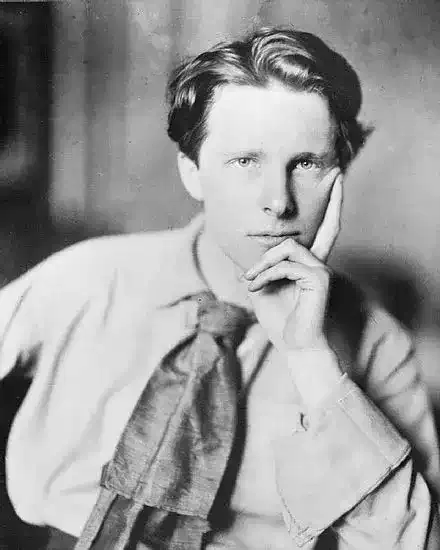
Rupert Brooke
Pine-Trees And The Sky: Evening
Pine-Trees And The Sky: Evening
I'd watched the sorrow of the evening sky,
And smelt the sea, and earth, and the warm clover,
And heard the waves, and the seagull's mocking cry.
And in them all was only the old cry,
That song they always sing -- "The best is over!
You may remember now, and think, and sigh,
O silly lover!"
And I was tired and sick that all was over,
And because I,
For all my thinking, never could recover
One moment of the good hours that were over.
And I was sorry and sick, and wished to die.
Then from the sad west turning wearily,
I saw the pines against the white north sky,
Very beautiful, and still, and bending over
Their sharp black heads against a quiet sky.
And there was peace in them; and I
Was happy, and forgot to play the lover,
And laughed, and did no longer wish to die;
Being glad of you, O pine-trees and the sky!
I'd watched the sorrow of the evening sky,
And smelt the sea, and earth, and the warm clover,
And heard the waves, and the seagull's mocking cry.
And in them all was only the old cry,
That song they always sing -- "The best is over!
You may remember now, and think, and sigh,
O silly lover!"
And I was tired and sick that all was over,
And because I,
For all my thinking, never could recover
One moment of the good hours that were over.
And I was sorry and sick, and wished to die.
Then from the sad west turning wearily,
I saw the pines against the white north sky,
Very beautiful, and still, and bending over
Their sharp black heads against a quiet sky.
And there was peace in them; and I
Was happy, and forgot to play the lover,
And laughed, and did no longer wish to die;
Being glad of you, O pine-trees and the sky!
149
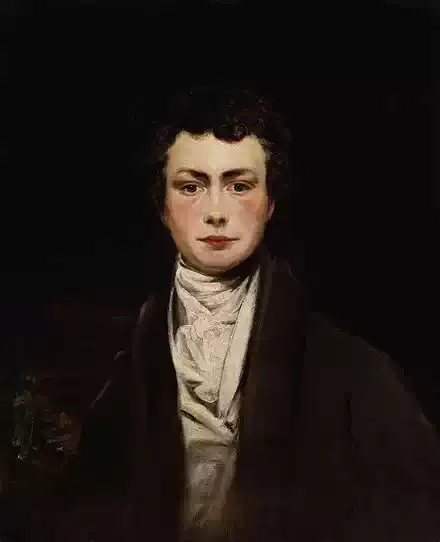
Thomas Moore
Thee, Thee, Only Thee
Thee, Thee, Only Thee
The dawning of morn, the daylight's sinking,
The night's long hours still find me thinking
Of thee, thee, only thee.
When friends are met, and goblets crown'd,
And smiles are near, that once enchanted,
Unreach'd by all that sunshine round,
My soul, like some dark spot, is haunted
By thee, thee, only thee.
Whatever in fame's high path could waken
My spirit once, is now forsaken
For thee, thee, only thee.
Like shores, by which some headlong bark
To the ocean hurries, resting never,
Life's scenes go by me, bright or dark,
I know not, heed not, hastening ever
To thee, thee, only thee.
I have not a joy but of thy bringing,
And pain itself seems sweet when springing
From thee, thee, only thee.
Like spells, that nought on earth can break,
Till lips, that know the charm, have spoken,
This heart, howe'er the world may wake
Its grief, its scorn, can but be broken
By thee, thee, only thee.
The dawning of morn, the daylight's sinking,
The night's long hours still find me thinking
Of thee, thee, only thee.
When friends are met, and goblets crown'd,
And smiles are near, that once enchanted,
Unreach'd by all that sunshine round,
My soul, like some dark spot, is haunted
By thee, thee, only thee.
Whatever in fame's high path could waken
My spirit once, is now forsaken
For thee, thee, only thee.
Like shores, by which some headlong bark
To the ocean hurries, resting never,
Life's scenes go by me, bright or dark,
I know not, heed not, hastening ever
To thee, thee, only thee.
I have not a joy but of thy bringing,
And pain itself seems sweet when springing
From thee, thee, only thee.
Like spells, that nought on earth can break,
Till lips, that know the charm, have spoken,
This heart, howe'er the world may wake
Its grief, its scorn, can but be broken
By thee, thee, only thee.
162
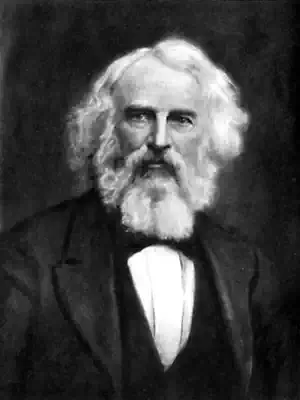
Henry Wadsworth Longfellow
Tales Of A Wayside Inn : Part 1. The Theologian's Tale; Torquemada
Tales Of A Wayside Inn : Part 1. The Theologian's Tale; Torquemada
In the heroic days when Ferdinand
And Isabella ruled the Spanish land,
And Torquemada, with his subtle brain,
Ruled them, as Grand Inquisitor of Spain,
In a great castle near Valladolid,
Moated and high and by fair woodlands hid,
There dwelt, as from the chronicles we learn,
An old Hidalgo proud and taciturn,
Whose name has perished, with his towers of stone,
And all his actions save this one alone;
This one, so terrible, perhaps 't were best
If it, too, were forgotten with the rest;
Unless, perchance, our eyes can see therein
The martyrdom triumphant o'er the sin;
A double picture, with its gloom and glow,
The splendor overhead, the death below.
This sombre man counted each day as lost
On which his feet no sacred threshold crossed;
And when he chanced the passing Host to meet,
He knelt and prayed devoutly in the street;
Oft he confessed; and with each mutinous thought,
As with wild beasts at Ephesus, he fought.
In deep contrition scourged himself in Lent,
Walked in processions, with his head down bent,
At plays of Corpus Christi oft was seen,
And on Palm Sunday bore his bough of green.
His sole diversion was to hunt the boar
Through tangled thickets of the forest hoar,
Or with his jingling mules to hurry down
To some grand bull-fight in the neighboring town,
Or in the crowd with lighted taper stand,
When Jews were burned, or banished from the land.
Then stirred within him a tumultuous joy;
The demon whose delight is to destroy
Shook him, and shouted with a trumpet tone,
Kill! kill! and let the Lord find out his own!'
And now, in that old castle in the wood,
His daughters, in the dawn of womanhood,
Returning from their convent school, had made
Resplendent with their bloom the forest shade,
Reminding him of their dead mother's face,
When first she came into that gloomy place,--
A memory in his heart as dim and sweet
As moonlight in a solitary street,
Where the same rays, that lift the sea, are thrown
Lovely but powerless upon walls of stone.
These two fair daughters of a mother dead
Were all the dream had left him as it fled.
A joy at first, and then a growing care,
As if a voice within him cried, 'Beware!?
A vague presentiment of impending doom,
Like ghostly footsteps in a vacant room,
Haunted him day and night; a formless fear
That death to some one of his house was near,
With dark surmises of a hidden crime,
Made life itself a death before its time.
Jealous, suspicious, with no sense of shame,
A spy upon his daughters he became;
With velvet slippers, noiseless on the floors,
He glided softly through half-open doors;
Now in the room, and now upon the stair,
He stood beside them ere they were aware;
He listened in the passage when they talked,
He watched them from the casement when they walked,
He saw the gypsy haunt the river's side,
He saw the monk among the cork-trees glide;
And, tortured by the mystery and the doubt
Of some dark secret, past his finding out,
Baffled he paused; then reassured again
Pursued the flying phantom of his brain.
He watched them even when they knelt in church;
And then, descending lower in his search,
Questioned the servants, and with eager eyes
Listened incredulous to their replies;
The gypsy? none had seen her in the wood!
The monk? a mendicant in search of food!
At length the awful revelation came,
Crushing at once his pride of birth and name;
The hopes his yearning bosom forward cast,
And the ancestral glories of the past,
All fell together, crumbling in disgrace,
A turret rent from battlement to base.
His daughters talking in the dead of night
In their own chamber, and without a light,
Listening, as he was wont, he overheard,
And learned the dreadful secret, word by word;
And hurrying from his castle, with a cry
He raised his hands to the unpitying sky,
Repeating one dread word, till bush and tree
Caught it, and shuddering answered, 'Heresy!'
Wrapped in his cloak, his hat drawn o'er his face,
Now hurrying forward, now with lingering pace,
He walked all night the alleys of his park,
With one unseen companion in the dark,
The demon who within him lay in wait,
And by his presence turned his love to hate,
Forever muttering in an undertone,
'Kill! kill! and let the Lord find out his own!'
Upon the morrow, after early Mass,
While yet the dew was glistening on the grass,
And all the woods were musical with birds,
The old Hidalgo, uttering fearful words,
Walked homeward with the Priest, and in his room
Summoned his trembling daughters to their doom.
When questioned, with brief answers they replied,
Nor when accused evaded or denied;
Expostulations, passionate appeals,
All that the human heart most fears or feels,
In vain the Priest with earnest voice essayed;
In vain the father threatened, wept, and prayed;
Until at last he said, with haughty mien,
'The Holy Office, then, must intervene!'
And now the Grand Inquisitor of Spain,
With all the fifty horsemen of his train,
His awful name resounding, like the blast
Of funeral trumpets, as he onward passed,
Came to Valladolid, and there began
To harry the rich Jews with fire and ban.
To him the Hidalgo went, and at the gate
Demanded audience on affairs of state,
And in a secret chamber stood before
A venerable graybeard of fourscore,
Dressed in the hood and habit of a friar;
Out of his eyes flashed a consuming fire,
And in his hand the mystic horn he held,
Which poison and all noxious charms dispelled.
He heard in silence the Hidalgo's tale,
Then answered in a voice that made him quail:
'Son of the Church! when Abraham of old
To sacrifice his only son was told,
He did not pause to parley nor protest,
But hastened to obey the Lord's behest.
In him it was accounted righteousness;
The Holy Church expects of thee no less!'
A sacred frenzy seized the father's brain,
And Mercy from that hour implored in vain.
Ah! who will e'er believe the words I say?
His daughters he accused, and the same day
They both were cast into the dungeon's gloom,
That dismal antechamber of the tomb,
Arraigned, condemned, and sentenced to the flame,
The secret torture and the public shame.
Then to the Grand Inquisitor once more
The Hidalgo went, more eager than before,
And said: 'When Abraham offered up his son,
He clave the wood wherewith it might be done.
By his example taught, let me too bring
Wood from the forest for my offering!'
And the deep voice, without a pause, replied:
'Son of the Church! by faith now justified,
Complete thy sacrifice, even as thou wilt;
The Church absolves thy conscience from all guilt!'
Then this most wretched father went his way
Into the woods, that round his castle lay,
Where once his daughters in their childhood played
With their young mother in the sun and shade.
Now all the leaves had fallen; the branches bare
Made a perpetual moaning in the air,
And screaming from their eyries overhead
The ravens sailed athwart the sky of lead.
With his own hands he lopped the boughs and bound
Fagots, that crackled with foreboding sound,
And on his mules, caparisoned and gay
With bells and tassels, sent them on their way.
Then with his mind on one dark purpose bent,
Again to the Inquisitor he went,
And said: 'Behold, the fagots I have brought,
And now, lest my atonement be as naught,
Grant me one more request, one last desire,--
With my own hand to light the funeral fire!'
And Torquemada answered from his seat,
'Son of the Church! Thine offering is complete;
Her servants through all ages shall not cease
To magnify thy deed. Depart in peace!'
Upon the market-place, builded of stone
The scaffold rose, whereon Death claimed his own.
At the four corners, in stern attitude,
Four statues of the Hebrew Prophets stood,
Gazing with calm indifference in their eyes
Upon this place of human sacrifice,
Round which was gathering fast the eager crowd,
With clamor of voices dissonant and loud,
And every roof and window was alive
With restless gazers, swarming like a hive.
The church-bells tolled, the chant of monks drew near,
Loud trumpets stammered forth their notes of fear,
A line of torches smoked along the street,
There was a stir, a rush, a tramp of feet,
And, with its banners floating in the air,
Slowly the long procession crossed the square,
And, to the statues of the Prophets bound,
The victims stood, with fagots piled around.
Then all the air a blast of trumpets shook,
And louder sang the monks with bell and book,
And the Hidalgo, lofty, stern, and proud,
Lifted his torch, and, bursting through the crowd,
Lighted in haste the fagots, and then fled,
Lest those imploring eyes should strike him dead!
O pitiless skies! why did your clouds retain
For peasants' fields their floods of hoarded rain?
O pitiless earth! why open no abyss
To bury in its chasm a crime like this?
That night a mingled column of fire and smoke
From the dark thickets of the forest broke,
And, glaring o'er the landscape leagues away,
Made all the fields and hamlets bright as day.
Wrapped in a sheet of flame the castle blazed,
And as the villagers in terror gazed,
They saw the figure of that cruel knight
Lean from a window in the turret's height,
His ghastly face illumined with the glare,
His hands upraised above his head in prayer,
Till the floor sank beneath him, and he fell
Down the black hollow of that burning well.
Three centuries and more above his bones
Have piled the oblivious years like funeral stones;
His name has perished with him, and no trace
Remains on earth of his afflicted race;
But Torquemada's name, with clouds o'ercast,
Looms in the distant landscape of the Past,
Like a burnt tower upon a blackened heath,
Lit by the fires of burning woods beneath!
In the heroic days when Ferdinand
And Isabella ruled the Spanish land,
And Torquemada, with his subtle brain,
Ruled them, as Grand Inquisitor of Spain,
In a great castle near Valladolid,
Moated and high and by fair woodlands hid,
There dwelt, as from the chronicles we learn,
An old Hidalgo proud and taciturn,
Whose name has perished, with his towers of stone,
And all his actions save this one alone;
This one, so terrible, perhaps 't were best
If it, too, were forgotten with the rest;
Unless, perchance, our eyes can see therein
The martyrdom triumphant o'er the sin;
A double picture, with its gloom and glow,
The splendor overhead, the death below.
This sombre man counted each day as lost
On which his feet no sacred threshold crossed;
And when he chanced the passing Host to meet,
He knelt and prayed devoutly in the street;
Oft he confessed; and with each mutinous thought,
As with wild beasts at Ephesus, he fought.
In deep contrition scourged himself in Lent,
Walked in processions, with his head down bent,
At plays of Corpus Christi oft was seen,
And on Palm Sunday bore his bough of green.
His sole diversion was to hunt the boar
Through tangled thickets of the forest hoar,
Or with his jingling mules to hurry down
To some grand bull-fight in the neighboring town,
Or in the crowd with lighted taper stand,
When Jews were burned, or banished from the land.
Then stirred within him a tumultuous joy;
The demon whose delight is to destroy
Shook him, and shouted with a trumpet tone,
Kill! kill! and let the Lord find out his own!'
And now, in that old castle in the wood,
His daughters, in the dawn of womanhood,
Returning from their convent school, had made
Resplendent with their bloom the forest shade,
Reminding him of their dead mother's face,
When first she came into that gloomy place,--
A memory in his heart as dim and sweet
As moonlight in a solitary street,
Where the same rays, that lift the sea, are thrown
Lovely but powerless upon walls of stone.
These two fair daughters of a mother dead
Were all the dream had left him as it fled.
A joy at first, and then a growing care,
As if a voice within him cried, 'Beware!?
A vague presentiment of impending doom,
Like ghostly footsteps in a vacant room,
Haunted him day and night; a formless fear
That death to some one of his house was near,
With dark surmises of a hidden crime,
Made life itself a death before its time.
Jealous, suspicious, with no sense of shame,
A spy upon his daughters he became;
With velvet slippers, noiseless on the floors,
He glided softly through half-open doors;
Now in the room, and now upon the stair,
He stood beside them ere they were aware;
He listened in the passage when they talked,
He watched them from the casement when they walked,
He saw the gypsy haunt the river's side,
He saw the monk among the cork-trees glide;
And, tortured by the mystery and the doubt
Of some dark secret, past his finding out,
Baffled he paused; then reassured again
Pursued the flying phantom of his brain.
He watched them even when they knelt in church;
And then, descending lower in his search,
Questioned the servants, and with eager eyes
Listened incredulous to their replies;
The gypsy? none had seen her in the wood!
The monk? a mendicant in search of food!
At length the awful revelation came,
Crushing at once his pride of birth and name;
The hopes his yearning bosom forward cast,
And the ancestral glories of the past,
All fell together, crumbling in disgrace,
A turret rent from battlement to base.
His daughters talking in the dead of night
In their own chamber, and without a light,
Listening, as he was wont, he overheard,
And learned the dreadful secret, word by word;
And hurrying from his castle, with a cry
He raised his hands to the unpitying sky,
Repeating one dread word, till bush and tree
Caught it, and shuddering answered, 'Heresy!'
Wrapped in his cloak, his hat drawn o'er his face,
Now hurrying forward, now with lingering pace,
He walked all night the alleys of his park,
With one unseen companion in the dark,
The demon who within him lay in wait,
And by his presence turned his love to hate,
Forever muttering in an undertone,
'Kill! kill! and let the Lord find out his own!'
Upon the morrow, after early Mass,
While yet the dew was glistening on the grass,
And all the woods were musical with birds,
The old Hidalgo, uttering fearful words,
Walked homeward with the Priest, and in his room
Summoned his trembling daughters to their doom.
When questioned, with brief answers they replied,
Nor when accused evaded or denied;
Expostulations, passionate appeals,
All that the human heart most fears or feels,
In vain the Priest with earnest voice essayed;
In vain the father threatened, wept, and prayed;
Until at last he said, with haughty mien,
'The Holy Office, then, must intervene!'
And now the Grand Inquisitor of Spain,
With all the fifty horsemen of his train,
His awful name resounding, like the blast
Of funeral trumpets, as he onward passed,
Came to Valladolid, and there began
To harry the rich Jews with fire and ban.
To him the Hidalgo went, and at the gate
Demanded audience on affairs of state,
And in a secret chamber stood before
A venerable graybeard of fourscore,
Dressed in the hood and habit of a friar;
Out of his eyes flashed a consuming fire,
And in his hand the mystic horn he held,
Which poison and all noxious charms dispelled.
He heard in silence the Hidalgo's tale,
Then answered in a voice that made him quail:
'Son of the Church! when Abraham of old
To sacrifice his only son was told,
He did not pause to parley nor protest,
But hastened to obey the Lord's behest.
In him it was accounted righteousness;
The Holy Church expects of thee no less!'
A sacred frenzy seized the father's brain,
And Mercy from that hour implored in vain.
Ah! who will e'er believe the words I say?
His daughters he accused, and the same day
They both were cast into the dungeon's gloom,
That dismal antechamber of the tomb,
Arraigned, condemned, and sentenced to the flame,
The secret torture and the public shame.
Then to the Grand Inquisitor once more
The Hidalgo went, more eager than before,
And said: 'When Abraham offered up his son,
He clave the wood wherewith it might be done.
By his example taught, let me too bring
Wood from the forest for my offering!'
And the deep voice, without a pause, replied:
'Son of the Church! by faith now justified,
Complete thy sacrifice, even as thou wilt;
The Church absolves thy conscience from all guilt!'
Then this most wretched father went his way
Into the woods, that round his castle lay,
Where once his daughters in their childhood played
With their young mother in the sun and shade.
Now all the leaves had fallen; the branches bare
Made a perpetual moaning in the air,
And screaming from their eyries overhead
The ravens sailed athwart the sky of lead.
With his own hands he lopped the boughs and bound
Fagots, that crackled with foreboding sound,
And on his mules, caparisoned and gay
With bells and tassels, sent them on their way.
Then with his mind on one dark purpose bent,
Again to the Inquisitor he went,
And said: 'Behold, the fagots I have brought,
And now, lest my atonement be as naught,
Grant me one more request, one last desire,--
With my own hand to light the funeral fire!'
And Torquemada answered from his seat,
'Son of the Church! Thine offering is complete;
Her servants through all ages shall not cease
To magnify thy deed. Depart in peace!'
Upon the market-place, builded of stone
The scaffold rose, whereon Death claimed his own.
At the four corners, in stern attitude,
Four statues of the Hebrew Prophets stood,
Gazing with calm indifference in their eyes
Upon this place of human sacrifice,
Round which was gathering fast the eager crowd,
With clamor of voices dissonant and loud,
And every roof and window was alive
With restless gazers, swarming like a hive.
The church-bells tolled, the chant of monks drew near,
Loud trumpets stammered forth their notes of fear,
A line of torches smoked along the street,
There was a stir, a rush, a tramp of feet,
And, with its banners floating in the air,
Slowly the long procession crossed the square,
And, to the statues of the Prophets bound,
The victims stood, with fagots piled around.
Then all the air a blast of trumpets shook,
And louder sang the monks with bell and book,
And the Hidalgo, lofty, stern, and proud,
Lifted his torch, and, bursting through the crowd,
Lighted in haste the fagots, and then fled,
Lest those imploring eyes should strike him dead!
O pitiless skies! why did your clouds retain
For peasants' fields their floods of hoarded rain?
O pitiless earth! why open no abyss
To bury in its chasm a crime like this?
That night a mingled column of fire and smoke
From the dark thickets of the forest broke,
And, glaring o'er the landscape leagues away,
Made all the fields and hamlets bright as day.
Wrapped in a sheet of flame the castle blazed,
And as the villagers in terror gazed,
They saw the figure of that cruel knight
Lean from a window in the turret's height,
His ghastly face illumined with the glare,
His hands upraised above his head in prayer,
Till the floor sank beneath him, and he fell
Down the black hollow of that burning well.
Three centuries and more above his bones
Have piled the oblivious years like funeral stones;
His name has perished with him, and no trace
Remains on earth of his afflicted race;
But Torquemada's name, with clouds o'ercast,
Looms in the distant landscape of the Past,
Like a burnt tower upon a blackened heath,
Lit by the fires of burning woods beneath!
268
Thomas Moore
The Wine-Cup is Circling
The Wine-Cup is Circling
The wine-cup is circling in Almhin's hall,
And its Chief, 'mid his heroes reclining,
Looks up, with a sigh to the trophied wall,
Where his sword hangs idly shining.
When, hark, that shout
From the vale without --
"Arm ye quick, the Dane, the Dane is nigh!"
Every Chief starts up
From his foaming cup,
And "To battle, to battle!" is the Finian's cry.
The minstrels have seized their harps of gold,
And they sing such thrilling numbers --
'Tis like the voice of the Brave, of old,
Breaking forth from their place of slumber!
Spear to buckler rang,
As the minstrels sang,
And the Sun-burst o'er them floated wide;
While remembering the yoke
Which their fathers broke,
"On for liberty, for liberty!" the Finians cried.
Like clouds of the night the Northmen came,
O'er the valley of Almhin lowering;
While onward moved, in the light of its fame,
That banner of Erin, towering.
With the mingling shock
Rung cliff and rock,
While, rank on rank, the invaders die:
And the shout, that last
O'er the dying pass'd,
Was "victory! victory!" -- the Finian's cry.
The wine-cup is circling in Almhin's hall,
And its Chief, 'mid his heroes reclining,
Looks up, with a sigh to the trophied wall,
Where his sword hangs idly shining.
When, hark, that shout
From the vale without --
"Arm ye quick, the Dane, the Dane is nigh!"
Every Chief starts up
From his foaming cup,
And "To battle, to battle!" is the Finian's cry.
The minstrels have seized their harps of gold,
And they sing such thrilling numbers --
'Tis like the voice of the Brave, of old,
Breaking forth from their place of slumber!
Spear to buckler rang,
As the minstrels sang,
And the Sun-burst o'er them floated wide;
While remembering the yoke
Which their fathers broke,
"On for liberty, for liberty!" the Finians cried.
Like clouds of the night the Northmen came,
O'er the valley of Almhin lowering;
While onward moved, in the light of its fame,
That banner of Erin, towering.
With the mingling shock
Rung cliff and rock,
While, rank on rank, the invaders die:
And the shout, that last
O'er the dying pass'd,
Was "victory! victory!" -- the Finian's cry.
169
Rupert Brooke
Paralysis
Paralysis
For moveless limbs no pity I crave,
That never were swift! Still all I prize,
Laughter and thought and friends, I have;
No fool to heave luxurious sighs
For the woods and hills that I never knew.
The more excellent way's yet mine! And you
Flower-laden come to the clean white cell,
And we talk as ever -- am I not the same?
With our hearts we love, immutable,
You without pity, I without shame.
We talk as of old; as of old you go
Out under the sky, and laughing, I know,
Flit through the streets, your heart all me;
Till you gain the world beyond the town.
Then -- I fade from your heart, quietly;
And your fleet steps quicken. The strong down
Smiles you welcome there; the woods that love you
Close lovely and conquering arms above you.
O ever-moving, O lithe and free!
Fast in my linen prison I press
On impassable bars, or emptily
Laugh in my great loneliness.
And still in the white neat bed I strive
Most impotently against that gyve;
Being less now than a thought, even,
To you alone with your hills and heaven.
For moveless limbs no pity I crave,
That never were swift! Still all I prize,
Laughter and thought and friends, I have;
No fool to heave luxurious sighs
For the woods and hills that I never knew.
The more excellent way's yet mine! And you
Flower-laden come to the clean white cell,
And we talk as ever -- am I not the same?
With our hearts we love, immutable,
You without pity, I without shame.
We talk as of old; as of old you go
Out under the sky, and laughing, I know,
Flit through the streets, your heart all me;
Till you gain the world beyond the town.
Then -- I fade from your heart, quietly;
And your fleet steps quicken. The strong down
Smiles you welcome there; the woods that love you
Close lovely and conquering arms above you.
O ever-moving, O lithe and free!
Fast in my linen prison I press
On impassable bars, or emptily
Laugh in my great loneliness.
And still in the white neat bed I strive
Most impotently against that gyve;
Being less now than a thought, even,
To you alone with your hills and heaven.
207

Robert W. Service
Our Pote
Our Pote
A pote is sure a goofy guy;
He ain't got guts like you or I
To tell the score;
He ain't goy gumption 'nuff to know
The game of life's to get the dough,
Then get some more.
Take Brother Bill, he used to be
The big shot of the family,
The first at school;
But since about a year ago,
Through readin' Longfeller and Poe,
He's most a fool.
He mopes around with dimwit stare;
You might as well jest not be there,
The way he looks;
You'd think he shuns the human race,
The how he buries down his face
In highbrow books.
I've seen him stand for near an hour,
Jest starin' at a simple flower
Sich waste o' time;
The scribblin' on an envelope . . .
Why, most of all his silly dope
Don't even rhyme.
Now Brother's Jim's an engineer,
And Brother Tim's a bank cashier,
While I keep store;
Yet Bill, the brightest of the flock,
Might be a lawyer or a doc,
And then some more.
But no, he moons and loafs about,
As if he tried to figger out
Why skies are blue;
Instead o' gittin' down to grips
Wi' life an' stackin' up the chips
Like me an' you.
* * * * * * * * * *
Well, since them final lines I wrote,
We're mournin' for our Brother Pote:
Bill crossed the sea
And solved his problem with the beat,
For now he lies in peace and rest
In Normandie.
He died the bravest of the brave,
And here I'm standin' by his grave
So far from home;
With just a wooden cross to tell
How in the blaze of battle hell
As gloriously there he fell Bill
wrote his "pome".
A pote is sure a goofy guy;
He ain't got guts like you or I
To tell the score;
He ain't goy gumption 'nuff to know
The game of life's to get the dough,
Then get some more.
Take Brother Bill, he used to be
The big shot of the family,
The first at school;
But since about a year ago,
Through readin' Longfeller and Poe,
He's most a fool.
He mopes around with dimwit stare;
You might as well jest not be there,
The way he looks;
You'd think he shuns the human race,
The how he buries down his face
In highbrow books.
I've seen him stand for near an hour,
Jest starin' at a simple flower
Sich waste o' time;
The scribblin' on an envelope . . .
Why, most of all his silly dope
Don't even rhyme.
Now Brother's Jim's an engineer,
And Brother Tim's a bank cashier,
While I keep store;
Yet Bill, the brightest of the flock,
Might be a lawyer or a doc,
And then some more.
But no, he moons and loafs about,
As if he tried to figger out
Why skies are blue;
Instead o' gittin' down to grips
Wi' life an' stackin' up the chips
Like me an' you.
* * * * * * * * * *
Well, since them final lines I wrote,
We're mournin' for our Brother Pote:
Bill crossed the sea
And solved his problem with the beat,
For now he lies in peace and rest
In Normandie.
He died the bravest of the brave,
And here I'm standin' by his grave
So far from home;
With just a wooden cross to tell
How in the blaze of battle hell
As gloriously there he fell Bill
wrote his "pome".
140
Rupert Brooke
One Before the Last, The
One Before the Last, The
I dreamt I was in love again
With the One Before the Last,
And smiled to greet the pleasant pain
Of that innocent young past.
But I jumped to feel how sharp had been
The pain when it did live,
How the faded dreams of Nineteen-ten
Were Hell in Nineteen-five.
The boy's woe was as keen and clear,
The boy's love just as true,
And the One Before the Last, my dear,
Hurt quite as much as you.
* * * * *
Sickly I pondered how the lover
Wrongs the unanswering tomb,
And sentimentalizes over
What earned a better doom.
Gently he tombs the poor dim last time,
Strews pinkish dust above,
And sighs, "The dear dead boyish pastime!
But THIS -- ah, God! -- is Love!"
-- Better oblivion hide dead true loves,
Better the night enfold,
Than men, to eke the praise of new loves,
Should lie about the old!
* * * * *
Oh! bitter thoughts I had in plenty.
But here's the worst of it --
I shall forget, in Nineteen-twenty,
YOU ever hurt abit!
I dreamt I was in love again
With the One Before the Last,
And smiled to greet the pleasant pain
Of that innocent young past.
But I jumped to feel how sharp had been
The pain when it did live,
How the faded dreams of Nineteen-ten
Were Hell in Nineteen-five.
The boy's woe was as keen and clear,
The boy's love just as true,
And the One Before the Last, my dear,
Hurt quite as much as you.
* * * * *
Sickly I pondered how the lover
Wrongs the unanswering tomb,
And sentimentalizes over
What earned a better doom.
Gently he tombs the poor dim last time,
Strews pinkish dust above,
And sighs, "The dear dead boyish pastime!
But THIS -- ah, God! -- is Love!"
-- Better oblivion hide dead true loves,
Better the night enfold,
Than men, to eke the praise of new loves,
Should lie about the old!
* * * * *
Oh! bitter thoughts I had in plenty.
But here's the worst of it --
I shall forget, in Nineteen-twenty,
YOU ever hurt abit!
192
Thomas Moore
The Time I've Lost In Wooing
The Time I've Lost In Wooing
The time I've lost in wooing,
In watching and pursuing
The light that lies
In woman's eyes,
Has been my heart's undoing.
Tho' Wisdom oft has sought me,
I scorn'd the lore she brought me,
My only books
Were women's looks,
And folly's all they taught me.
Her smile when Beauty granted,
I hung with gaze enchanted,
Like him the Sprite
Whom maids by night
Oft meet in glen that's haunted.
Like him, too, Beauty won me;
But when the spell was on me,
If once their ray
Was turn'd away,
O! winds could not outrun me.
And are those follies going?
And is my proud heart growing
Too cold or wise
For brillant eyes
Again to set it glowing?
No -- vain, alas! th' endeavour
From bonds so sweet to sever: --
Poor Wisdom's chance
Against a glance
Is now as weak as ever.
The time I've lost in wooing,
In watching and pursuing
The light that lies
In woman's eyes,
Has been my heart's undoing.
Tho' Wisdom oft has sought me,
I scorn'd the lore she brought me,
My only books
Were women's looks,
And folly's all they taught me.
Her smile when Beauty granted,
I hung with gaze enchanted,
Like him the Sprite
Whom maids by night
Oft meet in glen that's haunted.
Like him, too, Beauty won me;
But when the spell was on me,
If once their ray
Was turn'd away,
O! winds could not outrun me.
And are those follies going?
And is my proud heart growing
Too cold or wise
For brillant eyes
Again to set it glowing?
No -- vain, alas! th' endeavour
From bonds so sweet to sever: --
Poor Wisdom's chance
Against a glance
Is now as weak as ever.
269
Henry Wadsworth Longfellow
Tales Of A Wayside Inn : Part 1. The Student's Tale; The Falcon of Ser
Tales Of A Wayside Inn : Part 1. The Student's Tale; The Falcon of Ser
Federigo
One summer morning, when the sun was hot,
Weary with labor in his garden-plot,
On a rude bench beneath his cottage eaves,
Ser Federigo sat among the leaves
Of a huge vine, that, with its arms outspread,
Hung its delicious clusters overhead.
Below him, through the lovely valley flowed
The river Arno, like a winding road,
And from its banks were lifted high in air
The spires and roofs of Florence called the Fair;
To him a marble tomb, that rose above
His wasted fortunes and his buried love.
For there, in banquet and in tournament,
His wealth had lavished been, his substance spent,
To woo and lose, since ill his wooing sped,
Monna Giovanna, who his rival wed,
Yet ever in his fancy reigned supreme,
The ideal woman of a young man's dream.
Then he withdrew, in poverty and pain,
To this small farm, the last of his domain,
His only comfort and his only care
To prune his vines, and plant the fig and pear;
His only forester and only guest
His falcon, faithful to him, when the rest,
Whose willing hands had found so light of yore
The brazen knocker of his palace door,
Had now no strength to lift the wooden latch,
That entrance gave beneath a roof of thatch.
Companion of his solitary ways,
Purveyor of his feasts on holidays,
On him this melancholy man bestowed
The love with which his nature overflowed.
And so the empty-handed years went round,
Vacant, though voiceful with prophetic sound,
And so, that summer morn, he sat and mused
With folded, patient hands, as he was used,
And dreamily before his half-closed sight
Floated the vision of his lost delight.
Beside him, motionless, the drowsy bird
Dreamed of the chase, and in his slumber heard
The sudden, scythe-like sweep of wings, that dare
The headlong plunge through eddying gulfs of air,
Then, starting broad awake upon his perch,
Tinkled his bells, like mass-bells in a church,
And, looking at his master, seemed to say,
'Ser Federigo, shall we hunt to-day?'
Ser Federigo thought not of the chase;
The tender vision of her lovely face,
I will not say he seems to see, he sees
In the leaf-shadows of the trellises,
Herself, yet not herself; a lovely child
With flowing tresses, and eyes wide and wild,
Coming undaunted up the garden walk,
And looking not at him, but at the hawk.
'Beautiful falcon!' said he, 'would that I
Might hold thee on my wrist, or see thee fly!'
The voice was hers, and made strange echoes start
Through all the haunted chambers of his heart,
As an aeolian harp through gusty doors
Of some old ruin its wild music pours.
'Who is thy mother, my fair boy?' he said,
His hand laid softly on that shining head.
'Monna Giovanna. Will you let me stay
A little while, and with your falcon play?
We live there, just beyond your garden wall,
In the great house behind the poplars tall.'
So he spake on; and Federigo heard
As from afar each softly uttered word,
And drifted onward through the golden gleams
And shadows of the misty sea of dreams,
As mariners becalmed through vapors drift,
And feel the sea beneath them sink and lift,
And hear far off the mournful breakers roar,
And voices calling faintly from the shore!
Then, waking from his pleasant reveries
He took the little boy upon his knees,
And told him stories of his gallant bird,
Till in their friendship he became a third.
Monna Giovanna, widowed in her prime,
Had come with friends to pass the summer time
In her grand villa, half-way up the hill,
O'erlooking Florence, but retired and still;
With iron gates, that opened through long lines
Of sacred ilex and centennial pines,
And terraced gardens, and broad steps of stone,
And sylvan deities, with moss o'ergrown,
And fountains palpitating in the heat,
And all Val d'Arno stretched beneath its feet.
Here in seclusion, as a widow may,
The lovely lady whiled the hours away,
Pacing in sable robes the statued hall,
Herself the stateliest statue among all,
And seeing more and more, with secret joy,
Her husband risen and living in her boy,
Till the lost sense of life returned again,
Not as delight, but as relief from pain.
Meanwhile the boy, rejoicing in his strength,
Stormed down the terraces from length to length;
The screaming peacock chased in hot pursuit,
And climbed the garden trellises for fruit.
But his chief pastime was to watch the flight
Of a gerfalcon, soaring into sight,
Beyond the trees that fringed the garden wall,
Then downward stooping at some distant call;
And as he gazed full often wondered he
Who might the master of the falcon be,
Until that happy morning, when he found
Master and falcon in the cottage ground.
And now a shadow and a terror fell
On the great house, as if a passing-bell
Tolled from the tower, and filled each spacious room
With secret awe, and preternatural gloom;
The petted boy grew ill, and day by day
Pined with mysterious malady away.
The mother's heart would not be comforted;
Her darling seemed to her already dead,
And often, sitting by the sufferer's side,
'What can I do to comfort thee?' she cried.
At first the silent lips made no reply,
But moved at length by her importunate cry,
'Give me,' he answered, with imploring tone,
'Ser Federigo's falcon for my own!'
No answer could the astonished mother make;
How could she ask, e'en for her darling's sake,
Such favor at a luckless lover's hand,
Well knowing that to ask was to command?
Well knowing, what all falconers confessed,
In all the land that falcon was the best,
The master's pride and passion and delight,
And the sole pursuivant of this poor knight.
But yet, for her child's sake, she could no less
Than give assent to soothe his restlessness,
So promised, and then promising to keep
Her promise sacred, saw him fall asleep.
The morrow was a bright September morn;
The earth was beautiful as if new-born;
There was that nameless splendor everywhere,
That wild exhilaration in the air,
Which makes the passers in the city street
Congratulate each other as they meet.
Two lovely ladies, clothed in cloak and hood,
Passed through the garden gate into the wood,
Under the lustrous leaves, and through the sheen
Of dewy sunshine showering down between.
The one, close-hooded, had the attractive grace
Which sorrow sometimes lends a woman's face;
Her dark eyes moistened with the mists that roll
From the gulf-stream of passion in the soul;
The other with her hood thrown back, her hair
Making a golden glory in the air,
Her cheeks suffused with an auroral blush,
Her young heart singing louder than the thrush.
So walked, that morn, through mingled light and shade,
Each by the other's presence lovelier made,
Monna Giovanna and her bosom friend,
Intent upon their errand and its end.
They found Ser Federigo at his toil,
Like banished Adam, delving in the soil;
And when he looked and these fair women spied,
The garden suddenly was glorified;
His long-lost Eden was restored again,
And the strange river winding through the plain
No longer was the Arno to his eyes,
But the Euphrates watering Paradise!
Monna Giovanna raised her stately head,
And with fair words of salutation said:
'Ser Federigo, we come here as friends,
Hoping in this to make some poor amends
For past unkindness. I who ne'er before
Would even cross the threshold of your door,
I who in happier days such pride maintained,
Refused your banquets, and your gifts disdained,
This morning come, a self-invited guest,
To put your generous nature to the test,
And breakfast with you under your own vine.'
To which he answered: 'Poor desert of mine,
Not your unkindness call it, for if aught
Is good in me of feeling or of thought,
From you it comes, and this last grace outweighs
All sorrows, all regrets of other days.'
And after further compliment and talk,
Among the asters in the garden walk
He left his guests; and to his cottage turned,
And as he entered for a moment yearned
For the lost splendors of the days of old,
The ruby glass, the silver and the gold,
And felt how piercing is the sting of pride,
By want embittered and intensified.
He looked about him for some means or way
To keep this unexpected holiday;
Searched every cupboard, and then searched again,
Summoned the maid, who came, but came in vain;
'The Signor did not hunt to-day,' she said,
'There's nothing in the house but wine and bread.'
Then suddenly the drowsy falcon shook
His little bells, with that sagacious look,
Which said, as plain as language to the ear,
'If anything is wanting, I am here!'
Yes, everything is wanting, gallant bird!
The master seized thee without further word.
Like thine own lure, he whirled thee round; ah me!
The pomp and flutter of brave falconry,
The bells, the jesses, the bright scarlet hood,
The flight and the pursuit o'er field and wood,
All these forevermore are ended now;
No longer victor, but the victim thou!
Then on the board a snow-white cloth he spread,
Laid on its wooden dish the loaf of bread,
Brought purple grapes with autumn sunshine hot,
The fragrant peach, the juicy bergamot;
Then in the midst a flask of wine he placed,
And with autumnal flowers the banquet graced.
Ser Federigo, would not these suffice
Without thy falcon stuffed with cloves and spice?
When all was ready, and the courtly dame
With her companion to the cottage came,
Upon Ser Federigo's brain there fell
The wild enchantment of a magic spell!
The room they entered, mean and low and small,
Was changed into a sumptuous banquet-hall,
With fanfares by aerial trumpets blown;
The rustic chair she sat on was a throne;
He ate celestial food, and a divine
Flavor was given to his country wine,
And the poor falcon, fragrant with his spice,
A peacock was, or bird of paradise!
When the repast was ended, they arose
And passed again into the garden-close.
Then said the lady, 'Far too well I know,
Remembering still the days of long ago,
Though you betray it not with what surprise
You see me here in this familiar wise.
You have no children, and you cannot guess
What anguish, what unspeakable distress
A mother feels, whose child is lying ill,
Nor how her heart anticipates his will.
And yet for this, you see me lay aside
All womanly reserve and check of pride,
And ask the thing most precious in your sight,
Your falcon, your sole comfort and delight,
Which if you find it in your heart to give,
My poor, unhappy boy perchance may live.'
Ser Federigo listens, and replies,
With tears of love and pity in his eyes:
'Alas, dear lady! there can be no task
So sweet to me, as giving when you ask.
One little hour ago, if I had known
This wish of yours, it would have been my own.
But thinking in what manner I could best
Do honor to the presence of my guest,
I deemed that nothing worthier could be
Than what most dear and precious was to me,
And so my gallant falcon breathed his last
To furnish forth this morning our repast.'
In mute contrition, mingled with dismay,
The gentle lady turned her eyes away,
Grieving that he such sacrifice should make,
And kill his falcon for a woman's sake,
Yet feeling in her heart a woman's pride,
That nothing she could ask for was denied;
Then took her leave, and passed out at the gate
With footstep slow and soul disconsolate.
Three days went by, and lo! a passing-bell
Tolled from the little chapel in the dell;
Ten strokes Ser Federigo heard, and said,
Breathing a prayer, 'Alas! her child is dead!'
Three months went by; and lo! a merrier chime
Rang from the chapel bells at Christmas-time;
The cottage was deserted, and no more
Ser Federigo sat beside its door,
But now, with servitors to do his will,
In the grand villa, half-way up the hill,
Sat at the Christmas feast, and at his side
Monna Giovanna, his beloved bride,
Never so beautiful, so kind, so fair,
Enthroned once more in the old rustic chair,
High-perched upon the back of which there stood
The image of a falcon carved in wood,
And underneath the inscription, with date,
'All things come round to him who will but wait.'
Federigo
One summer morning, when the sun was hot,
Weary with labor in his garden-plot,
On a rude bench beneath his cottage eaves,
Ser Federigo sat among the leaves
Of a huge vine, that, with its arms outspread,
Hung its delicious clusters overhead.
Below him, through the lovely valley flowed
The river Arno, like a winding road,
And from its banks were lifted high in air
The spires and roofs of Florence called the Fair;
To him a marble tomb, that rose above
His wasted fortunes and his buried love.
For there, in banquet and in tournament,
His wealth had lavished been, his substance spent,
To woo and lose, since ill his wooing sped,
Monna Giovanna, who his rival wed,
Yet ever in his fancy reigned supreme,
The ideal woman of a young man's dream.
Then he withdrew, in poverty and pain,
To this small farm, the last of his domain,
His only comfort and his only care
To prune his vines, and plant the fig and pear;
His only forester and only guest
His falcon, faithful to him, when the rest,
Whose willing hands had found so light of yore
The brazen knocker of his palace door,
Had now no strength to lift the wooden latch,
That entrance gave beneath a roof of thatch.
Companion of his solitary ways,
Purveyor of his feasts on holidays,
On him this melancholy man bestowed
The love with which his nature overflowed.
And so the empty-handed years went round,
Vacant, though voiceful with prophetic sound,
And so, that summer morn, he sat and mused
With folded, patient hands, as he was used,
And dreamily before his half-closed sight
Floated the vision of his lost delight.
Beside him, motionless, the drowsy bird
Dreamed of the chase, and in his slumber heard
The sudden, scythe-like sweep of wings, that dare
The headlong plunge through eddying gulfs of air,
Then, starting broad awake upon his perch,
Tinkled his bells, like mass-bells in a church,
And, looking at his master, seemed to say,
'Ser Federigo, shall we hunt to-day?'
Ser Federigo thought not of the chase;
The tender vision of her lovely face,
I will not say he seems to see, he sees
In the leaf-shadows of the trellises,
Herself, yet not herself; a lovely child
With flowing tresses, and eyes wide and wild,
Coming undaunted up the garden walk,
And looking not at him, but at the hawk.
'Beautiful falcon!' said he, 'would that I
Might hold thee on my wrist, or see thee fly!'
The voice was hers, and made strange echoes start
Through all the haunted chambers of his heart,
As an aeolian harp through gusty doors
Of some old ruin its wild music pours.
'Who is thy mother, my fair boy?' he said,
His hand laid softly on that shining head.
'Monna Giovanna. Will you let me stay
A little while, and with your falcon play?
We live there, just beyond your garden wall,
In the great house behind the poplars tall.'
So he spake on; and Federigo heard
As from afar each softly uttered word,
And drifted onward through the golden gleams
And shadows of the misty sea of dreams,
As mariners becalmed through vapors drift,
And feel the sea beneath them sink and lift,
And hear far off the mournful breakers roar,
And voices calling faintly from the shore!
Then, waking from his pleasant reveries
He took the little boy upon his knees,
And told him stories of his gallant bird,
Till in their friendship he became a third.
Monna Giovanna, widowed in her prime,
Had come with friends to pass the summer time
In her grand villa, half-way up the hill,
O'erlooking Florence, but retired and still;
With iron gates, that opened through long lines
Of sacred ilex and centennial pines,
And terraced gardens, and broad steps of stone,
And sylvan deities, with moss o'ergrown,
And fountains palpitating in the heat,
And all Val d'Arno stretched beneath its feet.
Here in seclusion, as a widow may,
The lovely lady whiled the hours away,
Pacing in sable robes the statued hall,
Herself the stateliest statue among all,
And seeing more and more, with secret joy,
Her husband risen and living in her boy,
Till the lost sense of life returned again,
Not as delight, but as relief from pain.
Meanwhile the boy, rejoicing in his strength,
Stormed down the terraces from length to length;
The screaming peacock chased in hot pursuit,
And climbed the garden trellises for fruit.
But his chief pastime was to watch the flight
Of a gerfalcon, soaring into sight,
Beyond the trees that fringed the garden wall,
Then downward stooping at some distant call;
And as he gazed full often wondered he
Who might the master of the falcon be,
Until that happy morning, when he found
Master and falcon in the cottage ground.
And now a shadow and a terror fell
On the great house, as if a passing-bell
Tolled from the tower, and filled each spacious room
With secret awe, and preternatural gloom;
The petted boy grew ill, and day by day
Pined with mysterious malady away.
The mother's heart would not be comforted;
Her darling seemed to her already dead,
And often, sitting by the sufferer's side,
'What can I do to comfort thee?' she cried.
At first the silent lips made no reply,
But moved at length by her importunate cry,
'Give me,' he answered, with imploring tone,
'Ser Federigo's falcon for my own!'
No answer could the astonished mother make;
How could she ask, e'en for her darling's sake,
Such favor at a luckless lover's hand,
Well knowing that to ask was to command?
Well knowing, what all falconers confessed,
In all the land that falcon was the best,
The master's pride and passion and delight,
And the sole pursuivant of this poor knight.
But yet, for her child's sake, she could no less
Than give assent to soothe his restlessness,
So promised, and then promising to keep
Her promise sacred, saw him fall asleep.
The morrow was a bright September morn;
The earth was beautiful as if new-born;
There was that nameless splendor everywhere,
That wild exhilaration in the air,
Which makes the passers in the city street
Congratulate each other as they meet.
Two lovely ladies, clothed in cloak and hood,
Passed through the garden gate into the wood,
Under the lustrous leaves, and through the sheen
Of dewy sunshine showering down between.
The one, close-hooded, had the attractive grace
Which sorrow sometimes lends a woman's face;
Her dark eyes moistened with the mists that roll
From the gulf-stream of passion in the soul;
The other with her hood thrown back, her hair
Making a golden glory in the air,
Her cheeks suffused with an auroral blush,
Her young heart singing louder than the thrush.
So walked, that morn, through mingled light and shade,
Each by the other's presence lovelier made,
Monna Giovanna and her bosom friend,
Intent upon their errand and its end.
They found Ser Federigo at his toil,
Like banished Adam, delving in the soil;
And when he looked and these fair women spied,
The garden suddenly was glorified;
His long-lost Eden was restored again,
And the strange river winding through the plain
No longer was the Arno to his eyes,
But the Euphrates watering Paradise!
Monna Giovanna raised her stately head,
And with fair words of salutation said:
'Ser Federigo, we come here as friends,
Hoping in this to make some poor amends
For past unkindness. I who ne'er before
Would even cross the threshold of your door,
I who in happier days such pride maintained,
Refused your banquets, and your gifts disdained,
This morning come, a self-invited guest,
To put your generous nature to the test,
And breakfast with you under your own vine.'
To which he answered: 'Poor desert of mine,
Not your unkindness call it, for if aught
Is good in me of feeling or of thought,
From you it comes, and this last grace outweighs
All sorrows, all regrets of other days.'
And after further compliment and talk,
Among the asters in the garden walk
He left his guests; and to his cottage turned,
And as he entered for a moment yearned
For the lost splendors of the days of old,
The ruby glass, the silver and the gold,
And felt how piercing is the sting of pride,
By want embittered and intensified.
He looked about him for some means or way
To keep this unexpected holiday;
Searched every cupboard, and then searched again,
Summoned the maid, who came, but came in vain;
'The Signor did not hunt to-day,' she said,
'There's nothing in the house but wine and bread.'
Then suddenly the drowsy falcon shook
His little bells, with that sagacious look,
Which said, as plain as language to the ear,
'If anything is wanting, I am here!'
Yes, everything is wanting, gallant bird!
The master seized thee without further word.
Like thine own lure, he whirled thee round; ah me!
The pomp and flutter of brave falconry,
The bells, the jesses, the bright scarlet hood,
The flight and the pursuit o'er field and wood,
All these forevermore are ended now;
No longer victor, but the victim thou!
Then on the board a snow-white cloth he spread,
Laid on its wooden dish the loaf of bread,
Brought purple grapes with autumn sunshine hot,
The fragrant peach, the juicy bergamot;
Then in the midst a flask of wine he placed,
And with autumnal flowers the banquet graced.
Ser Federigo, would not these suffice
Without thy falcon stuffed with cloves and spice?
When all was ready, and the courtly dame
With her companion to the cottage came,
Upon Ser Federigo's brain there fell
The wild enchantment of a magic spell!
The room they entered, mean and low and small,
Was changed into a sumptuous banquet-hall,
With fanfares by aerial trumpets blown;
The rustic chair she sat on was a throne;
He ate celestial food, and a divine
Flavor was given to his country wine,
And the poor falcon, fragrant with his spice,
A peacock was, or bird of paradise!
When the repast was ended, they arose
And passed again into the garden-close.
Then said the lady, 'Far too well I know,
Remembering still the days of long ago,
Though you betray it not with what surprise
You see me here in this familiar wise.
You have no children, and you cannot guess
What anguish, what unspeakable distress
A mother feels, whose child is lying ill,
Nor how her heart anticipates his will.
And yet for this, you see me lay aside
All womanly reserve and check of pride,
And ask the thing most precious in your sight,
Your falcon, your sole comfort and delight,
Which if you find it in your heart to give,
My poor, unhappy boy perchance may live.'
Ser Federigo listens, and replies,
With tears of love and pity in his eyes:
'Alas, dear lady! there can be no task
So sweet to me, as giving when you ask.
One little hour ago, if I had known
This wish of yours, it would have been my own.
But thinking in what manner I could best
Do honor to the presence of my guest,
I deemed that nothing worthier could be
Than what most dear and precious was to me,
And so my gallant falcon breathed his last
To furnish forth this morning our repast.'
In mute contrition, mingled with dismay,
The gentle lady turned her eyes away,
Grieving that he such sacrifice should make,
And kill his falcon for a woman's sake,
Yet feeling in her heart a woman's pride,
That nothing she could ask for was denied;
Then took her leave, and passed out at the gate
With footstep slow and soul disconsolate.
Three days went by, and lo! a passing-bell
Tolled from the little chapel in the dell;
Ten strokes Ser Federigo heard, and said,
Breathing a prayer, 'Alas! her child is dead!'
Three months went by; and lo! a merrier chime
Rang from the chapel bells at Christmas-time;
The cottage was deserted, and no more
Ser Federigo sat beside its door,
But now, with servitors to do his will,
In the grand villa, half-way up the hill,
Sat at the Christmas feast, and at his side
Monna Giovanna, his beloved bride,
Never so beautiful, so kind, so fair,
Enthroned once more in the old rustic chair,
High-perched upon the back of which there stood
The image of a falcon carved in wood,
And underneath the inscription, with date,
'All things come round to him who will but wait.'
255
Thomas Moore
The Song of O'Ruark, Prince of Breffni
The Song of O'Ruark, Prince of Breffni
The valley lay smiling before me,
Where lately I left her behind;
Yet I trembled, and something hung o'er me,
That sadden'd the joy of my mind.
I look'd for the lamp which, she told me,
Should shine when her Pilgrim return'd;
But, though darkness began to infold me,
No lamp from the battlements burn'd!
I flew to her chamber -- 'twas lonely,
As if the loved tenant lay dead; --
Ah, would it were death, and death only!
But no, the young false one had fled.
And there hung the lute that could soften
My very worst pains into bliss;
While the hand that had waked it so often
Now throbb'd to a proud rival's kiss.
There was a time, falsest of women,
When Breffni's good sword would have sought
That man, through a million of foemen,
Who dared but to wrong thee in thought!
While now -- oh degenerate daughter
Of Erin, how fallen is thy fame!
And through ages of bondage and slaughter,
Our country shall bleed for thy shame.
Already the curse is upon her,
And strangers her valleys profane;
They come to divide, to dishonour,
And tyrants they long will remain.
But onward! --- the green banner rearing,
Go, flesh every sword to the hilt;
On our side is Virtue and Erin,
On theirs is the Saxon and Guilt.
The valley lay smiling before me,
Where lately I left her behind;
Yet I trembled, and something hung o'er me,
That sadden'd the joy of my mind.
I look'd for the lamp which, she told me,
Should shine when her Pilgrim return'd;
But, though darkness began to infold me,
No lamp from the battlements burn'd!
I flew to her chamber -- 'twas lonely,
As if the loved tenant lay dead; --
Ah, would it were death, and death only!
But no, the young false one had fled.
And there hung the lute that could soften
My very worst pains into bliss;
While the hand that had waked it so often
Now throbb'd to a proud rival's kiss.
There was a time, falsest of women,
When Breffni's good sword would have sought
That man, through a million of foemen,
Who dared but to wrong thee in thought!
While now -- oh degenerate daughter
Of Erin, how fallen is thy fame!
And through ages of bondage and slaughter,
Our country shall bleed for thy shame.
Already the curse is upon her,
And strangers her valleys profane;
They come to divide, to dishonour,
And tyrants they long will remain.
But onward! --- the green banner rearing,
Go, flesh every sword to the hilt;
On our side is Virtue and Erin,
On theirs is the Saxon and Guilt.
166
Rupert Brooke
On The Death Of Smet-Smet, The Hippopotamus- Goddess
On The Death Of Smet-Smet, The Hippopotamus- Goddess
Song of a tribe of the ancient Egyptians
(The Priests within the Temple)
She was wrinkled and huge and hideous? She was our Mother.
She was lustful and lewd? -- but a God; we had none other.
In the day She was hidden and dumb, but at nightfall moaned in the shade;
We shuddered and gave Her Her will in the darkness; we were afraid.
(The People without)
She sent us pain,
And we bowed before Her;
She smiled again
And bade us adore Her.
She solaced our woe
And soothed our sighing;
And what shall we do
Now God is dying?
(The Priests within)
She was hungry and ate our children; -- how should we stay Her?
She took our young men and our maidens; -- ours to obey Her.
We were loathed and mocked and reviled of all nations; that was our pride.
She fed us, protected us, loved us, and killed us; now She has died.
(The People without)
She was so strong;
But death is stronger.
She ruled us long;
But Time is longer.
She solaced our woe
And soothed our sighing;
And what shall we do
Now God is dying?
Song of a tribe of the ancient Egyptians
(The Priests within the Temple)
She was wrinkled and huge and hideous? She was our Mother.
She was lustful and lewd? -- but a God; we had none other.
In the day She was hidden and dumb, but at nightfall moaned in the shade;
We shuddered and gave Her Her will in the darkness; we were afraid.
(The People without)
She sent us pain,
And we bowed before Her;
She smiled again
And bade us adore Her.
She solaced our woe
And soothed our sighing;
And what shall we do
Now God is dying?
(The Priests within)
She was hungry and ate our children; -- how should we stay Her?
She took our young men and our maidens; -- ours to obey Her.
We were loathed and mocked and reviled of all nations; that was our pride.
She fed us, protected us, loved us, and killed us; now She has died.
(The People without)
She was so strong;
But death is stronger.
She ruled us long;
But Time is longer.
She solaced our woe
And soothed our sighing;
And what shall we do
Now God is dying?
176
Robert W. Service
Our Daily Bread
Our Daily Bread
"Give me my daily bread.
It seems so odd,
When all is done and said,
This plea to God.
To pray for cake might be
The thing to do;
But bread, it seems to me,
Is just our due.
"Give me my daily toil,"
I ought to say (
If from life's cursed coil
I'd time to pray.)
Give me my daily sweat,
My body sore,
So that bread I may get
To toil for more.
"Give me my daily breath,"
Through half a sob,
Until untimely death
Shall end my job.
A crust for my award,
I cry in dread:
"Grant unto me. Oh Lord,
My daily bread!"
"Give me my daily bread.
It seems so odd,
When all is done and said,
This plea to God.
To pray for cake might be
The thing to do;
But bread, it seems to me,
Is just our due.
"Give me my daily toil,"
I ought to say (
If from life's cursed coil
I'd time to pray.)
Give me my daily sweat,
My body sore,
So that bread I may get
To toil for more.
"Give me my daily breath,"
Through half a sob,
Until untimely death
Shall end my job.
A crust for my award,
I cry in dread:
"Grant unto me. Oh Lord,
My daily bread!"
196
Thomas Moore
The Sinking Fund Cried
The Sinking Fund Cried
["Now what, we ask, is become of this Sinking Fund - these eight millions of surplus
above expenditure, which were to reduce the interest of the national debt by the
amount of four hundred thousand pounds annually? Where, indeed, is the Sinking Fund
itself?" - The Times]
Take your bell, take your bell,
Good Crier, and tell
To the Bulls and the Bears, till their ears are stunn'd,
That, lost or stolen,
Or fall'n through a hole in
The Treasury floor, is the Sinking Fund!
O yes! O yes!
Can anybody guess
What the deuce has become of this Treasury wonder?
It has Pitt's name on't,
All brass, in the front,
And R--b--ns--n's scrawl'd with a goose-quill under.
Folks well knew what
Would soon be its lot,
When Frederick or Jenky set hobnobbing,[]
And said to each other,
"Suppose, dear brother,
We make this funny old Fund worth robbing."
We are come, alas!
To a very pretty pass --
Eight Hundred Millions of score, to pay,
With but Five in the till,
To discharge the bill,
And even that Five too, whipp'd away!
Stop thief! stop thief! --
From the Sub to the Chief,
These Genmen of Finance are plundering cattle --
Call the watch, call Bougham
Tell Joseph Hume,
That best of Charleys, to spring his rattle.
Whoever will bring
This aforesaid thing
To the well-known house of Robinson and Jenkin,
Shall be paid, with thanks,
In the notes of banks,
Whose Funds have all learn'd "the Art of Sinking."
O yes! O yes!
Can any body guess
What the devil has become of the Treasury wonder?
It has Pitt's name on 't,
All brass, in the front,
And R--b--ns--n's, scrawl'd with a goose-quill under.
["Now what, we ask, is become of this Sinking Fund - these eight millions of surplus
above expenditure, which were to reduce the interest of the national debt by the
amount of four hundred thousand pounds annually? Where, indeed, is the Sinking Fund
itself?" - The Times]
Take your bell, take your bell,
Good Crier, and tell
To the Bulls and the Bears, till their ears are stunn'd,
That, lost or stolen,
Or fall'n through a hole in
The Treasury floor, is the Sinking Fund!
O yes! O yes!
Can anybody guess
What the deuce has become of this Treasury wonder?
It has Pitt's name on't,
All brass, in the front,
And R--b--ns--n's scrawl'd with a goose-quill under.
Folks well knew what
Would soon be its lot,
When Frederick or Jenky set hobnobbing,[]
And said to each other,
"Suppose, dear brother,
We make this funny old Fund worth robbing."
We are come, alas!
To a very pretty pass --
Eight Hundred Millions of score, to pay,
With but Five in the till,
To discharge the bill,
And even that Five too, whipp'd away!
Stop thief! stop thief! --
From the Sub to the Chief,
These Genmen of Finance are plundering cattle --
Call the watch, call Bougham
Tell Joseph Hume,
That best of Charleys, to spring his rattle.
Whoever will bring
This aforesaid thing
To the well-known house of Robinson and Jenkin,
Shall be paid, with thanks,
In the notes of banks,
Whose Funds have all learn'd "the Art of Sinking."
O yes! O yes!
Can any body guess
What the devil has become of the Treasury wonder?
It has Pitt's name on 't,
All brass, in the front,
And R--b--ns--n's, scrawl'd with a goose-quill under.
172
Rupert Brooke
Oh! Death Will Find Me, Long Before I Tire
Oh! Death Will Find Me, Long Before I Tire
Oh! Death will find me, long before I tire
Of watching you; and swing me suddenly
Into the shade and loneliness and mire
Of the last land! There, waiting patiently,
One day, I think, I'll feel a cool wind blowing,
See a slow light across the Stygian tide,
And hear the Dead about me stir, unknowing,
And tremble. And I shall know that you have died,
And watch you, a broad-browed and smiling dream,
Pass, light as ever, through the lightless host,
Quietly ponder, start, and sway, and gleam --
Most individual and bewildering ghost! --
And turn, and toss your brown delightful head
Amusedly, among the ancient Dead.
Oh! Death will find me, long before I tire
Of watching you; and swing me suddenly
Into the shade and loneliness and mire
Of the last land! There, waiting patiently,
One day, I think, I'll feel a cool wind blowing,
See a slow light across the Stygian tide,
And hear the Dead about me stir, unknowing,
And tremble. And I shall know that you have died,
And watch you, a broad-browed and smiling dream,
Pass, light as ever, through the lightless host,
Quietly ponder, start, and sway, and gleam --
Most individual and bewildering ghost! --
And turn, and toss your brown delightful head
Amusedly, among the ancient Dead.
156
Henry Wadsworth Longfellow
Tales Of A Wayside Inn : Part 1. The Sicilian's Tale; King Robert of Sicily
Tales Of A Wayside Inn : Part 1. The Sicilian's Tale; King Robert of Sicily
Robert of Sicily, brother of Pope Urbane
And Valmond, Emperor of Allemaine,
Apparelled in magnificent attire,
With retinue of many a knight and squire,
On St. John's eve, at vespers, proudly sat
And heard the priests chant the Magnificat,
And as he listened, o'er and o'er again
Repeated, like a burden or refrain,
He caught the words, 'Deposuit potentes
De sede, et exaltavit humiles;'
And slowly lifting up his kingly head
He to a learned clerk beside him said,
'What mean these words?' The clerk made answer meet,
'He has put down the mighty from their seat,
And has exalted them of low degree.'
Thereat King Robert muttered scornfully,
''T is well that such seditious words are sung
Only by priests and in the Latin tongue;
For unto priests and people be it known,
There is no power can push me from my throne!'
And leaning back, he yawned and fell asleep,
Lulled by the chant monotonous and deep.
When he awoke, it was already night;
The church was empty, and there was no light,
Save where the lamps, that glimmered few and faint,
Lighted a little space before some saint.
He started from his seat and gazed around,
But saw no living thing and heard no sound.
He groped towards the door, but it was locked;
He cried aloud, and listened, and then knocked,
And uttered awful threatenings and complaints,
And imprecations upon men and saints.
The sounds reëchoed from the roof and walls
As if dead priests were laughing in their stalls.
At length the sexton, hearing from without
The tumult of the knocking and the shout,
And thinking thieves were in the house of prayer,
Came with his lantern, asking, 'Who is there?'
Half choked with rage, King Robert fiercely said,
'Open: 't is I, the King! Art thou afraid?'
The frightened sexton, muttering, with a curse,
'This is some drunken vagabond, or worse!'
Turned the great key and flung the portal wide;
A man rushed by him at a single stride,
Haggard, half naked, without hat or cloak,
Who neither turned, nor looked at him, nor spoke,
But leaped into the blackness of the night,
And vanished like a spectre from his sight.
Robert of Sicily, brother of Pope Urbane
And Valmond, Emperor of Allemaine,
Despoiled of his magnificent attire,
Bareheaded, breathless, and besprent with mire,
With sense of wrong and outrage desperate,
Strode on and thundered at the palace gate;
Rushed through the courtyard, thrusting in his rage
To right and left each seneschal and page,
And hurried up the broad and sounding stair,
His white face ghastly in the torches' glare.
From hall to hall he passed with breathless speed;
Voices and cries he heard, but did not heed,
Until at last he reached the banquet-room,
Blazing with light, and breathing with perfume.
There on the dais sat another king,
Wearing his robes, his crown, his signet-ring,
King Robert's self in features, form, and height,
But all transfigured with angelic light!
It was an Angel; and his presence there
With a divine effulgence filled the air,
An exaltation, piercing the disguise,
Though none the hidden Angel recognize.
A moment speechless, motionless, amazed,
The throneless monarch on the Angel gazed,
Who met his look of anger and surprise
With the divine compassion of his eyes;
Then said, 'Who art thou? and why com'st thou here?'
To which King Robert answered, with a sneer,
'I am the King, and come to claim my own
From an impostor, who usurps my throne!'
And suddenly, at these audacious words,
Up sprang the angry guests, and drew their swords;
The Angel answered, with unruffled brow,
'Nay, not the King, but the King's Jester, thou
Henceforth shall wear the bells and scalloped cape,
And for thy counsellor shalt lead an ape;
Thou shalt obey my servants when they call,
And wait upon my henchmen in the hall!'
Deaf to King Robert's threats and cries and prayers,
They thrust him from the hall and down the stairs;
A group of tittering pages ran before,
And as they opened wide the folding-door,
His heart failed, for he heard, with strange alarms,
The boisterous laughter of the men-at-arms,
And all the vaulted chamber roar and ring
With the mock plaudits of 'Long live the King!'
Next morning, waking with the day's first beam,
He said within himself, 'It was a dream!'
But the straw rustled as he turned his head,
There were the cap and bells beside his bed,
Around him rose the bare, discolored walls,
Close by, the steeds were champing in their stalls,
And in the corner, a revolting shape,
Shivering and chattering sat the wretched ape.
It was no dream; the world he loved so much
Had turned to dust and ashes at his touch!
Days came and went; and now returned again
To Sicily the old Saturnian reign;
Under the Angel's governance benign
The happy island danced with corn and wine,
And deep within the mountain's burning breast
Enceladus, the giant, was at rest.
Meanwhile King Robert yielded to his fate,
Sullen and silent and disconsolate.
Dressed in the motley garb that Jesters wear,
With look bewildered and a vacant stare,
Close shaven above the ears, as monks are shorn,
By courtiers mocked, by pages laughed to scorn,
His only friend the ape, his only food
What others left,--he still was unsubdued.
And when the Angel met him on his way,
And half in earnest, half in jest, would say,
Sternly, though tenderly, that he might feel
The velvet scabbard held a sword of steel,
'Art thou the King?' the passion of his woe
Burst from him in resistless overflow,
And, lifting high his forehead, he would fling
The haughty answer back, 'I am, I am the King!'
Almost three years were ended; when there came
Ambassadors of great repute and name
From Valmond, Emperor of Allemaine,
Unto King Robert, saying that Pope Urbane
By letter summoned them forthwith to come
On Holy Thursday to his city of Rome.
The Angel with great joy received his guests,
And gave them presents of embroidered vests,
And velvet mantles with rich ermine lined,
And rings and jewels of the rarest kind.
Then he departed with them o'er the sea
Into the lovely land of Italy,
Whose loveliness was more resplendent made
By the mere passing of that cavalcade,
With plumes, and cloaks, and housings, and the stir
Of jewelled bridle and of golden spur.
And lo! among the menials, in mock state,
Upon a piebald steed, with shambling gait,
His cloak of fox-tails flapping in the wind,
The solemn ape demurely perched behind,
King Robert rode, making huge merriment
In all the country towns through which they went.
The Pope received them with great pomp and blare
Of bannered trumpets, on Saint Peter's square,
Giving his benediction and embrace,
Fervent, and full of apostolic grace.
While with congratulations and with prayers
He entertained the Angel unawares,
Robert, the Jester, bursting through the crowd,
Into their presence rushed, and cried aloud,
'I am the King! Look, and behold in me
Robert, your brother, King of Sicily!
This man, who wears my semblance to your eyes,
Is an impostor in a king's disguise.
Do you not know me? does no voice within
Answer my cry, and say we are akin?'
The Pope in silence, but with troubled mien,
Gazed at the Angel's countenance serene;
The Emperor, laughing, said, 'It is strange sport
To keep a madman for thy Fool at court!'
And the poor, baffled Jester in disgrace
Was hustled back among the populace.
In solemn state the Holy Week went by,
And Easter Sunday gleamed upon the sky;
The presence of the Angel, with its light,
Before the sun rose, made the city bright,
And with new fervor filled the hearts of men,
Who felt that Christ indeed had risen again.
Even the Jester, on his bed of straw,
With haggard eyes the unwonted splendor saw,
He felt within a power unfelt before,
And, kneeling humbly on his chamber floor,
He heard the rushing garments of the Lord
Sweep through the silent air, ascending heavenward.
And now the visit ending, and once more
Valmond returning to the Danube's shore,
Homeward the Angel journeyed, and again
The land was made resplendent with his train,
Flashing along the towns of Italy
Unto Salerno, and from thence by sea.
And when once more within Palermo's wall,
And, seated on the throne in his great hall,
He heard the Angelus from convent towers,
As if the better world conversed with ours,
He beckoned to King Robert to draw nigher,
And with a gesture bade the rest retire;
And when they were alone, the Angel said,
'Art thou the King?' Then, bowing down his head,
King Robert crossed both hands upon his breast,
And meekly answered him: 'Thou knowest best!
My sins as scarlet are; let me go hence,
And in some cloister's school of penitence,
Across those stones, that pave the way to heaven,
Walk barefoot, till my guilty soul be shriven!'
The Angel smiled, and from his radiant face
A holy light illumined all the place,
And through the open window, loud and clear,
They heard the monks chant in the chapel near,
Above the stir and tumult of the street:
'He has put down the mighty from their seat,
And has exalted them of low degree!'
And through the chant a second melody
Rose like the throbbing of a single string:
'I am an Angel, and thou art the King!'
King Robert, who was standing near the throne,
Lifted his eyes, and lo! he was alone!
But all apparelled as in days of old,
With ermined mantle and with cloth of gold;
And when his courtiers came, they found him there
Kneeling upon the floor, absorbed in silent prayer.
Robert of Sicily, brother of Pope Urbane
And Valmond, Emperor of Allemaine,
Apparelled in magnificent attire,
With retinue of many a knight and squire,
On St. John's eve, at vespers, proudly sat
And heard the priests chant the Magnificat,
And as he listened, o'er and o'er again
Repeated, like a burden or refrain,
He caught the words, 'Deposuit potentes
De sede, et exaltavit humiles;'
And slowly lifting up his kingly head
He to a learned clerk beside him said,
'What mean these words?' The clerk made answer meet,
'He has put down the mighty from their seat,
And has exalted them of low degree.'
Thereat King Robert muttered scornfully,
''T is well that such seditious words are sung
Only by priests and in the Latin tongue;
For unto priests and people be it known,
There is no power can push me from my throne!'
And leaning back, he yawned and fell asleep,
Lulled by the chant monotonous and deep.
When he awoke, it was already night;
The church was empty, and there was no light,
Save where the lamps, that glimmered few and faint,
Lighted a little space before some saint.
He started from his seat and gazed around,
But saw no living thing and heard no sound.
He groped towards the door, but it was locked;
He cried aloud, and listened, and then knocked,
And uttered awful threatenings and complaints,
And imprecations upon men and saints.
The sounds reëchoed from the roof and walls
As if dead priests were laughing in their stalls.
At length the sexton, hearing from without
The tumult of the knocking and the shout,
And thinking thieves were in the house of prayer,
Came with his lantern, asking, 'Who is there?'
Half choked with rage, King Robert fiercely said,
'Open: 't is I, the King! Art thou afraid?'
The frightened sexton, muttering, with a curse,
'This is some drunken vagabond, or worse!'
Turned the great key and flung the portal wide;
A man rushed by him at a single stride,
Haggard, half naked, without hat or cloak,
Who neither turned, nor looked at him, nor spoke,
But leaped into the blackness of the night,
And vanished like a spectre from his sight.
Robert of Sicily, brother of Pope Urbane
And Valmond, Emperor of Allemaine,
Despoiled of his magnificent attire,
Bareheaded, breathless, and besprent with mire,
With sense of wrong and outrage desperate,
Strode on and thundered at the palace gate;
Rushed through the courtyard, thrusting in his rage
To right and left each seneschal and page,
And hurried up the broad and sounding stair,
His white face ghastly in the torches' glare.
From hall to hall he passed with breathless speed;
Voices and cries he heard, but did not heed,
Until at last he reached the banquet-room,
Blazing with light, and breathing with perfume.
There on the dais sat another king,
Wearing his robes, his crown, his signet-ring,
King Robert's self in features, form, and height,
But all transfigured with angelic light!
It was an Angel; and his presence there
With a divine effulgence filled the air,
An exaltation, piercing the disguise,
Though none the hidden Angel recognize.
A moment speechless, motionless, amazed,
The throneless monarch on the Angel gazed,
Who met his look of anger and surprise
With the divine compassion of his eyes;
Then said, 'Who art thou? and why com'st thou here?'
To which King Robert answered, with a sneer,
'I am the King, and come to claim my own
From an impostor, who usurps my throne!'
And suddenly, at these audacious words,
Up sprang the angry guests, and drew their swords;
The Angel answered, with unruffled brow,
'Nay, not the King, but the King's Jester, thou
Henceforth shall wear the bells and scalloped cape,
And for thy counsellor shalt lead an ape;
Thou shalt obey my servants when they call,
And wait upon my henchmen in the hall!'
Deaf to King Robert's threats and cries and prayers,
They thrust him from the hall and down the stairs;
A group of tittering pages ran before,
And as they opened wide the folding-door,
His heart failed, for he heard, with strange alarms,
The boisterous laughter of the men-at-arms,
And all the vaulted chamber roar and ring
With the mock plaudits of 'Long live the King!'
Next morning, waking with the day's first beam,
He said within himself, 'It was a dream!'
But the straw rustled as he turned his head,
There were the cap and bells beside his bed,
Around him rose the bare, discolored walls,
Close by, the steeds were champing in their stalls,
And in the corner, a revolting shape,
Shivering and chattering sat the wretched ape.
It was no dream; the world he loved so much
Had turned to dust and ashes at his touch!
Days came and went; and now returned again
To Sicily the old Saturnian reign;
Under the Angel's governance benign
The happy island danced with corn and wine,
And deep within the mountain's burning breast
Enceladus, the giant, was at rest.
Meanwhile King Robert yielded to his fate,
Sullen and silent and disconsolate.
Dressed in the motley garb that Jesters wear,
With look bewildered and a vacant stare,
Close shaven above the ears, as monks are shorn,
By courtiers mocked, by pages laughed to scorn,
His only friend the ape, his only food
What others left,--he still was unsubdued.
And when the Angel met him on his way,
And half in earnest, half in jest, would say,
Sternly, though tenderly, that he might feel
The velvet scabbard held a sword of steel,
'Art thou the King?' the passion of his woe
Burst from him in resistless overflow,
And, lifting high his forehead, he would fling
The haughty answer back, 'I am, I am the King!'
Almost three years were ended; when there came
Ambassadors of great repute and name
From Valmond, Emperor of Allemaine,
Unto King Robert, saying that Pope Urbane
By letter summoned them forthwith to come
On Holy Thursday to his city of Rome.
The Angel with great joy received his guests,
And gave them presents of embroidered vests,
And velvet mantles with rich ermine lined,
And rings and jewels of the rarest kind.
Then he departed with them o'er the sea
Into the lovely land of Italy,
Whose loveliness was more resplendent made
By the mere passing of that cavalcade,
With plumes, and cloaks, and housings, and the stir
Of jewelled bridle and of golden spur.
And lo! among the menials, in mock state,
Upon a piebald steed, with shambling gait,
His cloak of fox-tails flapping in the wind,
The solemn ape demurely perched behind,
King Robert rode, making huge merriment
In all the country towns through which they went.
The Pope received them with great pomp and blare
Of bannered trumpets, on Saint Peter's square,
Giving his benediction and embrace,
Fervent, and full of apostolic grace.
While with congratulations and with prayers
He entertained the Angel unawares,
Robert, the Jester, bursting through the crowd,
Into their presence rushed, and cried aloud,
'I am the King! Look, and behold in me
Robert, your brother, King of Sicily!
This man, who wears my semblance to your eyes,
Is an impostor in a king's disguise.
Do you not know me? does no voice within
Answer my cry, and say we are akin?'
The Pope in silence, but with troubled mien,
Gazed at the Angel's countenance serene;
The Emperor, laughing, said, 'It is strange sport
To keep a madman for thy Fool at court!'
And the poor, baffled Jester in disgrace
Was hustled back among the populace.
In solemn state the Holy Week went by,
And Easter Sunday gleamed upon the sky;
The presence of the Angel, with its light,
Before the sun rose, made the city bright,
And with new fervor filled the hearts of men,
Who felt that Christ indeed had risen again.
Even the Jester, on his bed of straw,
With haggard eyes the unwonted splendor saw,
He felt within a power unfelt before,
And, kneeling humbly on his chamber floor,
He heard the rushing garments of the Lord
Sweep through the silent air, ascending heavenward.
And now the visit ending, and once more
Valmond returning to the Danube's shore,
Homeward the Angel journeyed, and again
The land was made resplendent with his train,
Flashing along the towns of Italy
Unto Salerno, and from thence by sea.
And when once more within Palermo's wall,
And, seated on the throne in his great hall,
He heard the Angelus from convent towers,
As if the better world conversed with ours,
He beckoned to King Robert to draw nigher,
And with a gesture bade the rest retire;
And when they were alone, the Angel said,
'Art thou the King?' Then, bowing down his head,
King Robert crossed both hands upon his breast,
And meekly answered him: 'Thou knowest best!
My sins as scarlet are; let me go hence,
And in some cloister's school of penitence,
Across those stones, that pave the way to heaven,
Walk barefoot, till my guilty soul be shriven!'
The Angel smiled, and from his radiant face
A holy light illumined all the place,
And through the open window, loud and clear,
They heard the monks chant in the chapel near,
Above the stir and tumult of the street:
'He has put down the mighty from their seat,
And has exalted them of low degree!'
And through the chant a second melody
Rose like the throbbing of a single string:
'I am an Angel, and thou art the King!'
King Robert, who was standing near the throne,
Lifted his eyes, and lo! he was alone!
But all apparelled as in days of old,
With ermined mantle and with cloth of gold;
And when his courtiers came, they found him there
Kneeling upon the floor, absorbed in silent prayer.
217
Thomas Moore
The Parallel
The Parallel
Yes, sad one of Sion, if closely resembling,
In shame and in sorrow, thy wither'd-up heart --
If drinking deep, deep, of the same "cup of trembling"
Could make us thy children, our parent thou art.
Like thee doth our nation lie conquer'd and broken,
And fall'n from her head is the once royal crown;
In her streets, in her halls, Desolation hath spoken,
And "while it is day yet, her sun hath gone down."
Like thine doth her exile, 'mid dreams of returning,
Die far from the home it were life to behold;
Like thine do her sons, in the day of their mourning
Remember the bright things that bless'd them of old.
Ah, well may we call her, like thee, "the Forsaken,"
Her boldest are vanquish'd, her proudest are slaves;
And the harps of her minstrels, when gayest they waken,
Have tones 'mid their mirth like the wind over graves!
Yet hadst thou thy vengeance -- yet came there the morrow,
That shines out, at last, on the longest dark night,
When the sceptre, that smote thee with slavery and sorrow,
Was shiver'd at once, like a reed, in thy sight.
When that cup, which for others the proud Golden City
Had brimm'd full of bitterness, drench'd her own lips;
And the world she had trampled on heard, without pity,
The howl in her halls, and the cry from her ships.
When the curse Heaven keeps for the haughty came over,
Her merchants rapacious, her rulers unjust,
And a ruin at last for the earthworm to cover,
The Lady of Kingdoms lay low in the dust.
Yes, sad one of Sion, if closely resembling,
In shame and in sorrow, thy wither'd-up heart --
If drinking deep, deep, of the same "cup of trembling"
Could make us thy children, our parent thou art.
Like thee doth our nation lie conquer'd and broken,
And fall'n from her head is the once royal crown;
In her streets, in her halls, Desolation hath spoken,
And "while it is day yet, her sun hath gone down."
Like thine doth her exile, 'mid dreams of returning,
Die far from the home it were life to behold;
Like thine do her sons, in the day of their mourning
Remember the bright things that bless'd them of old.
Ah, well may we call her, like thee, "the Forsaken,"
Her boldest are vanquish'd, her proudest are slaves;
And the harps of her minstrels, when gayest they waken,
Have tones 'mid their mirth like the wind over graves!
Yet hadst thou thy vengeance -- yet came there the morrow,
That shines out, at last, on the longest dark night,
When the sceptre, that smote thee with slavery and sorrow,
Was shiver'd at once, like a reed, in thy sight.
When that cup, which for others the proud Golden City
Had brimm'd full of bitterness, drench'd her own lips;
And the world she had trampled on heard, without pity,
The howl in her halls, and the cry from her ships.
When the curse Heaven keeps for the haughty came over,
Her merchants rapacious, her rulers unjust,
And a ruin at last for the earthworm to cover,
The Lady of Kingdoms lay low in the dust.
221
Rupert Brooke
Night Journey, The
Night Journey, The
Hands and lit faces eddy to a line;
The dazed last minutes click; the clamour dies.
Beyond the great-swung arc o' the roof, divine,
Night, smoky-scarv'd, with thousand coloured eyes
Glares the imperious mystery of the way.
Thirsty for dark, you feel the long-limbed train
Throb, stretch, thrill motion, slide, pull out and sway,
Strain for the far, pause, draw to strength again. . . .
As a man, caught by some great hour, will rise,
Slow-limbed, to meet the light or find his love;
And, breathing long, with staring sightless eyes,
Hands out, head back, agape and silent, move
Sure as a flood, smooth as a vast wind blowing;
And, gathering power and purpose as he goes,
Unstumbling, unreluctant, strong, unknowing,
Borne by a will not his, that lifts, that grows,
Sweep out to darkness, triumphing in his goal,
Out of the fire, out of the little room. . . .
-- There is an end appointed, O my soul!
Crimson and green the signals burn; the gloom
Is hung with steam's far-blowing livid streamers.
Lost into God, as lights in light, we fly,
Grown one with will, end-drunken huddled dreamers.
The white lights roar. The sounds of the world die.
And lips and laughter are forgotten things.
Speed sharpens; grows. Into the night, and on,
The strength and splendour of our purpose swings.
The lamps fade; and the stars. We are alone.
Hands and lit faces eddy to a line;
The dazed last minutes click; the clamour dies.
Beyond the great-swung arc o' the roof, divine,
Night, smoky-scarv'd, with thousand coloured eyes
Glares the imperious mystery of the way.
Thirsty for dark, you feel the long-limbed train
Throb, stretch, thrill motion, slide, pull out and sway,
Strain for the far, pause, draw to strength again. . . .
As a man, caught by some great hour, will rise,
Slow-limbed, to meet the light or find his love;
And, breathing long, with staring sightless eyes,
Hands out, head back, agape and silent, move
Sure as a flood, smooth as a vast wind blowing;
And, gathering power and purpose as he goes,
Unstumbling, unreluctant, strong, unknowing,
Borne by a will not his, that lifts, that grows,
Sweep out to darkness, triumphing in his goal,
Out of the fire, out of the little room. . . .
-- There is an end appointed, O my soul!
Crimson and green the signals burn; the gloom
Is hung with steam's far-blowing livid streamers.
Lost into God, as lights in light, we fly,
Grown one with will, end-drunken huddled dreamers.
The white lights roar. The sounds of the world die.
And lips and laughter are forgotten things.
Speed sharpens; grows. Into the night, and on,
The strength and splendour of our purpose swings.
The lamps fade; and the stars. We are alone.
160
Robert W. Service
Only A Boche
Only A Boche
We brought him in from between the lines: we'd better have let him lie;
For what's the use of risking one's skin for a tyke that's going to die?
What's the use of tearing him loose under a gruelling fire,
When he's shot in the head, and worse than dead, and all messed up on the wire?
However, I say, we brought him in. Diable! The mud was bad;
The trench was crooked and greasy and high, and oh, what a time we had!
And often we slipped, and often we tripped, but never he made a moan;
And how we were wet with blood and with sweat! but we carried him in like our own.
Now there he lies in the dug-out dim, awaiting the ambulance,
And the doctor shrugs his shoulders at him, and remarks, "He hasn't a chance."
And we squat and smoke at our game of bridge on the glistening, straw-packed floor,
And above our oaths we can hear his breath deep-drawn in a kind of snore.
For the dressing station is long and low, and the candles gutter dim,
And the mean light falls on the cold clay walls and our faces bristly and grim;
And we flap our cards on the lousy straw, and we laugh and jibe as we play,
And you'd never know that the cursed foe was less than a mile away.
As we con our cards in the rancid gloom, oppressed by that snoring breath,
You'd never dream that our broad roof-beam was swept by the broom of death.
Heigh-ho! My turn for the dummy hand; I rise and I stretch a bit;
The fetid air is making me yawn, and my cigarette's unlit,
So I go to the nearest candle flame, and the man we brought is there,
And his face is white in the shabby light, and I stand at his feet and stare.
Stand for a while, and quietly stare: for strange though it seems to be,
The dying Boche on the stretcher there has a queer resemblance to me.
It gives one a kind of a turn, you know, to come on a thing like that.
It's just as if I were lying there, with a turban of blood for a hat,
Lying there in a coat grey-green instead of a coat grey-blue,
With one of my eyes all shot away, and my brain half tumbling through;
Lying there with a chest that heaves like a bellows up and down,
And a cheek as white as snow on a grave, and lips that are coffee brown.
And confound him, too! He wears, like me, on his finger a wedding ring,
And around his neck, as around my own, by a greasy bit of string,
A locket hangs with a woman's face, and I turn it about to see:
Just as I thought . . . on the other side the faces of children three;
Clustered together cherub-like, three little laughing girls,
With the usual tiny rosebud mouths and the usual silken curls.
"Zut!" I say. "He has beaten me; for me, I have only two,"
And I push the locket beneath his shirt, feeling a little blue.
Oh, it isn't cheerful to see a man, the marvellous work of God,
Crushed in the mutilation mill, crushed to a smeary clod;
Oh, it isn't cheerful to hear him moan; but it isn't that I mind,
It isn't the anguish that goes with him, it's the anguish he leaves behind.
For his going opens a tragic door that gives on a world of pain,
And the death he dies, those who live and love, will die again and again.
So here I am at my cards once more, but it's kind of spoiling my play,
Thinking of those three brats of his so many a mile away.
War is war, and he's only a Boche, and we all of us take our chance;
But all the same I'll be mighty glad when I'm hearing the ambulance.
One foe the less, but all the same I'm heartily glad I'm not
The man who gave him his broken head, the sniper who fired the shot.
No trumps you make it, I think you said? You'll pardon me if I err;
For a moment I thought of other things . . .Mon Dieu! Quelle vache de gueerre.
We brought him in from between the lines: we'd better have let him lie;
For what's the use of risking one's skin for a tyke that's going to die?
What's the use of tearing him loose under a gruelling fire,
When he's shot in the head, and worse than dead, and all messed up on the wire?
However, I say, we brought him in. Diable! The mud was bad;
The trench was crooked and greasy and high, and oh, what a time we had!
And often we slipped, and often we tripped, but never he made a moan;
And how we were wet with blood and with sweat! but we carried him in like our own.
Now there he lies in the dug-out dim, awaiting the ambulance,
And the doctor shrugs his shoulders at him, and remarks, "He hasn't a chance."
And we squat and smoke at our game of bridge on the glistening, straw-packed floor,
And above our oaths we can hear his breath deep-drawn in a kind of snore.
For the dressing station is long and low, and the candles gutter dim,
And the mean light falls on the cold clay walls and our faces bristly and grim;
And we flap our cards on the lousy straw, and we laugh and jibe as we play,
And you'd never know that the cursed foe was less than a mile away.
As we con our cards in the rancid gloom, oppressed by that snoring breath,
You'd never dream that our broad roof-beam was swept by the broom of death.
Heigh-ho! My turn for the dummy hand; I rise and I stretch a bit;
The fetid air is making me yawn, and my cigarette's unlit,
So I go to the nearest candle flame, and the man we brought is there,
And his face is white in the shabby light, and I stand at his feet and stare.
Stand for a while, and quietly stare: for strange though it seems to be,
The dying Boche on the stretcher there has a queer resemblance to me.
It gives one a kind of a turn, you know, to come on a thing like that.
It's just as if I were lying there, with a turban of blood for a hat,
Lying there in a coat grey-green instead of a coat grey-blue,
With one of my eyes all shot away, and my brain half tumbling through;
Lying there with a chest that heaves like a bellows up and down,
And a cheek as white as snow on a grave, and lips that are coffee brown.
And confound him, too! He wears, like me, on his finger a wedding ring,
And around his neck, as around my own, by a greasy bit of string,
A locket hangs with a woman's face, and I turn it about to see:
Just as I thought . . . on the other side the faces of children three;
Clustered together cherub-like, three little laughing girls,
With the usual tiny rosebud mouths and the usual silken curls.
"Zut!" I say. "He has beaten me; for me, I have only two,"
And I push the locket beneath his shirt, feeling a little blue.
Oh, it isn't cheerful to see a man, the marvellous work of God,
Crushed in the mutilation mill, crushed to a smeary clod;
Oh, it isn't cheerful to hear him moan; but it isn't that I mind,
It isn't the anguish that goes with him, it's the anguish he leaves behind.
For his going opens a tragic door that gives on a world of pain,
And the death he dies, those who live and love, will die again and again.
So here I am at my cards once more, but it's kind of spoiling my play,
Thinking of those three brats of his so many a mile away.
War is war, and he's only a Boche, and we all of us take our chance;
But all the same I'll be mighty glad when I'm hearing the ambulance.
One foe the less, but all the same I'm heartily glad I'm not
The man who gave him his broken head, the sniper who fired the shot.
No trumps you make it, I think you said? You'll pardon me if I err;
For a moment I thought of other things . . .Mon Dieu! Quelle vache de gueerre.
157
Rupert Brooke
Mummia
Mummia
As those of old drank mummia
To fire their limbs of lead,
Making dead kings from Africa
Stand pandar to their bed;
Drunk on the dead, and medicined
With spiced imperial dust,
In a short night they reeled to find
Ten centuries of lust.
So I, from paint, stone, tale, and rhyme,
Stuffed love's infinity,
And sucked all lovers of all time
To rarify ecstasy.
Helen's the hair shuts out from me
Verona's livid skies;
Gypsy the lips I press; and see
Two Antonys in your eyes.
The unheard invisible lovely dead
Lie with us in this place,
And ghostly hands above my head
Close face to straining face;
Their blood is wine along our limbs;
Their whispering voices wreathe
Savage forgotten drowsy hymns
Under the names we breathe;
Woven from their tomb, and one with it,
The night wherein we press;
Their thousand pitchy pyres have lit
Your flaming nakedness.
For the uttermost years have cried and clung
To kiss your mouth to mine;
And hair long dust was caught, was flung,
Hand shaken to hand divine,
And Life has fired, and Death not shaded,
All Time's uncounted bliss,
And the height o' the world has flamed and faded,
Love, that our love be this!
As those of old drank mummia
To fire their limbs of lead,
Making dead kings from Africa
Stand pandar to their bed;
Drunk on the dead, and medicined
With spiced imperial dust,
In a short night they reeled to find
Ten centuries of lust.
So I, from paint, stone, tale, and rhyme,
Stuffed love's infinity,
And sucked all lovers of all time
To rarify ecstasy.
Helen's the hair shuts out from me
Verona's livid skies;
Gypsy the lips I press; and see
Two Antonys in your eyes.
The unheard invisible lovely dead
Lie with us in this place,
And ghostly hands above my head
Close face to straining face;
Their blood is wine along our limbs;
Their whispering voices wreathe
Savage forgotten drowsy hymns
Under the names we breathe;
Woven from their tomb, and one with it,
The night wherein we press;
Their thousand pitchy pyres have lit
Your flaming nakedness.
For the uttermost years have cried and clung
To kiss your mouth to mine;
And hair long dust was caught, was flung,
Hand shaken to hand divine,
And Life has fired, and Death not shaded,
All Time's uncounted bliss,
And the height o' the world has flamed and faded,
Love, that our love be this!
207
Thomas Moore
The Night Dance
The Night Dance
Strike the gay harp! see the moon is on high,
And, as true to her beam as the tides of the ocean,
Young hearts, when they feel the soft light of her eye,
Obey the mute call, and heave into motion.
Then, sound notes -- the gayest, the lightest,
That ever took wing, when heaven look'd brightest
Again! Again!
Oh! could such heart-stirring music be heard
In that City of Statues described by romancers,
So wakening its spell, even stone would be stirr'd,
And statues themselves all start into dancers!
Why then delay, with such sounds in our ears,
And the flower of Beauty's own garden before us --
While stars overhead leave the song of their spheres,
And, listening to ours, hang wondering o'er us?
Again, that strain! -- to hear it thus sounding
Might set even Death's cold pulses bounding --
Again! Again!
Oh, what delight when the youthful and gay
Each with eye like a sunbeam and foot like a feather,
Thus dance, like the Hours to the music of May,
And mingle sweet song and sunshine together.
Strike the gay harp! see the moon is on high,
And, as true to her beam as the tides of the ocean,
Young hearts, when they feel the soft light of her eye,
Obey the mute call, and heave into motion.
Then, sound notes -- the gayest, the lightest,
That ever took wing, when heaven look'd brightest
Again! Again!
Oh! could such heart-stirring music be heard
In that City of Statues described by romancers,
So wakening its spell, even stone would be stirr'd,
And statues themselves all start into dancers!
Why then delay, with such sounds in our ears,
And the flower of Beauty's own garden before us --
While stars overhead leave the song of their spheres,
And, listening to ours, hang wondering o'er us?
Again, that strain! -- to hear it thus sounding
Might set even Death's cold pulses bounding --
Again! Again!
Oh, what delight when the youthful and gay
Each with eye like a sunbeam and foot like a feather,
Thus dance, like the Hours to the music of May,
And mingle sweet song and sunshine together.
164
Henry Wadsworth Longfellow
Tales Of A Wayside Inn : Part 1. The Musician's Tale; The Saga of King Olaf
Tales Of A Wayside Inn : Part 1. The Musician's Tale; The Saga of King Olaf
XXII. -- The Nun Of Nidaros
In the convent of Drontheim,
Alone in her chamber
Knelt Astrid the Abbess,
At midnight, adoring,
Beseeching, entreating
The Virgin and Mother.
She heard in the silence
The voice of one speaking,
Without in the darkness,
In gusts of the night-wind,
Now louder, now nearer,
Now lost in the distance.
The voice of a stranger
It seemed as she listened,
Of some one who answered,
Beseeching, imploring,
A cry from afar off
She could not distinguish.
The voice of Saint John,
The beloved disciple,
Who wandered and waited
The Master's appearance,
Alone in the darkness,
Unsheltered and friendless.
'It is accepted
The angry defiance,
The challenge of battle!
It is accepted,
But not with the weapons
Of war that thou wieldest!
'Cross against corselet,
Love against hatred,
Peace-cry for war-cry!
Patience is powerful;
He that o'ercometh
Hath power o'er the nations!
'As torrents in summer,
Half dried in their channels,
Suddenly rise, though the
Sky is still cloudless,
For rain has been falling
Far off at their fountains;
So hearts that are fainting
Grow full to o'erflowing,
And they that behold it
Marvel, and know not
That God at their fountains
Far off has been raining!
'Stronger than steel
Is the sword of the Spirit;
Swifter than arrows
The light of the truth is,
Greater than anger
Is love, and subdueth!
'Thou art a phantom,
A shape of the sea-mist,
A shape of the brumal
Rain, and the darkness
Fearful and formless;
Day dawns and thou art not!
'The dawn is not distant,
Nor is the night starless;
Love is eternal!
God is still God, and
His faith shall not fail us;
Christ is eternal!'
XXII. -- The Nun Of Nidaros
In the convent of Drontheim,
Alone in her chamber
Knelt Astrid the Abbess,
At midnight, adoring,
Beseeching, entreating
The Virgin and Mother.
She heard in the silence
The voice of one speaking,
Without in the darkness,
In gusts of the night-wind,
Now louder, now nearer,
Now lost in the distance.
The voice of a stranger
It seemed as she listened,
Of some one who answered,
Beseeching, imploring,
A cry from afar off
She could not distinguish.
The voice of Saint John,
The beloved disciple,
Who wandered and waited
The Master's appearance,
Alone in the darkness,
Unsheltered and friendless.
'It is accepted
The angry defiance,
The challenge of battle!
It is accepted,
But not with the weapons
Of war that thou wieldest!
'Cross against corselet,
Love against hatred,
Peace-cry for war-cry!
Patience is powerful;
He that o'ercometh
Hath power o'er the nations!
'As torrents in summer,
Half dried in their channels,
Suddenly rise, though the
Sky is still cloudless,
For rain has been falling
Far off at their fountains;
So hearts that are fainting
Grow full to o'erflowing,
And they that behold it
Marvel, and know not
That God at their fountains
Far off has been raining!
'Stronger than steel
Is the sword of the Spirit;
Swifter than arrows
The light of the truth is,
Greater than anger
Is love, and subdueth!
'Thou art a phantom,
A shape of the sea-mist,
A shape of the brumal
Rain, and the darkness
Fearful and formless;
Day dawns and thou art not!
'The dawn is not distant,
Nor is the night starless;
Love is eternal!
God is still God, and
His faith shall not fail us;
Christ is eternal!'
190
Thomas Moore
The Minstrel Boy
The Minstrel Boy
The Minstrel-Boy to the war is gone,
In the ranks of death you'll find him;
His father's sword he has girded on,
And his wild harp slung behind him.
"Land of song!" said the warrior-bard,
"Though all the world betrays thee,
One sword, at least, thy rights shall guard,
One faithful harp shall praise thee!"
The Minstrel fell! -- but the foeman's chain
Could not bring his proud soul under;
The harp he loved ne'er spoke again,
For he tore its chords asunder;
And said, "No chains shall sully thee,
Thou soul of love and bravery!
Thy songs were made for the pure and free,
They shall never sound in slavery."
The Minstrel-Boy to the war is gone,
In the ranks of death you'll find him;
His father's sword he has girded on,
And his wild harp slung behind him.
"Land of song!" said the warrior-bard,
"Though all the world betrays thee,
One sword, at least, thy rights shall guard,
One faithful harp shall praise thee!"
The Minstrel fell! -- but the foeman's chain
Could not bring his proud soul under;
The harp he loved ne'er spoke again,
For he tore its chords asunder;
And said, "No chains shall sully thee,
Thou soul of love and bravery!
Thy songs were made for the pure and free,
They shall never sound in slavery."
180
Rupert Brooke
Mary and Gabriel
Mary and Gabriel
Young Mary, loitering once her garden way,
Felt a warm splendour grow in the April day,
As wine that blushes water through. And soon,
Out of the gold air of the afternoon,
One knelt before her: hair he had, or fire,
Bound back above his ears with golden wire,
Baring the eager marble of his face.
Not man's nor woman's was the immortal grace
Rounding the limbs beneath that robe of white,
And lighting the proud eyes with changeless light,
Incurious. Calm as his wings, and fair,
That presence filled the garden.
She stood there,
Saying, "What would you, Sir?"
He told his word,
"Blessed art thou of women!" Half she heard,
Hands folded and face bowed, half long had known,
The message of that clear and holy tone,
That fluttered hot sweet sobs about her heart;
Such serene tidings moved such human smart.
Her breath came quick as little flakes of snow.
Her hands crept up her breast. She did but know
It was not hers. She felt a trembling stir
Within her body, a will too strong for her
That held and filled and mastered all. With eyes
Closed, and a thousand soft short broken sighs,
She gave submission; fearful, meek, and glad. . . .
She wished to speak. Under her breasts she had
Such multitudinous burnings, to and fro,
And throbs not understood; she did not know
If they were hurt or joy for her; but only
That she was grown strange to herself, half lonely,
All wonderful, filled full of pains to come
And thoughts she dare not think, swift thoughts and dumb,
Human, and quaint, her own, yet very far,
Divine, dear, terrible, familiar . . .
Her heart was faint for telling; to relate
Her limbs' sweet treachery, her strange high estate,
Over and over, whispering, half revealing,
Weeping; and so find kindness to her healing.
'Twixt tears and laughter, panic hurrying her,
She raised her eyes to that fair messenger.
He knelt unmoved, immortal; with his eyes
Gazing beyond her, calm to the calm skies;
Radiant, untroubled in his wisdom, kind.
His sheaf of lilies stirred not in the wind.
How should she, pitiful with mortality,
Try the wide peace of that felicity
With ripples of her perplexed shaken heart,
And hints of human ecstasy, human smart,
And whispers of the lonely weight she bore,
And how her womb within was hers no more
And at length hers?
Being tired, she bowed her head;
And said, "So be it!"
The great wings were spread
Showering glory on the fields, and fire.
The whole air, singing, bore him up, and higher,
Unswerving, unreluctant. Soon he shone
A gold speck in the gold skies; then was gone.
The air was colder, and grey. She stood alone.
Young Mary, loitering once her garden way,
Felt a warm splendour grow in the April day,
As wine that blushes water through. And soon,
Out of the gold air of the afternoon,
One knelt before her: hair he had, or fire,
Bound back above his ears with golden wire,
Baring the eager marble of his face.
Not man's nor woman's was the immortal grace
Rounding the limbs beneath that robe of white,
And lighting the proud eyes with changeless light,
Incurious. Calm as his wings, and fair,
That presence filled the garden.
She stood there,
Saying, "What would you, Sir?"
He told his word,
"Blessed art thou of women!" Half she heard,
Hands folded and face bowed, half long had known,
The message of that clear and holy tone,
That fluttered hot sweet sobs about her heart;
Such serene tidings moved such human smart.
Her breath came quick as little flakes of snow.
Her hands crept up her breast. She did but know
It was not hers. She felt a trembling stir
Within her body, a will too strong for her
That held and filled and mastered all. With eyes
Closed, and a thousand soft short broken sighs,
She gave submission; fearful, meek, and glad. . . .
She wished to speak. Under her breasts she had
Such multitudinous burnings, to and fro,
And throbs not understood; she did not know
If they were hurt or joy for her; but only
That she was grown strange to herself, half lonely,
All wonderful, filled full of pains to come
And thoughts she dare not think, swift thoughts and dumb,
Human, and quaint, her own, yet very far,
Divine, dear, terrible, familiar . . .
Her heart was faint for telling; to relate
Her limbs' sweet treachery, her strange high estate,
Over and over, whispering, half revealing,
Weeping; and so find kindness to her healing.
'Twixt tears and laughter, panic hurrying her,
She raised her eyes to that fair messenger.
He knelt unmoved, immortal; with his eyes
Gazing beyond her, calm to the calm skies;
Radiant, untroubled in his wisdom, kind.
His sheaf of lilies stirred not in the wind.
How should she, pitiful with mortality,
Try the wide peace of that felicity
With ripples of her perplexed shaken heart,
And hints of human ecstasy, human smart,
And whispers of the lonely weight she bore,
And how her womb within was hers no more
And at length hers?
Being tired, she bowed her head;
And said, "So be it!"
The great wings were spread
Showering glory on the fields, and fire.
The whole air, singing, bore him up, and higher,
Unswerving, unreluctant. Soon he shone
A gold speck in the gold skies; then was gone.
The air was colder, and grey. She stood alone.
216
Robert W. Service
On The Boulevard
On The Boulevard
Oh, it's pleasant sitting here,
Seeing all the people pass;
You beside your bock of beer,
I behind my demi-tasse.
Chatting of no matter what.
You the Mummer, I the Bard;
Oh, it's jolly, is it not? --
Sitting on the Boulevard.
More amusing than a book,
If a chap has eyes to see;
For, no matter where I look,
Stories, stories jump at me.
Moving tales my pen might write;
Poems plain on every face;
Monologues you could recite
With inimitable grace.
(Ah! Imagination's power)
See yon demi-mondaine there,
Idly toying with a flower,
Smiling with a pensive air . . .
Well, her smile is but a mask,
For I saw within her muff
Such a wicked little flask:
Vitriol -- ugh! the beastly stuff.
Now look back beside the bar.
See yon curled and scented beau,
Puffing at a fine cigar --
Sale espèce de maquereau.
Well (of course, it's all surmise),
It's for him she holds her place;
When he passes she will rise,
Dash the vitriol in his face.
Quick they'll carry him away,
Pack him in a Red Cross car;
Her they'll hurry, so they say,
To the cells of St. Lazare.
What will happen then, you ask?
What will all the sequel be?
Ah! Imagination's task
Isn't easy . . . let me see . . .
She will go to jail, no doubt,
For a year, or maybe two;
Then as soon as she gets out
Start her bawdy life anew.
He will lie within a ward,
Harmless as a man can be,
With his face grotesquely scarred,
And his eyes that cannot see.
Then amid the city's din
He will stand against a wall,
With around his neck a tin
Into which the pennies fall.
She will pass (I see it plain,
Like a cinematograph),
She will halt and turn again,
Look and look, and maybe laugh.
Well, I'm not so sure of that --
Whether she will laugh or cry.
He will hold a battered hat
To the lady passing by.
He will smile a cringing smile,
And into his grimy hold,
With a laugh (or sob) the while,
She will drop a piece of gold.
"Bless you, lady," he will say,
And get grandly drunk that night.
She will come and come each day,
Fascinated by the sight.
Then somehow he'll get to know
(Maybe by some kindly friend)
Who she is, and so . . . and so
Bring my story to an end.
How his heart will burst with hate!
He will curse and he will cry.
He will wait and wait and wait,
Till again she passes by.
Then like tiger from its lair
He will leap from out his place,
Down her, clutch her by the hair,
Smear the vitriol on her face.
(Ah! Imagination rare)
See . . . he takes his hat to go;
Now he's level with her chair;
Now she rises up to throw. . . .
God! and she has done it too . . .
Oh, those screams; those hideous screams!
I imagined and . . . it's true:
How his face will haunt my dreams!
What a sight! It makes me sick.
Seems I am to blame somehow.
Garcon, fetch a brandy quick . . .
There! I'm feeling better now.
Let's collaborate, we two,
You the Mummer, I the Bard;
Oh, what ripping stuff we'll do,
Sitting on the Boulevard!
Oh, it's pleasant sitting here,
Seeing all the people pass;
You beside your bock of beer,
I behind my demi-tasse.
Chatting of no matter what.
You the Mummer, I the Bard;
Oh, it's jolly, is it not? --
Sitting on the Boulevard.
More amusing than a book,
If a chap has eyes to see;
For, no matter where I look,
Stories, stories jump at me.
Moving tales my pen might write;
Poems plain on every face;
Monologues you could recite
With inimitable grace.
(Ah! Imagination's power)
See yon demi-mondaine there,
Idly toying with a flower,
Smiling with a pensive air . . .
Well, her smile is but a mask,
For I saw within her muff
Such a wicked little flask:
Vitriol -- ugh! the beastly stuff.
Now look back beside the bar.
See yon curled and scented beau,
Puffing at a fine cigar --
Sale espèce de maquereau.
Well (of course, it's all surmise),
It's for him she holds her place;
When he passes she will rise,
Dash the vitriol in his face.
Quick they'll carry him away,
Pack him in a Red Cross car;
Her they'll hurry, so they say,
To the cells of St. Lazare.
What will happen then, you ask?
What will all the sequel be?
Ah! Imagination's task
Isn't easy . . . let me see . . .
She will go to jail, no doubt,
For a year, or maybe two;
Then as soon as she gets out
Start her bawdy life anew.
He will lie within a ward,
Harmless as a man can be,
With his face grotesquely scarred,
And his eyes that cannot see.
Then amid the city's din
He will stand against a wall,
With around his neck a tin
Into which the pennies fall.
She will pass (I see it plain,
Like a cinematograph),
She will halt and turn again,
Look and look, and maybe laugh.
Well, I'm not so sure of that --
Whether she will laugh or cry.
He will hold a battered hat
To the lady passing by.
He will smile a cringing smile,
And into his grimy hold,
With a laugh (or sob) the while,
She will drop a piece of gold.
"Bless you, lady," he will say,
And get grandly drunk that night.
She will come and come each day,
Fascinated by the sight.
Then somehow he'll get to know
(Maybe by some kindly friend)
Who she is, and so . . . and so
Bring my story to an end.
How his heart will burst with hate!
He will curse and he will cry.
He will wait and wait and wait,
Till again she passes by.
Then like tiger from its lair
He will leap from out his place,
Down her, clutch her by the hair,
Smear the vitriol on her face.
(Ah! Imagination rare)
See . . . he takes his hat to go;
Now he's level with her chair;
Now she rises up to throw. . . .
God! and she has done it too . . .
Oh, those screams; those hideous screams!
I imagined and . . . it's true:
How his face will haunt my dreams!
What a sight! It makes me sick.
Seems I am to blame somehow.
Garcon, fetch a brandy quick . . .
There! I'm feeling better now.
Let's collaborate, we two,
You the Mummer, I the Bard;
Oh, what ripping stuff we'll do,
Sitting on the Boulevard!
195