
Poems List
Explore poems from our collection

Safo
The Muses
The Muses
It is the Muses
who have caused me
to be honred: they
taught me their craft
Sappho
tr. Barnard
It is the Muses
who have caused me
to be honred: they
taught me their craft
Sappho
tr. Barnard
364
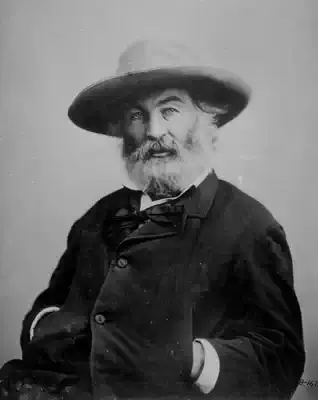
Walt Whitman
ARM’D year! year of the struggle!
ARM’D year! year of the struggle!
No dainty rhymes or sentimental love verses for you, terrible year!
Not you as some pale poetling, seated at a desk, lisping cadenzas
piano;
But as a strong man, erect, clothed in blue clothes, advancing,
carrying a rifle on your shoulder,
With well-gristled body and sunburnt face and hands–with a knife in
the belt at your side,
As I heard you shouting loud–your sonorous voice ringing across the
continent;
Your masculine voice, O year, as rising amid the great cities,
Amid the men of Manhattan I saw you, as one of the workmen, the
dwellers in Manhattan;
Or with large steps crossing the prairies out of Illinois and
Indiana,
Rapidly crossing the West with springy gait, and descending the
Alleghanies;
Or down from the great lakes, or in Pennsylvania, or on deck along
the Ohio river;
Or southward along the Tennessee or Cumberland rivers, or at
Chattanooga on the mountain top,
Saw I your gait and saw I your sinewy limbs, clothed in blue, bearing
weapons, robust year;
Heard your determin’d voice, launch’d forth again and again;
Year that suddenly sang by the mouths of the round-lipp’d cannon,
I repeat you, hurrying, crashing, sad, distracted year.
No dainty rhymes or sentimental love verses for you, terrible year!
Not you as some pale poetling, seated at a desk, lisping cadenzas
piano;
But as a strong man, erect, clothed in blue clothes, advancing,
carrying a rifle on your shoulder,
With well-gristled body and sunburnt face and hands–with a knife in
the belt at your side,
As I heard you shouting loud–your sonorous voice ringing across the
continent;
Your masculine voice, O year, as rising amid the great cities,
Amid the men of Manhattan I saw you, as one of the workmen, the
dwellers in Manhattan;
Or with large steps crossing the prairies out of Illinois and
Indiana,
Rapidly crossing the West with springy gait, and descending the
Alleghanies;
Or down from the great lakes, or in Pennsylvania, or on deck along
the Ohio river;
Or southward along the Tennessee or Cumberland rivers, or at
Chattanooga on the mountain top,
Saw I your gait and saw I your sinewy limbs, clothed in blue, bearing
weapons, robust year;
Heard your determin’d voice, launch’d forth again and again;
Year that suddenly sang by the mouths of the round-lipp’d cannon,
I repeat you, hurrying, crashing, sad, distracted year.
426
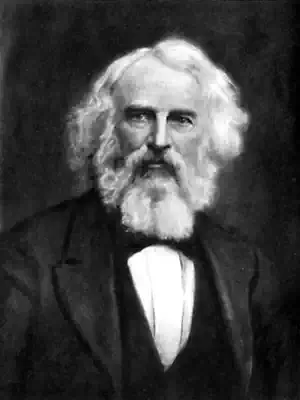
Henry Wadsworth Longfellow
The Black Knight. (From The German Of Uhland)
The Black Knight. (From The German Of Uhland)
'Twas Pentecost, the Feast of Gladness,
When woods and fields put off all sadness,
Thus began the King and spake:
So from the halls
Of ancient Hofburgh's walls,
A luxuriant Spring shall break.
Drums and trumpets echo loudly,
Wave the crimson banners proudly,
From balcony the King looked on;
In the play of spears,
Fell all the cavaliers,
Before the monarch's stalwart son.
To the barrier of the fight
Rode at last a sable Knight.
Sir Knight! your name and scutcheon say!
Should I speak it here,
Ye would stand aghast with fear;
I am a Prince of mighty sway!
When he rode into the lists,
The arch of heaven grew black with mists,
And the castle 'gan to rock.
At the first blow,
Fell the youth from saddle-bow,
Hardly rises from the shock.
Pipe and viol call the dances,
Torch-light through the high hall glances;
Waves a mighty shadow in;
With manner bland
Doth ask the maiden's hand,
Doth with her the dance begin;
Danced in sable iron sark,
Danced a measure weird and dark,
Coldly clasped her limbs around.
From breast and hair
Down fall from her the fair
Flowerets, faded, to the ground.
To the sumptuous banquet came
Every Knight and every Dame.
'Twixt son and daughter all distraught,
With mournful mind
The ancient King reclined,
Gazed at them in silent thought.
Pale the children both did look,
But the guest a beaker took;
Golden wine will make you whole!
The children drank,
Gave many a courteous thank;
Oh, that draught was very cool!
Each the father's breast embraces,
Son and daughter; and their faces
Colourless grow utterly.
Whichever way
Looks the fear-struck father grey,
He beholds his children die.
Woe! the blessed children both
Takest thou in the joy of youth;
Take me, too, the joyless father!
Spake the grim Guest,
From his hollow, cavernous breast,
Roses in the spring I gather!
'Twas Pentecost, the Feast of Gladness,
When woods and fields put off all sadness,
Thus began the King and spake:
So from the halls
Of ancient Hofburgh's walls,
A luxuriant Spring shall break.
Drums and trumpets echo loudly,
Wave the crimson banners proudly,
From balcony the King looked on;
In the play of spears,
Fell all the cavaliers,
Before the monarch's stalwart son.
To the barrier of the fight
Rode at last a sable Knight.
Sir Knight! your name and scutcheon say!
Should I speak it here,
Ye would stand aghast with fear;
I am a Prince of mighty sway!
When he rode into the lists,
The arch of heaven grew black with mists,
And the castle 'gan to rock.
At the first blow,
Fell the youth from saddle-bow,
Hardly rises from the shock.
Pipe and viol call the dances,
Torch-light through the high hall glances;
Waves a mighty shadow in;
With manner bland
Doth ask the maiden's hand,
Doth with her the dance begin;
Danced in sable iron sark,
Danced a measure weird and dark,
Coldly clasped her limbs around.
From breast and hair
Down fall from her the fair
Flowerets, faded, to the ground.
To the sumptuous banquet came
Every Knight and every Dame.
'Twixt son and daughter all distraught,
With mournful mind
The ancient King reclined,
Gazed at them in silent thought.
Pale the children both did look,
But the guest a beaker took;
Golden wine will make you whole!
The children drank,
Gave many a courteous thank;
Oh, that draught was very cool!
Each the father's breast embraces,
Son and daughter; and their faces
Colourless grow utterly.
Whichever way
Looks the fear-struck father grey,
He beholds his children die.
Woe! the blessed children both
Takest thou in the joy of youth;
Take me, too, the joyless father!
Spake the grim Guest,
From his hollow, cavernous breast,
Roses in the spring I gather!
276
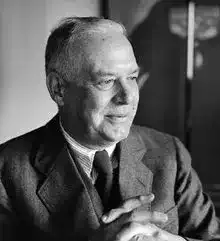
Wallace Stevens
Two Figures in Dense Violet Light
Two Figures in Dense Violet Light
I had as lief be embraced by the portier of the hotel
As to get no more from the moonlight
Than your moist hand.
Be the voice of the night and Florida in my ear.
Use dasky words and dusky images.
Darken your speech.
Speak, even, as if I did not hear you speaking,
But spoke for you perfectly in my thoughts,
Conceiving words,
As the night conceives the sea-sound in silence,
And out of the droning sibilants makes
A serenade.
Say, puerile, that the buzzards crouch on the ridge-pole
and sleep with one eye watching the stars fall
Beyond Key West.
Say that the palms are clear in the total blue.
Are clear and are obscure; that it is night;
That the moon shines.
I had as lief be embraced by the portier of the hotel
As to get no more from the moonlight
Than your moist hand.
Be the voice of the night and Florida in my ear.
Use dasky words and dusky images.
Darken your speech.
Speak, even, as if I did not hear you speaking,
But spoke for you perfectly in my thoughts,
Conceiving words,
As the night conceives the sea-sound in silence,
And out of the droning sibilants makes
A serenade.
Say, puerile, that the buzzards crouch on the ridge-pole
and sleep with one eye watching the stars fall
Beyond Key West.
Say that the palms are clear in the total blue.
Are clear and are obscure; that it is night;
That the moon shines.
264
Safo
The Anactoria Poem
The Anactoria Poem
Some say thronging cavalry, some say foot soldiers,
others call a fleet the most beautiful of
sights the dark earth offers, but I say it's whatever
you love best.
And it's easy to make this understood by
everyone, for she who surpassed all human
kind in beauty, Helen, abandoning her
husband--that best of
men--went sailing off to the shores of Troy and
never spent a thought on her child or loving
parents: when the goddess seduced her wits and
left her to wander,
she forgot them all, she could not remember
anything but longing, and lightly straying
aside, lost her way. But that reminds me
now: Anactória,
she's not here, and I'd rather see her lovely
step, her sparkling glance and her face than gaze on
all the troops in Lydia in their chariots and
glittering armor.
Some say thronging cavalry, some say foot soldiers,
others call a fleet the most beautiful of
sights the dark earth offers, but I say it's whatever
you love best.
And it's easy to make this understood by
everyone, for she who surpassed all human
kind in beauty, Helen, abandoning her
husband--that best of
men--went sailing off to the shores of Troy and
never spent a thought on her child or loving
parents: when the goddess seduced her wits and
left her to wander,
she forgot them all, she could not remember
anything but longing, and lightly straying
aside, lost her way. But that reminds me
now: Anactória,
she's not here, and I'd rather see her lovely
step, her sparkling glance and her face than gaze on
all the troops in Lydia in their chariots and
glittering armor.
624

Robert W. Service
Reverence
Reverence
I saw the Greatest Man on Earth,
Aye, saw him with my proper eyes.
A loin-cloth spanned his proper girth,
But he was naked otherwise,
Excepting for his grey sombrero;
And when his domelike head he bared,
With reverence I stared and stared,
As mummified as any Pharaoh.
He leaned upon a little cane,
A big cigar was in his mouth;
Through spectacles of yellow stain
He gazed and gazed toward the South;
And then he dived into the sea,
As if to Corsica to swim;
His side stroke was so strong and free
I could not help but envy him.
A fitter man than I, I said,
Although his age is more than mine;
And I was strangely comforted
To see him battle in the brine.
Thought I: We have no cause for sorrow;
For one so dynamic to-day
Will gird him for the future fray
And lead us lion-like to-morrow.
The Greatest Man in all the world
Lay lazing like you or me,
Within a flimsy bathrobe curled
Upon a mattress by the sea:
He reached to pat a tou-tou's nose,
And scratched his torso now and then,
And scribbled with a fountain pen
What I assumed was jewelled prose.
And then methought he looked at me,
And hailed me with a gesture grand;
His fingers made the letter "V,"
So I, too, went to raise my hand; -
When nigh to me the barman glided
With liquid gold, and then I knew
He merely called for cock-tails two,
And so abjectly I subsided.
Yet I have had my moment's glory,
A-squatting nigh that Mighty Tory,
Proud Hero of our Island Story.
I saw the Greatest Man on Earth,
Aye, saw him with my proper eyes.
A loin-cloth spanned his proper girth,
But he was naked otherwise,
Excepting for his grey sombrero;
And when his domelike head he bared,
With reverence I stared and stared,
As mummified as any Pharaoh.
He leaned upon a little cane,
A big cigar was in his mouth;
Through spectacles of yellow stain
He gazed and gazed toward the South;
And then he dived into the sea,
As if to Corsica to swim;
His side stroke was so strong and free
I could not help but envy him.
A fitter man than I, I said,
Although his age is more than mine;
And I was strangely comforted
To see him battle in the brine.
Thought I: We have no cause for sorrow;
For one so dynamic to-day
Will gird him for the future fray
And lead us lion-like to-morrow.
The Greatest Man in all the world
Lay lazing like you or me,
Within a flimsy bathrobe curled
Upon a mattress by the sea:
He reached to pat a tou-tou's nose,
And scratched his torso now and then,
And scribbled with a fountain pen
What I assumed was jewelled prose.
And then methought he looked at me,
And hailed me with a gesture grand;
His fingers made the letter "V,"
So I, too, went to raise my hand; -
When nigh to me the barman glided
With liquid gold, and then I knew
He merely called for cock-tails two,
And so abjectly I subsided.
Yet I have had my moment's glory,
A-squatting nigh that Mighty Tory,
Proud Hero of our Island Story.
157
Wallace Stevens
Thirteen Ways of Looking at a Blackbird
Thirteen Ways of Looking at a Blackbird
I
Among twenty snowy mountains,
The only moving thing
Was the eye of the black bird.
II
I was of three minds,
Like a tree
In which there are three blackbirds.
III
The blackbird whirled in the autumn winds.
It was a small part of the pantomime.
IV
A man and a woman
Are one.
A man and a woman and a blackbird
Are one.
V
I do not know which to prefer,
The beauty of inflections
Or the beauty of innuendoes,
The blackbird whistling
Or just after.
VI
Icicles filled the long window
With barbaric glass.
The shadow of the blackbird
Crossed it, to and fro.
The mood
Traced in the shadow
An indecipherable cause.
VII
O thin men of Haddam,
Why do you imagine golden birds?
Do you not see how the blackbird
Walks around the feet
Of the women about you?
VIII
I know noble accents
And lucid, inescapable rhythms;
But I know, too,
That the blackbird is involved
In what I know.
IX
When the blackbird flew out of sight,
It marked the edge
Of one of many circles.
X
At the sight of blackbirds
Flying in a green light,
Even the bawds of euphony
Would cry out sharply.
XI
He rode over Connecticut
In a glass coach.
Once, a fear pierced him,
In that he mistook
The shadow of his equipage
For blackbirds.
XII
The river is moving.
The blackbird must be flying.
XIII
It was evening all afternoon.
It was snowing
And it was going to snow.
The blackbird sat
In the cedar-limbs.
I
Among twenty snowy mountains,
The only moving thing
Was the eye of the black bird.
II
I was of three minds,
Like a tree
In which there are three blackbirds.
III
The blackbird whirled in the autumn winds.
It was a small part of the pantomime.
IV
A man and a woman
Are one.
A man and a woman and a blackbird
Are one.
V
I do not know which to prefer,
The beauty of inflections
Or the beauty of innuendoes,
The blackbird whistling
Or just after.
VI
Icicles filled the long window
With barbaric glass.
The shadow of the blackbird
Crossed it, to and fro.
The mood
Traced in the shadow
An indecipherable cause.
VII
O thin men of Haddam,
Why do you imagine golden birds?
Do you not see how the blackbird
Walks around the feet
Of the women about you?
VIII
I know noble accents
And lucid, inescapable rhythms;
But I know, too,
That the blackbird is involved
In what I know.
IX
When the blackbird flew out of sight,
It marked the edge
Of one of many circles.
X
At the sight of blackbirds
Flying in a green light,
Even the bawds of euphony
Would cry out sharply.
XI
He rode over Connecticut
In a glass coach.
Once, a fear pierced him,
In that he mistook
The shadow of his equipage
For blackbirds.
XII
The river is moving.
The blackbird must be flying.
XIII
It was evening all afternoon.
It was snowing
And it was going to snow.
The blackbird sat
In the cedar-limbs.
257
Safo
Standing by my bed
Standing by my bed
Standing by my bed
in gold sandals
Dawn that very
moment awoke me
Standing by my bed
in gold sandals
Dawn that very
moment awoke me
581
Henry Wadsworth Longfellow
The Bells Of San Blas
The Bells Of San Blas
What say the Bells of San Blas
To the ships that southward pass
From the harbor of Mazatlan?
To them it is nothing more
Than the sound of surf on the shore,--
Nothing more to master or man.
But to me, a dreamer of dreams,
To whom what is and what seems
Are often one and the same,--
The Bells of San Blas to me
Have a strange, wild melody,
And are something more than a name.
For bells are the voice of the church;
They have tones that touch and search
The hearts of young and old;
One sound to all, yet each
Lends a meaning to their speech,
And the meaning is manifold.
They are a voice of the Past,
Of an age that is fading fast,
Of a power austere and grand,
When the flag of Spain unfurled
Its folds o'er this western world,
And the Priest was lord of the land.
The chapel that once looked down
On the little seaport town
Has crumbled into the dust;
And on oaken beams below
The bells swing to and fro,
And are green with mould and rust.
'Is, then, the old faith dead,'
They say, 'and in its stead
Is some new faith proclaimed,
That we are forced to remain
Naked to sun and rain,
Unsheltered and ashamed?
'Once, in our tower aloof,
We rang over wall and roof
Our warnings and our complaints;
And round about us there
The white doves filled the air,
Like the white souls of the saints.
'The saints! Ah, have they grown
Forgetful of their own?
Are they asleep, or dead,
That open to the sky
Their ruined Missions lie,
No longer tenanted?
'Oh, bring us back once more
The vanished days of yore,
When the world with faith was filled;
Bring back the fervid zeal,
The hearts of fire and steel,
The hands that believe and build.
'Then from our tower again
We will send over land and main
Our voices of command,
Like exiled kings who return
To their thrones, and the people learn
That the Priest is lord of the land!'
O Bells of San Blas in vain
Ye call back the Past again;
The Past is deaf to your prayer!
Out of the shadows of night
The world rolls into light;
It is daybreak everywhere.
What say the Bells of San Blas
To the ships that southward pass
From the harbor of Mazatlan?
To them it is nothing more
Than the sound of surf on the shore,--
Nothing more to master or man.
But to me, a dreamer of dreams,
To whom what is and what seems
Are often one and the same,--
The Bells of San Blas to me
Have a strange, wild melody,
And are something more than a name.
For bells are the voice of the church;
They have tones that touch and search
The hearts of young and old;
One sound to all, yet each
Lends a meaning to their speech,
And the meaning is manifold.
They are a voice of the Past,
Of an age that is fading fast,
Of a power austere and grand,
When the flag of Spain unfurled
Its folds o'er this western world,
And the Priest was lord of the land.
The chapel that once looked down
On the little seaport town
Has crumbled into the dust;
And on oaken beams below
The bells swing to and fro,
And are green with mould and rust.
'Is, then, the old faith dead,'
They say, 'and in its stead
Is some new faith proclaimed,
That we are forced to remain
Naked to sun and rain,
Unsheltered and ashamed?
'Once, in our tower aloof,
We rang over wall and roof
Our warnings and our complaints;
And round about us there
The white doves filled the air,
Like the white souls of the saints.
'The saints! Ah, have they grown
Forgetful of their own?
Are they asleep, or dead,
That open to the sky
Their ruined Missions lie,
No longer tenanted?
'Oh, bring us back once more
The vanished days of yore,
When the world with faith was filled;
Bring back the fervid zeal,
The hearts of fire and steel,
The hands that believe and build.
'Then from our tower again
We will send over land and main
Our voices of command,
Like exiled kings who return
To their thrones, and the people learn
That the Priest is lord of the land!'
O Bells of San Blas in vain
Ye call back the Past again;
The Past is deaf to your prayer!
Out of the shadows of night
The world rolls into light;
It is daybreak everywhere.
299
Wallace Stevens
The Snow Man
The Snow Man
One must have a mind of winter
To regard the frost and the boughs
Of the pine-trees crusted with snow;
And have been cold a long time
To behold the junipers shagged with ice,
The spruces rough in the distant glitter
Of the January sun; and not to think
Of any misery in the sound of the wind,
In the sound of a few leaves,
Which is the sound of the land
Full of the same wind
That is blowing in the same bare place
For the listener, who listens in the snow,
And, nothing himself, beholds
Nothing that is not there and the nothing that is.
One must have a mind of winter
To regard the frost and the boughs
Of the pine-trees crusted with snow;
And have been cold a long time
To behold the junipers shagged with ice,
The spruces rough in the distant glitter
Of the January sun; and not to think
Of any misery in the sound of the wind,
In the sound of a few leaves,
Which is the sound of the land
Full of the same wind
That is blowing in the same bare place
For the listener, who listens in the snow,
And, nothing himself, beholds
Nothing that is not there and the nothing that is.
298
Safo
Song of The Rose
Song of The Rose
F Zeus chose us a King of the flowers in his mirth,
He would call to the rose, and would royally crown it;
For the rose, ho, the rose! is the grace of the earth,
Is the light of the plants that are growing upon it!
For the rose, ho, the rose! is the eye of the flowers,
Is the blush of the meadows that feel themselves fair,
Is the lightning of beauty that strikes through the bowers
On pale lovers that sit in the glow unaware.
Ho, the rose breathes of love! ho, the rose lifts the cup
To the red lips of Cypris invoked for a guest!
Ho, the rose having curled its sweet leaves for the world
Takes delight in the motion its petals keep up,
As they laugh to the wind as it laughs from the west.
F Zeus chose us a King of the flowers in his mirth,
He would call to the rose, and would royally crown it;
For the rose, ho, the rose! is the grace of the earth,
Is the light of the plants that are growing upon it!
For the rose, ho, the rose! is the eye of the flowers,
Is the blush of the meadows that feel themselves fair,
Is the lightning of beauty that strikes through the bowers
On pale lovers that sit in the glow unaware.
Ho, the rose breathes of love! ho, the rose lifts the cup
To the red lips of Cypris invoked for a guest!
Ho, the rose having curled its sweet leaves for the world
Takes delight in the motion its petals keep up,
As they laugh to the wind as it laughs from the west.
570
Robert W. Service
Retired
Retired
I used to sing, when I was young,
The joy of idleness;
But now I'm grey I hold my tongue,
For frankly I confess
If I had not some job to do
I would be bored to death;
So I must toil until I'm through
With this asthmatic breath.
Where others slothfully would brood
beg for little chores,
To peel potatoes, chop the wood,
And even scrub the floors.
When slightly useful I can be,
I'm happy as a bboy;
Dish-washing is a boon to me,
And brushing boots a joy.
The young folks tell me: "Grandpa, please,
Don't be so manual;
You certainly have earned your ease -
Why don't you rest a spell?"
Say I: I'll have a heap of rest
On my sepulchral shelf;
So now please let me do my best
To justify myself."
For one must strive or one will die,
And work's our dearest friend;
God meant it so, and that is why
I'll toil unto the end.
I thank the Lord I'm full of beans,
So let me heft a hoe,
And I will don my garden jeans
And help the beans to grow.
I used to sing, when I was young,
The joy of idleness;
But now I'm grey I hold my tongue,
For frankly I confess
If I had not some job to do
I would be bored to death;
So I must toil until I'm through
With this asthmatic breath.
Where others slothfully would brood
beg for little chores,
To peel potatoes, chop the wood,
And even scrub the floors.
When slightly useful I can be,
I'm happy as a bboy;
Dish-washing is a boon to me,
And brushing boots a joy.
The young folks tell me: "Grandpa, please,
Don't be so manual;
You certainly have earned your ease -
Why don't you rest a spell?"
Say I: I'll have a heap of rest
On my sepulchral shelf;
So now please let me do my best
To justify myself."
For one must strive or one will die,
And work's our dearest friend;
God meant it so, and that is why
I'll toil unto the end.
I thank the Lord I'm full of beans,
So let me heft a hoe,
And I will don my garden jeans
And help the beans to grow.
244
Wallace Stevens
The River of Rivers in Connecticut
The River of Rivers in Connecticut
There is a great river this side of Stygia
Before one comes to the first black cataracts
And trees that lack the intelligence of trees.
In that river, far this side of Stygia,
The mere flowing of the water is a gayety,
Flashing and flashing in the sun. On its banks,
No shadow walks. The river is fateful,
Like the last one. But there is no ferryman.
He could not bend against its propelling force.
It is not to be seen beneath the appearances
That tell of it. The steeple at Farmington
Stands glistening and Haddam shines and sways.
It is the third commonness with light and air,
A curriculum, a vigor, a local abstraction . . .
Call it, one more, a river, an unnamed flowing,
Space-filled, reflecting the seasons, the folk-lore
Of each of the senses; call it, again and again,
The river that flows nowhere, like a sea.
There is a great river this side of Stygia
Before one comes to the first black cataracts
And trees that lack the intelligence of trees.
In that river, far this side of Stygia,
The mere flowing of the water is a gayety,
Flashing and flashing in the sun. On its banks,
No shadow walks. The river is fateful,
Like the last one. But there is no ferryman.
He could not bend against its propelling force.
It is not to be seen beneath the appearances
That tell of it. The steeple at Farmington
Stands glistening and Haddam shines and sways.
It is the third commonness with light and air,
A curriculum, a vigor, a local abstraction . . .
Call it, one more, a river, an unnamed flowing,
Space-filled, reflecting the seasons, the folk-lore
Of each of the senses; call it, again and again,
The river that flows nowhere, like a sea.
266
Safo
Prayer to Our Lady of Paphos
Prayer to Our Lady of Paphos
Dapple-throned Aphrodite,
eternal daughter of God,
snare-knitter! Don't, I beg you,
cow my heart with grief! Come,
as once when you heard my faroff
cry and, listening, stepped
from your father's house to your
gold car, to yoke the pair whose
beautiful thick-feathered wings
oaring down mid-air from heaven
carried you to light swiftly
on dark earth; then, blissful one,
smiling your immortal smile
you asked, What ailed me now that
me call you again? What
was it that my distracted
heart most wanted? ``Whom has
Persuasion to bring round now
``to your love? Who, Sappho, is
unfair to you? For, let her
run, she will soon run after;
``if she won't accept gifts, she
will one day give them; and if
she won't love you --- she soon will
``love, although unwillingly...''
If ever --- come now! Relieve
this intolerable pain!
What my heart most hopes will
happen, make happen; you yourself
join forces on my side!
Sappho
tr. Barnard
Dapple-throned Aphrodite,
eternal daughter of God,
snare-knitter! Don't, I beg you,
cow my heart with grief! Come,
as once when you heard my faroff
cry and, listening, stepped
from your father's house to your
gold car, to yoke the pair whose
beautiful thick-feathered wings
oaring down mid-air from heaven
carried you to light swiftly
on dark earth; then, blissful one,
smiling your immortal smile
you asked, What ailed me now that
me call you again? What
was it that my distracted
heart most wanted? ``Whom has
Persuasion to bring round now
``to your love? Who, Sappho, is
unfair to you? For, let her
run, she will soon run after;
``if she won't accept gifts, she
will one day give them; and if
she won't love you --- she soon will
``love, although unwillingly...''
If ever --- come now! Relieve
this intolerable pain!
What my heart most hopes will
happen, make happen; you yourself
join forces on my side!
Sappho
tr. Barnard
651
Henry Wadsworth Longfellow
The Artist. (Sonnet I.)
The Artist. (Sonnet I.)
Nothing the greatest artist can conceive
That every marble block doth not confine
Within itself; and only its design
The hand that follows intellect can achieve.
The ill I flee, the good that I believe,
In thee, fair lady, lofty and divine,
Thus hidden lie; and so that death be mine
Art, of desired success, doth me bereave.
Love is not guilty, then, nor thy fair face,
Nor fortune, cruelty, nor great disdain,
Of my disgrace, nor chance, nor destiny,
If in thy heart both death and love find place
At the same time, and if my humble brain,
Burning, can nothing draw but death from thee.
Nothing the greatest artist can conceive
That every marble block doth not confine
Within itself; and only its design
The hand that follows intellect can achieve.
The ill I flee, the good that I believe,
In thee, fair lady, lofty and divine,
Thus hidden lie; and so that death be mine
Art, of desired success, doth me bereave.
Love is not guilty, then, nor thy fair face,
Nor fortune, cruelty, nor great disdain,
Of my disgrace, nor chance, nor destiny,
If in thy heart both death and love find place
At the same time, and if my humble brain,
Burning, can nothing draw but death from thee.
263
Wallace Stevens
The Plot Against the Giant
The Plot Against the Giant
First Girl
When this yokel comes maundering,
Whetting his hacker,
I shall run before him,
Diffusing the civilest odors
Out of geraniums and unsmelled flowers.
It will check him.
Second Girl
I shall run before him,
Arching cloths besprinkled with colors
As small as fish-eggs.
The threads
Will abash him.
Third Girl
Oh, la...le pauvre!
I shall run before him,
With a curious puffing.
He will bend his ear then.
I shall whisper
Heavenly labials in a world of gutturals.
It will undo him.
First Girl
When this yokel comes maundering,
Whetting his hacker,
I shall run before him,
Diffusing the civilest odors
Out of geraniums and unsmelled flowers.
It will check him.
Second Girl
I shall run before him,
Arching cloths besprinkled with colors
As small as fish-eggs.
The threads
Will abash him.
Third Girl
Oh, la...le pauvre!
I shall run before him,
With a curious puffing.
He will bend his ear then.
I shall whisper
Heavenly labials in a world of gutturals.
It will undo him.
250
Safo
Ode to a Loved One
Ode to a Loved One
LEST as the immortal gods is he,
The youth who fondly sits by thee,
And hears and sees thee, all the while,
Softly speaks and sweetly smile.
'Twas this deprived my soul of rest,
And raised such tumults in my breast;
For, while I gazed, in transport tossed,
My breath was gone, my voice was lost;
My bosom glowed; the subtle flame
Ran quick through all my vital frame;
O'er my dim eyes a darkness hung;
My ears with hollow murmurs rung;
In dewy damps my limbs were chilled;
My blood with gentle horrors thrilled:
My feeble pulse forgot to play;
I fainted, sunk, and died away.
LEST as the immortal gods is he,
The youth who fondly sits by thee,
And hears and sees thee, all the while,
Softly speaks and sweetly smile.
'Twas this deprived my soul of rest,
And raised such tumults in my breast;
For, while I gazed, in transport tossed,
My breath was gone, my voice was lost;
My bosom glowed; the subtle flame
Ran quick through all my vital frame;
O'er my dim eyes a darkness hung;
My ears with hollow murmurs rung;
In dewy damps my limbs were chilled;
My blood with gentle horrors thrilled:
My feeble pulse forgot to play;
I fainted, sunk, and died away.
471
Robert W. Service
Resignation
Resignation
I'd hate to be centipede (of legs I've only two),
For if new trousers I should need (as oftentimes I do),
The bill would come to such a lot 'twould tax an Astorbilt,
Or else I'd have to turn a Scot and caper in a kilt.
I'm jolly glad I haven't got a neck like a giraffe.
I'd want to tie it in a knot and shorten it by half.
or, as I wear my collars high, how laundry men would gloat!
And what a lot of beer I'd buy to lubricate my throat!
I'd hate to be a goldfish, snooping round a crystal globe,
A naughty little bold fish, that distains chemise of robe.
The public stare I couldn't bear, if naked as a stone,
And when my toilet I prepare, I'd rather be alone.
I'd hate to be an animal, an insect or a fish.
To be the least like bird or beast I've not the slightest wish.
It's best I find to be resigned, and stick to Nature's plan:
Content am I to live and die, just - Ordinary MAN.
I'd hate to be centipede (of legs I've only two),
For if new trousers I should need (as oftentimes I do),
The bill would come to such a lot 'twould tax an Astorbilt,
Or else I'd have to turn a Scot and caper in a kilt.
I'm jolly glad I haven't got a neck like a giraffe.
I'd want to tie it in a knot and shorten it by half.
or, as I wear my collars high, how laundry men would gloat!
And what a lot of beer I'd buy to lubricate my throat!
I'd hate to be a goldfish, snooping round a crystal globe,
A naughty little bold fish, that distains chemise of robe.
The public stare I couldn't bear, if naked as a stone,
And when my toilet I prepare, I'd rather be alone.
I'd hate to be an animal, an insect or a fish.
To be the least like bird or beast I've not the slightest wish.
It's best I find to be resigned, and stick to Nature's plan:
Content am I to live and die, just - Ordinary MAN.
195
Safo
Must I remind you, Clesis,
Must I remind you, Clesis,
Must I remind you, Cleis,
that sounds of grief
are unbecmoming in
a poet's household?
and that they are not
suitable in ours?
[Note: "A poet's household" is more litterally one "dedicated to the Muses."]
Must I remind you, Cleis,
that sounds of grief
are unbecmoming in
a poet's household?
and that they are not
suitable in ours?
[Note: "A poet's household" is more litterally one "dedicated to the Muses."]
441
Wallace Stevens
The Man Whose Pharynx Was Bad
The Man Whose Pharynx Was Bad
The time of year has grown indifferent.
Mildew of summer and the deepening snow
Are both alike in the routine I know:
I am too dumbly in my being pent.
The wind attendant on the solstices
Blows on the shutters of the metropoles,
Stirring no poet in his sleep, and tolls
The grand ideas of the villages.
The malady of the quotidian . . .
Perhaps if summer ever came to rest
And lengthened, deepened, comforted, caressed
Through days like oceans in obsidian
Horizons, full of night's midsummer blaze;
Perhaps, if winter once could penetrate
Through all its purples to the final slate,
Persisting bleakly in an icy haze;
One might in turn become less diffident,
Out of such mildew plucking neater mould
And spouting new orations of the cold.
One might. One might. But time will not relent.
The time of year has grown indifferent.
Mildew of summer and the deepening snow
Are both alike in the routine I know:
I am too dumbly in my being pent.
The wind attendant on the solstices
Blows on the shutters of the metropoles,
Stirring no poet in his sleep, and tolls
The grand ideas of the villages.
The malady of the quotidian . . .
Perhaps if summer ever came to rest
And lengthened, deepened, comforted, caressed
Through days like oceans in obsidian
Horizons, full of night's midsummer blaze;
Perhaps, if winter once could penetrate
Through all its purples to the final slate,
Persisting bleakly in an icy haze;
One might in turn become less diffident,
Out of such mildew plucking neater mould
And spouting new orations of the cold.
One might. One might. But time will not relent.
290
Henry Wadsworth Longfellow
The Arrow and the Song
The Arrow and the Song
I shot an arrow into the air,
It fell to earth, I knew not where;
For, so swiftly it flew, the sight
Could not follow it in its flight.
I breathed a song into the air,
It fell to earth, I knew not where;
For who has sight so keen and strong,
That it can follow the flight of song?
Long, long afterward, in an oak
I found the arrow, still unbroke;
And the song, from beginning to end,
I found again in the heart of a friend.
I shot an arrow into the air,
It fell to earth, I knew not where;
For, so swiftly it flew, the sight
Could not follow it in its flight.
I breathed a song into the air,
It fell to earth, I knew not where;
For who has sight so keen and strong,
That it can follow the flight of song?
Long, long afterward, in an oak
I found the arrow, still unbroke;
And the song, from beginning to end,
I found again in the heart of a friend.
300
Safo
Like the gods. . .
Like the gods. . .
In my eyes he matches the gods, that man who
sits there facing you--any man whatever--
listening from closeby to the sweetness of your
voice as you talk, the
sweetness of your laughter: yes, that--I swear it--
sets the heart to shaking inside my breast, since
once I look at you for a moment, I can't
speak any longer,
but my tongue breaks down, and then all at once a
subtle fire races inside my skin, my
eyes can't see a thing and a whirring whistle
thrums at my hearing,
cold sweat covers me and a trembling takes
ahold of me all over: I'm greener than the
grass is and appear to myself to be little
short of dying.
But all must be endured, since even a poor [
In my eyes he matches the gods, that man who
sits there facing you--any man whatever--
listening from closeby to the sweetness of your
voice as you talk, the
sweetness of your laughter: yes, that--I swear it--
sets the heart to shaking inside my breast, since
once I look at you for a moment, I can't
speak any longer,
but my tongue breaks down, and then all at once a
subtle fire races inside my skin, my
eyes can't see a thing and a whirring whistle
thrums at my hearing,
cold sweat covers me and a trembling takes
ahold of me all over: I'm greener than the
grass is and appear to myself to be little
short of dying.
But all must be endured, since even a poor [
474
Wallace Stevens
The House Was Quiet And The World Was Calm
The House Was Quiet And The World Was Calm
The house was quiet and the world was calm.
The reader became the book; and summer night
Was like the conscious being of the book.
The house was quiet and the world was calm.
The words were spoken as if there was no book,
Except that the reader leaned above the page,
Wanted to lean, wanted much to be
The scholar to whom his book is true, to whom
The summer night is like a perfection of thought.
The house was quiet because it had to be.
The quiet was part of the meaning, part of the mind:
The access of perfection to the page.
And the world was calm. The truth in a calm world,
In which there is no other meaning, itself
Is calm, itself is summer and night, itself
Is the reader leaning late and reading there.
The house was quiet and the world was calm.
The reader became the book; and summer night
Was like the conscious being of the book.
The house was quiet and the world was calm.
The words were spoken as if there was no book,
Except that the reader leaned above the page,
Wanted to lean, wanted much to be
The scholar to whom his book is true, to whom
The summer night is like a perfection of thought.
The house was quiet because it had to be.
The quiet was part of the meaning, part of the mind:
The access of perfection to the page.
And the world was calm. The truth in a calm world,
In which there is no other meaning, itself
Is calm, itself is summer and night, itself
Is the reader leaning late and reading there.
274
Robert W. Service
Repentance
Repentance
"If you repent," the Parson said,"
Your sins will be forgiven.
Aye, even on your dying bed
You're not too late for heaven."
That's just my cup of tea, I thought,
Though for my sins I sorrow;
Since salvation is easy bought
I will repent . . . to-morrow.
To-morrow and to-morrow went,
But though my youth was flying,
I was reluctant to repent,
having no fear of dying.
'Tis plain, I mused, the more I sin,
(To Satan's jubilation)
When I repent the more I'll win
Celestial approbation.
So still I sin, and though I fail
To get snow-whitely shriven,
My timing's good: I home to hail
The last bus up to heaven.
"If you repent," the Parson said,"
Your sins will be forgiven.
Aye, even on your dying bed
You're not too late for heaven."
That's just my cup of tea, I thought,
Though for my sins I sorrow;
Since salvation is easy bought
I will repent . . . to-morrow.
To-morrow and to-morrow went,
But though my youth was flying,
I was reluctant to repent,
having no fear of dying.
'Tis plain, I mused, the more I sin,
(To Satan's jubilation)
When I repent the more I'll win
Celestial approbation.
So still I sin, and though I fail
To get snow-whitely shriven,
My timing's good: I home to hail
The last bus up to heaven.
183