
Poems List
Explore poems from our collection

Sarah Teasdale
Morning Song
Morning Song
A diamond of a morning
Waked me an hour too soon;
Dawn had taken in the stars
And left the faint white moon.
O white moon, you are lonely,
It is the same with me,
But we have the world to roam over,
Only the lonely are free.
A diamond of a morning
Waked me an hour too soon;
Dawn had taken in the stars
And left the faint white moon.
O white moon, you are lonely,
It is the same with me,
But we have the world to roam over,
Only the lonely are free.
443
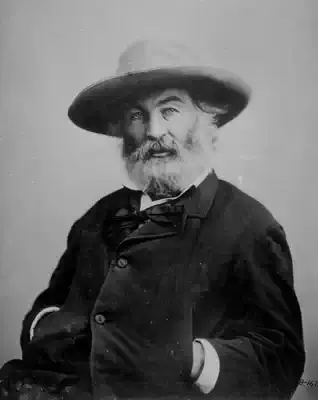
Walt Whitman
Here The Frailest Leaves Of Me
Here The Frailest Leaves Of Me
HERE the frailest leaves of me, and yet my strongest-lasting:
Here I shade and hide my thoughts--I myself do not expose them,
And yet they expose me more than all my other poems.
HERE the frailest leaves of me, and yet my strongest-lasting:
Here I shade and hide my thoughts--I myself do not expose them,
And yet they expose me more than all my other poems.
293
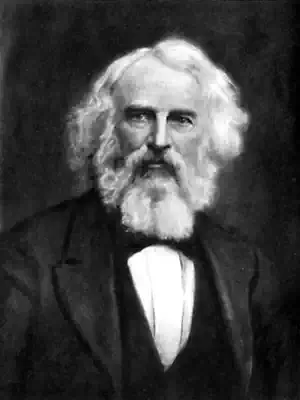
Henry Wadsworth Longfellow
The Good Shepherd (From The Spanish Of Lope De Vega)
The Good Shepherd (From The Spanish Of Lope De Vega)
Shepherd! who with thine amorous sylvan songs
Hast broken the slumber that encompassed me,
Who mad'st thy crook from the accursed tree,
On which thy powerful arms were stretched so long!
Lead me to mercy's ever-flowing fountains;
For thou my shepherd, guard, and guide shalt be ;
I will obey thy voice, and wait to see
Thy feet all beautiful upon the mountains.
Hear, Shepherd! thou who for thy flock art dying,
Oh, wash away these scarlet sins, for thou
Rejoicest at the contrite sinner's vow.
Oh, wait! to thee my weary soul is crying,
Wait for me! Yet why ask it, when I see,
With feet nailed to the cross, thou'rt waiting still for me?
Shepherd! who with thine amorous sylvan songs
Hast broken the slumber that encompassed me,
Who mad'st thy crook from the accursed tree,
On which thy powerful arms were stretched so long!
Lead me to mercy's ever-flowing fountains;
For thou my shepherd, guard, and guide shalt be ;
I will obey thy voice, and wait to see
Thy feet all beautiful upon the mountains.
Hear, Shepherd! thou who for thy flock art dying,
Oh, wash away these scarlet sins, for thou
Rejoicest at the contrite sinner's vow.
Oh, wait! to thee my weary soul is crying,
Wait for me! Yet why ask it, when I see,
With feet nailed to the cross, thou'rt waiting still for me?
206
Walt Whitman
Had I the Choice
Had I the Choice
Had I the choice to tally greatest bards,
To limn their portraits, stately, beautiful, and emulate at will,
Homer with all his wars and warriors--Hector, Achilles, Ajax,
Or Shakespeare's woe-entangled Hamlet, Lear, Othello--Tennyson's fair ladies,
Meter or wit the best, or choice conceit to weild in perfect rhyme, delight of singers;
These, these, O sea, all these I'd gladly barter,
Would you the undulation of one wave, its trick to me transfer,
Or breathe one breath of yours upon my verse,
And leave its odor there.
Had I the choice to tally greatest bards,
To limn their portraits, stately, beautiful, and emulate at will,
Homer with all his wars and warriors--Hector, Achilles, Ajax,
Or Shakespeare's woe-entangled Hamlet, Lear, Othello--Tennyson's fair ladies,
Meter or wit the best, or choice conceit to weild in perfect rhyme, delight of singers;
These, these, O sea, all these I'd gladly barter,
Would you the undulation of one wave, its trick to me transfer,
Or breathe one breath of yours upon my verse,
And leave its odor there.
333
Sarah Teasdale
Moonlight
Moonlight
It will not hurt me when I am old,
A running tide where moonlight burned
Will not sting me like silver snakes;
The years will make me sad and cold,
It is the happy heart that breaks.
The heart asks more than life can give,
When that is learned, then all is learned;
The waves break fold on jewelled fold,
But beauty itself is fugitive,
It will not hurt me when I am old.
It will not hurt me when I am old,
A running tide where moonlight burned
Will not sting me like silver snakes;
The years will make me sad and cold,
It is the happy heart that breaks.
The heart asks more than life can give,
When that is learned, then all is learned;
The waves break fold on jewelled fold,
But beauty itself is fugitive,
It will not hurt me when I am old.
411

Robert W. Service
Spartan Mother
Spartan Mother
My mother loved her horses and
Her hounds of pedigree;
She did not kiss the baby hand
I held to her in glee.
Of course I had a sweet nou-nou
Who tended me with care,
And mother reined her nag to view
Me with a critic air.
So I went to a famous school,
But holidays were short;
My mother thought me just a fool,
Unfit for games and sport.
For I was fond of books and art,
And hated hound and steed:
Said Mother, 'Boy, you break my heart!
You are not of our breed.'
Then came the War. The Mater said:
'Thank God, a son I give
To King and Country,'--well, I'm dead
Who would have loved to live.
'For England's sake,' said she, 'he died.
For that my boy I bore.'
And now she talks of me with pride.
A hero of the War.
Mother, I think that you are glad
I ended up that way.
Your horses and your dogs you had,
And still you have today.
Your only child you say you gave
Your Country to defend . . .
Dear Mother, from a hero's grave
I--curse you in the end.
My mother loved her horses and
Her hounds of pedigree;
She did not kiss the baby hand
I held to her in glee.
Of course I had a sweet nou-nou
Who tended me with care,
And mother reined her nag to view
Me with a critic air.
So I went to a famous school,
But holidays were short;
My mother thought me just a fool,
Unfit for games and sport.
For I was fond of books and art,
And hated hound and steed:
Said Mother, 'Boy, you break my heart!
You are not of our breed.'
Then came the War. The Mater said:
'Thank God, a son I give
To King and Country,'--well, I'm dead
Who would have loved to live.
'For England's sake,' said she, 'he died.
For that my boy I bore.'
And now she talks of me with pride.
A hero of the War.
Mother, I think that you are glad
I ended up that way.
Your horses and your dogs you had,
And still you have today.
Your only child you say you gave
Your Country to defend . . .
Dear Mother, from a hero's grave
I--curse you in the end.
219
Walt Whitman
God
God
THOUGHT of the Infinite--the All!
Be thou my God.
Lover Divine, and Perfect Comrade!
Waiting, content, invisible yet, but certain,
Be thou my God.
Thou--thou, the Ideal Man!
Fair, able, beautiful, content, and loving,
Complete in Body, and dilate in Spirit,
Be thou my God.
O Death--(for Life has served its turn;) 10
Opener and usher to the heavenly mansion!
Be thou my God.
Aught, aught, of mightiest, best, I see, conceive, or know,
(To break the stagnant tie--thee, thee to free, O Soul,)
Be thou my God.
Or thee, Old Cause, when'er advancing;
All great Ideas, the races' aspirations,
All that exalts, releases thee, my Soul!
All heroisms, deeds of rapt enthusiasts,
Be ye my Gods! 20
Or Time and Space!
Or shape of Earth, divine and wondrous!
Or shape in I myself--or some fair shape, I, viewing, worship,
Or lustrous orb of Sun, or star by night:
Be ye my Gods.
THOUGHT of the Infinite--the All!
Be thou my God.
Lover Divine, and Perfect Comrade!
Waiting, content, invisible yet, but certain,
Be thou my God.
Thou--thou, the Ideal Man!
Fair, able, beautiful, content, and loving,
Complete in Body, and dilate in Spirit,
Be thou my God.
O Death--(for Life has served its turn;) 10
Opener and usher to the heavenly mansion!
Be thou my God.
Aught, aught, of mightiest, best, I see, conceive, or know,
(To break the stagnant tie--thee, thee to free, O Soul,)
Be thou my God.
Or thee, Old Cause, when'er advancing;
All great Ideas, the races' aspirations,
All that exalts, releases thee, my Soul!
All heroisms, deeds of rapt enthusiasts,
Be ye my Gods! 20
Or Time and Space!
Or shape of Earth, divine and wondrous!
Or shape in I myself--or some fair shape, I, viewing, worship,
Or lustrous orb of Sun, or star by night:
Be ye my Gods.
455
Sarah Teasdale
Message
Message
I heard a cry in the night,
A thousand miles it came,
Sharp as a flash of light,
My name, my name!
It was your voice I heard,
You waked and loved me so --
I send you back this word,
I know, I know!
I heard a cry in the night,
A thousand miles it came,
Sharp as a flash of light,
My name, my name!
It was your voice I heard,
You waked and loved me so --
I send you back this word,
I know, I know!
370
Henry Wadsworth Longfellow
The Golden Mile-Stone. (Birds Of Passage. Flight The First)
The Golden Mile-Stone. (Birds Of Passage. Flight The First)
Leafless are the trees; their purple branches
Spread themselves abroad, like reefs of coral,
Rising silent
In the Red Sea of the winter sunset.
From the hundred chimneys of the village,
Like the Afreet in the Arabian story,
Smoky columns
Tower aloft into the air of amber.
At the window winks the flickering fire-light;
Here and there the lamps of evening glimmer,
Social watch-fires
Answering one another through the darkness.
On the hearth the lighted logs are glowing,
And like Ariel in the cloven pine-tree
For its freedom
Groans and sighs the air imprisoned in them.
By the fireside there are old men seated,
Seeing ruined cities in the ashes,
Asking sadly
Of the Past what it can ne'er restore them.
By the fireside there are youthful dreamers,
Building castles fair, with stately stairways,
Asking blindly
Of the Future what it cannot give them.
By the fireside tragedies are acted
In whose scenes appear two actors only,
Wife and husband,
And above them God the sole spectator.
By the fireside there are peace and comfort,
Wives and children, with fair, thoughtful faces,
Waiting, watching
For a well-known footstep in the passage.
Each man's chimney is his Golden Mile-Stone;
Is the central point, from which he measures
Every distance
Through the gateways of the world around him.
In his farthest wanderings still he sees it;
Hears the talking flame, the answering night-wind,
As he heard them
When he sat with those who were, but are not.
Happy he whom neither wealth nor fashion,
Nor the march of the encroaching city,
Drives an exile
From the hearth of his ancestral homestead.
We may build more splendid habitations,
Fill our rooms with paintings and with sculptures,
But we cannot
Buy with gold the old associations!
Leafless are the trees; their purple branches
Spread themselves abroad, like reefs of coral,
Rising silent
In the Red Sea of the winter sunset.
From the hundred chimneys of the village,
Like the Afreet in the Arabian story,
Smoky columns
Tower aloft into the air of amber.
At the window winks the flickering fire-light;
Here and there the lamps of evening glimmer,
Social watch-fires
Answering one another through the darkness.
On the hearth the lighted logs are glowing,
And like Ariel in the cloven pine-tree
For its freedom
Groans and sighs the air imprisoned in them.
By the fireside there are old men seated,
Seeing ruined cities in the ashes,
Asking sadly
Of the Past what it can ne'er restore them.
By the fireside there are youthful dreamers,
Building castles fair, with stately stairways,
Asking blindly
Of the Future what it cannot give them.
By the fireside tragedies are acted
In whose scenes appear two actors only,
Wife and husband,
And above them God the sole spectator.
By the fireside there are peace and comfort,
Wives and children, with fair, thoughtful faces,
Waiting, watching
For a well-known footstep in the passage.
Each man's chimney is his Golden Mile-Stone;
Is the central point, from which he measures
Every distance
Through the gateways of the world around him.
In his farthest wanderings still he sees it;
Hears the talking flame, the answering night-wind,
As he heard them
When he sat with those who were, but are not.
Happy he whom neither wealth nor fashion,
Nor the march of the encroaching city,
Drives an exile
From the hearth of his ancestral homestead.
We may build more splendid habitations,
Fill our rooms with paintings and with sculptures,
But we cannot
Buy with gold the old associations!
284
Sarah Teasdale
May Wind
May Wind
I said, "I have shut my heart
As one shuts an open door,
That Love may starve therein
And trouble me no more."
But over the roofs there came
The wet new wind of May,
And a tune blew up from the curb
Where the street-pianos play.
My room was white with the sun
And Love cried out in me,
"I am strong, I will break your heart
Unless you set me free."
I said, "I have shut my heart
As one shuts an open door,
That Love may starve therein
And trouble me no more."
But over the roofs there came
The wet new wind of May,
And a tune blew up from the curb
Where the street-pianos play.
My room was white with the sun
And Love cried out in me,
"I am strong, I will break your heart
Unless you set me free."
352
Walt Whitman
Give Me The Splendid, Silent Sun
Give Me The Splendid, Silent Sun
GIVE me the splendid silent sun, with all his beams full-dazzling;
Give me juicy autumnal fruit, ripe and red from the orchard;
Give me a field where the unmow'd grass grows;
Give me an arbor, give me the trellis'd grape;
Give me fresh corn and wheat--give me serene-moving animals, teaching
content;
Give me nights perfectly quiet, as on high plateaus west of the
Mississippi, and I looking up at the stars;
Give me odorous at sunrise a garden of beautiful flowers, where I can
walk undisturb'd;
Give me for marriage a sweet-breath'd woman, of whom I should never
tire;
Give me a perfect child--give me, away, aside from the noise of the
world, a rural, domestic life;
Give me to warble spontaneous songs, reliev'd, recluse by myself, for
my own ears only; 10
Give me solitude--give me Nature--give me again, O Nature, your
primal sanities!
--These, demanding to have them, (tired with ceaseless excitement,
and rack'd by the war-strife;)
These to procure, incessantly asking, rising in cries from my heart,
While yet incessantly asking, still I adhere to my city;
Day upon day, and year upon year, O city, walking your streets,
Where you hold me enchain'd a certain time, refusing to give me up;
Yet giving to make me glutted, enrich'd of soul--you give me forever
faces;
(O I see what I sought to escape, confronting, reversing my cries;
I see my own soul trampling down what it ask'd for.)
Keep your splendid, silent sun; 20
Keep your woods, O Nature, and the quiet places by the woods;
Keep your fields of clover and timothy, and your corn-fields and
orchards;
Keep the blossoming buckwheat fields, where the Ninth-month bees hum;
Give me faces and streets! give me these phantoms incessant and
endless along the trottoirs!
Give me interminable eyes! give me women! give me comrades and lovers
by the thousand!
Let me see new ones every day! let me hold new ones by the hand every
day!
Give me such shows! give me the streets of Manhattan!
Give me Broadway, with the soldiers marching--give me the sound of
the trumpets and drums!
(The soldiers in companies or regiments--some, starting away, flush'd
and reckless;
Some, their time up, returning, with thinn'd ranks--young, yet very
old, worn, marching, noticing nothing;) 30
--Give me the shores and the wharves heavy-fringed with the black
ships!
O such for me! O an intense life! O full to repletion, and varied!
The life of the theatre, bar-room, huge hotel, for me!
The saloon of the steamer! the crowded excursion for me! the torchlight
procession!
The dense brigade, bound for the war, with high piled military wagons
following;
People, endless, streaming, with strong voices, passions, pageants;
Manhattan streets, with their powerful throbs, with the beating
drums, as now;
The endless and noisy chorus, the rustle and clank of muskets, (even
the sight of the wounded;)
Manhattan crowds, with their turbulent musical chorus--with varied
chorus, and light of the sparkling eyes;
Manhattan faces and eyes forever for me. 40
GIVE me the splendid silent sun, with all his beams full-dazzling;
Give me juicy autumnal fruit, ripe and red from the orchard;
Give me a field where the unmow'd grass grows;
Give me an arbor, give me the trellis'd grape;
Give me fresh corn and wheat--give me serene-moving animals, teaching
content;
Give me nights perfectly quiet, as on high plateaus west of the
Mississippi, and I looking up at the stars;
Give me odorous at sunrise a garden of beautiful flowers, where I can
walk undisturb'd;
Give me for marriage a sweet-breath'd woman, of whom I should never
tire;
Give me a perfect child--give me, away, aside from the noise of the
world, a rural, domestic life;
Give me to warble spontaneous songs, reliev'd, recluse by myself, for
my own ears only; 10
Give me solitude--give me Nature--give me again, O Nature, your
primal sanities!
--These, demanding to have them, (tired with ceaseless excitement,
and rack'd by the war-strife;)
These to procure, incessantly asking, rising in cries from my heart,
While yet incessantly asking, still I adhere to my city;
Day upon day, and year upon year, O city, walking your streets,
Where you hold me enchain'd a certain time, refusing to give me up;
Yet giving to make me glutted, enrich'd of soul--you give me forever
faces;
(O I see what I sought to escape, confronting, reversing my cries;
I see my own soul trampling down what it ask'd for.)
Keep your splendid, silent sun; 20
Keep your woods, O Nature, and the quiet places by the woods;
Keep your fields of clover and timothy, and your corn-fields and
orchards;
Keep the blossoming buckwheat fields, where the Ninth-month bees hum;
Give me faces and streets! give me these phantoms incessant and
endless along the trottoirs!
Give me interminable eyes! give me women! give me comrades and lovers
by the thousand!
Let me see new ones every day! let me hold new ones by the hand every
day!
Give me such shows! give me the streets of Manhattan!
Give me Broadway, with the soldiers marching--give me the sound of
the trumpets and drums!
(The soldiers in companies or regiments--some, starting away, flush'd
and reckless;
Some, their time up, returning, with thinn'd ranks--young, yet very
old, worn, marching, noticing nothing;) 30
--Give me the shores and the wharves heavy-fringed with the black
ships!
O such for me! O an intense life! O full to repletion, and varied!
The life of the theatre, bar-room, huge hotel, for me!
The saloon of the steamer! the crowded excursion for me! the torchlight
procession!
The dense brigade, bound for the war, with high piled military wagons
following;
People, endless, streaming, with strong voices, passions, pageants;
Manhattan streets, with their powerful throbs, with the beating
drums, as now;
The endless and noisy chorus, the rustle and clank of muskets, (even
the sight of the wounded;)
Manhattan crowds, with their turbulent musical chorus--with varied
chorus, and light of the sparkling eyes;
Manhattan faces and eyes forever for me. 40
383
Robert W. Service
Spanish Peasant
Spanish Peasant
We have no aspiration vain
For paradise Utopian,
And here in our sun-happy Spain,
Though man exploit his fellow man,
To high constraint we humbly yield,
And turn from politics to toil,
Content to till a kindly field
And bring forth bounty from the soil.
They tell us wars will never cease;
They sy the world is out of joint.
How well we Know! But peace is peace
Even imposed at pistol point.
And we have learnt our lesson well,
By many a death, by many a tear;
So let us live a feudal spell, -
The cost of freedom is too dear.
Let us be the cattle kind,
Praying the goad be not a sword;
In servitude obeying blind
The tyrant ruling of our Lord.
His army can be swift to slay,
His Church teach us humility . . .
But never never will we pay
Again blood-price for Liberty.
We have no aspiration vain
For paradise Utopian,
And here in our sun-happy Spain,
Though man exploit his fellow man,
To high constraint we humbly yield,
And turn from politics to toil,
Content to till a kindly field
And bring forth bounty from the soil.
They tell us wars will never cease;
They sy the world is out of joint.
How well we Know! But peace is peace
Even imposed at pistol point.
And we have learnt our lesson well,
By many a death, by many a tear;
So let us live a feudal spell, -
The cost of freedom is too dear.
Let us be the cattle kind,
Praying the goad be not a sword;
In servitude obeying blind
The tyrant ruling of our Lord.
His army can be swift to slay,
His Church teach us humility . . .
But never never will we pay
Again blood-price for Liberty.
134
Sarah Teasdale
May Day
May Day
A delicate fabric of bird song
Floats in the air,
The smell of wet wild earth
Is everywhere.
Red small leaves of the maple
Are clenched like a hand,
Like girls at their first communion
The pear trees stand.
Oh I must pass nothing by
Without loving it much,
The raindrop try with my lips,
The grass with my touch;
For how can I be sure
I shall see again
The world on the first of May
Shining after the rain?
A delicate fabric of bird song
Floats in the air,
The smell of wet wild earth
Is everywhere.
Red small leaves of the maple
Are clenched like a hand,
Like girls at their first communion
The pear trees stand.
Oh I must pass nothing by
Without loving it much,
The raindrop try with my lips,
The grass with my touch;
For how can I be sure
I shall see again
The world on the first of May
Shining after the rain?
340
Walt Whitman
Full Of Life, Now
Full Of Life, Now
FULL of life, now, compact, visible,
I, forty years old the Eighty-third Year of The States,
To one a century hence, or any number of centuries hence,
To you, yet unborn, these, seeking you.
When you read these, I, that was visible, am become invisible;
Now it is you, compact, visible, realizing my poems, seeking me;
Fancying how happy you were, if I could be with you, and become your
comrade;
Be it as if I were with you. (Be not too certain but I am now with
you.)
FULL of life, now, compact, visible,
I, forty years old the Eighty-third Year of The States,
To one a century hence, or any number of centuries hence,
To you, yet unborn, these, seeking you.
When you read these, I, that was visible, am become invisible;
Now it is you, compact, visible, realizing my poems, seeking me;
Fancying how happy you were, if I could be with you, and become your
comrade;
Be it as if I were with you. (Be not too certain but I am now with
you.)
475
Henry Wadsworth Longfellow
The Golden Legend: V. A Covered Bridge At Lucerne
The Golden Legend: V. A Covered Bridge At Lucerne
_Prince Henry_. God's blessing on the architects who build
The bridges o'er swift rivers and abysses
Before impassable to human feet,
No less than on the builders of cathedrals,
Whose massive walls are bridges thrown across
The dark and terrible abyss of Death.
Well has the name of Pontifex been given
Unto the Church's head, as the chief builder
And architect of the invisible bridge
That leads from earth to heaven.
_Elsie_ How dark it grows!
What are these paintings on the walls around us?
_Prince Henry_ The Dance Macaber!
_Elsie_ What?
_Prince Henry_ The Dance of Death!
All that go to and fro must look upon it,
Mindful of what they shall be, while beneath,
Among the wooden piles, the turbulent river
Rushes, impetuous as the river of life,
With dimpling eddies, ever green and bright,
Save where the shadow of this bridge falls on it.
_Elsie._ O, yes! I see it now!
_Prince Henry_ The grim musician
Leads all men through the mazes of that dance,
To different sounds in different measures moving;
Sometimes he plays a lute, sometimes a drum,
To tempt or terrify.
_Elsie_ What is this picture?
_Prince Henry_ It is a young man singing to a nun,
Who kneels at her devotions, but in kneeling
Turns round to look at him, and Death, meanwhile,
Is putting out the candles on the altar!
_Elsie_ Ah, what a pity 't is that she should listen
to such songs, when in her orisons
She might have heard in heaven the angels singing!
_Prince Henry_ Here he has stolen a jester's cap and bells,
And dances with the Queen.
_Elsie_ A foolish jest!
_Prince Henry_ And here the heart of the new-wedded wife,
Coming from church with her beloved lord,
He startles with the rattle of his drum.
_Elsie_ Ah, that is sad! And yet perhaps 't is best
That she should die, with all the sunshine on her,
And all the benedictions of the morning,
Before this affluence of golden light
Shall fade into a cold and clouded gray,
Then into darkness!
_Prince Henry_ Under it is written,
'Nothing but death shall separate thee and me!'
_Elsie._ And what is this, that follows close upon it?
_Prince Henry_ Death, playing on a ducimer. Behind him,
A poor old woman, with a rosary,
Follows the sound, and seems to wish her feet
Were swifter to o'ertake him. Underneath,
The inscription reads, 'Better is Death than Life.'
_Elsie._ Better is Death than Life! Ah yes! to thousands
Death plays upon a dulcimer, and sings
That song of consolation, till the air
Rings with it, and they cannot choose but follow
Whither he leads. And not the old alone,
But the young also hear it, and are still.
_Prince Henry_ Yes, in their sadder moments. 'T is the sound
Of their own hearts they hear, half full of tears,
Which are like crystal cups, half filled with water.
Responding to the pressure of a finger
With music sweet and low and melancholy.
Let us go forward, and no longer stay
In this great picture-gallery of Death!
I hate it! ay, the very thought of it!
_Elsie._ Why is it hateful to you?
_Prince Henry._ For the reason
That life, and all that speaks of life, is lovely,
And death, and all that speaks of death, is hateful.
_Elsie._ The grave is but a covered bridge,
leading from light to light, through a brief darkness!
_Prince Henry (emerging from the bridge)._ I breathe again more
freely! Ah, how pleasant
To come once more into the light of day,
Out of that shadow of death! To hear again
The hoof-beats of our horses on firm ground,
And not upon those hollow planks, resounding
With a sepulchral echo, like the clods
On coffins in a churchyard! Yonder lies
The Lake of the Four Forest-Towns, apparelled
In light, and lingering, like a village maiden,
Hid in the bosom of her native mountains,
Then pouring all her life into another's,
Changing her name and being! Overhead,
Shaking his cloudy tresses loose in air,
Rises Pilatus, with his windy pines.
(_They pass on_.)
* * * * *
THE DEVIL'S BRIDGE.
* * * * *
PRINCE HENRY _and_ ELSIE _crossing, with attendants._
_Guide._ This bridge is called the Devil's Bridge.
With a single arch, from ridge to ridge,
It leaps across the terrible chasm
Yawning beneath us, black and deep,
As if, in some convulsive spasm,
the summits of the hills had cracked,
and made a road for the cataract,
That raves and rages down the steep!
_Lucifer (under the bridge)._ Ha! ha!
_Guide._ Never any bridge but this
Could stand across the wild abyss;
All the rest, of wood or stone,
By the Devil's hand were overthrown.
He toppled crags from the precipice,
And whatsoe'er was built by day
In the night was swept away;
None could stand but this alone.
_Lucifer (under the bridge)._ Ha! ha!
_Guide._ I showed you in the valley a boulder
Marked with the imprint of his shoulder;
As he was bearing it up this way,
A peasant, passing, cried, 'Herr Je!'
And the Devil dropped it in his fright,
And vanished suddenly out of sight!
_Lucifer (under the bridge)._ Ha! ha!
_Guide._ Abbot Giraldus of Einsiedel,
For pilgrims on their way to Rome,
Built this at last, with a single arch,
Under which, on its endless march,
Runs the river, white with foam,
Like a thread through the eye of a needle.
And the Devil promised to let it stand,
Under compact and condition
That the first living thing which crossed
Should be surrendered into his hand,
And be beyond redemption lost.
_Lucifer (under the bridge)._ Ha! ha! perdition!
_Guide._ At length, the bridge being all completed,
The Abbot, standing at its head,
Threw across it a loaf of bread,
Which a hungry dog sprang after,
And the rocks reechoed with peals of laughter
To see the Devil thus defeated!
(_They pass on_)
_Lucifer_ (_under the bridge_) Ha! ha! defeated!
For journeys and for crimes like this
To let the bridge stand o'er the abyss!
* * * * *
THE ST. GOTHARD PASS.
* * * * *
_Prince Henry._ This is the highest point. Two ways the rivers
Leap down to different seas, and as they roll
Grow deep and still, and their majestic presence
Becomes a benefaction to the towns
They visit, wandering silently among them,
Like patriarchs old among their shining tents.
_Elsie._ How bleak and bare it is! Nothing but mosses
Grow on these rocks.
_Prince Henry._ Yet are they not forgotten;
Beneficent Nature sends the mists to feed them.
_Elsie._ See yonder little cloud, that, borne aloft
So tenderly by the wind, floats fast away
Over the snowy peaks! It seems to me
The body of St. Catherine, borne by angels!
_Prince Henry._ Thou art St. Catherine, and invisible angels
Bear thee across these chasms and precipices,
Lest thou shouldst dash thy feet against a stone!
_Elsie._ Would I were borne unto my grave, as she was,
Upon angelic shoulders! Even now
I Seem uplifted by them, light as air!
What sound is that?
_Prince Henry_. The tumbling avalanches!
_Elsie_ How awful, yet how beautiful!
_Prince Henry_. These are
The voices of the mountains! Thus they ope
Their snowy lips, and speak unto each other,
In the primeval language, lost to man.
_Elsie_. What land is this that spreads itself beneath us?
_Prince Henry_ Italy! Italy!
_Elsie_ Land of the Madonna!
How beautiful it is! It seems a garden
Of Paradise!
_Prince Henry_. Nay, of Gethsemane
To thee and me, of passion and of prayer!
Yet once of Paradise. Long years ago
I wandered as a youth among its bowers,
And never from my heart has faded quite
Its memory, that, like a summer sunset,
Encircles with a ring of purple light
All the horizon of my youth.
_Guide_. O friends!
The days are short, the way before us long;
We must not linger, if we think to reach
The inn at Belinzona before vespers!
(_They pass on_.)
* * * * *
AT THE FOOT OF THE ALPS.
* * * * *
_A halt under the trees at noon_.
_Prince Henry_ Here let us pause a moment in the trembling
Shadow and sunshine of the roadside trees,
And, our tired horses in a group assembling,
Inhale long draughts of this delicious breeze
Our fleeter steeds have distanced our attendants;
They lag behind us with a slower pace;
We will await them under the green pendants
Of the great willows in this shady place.
Ho, Barbarossa! how thy mottled haunches
Sweat with this canter over hill and glade!
Stand still, and let these overhanging branches
Fan thy hot sides and comfort thee with shade!
_Elsie._ What a delightful landscape spreads before us,
Marked with a whitewashed cottage here and there!
And, in luxuriant garlands drooping o'er us,
Blossoms of grapevines scent the sunny air.
_Prince Henry._ Hark! what sweet sounds are those, whose accents holy
Fill the warm noon with music sad and sweet!
_Elsie._ It is a band of pilgrims, moving slowly
On their long journey, with uncovered feet.
_Pilgrims (chaunting the Hymn of St. Hildebert)_
Me receptet Sion illa,
Sion David, urbs tranquilla,
Cujus faber auctor lucis,
Cujus portae lignum crucis,
Cujus claves lingua Petri,
Cujus cives semper laeti,
Cujus muri lapis vivus,
Cujus custos Rex festivus!
_Lucifer (as a Friar in the procession)._ Here am I, too, in the
pious band,
In the garb of a barefooted Carmelite dressed!
The soles of my feet are as hard and tanned
As the conscience of old Pope Hildebrand,
The Holy Satan, who made the wives
Of the bishops lead such shameful lives.
All day long I beat my breast,
And chaunt with a most particular zest
The Latin hymns, which I understand
Quite as well, I think, as the rest.
And at night such lodging in barns and sheds,
Such a hurly-burly in country inns,
Such a clatter of tongues in empty heads,
Such a helter-skelter of prayers and sins!
Of all the contrivances of the time
For sowing broadcast the seeds of crime,
There is none so pleasing to me and mine
As a pilgrimage to some far-off shrine!
_Prince Henry._ If from the outward man we judge the inner,
And cleanliness is godliness, I fear
A hopeless reprobate, a hardened sinner,
Must be that Carmelite now passing near.
_Lucifer._ There is my German Prince again,
Thus far on his journey to Salern,
And the lovesick girl, whose heated brain
Is sowing the cloud to reap the rain;
But it's a long road that has no turn!
Let them quietly hold their way,
I have also a part in the play.
But first I must act to my heart's content
This mummery and this merriment,
And drive this motley flock of sheep
Into the fold, where drink and sleep
The jolly old friars of Benevent.
Of a truth, it often provokes me to laugh
To see these beggars hobble along,
Lamed and maimed, and fed upon chaff,
Chanting their wonderful piff and paff,
And, to make up for not understanding the song,
Singing it fiercely, and wild, and strong!
Were it not for my magic garters and staff,
And the goblets of goodly wine I quaff,
And the mischief I make in the idle throng,
I should not continue the business long.
_Pilgrims (chaunting)._ In hac uibe, lux solennis,
Ver aeternum, pax perennis,
In hac odor implens caelos,
In hac semper festum melos!
_Prince Henry._ Do you observe that monk among the train,
Who pours from his great throat the roaring bass,
As a cathedral spout pours out the rain,
And this way turns his rubicund, round face?
_Elsie._ It is the same who, on the Strasburg square,
Preached to the people in the open air.
_Prince Henry._ And he has crossed o'er mountain, field, and fell,
On that good steed, that seems to bear him well,
The hackney of the Friars of Orders Gray,
His own stout legs! He, too, was in the play,
Both as King Herod and Ben Israel.
Good morrow, Friar!
_Friar Cuthbert._ Good morrow, noble Sir!
_Prince Henry._ I speak in German, for, unless I err,
You are a German.
_Friar Cuthbert._ I cannot gainsay you.
But by what instinct, or what secret sign,
Meeting me here, do you straightway divine
That northward of the Alps my country lies?
_Prince Henry._ Your accent, like St, Peter's, would betray you,
Did not your yellow beard and your blue eyes,
Moreover, we have seen your face before,
And heard you preach at the Cathedral door
On Easter Sunday, in the Strasburg square
We were among the crowd that gathered there,
And saw you play the Rabbi with great skill,
As if, by leaning o'er so many years
To walk with little children, your own will
Had caught a childish attitude from theirs,
A kind of stooping in its form and gait,
And could no longer stand erect and straight.
Whence come you now?
_Friar Cuthbert._ From the old monastery
Of Hirschau, in the forest; being sent
Upon a pilgrimage to Benevent,
To see the image of the Virgin Mary,
That moves its holy eyes, and sometimes speaks,
And lets the piteous tears run down its cheeks,
To touch the hearts of the impenitent.
_Prince Henry._ O, had I faith, as in the days gone by,
That knew no doubt, and feared no mystery!
_Lucifer (at a distance)._ Ho, Cuthbert! Friar Cuthbert!
_Friar Cuthbert._ Farewell, Prince!
I cannot stay to argue and convince.
_Prince Henry._ This is indeed the blessed Mary's land,
Virgin and Mother of our dear Redeemer!
All hearts are touched and softened at her name;
Alike the bandit, with the bloody hand,
The priest, the prince, the scholar, and the peasant,
The man of deeds, the visionary dreamer,
Pay homage to her as one ever present!
And even as children, who have much offended
A too indulgent father, in great shame,
Penitent, and yet not daring unattended
To go into his presence, at the gate
Speak with their sister, and confiding wait
Till she goes in before and intercedes;
So men, repenting of their evil deeds,
And yet not venturing rashly to draw near
With their requests an angry father's ear,
Offer to her their prayers and their confession,
And she for them in heaven makes intercession.
And if our Faith had given us nothing more
Than this example of all womanhood,
So mild, so merciful, so strong, so good,
So patient, peaceful, loyal, loving, pure,
This were enough to prove it higher and truer
Than all the creeds the world had known before.
_Pilgrims (chaunting afar off)_. Urbs ccelestis, urbs beata,
Supra petram collocata,
Urbs in portu satis tuto
De longinquo te saluto,
Te saluto, te suspiro,
Te affecto, te requiro!
* * * * *
THE INN AT GENOA.
* * * * *
_A terrace overlooking the sea. Night._
_Prince Henry._ It is the sea, it is the sea,
In all its vague immensity,
Fading and darkening in the distance!
Silent, majestical, and slow,
The white ships haunt it to and fro,
With all their ghostly sails unfurled,
As phantoms from another world
Haunt the dim confines of existence!
But ah! how few can comprehend
Their signals, or to what good end
From land to land they come and go!
Upon a sea more vast and dark
The spirits of the dead embark,
All voyaging to unknown coasts.
We wave our farewells from the shore,
And they depart, and come no more,
Or come as phantoms and as ghosts.
Above the darksome sea of death
Looms the great life that is to be,
A land of cloud and mystery,
A dim mirage, with shapes of men
Long dead, and passed beyond our ken.
Awe-struck we gaze, and hold our breath
Till the fair pageant vanisheth,
Leaving us in perplexity,
And doubtful whether it has been
A vision of the world unseen,
Or a bright image of our own
Against the sky in vapors thrown.
_Lucifer (singing from the sea)_. Thou didst not make it, thou
canst not mend it,
But thou hast the power to end it!
The sea is silent, the sea is discreet,
Deep it lies at thy very feet;
There is no confessor like unto Death!
Thou canst not see him, but he is near;
Thou needest not whisper above thy breath,
And he will hear;
He will answer the questions,
The vague surmises and suggestions,
That fill thy soul with doubt and fear!
_Prince Henry_. The fisherman, who lies afloat,
With shadowy sail, in yonder boat,
Is singing softly to the Night!
But do I comprehend aright
The meaning of the words he sung
So sweetly in his native tongue?
Ah, yes! the sea is still and deep.
All things within its bosom sleep!
A single step, and all is o'er;
A plunge, a bubble, and no more;
And thou, dear Elsie, wilt be free
From martyrdom and agony.
_Elsie (coming from her chamber upon the terrace)._
The night is calm and cloudless,
And still as still can be,
And the stars come forth to listen
To the music of the sea.
They gather, and gather, and gather,
Until they crowd the sky,
And listen, in breathless silence,
To the solemn litany.
It begins in rocky caverns,
As a voice that chaunts alone
To the pedals of the organ
In monotonous undertone;
And anon from shelving beaches,
And shallow sands beyond,
In snow-white robes uprising
The ghostly choirs respond.
And sadly and unceasing
The mournful voice sings on,
And the snow-white choirs still answer
Christe eleison!
_Prince Henry._ Angel of God! thy finer sense perceives
Celestial and perpetual harmonies!
Thy purer soul, that trembles and believes,
Hears the archangel's trumpet in the breeze,
And where the forest rolls, or ocean heaves,
Cecilia's organ sounding in the seas,
And tongues of prophets speaking in the leaves.
But I hear discord only and despair,
And whispers as of demons in the air!
* * * * *
AT SEA.
* * * * *
_Il Padrone._ The wind upon our quarter lies,
And on before the freshening gale,
That fills the snow-white lateen sail,
Swiftly our light felucca flies.
Around, the billows burst and foam;
They lift her o'er the sunken rock,
They beat her sides with many a shock,
And then upon their flowing dome
They poise her, like a weathercock!
Between us and the western skies
The hills of Corsica arise;
Eastward, in yonder long, blue line,
The summits of the Apennine,
And southward, and still far away,
Salerno, on its sunny bay.
You cannot see it, where it lies.
_Prince Henry._ Ah, would that never more mine eyes
Might see its towers by night or day!
_Elsie._ Behind us, dark and awfully,
There comes a cloud out of the sea,
That bears the form of a hunted deer,
With hide of brown, and hoofs of black,
And antlers laid upon its back,
And fleeing fast and wild with fear,
As if the hounds were on its track!
_Prince Henry._ Lo! while we gaze, it breaks and falls
In shapeless masses, like the walls
Of a burnt city. Broad and red
The fires of the descending sun
Glare through the windows, and o'erhead,
Athwart the vapors, dense and dun,
Long shafts of silvery light arise,
Like rafters that support the skies!
_Elsie._ See! from its summit the lurid levin
Flashes downward without warning,
As Lucifer, son of the morning,
Fell from the battlements of heaven!
_Il Padrone._ I must entreat you, friends, below!
The angry storm begins to blow,
For the weather changes with the moon.
All this morning, until noon,
We had baffling winds, and sudden flaws
Struck the sea with their cat's-paws.
Only a little hour ago
I was whistling to Saint Antonio
For a capful of wind to fill our sail,
And instead of a breeze he has sent a gale.
Last night I saw St. Elmo's stars,
With their glimmering lanterns, all at play
On the tops of the masts and the tips of the spars,
And I knew we should have foul weather to-day.
Cheerily, my hearties! yo heave ho!
Brail up the mainsail, and let her go
As the winds will and Saint Antonio!
Do you see that Livornese felucca,
That vessel to the windward yonder,
Running with her gunwale under?
I was looking when the wind o'ertook her,
She had all sail set, and the only wonder
Is that at once the strength of the blast
Did not carry away her mast.
She is a galley of the Gran Duca,
That, through the fear of the Algerines,
Convoys those lazy brigantines,
Laden with wine and oil from Lucca.
Now all is ready, high and low;
Blow, blow, good Saint Antonio!
Ha! that is the first dash of the rain,
With a sprinkle of spray above the rails,
Just enough to moisten our sails,
And make them ready for the strain.
See how she leaps, as the blasts o'ertake her,
And speeds away with a bone in her mouth!
Now keep her head toward the south,
And there is no danger of bank or breaker.
With the breeze behind us, on we go;
Not too much, good Saint Antonio!
_Prince Henry_. God's blessing on the architects who build
The bridges o'er swift rivers and abysses
Before impassable to human feet,
No less than on the builders of cathedrals,
Whose massive walls are bridges thrown across
The dark and terrible abyss of Death.
Well has the name of Pontifex been given
Unto the Church's head, as the chief builder
And architect of the invisible bridge
That leads from earth to heaven.
_Elsie_ How dark it grows!
What are these paintings on the walls around us?
_Prince Henry_ The Dance Macaber!
_Elsie_ What?
_Prince Henry_ The Dance of Death!
All that go to and fro must look upon it,
Mindful of what they shall be, while beneath,
Among the wooden piles, the turbulent river
Rushes, impetuous as the river of life,
With dimpling eddies, ever green and bright,
Save where the shadow of this bridge falls on it.
_Elsie._ O, yes! I see it now!
_Prince Henry_ The grim musician
Leads all men through the mazes of that dance,
To different sounds in different measures moving;
Sometimes he plays a lute, sometimes a drum,
To tempt or terrify.
_Elsie_ What is this picture?
_Prince Henry_ It is a young man singing to a nun,
Who kneels at her devotions, but in kneeling
Turns round to look at him, and Death, meanwhile,
Is putting out the candles on the altar!
_Elsie_ Ah, what a pity 't is that she should listen
to such songs, when in her orisons
She might have heard in heaven the angels singing!
_Prince Henry_ Here he has stolen a jester's cap and bells,
And dances with the Queen.
_Elsie_ A foolish jest!
_Prince Henry_ And here the heart of the new-wedded wife,
Coming from church with her beloved lord,
He startles with the rattle of his drum.
_Elsie_ Ah, that is sad! And yet perhaps 't is best
That she should die, with all the sunshine on her,
And all the benedictions of the morning,
Before this affluence of golden light
Shall fade into a cold and clouded gray,
Then into darkness!
_Prince Henry_ Under it is written,
'Nothing but death shall separate thee and me!'
_Elsie._ And what is this, that follows close upon it?
_Prince Henry_ Death, playing on a ducimer. Behind him,
A poor old woman, with a rosary,
Follows the sound, and seems to wish her feet
Were swifter to o'ertake him. Underneath,
The inscription reads, 'Better is Death than Life.'
_Elsie._ Better is Death than Life! Ah yes! to thousands
Death plays upon a dulcimer, and sings
That song of consolation, till the air
Rings with it, and they cannot choose but follow
Whither he leads. And not the old alone,
But the young also hear it, and are still.
_Prince Henry_ Yes, in their sadder moments. 'T is the sound
Of their own hearts they hear, half full of tears,
Which are like crystal cups, half filled with water.
Responding to the pressure of a finger
With music sweet and low and melancholy.
Let us go forward, and no longer stay
In this great picture-gallery of Death!
I hate it! ay, the very thought of it!
_Elsie._ Why is it hateful to you?
_Prince Henry._ For the reason
That life, and all that speaks of life, is lovely,
And death, and all that speaks of death, is hateful.
_Elsie._ The grave is but a covered bridge,
leading from light to light, through a brief darkness!
_Prince Henry (emerging from the bridge)._ I breathe again more
freely! Ah, how pleasant
To come once more into the light of day,
Out of that shadow of death! To hear again
The hoof-beats of our horses on firm ground,
And not upon those hollow planks, resounding
With a sepulchral echo, like the clods
On coffins in a churchyard! Yonder lies
The Lake of the Four Forest-Towns, apparelled
In light, and lingering, like a village maiden,
Hid in the bosom of her native mountains,
Then pouring all her life into another's,
Changing her name and being! Overhead,
Shaking his cloudy tresses loose in air,
Rises Pilatus, with his windy pines.
(_They pass on_.)
* * * * *
THE DEVIL'S BRIDGE.
* * * * *
PRINCE HENRY _and_ ELSIE _crossing, with attendants._
_Guide._ This bridge is called the Devil's Bridge.
With a single arch, from ridge to ridge,
It leaps across the terrible chasm
Yawning beneath us, black and deep,
As if, in some convulsive spasm,
the summits of the hills had cracked,
and made a road for the cataract,
That raves and rages down the steep!
_Lucifer (under the bridge)._ Ha! ha!
_Guide._ Never any bridge but this
Could stand across the wild abyss;
All the rest, of wood or stone,
By the Devil's hand were overthrown.
He toppled crags from the precipice,
And whatsoe'er was built by day
In the night was swept away;
None could stand but this alone.
_Lucifer (under the bridge)._ Ha! ha!
_Guide._ I showed you in the valley a boulder
Marked with the imprint of his shoulder;
As he was bearing it up this way,
A peasant, passing, cried, 'Herr Je!'
And the Devil dropped it in his fright,
And vanished suddenly out of sight!
_Lucifer (under the bridge)._ Ha! ha!
_Guide._ Abbot Giraldus of Einsiedel,
For pilgrims on their way to Rome,
Built this at last, with a single arch,
Under which, on its endless march,
Runs the river, white with foam,
Like a thread through the eye of a needle.
And the Devil promised to let it stand,
Under compact and condition
That the first living thing which crossed
Should be surrendered into his hand,
And be beyond redemption lost.
_Lucifer (under the bridge)._ Ha! ha! perdition!
_Guide._ At length, the bridge being all completed,
The Abbot, standing at its head,
Threw across it a loaf of bread,
Which a hungry dog sprang after,
And the rocks reechoed with peals of laughter
To see the Devil thus defeated!
(_They pass on_)
_Lucifer_ (_under the bridge_) Ha! ha! defeated!
For journeys and for crimes like this
To let the bridge stand o'er the abyss!
* * * * *
THE ST. GOTHARD PASS.
* * * * *
_Prince Henry._ This is the highest point. Two ways the rivers
Leap down to different seas, and as they roll
Grow deep and still, and their majestic presence
Becomes a benefaction to the towns
They visit, wandering silently among them,
Like patriarchs old among their shining tents.
_Elsie._ How bleak and bare it is! Nothing but mosses
Grow on these rocks.
_Prince Henry._ Yet are they not forgotten;
Beneficent Nature sends the mists to feed them.
_Elsie._ See yonder little cloud, that, borne aloft
So tenderly by the wind, floats fast away
Over the snowy peaks! It seems to me
The body of St. Catherine, borne by angels!
_Prince Henry._ Thou art St. Catherine, and invisible angels
Bear thee across these chasms and precipices,
Lest thou shouldst dash thy feet against a stone!
_Elsie._ Would I were borne unto my grave, as she was,
Upon angelic shoulders! Even now
I Seem uplifted by them, light as air!
What sound is that?
_Prince Henry_. The tumbling avalanches!
_Elsie_ How awful, yet how beautiful!
_Prince Henry_. These are
The voices of the mountains! Thus they ope
Their snowy lips, and speak unto each other,
In the primeval language, lost to man.
_Elsie_. What land is this that spreads itself beneath us?
_Prince Henry_ Italy! Italy!
_Elsie_ Land of the Madonna!
How beautiful it is! It seems a garden
Of Paradise!
_Prince Henry_. Nay, of Gethsemane
To thee and me, of passion and of prayer!
Yet once of Paradise. Long years ago
I wandered as a youth among its bowers,
And never from my heart has faded quite
Its memory, that, like a summer sunset,
Encircles with a ring of purple light
All the horizon of my youth.
_Guide_. O friends!
The days are short, the way before us long;
We must not linger, if we think to reach
The inn at Belinzona before vespers!
(_They pass on_.)
* * * * *
AT THE FOOT OF THE ALPS.
* * * * *
_A halt under the trees at noon_.
_Prince Henry_ Here let us pause a moment in the trembling
Shadow and sunshine of the roadside trees,
And, our tired horses in a group assembling,
Inhale long draughts of this delicious breeze
Our fleeter steeds have distanced our attendants;
They lag behind us with a slower pace;
We will await them under the green pendants
Of the great willows in this shady place.
Ho, Barbarossa! how thy mottled haunches
Sweat with this canter over hill and glade!
Stand still, and let these overhanging branches
Fan thy hot sides and comfort thee with shade!
_Elsie._ What a delightful landscape spreads before us,
Marked with a whitewashed cottage here and there!
And, in luxuriant garlands drooping o'er us,
Blossoms of grapevines scent the sunny air.
_Prince Henry._ Hark! what sweet sounds are those, whose accents holy
Fill the warm noon with music sad and sweet!
_Elsie._ It is a band of pilgrims, moving slowly
On their long journey, with uncovered feet.
_Pilgrims (chaunting the Hymn of St. Hildebert)_
Me receptet Sion illa,
Sion David, urbs tranquilla,
Cujus faber auctor lucis,
Cujus portae lignum crucis,
Cujus claves lingua Petri,
Cujus cives semper laeti,
Cujus muri lapis vivus,
Cujus custos Rex festivus!
_Lucifer (as a Friar in the procession)._ Here am I, too, in the
pious band,
In the garb of a barefooted Carmelite dressed!
The soles of my feet are as hard and tanned
As the conscience of old Pope Hildebrand,
The Holy Satan, who made the wives
Of the bishops lead such shameful lives.
All day long I beat my breast,
And chaunt with a most particular zest
The Latin hymns, which I understand
Quite as well, I think, as the rest.
And at night such lodging in barns and sheds,
Such a hurly-burly in country inns,
Such a clatter of tongues in empty heads,
Such a helter-skelter of prayers and sins!
Of all the contrivances of the time
For sowing broadcast the seeds of crime,
There is none so pleasing to me and mine
As a pilgrimage to some far-off shrine!
_Prince Henry._ If from the outward man we judge the inner,
And cleanliness is godliness, I fear
A hopeless reprobate, a hardened sinner,
Must be that Carmelite now passing near.
_Lucifer._ There is my German Prince again,
Thus far on his journey to Salern,
And the lovesick girl, whose heated brain
Is sowing the cloud to reap the rain;
But it's a long road that has no turn!
Let them quietly hold their way,
I have also a part in the play.
But first I must act to my heart's content
This mummery and this merriment,
And drive this motley flock of sheep
Into the fold, where drink and sleep
The jolly old friars of Benevent.
Of a truth, it often provokes me to laugh
To see these beggars hobble along,
Lamed and maimed, and fed upon chaff,
Chanting their wonderful piff and paff,
And, to make up for not understanding the song,
Singing it fiercely, and wild, and strong!
Were it not for my magic garters and staff,
And the goblets of goodly wine I quaff,
And the mischief I make in the idle throng,
I should not continue the business long.
_Pilgrims (chaunting)._ In hac uibe, lux solennis,
Ver aeternum, pax perennis,
In hac odor implens caelos,
In hac semper festum melos!
_Prince Henry._ Do you observe that monk among the train,
Who pours from his great throat the roaring bass,
As a cathedral spout pours out the rain,
And this way turns his rubicund, round face?
_Elsie._ It is the same who, on the Strasburg square,
Preached to the people in the open air.
_Prince Henry._ And he has crossed o'er mountain, field, and fell,
On that good steed, that seems to bear him well,
The hackney of the Friars of Orders Gray,
His own stout legs! He, too, was in the play,
Both as King Herod and Ben Israel.
Good morrow, Friar!
_Friar Cuthbert._ Good morrow, noble Sir!
_Prince Henry._ I speak in German, for, unless I err,
You are a German.
_Friar Cuthbert._ I cannot gainsay you.
But by what instinct, or what secret sign,
Meeting me here, do you straightway divine
That northward of the Alps my country lies?
_Prince Henry._ Your accent, like St, Peter's, would betray you,
Did not your yellow beard and your blue eyes,
Moreover, we have seen your face before,
And heard you preach at the Cathedral door
On Easter Sunday, in the Strasburg square
We were among the crowd that gathered there,
And saw you play the Rabbi with great skill,
As if, by leaning o'er so many years
To walk with little children, your own will
Had caught a childish attitude from theirs,
A kind of stooping in its form and gait,
And could no longer stand erect and straight.
Whence come you now?
_Friar Cuthbert._ From the old monastery
Of Hirschau, in the forest; being sent
Upon a pilgrimage to Benevent,
To see the image of the Virgin Mary,
That moves its holy eyes, and sometimes speaks,
And lets the piteous tears run down its cheeks,
To touch the hearts of the impenitent.
_Prince Henry._ O, had I faith, as in the days gone by,
That knew no doubt, and feared no mystery!
_Lucifer (at a distance)._ Ho, Cuthbert! Friar Cuthbert!
_Friar Cuthbert._ Farewell, Prince!
I cannot stay to argue and convince.
_Prince Henry._ This is indeed the blessed Mary's land,
Virgin and Mother of our dear Redeemer!
All hearts are touched and softened at her name;
Alike the bandit, with the bloody hand,
The priest, the prince, the scholar, and the peasant,
The man of deeds, the visionary dreamer,
Pay homage to her as one ever present!
And even as children, who have much offended
A too indulgent father, in great shame,
Penitent, and yet not daring unattended
To go into his presence, at the gate
Speak with their sister, and confiding wait
Till she goes in before and intercedes;
So men, repenting of their evil deeds,
And yet not venturing rashly to draw near
With their requests an angry father's ear,
Offer to her their prayers and their confession,
And she for them in heaven makes intercession.
And if our Faith had given us nothing more
Than this example of all womanhood,
So mild, so merciful, so strong, so good,
So patient, peaceful, loyal, loving, pure,
This were enough to prove it higher and truer
Than all the creeds the world had known before.
_Pilgrims (chaunting afar off)_. Urbs ccelestis, urbs beata,
Supra petram collocata,
Urbs in portu satis tuto
De longinquo te saluto,
Te saluto, te suspiro,
Te affecto, te requiro!
* * * * *
THE INN AT GENOA.
* * * * *
_A terrace overlooking the sea. Night._
_Prince Henry._ It is the sea, it is the sea,
In all its vague immensity,
Fading and darkening in the distance!
Silent, majestical, and slow,
The white ships haunt it to and fro,
With all their ghostly sails unfurled,
As phantoms from another world
Haunt the dim confines of existence!
But ah! how few can comprehend
Their signals, or to what good end
From land to land they come and go!
Upon a sea more vast and dark
The spirits of the dead embark,
All voyaging to unknown coasts.
We wave our farewells from the shore,
And they depart, and come no more,
Or come as phantoms and as ghosts.
Above the darksome sea of death
Looms the great life that is to be,
A land of cloud and mystery,
A dim mirage, with shapes of men
Long dead, and passed beyond our ken.
Awe-struck we gaze, and hold our breath
Till the fair pageant vanisheth,
Leaving us in perplexity,
And doubtful whether it has been
A vision of the world unseen,
Or a bright image of our own
Against the sky in vapors thrown.
_Lucifer (singing from the sea)_. Thou didst not make it, thou
canst not mend it,
But thou hast the power to end it!
The sea is silent, the sea is discreet,
Deep it lies at thy very feet;
There is no confessor like unto Death!
Thou canst not see him, but he is near;
Thou needest not whisper above thy breath,
And he will hear;
He will answer the questions,
The vague surmises and suggestions,
That fill thy soul with doubt and fear!
_Prince Henry_. The fisherman, who lies afloat,
With shadowy sail, in yonder boat,
Is singing softly to the Night!
But do I comprehend aright
The meaning of the words he sung
So sweetly in his native tongue?
Ah, yes! the sea is still and deep.
All things within its bosom sleep!
A single step, and all is o'er;
A plunge, a bubble, and no more;
And thou, dear Elsie, wilt be free
From martyrdom and agony.
_Elsie (coming from her chamber upon the terrace)._
The night is calm and cloudless,
And still as still can be,
And the stars come forth to listen
To the music of the sea.
They gather, and gather, and gather,
Until they crowd the sky,
And listen, in breathless silence,
To the solemn litany.
It begins in rocky caverns,
As a voice that chaunts alone
To the pedals of the organ
In monotonous undertone;
And anon from shelving beaches,
And shallow sands beyond,
In snow-white robes uprising
The ghostly choirs respond.
And sadly and unceasing
The mournful voice sings on,
And the snow-white choirs still answer
Christe eleison!
_Prince Henry._ Angel of God! thy finer sense perceives
Celestial and perpetual harmonies!
Thy purer soul, that trembles and believes,
Hears the archangel's trumpet in the breeze,
And where the forest rolls, or ocean heaves,
Cecilia's organ sounding in the seas,
And tongues of prophets speaking in the leaves.
But I hear discord only and despair,
And whispers as of demons in the air!
* * * * *
AT SEA.
* * * * *
_Il Padrone._ The wind upon our quarter lies,
And on before the freshening gale,
That fills the snow-white lateen sail,
Swiftly our light felucca flies.
Around, the billows burst and foam;
They lift her o'er the sunken rock,
They beat her sides with many a shock,
And then upon their flowing dome
They poise her, like a weathercock!
Between us and the western skies
The hills of Corsica arise;
Eastward, in yonder long, blue line,
The summits of the Apennine,
And southward, and still far away,
Salerno, on its sunny bay.
You cannot see it, where it lies.
_Prince Henry._ Ah, would that never more mine eyes
Might see its towers by night or day!
_Elsie._ Behind us, dark and awfully,
There comes a cloud out of the sea,
That bears the form of a hunted deer,
With hide of brown, and hoofs of black,
And antlers laid upon its back,
And fleeing fast and wild with fear,
As if the hounds were on its track!
_Prince Henry._ Lo! while we gaze, it breaks and falls
In shapeless masses, like the walls
Of a burnt city. Broad and red
The fires of the descending sun
Glare through the windows, and o'erhead,
Athwart the vapors, dense and dun,
Long shafts of silvery light arise,
Like rafters that support the skies!
_Elsie._ See! from its summit the lurid levin
Flashes downward without warning,
As Lucifer, son of the morning,
Fell from the battlements of heaven!
_Il Padrone._ I must entreat you, friends, below!
The angry storm begins to blow,
For the weather changes with the moon.
All this morning, until noon,
We had baffling winds, and sudden flaws
Struck the sea with their cat's-paws.
Only a little hour ago
I was whistling to Saint Antonio
For a capful of wind to fill our sail,
And instead of a breeze he has sent a gale.
Last night I saw St. Elmo's stars,
With their glimmering lanterns, all at play
On the tops of the masts and the tips of the spars,
And I knew we should have foul weather to-day.
Cheerily, my hearties! yo heave ho!
Brail up the mainsail, and let her go
As the winds will and Saint Antonio!
Do you see that Livornese felucca,
That vessel to the windward yonder,
Running with her gunwale under?
I was looking when the wind o'ertook her,
She had all sail set, and the only wonder
Is that at once the strength of the blast
Did not carry away her mast.
She is a galley of the Gran Duca,
That, through the fear of the Algerines,
Convoys those lazy brigantines,
Laden with wine and oil from Lucca.
Now all is ready, high and low;
Blow, blow, good Saint Antonio!
Ha! that is the first dash of the rain,
With a sprinkle of spray above the rails,
Just enough to moisten our sails,
And make them ready for the strain.
See how she leaps, as the blasts o'ertake her,
And speeds away with a bone in her mouth!
Now keep her head toward the south,
And there is no danger of bank or breaker.
With the breeze behind us, on we go;
Not too much, good Saint Antonio!
253
Sarah Teasdale
Love and Death
Love and Death
Shall we, too, rise forgetful from our sleep,
And shall my soul that lies within your hand
Remember nothing, as the blowing sand
Forgets the palm where long blue shadows creep
When winds along the darkened desert sweep?
Or would it still remember, tho' it spanned
A thousand heavens, while the planets fanned
The vacant ether with their voices deep?
Soul of my soul, no word shall be forgot,
Nor yet alone, beloved, shall we see
The desolation of extinguished suns,
Nor fear the void wherethro' our planet runs,
For still together shall we go and not
Fare forth alone to front eternity.
Shall we, too, rise forgetful from our sleep,
And shall my soul that lies within your hand
Remember nothing, as the blowing sand
Forgets the palm where long blue shadows creep
When winds along the darkened desert sweep?
Or would it still remember, tho' it spanned
A thousand heavens, while the planets fanned
The vacant ether with their voices deep?
Soul of my soul, no word shall be forgot,
Nor yet alone, beloved, shall we see
The desolation of extinguished suns,
Nor fear the void wherethro' our planet runs,
For still together shall we go and not
Fare forth alone to front eternity.
356
Walt Whitman
From Paumanok Starting
From Paumanok Starting
FROM Paumanock starting, I fly like a bird,
Around and around to soar, to sing the idea of all;
To the north betaking myself, to sing there arctic songs,
To Kanada, till I absorb Kanada in myself--to Michigan then,
To Wisconsin, Iowa, Minnesota, to sing their songs, (they are
inimitable;)
Then to Ohio and Indiana to sing theirs--to Missouri and Kansas and
Arkansas, to sing theirs,
To Tennessee and Kentucky--to the Carolinas and Georgia, to sing
theirs,
To Texas, and so along up toward California, to roam accepted
everywhere;
To sing first, (to the tap of the war-drum, if need be,)
The idea of all--of the western world, one and inseparable. 10
And then the song of each member of These States.
FROM Paumanock starting, I fly like a bird,
Around and around to soar, to sing the idea of all;
To the north betaking myself, to sing there arctic songs,
To Kanada, till I absorb Kanada in myself--to Michigan then,
To Wisconsin, Iowa, Minnesota, to sing their songs, (they are
inimitable;)
Then to Ohio and Indiana to sing theirs--to Missouri and Kansas and
Arkansas, to sing theirs,
To Tennessee and Kentucky--to the Carolinas and Georgia, to sing
theirs,
To Texas, and so along up toward California, to roam accepted
everywhere;
To sing first, (to the tap of the war-drum, if need be,)
The idea of all--of the western world, one and inseparable. 10
And then the song of each member of These States.
411
Robert W. Service
Song Of The Sardine
Song Of The Sardine
A fat man sat in an orchestra stall and his cheeks were wet with tears,
As he gazed at the primadonna tall, whom he hadn't seen in years.
"Oh don't you remember" he murmured low "that Spring in Montparnasse,
When hand in hand we used to go to our nightly singing class.
Ah me those days so gay and glad, so full of hope and cheer.
And that little super that we had of tinned sardines and beer.
When you looked so like a little queen with your proud and haughty air,
That I took from the box the last sardine and I twined it in your hair."
Alas I am only a stockbroker now while you are high and great,
The laurels of fame adorn your brow while on you Princes wait.
And as I sit so sadly here and list to your thrilling tones,
You cannot remember I sadly fear if my name is Smith or jones.
Yet Oh those days of long ago, when I had scarce a sou.
And as my bitter tears down flow I think again of you.
And once again I seem to see that mad of sweet sixteen,
Within whose tresses tenderly I twined that bright sardine.
Chorus:
Oh that sardine in your hair, I can see it shining there,
As I took it from its box, And I twined it in your locks.
Silver sardine in your hair. Like a jewel rich and rare,
Oh that little silver sardine in your hair.
A fat man sat in an orchestra stall and his cheeks were wet with tears,
As he gazed at the primadonna tall, whom he hadn't seen in years.
"Oh don't you remember" he murmured low "that Spring in Montparnasse,
When hand in hand we used to go to our nightly singing class.
Ah me those days so gay and glad, so full of hope and cheer.
And that little super that we had of tinned sardines and beer.
When you looked so like a little queen with your proud and haughty air,
That I took from the box the last sardine and I twined it in your hair."
Alas I am only a stockbroker now while you are high and great,
The laurels of fame adorn your brow while on you Princes wait.
And as I sit so sadly here and list to your thrilling tones,
You cannot remember I sadly fear if my name is Smith or jones.
Yet Oh those days of long ago, when I had scarce a sou.
And as my bitter tears down flow I think again of you.
And once again I seem to see that mad of sweet sixteen,
Within whose tresses tenderly I twined that bright sardine.
Chorus:
Oh that sardine in your hair, I can see it shining there,
As I took it from its box, And I twined it in your locks.
Silver sardine in your hair. Like a jewel rich and rare,
Oh that little silver sardine in your hair.
194
Sarah Teasdale
Lights
Lights
When we come home at night and close the door,
Standing together in the shadowy room,
Safe in our own love and the gentle gloom,
Glad of familiar wall and chair and floor,
Glad to leave far below the clanging city;
Looking far downward to the glaring street
Gaudy with light, yet tired with many feet,
In both of us wells up a wordless pity;
Men have tried hard to put away the dark;
A million lighted windows brilliantly
Inlay with squares of gold the winter night,
But to us standing here there comes the stark
Sense of the lives behind each yellow light,
And not one wholly joyous, proud, or free.
When we come home at night and close the door,
Standing together in the shadowy room,
Safe in our own love and the gentle gloom,
Glad of familiar wall and chair and floor,
Glad to leave far below the clanging city;
Looking far downward to the glaring street
Gaudy with light, yet tired with many feet,
In both of us wells up a wordless pity;
Men have tried hard to put away the dark;
A million lighted windows brilliantly
Inlay with squares of gold the winter night,
But to us standing here there comes the stark
Sense of the lives behind each yellow light,
And not one wholly joyous, proud, or free.
423
Walt Whitman
From Far Dakota's Canons
From Far Dakota's Canons
FROM far Dakota's cañons,
Lands of the wild ravine, the dusky Sioux, the lonesome stretch, the
silence,
Haply to-day a mournful wail, haply a trumpet-note for heroes.
The battle-bulletin,
The Indian ambuscade, the craft, the fatal environment,
The cavalry companies fighting to the last in sternest heroism,
In the midst of their little circle, with their slaughter'd horses
for breastworks,
The fall of Custer and all his officers and men.
Continues yet the old, old legend of our race,
The loftiest of life upheld by death, 10
The ancient banner perfectly maintain'd,
O lesson opportune, O how I welcome thee!
As sitting in dark days,
Lone, sulky, through the time's thick murk looking in vain for light,
for hope,
From unsuspected parts a fierce and momentary proof,
(The sun there at the centre though conceal'd,
Electric life forever at the centre,)
Breaks forth a lightning flash.
Thou of the tawny flowing hair in battle,
I erewhile saw, with erect head, pressing ever in front, bearing a
bright sword in thy hand, 20
Now ending well in death the splendid fever of thy deeds,
(I bring no dirge for it or thee, I bring a glad triumphal sonnet,)
Desperate and glorious, aye in defeat most desperate, most glorious,
After thy many battles in which never yielding up a gun or a color
Leaving behind thee a memory sweet to soldiers,
Thou yieldest up thyself.
FROM far Dakota's cañons,
Lands of the wild ravine, the dusky Sioux, the lonesome stretch, the
silence,
Haply to-day a mournful wail, haply a trumpet-note for heroes.
The battle-bulletin,
The Indian ambuscade, the craft, the fatal environment,
The cavalry companies fighting to the last in sternest heroism,
In the midst of their little circle, with their slaughter'd horses
for breastworks,
The fall of Custer and all his officers and men.
Continues yet the old, old legend of our race,
The loftiest of life upheld by death, 10
The ancient banner perfectly maintain'd,
O lesson opportune, O how I welcome thee!
As sitting in dark days,
Lone, sulky, through the time's thick murk looking in vain for light,
for hope,
From unsuspected parts a fierce and momentary proof,
(The sun there at the centre though conceal'd,
Electric life forever at the centre,)
Breaks forth a lightning flash.
Thou of the tawny flowing hair in battle,
I erewhile saw, with erect head, pressing ever in front, bearing a
bright sword in thy hand, 20
Now ending well in death the splendid fever of thy deeds,
(I bring no dirge for it or thee, I bring a glad triumphal sonnet,)
Desperate and glorious, aye in defeat most desperate, most glorious,
After thy many battles in which never yielding up a gun or a color
Leaving behind thee a memory sweet to soldiers,
Thou yieldest up thyself.
405
Henry Wadsworth Longfellow
The Golden Legend: IV. The Road To Hirschau
The Golden Legend: IV. The Road To Hirschau
PRINCE HENRY _and_ ELSIE, _with their attendants, on
horseback._
_Elsie._ Onward and onward the highway runs
to the distant city, impatiently bearing
Tidings of human joy and disaster, of love and of
hate, of doing and daring!
_Prince Henry._ This life of ours is a wild aeolian
harp of many a joyous strain,
But under them all there runs a loud perpetual wail,
as of souls in pain.
_Elsie._ Faith alone can interpret life, and the heart
that aches and bleeds with the stigma
Of pain, alone bears the likeness of Christ, and can
comprehend its dark enigma.
_Prince Henry._ Man is selfish, and seeketh pleasure
with little care of what may betide;
Else why am I travelling here beside thee, a demon
that rides by an angel's side?
_Elsie._ All the hedges are white with dust, and
the great dog under the creaking wain
Hangs his head in the lazy heat, while onward the
horses toil and strain
_Prince Henry._ Now they stop at the wayside inn,
and the wagoner laughs with the landlord's daughter,
While out of the dripping trough the horses distend
their leathern sides with water.
_Elsie._ All through life there are wayside inns,
where man may refresh his soul with love;
Even the lowest may quench his thirst at rivulets fed
by springs from above.
_Prince Henry._ Yonder, where rises the cross of
stone, our journey along the highway ends,
And over the fields, by a bridle path, down into the
broad green valley descends.
_Elsie._ I am not sorry to leave behind the beaten
road with its dust and heat;
The air will be sweeter far, and the turf will be softer
under our horses' feet.
(_They turn down a green lane._)
_Elsie._ Sweet is the air with the budding haws,
and the valley stretching for miles below
Is white with blossoming cheery trees, as if just covered
with lightest snow.
_Prince Henry._ Over our heads a white cascade is
gleaming against the distant hill;
We cannot hear it, nor see it move, but it hangs like
a banner when winds are still.
_Elsie._ Damp and cool is this deep ravine, and
cool the sound of the brook by our side!
What is this castle that rises above us, and lords it
over a land so wide?
_Prince Henry._ It is the home of the Counts of
Calva; well have I known these scenes of old,
Well I remember each tower and turret, remember the
brooklet, the wood, and the wold.
_Elsie._ Hark! from the little village below us the
bells of the church are ringing for rain!
Priests and peasants in long procession come forth
and kneel on the arid plain.
_Prince Henry._ They have not long to wait, for I
see in the south uprising a little cloud,
That before the sun shall be set will cover the sky
above us as with a shroud.
(_They pass on._)
* * * * *
THE CONVENT OF HIRSCHAU IN THE BLACK FOREST.
* * * * *
_The Convent cellar._ FRIAR CLAUS _comes in with a
light and a basket of empty flagons._
_Friar Claus._ I always enter this sacred place
With a thoughtful, solemn, and reverent pace,
Pausing long enough on each stair
To breathe an ejaculatory prayer,
And a benediction on the vines
That produce these various sorts of wines!
For my part, I am well content
That we have got through with the tedious Lent!
Fasting is all very well for those
Who have to contend with invisible foes;
But I am quite sure it does not agree
With a quiet, peaceable man like me,
Who am not of that nervous and meagre kind
That are always distressed in body and mind!
And at times it really does me good
To come down among this brotherhood,
Dwelling forever under ground,
Silent, contemplative, round and sound;
Each one old, and brown with mould,
But filled to the lips with the ardor of youth,
With the latent power and love of truth,
And with virtues fervent and manifold.
I have heard it said, that at Easter-tide,
When buds are swelling on every side,
And the sap begins to move in the vine.
Then in all the cellars, far and wide,
The oldest, as well as the newest, wine
Begins to stir itself, and ferment,
With a kind of revolt and discontent
At being so long in darkness pent,
And fain would burst from its sombre tun
To bask on the hillside in the sun;
As in the bosom of us poor friars,
The tumult of half-subdued desires
For the world that we have left behind
Disturbs at times all peace of mind!
And now that we have lived through Lent,
My duty it is, as often before,
To open awhile the prison-door,
And give these restless spirits vent.
Now here is a cask that stands alone,
And has stood a hundred years or more,
Its beard of cobwebs, long and hoar,
Trailing and sweeping along the floor,
Like Barbarossa, who sits in his cave,
Taciturn, sombre, sedate, and grave,
Till his beard has grown through the table of stone!
It is of the quick and not of the dead!
In its veins the blood is hot and red,
And a heart still beats in those ribs of oak
That time may have tamed, but has not broke;
It comes from Bacharach on the Rhine,
Is one of the three best kinds of wine,
And costs some hundred florins the ohm;
But that I do not consider dear,
When I remember that every year
Four butts are sent to the Pope of Rome.
And whenever a goblet thereof I drain,
The old rhyme keeps running in my brain:
At Bacharach on the Rhine,
At Hochheim on the Main,
And at Wuerzburg on the Stein,
Grow the three best kinds of wine!
They are all good wines, and better far
Than those of the Neckar, or those of the Ahr
In particular, Wuerzburg well may boast
Of its blessed wine of the Holy Ghost,
Which of all wines I like the most.
This I shall draw for the Abbot's drinking,
Who seems to be much of my way of thinking.
(_Fills a flagon._)
Ah! how the streamlet laughs and sings!
What a delicious fragrance springs
From the deep flagon, while it fills,
As of hyacinths and daffodils!
Between this cask and the Abbot's lips
Many have been the sips and slips;
Many have been the draughts of wine,
On their way to his, that have stopped at mine;
And many a time my soul has hankered
For a deep draught out of his silver tankard,
When it should have been busy with other affairs,
Less with its longings and more with its prayers.
But now there is no such awkward condition,
No danger of death and eternal perdition;
So here's to the Abbot and Brothers all,
Who dwell in this convent of Peter and Paul!
(_He drinks._)
O cordial delicious! O soother of pain!
It flashes like sunshine into my brain!
A benison rest on the Bishop who sends
Such a fudder of wine as this to his friends!
And now a flagon for such as may ask
A draught from the noble Bacharach cask,
And I will be gone, though I know full well
The cellar's a cheerfuller place than the cell.
Behold where he stands, all sound and good,
Brown and old in his oaken hood;
Silent he seems externally
As any Carthusian monk may be;
But within, what a spirit of deep unrest!
What a seething and simmering in his breast!
As if the heaving of his great heart
Would burst his belt of oak apart!
Let me unloose this button of wood,
And quiet a little his turbulent mood.
(_Sets it running._)
See! how its currents gleam and shine,
As if they had caught the purple hues
Of autumn sunsets on the Rhine,
Descending and mingling with the dews;
Or as if the grapes were stained with the blood
Of the innocent boy, who, some years back,
Was taken and crucified by the Jews,
In that ancient town of Bacharach;
Perdition upon those infidel Jews,
In that ancient town of Bacharach!
The beautiful town, that gives us wine
With the fragrant odor of Muscadine!
I should deem it wrong to let this pass
Without first touching my lips to the glass,
For here in the midst of the current I stand,
Like the stone Pfalz in the midst of the river
Taking toll upon either hand,
And much more grateful to the giver.
(_He drinks._)
Here, now, is a very inferior kind,
Such as in any town you may find,
Such as one might imagine would suit
The rascal who drank wine out of a boot,
And, after all, it was not a crime,
For he won thereby Dorf Hueffelsheim.
A jolly old toper! who at a pull
Could drink a postilion's jack boot full,
And ask with a laugh, when that was done,
If the fellow had left the other one!
This wine is as good as we can afford
To the friars, who sit at the lower board,
And cannot distinguish bad from good,
And are far better off than if they could,
Being rather the rude disciples of beer
Than of anything more refined and dear!
(_Fills the other flagon and departs._)
* * * * *
THE SCRIPTORIUM.
FRIAR PACIFICUS _transcribing and illuminating._
_Friar Pacificus_ It is growing dark! Yet one line more,
And then my work for today is o'er.
I come again to the name of the Lord!
Ere I that awful name record,
That is spoken so lightly among men,
Let me pause awhile, and wash my pen;
Pure from blemish and blot must it be
When it writes that word of mystery!
Thus have I labored on and on,
Nearly through the Gospel of John.
Can it be that from the lips
Of this same gentle Evangelist,
That Christ himself perhaps has kissed,
Came the dread Apocalypse!
It has a very awful look,
As it stands there at the end of the book,
Like the sun in an eclipse.
Ah me! when I think of that vision divine,
Think of writing it, line by line,
I stand in awe of the terrible curse,
Like the trump of doom, in the closing verse!
God forgive me! if ever I
Take aught from the book of that Prophecy,
Lest my part too should be taken away
From the Book of Life on the Judgment Day.
This is well written, though I say it!
I should not be afraid to display it,
In open day, on the selfsame shelf
With the writings of St Thecla herself,
Or of Theodosius, who of old
Wrote the Gospels in letters of gold!
That goodly folio standing yonder,
Without a single blot or blunder,
Would not bear away the palm from mine,
If we should compare them line for line.
There, now, is an initial letter!
King Rene himself never made a better!
Finished down to the leaf and the snail,
Down to the eyes on the peacock's tail!
And now, as I turn the volume over,
And see what lies between cover and cover,
What treasures of art these pages hold,
All ablaze with crimson and gold,
God forgive me! I seem to feel
A certain satisfaction steal
Into my heart, and into my brain,
As if my talent had not lain
Wrapped in a napkin, and all in vain.
Yes, I might almost say to the Lord,
Here is a copy of thy Word,
Written out with much toil and pain;
Take it, O Lord, and let it be
As something I have done for thee!
(_He looks from the window._)
How sweet the air is! How fair the scene!
I wish I had as lovely a green
To paint my landscapes and my leaves!
How the swallows twitter under the eaves!
There, now, there is one in her nest;
I can just catch a glimpse of her head and breast,
And will sketch her thus, in her quiet nook,
In the margin of my Gospel book.
(_He makes a sketch._)
I can see no more. Through the valley yonder
A shower is passing; I hear the thunder
Mutter its curses in the air,
The Devil's own and only prayer!
The dusty road is brown with rain,
And speeding on with might and main,
Hitherward rides a gallant train.
They do not parley, they cannot wait,
But hurry in at the convent gate.
What a fair lady! and beside her
What a handsome, graceful, noble rider!
Now she gives him her hand to alight;
They will beg a shelter for the night.
I will go down to the corridor,
And try to see that face once more;
It will do for the face of some beautiful Saint,
Or for one of the Maries I shall paint.
(_Goes out._)
* * * * *
THE CLOISTERS.
* * * * *
_The_ ABBOT ERNESTUS _pacing to and fro._
_Abbot._ Slowly, slowly up the wall
Steals the sunshine, steals the shade;
Evening damps begin to fall,
Evening shadows are displayed.
Round me, o'er me, everywhere,
All the sky is grand with clouds,
And athwart the evening air
Wheel the swallows home in crowds.
Shafts of sunshine from the west
Paint the dusky windows red;
Darker shadows, deeper rest,
Underneath and overhead.
Darker, darker, and more wan,
In my breast the shadows fall;
Upward steals the life of man,
As the sunshine from the wall.
From the wall into the sky,
From the roof along the spire;
Ah, the souls of those that die
Are but sunbeams lifted higher.
(_Enter_ PRINCE HENRY.)
_Prince Henry._ Christ is arisen!
_Abbot._ Amen! he is arisen!
His peace be with you!
_Prince Henry._ Here it reigns forever!
The peace of God, that passeth understanding,
Reigns in these cloisters and these corridors,
Are you Ernestus, Abbot of the convent?
_Abbot._ I am.
_Prince Henry._ And I Prince Henry of Hoheneck,
Who crave your hospitality to-night.
_Abbot._ You are thrice welcome to our humble walls.
You do us honor; and we shall requite it,
I fear, but poorly, entertaining you
With Paschal eggs, and our poor convent wine,
The remnants of our Easter holidays.
_Prince Henry._ How fares it with the holy monks of Hirschau?
Are all things well with them?
_Abbot._ All things are well.
_Prince Henry._ A noble convent! I have known it long
By the report of travellers. I now see
Their commendations lag behind the truth.
You lie here in the valley of the Nagold
As in a nest: and the still river, gliding
Along its bed, is like an admonition
How all things pass. Your lands are rich and ample,
And your revenues large. God's benediction
Rests on your convent.
_Abbot._ By our charities
We strive to merit it. Our Lord and Master,
When he departed, left us in his will,
As our best legacy on earth, the poor!
These we have always with us; had we not,
Our hearts would grow as hard as are these stones.
_Prince Henry._ If I remember right, the Counts of Calva
Founded your convent.
_Abbot._ Even as you say.
_Prince Henry._ And, if I err not, it is very old.
_Abbot._ Within these cloisters lie already buried
Twelve holy Abbots. Underneath the flags
On which we stand, the Abbot William lies,
Of blessed memory.
_Prince Henry._ And whose tomb is that,
Which bears the brass escutcheon?
_Abbot._ A benefactor's.
Conrad, a Count of Calva, he who stood
Godfather to our bells.
_Prince Henry._ Your monks are learned
And holy men, I trust.
_Abbot._ There are among them
Learned and holy men. Yet in this age
We need another Hildebrand, to shake
And purify us like a mighty wind.
The world is wicked, and sometimes I wonder
God does not lose his patience with it wholly,
And shatter it like glass! Even here, at times,
Within these walls, where all should be at peace,
I have my trials. Time has laid his hand
Upon my heart, gently, not smiting it,
But as a harper lays his open palm
Upon his harp, to deaden its vibrations.
Ashes are on my head, and on my lips
Sackcloth, and in my breast a heaviness
And weariness of life, that makes me ready
To say to the dead Abbots under us,
'Make room for me!' Only I see the dusk
Of evening twilight coming, and have not
Completed half my task; and so at times
The thought of my shortcomings in this life
Falls like a shadow on the life to come.
_Prince Henry._ We must all die, and not the old alone;
The young have no exemption from that doom.
_Abbot._ Ah, yes! the young may die, but the old must!
That is the difference.
_Prince Henry._ I have heard much laud
Of your transcribers. Your Scriptorium
Is famous among all, your manuscripts
Praised for their beauty and their excellence.
_Abbot._ That is indeed our boast. If you desire it,
You shall behold these treasures. And meanwhile
Shall the Refectorarius bestow
Your horses and attendants for the night.
(_They go in. The Vesper-bell rings._)
* * * * *
THE CHAPEL.
* * * * *
_Vespers; after which the monks retire, a chorister
leading an old monk who is blind_.
_Prince Henry._ They are all gone, save one who lingers,
Absorbed in deep and silent prayer.
As if his heart could find no rest,
At times he beats his heaving breast
With clenched and convulsive fingers,
Then lifts them trembling in the air.
A chorister, with golden hair,
Guides hitherward his heavy pace.
Can it be so? Or does my sight
Deceive me in the uncertain light?
Ah no! I recognize that face,
Though Time has touched it in his flight,
And changed the auburn hair to white.
It is Count Hugo of the Rhine,
The deadliest foe of all our race,
And hateful unto me and mine!
_The Blind Monk_. Who is it that doth stand so near
His whispered words I almost hear?
_Prince Henry_. I am Prince Henry of Hoheneck,
And you, Count Hugo of the Rhine!
I know you, and I see the scar,
The brand upon your forehead, shine
And redden like a baleful star!
_The Blind Monk_. Count Hugo once, but now the wreck
Of what I was. O Hoheneck!
The passionate will, the pride, the wrath
That bore me headlong on my path,
Stumbled and staggered into fear,
And failed me in my mad career,
As a tired steed some evil-doer,
Alone upon a desolate moor,
Bewildered, lost, deserted, blind,
And hearing loud and close behind
The o'ertaking steps of his pursuer.
Then suddenly, from the dark there came
A voice that called me by my name,
And said to me, 'Kneel down and pray!'
And so my terror passed away,
Passed utterly away forever.
Contrition, penitence, remorse,
Came on me, with o'erwhelming force;
A hope, a longing, an endeavor,
By days of penance and nights of prayer,
To frustrate and defeat despair!
Calm, deep, and still is now my heart.
With tranquil waters overflowed;
A lake whose unseen fountains start,
Where once the hot volcano glowed.
And you, O Prince of Hoheneck!
Have known me in that earlier time,
A man of violence and crime,
Whose passions brooked no curb nor check.
Behold me now, in gentler mood,
One of this holy brotherhood.
Give me your hand; here let me kneel;
Make your reproaches sharp as steel;
Spurn me, and smite me on each cheek;
No violence can harm the meek,
There is no wound Christ cannot heal!
Yes; lift your princely hand, and take
Revenge, if 't is revenge you seek,
Then pardon me, for Jesus' sake!
_Prince Henry._ Arise, Count Hugo! let there be
No farther strife nor enmity
Between us twain; we both have erred!
Too rash in act, too wroth in word,
From the beginning have we stood
In fierce, defiant attitude,
Each thoughtless of the other's right,
And each reliant on his might.
But now our souls are more subdued;
The hand of God, and not in vain,
Has touched us with the fire of pain.
Let us kneel down, and side by side
Pray, till our souls are purified,
And pardon will not be denied!
(_They kneel._)
* * * * *
THE REFECTORY.
* * * * *
_Gaudiolum of Monks at midnight. LUCIFER disguised
as a Friar._
_Friar Paul (sings)._ Ave! color vini clari,
Dulcis potus, non aman,
Tua nos inebriari
Digneris potentia!
_Friar Cuthbert._ Not so much noise, my worthy freres,
You'll disturb the Abbot at his prayers.
_Friar Paul (sings)._ O! quam placens in colore!
O! quam fragrans in odore!
O! quam sapidum in ore!
Dulce linguse vinculum!
_Friar Cuthbert._ I should think your tongue had
broken its chain!
_Friar Paul (sings)._ Felix venter quern intrabis!
Felix guttur quod rigabis!
Felix os quod tu lavabis!
Et beata labia!
_Friar Cuthbert._ Peace! I say, peace!
Will you never cease!
You will rouse up the Abbot, I tell you again!
_Friar John._ No danger! to-night he will let us alone,
As I happen to know he has guests of his own.
_Friar Cuthbert._ Who are they?
_Friar John._ A German Prince and his train,
Who arrived here just before the rain.
There is with him a damsel fair to see,
As slender and graceful as a reed!
When she alighted from her steed,
It seemed like a blossom blown from a tree.
_Friar Cuthbert._ None of your pale-faced girls for me!
(_Kisses the girl at his side_.)
_Friar John._ Come, old fellow, drink down to your peg!
do not drink any farther, I beg!
_Friar Paul (sings)._ In the days of gold,
The days of old,
Cross of wood
And bishop of gold!
_Friar Cuthbert (to the girl)._ What an infernal racket and din!
No need not blush so, that's no sin.
You look very holy in this disguise,
Though there's something wicked in your eyes!
_Friar Paul (continues.)_ Now we have changed
That law so good,
To cross of gold
And bishop of wood!
_Friar Cuthbert._ I like your sweet face under a hood.
Sister! how came you into this way?
_Girl._ It was you, Friar Cuthbert, who led me astray.
Have you forgotten that day in June,
When the church was so cool in the afternoon,
And I came in to confess my sins?
That is where my ruin begins.
_Friar John._ What is the name of yonder friar,
With an eye that glows like a coal of fire,
And such a black mass of tangled hair?
_Friar Paul._ He who is sitting there,
With a rollicking,
Devil may care,
Free and easy look and air,
As if he were used to such feasting and frollicking?
_Friar John._ The same.
_Friar Paul._ He's a stranger. You had better ask his name,
And where he is going, and whence he came.
_Friar John._ Hallo! Sir Friar!
_Friar Paul._ You must raise your voice a little higher,
He does not seem to hear what you say.
Now, try again! He is looking this way.
_Friar John._ Hallo! Sir Friar,
We wish to inquire
Whence you came, and where you are going,
And anything else that is worth the knowing.
So be so good as to open your head.
_Lucifer._ I am a Frenchman born and bred,
Going on a pilgrimage to Rome.
My home
Is the convent of St. Gildas de Rhuys,
Of which, very like, you never have heard.
_Monks._ Never a word!
_Lucifer._ You must know, then, it is in the diocese
Called the Diocese of Vannes,
In the province of Brittany.
From the gray rocks of Morbihan
It overlooks the angry sea;
The very seashore where,
In his great despair,
Abbot Abelard walked to and fro,
Filling the night with woe,
And wailing aloud to the merciless seas
The name of his sweet Heloise!
Whilst overhead
The convent windows gleamed as red
As the fiery eyes of the monks within,
Who with jovial din
Gave themselves up to all kinds of sin!
Ha! that is a convent! that is an abbey!
Over the doors,
None of your death-heads carved in wood,
None of your Saints looking pious and good,
None of your Patriarchs old and shabby!
But the heads and tusks of boars,
And the cells
Hung all round with the fells
of the fallow-deer,
And then what cheer!
What jolly, fat friars,
Sitting round the great, roaring fires,
Roaring louder than they,
With their strong wines,
And their concubines,
And never a bell,
With its swagger and swell,
Calling you up with a start of affright
In the dead of night,
To send you grumbling down dark stairs,
To mumble your prayers,
But the cheery crow
Of cocks in the yard below,
After daybreak, an hour or so,
And the barking of deep-mouthed hounds,
These are the sounds
That, instead of bells, salute the ear.
And then all day
Up and away
Through the forest, hunting the deer!
Ah, my friends! I'm afraid that here
You are a little too pious, a little too tame,
And the more is the shame,
It is the greatest folly
Not to be jolly;
That's what I think!
Come, drink, drink,
Drink, and die game!
_Monks,_ And your Abbot What's-his-name?
_Lucifer._ Abelard!
_Monks._ Did he drink hard?
_Lucifer._ O, no! Not he!
He was a dry old fellow,
Without juice enough to get thoroughly mellow.
There he stood,
Lowering at us in sullen mood,
As if he had come into Brittany
Just to reform our brotherhood!
(_A roar of laughter_.)
But you see
It never would do!
For some of us knew a thing or two,
In the Abbey of St. Gildas de Rhuys!
For instance, the great ado
With old Fulbert's niece,
The young and lovely Heloise!
_Friar John._ Stop there, if you please,
Till we drink to the fair Heloise.
_All (drinking and shouting)._ Heloise! Heloise!
(_The Chapel-bell tolls_.)
_Lucifer (starting)._ What is that bell for? Are you such asses
As to keep up the fashion of midnight masses?
_Friar Cuthbert._ It is only a poor, unfortunate brother,
Who is gifted with most miraculous powers
Of getting up at all sorts of hours,
And, by way of penance and Christian meekness,
Of creeping silently out of his cell
To take a pull at that hideous bell;
So that all the monks who are lying awake
May murmur some kind of prayer for his sake,
And adapted to his peculiar weakness!
_Friar John._ From frailty and fall-
_All._ Good Lord, deliver us all!
_Friar Cuthbert._ And before the bell for matins sounds,
He takes his lantern, and goes the rounds,
Flashing it into our sleepy eyes,
Merely to say it is time to arise.
But enough of that. Go on, if you please,
With your story about St. Gildas de Rhuys.
_Lucifer._ Well, it finally came to pass
That, half in fun and half in malice,
One Sunday at Mass
We put some poison into the chalice.
But, either by accident or design,
Peter Abelard kept away
From the chapel that day,
And a poor, young friar, who in his stead
Drank the sacramental wine,
Fell on the steps of the altar, dead!
But look! do you see at the window there
That face, with a look of grief and despair,
That ghastly face, as of one in pain?
_Monks._ Who? where?
_Lucifer._ As I spoke, it vanished away again.
_Friar Cuthbert._ It is that nefarious
Siebald the Refectorarius.
That fellow is always playing the scout,
Creeping and peeping and prowling about;
And then he regales
The Abbot with Scandalous tales.
_Lucifer_. A spy in the convent? One of the brothers
Telling scandalous tales of the others?
Out upon him, the lazy loon!
I would put a stop to that pretty soon,
In a way he should rue it.
_Monks_. How shall we do it?
_Lucifer_. Do you, brother Paul,
Creep under the window, close to the wall,
And open it suddenly when I call.
Then seize the villain by the hair,
And hold him there,
And punish him soundly, once for all.
_Friar Cuthbert_. As St. Dustan of old,
We are told,
Once caught the Devil by the nose!
_Lucifer_. Ha! ha! that story is very clever,
But has no foundation whatsoever.
Quick! for I see his face again
Glaring in at the window pane;
Now! now! and do not spare your blows.
(FRIAR PAUL _opens the window suddenly, and seizes_
SIEBALD. _They beat him._)
_Friar Siebald_. Help! help! are you going to slay me?
_Friar Paul_. That will teach you again to betray me!
_Friar Siebald_. Mercy! mercy!
_Friar Paul_ (_shouting and beating_). Rumpas bellorum lorum,
Vim confer amorum
Morum verorum, rorun.
Tu plena polorum!
_Lucifer_. Who stands in the doorway yonder,
Stretching out his trembling hand,
Just as Abelard used to stand,
The flash of his keen, black eyes
Forerunning the thunder?
_The Monks (in confusion)_. The Abbot! the
Abbot!
_Friar Cuthbert (to the girl)_. Put on your disguise!
_Friar Francis_. Hide the great flagon
From the eyes of the dragon!
_Friar Cuthbert_. Pull the brown hood over your face,
Lest you bring me into disgrace!
_Abbot_. What means this revel and carouse?
Is this a tavern and drinking-house?
Are you Christian monks, or heathen devils,
To pollute this convent with your revels?
Were Peter Damian still upon earth,
To be shocked by such ungodly mirth,
He would write your names, with pen of gall,
In his Book of Gomorrah, one and all!
Away, you drunkards! to your cells,
And pray till you hear the matin-bells;
You, Brother Francis, and you, Brother Paul!
And as a penance mark each prayer
With the scourge upon your shoulders bare;
Nothing atones for such a sin
But the blood that follows the discipline.
And you, Brother Cuthbert, come with me
Alone into the sacristy;
You, who should be a guide to your brothers,
And are ten times worse than all the others,
For you I've a draught that has long been brewing
You shall do a penance worth the doing!
Away to your prayers, then, one and all!
I wonder the very, convent wall
Does not crumble and crush you in its fall!
* * * * *
THE NEIGHBORING NUNNERY.
* * * * *
_The_ ABBESS IRMINGARD _sitting with_ ELSIE _in the
moonlight._
_Irmingard_ The night is silent, the wind is still,
The moon is looking from yonder hill
Down upon convent, and grove, and garden;
The clouds have passed away from her face,
Leaving behind them no sorrowful trace,
Only the tender and quiet grace
Of one, whose heart had been healed with pardon!
And such am I. My soul within
Was dark with passion and soiled with sin.
But now its wounds are healed again;
Gone are the anguish, the terror, and pain;
For across that desolate land of woe,
O'er whose burning sands I was forced to go,
A wind from heaven began to blow;
And all my being trembled and shook,
As the leaves of the tree, or the grass of the field,
And I was healed, as the sick are healed,
When fanned by the leaves of the Holy Book!
As thou sittest in the moonlight there,
Its glory flooding thy golden hair,
And the only darkness that which lies
In the haunted chambers of thine eyes,
I feel my soul drawn unto thee,
Strangely, and strongly, and more and more,
As to one I have known and loved before;
For every soul is akin to me
That dwells in the land of mystery!
I am the Lady Irmingard,
Born of a noble race and name!
Many a wandering Suabian bard,
Whose life was dreary, and bleak, and hard,
Has found through me the way to fame.
Brief and bright were those days, and the night
Which followed was full of a lurid light.
Love, that of every woman's heart
Will have the whole, and not a part,
That is to her, in Nature's plan,
More than ambition is to man,
Her light, her life, her very breath,
With no alternative but death,
Found me a maiden soft and young,
Just from the convent's cloistered school,
And seated on my lowly stool,
Attentive while the minstrels sung.
Gallant, graceful, gentle, tall,
Fairest, noblest, best of all,
Was Walter of the Vogelweid,
And, whatsoever may betide,
Still I think of him with pride!
His song was of the summer-time
The very birds sang in his rhyme;
The sunshine, the delicious air,
The fragrance of the flowers, were there,
And I grew restless as I heard,
Restless and buoyant as a bird,
Down soft, aerial currents sailing,
O'er blossomed orchards, and fields in bloom,
And through the momentary gloom
Of shadows o'er the landscape trailing,
Yielding and borne I knew not where,
But feeling resistance unavailing.
And thus, unnoticed and apart,
And more by accident than choice.
I listened to that single voice
Until the chambers of my heart
Were filled with it by night and day,
One night,--it was a night in May,--
Within the garden, unawares,
Under the blossoms in the gloom,
I heard it utter my own name
With protestations and wild prayers;
And it rang through me, and became
Like the archangel's trump of doom,
Which the soul hears, and must obey;
And mine arose as from a tomb.
My former life now seemed to me
Such as hereafter death may be,
When in the great Eternity
We shall awake and find it day.
It was a dream, and would not stay;
A dream, that in a single night
Faded and vanished out of sight.
My father's anger followed fast
This passion, as a freshening blast
Seeks out and fans the fire, whose rage
It may increase, but not assuage.
And he exclaimed: 'No wandering bard
Shall win thy hand, O Irmingard!
For which Prince Henry of Hoheneck
By messenger and letter sues.'
Gently, but firmly, I replied:
'Henry of Hoheneck I discard!
Never the hand of Irmingard
Shall lie in his as the hand of a bride!'
This said I, Walter, for thy sake:
This said I, for I could not choose.
After a pause, my father spake
In that cold and deliberate tone
Which turns the hearer into stone,
And seems itself the act to be
That follows with such dread certainty;
'This, or the cloister and the veil!'
No other words than these he said,
But they were like a funeral wail;
My life was ended, my heart was dead.
That night from the castle-gate went down,
With silent, slow, and stealthy pace,
Two shadows, mounted on shadowy steeds,
Taking the narrow path that leads
Into the forest dense and brown,
In the leafy darkness of the place,
One could not distinguish form nor face,
Only a bulk without a shape,
A darker shadow in the shade;
One scarce could say it moved or stayed,
Thus it was we made our escape!
A foaming brook, with many a bound,
Followed us like a playful hound;
Then leaped before us, and in the hollow
Paused, and waited for us to follow,
And seemed impatient, and afraid
That our tardy flight should be betrayed
By the sound our horses' hoof-beats made,
And when we reached the plain below,
He paused a moment and drew rein
To look back at the castle again;
And we saw the windows all aglow
With lights, that were passing to and fro;
Our hearts with terror ceased to beat;
The brook crept silent to our feet;
We knew what most we feared to know.
Then suddenly horns began to blow;
And we heard a shout, and a heavy tramp,
And our horses snorted in the damp
Night-air of the meadows green and wide,
And in a moment, side by side,
So close, they must have seemed but one,
The shadows across the moonlight run,
And another came, and swept behind,
Like the shadow of clouds before the wind!
How I remember that breathless flight
Across the moors, in the summer night!
How under our feet the long, white road
Backward like a river flowed,
Sweeping with it fences and hedges,
Whilst farther away, and overhead,
Paler than I, with fear and dread,
The moon fled with us, as we fled
Along the forest's jagged edges!
All this I can remember well;
But of what afterward befell
I nothing farther can recall
Than a blind, desperate, headlong fall;
The rest is a blank and darkness all.
When I awoke out of this swoon,
The sun was shining, not the moon,
Making a cross upon the wall
With the bars of my windows narrow and tall;
And I prayed to it, as I had been wont to pray,
From early childhood, day by day,
Each morning, as in bed I lay!
I was lying again in my own room!
And I thanked God, in my fever and pain,
That those shadows on the midnight plain
Were gone, and could not come again!
I struggled no longer with my doom!
This happened many years ago.
I left my father's home to come
Like Catherine to her martyrdom,
For blindly I esteemed it so.
And when I heard the convent door
Behind me close, to ope no more,
I felt it smite me like a blow,
Through all my limbs a shudder ran,
And on my bruised spirit fell
The dampness of my narrow cell
As night-air on a wounded man,
Giving intolerable pain.
But now a better life began,
I felt the agony decrease
By slow degrees, then wholly cease,
Ending in perfect rest and peace!
It was not apathy, nor dulness,
That weighed and pressed upon my brain,
But the same passion I had given
To earth before, now turned to heaven
With all its overflowing fulness.
Alas! the world is full of peril!
The path that runs through the fairest meads,
On the sunniest side of the valley, leads
Into a region bleak and sterile!
Alike in the high-born and the lowly,
The will is feeble, and passion strong.
We cannot sever right from wrong;
Some falsehood mingles with all truth;
Nor is it strange the heart of youth
Should waver and comprehend but slowly
The things that are holy and unholy!
But in this sacred and calm retreat,
We are all well and safely shielded
From winds that blow, and waves that beat,
From the cold, and rain, and blighting heat,
To which the strongest hearts have yielded.
Here we stand as the Virgins Seven,
For our celestial bridegroom yearning;
Our hearts are lamps forever burning,
With a steady and unwavering flame,
Pointing upward, forever the same,
Steadily upward toward the Heaven!
The moon is hidden behind a cloud;
A sudden darkness fills the room,
And thy deep eyes, amid the gloom,
Shine like jewels in a shroud.
On the leaves is a sound of falling rain;
A bird, awakened in its nest,
Gives a faint twitter of unrest,
Then smoothes its plumes and sleeps again.
No other sounds than these I hear;
The hour of midnight must be near.
Thou art o'erspent with the day's fatigue
Of riding many a dusty league;
Sink, then, gently to thy slumber;
Me so many cares encumber,
So many ghosts, and forms of fright,
Have started from their graves to-night,
They have driven sleep from mine eyes away:
I will go down to the chapel and pray.
PRINCE HENRY _and_ ELSIE, _with their attendants, on
horseback._
_Elsie._ Onward and onward the highway runs
to the distant city, impatiently bearing
Tidings of human joy and disaster, of love and of
hate, of doing and daring!
_Prince Henry._ This life of ours is a wild aeolian
harp of many a joyous strain,
But under them all there runs a loud perpetual wail,
as of souls in pain.
_Elsie._ Faith alone can interpret life, and the heart
that aches and bleeds with the stigma
Of pain, alone bears the likeness of Christ, and can
comprehend its dark enigma.
_Prince Henry._ Man is selfish, and seeketh pleasure
with little care of what may betide;
Else why am I travelling here beside thee, a demon
that rides by an angel's side?
_Elsie._ All the hedges are white with dust, and
the great dog under the creaking wain
Hangs his head in the lazy heat, while onward the
horses toil and strain
_Prince Henry._ Now they stop at the wayside inn,
and the wagoner laughs with the landlord's daughter,
While out of the dripping trough the horses distend
their leathern sides with water.
_Elsie._ All through life there are wayside inns,
where man may refresh his soul with love;
Even the lowest may quench his thirst at rivulets fed
by springs from above.
_Prince Henry._ Yonder, where rises the cross of
stone, our journey along the highway ends,
And over the fields, by a bridle path, down into the
broad green valley descends.
_Elsie._ I am not sorry to leave behind the beaten
road with its dust and heat;
The air will be sweeter far, and the turf will be softer
under our horses' feet.
(_They turn down a green lane._)
_Elsie._ Sweet is the air with the budding haws,
and the valley stretching for miles below
Is white with blossoming cheery trees, as if just covered
with lightest snow.
_Prince Henry._ Over our heads a white cascade is
gleaming against the distant hill;
We cannot hear it, nor see it move, but it hangs like
a banner when winds are still.
_Elsie._ Damp and cool is this deep ravine, and
cool the sound of the brook by our side!
What is this castle that rises above us, and lords it
over a land so wide?
_Prince Henry._ It is the home of the Counts of
Calva; well have I known these scenes of old,
Well I remember each tower and turret, remember the
brooklet, the wood, and the wold.
_Elsie._ Hark! from the little village below us the
bells of the church are ringing for rain!
Priests and peasants in long procession come forth
and kneel on the arid plain.
_Prince Henry._ They have not long to wait, for I
see in the south uprising a little cloud,
That before the sun shall be set will cover the sky
above us as with a shroud.
(_They pass on._)
* * * * *
THE CONVENT OF HIRSCHAU IN THE BLACK FOREST.
* * * * *
_The Convent cellar._ FRIAR CLAUS _comes in with a
light and a basket of empty flagons._
_Friar Claus._ I always enter this sacred place
With a thoughtful, solemn, and reverent pace,
Pausing long enough on each stair
To breathe an ejaculatory prayer,
And a benediction on the vines
That produce these various sorts of wines!
For my part, I am well content
That we have got through with the tedious Lent!
Fasting is all very well for those
Who have to contend with invisible foes;
But I am quite sure it does not agree
With a quiet, peaceable man like me,
Who am not of that nervous and meagre kind
That are always distressed in body and mind!
And at times it really does me good
To come down among this brotherhood,
Dwelling forever under ground,
Silent, contemplative, round and sound;
Each one old, and brown with mould,
But filled to the lips with the ardor of youth,
With the latent power and love of truth,
And with virtues fervent and manifold.
I have heard it said, that at Easter-tide,
When buds are swelling on every side,
And the sap begins to move in the vine.
Then in all the cellars, far and wide,
The oldest, as well as the newest, wine
Begins to stir itself, and ferment,
With a kind of revolt and discontent
At being so long in darkness pent,
And fain would burst from its sombre tun
To bask on the hillside in the sun;
As in the bosom of us poor friars,
The tumult of half-subdued desires
For the world that we have left behind
Disturbs at times all peace of mind!
And now that we have lived through Lent,
My duty it is, as often before,
To open awhile the prison-door,
And give these restless spirits vent.
Now here is a cask that stands alone,
And has stood a hundred years or more,
Its beard of cobwebs, long and hoar,
Trailing and sweeping along the floor,
Like Barbarossa, who sits in his cave,
Taciturn, sombre, sedate, and grave,
Till his beard has grown through the table of stone!
It is of the quick and not of the dead!
In its veins the blood is hot and red,
And a heart still beats in those ribs of oak
That time may have tamed, but has not broke;
It comes from Bacharach on the Rhine,
Is one of the three best kinds of wine,
And costs some hundred florins the ohm;
But that I do not consider dear,
When I remember that every year
Four butts are sent to the Pope of Rome.
And whenever a goblet thereof I drain,
The old rhyme keeps running in my brain:
At Bacharach on the Rhine,
At Hochheim on the Main,
And at Wuerzburg on the Stein,
Grow the three best kinds of wine!
They are all good wines, and better far
Than those of the Neckar, or those of the Ahr
In particular, Wuerzburg well may boast
Of its blessed wine of the Holy Ghost,
Which of all wines I like the most.
This I shall draw for the Abbot's drinking,
Who seems to be much of my way of thinking.
(_Fills a flagon._)
Ah! how the streamlet laughs and sings!
What a delicious fragrance springs
From the deep flagon, while it fills,
As of hyacinths and daffodils!
Between this cask and the Abbot's lips
Many have been the sips and slips;
Many have been the draughts of wine,
On their way to his, that have stopped at mine;
And many a time my soul has hankered
For a deep draught out of his silver tankard,
When it should have been busy with other affairs,
Less with its longings and more with its prayers.
But now there is no such awkward condition,
No danger of death and eternal perdition;
So here's to the Abbot and Brothers all,
Who dwell in this convent of Peter and Paul!
(_He drinks._)
O cordial delicious! O soother of pain!
It flashes like sunshine into my brain!
A benison rest on the Bishop who sends
Such a fudder of wine as this to his friends!
And now a flagon for such as may ask
A draught from the noble Bacharach cask,
And I will be gone, though I know full well
The cellar's a cheerfuller place than the cell.
Behold where he stands, all sound and good,
Brown and old in his oaken hood;
Silent he seems externally
As any Carthusian monk may be;
But within, what a spirit of deep unrest!
What a seething and simmering in his breast!
As if the heaving of his great heart
Would burst his belt of oak apart!
Let me unloose this button of wood,
And quiet a little his turbulent mood.
(_Sets it running._)
See! how its currents gleam and shine,
As if they had caught the purple hues
Of autumn sunsets on the Rhine,
Descending and mingling with the dews;
Or as if the grapes were stained with the blood
Of the innocent boy, who, some years back,
Was taken and crucified by the Jews,
In that ancient town of Bacharach;
Perdition upon those infidel Jews,
In that ancient town of Bacharach!
The beautiful town, that gives us wine
With the fragrant odor of Muscadine!
I should deem it wrong to let this pass
Without first touching my lips to the glass,
For here in the midst of the current I stand,
Like the stone Pfalz in the midst of the river
Taking toll upon either hand,
And much more grateful to the giver.
(_He drinks._)
Here, now, is a very inferior kind,
Such as in any town you may find,
Such as one might imagine would suit
The rascal who drank wine out of a boot,
And, after all, it was not a crime,
For he won thereby Dorf Hueffelsheim.
A jolly old toper! who at a pull
Could drink a postilion's jack boot full,
And ask with a laugh, when that was done,
If the fellow had left the other one!
This wine is as good as we can afford
To the friars, who sit at the lower board,
And cannot distinguish bad from good,
And are far better off than if they could,
Being rather the rude disciples of beer
Than of anything more refined and dear!
(_Fills the other flagon and departs._)
* * * * *
THE SCRIPTORIUM.
FRIAR PACIFICUS _transcribing and illuminating._
_Friar Pacificus_ It is growing dark! Yet one line more,
And then my work for today is o'er.
I come again to the name of the Lord!
Ere I that awful name record,
That is spoken so lightly among men,
Let me pause awhile, and wash my pen;
Pure from blemish and blot must it be
When it writes that word of mystery!
Thus have I labored on and on,
Nearly through the Gospel of John.
Can it be that from the lips
Of this same gentle Evangelist,
That Christ himself perhaps has kissed,
Came the dread Apocalypse!
It has a very awful look,
As it stands there at the end of the book,
Like the sun in an eclipse.
Ah me! when I think of that vision divine,
Think of writing it, line by line,
I stand in awe of the terrible curse,
Like the trump of doom, in the closing verse!
God forgive me! if ever I
Take aught from the book of that Prophecy,
Lest my part too should be taken away
From the Book of Life on the Judgment Day.
This is well written, though I say it!
I should not be afraid to display it,
In open day, on the selfsame shelf
With the writings of St Thecla herself,
Or of Theodosius, who of old
Wrote the Gospels in letters of gold!
That goodly folio standing yonder,
Without a single blot or blunder,
Would not bear away the palm from mine,
If we should compare them line for line.
There, now, is an initial letter!
King Rene himself never made a better!
Finished down to the leaf and the snail,
Down to the eyes on the peacock's tail!
And now, as I turn the volume over,
And see what lies between cover and cover,
What treasures of art these pages hold,
All ablaze with crimson and gold,
God forgive me! I seem to feel
A certain satisfaction steal
Into my heart, and into my brain,
As if my talent had not lain
Wrapped in a napkin, and all in vain.
Yes, I might almost say to the Lord,
Here is a copy of thy Word,
Written out with much toil and pain;
Take it, O Lord, and let it be
As something I have done for thee!
(_He looks from the window._)
How sweet the air is! How fair the scene!
I wish I had as lovely a green
To paint my landscapes and my leaves!
How the swallows twitter under the eaves!
There, now, there is one in her nest;
I can just catch a glimpse of her head and breast,
And will sketch her thus, in her quiet nook,
In the margin of my Gospel book.
(_He makes a sketch._)
I can see no more. Through the valley yonder
A shower is passing; I hear the thunder
Mutter its curses in the air,
The Devil's own and only prayer!
The dusty road is brown with rain,
And speeding on with might and main,
Hitherward rides a gallant train.
They do not parley, they cannot wait,
But hurry in at the convent gate.
What a fair lady! and beside her
What a handsome, graceful, noble rider!
Now she gives him her hand to alight;
They will beg a shelter for the night.
I will go down to the corridor,
And try to see that face once more;
It will do for the face of some beautiful Saint,
Or for one of the Maries I shall paint.
(_Goes out._)
* * * * *
THE CLOISTERS.
* * * * *
_The_ ABBOT ERNESTUS _pacing to and fro._
_Abbot._ Slowly, slowly up the wall
Steals the sunshine, steals the shade;
Evening damps begin to fall,
Evening shadows are displayed.
Round me, o'er me, everywhere,
All the sky is grand with clouds,
And athwart the evening air
Wheel the swallows home in crowds.
Shafts of sunshine from the west
Paint the dusky windows red;
Darker shadows, deeper rest,
Underneath and overhead.
Darker, darker, and more wan,
In my breast the shadows fall;
Upward steals the life of man,
As the sunshine from the wall.
From the wall into the sky,
From the roof along the spire;
Ah, the souls of those that die
Are but sunbeams lifted higher.
(_Enter_ PRINCE HENRY.)
_Prince Henry._ Christ is arisen!
_Abbot._ Amen! he is arisen!
His peace be with you!
_Prince Henry._ Here it reigns forever!
The peace of God, that passeth understanding,
Reigns in these cloisters and these corridors,
Are you Ernestus, Abbot of the convent?
_Abbot._ I am.
_Prince Henry._ And I Prince Henry of Hoheneck,
Who crave your hospitality to-night.
_Abbot._ You are thrice welcome to our humble walls.
You do us honor; and we shall requite it,
I fear, but poorly, entertaining you
With Paschal eggs, and our poor convent wine,
The remnants of our Easter holidays.
_Prince Henry._ How fares it with the holy monks of Hirschau?
Are all things well with them?
_Abbot._ All things are well.
_Prince Henry._ A noble convent! I have known it long
By the report of travellers. I now see
Their commendations lag behind the truth.
You lie here in the valley of the Nagold
As in a nest: and the still river, gliding
Along its bed, is like an admonition
How all things pass. Your lands are rich and ample,
And your revenues large. God's benediction
Rests on your convent.
_Abbot._ By our charities
We strive to merit it. Our Lord and Master,
When he departed, left us in his will,
As our best legacy on earth, the poor!
These we have always with us; had we not,
Our hearts would grow as hard as are these stones.
_Prince Henry._ If I remember right, the Counts of Calva
Founded your convent.
_Abbot._ Even as you say.
_Prince Henry._ And, if I err not, it is very old.
_Abbot._ Within these cloisters lie already buried
Twelve holy Abbots. Underneath the flags
On which we stand, the Abbot William lies,
Of blessed memory.
_Prince Henry._ And whose tomb is that,
Which bears the brass escutcheon?
_Abbot._ A benefactor's.
Conrad, a Count of Calva, he who stood
Godfather to our bells.
_Prince Henry._ Your monks are learned
And holy men, I trust.
_Abbot._ There are among them
Learned and holy men. Yet in this age
We need another Hildebrand, to shake
And purify us like a mighty wind.
The world is wicked, and sometimes I wonder
God does not lose his patience with it wholly,
And shatter it like glass! Even here, at times,
Within these walls, where all should be at peace,
I have my trials. Time has laid his hand
Upon my heart, gently, not smiting it,
But as a harper lays his open palm
Upon his harp, to deaden its vibrations.
Ashes are on my head, and on my lips
Sackcloth, and in my breast a heaviness
And weariness of life, that makes me ready
To say to the dead Abbots under us,
'Make room for me!' Only I see the dusk
Of evening twilight coming, and have not
Completed half my task; and so at times
The thought of my shortcomings in this life
Falls like a shadow on the life to come.
_Prince Henry._ We must all die, and not the old alone;
The young have no exemption from that doom.
_Abbot._ Ah, yes! the young may die, but the old must!
That is the difference.
_Prince Henry._ I have heard much laud
Of your transcribers. Your Scriptorium
Is famous among all, your manuscripts
Praised for their beauty and their excellence.
_Abbot._ That is indeed our boast. If you desire it,
You shall behold these treasures. And meanwhile
Shall the Refectorarius bestow
Your horses and attendants for the night.
(_They go in. The Vesper-bell rings._)
* * * * *
THE CHAPEL.
* * * * *
_Vespers; after which the monks retire, a chorister
leading an old monk who is blind_.
_Prince Henry._ They are all gone, save one who lingers,
Absorbed in deep and silent prayer.
As if his heart could find no rest,
At times he beats his heaving breast
With clenched and convulsive fingers,
Then lifts them trembling in the air.
A chorister, with golden hair,
Guides hitherward his heavy pace.
Can it be so? Or does my sight
Deceive me in the uncertain light?
Ah no! I recognize that face,
Though Time has touched it in his flight,
And changed the auburn hair to white.
It is Count Hugo of the Rhine,
The deadliest foe of all our race,
And hateful unto me and mine!
_The Blind Monk_. Who is it that doth stand so near
His whispered words I almost hear?
_Prince Henry_. I am Prince Henry of Hoheneck,
And you, Count Hugo of the Rhine!
I know you, and I see the scar,
The brand upon your forehead, shine
And redden like a baleful star!
_The Blind Monk_. Count Hugo once, but now the wreck
Of what I was. O Hoheneck!
The passionate will, the pride, the wrath
That bore me headlong on my path,
Stumbled and staggered into fear,
And failed me in my mad career,
As a tired steed some evil-doer,
Alone upon a desolate moor,
Bewildered, lost, deserted, blind,
And hearing loud and close behind
The o'ertaking steps of his pursuer.
Then suddenly, from the dark there came
A voice that called me by my name,
And said to me, 'Kneel down and pray!'
And so my terror passed away,
Passed utterly away forever.
Contrition, penitence, remorse,
Came on me, with o'erwhelming force;
A hope, a longing, an endeavor,
By days of penance and nights of prayer,
To frustrate and defeat despair!
Calm, deep, and still is now my heart.
With tranquil waters overflowed;
A lake whose unseen fountains start,
Where once the hot volcano glowed.
And you, O Prince of Hoheneck!
Have known me in that earlier time,
A man of violence and crime,
Whose passions brooked no curb nor check.
Behold me now, in gentler mood,
One of this holy brotherhood.
Give me your hand; here let me kneel;
Make your reproaches sharp as steel;
Spurn me, and smite me on each cheek;
No violence can harm the meek,
There is no wound Christ cannot heal!
Yes; lift your princely hand, and take
Revenge, if 't is revenge you seek,
Then pardon me, for Jesus' sake!
_Prince Henry._ Arise, Count Hugo! let there be
No farther strife nor enmity
Between us twain; we both have erred!
Too rash in act, too wroth in word,
From the beginning have we stood
In fierce, defiant attitude,
Each thoughtless of the other's right,
And each reliant on his might.
But now our souls are more subdued;
The hand of God, and not in vain,
Has touched us with the fire of pain.
Let us kneel down, and side by side
Pray, till our souls are purified,
And pardon will not be denied!
(_They kneel._)
* * * * *
THE REFECTORY.
* * * * *
_Gaudiolum of Monks at midnight. LUCIFER disguised
as a Friar._
_Friar Paul (sings)._ Ave! color vini clari,
Dulcis potus, non aman,
Tua nos inebriari
Digneris potentia!
_Friar Cuthbert._ Not so much noise, my worthy freres,
You'll disturb the Abbot at his prayers.
_Friar Paul (sings)._ O! quam placens in colore!
O! quam fragrans in odore!
O! quam sapidum in ore!
Dulce linguse vinculum!
_Friar Cuthbert._ I should think your tongue had
broken its chain!
_Friar Paul (sings)._ Felix venter quern intrabis!
Felix guttur quod rigabis!
Felix os quod tu lavabis!
Et beata labia!
_Friar Cuthbert._ Peace! I say, peace!
Will you never cease!
You will rouse up the Abbot, I tell you again!
_Friar John._ No danger! to-night he will let us alone,
As I happen to know he has guests of his own.
_Friar Cuthbert._ Who are they?
_Friar John._ A German Prince and his train,
Who arrived here just before the rain.
There is with him a damsel fair to see,
As slender and graceful as a reed!
When she alighted from her steed,
It seemed like a blossom blown from a tree.
_Friar Cuthbert._ None of your pale-faced girls for me!
(_Kisses the girl at his side_.)
_Friar John._ Come, old fellow, drink down to your peg!
do not drink any farther, I beg!
_Friar Paul (sings)._ In the days of gold,
The days of old,
Cross of wood
And bishop of gold!
_Friar Cuthbert (to the girl)._ What an infernal racket and din!
No need not blush so, that's no sin.
You look very holy in this disguise,
Though there's something wicked in your eyes!
_Friar Paul (continues.)_ Now we have changed
That law so good,
To cross of gold
And bishop of wood!
_Friar Cuthbert._ I like your sweet face under a hood.
Sister! how came you into this way?
_Girl._ It was you, Friar Cuthbert, who led me astray.
Have you forgotten that day in June,
When the church was so cool in the afternoon,
And I came in to confess my sins?
That is where my ruin begins.
_Friar John._ What is the name of yonder friar,
With an eye that glows like a coal of fire,
And such a black mass of tangled hair?
_Friar Paul._ He who is sitting there,
With a rollicking,
Devil may care,
Free and easy look and air,
As if he were used to such feasting and frollicking?
_Friar John._ The same.
_Friar Paul._ He's a stranger. You had better ask his name,
And where he is going, and whence he came.
_Friar John._ Hallo! Sir Friar!
_Friar Paul._ You must raise your voice a little higher,
He does not seem to hear what you say.
Now, try again! He is looking this way.
_Friar John._ Hallo! Sir Friar,
We wish to inquire
Whence you came, and where you are going,
And anything else that is worth the knowing.
So be so good as to open your head.
_Lucifer._ I am a Frenchman born and bred,
Going on a pilgrimage to Rome.
My home
Is the convent of St. Gildas de Rhuys,
Of which, very like, you never have heard.
_Monks._ Never a word!
_Lucifer._ You must know, then, it is in the diocese
Called the Diocese of Vannes,
In the province of Brittany.
From the gray rocks of Morbihan
It overlooks the angry sea;
The very seashore where,
In his great despair,
Abbot Abelard walked to and fro,
Filling the night with woe,
And wailing aloud to the merciless seas
The name of his sweet Heloise!
Whilst overhead
The convent windows gleamed as red
As the fiery eyes of the monks within,
Who with jovial din
Gave themselves up to all kinds of sin!
Ha! that is a convent! that is an abbey!
Over the doors,
None of your death-heads carved in wood,
None of your Saints looking pious and good,
None of your Patriarchs old and shabby!
But the heads and tusks of boars,
And the cells
Hung all round with the fells
of the fallow-deer,
And then what cheer!
What jolly, fat friars,
Sitting round the great, roaring fires,
Roaring louder than they,
With their strong wines,
And their concubines,
And never a bell,
With its swagger and swell,
Calling you up with a start of affright
In the dead of night,
To send you grumbling down dark stairs,
To mumble your prayers,
But the cheery crow
Of cocks in the yard below,
After daybreak, an hour or so,
And the barking of deep-mouthed hounds,
These are the sounds
That, instead of bells, salute the ear.
And then all day
Up and away
Through the forest, hunting the deer!
Ah, my friends! I'm afraid that here
You are a little too pious, a little too tame,
And the more is the shame,
It is the greatest folly
Not to be jolly;
That's what I think!
Come, drink, drink,
Drink, and die game!
_Monks,_ And your Abbot What's-his-name?
_Lucifer._ Abelard!
_Monks._ Did he drink hard?
_Lucifer._ O, no! Not he!
He was a dry old fellow,
Without juice enough to get thoroughly mellow.
There he stood,
Lowering at us in sullen mood,
As if he had come into Brittany
Just to reform our brotherhood!
(_A roar of laughter_.)
But you see
It never would do!
For some of us knew a thing or two,
In the Abbey of St. Gildas de Rhuys!
For instance, the great ado
With old Fulbert's niece,
The young and lovely Heloise!
_Friar John._ Stop there, if you please,
Till we drink to the fair Heloise.
_All (drinking and shouting)._ Heloise! Heloise!
(_The Chapel-bell tolls_.)
_Lucifer (starting)._ What is that bell for? Are you such asses
As to keep up the fashion of midnight masses?
_Friar Cuthbert._ It is only a poor, unfortunate brother,
Who is gifted with most miraculous powers
Of getting up at all sorts of hours,
And, by way of penance and Christian meekness,
Of creeping silently out of his cell
To take a pull at that hideous bell;
So that all the monks who are lying awake
May murmur some kind of prayer for his sake,
And adapted to his peculiar weakness!
_Friar John._ From frailty and fall-
_All._ Good Lord, deliver us all!
_Friar Cuthbert._ And before the bell for matins sounds,
He takes his lantern, and goes the rounds,
Flashing it into our sleepy eyes,
Merely to say it is time to arise.
But enough of that. Go on, if you please,
With your story about St. Gildas de Rhuys.
_Lucifer._ Well, it finally came to pass
That, half in fun and half in malice,
One Sunday at Mass
We put some poison into the chalice.
But, either by accident or design,
Peter Abelard kept away
From the chapel that day,
And a poor, young friar, who in his stead
Drank the sacramental wine,
Fell on the steps of the altar, dead!
But look! do you see at the window there
That face, with a look of grief and despair,
That ghastly face, as of one in pain?
_Monks._ Who? where?
_Lucifer._ As I spoke, it vanished away again.
_Friar Cuthbert._ It is that nefarious
Siebald the Refectorarius.
That fellow is always playing the scout,
Creeping and peeping and prowling about;
And then he regales
The Abbot with Scandalous tales.
_Lucifer_. A spy in the convent? One of the brothers
Telling scandalous tales of the others?
Out upon him, the lazy loon!
I would put a stop to that pretty soon,
In a way he should rue it.
_Monks_. How shall we do it?
_Lucifer_. Do you, brother Paul,
Creep under the window, close to the wall,
And open it suddenly when I call.
Then seize the villain by the hair,
And hold him there,
And punish him soundly, once for all.
_Friar Cuthbert_. As St. Dustan of old,
We are told,
Once caught the Devil by the nose!
_Lucifer_. Ha! ha! that story is very clever,
But has no foundation whatsoever.
Quick! for I see his face again
Glaring in at the window pane;
Now! now! and do not spare your blows.
(FRIAR PAUL _opens the window suddenly, and seizes_
SIEBALD. _They beat him._)
_Friar Siebald_. Help! help! are you going to slay me?
_Friar Paul_. That will teach you again to betray me!
_Friar Siebald_. Mercy! mercy!
_Friar Paul_ (_shouting and beating_). Rumpas bellorum lorum,
Vim confer amorum
Morum verorum, rorun.
Tu plena polorum!
_Lucifer_. Who stands in the doorway yonder,
Stretching out his trembling hand,
Just as Abelard used to stand,
The flash of his keen, black eyes
Forerunning the thunder?
_The Monks (in confusion)_. The Abbot! the
Abbot!
_Friar Cuthbert (to the girl)_. Put on your disguise!
_Friar Francis_. Hide the great flagon
From the eyes of the dragon!
_Friar Cuthbert_. Pull the brown hood over your face,
Lest you bring me into disgrace!
_Abbot_. What means this revel and carouse?
Is this a tavern and drinking-house?
Are you Christian monks, or heathen devils,
To pollute this convent with your revels?
Were Peter Damian still upon earth,
To be shocked by such ungodly mirth,
He would write your names, with pen of gall,
In his Book of Gomorrah, one and all!
Away, you drunkards! to your cells,
And pray till you hear the matin-bells;
You, Brother Francis, and you, Brother Paul!
And as a penance mark each prayer
With the scourge upon your shoulders bare;
Nothing atones for such a sin
But the blood that follows the discipline.
And you, Brother Cuthbert, come with me
Alone into the sacristy;
You, who should be a guide to your brothers,
And are ten times worse than all the others,
For you I've a draught that has long been brewing
You shall do a penance worth the doing!
Away to your prayers, then, one and all!
I wonder the very, convent wall
Does not crumble and crush you in its fall!
* * * * *
THE NEIGHBORING NUNNERY.
* * * * *
_The_ ABBESS IRMINGARD _sitting with_ ELSIE _in the
moonlight._
_Irmingard_ The night is silent, the wind is still,
The moon is looking from yonder hill
Down upon convent, and grove, and garden;
The clouds have passed away from her face,
Leaving behind them no sorrowful trace,
Only the tender and quiet grace
Of one, whose heart had been healed with pardon!
And such am I. My soul within
Was dark with passion and soiled with sin.
But now its wounds are healed again;
Gone are the anguish, the terror, and pain;
For across that desolate land of woe,
O'er whose burning sands I was forced to go,
A wind from heaven began to blow;
And all my being trembled and shook,
As the leaves of the tree, or the grass of the field,
And I was healed, as the sick are healed,
When fanned by the leaves of the Holy Book!
As thou sittest in the moonlight there,
Its glory flooding thy golden hair,
And the only darkness that which lies
In the haunted chambers of thine eyes,
I feel my soul drawn unto thee,
Strangely, and strongly, and more and more,
As to one I have known and loved before;
For every soul is akin to me
That dwells in the land of mystery!
I am the Lady Irmingard,
Born of a noble race and name!
Many a wandering Suabian bard,
Whose life was dreary, and bleak, and hard,
Has found through me the way to fame.
Brief and bright were those days, and the night
Which followed was full of a lurid light.
Love, that of every woman's heart
Will have the whole, and not a part,
That is to her, in Nature's plan,
More than ambition is to man,
Her light, her life, her very breath,
With no alternative but death,
Found me a maiden soft and young,
Just from the convent's cloistered school,
And seated on my lowly stool,
Attentive while the minstrels sung.
Gallant, graceful, gentle, tall,
Fairest, noblest, best of all,
Was Walter of the Vogelweid,
And, whatsoever may betide,
Still I think of him with pride!
His song was of the summer-time
The very birds sang in his rhyme;
The sunshine, the delicious air,
The fragrance of the flowers, were there,
And I grew restless as I heard,
Restless and buoyant as a bird,
Down soft, aerial currents sailing,
O'er blossomed orchards, and fields in bloom,
And through the momentary gloom
Of shadows o'er the landscape trailing,
Yielding and borne I knew not where,
But feeling resistance unavailing.
And thus, unnoticed and apart,
And more by accident than choice.
I listened to that single voice
Until the chambers of my heart
Were filled with it by night and day,
One night,--it was a night in May,--
Within the garden, unawares,
Under the blossoms in the gloom,
I heard it utter my own name
With protestations and wild prayers;
And it rang through me, and became
Like the archangel's trump of doom,
Which the soul hears, and must obey;
And mine arose as from a tomb.
My former life now seemed to me
Such as hereafter death may be,
When in the great Eternity
We shall awake and find it day.
It was a dream, and would not stay;
A dream, that in a single night
Faded and vanished out of sight.
My father's anger followed fast
This passion, as a freshening blast
Seeks out and fans the fire, whose rage
It may increase, but not assuage.
And he exclaimed: 'No wandering bard
Shall win thy hand, O Irmingard!
For which Prince Henry of Hoheneck
By messenger and letter sues.'
Gently, but firmly, I replied:
'Henry of Hoheneck I discard!
Never the hand of Irmingard
Shall lie in his as the hand of a bride!'
This said I, Walter, for thy sake:
This said I, for I could not choose.
After a pause, my father spake
In that cold and deliberate tone
Which turns the hearer into stone,
And seems itself the act to be
That follows with such dread certainty;
'This, or the cloister and the veil!'
No other words than these he said,
But they were like a funeral wail;
My life was ended, my heart was dead.
That night from the castle-gate went down,
With silent, slow, and stealthy pace,
Two shadows, mounted on shadowy steeds,
Taking the narrow path that leads
Into the forest dense and brown,
In the leafy darkness of the place,
One could not distinguish form nor face,
Only a bulk without a shape,
A darker shadow in the shade;
One scarce could say it moved or stayed,
Thus it was we made our escape!
A foaming brook, with many a bound,
Followed us like a playful hound;
Then leaped before us, and in the hollow
Paused, and waited for us to follow,
And seemed impatient, and afraid
That our tardy flight should be betrayed
By the sound our horses' hoof-beats made,
And when we reached the plain below,
He paused a moment and drew rein
To look back at the castle again;
And we saw the windows all aglow
With lights, that were passing to and fro;
Our hearts with terror ceased to beat;
The brook crept silent to our feet;
We knew what most we feared to know.
Then suddenly horns began to blow;
And we heard a shout, and a heavy tramp,
And our horses snorted in the damp
Night-air of the meadows green and wide,
And in a moment, side by side,
So close, they must have seemed but one,
The shadows across the moonlight run,
And another came, and swept behind,
Like the shadow of clouds before the wind!
How I remember that breathless flight
Across the moors, in the summer night!
How under our feet the long, white road
Backward like a river flowed,
Sweeping with it fences and hedges,
Whilst farther away, and overhead,
Paler than I, with fear and dread,
The moon fled with us, as we fled
Along the forest's jagged edges!
All this I can remember well;
But of what afterward befell
I nothing farther can recall
Than a blind, desperate, headlong fall;
The rest is a blank and darkness all.
When I awoke out of this swoon,
The sun was shining, not the moon,
Making a cross upon the wall
With the bars of my windows narrow and tall;
And I prayed to it, as I had been wont to pray,
From early childhood, day by day,
Each morning, as in bed I lay!
I was lying again in my own room!
And I thanked God, in my fever and pain,
That those shadows on the midnight plain
Were gone, and could not come again!
I struggled no longer with my doom!
This happened many years ago.
I left my father's home to come
Like Catherine to her martyrdom,
For blindly I esteemed it so.
And when I heard the convent door
Behind me close, to ope no more,
I felt it smite me like a blow,
Through all my limbs a shudder ran,
And on my bruised spirit fell
The dampness of my narrow cell
As night-air on a wounded man,
Giving intolerable pain.
But now a better life began,
I felt the agony decrease
By slow degrees, then wholly cease,
Ending in perfect rest and peace!
It was not apathy, nor dulness,
That weighed and pressed upon my brain,
But the same passion I had given
To earth before, now turned to heaven
With all its overflowing fulness.
Alas! the world is full of peril!
The path that runs through the fairest meads,
On the sunniest side of the valley, leads
Into a region bleak and sterile!
Alike in the high-born and the lowly,
The will is feeble, and passion strong.
We cannot sever right from wrong;
Some falsehood mingles with all truth;
Nor is it strange the heart of youth
Should waver and comprehend but slowly
The things that are holy and unholy!
But in this sacred and calm retreat,
We are all well and safely shielded
From winds that blow, and waves that beat,
From the cold, and rain, and blighting heat,
To which the strongest hearts have yielded.
Here we stand as the Virgins Seven,
For our celestial bridegroom yearning;
Our hearts are lamps forever burning,
With a steady and unwavering flame,
Pointing upward, forever the same,
Steadily upward toward the Heaven!
The moon is hidden behind a cloud;
A sudden darkness fills the room,
And thy deep eyes, amid the gloom,
Shine like jewels in a shroud.
On the leaves is a sound of falling rain;
A bird, awakened in its nest,
Gives a faint twitter of unrest,
Then smoothes its plumes and sleeps again.
No other sounds than these I hear;
The hour of midnight must be near.
Thou art o'erspent with the day's fatigue
Of riding many a dusty league;
Sink, then, gently to thy slumber;
Me so many cares encumber,
So many ghosts, and forms of fright,
Have started from their graves to-night,
They have driven sleep from mine eyes away:
I will go down to the chapel and pray.
286
Walt Whitman
For Him I Sing
For Him I Sing
FOR him I sing,
I raise the Present on the Past,
(As some perennial tree, out of its roots, the present on the past:)
With time and space I him dilate--and fuse the immortal laws,
To make himself, by them, the law unto himself.
FOR him I sing,
I raise the Present on the Past,
(As some perennial tree, out of its roots, the present on the past:)
With time and space I him dilate--and fuse the immortal laws,
To make himself, by them, the law unto himself.
433
Sarah Teasdale
June Night
June Night
Oh Earth, you are too dear to-night,
How can I sleep while all around
Floats rainy fragrance and the far
Deep voice of the ocean that talks to the ground?
Oh Earth, you gave me all I have,
I love you, I love you, -- oh what have I
That I can give you in return --
Except my body after I die?
Oh Earth, you are too dear to-night,
How can I sleep while all around
Floats rainy fragrance and the far
Deep voice of the ocean that talks to the ground?
Oh Earth, you gave me all I have,
I love you, I love you, -- oh what have I
That I can give you in return --
Except my body after I die?
444
Robert W. Service
Someone's Mother
Someone's Mother
Someone's Mother trails the street
Wrapt in rotted rags;
Broken slippers on her feet
Drearily she drags;
Drifting in the bitter night,
Gnawing gutter bread,
With a face of tallow white,
Listless as the dead.
Someone's Mother in the dim
Of the grey church wall
Hears within a Christmas hymn,
One she can recall
From the h so long ago,
When divinely far,
in the holy alter glow
She would kneel in prayer.
Someone's Mother, huddled there,
Had so sweet a dream;
Seemed the sky was Heaven's stair,
Golden and agleam,
Robed in gown Communion bright,
Singingly she trod
Up and up the stair of light,
And thee was waiting - God.
Someone's Mother cowers down
By the old church wall;
Soft above the sleeping town
Snow begins to fall;
Now her rags are lily fair,
but unproud is she:
Someone's Mother is not there . . .
Lo! she climbs the starry stair
Only angels see.
Someone's Mother trails the street
Wrapt in rotted rags;
Broken slippers on her feet
Drearily she drags;
Drifting in the bitter night,
Gnawing gutter bread,
With a face of tallow white,
Listless as the dead.
Someone's Mother in the dim
Of the grey church wall
Hears within a Christmas hymn,
One she can recall
From the h so long ago,
When divinely far,
in the holy alter glow
She would kneel in prayer.
Someone's Mother, huddled there,
Had so sweet a dream;
Seemed the sky was Heaven's stair,
Golden and agleam,
Robed in gown Communion bright,
Singingly she trod
Up and up the stair of light,
And thee was waiting - God.
Someone's Mother cowers down
By the old church wall;
Soft above the sleeping town
Snow begins to fall;
Now her rags are lily fair,
but unproud is she:
Someone's Mother is not there . . .
Lo! she climbs the starry stair
Only angels see.
281