
Poems List
Explore poems from our collection
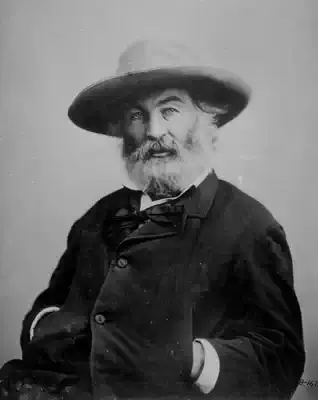
Walt Whitman
I Was Looking A Long While
I Was Looking A Long While
I WAS looking a long while for a clue to the history of the past for
myself, and for these chants--and now I have found it;
It is not in those paged fables in the libraries, (them I neither
accept nor reject;)
It is no more in the legends than in all else;
It is in the present--it is this earth to-day;
It is in Democracy--(the purport and aim of all the past;)
It is the life of one man or one woman to-day--the average man of
to-day;
It is in languages, social customs, literatures, arts;
It is in the broad show of artificial things, ships, machinery,
politics, creeds, modern improvements, and the interchange of
nations,
All for the average man of to-day.
I WAS looking a long while for a clue to the history of the past for
myself, and for these chants--and now I have found it;
It is not in those paged fables in the libraries, (them I neither
accept nor reject;)
It is no more in the legends than in all else;
It is in the present--it is this earth to-day;
It is in Democracy--(the purport and aim of all the past;)
It is the life of one man or one woman to-day--the average man of
to-day;
It is in languages, social customs, literatures, arts;
It is in the broad show of artificial things, ships, machinery,
politics, creeds, modern improvements, and the interchange of
nations,
All for the average man of to-day.
409

Sarah Teasdale
September Midnights
September Midnights
Lyric night of the lingering Indian Summer,
Shadowy fields that are scentless but full of singing,
Never a bird, but the passionless chant of insects,
Ceaseless, insistent.
The grasshopper's horn, and far-off, high in the maples,
The wheel of a locust leisurely grinding the silence
Under a moon waning and worn, borken,
Tired with summer.
Let me remember you, voices of little insects,
Weeds in the moonlight, fields that are tangled with asters,
Let me remember, soon will the winter be on us,
Snow-hushed and heavy.
Over my soul murmur your mute benediction,
While I gaze, O fields that rest after harvest,
As those who part look long in the eyes they lean to,
Lest they forget them.
Lyric night of the lingering Indian Summer,
Shadowy fields that are scentless but full of singing,
Never a bird, but the passionless chant of insects,
Ceaseless, insistent.
The grasshopper's horn, and far-off, high in the maples,
The wheel of a locust leisurely grinding the silence
Under a moon waning and worn, borken,
Tired with summer.
Let me remember you, voices of little insects,
Weeds in the moonlight, fields that are tangled with asters,
Let me remember, soon will the winter be on us,
Snow-hushed and heavy.
Over my soul murmur your mute benediction,
While I gaze, O fields that rest after harvest,
As those who part look long in the eyes they lean to,
Lest they forget them.
324
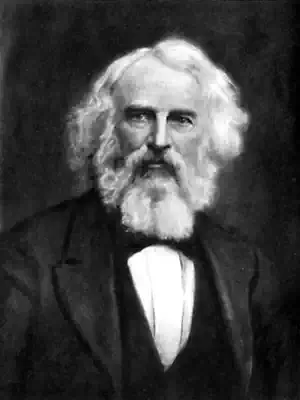
Henry Wadsworth Longfellow
The Herons Of Elmwood. (Birds Of Passage. Flight The Fifth)
The Herons Of Elmwood. (Birds Of Passage. Flight The Fifth)
Warm and still is the summer night,
As here by the river's brink I wander;
White overhead are the stars, and white
The glimmering lamps on the hillside yonder.
Silent are all the sounds of day;
Nothing I hear but the chirp of crickets,
And the cry of the herons winging their way
O'er the poet's house in the Elmwood thickets.
Call to him, herons, as slowly you pass
To your roosts in the haunts of the exiled thrushes,
Sing him the song of the green morass;
And the tides that water the reeds and rushes.
Sing him the mystical Song of the Hern,
And the secret that baffles our utmost seeking;
For only a sound of lament we discern,
And cannot interpret the words you are speaking.
Sing of the air, and the wild delight
Of wings that uplift and winds that uphold you,
The joy of freedom, the rapture of flight
Through the drift of the floating mists that infold you.
Of the landscape lying so far below,
With its towns and rivers and desert places;
And the splendor of light above, and the glow
Of the limitless, blue, ethereal spaces.
Ask him if songs of the Troubadours,
Or of Minnesingers in old black-letter,
Sound in his ears more sweet than yours,
And if yours are not sweeter and wilder and better.
Sing to him, say to him, here at his gate,
Where the boughs of the stately elms are meeting,
Some one hath lingered to meditate,
And send him unseen this friendly greeting;
That many another hath done the same,
Though not by a sound was the silence broken;
The surest pledge of a deathless name
Is the silent homage of thoughts unspoken.
Warm and still is the summer night,
As here by the river's brink I wander;
White overhead are the stars, and white
The glimmering lamps on the hillside yonder.
Silent are all the sounds of day;
Nothing I hear but the chirp of crickets,
And the cry of the herons winging their way
O'er the poet's house in the Elmwood thickets.
Call to him, herons, as slowly you pass
To your roosts in the haunts of the exiled thrushes,
Sing him the song of the green morass;
And the tides that water the reeds and rushes.
Sing him the mystical Song of the Hern,
And the secret that baffles our utmost seeking;
For only a sound of lament we discern,
And cannot interpret the words you are speaking.
Sing of the air, and the wild delight
Of wings that uplift and winds that uphold you,
The joy of freedom, the rapture of flight
Through the drift of the floating mists that infold you.
Of the landscape lying so far below,
With its towns and rivers and desert places;
And the splendor of light above, and the glow
Of the limitless, blue, ethereal spaces.
Ask him if songs of the Troubadours,
Or of Minnesingers in old black-letter,
Sound in his ears more sweet than yours,
And if yours are not sweeter and wilder and better.
Sing to him, say to him, here at his gate,
Where the boughs of the stately elms are meeting,
Some one hath lingered to meditate,
And send him unseen this friendly greeting;
That many another hath done the same,
Though not by a sound was the silence broken;
The surest pledge of a deathless name
Is the silent homage of thoughts unspoken.
275
Walt Whitman
I Sit And Look Out
I Sit And Look Out
I SIT and look out upon all the sorrows of the world, and upon all
oppression and shame;
I hear secret convulsive sobs from young men, at anguish with
themselves, remorseful after deeds done;
I see, in low life, the mother misused by her children, dying,
neglected, gaunt, desperate;
I see the wife misused by her husband--I see the treacherous seducer
of young women;
I mark the ranklings of jealousy and unrequited love, attempted to be
hid--I see these sights on the earth;
I see the workings of battle, pestilence, tyranny--I see martyrs and
prisoners;
I observe a famine at sea--I observe the sailors casting lots who
shall be kill'd, to preserve the lives of the rest;
I observe the slights and degradations cast by arrogant persons upon
laborers, the poor, and upon negroes, and the like;
All these--All the meanness and agony without end, I sitting, look
out upon,
See, hear, and am silent. 10
I SIT and look out upon all the sorrows of the world, and upon all
oppression and shame;
I hear secret convulsive sobs from young men, at anguish with
themselves, remorseful after deeds done;
I see, in low life, the mother misused by her children, dying,
neglected, gaunt, desperate;
I see the wife misused by her husband--I see the treacherous seducer
of young women;
I mark the ranklings of jealousy and unrequited love, attempted to be
hid--I see these sights on the earth;
I see the workings of battle, pestilence, tyranny--I see martyrs and
prisoners;
I observe a famine at sea--I observe the sailors casting lots who
shall be kill'd, to preserve the lives of the rest;
I observe the slights and degradations cast by arrogant persons upon
laborers, the poor, and upon negroes, and the like;
All these--All the meanness and agony without end, I sitting, look
out upon,
See, hear, and am silent. 10
583
Sarah Teasdale
Redbirds
Redbirds
Redbirds, redbirds,
Long and long ago,
What a honey-call you had
In hills I used to know;
Redbud, buckberry,
Wild plum-tree
And proud river sweeping
Southward to the sea,
Brown and gold in the sun
Sparkling far below,
Trailing stately round her bluffs
Where the poplars grow --
Redbirds, redbirds,
Are you singing still
As you sang one May day
On Saxton's Hill?
Redbirds, redbirds,
Long and long ago,
What a honey-call you had
In hills I used to know;
Redbud, buckberry,
Wild plum-tree
And proud river sweeping
Southward to the sea,
Brown and gold in the sun
Sparkling far below,
Trailing stately round her bluffs
Where the poplars grow --
Redbirds, redbirds,
Are you singing still
As you sang one May day
On Saxton's Hill?
380

Robert W. Service
Successful Failure
Successful Failure
I wonder if successful men
Are always happy?
And do they sing with gusto when
Springtime is sappy?
Although I am of snow-white hair
And nighly mortal,
Each time I sniff the April air
I chortle.
I wonder if a millionaire
Jigs with enjoyment,
Having such heaps of time to spare
For daft employment.
For as I dance the Highland Fling
My glee is muckle,
And doping out new songs to sing
I chuckle.
I wonder why so soon forgot
Are fame and riches;
Let cottage comfort be my lot
With well-worn britches.
As in a pub a poor unknown,
Brown ale quaffing,
To think of all I'll never own,-I'm
laughing.
I wonder if successful men
Are always happy?
And do they sing with gusto when
Springtime is sappy?
Although I am of snow-white hair
And nighly mortal,
Each time I sniff the April air
I chortle.
I wonder if a millionaire
Jigs with enjoyment,
Having such heaps of time to spare
For daft employment.
For as I dance the Highland Fling
My glee is muckle,
And doping out new songs to sing
I chuckle.
I wonder why so soon forgot
Are fame and riches;
Let cottage comfort be my lot
With well-worn britches.
As in a pub a poor unknown,
Brown ale quaffing,
To think of all I'll never own,-I'm
laughing.
229
Sarah Teasdale
Places
Places
Places I love come back to me like music,
Hush me and heal me when I am very tired;
I see the oak woods at Saxton's flaming
In a flare of crimson by the frost newly fired;
And I am thirsty for the spring in the valley
As for a kiss ungiven and long desired.
I know a bright world of snowy hills at Boonton,
A blue and white dazzling light on everything one sees,
The ice-covered branches of the hemlocks sparkle
Bending low and tinkling in the sharp thin breeze,
And iridescent crystals fall and crackle on the snow-crust
With the winter sun drawing cold blue shadows from the trees.
Violet now, in veil on veil of evening
The hills across from Cromwell grow dreamy and far;
A wood-thrush is singing soft as a viol
In the heart of the hollow where the dark pools are;
The primrose has opened her pale yellow flowers
And heaven is lighting star after star.
Places I love come back to me like music --
Mid-ocean, midnight, the waves buzz drowsily;
In the ship's deep churning the eerie phosphorescence
Is like the souls of people who were drowned at sea,
And I can hear a man's voice, speaking, hushed, insistent,
At midnight, in mid-ocean, hour on hour to me.
Places I love come back to me like music,
Hush me and heal me when I am very tired;
I see the oak woods at Saxton's flaming
In a flare of crimson by the frost newly fired;
And I am thirsty for the spring in the valley
As for a kiss ungiven and long desired.
I know a bright world of snowy hills at Boonton,
A blue and white dazzling light on everything one sees,
The ice-covered branches of the hemlocks sparkle
Bending low and tinkling in the sharp thin breeze,
And iridescent crystals fall and crackle on the snow-crust
With the winter sun drawing cold blue shadows from the trees.
Violet now, in veil on veil of evening
The hills across from Cromwell grow dreamy and far;
A wood-thrush is singing soft as a viol
In the heart of the hollow where the dark pools are;
The primrose has opened her pale yellow flowers
And heaven is lighting star after star.
Places I love come back to me like music --
Mid-ocean, midnight, the waves buzz drowsily;
In the ship's deep churning the eerie phosphorescence
Is like the souls of people who were drowned at sea,
And I can hear a man's voice, speaking, hushed, insistent,
At midnight, in mid-ocean, hour on hour to me.
433
Walt Whitman
I Saw Old General At Bay
I Saw Old General At Bay
I SAW old General at bay;
(Old as he was, his grey eyes yet shone out in battle like stars;)
His small force was now completely hemm'd in, in his works;
He call'd for volunteers to run the enemy's lines--a desperate
emergency;
I saw a hundred and more step forth from the ranks--but two or three
were selected;
I saw them receive their orders aside--they listen'd with care--the
adjutant was very grave;
I saw them depart with cheerfulness, freely risking their lives.
I SAW old General at bay;
(Old as he was, his grey eyes yet shone out in battle like stars;)
His small force was now completely hemm'd in, in his works;
He call'd for volunteers to run the enemy's lines--a desperate
emergency;
I saw a hundred and more step forth from the ranks--but two or three
were selected;
I saw them receive their orders aside--they listen'd with care--the
adjutant was very grave;
I saw them depart with cheerfulness, freely risking their lives.
372
Henry Wadsworth Longfellow
The Haunted Chamber. (Birds Of Passage. Flight The Third)
The Haunted Chamber. (Birds Of Passage. Flight The Third)
Each heart has its haunted chamber,
Where the silent moonlight falls!
On the floor are mysterious footsteps,
There are whispers along the walls!
And mine at times is haunted
By phantoms of the Past
As motionless as shadows
By the silent moonlight cast.
A form sits by the window,
That is not seen by day,
For as soon as the dawn approaches
It vanishes away.
It sits there in the moonlight
Itself as pale and still,
And points with its airy finger
Across the window-sill.
Without before the window,
There stands a gloomy pine,
Whose boughs wave upward and downward
As wave these thoughts of mine.
And underneath its branches
Is the grave of a little child,
Who died upon life's threshold,
And never wept nor smiled.
What are ye, O pallid phantoms!
That haunt my troubled brain?
That vanish when day approaches,
And at night return again?
What are ye, O pallid phantoms!
But the statues without breath,
That stand on the bridge overarching
The silent river of death?
Each heart has its haunted chamber,
Where the silent moonlight falls!
On the floor are mysterious footsteps,
There are whispers along the walls!
And mine at times is haunted
By phantoms of the Past
As motionless as shadows
By the silent moonlight cast.
A form sits by the window,
That is not seen by day,
For as soon as the dawn approaches
It vanishes away.
It sits there in the moonlight
Itself as pale and still,
And points with its airy finger
Across the window-sill.
Without before the window,
There stands a gloomy pine,
Whose boughs wave upward and downward
As wave these thoughts of mine.
And underneath its branches
Is the grave of a little child,
Who died upon life's threshold,
And never wept nor smiled.
What are ye, O pallid phantoms!
That haunt my troubled brain?
That vanish when day approaches,
And at night return again?
What are ye, O pallid phantoms!
But the statues without breath,
That stand on the bridge overarching
The silent river of death?
253
Sarah Teasdale
Pierrot
Pierrot
Pierrot stands in the garden
Beneath a waning moon,
And on his lute he fashions
A fragile silver tune.
Pierrot plays in the garden,
He thinks he plays for me,
But I am quite forgotten
Under the cherry tree.
Pierrot plays in the garden,
And all the roses know
That Pierrot loves his music, --
But I love Pierrot.
Pierrot stands in the garden
Beneath a waning moon,
And on his lute he fashions
A fragile silver tune.
Pierrot plays in the garden,
He thinks he plays for me,
But I am quite forgotten
Under the cherry tree.
Pierrot plays in the garden,
And all the roses know
That Pierrot loves his music, --
But I love Pierrot.
421
Walt Whitman
I Heard You, Solemn-sweep Pipes Of The Organ
I Heard You, Solemn-sweep Pipes Of The Organ
I HEARD you, solemn-sweet pipes of the organ, as last Sunday morn I
pass'd the church;
Winds of autumn!--as I walk'd the woods at dusk, I heard your longstretch'd
sighs, up above, so mournful;
I heard the perfect Italian tenor, singing at the opera--I heard the
soprano in the midst of the quartet singing;
... Heart of my love!--you too I heard, murmuring low, through one of
the wrists around my head;
Heard the pulse of you, when all was still, ringing little bells last
night under my ear.
I HEARD you, solemn-sweet pipes of the organ, as last Sunday morn I
pass'd the church;
Winds of autumn!--as I walk'd the woods at dusk, I heard your longstretch'd
sighs, up above, so mournful;
I heard the perfect Italian tenor, singing at the opera--I heard the
soprano in the midst of the quartet singing;
... Heart of my love!--you too I heard, murmuring low, through one of
the wrists around my head;
Heard the pulse of you, when all was still, ringing little bells last
night under my ear.
295
Robert W. Service
Stupidity
Stupidity
Stupidity, woe's anodyne,
Be kind and comfort me in mine;
Smooth out the furrows of my brow,
Make me as carefree as a cow,
Content to sleep and eat and drink
And never think
Stupidity, let me be blind
To all the ills of humankind;
Fill me with simple sentiment
To walk the way my father went;
School me to sweat with robot folk
Beneath the yoke.
Stupidity, keep in their place
The moiling masses of my race,
And bid the lowly multitude
Be humble as a people should;
Learn us with patient hearts, I pray,
Lords to obey.
Stupidity and Ignorance,
Be you our buffers 'mid mischance;
Endoctrine us to do your will,
And other stupid people kill;
Fool us with hope of Life to be,
Great god to whom we bow the knee,
--STUPIDITY.
Stupidity, woe's anodyne,
Be kind and comfort me in mine;
Smooth out the furrows of my brow,
Make me as carefree as a cow,
Content to sleep and eat and drink
And never think
Stupidity, let me be blind
To all the ills of humankind;
Fill me with simple sentiment
To walk the way my father went;
School me to sweat with robot folk
Beneath the yoke.
Stupidity, keep in their place
The moiling masses of my race,
And bid the lowly multitude
Be humble as a people should;
Learn us with patient hearts, I pray,
Lords to obey.
Stupidity and Ignorance,
Be you our buffers 'mid mischance;
Endoctrine us to do your will,
And other stupid people kill;
Fool us with hope of Life to be,
Great god to whom we bow the knee,
--STUPIDITY.
220
Walt Whitman
I Hear America Singing
I Hear America Singing
I Hear America singing, the varied carols I hear;
Those of mechanics--each one singing his, as it should be, blithe and strong;
The carpenter singing his, as he measures his plank or beam,
The mason singing his, as he makes ready for work, or leaves off work;
The boatman singing what belongs to him in his boat--the deckhand singing on the
steamboat deck;
The shoemaker singing as he sits on his bench--the hatter singing as he stands;
The wood-cutter's song--the ploughboy's, on his way in the morning, or at the noon
intermission, or at sundown;
The delicious singing of the mother--or of the young wife at work--or of the girl
sewing or washing--Each singing what belongs to her, and to none else;
The day what belongs to the day--At night, the party of young fellows, robust,
friendly,
Singing, with open mouths, their strong melodious songs.
I Hear America singing, the varied carols I hear;
Those of mechanics--each one singing his, as it should be, blithe and strong;
The carpenter singing his, as he measures his plank or beam,
The mason singing his, as he makes ready for work, or leaves off work;
The boatman singing what belongs to him in his boat--the deckhand singing on the
steamboat deck;
The shoemaker singing as he sits on his bench--the hatter singing as he stands;
The wood-cutter's song--the ploughboy's, on his way in the morning, or at the noon
intermission, or at sundown;
The delicious singing of the mother--or of the young wife at work--or of the girl
sewing or washing--Each singing what belongs to her, and to none else;
The day what belongs to the day--At night, the party of young fellows, robust,
friendly,
Singing, with open mouths, their strong melodious songs.
523
Sarah Teasdale
Pain
Pain
Waves are the sea's white daughters,
And raindrops the children of rain,
But why for my shimmering body
Have I a mother like Pain?
Night is the mother of stars,
And wind the mother of foam --
The world is brimming with beauty,
But I must stay at home.
Waves are the sea's white daughters,
And raindrops the children of rain,
But why for my shimmering body
Have I a mother like Pain?
Night is the mother of stars,
And wind the mother of foam --
The world is brimming with beauty,
But I must stay at home.
429
Henry Wadsworth Longfellow
The Happiest Land. (From The German)
The Happiest Land. (From The German)
There sat one day in quiet,
By an alehouse on the Rhine,
Four hale and hearty fellows,
And drank the precious wine.
The landlord's daughter filled their cups
Around the rustic board;
Then sat they all so calm and still,
And spake not one rude word.
But, when the maid departed,
A Swabian raised his hand,
And cried, all hot and flushed with wine,
'Long live the Swabian land!
'The greatest kingdom upon earth
Cannot with that compare;
With all the stout and hardy men
And the nut-brown maidens there.'
Ha! cried a Saxon, laughing,--
And dashed his beard with wine;
' I had rather live in Lapland,
Than that Swabian land of thine!
The goodliest land on all this earth,
It is the Saxon land!
There have I as many maidens
As fingers on this hand!
Hold your tongues! both Swabian and Saxon!
A bold Bohemian cries;
'If there's a heaven upon this earth,
In Bohemia it lies.
There the tailor blows the flute,
And the cobbler blows the horn,
And the miner blows the bugle,
Over mountain gorge and bourn.
****
And then the landlord's daughter
Up to heaven raised her hand,
And said, Ye may no more contend,--
There lies the happiest land!
There sat one day in quiet,
By an alehouse on the Rhine,
Four hale and hearty fellows,
And drank the precious wine.
The landlord's daughter filled their cups
Around the rustic board;
Then sat they all so calm and still,
And spake not one rude word.
But, when the maid departed,
A Swabian raised his hand,
And cried, all hot and flushed with wine,
'Long live the Swabian land!
'The greatest kingdom upon earth
Cannot with that compare;
With all the stout and hardy men
And the nut-brown maidens there.'
Ha! cried a Saxon, laughing,--
And dashed his beard with wine;
' I had rather live in Lapland,
Than that Swabian land of thine!
The goodliest land on all this earth,
It is the Saxon land!
There have I as many maidens
As fingers on this hand!
Hold your tongues! both Swabian and Saxon!
A bold Bohemian cries;
'If there's a heaven upon this earth,
In Bohemia it lies.
There the tailor blows the flute,
And the cobbler blows the horn,
And the miner blows the bugle,
Over mountain gorge and bourn.
****
And then the landlord's daughter
Up to heaven raised her hand,
And said, Ye may no more contend,--
There lies the happiest land!
325
Walt Whitman
I Am He That Aches With Love
I Am He That Aches With Love
I AM he that aches with amorous love;
Does the earth gravitate? Does not all matter, aching, attract all
matter?
So the Body of me, to all I meet, or know.
I AM he that aches with amorous love;
Does the earth gravitate? Does not all matter, aching, attract all
matter?
So the Body of me, to all I meet, or know.
461
Sarah Teasdale
Open Windows
Open Windows
Out of the window a sea of green trees
Lift their soft boughs like the arms of a dancer,
They beckon and call me, "Come out in the sun!"
But I cannot answer.
I am alone with Weakness and Pain,
Sick abed and June is going,
I cannot keep her, she hurries by
With the silver-green of her garments blowing.
Men and women pass in the street
Glad of the shining sapphire weather,
But we know more of it than they,
Pain and I together.
They are the runners in the sun,
Breathless and blinded by the race,
But we are watchers in the shade
Who speak with Wonder face to face.
Out of the window a sea of green trees
Lift their soft boughs like the arms of a dancer,
They beckon and call me, "Come out in the sun!"
But I cannot answer.
I am alone with Weakness and Pain,
Sick abed and June is going,
I cannot keep her, she hurries by
With the silver-green of her garments blowing.
Men and women pass in the street
Glad of the shining sapphire weather,
But we know more of it than they,
Pain and I together.
They are the runners in the sun,
Breathless and blinded by the race,
But we are watchers in the shade
Who speak with Wonder face to face.
452
Robert W. Service
Strip Teaser
Strip Teaser
My precious grand-child, aged two,
Is eager to unlace one shoe,
And then the other;
Her cotton socks she'll deftly doff
Despite the mild reproaches of
Her mother.
Around the house she loves to fare,
And with her rosy tootsies bare,
Pit-pat the floor;
And though remonstrances we make
She presently decides to take
Off something more.
Her pinafore she next unties,
And then before we realise,
Her dress drops down;
Her panties and her brassiere,
Her chemise and her underwear
Are round her strown.
And now she dances all about,
As naked as a new-caught trout,
With impish glee;
And though she's beautiful like that,
(A cherubim, but not so fat),
Quite shocked are we.
And so we dread with dim dismay
Some day she may her charms display
In skimpy wear;
Aye, even in a gee-string she
May frolic on the stage of the
Folies-Bèrgere
But e'er she does, I hope she'll read
This worldly wise and warning screed,
That to conceal,
Unto the ordinary man
Is often more alluring than
To ALL reveal.
My precious grand-child, aged two,
Is eager to unlace one shoe,
And then the other;
Her cotton socks she'll deftly doff
Despite the mild reproaches of
Her mother.
Around the house she loves to fare,
And with her rosy tootsies bare,
Pit-pat the floor;
And though remonstrances we make
She presently decides to take
Off something more.
Her pinafore she next unties,
And then before we realise,
Her dress drops down;
Her panties and her brassiere,
Her chemise and her underwear
Are round her strown.
And now she dances all about,
As naked as a new-caught trout,
With impish glee;
And though she's beautiful like that,
(A cherubim, but not so fat),
Quite shocked are we.
And so we dread with dim dismay
Some day she may her charms display
In skimpy wear;
Aye, even in a gee-string she
May frolic on the stage of the
Folies-Bèrgere
But e'er she does, I hope she'll read
This worldly wise and warning screed,
That to conceal,
Unto the ordinary man
Is often more alluring than
To ALL reveal.
229
Walt Whitman
Hush'd Be the Camps Today
Hush'd Be the Camps Today
Hush'd be the camps today,
And soldiers let us drape our war-worn weapons,
And each with musing soul retire to celebrate,
Our dear commander's death.
No more for him life's stormy conflicts,
Nor victory, nor defeat--no more time's dark events,
Charging like ceaseless clouds across the sky.
But sing poet in our name,
Sing of the love we bore him--because you, dweller in camps, know it truly.
As they invault the coffin there,
Sing--as they close the doors of earth upon him--one verse,
For the heavy hearts of soldiers.
Hush'd be the camps today,
And soldiers let us drape our war-worn weapons,
And each with musing soul retire to celebrate,
Our dear commander's death.
No more for him life's stormy conflicts,
Nor victory, nor defeat--no more time's dark events,
Charging like ceaseless clouds across the sky.
But sing poet in our name,
Sing of the love we bore him--because you, dweller in camps, know it truly.
As they invault the coffin there,
Sing--as they close the doors of earth upon him--one verse,
For the heavy hearts of soldiers.
433
Sarah Teasdale
Old Tunes
Old Tunes
As the waves of perfume, heliotrope, rose,
Float in the garden when no wind blows,
Come to us, go from us, whence no one knows;
So the old tunes float in my mind,
And go from me leaving no trace behind,
Like fragrance borne on the hush of the wind.
But in the instant the airs remain
I know the laughter and the pain
Of times that will not come again.
I try to catch at many a tune
Like petals of light fallen from the moon,
Broken and bright on a dark lagoon,
But they float away -- for who can hold
Youth, or perfume or the moon's gold?
As the waves of perfume, heliotrope, rose,
Float in the garden when no wind blows,
Come to us, go from us, whence no one knows;
So the old tunes float in my mind,
And go from me leaving no trace behind,
Like fragrance borne on the hush of the wind.
But in the instant the airs remain
I know the laughter and the pain
Of times that will not come again.
I try to catch at many a tune
Like petals of light fallen from the moon,
Broken and bright on a dark lagoon,
But they float away -- for who can hold
Youth, or perfume or the moon's gold?
434
Henry Wadsworth Longfellow
The Hanging Of The Crane
The Hanging Of The Crane
The lights are out, and gone are all the guests
That thronging came with merriment and jests
To celebrate the Hanging of the Crane
In the new house,--into the night are gone;
But still the fire upon the hearth burns on,
And I alone remain.
O fortunate, O happy day,
When a new household finds its place
Among the myriad homes of earth,
Like a new star just sprung to birth,
And rolled on its harmonious way
Into the boundless realms of space!
So said the guests in speech and song,
As in the chimney, burning bright,
We hung the iron crane to-night,
And merry was the feast and long.
II.
And now I sit and muse on what may be,
And in my vision see, or seem to see,
Through floating vapors interfused with light,
Shapes indeterminate, that gleam and fade,
As shadows passing into deeper shade
Sink and elude the sight.
For two alone, there in the hall,
As spread the table round and small;
Upon the polished silver shine
The evening lamps, but, more divine,
The light of love shines over all;
Of love, that says not mine and thine,
But ours, for ours is thine and mine.
They want no guests, to come between
Their tender glances like a screen,
And tell them tales of land and sea,
And whatsoever may betide
The great, forgotten world outside;
They want no guests; they needs must be
Each other's own best company.
III.
The picture fades; as at a village fair
A showman's views, dissolving into air,
Again appear transfigured on the screen,
So in my fancy this; and now once more,
In part transfigured, through the open door
Appears the selfsame scene.
Seated, I see the two again,
But not alone; they entertain
A little angel unaware,
With face as round as is the moon;
A royal guest with flaxen hair,
Who, throned upon his lofty chair,
Drums on the table with his spoon,
Then drops it careless on the floor,
To grasp at things unseen before.
Are these celestial manners? these
The ways that win, the arts that please?
Ah yes; consider well the guest,
And whatsoe'er he does seems best;
He ruleth by the right divine
Of helplessness, so lately born
In purple chambers of the morn,
As sovereign over thee and thine.
He speaketh not; and yet there lies
A conversation in his eyes;
The golden silence of the Greek,
The gravest wisdom of the wise,
Not spoken in language, but in looks
More legible than printed books,
As if he could but would not speak.
And now, O monarch absolute,
Thy power is put to proof; for, lo!
Resistless, fathomless, and slow,
The nurse comes rustling like the sea,
And pushes back thy chair and thee,
And so good night to King Canute.
IV.
As one who walking in a forest sees
A lovely landscape through the parted frees,
Then sees it not, for boughs that intervene
Or as we see the moon sometimes revealed
Through drifting clouds, and then again concealed,
So I behold the scene.
There are two guests at table now;
The king, deposed and older grown,
No longer occupies the throne,--
The crown is on his sister's brow;
A Princess from the Fairy Isles,
The very pattern girl of girls.
All covered and embowered in curls,
Rose-tinted from the Isle of Flowers,
And sailing with soft, silken sails
From far-off Dreamland into ours.
Above their bowls with rims of blue
Four azure eyes of deeper hue
Are looking, dreamy with delight;
Limpid as planets that emerge
Above the ocean's rounded verge,
Soft-shining through the summer night.
Steadfast they gaze, yet nothing see
Beyond the horizon of their bowls;
Nor care they for the world that rolls
With all its freight of troubled souls
Into the days that are to be.
V.
Again the tossing boughs shut out the scene,
Again the drifting vapors intervene,
And the moon's pallid disk is hidden quite;
And now I see the table wider grown,
As round a pebble into water thrown
Dilates a ring of light.
I see the table wider grown,
I see it garlanded with guests,
As if fair Ariadne's Crown
Out of the sky had fallen down;
Maidens within whose tender breasts
A thousand restless hopes and fears,
Forth reaching to the coming years,
Flutter awhile, then quiet lie
Like timid birds that fain would fly,
But do not dare to leave their nests;--
And youths, who in their strength elate
Challenge the van and front of fate,
Eager as champions to be
In the divine knight-errantry
Of youth, that travels sea and land
Seeking adventures, or pursues,
Through cities, and through solitudes
Frequented by the lyric Muse,
The phantom with the beckoning hand,
That still allures and still eludes.
O sweet illusions of the brain!
O sudden thrills of fire and frost!
The world is bright while ye remain,
And dark and dead when ye are lost!
VI.
The meadow-brook, that seemeth to stand still,
Quickens its current as it nears the mill;
And so the stream of Time that lingereth
In level places, and so dull appears,
Runs with a swifter current as it nears
The gloomy mills of Death.
And now, like the magician's scroll,
That in the owner's keeping shrinks
With every wish he speaks or thinks,
Till the last wish consumes the whole,
The table dwindles, and again
I see the two alone remain.
The crown of stars is broken in parts;
Its jewels, brighter than the day,
Have one by one been stolen away
To shine in other homes and hearts.
One is a wanderer now afar
In Ceylon or in Zanzibar,
Or sunny regions of Cathay;
And one is in the boisterous camp
Mid clink of arms and horses' tramp,
And battle's terrible array.
I see the patient mother read,
With aching heart, of wrecks that float
Disabled on those seas remote,
Or of some great heroic deed
On battle-fie1ds where thousands bleed
To lift one hero into fame.
Anxious she bends her graceful head
Above these chronicles of pain,
And trembles with a secret dread
Lest there among the drowned or slain
She find the one beloved name.
VII.
After a day of cloud and wind and rain
Sometimes the setting sun breaks out again,
And touching all the darksome woods with light,
Smiles on the fields, until they laugh and sing,
Then like a ruby from the horizon's ring
Drops down into the night.
What see I now? The night is fair,
The storm of grief, the clouds of care,
The wind, the rain, have passed away;
The lamps are lit, the fires burn bright,
The house is full of life and light:
It is the Golden Wedding day.
The guests come thronging in once more,
Quick footsteps sound along the floor,
The trooping children crowd the stair,
And in and out and everywhere
Flashes along the corridor
The sunshine of their golden hair.
On the round table in the hall
Another Ariadne's Crown
Out of the sky hath fallen down;
More than one Monarch of the Moon
Is drumming with his silver spoon;
The light of love shines over all.
O fortunate, O happy day!
The people sing, the people say.
The ancient bridegroom and the bride,
Smiling contented and serene
Upon the blithe, bewildering scene,
Behold, well pleased, on every side
Their forms and features multiplied,
As the reflection of a light
Between two burnished mirrors gleams,
Or lamps upon a bridge at night
Stretch on and on before the sight,
Till the long vista endless seems.
The lights are out, and gone are all the guests
That thronging came with merriment and jests
To celebrate the Hanging of the Crane
In the new house,--into the night are gone;
But still the fire upon the hearth burns on,
And I alone remain.
O fortunate, O happy day,
When a new household finds its place
Among the myriad homes of earth,
Like a new star just sprung to birth,
And rolled on its harmonious way
Into the boundless realms of space!
So said the guests in speech and song,
As in the chimney, burning bright,
We hung the iron crane to-night,
And merry was the feast and long.
II.
And now I sit and muse on what may be,
And in my vision see, or seem to see,
Through floating vapors interfused with light,
Shapes indeterminate, that gleam and fade,
As shadows passing into deeper shade
Sink and elude the sight.
For two alone, there in the hall,
As spread the table round and small;
Upon the polished silver shine
The evening lamps, but, more divine,
The light of love shines over all;
Of love, that says not mine and thine,
But ours, for ours is thine and mine.
They want no guests, to come between
Their tender glances like a screen,
And tell them tales of land and sea,
And whatsoever may betide
The great, forgotten world outside;
They want no guests; they needs must be
Each other's own best company.
III.
The picture fades; as at a village fair
A showman's views, dissolving into air,
Again appear transfigured on the screen,
So in my fancy this; and now once more,
In part transfigured, through the open door
Appears the selfsame scene.
Seated, I see the two again,
But not alone; they entertain
A little angel unaware,
With face as round as is the moon;
A royal guest with flaxen hair,
Who, throned upon his lofty chair,
Drums on the table with his spoon,
Then drops it careless on the floor,
To grasp at things unseen before.
Are these celestial manners? these
The ways that win, the arts that please?
Ah yes; consider well the guest,
And whatsoe'er he does seems best;
He ruleth by the right divine
Of helplessness, so lately born
In purple chambers of the morn,
As sovereign over thee and thine.
He speaketh not; and yet there lies
A conversation in his eyes;
The golden silence of the Greek,
The gravest wisdom of the wise,
Not spoken in language, but in looks
More legible than printed books,
As if he could but would not speak.
And now, O monarch absolute,
Thy power is put to proof; for, lo!
Resistless, fathomless, and slow,
The nurse comes rustling like the sea,
And pushes back thy chair and thee,
And so good night to King Canute.
IV.
As one who walking in a forest sees
A lovely landscape through the parted frees,
Then sees it not, for boughs that intervene
Or as we see the moon sometimes revealed
Through drifting clouds, and then again concealed,
So I behold the scene.
There are two guests at table now;
The king, deposed and older grown,
No longer occupies the throne,--
The crown is on his sister's brow;
A Princess from the Fairy Isles,
The very pattern girl of girls.
All covered and embowered in curls,
Rose-tinted from the Isle of Flowers,
And sailing with soft, silken sails
From far-off Dreamland into ours.
Above their bowls with rims of blue
Four azure eyes of deeper hue
Are looking, dreamy with delight;
Limpid as planets that emerge
Above the ocean's rounded verge,
Soft-shining through the summer night.
Steadfast they gaze, yet nothing see
Beyond the horizon of their bowls;
Nor care they for the world that rolls
With all its freight of troubled souls
Into the days that are to be.
V.
Again the tossing boughs shut out the scene,
Again the drifting vapors intervene,
And the moon's pallid disk is hidden quite;
And now I see the table wider grown,
As round a pebble into water thrown
Dilates a ring of light.
I see the table wider grown,
I see it garlanded with guests,
As if fair Ariadne's Crown
Out of the sky had fallen down;
Maidens within whose tender breasts
A thousand restless hopes and fears,
Forth reaching to the coming years,
Flutter awhile, then quiet lie
Like timid birds that fain would fly,
But do not dare to leave their nests;--
And youths, who in their strength elate
Challenge the van and front of fate,
Eager as champions to be
In the divine knight-errantry
Of youth, that travels sea and land
Seeking adventures, or pursues,
Through cities, and through solitudes
Frequented by the lyric Muse,
The phantom with the beckoning hand,
That still allures and still eludes.
O sweet illusions of the brain!
O sudden thrills of fire and frost!
The world is bright while ye remain,
And dark and dead when ye are lost!
VI.
The meadow-brook, that seemeth to stand still,
Quickens its current as it nears the mill;
And so the stream of Time that lingereth
In level places, and so dull appears,
Runs with a swifter current as it nears
The gloomy mills of Death.
And now, like the magician's scroll,
That in the owner's keeping shrinks
With every wish he speaks or thinks,
Till the last wish consumes the whole,
The table dwindles, and again
I see the two alone remain.
The crown of stars is broken in parts;
Its jewels, brighter than the day,
Have one by one been stolen away
To shine in other homes and hearts.
One is a wanderer now afar
In Ceylon or in Zanzibar,
Or sunny regions of Cathay;
And one is in the boisterous camp
Mid clink of arms and horses' tramp,
And battle's terrible array.
I see the patient mother read,
With aching heart, of wrecks that float
Disabled on those seas remote,
Or of some great heroic deed
On battle-fie1ds where thousands bleed
To lift one hero into fame.
Anxious she bends her graceful head
Above these chronicles of pain,
And trembles with a secret dread
Lest there among the drowned or slain
She find the one beloved name.
VII.
After a day of cloud and wind and rain
Sometimes the setting sun breaks out again,
And touching all the darksome woods with light,
Smiles on the fields, until they laugh and sing,
Then like a ruby from the horizon's ring
Drops down into the night.
What see I now? The night is fair,
The storm of grief, the clouds of care,
The wind, the rain, have passed away;
The lamps are lit, the fires burn bright,
The house is full of life and light:
It is the Golden Wedding day.
The guests come thronging in once more,
Quick footsteps sound along the floor,
The trooping children crowd the stair,
And in and out and everywhere
Flashes along the corridor
The sunshine of their golden hair.
On the round table in the hall
Another Ariadne's Crown
Out of the sky hath fallen down;
More than one Monarch of the Moon
Is drumming with his silver spoon;
The light of love shines over all.
O fortunate, O happy day!
The people sing, the people say.
The ancient bridegroom and the bride,
Smiling contented and serene
Upon the blithe, bewildering scene,
Behold, well pleased, on every side
Their forms and features multiplied,
As the reflection of a light
Between two burnished mirrors gleams,
Or lamps upon a bridge at night
Stretch on and on before the sight,
Till the long vista endless seems.
325
Walt Whitman
Hours Continuing Long
Hours Continuing Long
HOURS continuing long, sore and heavy-hearted,
Hours of the dusk, when I withdraw to a lonesome and unfrequented
spot, seating myself, leaning my face in my hands;
Hours sleepless, deep in the night, when I go forth, speeding swiftly
the country roads, or through the city streets, or pacing miles
and miles, stifling plaintive cries;
Hours discouraged, distracted--for the one I cannot content myself
without, soon I saw him content himself without me;
Hours when I am forgotten, (O weeks and months are passing, but I
believe I am never to forget!)
Sullen and suffering hours! (I am ashamed--but it is useless--I am
what I am;)
Hours of my torment--I wonder if other men ever have the like, out of
the like feelings?
Is there even one other like me--distracted--his friend, his lover,
lost to him?
Is he too as I am now? Does he still rise in the morning, dejected,
thinking who is lost to him? and at night, awaking, think who
is lost?
Does he too harbor his friendship silent and endless? harbor his
anguish and passion? 10
Does some stray reminder, or the casual mention of a name, bring the
fit back upon him, taciturn and deprest?
Does he see himself reflected in me? In these hours, does he see the
face of his hours reflected?
HOURS continuing long, sore and heavy-hearted,
Hours of the dusk, when I withdraw to a lonesome and unfrequented
spot, seating myself, leaning my face in my hands;
Hours sleepless, deep in the night, when I go forth, speeding swiftly
the country roads, or through the city streets, or pacing miles
and miles, stifling plaintive cries;
Hours discouraged, distracted--for the one I cannot content myself
without, soon I saw him content himself without me;
Hours when I am forgotten, (O weeks and months are passing, but I
believe I am never to forget!)
Sullen and suffering hours! (I am ashamed--but it is useless--I am
what I am;)
Hours of my torment--I wonder if other men ever have the like, out of
the like feelings?
Is there even one other like me--distracted--his friend, his lover,
lost to him?
Is he too as I am now? Does he still rise in the morning, dejected,
thinking who is lost to him? and at night, awaking, think who
is lost?
Does he too harbor his friendship silent and endless? harbor his
anguish and passion? 10
Does some stray reminder, or the casual mention of a name, bring the
fit back upon him, taciturn and deprest?
Does he see himself reflected in me? In these hours, does he see the
face of his hours reflected?
559
Sarah Teasdale
Night Song at Amalfi
Night Song at Amalfi
I asked the heaven of stars
What I should give my love --
It answered me with silence,
Silence above.
I asked the darkened sea
Down where the fishers go --
It answered me with silence,
Silence below.
Oh, I could give him weeping,
Or I could give him song --
But how can I give silence,
My whole life long?
I asked the heaven of stars
What I should give my love --
It answered me with silence,
Silence above.
I asked the darkened sea
Down where the fishers go --
It answered me with silence,
Silence below.
Oh, I could give him weeping,
Or I could give him song --
But how can I give silence,
My whole life long?
408
Robert W. Service
Stamp Collector
Stamp Collector
My worldly wealth I hoard in albums three,
My life collection of rare postage stamps;
My room is cold and bare as you can see,
My coat is old and shabby as a tramp's;
Yet more to me than balances in banks,
My albums three are worth a million francs.
I keep them in that box beside my bed,
For who would dream such treasures it could hold;
But every day I take them out and spread
Each page, to gloat like miser o'er his gold:
Dearer to me than could be child or wife,
I would defend them with my very life.
They are my very life, for every night
over my catalogues I pore and pore;
I recognize rare items with delight,
Nothing I read but philatelic lore;
And when some specimen of choice I buy,
In all the world there's none more glad than I.
Behold my gem, my British penny black;
To pay its price I starved myself a year;
And many a night my dinner I would lack,
But when I bought it, oh, what radiant cheer!
Hitler made war that day - I did not care,
So long as my collection he would spare.
Look - my triangular Cape of Good Hope.
To purchase it I had to sell my car.
Now in my pocket for some sous I grope
To pay my omnibus when home is far,
And I am cold and hungry and footsore,
In haste to add some beauty to my store.
This very day, ah, what a joy was mine,
When in a dingy dealer's shop I found
This franc vermillion, eighteen forty-nine . . .
How painfully my heart began to pound!
(It's weak they say), I paid the modest price
And tremblingly I vanished in a trice.
But oh, my dream is that some day of days,
I might discover a Mauritius blue,
poking among the stamp-bins of the quais;
Who knows! They say there are but two;
Yet if a third one I should spy,
I think - God help me! I should faint and die. . . .
Poor Monsieur Pns, he's cold and dead,
One of those stamp-collecting cranks.
His garret held no crust of bread,
But albums worth a million francs.
on them his income he would spend,
By philatelic frenzy driven:
What did it profit in the end. . .
You can't take stamps to Heaven.
My worldly wealth I hoard in albums three,
My life collection of rare postage stamps;
My room is cold and bare as you can see,
My coat is old and shabby as a tramp's;
Yet more to me than balances in banks,
My albums three are worth a million francs.
I keep them in that box beside my bed,
For who would dream such treasures it could hold;
But every day I take them out and spread
Each page, to gloat like miser o'er his gold:
Dearer to me than could be child or wife,
I would defend them with my very life.
They are my very life, for every night
over my catalogues I pore and pore;
I recognize rare items with delight,
Nothing I read but philatelic lore;
And when some specimen of choice I buy,
In all the world there's none more glad than I.
Behold my gem, my British penny black;
To pay its price I starved myself a year;
And many a night my dinner I would lack,
But when I bought it, oh, what radiant cheer!
Hitler made war that day - I did not care,
So long as my collection he would spare.
Look - my triangular Cape of Good Hope.
To purchase it I had to sell my car.
Now in my pocket for some sous I grope
To pay my omnibus when home is far,
And I am cold and hungry and footsore,
In haste to add some beauty to my store.
This very day, ah, what a joy was mine,
When in a dingy dealer's shop I found
This franc vermillion, eighteen forty-nine . . .
How painfully my heart began to pound!
(It's weak they say), I paid the modest price
And tremblingly I vanished in a trice.
But oh, my dream is that some day of days,
I might discover a Mauritius blue,
poking among the stamp-bins of the quais;
Who knows! They say there are but two;
Yet if a third one I should spy,
I think - God help me! I should faint and die. . . .
Poor Monsieur Pns, he's cold and dead,
One of those stamp-collecting cranks.
His garret held no crust of bread,
But albums worth a million francs.
on them his income he would spend,
By philatelic frenzy driven:
What did it profit in the end. . .
You can't take stamps to Heaven.
167