
Poems List
Explore poems from our collection
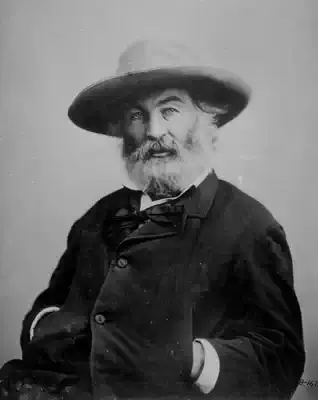
Walt Whitman
Of The Terrible Doubt Of Apperarances
Of The Terrible Doubt Of Apperarances
OF the terrible doubt of appearances,
Of the uncertainty after all--that we may be deluded,
That may-be reliance and hope are but speculations after all,
That may-be identity beyond the grave is a beautiful fable only,
May-be the things I perceive--the animals, plants, men, hills,
shining and flowing waters,
The skies of day and night--colors, densities, forms--May-be these
are, (as doubtless they are,) only apparitions, and the real
something has yet to be known;
(How often they dart out of themselves, as if to confound me and mock
me!
How often I think neither I know, nor any man knows, aught of them;)
May-be seeming to me what they are, (as doubtless they indeed but
seem,) as from my present point of view--And might prove, (as
of course they would,) naught of what they appear, or naught
any how, from entirely changed points of view;
--To me, these, and the like of these, are curiously answer'd by my
lovers, my dear friends; 10
When he whom I love travels with me, or sits a long while holding me
by the hand,
When the subtle air, the impalpable, the sense that words and reason
hold not, surround us and pervade us,
Then I am charged with untold and untellable wisdom--I am silent--I
require nothing further,
I cannot answer the question of appearances, or that of identity
beyond the grave;
But I walk or sit indifferent--I am satisfied,
He ahold of my hand has completely satisfied me.
OF the terrible doubt of appearances,
Of the uncertainty after all--that we may be deluded,
That may-be reliance and hope are but speculations after all,
That may-be identity beyond the grave is a beautiful fable only,
May-be the things I perceive--the animals, plants, men, hills,
shining and flowing waters,
The skies of day and night--colors, densities, forms--May-be these
are, (as doubtless they are,) only apparitions, and the real
something has yet to be known;
(How often they dart out of themselves, as if to confound me and mock
me!
How often I think neither I know, nor any man knows, aught of them;)
May-be seeming to me what they are, (as doubtless they indeed but
seem,) as from my present point of view--And might prove, (as
of course they would,) naught of what they appear, or naught
any how, from entirely changed points of view;
--To me, these, and the like of these, are curiously answer'd by my
lovers, my dear friends; 10
When he whom I love travels with me, or sits a long while holding me
by the hand,
When the subtle air, the impalpable, the sense that words and reason
hold not, surround us and pervade us,
Then I am charged with untold and untellable wisdom--I am silent--I
require nothing further,
I cannot answer the question of appearances, or that of identity
beyond the grave;
But I walk or sit indifferent--I am satisfied,
He ahold of my hand has completely satisfied me.
348

Sarah Teasdale
Understanding
Understanding
I understood the rest too well,
And all their thoughts have come to be
Clear as grey sea-weed in the swell
Of a sunny shallow sea.
But you I never understood,
Your spirit's secret hides like gold
Sunk in a Spanish galleon
Ages ago in waters cold.
I understood the rest too well,
And all their thoughts have come to be
Clear as grey sea-weed in the swell
Of a sunny shallow sea.
But you I never understood,
Your spirit's secret hides like gold
Sunk in a Spanish galleon
Ages ago in waters cold.
417
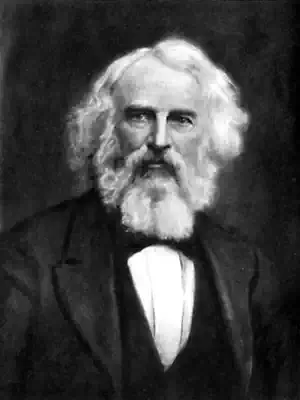
Henry Wadsworth Longfellow
The Psalm Of Life
The Psalm Of Life
What the heart of the young man said to the psalmist
Tell me not, in mournful numbers,
Life is but an empty dream!--
For the soul is dead that slumbers,
And things are not what they seem.
Life is real! Life is earnest!
And the grave is not its goal;
Dust thou art, to dust returnest,
Was not spoken of the soul.
Not enjoyment, and not sorrow,
Is our destined end or way;
But to act, that each to-morrow
Find us farther than to-day.
Art is long, and Time is fleeting,
And our hearts, though stout and brave,
Still, like muffled drums, are beating
Funeral marches to the grave.
In the world's broad field of battle,
In the bivouac of Life,
Be not like dumb, driven cattle!
Be a hero in the strife!
Trust no future, howe'er pleasant!
Let the dead Past bury its dead!
Act,--act in the living present!
Heart within, and God o'erhead!
Lives of great men all remind us
We can make our lives sublime,
And departing, leave behind us
Footprints on the sands of time;
Footprints, that perhaps another,
Sailing o'er life's solemn main,
A forlorn and shipwrecked brother,
Seeing, shall take heart again.
Let us, then, be up and doing,
With a heart for any fate;
Still achieving, still pursuing,
Learn to labor and to wait.
What the heart of the young man said to the psalmist
Tell me not, in mournful numbers,
Life is but an empty dream!--
For the soul is dead that slumbers,
And things are not what they seem.
Life is real! Life is earnest!
And the grave is not its goal;
Dust thou art, to dust returnest,
Was not spoken of the soul.
Not enjoyment, and not sorrow,
Is our destined end or way;
But to act, that each to-morrow
Find us farther than to-day.
Art is long, and Time is fleeting,
And our hearts, though stout and brave,
Still, like muffled drums, are beating
Funeral marches to the grave.
In the world's broad field of battle,
In the bivouac of Life,
Be not like dumb, driven cattle!
Be a hero in the strife!
Trust no future, howe'er pleasant!
Let the dead Past bury its dead!
Act,--act in the living present!
Heart within, and God o'erhead!
Lives of great men all remind us
We can make our lives sublime,
And departing, leave behind us
Footprints on the sands of time;
Footprints, that perhaps another,
Sailing o'er life's solemn main,
A forlorn and shipwrecked brother,
Seeing, shall take heart again.
Let us, then, be up and doing,
With a heart for any fate;
Still achieving, still pursuing,
Learn to labor and to wait.
367
Sarah Teasdale
To-nigh
To-nigh
The moon is a curving flower of gold,
The sky is still and blue;
The moon was made for the sky to hold,
And I for you.
The moon is a flower without a stem,
The sky is luminous;
Eternity was made for them,
To-night for us.
The moon is a curving flower of gold,
The sky is still and blue;
The moon was made for the sky to hold,
And I for you.
The moon is a flower without a stem,
The sky is luminous;
Eternity was made for them,
To-night for us.
426
Walt Whitman
O You Whom I Often And Silently Come
O You Whom I Often And Silently Come
O YOU whom I often and silently come where you are, that I may be
with you;
As I walk by your side, or sit near, or remain in the same room with
you,
Little you know the subtle electric fire that for your sake is
playing within me.
O YOU whom I often and silently come where you are, that I may be
with you;
As I walk by your side, or sit near, or remain in the same room with
you,
Little you know the subtle electric fire that for your sake is
playing within me.
283

Robert W. Service
The Ballad Of Casey's Billy-Goat
The Ballad Of Casey's Billy-Goat
You've heard of "Casey at The Bat,"
And "Casey's Tabble Dote";
But now it's time
To write a rhyme
Of "Casey's Billy-goat."
Pat Casey had a billy-goat he gave the name of Shamus,
Because it was (the neighbours said) a national disgrace.
And sure enough that animal was eminently famous
For masticating every rag of laundry round the place.
For shirts to skirts prodigiously it proved its powers of chewing;
The question of digestion seemed to matter not at all;
But you'll agree, I think with me, its limit of misdoing
Was reached the day it swallowed Missis Rooney's ould red shawl.
Now Missis Annie Rooney was a winsome widow women,
And many a bouncing boy had sought to make her change her name;
And living just across the way 'twas surely only human
A lonesome man like Casey should be wishfully the same.
So every Sunday, shaved and shined, he'd make the fine occasion
To call upon the lady, and she'd take his and coat;
And supping tea it seemed that she might yield to his persuasion,
But alas! he hadn't counted on that devastating goat.
For Shamus loved his master with a deep and dumb devotion,
And everywhere that Casey went that goat would want to go;
And though I cannot analyze a quadruped's emotion,
They said the baste was jealous, and I reckon it was so.
For every time that Casey went to call on Missis Rooney,
Beside the gate the goat would wait with woefulness intense;
Until one day it chanced that they were fast becoming spooney,
When Shamus spied that ould red shawl a-flutter on the fence.
Now Missis Rooney loved that shawl beyond all rhyme or reason,
And maybe 'twas an heirloom or a cherished souvenir;
For judging by the way she wore it season after season,
I might have been as precious as a product of Cashmere.
So Shamus strolled towards it, and no doubt the colour pleased him,
For he biffed it and he sniffed it, as most any goat might do;
Then his melancholy vanished as a sense of hunger seized him,
And he wagged his tail with rapture as he started in to chew.
"Begorrah! you're a daisy," said the doting Mister Casey
to the blushing Widow Rooney as they parted at the door.
"Wid yer tinderness an' tazin' sure ye've set me heart a-blazin',
And I dread the day I'll nivver see me Anniw anny more."
"Go on now wid yer blarney," said the widow softly sighing;
And she went to pull his whiskers, when dismay her bosom smote. . . .
Her ould red shawl! 'Twas missin' where she'd left it bravely drying -
Then she saw it disappearing - down the neck of Casey's goat.
Fiercely flamed her Irish temper, "Look!" says she, "The thavin' divvle!
Sure he's made me shawl his supper. Well, I hope it's to his taste;
But excuse me, Mister Casey, if I seem to be oncivil,
For I'll nivver wed a man wid such a misbegotten baste."
So she slammed the door and left him in a state of consternation,
And he couldn't understand it, till he saw that grinning goat:
Then with eloquence he cussed it, and his final fulmination
Was a poem of profanity impossible to quote.
So blasting goats and petticoats and feeling downright sinful,
Despairfully he wandered in to Shinnigan's shebeen;
And straightway he proceeded to absorb a might skinful
Of the deadliest variety of Shinnigan's potheen.
And when he started homeward it was in the early morning,
But Shamus followed faithfully, a yard behind his back;
Then Casey slipped and stumbled, and without the slightest warning
like a lump of lead he tumbled - right across the railroad track.
And there he lay, serenely, and defied the powers to budge him,
Reposing like a baby, with his head upon the rail;
But Shamus seemed unhappy, and from time to time would nudge him,
Though his prods to protestation were without the least avail.
Then to that goatish mind, maybe, a sense of fell disaster
Came stealing like a spectre in the dim and dreary dawn;
For his bleat of warning blended with the snoring of his master
In a chorus of calamity - but Casey slumbered on.
Yet oh, that goat was troubled, for his efforts were redoubled;
Now he tugged at Casey's whisker, now he nibbled at his ear;
Now he shook him by the shoulder, and with fear become bolder,
He bellowed like a fog-horn, but the sleeper did not hear.
Then up and down the railway line he scampered for assistance;
But anxiously he hurried back and sought with tug and strain
To pull his master off the track . . . when sudden! in the distance
He heard the roar and rumble of the fast approaching train.
Did Shamus faint and falter? No, he stood there stark and splendid.
True, his tummy was distended, but he gave his horns a toss.
By them his goathood's honour would be gallantly defended,
And if their valour failed him - he would perish with his boss
So dauntlessly he lowered his head, and ever clearer, clearer,
He heard the throb and thunder of the Continental Mail.
He would face the mighty monster. It was coming nearer, nearer;
He would fight it, he would smite it, but he'd never show his tail.
Can you see that hirsute hero, standing there in tragic glory?
Can you hear the Pullman porters shrieking horror to the sky?
No, you can't; because my story has no end so grim and gory,
For Shamus did not perish and his master did not die.
At this very present moment Casey swaggers hale and hearty,
And Shamus strolls beside him with a bright bell at his throat;
While recent Missis Rooney is the gayest of the party,
For now she's Missis Casey and she's crazy for that goat.
You're wondering what happened? Well, you know that truth is stranger
Than the wildest brand of fiction, so Ill tell you without shame. . . .
There was Shamus and his master in the face of awful danger,
And the giant locomotive dashing down in smoke and flame. . . .
What power on earth could save them? Yet a golden inspiration
To gods and goats alike may come, so in that brutish brain
A thought was born - the ould red shawl. . . . Then rearing with elation,
Like lightning Shamus threw it up - AND FLAGGED AND STOPPED THE TRAIN.
You've heard of "Casey at The Bat,"
And "Casey's Tabble Dote";
But now it's time
To write a rhyme
Of "Casey's Billy-goat."
Pat Casey had a billy-goat he gave the name of Shamus,
Because it was (the neighbours said) a national disgrace.
And sure enough that animal was eminently famous
For masticating every rag of laundry round the place.
For shirts to skirts prodigiously it proved its powers of chewing;
The question of digestion seemed to matter not at all;
But you'll agree, I think with me, its limit of misdoing
Was reached the day it swallowed Missis Rooney's ould red shawl.
Now Missis Annie Rooney was a winsome widow women,
And many a bouncing boy had sought to make her change her name;
And living just across the way 'twas surely only human
A lonesome man like Casey should be wishfully the same.
So every Sunday, shaved and shined, he'd make the fine occasion
To call upon the lady, and she'd take his and coat;
And supping tea it seemed that she might yield to his persuasion,
But alas! he hadn't counted on that devastating goat.
For Shamus loved his master with a deep and dumb devotion,
And everywhere that Casey went that goat would want to go;
And though I cannot analyze a quadruped's emotion,
They said the baste was jealous, and I reckon it was so.
For every time that Casey went to call on Missis Rooney,
Beside the gate the goat would wait with woefulness intense;
Until one day it chanced that they were fast becoming spooney,
When Shamus spied that ould red shawl a-flutter on the fence.
Now Missis Rooney loved that shawl beyond all rhyme or reason,
And maybe 'twas an heirloom or a cherished souvenir;
For judging by the way she wore it season after season,
I might have been as precious as a product of Cashmere.
So Shamus strolled towards it, and no doubt the colour pleased him,
For he biffed it and he sniffed it, as most any goat might do;
Then his melancholy vanished as a sense of hunger seized him,
And he wagged his tail with rapture as he started in to chew.
"Begorrah! you're a daisy," said the doting Mister Casey
to the blushing Widow Rooney as they parted at the door.
"Wid yer tinderness an' tazin' sure ye've set me heart a-blazin',
And I dread the day I'll nivver see me Anniw anny more."
"Go on now wid yer blarney," said the widow softly sighing;
And she went to pull his whiskers, when dismay her bosom smote. . . .
Her ould red shawl! 'Twas missin' where she'd left it bravely drying -
Then she saw it disappearing - down the neck of Casey's goat.
Fiercely flamed her Irish temper, "Look!" says she, "The thavin' divvle!
Sure he's made me shawl his supper. Well, I hope it's to his taste;
But excuse me, Mister Casey, if I seem to be oncivil,
For I'll nivver wed a man wid such a misbegotten baste."
So she slammed the door and left him in a state of consternation,
And he couldn't understand it, till he saw that grinning goat:
Then with eloquence he cussed it, and his final fulmination
Was a poem of profanity impossible to quote.
So blasting goats and petticoats and feeling downright sinful,
Despairfully he wandered in to Shinnigan's shebeen;
And straightway he proceeded to absorb a might skinful
Of the deadliest variety of Shinnigan's potheen.
And when he started homeward it was in the early morning,
But Shamus followed faithfully, a yard behind his back;
Then Casey slipped and stumbled, and without the slightest warning
like a lump of lead he tumbled - right across the railroad track.
And there he lay, serenely, and defied the powers to budge him,
Reposing like a baby, with his head upon the rail;
But Shamus seemed unhappy, and from time to time would nudge him,
Though his prods to protestation were without the least avail.
Then to that goatish mind, maybe, a sense of fell disaster
Came stealing like a spectre in the dim and dreary dawn;
For his bleat of warning blended with the snoring of his master
In a chorus of calamity - but Casey slumbered on.
Yet oh, that goat was troubled, for his efforts were redoubled;
Now he tugged at Casey's whisker, now he nibbled at his ear;
Now he shook him by the shoulder, and with fear become bolder,
He bellowed like a fog-horn, but the sleeper did not hear.
Then up and down the railway line he scampered for assistance;
But anxiously he hurried back and sought with tug and strain
To pull his master off the track . . . when sudden! in the distance
He heard the roar and rumble of the fast approaching train.
Did Shamus faint and falter? No, he stood there stark and splendid.
True, his tummy was distended, but he gave his horns a toss.
By them his goathood's honour would be gallantly defended,
And if their valour failed him - he would perish with his boss
So dauntlessly he lowered his head, and ever clearer, clearer,
He heard the throb and thunder of the Continental Mail.
He would face the mighty monster. It was coming nearer, nearer;
He would fight it, he would smite it, but he'd never show his tail.
Can you see that hirsute hero, standing there in tragic glory?
Can you hear the Pullman porters shrieking horror to the sky?
No, you can't; because my story has no end so grim and gory,
For Shamus did not perish and his master did not die.
At this very present moment Casey swaggers hale and hearty,
And Shamus strolls beside him with a bright bell at his throat;
While recent Missis Rooney is the gayest of the party,
For now she's Missis Casey and she's crazy for that goat.
You're wondering what happened? Well, you know that truth is stranger
Than the wildest brand of fiction, so Ill tell you without shame. . . .
There was Shamus and his master in the face of awful danger,
And the giant locomotive dashing down in smoke and flame. . . .
What power on earth could save them? Yet a golden inspiration
To gods and goats alike may come, so in that brutish brain
A thought was born - the ould red shawl. . . . Then rearing with elation,
Like lightning Shamus threw it up - AND FLAGGED AND STOPPED THE TRAIN.
215
Walt Whitman
O Sun Of Real Peace
O Sun Of Real Peace
O SUN of real peace! O hastening light!
O free and extatic! O what I here, preparing, warble for!
O the sun of the world will ascend, dazzling, and take his height-
and you too, O my Ideal, will surely ascend!
O so amazing and broad--up there resplendent, darting and burning!
O vision prophetic, stagger'd with weight of light! with pouring
glories!
O lips of my soul, already becoming powerless!
O ample and grand Presidentiads! Now the war, the war is over!
New history! new heroes! I project you!
Visions of poets! only you really last! sweep on! sweep on!
O heights too swift and dizzy yet! 10
O purged and luminous! you threaten me more than I can stand!
(I must not venture--the ground under my feet menaces me--it will not
support me:
O future too immense,)--O present, I return, while yet I may, to you.
O SUN of real peace! O hastening light!
O free and extatic! O what I here, preparing, warble for!
O the sun of the world will ascend, dazzling, and take his height-
and you too, O my Ideal, will surely ascend!
O so amazing and broad--up there resplendent, darting and burning!
O vision prophetic, stagger'd with weight of light! with pouring
glories!
O lips of my soul, already becoming powerless!
O ample and grand Presidentiads! Now the war, the war is over!
New history! new heroes! I project you!
Visions of poets! only you really last! sweep on! sweep on!
O heights too swift and dizzy yet! 10
O purged and luminous! you threaten me more than I can stand!
(I must not venture--the ground under my feet menaces me--it will not
support me:
O future too immense,)--O present, I return, while yet I may, to you.
476
Sarah Teasdale
Tides
Tides
Love in my heart was a fresh tide flowing
Where the starlike sea gulls soar;
The sun was keen and the foam was blowing
High on the rocky shore.
But now in the dusk the tide is turning,
Lower the sea gulls soar,
And the waves that rose in resistless yearning
Are broken forevermore.
Love in my heart was a fresh tide flowing
Where the starlike sea gulls soar;
The sun was keen and the foam was blowing
High on the rocky shore.
But now in the dusk the tide is turning,
Lower the sea gulls soar,
And the waves that rose in resistless yearning
Are broken forevermore.
342
Henry Wadsworth Longfellow
The Poets
The Poets
O ye dead Poets, who are living still
Immortal in your verse, though life be fled,
And ye, O living Poets, who are dead
Though ye are living, if neglect can kill,
Tell me if in the darkest hours of ill,
With drops of anguish falling fast and red
From the sharp crown of thorns upon your head
Ye were not glad your errand to fulfill?
Yes; for the gift and ministry of Song
Have something in them so divinely sweet,
It can assuage the bitterness of wrong;
Not in the clamour of the crowded street,
Not in the shouts and plaudits of the throng,
But in ourselves, are triumph and defeat.
O ye dead Poets, who are living still
Immortal in your verse, though life be fled,
And ye, O living Poets, who are dead
Though ye are living, if neglect can kill,
Tell me if in the darkest hours of ill,
With drops of anguish falling fast and red
From the sharp crown of thorns upon your head
Ye were not glad your errand to fulfill?
Yes; for the gift and ministry of Song
Have something in them so divinely sweet,
It can assuage the bitterness of wrong;
Not in the clamour of the crowded street,
Not in the shouts and plaudits of the throng,
But in ourselves, are triumph and defeat.
393
Walt Whitman
O Me! O Life!
O Me! O Life!
O ME! O life!... of the questions of these recurring;
Of the endless trains of the faithless--of cities fill'd with the
foolish;
Of myself forever reproaching myself, (for who more foolish than I,
and who more faithless?)
Of eyes that vainly crave the light--of the objects mean--of the
struggle ever renew'd;
Of the poor results of all--of the plodding and sordid crowds I see
around me;
Of the empty and useless years of the rest--with the rest me
intertwined;
The question, O me! so sad, recurring--What good amid these, O me, O
life?
Answer.
That you are here--that life exists, and identity;
That the powerful play goes on, and you will contribute a verse.
O ME! O life!... of the questions of these recurring;
Of the endless trains of the faithless--of cities fill'd with the
foolish;
Of myself forever reproaching myself, (for who more foolish than I,
and who more faithless?)
Of eyes that vainly crave the light--of the objects mean--of the
struggle ever renew'd;
Of the poor results of all--of the plodding and sordid crowds I see
around me;
Of the empty and useless years of the rest--with the rest me
intertwined;
The question, O me! so sad, recurring--What good amid these, O me, O
life?
Answer.
That you are here--that life exists, and identity;
That the powerful play goes on, and you will contribute a verse.
446
Sarah Teasdale
The Years
The Years
To-night I close my eyes and see
A strange procession passing me --
The years before I saw your face
Go by me with a wistful grace;
They pass, the sensitive, shy years,
As one who strives to dance, half blind with tears.
The years went by and never knew
That each one brought me nearer you;
Their path was narrow and apart
And yet it led me to your heart --
Oh, sensitive, shy years, oh, lonely years,
That strove to sing with voices drowned in tears.
To-night I close my eyes and see
A strange procession passing me --
The years before I saw your face
Go by me with a wistful grace;
They pass, the sensitive, shy years,
As one who strives to dance, half blind with tears.
The years went by and never knew
That each one brought me nearer you;
Their path was narrow and apart
And yet it led me to your heart --
Oh, sensitive, shy years, oh, lonely years,
That strove to sing with voices drowned in tears.
441
Robert W. Service
The Baldness Of Chewed-Ear
The Baldness Of Chewed-Ear
When Chewed-ear Jenkins got hitched up to Guinneyveer McGee,
His flowin' locks, ye recollect, wuz frivolous an' free;
But in old Hymen's jack-pot, it's a most amazin' thing,
Them flowin' locks jest disappeared like snow-balls in the Spring;
Jest seemed to wilt an' fade away like dead leaves in the Fall,
An' left old Chewed-ear balder than a white-washed cannon ball.
Now Missis Chewed-ear Jenkins, that wuz Guinneyveer McGee,
Wuz jest about as fine a draw as ever made a pair;
But when the boys got joshin' an' suggested it was she
That must be inflooenshul for the old man's slump in hair --
Why! Missis Chewed-ear Jenkins jest went clean up in the air.
"To demonstrate," sez she that night, "the lovin' wife I am,
I've bought a dozen bottles of Bink's Anty-Dandruff Balm.
'Twill make yer hair jest sprout an' curl like squash-vines in the sun,
An' I'm propose to sling it on till every drop is done."
That hit old Chewed-ear's funny side, so he lays back an' hollers:
"The day you raise a hair, old girl, you'll git a thousand dollars."
Now, whether 'twas the prize or not 'tis mighty hard to say,
But Chewed-ear didn't seem to have much comfort from that day.
With bottles of that dandruff dope she followed at his heels,
An' sprinkled an' massaged him even when he ate his meals.
She waked him from his beauty sleep with tender, lovin' care,
An' rubbed an' scrubbed assiduous, yet never sign of hair.
Well, naturally all the boys soon tumbled to the joke,
An' at the Wow-wow's Social 'twas Cold-deck Davis spoke:
"The little woman's working mighty hard on Chewed-ear's crown;
Let's give her for a three-fifth's share a hundred dollars down.
We stand to make five hundred clear -- boys, drink in whiskey straight:
`The Chewed-ear Jenkins Hirsute Propagation Syndicate'."
The boys wuz on, an' soon chipped in the necessary dust;
They primed up a committy to negotiate the deal;
Then Missis Jenkins yielded, bein' rather in disgust,
An' all wuz signed an' witnessed, an' invested with a seal.
They rounded up old Chewed-ear, an' they broke it what they'd done;
Allowed they'd bought an interest in his chance of raisin' hair;
They yanked his hat off anxiouslike, opinin' one by one
Their magnifyin' glasses showed fine prospects everywhere.
They bought Hairlene, an' Thatchem, an' Jay's Capillery Juice,
An' Seven Something Sisters, an' Macassar an' Bay Rum,
An' everyone insisted on his speshul right to sluice
His speshul line of lotion onto Chewed-ear's cranium.
They only got the merrier the more the old man roared,
An' shares in "Jenkins Hirsute" went sky-highin' on the board.
The Syndicate wuz hopeful that they'd demonstrate the pay,
An' Missis Jenkins laboured in her perseverin' way.
The boys discussed on "surface rights", an' "out-crops" an' so on,
An' planned to have it "crown" surveyed, an' blue prints of it drawn.
They ran a base line, sluiced an' yelled, an' everyone wuz glad,
Except the balance of the property, an' he wuz "mad".
"It gives me pain," he interjects, "to squash yer glowin' dream,
But you wuz fools when you got in on this here `Hirsute' scheme.
You'll never raise a hair on me," when lo! that very night,
Preparin' to retire he got a most onpleasant fright:
For on that shinin' dome of his, so prominently bare,
He felt the baby outcrop of a second growth of hair.
A thousand dollars! Sufferin' Caesar! Well, it must be saved!
He grabbed his razor recklesslike, an' shaved an' shaved an' shaved.
An' when his head was smooth again he gives a mighty sigh,
An' sneaks away, an' buys some Hair Destroyer on the sly.
So there wuz Missis Jenkins with "Restorer" wagin' fight,
An' Chewed-ear with "Destroyer" circumventin' her at night.
The battle wuz a mighty one; his nerves wuz on the strain,
An' yet in spite of all he did that hair began to gain.
The situation grew intense, so quietly one day,
He gave his share-holders the slip, an' made his get-a-way.
Jest like a criminal he skipped, an' aimed to defalcate
The Chewed-ear Jenkins Hirsute Propagation Syndicate.
His guilty secret burned him, an' he sought the city's din:
"I've got to get a wig," sez he, "to cover up my sin.
It's growin', growin' night an' day; it's most amazin' hair";
An' when he looked at it that night, he shuddered with despair.
He shuddered an' suppressed a cry at what his optics seen --
For on my word of honour, boys, that hair wuz growin' green.
At first he guessed he'd get some dye, an' try to dye it black;
An' then he saw 'twas Nemmysis wuz layin' on his track.
He must jest face the music, an' confess the thing he done,
An' pay the boys an' Guinneyveer the money they had won.
An' then there came a big idee -- it thrilled him like a shock:
Why not control the Syndicate by buyin' up the Stock?
An' so next day he hurried back with smoothly shaven pate,
An' for a hundred dollars he bought up the Syndicate.
'Twas mighty frenzied finance an' the boys set up a roar,
But "Hirsutes" from the market wuz withdrawn for evermore.
An' to this day in Nuggetsville they tell the tale how slick
The Syndicate sold out too soon, and Chewed-ear turned the trick.
When Chewed-ear Jenkins got hitched up to Guinneyveer McGee,
His flowin' locks, ye recollect, wuz frivolous an' free;
But in old Hymen's jack-pot, it's a most amazin' thing,
Them flowin' locks jest disappeared like snow-balls in the Spring;
Jest seemed to wilt an' fade away like dead leaves in the Fall,
An' left old Chewed-ear balder than a white-washed cannon ball.
Now Missis Chewed-ear Jenkins, that wuz Guinneyveer McGee,
Wuz jest about as fine a draw as ever made a pair;
But when the boys got joshin' an' suggested it was she
That must be inflooenshul for the old man's slump in hair --
Why! Missis Chewed-ear Jenkins jest went clean up in the air.
"To demonstrate," sez she that night, "the lovin' wife I am,
I've bought a dozen bottles of Bink's Anty-Dandruff Balm.
'Twill make yer hair jest sprout an' curl like squash-vines in the sun,
An' I'm propose to sling it on till every drop is done."
That hit old Chewed-ear's funny side, so he lays back an' hollers:
"The day you raise a hair, old girl, you'll git a thousand dollars."
Now, whether 'twas the prize or not 'tis mighty hard to say,
But Chewed-ear didn't seem to have much comfort from that day.
With bottles of that dandruff dope she followed at his heels,
An' sprinkled an' massaged him even when he ate his meals.
She waked him from his beauty sleep with tender, lovin' care,
An' rubbed an' scrubbed assiduous, yet never sign of hair.
Well, naturally all the boys soon tumbled to the joke,
An' at the Wow-wow's Social 'twas Cold-deck Davis spoke:
"The little woman's working mighty hard on Chewed-ear's crown;
Let's give her for a three-fifth's share a hundred dollars down.
We stand to make five hundred clear -- boys, drink in whiskey straight:
`The Chewed-ear Jenkins Hirsute Propagation Syndicate'."
The boys wuz on, an' soon chipped in the necessary dust;
They primed up a committy to negotiate the deal;
Then Missis Jenkins yielded, bein' rather in disgust,
An' all wuz signed an' witnessed, an' invested with a seal.
They rounded up old Chewed-ear, an' they broke it what they'd done;
Allowed they'd bought an interest in his chance of raisin' hair;
They yanked his hat off anxiouslike, opinin' one by one
Their magnifyin' glasses showed fine prospects everywhere.
They bought Hairlene, an' Thatchem, an' Jay's Capillery Juice,
An' Seven Something Sisters, an' Macassar an' Bay Rum,
An' everyone insisted on his speshul right to sluice
His speshul line of lotion onto Chewed-ear's cranium.
They only got the merrier the more the old man roared,
An' shares in "Jenkins Hirsute" went sky-highin' on the board.
The Syndicate wuz hopeful that they'd demonstrate the pay,
An' Missis Jenkins laboured in her perseverin' way.
The boys discussed on "surface rights", an' "out-crops" an' so on,
An' planned to have it "crown" surveyed, an' blue prints of it drawn.
They ran a base line, sluiced an' yelled, an' everyone wuz glad,
Except the balance of the property, an' he wuz "mad".
"It gives me pain," he interjects, "to squash yer glowin' dream,
But you wuz fools when you got in on this here `Hirsute' scheme.
You'll never raise a hair on me," when lo! that very night,
Preparin' to retire he got a most onpleasant fright:
For on that shinin' dome of his, so prominently bare,
He felt the baby outcrop of a second growth of hair.
A thousand dollars! Sufferin' Caesar! Well, it must be saved!
He grabbed his razor recklesslike, an' shaved an' shaved an' shaved.
An' when his head was smooth again he gives a mighty sigh,
An' sneaks away, an' buys some Hair Destroyer on the sly.
So there wuz Missis Jenkins with "Restorer" wagin' fight,
An' Chewed-ear with "Destroyer" circumventin' her at night.
The battle wuz a mighty one; his nerves wuz on the strain,
An' yet in spite of all he did that hair began to gain.
The situation grew intense, so quietly one day,
He gave his share-holders the slip, an' made his get-a-way.
Jest like a criminal he skipped, an' aimed to defalcate
The Chewed-ear Jenkins Hirsute Propagation Syndicate.
His guilty secret burned him, an' he sought the city's din:
"I've got to get a wig," sez he, "to cover up my sin.
It's growin', growin' night an' day; it's most amazin' hair";
An' when he looked at it that night, he shuddered with despair.
He shuddered an' suppressed a cry at what his optics seen --
For on my word of honour, boys, that hair wuz growin' green.
At first he guessed he'd get some dye, an' try to dye it black;
An' then he saw 'twas Nemmysis wuz layin' on his track.
He must jest face the music, an' confess the thing he done,
An' pay the boys an' Guinneyveer the money they had won.
An' then there came a big idee -- it thrilled him like a shock:
Why not control the Syndicate by buyin' up the Stock?
An' so next day he hurried back with smoothly shaven pate,
An' for a hundred dollars he bought up the Syndicate.
'Twas mighty frenzied finance an' the boys set up a roar,
But "Hirsutes" from the market wuz withdrawn for evermore.
An' to this day in Nuggetsville they tell the tale how slick
The Syndicate sold out too soon, and Chewed-ear turned the trick.
221
Sarah Teasdale
The Wind
The Wind
A wind is blowing over my soul,
I hear it cry the whole night through --
Is there no peace for me on earth
Except with you?
Alas, the wind has made me wise,
Over my naked soul it blew, --
There is no peace for me on earth
Even with you.
A wind is blowing over my soul,
I hear it cry the whole night through --
Is there no peace for me on earth
Except with you?
Alas, the wind has made me wise,
Over my naked soul it blew, --
There is no peace for me on earth
Even with you.
466
Walt Whitman
O Hymen! O Hymenee!
O Hymen! O Hymenee!
O HYMEN! O hymenee!
Why do you tantalize me thus?
O why sting me for a swift moment only?
Why can you not continue? O why do you now cease?
Is it because, if you continued beyond the swift moment, you would
soon certainly kill me?
O HYMEN! O hymenee!
Why do you tantalize me thus?
O why sting me for a swift moment only?
Why can you not continue? O why do you now cease?
Is it because, if you continued beyond the swift moment, you would
soon certainly kill me?
309
Henry Wadsworth Longfellow
The Phantom Ship. (Birds Of Passage. Flight The First)
The Phantom Ship. (Birds Of Passage. Flight The First)
In Mather's Magnalia Christi,
Of the old colonial time,
May be found in prose the legend
That is here set down in rhyme.
A ship sailed from New Haven,
And the keen and frosty airs,
That filled her sails at parting,
Were heavy with good men's prayers.
'O Lord! if it be thy pleasure'--
Thus prayed the old divine-'
To bury our friends in the ocean,
Take them, for they are thine!'
But Master Lamberton muttered,
And under his breath said he,
'This ship is so crank and walty
I fear our grave she will be!'
And the ships that came from England,
When the winter months were gone,
Brought no tidings of this vessel
Nor of Master Lamberton.
This put the people to praying
That the Lord would let them hear
What in his greater wisdom
He had done with friends so dear.
And at last their prayers were answered:--
It was in the month of June,
An hour before the sunset
Of a windy afternoon,
When, steadily steering landward,
A ship was seen below,
And they knew it was Lamberton, Master,
Who sailed so long ago.
On she came, with a cloud of canvas,
Right against the wind that blew,
Until the eye could distinguish
The faces of the crew.
Then fell her straining topmasts,
Hanging tangled in the shrouds,
And her sails were loosened and lifted,
And blown away like clouds.
And the masts, with all their rigging,
Fell slowly, one by one,
And the hulk dilated and vanished,
As a sea-mist in the sun!
And the people who saw this marvel
Each said unto his friend,
That this was the mould of their vessel,
And thus her tragic end.
And the pastor of the village
Gave thanks to God in prayer,
That, to quiet their troubled spirits,
He had sent this Ship of Air.
In Mather's Magnalia Christi,
Of the old colonial time,
May be found in prose the legend
That is here set down in rhyme.
A ship sailed from New Haven,
And the keen and frosty airs,
That filled her sails at parting,
Were heavy with good men's prayers.
'O Lord! if it be thy pleasure'--
Thus prayed the old divine-'
To bury our friends in the ocean,
Take them, for they are thine!'
But Master Lamberton muttered,
And under his breath said he,
'This ship is so crank and walty
I fear our grave she will be!'
And the ships that came from England,
When the winter months were gone,
Brought no tidings of this vessel
Nor of Master Lamberton.
This put the people to praying
That the Lord would let them hear
What in his greater wisdom
He had done with friends so dear.
And at last their prayers were answered:--
It was in the month of June,
An hour before the sunset
Of a windy afternoon,
When, steadily steering landward,
A ship was seen below,
And they knew it was Lamberton, Master,
Who sailed so long ago.
On she came, with a cloud of canvas,
Right against the wind that blew,
Until the eye could distinguish
The faces of the crew.
Then fell her straining topmasts,
Hanging tangled in the shrouds,
And her sails were loosened and lifted,
And blown away like clouds.
And the masts, with all their rigging,
Fell slowly, one by one,
And the hulk dilated and vanished,
As a sea-mist in the sun!
And the people who saw this marvel
Each said unto his friend,
That this was the mould of their vessel,
And thus her tragic end.
And the pastor of the village
Gave thanks to God in prayer,
That, to quiet their troubled spirits,
He had sent this Ship of Air.
389
Walt Whitman
O Bitter Sprig! Confession Sprig!
O Bitter Sprig! Confession Sprig!
O BITTER sprig! Confession sprig!
In the bouquet I give you place also--I bind you in,
Proceeding no further till, humbled publicly,
I give fair warning, once for all.
I own that I have been sly, thievish, mean, a prevaricator, greedy,
derelict,
And I own that I remain so yet.
What foul thought but I think it--or have in me the stuff out of
which it is thought?
What in darkness in bed at night, alone or with a companion?
O BITTER sprig! Confession sprig!
In the bouquet I give you place also--I bind you in,
Proceeding no further till, humbled publicly,
I give fair warning, once for all.
I own that I have been sly, thievish, mean, a prevaricator, greedy,
derelict,
And I own that I remain so yet.
What foul thought but I think it--or have in me the stuff out of
which it is thought?
What in darkness in bed at night, alone or with a companion?
338
Sarah Teasdale
The Voice
The Voice
Atoms as old as stars,
Mutation on mutation,
Millions and millions of cells
Dividing yet still the same,
From air and changing earth,
From ancient Eastern rivers,
From turquoise tropic seas,
Unto myself I came.
My spirit like my flesh
Sprang from a thousand sources,
From cave-man, hunter and shepherd,
From Karnak, Cyprus, Rome;
The living thoughts in me
Spring from dead men and women,
Forgotten time out of mind
And many as bubbles of foam.
Here for a moment's space
Into the light out of darkness,
I come and they come with me
Finding words with my breath;
From the wisdom of many life-times
Seek for Beauty, she only
Fights with man against Death!"
Atoms as old as stars,
Mutation on mutation,
Millions and millions of cells
Dividing yet still the same,
From air and changing earth,
From ancient Eastern rivers,
From turquoise tropic seas,
Unto myself I came.
My spirit like my flesh
Sprang from a thousand sources,
From cave-man, hunter and shepherd,
From Karnak, Cyprus, Rome;
The living thoughts in me
Spring from dead men and women,
Forgotten time out of mind
And many as bubbles of foam.
Here for a moment's space
Into the light out of darkness,
I come and they come with me
Finding words with my breath;
From the wisdom of many life-times
Seek for Beauty, she only
Fights with man against Death!"
423
Robert W. Service
The Atavist
The Atavist
What are you doing here, Tom Thorne, on the white top-knot o' the world,
Where the wind has the cut of a naked knife and the stars are rapier keen?
Hugging a smudgy willow fire, deep in a lynx robe curled,
You that's a lord's own son, Tom Thorne -- what does your madness mean?
Go home, go home to your clubs, Tom Thorne! home to your evening dress!
Home to your place of power and pride, and the feast that waits for you!
Why do you linger all alone in the splendid emptiness,
Scouring the Land of the Little Sticks on the trail of the caribou?
Why did you fall off the Earth, Tom Thorne, out of our social ken?
What did your deep damnation prove? What was your dark despair?
Oh with the width of a world between, and years to the count of ten,
If they cut out your heart to-night, Tom Thorne, her name would be graven there!
And you fled afar for the thing called Peace, and you thought you would find it here,
In the purple tundras vastly spread, and the mountains whitely piled;
It's a weary quest and a dreary quest, but I think that the end is near;
For they say that the Lord has hidden it in the secret heart of the Wild.
And you know that heart as few men know, and your eyes are fey and deep,
With a "something lost" come welling back from the raw, red dawn of life:
With woe and pain have you greatly lain, till out of abysmal sleep
The soul of the Stone Age leaps in you, alert for the ancient strife.
And if you came to our feast again, with its pomp and glee and glow,
I think you would sit stone-still, Tom Thorne, and see in a daze of dream,
A mad sun goading to frenzied flame the glittering gems of the snow,
And a monster musk-ox bulking black against the blood-red gleam.
I think you would see berg-battling shores, and stammer and halt and stare,
With a sudden sense of the frozen void, serene and vast and still;
And the aching gleam and the hush of dream, and the track of a great white bear,
And the primal lust that surged in you as you sprang to make your kill.
I think you would hear the bull-moose call, and the glutted river roar;
And spy the hosts of the caribou shadow the shining plain;
And feel the pulse of the Silences, and stand elate once more
On the verge of the yawning vastitudes that call to you in vain.
For I think you are one with the stars and the sun, and the wind and the wave and the
dew;
And the peaks untrod that yearn to God, and the valleys undefiled;
Men soar with wings, and they bridle kings, but what is it all to you,
Wise in the ways of the wilderness, and strong with the strength of the Wild?
You have spent your life, you have waged your strife where never we play a part;
You have held the throne of the Great Unknown, you have ruled a kingdom vast:
. . . . .
But to-night there's a strange, new trail for you, and you go, O weary heart!
To the place and rest of the Great Unguessed . . . at last, Tom Thorne, at last.
What are you doing here, Tom Thorne, on the white top-knot o' the world,
Where the wind has the cut of a naked knife and the stars are rapier keen?
Hugging a smudgy willow fire, deep in a lynx robe curled,
You that's a lord's own son, Tom Thorne -- what does your madness mean?
Go home, go home to your clubs, Tom Thorne! home to your evening dress!
Home to your place of power and pride, and the feast that waits for you!
Why do you linger all alone in the splendid emptiness,
Scouring the Land of the Little Sticks on the trail of the caribou?
Why did you fall off the Earth, Tom Thorne, out of our social ken?
What did your deep damnation prove? What was your dark despair?
Oh with the width of a world between, and years to the count of ten,
If they cut out your heart to-night, Tom Thorne, her name would be graven there!
And you fled afar for the thing called Peace, and you thought you would find it here,
In the purple tundras vastly spread, and the mountains whitely piled;
It's a weary quest and a dreary quest, but I think that the end is near;
For they say that the Lord has hidden it in the secret heart of the Wild.
And you know that heart as few men know, and your eyes are fey and deep,
With a "something lost" come welling back from the raw, red dawn of life:
With woe and pain have you greatly lain, till out of abysmal sleep
The soul of the Stone Age leaps in you, alert for the ancient strife.
And if you came to our feast again, with its pomp and glee and glow,
I think you would sit stone-still, Tom Thorne, and see in a daze of dream,
A mad sun goading to frenzied flame the glittering gems of the snow,
And a monster musk-ox bulking black against the blood-red gleam.
I think you would see berg-battling shores, and stammer and halt and stare,
With a sudden sense of the frozen void, serene and vast and still;
And the aching gleam and the hush of dream, and the track of a great white bear,
And the primal lust that surged in you as you sprang to make your kill.
I think you would hear the bull-moose call, and the glutted river roar;
And spy the hosts of the caribou shadow the shining plain;
And feel the pulse of the Silences, and stand elate once more
On the verge of the yawning vastitudes that call to you in vain.
For I think you are one with the stars and the sun, and the wind and the wave and the
dew;
And the peaks untrod that yearn to God, and the valleys undefiled;
Men soar with wings, and they bridle kings, but what is it all to you,
Wise in the ways of the wilderness, and strong with the strength of the Wild?
You have spent your life, you have waged your strife where never we play a part;
You have held the throne of the Great Unknown, you have ruled a kingdom vast:
. . . . .
But to-night there's a strange, new trail for you, and you go, O weary heart!
To the place and rest of the Great Unguessed . . . at last, Tom Thorne, at last.
233
Walt Whitman
Now Finale To The Shore
Now Finale To The Shore
NOW finale to the shore!
Now, land and life, finale, and farewell!
Now Voyager depart! (much, much for thee is yet in store;)
Often enough hast thou adventur'd o'er the seas,
Cautiously cruising, studying the charts,
Duly again to port, and hawser's tie, returning:
--But now obey, thy cherish'd, secret wish,
Embrace thy friends--leave all in order;
To port, and hawser's tie, no more returning,
Depart upon thy endless cruise, old Sailor! 10
NOW finale to the shore!
Now, land and life, finale, and farewell!
Now Voyager depart! (much, much for thee is yet in store;)
Often enough hast thou adventur'd o'er the seas,
Cautiously cruising, studying the charts,
Duly again to port, and hawser's tie, returning:
--But now obey, thy cherish'd, secret wish,
Embrace thy friends--leave all in order;
To port, and hawser's tie, no more returning,
Depart upon thy endless cruise, old Sailor! 10
283
Sarah Teasdale
The Tree of Song
The Tree of Song
I sang my songs for the rest,
For you I am still;
The tree of my song is bare
On its shining hill.
For you came like a lordly wind,
And the leaves were whirled
Far as forgotten things
Past the rim of the world.
The tree of my song stands bare
Against the blue --
I gave my songs to the rest,
Myself to you.
I sang my songs for the rest,
For you I am still;
The tree of my song is bare
On its shining hill.
For you came like a lordly wind,
And the leaves were whirled
Far as forgotten things
Past the rim of the world.
The tree of my song stands bare
Against the blue --
I gave my songs to the rest,
Myself to you.
403
Henry Wadsworth Longfellow
The Old Clock on the Stairs
The Old Clock on the Stairs
Somewhat back from the village street
Stands the old-fashioned country-seat.
Across its antique portico
Tall poplar-trees their shadows throw;
And from its station in the hall
An ancient timepiece says to all, -
"Forever -- never!
Never -- forever!"
Half-way up the stairs it stands,
And points and beckons with its hands
From its case of massive oak,
Like a monk, who, under his cloak,
Crosses himself, and sighs, alas!
With sorrowful voice to all who pass, -
"Forever -- never!
Never -- forever!"
By day its voice is low and light;
But in the silent dead of night,
Distinct as a passing footstep's fall,
It echoes along the vacant hall,
Along the ceiling, along the floor,
And seems to say, at each chamber-door, -
"Forever -- never!
Never -- forever!"
Through days of sorrow and of mirth,
Through days of death and days of birth,
Through every swift vicissitude
Of changeful time, unchanged it has stood,
And as if, like God, it all things saw,
It calmly repeats those words of awe, -
"Forever -- never!
Never -- forever!"
In that mansion used to be
Free-hearted Hospitality;
His great fires up the chimney roared;
The stranger feasted at his board;
But, like the skeleton at the feast,
That warning timepiece never ceased, -
"Forever -- never!
Never -- forever!"
There groups of merry children played,
There youths and maidens dreaming strayed;
O precious hours! O golden prime,
And affluence of love and time!
Even as a miser counts his gold,
Those hours the ancient timepiece told, -
"Forever -- never!
Never -- forever!"
From that chamber, clothed in white,
The bride came forth on her wedding night;
There, in that silent room below,
The dead lay in his shroud of snow;
And in the hush that followed the prayer,
Was heard the old clock on the stair, -
"Forever -- never!
Never -- forever!"
All are scattered now and fled,
Some are married, some are dead;
And when I ask, with throbs of pain,
"Ah! when shall they all meet again?"
As in the days long since gone by,
The ancient timepiece makes reply, -
"Forever -- never!
Never -- forever!"
Never here, forever there,
Where all parting, pain, and care,
And death, and time shall disappear, -Forever
there, but never here!
The horologe of Eternity
Sayeth this incessantly, -
"Forever -- never!
Never -- forever!"
Somewhat back from the village street
Stands the old-fashioned country-seat.
Across its antique portico
Tall poplar-trees their shadows throw;
And from its station in the hall
An ancient timepiece says to all, -
"Forever -- never!
Never -- forever!"
Half-way up the stairs it stands,
And points and beckons with its hands
From its case of massive oak,
Like a monk, who, under his cloak,
Crosses himself, and sighs, alas!
With sorrowful voice to all who pass, -
"Forever -- never!
Never -- forever!"
By day its voice is low and light;
But in the silent dead of night,
Distinct as a passing footstep's fall,
It echoes along the vacant hall,
Along the ceiling, along the floor,
And seems to say, at each chamber-door, -
"Forever -- never!
Never -- forever!"
Through days of sorrow and of mirth,
Through days of death and days of birth,
Through every swift vicissitude
Of changeful time, unchanged it has stood,
And as if, like God, it all things saw,
It calmly repeats those words of awe, -
"Forever -- never!
Never -- forever!"
In that mansion used to be
Free-hearted Hospitality;
His great fires up the chimney roared;
The stranger feasted at his board;
But, like the skeleton at the feast,
That warning timepiece never ceased, -
"Forever -- never!
Never -- forever!"
There groups of merry children played,
There youths and maidens dreaming strayed;
O precious hours! O golden prime,
And affluence of love and time!
Even as a miser counts his gold,
Those hours the ancient timepiece told, -
"Forever -- never!
Never -- forever!"
From that chamber, clothed in white,
The bride came forth on her wedding night;
There, in that silent room below,
The dead lay in his shroud of snow;
And in the hush that followed the prayer,
Was heard the old clock on the stair, -
"Forever -- never!
Never -- forever!"
All are scattered now and fled,
Some are married, some are dead;
And when I ask, with throbs of pain,
"Ah! when shall they all meet again?"
As in the days long since gone by,
The ancient timepiece makes reply, -
"Forever -- never!
Never -- forever!"
Never here, forever there,
Where all parting, pain, and care,
And death, and time shall disappear, -Forever
there, but never here!
The horologe of Eternity
Sayeth this incessantly, -
"Forever -- never!
Never -- forever!"
338
Walt Whitman
Not The Pilot
Not The Pilot
NOT the pilot has charged himself to bring his ship into port, though
beaten back, and many times baffled;
Not the path-finder, penetrating inland, weary and long,
By deserts parch'd, snows-chill'd, rivers wet, perseveres till he
reaches his destination,
More than I have charged myself, heeded or unheeded, to compose a
free march for These States,
To be exhilarating music to them--a battle-call, rousing to arms, if
need be--years, centuries hence.
NOT the pilot has charged himself to bring his ship into port, though
beaten back, and many times baffled;
Not the path-finder, penetrating inland, weary and long,
By deserts parch'd, snows-chill'd, rivers wet, perseveres till he
reaches his destination,
More than I have charged myself, heeded or unheeded, to compose a
free march for These States,
To be exhilarating music to them--a battle-call, rousing to arms, if
need be--years, centuries hence.
430
Sarah Teasdale
The Treasure
The Treasure
When they see my songs
They will sigh and say,
"Poor soul, wistful soul,
Lonely night and day."
They will never know
All your love for me
Surer than the spring,
Stronger than the sea;
Hidden out of sight
Like a miser's gold
In forsaken fields
Where the wind is cold.
When they see my songs
They will sigh and say,
"Poor soul, wistful soul,
Lonely night and day."
They will never know
All your love for me
Surer than the spring,
Stronger than the sea;
Hidden out of sight
Like a miser's gold
In forsaken fields
Where the wind is cold.
347
Robert W. Service
The Argument
The Argument
Said Jock McBrown to Tam McSmith,
"A little bet I'm game to take on,
That I can scotch this Shakespeare myth
And prove Will just a stoodge for Bacon."
Said Tam McSmith to Jock McBrown,
"Ye gyke, I canna let ye rave on.
See here, I put a shilling down:
My betting's on the Bard of Avon."
Said Jock McBrown to Tam McSmith,
"Come on, ye'll pay a braw wee dramlet;
Bacon's my bet - the proof herewith . . .
He called his greatest hero - HAMlet."
Said Jock McBrown to Tam McSmith,
"A little bet I'm game to take on,
That I can scotch this Shakespeare myth
And prove Will just a stoodge for Bacon."
Said Tam McSmith to Jock McBrown,
"Ye gyke, I canna let ye rave on.
See here, I put a shilling down:
My betting's on the Bard of Avon."
Said Jock McBrown to Tam McSmith,
"Come on, ye'll pay a braw wee dramlet;
Bacon's my bet - the proof herewith . . .
He called his greatest hero - HAMlet."
210