
Poems List
Explore poems from our collection
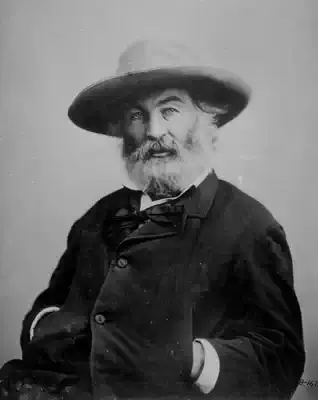
Walt Whitman
Out of the Cradle Endlessly Rocking
Out of the Cradle Endlessly Rocking
Out of the cradle endlessly rocking,
Out of the mocking-bird's throat, the musical shuttle,
Out of the Ninth-month midnight,
Over the sterile sands and the fields beyond, where the child
leaving his bed wander'd alone, bareheaded, barefoot,
Down from the shower'd halo,
Up from the mystic play of shadows twining and twisting as
if they were alive,
Out from the patches of briers and blackberries,
From the memories of the bird that chanted to me,
From your memories sad brother, from the fitful risings and
fallings I heard,
From under that yellow half-moon late-risen and swollen as
if with tears,
From those beginning notes of yearning and love there in
the mist,
From the thousand responses of my heart never to cease,
From the myriad thence-arous'd words,
From the word stronger and more delicious than any,
From such as now they start the scene revisiting,
As a flock, twittering, rising, or overhead passing,
Borne hither, ere all eludes me, hurriedly,
A man, yet by these tears a little boy again,
Throwing myself on the sand, confronting the waves,
I, chanter of pains and joys, uniter of here and hereafter,
Taking all hints to use them, but swiftly leaping beyond them,
A reminiscence sing.
Once Paumanok,
When the lilac-scent was in the air and Fifth-month grass
was growing,
Up this seashore in some briers,
Two feather'd guests from Alabama, two together,
And their nest, and four light-green eggs spotted with brown,
And every day the he-bird to and fro near at hand,
And every day the she-bird crouch'd on her nest, silent, with
bright eyes,
And every day I, a curious boy, never too close, never
disturbing them,
Cautiously peering, absorbing, translating.
Shine! shine! shine!
Pour down your warmth, great sun!
While we bask, we two together.
Two together!
Winds blow south, or winds blow north,
Day come white, or niqht come black,
Home, or rivers and mountains from home,
Singing all time, minding no time,
While we two keep together.
Till of a sudden,
May-be kill'd, unknown to her mate,
One forenoon the she-bird crouch'd not on the nest,
Nor return'd that afternoon, nor the next,
Nor ever appear'd again.
And thenceforward all summer in the sound of the sea,
And at night under the full of the moon in calmer weather,
Over the hoarse surging of the sea,
Or flitting from brier to brier by day,
I saw, I heard at intervals the remaining one, the he-bird,
The solitary guest from Alabama.
Blow! blow! blow!
Blow up sea-winds along Paumanok's shore;
I wait and I wait till you blow my mate to me.
Yes, when the stars glisten'd,
All night long on the prong of a moss-scallop'd stake,
Down almost amid the slapping waves,
Sat the lone singer wonderful causing tears.
He call'd on his mate,
He pour'd forth the meanings which I of all men know.
Yes my brother I know,
The rest might not, but I have treasur'd every note,
For more than once dimly down to the beach gliding,
Silent, avoiding the moonbeams, blending myself with the
shadows,
Recalling now the obscure shapes, the echoes, the sounds
and sights after their sorts,
The white arms out in the breakers tirelessly tossing,
I, with bare feet, a child, the wind wafting my hair,
Listen'd long and long.
Listen'd to keep, to sing, now translating the notes,
Following you my brother.
Soothe! soothe! soothe!
Close on its wave soothes the wave behind,
And again another behind embracing and lapping, every one close,
But my love soothes not me, not me.
Low hangs the moon, it rose late,
It is lagging--O I think it is heavy with love, with love.
O madly the sea pushes upon the land,
With love, with love.
O night! do I not see my love fluttering out among the breakers?
What is that little black thing I see there in the white?
Loud! loud! loud!
Loud I call to you, my love!
Hiqh and clear I shoot my voice over the waves,
Surely you must know who is here, is here,
You must know who I am, my love.
Low-hanging moon!
What is that dusky spot in your brown yellow?
O it is the shape, the shape of my mate!
O moon do not keep her from me any longer.
Land! land! O land!
Whichever way I turn, 0 I think you could give me my mate
back again if you only would,
For I am almost sure I see her dimly whichever way I look.
O rising stars!
Perhaps the one I want so much will rise, will rise with some of you.
O throat! 0 trembling throat!
Sound clearer through the atmosphere!
Pierce the woods, the earth,
Somewhere listening to catch you must be the one I want.
Shake out carols!
Solitary here, the niqht's carols!
Carols of lonesome love! death's carols!
Carols under that lagging, yellow, waning moon!
O under that moon where she droops almost down into the sea!
O reckless despairing carols.
But soft! sink low!
Soft! let me just murmur,
And do you wait a moment you husky-nois'd sea,
For somewhere I believe I heard my mate responding to me,
So faint, I must be still, be still to listen,
But not altogether still, for then she miqht not come immediately
to me.
Hither my love!
Here I am! here!
With this just-sustain'd note I announce myself to you,
This gentle call is for you my love, for you.
Do not be decoy'd elsewhere,
That is the whistle of the wind, it is not my voice,
That is the fluttering, the fluttering of the spray,
Those are the shadows of leaves.
O darkness! 0 in vain!
0 I am very sick and sorrowful.
O brown halo in the sky near the moon, drooping upon the sea!
O troubled reflection in the sea!
O throat! 0 throbbing heart!
And I singing uselessly, uselessly all the niqht.
0 past! 0 happy life! 0 songs of joy!
In the air, in the woods, over fields,
Loved! loved! loved! loved! loved!
But my mate no more, no more with me!
We two together no more.
The aria sinking,
All else continuing, the stars shining,
The winds blowing, the notes of the bird continuous echoing,
With angry moans the fierce old mother incessantly moaning,
On the sands of Paumanok's shore gray and rustling,
The yellow half-moon enlarged, sagging down, drooping,
the face of the sea almost touching,
The boy ecstatic, with his bare feet the waves, with his hair
the atmosphere dallying,
The love in the heart long pent, now loose, now at last
tumultuously bursting,
The aria's meaning, the ears, the soul, swiftly depositing,
The strange tears down the cheeks coursing,
The colloquy there, the trio, each uttering,
The undertone, the savage old mother incessantly crying,
To the boy's soul's questions sullenly timing, some drown'd
secret hissing,
To the outsetting bard.
Demon or bird! (said the boy's soul,)
Is it indeed toward your mate you sing? or is it really to me?
For I, that was a child, my tongue's use sleeping, now I
have heard you,
Now in a moment I know what I am for, I awake,
And already a thousand singers, a thousand songs, clearer,
louder and more sorrowful than yours,
A thousand warbling echoes have started to life within me,
never to die.
O you singer solitary, singing by yourself, projecting me,
O solitary me listening, never more shall I cease
perpetuating you,
Never more shall I escape, never more the reverberations,
Never more the cries of unsatisfied love be absent from me,
Never again leave me to be the peaceful child I was before
what there in the night,
By the sea under the yellow and sagging moon,
The messenger there arous'd, the fire, the sweet hell within,
The unknown want, the destiny of me.
O give me the clew! (it lurks in the night here somewhere,)
O if I am to have so much, let me have more!
A word then, (for I will conquer it,)
The word final, superior to all,
Subtle, sent up--what is it?--I listen;
Are you whispering it, and have been all the time, you seawaves?
Is that it from your liquid rims and wet sands?
Whereto answering, the sea,
Delaying not, hurrying not,
Whisper'd me through the night, and very plainly before
daybreak,
Lisp'd to me the low and delicious word death,
And again death, death, death, death,
Hissing melodious, neither like the bird nor like my arous'd
child's heart,
But edging near as privately for me rustling at my feet,
Creeping thence steadily up to my ears and laving me softly
all over,
Death, death, death, death, death.
Which I do not forget,
But fuse the song of my dusky demon and brother,
That he sang to me in the moonlight on Paumanok's gray
beach,
With the thousand responsive songs at random,
My own songs awaked from that hour,
And with them the key, the word up from the waves,
The word of the sweetest song and all songs,
That strong and delicious word which, creeping to my feet,
(Or like some old crone rocking the cradle, swathed in sweet
garments, bending aside,)
The sea whisper'd me.
Out of the cradle endlessly rocking,
Out of the mocking-bird's throat, the musical shuttle,
Out of the Ninth-month midnight,
Over the sterile sands and the fields beyond, where the child
leaving his bed wander'd alone, bareheaded, barefoot,
Down from the shower'd halo,
Up from the mystic play of shadows twining and twisting as
if they were alive,
Out from the patches of briers and blackberries,
From the memories of the bird that chanted to me,
From your memories sad brother, from the fitful risings and
fallings I heard,
From under that yellow half-moon late-risen and swollen as
if with tears,
From those beginning notes of yearning and love there in
the mist,
From the thousand responses of my heart never to cease,
From the myriad thence-arous'd words,
From the word stronger and more delicious than any,
From such as now they start the scene revisiting,
As a flock, twittering, rising, or overhead passing,
Borne hither, ere all eludes me, hurriedly,
A man, yet by these tears a little boy again,
Throwing myself on the sand, confronting the waves,
I, chanter of pains and joys, uniter of here and hereafter,
Taking all hints to use them, but swiftly leaping beyond them,
A reminiscence sing.
Once Paumanok,
When the lilac-scent was in the air and Fifth-month grass
was growing,
Up this seashore in some briers,
Two feather'd guests from Alabama, two together,
And their nest, and four light-green eggs spotted with brown,
And every day the he-bird to and fro near at hand,
And every day the she-bird crouch'd on her nest, silent, with
bright eyes,
And every day I, a curious boy, never too close, never
disturbing them,
Cautiously peering, absorbing, translating.
Shine! shine! shine!
Pour down your warmth, great sun!
While we bask, we two together.
Two together!
Winds blow south, or winds blow north,
Day come white, or niqht come black,
Home, or rivers and mountains from home,
Singing all time, minding no time,
While we two keep together.
Till of a sudden,
May-be kill'd, unknown to her mate,
One forenoon the she-bird crouch'd not on the nest,
Nor return'd that afternoon, nor the next,
Nor ever appear'd again.
And thenceforward all summer in the sound of the sea,
And at night under the full of the moon in calmer weather,
Over the hoarse surging of the sea,
Or flitting from brier to brier by day,
I saw, I heard at intervals the remaining one, the he-bird,
The solitary guest from Alabama.
Blow! blow! blow!
Blow up sea-winds along Paumanok's shore;
I wait and I wait till you blow my mate to me.
Yes, when the stars glisten'd,
All night long on the prong of a moss-scallop'd stake,
Down almost amid the slapping waves,
Sat the lone singer wonderful causing tears.
He call'd on his mate,
He pour'd forth the meanings which I of all men know.
Yes my brother I know,
The rest might not, but I have treasur'd every note,
For more than once dimly down to the beach gliding,
Silent, avoiding the moonbeams, blending myself with the
shadows,
Recalling now the obscure shapes, the echoes, the sounds
and sights after their sorts,
The white arms out in the breakers tirelessly tossing,
I, with bare feet, a child, the wind wafting my hair,
Listen'd long and long.
Listen'd to keep, to sing, now translating the notes,
Following you my brother.
Soothe! soothe! soothe!
Close on its wave soothes the wave behind,
And again another behind embracing and lapping, every one close,
But my love soothes not me, not me.
Low hangs the moon, it rose late,
It is lagging--O I think it is heavy with love, with love.
O madly the sea pushes upon the land,
With love, with love.
O night! do I not see my love fluttering out among the breakers?
What is that little black thing I see there in the white?
Loud! loud! loud!
Loud I call to you, my love!
Hiqh and clear I shoot my voice over the waves,
Surely you must know who is here, is here,
You must know who I am, my love.
Low-hanging moon!
What is that dusky spot in your brown yellow?
O it is the shape, the shape of my mate!
O moon do not keep her from me any longer.
Land! land! O land!
Whichever way I turn, 0 I think you could give me my mate
back again if you only would,
For I am almost sure I see her dimly whichever way I look.
O rising stars!
Perhaps the one I want so much will rise, will rise with some of you.
O throat! 0 trembling throat!
Sound clearer through the atmosphere!
Pierce the woods, the earth,
Somewhere listening to catch you must be the one I want.
Shake out carols!
Solitary here, the niqht's carols!
Carols of lonesome love! death's carols!
Carols under that lagging, yellow, waning moon!
O under that moon where she droops almost down into the sea!
O reckless despairing carols.
But soft! sink low!
Soft! let me just murmur,
And do you wait a moment you husky-nois'd sea,
For somewhere I believe I heard my mate responding to me,
So faint, I must be still, be still to listen,
But not altogether still, for then she miqht not come immediately
to me.
Hither my love!
Here I am! here!
With this just-sustain'd note I announce myself to you,
This gentle call is for you my love, for you.
Do not be decoy'd elsewhere,
That is the whistle of the wind, it is not my voice,
That is the fluttering, the fluttering of the spray,
Those are the shadows of leaves.
O darkness! 0 in vain!
0 I am very sick and sorrowful.
O brown halo in the sky near the moon, drooping upon the sea!
O troubled reflection in the sea!
O throat! 0 throbbing heart!
And I singing uselessly, uselessly all the niqht.
0 past! 0 happy life! 0 songs of joy!
In the air, in the woods, over fields,
Loved! loved! loved! loved! loved!
But my mate no more, no more with me!
We two together no more.
The aria sinking,
All else continuing, the stars shining,
The winds blowing, the notes of the bird continuous echoing,
With angry moans the fierce old mother incessantly moaning,
On the sands of Paumanok's shore gray and rustling,
The yellow half-moon enlarged, sagging down, drooping,
the face of the sea almost touching,
The boy ecstatic, with his bare feet the waves, with his hair
the atmosphere dallying,
The love in the heart long pent, now loose, now at last
tumultuously bursting,
The aria's meaning, the ears, the soul, swiftly depositing,
The strange tears down the cheeks coursing,
The colloquy there, the trio, each uttering,
The undertone, the savage old mother incessantly crying,
To the boy's soul's questions sullenly timing, some drown'd
secret hissing,
To the outsetting bard.
Demon or bird! (said the boy's soul,)
Is it indeed toward your mate you sing? or is it really to me?
For I, that was a child, my tongue's use sleeping, now I
have heard you,
Now in a moment I know what I am for, I awake,
And already a thousand singers, a thousand songs, clearer,
louder and more sorrowful than yours,
A thousand warbling echoes have started to life within me,
never to die.
O you singer solitary, singing by yourself, projecting me,
O solitary me listening, never more shall I cease
perpetuating you,
Never more shall I escape, never more the reverberations,
Never more the cries of unsatisfied love be absent from me,
Never again leave me to be the peaceful child I was before
what there in the night,
By the sea under the yellow and sagging moon,
The messenger there arous'd, the fire, the sweet hell within,
The unknown want, the destiny of me.
O give me the clew! (it lurks in the night here somewhere,)
O if I am to have so much, let me have more!
A word then, (for I will conquer it,)
The word final, superior to all,
Subtle, sent up--what is it?--I listen;
Are you whispering it, and have been all the time, you seawaves?
Is that it from your liquid rims and wet sands?
Whereto answering, the sea,
Delaying not, hurrying not,
Whisper'd me through the night, and very plainly before
daybreak,
Lisp'd to me the low and delicious word death,
And again death, death, death, death,
Hissing melodious, neither like the bird nor like my arous'd
child's heart,
But edging near as privately for me rustling at my feet,
Creeping thence steadily up to my ears and laving me softly
all over,
Death, death, death, death, death.
Which I do not forget,
But fuse the song of my dusky demon and brother,
That he sang to me in the moonlight on Paumanok's gray
beach,
With the thousand responsive songs at random,
My own songs awaked from that hour,
And with them the key, the word up from the waves,
The word of the sweetest song and all songs,
That strong and delicious word which, creeping to my feet,
(Or like some old crone rocking the cradle, swathed in sweet
garments, bending aside,)
The sea whisper'd me.
636
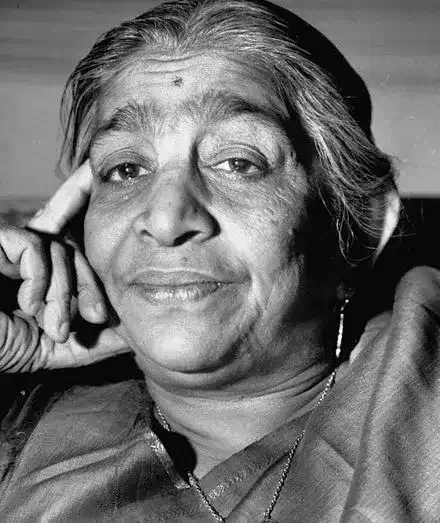
Sarojini Naidu
Humayun To Zobeida (From the Urdu)
Humayun To Zobeida (From the Urdu)
You flaunt your beauty in the rose, your glory in the dawn,
Your sweetness in the nightingale, your white- ness in the swan.
You haunt my waking like a dream, my slumber like a moon,
Pervade me like a musky scent, possess me like a tune.
Yet, when I crave of you, my sweet, one tender moment's grace,
You cry, "I sit behind the veil, I cannot show my face."
Shall any foolish veil divide my longing from my bliss?
Shall any fragile curtain hide your beauty from my kiss?
What war is this of Thee and Me? Give o'er the wanton strife,
You are the heart within my heart, the life within my life.
You flaunt your beauty in the rose, your glory in the dawn,
Your sweetness in the nightingale, your white- ness in the swan.
You haunt my waking like a dream, my slumber like a moon,
Pervade me like a musky scent, possess me like a tune.
Yet, when I crave of you, my sweet, one tender moment's grace,
You cry, "I sit behind the veil, I cannot show my face."
Shall any foolish veil divide my longing from my bliss?
Shall any fragile curtain hide your beauty from my kiss?
What war is this of Thee and Me? Give o'er the wanton strife,
You are the heart within my heart, the life within my life.
315
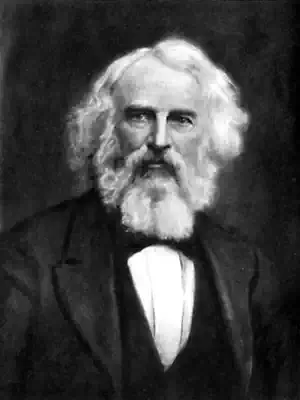
Henry Wadsworth Longfellow
The Sea Diver
The Sea Diver
My way is on the bright blue sea,
My sleep upon its rocking tide;
And many an eye has followed me
Where billows clasp the worn seaside.
My plumage bears the crimson blush,
When ocean by the sun is kissed!
When fades the evening's purple flush,
My dark wing cleaves the silver mist.
Full many a fathom down beneath
The bright arch of the splendid deep
My ear has heard the sea-shell breathe
O'er living myriads in their sleep.
They rested by the coral throne,
And by the pearly diadem;
Where the pale sea-grape had o'ergrown
The glorious dwellings made for them.
At night upon my storm-drench'd wing,
I poised above a helmless bark,
And soon I saw the shattered thing
Had passed away and left no mark.
And when the wind and storm were done,
a ship, that had rode out the gale,
Sunk down, without a signal-gun,
And none was left to tell the tale.
I saw the pomp of day depart--
The cloud resign its golden crown,
When to the ocean's beating heart
The sailor's wasted corse went down.
Peace be to those whose graves are made
Beneath the bright and silver sea!
Peace - that their relics there were laid
With no vain pride and pageantry.
My way is on the bright blue sea,
My sleep upon its rocking tide;
And many an eye has followed me
Where billows clasp the worn seaside.
My plumage bears the crimson blush,
When ocean by the sun is kissed!
When fades the evening's purple flush,
My dark wing cleaves the silver mist.
Full many a fathom down beneath
The bright arch of the splendid deep
My ear has heard the sea-shell breathe
O'er living myriads in their sleep.
They rested by the coral throne,
And by the pearly diadem;
Where the pale sea-grape had o'ergrown
The glorious dwellings made for them.
At night upon my storm-drench'd wing,
I poised above a helmless bark,
And soon I saw the shattered thing
Had passed away and left no mark.
And when the wind and storm were done,
a ship, that had rode out the gale,
Sunk down, without a signal-gun,
And none was left to tell the tale.
I saw the pomp of day depart--
The cloud resign its golden crown,
When to the ocean's beating heart
The sailor's wasted corse went down.
Peace be to those whose graves are made
Beneath the bright and silver sea!
Peace - that their relics there were laid
With no vain pride and pageantry.
374
Sarojini Naidu
Ecstasy
Ecstasy
Cover mine eyes, O my Love!
Mine eyes that are weary of bliss
As of light that is poignant and strong
O silence my lips with a kiss,
My lips that are weary of song!
Shelter my soul, O my love!
My soul is bent low with the pain
And the burden of love, like the grace
Of a flower that is smitten with rain:
O shelter my soul from thy face!
Cover mine eyes, O my Love!
Mine eyes that are weary of bliss
As of light that is poignant and strong
O silence my lips with a kiss,
My lips that are weary of song!
Shelter my soul, O my love!
My soul is bent low with the pain
And the burden of love, like the grace
Of a flower that is smitten with rain:
O shelter my soul from thy face!
337
Walt Whitman
Other May Praise What They Like
Other May Praise What They Like
OTHERS may praise what they like;
But I, from the banks of the running Missouri, praise nothing, in
art, or aught else,
Till it has well inhaled the atmosphere of this river--also the
western prairie-scent,
And fully exudes it again.
OTHERS may praise what they like;
But I, from the banks of the running Missouri, praise nothing, in
art, or aught else,
Till it has well inhaled the atmosphere of this river--also the
western prairie-scent,
And fully exudes it again.
313

Robert W. Service
The Ballad Of Salvation Bill
The Ballad Of Salvation Bill
'Twas in the bleary middle of the hard-boiled Arctic night,
I was lonesome as a loon, so if you can,
Imagine my emotions of amazement and delight
When I bumped into that Missionary Man.
He was lying lost and dying in the moon's unholy leer,
And frozen from his toes to finger-tips'
The famished wolf-pack ringed him; but he didn't seem to fear,
As he pressed his ice-bond Bible to his lips.
'Twas the limit of my trap-line, with the cabin miles away,
And every step was like a stab of pain;
But I packed him like a baby, and I nursed him night and day,
Till I got him back to health and strength again.
So there we were, benighted in the shadow of the Pole,
And he might have proved a priceless little pard,
If he hadn't got to worrying about my blessed soul,
And a-quotin' me his Bible by the yard.
Now there was I, a husky guy, whose god was Nicotine,
With a "coffin-nail" a fixture in my mug;
I rolled them in the pages of a pulpwood magazine,
And hacked them with my jack-knife from the plug.
For, Oh to know the bliss and glow that good tobacco means,
Just live among the everlasting ice . . .
So judge my horror when I found my stock of magazines
Was chewed into a chowder by the mice.
A woeful week went by and not a single pill I had,
Me that would smoke my forty in a day;
I sighed, I swore, I strode the floor; I felt I would go mad:
The gospel-plugger watched me with dismay.
My brow was wet, my teeth were set, my nerves were rasping raw;
And yet that preacher couldn't understand:
So with despair I wrestled there - when suddenly I saw
The volume he was holding in his hand.
Then something snapped inside my brain, and with an evil start
The wolf-man in me woke to rabid rage.
"I saved your lousy life," says I; "so show you have a heart,
And tear me out a solitary page."
He shrank and shrivelled at my words; his face went pewter white;
'Twas just as if I'd handed him a blow:
And then . . . and then he seemed to swell, and grow to Heaven's height,
And in a voice that rang he answered: "No!"
I grabbed my loaded rifle and I jabbed it to his chest:
"Come on, you shrimp, give me that Book," says I.
Well sir, he was a parson, but he stacked up with the best,
And for grit I got to hand it to the guy.
"If I should let you desecrate this Holy Word," he said,
"My soul would be eternally accurst;
So go on, Bill, I'm ready. You can pump me full of lead
And take it, but - you've got to kill me first."
Now I'm no foul assassin, though I'm full of sinful ways,
And I knew right there the fellow had me beat;
For I felt a yellow mongrel in the glory of his gaze,
And I flung my foolish firearm at his feet,
Then wearily I turned away, and dropped upon my bunk,
And there I lay and blubbered like a kid.
"Forgive me, pard," says I at last, "for acting like a skunk,
But hide the blasted rifle..." Which he did.
And he also hid his Bible, which was maybe just as well,
For the sight of all that paper gave me pain;
And there were crimson moments when I felt I'd o to hell
To have a single cigarette again.
And so I lay day after day, and brooded dark and deep,
Until one night I thought I'd end it all;
Then rough I roused the preacher, where he stretched pretending sleep,
With his map of horror turned towards the wall.
"See here, my pious pal," says I, "I've stood it long enough...
Behold! I've mixed some strychnine in a cup;
Enough to kill a dozen men - believe me it's no bluff;
Now watch me, for I'm gonna drink it up.
You've seen me bludgeoned by despair through bitter days and nights,
And now you'll see me squirming as I die.
You're not to blame, you've played the game according to your lights...
But how would Christ have played it? - Well, good-bye..."
With that I raised the deadly drink and laid it to my lips,
But he was on me with a tiger-bound;
And as we locked and reeled and rocked with wild and wicked grips,
The poison cup went crashing to the ground.
"Don't do it, Bill," he madly shrieked. "Maybe I acted wrong.
See, here's my Bible - use it as you will;
But promise me - you'll read a little as you go along...
You do! Then take it, Brother; smoke your fill."
And so I did. I smoked and smoked from Genesis to Job,
And as I smoked I read each blessed word;
While in the shadow of his bunk I heard him sigh and sob,
And then . . . a most peculiar thing occurred.
I got to reading more and more, and smoking less and less,
Till just about the day his heart was broke,
Says I: "Here, take it back, me lad. I've had enough I guess.
Your paper makes a mighty rotten smoke."
So then and there with plea and prayer he wrestled for my soul,
And I was racked and ravaged by regrets.
But God was good, for lo! next day there came the police patrol,
With paper for a thousand cigarettes. . .
So now I'm called Salvation Bill; I teach the Living Law,
And Bally-hoo the Bible with the best;
And if a guy won't listen - why, I sock him on the jaw,
And preach the Gospel sitting on his chest.
'Twas in the bleary middle of the hard-boiled Arctic night,
I was lonesome as a loon, so if you can,
Imagine my emotions of amazement and delight
When I bumped into that Missionary Man.
He was lying lost and dying in the moon's unholy leer,
And frozen from his toes to finger-tips'
The famished wolf-pack ringed him; but he didn't seem to fear,
As he pressed his ice-bond Bible to his lips.
'Twas the limit of my trap-line, with the cabin miles away,
And every step was like a stab of pain;
But I packed him like a baby, and I nursed him night and day,
Till I got him back to health and strength again.
So there we were, benighted in the shadow of the Pole,
And he might have proved a priceless little pard,
If he hadn't got to worrying about my blessed soul,
And a-quotin' me his Bible by the yard.
Now there was I, a husky guy, whose god was Nicotine,
With a "coffin-nail" a fixture in my mug;
I rolled them in the pages of a pulpwood magazine,
And hacked them with my jack-knife from the plug.
For, Oh to know the bliss and glow that good tobacco means,
Just live among the everlasting ice . . .
So judge my horror when I found my stock of magazines
Was chewed into a chowder by the mice.
A woeful week went by and not a single pill I had,
Me that would smoke my forty in a day;
I sighed, I swore, I strode the floor; I felt I would go mad:
The gospel-plugger watched me with dismay.
My brow was wet, my teeth were set, my nerves were rasping raw;
And yet that preacher couldn't understand:
So with despair I wrestled there - when suddenly I saw
The volume he was holding in his hand.
Then something snapped inside my brain, and with an evil start
The wolf-man in me woke to rabid rage.
"I saved your lousy life," says I; "so show you have a heart,
And tear me out a solitary page."
He shrank and shrivelled at my words; his face went pewter white;
'Twas just as if I'd handed him a blow:
And then . . . and then he seemed to swell, and grow to Heaven's height,
And in a voice that rang he answered: "No!"
I grabbed my loaded rifle and I jabbed it to his chest:
"Come on, you shrimp, give me that Book," says I.
Well sir, he was a parson, but he stacked up with the best,
And for grit I got to hand it to the guy.
"If I should let you desecrate this Holy Word," he said,
"My soul would be eternally accurst;
So go on, Bill, I'm ready. You can pump me full of lead
And take it, but - you've got to kill me first."
Now I'm no foul assassin, though I'm full of sinful ways,
And I knew right there the fellow had me beat;
For I felt a yellow mongrel in the glory of his gaze,
And I flung my foolish firearm at his feet,
Then wearily I turned away, and dropped upon my bunk,
And there I lay and blubbered like a kid.
"Forgive me, pard," says I at last, "for acting like a skunk,
But hide the blasted rifle..." Which he did.
And he also hid his Bible, which was maybe just as well,
For the sight of all that paper gave me pain;
And there were crimson moments when I felt I'd o to hell
To have a single cigarette again.
And so I lay day after day, and brooded dark and deep,
Until one night I thought I'd end it all;
Then rough I roused the preacher, where he stretched pretending sleep,
With his map of horror turned towards the wall.
"See here, my pious pal," says I, "I've stood it long enough...
Behold! I've mixed some strychnine in a cup;
Enough to kill a dozen men - believe me it's no bluff;
Now watch me, for I'm gonna drink it up.
You've seen me bludgeoned by despair through bitter days and nights,
And now you'll see me squirming as I die.
You're not to blame, you've played the game according to your lights...
But how would Christ have played it? - Well, good-bye..."
With that I raised the deadly drink and laid it to my lips,
But he was on me with a tiger-bound;
And as we locked and reeled and rocked with wild and wicked grips,
The poison cup went crashing to the ground.
"Don't do it, Bill," he madly shrieked. "Maybe I acted wrong.
See, here's my Bible - use it as you will;
But promise me - you'll read a little as you go along...
You do! Then take it, Brother; smoke your fill."
And so I did. I smoked and smoked from Genesis to Job,
And as I smoked I read each blessed word;
While in the shadow of his bunk I heard him sigh and sob,
And then . . . a most peculiar thing occurred.
I got to reading more and more, and smoking less and less,
Till just about the day his heart was broke,
Says I: "Here, take it back, me lad. I've had enough I guess.
Your paper makes a mighty rotten smoke."
So then and there with plea and prayer he wrestled for my soul,
And I was racked and ravaged by regrets.
But God was good, for lo! next day there came the police patrol,
With paper for a thousand cigarettes. . .
So now I'm called Salvation Bill; I teach the Living Law,
And Bally-hoo the Bible with the best;
And if a guy won't listen - why, I sock him on the jaw,
And preach the Gospel sitting on his chest.
185
Sarojini Naidu
Cradle Song
Cradle Song
FROM groves of spice,
O'er fields of rice,
Athwart the lotus-stream,
I bring for you,
Aglint with dew
A little lovely dream.
Sweet, shut your eyes,
The wild fire-fiies
Dance through the fairy neem;
From the poppy-bole
For you I stole
A little lovely dream.
Dear eyes, good-night,
In golden light
The stars around you gleam;
On you I press
With soft caress
A little lovely dream.
FROM groves of spice,
O'er fields of rice,
Athwart the lotus-stream,
I bring for you,
Aglint with dew
A little lovely dream.
Sweet, shut your eyes,
The wild fire-fiies
Dance through the fairy neem;
From the poppy-bole
For you I stole
A little lovely dream.
Dear eyes, good-night,
In golden light
The stars around you gleam;
On you I press
With soft caress
A little lovely dream.
453
Walt Whitman
One's Self I Sing
One's Self I Sing
ONE'S-SELF I sing--a simple, separate Person;
Yet utter the word Democratic, the word En-masse.
Of Physiology from top to toe I sing;
Not physiognomy alone, nor brain alone, is worthy for the muse--I say
the Form complete is worthier far;
The Female equally with the male I sing.
Of Life immense in passion, pulse, and power,
Cheerful--for freest action form'd, under the laws divine,
The Modern Man I sing.
ONE'S-SELF I sing--a simple, separate Person;
Yet utter the word Democratic, the word En-masse.
Of Physiology from top to toe I sing;
Not physiognomy alone, nor brain alone, is worthy for the muse--I say
the Form complete is worthier far;
The Female equally with the male I sing.
Of Life immense in passion, pulse, and power,
Cheerful--for freest action form'd, under the laws divine,
The Modern Man I sing.
292
Henry Wadsworth Longfellow
The Revenge of Rain-in-the-Face
The Revenge of Rain-in-the-Face
In that desolate land and lone,
Where the Big Horn and Yellowstone
Roar down their mountain path,
By their fires the Sioux Chiefs
Muttered their woes and griefs
And the menace of their wrath.
"Revenge!" cried Rain-in-the-Face,
"Revenue upon all the race
Of the White Chief with yellow hair!"
And the mountains dark and high
From their crags re-echoed the cry
Of his anger and despair.
In the meadow, spreading wide
By woodland and riverside
The Indian village stood;
All was silent as a dream,
Save the rushing a of the stream
And the blue-jay in the wood.
In his war paint and his beads,
Like a bison among the reeds,
In ambush the Sitting Bull
Lay with three thousand braves
Crouched in the clefts and caves,
Savage, unmerciful!
Into the fatal snare
The White Chief with yellow hair
And his three hundred men
Dashed headlong, sword in hand;
But of that gallant band
Not one returned again.
The sudden darkness of death
Overwhelmed them like the breath
And smoke of a furnace fire:
By the river's bank, and between
The rocks of the ravine,
They lay in their bloody attire.
But the foemen fled in the night,
And Rain-in-the-Face, in his flight
Uplifted high in air
As a ghastly trophy, bore
The brave heart, that beat no more,
Of the White Chief with yellow hair.
Whose was the right and the wrong?
Sing it, O funeral song,
With a voice that is full of tears,
And say that our broken faith
Wrought all this ruin and scathe,
In the Year of a Hundred Years.
In that desolate land and lone,
Where the Big Horn and Yellowstone
Roar down their mountain path,
By their fires the Sioux Chiefs
Muttered their woes and griefs
And the menace of their wrath.
"Revenge!" cried Rain-in-the-Face,
"Revenue upon all the race
Of the White Chief with yellow hair!"
And the mountains dark and high
From their crags re-echoed the cry
Of his anger and despair.
In the meadow, spreading wide
By woodland and riverside
The Indian village stood;
All was silent as a dream,
Save the rushing a of the stream
And the blue-jay in the wood.
In his war paint and his beads,
Like a bison among the reeds,
In ambush the Sitting Bull
Lay with three thousand braves
Crouched in the clefts and caves,
Savage, unmerciful!
Into the fatal snare
The White Chief with yellow hair
And his three hundred men
Dashed headlong, sword in hand;
But of that gallant band
Not one returned again.
The sudden darkness of death
Overwhelmed them like the breath
And smoke of a furnace fire:
By the river's bank, and between
The rocks of the ravine,
They lay in their bloody attire.
But the foemen fled in the night,
And Rain-in-the-Face, in his flight
Uplifted high in air
As a ghastly trophy, bore
The brave heart, that beat no more,
Of the White Chief with yellow hair.
Whose was the right and the wrong?
Sing it, O funeral song,
With a voice that is full of tears,
And say that our broken faith
Wrought all this ruin and scathe,
In the Year of a Hundred Years.
336
Walt Whitman
One Song, America, Before I Go
One Song, America, Before I Go
ONE song, America, before I go,
I'd sing, o'er all the rest, with trumpet sound,
For thee--the Future.
I'd sow a seed for thee of endless Nationality;
I'd fashion thy Ensemble, including Body and Soul;
I'd show, away ahead, thy real Union, and how it may be accomplish'd.
(The paths to the House I seek to make,
But leave to those to come, the House itself.)
Belief I sing--and Preparation;
As Life and Nature are not great with reference to the Present
only, 10
But greater still from what is yet to come,
Out of that formula for Thee I sing.
ONE song, America, before I go,
I'd sing, o'er all the rest, with trumpet sound,
For thee--the Future.
I'd sow a seed for thee of endless Nationality;
I'd fashion thy Ensemble, including Body and Soul;
I'd show, away ahead, thy real Union, and how it may be accomplish'd.
(The paths to the House I seek to make,
But leave to those to come, the House itself.)
Belief I sing--and Preparation;
As Life and Nature are not great with reference to the Present
only, 10
But greater still from what is yet to come,
Out of that formula for Thee I sing.
450
Sarojini Naidu
Corn Grinders
Corn Grinders
O little mouse, why dost thou cry
While merry stars laugh in the sky?
Alas! alas! my lord is dead!
Ah, who will ease my bitter pain?
He went to seek a millet-grain
In the rich farmer's granary shed;
They caught him in a baited snare,
And slew my lover unaware:
Alas! alas! my lord is dead.
O little deer, why dost thou moan,
Hid in thy forest-bower alone?
Alas! alas! my lord is dead!
Ah! who will quiet my lament?
At fall of eventide he went
To drink beside the river-head;
A waiting hunter threw his dart,
And struck my lover through the heart.
Alas! alas! my lord is dead.
O little bride, why dost thou weep
With all the happy world asleep?
Alas! alas! my lord is dead!
Ah, who will stay these hungry tears,
Or still the want of famished years,
And crown with love my marriage-bed?
My soul burns with the quenchless fire
That lit my lover's funeral pyre:
Alas! alas! my lord is dead.
O little mouse, why dost thou cry
While merry stars laugh in the sky?
Alas! alas! my lord is dead!
Ah, who will ease my bitter pain?
He went to seek a millet-grain
In the rich farmer's granary shed;
They caught him in a baited snare,
And slew my lover unaware:
Alas! alas! my lord is dead.
O little deer, why dost thou moan,
Hid in thy forest-bower alone?
Alas! alas! my lord is dead!
Ah! who will quiet my lament?
At fall of eventide he went
To drink beside the river-head;
A waiting hunter threw his dart,
And struck my lover through the heart.
Alas! alas! my lord is dead.
O little bride, why dost thou weep
With all the happy world asleep?
Alas! alas! my lord is dead!
Ah, who will stay these hungry tears,
Or still the want of famished years,
And crown with love my marriage-bed?
My soul burns with the quenchless fire
That lit my lover's funeral pyre:
Alas! alas! my lord is dead.
282
Robert W. Service
The Ballad Of One-Eyed Mike
The Ballad Of One-Eyed Mike
This is the tale that was told to me by the man with the crystal eye,
As I smoked my pipe in the camp-fire light, and the Glories swept the sky;
As the Northlights gleamed and curved and streamed, and the bottle of "hooch" was
dry.
A man once aimed that my life be shamed, and wrought me a deathly wrong;
I vowed one day I would well repay, but the heft of his hate was strong.
He thonged me East and he thonged me West; he harried me back and forth,
Till I fled in fright from his peerless spite to the bleak, bald-headed North.
And there I lay, and for many a day I hatched plan after plan,
For a golden haul of the wherewithal to crush and to kill my man;
And there I strove, and there I clove through the drift of icy streams;
And there I fought, and there I sought for the pay-streak of my dreams.
So twenty years, with their hopes and fears and smiles and tears and such,
Went by and left me long bereft of hope of the Midas touch;
About as fat as a chancel rat, and lo! despite my will,
In the weary fight I had clean lost sight of the man I sought to kill.
'Twas so far away, that evil day when I prayed to the Prince of Gloom
For the savage strength and the sullen length of life to work his doom.
Nor sign nor word had I seen or heard, and it happed so long ago;
My youth was gone and my memory wan, and I willed it even so.
It fell one night in the waning light by the Yukon's oily flow,
I smoked and sat as I marvelled at the sky's port-winey glow;
Till it paled away to an absinthe gray, and the river seemed to shrink,
All wobbly flakes and wriggling snakes and goblin eyes a-wink.
'Twas weird to see and it 'wildered me in a queer, hypnotic dream,
Till I saw a spot like an inky blot come floating down the stream;
It bobbed and swung; it sheered and hung; it romped round in a ring;
It seemed to play in a tricksome way; it sure was a merry thing.
In freakish flights strange oily lights came fluttering round its head,
Like butterflies of a monster size--then I knew it for the Dead.
Its face was rubbed and slicked and scrubbed as smooth as a shaven pate;
In the silver snakes that the water makes it gleamed like a dinner-plate.
It gurgled near, and clear and clear and large and large it grew;
It stood upright in a ring of light and it looked me through and through.
It weltered round with a woozy sound, and ere I could retreat,
With the witless roll of a sodden soul it wantoned to my feet.
And here I swear by this Cross I wear, I heard that "floater" say:
"I am the man from whom you ran, the man you sought to slay.
That you may note and gaze and gloat, and say `Revenge is sweet',
In the grit and grime of the river's slime I am rotting at your feet.
"The ill we rue we must e'en undo, though it rive us bone from bone;
So it came about that I sought you out, for I prayed I might atone.
I did you wrong, and for long and long I sought where you might live;
And now you're found, though I'm dead and drowned, I beg you to forgive."
So sad it seemed, and its cheek-bones gleamed, and its fingers flicked the shore;
And it lapped and lay in a weary way, and its hands met to implore;
That I gently said: "Poor, restless dead, I would never work you woe;
Though the wrong you rue you can ne'er undo, I forgave you long ago."
Then, wonder-wise, I rubbed my eyes and I woke from a horrid dream.
The moon rode high in the naked sky, and something bobbed in the stream.
It held my sight in a patch of light, and then it sheered from the shore;
It dipped and sank by a hollow bank, and I never saw it more.
This was the tale he told to me, that man so warped and gray,
Ere he slept and dreamed, and the camp-fire gleamed in his eye in a wolfish way--
That crystal eye that raked the sky in the weird Auroral ray.
This is the tale that was told to me by the man with the crystal eye,
As I smoked my pipe in the camp-fire light, and the Glories swept the sky;
As the Northlights gleamed and curved and streamed, and the bottle of "hooch" was
dry.
A man once aimed that my life be shamed, and wrought me a deathly wrong;
I vowed one day I would well repay, but the heft of his hate was strong.
He thonged me East and he thonged me West; he harried me back and forth,
Till I fled in fright from his peerless spite to the bleak, bald-headed North.
And there I lay, and for many a day I hatched plan after plan,
For a golden haul of the wherewithal to crush and to kill my man;
And there I strove, and there I clove through the drift of icy streams;
And there I fought, and there I sought for the pay-streak of my dreams.
So twenty years, with their hopes and fears and smiles and tears and such,
Went by and left me long bereft of hope of the Midas touch;
About as fat as a chancel rat, and lo! despite my will,
In the weary fight I had clean lost sight of the man I sought to kill.
'Twas so far away, that evil day when I prayed to the Prince of Gloom
For the savage strength and the sullen length of life to work his doom.
Nor sign nor word had I seen or heard, and it happed so long ago;
My youth was gone and my memory wan, and I willed it even so.
It fell one night in the waning light by the Yukon's oily flow,
I smoked and sat as I marvelled at the sky's port-winey glow;
Till it paled away to an absinthe gray, and the river seemed to shrink,
All wobbly flakes and wriggling snakes and goblin eyes a-wink.
'Twas weird to see and it 'wildered me in a queer, hypnotic dream,
Till I saw a spot like an inky blot come floating down the stream;
It bobbed and swung; it sheered and hung; it romped round in a ring;
It seemed to play in a tricksome way; it sure was a merry thing.
In freakish flights strange oily lights came fluttering round its head,
Like butterflies of a monster size--then I knew it for the Dead.
Its face was rubbed and slicked and scrubbed as smooth as a shaven pate;
In the silver snakes that the water makes it gleamed like a dinner-plate.
It gurgled near, and clear and clear and large and large it grew;
It stood upright in a ring of light and it looked me through and through.
It weltered round with a woozy sound, and ere I could retreat,
With the witless roll of a sodden soul it wantoned to my feet.
And here I swear by this Cross I wear, I heard that "floater" say:
"I am the man from whom you ran, the man you sought to slay.
That you may note and gaze and gloat, and say `Revenge is sweet',
In the grit and grime of the river's slime I am rotting at your feet.
"The ill we rue we must e'en undo, though it rive us bone from bone;
So it came about that I sought you out, for I prayed I might atone.
I did you wrong, and for long and long I sought where you might live;
And now you're found, though I'm dead and drowned, I beg you to forgive."
So sad it seemed, and its cheek-bones gleamed, and its fingers flicked the shore;
And it lapped and lay in a weary way, and its hands met to implore;
That I gently said: "Poor, restless dead, I would never work you woe;
Though the wrong you rue you can ne'er undo, I forgave you long ago."
Then, wonder-wise, I rubbed my eyes and I woke from a horrid dream.
The moon rode high in the naked sky, and something bobbed in the stream.
It held my sight in a patch of light, and then it sheered from the shore;
It dipped and sank by a hollow bank, and I never saw it more.
This was the tale he told to me, that man so warped and gray,
Ere he slept and dreamed, and the camp-fire gleamed in his eye in a wolfish way--
That crystal eye that raked the sky in the weird Auroral ray.
347
Sarojini Naidu
An Indian Love Song
An Indian Love Song
He
Lift up the veils that darken the delicate moon
of thy glory and grace,
Withhold not, O love, from the night
of my longing the joy of thy luminous face,
Give me a spear of the scented keora
guarding thy pinioned curls,
Or a silken thread from the fringes
that trouble the dream of thy glimmering pearls;
Faint grows my soul with thy tresses' perfume
and the song of thy anklets' caprice,
Revive me, I pray, with the magical nectar
that dwells in the flower of thy kiss.
She
How shall I yield to the voice of thy pleading,
how shall I grant thy prayer,
Or give thee a rose-red silken tassel,
a scented leaf from my hair?
Or fling in the flame of thy heart's desire the veils that cover my face,
Profane the law of my father's creed for a foe
of my father's race?
Thy kinsmen have broken our sacred altars and slaughtered our sacred kine,
The feud of old faiths and the blood of old battles sever thy people and mine.
He
What are the sins of my race, Beloved,
what are my people to thee?
And what are thy shrines, and kine and kindred,
what are thy gods to me?
Love recks not of feuds and bitter follies,
of stranger, comrade or kin,
Alike in his ear sound the temple bells
and the cry of the muezzin.
For Love shall cancel the ancient wrong
and conquer the ancient rage,
Redeem with his tears the memoried sorrow
that sullied a bygone age.
He
Lift up the veils that darken the delicate moon
of thy glory and grace,
Withhold not, O love, from the night
of my longing the joy of thy luminous face,
Give me a spear of the scented keora
guarding thy pinioned curls,
Or a silken thread from the fringes
that trouble the dream of thy glimmering pearls;
Faint grows my soul with thy tresses' perfume
and the song of thy anklets' caprice,
Revive me, I pray, with the magical nectar
that dwells in the flower of thy kiss.
She
How shall I yield to the voice of thy pleading,
how shall I grant thy prayer,
Or give thee a rose-red silken tassel,
a scented leaf from my hair?
Or fling in the flame of thy heart's desire the veils that cover my face,
Profane the law of my father's creed for a foe
of my father's race?
Thy kinsmen have broken our sacred altars and slaughtered our sacred kine,
The feud of old faiths and the blood of old battles sever thy people and mine.
He
What are the sins of my race, Beloved,
what are my people to thee?
And what are thy shrines, and kine and kindred,
what are thy gods to me?
Love recks not of feuds and bitter follies,
of stranger, comrade or kin,
Alike in his ear sound the temple bells
and the cry of the muezzin.
For Love shall cancel the ancient wrong
and conquer the ancient rage,
Redeem with his tears the memoried sorrow
that sullied a bygone age.
945
Walt Whitman
Once I Pass'd Through A Populous City
Once I Pass'd Through A Populous City
ONCE I pass'd through a populous city, imprinting my brain, for
future use, with its shows, architecture, customs, and
traditions;
Yet now, of all that city, I remember only a woman I casually met
there, who detain'd me for love of me;
Day by day and night by night we were together,--All else has long
been forgotten by me;
I remember, I say, only that woman who passionately clung to me;
Again we wander--we love--we separate again;
Again she holds me by the hand--I must not go!
I see her close beside me, with silent lips, sad and tremulous.
ONCE I pass'd through a populous city, imprinting my brain, for
future use, with its shows, architecture, customs, and
traditions;
Yet now, of all that city, I remember only a woman I casually met
there, who detain'd me for love of me;
Day by day and night by night we were together,--All else has long
been forgotten by me;
I remember, I say, only that woman who passionately clung to me;
Again we wander--we love--we separate again;
Again she holds me by the hand--I must not go!
I see her close beside me, with silent lips, sad and tremulous.
363
Henry Wadsworth Longfellow
The Reaper And The Flowers
The Reaper And The Flowers
There is a Reaper whose name is Death,
And, with his sickle keen,
He reaps the bearded grain at a breath,
And the flowers that grow between.
``Shall I have nought that is fair?'' saith he;
``Have nought but the bearded grain?
Though the breath of these flowers is sweet to me,
I will give them all back again.''
He gazed at the flowers with tearful eyes,
He kissed their drooping leaves;
It was for the Lord of Paradise
He bound them in his sheaves.
``My Lord has need of these flowerets gay,''
The Reaper said, and smiled;
``Dear tokens of the earth are they,
Where he was once a child.
``They shall all bloom in fields of light,
Transplanted by my care,
And saints, upon their garments white,
These sacred blossoms wear.''
And the mother gave, in tears and pain,
The flowers she most did love;
She knew she should find them all again
In the fields of light above.
O, not in cruelty, not in wrath,
The Reaper came that day;
'Twas an angel visited the green earth,
And took the flowers away.
There is a Reaper whose name is Death,
And, with his sickle keen,
He reaps the bearded grain at a breath,
And the flowers that grow between.
``Shall I have nought that is fair?'' saith he;
``Have nought but the bearded grain?
Though the breath of these flowers is sweet to me,
I will give them all back again.''
He gazed at the flowers with tearful eyes,
He kissed their drooping leaves;
It was for the Lord of Paradise
He bound them in his sheaves.
``My Lord has need of these flowerets gay,''
The Reaper said, and smiled;
``Dear tokens of the earth are they,
Where he was once a child.
``They shall all bloom in fields of light,
Transplanted by my care,
And saints, upon their garments white,
These sacred blossoms wear.''
And the mother gave, in tears and pain,
The flowers she most did love;
She knew she should find them all again
In the fields of light above.
O, not in cruelty, not in wrath,
The Reaper came that day;
'Twas an angel visited the green earth,
And took the flowers away.
401
Sarojini Naidu
A Rajput Love Song
A Rajput Love Song
(Parvati at her lattice)
O Love! were you a basil-wreath to twine
among my tresses,
A jewelled clasp of shining gold to bind around my sleeve,
O Love! were you the keora's soul that haunts
my silken raiment,
A bright, vermilion tassel in the girdles that I weave;
O Love! were you the scented fan
that lies upon my pillow,
A sandal lute, or silver lamp that burns before my shrine,
Why should I fear the jealous dawn
that spreads with cruel laughter,
Sad veils of separation between your face and mine?
Haste, O wild-bee hours, to the gardens of the sun set!
Fly, wild-parrot day, to the orchards of the west!
Come, O tender night, with your sweet,
consoling darkness,
And bring me my Beloved to the shelter of my breast!
(Amar Singh in the saddle)
O Love! were you the hooded hawk upon my hand
that flutters,
Its collar-band of gleaming bells atinkle as I ride,
O Love! were you a turban-spray or
floating heron-feather,
The radiant, swift, unconquered sword
that swingeth at my side;
O Love! were you a shield against the
arrows of my foemen,
An amulet of jade against the perils of the way,
How should the drum-beats of the dawn
divide me from your bosom,
Or the union of the midnight be ended with the day?
Haste, O wild-deer hours, to the meadows of the sunset!
Fly, wild stallion day, to the pastures of the west!
Come, O tranquil night, with your soft,
consenting darkness,
And bear me to the fragrance of my Beloved's breast!
(Parvati at her lattice)
O Love! were you a basil-wreath to twine
among my tresses,
A jewelled clasp of shining gold to bind around my sleeve,
O Love! were you the keora's soul that haunts
my silken raiment,
A bright, vermilion tassel in the girdles that I weave;
O Love! were you the scented fan
that lies upon my pillow,
A sandal lute, or silver lamp that burns before my shrine,
Why should I fear the jealous dawn
that spreads with cruel laughter,
Sad veils of separation between your face and mine?
Haste, O wild-bee hours, to the gardens of the sun set!
Fly, wild-parrot day, to the orchards of the west!
Come, O tender night, with your sweet,
consoling darkness,
And bring me my Beloved to the shelter of my breast!
(Amar Singh in the saddle)
O Love! were you the hooded hawk upon my hand
that flutters,
Its collar-band of gleaming bells atinkle as I ride,
O Love! were you a turban-spray or
floating heron-feather,
The radiant, swift, unconquered sword
that swingeth at my side;
O Love! were you a shield against the
arrows of my foemen,
An amulet of jade against the perils of the way,
How should the drum-beats of the dawn
divide me from your bosom,
Or the union of the midnight be ended with the day?
Haste, O wild-deer hours, to the meadows of the sunset!
Fly, wild stallion day, to the pastures of the west!
Come, O tranquil night, with your soft,
consenting darkness,
And bear me to the fragrance of my Beloved's breast!
536
Walt Whitman
On The Beach At Night
On The Beach At Night
ON the beach, at night,
Stands a child, with her father,
Watching the east, the autumn sky.
Up through the darkness,
While ravening clouds, the burial clouds, in black masses spreading,
Lower, sullen and fast, athwart and down the sky,
Amid a transparent clear belt of ether yet left in the east,
Ascends, large and calm, the lord-star Jupiter;
And nigh at hand, only a very little above,
Swim the delicate brothers, the Pleiades. 10
From the beach, the child, holding the hand of her father,
Those burial-clouds that lower, victorious, soon to devour all,
Watching, silently weeps.
Weep not, child,
Weep not, my darling,
With these kisses let me remove your tears;
The ravening clouds shall not long be victorious,
They shall not long possess the sky--shall devour the stars only in
apparition:
Jupiter shall emerge--be patient--watch again another night--the
Pleiades shall emerge,
They are immortal--all those stars, both silvery and golden, shall
shine out again, 20
The great stars and the little ones shall shine out again--they
endure;
The vast immortal suns, and the long-enduring pensive moons, shall
again shine.
Then, dearest child, mournest thou only for Jupiter?
Considerest thou alone the burial of the stars?
Something there is,
(With my lips soothing thee, adding, I whisper,
I give thee the first suggestion, the problem and indirection,)
Something there is more immortal even than the stars,
(Many the burials, many the days and nights, passing away,)
Something that shall endure longer even than lustrous Jupiter, 30
Longer than sun, or any revolving satellite,
Or the radiant brothers, the Pleiades.
ON the beach, at night,
Stands a child, with her father,
Watching the east, the autumn sky.
Up through the darkness,
While ravening clouds, the burial clouds, in black masses spreading,
Lower, sullen and fast, athwart and down the sky,
Amid a transparent clear belt of ether yet left in the east,
Ascends, large and calm, the lord-star Jupiter;
And nigh at hand, only a very little above,
Swim the delicate brothers, the Pleiades. 10
From the beach, the child, holding the hand of her father,
Those burial-clouds that lower, victorious, soon to devour all,
Watching, silently weeps.
Weep not, child,
Weep not, my darling,
With these kisses let me remove your tears;
The ravening clouds shall not long be victorious,
They shall not long possess the sky--shall devour the stars only in
apparition:
Jupiter shall emerge--be patient--watch again another night--the
Pleiades shall emerge,
They are immortal--all those stars, both silvery and golden, shall
shine out again, 20
The great stars and the little ones shall shine out again--they
endure;
The vast immortal suns, and the long-enduring pensive moons, shall
again shine.
Then, dearest child, mournest thou only for Jupiter?
Considerest thou alone the burial of the stars?
Something there is,
(With my lips soothing thee, adding, I whisper,
I give thee the first suggestion, the problem and indirection,)
Something there is more immortal even than the stars,
(Many the burials, many the days and nights, passing away,)
Something that shall endure longer even than lustrous Jupiter, 30
Longer than sun, or any revolving satellite,
Or the radiant brothers, the Pleiades.
488
Robert W. Service
The Ballad Of How Macpherson Held The Floor
The Ballad Of How Macpherson Held The Floor
Said President MacConnachie to Treasurer MacCall:
"We ought to have a piper for our next Saint Andrew's Ball.
Yon squakin' saxophone gives me the syncopated gripes.
I'm sick of jazz, I want to hear the skirling of the pipes."
"Alas! it's true," said Tam MacCall. "The young folk of to-day
Are fox-trot mad and dinna ken a reel from Strathspey.
Now, what we want's a kiltie lad, primed up wi' mountain dew,
To strut the floor at supper time, and play a lilt or two.
In all the North there's only one; of him I've heard them speak:
His name is Jock MacPherson, and he lives on Boulder Creek;
An old-time hard-rock miner, and a wild and wastrel loon,
Who spends his nights in glory, playing pibrochs to the moon.
I'll seek him out; beyond a doubt on next Saint Andrew's night
We'll proudly hear the pipes to cheer and charm our appetite.
Oh lads were neat and lassies sweet who graced Saint Andrew's Ball;
But there was none so full of fun as Treasurer MacCall.
And as Maloney's rag-time bank struck up the newest hit,
He smiled a smile behind his hand, and chuckled: "Wait a bit."
And so with many a Celtic snort, with malice in his eye,
He watched the merry crowd cavort, till supper time drew nigh.
Then gleefully he seemed to steal, and sought the Nugget Bar,
Wherein there sat a tartaned chiel, as lonely as a star;
A huge and hairy Highlandman as hearty as a breeze,
A glass of whisky in his hand, his bag-pipes on his knees.
"Drink down your doch and doris, Jock," cried Treasurer MacCall;
"The time is ripe to up and pipe; they wait you in the hall.
Gird up your loins and grit your teeth, and here's a pint of hooch
To mind you of your native heath - jist pit it in your pooch.
Play on and on for all you're worth; you'll shame us if you stop.
Remember you're of Scottish birth - keep piping till you drop.
Aye, though a bunch of Willie boys should bluster and implore,
For the glory of the Highlands, lad, you've got to hold the floor."
The dancers were at supper, and the tables groaned with cheer,
When President MacConnachie exclaimed: "What do I hear?
Methinks it's like a chanter, and its coming from the hall."
"It's Jock MacPherson tuning up," cried Treasurer MacCall.
So up they jumped with shouts of glee, and gaily hurried forth.
Said they: "We never thought to see a piper in the North."
Aye, all the lads and lassies braw went buzzing out like bees,
And Jock MacPherson there they saw, with red and rugged knees.
Full six foot four he strode the floor, a grizzled son of Skye,
With glory in his whiskers and with whisky in his eye.
With skelping stride and Scottish pride he towered above them all:
"And is he no' a bonny sight?" said Treasurer MacCall.
While President MacConnachie was fairly daft with glee,
And there was jubilation in the Scottish Commy-tee.
But the dancers seemed uncertain, and they signified their doubt,
By dashing back to eat as fast as they had darted out.
And someone raised the question 'twixt the coffee and the cakes:
"Does the Piper walk to get away from all the noise he makes?"
Then reinforced with fancy food they slowly trickled forth,
And watching in patronizing mood the Piper of the North.
Proud, proud was Jock MacPherson, as he made his bag-pipes skirl,
And he set his sporran swinging, and he gave his kilts a whirl.
And President MacConnachie was jumping like a flea,
And there was joy and rapture in the Scottish Commy-tee.
"Jist let them have their saxophones wi' constipated squall;
We're having Heaven's music now," said Treasurer MacCall.
But the dancers waxed impatient, and they rather seemed to fret
For Maloney and the jazz of his Hibernian Quartette.
Yet little recked the Piper, as he swung with head on high,
Lamenting with MacCrimmon on the heather hills of Skye.
With Highland passion in his heart he held the centre floor;
Aye, Jock MacPherson played as he had never played before.
Maloney's Irish melodists were sitting in their place,
And as Maloney waited, there was wonder in his face.
'Twas sure the gorgeous music - Golly! wouldn't it be grand
If he could get MacPherson as a member of his band?
But the dancers moped and mumbled, as around the room they sat:
"We paid to dance," they grumbled; "But we cannot dance to that.
Of course we're not denying that it's really splendid stuff;
But it's mighty satisfying - don't you think we've had enough?"
"You've raised a pretty problem," answered Treasurer MacCall;
"For on Saint Andrew's Night, ye ken, the Piper rules the Ball."
Said President MacConnachie: "You've said a solemn thing.
Tradition holds him sacred, and he's got to have his fling.
But soon, no doubt, he'll weary out. Have patience; bide a wee."
"That's right. Respect the Piper," said the Scottish Commy-tee.
And so MacPherson stalked the floor, and fast the moments flew,
Till half an hour went past, as irritation grew and grew.
Then the dancers held a council, and with faces fiercely set,
They hailed Maloney, heading his Hibernian Quartette:
"It's long enough, we've waited. Come on, Mike, play up the Blues."
And Maloney hesitated, but he didn't dare refuse.
So banjo and piano, and guitar and saxophone
Contended with the shrilling of the chanter and the drone;
And the women's ears were muffled, so infernal was the din,
But MacPherson was unruffled, for he knew that he would win.
Then two bright boys jazzed round him, and they sought to play the clown,
But MacPherson jolted sideways, and the Sassenachs went down.
And as if it was a signal, with a wild and angry roar,
The gates of wrath were riven - yet MacPherson held the floor.
Aye, amid the rising tumult, still he strode with head on high,
With ribbands gaily streaming, yet with battle in his eye.
Amid the storm that gathered, still he stalked with Highland pride,
While President and Treasurer sprang bravely to his side.
And with ire and indignation that was glorious to see,
Around him in a body ringed the Scottish Commy-tee.
Their teeth were clenched with fury; their eyes with anger blazed:
"Ye manna touch the Piper," was the slogan that they raised.
Then blows were struck, and men went down; yet 'mid the rising fray
MacPherson towered in triumph -and he never ceased to play.
Alas! his faithful followers were but a gallant few,
And faced defeat, although they fought with all the skill they knew.
For President MacConnachie was seen to slip and fall,
And o'er his prostrate body stumbled Treasurer MacCall.
And as their foes with triumph roared, and leagured them about,
It looked as if their little band would soon be counted out.
For eyes were black and noses red, yet on that field of gore,
As resolute as Highland rock - MacPherson held the floor.
Maloney watched the battle, and his brows were bleakly set,
While with him paused and panted his Hibernian Quartette.
For sure it is an evil spite, and breaking to the heart,
For Irishman to watch a fight and not be taking part.
Then suddenly on high he soared, and tightened up his belt:
"And shall we see them crush," he roared, "a brother and a Celt?
A fellow artiste needs our aid. Come on, boys, take a hand."
Then down into the mêlée dashed Maloney and his band.
Now though it was Saint Andrew's Ball, yet men of every race,
That bow before the Great God Jazz were gathered in that place.
Yea, there were those who grunt: "Ya! Ya!" and those who squeak:
"We! We!"
Likewise Dutch, Dago, Swede and Finn, Polack and Portugee.
Yet like ripe grain before the gale that national hotch-potch
Went down before the fury of the Irish and the Scotch.
Aye, though they closed their gaping ranks and rallied to the fray,
To the Shamrock and the Thistle went the glory of the day.
You should have seen the carnage in the drooling light of dawn,
Yet 'mid the scene of slaughter Jock MacPherson playing on.
Though all lay low about him, yet he held his head on high,
And piped as if he stood upon the caller crags of Skye.
His face was grim as granite, and no favour did he ask,
Though weary were his mighty lungs and empty was his flask.
And when a fallen foe wailed out: "Say! when will you have done?"
MacPherson grinned and answered: "Hoots! She's only ha'f begun."
Aye, though his hands were bloody, and his knees were gay with gore,
A Grampian of Highland pride - MacPherson held the floor.
And still in Yukon valleys where the silent peaks look down,
They tell of how the Piper was invited up to town,
And he went in kilted glory, and he piped before them all,
But wouldn't stop his piping till he busted up the Ball.
Of that Homeric scrap they speak, and how the fight went on,
With sally and with rally till the breaking of the dawn.
And how the Piper towered like a rock amid the fray,
And the battle surged about him, but he never ceased to play.
Aye, by the lonely camp-fires, still they tell the story o'er
How the Sassenach was vanquished and - MacPherson held the floor.
Said President MacConnachie to Treasurer MacCall:
"We ought to have a piper for our next Saint Andrew's Ball.
Yon squakin' saxophone gives me the syncopated gripes.
I'm sick of jazz, I want to hear the skirling of the pipes."
"Alas! it's true," said Tam MacCall. "The young folk of to-day
Are fox-trot mad and dinna ken a reel from Strathspey.
Now, what we want's a kiltie lad, primed up wi' mountain dew,
To strut the floor at supper time, and play a lilt or two.
In all the North there's only one; of him I've heard them speak:
His name is Jock MacPherson, and he lives on Boulder Creek;
An old-time hard-rock miner, and a wild and wastrel loon,
Who spends his nights in glory, playing pibrochs to the moon.
I'll seek him out; beyond a doubt on next Saint Andrew's night
We'll proudly hear the pipes to cheer and charm our appetite.
Oh lads were neat and lassies sweet who graced Saint Andrew's Ball;
But there was none so full of fun as Treasurer MacCall.
And as Maloney's rag-time bank struck up the newest hit,
He smiled a smile behind his hand, and chuckled: "Wait a bit."
And so with many a Celtic snort, with malice in his eye,
He watched the merry crowd cavort, till supper time drew nigh.
Then gleefully he seemed to steal, and sought the Nugget Bar,
Wherein there sat a tartaned chiel, as lonely as a star;
A huge and hairy Highlandman as hearty as a breeze,
A glass of whisky in his hand, his bag-pipes on his knees.
"Drink down your doch and doris, Jock," cried Treasurer MacCall;
"The time is ripe to up and pipe; they wait you in the hall.
Gird up your loins and grit your teeth, and here's a pint of hooch
To mind you of your native heath - jist pit it in your pooch.
Play on and on for all you're worth; you'll shame us if you stop.
Remember you're of Scottish birth - keep piping till you drop.
Aye, though a bunch of Willie boys should bluster and implore,
For the glory of the Highlands, lad, you've got to hold the floor."
The dancers were at supper, and the tables groaned with cheer,
When President MacConnachie exclaimed: "What do I hear?
Methinks it's like a chanter, and its coming from the hall."
"It's Jock MacPherson tuning up," cried Treasurer MacCall.
So up they jumped with shouts of glee, and gaily hurried forth.
Said they: "We never thought to see a piper in the North."
Aye, all the lads and lassies braw went buzzing out like bees,
And Jock MacPherson there they saw, with red and rugged knees.
Full six foot four he strode the floor, a grizzled son of Skye,
With glory in his whiskers and with whisky in his eye.
With skelping stride and Scottish pride he towered above them all:
"And is he no' a bonny sight?" said Treasurer MacCall.
While President MacConnachie was fairly daft with glee,
And there was jubilation in the Scottish Commy-tee.
But the dancers seemed uncertain, and they signified their doubt,
By dashing back to eat as fast as they had darted out.
And someone raised the question 'twixt the coffee and the cakes:
"Does the Piper walk to get away from all the noise he makes?"
Then reinforced with fancy food they slowly trickled forth,
And watching in patronizing mood the Piper of the North.
Proud, proud was Jock MacPherson, as he made his bag-pipes skirl,
And he set his sporran swinging, and he gave his kilts a whirl.
And President MacConnachie was jumping like a flea,
And there was joy and rapture in the Scottish Commy-tee.
"Jist let them have their saxophones wi' constipated squall;
We're having Heaven's music now," said Treasurer MacCall.
But the dancers waxed impatient, and they rather seemed to fret
For Maloney and the jazz of his Hibernian Quartette.
Yet little recked the Piper, as he swung with head on high,
Lamenting with MacCrimmon on the heather hills of Skye.
With Highland passion in his heart he held the centre floor;
Aye, Jock MacPherson played as he had never played before.
Maloney's Irish melodists were sitting in their place,
And as Maloney waited, there was wonder in his face.
'Twas sure the gorgeous music - Golly! wouldn't it be grand
If he could get MacPherson as a member of his band?
But the dancers moped and mumbled, as around the room they sat:
"We paid to dance," they grumbled; "But we cannot dance to that.
Of course we're not denying that it's really splendid stuff;
But it's mighty satisfying - don't you think we've had enough?"
"You've raised a pretty problem," answered Treasurer MacCall;
"For on Saint Andrew's Night, ye ken, the Piper rules the Ball."
Said President MacConnachie: "You've said a solemn thing.
Tradition holds him sacred, and he's got to have his fling.
But soon, no doubt, he'll weary out. Have patience; bide a wee."
"That's right. Respect the Piper," said the Scottish Commy-tee.
And so MacPherson stalked the floor, and fast the moments flew,
Till half an hour went past, as irritation grew and grew.
Then the dancers held a council, and with faces fiercely set,
They hailed Maloney, heading his Hibernian Quartette:
"It's long enough, we've waited. Come on, Mike, play up the Blues."
And Maloney hesitated, but he didn't dare refuse.
So banjo and piano, and guitar and saxophone
Contended with the shrilling of the chanter and the drone;
And the women's ears were muffled, so infernal was the din,
But MacPherson was unruffled, for he knew that he would win.
Then two bright boys jazzed round him, and they sought to play the clown,
But MacPherson jolted sideways, and the Sassenachs went down.
And as if it was a signal, with a wild and angry roar,
The gates of wrath were riven - yet MacPherson held the floor.
Aye, amid the rising tumult, still he strode with head on high,
With ribbands gaily streaming, yet with battle in his eye.
Amid the storm that gathered, still he stalked with Highland pride,
While President and Treasurer sprang bravely to his side.
And with ire and indignation that was glorious to see,
Around him in a body ringed the Scottish Commy-tee.
Their teeth were clenched with fury; their eyes with anger blazed:
"Ye manna touch the Piper," was the slogan that they raised.
Then blows were struck, and men went down; yet 'mid the rising fray
MacPherson towered in triumph -and he never ceased to play.
Alas! his faithful followers were but a gallant few,
And faced defeat, although they fought with all the skill they knew.
For President MacConnachie was seen to slip and fall,
And o'er his prostrate body stumbled Treasurer MacCall.
And as their foes with triumph roared, and leagured them about,
It looked as if their little band would soon be counted out.
For eyes were black and noses red, yet on that field of gore,
As resolute as Highland rock - MacPherson held the floor.
Maloney watched the battle, and his brows were bleakly set,
While with him paused and panted his Hibernian Quartette.
For sure it is an evil spite, and breaking to the heart,
For Irishman to watch a fight and not be taking part.
Then suddenly on high he soared, and tightened up his belt:
"And shall we see them crush," he roared, "a brother and a Celt?
A fellow artiste needs our aid. Come on, boys, take a hand."
Then down into the mêlée dashed Maloney and his band.
Now though it was Saint Andrew's Ball, yet men of every race,
That bow before the Great God Jazz were gathered in that place.
Yea, there were those who grunt: "Ya! Ya!" and those who squeak:
"We! We!"
Likewise Dutch, Dago, Swede and Finn, Polack and Portugee.
Yet like ripe grain before the gale that national hotch-potch
Went down before the fury of the Irish and the Scotch.
Aye, though they closed their gaping ranks and rallied to the fray,
To the Shamrock and the Thistle went the glory of the day.
You should have seen the carnage in the drooling light of dawn,
Yet 'mid the scene of slaughter Jock MacPherson playing on.
Though all lay low about him, yet he held his head on high,
And piped as if he stood upon the caller crags of Skye.
His face was grim as granite, and no favour did he ask,
Though weary were his mighty lungs and empty was his flask.
And when a fallen foe wailed out: "Say! when will you have done?"
MacPherson grinned and answered: "Hoots! She's only ha'f begun."
Aye, though his hands were bloody, and his knees were gay with gore,
A Grampian of Highland pride - MacPherson held the floor.
And still in Yukon valleys where the silent peaks look down,
They tell of how the Piper was invited up to town,
And he went in kilted glory, and he piped before them all,
But wouldn't stop his piping till he busted up the Ball.
Of that Homeric scrap they speak, and how the fight went on,
With sally and with rally till the breaking of the dawn.
And how the Piper towered like a rock amid the fray,
And the battle surged about him, but he never ceased to play.
Aye, by the lonely camp-fires, still they tell the story o'er
How the Sassenach was vanquished and - MacPherson held the floor.
149
Sarojini Naidu
A Love Song from the North
A Love Song from the North
Tell me no more of thy love, papeeha,
Wouldst thou recall to my heart, papeeha,
Dreams of delight that are gone,
When swift to my side came the feet of my lover
With stars of the dusk and the dawn?
I see the soft wings of the clouds on the river,
And jewelled with raindrops the mango-leaves quiver,
And tender boughs flower on the plain.....
But what is their beauty to me, papeeha,
Beauty of blossom and shower, papeeha,
That brings not my lover again?
Tell me no more of thy love, papeeha,
Wouldst thou revive in my heart, papeeha
Grief for the joy that is gone?
I hear the bright peacock in glimmering woodlands
Cry to its mate in the dawn;
I hear the black koel's slow, tremulous wooing,
And sweet in the gardens the calling and cooing
Of passionate bulbul and dove....
But what is their music to me, papeeha
Songs of their laughter and love, papeeha,
To me, forsaken of love?
Tell me no more of thy love, papeeha,
Wouldst thou recall to my heart, papeeha,
Dreams of delight that are gone,
When swift to my side came the feet of my lover
With stars of the dusk and the dawn?
I see the soft wings of the clouds on the river,
And jewelled with raindrops the mango-leaves quiver,
And tender boughs flower on the plain.....
But what is their beauty to me, papeeha,
Beauty of blossom and shower, papeeha,
That brings not my lover again?
Tell me no more of thy love, papeeha,
Wouldst thou revive in my heart, papeeha
Grief for the joy that is gone?
I hear the bright peacock in glimmering woodlands
Cry to its mate in the dawn;
I hear the black koel's slow, tremulous wooing,
And sweet in the gardens the calling and cooing
Of passionate bulbul and dove....
But what is their music to me, papeeha
Songs of their laughter and love, papeeha,
To me, forsaken of love?
440
Walt Whitman
On Journeys Through The States
On Journeys Through The States
ON journeys through the States we start,
(Ay, through the world--urged by these songs,
Sailing henceforth to every land--to every sea;)
We, willing learners of all, teachers of all, and lovers of all.
We have watch'd the seasons dispensing themselves, and passing on,
We have said, Why should not a man or woman do as much as the
seasons, and effuse as much?
We dwell a while in every city and town;
We pass through Kanada, the north-east, the vast valley of the
Mississippi, and the Southern States;
We confer on equal terms with each of The States,
We make trial of ourselves, and invite men and women to hear; 10
We say to ourselves, Remember, fear not, be candid, promulge the body
and the Soul;
Dwell a while and pass on--Be copious, temperate, chaste, magnetic,
And what you effuse may then return as the seasons return,
And may be just as much as the seasons.
ON journeys through the States we start,
(Ay, through the world--urged by these songs,
Sailing henceforth to every land--to every sea;)
We, willing learners of all, teachers of all, and lovers of all.
We have watch'd the seasons dispensing themselves, and passing on,
We have said, Why should not a man or woman do as much as the
seasons, and effuse as much?
We dwell a while in every city and town;
We pass through Kanada, the north-east, the vast valley of the
Mississippi, and the Southern States;
We confer on equal terms with each of The States,
We make trial of ourselves, and invite men and women to hear; 10
We say to ourselves, Remember, fear not, be candid, promulge the body
and the Soul;
Dwell a while and pass on--Be copious, temperate, chaste, magnetic,
And what you effuse may then return as the seasons return,
And may be just as much as the seasons.
401
Henry Wadsworth Longfellow
The Rainbow
The Rainbow
My heart leaps up when I behold
A rainbow in the sky;
So was it when my life began;
So is it now I am a man;
So be it when I shall grow old,
Or let me die!
The Child is father of the Man;
And I could wish my days to be
Bound each to each by natural piety.
My heart leaps up when I behold
A rainbow in the sky;
So was it when my life began;
So is it now I am a man;
So be it when I shall grow old,
Or let me die!
The Child is father of the Man;
And I could wish my days to be
Bound each to each by natural piety.
306

Sarah Teasdale
White Fog
White Fog
Heaven-invading hills are drowned
In wide moving waves of mist,
Phlox before my door are wound
In dripping wreaths of amethyst.
Ten feet away the solid earth
Changes into melting cloud,
There is a hush of pain and mirth,
No bird has heart to speak aloud.
Here in a world without a sky,
Without the ground, without the sea,
The one unchanging thing is I,
Myself remains to comfort me.
Heaven-invading hills are drowned
In wide moving waves of mist,
Phlox before my door are wound
In dripping wreaths of amethyst.
Ten feet away the solid earth
Changes into melting cloud,
There is a hush of pain and mirth,
No bird has heart to speak aloud.
Here in a world without a sky,
Without the ground, without the sea,
The one unchanging thing is I,
Myself remains to comfort me.
338
Walt Whitman
Offerings
Offerings
A THOUSAND perfect men and women appear,
Around each gathers a cluster of friends, and gay children and
youths, with offerings.
A THOUSAND perfect men and women appear,
Around each gathers a cluster of friends, and gay children and
youths, with offerings.
349
Robert W. Service
The Ballad Of Hank The Finn
The Ballad Of Hank The Finn
Now Fireman Flynn met Hank the Finn where lights of Lust-land glow;
"Let's leave," says he, "the lousy sea, and give the land a show.
I'm fed up to the molar mark with wallopin' the brine;
I feel the bloody barnacles a-carkin' on me spine.
Let's hit the hard-boiled North a crack, where creeks are paved with gold."
"You count me in," says Hank the Finn. "Ay do as Ay ban told."
And so they sought the Lonely Land and drifted down its stream,
Where sunny silence round them spanned, as dopey as a dream.
But to the spell of flood and fell their gold-grimed eyes were blind;
By pine and peak they paused to seek, but nothing did they find;
No yellow glint of dust to mint, just mud and mocking sand,
And a hateful hush that seemed to crush them down on every hand.
Till Fireman Flynn grew mean as sin, and cursed his comrade cold,
But Hank the Finn would only grin, and . . . do as he was told.
Now Fireman Flynn had pieces ten of yellow Yankee gold,
Which every night he would invite his partner to behold.
"Look hard," says he; "It's all you'll see in this god-blasted land;
But you fret, I'm gonna let you hold them i your hand.
Yeah! Watch 'em gleam, then go and dream they're yours to have and hold."
Then Hank the Finn would scratch his chin and . . . do as he was told.
But every night by camp-fire light, he'd incubate his woes,
And fan the hate of mate for mate, the evil Artic knows.
In dreams the Lapland withes gloomed like gargoyles overhead,
While the devils three of Helsinkee came cowering by his bed.
"Go take," said they, "the yellow loot he's clinking in his belt,
And leave the sneaking wolverines to snout around his pelt.
Last night he called you Swedish scum, from out the glory-hole;
To-day he said you were a bum, and damned your mother's soul.
Go, plug with lead his scurvy head, and grab his greasy gold . . ."
Then Hank the Finn saw red within, and . . . did as he was told.
So in due course the famous Force of Men Who Get Their Man,
Swooped down on sleeping Hank the Finn, and popped him in the can.
And in due time his grievous crime was judged without a plea,
And he was dated up to swing upon the gallows tree.
Then Sheriff gave a party in the Law's almighty name,
He gave a neck-tie party, and he asked me to the same.
There was no hooch a-flowin' and his party wasn't gay,
For O our hearts were heavy at the dawning of the day.
There was no band a-playin' and the only dancin' there
Was Hank the Fin interpretin' his solo in the air.
We climbed the scaffold steps and stood beside the knotted rope.
We watched the hooded hangman and his eyes were dazed with dope.
The Sheriff was in evening dress; a bell began to toll,
A beastly bell that struck a knell of horror to the soul.
As if the doomed one was myself, I shuddered, waiting there.
I spoke no word, then . . . then I heard his step upon the stair;
His halting foot, moccasin clad . . . and then I saw him stand
Between a weeping warder and a priest with Cross in hand.
And at the sight a murmur rose of terror and of awe,
And all them hardened gallows fans were sick at what they saw:
For as he towered above the mob, his limbs with leather triced,
By all that's wonderful, I swear, his face was that of Christ.
Now I ain't no blaspheming cuss, so don't you start to shout.
You see, his beard had grown so long it framed his face about.
His rippling hair was long and fair, his cheeks were spirit-pale,
His face was bright with holy light that made us wince and quail.
He looked at us with eyes a-shine, and sore were we confused,
As if he were the Judge divine, and we were the accused.
Aye, as serene he stood between the hangman and the cord,
You would have sworn, with anguish torn, he was the Blessed Lord.
The priest was wet with icy sweat, the Sheriff's lips were dry,
And we were staring starkly at the man who had to die.
"Lo! I am raised above you all," his pale lips seemed to say,
"For in a moment I shall leap to God's Eternal Day.
Am I not happy! I forgive you each for what you do;
Redeemed and penitent I go, with heart of love for you."
So there he stood in mystic mood, with scorn sublime of death.
I saw him gently kiss the Cross, and then I held by breath.
That blessed smile was blotted out; they dropped the hood of black;
They fixed the noose around his neck, the rope was hanging slack.
I heard him pray, I saw him sway, then . . . then he was not there;
A rope, a ghastly yellow rope was jerking in the air;
A jigging rope that soon was still; a hush as of the tomb,
And Hank the Finn, that man of sin, had met his rightful doom.
His rightful doom! Now that's the point. I'm wondering, because
I hold a man is what he is, and never what he was.
You see, the priest had filled that guy so full of holy dope,
That at the last he came to die as pious as the Pope.
A gentle ray of sunshine made a halo round his head.
I thought to see a sinner - lo! I saw a Saint instead.
Aye, as he stood as martyrs stand, clean-cleansed of mortal dross,
I think he might have gloried had . . . WE NAILED HIM TO A CROSS.
Now Fireman Flynn met Hank the Finn where lights of Lust-land glow;
"Let's leave," says he, "the lousy sea, and give the land a show.
I'm fed up to the molar mark with wallopin' the brine;
I feel the bloody barnacles a-carkin' on me spine.
Let's hit the hard-boiled North a crack, where creeks are paved with gold."
"You count me in," says Hank the Finn. "Ay do as Ay ban told."
And so they sought the Lonely Land and drifted down its stream,
Where sunny silence round them spanned, as dopey as a dream.
But to the spell of flood and fell their gold-grimed eyes were blind;
By pine and peak they paused to seek, but nothing did they find;
No yellow glint of dust to mint, just mud and mocking sand,
And a hateful hush that seemed to crush them down on every hand.
Till Fireman Flynn grew mean as sin, and cursed his comrade cold,
But Hank the Finn would only grin, and . . . do as he was told.
Now Fireman Flynn had pieces ten of yellow Yankee gold,
Which every night he would invite his partner to behold.
"Look hard," says he; "It's all you'll see in this god-blasted land;
But you fret, I'm gonna let you hold them i your hand.
Yeah! Watch 'em gleam, then go and dream they're yours to have and hold."
Then Hank the Finn would scratch his chin and . . . do as he was told.
But every night by camp-fire light, he'd incubate his woes,
And fan the hate of mate for mate, the evil Artic knows.
In dreams the Lapland withes gloomed like gargoyles overhead,
While the devils three of Helsinkee came cowering by his bed.
"Go take," said they, "the yellow loot he's clinking in his belt,
And leave the sneaking wolverines to snout around his pelt.
Last night he called you Swedish scum, from out the glory-hole;
To-day he said you were a bum, and damned your mother's soul.
Go, plug with lead his scurvy head, and grab his greasy gold . . ."
Then Hank the Finn saw red within, and . . . did as he was told.
So in due course the famous Force of Men Who Get Their Man,
Swooped down on sleeping Hank the Finn, and popped him in the can.
And in due time his grievous crime was judged without a plea,
And he was dated up to swing upon the gallows tree.
Then Sheriff gave a party in the Law's almighty name,
He gave a neck-tie party, and he asked me to the same.
There was no hooch a-flowin' and his party wasn't gay,
For O our hearts were heavy at the dawning of the day.
There was no band a-playin' and the only dancin' there
Was Hank the Fin interpretin' his solo in the air.
We climbed the scaffold steps and stood beside the knotted rope.
We watched the hooded hangman and his eyes were dazed with dope.
The Sheriff was in evening dress; a bell began to toll,
A beastly bell that struck a knell of horror to the soul.
As if the doomed one was myself, I shuddered, waiting there.
I spoke no word, then . . . then I heard his step upon the stair;
His halting foot, moccasin clad . . . and then I saw him stand
Between a weeping warder and a priest with Cross in hand.
And at the sight a murmur rose of terror and of awe,
And all them hardened gallows fans were sick at what they saw:
For as he towered above the mob, his limbs with leather triced,
By all that's wonderful, I swear, his face was that of Christ.
Now I ain't no blaspheming cuss, so don't you start to shout.
You see, his beard had grown so long it framed his face about.
His rippling hair was long and fair, his cheeks were spirit-pale,
His face was bright with holy light that made us wince and quail.
He looked at us with eyes a-shine, and sore were we confused,
As if he were the Judge divine, and we were the accused.
Aye, as serene he stood between the hangman and the cord,
You would have sworn, with anguish torn, he was the Blessed Lord.
The priest was wet with icy sweat, the Sheriff's lips were dry,
And we were staring starkly at the man who had to die.
"Lo! I am raised above you all," his pale lips seemed to say,
"For in a moment I shall leap to God's Eternal Day.
Am I not happy! I forgive you each for what you do;
Redeemed and penitent I go, with heart of love for you."
So there he stood in mystic mood, with scorn sublime of death.
I saw him gently kiss the Cross, and then I held by breath.
That blessed smile was blotted out; they dropped the hood of black;
They fixed the noose around his neck, the rope was hanging slack.
I heard him pray, I saw him sway, then . . . then he was not there;
A rope, a ghastly yellow rope was jerking in the air;
A jigging rope that soon was still; a hush as of the tomb,
And Hank the Finn, that man of sin, had met his rightful doom.
His rightful doom! Now that's the point. I'm wondering, because
I hold a man is what he is, and never what he was.
You see, the priest had filled that guy so full of holy dope,
That at the last he came to die as pious as the Pope.
A gentle ray of sunshine made a halo round his head.
I thought to see a sinner - lo! I saw a Saint instead.
Aye, as he stood as martyrs stand, clean-cleansed of mortal dross,
I think he might have gloried had . . . WE NAILED HIM TO A CROSS.
206