
Poems List
Explore poems from our collection

Siegfried Sassoon
Glory of Women
Glory of Women
You love us when we're heroes, home on leave,
Or wounded in a mentionable place.
You worship decorations; you believe
That chivalry redeems the war's disgrace.
You make us shells. You listen with delight,
By tales of dirt and danger fondly thrilled.
You crown our distant ardours while we fight,
And mourn our laurelled memories when we're killed.
You can't believe that British troops 'retire'
When hell's last horror breaks them, and they run,
Trampling the terrible corpses--blind with blood.
O German mother dreaming by the fire,
While you are knitting socks to send your son
His face is trodden deeper in the mud.
You love us when we're heroes, home on leave,
Or wounded in a mentionable place.
You worship decorations; you believe
That chivalry redeems the war's disgrace.
You make us shells. You listen with delight,
By tales of dirt and danger fondly thrilled.
You crown our distant ardours while we fight,
And mourn our laurelled memories when we're killed.
You can't believe that British troops 'retire'
When hell's last horror breaks them, and they run,
Trampling the terrible corpses--blind with blood.
O German mother dreaming by the fire,
While you are knitting socks to send your son
His face is trodden deeper in the mud.
99
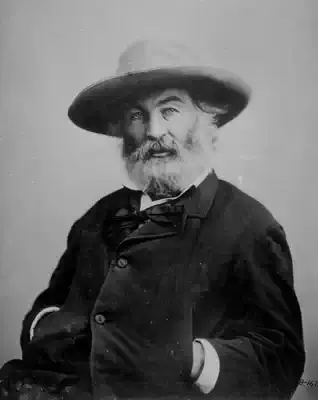
Walt Whitman
To A Certain Cantatrice
To A Certain Cantatrice
HERE, take this gift!
I was reserving it for some hero, speaker, or General,
One who should serve the good old cause, the great Idea, the progress
and freedom of the race;
Some brave confronter of despots--some daring rebel;
--But I see that what I was reserving, belongs to you just as much as
to any.
HERE, take this gift!
I was reserving it for some hero, speaker, or General,
One who should serve the good old cause, the great Idea, the progress
and freedom of the race;
Some brave confronter of despots--some daring rebel;
--But I see that what I was reserving, belongs to you just as much as
to any.
358
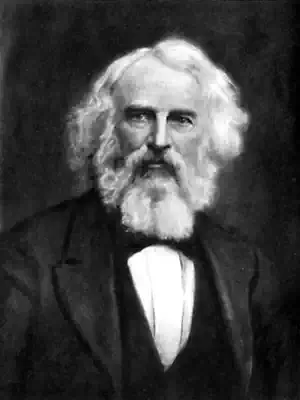
Henry Wadsworth Longfellow
The White Man's Foot
The White Man's Foot
In his lodge beside a river,
Close beside a frozen river,
Sat an old man, sad and lonely.
White his hair was as a snow-drift;
Dull and low his fire was burning,
And the old man shook and trembled,
Folded in his Waubewyon,
In his tattered white-skin-wrapper,
Hearing nothing but the tempest
As it roared along the forest,
Seeing nothing but the snow-storm,
As it whirled and hissed and drifted.
All the coals were white with ashes,
And the fire was slowly dying,
As a young man, walking lightly,
At the open doorway entered.
Red with blood of youth his cheeks were,
Soft his eyes, as stars In Spring-time,
Bound his forehead was with grasses;
Bound and plumed with scented grasses,
On his lips a smile of beauty,
Filling all the lodge with sunshine,
In his hand a bunch of blossoms
Filling all the lodge with sweetness.
"Ah, my son!" exclaimed the old man,
"Happy are my eyes to see you.
Sit here on the mat beside me,
Sit here by the dying embers,
Let us pass the night together,
Tell me of your strange adventures,
Of the lands where you have travelled;
I will tell you of my prowess,
Of my many deeds of wonder."
From his pouch he drew his peace-pipe,
Very old and strangely fashioned;
Made of red stone was the pipe-head,
And the stem a reed with feathers;
Filled the pipe with bark of willow,
Placed a burning coal upon it,
Gave it to his guest, the stranger,
And began to speak in this wise:
"When I blow my breath about me,
When I breathe upon the landscape,
Motionless are all the rivers,
Hard as stone becomes the water!"
And the young man answered, smiling:
"When I blow my breath about me,
When I breathe upon the landscape,
Flowers spring up o'er all the meadows,
Singing, onward rush the rivers!"
"When I shake my hoary tresses,"
Said the old man darkly frowning,
"All the land with snow is covered;
All the leaves from all the branches
Fall and fade and die and wither,
For I breathe, and lo! they are not.
From the waters and the marshes,
Rise the wild goose and the heron,
Fly away to distant regions,
For I speak, and lo! they are not.
And where'er my footsteps wander,
All the wild beasts of the forest
Hide themselves in holes and caverns,
And the earth becomes as flintstone!"
"When I shake my flowing ringlets,"
Said the young man, softly laughing,
"Showers of rain fall warm and welcome,
Plants lift up their heads rejoicing,
Back Into their lakes and marshes
Come the wild goose and the heron,
Homeward shoots the arrowy swallow,
Sing the bluebird and the robin,
And where'er my footsteps wander,
All the meadows wave with blossoms,
All the woodlands ring with music,
All the trees are dark with foliage!"
While they spake, the night departed:
From the distant realms of Wabun,
From his shining lodge of silver,
Like a warrior robed and painted,
Came the sun, and said, "Behold me
Gheezis, the great sun, behold me!"
Then the old man's tongue was speechless
And the air grew warm and pleasant,
And upon the wigwam sweetly
Sang the bluebird and the robin,
And the stream began to murmur,
And a scent of growing grasses
Through the lodge was gently wafted.
And Segwun, the youthful stranger,
More distinctly in the daylight
Saw the icy face before him;
It was Peboan, the Winter!
From his eyes the tears were flowing,
As from melting lakes the streamlets,
And his body shrunk and dwindled
As the shouting sun ascended,
Till into the air it faded,
Till into the ground it vanished,
And the young man saw before him,
On the hearth-stone of the wigwam,
Where the fire had smoked and smouldered,
Saw the earliest flower of Spring-time,
Saw the Beauty of the Spring-time,
Saw the Miskodeed in blossom.
Thus it was that in the North-land
After that unheard-of coldness,
That intolerable Winter,
Came the Spring with all its splendor,
All its birds and all its blossoms,
All its flowers and leaves and grasses.
Sailing on the wind to northward,
Flying in great flocks, like arrows,
Like huge arrows shot through heaven,
Passed the swan, the Mahnahbezee,
Speaking almost as a man speaks;
And in long lines waving, bending
Like a bow-string snapped asunder,
Came the white goose, Waw-be-wawa;
And in pairs, or singly flying,
Mahng the loon, with clangorous pinions,
The blue heron, the Shuh-shuh-gah,
And the grouse, the Mushkodasa.
In the thickets and the meadows
Piped the bluebird, the Owaissa,
On the summit of the lodges
Sang the robin, the Opechee,
In the covert of the pine-trees
Cooed the pigeon, the Omemee;
And the sorrowing Hiawatha,
Speechless in his infinite sorrow,
Heard their voices calling to him,
Went forth from his gloomy doorway,
Stood and gazed into the heaven,
Gazed upon the earth and waters.
From his wanderings far to eastward,
From the regions of the morning,
From the shining land of Wabun,
Homeward now returned Iagoo,
The great traveller, the great boaster,
Full of new and strange adventures,
Marvels many and many wonders.
And the people of the village
Listened to him as he told them
Of his marvellous adventures,
Laughing answered him in this wise:
"Ugh! it is indeed Iagoo!
No one else beholds such wonders!"
He had seen, he said, a water
Bigger than the Big-Sea-Water,
Broader than the Gitche Gumee,
Bitter so that none could drink it!
At each other looked the warriors,
Looked the women at each other,
Smiled, and said, "It cannot be so!"
Kaw!" they said, it cannot be so!"
O'er it, said he, o'er this water
Came a great canoe with pinions,
A canoe with wings came flying,
Bigger than a grove of pine-trees,
Taller than the tallest tree-tops!
And the old men and the women
Looked and tittered at each other;
"Kaw!" they said, "we don't believe it!"
From its mouth, he said, to greet him,
Came Waywassimo, the lightning,
Came the thunder, Annemeekee!
And the warriors and the women
Laughed aloud at poor Iagoo;
"Kaw!" they said, "what tales you tell us!"
In it, said he, came a people,
In the great canoe with pinions
Came, he said, a hundred warriors;
Painted white were all their faces
And with hair their chins were covered!
And the warriors and the women
Laughed and shouted in derision,
Like the ravens on the tree-tops,
Like the crows upon the hemlocks.
"Kaw!" they said, "what lies you tell us!
Do not think that we believe them!"
Only Hiawatha laughed not,
But he gravely spake and answered
To their jeering and their jesting:
"True is all Iagoo tells us;
I have seen it in a vision,
Seen the great canoe with pinions,
Seen the people with white faces,
Seen the coming of this bearded
People of the wooden vessel
From the regions of the morning,
From the shining land of Wabun.
"Gitche Manito, the Mighty,
The Great Spirit, the Creator,
Sends them hither on his errand.
Sends them to us with his message.
Wheresoe'er they move, before them
Swarms the stinging fly, the Ahmo,
Swarms the bee, the honey-maker;
Wheresoe'er they tread, beneath them
Springs a flower unknown among us,
Springs the White-man's Foot in blossom.
"Let us welcome, then, the strangers,
Hail them as our friends and brothers,
And the heart's right hand of friendship
Give them when they come to see us.
Gitche Manito, the Mighty,
Said this to me in my vision.
"I beheld, too, in that vision
All the secrets of the future,
Of the distant days that shall be.
I beheld the westward marches
Of the unknown, crowded nations.
All the land was full of people,
Restless, struggling, toiling, striving,
Speaking many tongues, yet feeling
But one heart-beat in their bosoms.
In the woodlands rang their axes,
Smoked their towns in all the valleys,
Over all the lakes and rivers
Rushed their great canoes of thunder.
"Then a darker, drearier vision
Passed before me, vague and cloud-like;
I beheld our nation scattered,
All forgetful of my counsels,
Weakened, warring with each other:
Saw the remnants of our people
Sweeping westward, wild and woful,
Like the cloud-rack of a tempest,
Like the withered leaves of Autumn!"
In his lodge beside a river,
Close beside a frozen river,
Sat an old man, sad and lonely.
White his hair was as a snow-drift;
Dull and low his fire was burning,
And the old man shook and trembled,
Folded in his Waubewyon,
In his tattered white-skin-wrapper,
Hearing nothing but the tempest
As it roared along the forest,
Seeing nothing but the snow-storm,
As it whirled and hissed and drifted.
All the coals were white with ashes,
And the fire was slowly dying,
As a young man, walking lightly,
At the open doorway entered.
Red with blood of youth his cheeks were,
Soft his eyes, as stars In Spring-time,
Bound his forehead was with grasses;
Bound and plumed with scented grasses,
On his lips a smile of beauty,
Filling all the lodge with sunshine,
In his hand a bunch of blossoms
Filling all the lodge with sweetness.
"Ah, my son!" exclaimed the old man,
"Happy are my eyes to see you.
Sit here on the mat beside me,
Sit here by the dying embers,
Let us pass the night together,
Tell me of your strange adventures,
Of the lands where you have travelled;
I will tell you of my prowess,
Of my many deeds of wonder."
From his pouch he drew his peace-pipe,
Very old and strangely fashioned;
Made of red stone was the pipe-head,
And the stem a reed with feathers;
Filled the pipe with bark of willow,
Placed a burning coal upon it,
Gave it to his guest, the stranger,
And began to speak in this wise:
"When I blow my breath about me,
When I breathe upon the landscape,
Motionless are all the rivers,
Hard as stone becomes the water!"
And the young man answered, smiling:
"When I blow my breath about me,
When I breathe upon the landscape,
Flowers spring up o'er all the meadows,
Singing, onward rush the rivers!"
"When I shake my hoary tresses,"
Said the old man darkly frowning,
"All the land with snow is covered;
All the leaves from all the branches
Fall and fade and die and wither,
For I breathe, and lo! they are not.
From the waters and the marshes,
Rise the wild goose and the heron,
Fly away to distant regions,
For I speak, and lo! they are not.
And where'er my footsteps wander,
All the wild beasts of the forest
Hide themselves in holes and caverns,
And the earth becomes as flintstone!"
"When I shake my flowing ringlets,"
Said the young man, softly laughing,
"Showers of rain fall warm and welcome,
Plants lift up their heads rejoicing,
Back Into their lakes and marshes
Come the wild goose and the heron,
Homeward shoots the arrowy swallow,
Sing the bluebird and the robin,
And where'er my footsteps wander,
All the meadows wave with blossoms,
All the woodlands ring with music,
All the trees are dark with foliage!"
While they spake, the night departed:
From the distant realms of Wabun,
From his shining lodge of silver,
Like a warrior robed and painted,
Came the sun, and said, "Behold me
Gheezis, the great sun, behold me!"
Then the old man's tongue was speechless
And the air grew warm and pleasant,
And upon the wigwam sweetly
Sang the bluebird and the robin,
And the stream began to murmur,
And a scent of growing grasses
Through the lodge was gently wafted.
And Segwun, the youthful stranger,
More distinctly in the daylight
Saw the icy face before him;
It was Peboan, the Winter!
From his eyes the tears were flowing,
As from melting lakes the streamlets,
And his body shrunk and dwindled
As the shouting sun ascended,
Till into the air it faded,
Till into the ground it vanished,
And the young man saw before him,
On the hearth-stone of the wigwam,
Where the fire had smoked and smouldered,
Saw the earliest flower of Spring-time,
Saw the Beauty of the Spring-time,
Saw the Miskodeed in blossom.
Thus it was that in the North-land
After that unheard-of coldness,
That intolerable Winter,
Came the Spring with all its splendor,
All its birds and all its blossoms,
All its flowers and leaves and grasses.
Sailing on the wind to northward,
Flying in great flocks, like arrows,
Like huge arrows shot through heaven,
Passed the swan, the Mahnahbezee,
Speaking almost as a man speaks;
And in long lines waving, bending
Like a bow-string snapped asunder,
Came the white goose, Waw-be-wawa;
And in pairs, or singly flying,
Mahng the loon, with clangorous pinions,
The blue heron, the Shuh-shuh-gah,
And the grouse, the Mushkodasa.
In the thickets and the meadows
Piped the bluebird, the Owaissa,
On the summit of the lodges
Sang the robin, the Opechee,
In the covert of the pine-trees
Cooed the pigeon, the Omemee;
And the sorrowing Hiawatha,
Speechless in his infinite sorrow,
Heard their voices calling to him,
Went forth from his gloomy doorway,
Stood and gazed into the heaven,
Gazed upon the earth and waters.
From his wanderings far to eastward,
From the regions of the morning,
From the shining land of Wabun,
Homeward now returned Iagoo,
The great traveller, the great boaster,
Full of new and strange adventures,
Marvels many and many wonders.
And the people of the village
Listened to him as he told them
Of his marvellous adventures,
Laughing answered him in this wise:
"Ugh! it is indeed Iagoo!
No one else beholds such wonders!"
He had seen, he said, a water
Bigger than the Big-Sea-Water,
Broader than the Gitche Gumee,
Bitter so that none could drink it!
At each other looked the warriors,
Looked the women at each other,
Smiled, and said, "It cannot be so!"
Kaw!" they said, it cannot be so!"
O'er it, said he, o'er this water
Came a great canoe with pinions,
A canoe with wings came flying,
Bigger than a grove of pine-trees,
Taller than the tallest tree-tops!
And the old men and the women
Looked and tittered at each other;
"Kaw!" they said, "we don't believe it!"
From its mouth, he said, to greet him,
Came Waywassimo, the lightning,
Came the thunder, Annemeekee!
And the warriors and the women
Laughed aloud at poor Iagoo;
"Kaw!" they said, "what tales you tell us!"
In it, said he, came a people,
In the great canoe with pinions
Came, he said, a hundred warriors;
Painted white were all their faces
And with hair their chins were covered!
And the warriors and the women
Laughed and shouted in derision,
Like the ravens on the tree-tops,
Like the crows upon the hemlocks.
"Kaw!" they said, "what lies you tell us!
Do not think that we believe them!"
Only Hiawatha laughed not,
But he gravely spake and answered
To their jeering and their jesting:
"True is all Iagoo tells us;
I have seen it in a vision,
Seen the great canoe with pinions,
Seen the people with white faces,
Seen the coming of this bearded
People of the wooden vessel
From the regions of the morning,
From the shining land of Wabun.
"Gitche Manito, the Mighty,
The Great Spirit, the Creator,
Sends them hither on his errand.
Sends them to us with his message.
Wheresoe'er they move, before them
Swarms the stinging fly, the Ahmo,
Swarms the bee, the honey-maker;
Wheresoe'er they tread, beneath them
Springs a flower unknown among us,
Springs the White-man's Foot in blossom.
"Let us welcome, then, the strangers,
Hail them as our friends and brothers,
And the heart's right hand of friendship
Give them when they come to see us.
Gitche Manito, the Mighty,
Said this to me in my vision.
"I beheld, too, in that vision
All the secrets of the future,
Of the distant days that shall be.
I beheld the westward marches
Of the unknown, crowded nations.
All the land was full of people,
Restless, struggling, toiling, striving,
Speaking many tongues, yet feeling
But one heart-beat in their bosoms.
In the woodlands rang their axes,
Smoked their towns in all the valleys,
Over all the lakes and rivers
Rushed their great canoes of thunder.
"Then a darker, drearier vision
Passed before me, vague and cloud-like;
I beheld our nation scattered,
All forgetful of my counsels,
Weakened, warring with each other:
Saw the remnants of our people
Sweeping westward, wild and woful,
Like the cloud-rack of a tempest,
Like the withered leaves of Autumn!"
301
Walt Whitman
Thought
Thought
OF obedience, faith, adhesiveness;
As I stand aloof and look, there is to me something profoundly
affecting in large masses of men, following the lead of those
who do not believe in men.
OF obedience, faith, adhesiveness;
As I stand aloof and look, there is to me something profoundly
affecting in large masses of men, following the lead of those
who do not believe in men.
340
Siegfried Sassoon
Fight to a Finish
Fight to a Finish
The boys came back. Bands played and flags were flying,
And Yellow-Pressmen thronged the sunlit street
To cheer the soldiers who’d refrained from dying,
And hear the music of returning feet.
‘Of all the thrills and ardours War has brought,
This moment is the finest.’ (So they thought.)
Snapping their bayonets on to charge the mob,
Grim Fusiliers broke ranks with glint of steel,
At last the boys had found a cushy job.
. . . .
I heard the Yellow-Pressmen grunt and squeal;
And with my trusty bombers turned and went
To clear those Junkers out of Parliament.
The boys came back. Bands played and flags were flying,
And Yellow-Pressmen thronged the sunlit street
To cheer the soldiers who’d refrained from dying,
And hear the music of returning feet.
‘Of all the thrills and ardours War has brought,
This moment is the finest.’ (So they thought.)
Snapping their bayonets on to charge the mob,
Grim Fusiliers broke ranks with glint of steel,
At last the boys had found a cushy job.
. . . .
I heard the Yellow-Pressmen grunt and squeal;
And with my trusty bombers turned and went
To clear those Junkers out of Parliament.
82

Robert W. Service
The Enigma
The Enigma
The Sergeant of a Highland Reg-
Iment was drilling of his men;
With temper notably on edge
He blest them every now and then.
A sweet old lady standing by,
Was looking on with fascination,
And then she dared this question shy,
That pertubates the Celtic nation.
"Oh gentle Sergeant do not scold;
Please tell me, though your tone so curt is:
These bare-legged boys look sadly cold -
Do they wear wool beneath their skirties?
The Sergeant's face grew lobster red,
As one who sends a bloke to blazes . . .
Then: "round about turn, squad," he said;
"Now blast you! bend and pick up daises."
The Sergeant of a Highland Reg-
Iment was drilling of his men;
With temper notably on edge
He blest them every now and then.
A sweet old lady standing by,
Was looking on with fascination,
And then she dared this question shy,
That pertubates the Celtic nation.
"Oh gentle Sergeant do not scold;
Please tell me, though your tone so curt is:
These bare-legged boys look sadly cold -
Do they wear wool beneath their skirties?
The Sergeant's face grew lobster red,
As one who sends a bloke to blazes . . .
Then: "round about turn, squad," he said;
"Now blast you! bend and pick up daises."
141
Siegfried Sassoon
Falling Asleep
Falling Asleep
Voices moving about in the quiet house:
Thud of feet and a muffled shutting of doors:
Everyone yawning. Only the clocks are alert.
Out in the night there’s autumn-smelling gloom
Crowded with whispering trees; across the park
A hollow cry of hounds like lonely bells:
And I know that the clouds are moving across the moon;
The low, red, rising moon. Now herons call
And wrangle by their pool; and hooting owls
Sail from the wood above pale stooks of oats.
Waiting for sleep, I drift from thoughts like these;
And where to-day was dream-like, build my dreams.
Music ... there was a bright white room below,
And someone singing a song about a soldier,
One hour, two hours ago: and soon the song
Will be ‘last night’: but now the beauty swings
Across my brain, ghost of remembered chords
Which still can make such radiance in my dream
That I can watch the marching of my soldiers,
And count their faces; faces; sunlit faces.
Falling asleep ... the herons, and the hounds....
September in the darkness; and the world
I’ve known; all fading past me into peace.
Voices moving about in the quiet house:
Thud of feet and a muffled shutting of doors:
Everyone yawning. Only the clocks are alert.
Out in the night there’s autumn-smelling gloom
Crowded with whispering trees; across the park
A hollow cry of hounds like lonely bells:
And I know that the clouds are moving across the moon;
The low, red, rising moon. Now herons call
And wrangle by their pool; and hooting owls
Sail from the wood above pale stooks of oats.
Waiting for sleep, I drift from thoughts like these;
And where to-day was dream-like, build my dreams.
Music ... there was a bright white room below,
And someone singing a song about a soldier,
One hour, two hours ago: and soon the song
Will be ‘last night’: but now the beauty swings
Across my brain, ghost of remembered chords
Which still can make such radiance in my dream
That I can watch the marching of my soldiers,
And count their faces; faces; sunlit faces.
Falling asleep ... the herons, and the hounds....
September in the darkness; and the world
I’ve known; all fading past me into peace.
110
Walt Whitman
Thou Orb Aloft Full-Dazzling
Thou Orb Aloft Full-Dazzling
THOU orb aloft full-dazzling! thou hot October noon!
Flooding with sheeny light the gray beach sand,
The sibilant near sea with vistas far and foam,
And tawny streaks and shades and spreading blue;
O sun of noon rufulgent! my special word to thee.
Hear me illustrious!
Thy lover me, for always I have loved thee,
Even as basking babe, then happy boy alone by some wood edge, thy
touching-distant beams enough,
Or man matured, or young or old, as now to thee I launch my
invocation.
(Thou canst not with thy dumbness me deceive, 10
I know before the fitting man all Nature yields,
Though answering not in words, the skies, trees, hear his voice--and
thou O sun,
As for thy throes, thy perturbations, sudden breaks and shafts of
flame gigantic,
I understand them, I know those flames, those perturbations well.)
Thou that with fructifying heat and light,
O'er myriad farms, o'er lands and waters North and South,
O'er Mississippi's endless course, o'er Texas' grassy plains,
Kanada's woods,
O'er all the globe that turns its face to thee shining in space,
Thou that impartially infoldest all, not only continents, seas,
Thou that to grapes and weeds and little wild flowers givest so
liberally, 20
Shed, shed thyself on mine and me, with but a fleeting ray out of thy
million millions,
Strike through these chants.
Nor only launch thy subtle dazzle and thy strength for these,
Prepare the later afternoon of me myself--prepare my lengthening
shadows,
Prepare my starry nights.
THOU orb aloft full-dazzling! thou hot October noon!
Flooding with sheeny light the gray beach sand,
The sibilant near sea with vistas far and foam,
And tawny streaks and shades and spreading blue;
O sun of noon rufulgent! my special word to thee.
Hear me illustrious!
Thy lover me, for always I have loved thee,
Even as basking babe, then happy boy alone by some wood edge, thy
touching-distant beams enough,
Or man matured, or young or old, as now to thee I launch my
invocation.
(Thou canst not with thy dumbness me deceive, 10
I know before the fitting man all Nature yields,
Though answering not in words, the skies, trees, hear his voice--and
thou O sun,
As for thy throes, thy perturbations, sudden breaks and shafts of
flame gigantic,
I understand them, I know those flames, those perturbations well.)
Thou that with fructifying heat and light,
O'er myriad farms, o'er lands and waters North and South,
O'er Mississippi's endless course, o'er Texas' grassy plains,
Kanada's woods,
O'er all the globe that turns its face to thee shining in space,
Thou that impartially infoldest all, not only continents, seas,
Thou that to grapes and weeds and little wild flowers givest so
liberally, 20
Shed, shed thyself on mine and me, with but a fleeting ray out of thy
million millions,
Strike through these chants.
Nor only launch thy subtle dazzle and thy strength for these,
Prepare the later afternoon of me myself--prepare my lengthening
shadows,
Prepare my starry nights.
318
Henry Wadsworth Longfellow
The Warden Of The Cinque Ports. (Birds Of Passage. Flight The First)
The Warden Of The Cinque Ports. (Birds Of Passage. Flight The First)
A mist was driving down the British Channel,
The day was just begun,
And through the window-panes, on floor and panel,
Streamed the red autumn sun.
It glanced on flowing flag and rippling pennon,
And the white sails of ships;
And, from the frowning rampart, the black cannon
Hailed it with feverish lips.
Sandwich and Romney, Hastings, Hithe, and Dover
Were all alert that day,
To see the French war-steamers speeding over,
When the fog cleared away.
Sullen and silent, and like couchant lions,
Their cannon, through the night,
Holding their breath, had watched, in grim defiance,
The sea-coast opposite.
And now they roared at drum-beat from their stations
On every citadel;
Each answering each, with morning salutations,
That all was well.
And down the coast, all taking up the burden,
Replied the distant forts,
As if to summon from his sleep the Warden
And Lord of the Cinque Ports.
Him shall no sunshine from the fields of azure,
No drum-beat from the wall,
No morning gun from the black fort's embrasure,
Awaken with its call!
No more, surveying with an eye impartial
The long line of the coast,
Shall the gaunt figure of the old Field Marshal
Be seen upon his post!
For in the night, unseen, a single warrior,
In sombre harness mailed,
Dreaded of man, and surnamed the Destroyer,
The rampart wall has scaled.
He passed into the chamber of the sleeper,
The dark and silent room,
And as he entered, darker grew, and deeper,
The silence and the gloom.
He did not pause to parley or dissemble,
But smote the Warden hoar;
Ah! what a blow! that made all England tremble
And groan from shore to shore.
Meanwhile, without, the surly cannon waited,
The sun rose bright o'erhead;
Nothing in Nature's aspect intimated
That a great man was dead.
A mist was driving down the British Channel,
The day was just begun,
And through the window-panes, on floor and panel,
Streamed the red autumn sun.
It glanced on flowing flag and rippling pennon,
And the white sails of ships;
And, from the frowning rampart, the black cannon
Hailed it with feverish lips.
Sandwich and Romney, Hastings, Hithe, and Dover
Were all alert that day,
To see the French war-steamers speeding over,
When the fog cleared away.
Sullen and silent, and like couchant lions,
Their cannon, through the night,
Holding their breath, had watched, in grim defiance,
The sea-coast opposite.
And now they roared at drum-beat from their stations
On every citadel;
Each answering each, with morning salutations,
That all was well.
And down the coast, all taking up the burden,
Replied the distant forts,
As if to summon from his sleep the Warden
And Lord of the Cinque Ports.
Him shall no sunshine from the fields of azure,
No drum-beat from the wall,
No morning gun from the black fort's embrasure,
Awaken with its call!
No more, surveying with an eye impartial
The long line of the coast,
Shall the gaunt figure of the old Field Marshal
Be seen upon his post!
For in the night, unseen, a single warrior,
In sombre harness mailed,
Dreaded of man, and surnamed the Destroyer,
The rampart wall has scaled.
He passed into the chamber of the sleeper,
The dark and silent room,
And as he entered, darker grew, and deeper,
The silence and the gloom.
He did not pause to parley or dissemble,
But smote the Warden hoar;
Ah! what a blow! that made all England tremble
And groan from shore to shore.
Meanwhile, without, the surly cannon waited,
The sun rose bright o'erhead;
Nothing in Nature's aspect intimated
That a great man was dead.
309
Siegfried Sassoon
Enemies
Enemies
He stood alone in some queer sunless place
Where Armageddon ends. Perhaps he longed
For days he might have lived; but his young face
Gazed forth untroubled: and suddenly there thronged
Round him the hulking Germans that I shot
When for his death my brooding rage was hot.
He stared at them, half-wondering; and then
They told him how I’d killed them for his sake—
Those patient, stupid, sullen ghosts of men;
And still there seemed no answer he could make.
At last he turned and smiled. One took his hand
Because his face could make them understand.
He stood alone in some queer sunless place
Where Armageddon ends. Perhaps he longed
For days he might have lived; but his young face
Gazed forth untroubled: and suddenly there thronged
Round him the hulking Germans that I shot
When for his death my brooding rage was hot.
He stared at them, half-wondering; and then
They told him how I’d killed them for his sake—
Those patient, stupid, sullen ghosts of men;
And still there seemed no answer he could make.
At last he turned and smiled. One took his hand
Because his face could make them understand.
80
Walt Whitman
This Dust Was Once The Man
This Dust Was Once The Man
THIS dust was once the Man,
Gentle, plain, just and resolute--under whose cautious hand,
Against the foulest crime in history known in any land or age,
Was saved the Union of These States.
THIS dust was once the Man,
Gentle, plain, just and resolute--under whose cautious hand,
Against the foulest crime in history known in any land or age,
Was saved the Union of These States.
329
Robert W. Service
The Duel
The Duel
In Pat Mahoney's booze bazaar the fun was fast and free,
And Ragtime Billy spanked the baby grand;
While caroling a saucy song was Montreal Maree,
With sozzled sourdoughs giving her a hand.
When suddenly erupting in the gay and gilded hall,
A stranger draped himself upon the bar;
As in a voice like bedrock grit he hollered: "Drinks for all,"
And casually lit a long cigar.
He bore a battered stetson on the grizzle of his dome,
And a bunch of inky whiskers on his jaw;
The suddenly I knew the guy - 'twas Black Moran from Nome.
A guinney like greased lightening on the draw.
But no one got his number in that wild and wooly throng,
As they hailed his invitation with eclaw,
And they crowded round the stranger, but I knew something was wrong.
When in there stomped the Sheriff, Red McGraw.
Now Red McGraw from Arkansaw was noted for his spunk;
He had a dozen notches on his gun;
And whether he was sober or whether he was drunk,
He kept the lousy outlaws on the run.
So now he shouts: "Say, boys, there's been a hold-up Hunker Way,
And by this poke I'm throwin' on the bar,
I bet I'll get the bastard braced before another day,
Or send him where a dozen others are."
He banged the bag of gold-dust on the bar for all to see,
When in a lazy drawl the stranger spoke:
"As I'm the man you're lookin' for an feelin' mighty free,
I reckon, Sheriff, I'll jest take yer poke.
It's pleasant meetin' you like this, an' talkin' man to man,
For all the North had heard o' Ref McGraw.
I'm glad to make ye eat yer words, since I am Black Moran,
An' no man livin' beats me on the draw."
And as they boldly bellied, each man's hand was on his rod,
Yet at that dreaded name the Sheriff knew
A single fumbling movement and he'd go to meet his God,
The which he had no great desire to do.
So there they stood like carven wood and hushed was every breath,
We watched them glaring, staring eye to eye;
But neither drew, for either knew a second split meant death -
And so a minute . . . two . . . three three went by.
The sweat pricked on the Sheriff's brow as suddenly he broke
And limp and weak he wilted to the floor;
And then the stranger's hand shot out and grabbed the heavy poke
As jeeringly he backed up to the door.
"Say, folks," he cried, "I'm off downstream; no more of me you'll see,
But let me state the job was pretty raw. . . .
The guy that staged the robbery he thought to pin on me
Was your bastard Sheriff, Red McGraw."
In Pat Mahoney's booze bazaar the fun was fast and free,
And Ragtime Billy spanked the baby grand;
While caroling a saucy song was Montreal Maree,
With sozzled sourdoughs giving her a hand.
When suddenly erupting in the gay and gilded hall,
A stranger draped himself upon the bar;
As in a voice like bedrock grit he hollered: "Drinks for all,"
And casually lit a long cigar.
He bore a battered stetson on the grizzle of his dome,
And a bunch of inky whiskers on his jaw;
The suddenly I knew the guy - 'twas Black Moran from Nome.
A guinney like greased lightening on the draw.
But no one got his number in that wild and wooly throng,
As they hailed his invitation with eclaw,
And they crowded round the stranger, but I knew something was wrong.
When in there stomped the Sheriff, Red McGraw.
Now Red McGraw from Arkansaw was noted for his spunk;
He had a dozen notches on his gun;
And whether he was sober or whether he was drunk,
He kept the lousy outlaws on the run.
So now he shouts: "Say, boys, there's been a hold-up Hunker Way,
And by this poke I'm throwin' on the bar,
I bet I'll get the bastard braced before another day,
Or send him where a dozen others are."
He banged the bag of gold-dust on the bar for all to see,
When in a lazy drawl the stranger spoke:
"As I'm the man you're lookin' for an feelin' mighty free,
I reckon, Sheriff, I'll jest take yer poke.
It's pleasant meetin' you like this, an' talkin' man to man,
For all the North had heard o' Ref McGraw.
I'm glad to make ye eat yer words, since I am Black Moran,
An' no man livin' beats me on the draw."
And as they boldly bellied, each man's hand was on his rod,
Yet at that dreaded name the Sheriff knew
A single fumbling movement and he'd go to meet his God,
The which he had no great desire to do.
So there they stood like carven wood and hushed was every breath,
We watched them glaring, staring eye to eye;
But neither drew, for either knew a second split meant death -
And so a minute . . . two . . . three three went by.
The sweat pricked on the Sheriff's brow as suddenly he broke
And limp and weak he wilted to the floor;
And then the stranger's hand shot out and grabbed the heavy poke
As jeeringly he backed up to the door.
"Say, folks," he cried, "I'm off downstream; no more of me you'll see,
But let me state the job was pretty raw. . . .
The guy that staged the robbery he thought to pin on me
Was your bastard Sheriff, Red McGraw."
209
Walt Whitman
This Compost
This Compost
SOMETHING startles me where I thought I was safest;
I withdraw from the still woods I loved;
I will not go now on the pastures to walk;
I will not strip the clothes from my body to meet my lover the sea;
I will not touch my flesh to the earth, as to other flesh, to renew
me.
O how can it be that the ground does not sicken?
How can you be alive, you growths of spring?
How can you furnish health, you blood of herbs, roots, orchards,
grain?
Are they not continually putting distemper'd corpses within you?
Is not every continent work'd over and over with sour dead? 10
Where have you disposed of their carcasses?
Those drunkards and gluttons of so many generations;
Where have you drawn off all the foul liquid and meat?
I do not see any of it upon you to-day--or perhaps I am deceiv'd;
I will run a furrow with my plough--I will press my spade through the
sod, and turn it up underneath;
I am sure I shall expose some of the foul meat.
Behold this compost! behold it well!
Perhaps every mite has once form'd part of a sick person--Yet behold!
The grass of spring covers the prairies,
The bean bursts noislessly through the mould in the garden, 20
The delicate spear of the onion pierces upward,
The apple-buds cluster together on the apple-branches,
The resurrection of the wheat appears with pale visage out of its
graves,
The tinge awakes over the willow-tree and the mulberry-tree,
The he-birds carol mornings and evenings, while the she-birds sit on
their nests,
The young of poultry break through the hatch'd eggs,
The new-born of animals appear--the calf is dropt from the cow, the
colt from the mare,
Out of its little hill faithfully rise the potato's dark green
leaves,
Out of its hill rises the yellow maize-stalk--the lilacs bloom in the
door-yards;
The summer growth is innocent and disdainful above all those strata
of sour dead. 30
What chemistry!
That the winds are really not infectious,
That this is no cheat, this transparent green-wash of the sea, which
is so amorous after me,
That it is safe to allow it to lick my naked body all over with its
tongues,
That it will not endanger me with the fevers that have deposited
themselves in it,
That all is clean forever and forever.
That the cool drink from the well tastes so good,
That blackberries are so flavorous and juicy,
That the fruits of the apple-orchard, and of the orange-orchard--that
melons, grapes, peaches, plums, will none of them poison me,
That when I recline on the grass I do not catch any disease, 40
Though probably every spear of grass rises out of what was once a
catching disease.
Now I am terrified at the Earth! it is that calm and patient,
It grows such sweet things out of such corruptions,
It turns harmless and stainless on its axis, with such endless
successions of diseas'd corpses,
It distils such exquisite winds out of such infused fetor,
It renews with such unwitting looks, its prodigal, annual, sumptuous
crops,
It gives such divine materials to men, and accepts such leavings from
them at last.
SOMETHING startles me where I thought I was safest;
I withdraw from the still woods I loved;
I will not go now on the pastures to walk;
I will not strip the clothes from my body to meet my lover the sea;
I will not touch my flesh to the earth, as to other flesh, to renew
me.
O how can it be that the ground does not sicken?
How can you be alive, you growths of spring?
How can you furnish health, you blood of herbs, roots, orchards,
grain?
Are they not continually putting distemper'd corpses within you?
Is not every continent work'd over and over with sour dead? 10
Where have you disposed of their carcasses?
Those drunkards and gluttons of so many generations;
Where have you drawn off all the foul liquid and meat?
I do not see any of it upon you to-day--or perhaps I am deceiv'd;
I will run a furrow with my plough--I will press my spade through the
sod, and turn it up underneath;
I am sure I shall expose some of the foul meat.
Behold this compost! behold it well!
Perhaps every mite has once form'd part of a sick person--Yet behold!
The grass of spring covers the prairies,
The bean bursts noislessly through the mould in the garden, 20
The delicate spear of the onion pierces upward,
The apple-buds cluster together on the apple-branches,
The resurrection of the wheat appears with pale visage out of its
graves,
The tinge awakes over the willow-tree and the mulberry-tree,
The he-birds carol mornings and evenings, while the she-birds sit on
their nests,
The young of poultry break through the hatch'd eggs,
The new-born of animals appear--the calf is dropt from the cow, the
colt from the mare,
Out of its little hill faithfully rise the potato's dark green
leaves,
Out of its hill rises the yellow maize-stalk--the lilacs bloom in the
door-yards;
The summer growth is innocent and disdainful above all those strata
of sour dead. 30
What chemistry!
That the winds are really not infectious,
That this is no cheat, this transparent green-wash of the sea, which
is so amorous after me,
That it is safe to allow it to lick my naked body all over with its
tongues,
That it will not endanger me with the fevers that have deposited
themselves in it,
That all is clean forever and forever.
That the cool drink from the well tastes so good,
That blackberries are so flavorous and juicy,
That the fruits of the apple-orchard, and of the orange-orchard--that
melons, grapes, peaches, plums, will none of them poison me,
That when I recline on the grass I do not catch any disease, 40
Though probably every spear of grass rises out of what was once a
catching disease.
Now I am terrified at the Earth! it is that calm and patient,
It grows such sweet things out of such corruptions,
It turns harmless and stainless on its axis, with such endless
successions of diseas'd corpses,
It distils such exquisite winds out of such infused fetor,
It renews with such unwitting looks, its prodigal, annual, sumptuous
crops,
It gives such divine materials to men, and accepts such leavings from
them at last.
422
Siegfried Sassoon
Editorial Impressions
Editorial Impressions
He seemed so certain ‘all was going well’,
As he discussed the glorious time he’d had
While visiting the trenches.
‘One can tell
You’ve gathered big impressions!’ grinned the lad
Who’d been severely wounded in the back
In some wiped-out impossible Attack.
‘Impressions? Yes, most vivid! I am writing
A little book called Europe on the Rack,
Based on notes made while witnessing the fighting.
I hope I’ve caught the feeling of “the Line”,
And the amazing spirit of the troops.
By Jove, those flying-chaps of ours are fine!
I watched one daring beggar looping loops,
Soaring and diving like some bird of prey.
And through it all I felt that splendour shine
Which makes us win.’
The soldier sipped his wine.
‘Ah, yes, but it’s the Press that leads the way!
He seemed so certain ‘all was going well’,
As he discussed the glorious time he’d had
While visiting the trenches.
‘One can tell
You’ve gathered big impressions!’ grinned the lad
Who’d been severely wounded in the back
In some wiped-out impossible Attack.
‘Impressions? Yes, most vivid! I am writing
A little book called Europe on the Rack,
Based on notes made while witnessing the fighting.
I hope I’ve caught the feeling of “the Line”,
And the amazing spirit of the troops.
By Jove, those flying-chaps of ours are fine!
I watched one daring beggar looping loops,
Soaring and diving like some bird of prey.
And through it all I felt that splendour shine
Which makes us win.’
The soldier sipped his wine.
‘Ah, yes, but it’s the Press that leads the way!
92
Henry Wadsworth Longfellow
The Village Blacksmith
The Village Blacksmith
Under a spreading chestnut tree
The village smithy stands;
The smith, a might man is he,
With large and sinewy hands;
And the muscles of his brawney arms
Are strong as iron bands.
His hair is crisp, and black, and long,
His face is like the tan;
His brow is wet with honest sweat,
He earns what'er he can,
And looks the whole word in the face,
For he owes not any man.
Week in, week out, from morn till night,
You can hear the bellows blow;
You can hear him swing his might sledge,
With measure beat and slow,
Like a sexton ringing the village bell,
When the evening sun is low.
And children coming home from school
Look in the open door;
They love to see the flaming forge,
And hear the bellows roar.
And catch the flaming sparks that fly
Like chaff from a threshing floor.
He goes on Sunday to the church,
And sits among his boys;
He hears the parson pray and preach,
He hears his daughter's voice,
Singing in the choir,
And it makes his heart rejoice.
It sounds to him like his mother's voice,
Singing in Paradise!
He needs must think of her once more,
How in the grave she lies;
And with his hard, rough hands he wipes
A tear out of his eyes.
Toiing, -- rejoicing, -- sorrowing,
Onward in life he goes;
Each morning sees some task begin,
Each evening sees it close;
Something attempted, something done,
Has earned his night's repose.
Thanks, thanks to thee, my worthy friend,
For the lesson thou has taught!
Thus at the flaming forge of life
Our fortunes must be wrought;
Thus on its sounding anvil shaped
Each burning deed and thought.
Under a spreading chestnut tree
The village smithy stands;
The smith, a might man is he,
With large and sinewy hands;
And the muscles of his brawney arms
Are strong as iron bands.
His hair is crisp, and black, and long,
His face is like the tan;
His brow is wet with honest sweat,
He earns what'er he can,
And looks the whole word in the face,
For he owes not any man.
Week in, week out, from morn till night,
You can hear the bellows blow;
You can hear him swing his might sledge,
With measure beat and slow,
Like a sexton ringing the village bell,
When the evening sun is low.
And children coming home from school
Look in the open door;
They love to see the flaming forge,
And hear the bellows roar.
And catch the flaming sparks that fly
Like chaff from a threshing floor.
He goes on Sunday to the church,
And sits among his boys;
He hears the parson pray and preach,
He hears his daughter's voice,
Singing in the choir,
And it makes his heart rejoice.
It sounds to him like his mother's voice,
Singing in Paradise!
He needs must think of her once more,
How in the grave she lies;
And with his hard, rough hands he wipes
A tear out of his eyes.
Toiing, -- rejoicing, -- sorrowing,
Onward in life he goes;
Each morning sees some task begin,
Each evening sees it close;
Something attempted, something done,
Has earned his night's repose.
Thanks, thanks to thee, my worthy friend,
For the lesson thou has taught!
Thus at the flaming forge of life
Our fortunes must be wrought;
Thus on its sounding anvil shaped
Each burning deed and thought.
309
Walt Whitman
Thick-Sprinkled Bunting
Thick-Sprinkled Bunting
THICK-SPRINKLED bunting! Flag of stars!
Long yet your road, fateful flag!--long yet your road, and lined with
bloody death!
For the prize I see at issue, at last is the world!
All its ships and shores I see, interwoven with your threads, greedy
banner!
--Dream'd again the flags of kings, highest born, to flaunt
unrival'd?
O hasten, flag of man! O with sure and steady step, passing highest
flags of kings,
Walk supreme to the heavens, mighty symbol--run up above them all,
Flag of stars! thick-sprinkled bunting!
THICK-SPRINKLED bunting! Flag of stars!
Long yet your road, fateful flag!--long yet your road, and lined with
bloody death!
For the prize I see at issue, at last is the world!
All its ships and shores I see, interwoven with your threads, greedy
banner!
--Dream'd again the flags of kings, highest born, to flaunt
unrival'd?
O hasten, flag of man! O with sure and steady step, passing highest
flags of kings,
Walk supreme to the heavens, mighty symbol--run up above them all,
Flag of stars! thick-sprinkled bunting!
373
Siegfried Sassoon
Dream-Forest
Dream-Forest
Where sunshine flecks the green,
Through towering woods my way
Goes winding all the day.
Scant are the flowers that bloom
Beneath the bosky screen
And cage of golden gloom.
Few are the birds that call,
Shrill-voiced and seldom seen.
Where silence masters all,
And light my footsteps fall,
The whispering runnels only
With blazing noon confer;
And comes no breeze to stir
The tangled thickets lonely.
Where sunshine flecks the green,
Through towering woods my way
Goes winding all the day.
Scant are the flowers that bloom
Beneath the bosky screen
And cage of golden gloom.
Few are the birds that call,
Shrill-voiced and seldom seen.
Where silence masters all,
And light my footsteps fall,
The whispering runnels only
With blazing noon confer;
And comes no breeze to stir
The tangled thickets lonely.
86
Robert W. Service
The Dream
The Dream
Said Will: "I'll stay and till the land."
Said Jack: "I'll sail the sea."
So one went forth kit-bag in hand,
The other ploughed the lea.
They met again at Christmas-tide,
And wistful were the two.
Said Jack: "you're lucky here to bide."
Said Will: "I envy you."
"For in your eyes a light I see
Of tropic shores agleam."
Said Jack: "You need not envy me,
For still you have the Dream.
"The Dream that lured me out to sea;
'Twas bright as paradise;
Far fairer than the memory
You see within my eyes.
So if my foolish urge you share
In foreign lands to roam,
Take up my kit-bag waiting there
And I will stay at home."
* * * * * * * *
Yet while the years have fated Will
To sow the sober loam,
The eyes of Jack are starry still,
High-riding hills of foam.
Said Will: "I'll stay and till the land."
Said Jack: "I'll sail the sea."
So one went forth kit-bag in hand,
The other ploughed the lea.
They met again at Christmas-tide,
And wistful were the two.
Said Jack: "you're lucky here to bide."
Said Will: "I envy you."
"For in your eyes a light I see
Of tropic shores agleam."
Said Jack: "You need not envy me,
For still you have the Dream.
"The Dream that lured me out to sea;
'Twas bright as paradise;
Far fairer than the memory
You see within my eyes.
So if my foolish urge you share
In foreign lands to roam,
Take up my kit-bag waiting there
And I will stay at home."
* * * * * * * *
Yet while the years have fated Will
To sow the sober loam,
The eyes of Jack are starry still,
High-riding hills of foam.
224
Siegfried Sassoon
Does It Matter?
Does It Matter?
Does it matter?-losing your legs?
For people will always be kind,
And you need not show that you mind
When others come in after hunting
To gobble their muffins and eggs.
Does it matter?-losing you sight?
There’s such splendid work for the blind;
And people will always be kind,
As you sit on the terrace remembering
And turning your face to the light.
Do they matter-those dreams in the pit?
You can drink and forget and be gald,
And people won't say that you’re mad;
For they know that you've fought for your country,
And no one will worry a bit.
Does it matter?-losing your legs?
For people will always be kind,
And you need not show that you mind
When others come in after hunting
To gobble their muffins and eggs.
Does it matter?-losing you sight?
There’s such splendid work for the blind;
And people will always be kind,
As you sit on the terrace remembering
And turning your face to the light.
Do they matter-those dreams in the pit?
You can drink and forget and be gald,
And people won't say that you’re mad;
For they know that you've fought for your country,
And no one will worry a bit.
91
Walt Whitman
These Carols
These Carols
THESE Carols, sung to cheer my passage through the world I see,
For completion, I dedicate to the Invisible World.
THESE Carols, sung to cheer my passage through the world I see,
For completion, I dedicate to the Invisible World.
397
Henry Wadsworth Longfellow
The Two Rivers
The Two Rivers
Slowly the hour-hand of the clock moves round;
So slowly that no human eye hath power
To see it move! Slowly in shine or shower
The painted ship above it, homeward bound,
Sails, but seems motionless, as if aground;
Yet both arrive at last; and in his tower
The slumberous watchman wakes and strikes the hour,
A mellow, measured, melancholy sound.
Midnight! the outpost of advancing day!
The frontier town and citadel of night!
The watershed of Time, from which the streams
Of Yesterday and To-morrow take their way,
One to the land of promise and of light,
One to the land of darkness and of dreams!
II.
O River of Yesterday, with current swift
Through chasms descending, and soon lost to sight,
I do not care to follow in their flight
The faded leaves, that on thy bosom drift!
O River of To-morrow, I uplift
Mine eyes, and thee I follow, as the night
Wanes into morning, and the dawning light
Broadens, and all the shadows fade and shift!
I follow, follow, where thy waters run
Through unfrequented, unfamiliar fields,
Fragrant with flowers and musical with song;
Still follow, follow; sure to meet the sun,
And confident, that what the future yields
Will be the right, unless myself be wrong.
III.
Yet not in vain, O River of Yesterday,
Through chasms of darkness to the deep descending,
I heard thee sobbing in the rain, and blending
Thy voice with other voices far away.
I called to thee, and yet thou wouldst not stay,
But turbulent, and with thyself contending,
And torrent-like thy force on pebbles spending,
Thou wouldst not listen to a poet's lay.
Thoughts, like a loud and sudden rush of wings,
Regrets and recollections of things past,
With hints and prophecies of things to be,
And inspirations, which, could they be things,
And stay with us, and we could hold them fast,
Were our good angels,--these I owe to thee.
IV.
And thou, O River of To-morrow, flowing
Between thy narrow adamantine walls,
But beautiful, and white with waterfalls,
And wreaths of mist, like hands the pathway showing;
I hear the trumpets of the morning blowing,
I hear thy mighty voice, that calls and calls,
And see, as Ossian saw in Morven's halls,
Mysterious phantoms, coming, beckoning, going!
It is the mystery of the unknown
That fascinates us; we are children still,
Wayward and wistful; with one hand we cling
To the familiar things we call our own,
And with the other, resolute of will,
Grope in the dark for what the day will bring.
Slowly the hour-hand of the clock moves round;
So slowly that no human eye hath power
To see it move! Slowly in shine or shower
The painted ship above it, homeward bound,
Sails, but seems motionless, as if aground;
Yet both arrive at last; and in his tower
The slumberous watchman wakes and strikes the hour,
A mellow, measured, melancholy sound.
Midnight! the outpost of advancing day!
The frontier town and citadel of night!
The watershed of Time, from which the streams
Of Yesterday and To-morrow take their way,
One to the land of promise and of light,
One to the land of darkness and of dreams!
II.
O River of Yesterday, with current swift
Through chasms descending, and soon lost to sight,
I do not care to follow in their flight
The faded leaves, that on thy bosom drift!
O River of To-morrow, I uplift
Mine eyes, and thee I follow, as the night
Wanes into morning, and the dawning light
Broadens, and all the shadows fade and shift!
I follow, follow, where thy waters run
Through unfrequented, unfamiliar fields,
Fragrant with flowers and musical with song;
Still follow, follow; sure to meet the sun,
And confident, that what the future yields
Will be the right, unless myself be wrong.
III.
Yet not in vain, O River of Yesterday,
Through chasms of darkness to the deep descending,
I heard thee sobbing in the rain, and blending
Thy voice with other voices far away.
I called to thee, and yet thou wouldst not stay,
But turbulent, and with thyself contending,
And torrent-like thy force on pebbles spending,
Thou wouldst not listen to a poet's lay.
Thoughts, like a loud and sudden rush of wings,
Regrets and recollections of things past,
With hints and prophecies of things to be,
And inspirations, which, could they be things,
And stay with us, and we could hold them fast,
Were our good angels,--these I owe to thee.
IV.
And thou, O River of To-morrow, flowing
Between thy narrow adamantine walls,
But beautiful, and white with waterfalls,
And wreaths of mist, like hands the pathway showing;
I hear the trumpets of the morning blowing,
I hear thy mighty voice, that calls and calls,
And see, as Ossian saw in Morven's halls,
Mysterious phantoms, coming, beckoning, going!
It is the mystery of the unknown
That fascinates us; we are children still,
Wayward and wistful; with one hand we cling
To the familiar things we call our own,
And with the other, resolute of will,
Grope in the dark for what the day will bring.
323
Walt Whitman
The Wound Dresser
The Wound Dresser
1
AN old man bending, I come, among new faces,
Years looking backward, resuming, in answer to children,
Come tell us, old man, as from young men and maidens that love me;
(Arous'd and angry, I'd thought to beat the alarum, and urge relentless war,
but soon my fingers fail'd me, my face droop'd and I resign'd myself,
To sit by the wounded and soothe them, or silently watch the dead
Years hence of these scenes, of these furious passions, these chances,
Of unsurpass’d heroes, (was one side so brave? the other was equally brave
Now be witness again—paint the mightiest armies of earth;
Of those armies so rapid, so wondrous, what saw you to tell us?
What stays with you latest and deepest? of curious panics,
Of hard-fought engagements, or sieges tremendous, what deepest remains?
2
O maidens and young men I love, and that love me,
What you ask of my days, those the strangest and sudden your talking recalls;
Soldier alert I arrive, after a long march, cover’d with sweat and dust;
In the nick of time I come, plunge in the fight, loudly shout in the rush of successful
charge;
Enter the captur’d works.... yet lo! like a swift-running river, they fade;
Pass and are gone, they fade—I dwell not on soldiers’ perils or soldiers’ joys;
(Both I remember well—many the hardships, few the joys, yet I was content.)
But in silence, in dreams’ projections,
While the world of gain and appearance and mirth goes on,
So soon what is over forgotten, and waves wash the imprints off the sand,
With hinged knees returning, I enter the doors—(while for you up there,
Whoever you are, follow me without noise, and be of strong heart.)
3
Bearing the bandages, water and sponge,
Straight and swift to my wounded I go,
Where they lie on the ground, after the battle brought in;
Where their priceless blood reddens the grass, the ground;
Or to the rows of the hospital tent, or under the roof’d hospital;
To the long rows of cots, up and down, each side, I return;
To each and all, one after another, I draw near—not one do I miss;
An attendant follows, holding a tray—he carries a refuse pail,
Soon to be fill’d with clotted rags and blood, emptied and fill’d again.
I onward go, I stop,
With hinged knees and steady hand, to dress wounds;
I am firm with each—the pangs are sharp, yet unavoidable;
One turns to me his appealing eyes—(poor boy! I never knew you,
Yet I think I could not refuse this moment to die for you, if that would save you.)
On, on I go!—(open doors of time! open hospital doors!)
The crush’d head I dress, (poor crazed hand, tear not the bandage away
The neck of the cavalry-man, with the bullet through and through, I examine;
Hard the breathing rattles, quite glazed already the eye, yet life struggles hard;
(Come, sweet death! be persuaded, O beautiful death!
In mercy come quickly.)
From the stump of the arm, the amputated hand,
I undo the clotted lint, remove the slough, wash off the matter and blood;
Back on his pillow the soldier bends, with curv’d neck, and side-falling head;
His eyes are closed, his face is pale, he dares not look on the bloody stump,
And has not yet look’d on it.
I dress a wound in the side, deep, deep;
But a day or two more—for see, the frame all wasted already, and sinking,
And the yellow-blue countenance see.
I dress the perforated shoulder, the foot with the bullet wound,
Cleanse the one with a gnawing and putrid gangrene, so sickening, so offensive,
While the attendant stands behind aside me, holding the tray and pail.
I am faithful, I do not give out;
The fractur’d thigh, the knee, the wound in the abdomen,
These and more I dress with impassive hand, (yet deep in my breast a fire, a burning
flame.)
4
Thus in silence, in dreams’ projections,
Returning, resuming, I thread my way through the hospitals;
The hurt and wounded I pacify with soothing hand,
I sit by the restless all the dark night—some are so young;
Some suffer so much—I recall the experience sweet and sad;
(Many a soldier’s loving arms about this neck have cross’d and rested,
Many a soldier’s kiss dwells on these bearded lips.)
1
AN old man bending, I come, among new faces,
Years looking backward, resuming, in answer to children,
Come tell us, old man, as from young men and maidens that love me;
(Arous'd and angry, I'd thought to beat the alarum, and urge relentless war,
but soon my fingers fail'd me, my face droop'd and I resign'd myself,
To sit by the wounded and soothe them, or silently watch the dead
Years hence of these scenes, of these furious passions, these chances,
Of unsurpass’d heroes, (was one side so brave? the other was equally brave
Now be witness again—paint the mightiest armies of earth;
Of those armies so rapid, so wondrous, what saw you to tell us?
What stays with you latest and deepest? of curious panics,
Of hard-fought engagements, or sieges tremendous, what deepest remains?
2
O maidens and young men I love, and that love me,
What you ask of my days, those the strangest and sudden your talking recalls;
Soldier alert I arrive, after a long march, cover’d with sweat and dust;
In the nick of time I come, plunge in the fight, loudly shout in the rush of successful
charge;
Enter the captur’d works.... yet lo! like a swift-running river, they fade;
Pass and are gone, they fade—I dwell not on soldiers’ perils or soldiers’ joys;
(Both I remember well—many the hardships, few the joys, yet I was content.)
But in silence, in dreams’ projections,
While the world of gain and appearance and mirth goes on,
So soon what is over forgotten, and waves wash the imprints off the sand,
With hinged knees returning, I enter the doors—(while for you up there,
Whoever you are, follow me without noise, and be of strong heart.)
3
Bearing the bandages, water and sponge,
Straight and swift to my wounded I go,
Where they lie on the ground, after the battle brought in;
Where their priceless blood reddens the grass, the ground;
Or to the rows of the hospital tent, or under the roof’d hospital;
To the long rows of cots, up and down, each side, I return;
To each and all, one after another, I draw near—not one do I miss;
An attendant follows, holding a tray—he carries a refuse pail,
Soon to be fill’d with clotted rags and blood, emptied and fill’d again.
I onward go, I stop,
With hinged knees and steady hand, to dress wounds;
I am firm with each—the pangs are sharp, yet unavoidable;
One turns to me his appealing eyes—(poor boy! I never knew you,
Yet I think I could not refuse this moment to die for you, if that would save you.)
On, on I go!—(open doors of time! open hospital doors!)
The crush’d head I dress, (poor crazed hand, tear not the bandage away
The neck of the cavalry-man, with the bullet through and through, I examine;
Hard the breathing rattles, quite glazed already the eye, yet life struggles hard;
(Come, sweet death! be persuaded, O beautiful death!
In mercy come quickly.)
From the stump of the arm, the amputated hand,
I undo the clotted lint, remove the slough, wash off the matter and blood;
Back on his pillow the soldier bends, with curv’d neck, and side-falling head;
His eyes are closed, his face is pale, he dares not look on the bloody stump,
And has not yet look’d on it.
I dress a wound in the side, deep, deep;
But a day or two more—for see, the frame all wasted already, and sinking,
And the yellow-blue countenance see.
I dress the perforated shoulder, the foot with the bullet wound,
Cleanse the one with a gnawing and putrid gangrene, so sickening, so offensive,
While the attendant stands behind aside me, holding the tray and pail.
I am faithful, I do not give out;
The fractur’d thigh, the knee, the wound in the abdomen,
These and more I dress with impassive hand, (yet deep in my breast a fire, a burning
flame.)
4
Thus in silence, in dreams’ projections,
Returning, resuming, I thread my way through the hospitals;
The hurt and wounded I pacify with soothing hand,
I sit by the restless all the dark night—some are so young;
Some suffer so much—I recall the experience sweet and sad;
(Many a soldier’s loving arms about this neck have cross’d and rested,
Many a soldier’s kiss dwells on these bearded lips.)
594
Siegfried Sassoon
Devotion to Duty
Devotion to Duty
I was near the King that day. I saw him snatch
And briskly scan the G.H.Q. dispatch.
Thick-voiced, he read it out. (His face was grave.)
‘This officer advanced with the first wave,
‘And when our first objective had been gained,
‘(Though wounded twice), reorganized the line:
‘The spirit of the troops was by his fine
‘Example most effectively sustained.’
He gripped his beard; then closed his eyes and said,
‘Bathsheba must be warned that he is dead.
‘Send for her. I will be the first to tell
‘This wife how her heroic husband fell.’
I was near the King that day. I saw him snatch
And briskly scan the G.H.Q. dispatch.
Thick-voiced, he read it out. (His face was grave.)
‘This officer advanced with the first wave,
‘And when our first objective had been gained,
‘(Though wounded twice), reorganized the line:
‘The spirit of the troops was by his fine
‘Example most effectively sustained.’
He gripped his beard; then closed his eyes and said,
‘Bathsheba must be warned that he is dead.
‘Send for her. I will be the first to tell
‘This wife how her heroic husband fell.’
70
Robert W. Service
The Decision
The Decision
Said she: 'Although my husband Jim
Is with his home content,
I never should have married him,
We are so different.
Oh yes, I know he loves me well,
Our children he adores;
But he's so dull, and I rebel
Against a life that bores.
'Of course there is another man,
Quite pennyless is he;
And yet with hope and joy we plan
A home beyond the sea.
Though I forfeit the name of wife
And neighbours ostracise,
Such happiness will crown our life
Their censure we'll despise.
'But then what will my children think,
Whose love is pure and true?'
Said I: 'Your memory will stink
If they should speak of you.
Your doting Jim will curse your name,
And if you make a mess
Of life, oh do not in your shame
Dare hope for happiness.'
Well, still with Jim she lives serene,
And has of kiddies three.
'Oh what a fool I might have been
To leave my home,' says she.
'Of course Jim is a priceless bore,
But he's so sweet to me . . .
Come darling won't you let me pour
Another cup of tea?'
Said she: 'Although my husband Jim
Is with his home content,
I never should have married him,
We are so different.
Oh yes, I know he loves me well,
Our children he adores;
But he's so dull, and I rebel
Against a life that bores.
'Of course there is another man,
Quite pennyless is he;
And yet with hope and joy we plan
A home beyond the sea.
Though I forfeit the name of wife
And neighbours ostracise,
Such happiness will crown our life
Their censure we'll despise.
'But then what will my children think,
Whose love is pure and true?'
Said I: 'Your memory will stink
If they should speak of you.
Your doting Jim will curse your name,
And if you make a mess
Of life, oh do not in your shame
Dare hope for happiness.'
Well, still with Jim she lives serene,
And has of kiddies three.
'Oh what a fool I might have been
To leave my home,' says she.
'Of course Jim is a priceless bore,
But he's so sweet to me . . .
Come darling won't you let me pour
Another cup of tea?'
197