
Poems List
Explore poems from our collection
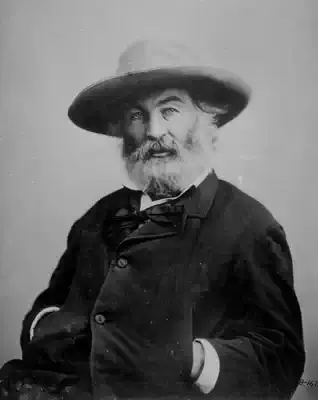
Walt Whitman
To The East And To The West
To The East And To The West
TO the East and to the West;
To the man of the Seaside State, and of Pennsylvania,
To the Kanadian of the North--to the Southerner I love;
These, with perfect trust, to depict you as myself--the germs are in
all men;
I believe the main purport of These States is to found a superb
friendship, exalté, previously unknown,
Because I perceive it waits, and has been always waiting, latent in
all men.
TO the East and to the West;
To the man of the Seaside State, and of Pennsylvania,
To the Kanadian of the North--to the Southerner I love;
These, with perfect trust, to depict you as myself--the germs are in
all men;
I believe the main purport of These States is to found a superb
friendship, exalté, previously unknown,
Because I perceive it waits, and has been always waiting, latent in
all men.
388

Siegfried Sassoon
Memorial Tablet
Memorial Tablet
Squire nagged and bullied till I went to fight,
(Under Lord Derby’s Scheme). I died in hell—
(They called it Passchendaele). My wound was slight,
And I was hobbling back; and then a shell
Burst slick upon the duck-boards: so I fell
Into the bottomless mud, and lost the light.
At sermon-time, while Squire is in his pew,
He gives my gilded name a thoughtful stare:
For, though low down upon the list, I’m there;
‘In proud and glorious memory’ ... that’s my due.
Two bleeding years I fought in France, for Squire:
I suffered anguish that he’s never guessed.
Once I came home on leave: and then went west...
What greater glory could a man desire?
Squire nagged and bullied till I went to fight,
(Under Lord Derby’s Scheme). I died in hell—
(They called it Passchendaele). My wound was slight,
And I was hobbling back; and then a shell
Burst slick upon the duck-boards: so I fell
Into the bottomless mud, and lost the light.
At sermon-time, while Squire is in his pew,
He gives my gilded name a thoughtful stare:
For, though low down upon the list, I’m there;
‘In proud and glorious memory’ ... that’s my due.
Two bleeding years I fought in France, for Squire:
I suffered anguish that he’s never guessed.
Once I came home on leave: and then went west...
What greater glory could a man desire?
93
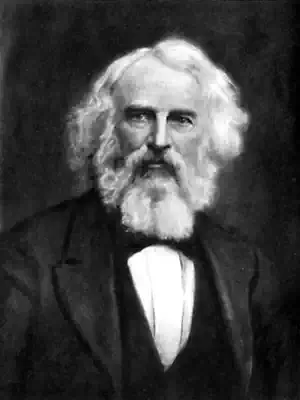
Henry Wadsworth Longfellow
To an Old Danish Song-Book
To an Old Danish Song-Book
Welcome, my old friend,
Welcome to a foreign fireside,
While the sullen gales of autumn
Shake the windows.
The ungrateful world
Has, it seems, dealt harshly with thee,
Since, beneath the skies of Denmark,
First I met thee.
There are marks of age,
There are thumb-marks on thy margin,
Made by hands that clasped thee rudely,
At the alehouse.
Soiled and dull thou art;
Yellow are thy time-worn pages,
As the russet, rain-molested
Leaves of autumn.
Thou art stained with wine
Scattered from hilarious goblets,
As the leaves with the libations
Of Olympus.
Yet dost thou recall
Days departed, half-forgotten,
When in dreamy youth I wandered
By the Baltic,--
When I paused to hear
The old ballad of King Christian
Shouted from suburban taverns
In the twilight.
Thou recallest bards,
Who in solitary chambers,
And with hearts by passion wasted,
Wrote thy pages.
Thou recallest homes
Where thy songs of love and friendship
Made the gloomy Northern winter
Bright as summer.
Once some ancient Scald,
In his bleak, ancestral Iceland,
Chanted staves of these old ballads
To the Vikings.
Once in Elsinore,
At the court of old King Hamlet
Yorick and his boon companions
Sang these ditties.
Once Prince Frederick's Guard
Sang them in their smoky barracks;--
Suddenly the English cannon
Joined the chorus!
Peasants in the field,
Sailors on the roaring ocean,
Students, tradesmen, pale mechanics,
All have sung them.
Thou hast been their friend;
They, alas! have left thee friendless!
Yet at least by one warm fireside
Art thou welcome.
And, as swallows build
In these wide, old-fashioned chimneys,
So thy twittering songs shall nestle
In my bosom,--
Quiet, close, and warm,
Sheltered from all molestation,
And recalling by their voices
Youth and travel.
Welcome, my old friend,
Welcome to a foreign fireside,
While the sullen gales of autumn
Shake the windows.
The ungrateful world
Has, it seems, dealt harshly with thee,
Since, beneath the skies of Denmark,
First I met thee.
There are marks of age,
There are thumb-marks on thy margin,
Made by hands that clasped thee rudely,
At the alehouse.
Soiled and dull thou art;
Yellow are thy time-worn pages,
As the russet, rain-molested
Leaves of autumn.
Thou art stained with wine
Scattered from hilarious goblets,
As the leaves with the libations
Of Olympus.
Yet dost thou recall
Days departed, half-forgotten,
When in dreamy youth I wandered
By the Baltic,--
When I paused to hear
The old ballad of King Christian
Shouted from suburban taverns
In the twilight.
Thou recallest bards,
Who in solitary chambers,
And with hearts by passion wasted,
Wrote thy pages.
Thou recallest homes
Where thy songs of love and friendship
Made the gloomy Northern winter
Bright as summer.
Once some ancient Scald,
In his bleak, ancestral Iceland,
Chanted staves of these old ballads
To the Vikings.
Once in Elsinore,
At the court of old King Hamlet
Yorick and his boon companions
Sang these ditties.
Once Prince Frederick's Guard
Sang them in their smoky barracks;--
Suddenly the English cannon
Joined the chorus!
Peasants in the field,
Sailors on the roaring ocean,
Students, tradesmen, pale mechanics,
All have sung them.
Thou hast been their friend;
They, alas! have left thee friendless!
Yet at least by one warm fireside
Art thou welcome.
And, as swallows build
In these wide, old-fashioned chimneys,
So thy twittering songs shall nestle
In my bosom,--
Quiet, close, and warm,
Sheltered from all molestation,
And recalling by their voices
Youth and travel.
292
Siegfried Sassoon
Limitations
Limitations
If you could crowd them into forty lines!
Yes; you can do it, once you get a start;
All that you want is waiting in your head,
For long-ago you’ve learnt it off by heart.
. . . .
Begin: your mind’s the room where you have slept,
(Don’t pause for rhymes), till twilight woke you early.
The window stands wide-open, as it stood
When tree-tops loomed enchanted for a child
Hearing the dawn’s first thrushes through the wood
Warbling (you know the words) serene and wild.
You’ve said it all before: you dreamed of Death,
A dim Apollo in the bird-voiced breeze
That drifts across the morning veiled with showers,
While golden weather shines among dark trees.
You’ve got your limitations; let them sing,
And all your life will waken with a cry:
Why should you halt when rapture’s on the wing
And you’ve no limit but the cloud-flocked sky?...
But some chap shouts, ‘Here, stop it; that’s been done!’—
As God might holloa to the rising sun,
And then relent, because the glorying rays
Remind Him of green-glinting Eden days,
And Adam’s trustful eyes as he looks up
From carving eagles on his beechwood cup.
Young Adam knew his job; he could condense
Life to an eagle from the unknown immense....
Go on, whoever you are; your lines can be
A whisper in the music from the weirs
Of song that plunge and tumble toward the sea
That is the uncharted mercy of our tears.
. . . .
I told you it was easy! ... Words are fools
Who follow blindly, once they get a lead.
But thoughts are kingfishers that haunt the pools
Of quiet; seldom-seen: and all you need
Is just that flash of joy above your dream.
So, when those forty platitudes are done,
You’ll hear a bird-note calling from the stream
That wandered through your childhood; and the sun
Will strike the old flaming wonder from the waters....
And there’ll be forty lines not yet begun.
If you could crowd them into forty lines!
Yes; you can do it, once you get a start;
All that you want is waiting in your head,
For long-ago you’ve learnt it off by heart.
. . . .
Begin: your mind’s the room where you have slept,
(Don’t pause for rhymes), till twilight woke you early.
The window stands wide-open, as it stood
When tree-tops loomed enchanted for a child
Hearing the dawn’s first thrushes through the wood
Warbling (you know the words) serene and wild.
You’ve said it all before: you dreamed of Death,
A dim Apollo in the bird-voiced breeze
That drifts across the morning veiled with showers,
While golden weather shines among dark trees.
You’ve got your limitations; let them sing,
And all your life will waken with a cry:
Why should you halt when rapture’s on the wing
And you’ve no limit but the cloud-flocked sky?...
But some chap shouts, ‘Here, stop it; that’s been done!’—
As God might holloa to the rising sun,
And then relent, because the glorying rays
Remind Him of green-glinting Eden days,
And Adam’s trustful eyes as he looks up
From carving eagles on his beechwood cup.
Young Adam knew his job; he could condense
Life to an eagle from the unknown immense....
Go on, whoever you are; your lines can be
A whisper in the music from the weirs
Of song that plunge and tumble toward the sea
That is the uncharted mercy of our tears.
. . . .
I told you it was easy! ... Words are fools
Who follow blindly, once they get a lead.
But thoughts are kingfishers that haunt the pools
Of quiet; seldom-seen: and all you need
Is just that flash of joy above your dream.
So, when those forty platitudes are done,
You’ll hear a bird-note calling from the stream
That wandered through your childhood; and the sun
Will strike the old flaming wonder from the waters....
And there’ll be forty lines not yet begun.
85
Walt Whitman
To Oratists
To Oratists
TO ORATISTS--to male or female,
Vocalism, measure, concentration, determination, and the divine power
to use words.
Are you full-lung'd and limber-lipp'd from long trial? from vigorous
practice? from physique?
Do you move in these broad lands as broad as they?
Come duly to the divine power to use words?
For only at last, after many years--after chastity, friendship,
procreation, prudence, and nakedness;
After treading ground and breasting river and lake;
After a loosen'd throat--after absorbing eras, temperaments, races-
after knowledge, freedom, crimes;
After complete faith--after clarifyings, elevations, and removing
obstructions;
After these, and more, it is just possible there comes to a man, a
woman, the divine power to use words. 10
Then toward that man or that woman, swiftly hasten all--None refuse,
all attend;
Armies, ships, antiquities, the dead, libraries, paintings, machines,
cities, hate, despair, amity, pain, theft, murder, aspiration,
form in close ranks;
They debouch as they are wanted to march obediently through the mouth
of that man, or that woman.
.... O I see arise orators fit for inland America;
And I see it is as slow to become an orator as to become a man;
And I see that all power is folded in a great vocalism.
Of a great vocalism, the merciless light thereof shall pour, and the
storm rage,
Every flash shall be a revelation, an insult,
The glaring flame on depths, on heights, on suns, on stars,
On the interior and exterior of man or woman, 20
On the laws of Nature--on passive materials,
On what you called death--(and what to you therefore was death,
As far as there can be death.)
TO ORATISTS--to male or female,
Vocalism, measure, concentration, determination, and the divine power
to use words.
Are you full-lung'd and limber-lipp'd from long trial? from vigorous
practice? from physique?
Do you move in these broad lands as broad as they?
Come duly to the divine power to use words?
For only at last, after many years--after chastity, friendship,
procreation, prudence, and nakedness;
After treading ground and breasting river and lake;
After a loosen'd throat--after absorbing eras, temperaments, races-
after knowledge, freedom, crimes;
After complete faith--after clarifyings, elevations, and removing
obstructions;
After these, and more, it is just possible there comes to a man, a
woman, the divine power to use words. 10
Then toward that man or that woman, swiftly hasten all--None refuse,
all attend;
Armies, ships, antiquities, the dead, libraries, paintings, machines,
cities, hate, despair, amity, pain, theft, murder, aspiration,
form in close ranks;
They debouch as they are wanted to march obediently through the mouth
of that man, or that woman.
.... O I see arise orators fit for inland America;
And I see it is as slow to become an orator as to become a man;
And I see that all power is folded in a great vocalism.
Of a great vocalism, the merciless light thereof shall pour, and the
storm rage,
Every flash shall be a revelation, an insult,
The glaring flame on depths, on heights, on suns, on stars,
On the interior and exterior of man or woman, 20
On the laws of Nature--on passive materials,
On what you called death--(and what to you therefore was death,
As far as there can be death.)
453

Robert W. Service
The God Of Common-Sense
The God Of Common-Sense
My Daddy used to wallop me for every small offense:
"Its takes a hair-brush back," said he, "to teach kids common-sense."
And still to-day I scarce can look a hair-brush in the face.
Without I want in sympathy to pat a tender place.
For Dad declared with unction: "Spare the brush and spoil the brat."
The dear old man! What e'er his faults he never did do that;
And though a score of years have gone since he departed hence,
I still revere his deity, The God of Common-sense.
How often I have played the ass (Man's universal fate),
Yet always I have saved myself before it was too late;
How often tangled with a dame - you know how these things are,
Yet always had the gumption not to carry on too far;
Remembering that fancy skirts, however high they go,
Are not to be stacked up against a bunch of hard-earned dough;
And sentiment has little weight compared with pounds and pence,
According to the gospel of the God of Common-sense.
Oh blessing on that old hair-brush my Daddy used to whack
With such benign precision on the basement of my back.
Oh blessings on his wisdom, saying: "Son, don't play the fool,
Let prudence be your counselor and reason be your rule.
Don't get romantic notions, always act with judgment calm,
Poetical emotions ain't in practice worth a damn/
let solid comfort be your goal, self-interest your guide. . . ."
Then just as if to emphasize, whack! whack! the brush he plied.
And so I often wonder if my luck is Providence,
or just my humble tribute to the God of Common-sense.
My Daddy used to wallop me for every small offense:
"Its takes a hair-brush back," said he, "to teach kids common-sense."
And still to-day I scarce can look a hair-brush in the face.
Without I want in sympathy to pat a tender place.
For Dad declared with unction: "Spare the brush and spoil the brat."
The dear old man! What e'er his faults he never did do that;
And though a score of years have gone since he departed hence,
I still revere his deity, The God of Common-sense.
How often I have played the ass (Man's universal fate),
Yet always I have saved myself before it was too late;
How often tangled with a dame - you know how these things are,
Yet always had the gumption not to carry on too far;
Remembering that fancy skirts, however high they go,
Are not to be stacked up against a bunch of hard-earned dough;
And sentiment has little weight compared with pounds and pence,
According to the gospel of the God of Common-sense.
Oh blessing on that old hair-brush my Daddy used to whack
With such benign precision on the basement of my back.
Oh blessings on his wisdom, saying: "Son, don't play the fool,
Let prudence be your counselor and reason be your rule.
Don't get romantic notions, always act with judgment calm,
Poetical emotions ain't in practice worth a damn/
let solid comfort be your goal, self-interest your guide. . . ."
Then just as if to emphasize, whack! whack! the brush he plied.
And so I often wonder if my luck is Providence,
or just my humble tribute to the God of Common-sense.
210
Walt Whitman
To Old Age
To Old Age
I SEE in you the estuary that enlarges and spreads itself grandly as
it pours in the great Sea.
I SEE in you the estuary that enlarges and spreads itself grandly as
it pours in the great Sea.
388
Siegfried Sassoon
Joy-Bells
Joy-Bells
Ring your sweet bells; but let them be farewells
To the green-vista’d gladness of the past
That changed us into soldiers; swing your bells
To a joyful chime; but let it be the last.
What means this metal in windy belfries hung
When guns are all our need? Dissolve these bells
Whose tones are tuned for peace: with martial tongue
Let them cry doom and storm the sun with shells.
Bells are like fierce-browed prelates who proclaim
That ‘if our Lord returned He’d fight for us.’
So let our bells and bishops do the same,
Shoulder to shoulder with the motor-bus.
Ring your sweet bells; but let them be farewells
To the green-vista’d gladness of the past
That changed us into soldiers; swing your bells
To a joyful chime; but let it be the last.
What means this metal in windy belfries hung
When guns are all our need? Dissolve these bells
Whose tones are tuned for peace: with martial tongue
Let them cry doom and storm the sun with shells.
Bells are like fierce-browed prelates who proclaim
That ‘if our Lord returned He’d fight for us.’
So let our bells and bishops do the same,
Shoulder to shoulder with the motor-bus.
95
Henry Wadsworth Longfellow
Tide Rises, the Tide Falls, The
Tide Rises, the Tide Falls, The
The tide rises, the tide falls,
The twilight darkens, the curlew calls;
Along the sea-sands damp and brown
The traveler hastens toward the town,
And the tide rises, the tide falls.
Darkness settles on roofs and walls,
But the sea, the sea in darkness calls;
The little waves, with their soft, white hands
Efface the footprints in the sands,
And the tide rises, the tide falls.
The morning breaks; the steeds in their stalls
Stamp and neigh, as the hostler calls;
The day returns, but nevermore
Returns the traveler to the shore.
And the tide rises, the tide falls.
The tide rises, the tide falls,
The twilight darkens, the curlew calls;
Along the sea-sands damp and brown
The traveler hastens toward the town,
And the tide rises, the tide falls.
Darkness settles on roofs and walls,
But the sea, the sea in darkness calls;
The little waves, with their soft, white hands
Efface the footprints in the sands,
And the tide rises, the tide falls.
The morning breaks; the steeds in their stalls
Stamp and neigh, as the hostler calls;
The day returns, but nevermore
Returns the traveler to the shore.
And the tide rises, the tide falls.
289
Siegfried Sassoon
'In the Pink'
'In the Pink'
So Davies wrote: ' This leaves me in the pink. '
Then scrawled his name: ' Your loving sweetheart Willie '
With crosses for a hug. He'd had a drink
Of rum and tea; and, though the barn was chilly,
For once his blood ram warm; he had pay to spend,
Winter was passing; soon the year would mend.
He couldn't sleep that night. Stiff in the dark
He groaned and thought of Sundays at the farm,
When he'd go out as cheerful as a lark
In his best suit to wander arm-in-arm
With brown-eyed Gwen, and whisper in her ear
The simple, silly things she liked to hear.
And then he thought: to-morrow night we trudge
Up to the trenches, and my boots are rotten.
Five miles of stodgy clay and freezing sludge,
And everything but wretchedness forgotten.
To-night he's in the pink; but soon he'll die.
And still the war goes on; he don't know why.
So Davies wrote: ' This leaves me in the pink. '
Then scrawled his name: ' Your loving sweetheart Willie '
With crosses for a hug. He'd had a drink
Of rum and tea; and, though the barn was chilly,
For once his blood ram warm; he had pay to spend,
Winter was passing; soon the year would mend.
He couldn't sleep that night. Stiff in the dark
He groaned and thought of Sundays at the farm,
When he'd go out as cheerful as a lark
In his best suit to wander arm-in-arm
With brown-eyed Gwen, and whisper in her ear
The simple, silly things she liked to hear.
And then he thought: to-morrow night we trudge
Up to the trenches, and my boots are rotten.
Five miles of stodgy clay and freezing sludge,
And everything but wretchedness forgotten.
To-night he's in the pink; but soon he'll die.
And still the war goes on; he don't know why.
91
Walt Whitman
To Foreign Lands
To Foreign Lands
I HEARD that you ask'd for something to prove this puzzle, the New
World,
And to define America, her athletic Democracy;
Therefore I send you my poems, that you behold in them what you
wanted.
I HEARD that you ask'd for something to prove this puzzle, the New
World,
And to define America, her athletic Democracy;
Therefore I send you my poems, that you behold in them what you
wanted.
287
Robert W. Service
The Ghosts
The Ghosts
Said Lenin's ghost to Stalin's ghost:
"Mate with me in the Tomb;
Then day by day the rancid host
May gaze upon our doom.
A crystal casket we will share;
Come, crusty Comrade come,
And we will bear the public stare,
Ad nauseum."
Said Stalin's spook to Lenin's spook:
"Long have you held your place.
The masses must be bored to look
Upon your chemic face.
A change might be a good idear,
And though I pity you,
There is within the Tomb, I fear,
No room for two."
Said Lenin's wraith to Stalin's wraith:
"You're welcome to my job;
Let millions of our mighty faith
Gaze on your noble nob.
So when to goodly earth I've gone,
(And I'll be glad to go),
Your carrion can carry on
Our waxwork show."
Said Lenin's ghost to Stalin's ghost:
"Mate with me in the Tomb;
Then day by day the rancid host
May gaze upon our doom.
A crystal casket we will share;
Come, crusty Comrade come,
And we will bear the public stare,
Ad nauseum."
Said Stalin's spook to Lenin's spook:
"Long have you held your place.
The masses must be bored to look
Upon your chemic face.
A change might be a good idear,
And though I pity you,
There is within the Tomb, I fear,
No room for two."
Said Lenin's wraith to Stalin's wraith:
"You're welcome to my job;
Let millions of our mighty faith
Gaze on your noble nob.
So when to goodly earth I've gone,
(And I'll be glad to go),
Your carrion can carry on
Our waxwork show."
224
Siegfried Sassoon
In Barracks
In Barracks
The barrack-square, washed clean with rain,
Shines wet and wintry-grey and cold.
Young Fusiliers, strong-legged and bold,
March and wheel and march again.
The sun looks over the barrack gate,
Warm and white with glaring shine,
To watch the soldiers of the Line
That life has hired to fight with fate.
Fall out: the long parades are done.
Up comes the dark; down goes the sun.
The square is walled with windowed light.
Sleep well, you lusty Fusiliers;
Shut your brave eyes on sense and sight,
And banish from your dreamless ears
The bugle’s dying notes that say,
‘Another night; another day.’
The barrack-square, washed clean with rain,
Shines wet and wintry-grey and cold.
Young Fusiliers, strong-legged and bold,
March and wheel and march again.
The sun looks over the barrack gate,
Warm and white with glaring shine,
To watch the soldiers of the Line
That life has hired to fight with fate.
Fall out: the long parades are done.
Up comes the dark; down goes the sun.
The square is walled with windowed light.
Sleep well, you lusty Fusiliers;
Shut your brave eyes on sense and sight,
And banish from your dreamless ears
The bugle’s dying notes that say,
‘Another night; another day.’
83
Walt Whitman
To A Stranger
To A Stranger
PASSING stranger! you do not know how longingly I look upon you,
You must be he I was seeking, or she I was seeking, (it comes to me,
as of a dream,)
I have somewhere surely lived a life of joy with you,
All is recall'd as we flit by each other, fluid, affectionate,
chaste, matured,
You grew up with me, were a boy with me, or a girl with me,
I ate with you, and slept with you--your body has become not yours
only, nor left my body mine only,
You give me the pleasure of your eyes, face, flesh, as we pass--you
take of my beard, breast, hands, in return,
I am not to speak to you--I am to think of you when I sit alone, or
wake at night alone,
I am to wait--I do not doubt I am to meet you again,
I am to see to it that I do not lose you. 10
PASSING stranger! you do not know how longingly I look upon you,
You must be he I was seeking, or she I was seeking, (it comes to me,
as of a dream,)
I have somewhere surely lived a life of joy with you,
All is recall'd as we flit by each other, fluid, affectionate,
chaste, matured,
You grew up with me, were a boy with me, or a girl with me,
I ate with you, and slept with you--your body has become not yours
only, nor left my body mine only,
You give me the pleasure of your eyes, face, flesh, as we pass--you
take of my beard, breast, hands, in return,
I am not to speak to you--I am to think of you when I sit alone, or
wake at night alone,
I am to wait--I do not doubt I am to meet you again,
I am to see to it that I do not lose you. 10
456
Henry Wadsworth Longfellow
There Was a Little Girl
There Was a Little Girl
There was a little girl,
Who had a little curl,
Right in the middle of her forehead.
When she was good,
She was very good indeed,
But when she was bad she was horrid.
There was a little girl,
Who had a little curl,
Right in the middle of her forehead.
When she was good,
She was very good indeed,
But when she was bad she was horrid.
371
Siegfried Sassoon
I Stood With the Dead
I Stood With the Dead
I Stood with the Dead, so forsaken and still:
When dawn was grey I stood with the Dead.
And my slow heart said, 'You must kill, you must kill:
'Soldier, soldier, morning is red'.
On the shapes of the slain in their crumpled disgrace
I stared for a while through the thin cold rain...
'O lad that I loved, there is rain on your face,
'And your eyes are blurred and sick like the plain.'
I stood with the Dead ... They were dead; they were dead;
My heart and my head beat a march of dismay:
And gusts of the wind came dulled by the guns.
'Fall in!' I shouted; 'Fall in for your pay!'
I Stood with the Dead, so forsaken and still:
When dawn was grey I stood with the Dead.
And my slow heart said, 'You must kill, you must kill:
'Soldier, soldier, morning is red'.
On the shapes of the slain in their crumpled disgrace
I stared for a while through the thin cold rain...
'O lad that I loved, there is rain on your face,
'And your eyes are blurred and sick like the plain.'
I stood with the Dead ... They were dead; they were dead;
My heart and my head beat a march of dismay:
And gusts of the wind came dulled by the guns.
'Fall in!' I shouted; 'Fall in for your pay!'
93
Walt Whitman
To A President
To A President
ALL you are doing and saying is to America dangled mirages,
You have not learn'd of Nature--of the politics of Nature, you have
not learn'd the great amplitude, rectitude, impartiality;
You have not seen that only such as they are for These States,
And that what is less than they, must sooner or later lift off from
These States.
ALL you are doing and saying is to America dangled mirages,
You have not learn'd of Nature--of the politics of Nature, you have
not learn'd the great amplitude, rectitude, impartiality;
You have not seen that only such as they are for These States,
And that what is less than they, must sooner or later lift off from
These States.
309
Robert W. Service
The Fool
The Fool
"But it isn't playing the game," he said,
And he slammed his books away;
"The Latin and Greek I've got in my head
Will do for a duller day."
"Rubbish!" I cried; "The bugle's call
Isn't for lads from school."
D'ye think he'd listen? Oh, not at all:
So I called him a fool, a fool.
Now there's his dog by his empty bed,
And the flute he used to play,
And his favourite bat . . . but Dick he's dead,
Somewhere in France, they say:
Dick with his rapture of song and sun,
Dick of the yellow hair,
Dicky whose life had but begun,
Carrion-cold out there.
Look at his prizes all in a row:
Surely a hint of fame.
Now he's finished with, -- nothing to show:
Doesn't it seem a shame?
Look from the window! All you see
Was to be his one day:
Forest and furrow, lawn and lea,
And he goes and chucks it away.
Chucks it away to die in the dark:
Somebody saw him fall,
Part of him mud, part of him blood,
The rest of him -- not at all.
And yet I'll bet he was never afraid,
And he went as the best of 'em go,
For his hand was clenched on his broken blade,
And his face was turned to the foe.
And I called him a fool . . . oh how blind was I!
And the cup of my grief's abrim.
Will Glory o' England ever die
So long as we've lads like him?
So long as we've fond and fearless fools,
Who, spurning fortune and fame,
Turn out with the rallying cry of their schools,
Just bent on playing the game.
A fool! Ah no! He was more than wise.
His was the proudest part.
He died with the glory of faith in his eyes,
And the glory of love in his heart.
And though there's never a grave to tell,
Nor a cross to mark his fall,
Thank God! we know that he "batted well"
In the last great Game of all.
"But it isn't playing the game," he said,
And he slammed his books away;
"The Latin and Greek I've got in my head
Will do for a duller day."
"Rubbish!" I cried; "The bugle's call
Isn't for lads from school."
D'ye think he'd listen? Oh, not at all:
So I called him a fool, a fool.
Now there's his dog by his empty bed,
And the flute he used to play,
And his favourite bat . . . but Dick he's dead,
Somewhere in France, they say:
Dick with his rapture of song and sun,
Dick of the yellow hair,
Dicky whose life had but begun,
Carrion-cold out there.
Look at his prizes all in a row:
Surely a hint of fame.
Now he's finished with, -- nothing to show:
Doesn't it seem a shame?
Look from the window! All you see
Was to be his one day:
Forest and furrow, lawn and lea,
And he goes and chucks it away.
Chucks it away to die in the dark:
Somebody saw him fall,
Part of him mud, part of him blood,
The rest of him -- not at all.
And yet I'll bet he was never afraid,
And he went as the best of 'em go,
For his hand was clenched on his broken blade,
And his face was turned to the foe.
And I called him a fool . . . oh how blind was I!
And the cup of my grief's abrim.
Will Glory o' England ever die
So long as we've lads like him?
So long as we've fond and fearless fools,
Who, spurning fortune and fame,
Turn out with the rallying cry of their schools,
Just bent on playing the game.
A fool! Ah no! He was more than wise.
His was the proudest part.
He died with the glory of faith in his eyes,
And the glory of love in his heart.
And though there's never a grave to tell,
Nor a cross to mark his fall,
Thank God! we know that he "batted well"
In the last great Game of all.
229
Siegfried Sassoon
Hero
Hero
'Jack fell as he'd have wished,' the Mother said,
And folded up the letter that she'd read.
'The Colonel writes so nicely.' Something broke
In the tired voice that quavered to a choke.
She half looked up. 'We mothers are so proud
Of our dead soldiers.' Then her face was bowed.
Quietly the Brother Officer went out.
He'd told the poor old dear some gallant lies
That she would nourish all her days, no doubt.
For while he coughed and mumbled, her weak eyes
Had shone with gentle triumph, brimmed with joy,
Because he'd been so brave, her glorious boy.
He thought how 'Jack', cold-footed, useless swine,
Had panicked down the trench that night the mine
Went up at Wicked Corner; how he'd tried
To get sent home, and how, at last, he died,
Blown to small bits. And no one seemed to care
Except that lonely woman with white hair.
'Jack fell as he'd have wished,' the Mother said,
And folded up the letter that she'd read.
'The Colonel writes so nicely.' Something broke
In the tired voice that quavered to a choke.
She half looked up. 'We mothers are so proud
Of our dead soldiers.' Then her face was bowed.
Quietly the Brother Officer went out.
He'd told the poor old dear some gallant lies
That she would nourish all her days, no doubt.
For while he coughed and mumbled, her weak eyes
Had shone with gentle triumph, brimmed with joy,
Because he'd been so brave, her glorious boy.
He thought how 'Jack', cold-footed, useless swine,
Had panicked down the trench that night the mine
Went up at Wicked Corner; how he'd tried
To get sent home, and how, at last, he died,
Blown to small bits. And no one seemed to care
Except that lonely woman with white hair.
104
Walt Whitman
To A Historian
To A Historian
YOU who celebrate bygones!
Who have explored the outward, the surfaces of the races--the life
that has exhibited itself;
Who have treated of man as the creature of politics, aggregates,
rulers and priests;
I, habitan of the Alleghanies, treating of him as he is in himself,
in his own rights,
Pressing the pulse of the life that has seldom exhibited itself, (the
great pride of man in himself;)
Chanter of Personality, outlining what is yet to be,
I project the history of the future.
YOU who celebrate bygones!
Who have explored the outward, the surfaces of the races--the life
that has exhibited itself;
Who have treated of man as the creature of politics, aggregates,
rulers and priests;
I, habitan of the Alleghanies, treating of him as he is in himself,
in his own rights,
Pressing the pulse of the life that has seldom exhibited itself, (the
great pride of man in himself;)
Chanter of Personality, outlining what is yet to be,
I project the history of the future.
398
Henry Wadsworth Longfellow
The Witnesses
The Witnesses
In Ocean's wide domains,
Half buried in the sands,
Lie skeletons in chains,
With shackled feet and hands.
Beyond the fall of dews,
Deeper than plummet lies,
Float ships, with all their crews,
No more to sink nor rise.
There the black Slave-ship swims,
Freighted with human forms,
Whose fettered, fleshless limbs
Are not the sport of storms.
These are the bones of Slaves;
They gleam from the abyss;
They cry, from yawning waves,
"We are the Witnesses!"
Within Earth's wide domains
Are markets for men's lives;
Their necks are galled with chains,
Their wrists are cramped with gyves.
Dead bodies, that the kite
In deserts makes its prey;
Murders, that with affright
Scare school-boys from their play!
All evil thoughts and deeds;
Anger, and lust, and pride;
The foulest, rankest weeds,
That choke Life's groaning tide!
These are the woes of Slaves;
They glare from the abyss;
They cry, from unknown graves,
"We are the Witnesses!"
In Ocean's wide domains,
Half buried in the sands,
Lie skeletons in chains,
With shackled feet and hands.
Beyond the fall of dews,
Deeper than plummet lies,
Float ships, with all their crews,
No more to sink nor rise.
There the black Slave-ship swims,
Freighted with human forms,
Whose fettered, fleshless limbs
Are not the sport of storms.
These are the bones of Slaves;
They gleam from the abyss;
They cry, from yawning waves,
"We are the Witnesses!"
Within Earth's wide domains
Are markets for men's lives;
Their necks are galled with chains,
Their wrists are cramped with gyves.
Dead bodies, that the kite
In deserts makes its prey;
Murders, that with affright
Scare school-boys from their play!
All evil thoughts and deeds;
Anger, and lust, and pride;
The foulest, rankest weeds,
That choke Life's groaning tide!
These are the woes of Slaves;
They glare from the abyss;
They cry, from unknown graves,
"We are the Witnesses!"
319
Walt Whitman
To A Common Prostitute
To A Common Prostitute
To a Common Prostitute
BE composed--be at ease with me--I am Walt Whitman, liberal and lusty
as Nature;
Not till the sun excludes you, do I exclude you;
Not till the waters refuse to glisten for you, and the leaves to
rustle for you, do my words refuse to glisten and rustle for
you.
My girl, I appoint with you an appointment--and I charge you that you
make preparation to be worthy to meet me,
And I charge you that you be patient and perfect till I come.
Till then, I salute you with a significant look, that you do not
forget me.
To a Common Prostitute
BE composed--be at ease with me--I am Walt Whitman, liberal and lusty
as Nature;
Not till the sun excludes you, do I exclude you;
Not till the waters refuse to glisten for you, and the leaves to
rustle for you, do my words refuse to glisten and rustle for
you.
My girl, I appoint with you an appointment--and I charge you that you
make preparation to be worthy to meet me,
And I charge you that you be patient and perfect till I come.
Till then, I salute you with a significant look, that you do not
forget me.
340
Siegfried Sassoon
Golgotha
Golgotha
Through darkness curves a spume of falling flares
That flood the field with shallow, blanching light.
The huddled sentry stares
On gloom at war with white,
And white receding slow, submerged in gloom.
Guns into mimic thunder burst and boom,
And mirthless laughter rakes the whistling night.
The sentry keeps his watch where no one stirs
But the brown rats, the nimble scavengers.
Through darkness curves a spume of falling flares
That flood the field with shallow, blanching light.
The huddled sentry stares
On gloom at war with white,
And white receding slow, submerged in gloom.
Guns into mimic thunder burst and boom,
And mirthless laughter rakes the whistling night.
The sentry keeps his watch where no one stirs
But the brown rats, the nimble scavengers.
78
Robert W. Service
The Farmer's Daughter
The Farmer's Daughter
The Rector met a little lass
Who led a heifer by a rope.
Said he: "Why don't you go to Mass?
Do you not want to please the Pope?"
The village maiden made reply,
As on the rope she ceased to pull:
"My father said this morning I
Must take Paquerette to see the bull."
The Rector frowned. ";Tis wrong, I wist
To leave your prayer-book on the shelf.
Your father has a stronger wrist;
Why can't he do the job himself?"
Then lovely in her innocence,
With gaze as pure as meadow pool,
The maid spoke in her sire's defense:
"But Daddy, please your Reverence,
Would rather leave it to the bull."
The Rector met a little lass
Who led a heifer by a rope.
Said he: "Why don't you go to Mass?
Do you not want to please the Pope?"
The village maiden made reply,
As on the rope she ceased to pull:
"My father said this morning I
Must take Paquerette to see the bull."
The Rector frowned. ";Tis wrong, I wist
To leave your prayer-book on the shelf.
Your father has a stronger wrist;
Why can't he do the job himself?"
Then lovely in her innocence,
With gaze as pure as meadow pool,
The maid spoke in her sire's defense:
"But Daddy, please your Reverence,
Would rather leave it to the bull."
242