
Poems List
Explore poems from our collection
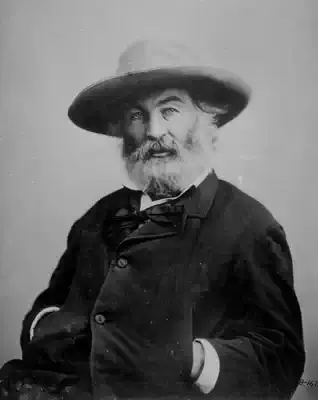
Walt Whitman
When I Heard At The Close Of The Day
When I Heard At The Close Of The Day
WHEN I heard at the close of the day how my name had been receiv'd
with plaudits in the capitol, still it was not a happy night
for me that follow'd;
And else, when I carous'd, or when my plans were accomplish'd, still
I was not happy;
But the day when I rose at dawn from the bed of perfect health,
refresh'd, singing, inhaling the ripe breath of autumn,
When I saw the full moon in the west grow pale and disappear in the
morning light,
When I wander'd alone over the beach, and undressing, bathed,
laughing with the cool waters, and saw the sun rise,
And when I thought how my dear friend, my lover, was on his way
coming, O then I was happy;
O then each breath tasted sweeter--and all that day my food nourish'd
me more--and the beautiful day pass'd well,
And the next came with equal joy--and with the next, at evening, came
my friend;
And that night, while all was still, I heard the waters roll slowly
continually up the shores,
I heard the hissing rustle of the liquid and sands, as directed to
me, whispering, to congratulate me, 10
For the one I love most lay sleeping by me under the same cover in
the cool night,
In the stillness, in the autumn moonbeams, his face was inclined
toward me,
And his arm lay lightly around my breast--and that night I was happy.
WHEN I heard at the close of the day how my name had been receiv'd
with plaudits in the capitol, still it was not a happy night
for me that follow'd;
And else, when I carous'd, or when my plans were accomplish'd, still
I was not happy;
But the day when I rose at dawn from the bed of perfect health,
refresh'd, singing, inhaling the ripe breath of autumn,
When I saw the full moon in the west grow pale and disappear in the
morning light,
When I wander'd alone over the beach, and undressing, bathed,
laughing with the cool waters, and saw the sun rise,
And when I thought how my dear friend, my lover, was on his way
coming, O then I was happy;
O then each breath tasted sweeter--and all that day my food nourish'd
me more--and the beautiful day pass'd well,
And the next came with equal joy--and with the next, at evening, came
my friend;
And that night, while all was still, I heard the waters roll slowly
continually up the shores,
I heard the hissing rustle of the liquid and sands, as directed to
me, whispering, to congratulate me, 10
For the one I love most lay sleeping by me under the same cover in
the cool night,
In the stillness, in the autumn moonbeams, his face was inclined
toward me,
And his arm lay lightly around my breast--and that night I was happy.
399

Siegfried Sassoon
The Dream
The Dream
I
Moonlight and dew-drenched blossom, and the scent
Of summer gardens; these can bring you all
Those dreams that in the starlit silence fall:
Sweet songs are full of odours.
While I went
Last night in drizzling dusk along a lane,
I passed a squalid farm; from byre and midden
Came the rank smell that brought me once again
A dream of war that in the past was hidden.
II
Up a disconsolate straggling village street
I saw the tired troops trudge: I heard their feet.
The cheery Q.M.S. was there to meet
And guide our Company in...
I watched them stumble
Into some crazy hovel, too beat to grumble;
Saw them file inward, slipping from their backs
Rifles, equipment, packs.
On filthy straw they sit in the gloom, each face
Bowed to patched, sodden boots they must unlace,
While the wind chills their sweat through chinks and cracks.
III
I’m looking at their blistered feet; young Jones
Stares up at me, mud-splashed and white and jaded;
Out of his eyes the morning light has faded.
Old soldiers with three winters in their bones
Puff their damp Woodbines, whistle, stretch their toes:
They can still grin at me, for each of ’em knows
That I’m as tired as they are...
Can they guess
The secret burden that is always mine?—
Pride in their courage; pity for their distress;
And burning bitterness
That I must take them to the accursèd Line.
IV
I cannot hear their voices, but I see
Dim candles in the barn: they gulp their tea,
And soon they’ll sleep like logs. Ten miles away
The battle winks and thuds in blundering strife.
And I must lead them nearer, day by day,
To the foul beast of war that bludgeons life.
I
Moonlight and dew-drenched blossom, and the scent
Of summer gardens; these can bring you all
Those dreams that in the starlit silence fall:
Sweet songs are full of odours.
While I went
Last night in drizzling dusk along a lane,
I passed a squalid farm; from byre and midden
Came the rank smell that brought me once again
A dream of war that in the past was hidden.
II
Up a disconsolate straggling village street
I saw the tired troops trudge: I heard their feet.
The cheery Q.M.S. was there to meet
And guide our Company in...
I watched them stumble
Into some crazy hovel, too beat to grumble;
Saw them file inward, slipping from their backs
Rifles, equipment, packs.
On filthy straw they sit in the gloom, each face
Bowed to patched, sodden boots they must unlace,
While the wind chills their sweat through chinks and cracks.
III
I’m looking at their blistered feet; young Jones
Stares up at me, mud-splashed and white and jaded;
Out of his eyes the morning light has faded.
Old soldiers with three winters in their bones
Puff their damp Woodbines, whistle, stretch their toes:
They can still grin at me, for each of ’em knows
That I’m as tired as they are...
Can they guess
The secret burden that is always mine?—
Pride in their courage; pity for their distress;
And burning bitterness
That I must take them to the accursèd Line.
IV
I cannot hear their voices, but I see
Dim candles in the barn: they gulp their tea,
And soon they’ll sleep like logs. Ten miles away
The battle winks and thuds in blundering strife.
And I must lead them nearer, day by day,
To the foul beast of war that bludgeons life.
66
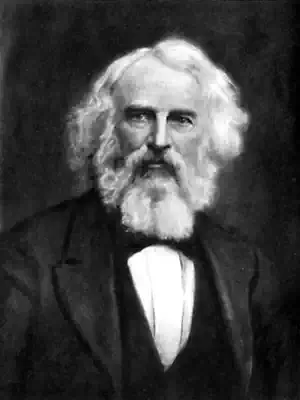
Henry Wadsworth Longfellow
Ultima Thule: Bayard Taylor
Ultima Thule: Bayard Taylor
Dead he lay among his books!
The peace of God was in his looks.
As the statues in the gloom
Watch o'er Maximilian's tomb,
So those volumes from their shelves
Watched him, silent as themselves.
Ah! his hand will nevermore
Turn their storied pages o'er;
Nevermore his lips repeat
Songs of theirs, however sweet.
Let the lifeless body rest!
He is gone, who was its guest;
Gone, as travellers haste to leave
An inn, nor tarry until eve.
Traveller! in what realms afar,
In what planet, in what star,
In what vast, aerial space,
Shines the light upon thy face?
In what gardens of delight
Rest thy weary feet to-night?
Poet! thou, whose latest verse
Was a garland on thy hearse;
Thou hast sung, with organ tone,
In Deukalion's life, thine own;
On the ruins of the Past
Blooms the perfect flower at last.
Friend! but yesterday the bells
Rang for thee their loud farewells;
And to-day they toll for thee,
Lying dead beyond the sea;
Lying dead among thy books,
The peace of God in all thy looks!
Dead he lay among his books!
The peace of God was in his looks.
As the statues in the gloom
Watch o'er Maximilian's tomb,
So those volumes from their shelves
Watched him, silent as themselves.
Ah! his hand will nevermore
Turn their storied pages o'er;
Nevermore his lips repeat
Songs of theirs, however sweet.
Let the lifeless body rest!
He is gone, who was its guest;
Gone, as travellers haste to leave
An inn, nor tarry until eve.
Traveller! in what realms afar,
In what planet, in what star,
In what vast, aerial space,
Shines the light upon thy face?
In what gardens of delight
Rest thy weary feet to-night?
Poet! thou, whose latest verse
Was a garland on thy hearse;
Thou hast sung, with organ tone,
In Deukalion's life, thine own;
On the ruins of the Past
Blooms the perfect flower at last.
Friend! but yesterday the bells
Rang for thee their loud farewells;
And to-day they toll for thee,
Lying dead beyond the sea;
Lying dead among thy books,
The peace of God in all thy looks!
394
Siegfried Sassoon
The Death-Bed
The Death-Bed
He drowsed and was aware of silence heaped
Round him, unshaken as the steadfast walls;
Aqueous like floating rays of amber light,
Soaring and quivering in the wings of sleep.
Silence and safety; and his mortal shore
Lipped by the inward, moonless waves of death.
Someone was holding water to his mouth.
He swallowed, unresisting; moaned and dropped
Through crimson gloom to darkness; and forgot
The opiate throb and ache that was his wound.
Water—calm, sliding green above the weir.
Water—a sky-lit alley for his boat,
Bird- voiced, and bordered with reflected flowers
And shaken hues of summer; drifting down,
He dipped contented oars, and sighed, and slept.
Night, with a gust of wind, was in the ward,
Blowing the curtain to a glimmering curve.
Night. He was blind; he could not see the stars
Glinting among the wraiths of wandering cloud;
Queer blots of colour, purple, scarlet, green,
Flickered and faded in his drowning eyes.
Rain—he could hear it rustling through the dark;
Fragrance and passionless music woven as one;
Warm rain on drooping roses; pattering showers
That soak the woods; not the harsh rain that sweeps
Behind the thunder, but a trickling peace,
Gently and slowly washing life away.
He stirred, shifting his body; then the pain
Leapt like a prowling beast, and gripped and tore
His groping dreams with grinding claws and fangs.
But someone was beside him; soon he lay
Shuddering because that evil thing had passed.
And death, who'd stepped toward him, paused and stared.
Light many lamps and gather round his bed.
Lend him your eyes, warm blood, and will to live.
Speak to him; rouse him; you may save him yet.
He's young; he hated War; how should he die
When cruel old campaigners win safe through?
But death replied: 'I choose him.' So he went,
And there was silence in the summer night;
Silence and safety; and the veils of sleep.
Then, far away, the thudding of the guns.
He drowsed and was aware of silence heaped
Round him, unshaken as the steadfast walls;
Aqueous like floating rays of amber light,
Soaring and quivering in the wings of sleep.
Silence and safety; and his mortal shore
Lipped by the inward, moonless waves of death.
Someone was holding water to his mouth.
He swallowed, unresisting; moaned and dropped
Through crimson gloom to darkness; and forgot
The opiate throb and ache that was his wound.
Water—calm, sliding green above the weir.
Water—a sky-lit alley for his boat,
Bird- voiced, and bordered with reflected flowers
And shaken hues of summer; drifting down,
He dipped contented oars, and sighed, and slept.
Night, with a gust of wind, was in the ward,
Blowing the curtain to a glimmering curve.
Night. He was blind; he could not see the stars
Glinting among the wraiths of wandering cloud;
Queer blots of colour, purple, scarlet, green,
Flickered and faded in his drowning eyes.
Rain—he could hear it rustling through the dark;
Fragrance and passionless music woven as one;
Warm rain on drooping roses; pattering showers
That soak the woods; not the harsh rain that sweeps
Behind the thunder, but a trickling peace,
Gently and slowly washing life away.
He stirred, shifting his body; then the pain
Leapt like a prowling beast, and gripped and tore
His groping dreams with grinding claws and fangs.
But someone was beside him; soon he lay
Shuddering because that evil thing had passed.
And death, who'd stepped toward him, paused and stared.
Light many lamps and gather round his bed.
Lend him your eyes, warm blood, and will to live.
Speak to him; rouse him; you may save him yet.
He's young; he hated War; how should he die
When cruel old campaigners win safe through?
But death replied: 'I choose him.' So he went,
And there was silence in the summer night;
Silence and safety; and the veils of sleep.
Then, far away, the thudding of the guns.
61
Walt Whitman
What Think You I Take My Pen In Hand?
What Think You I Take My Pen In Hand?
WHAT think you I take my pen in hand to record?
The battle-ship, perfect-model'd, majestic, that I saw pass the
offing to-day under full sail?
The splendors of the past day? Or the splendor of the night that
envelopes me?
Or the vaunted glory and growth of the great city spread around me?-No;
But I record of two simple men I saw to-day, on the pier, in the
midst of the crowd, parting the parting of dear friends;
The one to remain hung on the other's neck, and passionately kiss'd
him,
While the one to depart, tightly prest the one to remain in his arms.
WHAT think you I take my pen in hand to record?
The battle-ship, perfect-model'd, majestic, that I saw pass the
offing to-day under full sail?
The splendors of the past day? Or the splendor of the night that
envelopes me?
Or the vaunted glory and growth of the great city spread around me?-No;
But I record of two simple men I saw to-day, on the pier, in the
midst of the crowd, parting the parting of dear friends;
The one to remain hung on the other's neck, and passionately kiss'd
him,
While the one to depart, tightly prest the one to remain in his arms.
367

Robert W. Service
The Joy Of Being Poor
The Joy Of Being Poor
I
Let others sing of gold and gear, the joy of being rich;
But oh, the days when I was poor, a vagrant in a ditch!
When every dawn was like a gem, so radiant and rare,
And I had but a single coat, and not a single care;
When I would feast right royally on bacon, bread and beer,
And dig into a stack of hay and doze like any peer;
When I would wash beside a brook my solitary shirt,
And though it dried upon my back I never took a hurt;
When I went romping down the road contemptuous of care,
And slapped Adventure on the back -- by Gad! we were a pair;
When, though my pockets lacked a coin, and though my coat was old,
The largess of the stars was mine, and all the sunset gold;
When time was only made for fools, and free as air was I,
And hard I hit and hard I lived beneath the open sky;
When all the roads were one to me, and each had its allure . . .
Ye Gods! these were the happy days, the days when I was poor.
II
Or else, again, old pal of mine, do you recall the times
You struggled with your storyettes, I wrestled with my rhymes;
Oh, we were happy, were we not? -- we used to live so "high"
(A little bit of broken roof between us and the sky);
Upon the forge of art we toiled with hammer and with tongs;
You told me all your rippling yarns, I sang to you my songs.
Our hats were frayed, our jackets patched, our boots were down at heel,
But oh, the happy men were we, although we lacked a meal.
And if I sold a bit of rhyme, or if you placed a tale,
What feasts we had of tenderloins and apple-tarts and ale!
And yet how often we would dine as cheerful as you please,
Beside our little friendly fire on coffee, bread and cheese.
We lived upon the ragged edge, and grub was never sure,
But oh, these were the happy days, the days when we were poor.
III
Alas! old man, we're wealthy now, it's sad beyond a doubt;
We cannot dodge prosperity, success has found us out.
Your eye is very dull and drear, my brow is creased with care,
We realize how hard it is to be a millionaire.
The burden's heavy on our backs -- you're thinking of your rents,
I'm worrying if I'll invest in five or six per cents.
We've limousines, and marble halls, and flunkeys by the score,
We play the part . . . but say, old chap, oh, isn't it a bore?
We work like slaves, we eat too much, we put on evening dress;
We've everything a man can want, I think . . . but happiness.
Come, let us sneak away, old chum; forget that we are rich,
And earn an honest appetite, and scratch an honest itch.
Let's be two jolly garreteers, up seven flights of stairs,
And wear old clothes and just pretend we aren't millionaires;
And wonder how we'll pay the rent, and scribble ream on ream,
And sup on sausages and tea, and laugh and loaf and dream.
And when we're tired of that, my friend, oh, you will come with me;
And we will seek the sunlit roads that lie beside the sea.
We'll know the joy the gipsy knows, the freedom nothing mars,
The golden treasure-gates of dawn, the mintage of the stars.
We'll smoke our pipes and watch the pot, and feed the crackling fire,
And sing like two old jolly boys, and dance to heart's desire;
We'll climb the hill and ford the brook and camp upon the moor . . .
Old chap, let's haste, I'm mad to taste the Joy of Being Poor.
I
Let others sing of gold and gear, the joy of being rich;
But oh, the days when I was poor, a vagrant in a ditch!
When every dawn was like a gem, so radiant and rare,
And I had but a single coat, and not a single care;
When I would feast right royally on bacon, bread and beer,
And dig into a stack of hay and doze like any peer;
When I would wash beside a brook my solitary shirt,
And though it dried upon my back I never took a hurt;
When I went romping down the road contemptuous of care,
And slapped Adventure on the back -- by Gad! we were a pair;
When, though my pockets lacked a coin, and though my coat was old,
The largess of the stars was mine, and all the sunset gold;
When time was only made for fools, and free as air was I,
And hard I hit and hard I lived beneath the open sky;
When all the roads were one to me, and each had its allure . . .
Ye Gods! these were the happy days, the days when I was poor.
II
Or else, again, old pal of mine, do you recall the times
You struggled with your storyettes, I wrestled with my rhymes;
Oh, we were happy, were we not? -- we used to live so "high"
(A little bit of broken roof between us and the sky);
Upon the forge of art we toiled with hammer and with tongs;
You told me all your rippling yarns, I sang to you my songs.
Our hats were frayed, our jackets patched, our boots were down at heel,
But oh, the happy men were we, although we lacked a meal.
And if I sold a bit of rhyme, or if you placed a tale,
What feasts we had of tenderloins and apple-tarts and ale!
And yet how often we would dine as cheerful as you please,
Beside our little friendly fire on coffee, bread and cheese.
We lived upon the ragged edge, and grub was never sure,
But oh, these were the happy days, the days when we were poor.
III
Alas! old man, we're wealthy now, it's sad beyond a doubt;
We cannot dodge prosperity, success has found us out.
Your eye is very dull and drear, my brow is creased with care,
We realize how hard it is to be a millionaire.
The burden's heavy on our backs -- you're thinking of your rents,
I'm worrying if I'll invest in five or six per cents.
We've limousines, and marble halls, and flunkeys by the score,
We play the part . . . but say, old chap, oh, isn't it a bore?
We work like slaves, we eat too much, we put on evening dress;
We've everything a man can want, I think . . . but happiness.
Come, let us sneak away, old chum; forget that we are rich,
And earn an honest appetite, and scratch an honest itch.
Let's be two jolly garreteers, up seven flights of stairs,
And wear old clothes and just pretend we aren't millionaires;
And wonder how we'll pay the rent, and scribble ream on ream,
And sup on sausages and tea, and laugh and loaf and dream.
And when we're tired of that, my friend, oh, you will come with me;
And we will seek the sunlit roads that lie beside the sea.
We'll know the joy the gipsy knows, the freedom nothing mars,
The golden treasure-gates of dawn, the mintage of the stars.
We'll smoke our pipes and watch the pot, and feed the crackling fire,
And sing like two old jolly boys, and dance to heart's desire;
We'll climb the hill and ford the brook and camp upon the moor . . .
Old chap, let's haste, I'm mad to taste the Joy of Being Poor.
241
Siegfried Sassoon
The Choral Union
The Choral Union
He staggered in from night and frost and fog
And lampless streets: he’d guzzled like a hog
And drunk till he was dazed. And now he came
To hear—he couldn’t call to mind the name—
But he’d been given a ticket for the show,
And thought he’d (hiccup) chance his luck and go.
The hall swam in his eyes, and soaring light
Was dazzling splendid after the dank night.
He sat and blinked, safe in his cushioned seat,
And licked his lips; he’d like a brandy, neat.
‘Who is the King of Glory?’ they were saying,
He pricked his ears; what was it? Were they praying?...
By God, it might be Heaven! For singers stood
Ranked in pure white; and everyone seemed good;
And clergymen were sitting meekly round
With joyful faces, drinking in the sound;
And holy women, and plump whiskered men.
Could this be Heaven? And was he dead? And then
They all stood up; the mighty chorus broke
In storms of song above those blameless folk;
And ‘Hallelujah, Hallelujah!’ rang
The burden of the triumph that they sang.
He gasped; it must be true; he’d got to Heaven
With all his sins that seventy times were seven;
And whispering ‘Hallelujah’ mid their shout,
He wondered when Lord God would turn him out.
He staggered in from night and frost and fog
And lampless streets: he’d guzzled like a hog
And drunk till he was dazed. And now he came
To hear—he couldn’t call to mind the name—
But he’d been given a ticket for the show,
And thought he’d (hiccup) chance his luck and go.
The hall swam in his eyes, and soaring light
Was dazzling splendid after the dank night.
He sat and blinked, safe in his cushioned seat,
And licked his lips; he’d like a brandy, neat.
‘Who is the King of Glory?’ they were saying,
He pricked his ears; what was it? Were they praying?...
By God, it might be Heaven! For singers stood
Ranked in pure white; and everyone seemed good;
And clergymen were sitting meekly round
With joyful faces, drinking in the sound;
And holy women, and plump whiskered men.
Could this be Heaven? And was he dead? And then
They all stood up; the mighty chorus broke
In storms of song above those blameless folk;
And ‘Hallelujah, Hallelujah!’ rang
The burden of the triumph that they sang.
He gasped; it must be true; he’d got to Heaven
With all his sins that seventy times were seven;
And whispering ‘Hallelujah’ mid their shout,
He wondered when Lord God would turn him out.
75
Walt Whitman
What General Has A Good Army
What General Has A Good Army
WHAT General has a good army in himself, has a good army;
He happy in himself, or she happy in herself, is happy,
But I tell you you cannot be happy by others, any more than you can
beget or conceive a child by others.
WHAT General has a good army in himself, has a good army;
He happy in himself, or she happy in herself, is happy,
But I tell you you cannot be happy by others, any more than you can
beget or conceive a child by others.
377
Henry Wadsworth Longfellow
Travels By The Fireside. (Birds Of Passage. Flight The Fourth)
Travels By The Fireside. (Birds Of Passage. Flight The Fourth)
The ceaseless rain is falling fast,
And yonder gilded vane,
Immovable for three days past,
Points to the misty main,
It drives me in upon myself
And to the fireside gleams,
To pleasant books that crowd my shelf,
And still more pleasant dreams,
I read whatever bards have sung
Of lands beyond the sea,
And the bright days when I was young
Come thronging back to me.
In fancy I can hear again
The Alpine torrent's roar,
The mule-bells on the hills of Spain,
The sea at Elsinore.
I see the convent's gleaming wall
Rise from its groves of pine,
And towers of old cathedrals tall,
And castles by the Rhine.
I journey on by park and spire,
Beneath centennial trees,
Through fields with poppies all on fire,
And gleams of distant seas.
I fear no more the dust and heat,
No more I feel fatigue,
While journeying with another's feet
O'er many a lengthening league.
Let others traverse sea and land,
And toil through various climes,
I turn the world round with my hand
Reading these poets' rhymes.
From them I learn whatever lies
Beneath each changing zone,
And see, when looking with their eyes,
Better than with mine own.
The ceaseless rain is falling fast,
And yonder gilded vane,
Immovable for three days past,
Points to the misty main,
It drives me in upon myself
And to the fireside gleams,
To pleasant books that crowd my shelf,
And still more pleasant dreams,
I read whatever bards have sung
Of lands beyond the sea,
And the bright days when I was young
Come thronging back to me.
In fancy I can hear again
The Alpine torrent's roar,
The mule-bells on the hills of Spain,
The sea at Elsinore.
I see the convent's gleaming wall
Rise from its groves of pine,
And towers of old cathedrals tall,
And castles by the Rhine.
I journey on by park and spire,
Beneath centennial trees,
Through fields with poppies all on fire,
And gleams of distant seas.
I fear no more the dust and heat,
No more I feel fatigue,
While journeying with another's feet
O'er many a lengthening league.
Let others traverse sea and land,
And toil through various climes,
I turn the world round with my hand
Reading these poets' rhymes.
From them I learn whatever lies
Beneath each changing zone,
And see, when looking with their eyes,
Better than with mine own.
288
Walt Whitman
What Am I, After All?
What Am I, After All?
WHAT am I, after all, but a child, pleas'd with the sound of my own
name? repeating it over and over;
I stand apart to hear--it never tires me.
To you, your name also;
Did you think there was nothing but two or three pronunciations in
the sound of your name?
WHAT am I, after all, but a child, pleas'd with the sound of my own
name? repeating it over and over;
I stand apart to hear--it never tires me.
To you, your name also;
Did you think there was nothing but two or three pronunciations in
the sound of your name?
328
Siegfried Sassoon
Suicide in the Trenches
Suicide in the Trenches
I knew a simple soldier boy
Who grinned at life in empty joy,
Slept soundly through the lonesome dark,
And whistled early with the lark.
In winter trenches, cowed and glum,
With crumps and lice and lack of rum,
He put a bullet through his brain.
No one spoke of him again.
You smug-faced crowds with kindling eye
Who cheer when soldier lads march by,
Sneak home and pray you'll never know
The hell where youth and laughter go.
I knew a simple soldier boy
Who grinned at life in empty joy,
Slept soundly through the lonesome dark,
And whistled early with the lark.
In winter trenches, cowed and glum,
With crumps and lice and lack of rum,
He put a bullet through his brain.
No one spoke of him again.
You smug-faced crowds with kindling eye
Who cheer when soldier lads march by,
Sneak home and pray you'll never know
The hell where youth and laughter go.
57
Robert W. Service
The Host
The Host
I never could imagine God:
I don't suppose I ever will.
Beside His altar fire I nod
With senile drowsiness but still
In old of age as sight grows dim
I have a sense of Him.
For when I count my sum of days
I find so many sweet and good,
My mind is full of peace and praise,
My heart aglow with gratitude.
For my long living in the sun
I want to thank someone.
Someone who has been kind to me;
Some power within, if not on high,
Who shaped my gentle destiny,
And led me pleasant pastures by:
Who taught me, whether gay or grave,
To love the life He gave.
A Host of charity and cheer,
Within a Tavern warm and bright;
Who smiles and bids me have no fear
As forth I fare into the night:
From whom I beg no Heav'n, but bless
For earthly happiness.
I never could imagine God:
I don't suppose I ever will.
Beside His altar fire I nod
With senile drowsiness but still
In old of age as sight grows dim
I have a sense of Him.
For when I count my sum of days
I find so many sweet and good,
My mind is full of peace and praise,
My heart aglow with gratitude.
For my long living in the sun
I want to thank someone.
Someone who has been kind to me;
Some power within, if not on high,
Who shaped my gentle destiny,
And led me pleasant pastures by:
Who taught me, whether gay or grave,
To love the life He gave.
A Host of charity and cheer,
Within a Tavern warm and bright;
Who smiles and bids me have no fear
As forth I fare into the night:
From whom I beg no Heav'n, but bless
For earthly happiness.
226
Walt Whitman
We Two-How Long We Were Fool'd
We Two-How Long We Were Fool'd
WE two--how long we were fool'd!
Now transmuted, we swiftly escape, as Nature escapes;
We are Nature--long have we been absent, but now we return;
We become plants, leaves, foliage, roots, bark;
We are bedded in the ground--we are rocks;
We are oaks--we grow in the openings side by side;
We browse--we are two among the wild herds, spontaneous as any;
We are two fishes swimming in the sea together;
We are what the locust blossoms are--we drop scent around the lanes,
mornings and evenings;
We are also the coarse smut of beasts, vegetables, minerals; 10
We are two predatory hawks--we soar above, and look down;
We are two resplendent suns--we it is who balance ourselves, orbic
and stellar--we are as two comets;
We prowl fang'd and four-footed in the woods--we spring on prey;
We are two clouds, forenoons and afternoons, driving overhead;
We are seas mingling--we are two of those cheerful waves, rolling
over each other, and interwetting each other;
We are what the atmosphere is, transparent, receptive, pervious,
impervious:
We are snow, rain, cold, darkness--we are each product and influence
of the globe;
We have circled and circled till we have arrived home again--we two
have;
We have voided all but freedom, and all but our own joy.
WE two--how long we were fool'd!
Now transmuted, we swiftly escape, as Nature escapes;
We are Nature--long have we been absent, but now we return;
We become plants, leaves, foliage, roots, bark;
We are bedded in the ground--we are rocks;
We are oaks--we grow in the openings side by side;
We browse--we are two among the wild herds, spontaneous as any;
We are two fishes swimming in the sea together;
We are what the locust blossoms are--we drop scent around the lanes,
mornings and evenings;
We are also the coarse smut of beasts, vegetables, minerals; 10
We are two predatory hawks--we soar above, and look down;
We are two resplendent suns--we it is who balance ourselves, orbic
and stellar--we are as two comets;
We prowl fang'd and four-footed in the woods--we spring on prey;
We are two clouds, forenoons and afternoons, driving overhead;
We are seas mingling--we are two of those cheerful waves, rolling
over each other, and interwetting each other;
We are what the atmosphere is, transparent, receptive, pervious,
impervious:
We are snow, rain, cold, darkness--we are each product and influence
of the globe;
We have circled and circled till we have arrived home again--we two
have;
We have voided all but freedom, and all but our own joy.
472
Siegfried Sassoon
Storm and Sunlight
Storm and Sunlight
I
In barns we crouch, and under stacks of straw,
Harking the storm that rides a hurtling legion
Up the arched sky, and speeds quick heels of panic
With growling thunder loosed in fork and clap
That echoes crashing thro’ the slumbrous vault.
The whispering woodlands darken: vulture Gloom
Stoops, menacing the skeltering flocks of Light,
Where the gaunt shepherd shakes his gleaming staff
And foots with angry tidings down the slope.
Drip, drip; the rain steals in through soaking thatch
By cob-webbed rafters to the dusty floor.
Drums shatter in the tumult; wrathful Chaos
Points pealing din to the zenith, then resolves
Terror in wonderment with rich collapse.
II
Now from drenched eaves a swallow darts to skim
The crystal stillness of an air unveiled
To tremulous blue. Raise your bowed heads, and let
Your horns adore the sky, ye patient kine!
Haste, flashing brooks! Small, chuckling rills, rejoice!
Be open-eyed for Heaven, ye pools of peace!
Shine, rain-bow hills! Dream on, fair glimpsèd vale
In haze of drifting gold! And all sweet birds,
Sing out your raptures to the radiant leaves!
And ye, close huddling Men, come forth to stand
A moment simple in the gaze of God
That sweeps along your pastures! Breathe his might!
Lift your blind faces to be filled with day,
And share his benediction with the flowers.
I
In barns we crouch, and under stacks of straw,
Harking the storm that rides a hurtling legion
Up the arched sky, and speeds quick heels of panic
With growling thunder loosed in fork and clap
That echoes crashing thro’ the slumbrous vault.
The whispering woodlands darken: vulture Gloom
Stoops, menacing the skeltering flocks of Light,
Where the gaunt shepherd shakes his gleaming staff
And foots with angry tidings down the slope.
Drip, drip; the rain steals in through soaking thatch
By cob-webbed rafters to the dusty floor.
Drums shatter in the tumult; wrathful Chaos
Points pealing din to the zenith, then resolves
Terror in wonderment with rich collapse.
II
Now from drenched eaves a swallow darts to skim
The crystal stillness of an air unveiled
To tremulous blue. Raise your bowed heads, and let
Your horns adore the sky, ye patient kine!
Haste, flashing brooks! Small, chuckling rills, rejoice!
Be open-eyed for Heaven, ye pools of peace!
Shine, rain-bow hills! Dream on, fair glimpsèd vale
In haze of drifting gold! And all sweet birds,
Sing out your raptures to the radiant leaves!
And ye, close huddling Men, come forth to stand
A moment simple in the gaze of God
That sweeps along your pastures! Breathe his might!
Lift your blind faces to be filled with day,
And share his benediction with the flowers.
90
Henry Wadsworth Longfellow
To William E. Channing
To William E. Channing
The pages of thy book I read,
And as I closed each one,
My heart, responding, ever said,
"Servant of God! well done!"
Well done! Thy words are great and bold;
At times they seem to me,
Like Luther's, in the days of old,
Half-battles for the free.
Go on, until this land revokes
The old and chartered Lie,
The feudal curse, whose whips and yokes
Insult humanity.
A voice is ever at thy side
Speaking in tones of might,
Like the prophetic voice, that cried
To John in Patmos, "Write!"
Write! and tell out this bloody tale;
Record this dire eclipse,
This Day of Wrath, this Endless Wail,
This dread Apocalypse!
The pages of thy book I read,
And as I closed each one,
My heart, responding, ever said,
"Servant of God! well done!"
Well done! Thy words are great and bold;
At times they seem to me,
Like Luther's, in the days of old,
Half-battles for the free.
Go on, until this land revokes
The old and chartered Lie,
The feudal curse, whose whips and yokes
Insult humanity.
A voice is ever at thy side
Speaking in tones of might,
Like the prophetic voice, that cried
To John in Patmos, "Write!"
Write! and tell out this bloody tale;
Record this dire eclipse,
This Day of Wrath, this Endless Wail,
This dread Apocalypse!
401
Siegfried Sassoon
South Wind
South Wind
Where have you been, South Wind, this May-day morning,—
With larks aloft, or skimming with the swallow,
Or with blackbirds in a green, sun-glinted thicket?
Oh, I heard you like a tyrant in the valley;
Your ruffian haste shook the young, blossoming orchards;
You clapped rude hands, hallooing round the chimney,
And white your pennons streamed along the river.
You have robbed the bee, South Wind, in your adventure,
Blustering with gentle flowers; but I forgave you
When you stole to me shyly with scent of hawthorn.
Where have you been, South Wind, this May-day morning,—
With larks aloft, or skimming with the swallow,
Or with blackbirds in a green, sun-glinted thicket?
Oh, I heard you like a tyrant in the valley;
Your ruffian haste shook the young, blossoming orchards;
You clapped rude hands, hallooing round the chimney,
And white your pennons streamed along the river.
You have robbed the bee, South Wind, in your adventure,
Blustering with gentle flowers; but I forgave you
When you stole to me shyly with scent of hawthorn.
65
Walt Whitman
Warble Of Lilac-Time
Warble Of Lilac-Time
WARBLE me now, for joy of Lilac-time,
Sort me, O tongue and lips, for Nature's sake, and sweet life's
sake--and death's the same as life's,
Souvenirs of earliest summer--birds' eggs, and the first berries;
Gather the welcome signs, (as children, with pebbles, or stringing
shells;)
Put in April and May--the hylas croaking in the ponds--the elastic
air,
Bees, butterflies, the sparrow with its simple notes,
Blue-bird, and darting swallow--nor forget the high-hole flashing his
golden wings,
The tranquil sunny haze, the clinging smoke, the vapor,
Spiritual, airy insects, humming on gossamer wings,
Shimmer of waters, with fish in them--the cerulean above; 10
All that is jocund and sparkling--the brooks running,
The maple woods, the crisp February days, and the sugar-making;
The robin, where he hops, bright-eyed, brown-breasted,
With musical clear call at sunrise, and again at sunset,
Or flitting among the trees of the apple-orchard, building the nest
of his mate;
The melted snow of March--the willow sending forth its yellow-green
sprouts;
--For spring-time is here! the summer is here! and what is this in it
and from it?
Thou, Soul, unloosen'd--the restlessness after I know not what;
Come! let us lag here no longer--let us be up and away!
O for another world! O if one could but fly like a bird! 20
O to escape--to sail forth, as in a ship!
To glide with thee, O Soul, o'er all, in all, as a ship o'er the
waters!
--Gathering these hints, these preludes--the blue sky, the grass, the
morning drops of dew;
(With additional songs--every spring will I now strike up additional
songs,
Nor ever again forget, these tender days, the chants of Death as well
as Life;)
The lilac-scent, the bushes, and the dark green, heart-shaped leaves,
Wood violets, the little delicate pale blossoms called innocence,
Samples and sorts not for themselves alone, but for their atmosphere,
To tally, drench'd with them, tested by them,
Cities and artificial life, and all their sights and scenes, 30
My mind henceforth, and all its meditations--my recitatives,
My land, my age, my race, for once to serve in songs,
(Sprouts, tokens ever of death indeed the same as life,)
To grace the bush I love--to sing with the birds,
A warble for joy of Lilac-time.
WARBLE me now, for joy of Lilac-time,
Sort me, O tongue and lips, for Nature's sake, and sweet life's
sake--and death's the same as life's,
Souvenirs of earliest summer--birds' eggs, and the first berries;
Gather the welcome signs, (as children, with pebbles, or stringing
shells;)
Put in April and May--the hylas croaking in the ponds--the elastic
air,
Bees, butterflies, the sparrow with its simple notes,
Blue-bird, and darting swallow--nor forget the high-hole flashing his
golden wings,
The tranquil sunny haze, the clinging smoke, the vapor,
Spiritual, airy insects, humming on gossamer wings,
Shimmer of waters, with fish in them--the cerulean above; 10
All that is jocund and sparkling--the brooks running,
The maple woods, the crisp February days, and the sugar-making;
The robin, where he hops, bright-eyed, brown-breasted,
With musical clear call at sunrise, and again at sunset,
Or flitting among the trees of the apple-orchard, building the nest
of his mate;
The melted snow of March--the willow sending forth its yellow-green
sprouts;
--For spring-time is here! the summer is here! and what is this in it
and from it?
Thou, Soul, unloosen'd--the restlessness after I know not what;
Come! let us lag here no longer--let us be up and away!
O for another world! O if one could but fly like a bird! 20
O to escape--to sail forth, as in a ship!
To glide with thee, O Soul, o'er all, in all, as a ship o'er the
waters!
--Gathering these hints, these preludes--the blue sky, the grass, the
morning drops of dew;
(With additional songs--every spring will I now strike up additional
songs,
Nor ever again forget, these tender days, the chants of Death as well
as Life;)
The lilac-scent, the bushes, and the dark green, heart-shaped leaves,
Wood violets, the little delicate pale blossoms called innocence,
Samples and sorts not for themselves alone, but for their atmosphere,
To tally, drench'd with them, tested by them,
Cities and artificial life, and all their sights and scenes, 30
My mind henceforth, and all its meditations--my recitatives,
My land, my age, my race, for once to serve in songs,
(Sprouts, tokens ever of death indeed the same as life,)
To grace the bush I love--to sing with the birds,
A warble for joy of Lilac-time.
403
Robert W. Service
The Home-Coming
The Home-Coming
My boy's come back; he's here at last;
He came home on a special train.
My longing and my ache are past,
My only son is back again.
He's home with music, flags and flowers;
With peace and joy my heart's abrim;
He got here in the morning hours
With half the town to welcome him.
To hush my grief, night after night,
How I have digged my pillow deep,
And it would be the morning light
Before I sobbed myself to sleep.
And how I used to stare and stare
Across the harbour's yeasty foam,
Thinking he's fighting far out there . . .
But now with bells my boy's come home.
There's Mrs. Burke, she has her Ted,
But less the sight of his two eyes;
And Mrs. Smith - you know her Fred -
They took his legs off at the thighs.
How can these women happy be,
For all their bravery of talk,
One with a son who cannot see,
One with a boy who'll never walk.
I should be happier than they;
My lad came back without a scar,
And all the folks are proud they say,
To greet their hero of the war.
So in the gentle eventide
I'll give God thanks my Bert's come home. . . .
As peacefully I sit beside
His tiny mound of new-turned loam.
My boy's come back; he's here at last;
He came home on a special train.
My longing and my ache are past,
My only son is back again.
He's home with music, flags and flowers;
With peace and joy my heart's abrim;
He got here in the morning hours
With half the town to welcome him.
To hush my grief, night after night,
How I have digged my pillow deep,
And it would be the morning light
Before I sobbed myself to sleep.
And how I used to stare and stare
Across the harbour's yeasty foam,
Thinking he's fighting far out there . . .
But now with bells my boy's come home.
There's Mrs. Burke, she has her Ted,
But less the sight of his two eyes;
And Mrs. Smith - you know her Fred -
They took his legs off at the thighs.
How can these women happy be,
For all their bravery of talk,
One with a son who cannot see,
One with a boy who'll never walk.
I should be happier than they;
My lad came back without a scar,
And all the folks are proud they say,
To greet their hero of the war.
So in the gentle eventide
I'll give God thanks my Bert's come home. . . .
As peacefully I sit beside
His tiny mound of new-turned loam.
146
Siegfried Sassoon
Slumber-Song
Slumber-Song
Sleep; and my song shall build about your bed
A paradise of dimness. You shall feel
The folding of tired wings; and peace will dwell
Throned in your silence: and one hour shall hold
Summer, and midnight, and immensity
Lulled to forgetfulness. For, where you dream,
The stately gloom of foliage shall embower
Your slumbering thought with tapestries of blue.
And there shall be no memory of the sky,
Nor sunlight with its cruelty of swords.
But, to your soul that sinks from deep to deep
Through drowned and glimmering colour, Time shall be
Only slow rhythmic swaying; and your breath;
And roses in the darkness; and my love.
Sleep; and my song shall build about your bed
A paradise of dimness. You shall feel
The folding of tired wings; and peace will dwell
Throned in your silence: and one hour shall hold
Summer, and midnight, and immensity
Lulled to forgetfulness. For, where you dream,
The stately gloom of foliage shall embower
Your slumbering thought with tapestries of blue.
And there shall be no memory of the sky,
Nor sunlight with its cruelty of swords.
But, to your soul that sinks from deep to deep
Through drowned and glimmering colour, Time shall be
Only slow rhythmic swaying; and your breath;
And roses in the darkness; and my love.
111
Walt Whitman
Walt Whitman's Caution
Walt Whitman's Caution
TO The States, or any one of them, or any city of The States,
Resist much, obey little;
Once unquestioning obedience, once fully enslaved;
Once fully enslaved, no nation, state, city, of this earth, ever
afterward resumes its liberty.
TO The States, or any one of them, or any city of The States,
Resist much, obey little;
Once unquestioning obedience, once fully enslaved;
Once fully enslaved, no nation, state, city, of this earth, ever
afterward resumes its liberty.
369
Henry Wadsworth Longfellow
To Vittoria Colonna. (Sonnet V.)
To Vittoria Colonna. (Sonnet V.)
Lady, how can it chance--yet this we see
In long experience--that will longer last
A living image carved from quarries vast
Than its own maker, who dies presently?
Cause yieldeth to effect if this so be,
And even Nature is by Art at surpassed;
This know I, who to Art have given the past,
But see that Time is breaking faith with me.
Perhaps on both of us long life can I
Either in color or in stone bestow,
By now portraying each in look and mien;
So that a thousand years after we die,
How fair thou wast, and I how full of woe,
And wherefore I so loved thee, may be seen.
Lady, how can it chance--yet this we see
In long experience--that will longer last
A living image carved from quarries vast
Than its own maker, who dies presently?
Cause yieldeth to effect if this so be,
And even Nature is by Art at surpassed;
This know I, who to Art have given the past,
But see that Time is breaking faith with me.
Perhaps on both of us long life can I
Either in color or in stone bestow,
By now portraying each in look and mien;
So that a thousand years after we die,
How fair thou wast, and I how full of woe,
And wherefore I so loved thee, may be seen.
337
Walt Whitman
Visor'd
Visor'd
A MASK--a perpetual natural disguiser of herself,
Concealing her face, concealing her form,
Changes and transformations every hour, every moment,
Falling upon her even when she sleeps.
A MASK--a perpetual natural disguiser of herself,
Concealing her face, concealing her form,
Changes and transformations every hour, every moment,
Falling upon her even when she sleeps.
337
Siegfried Sassoon
Secret Music
Secret Music
I keep such music in my brain
No din this side of death can quell;
Glory exulting over pain,
And beauty, garlanded in hell.
My dreaming spirit will not heed
The roar of guns that would destroy
My life that on the gloom can read
Proud-surging melodies of joy.
To the world’s end I went, and found
Death in his carnival of glare;
But in my torment I was crowned,
And music dawned above despair.
I keep such music in my brain
No din this side of death can quell;
Glory exulting over pain,
And beauty, garlanded in hell.
My dreaming spirit will not heed
The roar of guns that would destroy
My life that on the gloom can read
Proud-surging melodies of joy.
To the world’s end I went, and found
Death in his carnival of glare;
But in my torment I was crowned,
And music dawned above despair.
78
Robert W. Service
The Hearth-Stone
The Hearth-Stone
The leaves are sick and jaundiced, they
Drift down the air;
December's sky is sodden grey,
Dark with despair;
A bleary dawn will light anon
A world of care.
My name is cut into a stone,
No care have I;
The letters drool, as I alone
Forgotten lie:
With weed my grave is overgrown,
None cometh nigh.
A hundred hollow years will speed
As I decay;
And I'll be comrade to the weed,
Kin to the clay;
Until some hind in homing-need
Will pass my way.
Until some lover seeking hearth
With joy will see
My nameless stone sunk in the earth
And it will be
The ruddy birth of childish mirth,
And elder glee.
And none will dream it bore my name
Decades ago;
A scribbling fool of little fame,
Who loved life so . . .
Well, flesh is grass and Time must pass,-Heigh
ho! Heigh ho!
The leaves are sick and jaundiced, they
Drift down the air;
December's sky is sodden grey,
Dark with despair;
A bleary dawn will light anon
A world of care.
My name is cut into a stone,
No care have I;
The letters drool, as I alone
Forgotten lie:
With weed my grave is overgrown,
None cometh nigh.
A hundred hollow years will speed
As I decay;
And I'll be comrade to the weed,
Kin to the clay;
Until some hind in homing-need
Will pass my way.
Until some lover seeking hearth
With joy will see
My nameless stone sunk in the earth
And it will be
The ruddy birth of childish mirth,
And elder glee.
And none will dream it bore my name
Decades ago;
A scribbling fool of little fame,
Who loved life so . . .
Well, flesh is grass and Time must pass,-Heigh
ho! Heigh ho!
191