
Poems List
Explore poems from our collection
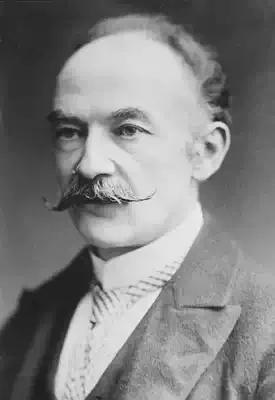
Thomas Hardy
How Great My Grief (Triolet)
"How Great My Grief" (Triolet)
How great my grief, my joys how few,
Since first it was my fate to know thee!
- Have the slow years not brought to view
How great my grief, my joys how few,
Nor memory shaped old times anew,
Nor loving-kindness helped to show thee
How great my grief, my joys how few,
Since first it was my fate to know thee?
How great my grief, my joys how few,
Since first it was my fate to know thee!
- Have the slow years not brought to view
How great my grief, my joys how few,
Nor memory shaped old times anew,
Nor loving-kindness helped to show thee
How great my grief, my joys how few,
Since first it was my fate to know thee?
185

Wilfred Owen
The Calls [unfinished]
The Calls [unfinished]
A dismal fog-hoarse siren howls at dawn.
I watch the man it calls for, pushed and drawn
Backwards and forwards, helpless as a pawn.
But I'm lazy, and his work's crazy.
Quick treble bells begin at nine o'clock,
Scuttling the schoolboy pulling up his sock,
Scaring the late girl in the inky frock.
I must be crazy; I learn from the daisy.
Stern bells annoy the rooks and doves at ten.
I watch the verger close the doors, and when
I hear the organ moan the first amen,
Sing my religion's-same as pigeons'.
A blatant bugle tears my afternoons.
Out clump the clumsy Tommies by platoons,
Trying to keep in step with rag-time tunes,
But I sit still; I've done my drill.
Gongs hum and buzz like saucepan-lids at dusk,
I see a food-hog whet his gold-filled tusk
To eat less bread, and more luxurious rusk.
Then sometimes late at night my window bumps
From gunnery-practice, till my small heart thumps
And listens for the shell-shrieks and the crumps,
But that's not all.
For leaning out last midnight on my sill
I heard the sighs of men, that have no skill
To speak of their distress, no, nor the will!
A voice I know. And this time I must go.
A dismal fog-hoarse siren howls at dawn.
I watch the man it calls for, pushed and drawn
Backwards and forwards, helpless as a pawn.
But I'm lazy, and his work's crazy.
Quick treble bells begin at nine o'clock,
Scuttling the schoolboy pulling up his sock,
Scaring the late girl in the inky frock.
I must be crazy; I learn from the daisy.
Stern bells annoy the rooks and doves at ten.
I watch the verger close the doors, and when
I hear the organ moan the first amen,
Sing my religion's-same as pigeons'.
A blatant bugle tears my afternoons.
Out clump the clumsy Tommies by platoons,
Trying to keep in step with rag-time tunes,
But I sit still; I've done my drill.
Gongs hum and buzz like saucepan-lids at dusk,
I see a food-hog whet his gold-filled tusk
To eat less bread, and more luxurious rusk.
Then sometimes late at night my window bumps
From gunnery-practice, till my small heart thumps
And listens for the shell-shrieks and the crumps,
But that's not all.
For leaning out last midnight on my sill
I heard the sighs of men, that have no skill
To speak of their distress, no, nor the will!
A voice I know. And this time I must go.
133
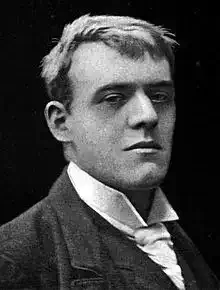
Hilaire Belloc
[Month of] April
[Month of] April
The stranger warmth of the young sun obeying,
Look! little beads of green begin to grow,
And hidden flowers have dated their tops to show
Where late such droughty dusts were rudely playing.
It's not the month, but all the world's a-maying!
Come then with me, I'll take you, for I know
Where the first hedgethorns and white windflowers blow:
We two alone,, that goes without the saying.
The month has treacherous clouds and moves in fears.
This April shames the month itself with smiles:
In whose new eyes I know no heaven of tears,
But still serene desire and between whiles,
So great a look that even April's grace
Makes only marvel at her only face.
The stranger warmth of the young sun obeying,
Look! little beads of green begin to grow,
And hidden flowers have dated their tops to show
Where late such droughty dusts were rudely playing.
It's not the month, but all the world's a-maying!
Come then with me, I'll take you, for I know
Where the first hedgethorns and white windflowers blow:
We two alone,, that goes without the saying.
The month has treacherous clouds and moves in fears.
This April shames the month itself with smiles:
In whose new eyes I know no heaven of tears,
But still serene desire and between whiles,
So great a look that even April's grace
Makes only marvel at her only face.
623
Wilfred Owen
Strange Meeting
Strange Meeting
It seemed that out of the battle I escaped
Down some profound dull tunnel, long since scooped
Through granites which Titanic wars had groined.
Yet also there encumbered sleepers groaned,
Too fast in thought or death to be bestirred.
Then, as I probed them, one sprang up, and stared
With piteous recognition in fixed eyes,
Lifting distressful hands as if to bless.
And by his smile, I knew that sullen hall;
With a thousand fears that vision's face was grained;
Yet no blood reached there from the upper ground,
And no guns thumped, or down the fluies made moan.
"Strange, friend," I said, "Here is no cause to mourn."
"None," said the other, "Save the undone years,
The hopelessness. Whatever hope is yours,
Was my life also; I went hunting wild
After the wildest beauty in the world,
Which lies not calm in eyes, or braided hair,
But mocks the steady running of the hour,
And if it grieves, grieves richlier than here.
For by my glee might many men have laughed,
And of my weeping something has been left,
Which must die now. I mean the truth untold,
The pity of war, the pity war distilled.
Now men will go content with what we spoiled.
Or, discontent, boil bloody, and be spilled.
They will be swift with swiftness of the tigress,
None will break ranks, though nations trek from progress.
Courage was mine, and I had mystery;
Wisdom was mine, and I had mastery;
To miss the march of this retreating world
Into vain citadels that are not walled.
Then, when much blood had clogged their chariot-wheels
I would go up and wash them from sweet wells,
Even with truths that lie too deep for taint.
I would have poured my spirit without stint
But not through wounds; not on the cess of war.
Foreheads of men have bled where no wounds were.
I am the enemy you killed, my friend.
I knew you in this dark; for so you frowned
Yesterday through me as you jabbed and killed.
I parried; but my hands were loath and cold.
Let us sleep now ...
It seemed that out of the battle I escaped
Down some profound dull tunnel, long since scooped
Through granites which Titanic wars had groined.
Yet also there encumbered sleepers groaned,
Too fast in thought or death to be bestirred.
Then, as I probed them, one sprang up, and stared
With piteous recognition in fixed eyes,
Lifting distressful hands as if to bless.
And by his smile, I knew that sullen hall;
With a thousand fears that vision's face was grained;
Yet no blood reached there from the upper ground,
And no guns thumped, or down the fluies made moan.
"Strange, friend," I said, "Here is no cause to mourn."
"None," said the other, "Save the undone years,
The hopelessness. Whatever hope is yours,
Was my life also; I went hunting wild
After the wildest beauty in the world,
Which lies not calm in eyes, or braided hair,
But mocks the steady running of the hour,
And if it grieves, grieves richlier than here.
For by my glee might many men have laughed,
And of my weeping something has been left,
Which must die now. I mean the truth untold,
The pity of war, the pity war distilled.
Now men will go content with what we spoiled.
Or, discontent, boil bloody, and be spilled.
They will be swift with swiftness of the tigress,
None will break ranks, though nations trek from progress.
Courage was mine, and I had mystery;
Wisdom was mine, and I had mastery;
To miss the march of this retreating world
Into vain citadels that are not walled.
Then, when much blood had clogged their chariot-wheels
I would go up and wash them from sweet wells,
Even with truths that lie too deep for taint.
I would have poured my spirit without stint
But not through wounds; not on the cess of war.
Foreheads of men have bled where no wounds were.
I am the enemy you killed, my friend.
I knew you in this dark; for so you frowned
Yesterday through me as you jabbed and killed.
I parried; but my hands were loath and cold.
Let us sleep now ...
697
Thomas Hardy
Between Us Now
"Between Us Now"
Between us now and here -
Two thrown together
Who are not wont to wear
Life's flushest feather -
Who see the scenes slide past,
The daytimes dimming fast,
Let there be truth at last,
Even if despair.
So thoroughly and long
Have you now known me,
So real in faith and strong
Have I now shown me,
That nothing needs disguise
Further in any wise,
Or asks or justifies
A guarded tongue.
Face unto face, then, say,
Eyes mine own meeting,
Is your heart far away,
Or with mine beating?
When false things are brought low,
And swift things have grown slow,
Feigning like froth shall go,
Faith be for aye.
Between us now and here -
Two thrown together
Who are not wont to wear
Life's flushest feather -
Who see the scenes slide past,
The daytimes dimming fast,
Let there be truth at last,
Even if despair.
So thoroughly and long
Have you now known me,
So real in faith and strong
Have I now shown me,
That nothing needs disguise
Further in any wise,
Or asks or justifies
A guarded tongue.
Face unto face, then, say,
Eyes mine own meeting,
Is your heart far away,
Or with mine beating?
When false things are brought low,
And swift things have grown slow,
Feigning like froth shall go,
Faith be for aye.
211

Robert W. Service
The Pigeons Of St. Marks
The Pigeons Of St. Marks
Something's wrong in Pigeon-land;
'Tisn't as it used to be,
When the pilgrim, corn in hand,
Courted us with laughing glee;
When we crooned with pinions furled,
Tamest pigeons in the world.
When we packed each arm and shoulder,
Never deeming man a menace;
Surly birds were never bolder
Than our dainty doves of Venice:
Who would have believed a pigeon
Could become wild as a widgeon.
Well, juts blame it on the War,
When Venetians grew thinner,
And gaunt hands would grab us for
Succulence to serve a dinner . . .
How our numbers fast grew fewer,
As we perished on a skewer.
Pa and Mummie went like that,
So when tourist takes his stand,
On his Borsolino hat
Soft as whispered love I land;
Then with cooing liquid vowels
I . . . evacuate my bowls.
Something's wrong in Pigeon-land;
Mankind we no longer trust;
Shrinking from the tendered hand,
pick we corn from out the dust;
While on guileless pilgrim pate,
Thinking that revenge is sweet,
Soft I croon my hymn of hate,
Drop my tribute and retreat.
Something's wrong in Pigeon-land;
'Tisn't as it used to be,
When the pilgrim, corn in hand,
Courted us with laughing glee;
When we crooned with pinions furled,
Tamest pigeons in the world.
When we packed each arm and shoulder,
Never deeming man a menace;
Surly birds were never bolder
Than our dainty doves of Venice:
Who would have believed a pigeon
Could become wild as a widgeon.
Well, juts blame it on the War,
When Venetians grew thinner,
And gaunt hands would grab us for
Succulence to serve a dinner . . .
How our numbers fast grew fewer,
As we perished on a skewer.
Pa and Mummie went like that,
So when tourist takes his stand,
On his Borsolino hat
Soft as whispered love I land;
Then with cooing liquid vowels
I . . . evacuate my bowls.
Something's wrong in Pigeon-land;
Mankind we no longer trust;
Shrinking from the tendered hand,
pick we corn from out the dust;
While on guileless pilgrim pate,
Thinking that revenge is sweet,
Soft I croon my hymn of hate,
Drop my tribute and retreat.
184
Wilfred Owen
Spells and Incantations
Spells and Incantations
A vague pearl, a wan pearl
You showed me once; I peered through far-gone winters
Until my mind was fog-bound in that gem.
Blue diamonds, cold diamonds
You shook before me, so that out of them
Glittered and glowed vast diamond dawns of spring.
Tiger-eyed rubies, wrathful rubies
You rolled. I watched their hot hearts fling
Flames from each glaring summer of my life.
Quiet amber, mellow amber
You lifted; and behold the whole air rife
With evening, and the auburn autumn cloud.
But pale skin, your pearl skin
Show this to me, and I shall have surprise
Of every snow-lit dawn before it break.
But clear eyes, your fresh eyes
Open; that I may laugh, and lightly take
All air of early April in one hour.
But brown curls, O shadow me with curls,
Full of September mist, half-gleam, half-glower,
And I shall roam warm nights in lands far south.
A vague pearl, a wan pearl
You showed me once; I peered through far-gone winters
Until my mind was fog-bound in that gem.
Blue diamonds, cold diamonds
You shook before me, so that out of them
Glittered and glowed vast diamond dawns of spring.
Tiger-eyed rubies, wrathful rubies
You rolled. I watched their hot hearts fling
Flames from each glaring summer of my life.
Quiet amber, mellow amber
You lifted; and behold the whole air rife
With evening, and the auburn autumn cloud.
But pale skin, your pearl skin
Show this to me, and I shall have surprise
Of every snow-lit dawn before it break.
But clear eyes, your fresh eyes
Open; that I may laugh, and lightly take
All air of early April in one hour.
But brown curls, O shadow me with curls,
Full of September mist, half-gleam, half-glower,
And I shall roam warm nights in lands far south.
126
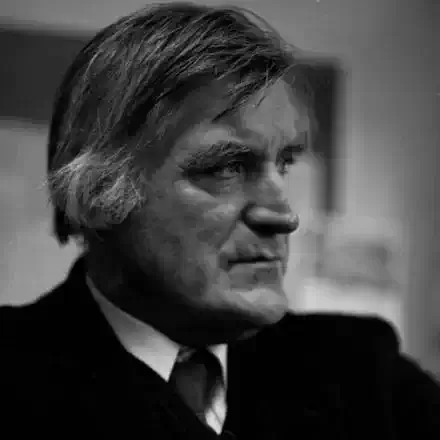
Ted Hughes
Work and Play
Work and Play
The swallow of summer, she toils all the summer,
A blue-dark knot of glittering voltage,
A whiplash swimmer, a fish of the air.
But the serpent of cars that crawls through the dust
In shimmering exhaust
Searching to slake
Its fever in ocean
Will play and be idle or else it will bust.
The swallow of summer, the barbed harpoon,
She flings from the furnace, a rainbow of purples,
Dips her glow in the pond and is perfect.
But the serpent of cars that collapsed on the beach
Disgorges its organs
A scamper of colours
Which roll like tomatoes
Nude as tomatoes
With sand in their creases
To cringe in the sparkle of rollers and screech.
The swallow of summer, the seamstress of summer,
She scissors the blue into shapes and she sews it,
She draws a long thread and she knots it at the corners.
But the holiday people
Are laid out like wounded
Flat as in ovens
Roasting and basting
With faces of torment as space burns them blue
Their heads are transistors
Their teeth grit on sand grains
Their lost kids are squalling
While man-eating flies
Jab electric shock needles but what can they do?
They can climb in their cars with raw bodies, raw faces
And start up the serpent
And headache it homeward
A car full of squabbles
And sobbing and stickiness
With sand in their crannies
Inhaling petroleum
That pours from the foxgloves
While the evening swallow
The swallow of summer, cartwheeling through crimson,
Touches the honey-slow river and turning
Returns to the hand stretched from under the eaves -
A boomerang of rejoicing shadow.
The swallow of summer, she toils all the summer,
A blue-dark knot of glittering voltage,
A whiplash swimmer, a fish of the air.
But the serpent of cars that crawls through the dust
In shimmering exhaust
Searching to slake
Its fever in ocean
Will play and be idle or else it will bust.
The swallow of summer, the barbed harpoon,
She flings from the furnace, a rainbow of purples,
Dips her glow in the pond and is perfect.
But the serpent of cars that collapsed on the beach
Disgorges its organs
A scamper of colours
Which roll like tomatoes
Nude as tomatoes
With sand in their creases
To cringe in the sparkle of rollers and screech.
The swallow of summer, the seamstress of summer,
She scissors the blue into shapes and she sews it,
She draws a long thread and she knots it at the corners.
But the holiday people
Are laid out like wounded
Flat as in ovens
Roasting and basting
With faces of torment as space burns them blue
Their heads are transistors
Their teeth grit on sand grains
Their lost kids are squalling
While man-eating flies
Jab electric shock needles but what can they do?
They can climb in their cars with raw bodies, raw faces
And start up the serpent
And headache it homeward
A car full of squabbles
And sobbing and stickiness
With sand in their crannies
Inhaling petroleum
That pours from the foxgloves
While the evening swallow
The swallow of summer, cartwheeling through crimson,
Touches the honey-slow river and turning
Returns to the hand stretched from under the eaves -
A boomerang of rejoicing shadow.
311
Hilaire Belloc
[Month of) July
[Month of) July
The Kings come riding back from the Crusade,
The purple Kings and all their mounted men;
They fill the street with clamorous cavalcade;
The Kings have broken down the Saracen.
Singing a great song of the eastern wars,
In crimson ships across the sea they came,
With crimson sails and diamonded dark oars,
That made the Mediterranean flash with flame.
And reading how, in that far month, the ranks
Formed on the edge of the desert, armoured all,
I wish to God that I had been with them
When the first Norman leapt upon the wall,
And Godfrey led the foremost of the Franks,
And young Lord Raymond stormed Jerusalem.
The Kings come riding back from the Crusade,
The purple Kings and all their mounted men;
They fill the street with clamorous cavalcade;
The Kings have broken down the Saracen.
Singing a great song of the eastern wars,
In crimson ships across the sea they came,
With crimson sails and diamonded dark oars,
That made the Mediterranean flash with flame.
And reading how, in that far month, the ranks
Formed on the edge of the desert, armoured all,
I wish to God that I had been with them
When the first Norman leapt upon the wall,
And Godfrey led the foremost of the Franks,
And young Lord Raymond stormed Jerusalem.
417
Ted Hughes
Tractor
Tractor
The tractor stands frozen - an agony
To think of. All night
Snow packed its open entrails. Now a head-pincering gale,
A spill of molten ice, smoking snow,
Pours into its steel.
At white heat of numbness it stands
In the aimed hosing of ground-level fieriness.
It defied flesh and won't start.
Hands are like wounds already
Inside armour gloves, and feet are unbelievable
As if the toe-nails were all just torn off.
I stare at it in hatred. Beyond it
The copse hisses - capitulates miserably
In the fleeing, failing light. Starlings,
A dirtier sleetier snow, blow smokily, unendingly, over
Towards plantations Eastward.
All the time the tractor is sinking
Through the degrees, deepening
Into its hell of ice.
The starting lever
Cracks its action, like a snapping knuckle.
The battery is alive - but like a lamb
Trying to nudge its solid-frozen mother -
While the seat claims my buttock-bones, bites
With the space-cold of earth, which it has joined
In one solid lump.
I squirt commercial sure-fire
Down the black throat - it just coughs.
It ridicules me - a trap of iron stupidity
I've stepped into. I drive the battery
As if I were hammering and hammering
The frozen arrangement to pieces with a hammer
And it jabbers laughing pain-crying mockingly
Into happy life.
And stands
Shuddering itself full of heat, seeming to enlarge slowly
Like a demon demonstrating
A more-than-usually-complete materialization -
Suddenly it jerks from its solidarity
With the concrete, and lurches towards a stanchion
Bursting with superhuman well-being and abandon
Shouting Where Where?
Worse iron is waiting. Power-lift kneels
Levers awake imprisoned deadweight,
Shackle-pins bedded in cast-iron cow-shit.
The blind and vibrating condemned obedience
Of iron to the cruelty of iron,
Wheels screeched out of their night-locks -
Fingers
Among the tormented
Tonnage and burning of iron
Eyes
Weeping in the wind of chloroform
And the tractor, streaming with sweat,
Raging and trembling and rejoicing.
The tractor stands frozen - an agony
To think of. All night
Snow packed its open entrails. Now a head-pincering gale,
A spill of molten ice, smoking snow,
Pours into its steel.
At white heat of numbness it stands
In the aimed hosing of ground-level fieriness.
It defied flesh and won't start.
Hands are like wounds already
Inside armour gloves, and feet are unbelievable
As if the toe-nails were all just torn off.
I stare at it in hatred. Beyond it
The copse hisses - capitulates miserably
In the fleeing, failing light. Starlings,
A dirtier sleetier snow, blow smokily, unendingly, over
Towards plantations Eastward.
All the time the tractor is sinking
Through the degrees, deepening
Into its hell of ice.
The starting lever
Cracks its action, like a snapping knuckle.
The battery is alive - but like a lamb
Trying to nudge its solid-frozen mother -
While the seat claims my buttock-bones, bites
With the space-cold of earth, which it has joined
In one solid lump.
I squirt commercial sure-fire
Down the black throat - it just coughs.
It ridicules me - a trap of iron stupidity
I've stepped into. I drive the battery
As if I were hammering and hammering
The frozen arrangement to pieces with a hammer
And it jabbers laughing pain-crying mockingly
Into happy life.
And stands
Shuddering itself full of heat, seeming to enlarge slowly
Like a demon demonstrating
A more-than-usually-complete materialization -
Suddenly it jerks from its solidarity
With the concrete, and lurches towards a stanchion
Bursting with superhuman well-being and abandon
Shouting Where Where?
Worse iron is waiting. Power-lift kneels
Levers awake imprisoned deadweight,
Shackle-pins bedded in cast-iron cow-shit.
The blind and vibrating condemned obedience
Of iron to the cruelty of iron,
Wheels screeched out of their night-locks -
Fingers
Among the tormented
Tonnage and burning of iron
Eyes
Weeping in the wind of chloroform
And the tractor, streaming with sweat,
Raging and trembling and rejoicing.
386
Wilfred Owen
Smile, Smile, Smile
Smile, Smile, Smile
Head to limp head, the sunk-eyed wounded scanned
Yesterday's Mail; the casualties (typed small)
And (large) Vast Booty from our Latest Haul.
Also, they read of Cheap Homes, not yet planned;
For, said the paper, "When this war is done
The men's first instinct will be making homes.
Meanwhile their foremost need is aerodromes,
It being certain war has just begun.
Peace would do wrong to our undying dead, --
The sons we offered might regret they died
If we got nothing lasting in their stead.
We must be solidly indemnified.
Though all be worthy Victory which all bought,
We rulers sitting in this ancient spot
Would wrong our very selves if we forgot
The greatest glory will be theirs who fought,
Who kept this nation in integrity."
Nation? -- The half-limbed readers did not chafe
But smiled at one another curiously
Like secret men who know their secret safe.
This is the thing they know and never speak,
That England one by one had fled to France
(Not many elsewhere now save under France).
Pictures of these broad smiles appear each week,
And people in whose voice real feeling rings
Say: How they smile! They're happy now, poor things.
rd September .
Head to limp head, the sunk-eyed wounded scanned
Yesterday's Mail; the casualties (typed small)
And (large) Vast Booty from our Latest Haul.
Also, they read of Cheap Homes, not yet planned;
For, said the paper, "When this war is done
The men's first instinct will be making homes.
Meanwhile their foremost need is aerodromes,
It being certain war has just begun.
Peace would do wrong to our undying dead, --
The sons we offered might regret they died
If we got nothing lasting in their stead.
We must be solidly indemnified.
Though all be worthy Victory which all bought,
We rulers sitting in this ancient spot
Would wrong our very selves if we forgot
The greatest glory will be theirs who fought,
Who kept this nation in integrity."
Nation? -- The half-limbed readers did not chafe
But smiled at one another curiously
Like secret men who know their secret safe.
This is the thing they know and never speak,
That England one by one had fled to France
(Not many elsewhere now save under France).
Pictures of these broad smiles appear each week,
And people in whose voice real feeling rings
Say: How they smile! They're happy now, poor things.
rd September .
178
Robert W. Service
The Philistine And The Bohemian
The Philistine And The Bohemian
She was a Philistine spick and span,
He was a bold Bohemian.
She had the mode, and the last at that;
He had a cape and a brigand hat.
She was so riant and chic and trim;
He was so shaggy, unkempt and grim.
On the rue de la Paix she was wont to shine;
The rue de la Gaîté was more his line.
She doted on Barclay and Dell and Caine;
He quoted Mallarmé and Paul Verlaine.
She was a triumph at Tango teas;
At Vorticist's suppers he sought to please.
She thought that Franz Lehar was utterly great;
Of Strauss and Stravinsky he'd piously prate.
She loved elegance, he loved art;
They were as wide as the poles apart:
Yet -- Cupid and Caprice are hand and glove --
They met at a dinner, they fell in love.
Home he went to his garret bare,
Thrilling with rapture, hope, despair.
Swift he gazed in his looking-glass,
Made a grimace and murmured: "Ass!"
Seized his scissors and fiercely sheared,
Severed his buccaneering beard;
Grabbed his hair, and clip! clip! clip!
Off came a bunch with every snip.
Ran to a tailor's in startled state,
Suits a dozen commanded straight;
Coats and overcoats, pants in pairs,
Everything that a dandy wears;
Socks and collars, and shoes and ties,
Everything that a dandy buys.
Chums looked at him with wondering stare,
Fancied they'd seen him before somewhere;
A Brummell, a D'Orsay, a beau so fine,
A shining, immaculate Philistine.
Home she went in a raptured daze,
Looked in a mirror with startled gaze,
Didn't seem to be pleased at all;
Savagely muttered: "Insipid Doll!"
Clutched her hair and a pair of shears,
Cropped and bobbed it behind the ears;
Aimed at a wan and willowy-necked
Sort of a Holman Hunt effect;
Robed in subtile and sage-green tones,
Like the dames of Rossetti and E. Burne-Jones;
Girdled her garments billowing wide,
Moved with an undulating glide;
All her frivolous friends forsook,
Cultivated a soulful look;
Gushed in a voice with a creamy throb
Over some weirdly Futurist daub --
Did all, in short, that a woman can
To be a consummate Bohemian.
A year went past with its hopes and fears,
A year that seemed like a dozen years.
They met once more. . . . Oh, at last! At last!
They rushed together, they stopped aghast.
They looked at each other with blank dismay,
They simply hadn't a word to say.
He thought with a shiver: "Can this be she?"
She thought with a shudder: "This can't be he?"
This simpering dandy, so sleek and spruce;
This languorous lily in garments loose;
They sought to brace from the awful shock:
Taking a seat, they tried to talk.
She spoke of Bergson and Pater's prose,
He prattled of dances and ragtime shows;
She purred of pictures, Matisse, Cezanne,
His tastes to the girls of Kirchner ran;
She raved of Tchaikovsky and Caesar Franck,
He owned that he was a jazz-band crank!
They made no headway. Alas! alas!
He thought her a bore, she thought him an ass.
And so they arose and hurriedly fled;
Perish Illusion, Romance, you're dead.
He loved elegance, she loved art,
Better at once to part, to part.
And what is the moral of all this rot?
Don't try to be what you know you're not.
And if you're made on a muttonish plan,
Don't seek to seem a Bohemian;
And if to the goats your feet incline,
Don't try to pass for a Philistine.
She was a Philistine spick and span,
He was a bold Bohemian.
She had the mode, and the last at that;
He had a cape and a brigand hat.
She was so riant and chic and trim;
He was so shaggy, unkempt and grim.
On the rue de la Paix she was wont to shine;
The rue de la Gaîté was more his line.
She doted on Barclay and Dell and Caine;
He quoted Mallarmé and Paul Verlaine.
She was a triumph at Tango teas;
At Vorticist's suppers he sought to please.
She thought that Franz Lehar was utterly great;
Of Strauss and Stravinsky he'd piously prate.
She loved elegance, he loved art;
They were as wide as the poles apart:
Yet -- Cupid and Caprice are hand and glove --
They met at a dinner, they fell in love.
Home he went to his garret bare,
Thrilling with rapture, hope, despair.
Swift he gazed in his looking-glass,
Made a grimace and murmured: "Ass!"
Seized his scissors and fiercely sheared,
Severed his buccaneering beard;
Grabbed his hair, and clip! clip! clip!
Off came a bunch with every snip.
Ran to a tailor's in startled state,
Suits a dozen commanded straight;
Coats and overcoats, pants in pairs,
Everything that a dandy wears;
Socks and collars, and shoes and ties,
Everything that a dandy buys.
Chums looked at him with wondering stare,
Fancied they'd seen him before somewhere;
A Brummell, a D'Orsay, a beau so fine,
A shining, immaculate Philistine.
Home she went in a raptured daze,
Looked in a mirror with startled gaze,
Didn't seem to be pleased at all;
Savagely muttered: "Insipid Doll!"
Clutched her hair and a pair of shears,
Cropped and bobbed it behind the ears;
Aimed at a wan and willowy-necked
Sort of a Holman Hunt effect;
Robed in subtile and sage-green tones,
Like the dames of Rossetti and E. Burne-Jones;
Girdled her garments billowing wide,
Moved with an undulating glide;
All her frivolous friends forsook,
Cultivated a soulful look;
Gushed in a voice with a creamy throb
Over some weirdly Futurist daub --
Did all, in short, that a woman can
To be a consummate Bohemian.
A year went past with its hopes and fears,
A year that seemed like a dozen years.
They met once more. . . . Oh, at last! At last!
They rushed together, they stopped aghast.
They looked at each other with blank dismay,
They simply hadn't a word to say.
He thought with a shiver: "Can this be she?"
She thought with a shudder: "This can't be he?"
This simpering dandy, so sleek and spruce;
This languorous lily in garments loose;
They sought to brace from the awful shock:
Taking a seat, they tried to talk.
She spoke of Bergson and Pater's prose,
He prattled of dances and ragtime shows;
She purred of pictures, Matisse, Cezanne,
His tastes to the girls of Kirchner ran;
She raved of Tchaikovsky and Caesar Franck,
He owned that he was a jazz-band crank!
They made no headway. Alas! alas!
He thought her a bore, she thought him an ass.
And so they arose and hurriedly fled;
Perish Illusion, Romance, you're dead.
He loved elegance, she loved art,
Better at once to part, to part.
And what is the moral of all this rot?
Don't try to be what you know you're not.
And if you're made on a muttonish plan,
Don't seek to seem a Bohemian;
And if to the goats your feet incline,
Don't try to pass for a Philistine.
203
Wilfred Owen
Schoolmistress
Schoolmistress
Schoolmistress
Having, with bold Horatius, stamped her feet
And waved a final swashing arabesque
O'er the brave days of old, she ceased to bleat,
Slapped her Macaulay back upon the desk,
Resuned her calm gaze and her lofty seat.
There, while she heard the classic lines repeat,
Once more the teacher's face clenched stern;
For through the window, looking on the street,
Three soldiers hailed her. She made no return.
One was called 'Orace whom she would not greet.
Schoolmistress
Having, with bold Horatius, stamped her feet
And waved a final swashing arabesque
O'er the brave days of old, she ceased to bleat,
Slapped her Macaulay back upon the desk,
Resuned her calm gaze and her lofty seat.
There, while she heard the classic lines repeat,
Once more the teacher's face clenched stern;
For through the window, looking on the street,
Three soldiers hailed her. She made no return.
One was called 'Orace whom she would not greet.
105
Ted Hughes
Thistles
Thistles
Against the rubber tongues of cows and the hoeing hands of men
Thistles spike the summer air
And crackle open under a blue-black pressure.
Every one a revengeful burst
Of resurrection, a grasped fistful
Of splintered weapons and Icelandic frost thrust up
From the underground stain of a decayed Viking.
They are like pale hair and the gutturals of dialects.
Every one manages a plume of blood.
Then they grow grey like men.
Mown down, it is a feud. Their sons appear
Stiff with weapons, fighting back over the same ground.
Against the rubber tongues of cows and the hoeing hands of men
Thistles spike the summer air
And crackle open under a blue-black pressure.
Every one a revengeful burst
Of resurrection, a grasped fistful
Of splintered weapons and Icelandic frost thrust up
From the underground stain of a decayed Viking.
They are like pale hair and the gutturals of dialects.
Every one manages a plume of blood.
Then they grow grey like men.
Mown down, it is a feud. Their sons appear
Stiff with weapons, fighting back over the same ground.
508
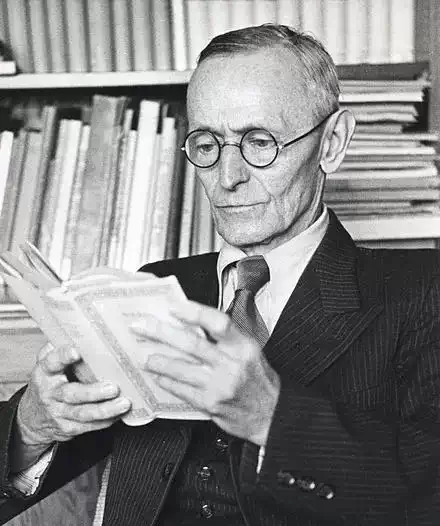
Hermann Hesse
Thinking Of A Friend At Night
Thinking Of A Friend At Night
In this evil year, autumn comes early...
I walk by night in the field, alone, the rain clatters,
The wind on my hat...And you? And you, my friend?
You are standing--maybe--and seeing the sickle moon
Move in a small arc over the forests
And bivouac fire, red in the black valley.
You are lying--maybe--in a straw field and sleeping
And dew falls cold on your forehead and battle jacket.
It's possible tonight you're on horseback,
The farthest outpost, peering along, with a gun in your fist,
Smiling, whispering, to your exhausted horse.
Maybe--I keep imagining--you are spending the night
As a guest in a strange castle with a park
And writing a letter by candlelight, and tapping
On the piano keys by the window,
Groping for a sound...
--And maybe
You are already silent, already dead, and the day
Will shine no longer into your beloved
Serious eyes, and your beloved brown hand hangs wilted,
And your white forehead split open--Oh, if only,
If only, just once, that last day, I had shown you, told you
Something of my love, that was too timid to speak!
But you know me, you know...and, smiling, you nod
Tonight in front of your strange castle,
And you nod to your horse in the drenched forest,
And you nod to your sleep to your harsh clutter of straw,
And think about me, and smile.
And maybe,
Maybe some day you will come back from the war,
and take a walk with me some evening,
And somebody will talk about Longwy, Luttich, Dammerkirch,
And smile gravely, and everything will be as before,
And no one will speak a word of his worry,
Of his worry and tenderness by night in the field,
Of his love. And with a single joke
You will frighten away the worry, the war, the uneasy nights,
The summer lightning of shy human friendship,
Into the cool past that will never come back.
Translated by James Wright
Submitted by Holt
In this evil year, autumn comes early...
I walk by night in the field, alone, the rain clatters,
The wind on my hat...And you? And you, my friend?
You are standing--maybe--and seeing the sickle moon
Move in a small arc over the forests
And bivouac fire, red in the black valley.
You are lying--maybe--in a straw field and sleeping
And dew falls cold on your forehead and battle jacket.
It's possible tonight you're on horseback,
The farthest outpost, peering along, with a gun in your fist,
Smiling, whispering, to your exhausted horse.
Maybe--I keep imagining--you are spending the night
As a guest in a strange castle with a park
And writing a letter by candlelight, and tapping
On the piano keys by the window,
Groping for a sound...
--And maybe
You are already silent, already dead, and the day
Will shine no longer into your beloved
Serious eyes, and your beloved brown hand hangs wilted,
And your white forehead split open--Oh, if only,
If only, just once, that last day, I had shown you, told you
Something of my love, that was too timid to speak!
But you know me, you know...and, smiling, you nod
Tonight in front of your strange castle,
And you nod to your horse in the drenched forest,
And you nod to your sleep to your harsh clutter of straw,
And think about me, and smile.
And maybe,
Maybe some day you will come back from the war,
and take a walk with me some evening,
And somebody will talk about Longwy, Luttich, Dammerkirch,
And smile gravely, and everything will be as before,
And no one will speak a word of his worry,
Of his worry and tenderness by night in the field,
Of his love. And with a single joke
You will frighten away the worry, the war, the uneasy nights,
The summer lightning of shy human friendship,
Into the cool past that will never come back.
Translated by James Wright
Submitted by Holt
539
Ted Hughes
The Warm and the Cold
The Warm and the Cold
Freezing dusk is closing
Like a slow trap of steel
On trees and roads and hills and all
That can no longer feel.
But the carp is in its depth
Like a planet in its heaven.
And the badger in its bedding
Like a loaf in the oven.
And the butterfly in its mummy
Like a viol in its case.
And the owl in its feathers
Like a doll in its lace.
Freezing dusk has tightened
Like a nut screwed tight
On the starry aeroplane
Of the soaring night.
But the trout is in its hole
Like a chuckle in a sleeper.
The hare strays down the highway
Like a root going deeper.
The snail is dry in the outhouse
Like a seed in a sunflower.
The owl is pale on the gatepost
Like a clock on its tower.
Moonlight freezes the shaggy world
Like a mammoth of ice -
The past and the future
Are the jaws of a steel vice.
But the cod is in the tide-rip
Like a key in a purse.
The deer are on the bare-blown hill
Like smiles on a nurse.
The flies are behind the plaster
Like the lost score of a jig.
Sparrows are in the ivy-clump
Like money in a pig.
Such a frost
The flimsy moon
Has lost her wits.
A star falls.
The sweating farmers
Turn in their sleep
Like oxen on spits.
Freezing dusk is closing
Like a slow trap of steel
On trees and roads and hills and all
That can no longer feel.
But the carp is in its depth
Like a planet in its heaven.
And the badger in its bedding
Like a loaf in the oven.
And the butterfly in its mummy
Like a viol in its case.
And the owl in its feathers
Like a doll in its lace.
Freezing dusk has tightened
Like a nut screwed tight
On the starry aeroplane
Of the soaring night.
But the trout is in its hole
Like a chuckle in a sleeper.
The hare strays down the highway
Like a root going deeper.
The snail is dry in the outhouse
Like a seed in a sunflower.
The owl is pale on the gatepost
Like a clock on its tower.
Moonlight freezes the shaggy world
Like a mammoth of ice -
The past and the future
Are the jaws of a steel vice.
But the cod is in the tide-rip
Like a key in a purse.
The deer are on the bare-blown hill
Like smiles on a nurse.
The flies are behind the plaster
Like the lost score of a jig.
Sparrows are in the ivy-clump
Like money in a pig.
Such a frost
The flimsy moon
Has lost her wits.
A star falls.
The sweating farmers
Turn in their sleep
Like oxen on spits.
648
Wilfred Owen
S. I. W.
S. I. W.
"I will to the King,
And offer him consolation in his trouble,
For that man there has set his teeth to die,
And being one that hates obedience,
Discipline, and orderliness of life,
I cannot mourn him."
W. B. Yeats.
Patting goodbye, doubtless they told the lad
He'd always show the Hun a brave man's face;
Father would sooner him dead than in disgrace, --
Was proud to see him going, aye, and glad.
Perhaps his Mother whimpered how she'd fret
Until he got a nice, safe wound to nurse.
Sisters would wish girls too could shoot, charge, curse, . . .
Brothers -- would send his favourite cigarette,
Each week, month after month, they wrote the same,
Thinking him sheltered in some Y.M. Hut,
Where once an hour a bullet missed its aim
And misses teased the hunger of his brain.
His eyes grew old with wincing, and his hand
Reckless with ague. Courage leaked, as sand
From the best sandbags after years of rain.
But never leave, wound, fever, trench-foot, shock,
Untrapped the wretch. And death seemed still withheld
For torture of lying machinally shelled,
At the pleasure of this world's Powers who'd run amok.
He'd seen men shoot their hands, on night patrol,
Their people never knew. Yet they were vile.
"Death sooner than dishonour, that's the style!"
So Father said.
One dawn, our wire patrol
Carried him. This time, Death had not missed.
We could do nothing, but wipe his bleeding cough.
Could it be accident? -- Rifles go off . . .
Not sniped? No. (Later they found the English ball.)
It was the reasoned crisis of his soul.
Against the fires that would not burn him whole
But kept him for death's perjury and scoff
And life's half-promising, and both their riling.
With him they buried the muzzle his teeth had kissed,
And truthfully wrote the Mother "Tim died smiling."
"I will to the King,
And offer him consolation in his trouble,
For that man there has set his teeth to die,
And being one that hates obedience,
Discipline, and orderliness of life,
I cannot mourn him."
W. B. Yeats.
Patting goodbye, doubtless they told the lad
He'd always show the Hun a brave man's face;
Father would sooner him dead than in disgrace, --
Was proud to see him going, aye, and glad.
Perhaps his Mother whimpered how she'd fret
Until he got a nice, safe wound to nurse.
Sisters would wish girls too could shoot, charge, curse, . . .
Brothers -- would send his favourite cigarette,
Each week, month after month, they wrote the same,
Thinking him sheltered in some Y.M. Hut,
Where once an hour a bullet missed its aim
And misses teased the hunger of his brain.
His eyes grew old with wincing, and his hand
Reckless with ague. Courage leaked, as sand
From the best sandbags after years of rain.
But never leave, wound, fever, trench-foot, shock,
Untrapped the wretch. And death seemed still withheld
For torture of lying machinally shelled,
At the pleasure of this world's Powers who'd run amok.
He'd seen men shoot their hands, on night patrol,
Their people never knew. Yet they were vile.
"Death sooner than dishonour, that's the style!"
So Father said.
One dawn, our wire patrol
Carried him. This time, Death had not missed.
We could do nothing, but wipe his bleeding cough.
Could it be accident? -- Rifles go off . . .
Not sniped? No. (Later they found the English ball.)
It was the reasoned crisis of his soul.
Against the fires that would not burn him whole
But kept him for death's perjury and scoff
And life's half-promising, and both their riling.
With him they buried the muzzle his teeth had kissed,
And truthfully wrote the Mother "Tim died smiling."
152
Robert W. Service
The Petit Vieux
The Petit Vieux
"Sow your wild oats in your youth," so we're always told;
But I say with deeper sooth: "Sow them when you're old."
I'll be wise till I'm about seventy or so:
Then, by Gad! I'll blossom out as an ancient beau.
I'll assume a dashing air, laugh with loud Ha! ha! . . .
How my grandchildren will stare at their grandpapa!
Their perfection aureoled I will scandalize:
Won't I be a hoary old sinner in their eyes!
Watch me, how I'll learn to chaff barmaids in a bar;
Scotches daily, gayly quaff, puff a fierce cigar.
I will haunt the Tango teas, at the stage-door stand;
Wait for Dolly Dimpleknees, bouquet in my hand.
Then at seventy I'll take flutters at roulette;
While at eighty hope I'll make good at poker yet;
And in fashionable togs to the races go,
Gayest of the gay old dogs, ninety years or so.
"Sow your wild oats while you're young," that's what you are told;
Don't believe the foolish tongue -- sow 'em when you're old.
Till you're threescore years and ten, take my humble tip,
Sow your nice tame oats and then . . . Hi, boys! Let 'er rip.
"Sow your wild oats in your youth," so we're always told;
But I say with deeper sooth: "Sow them when you're old."
I'll be wise till I'm about seventy or so:
Then, by Gad! I'll blossom out as an ancient beau.
I'll assume a dashing air, laugh with loud Ha! ha! . . .
How my grandchildren will stare at their grandpapa!
Their perfection aureoled I will scandalize:
Won't I be a hoary old sinner in their eyes!
Watch me, how I'll learn to chaff barmaids in a bar;
Scotches daily, gayly quaff, puff a fierce cigar.
I will haunt the Tango teas, at the stage-door stand;
Wait for Dolly Dimpleknees, bouquet in my hand.
Then at seventy I'll take flutters at roulette;
While at eighty hope I'll make good at poker yet;
And in fashionable togs to the races go,
Gayest of the gay old dogs, ninety years or so.
"Sow your wild oats while you're young," that's what you are told;
Don't believe the foolish tongue -- sow 'em when you're old.
Till you're threescore years and ten, take my humble tip,
Sow your nice tame oats and then . . . Hi, boys! Let 'er rip.
197
Ted Hughes
The Seven Sorrows
The Seven Sorrows
The first sorrow of autumn
Is the slow goodbye
Of the garden who stands so long in the evening-
A brown poppy head,
The stalk of a lily,
And still cannot go.
The second sorrow
Is the empty feet
Of a pheasant who hangs from a hook with his brothers.
The woodland of gold
Is folded in feathers
With its head in a bag.
And the third sorrow
Is the slow goodbye
Of the sun who has gathered the birds and who gathers
The minutes of evening,
The golden and holy
Ground of the picture.
The fourth sorrow
Is the pond gone black
Ruined and sunken the city of water-
The beetle's palace,
The catacombs
Of the dragonfly.
And the fifth sorrow
Is the slow goodbye
Of the woodland that quietly breaks up its camp.
One day it's gone.
It has only left litter-
Firewood, tentpoles.
And the sixth sorrow
Is the fox's sorrow
The joy of the huntsman, the joy of the hounds,
The hooves that pound
Till earth closes her ear
To the fox's prayer.
And the seventh sorrow
Is the slow goodbye
Of the face with its wrinkles that looks through the window
As the year packs up
Like a tatty fairground
That came for the children.
The first sorrow of autumn
Is the slow goodbye
Of the garden who stands so long in the evening-
A brown poppy head,
The stalk of a lily,
And still cannot go.
The second sorrow
Is the empty feet
Of a pheasant who hangs from a hook with his brothers.
The woodland of gold
Is folded in feathers
With its head in a bag.
And the third sorrow
Is the slow goodbye
Of the sun who has gathered the birds and who gathers
The minutes of evening,
The golden and holy
Ground of the picture.
The fourth sorrow
Is the pond gone black
Ruined and sunken the city of water-
The beetle's palace,
The catacombs
Of the dragonfly.
And the fifth sorrow
Is the slow goodbye
Of the woodland that quietly breaks up its camp.
One day it's gone.
It has only left litter-
Firewood, tentpoles.
And the sixth sorrow
Is the fox's sorrow
The joy of the huntsman, the joy of the hounds,
The hooves that pound
Till earth closes her ear
To the fox's prayer.
And the seventh sorrow
Is the slow goodbye
Of the face with its wrinkles that looks through the window
As the year packs up
Like a tatty fairground
That came for the children.
645
Wilfred Owen
Preface
Preface
This book is not about heroes. English Poetry is not yet fit to speak
of them. Nor is it about deeds or lands, nor anything about glory, honour,
dominion or power,
except War.
Above all, this book is not concerned with Poetry.
The subject of it is War, and the pity of War.
The Poetry is in the pity.
Yet these elegies are not to this generation,
This is in no sense consolatory.
They may be to the next.
All the poet can do to-day is to warn.
That is why the true Poets must be truthful.
If I thought the letter of this book would last,
I might have used proper names; but if the spirit of it survives Prussia, --
my ambition and those names will be content; for they will have
achieved themselves fresher fields than Flanders.
This book is not about heroes. English Poetry is not yet fit to speak
of them. Nor is it about deeds or lands, nor anything about glory, honour,
dominion or power,
except War.
Above all, this book is not concerned with Poetry.
The subject of it is War, and the pity of War.
The Poetry is in the pity.
Yet these elegies are not to this generation,
This is in no sense consolatory.
They may be to the next.
All the poet can do to-day is to warn.
That is why the true Poets must be truthful.
If I thought the letter of this book would last,
I might have used proper names; but if the spirit of it survives Prussia, --
my ambition and those names will be content; for they will have
achieved themselves fresher fields than Flanders.
146
Hermann Hesse
Stages
Stages
As every flower fades and as all youth
Departs, so life at every stage,
So every virtue, so our grasp of truth,
Blooms in its day and may not last forever.
Since life may summon us at every age
Be ready, heart, for parting, new endeavor,
Be ready bravely and without remorse
To find new light that old ties cannot give.
In all beginnings dwells a magic force
For guarding us and helping us to live.
Serenely let us move to distant places
And let no sentiments of home detain us.
The Cosmic Spirit seeks not to restrain us
But lifts us stage by stage to wider spaces.
If we accept a home of our own making,
Familiar habit makes for indolence.
We must prepare for parting and leave-taking
Or else remain the slave of permanence.
Even the hour of our death may send
Us speeding on to fresh and newer spaces,
And life may summon us to newer races.
So be it, heart: bid farewell without end.
As every flower fades and as all youth
Departs, so life at every stage,
So every virtue, so our grasp of truth,
Blooms in its day and may not last forever.
Since life may summon us at every age
Be ready, heart, for parting, new endeavor,
Be ready bravely and without remorse
To find new light that old ties cannot give.
In all beginnings dwells a magic force
For guarding us and helping us to live.
Serenely let us move to distant places
And let no sentiments of home detain us.
The Cosmic Spirit seeks not to restrain us
But lifts us stage by stage to wider spaces.
If we accept a home of our own making,
Familiar habit makes for indolence.
We must prepare for parting and leave-taking
Or else remain the slave of permanence.
Even the hour of our death may send
Us speeding on to fresh and newer spaces,
And life may summon us to newer races.
So be it, heart: bid farewell without end.
855
Ted Hughes
The Minotaur
The Minotaur
The mahogany table-top you smashed
Had been the broad plank top
Of my mother's heirloom sideboard-
Mapped with the scars of my whole life.
That came under the hammer.
That high stool you swung that day
Demented by my being
Twenty minutes late for baby-minding.
'Marvellous!' I shouted, 'Go on,
Smash it into kindling.
That's the stuff you're keeping out of your poems!'
And later, considered and calmer,
'Get that shoulder under your stanzas
And we'll be away.' Deep in the cave of your ear
The goblin snapped his fingers.
So what had I given him?
The bloody end of the skein
That unravelled your marriage,
Left your children echoing
Like tunnels in a labyrinth.
Left your mother a dead-end,
Brought you to the horned, bellowing
Grave of your risen father
And your own corpse in it.
The mahogany table-top you smashed
Had been the broad plank top
Of my mother's heirloom sideboard-
Mapped with the scars of my whole life.
That came under the hammer.
That high stool you swung that day
Demented by my being
Twenty minutes late for baby-minding.
'Marvellous!' I shouted, 'Go on,
Smash it into kindling.
That's the stuff you're keeping out of your poems!'
And later, considered and calmer,
'Get that shoulder under your stanzas
And we'll be away.' Deep in the cave of your ear
The goblin snapped his fingers.
So what had I given him?
The bloody end of the skein
That unravelled your marriage,
Left your children echoing
Like tunnels in a labyrinth.
Left your mother a dead-end,
Brought you to the horned, bellowing
Grave of your risen father
And your own corpse in it.
320
Wilfred Owen
On Seeing a Piece of Our Artillery Brought into Action
On Seeing a Piece of Our Artillery Brought into Action
Be slowly lifted up, thou long black arm,
Great gun towering towards Heaven, about to curse;
Sway steep against them, and for years rehearse
Huge imprecations like a blasting charm!
Reach at that Arrogance which needs thy harm,
And beat it down before its sins grow worse;
Spend our resentment, cannon,--yea, disburse
Our gold in shapes of flame, our breaths in storm.
Yet, for men's sakes whom thy vast malison
Must wither innocent of enmity,
Be not withdrawn, dark arm, thy spoilure done,
Safe to the bosom of our prosperity.
But when thy spell be cast complete and whole,
May God curse thee, and cut thee from our soul!
Be slowly lifted up, thou long black arm,
Great gun towering towards Heaven, about to curse;
Sway steep against them, and for years rehearse
Huge imprecations like a blasting charm!
Reach at that Arrogance which needs thy harm,
And beat it down before its sins grow worse;
Spend our resentment, cannon,--yea, disburse
Our gold in shapes of flame, our breaths in storm.
Yet, for men's sakes whom thy vast malison
Must wither innocent of enmity,
Be not withdrawn, dark arm, thy spoilure done,
Safe to the bosom of our prosperity.
But when thy spell be cast complete and whole,
May God curse thee, and cut thee from our soul!
173
Robert W. Service
The Passing Of The Year
The Passing Of The Year
My glass is filled, my pipe is lit,
My den is all a cosy glow;
And snug before the fire I sit,
And wait to feel the old year go.
I dedicate to solemn thought
Amid my too-unthinking days,
This sober moment, sadly fraught
With much of blame, with little praise.
Old Year! upon the Stage of Time
You stand to bow your last adieu;
A moment, and the prompter's chime
Will ring the curtain down on you.
Your mien is sad, your step is slow;
You falter as a Sage in pain;
Yet turn, Old Year, before you go,
And face your audience again.
That sphinx-like face, remote, austere,
Let us all read, whate'er the cost:
O Maiden! why that bitter tear?
Is it for dear one you have lost?
Is it for fond illusion gone?
For trusted lover proved untrue?
O sweet girl-face, so sad, so wan
What hath the Old Year meant to you?
And you, O neighbour on my right
So sleek, so prosperously clad!
What see you in that aged wight
That makes your smile so gay and glad?
What opportunity unmissed?
What golden gain, what pride of place?
What splendid hope? O Optimist!
What read you in that withered face?
And You, deep shrinking in the gloom,
What find you in that filmy gaze?
What menace of a tragic doom?
What dark, condemning yesterdays?
What urge to crime, what evil done?
What cold, confronting shape of fear?
O haggard, haunted, hidden One
What see you in the dying year?
And so from face to face I flit,
The countless eyes that stare and stare;
Some are with approbation lit,
And some are shadowed with despair.
Some show a smile and some a frown;
Some joy and hope, some pain and woe:
Enough! Oh, ring the curtain down!
Old weary year! it's time to go.
My pipe is out, my glass is dry;
My fire is almost ashes too;
But once again, before you go,
And I prepare to meet the New:
Old Year! a parting word that's true,
For we've been comrades, you and I --
I thank God for each day of you;
There! bless you now! Old Year, good-bye!
My glass is filled, my pipe is lit,
My den is all a cosy glow;
And snug before the fire I sit,
And wait to feel the old year go.
I dedicate to solemn thought
Amid my too-unthinking days,
This sober moment, sadly fraught
With much of blame, with little praise.
Old Year! upon the Stage of Time
You stand to bow your last adieu;
A moment, and the prompter's chime
Will ring the curtain down on you.
Your mien is sad, your step is slow;
You falter as a Sage in pain;
Yet turn, Old Year, before you go,
And face your audience again.
That sphinx-like face, remote, austere,
Let us all read, whate'er the cost:
O Maiden! why that bitter tear?
Is it for dear one you have lost?
Is it for fond illusion gone?
For trusted lover proved untrue?
O sweet girl-face, so sad, so wan
What hath the Old Year meant to you?
And you, O neighbour on my right
So sleek, so prosperously clad!
What see you in that aged wight
That makes your smile so gay and glad?
What opportunity unmissed?
What golden gain, what pride of place?
What splendid hope? O Optimist!
What read you in that withered face?
And You, deep shrinking in the gloom,
What find you in that filmy gaze?
What menace of a tragic doom?
What dark, condemning yesterdays?
What urge to crime, what evil done?
What cold, confronting shape of fear?
O haggard, haunted, hidden One
What see you in the dying year?
And so from face to face I flit,
The countless eyes that stare and stare;
Some are with approbation lit,
And some are shadowed with despair.
Some show a smile and some a frown;
Some joy and hope, some pain and woe:
Enough! Oh, ring the curtain down!
Old weary year! it's time to go.
My pipe is out, my glass is dry;
My fire is almost ashes too;
But once again, before you go,
And I prepare to meet the New:
Old Year! a parting word that's true,
For we've been comrades, you and I --
I thank God for each day of you;
There! bless you now! Old Year, good-bye!
196