
Poems List
Explore poems from our collection

Wilfred Owen
The Young Soldier
The Young Soldier
It is not death
Without hereafter
To one in dearth
Of life and its laughter,
Nor the sweet murder
Dealt slow and even
Unto the martyr
Smiling at heaven:
It is the smile
Faint as a (waning) myth,
Faint, and exceeding small
On a boy's murdered mouth.
It is not death
Without hereafter
To one in dearth
Of life and its laughter,
Nor the sweet murder
Dealt slow and even
Unto the martyr
Smiling at heaven:
It is the smile
Faint as a (waning) myth,
Faint, and exceeding small
On a boy's murdered mouth.
112
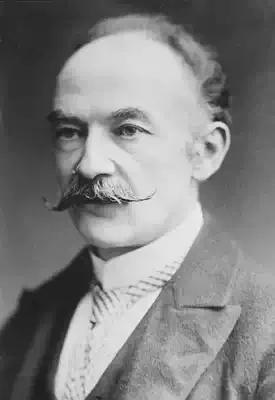
Thomas Hardy
A Wasted Illness
A Wasted Illness
Through vaults of pain,
Enribbed and wrought with groins of ghastliness,
I passed, and garish spectres moved my brain
To dire distress.
And hammerings,
And quakes, and shoots, and stifling hotness, blent
With webby waxing things and waning things
As on I went.
"Where lies the end
To this foul way?" I asked with weakening breath.
Thereon ahead I saw a door extend -
The door to death.
It loomed more clear:
"At last!" I cried. "The all-delivering door!"
And then, I knew not how, it grew less near
Than theretofore.
And back slid I
Along the galleries by which I came,
And tediously the day returned, and sky,
And life--the same.
And all was well:
Old circumstance resumed its former show,
And on my head the dews of comfort fell
As ere my woe.
I roam anew,
Scarce conscious of my late distress . . . And yet
Those backward steps through pain I cannot view
Without regret.
For that dire train
Of waxing shapes and waning, passed before,
And those grim aisles, must be traversed again
To reach that door.
Through vaults of pain,
Enribbed and wrought with groins of ghastliness,
I passed, and garish spectres moved my brain
To dire distress.
And hammerings,
And quakes, and shoots, and stifling hotness, blent
With webby waxing things and waning things
As on I went.
"Where lies the end
To this foul way?" I asked with weakening breath.
Thereon ahead I saw a door extend -
The door to death.
It loomed more clear:
"At last!" I cried. "The all-delivering door!"
And then, I knew not how, it grew less near
Than theretofore.
And back slid I
Along the galleries by which I came,
And tediously the day returned, and sky,
And life--the same.
And all was well:
Old circumstance resumed its former show,
And on my head the dews of comfort fell
As ere my woe.
I roam anew,
Scarce conscious of my late distress . . . And yet
Those backward steps through pain I cannot view
Without regret.
For that dire train
Of waxing shapes and waning, passed before,
And those grim aisles, must be traversed again
To reach that door.
217
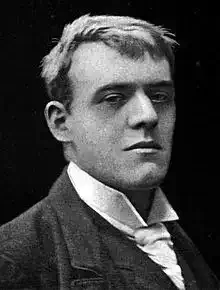
Hilaire Belloc
[Month of] November
[Month of] November
November is that historied Emperor,
Conquered in age, but foot to foot with fate,
Who from his refuge high has heard the roar
Of squadrons in pursuit, and now, too late,
Stirrups the storm and calls the winds to war,
And arms the garrison of his last heirloom,
And shakes the sky to its extremest shore
With battle against irrevocable doom.
Till, driven and hurled from his strong citadels,
He flies in hurrying cloud and spurs him on,
Empty of lingerings, empty of farewells
And final benedictions, and is gone.
But in my garden all the trees have shed
Their legacies of the light, and all the flowers are dead.
November is that historied Emperor,
Conquered in age, but foot to foot with fate,
Who from his refuge high has heard the roar
Of squadrons in pursuit, and now, too late,
Stirrups the storm and calls the winds to war,
And arms the garrison of his last heirloom,
And shakes the sky to its extremest shore
With battle against irrevocable doom.
Till, driven and hurled from his strong citadels,
He flies in hurrying cloud and spurs him on,
Empty of lingerings, empty of farewells
And final benedictions, and is gone.
But in my garden all the trees have shed
Their legacies of the light, and all the flowers are dead.
459
Wilfred Owen
The Show
The Show
My soul looked down from a vague height with Death,
As unremembering how I rose or why,
And saw a sad land, weak with sweats of dearth,
Gray, cratered like the moon with hollow woe,
And fitted with great pocks and scabs of plaques.
Across its beard, that horror of harsh wire,
There moved thin caterpillars, slowly uncoiled.
It seemed they pushed themselves to be as plugs
Of ditches, where they writhed and shrivelled, killed.
By them had slimy paths been trailed and scraped
Round myriad warts that might be little hills.
From gloom's last dregs these long-strung creatures crept,
And vanished out of dawn down hidden holes.
(And smell came up from those foul openings
As out of mouths, or deep wounds deepening.)
On dithering feet upgathered, more and more,
Brown strings towards strings of gray, with bristling spines,
All migrants from green fields, intent on mire.
Those that were gray, of more abundant spawns,
Ramped on the rest and ate them and were eaten.
I saw their bitten backs curve, loop, and straighten,
I watched those agonies curl, lift, and flatten.
Whereat, in terror what that sight might mean,
I reeled and shivered earthward like a feather.
And Death fell with me, like a deepening moan.
And He, picking a manner of worm, which half had hid
Its bruises in the earth, but crawled no further,
Showed me its feet, the feet of many men,
And the fresh-severed head of it, my head.
My soul looked down from a vague height with Death,
As unremembering how I rose or why,
And saw a sad land, weak with sweats of dearth,
Gray, cratered like the moon with hollow woe,
And fitted with great pocks and scabs of plaques.
Across its beard, that horror of harsh wire,
There moved thin caterpillars, slowly uncoiled.
It seemed they pushed themselves to be as plugs
Of ditches, where they writhed and shrivelled, killed.
By them had slimy paths been trailed and scraped
Round myriad warts that might be little hills.
From gloom's last dregs these long-strung creatures crept,
And vanished out of dawn down hidden holes.
(And smell came up from those foul openings
As out of mouths, or deep wounds deepening.)
On dithering feet upgathered, more and more,
Brown strings towards strings of gray, with bristling spines,
All migrants from green fields, intent on mire.
Those that were gray, of more abundant spawns,
Ramped on the rest and ate them and were eaten.
I saw their bitten backs curve, loop, and straighten,
I watched those agonies curl, lift, and flatten.
Whereat, in terror what that sight might mean,
I reeled and shivered earthward like a feather.
And Death fell with me, like a deepening moan.
And He, picking a manner of worm, which half had hid
Its bruises in the earth, but crawled no further,
Showed me its feet, the feet of many men,
And the fresh-severed head of it, my head.
123
Thomas Hardy
A Spot
A Spot
In years defaced and lost,
Two sat here, transport-tossed,
Lit by a living love
The wilted world knew nothing of:
Scared momently
By gaingivings,
Then hoping things
That could not be.
Of love and us no trace
Abides upon the place;
The sun and shadows wheel,
Season and season sereward steal;
Foul days and fair
Here, too, prevail,
And gust and gale
As everywhere.
But lonely shepherd souls
Who bask amid these knolls
May catch a faery sound
On sleepy noontides from the ground:
"O not again
Till Earth outwears
Shall love like theirs
Suffuse this glen!"
In years defaced and lost,
Two sat here, transport-tossed,
Lit by a living love
The wilted world knew nothing of:
Scared momently
By gaingivings,
Then hoping things
That could not be.
Of love and us no trace
Abides upon the place;
The sun and shadows wheel,
Season and season sereward steal;
Foul days and fair
Here, too, prevail,
And gust and gale
As everywhere.
But lonely shepherd souls
Who bask amid these knolls
May catch a faery sound
On sleepy noontides from the ground:
"O not again
Till Earth outwears
Shall love like theirs
Suffuse this glen!"
261

Robert W. Service
The Receptionist
The Receptionist
France is the fairest land on earth,
Lovely to heart's desire,
And twice a year I span its girth,
Its beauty to admire.
But when a pub I seek each night,
To my profound vexation
On form they hand me I've to write
My occupation.
So once in a derisive mood
My pen I nibbled;
And though I know I never should:
'Gangster' I scribbled.
But as the clerk with startled face
Looked stark suspicion,
I blurred it out and in its place
Put 'Politician.'
Then suddenly dissolved his frown;
His face fused to a grin,
As humorously he set down
The form I handed in.
His shrug was eloquent to view.
Quoth he: 'What's in a name?
In France, alas! the lousy two
Are just the same.'
France is the fairest land on earth,
Lovely to heart's desire,
And twice a year I span its girth,
Its beauty to admire.
But when a pub I seek each night,
To my profound vexation
On form they hand me I've to write
My occupation.
So once in a derisive mood
My pen I nibbled;
And though I know I never should:
'Gangster' I scribbled.
But as the clerk with startled face
Looked stark suspicion,
I blurred it out and in its place
Put 'Politician.'
Then suddenly dissolved his frown;
His face fused to a grin,
As humorously he set down
The form I handed in.
His shrug was eloquent to view.
Quoth he: 'What's in a name?
In France, alas! the lousy two
Are just the same.'
225
Wilfred Owen
The Send-off
The Send-off
Down the close, darkening lanes they sang their way
To the siding-shed,
And lined the train with faces grimly gay.
Their breasts were stuck all white with wreath and spray
As men's are, dead.
Dull porters watched them, and a casual tramp
Stood staring hard,
Sorry to miss them from the upland camp.
Then, unmoved, signals nodded, and a lamp
Winked to the guard.
So secretly, like wrongs hushed-up, they went.
They were not ours:
We never heard to which front these were sent.
Nor there if they yet mock what women meant
Who gave them flowers.
Shall they return to beatings of great bells
In wild trainloads?
A few, a few, too few for drums and yells,
May creep back, silent, to still village wells
Up half-known roads.
Down the close, darkening lanes they sang their way
To the siding-shed,
And lined the train with faces grimly gay.
Their breasts were stuck all white with wreath and spray
As men's are, dead.
Dull porters watched them, and a casual tramp
Stood staring hard,
Sorry to miss them from the upland camp.
Then, unmoved, signals nodded, and a lamp
Winked to the guard.
So secretly, like wrongs hushed-up, they went.
They were not ours:
We never heard to which front these were sent.
Nor there if they yet mock what women meant
Who gave them flowers.
Shall they return to beatings of great bells
In wild trainloads?
A few, a few, too few for drums and yells,
May creep back, silent, to still village wells
Up half-known roads.
399
Thomas Hardy
A Meeting With Despair
A Meeting With Despair
AS evening shaped I found me on a moor
Which sight could scarce sustain:
The black lean land, of featureless contour,
Was like a tract in pain.
"This scene, like my own life," I said, "is one
Where many glooms abide;
Toned by its fortune to a deadly dun--
Lightless on every side.
I glanced aloft and halted, pleasure-caught
To see the contrast there:
The ray-lit clouds gleamed glory; and I thought,
"There's solace everywhere!"
Then bitter self-reproaches as I stood
I dealt me silently
As one perverse--misrepresenting Good
In graceless mutiny.
Against the horizon's dim-descernèd wheel
A form rose, strange of mould:
That he was hideous, hopeless, I could feel
Rather than could behold.
"'Tis a dead spot, where even the light lies spent
To darkness!" croaked the Thing.
"Not if you look aloft!" said I, intent
On my new reasoning.
"Yea--but await awhile!" he cried. "Ho-ho!--
Look now aloft and see!"
I looked. There, too, sat night: Heaven's radiant show
Had gone. Then chuckled he.
AS evening shaped I found me on a moor
Which sight could scarce sustain:
The black lean land, of featureless contour,
Was like a tract in pain.
"This scene, like my own life," I said, "is one
Where many glooms abide;
Toned by its fortune to a deadly dun--
Lightless on every side.
I glanced aloft and halted, pleasure-caught
To see the contrast there:
The ray-lit clouds gleamed glory; and I thought,
"There's solace everywhere!"
Then bitter self-reproaches as I stood
I dealt me silently
As one perverse--misrepresenting Good
In graceless mutiny.
Against the horizon's dim-descernèd wheel
A form rose, strange of mould:
That he was hideous, hopeless, I could feel
Rather than could behold.
"'Tis a dead spot, where even the light lies spent
To darkness!" croaked the Thing.
"Not if you look aloft!" said I, intent
On my new reasoning.
"Yea--but await awhile!" he cried. "Ho-ho!--
Look now aloft and see!"
I looked. There, too, sat night: Heaven's radiant show
Had gone. Then chuckled he.
231
Hilaire Belloc
[Month of] March
[Month of] March
The north-cast wind has come from Norroway,
Roaring he came above the white waves' tips!
The foam of the loud sea was on his lips,
And all his hair was salt with falling spray.
Over the keen light of northern day
He cast his snow cloud's terrible eclipse;
Beyond our banks he suddenly struck the ships,
And left them labouring on his landward way.
The certain course that to my strength belongs
Drives him with gathering purpose and control
Until across Vendean flats he sees
Ocean, the eldest of his enemies.
Then wheels he for him, glorying in goal
And gives him challenge, bellowing battle songs.
The north-cast wind has come from Norroway,
Roaring he came above the white waves' tips!
The foam of the loud sea was on his lips,
And all his hair was salt with falling spray.
Over the keen light of northern day
He cast his snow cloud's terrible eclipse;
Beyond our banks he suddenly struck the ships,
And left them labouring on his landward way.
The certain course that to my strength belongs
Drives him with gathering purpose and control
Until across Vendean flats he sees
Ocean, the eldest of his enemies.
Then wheels he for him, glorying in goal
And gives him challenge, bellowing battle songs.
443
Wilfred Owen
The Parable of the Young Man and the Old
The Parable of the Young Man and the Old
So Abram rose, and clave the wood, and went,
And took the fire with him, and a knife.
And as they sojourned, both of them together,
Isaac the first-born spake, and said, My Father,
Behold the preparations, fire and iron,
But where the lamb for this burnt-offering?
Then Abram bound the youth with belts and straps,
And builded parapets the trenches there,
And stretched forth the knife to slay his son.
When lo! an angel called him out of heaven,
Saying, Lay not thy hand upon the lad,
Neither do anything to him. Behold,
A ram, caught in a thicket by its horns;
Offer the Ram of Pride instead of him.
But the old man would not so, but slew his son,
And half the seed of Europe, one by one.
So Abram rose, and clave the wood, and went,
And took the fire with him, and a knife.
And as they sojourned, both of them together,
Isaac the first-born spake, and said, My Father,
Behold the preparations, fire and iron,
But where the lamb for this burnt-offering?
Then Abram bound the youth with belts and straps,
And builded parapets the trenches there,
And stretched forth the knife to slay his son.
When lo! an angel called him out of heaven,
Saying, Lay not thy hand upon the lad,
Neither do anything to him. Behold,
A ram, caught in a thicket by its horns;
Offer the Ram of Pride instead of him.
But the old man would not so, but slew his son,
And half the seed of Europe, one by one.
245
Thomas Hardy
A Confession To A Friend in Trouble
A Confession To A Friend in Trouble
YOUR troubles shrink not, though I feel them less
Here, far away, than when I tarried near;
I even smile old smiles--with listlessness--
Yet smiles they are, not ghastly mockeries mere.
A thought too strange to house within my brain
Haunting its outer precincts I discern:
--That I will not show zeal again to learn
Your griefs, and, sharing them, renew my pain....
It goes, like murky bird or buccaneer
That shapes its lawless figure on the main,
And each new impulse tends to make outflee
The unseemly instinct that had lodgment here;
Yet, comrade old, can bitterer knowledge be
Than that, though banned, such instinct was in me!
YOUR troubles shrink not, though I feel them less
Here, far away, than when I tarried near;
I even smile old smiles--with listlessness--
Yet smiles they are, not ghastly mockeries mere.
A thought too strange to house within my brain
Haunting its outer precincts I discern:
--That I will not show zeal again to learn
Your griefs, and, sharing them, renew my pain....
It goes, like murky bird or buccaneer
That shapes its lawless figure on the main,
And each new impulse tends to make outflee
The unseemly instinct that had lodgment here;
Yet, comrade old, can bitterer knowledge be
Than that, though banned, such instinct was in me!
231
Robert W. Service
The Quest
The Quest
I sought Him on the purple seas,
I sought Him on the peaks aflame;
Amid the gloom of giant trees
And canyons lone I called His name;
The wasted ways of earth I trod:
In vain! In vain! I found not God.
I sought Him in the hives of men,
The cities grand, the hamlets gray,
The temples old beyond my ken,
The tabernacles of to-day;
All life that is, from cloud to clod
I sought. . . . Alas! I found not God.
Then after roamings far and wide,
In streets and seas and deserts wild,
I came to stand at last beside
The death-bed of my little child.
Lo! as I bent beneath the rod
I raised my eyes . . . and there was God.
I sought Him on the purple seas,
I sought Him on the peaks aflame;
Amid the gloom of giant trees
And canyons lone I called His name;
The wasted ways of earth I trod:
In vain! In vain! I found not God.
I sought Him in the hives of men,
The cities grand, the hamlets gray,
The temples old beyond my ken,
The tabernacles of to-day;
All life that is, from cloud to clod
I sought. . . . Alas! I found not God.
Then after roamings far and wide,
In streets and seas and deserts wild,
I came to stand at last beside
The death-bed of my little child.
Lo! as I bent beneath the rod
I raised my eyes . . . and there was God.
205
Wilfred Owen
The Parable of the Old Man and the Young
The Parable of the Old Man and the Young
So Abram rose, and clave the wood, and went,
And took the fire with him, and a knife.
And as they sojourned both of them together,
Isaac the first-born spake and said, My Father,
Behold the preparations, fire and iron,
But where the lamb for this burnt-offering?
Then Abram bound the youth with belts and strops,
And builded parapets and trenches there,
And stretched forth the knife to slay his son.
When lo! an angel called him out of heaven,
Saying, Lay not thy hand upon the lad,
Neither do anything to him. Behold,
A ram, caught in a thicket by its horns;
Offer the Ram of Pride instead of him.
But the old man would not so, but slew his son,
And half the seed of Europe, one by one.
So Abram rose, and clave the wood, and went,
And took the fire with him, and a knife.
And as they sojourned both of them together,
Isaac the first-born spake and said, My Father,
Behold the preparations, fire and iron,
But where the lamb for this burnt-offering?
Then Abram bound the youth with belts and strops,
And builded parapets and trenches there,
And stretched forth the knife to slay his son.
When lo! an angel called him out of heaven,
Saying, Lay not thy hand upon the lad,
Neither do anything to him. Behold,
A ram, caught in a thicket by its horns;
Offer the Ram of Pride instead of him.
But the old man would not so, but slew his son,
And half the seed of Europe, one by one.
324
Thomas Hardy
A Commonplace Day
A Commonplace Day
The day is turning ghost,
And scuttles from the kalendar in fits and furtively,
To join the anonymous host
Of those that throng oblivion; ceding his place, maybe,
To one of like degree.
I part the fire-gnawed logs,
Rake forth the embers, spoil the busy flames, and lay the ends
Upon the shining dogs;
Further and further from the nooks the twilight's stride extends,
And beamless black impends.
Nothing of tiniest worth
Have I wrought, pondered, planned; no one thing asking blame or
praise,
Since the pale corpse-like birth
Of this diurnal unit, bearing blanks in all its rays -
Dullest of dull-hued Days!
Wanly upon the panes
The rain slides as have slid since morn my colourless thoughts; and
yet
Here, while Day's presence wanes,
And over him the sepulchre-lid is slowly lowered and set,
He wakens my regret.
Regret--though nothing dear
That I wot of, was toward in the wide world at his prime,
Or bloomed elsewhere than here,
To die with his decease, and leave a memory sweet, sublime,
Or mark him out in Time . . .
--Yet, maybe, in some soul,
In some spot undiscerned on sea or land, some impulse rose,
Or some intent upstole
Of that enkindling ardency from whose maturer glows
The world's amendment flows;
But which, benumbed at birth
By momentary chance or wile, has missed its hope to be
Embodied on the earth;
And undervoicings of this loss to man's futurity
May wake regret in me.
The day is turning ghost,
And scuttles from the kalendar in fits and furtively,
To join the anonymous host
Of those that throng oblivion; ceding his place, maybe,
To one of like degree.
I part the fire-gnawed logs,
Rake forth the embers, spoil the busy flames, and lay the ends
Upon the shining dogs;
Further and further from the nooks the twilight's stride extends,
And beamless black impends.
Nothing of tiniest worth
Have I wrought, pondered, planned; no one thing asking blame or
praise,
Since the pale corpse-like birth
Of this diurnal unit, bearing blanks in all its rays -
Dullest of dull-hued Days!
Wanly upon the panes
The rain slides as have slid since morn my colourless thoughts; and
yet
Here, while Day's presence wanes,
And over him the sepulchre-lid is slowly lowered and set,
He wakens my regret.
Regret--though nothing dear
That I wot of, was toward in the wide world at his prime,
Or bloomed elsewhere than here,
To die with his decease, and leave a memory sweet, sublime,
Or mark him out in Time . . .
--Yet, maybe, in some soul,
In some spot undiscerned on sea or land, some impulse rose,
Or some intent upstole
Of that enkindling ardency from whose maturer glows
The world's amendment flows;
But which, benumbed at birth
By momentary chance or wile, has missed its hope to be
Embodied on the earth;
And undervoicings of this loss to man's futurity
May wake regret in me.
204
Hilaire Belloc
[Month of] January
[Month of] January
It freezes- all across a soundless sky
The birds go home. The governing dark's begun:
The steadfast dark that waits not for a sun;
The ultimate dark wherein the race shall die.
Death, with his evil finger to his lip,
Leers in at human windows, turning spy
To learn the country where his rule shall lie
When he assumes perpetual generalship.
The undefeated enemy, the chill
That shall benumb the voiceful earth at last,
Is master of our moment, and has bound
The viewless wind it-self. There is no sound.
It freezes. Every friendly stream is fast.
It freezes; and the graven twigs are still.
It freezes- all across a soundless sky
The birds go home. The governing dark's begun:
The steadfast dark that waits not for a sun;
The ultimate dark wherein the race shall die.
Death, with his evil finger to his lip,
Leers in at human windows, turning spy
To learn the country where his rule shall lie
When he assumes perpetual generalship.
The undefeated enemy, the chill
That shall benumb the voiceful earth at last,
Is master of our moment, and has bound
The viewless wind it-self. There is no sound.
It freezes. Every friendly stream is fast.
It freezes; and the graven twigs are still.
438
Thomas Hardy
A Christmas Ghost Story.
A Christmas Ghost Story.
South of the Line, inland from far Durban,
A mouldering soldier lies--your countryman.
Awry and doubled up are his gray bones,
And on the breeze his puzzled phantom moans
Nightly to clear Canopus: "I would know
By whom and when the All-Earth-gladdening Law
Of Peace, brought in by that Man Crucified,
Was ruled to be inept, and set aside?
And what of logic or of truth appears
In tacking 'Anno Domini' to the years?
Near twenty-hundred livened thus have hied,
But tarries yet the Cause for which He died."
South of the Line, inland from far Durban,
A mouldering soldier lies--your countryman.
Awry and doubled up are his gray bones,
And on the breeze his puzzled phantom moans
Nightly to clear Canopus: "I would know
By whom and when the All-Earth-gladdening Law
Of Peace, brought in by that Man Crucified,
Was ruled to be inept, and set aside?
And what of logic or of truth appears
In tacking 'Anno Domini' to the years?
Near twenty-hundred livened thus have hied,
But tarries yet the Cause for which He died."
176
Wilfred Owen
The Letter
The Letter
With B.E.F. Jun . Dear Wife,
(Oh blast this pencil. 'Ere, Bill, lend's a knife.)
I'm in the pink at present, dear.
I think the war will end this year.
We don't see much of them square-'eaded 'Uns.
We're out of harm's way, not bad fed.
I'm longing for a taste of your old buns.
(Say, Jimmie, spare's a bite of bread.)
There don't seem much to say just now.
(Yer what? Then don't, yer ruddy cow!
And give us back me cigarette!)
I'll soon be 'ome. You mustn't fret.
My feet's improvin', as I told you of.
We're out in the rest now. Never fear.
(VRACH! By crumbs, but that was near.)
Mother might spare you half a sov.
Kiss Nell and Bert. When me and you-
(Eh? What the 'ell! Stand to? Stand to!
Jim, give's a hand with pack on, lad.
Guh! Christ! I'm hit. Take 'old. Aye, bad.
No, damn your iodine. Jim? 'Ere!
Write my old girl, Jim, there's a dear.)
With B.E.F. Jun . Dear Wife,
(Oh blast this pencil. 'Ere, Bill, lend's a knife.)
I'm in the pink at present, dear.
I think the war will end this year.
We don't see much of them square-'eaded 'Uns.
We're out of harm's way, not bad fed.
I'm longing for a taste of your old buns.
(Say, Jimmie, spare's a bite of bread.)
There don't seem much to say just now.
(Yer what? Then don't, yer ruddy cow!
And give us back me cigarette!)
I'll soon be 'ome. You mustn't fret.
My feet's improvin', as I told you of.
We're out in the rest now. Never fear.
(VRACH! By crumbs, but that was near.)
Mother might spare you half a sov.
Kiss Nell and Bert. When me and you-
(Eh? What the 'ell! Stand to? Stand to!
Jim, give's a hand with pack on, lad.
Guh! Christ! I'm hit. Take 'old. Aye, bad.
No, damn your iodine. Jim? 'Ere!
Write my old girl, Jim, there's a dear.)
207
Robert W. Service
The Prisoner
The Prisoner
Upspoke the culprit at the bar,
Conducting his own case:
'Your Lordship, I have gone to far,
But grant me of your grace.
As I was passing by a shop
I saw my arm go out,
And though I begged of it to stop,
It stole beyond a doubt.
'But why should my whole body be
Condemned to dungeon grim,
For what in fact was only the
Transgression of a limb?
So here before the Court I stand,
And beg in Justice' name:
Please penalise my arm and hand,
But not my frame.'
Outspoke the Judge with voice of ice,
Although a smile he hid:
'Quite right! You should not pay the price
For what one member did.
Your reasoning I must admit;
Your arm should gaol expect . . .
Three months! And if you follow it
The Court does not object.'
The culprit smiled with sudden charm,
Then to the Court's dismay,
Quickly removed a wooden arm
And went away.
Upspoke the culprit at the bar,
Conducting his own case:
'Your Lordship, I have gone to far,
But grant me of your grace.
As I was passing by a shop
I saw my arm go out,
And though I begged of it to stop,
It stole beyond a doubt.
'But why should my whole body be
Condemned to dungeon grim,
For what in fact was only the
Transgression of a limb?
So here before the Court I stand,
And beg in Justice' name:
Please penalise my arm and hand,
But not my frame.'
Outspoke the Judge with voice of ice,
Although a smile he hid:
'Quite right! You should not pay the price
For what one member did.
Your reasoning I must admit;
Your arm should gaol expect . . .
Three months! And if you follow it
The Court does not object.'
The culprit smiled with sudden charm,
Then to the Court's dismay,
Quickly removed a wooden arm
And went away.
232
Thomas Hardy
[Greek Title]
[Greek Title]
Long have I framed weak phantasies of Thee,
O Willer masked and dumb!
Who makest Life become, -
As though by labouring all-unknowingly,
Like one whom reveries numb.
How much of consciousness informs Thy will
Thy biddings, as if blind,
Of death-inducing kind,
Nought shows to us ephemeral ones who fill
But moments in Thy mind.
Perhaps Thy ancient rote-restricted ways
Thy ripening rule transcends;
That listless effort tends
To grow percipient with advance of days,
And with percipience mends.
For, in unwonted purlieus, far and nigh,
At whiles or short or long,
May be discerned a wrong
Dying as of self-slaughter; whereat I
Would raise my voice in song.
Long have I framed weak phantasies of Thee,
O Willer masked and dumb!
Who makest Life become, -
As though by labouring all-unknowingly,
Like one whom reveries numb.
How much of consciousness informs Thy will
Thy biddings, as if blind,
Of death-inducing kind,
Nought shows to us ephemeral ones who fill
But moments in Thy mind.
Perhaps Thy ancient rote-restricted ways
Thy ripening rule transcends;
That listless effort tends
To grow percipient with advance of days,
And with percipience mends.
For, in unwonted purlieus, far and nigh,
At whiles or short or long,
May be discerned a wrong
Dying as of self-slaughter; whereat I
Would raise my voice in song.
214
Wilfred Owen
The Kind Ghosts
The Kind Ghosts
She sleeps on soft, last breaths; but no ghost looms
Out of the stillness of her palace wall,
Her wall of boys on boys and dooms on dooms.
She dreams of golden gardens and sweet glooms,
Not marvelling why her roses never fall
Nor what red mouths were torn to make their blooms.
The shades keep down which well might roam her hall.
Quiet their blood lies in her crimson rooms
And she is not afraid of their footfall.
They move not from her tapestries, their pall,
Nor pace her terraces, their hecatombs,
Lest aught she be disturbed, or grieved at all.
She sleeps on soft, last breaths; but no ghost looms
Out of the stillness of her palace wall,
Her wall of boys on boys and dooms on dooms.
She dreams of golden gardens and sweet glooms,
Not marvelling why her roses never fall
Nor what red mouths were torn to make their blooms.
The shades keep down which well might roam her hall.
Quiet their blood lies in her crimson rooms
And she is not afraid of their footfall.
They move not from her tapestries, their pall,
Nor pace her terraces, their hecatombs,
Lest aught she be disturbed, or grieved at all.
165
Hilaire Belloc
[Month of] December
[Month of] December
Hoar Time about the house betakes him slow,
Seeking an entry for his weariness.
And in that dreadful company distress
And the sad night with silent footsteps go.
On my poor fire the brands are scarce aglow,
And in the woods without what memories press
Where, waning in the trees from less to less,
Mysterious bangs the hom6d moon and low.
For now December, full of aged care,
Comes in upon the yea and weakly grieves;
Mumbling his lost desires and his despair; .
And with mad trembling hand still interweaves,
The dank sear flower-stalks tangled in his hair,
While round about him whirl the rotten leaves.
Hoar Time about the house betakes him slow,
Seeking an entry for his weariness.
And in that dreadful company distress
And the sad night with silent footsteps go.
On my poor fire the brands are scarce aglow,
And in the woods without what memories press
Where, waning in the trees from less to less,
Mysterious bangs the hom6d moon and low.
For now December, full of aged care,
Comes in upon the yea and weakly grieves;
Mumbling his lost desires and his despair; .
And with mad trembling hand still interweaves,
The dank sear flower-stalks tangled in his hair,
While round about him whirl the rotten leaves.
453
Thomas Hardy
I Need Not Go
"I Need Not Go"
I need not go
Through sleet and snow
To where I know
She waits for me;
She will wait me there
Till I find it fair,
And have time to spare
From company.
When I've overgot
The world somewhat,
When things cost not
Such stress and strain,
Is soon enough
By cypress sough
To tell my Love
I am come again.
And if some day,
When none cries nay,
I still delay
To seek her side,
(Though ample measure
Of fitting leisure
Await my pleasure)
She will riot chide.
What--not upbraid me
That I delayed me,
Nor ask what stayed me
So long? Ah, no! -
New cares may claim me,
New loves inflame me,
She will not blame me,
But suffer it so.
I need not go
Through sleet and snow
To where I know
She waits for me;
She will wait me there
Till I find it fair,
And have time to spare
From company.
When I've overgot
The world somewhat,
When things cost not
Such stress and strain,
Is soon enough
By cypress sough
To tell my Love
I am come again.
And if some day,
When none cries nay,
I still delay
To seek her side,
(Though ample measure
Of fitting leisure
Await my pleasure)
She will riot chide.
What--not upbraid me
That I delayed me,
Nor ask what stayed me
So long? Ah, no! -
New cares may claim me,
New loves inflame me,
She will not blame me,
But suffer it so.
183
Wilfred Owen
The Dead-beat
The Dead-beat
He dropped, - more sullenly than wearily,
Lay stupid like a cod, heavy like meat,
And none of us could kick him to his feet;
-just blinked at my revolver, blearily;
- Didn't appear to know a war was on,
Or see the blasted trench at which he stared.
'I'll do 'em in,' he whined. 'If this hand's spared,
I'll murder them, I will.'
A low voice said,
'It's Blighty, p'raps, he sees; his pluck's all gone,
Dreaming of all the valiant, that aren't dead:
Bold uncles, smiling ministerially;
Maybe his brave young wife, getting her fun
In some new home, improved materially.
It's not these stiffs have crazed him; nor the Hun.'
We sent him down at last, out of the way.
Unwounded; - stout lad, too, before that strafe.
Malingering? Stretcher-bearers winked, 'Not half!'
Next day I heard the Doc's well-whiskied laugh:
'That scum you sent last night soon died. Hooray!'
He dropped, - more sullenly than wearily,
Lay stupid like a cod, heavy like meat,
And none of us could kick him to his feet;
-just blinked at my revolver, blearily;
- Didn't appear to know a war was on,
Or see the blasted trench at which he stared.
'I'll do 'em in,' he whined. 'If this hand's spared,
I'll murder them, I will.'
A low voice said,
'It's Blighty, p'raps, he sees; his pluck's all gone,
Dreaming of all the valiant, that aren't dead:
Bold uncles, smiling ministerially;
Maybe his brave young wife, getting her fun
In some new home, improved materially.
It's not these stiffs have crazed him; nor the Hun.'
We sent him down at last, out of the way.
Unwounded; - stout lad, too, before that strafe.
Malingering? Stretcher-bearers winked, 'Not half!'
Next day I heard the Doc's well-whiskied laugh:
'That scum you sent last night soon died. Hooray!'
191
Robert W. Service
The Portrait
The Portrait
The portrait there above my bed
They tell me is a work of art;
My Wife,--since twenty years she's dead:
Her going nearly broke my heart.
Alas! No little ones we had
To light our hearth with joy and glee;
Yet as I linger lone and sad
I know she's waiting me.
The picture? Sargent painted it,
And it has starred in many a show.
Her eyes are on me where I sit,
And follow me where'er I go.
She'll smile like that when I am gone,
And I am frail and oh so ill!
Aye, when I'm waxen, cold and wan,
Lo! She'll be smiling still.
So I have bade them slash in strips
That relic of my paradise.
Let flame destroy those lovely lips
And char the starlight of her eyes!
No human gaze shall ever see
Her beauty,--stranger heart to stir:
Nay, her last smile shall be for me,
My last look be for her.
The portrait there above my bed
They tell me is a work of art;
My Wife,--since twenty years she's dead:
Her going nearly broke my heart.
Alas! No little ones we had
To light our hearth with joy and glee;
Yet as I linger lone and sad
I know she's waiting me.
The picture? Sargent painted it,
And it has starred in many a show.
Her eyes are on me where I sit,
And follow me where'er I go.
She'll smile like that when I am gone,
And I am frail and oh so ill!
Aye, when I'm waxen, cold and wan,
Lo! She'll be smiling still.
So I have bade them slash in strips
That relic of my paradise.
Let flame destroy those lovely lips
And char the starlight of her eyes!
No human gaze shall ever see
Her beauty,--stranger heart to stir:
Nay, her last smile shall be for me,
My last look be for her.
206