
Poems List
Explore poems from our collection
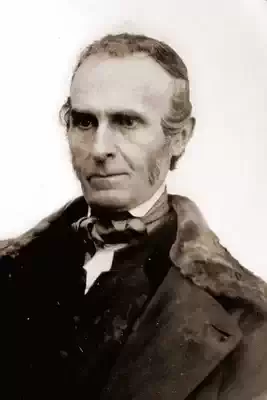
John Greenleaf Whittier
Among the Hills
Among the Hills
PRELUDE
ALONG the roadside, like the flowers of gold
That tawny Incas for their gardens wrought,
Heavy with sunshine droops the golden-rod,
And the red pennons of the cardinal-flowers
Hang motionless upon their upright staves.
The sky is hot and hazy, and the wind,
Vying-weary with its long flight from the south,
Unfelt; yet, closely scanned, yon maple leaf
With faintest motion, as one stirs in dreams,
Confesses it. The locust by the wall
Stabs the noon-silence with his sharp alarm.
A single hay-cart down the dusty road
Creaks slowly, with its driver fast asleep
On the load’s top. Against the neighboring hill,
Huddled along the stone wall’s shady side,
The sheep show white, as if a snowdrift still
Defied the dog-star. Through the open door
A drowsy smell of flowers-gray heliotrope,
And white sweet clover, and shy mignonette—
Comes faintly in, and silent chorus lends
To the pervading symphony of peace.
No time is this for hands long over-worn
To task their strength; and (unto Him be praise
Who giveth quietness!) the stress and strain
Of years that did the work of centuries
Have ceased, and we can draw our breath once more
Freely and full. So, as yon harvesters
Make glad their nooning underneath the elms
With tale and riddle and old snatch of song,
I lay aside grave themes, and idly turn
The leaves of memory’s sketch-book, dreaming o’er
Old summer pictures of the quiet hills,
And human life, as quiet, at their feet.
And yet not idly all. A farmer’s son,
Proud of field-lore and harvest craft, and feeling
All their fine possibilities, how rich
And restful even poverty and toil
Become when beauty, harmony, and love
Sit at their humble hearth as angels sat
At evening in the patriarch’s tent, when man
Makes labor noble, and his farmer’s frock
The symbol of a Christian chivalry
Tender and just and generous to her
Who clothes with grace all duty; still, I know
Too well the picture has another side,—
How wearily the grind of toil goes on
Where love is wanting, how the eye and ear
And heart are starved amidst the plenitude
Of nature, and how hard and colorless
Is life without an atmosphere. I look
Across the lapse of half a century,
And call to mind old homesteads, where no flower
Told that the spring had come, but evil weeds,
Nightshade and rough-leaved burdock in the place
Of the sweet doorway greeting of the rose
And honeysuckle, where the house walls seemed
Blistering in sun, without a tree or vine
To cast the tremulous shadow of its leaves
Across the curtainless windows, from whose panes
Fluttered the signal rags of shiftlessness.
Within, the cluttered kitchen-floor, unwashed
(Broom-clean I think they called it); the best room
Stifling with cellar damp, shut from the air
In hot midsummer, bookless, pictureless,
Save the inevitable sampler hung
Over the fireplace, or a mourning piece,
A green-haired woman, peony-cheeked, beneath
Impossible willows; the wide-throated hearth
Bristling with faded pine-boughs half concealing
The piled-up rubbish at the chimney’s back;
And, in sad keeping with all things about them,
Shrill, querulous-women, sour and sullen men,
Untidy, loveless, old before their time,
With scarce a human interest save their own
Monotonous round of small economies,
Or the poor scandal of the neighborhood;
Blind to the beauty everywhere revealed,
Treading the May-flowers with regardless feet;
For them the song-sparrow and the bobolink
Sang not, nor winds made music in the leaves;
For them in vain October’s holocaust
Burned, gold and crimson, over all the hills,
The sacramental mystery of the woods.
Church-goers, fearful of the unseen Powers,
But grumbling over pulpit-tax and pew-rent,
Saving, as shrewd economists, their souls
And winter pork with the least possible outlay
Of salt and sanctity; in daily life
Showing as little actual comprehension
Of Christian charity and love and duty,
As if the Sermon on the Mount had been
Outdated like a last year’s almanac
Rich in broad woodlands and in half-tilled fields,
And yet so pinched and bare and comfortless,
The veriest straggler limping on his rounds,
The sun and air his sole inheritance,
Laughed at a poverty that paid its taxes,
And hugged his rags in self-complacency!
Not such should be the homesteads of a land
Where whoso wisely wills and acts may dwell
As king and lawgiver, in broad-acred state,
With beauty, art, taste, culture, books, to make
His hour of leisure richer than a life
Of fourscore to the barons of old time,
Our yeoman should be equal to his home
Set in the fair, green valleys, purple walled,
A man to match his mountains, not to creep
Dwarfed and abased below them. I would fain
In this light way (of which I needs must own
With the knife-grinder of whom Canning sings,
“Story, God bless you! I have none to tell you!”)
Invite the eye to see and heart to feel
The beauty and the joy within their reach,—
Home, and home loves, and the beatitudes
Of nature free to all. Haply in years
That wait to take the places of our own,
Heard where some breezy balcony looks down
On happy homes, or where the lake in the moon
Sleeps dreaming of the mountains, fair as Ruth,
In the old Hebrew pastoral, at the feet
Of Boaz, even this simple lay of mine
May seem the burden of a prophecy,
Finding its late fulfilment in a change
Slow as the oak’s growth, lifting manhood up
Through broader culture, finer manners, love,
And reverence, to the level of the hills.
O Golden Age, whose light is of the dawn,
And not of sunset, forward, not behind,
Flood the new heavens and earth, and with thee bring
All the old virtues, whatsoever things
Are pure and honest and of good repute,
But add thereto whatever bard has sung
Or seer has told of when in trance and dream
They saw the Happy Isles of prophecy
Let Justice hold her scale, and Truth divide
Between the right and wrong; but give the heart
The freedom of its fair inheritance;
Let the poor prisoner, cramped and starved so long,
At Nature’s table feast his ear and eye
With joy and wonder; let all harmonies
Of sound, form, color, motion, wait upon
The princely guest, whether in soft attire
Of leisure clad, or the coarse frock of toil,
And, lending life to the dead form of faith,
Give human nature reverence for the sake
Of One who bore it, making it divine
With the ineffable tenderness of God;
Let common need, the brotherhood of prayer,
The heirship of an unknown destiny,
The unsolved mystery round about us, make
A man more precious than the gold of Ophir.
Sacred, inviolate, unto whom all things
Should minister, as outward types and signs
Of the eternal beauty which fulfils
The one great purpose of creation, Love,
The sole necessity of Earth and Heaven!
. . . . .
For weeks the clouds had raked the hills
And vexed the vales with raining,
And all the woods were sad with mist,
And all the brooks complaining.
At last, a sudden night-storm tore
The mountain veils asunder,
And swept the valleys clean before
The bosom of the thunder.
Through Sandwich notch the west-wind sang
Good morrow to the cotter;
And once again Chocorua’s horn
Of shadow pierced the water.
Above his broad lake Ossipee,
Once more the sunshine wearing,
Stooped, tracing on that silver shield
His grim armorial bearing.
Clear drawn against the hard blue sky,
The peaks had winter’s keenness;
And, close on autumn’s frost, the vales
Had more than June’s fresh greenness.
Again the sodden forest floors
With golden lights were checkered,
Once more rejoicing leaves in wind
And sunshine danced and flickered.
It was as if the summer’s late
Atoning for it’s sadness
Had borrowed every season’s charm
To end its days in gladness.
I call to mind those banded vales
Of shadow and of shining,
Through which, my hostess at my side,
I drove in day’s declining.
We held our sideling way above
The river’s whitening shallows,
By homesteads old, with wide-flung barns
Swept through and through by swallows,—
By maple orchards, belts of pine
And larches climbing darkly
The mountain slopes, and, over all,
The great peaks rising starkly.
You should have seen that long hill-range
With gaps of brightness riven,—
How through each pass and hollow streamed
The purpling lights of heaven,—
Rivers of gold-mist flowing down
From far celestial fountains,—
The great sun flaming through the rifts
Beyond the wall of mountains.
We paused at last where home-bound cows
Brought down the pasture’s treasure,
And in the barn the rhythmic flails
Beat out a harvest measure.
We heard the night-hawk’s sullen plunge,
The crow his tree-mates calling:
The shadows lengthening down the slopes
About our feet were falling.
And through them smote the level sun
In broken lines of splendor,
Touched the gray rocks and made the green
Of the shorn grass more tender.
The maples bending o’er the gate,
Their arch of leaves just tinted
With yellow warmth, the golden glow
Of coming autumn hinted.
Keen white between the farm-house showed,
And smiled on porch and trellis,
The fair democracy of flowers
That equals cot and palace.
And weaving garlands for her dog,
’Twixt chidings and caresses,
A human flower of childhood shook
The sunshine from her tresses.
On either hand we saw the signs
Of fancy and of shrewdness,
Where taste had wound its arms of vines
Round thrift’s uncomely rudeness.
The sun-brown farmer in his frock
Shook hands, and called to Mary
Bare-armed, as Juno might, she came,
White-aproned from her dairy.
Her air, her smile, her motions, told
Of womanly completeness;
A music as of household songs
Was in her voice of sweetness.
Not fair alone in curve and line,
But something more and better,
The secret charm eluding art,
Its spirit, not its letter;—
An inborn grace that nothing lacked
Of culture or appliance,
The warmth of genial courtesy,
The calm of self-reliance.
Before her queenly womanhood
How dared our hostess utter
The paltry errand of her need
To buy her fresh-churned butter?
She led the way with housewife pride,
Her goodly store disclosing,
Full tenderly the golden balls
With practised hands disposing.
Then, while along the western hills
We watched the changeful glory
Of sunset, on our homeward way,
I heard her simple story.
The early crickets sang; the stream
Plashed through my friend’s narration:
Her rustic patois of the hills
Lost in my free-translation.
“More wise,” she said, “than those who swarm
Our hills in middle summer,
She came, when June’s first roses blow,
To greet the early comer.
“From school and ball and rout she came,
The city’s fair, pale daughter,
To drink the wine of mountain air
Beside the Bearcamp Water.
“Her step grew firmer on the hills
That watch our homesteads over;
On cheek and lip, from summer fields,
She caught the bloom of clover.
“For health comes sparkling in the streams
From cool Chocorua stealing:
There’s iron in our Northern winds;
Our pines are trees of healing.
“She sat beneath the broad-armed elms
That skirt the mowing-meadow,
And watched the gentle west-wind weave
The grass with shine and shadow.
“Beside her, from the summer heat
To share her grateful screening,
With forehead bared, the farmer stood,
Upon his pitchfork leaning.
“Framed in its damp, dark locks, his face
Had nothing mean or common,—
Strong, manly, true, the tenderness
And pride beloved of woman.
“She looked up, glowing with the health
The country air had brought her,
And, laughing, said: ‘You lack a wife,
Your mother lacks a daughter.
“‘To mend your frock and bake your bread
You do not need a lady:
Be sure among these brown old homes
Is some one waiting ready,—
“‘Some fair, sweet girl with skilful hand
And cheerful heart for treasure,
Who never played with ivory keys,
Or danced the polka’s measure.’
“He bent his black brows to a frown,
He set his white teeth tightly.
‘’T is well,’ he said, ‘for one like you
To choose for me so lightly.
“You think, because my life is rude
I take no note of sweetness:
I tell you love has naught to do
With meetness or unmeetness.
“‘Itself its best excuse, it asks
No leave of pride or fashion
When silken zone or homespun frock
It stirs with throbs of passion.
“‘You think me deaf and blind: you bring
Your winning graces hither
As free as if from cradle-time
We two had played together.
“‘You tempt me with your laughing eyes,
Your cheek of sundown’s blushes,
A motion as of waving grain,
A music as of thrushes.
“‘The plaything of your summer sport,
The spells you weave around me
You cannot at your will undo,
Nor leave me as you found me.
“‘You go as lightly as you came,
Your life is well without me;
What care you that these hills will close
Like prison-walls about me?
“‘No mood is mine to seek a wife,
Or daughter for my mother
Who loves you loses in that love
All power to love another!
“‘I dare your pity or your scorn,
With pride your own exceeding;
I fling my heart into your lap
Without a word of pleading.’
“She looked up in his face of pain
So archly, yet so tender
‘And if I lend you mine,’ she said,
‘Will you forgive the lender?
“‘Nor frock nor tan can hide the man;
And see you not, my farmer,
How weak and fond a woman waits
Behind this silken armor?
“‘I love you: on that love alone,
And not my worth, presuming,
Will you not trust for summer fruit
The tree in May-day blooming?’
“Alone the hangbird overhead,
His hair-swung cradle straining,
Looked down to see love’s miracle,—
The giving that is gaining.
“And so the farmer found a wife,
His mother found a daughter
There looks no happier home than hers
On pleasant Bearcamp Water.
“Flowers spring to blossom where she walks
The careful ways of duty;
Our hard, stiff lines of life with her
Are flowing curves of beauty.
“Our homes are cheerier for her sake,
Our door-yards brighter blooming,
And all about the social air
Is sweeter for her coming.
“Unspoken homilies of peace
Her daily life is preaching;
The still refreshment of the dew
Is her unconscious teaching.
“And never tenderer hand than hers
Unknits the brow of ailing;
Her garments to the sick man’s ear
Have music in their trailing.
“And when, in pleasant harvest moons,
The youthful huskers gather,
Or sleigh-drives on the mountain ways
Defy the winter weather,—
“In sugar-camps, when south and warm
The winds of March are blowing,
And sweetly from its thawing veins
The maple’s blood is flowing,—
“In summer, where some lilied pond
Its virgin zone is baring,
Or where the ruddy autumn fire
Lights up the apple-paring,—
“The coarseness of a ruder time
Her finer mirth displaces,
A subtler sense of pleasure fills
Each rustic sport she graces.
“Her presence lends its warmth and health
To all who come before it.
If woman lost us Eden, such
As she alone restore it.
“For larger life and wiser aims
The farmer is her debtor;
Who holds to his another’s heart
Must needs be worse or better.
“Through her his civic service shows
A purer-toned ambition;
No double consciousness divides
The man and politician.
“In party’s doubtful ways he trusts
Her instincts to determine;
At the loud polls, the thought of her
Recalls Christ’s Mountain Sermon.
“He owns her logic of the heart,
And wisdom of unreason,
Supplying, while he doubts and weighs,
The needed word in season.
“He sees with pride her richer thought,
Her fancy’s freer ranges;
And love thus deepened to respect
Is proof against all changes.
“And if she walks at ease in ways
His feet are slow to travel,
And if she reads with cultured eyes
What his may scarce unravel,
“Still clearer, for her keener sight
Of beauty and of wonder,
He learns the meaning of the hills
He dwelt from childhood under.
“And higher, warmed with summer lights,
Or winter-crowned and hoary,
The ridged horizon lifts for him
Its inner veils of glory.
“He has his own free, bookless lore,
The lessons nature taught him,
The wisdom which the woods and hills
And toiling men have brought him:
“The steady force of will whereby
Her flexile grace seems sweeter;
The sturdy counterpoise which makes
Her woman’s life completer.
“A latent fire of soul which lacks
No breath of love to fan it;
And wit, that, like his native brooks,
Plays over solid granite.
“How dwarfed against his manliness
She sees the poor pretension,
The wants, the aims, the follies, born
Of fashion and convention.
“How life behind its accidents
Stands strong and self-sustaining,
The human fact transcending all
The losing and the gaining.
“And so in grateful interchange
Of teacher and of hearer,
Their lives their true distinctness keep
While daily drawing nearer.
“And if the husband or the wife
In home’s strong light discovers
Such slight defaults as failed to meet
The blinded eyes of lovers,
“Why need we care to ask?—who dreams
Without their thorns of roses,
Or wonders that the truest steel
The readiest spark discloses?
“For still in mutual sufferance lies
The secret of true living;
Love scarce is love that never knows
The sweetness of forgiving.
“We send the Squire to General Court,
He takes his young wife thither;
No prouder man election day
Rides through the sweet June weather.
“He sees with eyes of manly trust
All hearts to her inclining;
Not less for him his household light
That others share its shining.”
Thus, while my hostess spake, there grew
Before me, warmer tinted
And outlined with a tenderer grace,
The picture that she hinted.
The sunset smouldered as we drove
Beneath the deep hill-shadows.
Below us wreaths of white fog walked
Like ghosts the haunted meadows.
Sounding the summer night, the stars
Dropped down their golden plummets;
The pale arc of the Northern lights
Rose o’er the mountain summits,—
Until, at last, beneath its bridge,
We heard the Bearcamp flowing,
And saw across the mapled lawn
The welcome home lights glowing;—
And, musing on the tale I heard,
’T were well, thought I, if often
To rugged farm-life came the gift
To harmonize and soften;—
If more and more we found the troth
Of fact and fancy plighted,
And culture’s charm and labor’s strength
In rural homes united,—
The simple life, the homely hearth,
With beauty’s sphere surrounding,
And blessing toil where toil abounds
With graces more abounding.
PRELUDE
ALONG the roadside, like the flowers of gold
That tawny Incas for their gardens wrought,
Heavy with sunshine droops the golden-rod,
And the red pennons of the cardinal-flowers
Hang motionless upon their upright staves.
The sky is hot and hazy, and the wind,
Vying-weary with its long flight from the south,
Unfelt; yet, closely scanned, yon maple leaf
With faintest motion, as one stirs in dreams,
Confesses it. The locust by the wall
Stabs the noon-silence with his sharp alarm.
A single hay-cart down the dusty road
Creaks slowly, with its driver fast asleep
On the load’s top. Against the neighboring hill,
Huddled along the stone wall’s shady side,
The sheep show white, as if a snowdrift still
Defied the dog-star. Through the open door
A drowsy smell of flowers-gray heliotrope,
And white sweet clover, and shy mignonette—
Comes faintly in, and silent chorus lends
To the pervading symphony of peace.
No time is this for hands long over-worn
To task their strength; and (unto Him be praise
Who giveth quietness!) the stress and strain
Of years that did the work of centuries
Have ceased, and we can draw our breath once more
Freely and full. So, as yon harvesters
Make glad their nooning underneath the elms
With tale and riddle and old snatch of song,
I lay aside grave themes, and idly turn
The leaves of memory’s sketch-book, dreaming o’er
Old summer pictures of the quiet hills,
And human life, as quiet, at their feet.
And yet not idly all. A farmer’s son,
Proud of field-lore and harvest craft, and feeling
All their fine possibilities, how rich
And restful even poverty and toil
Become when beauty, harmony, and love
Sit at their humble hearth as angels sat
At evening in the patriarch’s tent, when man
Makes labor noble, and his farmer’s frock
The symbol of a Christian chivalry
Tender and just and generous to her
Who clothes with grace all duty; still, I know
Too well the picture has another side,—
How wearily the grind of toil goes on
Where love is wanting, how the eye and ear
And heart are starved amidst the plenitude
Of nature, and how hard and colorless
Is life without an atmosphere. I look
Across the lapse of half a century,
And call to mind old homesteads, where no flower
Told that the spring had come, but evil weeds,
Nightshade and rough-leaved burdock in the place
Of the sweet doorway greeting of the rose
And honeysuckle, where the house walls seemed
Blistering in sun, without a tree or vine
To cast the tremulous shadow of its leaves
Across the curtainless windows, from whose panes
Fluttered the signal rags of shiftlessness.
Within, the cluttered kitchen-floor, unwashed
(Broom-clean I think they called it); the best room
Stifling with cellar damp, shut from the air
In hot midsummer, bookless, pictureless,
Save the inevitable sampler hung
Over the fireplace, or a mourning piece,
A green-haired woman, peony-cheeked, beneath
Impossible willows; the wide-throated hearth
Bristling with faded pine-boughs half concealing
The piled-up rubbish at the chimney’s back;
And, in sad keeping with all things about them,
Shrill, querulous-women, sour and sullen men,
Untidy, loveless, old before their time,
With scarce a human interest save their own
Monotonous round of small economies,
Or the poor scandal of the neighborhood;
Blind to the beauty everywhere revealed,
Treading the May-flowers with regardless feet;
For them the song-sparrow and the bobolink
Sang not, nor winds made music in the leaves;
For them in vain October’s holocaust
Burned, gold and crimson, over all the hills,
The sacramental mystery of the woods.
Church-goers, fearful of the unseen Powers,
But grumbling over pulpit-tax and pew-rent,
Saving, as shrewd economists, their souls
And winter pork with the least possible outlay
Of salt and sanctity; in daily life
Showing as little actual comprehension
Of Christian charity and love and duty,
As if the Sermon on the Mount had been
Outdated like a last year’s almanac
Rich in broad woodlands and in half-tilled fields,
And yet so pinched and bare and comfortless,
The veriest straggler limping on his rounds,
The sun and air his sole inheritance,
Laughed at a poverty that paid its taxes,
And hugged his rags in self-complacency!
Not such should be the homesteads of a land
Where whoso wisely wills and acts may dwell
As king and lawgiver, in broad-acred state,
With beauty, art, taste, culture, books, to make
His hour of leisure richer than a life
Of fourscore to the barons of old time,
Our yeoman should be equal to his home
Set in the fair, green valleys, purple walled,
A man to match his mountains, not to creep
Dwarfed and abased below them. I would fain
In this light way (of which I needs must own
With the knife-grinder of whom Canning sings,
“Story, God bless you! I have none to tell you!”)
Invite the eye to see and heart to feel
The beauty and the joy within their reach,—
Home, and home loves, and the beatitudes
Of nature free to all. Haply in years
That wait to take the places of our own,
Heard where some breezy balcony looks down
On happy homes, or where the lake in the moon
Sleeps dreaming of the mountains, fair as Ruth,
In the old Hebrew pastoral, at the feet
Of Boaz, even this simple lay of mine
May seem the burden of a prophecy,
Finding its late fulfilment in a change
Slow as the oak’s growth, lifting manhood up
Through broader culture, finer manners, love,
And reverence, to the level of the hills.
O Golden Age, whose light is of the dawn,
And not of sunset, forward, not behind,
Flood the new heavens and earth, and with thee bring
All the old virtues, whatsoever things
Are pure and honest and of good repute,
But add thereto whatever bard has sung
Or seer has told of when in trance and dream
They saw the Happy Isles of prophecy
Let Justice hold her scale, and Truth divide
Between the right and wrong; but give the heart
The freedom of its fair inheritance;
Let the poor prisoner, cramped and starved so long,
At Nature’s table feast his ear and eye
With joy and wonder; let all harmonies
Of sound, form, color, motion, wait upon
The princely guest, whether in soft attire
Of leisure clad, or the coarse frock of toil,
And, lending life to the dead form of faith,
Give human nature reverence for the sake
Of One who bore it, making it divine
With the ineffable tenderness of God;
Let common need, the brotherhood of prayer,
The heirship of an unknown destiny,
The unsolved mystery round about us, make
A man more precious than the gold of Ophir.
Sacred, inviolate, unto whom all things
Should minister, as outward types and signs
Of the eternal beauty which fulfils
The one great purpose of creation, Love,
The sole necessity of Earth and Heaven!
. . . . .
For weeks the clouds had raked the hills
And vexed the vales with raining,
And all the woods were sad with mist,
And all the brooks complaining.
At last, a sudden night-storm tore
The mountain veils asunder,
And swept the valleys clean before
The bosom of the thunder.
Through Sandwich notch the west-wind sang
Good morrow to the cotter;
And once again Chocorua’s horn
Of shadow pierced the water.
Above his broad lake Ossipee,
Once more the sunshine wearing,
Stooped, tracing on that silver shield
His grim armorial bearing.
Clear drawn against the hard blue sky,
The peaks had winter’s keenness;
And, close on autumn’s frost, the vales
Had more than June’s fresh greenness.
Again the sodden forest floors
With golden lights were checkered,
Once more rejoicing leaves in wind
And sunshine danced and flickered.
It was as if the summer’s late
Atoning for it’s sadness
Had borrowed every season’s charm
To end its days in gladness.
I call to mind those banded vales
Of shadow and of shining,
Through which, my hostess at my side,
I drove in day’s declining.
We held our sideling way above
The river’s whitening shallows,
By homesteads old, with wide-flung barns
Swept through and through by swallows,—
By maple orchards, belts of pine
And larches climbing darkly
The mountain slopes, and, over all,
The great peaks rising starkly.
You should have seen that long hill-range
With gaps of brightness riven,—
How through each pass and hollow streamed
The purpling lights of heaven,—
Rivers of gold-mist flowing down
From far celestial fountains,—
The great sun flaming through the rifts
Beyond the wall of mountains.
We paused at last where home-bound cows
Brought down the pasture’s treasure,
And in the barn the rhythmic flails
Beat out a harvest measure.
We heard the night-hawk’s sullen plunge,
The crow his tree-mates calling:
The shadows lengthening down the slopes
About our feet were falling.
And through them smote the level sun
In broken lines of splendor,
Touched the gray rocks and made the green
Of the shorn grass more tender.
The maples bending o’er the gate,
Their arch of leaves just tinted
With yellow warmth, the golden glow
Of coming autumn hinted.
Keen white between the farm-house showed,
And smiled on porch and trellis,
The fair democracy of flowers
That equals cot and palace.
And weaving garlands for her dog,
’Twixt chidings and caresses,
A human flower of childhood shook
The sunshine from her tresses.
On either hand we saw the signs
Of fancy and of shrewdness,
Where taste had wound its arms of vines
Round thrift’s uncomely rudeness.
The sun-brown farmer in his frock
Shook hands, and called to Mary
Bare-armed, as Juno might, she came,
White-aproned from her dairy.
Her air, her smile, her motions, told
Of womanly completeness;
A music as of household songs
Was in her voice of sweetness.
Not fair alone in curve and line,
But something more and better,
The secret charm eluding art,
Its spirit, not its letter;—
An inborn grace that nothing lacked
Of culture or appliance,
The warmth of genial courtesy,
The calm of self-reliance.
Before her queenly womanhood
How dared our hostess utter
The paltry errand of her need
To buy her fresh-churned butter?
She led the way with housewife pride,
Her goodly store disclosing,
Full tenderly the golden balls
With practised hands disposing.
Then, while along the western hills
We watched the changeful glory
Of sunset, on our homeward way,
I heard her simple story.
The early crickets sang; the stream
Plashed through my friend’s narration:
Her rustic patois of the hills
Lost in my free-translation.
“More wise,” she said, “than those who swarm
Our hills in middle summer,
She came, when June’s first roses blow,
To greet the early comer.
“From school and ball and rout she came,
The city’s fair, pale daughter,
To drink the wine of mountain air
Beside the Bearcamp Water.
“Her step grew firmer on the hills
That watch our homesteads over;
On cheek and lip, from summer fields,
She caught the bloom of clover.
“For health comes sparkling in the streams
From cool Chocorua stealing:
There’s iron in our Northern winds;
Our pines are trees of healing.
“She sat beneath the broad-armed elms
That skirt the mowing-meadow,
And watched the gentle west-wind weave
The grass with shine and shadow.
“Beside her, from the summer heat
To share her grateful screening,
With forehead bared, the farmer stood,
Upon his pitchfork leaning.
“Framed in its damp, dark locks, his face
Had nothing mean or common,—
Strong, manly, true, the tenderness
And pride beloved of woman.
“She looked up, glowing with the health
The country air had brought her,
And, laughing, said: ‘You lack a wife,
Your mother lacks a daughter.
“‘To mend your frock and bake your bread
You do not need a lady:
Be sure among these brown old homes
Is some one waiting ready,—
“‘Some fair, sweet girl with skilful hand
And cheerful heart for treasure,
Who never played with ivory keys,
Or danced the polka’s measure.’
“He bent his black brows to a frown,
He set his white teeth tightly.
‘’T is well,’ he said, ‘for one like you
To choose for me so lightly.
“You think, because my life is rude
I take no note of sweetness:
I tell you love has naught to do
With meetness or unmeetness.
“‘Itself its best excuse, it asks
No leave of pride or fashion
When silken zone or homespun frock
It stirs with throbs of passion.
“‘You think me deaf and blind: you bring
Your winning graces hither
As free as if from cradle-time
We two had played together.
“‘You tempt me with your laughing eyes,
Your cheek of sundown’s blushes,
A motion as of waving grain,
A music as of thrushes.
“‘The plaything of your summer sport,
The spells you weave around me
You cannot at your will undo,
Nor leave me as you found me.
“‘You go as lightly as you came,
Your life is well without me;
What care you that these hills will close
Like prison-walls about me?
“‘No mood is mine to seek a wife,
Or daughter for my mother
Who loves you loses in that love
All power to love another!
“‘I dare your pity or your scorn,
With pride your own exceeding;
I fling my heart into your lap
Without a word of pleading.’
“She looked up in his face of pain
So archly, yet so tender
‘And if I lend you mine,’ she said,
‘Will you forgive the lender?
“‘Nor frock nor tan can hide the man;
And see you not, my farmer,
How weak and fond a woman waits
Behind this silken armor?
“‘I love you: on that love alone,
And not my worth, presuming,
Will you not trust for summer fruit
The tree in May-day blooming?’
“Alone the hangbird overhead,
His hair-swung cradle straining,
Looked down to see love’s miracle,—
The giving that is gaining.
“And so the farmer found a wife,
His mother found a daughter
There looks no happier home than hers
On pleasant Bearcamp Water.
“Flowers spring to blossom where she walks
The careful ways of duty;
Our hard, stiff lines of life with her
Are flowing curves of beauty.
“Our homes are cheerier for her sake,
Our door-yards brighter blooming,
And all about the social air
Is sweeter for her coming.
“Unspoken homilies of peace
Her daily life is preaching;
The still refreshment of the dew
Is her unconscious teaching.
“And never tenderer hand than hers
Unknits the brow of ailing;
Her garments to the sick man’s ear
Have music in their trailing.
“And when, in pleasant harvest moons,
The youthful huskers gather,
Or sleigh-drives on the mountain ways
Defy the winter weather,—
“In sugar-camps, when south and warm
The winds of March are blowing,
And sweetly from its thawing veins
The maple’s blood is flowing,—
“In summer, where some lilied pond
Its virgin zone is baring,
Or where the ruddy autumn fire
Lights up the apple-paring,—
“The coarseness of a ruder time
Her finer mirth displaces,
A subtler sense of pleasure fills
Each rustic sport she graces.
“Her presence lends its warmth and health
To all who come before it.
If woman lost us Eden, such
As she alone restore it.
“For larger life and wiser aims
The farmer is her debtor;
Who holds to his another’s heart
Must needs be worse or better.
“Through her his civic service shows
A purer-toned ambition;
No double consciousness divides
The man and politician.
“In party’s doubtful ways he trusts
Her instincts to determine;
At the loud polls, the thought of her
Recalls Christ’s Mountain Sermon.
“He owns her logic of the heart,
And wisdom of unreason,
Supplying, while he doubts and weighs,
The needed word in season.
“He sees with pride her richer thought,
Her fancy’s freer ranges;
And love thus deepened to respect
Is proof against all changes.
“And if she walks at ease in ways
His feet are slow to travel,
And if she reads with cultured eyes
What his may scarce unravel,
“Still clearer, for her keener sight
Of beauty and of wonder,
He learns the meaning of the hills
He dwelt from childhood under.
“And higher, warmed with summer lights,
Or winter-crowned and hoary,
The ridged horizon lifts for him
Its inner veils of glory.
“He has his own free, bookless lore,
The lessons nature taught him,
The wisdom which the woods and hills
And toiling men have brought him:
“The steady force of will whereby
Her flexile grace seems sweeter;
The sturdy counterpoise which makes
Her woman’s life completer.
“A latent fire of soul which lacks
No breath of love to fan it;
And wit, that, like his native brooks,
Plays over solid granite.
“How dwarfed against his manliness
She sees the poor pretension,
The wants, the aims, the follies, born
Of fashion and convention.
“How life behind its accidents
Stands strong and self-sustaining,
The human fact transcending all
The losing and the gaining.
“And so in grateful interchange
Of teacher and of hearer,
Their lives their true distinctness keep
While daily drawing nearer.
“And if the husband or the wife
In home’s strong light discovers
Such slight defaults as failed to meet
The blinded eyes of lovers,
“Why need we care to ask?—who dreams
Without their thorns of roses,
Or wonders that the truest steel
The readiest spark discloses?
“For still in mutual sufferance lies
The secret of true living;
Love scarce is love that never knows
The sweetness of forgiving.
“We send the Squire to General Court,
He takes his young wife thither;
No prouder man election day
Rides through the sweet June weather.
“He sees with eyes of manly trust
All hearts to her inclining;
Not less for him his household light
That others share its shining.”
Thus, while my hostess spake, there grew
Before me, warmer tinted
And outlined with a tenderer grace,
The picture that she hinted.
The sunset smouldered as we drove
Beneath the deep hill-shadows.
Below us wreaths of white fog walked
Like ghosts the haunted meadows.
Sounding the summer night, the stars
Dropped down their golden plummets;
The pale arc of the Northern lights
Rose o’er the mountain summits,—
Until, at last, beneath its bridge,
We heard the Bearcamp flowing,
And saw across the mapled lawn
The welcome home lights glowing;—
And, musing on the tale I heard,
’T were well, thought I, if often
To rugged farm-life came the gift
To harmonize and soften;—
If more and more we found the troth
Of fact and fancy plighted,
And culture’s charm and labor’s strength
In rural homes united,—
The simple life, the homely hearth,
With beauty’s sphere surrounding,
And blessing toil where toil abounds
With graces more abounding.
295
John Greenleaf Whittier
An Artist Of The Beautiful
An Artist Of The Beautiful
GEORGE FULLER
Haunted of Beauty, like the marvellous youth
Who sang Saint Agnes' Eve! How passing fair
Her shapes took color in thy homestead air!
How on thy canvas even her dreams were truth!
Magician! who from commonest elements
Called up divine ideals, clothed upon
By mystic lights soft blending into one
Womanly grace and child-like innocence.
Teacher I thy lesson was not given in vain.
Beauty is goodness; ugliness is sin;
Art's place is sacred: nothing foul therein
May crawl or tread with bestial feet profane.
If rightly choosing is the painter's test,
Thy choice, O master, ever was the best.
GEORGE FULLER
Haunted of Beauty, like the marvellous youth
Who sang Saint Agnes' Eve! How passing fair
Her shapes took color in thy homestead air!
How on thy canvas even her dreams were truth!
Magician! who from commonest elements
Called up divine ideals, clothed upon
By mystic lights soft blending into one
Womanly grace and child-like innocence.
Teacher I thy lesson was not given in vain.
Beauty is goodness; ugliness is sin;
Art's place is sacred: nothing foul therein
May crawl or tread with bestial feet profane.
If rightly choosing is the painter's test,
Thy choice, O master, ever was the best.
360
John Greenleaf Whittier
After Election
After Election
THE day's sharp strife is ended now,
Our work is done, God knoweth how!
As on the thronged, unrestful town
The patience of the moon looks down,
I wait to hear, beside the wire,
The voices of its tongues of fire.
Slow, doubtful, faint,they seem at first:
Be strong, my heart, to know the worst!
Hark! there the Alleghanies spoke;
That sound from lake and prairie broke,
That sunset-gun of triumph rent
The silence of a continent!
That signal from Nebraska sprung,
This, from Nevada's mountain tongue!
Is that thy answer, strong and free,
O loyal heart of Tennessee?
What strange, glad voice is that which calls
From Wagner's grave and Sumter's walls?
From Mississippi's fountain-head
A sound as of the hisoh's tread!
There rustled freedom's Charter Oak!
In that wild burst the Ozarks spoke!
Cheer answers cheer from rise to set
Of sun. We have a country yet!
The praise, O God, be thine alone!
Thou givest not for bread a stone;
Thou hast not led us through the night
To blind us with returning light;
Not through the furnace have we passed,
To perish at its mouth at last.
O night of peace, thy flight restrain!
November's moon, be slow to wane!
Shine on the freedman's cabin floor,
On brows of prayer a blessing pour;
And give, with full assurance blest,
The weary heart of Freedom rest!
THE day's sharp strife is ended now,
Our work is done, God knoweth how!
As on the thronged, unrestful town
The patience of the moon looks down,
I wait to hear, beside the wire,
The voices of its tongues of fire.
Slow, doubtful, faint,they seem at first:
Be strong, my heart, to know the worst!
Hark! there the Alleghanies spoke;
That sound from lake and prairie broke,
That sunset-gun of triumph rent
The silence of a continent!
That signal from Nebraska sprung,
This, from Nevada's mountain tongue!
Is that thy answer, strong and free,
O loyal heart of Tennessee?
What strange, glad voice is that which calls
From Wagner's grave and Sumter's walls?
From Mississippi's fountain-head
A sound as of the hisoh's tread!
There rustled freedom's Charter Oak!
In that wild burst the Ozarks spoke!
Cheer answers cheer from rise to set
Of sun. We have a country yet!
The praise, O God, be thine alone!
Thou givest not for bread a stone;
Thou hast not led us through the night
To blind us with returning light;
Not through the furnace have we passed,
To perish at its mouth at last.
O night of peace, thy flight restrain!
November's moon, be slow to wane!
Shine on the freedman's cabin floor,
On brows of prayer a blessing pour;
And give, with full assurance blest,
The weary heart of Freedom rest!
360
John Greenleaf Whittier
Adjustment
Adjustment
The tree of Faith its bare, dry boughs must shed
That nearer heaven the living ones may climb;
The false must fail, though from our shores of time
The old lament be heard, 'Great Pan is dead!'
That wail is Error's, from his high place hurled;
This sharp recoil is Evil undertrod;
Our time's unrest, an angel sent of God
Troubling with life the waters of the world.
Even as they list the winds of the Spirit blow
To turn or break our century-rusted vanes;
Sands shift and waste; the rock alone remains
Where, led of Heaven, the strong tides come and go,
And storm-clouds, rent by thunderbolt and wind,
Leave, free of mist, the permanent stars behind.
Therefore I trust, although to outward sense
Both true and false seem shaken; I will hold
With newer light my reverence for the old,
And calmly wait the births of Providence.
No gain is lost; the clear-eyed saints look down
Untroubled on the wreck of schemes and creeds;
Love yet remains, its rosary of good deeds
Counting in task-field and o'erpeopled town;
Truth has charmed life; the Inward Word survives,
And, day by day, its revelation brings;
Faith, hope, and charity, whatsoever things
Which cannot be shaken, stand. Still holy lives
Reveal the Christ of whom the letter told,
And the new gospel verifies the old.
The tree of Faith its bare, dry boughs must shed
That nearer heaven the living ones may climb;
The false must fail, though from our shores of time
The old lament be heard, 'Great Pan is dead!'
That wail is Error's, from his high place hurled;
This sharp recoil is Evil undertrod;
Our time's unrest, an angel sent of God
Troubling with life the waters of the world.
Even as they list the winds of the Spirit blow
To turn or break our century-rusted vanes;
Sands shift and waste; the rock alone remains
Where, led of Heaven, the strong tides come and go,
And storm-clouds, rent by thunderbolt and wind,
Leave, free of mist, the permanent stars behind.
Therefore I trust, although to outward sense
Both true and false seem shaken; I will hold
With newer light my reverence for the old,
And calmly wait the births of Providence.
No gain is lost; the clear-eyed saints look down
Untroubled on the wreck of schemes and creeds;
Love yet remains, its rosary of good deeds
Counting in task-field and o'erpeopled town;
Truth has charmed life; the Inward Word survives,
And, day by day, its revelation brings;
Faith, hope, and charity, whatsoever things
Which cannot be shaken, stand. Still holy lives
Reveal the Christ of whom the letter told,
And the new gospel verifies the old.
333
John Greenleaf Whittier
A Word for the Hour
A Word for the Hour
The firmament breaks up. In black eclipse
Light after light goes out. One evil star,
Luridly glaring through the smoke of war,
As in the dream of the Apocalypse,
Drags others down. Let us not weakly weep
Nor rashly threaten. Give us grace to keep
Our faith and patience; wherefore should we leap
On one hand into fratricidal fight,
Or, on the other, yield eternal right,
Frame lies of laws, and good and ill confound?
What fear we? Safe on freedom's vantage ground
Our feet are planted; let us there remain
In unrevengeful calm, no means untried
Which truth can sanction, no just claim denied,
The sad spectators of a suicide!
They break the lines of Union: shall we light
The fires of hell to weld anew the chain
On that red anvil where each blow is pain?
Draw we not even now a freer breath,
As from our shoulders falls a load of death
Loathsome as that the Tuscan's victim bore
When keen with life to a dead horror bound?
Why take we up the accursed thing again?
Pity, forgive, but urge them back no more
Who, drunk with passion, flaunt disunion's rag
With its vile reptile blazon. Let us press
The golden cluster on our brave old flag
In closer union, and, if numbering less,
Brighter shall shine the stars which still remain.
The firmament breaks up. In black eclipse
Light after light goes out. One evil star,
Luridly glaring through the smoke of war,
As in the dream of the Apocalypse,
Drags others down. Let us not weakly weep
Nor rashly threaten. Give us grace to keep
Our faith and patience; wherefore should we leap
On one hand into fratricidal fight,
Or, on the other, yield eternal right,
Frame lies of laws, and good and ill confound?
What fear we? Safe on freedom's vantage ground
Our feet are planted; let us there remain
In unrevengeful calm, no means untried
Which truth can sanction, no just claim denied,
The sad spectators of a suicide!
They break the lines of Union: shall we light
The fires of hell to weld anew the chain
On that red anvil where each blow is pain?
Draw we not even now a freer breath,
As from our shoulders falls a load of death
Loathsome as that the Tuscan's victim bore
When keen with life to a dead horror bound?
Why take we up the accursed thing again?
Pity, forgive, but urge them back no more
Who, drunk with passion, flaunt disunion's rag
With its vile reptile blazon. Let us press
The golden cluster on our brave old flag
In closer union, and, if numbering less,
Brighter shall shine the stars which still remain.
355
John Greenleaf Whittier
Abraham Davenport
Abraham Davenport
In the old days (a custom laid aside
With breeches and cocked hats) the people sent
Their wisest men to make the public laws.
And so, from a brown homestead, where the Sound
Drinks the small tribute of the Mianas,
Waved over by the woods of Rippowams,
And hallowed by pure lives and tranquil deaths,
Stamford sent up to the councils of the State
Wisdom and grace in Abraham Davenport.
'T was on a May-day of the far old year
Seventeen hundred eighty, that there fell
Over the bloom and sweet life of the Spring,
Over the fresh earth and the heaven of noon,
A horror of great darkness, like the night
In day of which the Norland sagas tell,-
The Twilight of the Gods. The low-hung sky
Was black with ominous clouds, save where its rim
Was fringed with a dull glow, like that which climbs
The crater's sides from the red hell below.
Birds ceased to sing, and all the barn-yard fowls
Roosted; the cattle at the pasture bars
Lowed, and looked homeward; bats on leathern wings
Flitted abroad; the sounds of labor died;
Men prayed, and women wept; all ears grew sharp
To hear the doom-blast of the trumpet shatter
The black sky, that the dreadful face of Christ
Might look from the rent clouds, not as he looked
A loving guest at Bethany, but stern
As Justice and inexorable Law.
Meanwhile in the old State House, dim as ghosts,
Sat the lawgivers of Connecticut,
Trembling beneath their legislative robes.
'It is the Lord's Great Day! Let us adjourn,'
Some said; and then, as if with one accord,
All eyes were turned to Abraham Davenport.
He rose, slow cleaving with his steady voice
The intolerable hush. 'This well may be
The Day of Judgment which the world awaits;
But be it so or not, I only know
My present duty, and my Lord's command
To occupy till He come. So at the post
Where He hath set me in His providence,
I choose, for one, to meet Him face to face,-No
faithless servant frightened from my task,
But ready when the Lord of the harvest calls;
And therefore, with all reverence, I would say,
Let God do His work, we will see to ours.
Bring in the candles.' And they brought them in.
Then by the flaring lights the Speaker read,
Albeit with husky voice and shaking hands,
An act to amend an act to regulate
The shad and alewive fisheries. Whereupon
Wisely and well spake Abraham Davenport,
Straight to the question, with no figures of speech
Save the ten Arab signs, yet not without
The shrewd dry humor natural to the man
His awe-struck colleagues listening all the while,
Between the pauses of his argument,
To hear the thunder of the wrath of God
Break from the hollow trumpet of the cloud.
And there he stands in memory to this day,
Erect, self-poised, a rugged face, half seen
Against the background of unnatural dark,
A witness to the ages as they pass,
That simple duty hath no place for fear.
. . . . .
He ceased: just then the ocean seemed
To lift a half-faced moon in sight;
And, shore-ward, o'er the waters gleamed,
From crest to crest, a line of light,
Such as of old, with solemn awe,
The fishers by Gennesaret saw,
When dry-shod o'er it walked the Son of God,
Tracking the waves with light where'er his sandals trod.
Silently for a space each eye
Upon that sudden glory turned
Cool from the land the breeze blew by,
The tent-ropes flapped, the long beach churned
Its waves to foam; on either hand
Stretched, far as sight, the hills of sand;
With bays of marsh, and capes of bush and tree,
The wood's black shore-line loomed beyond the meadowy sea.
The lady rose to leave. 'One song,
Or hymn,' they urged, 'before we part.'
And she, with lips to which belong
Sweet intuitions of all art,
Gave to the winds of night a strain
Which they who heard would hear again;
And to her voice the solemn ocean lent,
Touching its harp of sand, a deep accompaniment.
In the old days (a custom laid aside
With breeches and cocked hats) the people sent
Their wisest men to make the public laws.
And so, from a brown homestead, where the Sound
Drinks the small tribute of the Mianas,
Waved over by the woods of Rippowams,
And hallowed by pure lives and tranquil deaths,
Stamford sent up to the councils of the State
Wisdom and grace in Abraham Davenport.
'T was on a May-day of the far old year
Seventeen hundred eighty, that there fell
Over the bloom and sweet life of the Spring,
Over the fresh earth and the heaven of noon,
A horror of great darkness, like the night
In day of which the Norland sagas tell,-
The Twilight of the Gods. The low-hung sky
Was black with ominous clouds, save where its rim
Was fringed with a dull glow, like that which climbs
The crater's sides from the red hell below.
Birds ceased to sing, and all the barn-yard fowls
Roosted; the cattle at the pasture bars
Lowed, and looked homeward; bats on leathern wings
Flitted abroad; the sounds of labor died;
Men prayed, and women wept; all ears grew sharp
To hear the doom-blast of the trumpet shatter
The black sky, that the dreadful face of Christ
Might look from the rent clouds, not as he looked
A loving guest at Bethany, but stern
As Justice and inexorable Law.
Meanwhile in the old State House, dim as ghosts,
Sat the lawgivers of Connecticut,
Trembling beneath their legislative robes.
'It is the Lord's Great Day! Let us adjourn,'
Some said; and then, as if with one accord,
All eyes were turned to Abraham Davenport.
He rose, slow cleaving with his steady voice
The intolerable hush. 'This well may be
The Day of Judgment which the world awaits;
But be it so or not, I only know
My present duty, and my Lord's command
To occupy till He come. So at the post
Where He hath set me in His providence,
I choose, for one, to meet Him face to face,-No
faithless servant frightened from my task,
But ready when the Lord of the harvest calls;
And therefore, with all reverence, I would say,
Let God do His work, we will see to ours.
Bring in the candles.' And they brought them in.
Then by the flaring lights the Speaker read,
Albeit with husky voice and shaking hands,
An act to amend an act to regulate
The shad and alewive fisheries. Whereupon
Wisely and well spake Abraham Davenport,
Straight to the question, with no figures of speech
Save the ten Arab signs, yet not without
The shrewd dry humor natural to the man
His awe-struck colleagues listening all the while,
Between the pauses of his argument,
To hear the thunder of the wrath of God
Break from the hollow trumpet of the cloud.
And there he stands in memory to this day,
Erect, self-poised, a rugged face, half seen
Against the background of unnatural dark,
A witness to the ages as they pass,
That simple duty hath no place for fear.
. . . . .
He ceased: just then the ocean seemed
To lift a half-faced moon in sight;
And, shore-ward, o'er the waters gleamed,
From crest to crest, a line of light,
Such as of old, with solemn awe,
The fishers by Gennesaret saw,
When dry-shod o'er it walked the Son of God,
Tracking the waves with light where'er his sandals trod.
Silently for a space each eye
Upon that sudden glory turned
Cool from the land the breeze blew by,
The tent-ropes flapped, the long beach churned
Its waves to foam; on either hand
Stretched, far as sight, the hills of sand;
With bays of marsh, and capes of bush and tree,
The wood's black shore-line loomed beyond the meadowy sea.
The lady rose to leave. 'One song,
Or hymn,' they urged, 'before we part.'
And she, with lips to which belong
Sweet intuitions of all art,
Gave to the winds of night a strain
Which they who heard would hear again;
And to her voice the solemn ocean lent,
Touching its harp of sand, a deep accompaniment.
318
John Greenleaf Whittier
A Summer Pilgrimage
A Summer Pilgrimage
To kneel before some saintly shrine,
To breathe the health of airs divine,
Or bathe where sacred rivers flow,
The cowled and turbaned pilgrims go.
I too, a palmer, take, as they
With staff and scallop-shell, my way
To feel, from burdening cares and ills,
The strong uplifting of the hills.
The years are many since, at first,
For dreamed-of wonders all athirst,
I saw on Winnipesaukee fall
The shadow of the mountain wall.
Ah! where are they who sailed with me
The beautiful island-studded sea?
And am I he whose keen surprise
Flashed out from such unclouded eyes?
Still, when the sun of summer burns,
My longing for the hills returns;
And northward, leaving at my back
The warm vale of the Merrimac,
I go to meet the winds of morn,
Blown down the hill-gaps, mountain-born,
Breathe scent of pines, and satisfy
The hunger of a lowland eye.
Again I see the day decline
Along a ridged horizon line;
Touching the hill-tops, as a nun
Her beaded rosary, sinks the sun.
One lake lies golden, which shall soon
Be silver in the rising moon;
And one, the crimson of the skies
And mountain purple multiplies.
With the untroubled quiet blends
The distance-softened voice of friends;
The girl's light laugh no discord brings
To the low song the pine-tree sings;
And, not unwelcome, comes the hail
Of boyhood from his nearing sail.
The human presence breaks no spell,
And sunset still is miracle!
Calm as the hour, methinks I feel
A sense of worship o'er me steal;
Not that of satyr-charming Pan,
No cult of Nature shaming man,
Not Beauty's self, but that which lives
And shines through all the veils it weaves,-Soul
of the mountain, lake, and wood,
Their witness to the Eternal Good!
And if, by fond illusion, here
The earth to heaven seems drawing near,
And yon outlying range invites
To other and serener heights,
Scarce hid behind its topmost swell,
The shining Mounts Delectable
A dream may hint of truth no less
Than the sharp light of wakefulness.
As through her vale of incense smoke.
Of old the spell-rapt priestess spoke,
More than her heathen oracle,
May not this trance of sunset tell
That Nature's forms of loveliness
Their heavenly archetypes confess,
Fashioned like Israel's ark alone
From patterns in the Mount made known?
A holier beauty overbroods
These fair and faint similitudes;
Yet not unblest is he who sees
Shadows of God's realities,
And knows beyond this masquerade
Of shape and color, light and shade,
And dawn and set, and wax and wane,
Eternal verities remain.
O gems of sapphire, granite set!
O hills that charmed horizons fret
I know how fair your morns can break,
In rosy light on isle and lake;
How over wooded slopes can run
The noonday play of cloud and sun,
And evening droop her oriflamme
Of gold and red in still Asquam.
The summer moons may round again,
And careless feet these hills profane;
These sunsets waste on vacant eyes
The lavish splendor of the skies;
Fashion and folly, misplaced here,
Sigh for their natural atmosphere,
And travelled pride the outlook scorn
Of lesser heights than Matterhorn.
But let me dream that hill and sky
Of unseen beauty prophesy;
And in these tinted lakes behold
The trailing of the raiment fold
Of that which, still eluding gaze,
Allures to upward-tending ways,
Whose footprints make, wherever found,
Our common earth a holy ground.
To kneel before some saintly shrine,
To breathe the health of airs divine,
Or bathe where sacred rivers flow,
The cowled and turbaned pilgrims go.
I too, a palmer, take, as they
With staff and scallop-shell, my way
To feel, from burdening cares and ills,
The strong uplifting of the hills.
The years are many since, at first,
For dreamed-of wonders all athirst,
I saw on Winnipesaukee fall
The shadow of the mountain wall.
Ah! where are they who sailed with me
The beautiful island-studded sea?
And am I he whose keen surprise
Flashed out from such unclouded eyes?
Still, when the sun of summer burns,
My longing for the hills returns;
And northward, leaving at my back
The warm vale of the Merrimac,
I go to meet the winds of morn,
Blown down the hill-gaps, mountain-born,
Breathe scent of pines, and satisfy
The hunger of a lowland eye.
Again I see the day decline
Along a ridged horizon line;
Touching the hill-tops, as a nun
Her beaded rosary, sinks the sun.
One lake lies golden, which shall soon
Be silver in the rising moon;
And one, the crimson of the skies
And mountain purple multiplies.
With the untroubled quiet blends
The distance-softened voice of friends;
The girl's light laugh no discord brings
To the low song the pine-tree sings;
And, not unwelcome, comes the hail
Of boyhood from his nearing sail.
The human presence breaks no spell,
And sunset still is miracle!
Calm as the hour, methinks I feel
A sense of worship o'er me steal;
Not that of satyr-charming Pan,
No cult of Nature shaming man,
Not Beauty's self, but that which lives
And shines through all the veils it weaves,-Soul
of the mountain, lake, and wood,
Their witness to the Eternal Good!
And if, by fond illusion, here
The earth to heaven seems drawing near,
And yon outlying range invites
To other and serener heights,
Scarce hid behind its topmost swell,
The shining Mounts Delectable
A dream may hint of truth no less
Than the sharp light of wakefulness.
As through her vale of incense smoke.
Of old the spell-rapt priestess spoke,
More than her heathen oracle,
May not this trance of sunset tell
That Nature's forms of loveliness
Their heavenly archetypes confess,
Fashioned like Israel's ark alone
From patterns in the Mount made known?
A holier beauty overbroods
These fair and faint similitudes;
Yet not unblest is he who sees
Shadows of God's realities,
And knows beyond this masquerade
Of shape and color, light and shade,
And dawn and set, and wax and wane,
Eternal verities remain.
O gems of sapphire, granite set!
O hills that charmed horizons fret
I know how fair your morns can break,
In rosy light on isle and lake;
How over wooded slopes can run
The noonday play of cloud and sun,
And evening droop her oriflamme
Of gold and red in still Asquam.
The summer moons may round again,
And careless feet these hills profane;
These sunsets waste on vacant eyes
The lavish splendor of the skies;
Fashion and folly, misplaced here,
Sigh for their natural atmosphere,
And travelled pride the outlook scorn
Of lesser heights than Matterhorn.
But let me dream that hill and sky
Of unseen beauty prophesy;
And in these tinted lakes behold
The trailing of the raiment fold
Of that which, still eluding gaze,
Allures to upward-tending ways,
Whose footprints make, wherever found,
Our common earth a holy ground.
287
John Greenleaf Whittier
A Welcome To Lowell
A Welcome To Lowell
Take our hands, James Russell Lowell,
Our hearts are all thy own;
To-day we bid thee welcome
Not for ourselves alone.
In the long years of thy absence
Some of us have grown old,
And some have passed the portals
Of the Mystery untold;
For the hands that cannot clasp thee,
For the voices that are dumb,
For each and all I bid thee
A grateful welcome home!
For Cedarcroft's sweet singer
To the nine-fold Muses dear;
For the Seer the winding Concord
Paused by his door to hear;
For him, our guide and Nestor,
Who the march of song began,
The white locks of his ninety years
Bared to thy winds, Cape Ann!
For him who, to the music
Her pines and hemlocks played,
Set the old and tender story
Of the lorn Acadian maid;
For him, whose voice for freedom
Swayed friend and foe at will,
Hushed is the tongue of silver,
The golden lips are still!
For her whose life of duty
At scoff and menace smiled,
Brave as the wife of Roland,
Yet gentle as a Child.
And for him the three-hilled city
Shall hold in memory long,
Those name is the hint and token
Of the pleasant Fields of Song!
For the old friends unforgotten,
For the young thou hast not known,
I speak their heart-warm greeting;
Come back and take thy own!
From England's royal farewells,
And honors fitly paid,
Come back, dear Russell Lowell,
To Elmwood's waiting shade!
Come home with all the garlands
That crown of right thy head.
I speak for comrades living,
I speak for comrades dead!
Take our hands, James Russell Lowell,
Our hearts are all thy own;
To-day we bid thee welcome
Not for ourselves alone.
In the long years of thy absence
Some of us have grown old,
And some have passed the portals
Of the Mystery untold;
For the hands that cannot clasp thee,
For the voices that are dumb,
For each and all I bid thee
A grateful welcome home!
For Cedarcroft's sweet singer
To the nine-fold Muses dear;
For the Seer the winding Concord
Paused by his door to hear;
For him, our guide and Nestor,
Who the march of song began,
The white locks of his ninety years
Bared to thy winds, Cape Ann!
For him who, to the music
Her pines and hemlocks played,
Set the old and tender story
Of the lorn Acadian maid;
For him, whose voice for freedom
Swayed friend and foe at will,
Hushed is the tongue of silver,
The golden lips are still!
For her whose life of duty
At scoff and menace smiled,
Brave as the wife of Roland,
Yet gentle as a Child.
And for him the three-hilled city
Shall hold in memory long,
Those name is the hint and token
Of the pleasant Fields of Song!
For the old friends unforgotten,
For the young thou hast not known,
I speak their heart-warm greeting;
Come back and take thy own!
From England's royal farewells,
And honors fitly paid,
Come back, dear Russell Lowell,
To Elmwood's waiting shade!
Come home with all the garlands
That crown of right thy head.
I speak for comrades living,
I speak for comrades dead!
294
John Greenleaf Whittier
A Sea Dream
A Sea Dream
We saw the slow tides go and come,
The curving surf-lines lightly drawn,
The gray rocks touched with tender bloom
Beneath the fresh-blown rose of dawn.
We saw in richer sunsets lost
The sombre pomp of showery noons;
And signalled spectral sails that crossed
The weird, low light of rising moons.
On stormy eves from cliff and head
We saw the white spray tossed and spurned;
While over all, in gold and red,
Its face of fire the lighthouse turned.
The rail-car brought its daily crowds,
Half curious, half indifferent,
Like passing sails or floating clouds,
We saw them as they came and went.
But, one calm morning, as we lay
And watched the mirage-lifted wall
Of coast, across the dreamy bay,
And heard afar the curlew call,
And nearer voices, wild or tame,
Of airy flock and childish throng,
Up from the water's edge there came
Faint snatches of familiar song.
Careless we heard the singer's choice
Of old and common airs; at last
The tender pathos of his voice
In one low chanson held us fast.
A song that mingled joy and pain,
And memories old and sadly sweet;
While, timing to its minor strain,
The waves in lapsing cadence beat.
. . . . .
The waves are glad in breeze and sun;
The rocks are fringed with foam;
I walk once more a haunted shore,
A stranger, yet at home,
A land of dreams I roam.
Is this the wind, the soft sea wind
That stirred thy locks of brown?
Are these the rocks whose mosses knew
The trail of thy light gown,
Where boy and girl sat down?
I see the gray fort's broken wall,
The boats that rock below;
And, out at sea, the passing sails
We saw so long ago
Rose-red in morning's glow.
The freshness of the early time
On every breeze is blown;
As glad the sea, as blue the sky,-The
change is ours alone;
The saddest is my own.
A stranger now, a world-worn man,
Is he who bears my name;
But thou, methinks, whose mortal life
Immortal youth became,
Art evermore the same.
Thou art not here, thou art not there,
Thy place I cannot see;
I only know that where thou art
The blessed angels be,
And heaven is glad for thee.
Forgive me if the evil years
Have left on me their sign;
Wash out, O soul so beautiful,
The many stains of mine
In tears of love divine!
I could not look on thee and live,
If thou wert by my side;
The vision of a shining one,
The white and heavenly bride,
Is well to me denied.
But turn to me thy dear girl-face
Without the angel's crown,
The wedded roses of thy lips,
Thy loose hair rippling down
In waves of golden brown.
Look forth once more through space and time,
And let thy sweet shade fall
In tenderest grace of soul and form
On memory's frescoed wall,
A shadow, and yet all!
Draw near, more near, forever dear!
Where'er I rest or roam,
Or in the city's crowded streets,
Or by the blown sea foam,
The thought of thee is home!
. . . . .
At breakfast hour the singer read
The city news, with comment wise,
Like one who felt the pulse of trade
Beneath his finger fall and rise.
His look, his air, his curt speech, told
The man of action, not of books,
To whom the corners made in gold
And stocks were more than seaside nooks.
Of life beneath the life confessed
His song had hinted unawares;
Of flowers in traffic's ledgers pressed,
Of human hearts in bulls and bears.
But eyes in vain were turned to watch
That face so hard and shrewd and strong;
And ears in vain grew sharp to catch
The meaning of that morning song.
In vain some sweet-voiced querist sought
To sound him, leaving as she came;
Her baited album only caught
A common, unromantic name.
No word betrayed the mystery fine,
That trembled on the singer's tongue;
He came and went, and left no sign
Behind him save the song he sung.
We saw the slow tides go and come,
The curving surf-lines lightly drawn,
The gray rocks touched with tender bloom
Beneath the fresh-blown rose of dawn.
We saw in richer sunsets lost
The sombre pomp of showery noons;
And signalled spectral sails that crossed
The weird, low light of rising moons.
On stormy eves from cliff and head
We saw the white spray tossed and spurned;
While over all, in gold and red,
Its face of fire the lighthouse turned.
The rail-car brought its daily crowds,
Half curious, half indifferent,
Like passing sails or floating clouds,
We saw them as they came and went.
But, one calm morning, as we lay
And watched the mirage-lifted wall
Of coast, across the dreamy bay,
And heard afar the curlew call,
And nearer voices, wild or tame,
Of airy flock and childish throng,
Up from the water's edge there came
Faint snatches of familiar song.
Careless we heard the singer's choice
Of old and common airs; at last
The tender pathos of his voice
In one low chanson held us fast.
A song that mingled joy and pain,
And memories old and sadly sweet;
While, timing to its minor strain,
The waves in lapsing cadence beat.
. . . . .
The waves are glad in breeze and sun;
The rocks are fringed with foam;
I walk once more a haunted shore,
A stranger, yet at home,
A land of dreams I roam.
Is this the wind, the soft sea wind
That stirred thy locks of brown?
Are these the rocks whose mosses knew
The trail of thy light gown,
Where boy and girl sat down?
I see the gray fort's broken wall,
The boats that rock below;
And, out at sea, the passing sails
We saw so long ago
Rose-red in morning's glow.
The freshness of the early time
On every breeze is blown;
As glad the sea, as blue the sky,-The
change is ours alone;
The saddest is my own.
A stranger now, a world-worn man,
Is he who bears my name;
But thou, methinks, whose mortal life
Immortal youth became,
Art evermore the same.
Thou art not here, thou art not there,
Thy place I cannot see;
I only know that where thou art
The blessed angels be,
And heaven is glad for thee.
Forgive me if the evil years
Have left on me their sign;
Wash out, O soul so beautiful,
The many stains of mine
In tears of love divine!
I could not look on thee and live,
If thou wert by my side;
The vision of a shining one,
The white and heavenly bride,
Is well to me denied.
But turn to me thy dear girl-face
Without the angel's crown,
The wedded roses of thy lips,
Thy loose hair rippling down
In waves of golden brown.
Look forth once more through space and time,
And let thy sweet shade fall
In tenderest grace of soul and form
On memory's frescoed wall,
A shadow, and yet all!
Draw near, more near, forever dear!
Where'er I rest or roam,
Or in the city's crowded streets,
Or by the blown sea foam,
The thought of thee is home!
. . . . .
At breakfast hour the singer read
The city news, with comment wise,
Like one who felt the pulse of trade
Beneath his finger fall and rise.
His look, his air, his curt speech, told
The man of action, not of books,
To whom the corners made in gold
And stocks were more than seaside nooks.
Of life beneath the life confessed
His song had hinted unawares;
Of flowers in traffic's ledgers pressed,
Of human hearts in bulls and bears.
But eyes in vain were turned to watch
That face so hard and shrewd and strong;
And ears in vain grew sharp to catch
The meaning of that morning song.
In vain some sweet-voiced querist sought
To sound him, leaving as she came;
Her baited album only caught
A common, unromantic name.
No word betrayed the mystery fine,
That trembled on the singer's tongue;
He came and went, and left no sign
Behind him save the song he sung.
308
John Greenleaf Whittier
A Song Inscribed To The Fremont Clubs
A Song Inscribed To The Fremont Clubs
BENEATH thy skies, November!
Thy skies of cloud and rain,
Around our blazing camp-fires
We close our ranks again.
Then sound again the bugles,
Call the muster-roll anew;
If months have well-nigh won the field,
What may not four years do?
For God be praised! New England
Takes once more her ancient place;
Again the Pilgrim's banner
Leads the vanguard of the race.
Then sound again the bugles, etc.
Along the lordly Hudson,
A shout of triumph breaks;
The Empire State is speaking,
From the ocean to the lakes.
Then sound again the bugles, etc.
The Northern hills are blazing,
The Northern skies are bright;
And the fair young West is turning
Her forehead to the light!
Then sound again the bugles,. etc.
Push every outpost nearer,
Press hard the hostile towers!
Another Balaklava,
And the Malakoff is ours!
Then sound again the bugles,
Call the muster-roll anew;
If months have well-nigh won the field,
What may not four years do?
BENEATH thy skies, November!
Thy skies of cloud and rain,
Around our blazing camp-fires
We close our ranks again.
Then sound again the bugles,
Call the muster-roll anew;
If months have well-nigh won the field,
What may not four years do?
For God be praised! New England
Takes once more her ancient place;
Again the Pilgrim's banner
Leads the vanguard of the race.
Then sound again the bugles, etc.
Along the lordly Hudson,
A shout of triumph breaks;
The Empire State is speaking,
From the ocean to the lakes.
Then sound again the bugles, etc.
The Northern hills are blazing,
The Northern skies are bright;
And the fair young West is turning
Her forehead to the light!
Then sound again the bugles,. etc.
Push every outpost nearer,
Press hard the hostile towers!
Another Balaklava,
And the Malakoff is ours!
Then sound again the bugles,
Call the muster-roll anew;
If months have well-nigh won the field,
What may not four years do?
192
John Greenleaf Whittier
A Name
A Name
The name the Gallic exile bore,
St. Malo! from thy ancient mart,
Became upon our Western shore
Greenleaf for Feuillevert.
A name to hear in soft accord
Of leaves by light winds overrun,
Or read, upon the greening sward
Of May, in shade and sun.
The name my infant ear first heard
Breathed softly with a mother's kiss;
His mother's own, no tenderer word
My father spake than this.
No child have I to bear it on;
Be thou its keeper; let it take
From gifts well used and duty done
New beauty for thy sake.
The fair ideals that outran
My halting footsteps seek and find-The
flawless symmetry of man,
The poise of heart and mind.
Stand firmly where I felt the sway
Of every wing that fancy flew,
See clearly where I groped my way,
Nor real from seeming knew.
And wisely choose, and bravely hold
Thy faith unswerved by cross or crown,
Like the stout Huguenot of old
Whose name to thee comes down.
As Marot's songs made glad the heart
Of that lone exile, haply mine
May in life's heavy hours impart
Some strength and hope to thine.
Yet when did Age transfer to Youth
The hard-gained lessons of its day?
Each lip must learn the taste of truth,
Each foot must feel its way.
We cannot hold the hands of choice
That touch or shun life's fateful keys;
The whisper of the inward voice
Is more than homilies.
Dear boy! for whom the flowers are born,
Stars shine, and happy song-birds sing,
What can my evening give to morn,
My winter to thy spring!
A life not void of pure intent,
With small desert of praise or blame,
The love I felt, the good I meant,
I leave thee with my name.
The name the Gallic exile bore,
St. Malo! from thy ancient mart,
Became upon our Western shore
Greenleaf for Feuillevert.
A name to hear in soft accord
Of leaves by light winds overrun,
Or read, upon the greening sward
Of May, in shade and sun.
The name my infant ear first heard
Breathed softly with a mother's kiss;
His mother's own, no tenderer word
My father spake than this.
No child have I to bear it on;
Be thou its keeper; let it take
From gifts well used and duty done
New beauty for thy sake.
The fair ideals that outran
My halting footsteps seek and find-The
flawless symmetry of man,
The poise of heart and mind.
Stand firmly where I felt the sway
Of every wing that fancy flew,
See clearly where I groped my way,
Nor real from seeming knew.
And wisely choose, and bravely hold
Thy faith unswerved by cross or crown,
Like the stout Huguenot of old
Whose name to thee comes down.
As Marot's songs made glad the heart
Of that lone exile, haply mine
May in life's heavy hours impart
Some strength and hope to thine.
Yet when did Age transfer to Youth
The hard-gained lessons of its day?
Each lip must learn the taste of truth,
Each foot must feel its way.
We cannot hold the hands of choice
That touch or shun life's fateful keys;
The whisper of the inward voice
Is more than homilies.
Dear boy! for whom the flowers are born,
Stars shine, and happy song-birds sing,
What can my evening give to morn,
My winter to thy spring!
A life not void of pure intent,
With small desert of praise or blame,
The love I felt, the good I meant,
I leave thee with my name.
231
John Greenleaf Whittier
A Memory
A Memory
Here, while the loom of Winter weaves
The shroud of flowers and fountains,
I think of thee and summer eves
Among the Northern mountains.
When thunder tolled the twilight's close,
And winds the lake were rude on,
And thou wert singing, _Ca' the Yowes_,
The bonny yowes of Cluden!
When, close and closer, hushing breath,
Our circle narrowed round thee,
And smiles and tears made up the wreath
Wherewith our silence crowned thee;
And, strangers all, we felt the ties
Of sisters and of brothers;
Ah! whose of all those kindly eyes
Now smile upon another's?
The sport of Time, who still apart
The waifs of life is flinging;
Oh, nevermore shall heart to heart
Draw nearer for that singing!
Yet when the panes are frosty-starred,
And twilight's fire is gleaming,
I hear the songs of Scotland's bard
Sound softly through my dreaming!
A song that lends to winter snows
The glow of summer weather,-Again
I hear thee ca' the yowes
To Cluden's hills of heather
Here, while the loom of Winter weaves
The shroud of flowers and fountains,
I think of thee and summer eves
Among the Northern mountains.
When thunder tolled the twilight's close,
And winds the lake were rude on,
And thou wert singing, _Ca' the Yowes_,
The bonny yowes of Cluden!
When, close and closer, hushing breath,
Our circle narrowed round thee,
And smiles and tears made up the wreath
Wherewith our silence crowned thee;
And, strangers all, we felt the ties
Of sisters and of brothers;
Ah! whose of all those kindly eyes
Now smile upon another's?
The sport of Time, who still apart
The waifs of life is flinging;
Oh, nevermore shall heart to heart
Draw nearer for that singing!
Yet when the panes are frosty-starred,
And twilight's fire is gleaming,
I hear the songs of Scotland's bard
Sound softly through my dreaming!
A song that lends to winter snows
The glow of summer weather,-Again
I hear thee ca' the yowes
To Cluden's hills of heather
301
John Greenleaf Whittier
A Lay Of Old Time
A Lay Of Old Time
One morning of the first sad Fall,
Poor Adam and his bride
Sat in the shade of Eden's wall-But
on the outer side.
She, blushing in her fig-leaf suit
For the chaste garb of old;
He, sighing o'er his bitter fruit
For Eden's drupes of gold.
Behind them, smiling in the morn,
Their forfeit garden lay,
Before them, wild with rock and thorn,
The desert stretched away.
They heard the air above them fanned,
A light step on the sward,
And lo! they saw before them stand
The angel of the Lord!
'Arise,' he said, 'why look behind,
When hope is all before,
And patient hand and willing mind,
Your loss may yet restore?
'I leave with you a spell whose power
Can make the desert glad,
And call around you fruit and flower
As fair as Eden had.
'I clothe your hands with power to lift
The curse from off your soil;
Your very doom shall seem a gift,
Your loss a gain through Toil.
'Go, cheerful as yon humming-bees,
To labor as to play.'
White glimmering over Eden's trees
The angel passed away.
The pilgrims of the world went forth
Obedient to the word,
And found where'er they tilled the earth
A garden of the Lord!
The thorn-tree cast its evil fruit
And blushed with plum and pear,
And seeded grass and trodden root
Grew sweet beneath their care.
We share our primal parents' fate,
And, in our turn and day,
Look back on Eden's sworded gate
As sad and lost as they.
But still for us his native skies
The pitying Angel leaves,
And leads through Toil to Paradise
New Adams and new Eves!
One morning of the first sad Fall,
Poor Adam and his bride
Sat in the shade of Eden's wall-But
on the outer side.
She, blushing in her fig-leaf suit
For the chaste garb of old;
He, sighing o'er his bitter fruit
For Eden's drupes of gold.
Behind them, smiling in the morn,
Their forfeit garden lay,
Before them, wild with rock and thorn,
The desert stretched away.
They heard the air above them fanned,
A light step on the sward,
And lo! they saw before them stand
The angel of the Lord!
'Arise,' he said, 'why look behind,
When hope is all before,
And patient hand and willing mind,
Your loss may yet restore?
'I leave with you a spell whose power
Can make the desert glad,
And call around you fruit and flower
As fair as Eden had.
'I clothe your hands with power to lift
The curse from off your soil;
Your very doom shall seem a gift,
Your loss a gain through Toil.
'Go, cheerful as yon humming-bees,
To labor as to play.'
White glimmering over Eden's trees
The angel passed away.
The pilgrims of the world went forth
Obedient to the word,
And found where'er they tilled the earth
A garden of the Lord!
The thorn-tree cast its evil fruit
And blushed with plum and pear,
And seeded grass and trodden root
Grew sweet beneath their care.
We share our primal parents' fate,
And, in our turn and day,
Look back on Eden's sworded gate
As sad and lost as they.
But still for us his native skies
The pitying Angel leaves,
And leads through Toil to Paradise
New Adams and new Eves!
302
John Greenleaf Whittier
A Letter
A Letter
'TIS over, Moses! All is lost!
I hear the bells a-ringing;
Of Pharaoh and his Red Sea host
I hear the Free-Wills singing.*
We're routed, Moses, horse and foot,
If there be truth in figures,
With Federal Whigs in hot pursuit,
And Hale, and all the 'niggers.'
Alack! alas! this month or more
We've felt a sad foreboding;
Our very dreams the burden bore
Of central cliques exploding;
Before our eyes a furnace shone,
Where heads of dough were roasting,
And one we took to be your own
The traitor Hale was toasting!
Our Belknap brother* heard with awe
The Congo minstrels playing;
At Pittsfield Reuben Leavitt* saw
The ghost of Storrs a-praying;
And Carroll's woods were sad to see,
With black-winged crows a-darting;
And Black Snout looked on Ossipee,
New-glossed with Day and Martin.
We thought the 'Old Man of the Notch'
His face seemed changing wholly —
His lips seemed thick; his nose seemed flat;
His misty hair looked woolly;
And Coös teamsters, shrieking, fled
From the metamorphosed figure.
'Look there!' they said, 'the Old Stone Head
Himself is turning nigger!'
The schoolhouse* out of Canaan hauled
Seemed turning on its track again,
And like a great swamp-turtle crawled
To Canaan village back again,
Shook off the mud and settled flat
Upon its underpinning;
A nigger on its ridge-pole sat,
From ear to ear a-grinning.
Gray H—d heard o' nights the sound
Of rail-cars onward faring;
Right over Democratic ground
The iron horse came tearing.
A flag waved o'er that spectral train,
As high as Pittsfield steeple;
Its emblem was a broken chain;
Its motto: 'To the people!'
I dreamed that Charley took his bed,
With Hale for his physician;
His daily dose an old 'unread
And unreferred' petition.*
There Hayes and Tuck as nurses sat,
As near as near could be, man;
They leeched him with the 'Democrat;'
They blistered with the 'Freeman.'
Ah! grisly portents! What avail
Your terrors of forewarning?
We wake to find the nightmare Hale
Astride our breasts at morning!
From Portsmouth lights to Indian stream
Our foes their throats are trying;
The very factory-spindles seem
To mock us while they're flying.
The hills have bonfires; in our streets
Flags flout us in our faces;
The newsboys, peddling off their sheets,
Are hoarse with our disgraces.
In vain we turn, for gibing wit
And shoutings follow after,
As if old Kearsarge had split
His granite sides with laughter!
What boots it that we pelted out
The anti-slavery women,9
And bravely strewed their hall about
With tattered lace and trimming?
Was it for such a sad reverse
Our mobs became peacemakers,
And kept their tar and wooden horse
For Englishmen and Quakers?
For this did shifty Atherton
Make gag rules for the Great House?
Wiped we for this our feet upon
Petitions in our State House?
Plied we for this our axe of doom,
No stubborn traitor sparing,
Who scoffed at our opinion loom,
And took to homespun wearing?
Ah, Moses! hard it is to scan
These crooked providences,
Deducing from the wisest plan
The saddest consequences!
Strange that, in trampling as was meet
The nigger-men's petition,
We sprung a mine beneath our feet
Which opened up perdition.
How goodly, Moses, was the game
In which we've long been actors,
Supplying freedom with the name
And slavery with the practice!
Our smooth words fed the people's mouth,
Their ears our party rattle;
We kept them headed to the South,
As drovers do their cattle.
But now our game of politics
The world at large is learning;
And men grown gray in all our tricks
State's evidence are turning.
Votes and preambles subtly spun
They cram with meanings louder,
And load the Democratic gun
With abolition powder.
The ides of June! Woe worth the day
When, turning all things over,
The traitor Hale shall make his hay
From Democratic clover!
Who then shall take him in the law,
Who punish crime so flagrant?
Whose hand shall serve, whose pen shall draw,
A writ against that 'vagrant'?
Alas! no hope is left us here,
And one can only pine for
The envied place of overseer
Of slaves in Carolina!
Pray, Moses, give Calhoun the wink,
And see what pay he's giving!
We're practised long enough, we think,
To know the art of driving.
And for the faithful rank and file,
Who know their proper stations,
Perhaps it may be worth their while
To try the rice plantations.
Let Hale exult, let Wilson scoff,
To see us southward scamper;
The slaves, we know, are 'better off
Than laborers in New Hampshire!'
'TIS over, Moses! All is lost!
I hear the bells a-ringing;
Of Pharaoh and his Red Sea host
I hear the Free-Wills singing.*
We're routed, Moses, horse and foot,
If there be truth in figures,
With Federal Whigs in hot pursuit,
And Hale, and all the 'niggers.'
Alack! alas! this month or more
We've felt a sad foreboding;
Our very dreams the burden bore
Of central cliques exploding;
Before our eyes a furnace shone,
Where heads of dough were roasting,
And one we took to be your own
The traitor Hale was toasting!
Our Belknap brother* heard with awe
The Congo minstrels playing;
At Pittsfield Reuben Leavitt* saw
The ghost of Storrs a-praying;
And Carroll's woods were sad to see,
With black-winged crows a-darting;
And Black Snout looked on Ossipee,
New-glossed with Day and Martin.
We thought the 'Old Man of the Notch'
His face seemed changing wholly —
His lips seemed thick; his nose seemed flat;
His misty hair looked woolly;
And Coös teamsters, shrieking, fled
From the metamorphosed figure.
'Look there!' they said, 'the Old Stone Head
Himself is turning nigger!'
The schoolhouse* out of Canaan hauled
Seemed turning on its track again,
And like a great swamp-turtle crawled
To Canaan village back again,
Shook off the mud and settled flat
Upon its underpinning;
A nigger on its ridge-pole sat,
From ear to ear a-grinning.
Gray H—d heard o' nights the sound
Of rail-cars onward faring;
Right over Democratic ground
The iron horse came tearing.
A flag waved o'er that spectral train,
As high as Pittsfield steeple;
Its emblem was a broken chain;
Its motto: 'To the people!'
I dreamed that Charley took his bed,
With Hale for his physician;
His daily dose an old 'unread
And unreferred' petition.*
There Hayes and Tuck as nurses sat,
As near as near could be, man;
They leeched him with the 'Democrat;'
They blistered with the 'Freeman.'
Ah! grisly portents! What avail
Your terrors of forewarning?
We wake to find the nightmare Hale
Astride our breasts at morning!
From Portsmouth lights to Indian stream
Our foes their throats are trying;
The very factory-spindles seem
To mock us while they're flying.
The hills have bonfires; in our streets
Flags flout us in our faces;
The newsboys, peddling off their sheets,
Are hoarse with our disgraces.
In vain we turn, for gibing wit
And shoutings follow after,
As if old Kearsarge had split
His granite sides with laughter!
What boots it that we pelted out
The anti-slavery women,9
And bravely strewed their hall about
With tattered lace and trimming?
Was it for such a sad reverse
Our mobs became peacemakers,
And kept their tar and wooden horse
For Englishmen and Quakers?
For this did shifty Atherton
Make gag rules for the Great House?
Wiped we for this our feet upon
Petitions in our State House?
Plied we for this our axe of doom,
No stubborn traitor sparing,
Who scoffed at our opinion loom,
And took to homespun wearing?
Ah, Moses! hard it is to scan
These crooked providences,
Deducing from the wisest plan
The saddest consequences!
Strange that, in trampling as was meet
The nigger-men's petition,
We sprung a mine beneath our feet
Which opened up perdition.
How goodly, Moses, was the game
In which we've long been actors,
Supplying freedom with the name
And slavery with the practice!
Our smooth words fed the people's mouth,
Their ears our party rattle;
We kept them headed to the South,
As drovers do their cattle.
But now our game of politics
The world at large is learning;
And men grown gray in all our tricks
State's evidence are turning.
Votes and preambles subtly spun
They cram with meanings louder,
And load the Democratic gun
With abolition powder.
The ides of June! Woe worth the day
When, turning all things over,
The traitor Hale shall make his hay
From Democratic clover!
Who then shall take him in the law,
Who punish crime so flagrant?
Whose hand shall serve, whose pen shall draw,
A writ against that 'vagrant'?
Alas! no hope is left us here,
And one can only pine for
The envied place of overseer
Of slaves in Carolina!
Pray, Moses, give Calhoun the wink,
And see what pay he's giving!
We're practised long enough, we think,
To know the art of driving.
And for the faithful rank and file,
Who know their proper stations,
Perhaps it may be worth their while
To try the rice plantations.
Let Hale exult, let Wilson scoff,
To see us southward scamper;
The slaves, we know, are 'better off
Than laborers in New Hampshire!'
261
John Greenleaf Whittier
A Greeting
A Greeting
Thrice welcome from the Land of Flowers
And golden-fruited orange bowers
To this sweet, green-turfed June of ours!
To her who, in our evil time,
Dragged into light the nation's crime
With strength beyond the strength of men,
And, mightier than their swords, her pen!
To her who world-wide entrance gave
To the log-cabin of the slave;
Made all his wrongs and sorrows known,
And all earth's languages his own,-North,
South, and East and West, made all
The common air electrical,
Until the o'ercharged bolts of heaven
Blazed down, and every chain was riven!
Welcome from each and all to her
Whose Wooing of the Minister
Revealed the warm heart of the man
Beneath the creed-bound Puritan,
And taught the kinship of the love
Of man below and God above;
To her whose vigorous pencil-strokes
Sketched into life her Oldtown Folks;
Whose fireside stories, grave or gay,
In quaint Sam Lawson's vagrant way,
With old New England's flavor rife,
Waifs from her rude idyllic life,
Are racy as the legends old
By Chaucer or Boccaccio told;
To her who keeps, through change of place
And time, her native strength and grace,
Alike where warm Sorrento smiles,
Or where, by birchen-shaded isles,
Whose summer winds have shivered o'er
The icy drift of Labrador,
She lifts to light the priceless Pearl
Of Harpswell's angel-beckoned girl!
To her at threescore years and ten
Be tributes of the tongue and pen;
Be honor, praise, and heart-thanks given,
The loves of earth, the hopes of heaven!
Ah, dearer than the praise that stirs
The air to-day, our love is hers!
She needs no guaranty of fame
Whose own is linked with Freedom's name.
Long ages after ours shall keep
Her memory living while we sleep;
The waves that wash our gray coast lines,
The winds that rock the Southern pines,
Shall sing of her; the unending years
Shall tell her tale in unborn ears.
And when, with sins and follies past,
Are numbered color-hate and caste,
White, black, and red shall own as one
The noblest work by woman done.
Thrice welcome from the Land of Flowers
And golden-fruited orange bowers
To this sweet, green-turfed June of ours!
To her who, in our evil time,
Dragged into light the nation's crime
With strength beyond the strength of men,
And, mightier than their swords, her pen!
To her who world-wide entrance gave
To the log-cabin of the slave;
Made all his wrongs and sorrows known,
And all earth's languages his own,-North,
South, and East and West, made all
The common air electrical,
Until the o'ercharged bolts of heaven
Blazed down, and every chain was riven!
Welcome from each and all to her
Whose Wooing of the Minister
Revealed the warm heart of the man
Beneath the creed-bound Puritan,
And taught the kinship of the love
Of man below and God above;
To her whose vigorous pencil-strokes
Sketched into life her Oldtown Folks;
Whose fireside stories, grave or gay,
In quaint Sam Lawson's vagrant way,
With old New England's flavor rife,
Waifs from her rude idyllic life,
Are racy as the legends old
By Chaucer or Boccaccio told;
To her who keeps, through change of place
And time, her native strength and grace,
Alike where warm Sorrento smiles,
Or where, by birchen-shaded isles,
Whose summer winds have shivered o'er
The icy drift of Labrador,
She lifts to light the priceless Pearl
Of Harpswell's angel-beckoned girl!
To her at threescore years and ten
Be tributes of the tongue and pen;
Be honor, praise, and heart-thanks given,
The loves of earth, the hopes of heaven!
Ah, dearer than the praise that stirs
The air to-day, our love is hers!
She needs no guaranty of fame
Whose own is linked with Freedom's name.
Long ages after ours shall keep
Her memory living while we sleep;
The waves that wash our gray coast lines,
The winds that rock the Southern pines,
Shall sing of her; the unending years
Shall tell her tale in unborn ears.
And when, with sins and follies past,
Are numbered color-hate and caste,
White, black, and red shall own as one
The noblest work by woman done.
294
John Greenleaf Whittier
A Day
A Day
Talk not of sad November, when a day
Of warm, glad sunshine fills the sky of noon,
And a wind, borrowed from some morn of June,
Stirs the brown grasses and the leafless spray.
On the unfrosted pool the pillared pines
Lay their long shafts of shadow: the small rill,
Singing a pleasant song of summer still,
A line of silver, down the hill-slope shines.
Hushed the bird-voices and the hum of bees,
In the thin grass the crickets pipe no more;
But still the squirrel hoards his winter store,
And drops his nut-shells from the shag-bark trees.
Softly the dark green hemlocks whisper: high
Above, the spires of yellowing larches show,
Where the woodpecker and home-loving crow
And jay and nut-hatch winter’s threat defy.
O gracious beauty, ever new and old!
O sights and sounds of nature, doubly dear
When the low sunshine warns the closing year
Of snow-blown fields and waves of Arctic cold!
Close to my heart I fold each lovely thing
The sweet day yields; and, not disconsolate,
With the calm patience of the woods I wait
For leaf and blossom when God gives us Spring!
Talk not of sad November, when a day
Of warm, glad sunshine fills the sky of noon,
And a wind, borrowed from some morn of June,
Stirs the brown grasses and the leafless spray.
On the unfrosted pool the pillared pines
Lay their long shafts of shadow: the small rill,
Singing a pleasant song of summer still,
A line of silver, down the hill-slope shines.
Hushed the bird-voices and the hum of bees,
In the thin grass the crickets pipe no more;
But still the squirrel hoards his winter store,
And drops his nut-shells from the shag-bark trees.
Softly the dark green hemlocks whisper: high
Above, the spires of yellowing larches show,
Where the woodpecker and home-loving crow
And jay and nut-hatch winter’s threat defy.
O gracious beauty, ever new and old!
O sights and sounds of nature, doubly dear
When the low sunshine warns the closing year
Of snow-blown fields and waves of Arctic cold!
Close to my heart I fold each lovely thing
The sweet day yields; and, not disconsolate,
With the calm patience of the woods I wait
For leaf and blossom when God gives us Spring!
311

John Donne
Woman's Constancy
Woman's Constancy
Now thou hast loved me one whole day,
Tomorrow when thou leav'st, what wilt thou say?
Wilt thou then antedate some new-made vow?
Or say that now
We are not just those persons which we were?
Or, that oaths made in reverential fear
Of love, and his wrath, any may forswear?
Or, as true deaths, true marriages untie,
So lovers' contracts, images of those,
Bind but till sleep, death's image, them unloose?
Or your own end to justify,
For having purposed change, and falsehood, you
Can have no way but falsehood to be true?
Vain lunatic, against these 'scapes I could
Dispute, and conquer, if I would,
Which I abstain to do,
For by tomorrow, I may think so too.
Now thou hast loved me one whole day,
Tomorrow when thou leav'st, what wilt thou say?
Wilt thou then antedate some new-made vow?
Or say that now
We are not just those persons which we were?
Or, that oaths made in reverential fear
Of love, and his wrath, any may forswear?
Or, as true deaths, true marriages untie,
So lovers' contracts, images of those,
Bind but till sleep, death's image, them unloose?
Or your own end to justify,
For having purposed change, and falsehood, you
Can have no way but falsehood to be true?
Vain lunatic, against these 'scapes I could
Dispute, and conquer, if I would,
Which I abstain to do,
For by tomorrow, I may think so too.
283
John Greenleaf Whittier
A Christmas Carmen
A Christmas Carmen
I.
Sound over all waters, reach out from all lands,
The chorus of voices, the clasping of hands;
Sing hymns that were sung by the stars of the morn,
Sing songs of the angels when Jesus was born!
With glad jubilations
Bring hope to the nations!
The dark night is ending and dawn has begun:
Rise, hope of the ages, arise like the sun,
All speech flow to music, all hearts beat as one!
II.
Sing the bridal of nations! with chorals of love
Sing out the war-vulture and sing in the dove,
Till the hearts of the peoples keep time in accord,
And the voice of the world is the voice of the Lord!
Clasp hands of the nations
In strong gratulations:
The dark night is ending and dawn has begun;
Rise, hope of the ages, arise like the sun,
All speech flow to music, all hearts beat as one!
III.
Blow, bugles of battle, the marches of peace;
East, west, north, and south let the long quarrel cease
Sing the song of great joy that the angels began,
Sing of glory to God and of good-will to man!
Hark! joining in chorus
The heavens bend o’er us!
The dark night is ending and dawn has begun;
Rise, hope of the ages, arise like the sun,
All speech flow to music, all hearts beat as one!
I.
Sound over all waters, reach out from all lands,
The chorus of voices, the clasping of hands;
Sing hymns that were sung by the stars of the morn,
Sing songs of the angels when Jesus was born!
With glad jubilations
Bring hope to the nations!
The dark night is ending and dawn has begun:
Rise, hope of the ages, arise like the sun,
All speech flow to music, all hearts beat as one!
II.
Sing the bridal of nations! with chorals of love
Sing out the war-vulture and sing in the dove,
Till the hearts of the peoples keep time in accord,
And the voice of the world is the voice of the Lord!
Clasp hands of the nations
In strong gratulations:
The dark night is ending and dawn has begun;
Rise, hope of the ages, arise like the sun,
All speech flow to music, all hearts beat as one!
III.
Blow, bugles of battle, the marches of peace;
East, west, north, and south let the long quarrel cease
Sing the song of great joy that the angels began,
Sing of glory to God and of good-will to man!
Hark! joining in chorus
The heavens bend o’er us!
The dark night is ending and dawn has begun;
Rise, hope of the ages, arise like the sun,
All speech flow to music, all hearts beat as one!
355
John Donne
Twickenham Garden
Twickenham Garden
BLASTED with sighs, and surrounded with tears,
Hither I come to seek the spring,
And at mine eyes, and at mine ears,
Receive such balms as else cure every thing.
But O ! self-traitor, I do bring
The spider Love, which transubstantiates all,
And can convert manna to gall ;
And that this place may thoroughly be thought
True paradise, I have the serpent brought.
'Twere wholesomer for me that winter did
Benight the glory of this place,
And that a grave frost did forbid
These trees to laugh and mock me to my face ;
But that I may not this disgrace
Endure, nor yet leave loving, Love, let me
Some senseless piece of this place be ;
Make me a mandrake, so I may grow here,
Or a stone fountain weeping out my year.
Hither with crystal phials, lovers, come,
And take my tears, which are love's wine,
And try your mistress' tears at home,
For all are false, that taste not just like mine.
Alas ! hearts do not in eyes shine,
Nor can you more judge women's thoughts by tears,
Than by her shadow what she wears.
O perverse sex, where none is true but she,
Who's therefore true, because her truth kills me.
BLASTED with sighs, and surrounded with tears,
Hither I come to seek the spring,
And at mine eyes, and at mine ears,
Receive such balms as else cure every thing.
But O ! self-traitor, I do bring
The spider Love, which transubstantiates all,
And can convert manna to gall ;
And that this place may thoroughly be thought
True paradise, I have the serpent brought.
'Twere wholesomer for me that winter did
Benight the glory of this place,
And that a grave frost did forbid
These trees to laugh and mock me to my face ;
But that I may not this disgrace
Endure, nor yet leave loving, Love, let me
Some senseless piece of this place be ;
Make me a mandrake, so I may grow here,
Or a stone fountain weeping out my year.
Hither with crystal phials, lovers, come,
And take my tears, which are love's wine,
And try your mistress' tears at home,
For all are false, that taste not just like mine.
Alas ! hearts do not in eyes shine,
Nor can you more judge women's thoughts by tears,
Than by her shadow what she wears.
O perverse sex, where none is true but she,
Who's therefore true, because her truth kills me.
345
John Donne
Valediction to his Book
Valediction to his Book
I'LL tell thee now (dear love) what thou shalt do
To anger destiny, as she doth us ;
How I shall stay, though she eloign me thus,
And how posterity shall know it too ;
How thine may out-endure
Sibyl's glory, and obscure
Her who from Pindar could allure,
And her, through whose help Lucan is not lame,
And her, whose book (they say) Homer did find, and name.
Study our manuscripts, those myriads
Of letters, which have past 'twixt thee and me ;
Thence write our annals, and in them will be
To all whom love's subliming fire invades,
Rule and example found ;
There the faith of any ground
No schismatic will dare to wound,
That sees, how Love this grace to us affords,
To make, to keep, to use, to be these his records.
This book, as long-lived as the elements,
Or as the world's form, this all-gravèd tome
In cypher writ, or new made idiom ;
We for Love's clergy only are instruments ;
When this book is made thus,
Should again the ravenous
Vandals and Goths invade us,
Learning were safe ; in this our universe,
Schools might learn sciences, spheres music, angels verse.
Here Love's divines—since all divinity
Is love or wonder—may find all they seek,
Whether abstract spiritual love they like,
Their souls exhaled with what they do not see ;
Or, loth so to amuse
Faith's infirmity, they choose
Something which they may see and use ;
For, though mind be the heaven, where love doth sit,
Beauty a convenient type may be to figure it.
Here more than in their books may lawyers find,
Both by what titles mistresses are ours,
And how prerogative these states devours,
Transferr'd from Love himself, to womankind ;
Who, though from heart and eyes,
They exact great subsidies,
Forsake him who on them relies ;
And for the cause, honour, or conscience give ;
Chimeras vain as they or their prerogative.
Here statesmen—or of them, they which can read—
May of their occupation find the grounds ;
Love, and their art, alike it deadly wounds,
If to consider what 'tis, one proceed.
In both they do excel
Who the present govern well,
Whose weakness none doth, or dares tell ;
In this thy book, such will there something see,
As in the Bible some can find out alchemy.
Thus vent thy thoughts ; abroad I'll study thee,
As he removes far off, that great heights takes ;
How great love is, presence best trial makes,
But absence tries how long this love will be ;
To take a latitude
Sun, or stars, are fitliest view'd
At their brightest, but to conclude
Of longitudes, what other way have we,
But to mark when and where the dark eclipses be?
I'LL tell thee now (dear love) what thou shalt do
To anger destiny, as she doth us ;
How I shall stay, though she eloign me thus,
And how posterity shall know it too ;
How thine may out-endure
Sibyl's glory, and obscure
Her who from Pindar could allure,
And her, through whose help Lucan is not lame,
And her, whose book (they say) Homer did find, and name.
Study our manuscripts, those myriads
Of letters, which have past 'twixt thee and me ;
Thence write our annals, and in them will be
To all whom love's subliming fire invades,
Rule and example found ;
There the faith of any ground
No schismatic will dare to wound,
That sees, how Love this grace to us affords,
To make, to keep, to use, to be these his records.
This book, as long-lived as the elements,
Or as the world's form, this all-gravèd tome
In cypher writ, or new made idiom ;
We for Love's clergy only are instruments ;
When this book is made thus,
Should again the ravenous
Vandals and Goths invade us,
Learning were safe ; in this our universe,
Schools might learn sciences, spheres music, angels verse.
Here Love's divines—since all divinity
Is love or wonder—may find all they seek,
Whether abstract spiritual love they like,
Their souls exhaled with what they do not see ;
Or, loth so to amuse
Faith's infirmity, they choose
Something which they may see and use ;
For, though mind be the heaven, where love doth sit,
Beauty a convenient type may be to figure it.
Here more than in their books may lawyers find,
Both by what titles mistresses are ours,
And how prerogative these states devours,
Transferr'd from Love himself, to womankind ;
Who, though from heart and eyes,
They exact great subsidies,
Forsake him who on them relies ;
And for the cause, honour, or conscience give ;
Chimeras vain as they or their prerogative.
Here statesmen—or of them, they which can read—
May of their occupation find the grounds ;
Love, and their art, alike it deadly wounds,
If to consider what 'tis, one proceed.
In both they do excel
Who the present govern well,
Whose weakness none doth, or dares tell ;
In this thy book, such will there something see,
As in the Bible some can find out alchemy.
Thus vent thy thoughts ; abroad I'll study thee,
As he removes far off, that great heights takes ;
How great love is, presence best trial makes,
But absence tries how long this love will be ;
To take a latitude
Sun, or stars, are fitliest view'd
At their brightest, but to conclude
Of longitudes, what other way have we,
But to mark when and where the dark eclipses be?
336
John Donne
To The Earl Of Doncaster
To The Earl Of Doncaster
SEE, sir, how, as the sun's hot masculine flame
Begets strange creatures on Nile's dirty slime,
In me your fatherly yet lusty rhyme
—For these songs are their fruits—have wrought the same.
But though th' engend'ring force from which they came
Be strong enough, and Nature doth admit
Seven to be born at once ; I send as yet
But six ; they say the seventh hath still some maim.
I choose your judgment, which the same degree
Doth with her sister, your invention, hold,
As fire these drossy rhymes to purify,
Or as elixir, to change them to gold.
You are that alchemist, which always had
Wit, whose one spark could make good things of bad.
SEE, sir, how, as the sun's hot masculine flame
Begets strange creatures on Nile's dirty slime,
In me your fatherly yet lusty rhyme
—For these songs are their fruits—have wrought the same.
But though th' engend'ring force from which they came
Be strong enough, and Nature doth admit
Seven to be born at once ; I send as yet
But six ; they say the seventh hath still some maim.
I choose your judgment, which the same degree
Doth with her sister, your invention, hold,
As fire these drossy rhymes to purify,
Or as elixir, to change them to gold.
You are that alchemist, which always had
Wit, whose one spark could make good things of bad.
310
John Donne
To The Praise Of The Dead And The Anatomy
To The Praise Of The Dead And The Anatomy
VVEll dy'de the World, that we might liue to see
This World of wit, in his Anatomee:
No euill wants his good: so wilder heyres;
Bedew their Fathers Toombs, with forced teares,
Whose state requites their losse: whiles thus we gaine
Well may we walke in black[e], but not complaine.
Yet how can I consent the world is dead
While this Muse liues? which in his spirits stead
Seemes to informe a world: and bids it bee,
In spight of losse, or fraile mortalitee?
And thou the subiect of this wel-borne thought,
Thrise noble Maid; couldst not haue found nor sought
A fitter time to yeeld to thy sad Fate,
Then whiles this spirit liues; that can relate
Thy worth so well to our last Nephews Eyne,
That they shall wonder both at his, and thine:
Admired match! where striues in mutuall grace
The cunning Pencill, and the comely face:
A taske, which thy faire goodnesse made too much
For the bold pride of vulgar pens to tuch;
Enough is vs to praise them that praise thee,
And say that but enough those prayses bee,
Which had'st thou liu'd, had hid their fearefull head
From th'angry checkings of thy modestred:
Death bars reward & shame: when enuy's gone,
And gaine; 'tis safe to giue the dead their owne.
As then the wise Egyptians wont to lay
More on their Tombes, then houses: these of clay,
But those of brasse, or marbele were; so wee
Giue more vnto thy Ghost, then vnto thee.
Yet what wee giue to thee, thou gauest to vs,
And maiest but thanke thy selfe, for being thus:
Yet what thou gau'st, and wert, O happy maid,
Thy grace profest all due, were 'tis repayd.
So these high songs that to thee suited bine,
Serue but to sound thy makers praise, in thine,
Which thy deare soule as sweetly sings to him
Amid the Quire of Saints and Seraphim,
As any Angels tongue can sing of thee;
The subiects differ, then the skill agree:
For as by infant-yeares men iudge of age,
Thy early loue, thy vertues, did presage
What hie part thou bear'st in those best songs
Whereto no burden, nor no end belongs.
Sing on thou Virgin soule, whose losseful gaine
Thy loue-sicke Parents haue bewail'd in vaine;
Neuer may thy Name be in our songs forgot.
Till we shall sing thy ditty, and thy note.
VVEll dy'de the World, that we might liue to see
This World of wit, in his Anatomee:
No euill wants his good: so wilder heyres;
Bedew their Fathers Toombs, with forced teares,
Whose state requites their losse: whiles thus we gaine
Well may we walke in black[e], but not complaine.
Yet how can I consent the world is dead
While this Muse liues? which in his spirits stead
Seemes to informe a world: and bids it bee,
In spight of losse, or fraile mortalitee?
And thou the subiect of this wel-borne thought,
Thrise noble Maid; couldst not haue found nor sought
A fitter time to yeeld to thy sad Fate,
Then whiles this spirit liues; that can relate
Thy worth so well to our last Nephews Eyne,
That they shall wonder both at his, and thine:
Admired match! where striues in mutuall grace
The cunning Pencill, and the comely face:
A taske, which thy faire goodnesse made too much
For the bold pride of vulgar pens to tuch;
Enough is vs to praise them that praise thee,
And say that but enough those prayses bee,
Which had'st thou liu'd, had hid their fearefull head
From th'angry checkings of thy modestred:
Death bars reward & shame: when enuy's gone,
And gaine; 'tis safe to giue the dead their owne.
As then the wise Egyptians wont to lay
More on their Tombes, then houses: these of clay,
But those of brasse, or marbele were; so wee
Giue more vnto thy Ghost, then vnto thee.
Yet what wee giue to thee, thou gauest to vs,
And maiest but thanke thy selfe, for being thus:
Yet what thou gau'st, and wert, O happy maid,
Thy grace profest all due, were 'tis repayd.
So these high songs that to thee suited bine,
Serue but to sound thy makers praise, in thine,
Which thy deare soule as sweetly sings to him
Amid the Quire of Saints and Seraphim,
As any Angels tongue can sing of thee;
The subiects differ, then the skill agree:
For as by infant-yeares men iudge of age,
Thy early loue, thy vertues, did presage
What hie part thou bear'st in those best songs
Whereto no burden, nor no end belongs.
Sing on thou Virgin soule, whose losseful gaine
Thy loue-sicke Parents haue bewail'd in vaine;
Neuer may thy Name be in our songs forgot.
Till we shall sing thy ditty, and thy note.
305
John Donne
To The Countess Of Bedford I
To The Countess Of Bedford I
MADAM—
Reason is our soul's left hand, faith her right ;
By these we reach divinity, that's you ;
Their loves, who have the blessing of your light,
Grew from their reason ; mine from fair faith grew.
But as, although a squint left-handedness
Be ungracious, yet we cannot want that hand ;
So would I—not to increase, but to express
My faith—as I believe, so understand.
Therefore I study you first in your saints,
Those friends whom your election glorifies ;
Then in your deeds, accesses and restraints,
And what you read, and what yourself devise.
But soon the reasons why you're loved by all,
Grow infinite, and so pass reason's reach ;
Then back again to implicit faith I fall,
And rest on that the Catholic voice doth teach—
That you are good ; and not one heretic
Denies it ; if he did, yet you are so ;
For rocks, which high to sense deep-rooted stick,
Waves wash, not undermine, nor overthrow.
In everything there naturally grows
A balsamum to keep it fresh and new,
If 'twere not inured by extrinsic blows ;
Your birth and beauty are this balm in you.
But you, of learning, and religion,
And virtue, and such ingredients, have made
A mithridate, whose operation
Keeps off, or cures, what can be done or said.
Yet this is not your physic, but your food,
A diet fit for you ; for you are here
The first good angel, since the world's frame stood,
That ever did in woman's shape appear.
Since you are then God's masterpiece, and so
His factor for our loves, do as you do ;
Make your return home gracious, and bestow
This life on that ; so make one life of two.
For, so God help me, I would not miss you there,
For all the good which you can do me here.
MADAM—
Reason is our soul's left hand, faith her right ;
By these we reach divinity, that's you ;
Their loves, who have the blessing of your light,
Grew from their reason ; mine from fair faith grew.
But as, although a squint left-handedness
Be ungracious, yet we cannot want that hand ;
So would I—not to increase, but to express
My faith—as I believe, so understand.
Therefore I study you first in your saints,
Those friends whom your election glorifies ;
Then in your deeds, accesses and restraints,
And what you read, and what yourself devise.
But soon the reasons why you're loved by all,
Grow infinite, and so pass reason's reach ;
Then back again to implicit faith I fall,
And rest on that the Catholic voice doth teach—
That you are good ; and not one heretic
Denies it ; if he did, yet you are so ;
For rocks, which high to sense deep-rooted stick,
Waves wash, not undermine, nor overthrow.
In everything there naturally grows
A balsamum to keep it fresh and new,
If 'twere not inured by extrinsic blows ;
Your birth and beauty are this balm in you.
But you, of learning, and religion,
And virtue, and such ingredients, have made
A mithridate, whose operation
Keeps off, or cures, what can be done or said.
Yet this is not your physic, but your food,
A diet fit for you ; for you are here
The first good angel, since the world's frame stood,
That ever did in woman's shape appear.
Since you are then God's masterpiece, and so
His factor for our loves, do as you do ;
Make your return home gracious, and bestow
This life on that ; so make one life of two.
For, so God help me, I would not miss you there,
For all the good which you can do me here.
318
John Donne
To Sir Henry Wotton At His Going Ambassador To Venice
To Sir Henry Wotton At His Going Ambassador To Venice
AFTER those reverend papers, whose soul is
Our good and great king's loved hand and fear'd name ;
By which to you he derives much of his,
And, how he may, makes you almost the same,
A taper of his torch, a copy writ
From his oiginal, and a fair beam
Of the same warm and dazzling sun, though it
Must in another sphere his virtue stream ;
After those learned papers which your hand
Hath stored with notes of use and pleasures too,
From which rich treasury you may command
Fit matter whether you will write or do ;
After those loving papers where friends send,
With glad grief to your sea-ward steps, farewell,
Which thicken on you now, as prayers ascend
To heaven in troops, at a good man's passing-bell ;
Admit this honest paper, and allow
It such an audience as yourself would ask ;
What you must say at Venice, this means now,
And hath for nature, what you have for task.
To swear much love, not to be changed before
Honour, alone will to your fortune fit ;
Nor shall I then honour your fortune, more
Than I have done your honour, wanting it.
But 'tis an easier load, though both oppress,
To want, than govern greatness, for we are
In that, our own and only business,
In this, we must for others' vices care.
'Tis therefore well your spirits now are placed
In their last furnace, in activity ;
Which fits them—schools and courts and wars o'erpast—
To touch and test in any best degree.
For me—if there be such a thing as I—
Fortune—if there be such a thing as she—
Spies that I bear so well her tyranny,
That she thinks nothing else so fit for me.
But, though she part us, to hear my oft prayers
For your increase, God is as near me here ;
And to send you what I shall beg, His stairs
In length and ease are alike everywhere.
AFTER those reverend papers, whose soul is
Our good and great king's loved hand and fear'd name ;
By which to you he derives much of his,
And, how he may, makes you almost the same,
A taper of his torch, a copy writ
From his oiginal, and a fair beam
Of the same warm and dazzling sun, though it
Must in another sphere his virtue stream ;
After those learned papers which your hand
Hath stored with notes of use and pleasures too,
From which rich treasury you may command
Fit matter whether you will write or do ;
After those loving papers where friends send,
With glad grief to your sea-ward steps, farewell,
Which thicken on you now, as prayers ascend
To heaven in troops, at a good man's passing-bell ;
Admit this honest paper, and allow
It such an audience as yourself would ask ;
What you must say at Venice, this means now,
And hath for nature, what you have for task.
To swear much love, not to be changed before
Honour, alone will to your fortune fit ;
Nor shall I then honour your fortune, more
Than I have done your honour, wanting it.
But 'tis an easier load, though both oppress,
To want, than govern greatness, for we are
In that, our own and only business,
In this, we must for others' vices care.
'Tis therefore well your spirits now are placed
In their last furnace, in activity ;
Which fits them—schools and courts and wars o'erpast—
To touch and test in any best degree.
For me—if there be such a thing as I—
Fortune—if there be such a thing as she—
Spies that I bear so well her tyranny,
That she thinks nothing else so fit for me.
But, though she part us, to hear my oft prayers
For your increase, God is as near me here ;
And to send you what I shall beg, His stairs
In length and ease are alike everywhere.
308