
Poems List
Explore poems from our collection
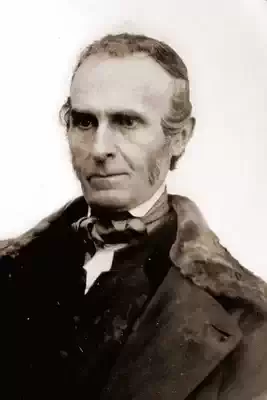
John Greenleaf Whittier
Divine Compassion
Divine Compassion
Long since, a dream of heaven I had,
And still the vision haunts me oft;
I see the saints in white robes clad,
The martyrs with their palms aloft;
But hearing still, in middle song,
The ceaseless dissonance of wrong;
And shrinking, with hid faces, from the strain
Of sad, beseeching eyes, full of remorse and pain.
The glad song falters to a wail,
The harping sinks to low lament;
Before the still unlifted veil
I see the crowned foreheads bent,
Making more sweet the heavenly air,
With breathings of unselfish prayer;
And a Voice saith: 'O Pity which is pain,
O Love that weeps, fill up my sufferings which remain!
'Shall souls redeemed by me refuse
To share my sorrow in their turn?
Or, sin-forgiven, my gift abuse
Of peace with selfish unconcern?
Has saintly ease no pitying care?
Has faith no work, and love no prayer?
While sin remains, and souls in darkness dwell,
Can heaven itself be heaven, and look unmoved on hell?'
Then through the Gates of Pain, I dream,
A wind of heaven blows coolly in;
Fainter the awful discords seem,
The smoke of torment grows more thin,
Tears quench the burning soil, and thence
Spring sweet, pale flowers of penitence
And through the dreary realm of man's despair,
Star-crowned an angel walks, and to! God's hope is there!
Is it a dream? Is heaven so high
That pity cannot breathe its air?
Its happy eyes forever dry,
Its holy lips without a prayer!
My God! my God! if thither led
By Thy free grace unmerited,
No crown nor palm be mine, but let me keep
A heart that still can feel, and eyes that still can weep.
Long since, a dream of heaven I had,
And still the vision haunts me oft;
I see the saints in white robes clad,
The martyrs with their palms aloft;
But hearing still, in middle song,
The ceaseless dissonance of wrong;
And shrinking, with hid faces, from the strain
Of sad, beseeching eyes, full of remorse and pain.
The glad song falters to a wail,
The harping sinks to low lament;
Before the still unlifted veil
I see the crowned foreheads bent,
Making more sweet the heavenly air,
With breathings of unselfish prayer;
And a Voice saith: 'O Pity which is pain,
O Love that weeps, fill up my sufferings which remain!
'Shall souls redeemed by me refuse
To share my sorrow in their turn?
Or, sin-forgiven, my gift abuse
Of peace with selfish unconcern?
Has saintly ease no pitying care?
Has faith no work, and love no prayer?
While sin remains, and souls in darkness dwell,
Can heaven itself be heaven, and look unmoved on hell?'
Then through the Gates of Pain, I dream,
A wind of heaven blows coolly in;
Fainter the awful discords seem,
The smoke of torment grows more thin,
Tears quench the burning soil, and thence
Spring sweet, pale flowers of penitence
And through the dreary realm of man's despair,
Star-crowned an angel walks, and to! God's hope is there!
Is it a dream? Is heaven so high
That pity cannot breathe its air?
Its happy eyes forever dry,
Its holy lips without a prayer!
My God! my God! if thither led
By Thy free grace unmerited,
No crown nor palm be mine, but let me keep
A heart that still can feel, and eyes that still can weep.
322
John Greenleaf Whittier
Elliott
Elliott
Hands off! thou tithe-fat plunderer! play
No trick of priestcraft here!
Back, puny lordling! darest thou lay
A hand on Elliott's bier?
Alive, your rank and pomp, as dust,
Beneath his feet he trod.
He knew the locust swarm that cursed
The harvest-fields of God.
On these pale lips, the smothered thought
Which England's millions feel,
A fierce and fearful splendor caught,
As from his forge the steel.
Strong-armed as Thor, a shower of fire
His smitten anvil flung;
God's curse, Earth's wrong, dumb Hunger's ire,
He gave them all a tongue!
Then let the poor man's horny hands
Bear up the mighty dead,
And labor's swart and stalwart bands
Behind as mourners tread.
Leave cant and craft their baptized bounds,
Leave rank its minster floor;
Give England's green and daisied grounds
The poet of the poor!
Lay down upon his Sheaf's green verge
That brave old heart of oak,
With fitting dirge from sounding forge,
And pall of furnace smoke!
Where whirls the stone its dizzy rounds,
And axe and sledge are swung,
And, timing to their stormy sounds,
His stormy lays are sung.
There let the peasant's step be heard,
The grinder chant his rhyme,
Nor patron's praise nor dainty word
Befits the man or time.
No soft lament nor dreamer's sigh
For him whose words were bread;
The Runic rhyme and spell whereby
The foodless poor were fed!
Pile up the tombs of rank and pride,
O England, as thou wilt!
With pomp to nameless worth denied,
Emblazon titled guilt!
No part or lot in these we claim;
But, o'er the sounding wave,
A common right to Elliott's name,
A freehold in his grave!
Hands off! thou tithe-fat plunderer! play
No trick of priestcraft here!
Back, puny lordling! darest thou lay
A hand on Elliott's bier?
Alive, your rank and pomp, as dust,
Beneath his feet he trod.
He knew the locust swarm that cursed
The harvest-fields of God.
On these pale lips, the smothered thought
Which England's millions feel,
A fierce and fearful splendor caught,
As from his forge the steel.
Strong-armed as Thor, a shower of fire
His smitten anvil flung;
God's curse, Earth's wrong, dumb Hunger's ire,
He gave them all a tongue!
Then let the poor man's horny hands
Bear up the mighty dead,
And labor's swart and stalwart bands
Behind as mourners tread.
Leave cant and craft their baptized bounds,
Leave rank its minster floor;
Give England's green and daisied grounds
The poet of the poor!
Lay down upon his Sheaf's green verge
That brave old heart of oak,
With fitting dirge from sounding forge,
And pall of furnace smoke!
Where whirls the stone its dizzy rounds,
And axe and sledge are swung,
And, timing to their stormy sounds,
His stormy lays are sung.
There let the peasant's step be heard,
The grinder chant his rhyme,
Nor patron's praise nor dainty word
Befits the man or time.
No soft lament nor dreamer's sigh
For him whose words were bread;
The Runic rhyme and spell whereby
The foodless poor were fed!
Pile up the tombs of rank and pride,
O England, as thou wilt!
With pomp to nameless worth denied,
Emblazon titled guilt!
No part or lot in these we claim;
But, o'er the sounding wave,
A common right to Elliott's name,
A freehold in his grave!
245
John Greenleaf Whittier
Dedication - Songs of Labor
Dedication - Songs of Labor
I WOULD the gift I offer here
Might graces from thy favor take,
And, seen through Friendship's atmosphere,
On softened lines and coloring, wear
The unaccustomed light of beauty, for thy sake.
Few leaves of Fancy's spring remain:
But what I have I give to thee,
The o'er-sunned bloom of summer's plain,
And paler flowers, the latter rain
Calls from the westering slope of life's autumnal lea.
Above the fallen groves of green,
Where youth's enchanted forest stood,
Dry root and mossëd trunk between,
A sober after-growth is seen,
As springs the pine where falls the gay-leafed maple wood!
Yet birds will sing, and breezes play
Their leaf-harps in the sombre tree;
And through the bleak and wintry day
It keeps its steady green alway, —
So, even my after-thoughts may have a charm for thee.
Art's perfect forms no moral need,
And beauty is its own excuse;
But for the dull and flowerless weed
Some healing virtue still must plead,
And the rough ore must find its honors in its use.
So haply these, my simple lays
Of homely toil, may serve to show
The orchard bloom and tasselled maize
That skirt and gladden duty's ways,
The unsung beauty hid life's common things below.
Haply from them the toiler, bent
Above his forge or plough, may gain,
A manlier spirit of content,
And feel that life is wisest spent
Where the strong working hand makes strong the working brain.
The doom which to the guilty pair
Without the walls of Eden came,
Transforming sinless ease to care
And rugged toil, no more shall bear
The burden of old crime, or mark of primal shame.
A blessing now, a curse no more;
Since He, whose name we breathe with awe,
The coarse mechanic vesture wore,
A poor man toiling with the poor,
In labor, as in prayer, fulfilling the same law.
I WOULD the gift I offer here
Might graces from thy favor take,
And, seen through Friendship's atmosphere,
On softened lines and coloring, wear
The unaccustomed light of beauty, for thy sake.
Few leaves of Fancy's spring remain:
But what I have I give to thee,
The o'er-sunned bloom of summer's plain,
And paler flowers, the latter rain
Calls from the westering slope of life's autumnal lea.
Above the fallen groves of green,
Where youth's enchanted forest stood,
Dry root and mossëd trunk between,
A sober after-growth is seen,
As springs the pine where falls the gay-leafed maple wood!
Yet birds will sing, and breezes play
Their leaf-harps in the sombre tree;
And through the bleak and wintry day
It keeps its steady green alway, —
So, even my after-thoughts may have a charm for thee.
Art's perfect forms no moral need,
And beauty is its own excuse;
But for the dull and flowerless weed
Some healing virtue still must plead,
And the rough ore must find its honors in its use.
So haply these, my simple lays
Of homely toil, may serve to show
The orchard bloom and tasselled maize
That skirt and gladden duty's ways,
The unsung beauty hid life's common things below.
Haply from them the toiler, bent
Above his forge or plough, may gain,
A manlier spirit of content,
And feel that life is wisest spent
Where the strong working hand makes strong the working brain.
The doom which to the guilty pair
Without the walls of Eden came,
Transforming sinless ease to care
And rugged toil, no more shall bear
The burden of old crime, or mark of primal shame.
A blessing now, a curse no more;
Since He, whose name we breathe with awe,
The coarse mechanic vesture wore,
A poor man toiling with the poor,
In labor, as in prayer, fulfilling the same law.
243
John Greenleaf Whittier
Derne
Derne
NIGHT on the city of the Moor!
On mosque and tomb, and white-walled shore,
On sea-waves, to whose ceaseless knock
The narrow harbor gates unlock,
On corsair's galley, carack tall,
And plundered Christian caraval!
The sounds of Moslem life are still;
No mule-bell tinkles down the hill;
Stretched in the broad court of the khan,
The dusty Bornou caravan
Lies heaped in slumber, beast and man;
The Sheik is dreaming in his tent,
His noisy Arab tongue o'erspent;
The kiosk's glimmering lights are gone,
The merchant with his wares withdrawn;
Rough pillowed on some pirate breast,
The dancing-girl has sunk to rest;
And, save where measured footsteps fall
Along the Bashaw's guarded wall,
Or where, like some bad dream, the Jew
Creeps stealthily his quarter through,
Or counts with fear his golden heaps,
The City of the Corsair sleeps!
But where yon prison long and low
Stands black against the pale star-glow,
Chafed by the ceaseless wash of waves,
There watch and pine the Christian slaves;
Rough-bearded men, whose far-off wives
Wear out with grief their lonely lives;
And youth, still flashing from his eyes
The clear blue of New England skies,
A treasured lock of whose soft hair
Now wakes some sorrowing mother's prayer;
Or, worn upon some maiden breast,
Stirs with the loving heart's unrest!
A bitter cup each life must drain,
The groaning earth is cursed with pain,
And, like the scroll the angel bore
The shuddering Hebrew seer before,
O'erwrit alike, without, within,
With all the woes which follow sin;
But, bitterest of the ills beneath
Whose load man totters down to death,
Is that which plucks the regal crown
Of Freedom from his forehead down,
And snatches from his powerless hand
The sceptred sign of self-command,
Effacing with the chain and rod
The image and the seal of God;
Till from his nature, day by day,
The manly virtues fall away,
And leave him naked, blind and mute,
The godlike merging in the brute!
Why mourn the quiet ones who die
Beneath affection's tender eye,
Unto their household and their kin
Like ripened corn-sheaves gathered in?
O weeper, from that tranquil sod,
That holy harvest-home of God,
Turn to the quick and suffering, shed
Thy tears upon the living dead!
Thank God above thy dear ones' graves,
They sleep with Him, they are not slaves.
What dark mass, down the mountain-sides
Swift-pouring, like a stream divides?
A long, loose, straggling caravan,
Camel and horse and armëd man.
The moon's low crescent, glimmering o'er
Its grave of waters to the shore,
Lights up that mountain cavalcade,
And gleams from gun and spear and blade
Near and more near! now o'er them falls
The shadow of the city walls.
Hark to the sentry's challenge, drowned
In the fierce trumpet's charging sound!
The rush of men, the musket's peal,
The short, sharp clang of meeting steel!
Vain, Moslem, vain thy lifeblood poured
So freely on thy foeman's sword!
Not to the swift nor to the strong
The battles of the right belong;
For he who strikes for Freedom wears
The armor of the captive's prayers,
And Nature proffers to his cause
The strength of her eternal laws;
While he whose arm essays to bind
And herd with common brutes his kind
Strives evermore at fearful odds
With Nature and the jealous gods,
And dares the dread recoil which late
Or soon their right shall vindicate.
'T is done, the hornëd crescent falls!
The star-flag flouts the broken walls!
Joy to the captive husband! joy
To thy sick heart, O brown-locked boy!
In sullen wrath the conquered Moor
Wide open flings your dungeon-door,
And leaves ye free from cell and chain,
The owners of yourselves again.
Dark as his allies desert-born,
Soiled with the battle's stain, and worn
With the long marches of his band
Through hottest wastes of rock and sand,
Scorched by the sun and furnace-breath
Of the red desert's wind of death,
With welcome words and grasping hands,
The victor and deliverer stands!
The tale is one of distant skies;
The dust of half a century lies
Upon it; yet its hero's name
Still lingers on the lips of Fame.
Men speak the praise of him who gave
Deliverance to the Moorman's slave,
Yet dare to brand with shame and crime
The heroes of our land and time, —
The self-forgetful ones, who stake
Home, name, and life for Freedom's sake.
God mend his heart who cannot feel
The impulse of a holy zeal,
And sees not, with his sordid eyes,
The beauty of self-sacrifice!
Though in the sacred place he stands,
Uplifting consecrated hands,
Unworthy are his lips to tell
Of Jesus' martyr-miracle,
Or name aright that dread embrace
Of suffering for a fallen race!
NIGHT on the city of the Moor!
On mosque and tomb, and white-walled shore,
On sea-waves, to whose ceaseless knock
The narrow harbor gates unlock,
On corsair's galley, carack tall,
And plundered Christian caraval!
The sounds of Moslem life are still;
No mule-bell tinkles down the hill;
Stretched in the broad court of the khan,
The dusty Bornou caravan
Lies heaped in slumber, beast and man;
The Sheik is dreaming in his tent,
His noisy Arab tongue o'erspent;
The kiosk's glimmering lights are gone,
The merchant with his wares withdrawn;
Rough pillowed on some pirate breast,
The dancing-girl has sunk to rest;
And, save where measured footsteps fall
Along the Bashaw's guarded wall,
Or where, like some bad dream, the Jew
Creeps stealthily his quarter through,
Or counts with fear his golden heaps,
The City of the Corsair sleeps!
But where yon prison long and low
Stands black against the pale star-glow,
Chafed by the ceaseless wash of waves,
There watch and pine the Christian slaves;
Rough-bearded men, whose far-off wives
Wear out with grief their lonely lives;
And youth, still flashing from his eyes
The clear blue of New England skies,
A treasured lock of whose soft hair
Now wakes some sorrowing mother's prayer;
Or, worn upon some maiden breast,
Stirs with the loving heart's unrest!
A bitter cup each life must drain,
The groaning earth is cursed with pain,
And, like the scroll the angel bore
The shuddering Hebrew seer before,
O'erwrit alike, without, within,
With all the woes which follow sin;
But, bitterest of the ills beneath
Whose load man totters down to death,
Is that which plucks the regal crown
Of Freedom from his forehead down,
And snatches from his powerless hand
The sceptred sign of self-command,
Effacing with the chain and rod
The image and the seal of God;
Till from his nature, day by day,
The manly virtues fall away,
And leave him naked, blind and mute,
The godlike merging in the brute!
Why mourn the quiet ones who die
Beneath affection's tender eye,
Unto their household and their kin
Like ripened corn-sheaves gathered in?
O weeper, from that tranquil sod,
That holy harvest-home of God,
Turn to the quick and suffering, shed
Thy tears upon the living dead!
Thank God above thy dear ones' graves,
They sleep with Him, they are not slaves.
What dark mass, down the mountain-sides
Swift-pouring, like a stream divides?
A long, loose, straggling caravan,
Camel and horse and armëd man.
The moon's low crescent, glimmering o'er
Its grave of waters to the shore,
Lights up that mountain cavalcade,
And gleams from gun and spear and blade
Near and more near! now o'er them falls
The shadow of the city walls.
Hark to the sentry's challenge, drowned
In the fierce trumpet's charging sound!
The rush of men, the musket's peal,
The short, sharp clang of meeting steel!
Vain, Moslem, vain thy lifeblood poured
So freely on thy foeman's sword!
Not to the swift nor to the strong
The battles of the right belong;
For he who strikes for Freedom wears
The armor of the captive's prayers,
And Nature proffers to his cause
The strength of her eternal laws;
While he whose arm essays to bind
And herd with common brutes his kind
Strives evermore at fearful odds
With Nature and the jealous gods,
And dares the dread recoil which late
Or soon their right shall vindicate.
'T is done, the hornëd crescent falls!
The star-flag flouts the broken walls!
Joy to the captive husband! joy
To thy sick heart, O brown-locked boy!
In sullen wrath the conquered Moor
Wide open flings your dungeon-door,
And leaves ye free from cell and chain,
The owners of yourselves again.
Dark as his allies desert-born,
Soiled with the battle's stain, and worn
With the long marches of his band
Through hottest wastes of rock and sand,
Scorched by the sun and furnace-breath
Of the red desert's wind of death,
With welcome words and grasping hands,
The victor and deliverer stands!
The tale is one of distant skies;
The dust of half a century lies
Upon it; yet its hero's name
Still lingers on the lips of Fame.
Men speak the praise of him who gave
Deliverance to the Moorman's slave,
Yet dare to brand with shame and crime
The heroes of our land and time, —
The self-forgetful ones, who stake
Home, name, and life for Freedom's sake.
God mend his heart who cannot feel
The impulse of a holy zeal,
And sees not, with his sordid eyes,
The beauty of self-sacrifice!
Though in the sacred place he stands,
Uplifting consecrated hands,
Unworthy are his lips to tell
Of Jesus' martyr-miracle,
Or name aright that dread embrace
Of suffering for a fallen race!
273
John Greenleaf Whittier
Conduct
Conduct
From the Mahabharata.
Heed how thou livest. Do no act by day
Which from the night shall drive thy peace away.
In months of sun so live that months of rain
Shall still be happy. Evermore restrain
Evil and cherish good, so shall there be
Another and a happier life for thee.
From the Mahabharata.
Heed how thou livest. Do no act by day
Which from the night shall drive thy peace away.
In months of sun so live that months of rain
Shall still be happy. Evermore restrain
Evil and cherish good, so shall there be
Another and a happier life for thee.
388
John Greenleaf Whittier
Daniel Neall
Daniel Neall
I.
FRIENDof the Slave, and yet the friend of all;
Lover of peace, yet ever foremost when
The need of battling Freedom called for men
To plant the banner on the outer wall;
Gentle and kindly, ever at distress
Melted to more than woman's tenderness,
Yet firm and steadfast, at his duty's post
Fronting the violence of a maddened host,
Like some-gray rock from which the waves are tossed!
Knowing his deeds of love, men questioned not
The faith of one whose walk and word were right;
Who tranquilly in Life's great task-field wrought,
And, side by side with evil, scarcely caught
A stain upon his pilgrim garb of white:
Prompt to redress another's wrong, his own
Leaving to Time and Truth and Penitence alone.
II.
Such was our friend. Formed on the good old plan,
A true and brave and downright honest man!
He blew no trumpet in the market-place,
Nor in the church with hypocritic face
Supplied with cant the lack of Christian grace;
Loathing pretence, he did with cheerful will
What others talked of while their hands were still;
And, while 'Lord, Lord!' the pious tyrants cried,
Who, in the poor, their Master crucified,
His daily prayer, far better understood.
In acts than words, was simply doing good.
So calm, so constant was his rectitude,
That by his loss alone we know its worth,
And feel how true a man has walked with us on earth.
I.
FRIENDof the Slave, and yet the friend of all;
Lover of peace, yet ever foremost when
The need of battling Freedom called for men
To plant the banner on the outer wall;
Gentle and kindly, ever at distress
Melted to more than woman's tenderness,
Yet firm and steadfast, at his duty's post
Fronting the violence of a maddened host,
Like some-gray rock from which the waves are tossed!
Knowing his deeds of love, men questioned not
The faith of one whose walk and word were right;
Who tranquilly in Life's great task-field wrought,
And, side by side with evil, scarcely caught
A stain upon his pilgrim garb of white:
Prompt to redress another's wrong, his own
Leaving to Time and Truth and Penitence alone.
II.
Such was our friend. Formed on the good old plan,
A true and brave and downright honest man!
He blew no trumpet in the market-place,
Nor in the church with hypocritic face
Supplied with cant the lack of Christian grace;
Loathing pretence, he did with cheerful will
What others talked of while their hands were still;
And, while 'Lord, Lord!' the pious tyrants cried,
Who, in the poor, their Master crucified,
His daily prayer, far better understood.
In acts than words, was simply doing good.
So calm, so constant was his rectitude,
That by his loss alone we know its worth,
And feel how true a man has walked with us on earth.
279
John Greenleaf Whittier
Clerical Oppressors
Clerical Oppressors
JUST God! and these are they
Who minister at thine altar, God of Right!
Men who their hands with prayer and blessing lay
On Israel's Ark of light!
What! preach, and kidnap men?
Give thanks, and rob thy own afflicted poor?
Talk of thy glorious liberty, and then
Bolt hard the captive's door?
What! servants of thy own
Merciful Son, who came to seek and save
The homeless and the outcast, fettering down
The tasked and plundered slave!
Pilate and Herod, friends!
Chief priests and rulers, as of old, combine!
Just God and holy! is that church, which lends
Strength to the spoiler, thine?
Paid hypocrites, who turn
Judgment aside, and rob the Holy Book
Of those high words of truth which search and burn
In warning and rebuke;
Feed fat, ye locusts, feed!
And, in your tasselled pulpits, thank the Lord
That, from the toiling bondman's utter need,
Ye pile your own full board.
How long, O Lord! how long
Shall such a priesthood barter truth away,
And in Thy name, for robbery and wrong
At Thy own altars pray?
Is not Thy hand stretched forth
Visibly in the heavens, to awe and smite?
Shall not the living God of all the earth,
And heaven above, do right?
Woe, then, to all who grind
Their brethren of a common Father down!
To all who plunder from the immortal mind
Its bright and glorious crown!
Woe to the priesthood! woe
To those whose hire is with the price of blood;
Perverting, darkening, changing, as they go,
The searching truths of God!
Their glory and their might.
Shall perish; and their very names shall be
Vile before all the people, in the light
Of a world's liberty.
Oh, speed the moment on
When Wrong shall cease, and Liberty and Love
And Truth and Right throughout the earth be known
As in their home above.
JUST God! and these are they
Who minister at thine altar, God of Right!
Men who their hands with prayer and blessing lay
On Israel's Ark of light!
What! preach, and kidnap men?
Give thanks, and rob thy own afflicted poor?
Talk of thy glorious liberty, and then
Bolt hard the captive's door?
What! servants of thy own
Merciful Son, who came to seek and save
The homeless and the outcast, fettering down
The tasked and plundered slave!
Pilate and Herod, friends!
Chief priests and rulers, as of old, combine!
Just God and holy! is that church, which lends
Strength to the spoiler, thine?
Paid hypocrites, who turn
Judgment aside, and rob the Holy Book
Of those high words of truth which search and burn
In warning and rebuke;
Feed fat, ye locusts, feed!
And, in your tasselled pulpits, thank the Lord
That, from the toiling bondman's utter need,
Ye pile your own full board.
How long, O Lord! how long
Shall such a priesthood barter truth away,
And in Thy name, for robbery and wrong
At Thy own altars pray?
Is not Thy hand stretched forth
Visibly in the heavens, to awe and smite?
Shall not the living God of all the earth,
And heaven above, do right?
Woe, then, to all who grind
Their brethren of a common Father down!
To all who plunder from the immortal mind
Its bright and glorious crown!
Woe to the priesthood! woe
To those whose hire is with the price of blood;
Perverting, darkening, changing, as they go,
The searching truths of God!
Their glory and their might.
Shall perish; and their very names shall be
Vile before all the people, in the light
Of a world's liberty.
Oh, speed the moment on
When Wrong shall cease, and Liberty and Love
And Truth and Right throughout the earth be known
As in their home above.
300
John Greenleaf Whittier
Chicago
Chicago
Men said at vespers: 'All is well!'
In one wild night the city fell;
Fell shrines of prayer and marts of gain
Before the fiery hurricane.
On threescore spires had sunset shone,
Where ghastly sunrise looked on none.
Men clasped each other's hands, and said
'The City of the West is dead!'
Brave hearts who fought, in slow retreat,
The fiends of fire from street to street,
Turned, powerless, to the blinding glare,
The dumb defiance of despair.
A sudden impulse thrilled each wire
That signalled round that sea of fire;
Swift words of cheer, warm heart-throbs came;
In tears of pity died the flame!
From East, from West, from South and North,
The messages of hope shot forth,
And, underneath the severing wave,
The world, full-handed, reached to save.
Fair seemed the old; but fairer still
The new, the dreary void shall fill
With dearer homes than those o'erthrown,
For love shall lay each corner-stone.
Rise, stricken city! from thee throw
The ashen sackcloth of thy woe;
And build, as to Amphion's strain,
To songs of cheer thy walls again!
How shrivelled in thy hot distress
The primal sin of selfishness!
How instant rose, to take thy part,
The angel in the human heart!
Ah! not in vain the flames that tossed
Above thy dreadful holocaust;
The Christ again has preached through thee
The Gospel of Humanity!
Then lift once more thy towers on high,
And fret with spires the western sky,
To tell that God is yet with us,
And love is still miraculous!
Men said at vespers: 'All is well!'
In one wild night the city fell;
Fell shrines of prayer and marts of gain
Before the fiery hurricane.
On threescore spires had sunset shone,
Where ghastly sunrise looked on none.
Men clasped each other's hands, and said
'The City of the West is dead!'
Brave hearts who fought, in slow retreat,
The fiends of fire from street to street,
Turned, powerless, to the blinding glare,
The dumb defiance of despair.
A sudden impulse thrilled each wire
That signalled round that sea of fire;
Swift words of cheer, warm heart-throbs came;
In tears of pity died the flame!
From East, from West, from South and North,
The messages of hope shot forth,
And, underneath the severing wave,
The world, full-handed, reached to save.
Fair seemed the old; but fairer still
The new, the dreary void shall fill
With dearer homes than those o'erthrown,
For love shall lay each corner-stone.
Rise, stricken city! from thee throw
The ashen sackcloth of thy woe;
And build, as to Amphion's strain,
To songs of cheer thy walls again!
How shrivelled in thy hot distress
The primal sin of selfishness!
How instant rose, to take thy part,
The angel in the human heart!
Ah! not in vain the flames that tossed
Above thy dreadful holocaust;
The Christ again has preached through thee
The Gospel of Humanity!
Then lift once more thy towers on high,
And fret with spires the western sky,
To tell that God is yet with us,
And love is still miraculous!
260
John Greenleaf Whittier
Chalkey Hall
Chalkey Hall
How bland and sweet the greeting of this breeze
To him who flies
From crowded street and red wall's weary gleam,
Till far behind him like a hideous dream
The close dark city lies
Here, while the market murmurs, while men throng
The marble floor
Of Mammon's altar, from the crush and din
Of the world's madness let me gather in
My better thoughts once more.
Oh, once again revive, while on my ear
The cry of Gain
And low hoarse hum of Traffic die away,
Ye blessed memories of my early day
Like sere grass wet with rain!
Once more let God's green earth and sunset air
Old feelings waken;
Through weary years of toil and strife and ill,
Oh, let me feel that my good angel still
Hath not his trust forsaken.
And well do time and place befit my mood
Beneath the arms
Of this embracing wood, a good man made
His home, like Abraham resting in the shade
Of Mamre's lonely palms.
Here, rich with autumn gifts of countless years,
The virgin soil
Turned from the share he guided, and in rain
And summer sunshine throve the fruits and grain
Which blessed his honest toil.
Here, from his voyages on the stormy seas,
Weary and worn,
He came to meet his children and to bless
The Giver of all good in thankfulness
And praise for his return.
And here his neighbors gathered in to greet
Their friend again,
Safe from the wave and the destroying gales,
Which reap untimely green Bermuda's vales,
And vex the Carib main.
To hear the good man tell of simple truth,
Sown in an hour
Of weakness in some far-off Indian isle,
From the parched bosom of a barren soil,
Raised up in life and power.
How at those gatherings in Barbadian vales,
A tendering love
Came o'er him, like the gentle rain from heaven,
And words of fitness to his lips were given,
And strength as from above.
How the sad captive listened to the Word,
Until his chain
Grew lighter, and his wounded spirit felt
The healing balm of consolation melt
Upon its life-long pain
How the armed warrior sat him down to hear
Of Peace and Truth,
And the proud ruler and his Creole dame,
Jewelled and gorgeous in her beauty came,
And fair and bright-eyed youth.
Oh, far away beneath New England's sky,
Even when a boy,
Following my plough by Merrimac's green shore,
His simple record I have pondered o'er
With deep and quiet joy.
And hence this scene, in sunset glory warm,-Its
woods around,
Its still stream winding on in light and shade,
Its soft, green meadows and its upland glade,-To
me is holy ground.
And dearer far than haunts where Genius keeps
His vigils still;
Than that where Avon's son of song is laid,
Or Vaucluse hallowed by its Petrarch's shade,
Or Virgil's laurelled hill.
To the gray walls of fallen Paraclete,
To Juliet's urn,
Fair Arno and Sorrento's orange-grove,
Where Tasso sang, let young Romance and Love
Like brother pilgrims turn.
But here a deeper and serener charm
To all is given;
And blessed memories of the faithful dead
O'er wood and vale and meadow-stream have shed
The holy hues of Heaven!
How bland and sweet the greeting of this breeze
To him who flies
From crowded street and red wall's weary gleam,
Till far behind him like a hideous dream
The close dark city lies
Here, while the market murmurs, while men throng
The marble floor
Of Mammon's altar, from the crush and din
Of the world's madness let me gather in
My better thoughts once more.
Oh, once again revive, while on my ear
The cry of Gain
And low hoarse hum of Traffic die away,
Ye blessed memories of my early day
Like sere grass wet with rain!
Once more let God's green earth and sunset air
Old feelings waken;
Through weary years of toil and strife and ill,
Oh, let me feel that my good angel still
Hath not his trust forsaken.
And well do time and place befit my mood
Beneath the arms
Of this embracing wood, a good man made
His home, like Abraham resting in the shade
Of Mamre's lonely palms.
Here, rich with autumn gifts of countless years,
The virgin soil
Turned from the share he guided, and in rain
And summer sunshine throve the fruits and grain
Which blessed his honest toil.
Here, from his voyages on the stormy seas,
Weary and worn,
He came to meet his children and to bless
The Giver of all good in thankfulness
And praise for his return.
And here his neighbors gathered in to greet
Their friend again,
Safe from the wave and the destroying gales,
Which reap untimely green Bermuda's vales,
And vex the Carib main.
To hear the good man tell of simple truth,
Sown in an hour
Of weakness in some far-off Indian isle,
From the parched bosom of a barren soil,
Raised up in life and power.
How at those gatherings in Barbadian vales,
A tendering love
Came o'er him, like the gentle rain from heaven,
And words of fitness to his lips were given,
And strength as from above.
How the sad captive listened to the Word,
Until his chain
Grew lighter, and his wounded spirit felt
The healing balm of consolation melt
Upon its life-long pain
How the armed warrior sat him down to hear
Of Peace and Truth,
And the proud ruler and his Creole dame,
Jewelled and gorgeous in her beauty came,
And fair and bright-eyed youth.
Oh, far away beneath New England's sky,
Even when a boy,
Following my plough by Merrimac's green shore,
His simple record I have pondered o'er
With deep and quiet joy.
And hence this scene, in sunset glory warm,-Its
woods around,
Its still stream winding on in light and shade,
Its soft, green meadows and its upland glade,-To
me is holy ground.
And dearer far than haunts where Genius keeps
His vigils still;
Than that where Avon's son of song is laid,
Or Vaucluse hallowed by its Petrarch's shade,
Or Virgil's laurelled hill.
To the gray walls of fallen Paraclete,
To Juliet's urn,
Fair Arno and Sorrento's orange-grove,
Where Tasso sang, let young Romance and Love
Like brother pilgrims turn.
But here a deeper and serener charm
To all is given;
And blessed memories of the faithful dead
O'er wood and vale and meadow-stream have shed
The holy hues of Heaven!
304
John Greenleaf Whittier
Cassandra Southwick
Cassandra Southwick
To the God of all sure mercies let my blessing rise today,
From the scoffer and the cruel He hath plucked the spoil away;
Yes, he who cooled the furnace around the faithful three,
And tamed the Chaldean lions, hath set His handmaid free!
Last night I saw the sunset melt though my prison bars,
Last night across my damp earth-floor fell the pale gleam of stars;
In the coldness and the darkness all through the long night-time,
My grated casement whitened with autumn's early rime.
Alone, in that dark sorrow, hour after hour crept by;
Star after star looked palely in and sank adown the sky;
No sound amid night's stillness, save that which seemed to be
The dull and heavy beating of the pulses of the sea;
All night I sat unsleeping, for I knew that on the morrow
The ruler said the cruel priest would mock me in my sorrow,
Dragged to their place of market, and bargained for and sold,
Like a lamb before the shambles, like a heifer from the fold!
Oh, the weakness of the flesh was there¯the shrinking and the shame;
And the low voice of the Tempter like whispers to me came,
'Why sit'st thou thus forlornly,' the wicked murmur said,
'Damp walls thy bower beauty, cold earth thy maiden bed?
'Where be the smiling faces, and voices soft and sweet,
Seen in thy father's dwelling, hoard in the pleasant street?
Where be the youths whose glances, the summer Sabbath through,
Turned tenderly and timidly unto thy father's pew?
'Why sit'st thou here, Cassandra? Bethink thee with what mirth
Thy happy schoolmates gather around the warm, dark hearth;
How the crimson shadows tremble on foreheads white and fair,
On eyes of merry girlhood, half hid in golden hair.
'Not for thee the hearth-fire brightens, not for thee kind words are spoken,
Not for thee the nuts of Wenham woods by laughing boys are broken;
No first-fruits of the orchard within thy lap are laid,
For thee no flowers of autumn the youthful hunters braid.
'O weak, deluded maiden!¯by crazy fancies led,
With wild and raving railers an evil path to tread;
To leave a wholesome worship, and teaching pure and sound,
And mate with maniac women, loose-haired and sackcloth-bound,
'And scoffers of the priesthood, who mock at things divine,
Who rail against thy pulpit, and holy bread and wine;
Bore from their cart-tail scourgings, and from the pillory lame,
Rejoicing in their wretchedness, and glorying in their shame.
'And what a fate awaits thee!¯a sadly toiling slave,
Dragging the slowly lengthening chain of bondage to the grave!
Think of thy woman's nature, subdued in hopeless thrall,
The easy prey of any, the scoff and scorn of all!'
Oh, ever as the Tempter spoke, and feecle Nature's fears
Wrung drop by drop the scalding flow of unavailing tears,
I wrestled down the evil thoughts, and strove in silent prayer
To feel, O Helper of the weak! that Thou indeed wert there!
I thought of Paul and Silas, within Philippi's call,
And how from Peter's sleeping limbs the prison shackles fell,
Till I seemed to hear the trailing of an Angel's robe of white,
And to feel a blessed presence invisible to sight.
Bless the Lord for all his mercies!¯for the peace and love I felt,
Like the dew of Hermon's holy hill, upon my spirit melt;
When 'Get behind me, Satan! ' was the language of my heart,
And I felt the Evil Tempter with all his doubts depart.
Slow broke the gray cold morning; again the sunshine fell,
Flocked with the shade of bar and grate within my lonely cell;
The hoar-frost melted on the wall, and upward from the street
Came careless laugh and idle word, and tread of passing feet.
At length the heavy bolts fell back, my door was open cast,
And slowly at the sheriff's side, up the long street I passed;
I heard the murmur round me, and felt, but dared not see,
How, from every door and window, the people gazed on me.
And doubt and fear fell on me, shame burned upon my cheek,
Swam earth and sky around me, my trembling limbs grew weak;
'Oh Lord, support thy handmaid, and from her soul cast out
The fear of men, which brings a snare, the weakness and the doubt.
Then the dreary shadows scattered, like a cloud in morning's breeze,
And a low deep voice within me seemed whispering words like these:
'Though thy earth be as the iron, and thy heaven a brazen wall,
Trust still His loving-kindness whose power is over all.'
We paused at length, where at my feet the sunlit waters broke
On glaring roach of shining beach, and shingly wall of rock;
The merchant-ships lay idle there, in hard clear lines on high,
Treeing with rope and slender spar their network on the sky.
And there were ancient citizens, cloak-wrapped and grave and cold,
And grim and stout sea-captains with faces bronzed and old,
And on his horse, with Rawson, his cruel clerk at hand,
Sat dark and haughty Endicott, the ruler of the land.
And poisoning with his evil words the ruler's ready ear,
The priest leaned over his saddle, with laugh and scoff and jeer;
It stirred my soul, and from my lips the soul of silence broke,
As if through woman's weakness a warning spirit spoke.
I cried 'The Lord rebuke thee, thou smiter of the meek,
Thou robber of the righteous, thou trampler of the weak!
Go light the cold, dark hearth-stones,¯go turn the prison lock
Of the poor hearts though hast hunted, thou wolf amid the flock!'
Dark lowered the brows of Endicott, and with a deeper red
O'er Rawson's wine-empurpled cheek the flash of anger spread;
'Good people, ' quoth the white-lipped priest, 'heed not her words so wild,
Her Master speaks within her¯ the Devil owns his child!'
But gray heads shook, and young brows knit, the while the sheriff read
That law the wicked rulers against the poor have made,
Who to their house of Rimmon and idol priesthood bring
No bonded knee of worship, nor gainful offering.
Then to the stout sea-captains the sheriff, turning, said¯
'Wish of ye, worthy seamen, will take this Quaker maid?
On the Isle of fair Barbados, or on Virginia's shore
You may hold her at a higher price than Indian girl or Moor!'
Grim and silent stood the captains; and when again he cried,
'Speak out my worthy seamen!' no voice, no sign replied;
But I felt a hard hand press my own, and kind words met my ear,¯
'God bless thee, and preserve thee, my gentle girl and dear!'
A weight seemed lifted from my heart, a pitying friend was nigh,
I felt it in his hard, rough hand, and saw it in his eye;
And when again the sheriff spoke, that voice, so kind to me,
Growled back its stormy answer like the roaring of the sea.
'Pile my ship with bars of silver, pack with coins of Spanish gold
From keel-piece up to deck-plank, the roomage of her hold,
By the living God that made me! I would sooner in your bay
Sink ship and crew and cargo, than bear this child away!'
'Well answered, worthy captain, shame on their cruel laws!'
Ran through the crowd in murmurs loud the people's just applause.
'Like the herdsmen of Tekoa, In Israel of old,
Shall we see the poor and righteous again for silver sold ?'
I looked on haughty Endicott; with weapon half-way drawn,
Swept around the throng his lion glare of bitter hate and scorn;
Fiercely he drew his bridle-rain, and turned in silence back,
And sneering priest and baffled clerk rode murmuring in his track.
Hard after them the sheriff looked, in bitterness of soul,
Thrice smote his staff upon the ground, and crushed his parchment-roll.
'Good friends,' he said, 'since both have fled, the ruler and the priest
Judge ye, if from their further work I be not well released.'
Loud was the cheer which, full and clear, swept round the silent bay,
As, with kind words and kinder looks, he bade me go my way;
For he who turns the courses of the streamlet of the glen,
And the river of great waters, had turned the hearts of men.
Oh, at that hour the very earth seemed changed beneath my eye,
A holier wonder round no rose the blue walls of the sky,
A lovelier light on rock and hill and stream and woodland lay,
And softer lapsed on sunnier sands the waters of the bay.
Thanksgiving to the Lord of life! To him all praises be,
Who from the hands of evil men hath set his handmaid free;
All praise to Him before whose power the mighty are afraid,
Who take the crafty in the snare which for the poor is laid!
Sing, O my soul, rejoicingly, on evening's twilight calm
Uplift the loud thanksgiving, pour forth the grateful psalm;
Let all dear hearts with me rejoice, as did the saints of old,
When of the Lord's good angel the rescued Peter told.
And weep and howl, ye evil priests and mighty men of wrong,
The lord shall smite the proud, and lay His hand upon the strong.
Woe to the wicked rulers in his avenging hour!
Woe to the wolves who seek the flocks to raven and devour!
But let the humble ones arise, the poor in heart be glad,
And let the mourning ones again with robes of praise be clad,
For he who cooled the furnace, and smoothed the stormy wave,
And tamed the Chaldean lions, is mighty still to save!
To the God of all sure mercies let my blessing rise today,
From the scoffer and the cruel He hath plucked the spoil away;
Yes, he who cooled the furnace around the faithful three,
And tamed the Chaldean lions, hath set His handmaid free!
Last night I saw the sunset melt though my prison bars,
Last night across my damp earth-floor fell the pale gleam of stars;
In the coldness and the darkness all through the long night-time,
My grated casement whitened with autumn's early rime.
Alone, in that dark sorrow, hour after hour crept by;
Star after star looked palely in and sank adown the sky;
No sound amid night's stillness, save that which seemed to be
The dull and heavy beating of the pulses of the sea;
All night I sat unsleeping, for I knew that on the morrow
The ruler said the cruel priest would mock me in my sorrow,
Dragged to their place of market, and bargained for and sold,
Like a lamb before the shambles, like a heifer from the fold!
Oh, the weakness of the flesh was there¯the shrinking and the shame;
And the low voice of the Tempter like whispers to me came,
'Why sit'st thou thus forlornly,' the wicked murmur said,
'Damp walls thy bower beauty, cold earth thy maiden bed?
'Where be the smiling faces, and voices soft and sweet,
Seen in thy father's dwelling, hoard in the pleasant street?
Where be the youths whose glances, the summer Sabbath through,
Turned tenderly and timidly unto thy father's pew?
'Why sit'st thou here, Cassandra? Bethink thee with what mirth
Thy happy schoolmates gather around the warm, dark hearth;
How the crimson shadows tremble on foreheads white and fair,
On eyes of merry girlhood, half hid in golden hair.
'Not for thee the hearth-fire brightens, not for thee kind words are spoken,
Not for thee the nuts of Wenham woods by laughing boys are broken;
No first-fruits of the orchard within thy lap are laid,
For thee no flowers of autumn the youthful hunters braid.
'O weak, deluded maiden!¯by crazy fancies led,
With wild and raving railers an evil path to tread;
To leave a wholesome worship, and teaching pure and sound,
And mate with maniac women, loose-haired and sackcloth-bound,
'And scoffers of the priesthood, who mock at things divine,
Who rail against thy pulpit, and holy bread and wine;
Bore from their cart-tail scourgings, and from the pillory lame,
Rejoicing in their wretchedness, and glorying in their shame.
'And what a fate awaits thee!¯a sadly toiling slave,
Dragging the slowly lengthening chain of bondage to the grave!
Think of thy woman's nature, subdued in hopeless thrall,
The easy prey of any, the scoff and scorn of all!'
Oh, ever as the Tempter spoke, and feecle Nature's fears
Wrung drop by drop the scalding flow of unavailing tears,
I wrestled down the evil thoughts, and strove in silent prayer
To feel, O Helper of the weak! that Thou indeed wert there!
I thought of Paul and Silas, within Philippi's call,
And how from Peter's sleeping limbs the prison shackles fell,
Till I seemed to hear the trailing of an Angel's robe of white,
And to feel a blessed presence invisible to sight.
Bless the Lord for all his mercies!¯for the peace and love I felt,
Like the dew of Hermon's holy hill, upon my spirit melt;
When 'Get behind me, Satan! ' was the language of my heart,
And I felt the Evil Tempter with all his doubts depart.
Slow broke the gray cold morning; again the sunshine fell,
Flocked with the shade of bar and grate within my lonely cell;
The hoar-frost melted on the wall, and upward from the street
Came careless laugh and idle word, and tread of passing feet.
At length the heavy bolts fell back, my door was open cast,
And slowly at the sheriff's side, up the long street I passed;
I heard the murmur round me, and felt, but dared not see,
How, from every door and window, the people gazed on me.
And doubt and fear fell on me, shame burned upon my cheek,
Swam earth and sky around me, my trembling limbs grew weak;
'Oh Lord, support thy handmaid, and from her soul cast out
The fear of men, which brings a snare, the weakness and the doubt.
Then the dreary shadows scattered, like a cloud in morning's breeze,
And a low deep voice within me seemed whispering words like these:
'Though thy earth be as the iron, and thy heaven a brazen wall,
Trust still His loving-kindness whose power is over all.'
We paused at length, where at my feet the sunlit waters broke
On glaring roach of shining beach, and shingly wall of rock;
The merchant-ships lay idle there, in hard clear lines on high,
Treeing with rope and slender spar their network on the sky.
And there were ancient citizens, cloak-wrapped and grave and cold,
And grim and stout sea-captains with faces bronzed and old,
And on his horse, with Rawson, his cruel clerk at hand,
Sat dark and haughty Endicott, the ruler of the land.
And poisoning with his evil words the ruler's ready ear,
The priest leaned over his saddle, with laugh and scoff and jeer;
It stirred my soul, and from my lips the soul of silence broke,
As if through woman's weakness a warning spirit spoke.
I cried 'The Lord rebuke thee, thou smiter of the meek,
Thou robber of the righteous, thou trampler of the weak!
Go light the cold, dark hearth-stones,¯go turn the prison lock
Of the poor hearts though hast hunted, thou wolf amid the flock!'
Dark lowered the brows of Endicott, and with a deeper red
O'er Rawson's wine-empurpled cheek the flash of anger spread;
'Good people, ' quoth the white-lipped priest, 'heed not her words so wild,
Her Master speaks within her¯ the Devil owns his child!'
But gray heads shook, and young brows knit, the while the sheriff read
That law the wicked rulers against the poor have made,
Who to their house of Rimmon and idol priesthood bring
No bonded knee of worship, nor gainful offering.
Then to the stout sea-captains the sheriff, turning, said¯
'Wish of ye, worthy seamen, will take this Quaker maid?
On the Isle of fair Barbados, or on Virginia's shore
You may hold her at a higher price than Indian girl or Moor!'
Grim and silent stood the captains; and when again he cried,
'Speak out my worthy seamen!' no voice, no sign replied;
But I felt a hard hand press my own, and kind words met my ear,¯
'God bless thee, and preserve thee, my gentle girl and dear!'
A weight seemed lifted from my heart, a pitying friend was nigh,
I felt it in his hard, rough hand, and saw it in his eye;
And when again the sheriff spoke, that voice, so kind to me,
Growled back its stormy answer like the roaring of the sea.
'Pile my ship with bars of silver, pack with coins of Spanish gold
From keel-piece up to deck-plank, the roomage of her hold,
By the living God that made me! I would sooner in your bay
Sink ship and crew and cargo, than bear this child away!'
'Well answered, worthy captain, shame on their cruel laws!'
Ran through the crowd in murmurs loud the people's just applause.
'Like the herdsmen of Tekoa, In Israel of old,
Shall we see the poor and righteous again for silver sold ?'
I looked on haughty Endicott; with weapon half-way drawn,
Swept around the throng his lion glare of bitter hate and scorn;
Fiercely he drew his bridle-rain, and turned in silence back,
And sneering priest and baffled clerk rode murmuring in his track.
Hard after them the sheriff looked, in bitterness of soul,
Thrice smote his staff upon the ground, and crushed his parchment-roll.
'Good friends,' he said, 'since both have fled, the ruler and the priest
Judge ye, if from their further work I be not well released.'
Loud was the cheer which, full and clear, swept round the silent bay,
As, with kind words and kinder looks, he bade me go my way;
For he who turns the courses of the streamlet of the glen,
And the river of great waters, had turned the hearts of men.
Oh, at that hour the very earth seemed changed beneath my eye,
A holier wonder round no rose the blue walls of the sky,
A lovelier light on rock and hill and stream and woodland lay,
And softer lapsed on sunnier sands the waters of the bay.
Thanksgiving to the Lord of life! To him all praises be,
Who from the hands of evil men hath set his handmaid free;
All praise to Him before whose power the mighty are afraid,
Who take the crafty in the snare which for the poor is laid!
Sing, O my soul, rejoicingly, on evening's twilight calm
Uplift the loud thanksgiving, pour forth the grateful psalm;
Let all dear hearts with me rejoice, as did the saints of old,
When of the Lord's good angel the rescued Peter told.
And weep and howl, ye evil priests and mighty men of wrong,
The lord shall smite the proud, and lay His hand upon the strong.
Woe to the wicked rulers in his avenging hour!
Woe to the wolves who seek the flocks to raven and devour!
But let the humble ones arise, the poor in heart be glad,
And let the mourning ones again with robes of praise be clad,
For he who cooled the furnace, and smoothed the stormy wave,
And tamed the Chaldean lions, is mighty still to save!
367
John Greenleaf Whittier
By Their Works
By Their Works
Call him not heretic whose works attest
His faith in goodness by no creed confessed.
Whatever in love's name is truly done
To free the bound and lift the fallen one
Is done to Christ. Whoso in deed and word
Is not against Him labours for our Lord.
When he, who, sad and weary, longing sore
For love's sweet service sought the sisters' door
One saw the heavenly, one the human guest
But who shall say which loved the master best?
Call him not heretic whose works attest
His faith in goodness by no creed confessed.
Whatever in love's name is truly done
To free the bound and lift the fallen one
Is done to Christ. Whoso in deed and word
Is not against Him labours for our Lord.
When he, who, sad and weary, longing sore
For love's sweet service sought the sisters' door
One saw the heavenly, one the human guest
But who shall say which loved the master best?
256
John Greenleaf Whittier
Burning Drift-Wood
Burning Drift-Wood
Before my drift-wood fire I sit,
And see, with every waif I burn,
Old dreams and fancies coloring it,
And folly's unlaid ghosts return.
O ships of mine, whose swift keels cleft
The enchanted sea on which they sailed,
Are these poor fragments only left
Of vain desires and hopes that failed?
Did I not watch from them the light
Of sunset on my towers in Spain,
And see, far off, uploom in sight
The Fortunate Isles I might not gain?
Did sudden lift of fog reveal
Arcadia's vales of song and spring,
And did I pass, with grazing keel,
The rocks whereon the sirens sing?
Have I not drifted hard upon
The unmapped regions lost to man,
The cloud-pitched tents of Prester John,
The palace domes of Kubla Khan?
Did land winds blow from jasmine flowers,
Where Youth the ageless Fountain fills?
Did Love make sign from rose blown bowers,
And gold from Eldorado's hills?
Alas! the gallant ships, that sailed
On blind Adventure's errand sent,
Howe'er they laid their courses, failed
To reach the haven of Content.
And of my ventures, those alone
Which Love had freighted, safely sped,
Seeking a good beyond my own,
By clear-eyed Duty piloted.
O mariners, hoping still to meet
The luck Arabian voyagers met,
And find in Bagdad's moonlit street,
Haroun al Raschid walking yet,
Take with you, on your Sea of Dreams,
The fair, fond fancies dear to youth.
I turn from all that only seems,
And seek the sober grounds of truth.
What matter that it is not May,
That birds have flown, and trees are bare,
That darker grows the shortening day,
And colder blows the wintry air!
The wrecks of passion and desire,
The castles I no more rebuild,
May fitly feed my drift-wood fire,
And warm the hands that age has chilled.
Whatever perished with my ships,
I only know the best remains;
A song of praise is on my lips
For losses which are now my gains.
Heap high my hearth! No worth is lost;
No wisdom with the folly dies.
Burn on, poor shreds, your holocaust
Shall be my evening sacrifice!
Far more than all I dared to dream,
Unsought before my door I see;
On wings of fire and steeds of steam
The world's great wonders come to me,
And holier signs, unmarked before,
Of Love to seek and Power to save, -The
righting of the wronged and poor,
The man evolving from the slave;
And life, no longer chance or fate,
Safe in the gracious Fatherhood.
I fold o'er-wearied hands and wait,
In full assurance of the good.
And well the waiting time must be,
Though brief or long its granted days,
If Faith and Hope and Charity
Sit by my evening hearth-fire's blaze.
And with them, friends whom Heaven has spared,
Whose love my heart has comforted,
And, sharing all my joys, has shared
My tender memories of the dead, -
Dear souls who left us lonely here,
Bound on their last, long voyage, to whom
We, day by day, are drawing near,
Where every bark has sailing room.
I know the solemn monotone
Of waters calling unto me;
I know from whence the airs have blown
That whisper of the Eternal Sea.
As low my fires of drift-wood burn,
I hear that sea's deep sounds increase,
And, fair in sunset light, discern
Its mirage-lifted Isles of Peace.
Before my drift-wood fire I sit,
And see, with every waif I burn,
Old dreams and fancies coloring it,
And folly's unlaid ghosts return.
O ships of mine, whose swift keels cleft
The enchanted sea on which they sailed,
Are these poor fragments only left
Of vain desires and hopes that failed?
Did I not watch from them the light
Of sunset on my towers in Spain,
And see, far off, uploom in sight
The Fortunate Isles I might not gain?
Did sudden lift of fog reveal
Arcadia's vales of song and spring,
And did I pass, with grazing keel,
The rocks whereon the sirens sing?
Have I not drifted hard upon
The unmapped regions lost to man,
The cloud-pitched tents of Prester John,
The palace domes of Kubla Khan?
Did land winds blow from jasmine flowers,
Where Youth the ageless Fountain fills?
Did Love make sign from rose blown bowers,
And gold from Eldorado's hills?
Alas! the gallant ships, that sailed
On blind Adventure's errand sent,
Howe'er they laid their courses, failed
To reach the haven of Content.
And of my ventures, those alone
Which Love had freighted, safely sped,
Seeking a good beyond my own,
By clear-eyed Duty piloted.
O mariners, hoping still to meet
The luck Arabian voyagers met,
And find in Bagdad's moonlit street,
Haroun al Raschid walking yet,
Take with you, on your Sea of Dreams,
The fair, fond fancies dear to youth.
I turn from all that only seems,
And seek the sober grounds of truth.
What matter that it is not May,
That birds have flown, and trees are bare,
That darker grows the shortening day,
And colder blows the wintry air!
The wrecks of passion and desire,
The castles I no more rebuild,
May fitly feed my drift-wood fire,
And warm the hands that age has chilled.
Whatever perished with my ships,
I only know the best remains;
A song of praise is on my lips
For losses which are now my gains.
Heap high my hearth! No worth is lost;
No wisdom with the folly dies.
Burn on, poor shreds, your holocaust
Shall be my evening sacrifice!
Far more than all I dared to dream,
Unsought before my door I see;
On wings of fire and steeds of steam
The world's great wonders come to me,
And holier signs, unmarked before,
Of Love to seek and Power to save, -The
righting of the wronged and poor,
The man evolving from the slave;
And life, no longer chance or fate,
Safe in the gracious Fatherhood.
I fold o'er-wearied hands and wait,
In full assurance of the good.
And well the waiting time must be,
Though brief or long its granted days,
If Faith and Hope and Charity
Sit by my evening hearth-fire's blaze.
And with them, friends whom Heaven has spared,
Whose love my heart has comforted,
And, sharing all my joys, has shared
My tender memories of the dead, -
Dear souls who left us lonely here,
Bound on their last, long voyage, to whom
We, day by day, are drawing near,
Where every bark has sailing room.
I know the solemn monotone
Of waters calling unto me;
I know from whence the airs have blown
That whisper of the Eternal Sea.
As low my fires of drift-wood burn,
I hear that sea's deep sounds increase,
And, fair in sunset light, discern
Its mirage-lifted Isles of Peace.
321
John Greenleaf Whittier
Bryant On His Birthday
Bryant On His Birthday
We praise not now the poet's art,
The rounded beauty of his song;
Who weighs him from his life apart
Must do his nobler nature wrong.
Not for the eye, familiar grown
With charms to common sight denied,
The marvellous gift he shares alone
With him who walked on Rydal-side;
Not for rapt hymn nor woodland lay,
Too grave for smiles, too sweet for tears;
We speak his praise who wears to-day
The glory of his seventy years.
When Peace brings Freedom in her train,
Let happy lips his songs rehearse;
His life is now his noblest strain,
His manhood better than his verse!
Thank God! his hand on Nature's keys
Its cunning keeps at life's full span;
But, dimmed and dwarfed, in times like these,
The poet seems beside the man!
So be it! let the garlands die,
The singer's wreath, the painter's meed,
Let our names perish, if thereby
Our country may be saved and freed!
We praise not now the poet's art,
The rounded beauty of his song;
Who weighs him from his life apart
Must do his nobler nature wrong.
Not for the eye, familiar grown
With charms to common sight denied,
The marvellous gift he shares alone
With him who walked on Rydal-side;
Not for rapt hymn nor woodland lay,
Too grave for smiles, too sweet for tears;
We speak his praise who wears to-day
The glory of his seventy years.
When Peace brings Freedom in her train,
Let happy lips his songs rehearse;
His life is now his noblest strain,
His manhood better than his verse!
Thank God! his hand on Nature's keys
Its cunning keeps at life's full span;
But, dimmed and dwarfed, in times like these,
The poet seems beside the man!
So be it! let the garlands die,
The singer's wreath, the painter's meed,
Let our names perish, if thereby
Our country may be saved and freed!
325
John Greenleaf Whittier
Birchbrook Mill
Birchbrook Mill
A NOTELESS stream, the Birchbrook runs
Beneath its leaning trees;
That low, soft ripple is its own,
That dull roar is the sea's.
Of human signs it sees alone
The distant church spire's tip,
And, ghost-like, on a blank of gray,
The white sail of a ship.
No more a toiler at the wheel,
It wanders at its will;
Nor dam nor pond is left to tell
Where once was Birchbrook mill.
The timbers of that mill have fed
Long since a farmer's fires;
His doorsteps are the stones that ground
The harvest of his sires.
Man trespassed here; but Nature lost
No right of her domain;
She waited, and she brought the old
Wild beauty back again.
By day the sunlight through the leaves
Falls on its moist, green sod,
And wakes the violet bloom of spring
And autumn's golden-rod.
Its birches whisper to the wind,
The swallow dips her wings
In the cool spray, and on its banks
The gray song-sparrow sings.
But from it, when the dark night falls,
The school-girl shrinks with dread;
The farmer, home-bound from his fields,
Goes by with quickened tread.
They dare not pause to hear the grind
Of shadowy stone on stone;
The plashing of a water-wheel
Where wheel there now is none.
Has not a cry of pain been heard
Above the clattering mill?
The pawing of an unseen horse,
Who waits his mistress still?
Yet never to the listener's eye
Has sight confirmed the sound;
A wavering birch line marks alone
The vacant pasture ground.
No ghostly arms fling up to heaven
The agony of prayer;
No spectral steed impatient shakes
His white mane on the air.
The meaning of that common dread
No tongue has fitly told;
The secret of the dark surmise
The brook and birches hold.
What nameless horror of the past
Broods here forevermore?
What ghost his unforgiven sin
Is grinding o'er and o'er?
Does, then, immortal memory play
The actor's tragic part,
Rehearsals of a mortal life
And unveiled human heart?
God's pity spare a guilty soul
That drama of its ill,
And let the scenic curtain fall
On Birchbrook's haunted mill
A NOTELESS stream, the Birchbrook runs
Beneath its leaning trees;
That low, soft ripple is its own,
That dull roar is the sea's.
Of human signs it sees alone
The distant church spire's tip,
And, ghost-like, on a blank of gray,
The white sail of a ship.
No more a toiler at the wheel,
It wanders at its will;
Nor dam nor pond is left to tell
Where once was Birchbrook mill.
The timbers of that mill have fed
Long since a farmer's fires;
His doorsteps are the stones that ground
The harvest of his sires.
Man trespassed here; but Nature lost
No right of her domain;
She waited, and she brought the old
Wild beauty back again.
By day the sunlight through the leaves
Falls on its moist, green sod,
And wakes the violet bloom of spring
And autumn's golden-rod.
Its birches whisper to the wind,
The swallow dips her wings
In the cool spray, and on its banks
The gray song-sparrow sings.
But from it, when the dark night falls,
The school-girl shrinks with dread;
The farmer, home-bound from his fields,
Goes by with quickened tread.
They dare not pause to hear the grind
Of shadowy stone on stone;
The plashing of a water-wheel
Where wheel there now is none.
Has not a cry of pain been heard
Above the clattering mill?
The pawing of an unseen horse,
Who waits his mistress still?
Yet never to the listener's eye
Has sight confirmed the sound;
A wavering birch line marks alone
The vacant pasture ground.
No ghostly arms fling up to heaven
The agony of prayer;
No spectral steed impatient shakes
His white mane on the air.
The meaning of that common dread
No tongue has fitly told;
The secret of the dark surmise
The brook and birches hold.
What nameless horror of the past
Broods here forevermore?
What ghost his unforgiven sin
Is grinding o'er and o'er?
Does, then, immortal memory play
The actor's tragic part,
Rehearsals of a mortal life
And unveiled human heart?
God's pity spare a guilty soul
That drama of its ill,
And let the scenic curtain fall
On Birchbrook's haunted mill
294
John Greenleaf Whittier
Benedicite
Benedicite
God's love and peace be with thee, where
Soe'er this soft autumnal air
Lifts the dark tresses of thy hair.
Whether through city casements comes
Its kiss to thee, in crowded rooms,
Or, out among the woodland blooms,
It freshens o'er thy thoughtful face,
Imparting, in its glad embrace,
Beauty to beauty, grace to grace!
Fair Nature's book together read,
The old wood-paths that knew our tread,
The maple shadows overhead,-
The hills we climbed, the river seen
By gleams along its deep ravine,-All
keep thy memory fresh and green.
Where'er I look, where'er I stray,
Thy thought goes with me on my way,
And hence the prayer I breathe to-day;
O'er lapse of time and change of scene,
The weary waste which lies between
Thyself and me, my heart I lean.
Thou lack'st not Friendship's spell-word, nor
The half-unconscious power to draw
All hearts to thine by Love's sweet law.
With these good gifts of God is cast
Thy lot, and many a charm thou hast
To hold the blessed angels fast.
If, then, a fervent wish for thee
The gracious heavens will heed from me,
What should, dear heart, its burden be?
The sighing of a shaken reed,-What
can I more than meekly plead
The greatness of our common need?
God's love,--unchanging, pure, and true,-The
Paraclete white-shining through
His peace,--the fall of Hermon's dew!
With such a prayer, on this sweet day,
As thou mayst hear and I may say,
I greet thee, dearest, far away!
God's love and peace be with thee, where
Soe'er this soft autumnal air
Lifts the dark tresses of thy hair.
Whether through city casements comes
Its kiss to thee, in crowded rooms,
Or, out among the woodland blooms,
It freshens o'er thy thoughtful face,
Imparting, in its glad embrace,
Beauty to beauty, grace to grace!
Fair Nature's book together read,
The old wood-paths that knew our tread,
The maple shadows overhead,-
The hills we climbed, the river seen
By gleams along its deep ravine,-All
keep thy memory fresh and green.
Where'er I look, where'er I stray,
Thy thought goes with me on my way,
And hence the prayer I breathe to-day;
O'er lapse of time and change of scene,
The weary waste which lies between
Thyself and me, my heart I lean.
Thou lack'st not Friendship's spell-word, nor
The half-unconscious power to draw
All hearts to thine by Love's sweet law.
With these good gifts of God is cast
Thy lot, and many a charm thou hast
To hold the blessed angels fast.
If, then, a fervent wish for thee
The gracious heavens will heed from me,
What should, dear heart, its burden be?
The sighing of a shaken reed,-What
can I more than meekly plead
The greatness of our common need?
God's love,--unchanging, pure, and true,-The
Paraclete white-shining through
His peace,--the fall of Hermon's dew!
With such a prayer, on this sweet day,
As thou mayst hear and I may say,
I greet thee, dearest, far away!
311
John Greenleaf Whittier
Barclay Of Ury
Barclay Of Ury
Up the streets of Aberdeen,
By the kirk and college green,
Rode the Laird of Ury;
Close behind him, close beside,
Foul of mouth and evil-eyed,
Pressed the mob in fury.
Flouted him the drunken churl,
Jeered at him the serving-girl,
Prompt to please her master;
And the begging carlin, late
Fed and clothed at Ury's gate,
Cursed him as he passed her.
Yet, with calm and stately mien,
Up the streets of Aberdeen
Came he slowly riding;
And, to all he saw and heard,
Answering not with bitter word,
Turning not for chiding.
Came a troop with broad swords swinging,
Bits and bridles sharply ringing,
Loose and free and forward;
Quoth the foremost, 'Ride him down!
Push him! prick him! through the town
Drive the Quaker coward!'
But from out the thickening crowd
Cried a sudden voice and loud:
'Barclay! Ho! a Barclay!
And the old man at his side
Saw a comrade, battle tried,
Scarred and sunburned darkly,
Who with ready weapon bare,
Fronting to the troopers there,
Cried aloud: 'God save us,
Call ye coward him who stood
Ankle deep in Lutzen's blood,
With the brave Gustavus?'
'Nay, I do not need thy sword,
Comrade mine,' said Ury's lord.
'Put it up, I pray thee:
Passive to His holy will,
Trust I in my Master still,
Even though He slay me.
'Pledges of thy love and faith,
Proved on many a field of death,
Not by me are needed.'
Marvelled much that henchman bold,
That his laird, so stout of old,
Now so meekly pleaded.
'Woe's the day!' he sadly said,
With a slowly shaking head,
And a look of pity;
'Ury's honest lord reviled,
Mock of knave and sport of child,
In his own good city!
'Speak the word, and, master mine,
As we charged on Tilly's line,
And his Walloon lancers,
Smiting through their midst we'll teach
Civil look and decent speech
To these boyish prancers!'
'Marvel not, mine ancient friend,
Like beginning, like the end,'
Quoth the Laird of Ury;
'Is the sinful servant more
Than his gracious Lord who bore
Bonds and stripes in Jewry?
'Give me joy that in his name
I can bear, with patient frame,
All these vain ones offer;
While for them He suffereth long,
Shall I answer wrong with wrong,
Scoffing with the scoffer?
'Happier I, with loss of all,
Hunted, outlawed, held in thrall,
With few friends to greet me,
Than when reeve and squire were seen,
Riding our from Aberdeen,
With bared heads to meet me.
'When each goodwife, o'er and o'er,
Blessed me as I passed her door;
And the snooded daughter,
Through her casement glancing down,
Smiled on him who bore renown
From red fields of slaughter.
'Hard to feel the stranger's scoff,
Hard the old friend's falling off,
Hard to learn forgiving;
But the Lord His own rewards,
And His love with theirs accords,
Warm and fresh and living.
'Through this dark and stormy night
Faith beholds a feeble light
Up the blackness streaking;
Knowing God's own time is best,
In a patient hope I rest
For the full day-breaking!'
So the Laird of Ury said,
Turning slow his horse's head
Towards the Tolbooth prison,
Where, through iron gates, he heard
Poor disciples of thee Word
Preach of Christ arisen!
Not in vain, Confessor old,
Unto us the tale is told
Of thy day of trial;
Every age on him who strays
From its broad and beaten ways
Pours its seven-fold vial.
Happy he whose inward ear
Angel comfortings can hear,
O'er the rabble's laughter;
And while Hatred's fagots burn,
Glimpses through the smoke discern
Of the good hereafter.
Knowing this, that never yet
Share of Truth was vainly set
In the world's wide fallow;
After hands shall sow the seed,
After hands from hill and mead
Reap the harvests yellow.
Thus, with somewhat of the Seer,
Must the moral pioneer
From the Future borrow;
Clothe the waste with dreams of grain,
And, on midnight's sky of rain,
Paint the golden morrow!
Up the streets of Aberdeen,
By the kirk and college green,
Rode the Laird of Ury;
Close behind him, close beside,
Foul of mouth and evil-eyed,
Pressed the mob in fury.
Flouted him the drunken churl,
Jeered at him the serving-girl,
Prompt to please her master;
And the begging carlin, late
Fed and clothed at Ury's gate,
Cursed him as he passed her.
Yet, with calm and stately mien,
Up the streets of Aberdeen
Came he slowly riding;
And, to all he saw and heard,
Answering not with bitter word,
Turning not for chiding.
Came a troop with broad swords swinging,
Bits and bridles sharply ringing,
Loose and free and forward;
Quoth the foremost, 'Ride him down!
Push him! prick him! through the town
Drive the Quaker coward!'
But from out the thickening crowd
Cried a sudden voice and loud:
'Barclay! Ho! a Barclay!
And the old man at his side
Saw a comrade, battle tried,
Scarred and sunburned darkly,
Who with ready weapon bare,
Fronting to the troopers there,
Cried aloud: 'God save us,
Call ye coward him who stood
Ankle deep in Lutzen's blood,
With the brave Gustavus?'
'Nay, I do not need thy sword,
Comrade mine,' said Ury's lord.
'Put it up, I pray thee:
Passive to His holy will,
Trust I in my Master still,
Even though He slay me.
'Pledges of thy love and faith,
Proved on many a field of death,
Not by me are needed.'
Marvelled much that henchman bold,
That his laird, so stout of old,
Now so meekly pleaded.
'Woe's the day!' he sadly said,
With a slowly shaking head,
And a look of pity;
'Ury's honest lord reviled,
Mock of knave and sport of child,
In his own good city!
'Speak the word, and, master mine,
As we charged on Tilly's line,
And his Walloon lancers,
Smiting through their midst we'll teach
Civil look and decent speech
To these boyish prancers!'
'Marvel not, mine ancient friend,
Like beginning, like the end,'
Quoth the Laird of Ury;
'Is the sinful servant more
Than his gracious Lord who bore
Bonds and stripes in Jewry?
'Give me joy that in his name
I can bear, with patient frame,
All these vain ones offer;
While for them He suffereth long,
Shall I answer wrong with wrong,
Scoffing with the scoffer?
'Happier I, with loss of all,
Hunted, outlawed, held in thrall,
With few friends to greet me,
Than when reeve and squire were seen,
Riding our from Aberdeen,
With bared heads to meet me.
'When each goodwife, o'er and o'er,
Blessed me as I passed her door;
And the snooded daughter,
Through her casement glancing down,
Smiled on him who bore renown
From red fields of slaughter.
'Hard to feel the stranger's scoff,
Hard the old friend's falling off,
Hard to learn forgiving;
But the Lord His own rewards,
And His love with theirs accords,
Warm and fresh and living.
'Through this dark and stormy night
Faith beholds a feeble light
Up the blackness streaking;
Knowing God's own time is best,
In a patient hope I rest
For the full day-breaking!'
So the Laird of Ury said,
Turning slow his horse's head
Towards the Tolbooth prison,
Where, through iron gates, he heard
Poor disciples of thee Word
Preach of Christ arisen!
Not in vain, Confessor old,
Unto us the tale is told
Of thy day of trial;
Every age on him who strays
From its broad and beaten ways
Pours its seven-fold vial.
Happy he whose inward ear
Angel comfortings can hear,
O'er the rabble's laughter;
And while Hatred's fagots burn,
Glimpses through the smoke discern
Of the good hereafter.
Knowing this, that never yet
Share of Truth was vainly set
In the world's wide fallow;
After hands shall sow the seed,
After hands from hill and mead
Reap the harvests yellow.
Thus, with somewhat of the Seer,
Must the moral pioneer
From the Future borrow;
Clothe the waste with dreams of grain,
And, on midnight's sky of rain,
Paint the golden morrow!
247
John Greenleaf Whittier
Banished from Massachusetts
Banished from Massachusetts
Over the threshold of his pleasant home
Set in green clearings passed the exiled Friend,
In simple trust, misdoubting not the end.
'Dear heart of mine!' he said, 'the time has come
To trust the Lord for shelter.' One long gaze
The goodwife turned on each familiar thing,The
lowing kine, the orchard blossoming,
The open door that showed the hearth-fire's blaze,And
calmly answered, 'Yes, He will provide.'
Silent and slow they crossed the homestead's bound,
Lingering the longest by their child's grave-mound.
'Move on, or stay and hang!' the sheriff cried.
They left behind them more than home or land,
And set sad faces to an alien strand.
Safer with winds and waves than human wrath,
With ravening wolves than those whose zeal for God
Was cruelty to man, the exiles trod
Drear leagues of forest without guide or path,
Or launching frail boats on the uncharted sea,
Round storm-vexed capes, whose teeth of granite ground
The waves to foam, their perilous way they wound,
Enduring all things so their souls were free.
Oh, true confessors, shaming them who did
Anew the wrong their Pilgrim Fathers bore
For you the Mayflower spread her sail once more,
Freighted with souls, to all that duty bid
Faithful as they who sought an unknown land,
O'er wintry seas, from Holland's Hook of Sand!
So from his lost home to the darkening main,
Bodeful of storm, stout Macy held his way,
And, when the green shore blended with the gray,
His poor wife moaned: 'Let us turn back again.'
'Nay, woman, weak of faith, kneel down,' said he,
And say thy prayers: the Lord himself will steer;
And led by Him, nor man nor devils I fear!
So the gray Southwicks, from a rainy sea,
Saw, far and faint, the loom of land, and gave
With feeble voices thanks for friendly ground
Whereon to rest their weary feet, and found
A peaceful death-bed and a quiet grave
Where, ocean-walled, and wiser than his age,
The lord of Shelter scorned the bigot's rage.
Aquidneck's isle, Nantucket's lonely shores,
And Indian-haunted Narragansett saw
The way-worn travellers round their camp-fire draw,
Or heard the plashing of their weary oars.
And every place whereon they rested grew
Happier for pure and gracious womanhood,
And men whose names for stainless honor stood,
Founders of States and rulers wise and true.
The Muse of history yet shall make amends
To those who freedom, peace, and justice taught,
Beyond their dark age led the van of thought,
And left unforfeited the name of Friends.
O mother State, how foiled was thy design
The gain was theirs, the loss alone was thine.
Over the threshold of his pleasant home
Set in green clearings passed the exiled Friend,
In simple trust, misdoubting not the end.
'Dear heart of mine!' he said, 'the time has come
To trust the Lord for shelter.' One long gaze
The goodwife turned on each familiar thing,The
lowing kine, the orchard blossoming,
The open door that showed the hearth-fire's blaze,And
calmly answered, 'Yes, He will provide.'
Silent and slow they crossed the homestead's bound,
Lingering the longest by their child's grave-mound.
'Move on, or stay and hang!' the sheriff cried.
They left behind them more than home or land,
And set sad faces to an alien strand.
Safer with winds and waves than human wrath,
With ravening wolves than those whose zeal for God
Was cruelty to man, the exiles trod
Drear leagues of forest without guide or path,
Or launching frail boats on the uncharted sea,
Round storm-vexed capes, whose teeth of granite ground
The waves to foam, their perilous way they wound,
Enduring all things so their souls were free.
Oh, true confessors, shaming them who did
Anew the wrong their Pilgrim Fathers bore
For you the Mayflower spread her sail once more,
Freighted with souls, to all that duty bid
Faithful as they who sought an unknown land,
O'er wintry seas, from Holland's Hook of Sand!
So from his lost home to the darkening main,
Bodeful of storm, stout Macy held his way,
And, when the green shore blended with the gray,
His poor wife moaned: 'Let us turn back again.'
'Nay, woman, weak of faith, kneel down,' said he,
And say thy prayers: the Lord himself will steer;
And led by Him, nor man nor devils I fear!
So the gray Southwicks, from a rainy sea,
Saw, far and faint, the loom of land, and gave
With feeble voices thanks for friendly ground
Whereon to rest their weary feet, and found
A peaceful death-bed and a quiet grave
Where, ocean-walled, and wiser than his age,
The lord of Shelter scorned the bigot's rage.
Aquidneck's isle, Nantucket's lonely shores,
And Indian-haunted Narragansett saw
The way-worn travellers round their camp-fire draw,
Or heard the plashing of their weary oars.
And every place whereon they rested grew
Happier for pure and gracious womanhood,
And men whose names for stainless honor stood,
Founders of States and rulers wise and true.
The Muse of history yet shall make amends
To those who freedom, peace, and justice taught,
Beyond their dark age led the van of thought,
And left unforfeited the name of Friends.
O mother State, how foiled was thy design
The gain was theirs, the loss alone was thine.
323
John Greenleaf Whittier
At Washington
At Washington
WITH a cold and wintry noon-light.
On its roofs and steeples shed,
Shadows weaving with t e sunlight
From the gray sky overhead,
Broadly, vaguely, all around me, lies the half-built town outspread.
Through this broad street, restless ever,
Ebbs and flows a human tide,
Wave on wave a living river;
Wealth and fashion side by side;
Toiler, idler, slave and master, in the same quick current glide.
Underneath yon dome, whose coping
Springs above them, vast and tall,
Grave men in the dust are groping.
For the largess, base and small,
Which the hand of Power is scattering, crumbs which from its table fall.
Base of heart! They vilely barter
Honor's wealth for party's place;
Step by step on Freedom's charter
Leaving footprints of disgrace;
For to-day's poor pittance turning from the great hope of their race.
Yet, where festal lamps are throwing
Glory round the dancer's hair,
Gold-tressed, like an angel's, flowing
Backward on the sunset air;
And the low quick pulse of music beats its measure sweet and rare:
There to-night shall woman's glances,
Star-like, welcome give to them;
Fawning fools with shy advances
Seek to touch their garments' hem,
With the tongue of flattery glozing deeds which God and Truth condemn.
From this glittering lie my vision
Takes a broader, sadder range,
Full before me have arisen
Other pictures dark and strange;
From the parlor to the prison must the scene and witness change.
Hark! the heavy gate is swinging
On its hinges, harsh and slow;
One pale prison lamp is flinging
On a fearful group below
Such a light as leaves to terror whatsoe'er it does not show.
Pitying God! Is that a woman
On whose wrist the shackles clash?
Is that shriek she utters human,
Underneath the stinging lash?
Are they men whose eyes of madness from that sad procession flash?
Still the dance goes gayly onward!
What is it to Wealth and Pride
That without the stars are looking
On a scene which earth should hide?
That the slave-ship lies in waiting, rocking on Potomac's tide!
Vainly to that mean Ambition
Which, upon a rival's fall,
Winds above its old condition,
With a reptile's slimy crawl,
Shall the pleading voice of sorrow, shall the slave in anguish call.
Vainly to the child of Fashion,
Giving to ideal woe
Graceful luxury of compassion,
Shall the stricken mourner go;
Hateful seems the earnest sorrow, beautiful the hollow show!
Nay, my words are all too sweeping:
In this crowded human mart,
Feeling is not dead, but sleeping;
Man's strong will and woman's heart,
In the coming strife for Freedom, yet shall bear their generous part.
And from yonder sunny valleys,
Southward in the distance lost,
Freedom yet shall summon allies
Worthier than the North can boast,
With the Evil by their hearth-stones grappling at severer cost.
Now, the soul alone is willing.
Faint the heart and weak the knee;
And as yet no lip is thrilling
With the mighty words, 'Be Free!'
Tarrieth long the land's Good Angel, but his advent is to be!
Meanwhile, turning from the revel
To the prison-cell my sight,
For intenser hate of evil,
For a keener sense of right,
Shaking off thy dust, I thank thee, City of the Slaves, to-night!
'To thy duty now and ever!
Dream no more of rest or stay:
Give to Freedom's great endeavor
All thou art and hast to-day:'
Thus, above the city's murmur, saith a Voice, or seems to say.
Ye with heart and vision gifted
To discern and love the right,
Whose worn faces have been lifted
To the slowly-growing light,
Where from Freedom's sunrise drifted slowly back the murk of night!
Ye who through long years of trial
Still have held your purpose fast,
While a lengthening shade the dial
From the westering sunshine cast,
And of hope each hour's denial seemed an echo of the last!
O my brothers! O my sisters!
Would to God that ye were near,
Gazing with me down the vistas
Of a sorrow strange and drear;
Would to God that ye were listeners to the Voice I seem to hear!
With the storm above us driving,
With the false earth mined below,
Who shall marvel if thus striving
We have counted friend as foe;
Unto one another giving in the darkness blow for blow.
Well it may be that our natures
Have grown sterner and more hard,
And the freshness of their features
Somewhat harsh and battle-scarred,
And their harmonies of feeling overtasked and rudely jarred.
Be it so. It should not swerve us
From a purpose true and brave;
Dearer Freedom's rugged service
Than the pastime of the slave;
Better is the storm above it than the quiet of the grave.
Let us then, uniting, bury
All our idle feuds in dust,
And to future conflicts carry
Mutual faith and common trust;
Always he who most forgiveth in his brother is most just.
From the eternal shadow rounding
All our sun and starlight here,
Voices of our lost ones sounding
Bid us be of heart and cheer,
Through the silence, down the spaces, falling on the inward ear.
Know we not our dead are looking
Downward with a sad surprise,
All our strife of words rebuking
With their mild and loving eyes?
Shall we grieve the holy angels? Shall we cloud their blessed skies?
Let us draw their mantles o'er us,
Which have fallen in our way;
Let us do the work before us,
Cheerly, bravely, while we may,
Ere the long night-silence cometh, and with us it is not day!
WITH a cold and wintry noon-light.
On its roofs and steeples shed,
Shadows weaving with t e sunlight
From the gray sky overhead,
Broadly, vaguely, all around me, lies the half-built town outspread.
Through this broad street, restless ever,
Ebbs and flows a human tide,
Wave on wave a living river;
Wealth and fashion side by side;
Toiler, idler, slave and master, in the same quick current glide.
Underneath yon dome, whose coping
Springs above them, vast and tall,
Grave men in the dust are groping.
For the largess, base and small,
Which the hand of Power is scattering, crumbs which from its table fall.
Base of heart! They vilely barter
Honor's wealth for party's place;
Step by step on Freedom's charter
Leaving footprints of disgrace;
For to-day's poor pittance turning from the great hope of their race.
Yet, where festal lamps are throwing
Glory round the dancer's hair,
Gold-tressed, like an angel's, flowing
Backward on the sunset air;
And the low quick pulse of music beats its measure sweet and rare:
There to-night shall woman's glances,
Star-like, welcome give to them;
Fawning fools with shy advances
Seek to touch their garments' hem,
With the tongue of flattery glozing deeds which God and Truth condemn.
From this glittering lie my vision
Takes a broader, sadder range,
Full before me have arisen
Other pictures dark and strange;
From the parlor to the prison must the scene and witness change.
Hark! the heavy gate is swinging
On its hinges, harsh and slow;
One pale prison lamp is flinging
On a fearful group below
Such a light as leaves to terror whatsoe'er it does not show.
Pitying God! Is that a woman
On whose wrist the shackles clash?
Is that shriek she utters human,
Underneath the stinging lash?
Are they men whose eyes of madness from that sad procession flash?
Still the dance goes gayly onward!
What is it to Wealth and Pride
That without the stars are looking
On a scene which earth should hide?
That the slave-ship lies in waiting, rocking on Potomac's tide!
Vainly to that mean Ambition
Which, upon a rival's fall,
Winds above its old condition,
With a reptile's slimy crawl,
Shall the pleading voice of sorrow, shall the slave in anguish call.
Vainly to the child of Fashion,
Giving to ideal woe
Graceful luxury of compassion,
Shall the stricken mourner go;
Hateful seems the earnest sorrow, beautiful the hollow show!
Nay, my words are all too sweeping:
In this crowded human mart,
Feeling is not dead, but sleeping;
Man's strong will and woman's heart,
In the coming strife for Freedom, yet shall bear their generous part.
And from yonder sunny valleys,
Southward in the distance lost,
Freedom yet shall summon allies
Worthier than the North can boast,
With the Evil by their hearth-stones grappling at severer cost.
Now, the soul alone is willing.
Faint the heart and weak the knee;
And as yet no lip is thrilling
With the mighty words, 'Be Free!'
Tarrieth long the land's Good Angel, but his advent is to be!
Meanwhile, turning from the revel
To the prison-cell my sight,
For intenser hate of evil,
For a keener sense of right,
Shaking off thy dust, I thank thee, City of the Slaves, to-night!
'To thy duty now and ever!
Dream no more of rest or stay:
Give to Freedom's great endeavor
All thou art and hast to-day:'
Thus, above the city's murmur, saith a Voice, or seems to say.
Ye with heart and vision gifted
To discern and love the right,
Whose worn faces have been lifted
To the slowly-growing light,
Where from Freedom's sunrise drifted slowly back the murk of night!
Ye who through long years of trial
Still have held your purpose fast,
While a lengthening shade the dial
From the westering sunshine cast,
And of hope each hour's denial seemed an echo of the last!
O my brothers! O my sisters!
Would to God that ye were near,
Gazing with me down the vistas
Of a sorrow strange and drear;
Would to God that ye were listeners to the Voice I seem to hear!
With the storm above us driving,
With the false earth mined below,
Who shall marvel if thus striving
We have counted friend as foe;
Unto one another giving in the darkness blow for blow.
Well it may be that our natures
Have grown sterner and more hard,
And the freshness of their features
Somewhat harsh and battle-scarred,
And their harmonies of feeling overtasked and rudely jarred.
Be it so. It should not swerve us
From a purpose true and brave;
Dearer Freedom's rugged service
Than the pastime of the slave;
Better is the storm above it than the quiet of the grave.
Let us then, uniting, bury
All our idle feuds in dust,
And to future conflicts carry
Mutual faith and common trust;
Always he who most forgiveth in his brother is most just.
From the eternal shadow rounding
All our sun and starlight here,
Voices of our lost ones sounding
Bid us be of heart and cheer,
Through the silence, down the spaces, falling on the inward ear.
Know we not our dead are looking
Downward with a sad surprise,
All our strife of words rebuking
With their mild and loving eyes?
Shall we grieve the holy angels? Shall we cloud their blessed skies?
Let us draw their mantles o'er us,
Which have fallen in our way;
Let us do the work before us,
Cheerly, bravely, while we may,
Ere the long night-silence cometh, and with us it is not day!
309
John Greenleaf Whittier
At Eventide
At Eventide
Poor and inadequate the shadow-play
Of gain and loss, of waking and of dream,
Against life's solemn background needs must seem
At this late hour. Yet, not unthankfully,
I call to mind the fountains by the way,
The breath of flowers, the bird-song on the spray,
Dear friends, sweet human loves, the joy of giving
And of receiving, the great boon of living
In grand historic years when Liberty
Had need of word and work, quick sympathies
For all who fail and suffer, song's relief,
Nature's uncloying loveliness; and chief,
The kind restraining hand of Providence,
The inward witness, the assuring sense
Of an Eternal Good which overlies
The sorrow of the world, Love which outlives
All sin and wrong, Compassion which forgives
To the uttermost, and Justice whose clear eyes
Through lapse and failure look to the intent,
And judge our frailty by the life we meant.
Poor and inadequate the shadow-play
Of gain and loss, of waking and of dream,
Against life's solemn background needs must seem
At this late hour. Yet, not unthankfully,
I call to mind the fountains by the way,
The breath of flowers, the bird-song on the spray,
Dear friends, sweet human loves, the joy of giving
And of receiving, the great boon of living
In grand historic years when Liberty
Had need of word and work, quick sympathies
For all who fail and suffer, song's relief,
Nature's uncloying loveliness; and chief,
The kind restraining hand of Providence,
The inward witness, the assuring sense
Of an Eternal Good which overlies
The sorrow of the world, Love which outlives
All sin and wrong, Compassion which forgives
To the uttermost, and Justice whose clear eyes
Through lapse and failure look to the intent,
And judge our frailty by the life we meant.
279
John Greenleaf Whittier
At Port Royal
At Port Royal
The tent-lights glimmer on the land,
The ship-lights on the sea;
The night-wind smooths with drifting sand
Our track on lone Tybee.
At last our grating keels outslide,
Our good boats forward swing;
And while we ride the land-locked tide,
Our negroes row and sing.
For dear the bondman holds his gifts
Of music and of song:
The gold that kindly Nature sifts
Among his sands of wrong;
The power to make his toiling days
And poor home-comforts please;
The quaint relief of mirth that plays
With sorrow's minor keys.
Another glow than sunset's fire
Has filled the West with light,
Where field and garner, barn and byre,
Are blazing through the night.
The land is wild with fear and hate,
The rout runs mad and fast;
From hand to hand, from gate to gate,
The flaming brand is passed.
The lurid glow falls strong across
Dark faces broad with smiles;
Not theirs the terror, hate, and loss
That fire yon blazing piles.
With oar-strokes timing to their song,
They weave in simple lays
The pathos of remembered wrong,
The hope of better days,—
The triumph-note that Miriam sung,
The joy of uncaged birds:
Softening with Afric's mellow tongue
Their broken Saxon words.
The tent-lights glimmer on the land,
The ship-lights on the sea;
The night-wind smooths with drifting sand
Our track on lone Tybee.
At last our grating keels outslide,
Our good boats forward swing;
And while we ride the land-locked tide,
Our negroes row and sing.
For dear the bondman holds his gifts
Of music and of song:
The gold that kindly Nature sifts
Among his sands of wrong;
The power to make his toiling days
And poor home-comforts please;
The quaint relief of mirth that plays
With sorrow's minor keys.
Another glow than sunset's fire
Has filled the West with light,
Where field and garner, barn and byre,
Are blazing through the night.
The land is wild with fear and hate,
The rout runs mad and fast;
From hand to hand, from gate to gate,
The flaming brand is passed.
The lurid glow falls strong across
Dark faces broad with smiles;
Not theirs the terror, hate, and loss
That fire yon blazing piles.
With oar-strokes timing to their song,
They weave in simple lays
The pathos of remembered wrong,
The hope of better days,—
The triumph-note that Miriam sung,
The joy of uncaged birds:
Softening with Afric's mellow tongue
Their broken Saxon words.
202
John Greenleaf Whittier
April
April
'T is the noon of the spring-time, yet never a bird
In the wind-shaken elm or the maple is heard;
For green meadow-grasses wide levels of snow,
And blowing of drifts where the crocus should blow;
Where wind-flower and violet, amber and white,
On south-sloping brooksides should smile in the light,
O'er the cold winter-beds of their late-waking roots
The frosty flake eddies, the ice-crystal shoots;
And, longing for light, under wind-driven heaps,
Round the boles of the pine-wood the ground-laurel creeps,
Unkissed of the sunshine, unbaptized of showers,
With buds scarcely swelled, which should burst into flowers
We wait for thy coming, sweet wind of the south!
For the touch of thy light wings, the kiss of thy mouth;
For the yearly evangel thou bearest from God,
Resurrection and life to the graves of the sod!
Up our long river-valley, for days, have not ceased
The wail and the shriek of the bitter northeast,
Raw and chill, as if winnowed through ices and snow,
All the way from the land of the wild Esquimau,
Until all our dreams of the land of the blest,
Like that red hunter's, turn to the sunny southwest.
O soul of the spring-time, its light and its breath,
Bring warmth to this coldness, bring life to this death;
Renew the great miracle; let us behold
The stone from the mouth of the sepulchre rolled,
And Nature, like Lazarus, rise, as of old!
Let our faith, which in darkness and coldness has lain,
Revive with the warmth and the brightness again,
And in blooming of flower and budding of tree
The symbols and types of our destiny see;
The life of the spring-time, the life of the whole,
And, as sun to the sleeping earth, love to the soul!
'T is the noon of the spring-time, yet never a bird
In the wind-shaken elm or the maple is heard;
For green meadow-grasses wide levels of snow,
And blowing of drifts where the crocus should blow;
Where wind-flower and violet, amber and white,
On south-sloping brooksides should smile in the light,
O'er the cold winter-beds of their late-waking roots
The frosty flake eddies, the ice-crystal shoots;
And, longing for light, under wind-driven heaps,
Round the boles of the pine-wood the ground-laurel creeps,
Unkissed of the sunshine, unbaptized of showers,
With buds scarcely swelled, which should burst into flowers
We wait for thy coming, sweet wind of the south!
For the touch of thy light wings, the kiss of thy mouth;
For the yearly evangel thou bearest from God,
Resurrection and life to the graves of the sod!
Up our long river-valley, for days, have not ceased
The wail and the shriek of the bitter northeast,
Raw and chill, as if winnowed through ices and snow,
All the way from the land of the wild Esquimau,
Until all our dreams of the land of the blest,
Like that red hunter's, turn to the sunny southwest.
O soul of the spring-time, its light and its breath,
Bring warmth to this coldness, bring life to this death;
Renew the great miracle; let us behold
The stone from the mouth of the sepulchre rolled,
And Nature, like Lazarus, rise, as of old!
Let our faith, which in darkness and coldness has lain,
Revive with the warmth and the brightness again,
And in blooming of flower and budding of tree
The symbols and types of our destiny see;
The life of the spring-time, the life of the whole,
And, as sun to the sleeping earth, love to the soul!
301
John Greenleaf Whittier
Astraea
Astraea
'Jove means to settle
Astraea in her seat again,
And let down his golden chain
An age of better metal.'
Ben Johnson 1615
O POET rare and old!
Thy words are prophecies;
Forward the age of gold,
The new Saturnian lies.
The universal prayer
And hope are not in vain;
Rise, brothers! and prepare
The way for Saturn's reign.
Perish shall all which takes
From labor's board and can;
Perish shall all which makes
A spaniel of the man!
Free from its bonds the mind,
The body from the rod;
Broken all chains that bind
The image of our God.
Just men no longer pine
Behind their prison-bars;
Through the rent dungeon shine
The free sun and the stars.
Earth own, at last, untrod
By sect, or caste, or clan,
The fatherhood of God,
The brotherhood of man!
Fraud fail, craft perish, forth
The money-changers driven,
And God's will done on earth,
As now in heaven;
'Jove means to settle
Astraea in her seat again,
And let down his golden chain
An age of better metal.'
Ben Johnson 1615
O POET rare and old!
Thy words are prophecies;
Forward the age of gold,
The new Saturnian lies.
The universal prayer
And hope are not in vain;
Rise, brothers! and prepare
The way for Saturn's reign.
Perish shall all which takes
From labor's board and can;
Perish shall all which makes
A spaniel of the man!
Free from its bonds the mind,
The body from the rod;
Broken all chains that bind
The image of our God.
Just men no longer pine
Behind their prison-bars;
Through the rent dungeon shine
The free sun and the stars.
Earth own, at last, untrod
By sect, or caste, or clan,
The fatherhood of God,
The brotherhood of man!
Fraud fail, craft perish, forth
The money-changers driven,
And God's will done on earth,
As now in heaven;
308
John Greenleaf Whittier
An Easter Flower Gift
An Easter Flower Gift
O dearest bloom the seasons know,
Flowers of the Resurrection blow,
Our hope and faith restore;
And through the bitterness of death
And loss and sorrow, breathe a breath
Of life forevermore!
The thought of Love Immortal blends
With fond remembrances of friends;
In you, O sacred flowers,
By human love made doubly sweet,
The heavenly and the earthly meet,
The heart of Christ and ours!
O dearest bloom the seasons know,
Flowers of the Resurrection blow,
Our hope and faith restore;
And through the bitterness of death
And loss and sorrow, breathe a breath
Of life forevermore!
The thought of Love Immortal blends
With fond remembrances of friends;
In you, O sacred flowers,
By human love made doubly sweet,
The heavenly and the earthly meet,
The heart of Christ and ours!
294
John Greenleaf Whittier
Andrew Rykman’s Prayer
Andrew Rykman’s Prayer
Andrew Rykman's dead and gone;
You can see his leaning slate
In the graveyard, and thereon
Read his name and date.
Trust is truer than our fears
Runs the legend through the moss,
Gain is not in added years,
Nor in death is loss
Still the feet that thither trod,
All the friendly eyes are dim;
Only Nature, now, and God
Have a care for him.
There the dews of quiet fall,
Singing birds and soft winds stray:
Shall the tender Heart of all
Be less kind than they?
What he was and what he is
They who ask may haply find,
If they read this prayer of his
Which he left behind.
. . . .
Pardon, Lord, the lips that dare
Shape in words a mortal's prayer!
Prayer, that, when my day is done,
And I see its setting sun,
Shorn and beamless, cold and dim,
Sink beneath the horizon's rim,-When
this ball of rock and clay
Crumbles from my feet away,
And the solid shores of sense
Melt into the vague immense,
Father! I may come to Thee
Even with the beggar's plea,
As the poorest of Thy poor,
With my needs, and nothing more.
Not as one who seeks his home
With a step assured I come;
Still behind the tread I hear
Of my life-companion, Fear;
Still a shadow deep and vast
From my westering feet is cast,
Wavering, doubtful, undefined,
Never shapen nor outlined
From myself the fear has grown,
And the shadow is my own.
Yet, O Lord, through all a sense
Of Thy tender providence
Stays my failing heart on Thee,
And confirms the feeble knee;
And, at times, my worn feet press
Spaces of cool quietness,
Lilied whiteness shone upon
Not by light of moon or sun.
Hours there be of inmost calm,
Broken but by grateful psalm,
When I love Thee more than fear Thee,
And Thy blessed Christ seems near me,
With forgiving look, as when
He beheld the Magdalen.
Well I know that all things move
To the spheral rhythm of love,-That
to Thee, O Lord of all!
Nothing can of chance befall
Child and seraph, mote and star,
Well Thou knowest what we are
Through Thy vast creative plan
Looking, from the worm to man,
There is pity in Thine eyes,
But no hatred nor surprise.
Not in blind caprice of will,
Not in cunning sleight of skill,
Not for show of power, was wrought
Nature's marvel in Thy thought.
Never careless hand and vain
Smites these chords of joy and pain;
No immortal selfishness
Plays the game of curse and bless
Heaven and earth are witnesses
That Thy glory goodness is.
Not for sport of mind and force
Hast Thou made Thy universe,
But as atmosphere and zone
Of Thy loving heart alone.
Man, who walketh in a show,
Sees before him, to and fro,
Shadow and illusion go;
All things flow and fluctuate,
Now contract and now dilate.
In the welter of this sea,
Nothing stable is but Thee;
In this whirl of swooning trance,
Thou alone art permanence;
All without Thee only seems,
All beside is choice of dreams.
Never yet in darkest mood
Doubted I that Thou wast good,
Nor mistook my will for fate,
Pain of sin for heavenly hate,-Never
dreamed the gates of pearl
Rise from out the burning marl,
Or that good can only live
Of the bad conservative,
And through counterpoise of hell
Heaven alone be possible.
For myself alone I doubt;
All is well, I know, without;
I alone the beauty mar,
I alone the music jar.
Yet, with hands by evil stained,
And an ear by discord pained,
I am groping for the keys
Of the heavenly harmonies;
Still within my heart I bear
Love for all things good and fair.
Hands of want or souls in pain
Have not sought my door in vain;
I have kept my fealty good
To the human brotherhood;
Scarcely have I asked in prayer
That which others might not share.
I, who hear with secret shame
Praise that paineth more than blame,
Rich alone in favors lent,
Virtuous by accident,
Doubtful where I fain would rest,
Frailest where I seem the best,
Only strong for lack of test,-What
am I, that I should press
Special pleas of selfishness,
Coolly mounting into heaven
On my neighbor unforgiven?
Ne'er to me, howe'er disguised,
Comes a saint unrecognized;
Never fails my heart to greet
Noble deed with warmer beat;
Halt and maimed, I own not less
All the grace of holiness;
Nor, through shame or self-distrust,
Less I love the pure and just.
Lord, forgive these words of mine
What have I that is not Thine?
Whatsoe'er I fain would boast
Needs Thy pitying pardon most.
Thou, O Elder Brother! who
In Thy flesh our trial knew,
Thou, who hast been touched by these
Our most sad infirmities,
Thou alone the gulf canst span
In the dual heart of man,
And between the soul and sense
Reconcile all difference,
Change the dream of me and mine
For the truth of Thee and Thine,
And, through chaos, doubt, and strife,
Interfuse Thy calm of life.
Haply, thus by Thee renewed,
In Thy borrowed goodness good,
Some sweet morning yet in God's
Dim, veonian periods,
Joyful I shall wake to see
Those I love who rest in Thee,
And to them in Thee allied
Shall my soul be satisfied.
Scarcely Hope hath shaped for me
What the future life may be.
Other lips may well be bold;
Like the publican of old,
I can only urge the plea,
'Lord, be merciful to me!'
Nothing of desert I claim,
Unto me belongeth shame.
Not for me the, crowns of gold,
Palms, and harpings manifold;
Not for erring eye and feet
Jasper wall and golden street.
What thou wilt, O Father, give I
All is gain that I receive.
If my voice I may not raise
In the elders' song of praise,
If I may not, sin-defiled,
Claim my birthright as a child,
Suffer it that I to Thee
As an hired servant be;
Let the lowliest task be mine,
Grateful, so the work be Thine;
Let me find the humblest place
In the shadow of Thy grace
Blest to me were any spot
Where temptation whispers not.
If there be some weaker one,
Give me strength to help him on
If a blinder soul there be,
Let me guide him nearer Thee.
Make my mortal dreams come true
With the work I fain would do;
Clothe with life the weak intent,
Let me be the thing I meant;
Let me find in Thy employ
Peace that dearer is than joy;
Out of self to love be led
And to heaven acclimated,
Until all things sweet and good
Seem my natural habitude.
. . . .
So we read the prayer of him
Who, with John of Labadie,
Trod, of old, the oozy rim
Of the Zuyder Zee.
Thus did Andrew Rykman pray.
Are we wiser, better grown,
That we may not, in our day,
Make his prayer our own?
Andrew Rykman's dead and gone;
You can see his leaning slate
In the graveyard, and thereon
Read his name and date.
Trust is truer than our fears
Runs the legend through the moss,
Gain is not in added years,
Nor in death is loss
Still the feet that thither trod,
All the friendly eyes are dim;
Only Nature, now, and God
Have a care for him.
There the dews of quiet fall,
Singing birds and soft winds stray:
Shall the tender Heart of all
Be less kind than they?
What he was and what he is
They who ask may haply find,
If they read this prayer of his
Which he left behind.
. . . .
Pardon, Lord, the lips that dare
Shape in words a mortal's prayer!
Prayer, that, when my day is done,
And I see its setting sun,
Shorn and beamless, cold and dim,
Sink beneath the horizon's rim,-When
this ball of rock and clay
Crumbles from my feet away,
And the solid shores of sense
Melt into the vague immense,
Father! I may come to Thee
Even with the beggar's plea,
As the poorest of Thy poor,
With my needs, and nothing more.
Not as one who seeks his home
With a step assured I come;
Still behind the tread I hear
Of my life-companion, Fear;
Still a shadow deep and vast
From my westering feet is cast,
Wavering, doubtful, undefined,
Never shapen nor outlined
From myself the fear has grown,
And the shadow is my own.
Yet, O Lord, through all a sense
Of Thy tender providence
Stays my failing heart on Thee,
And confirms the feeble knee;
And, at times, my worn feet press
Spaces of cool quietness,
Lilied whiteness shone upon
Not by light of moon or sun.
Hours there be of inmost calm,
Broken but by grateful psalm,
When I love Thee more than fear Thee,
And Thy blessed Christ seems near me,
With forgiving look, as when
He beheld the Magdalen.
Well I know that all things move
To the spheral rhythm of love,-That
to Thee, O Lord of all!
Nothing can of chance befall
Child and seraph, mote and star,
Well Thou knowest what we are
Through Thy vast creative plan
Looking, from the worm to man,
There is pity in Thine eyes,
But no hatred nor surprise.
Not in blind caprice of will,
Not in cunning sleight of skill,
Not for show of power, was wrought
Nature's marvel in Thy thought.
Never careless hand and vain
Smites these chords of joy and pain;
No immortal selfishness
Plays the game of curse and bless
Heaven and earth are witnesses
That Thy glory goodness is.
Not for sport of mind and force
Hast Thou made Thy universe,
But as atmosphere and zone
Of Thy loving heart alone.
Man, who walketh in a show,
Sees before him, to and fro,
Shadow and illusion go;
All things flow and fluctuate,
Now contract and now dilate.
In the welter of this sea,
Nothing stable is but Thee;
In this whirl of swooning trance,
Thou alone art permanence;
All without Thee only seems,
All beside is choice of dreams.
Never yet in darkest mood
Doubted I that Thou wast good,
Nor mistook my will for fate,
Pain of sin for heavenly hate,-Never
dreamed the gates of pearl
Rise from out the burning marl,
Or that good can only live
Of the bad conservative,
And through counterpoise of hell
Heaven alone be possible.
For myself alone I doubt;
All is well, I know, without;
I alone the beauty mar,
I alone the music jar.
Yet, with hands by evil stained,
And an ear by discord pained,
I am groping for the keys
Of the heavenly harmonies;
Still within my heart I bear
Love for all things good and fair.
Hands of want or souls in pain
Have not sought my door in vain;
I have kept my fealty good
To the human brotherhood;
Scarcely have I asked in prayer
That which others might not share.
I, who hear with secret shame
Praise that paineth more than blame,
Rich alone in favors lent,
Virtuous by accident,
Doubtful where I fain would rest,
Frailest where I seem the best,
Only strong for lack of test,-What
am I, that I should press
Special pleas of selfishness,
Coolly mounting into heaven
On my neighbor unforgiven?
Ne'er to me, howe'er disguised,
Comes a saint unrecognized;
Never fails my heart to greet
Noble deed with warmer beat;
Halt and maimed, I own not less
All the grace of holiness;
Nor, through shame or self-distrust,
Less I love the pure and just.
Lord, forgive these words of mine
What have I that is not Thine?
Whatsoe'er I fain would boast
Needs Thy pitying pardon most.
Thou, O Elder Brother! who
In Thy flesh our trial knew,
Thou, who hast been touched by these
Our most sad infirmities,
Thou alone the gulf canst span
In the dual heart of man,
And between the soul and sense
Reconcile all difference,
Change the dream of me and mine
For the truth of Thee and Thine,
And, through chaos, doubt, and strife,
Interfuse Thy calm of life.
Haply, thus by Thee renewed,
In Thy borrowed goodness good,
Some sweet morning yet in God's
Dim, veonian periods,
Joyful I shall wake to see
Those I love who rest in Thee,
And to them in Thee allied
Shall my soul be satisfied.
Scarcely Hope hath shaped for me
What the future life may be.
Other lips may well be bold;
Like the publican of old,
I can only urge the plea,
'Lord, be merciful to me!'
Nothing of desert I claim,
Unto me belongeth shame.
Not for me the, crowns of gold,
Palms, and harpings manifold;
Not for erring eye and feet
Jasper wall and golden street.
What thou wilt, O Father, give I
All is gain that I receive.
If my voice I may not raise
In the elders' song of praise,
If I may not, sin-defiled,
Claim my birthright as a child,
Suffer it that I to Thee
As an hired servant be;
Let the lowliest task be mine,
Grateful, so the work be Thine;
Let me find the humblest place
In the shadow of Thy grace
Blest to me were any spot
Where temptation whispers not.
If there be some weaker one,
Give me strength to help him on
If a blinder soul there be,
Let me guide him nearer Thee.
Make my mortal dreams come true
With the work I fain would do;
Clothe with life the weak intent,
Let me be the thing I meant;
Let me find in Thy employ
Peace that dearer is than joy;
Out of self to love be led
And to heaven acclimated,
Until all things sweet and good
Seem my natural habitude.
. . . .
So we read the prayer of him
Who, with John of Labadie,
Trod, of old, the oozy rim
Of the Zuyder Zee.
Thus did Andrew Rykman pray.
Are we wiser, better grown,
That we may not, in our day,
Make his prayer our own?
258