
Poems List
Explore poems from our collection
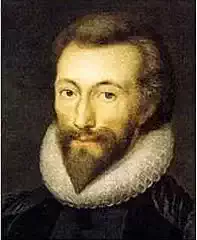
John Donne
TO Mr.T.W.
TO Mr.T.W.
PREGNANT again with th' old twins, Hope and Fear,
Oft have I asked for thee, both how and where
Thou wert ; and what my hopes of letters were ;
As in our streets sly beggars narrowly
Watch motions of the giver's hand or eye,
And evermore conceive some hope thereby.
And now thy alms is given, thy letter's read,
The body risen again, the which was dead,
And thy poor starveling bountifully fed.
After this banquet my soul doth say grace,
And praise thee for 't, and zealously embrace
Thy love, though I think thy love in this case
To be as gluttons, which say 'midst their meat,
They love that best of which they most do eat.
PREGNANT again with th' old twins, Hope and Fear,
Oft have I asked for thee, both how and where
Thou wert ; and what my hopes of letters were ;
As in our streets sly beggars narrowly
Watch motions of the giver's hand or eye,
And evermore conceive some hope thereby.
And now thy alms is given, thy letter's read,
The body risen again, the which was dead,
And thy poor starveling bountifully fed.
After this banquet my soul doth say grace,
And praise thee for 't, and zealously embrace
Thy love, though I think thy love in this case
To be as gluttons, which say 'midst their meat,
They love that best of which they most do eat.
353
John Donne
To Mr. Tilman After He Had Taken Orders
To Mr. Tilman After He Had Taken Orders
THOU, whose diviner soul hath caused thee now
To put thy hand unto the holy plough,
Making lay-scornings of the ministry
Not an impediment, but victory ;
What bring'st thou home with thee ? how is thy mind
Affected since the vintage ? Dost thou find
New thoughts and stirrings in thee ? and, as steel
Touch'd with a loadstone, dost new motions feel ?
Or, as a ship after much pain and care
For iron and cloth brings home rich Indian ware,
Hast thou thus traffick'd, but with far more gain
Of noble goods, and with less time and pain ?
Thou art the same materials, as before,
Only the stamp is changèd, but no more.
And as new crowned kings alter the face,
But not the money's substance, so hath grace
Changed only God's old image by creation,
To Christ's new stamp, at this thy coronation ;
Or, as we paint angels with wings, because
They bear God's message and proclaim His laws,
Since thou must do the like and so must move,
Art thou new feather'd with celestial love ?
Dear, tell me where thy purchase lies, and show
What thy advantage is above, below.
But if thy gainings do surmount expression,
Why doth the foolish world scorn that profession,
Whose joys pass speech ? Why do they think unfit
That gentry should join families with it ?
As if their day were only to be spent
In dressing, mistressing and compliment.
Alas ! poor joys, but poorer men, whose trust
Seems richly placèd in sublimèd dust,
—For such are clothes and beauty, which though gay,
Are, at the best, but of sublimèd clay—
Let then the world thy calling disrespect,
But go thou on, and pity their neglect.
What function is so noble, as to be
Ambassador to God, and destiny ?
To open life ? to give kingdoms to more
Than kings give dignities? to keep heaven's door ?
Mary's prerogative was to bear Christ, so
'Tis preachers' to convey Him, for they do,
As angels out of clouds, from pulpits speak ;
And bless the poor beneath, the lame, the weak.
If then th' astronomers, whereas they spy
A new-found star, their optics magnify,
How brave are those, who with their engine can
Bring man to heaven, and heaven again to man ?
These are thy titles and pre-eminences,
In whom must meet God's graces, men's offences ;
And so the heavens which beget all things here,
And the earth, our mother, which these things doth bear ;
Both these in thee, are in thy calling knit
And make thee now a blest hermaphrodite.
THOU, whose diviner soul hath caused thee now
To put thy hand unto the holy plough,
Making lay-scornings of the ministry
Not an impediment, but victory ;
What bring'st thou home with thee ? how is thy mind
Affected since the vintage ? Dost thou find
New thoughts and stirrings in thee ? and, as steel
Touch'd with a loadstone, dost new motions feel ?
Or, as a ship after much pain and care
For iron and cloth brings home rich Indian ware,
Hast thou thus traffick'd, but with far more gain
Of noble goods, and with less time and pain ?
Thou art the same materials, as before,
Only the stamp is changèd, but no more.
And as new crowned kings alter the face,
But not the money's substance, so hath grace
Changed only God's old image by creation,
To Christ's new stamp, at this thy coronation ;
Or, as we paint angels with wings, because
They bear God's message and proclaim His laws,
Since thou must do the like and so must move,
Art thou new feather'd with celestial love ?
Dear, tell me where thy purchase lies, and show
What thy advantage is above, below.
But if thy gainings do surmount expression,
Why doth the foolish world scorn that profession,
Whose joys pass speech ? Why do they think unfit
That gentry should join families with it ?
As if their day were only to be spent
In dressing, mistressing and compliment.
Alas ! poor joys, but poorer men, whose trust
Seems richly placèd in sublimèd dust,
—For such are clothes and beauty, which though gay,
Are, at the best, but of sublimèd clay—
Let then the world thy calling disrespect,
But go thou on, and pity their neglect.
What function is so noble, as to be
Ambassador to God, and destiny ?
To open life ? to give kingdoms to more
Than kings give dignities? to keep heaven's door ?
Mary's prerogative was to bear Christ, so
'Tis preachers' to convey Him, for they do,
As angels out of clouds, from pulpits speak ;
And bless the poor beneath, the lame, the weak.
If then th' astronomers, whereas they spy
A new-found star, their optics magnify,
How brave are those, who with their engine can
Bring man to heaven, and heaven again to man ?
These are thy titles and pre-eminences,
In whom must meet God's graces, men's offences ;
And so the heavens which beget all things here,
And the earth, our mother, which these things doth bear ;
Both these in thee, are in thy calling knit
And make thee now a blest hermaphrodite.
316
John Donne
To Mr. Rowland Woodward
To Mr. Rowland Woodward
LIKE one who in her third widowhood doth profess
Herself a nun, tied to retiredness,
So affects my Muse, now, a chaste fallowness.
Since she to few, yet to too many hath shown,
How love-song weeds and satiric thorns are grown,
Where seeds of better arts were early sown ;
Though to use and love poetry, to me,
Betroth'd to no one art, be no adultery ;
Omissions of good, ill, as ill deeds be.
For though to us it seems but light and thin,
Yet in those faithful scales, where God throws in
Men's works, vanity weighs as much as sin.
If our souls have stain'd their first white, yet we
May clothe them with faith, and dear honesty,
Which God imputes as native purity.
There is no virtue but religion.
Wise, valiant, sober, just, are names which none
Want, which want not vice-covering discretion.
Seek we then ourselves in ourselves ; for as
Men force the sun with much more force to pass,
By gathering his beams with a crystal glass,
So we—if we into ourselves will turn,
Blowing our spark of virtue—may out-burn
The straw which doth about our hearts sojourn.
You know physicians, when they would infuse
Into any oil the souls of simples, use
Places, where they may lie still warm, to choose.
So works retiredness in us. To roam
Giddily and be everywhere, but at home,
Such freedom doth a banishment become.
We are but farmers of ourselves, yet may,
If we can stock ourselves, and thrive, uplay
Much, much dear treasure for the great rent day.
Manure thyself then, to thyself be improved ;
And with vain outward things be no more moved,
But to know that I love thee and would be loved.
LIKE one who in her third widowhood doth profess
Herself a nun, tied to retiredness,
So affects my Muse, now, a chaste fallowness.
Since she to few, yet to too many hath shown,
How love-song weeds and satiric thorns are grown,
Where seeds of better arts were early sown ;
Though to use and love poetry, to me,
Betroth'd to no one art, be no adultery ;
Omissions of good, ill, as ill deeds be.
For though to us it seems but light and thin,
Yet in those faithful scales, where God throws in
Men's works, vanity weighs as much as sin.
If our souls have stain'd their first white, yet we
May clothe them with faith, and dear honesty,
Which God imputes as native purity.
There is no virtue but religion.
Wise, valiant, sober, just, are names which none
Want, which want not vice-covering discretion.
Seek we then ourselves in ourselves ; for as
Men force the sun with much more force to pass,
By gathering his beams with a crystal glass,
So we—if we into ourselves will turn,
Blowing our spark of virtue—may out-burn
The straw which doth about our hearts sojourn.
You know physicians, when they would infuse
Into any oil the souls of simples, use
Places, where they may lie still warm, to choose.
So works retiredness in us. To roam
Giddily and be everywhere, but at home,
Such freedom doth a banishment become.
We are but farmers of ourselves, yet may,
If we can stock ourselves, and thrive, uplay
Much, much dear treasure for the great rent day.
Manure thyself then, to thyself be improved ;
And with vain outward things be no more moved,
But to know that I love thee and would be loved.
332
John Donne
To His Mistress Going to Bed
To His Mistress Going to Bed
Come, Madam, come, all rest my powers defy,
Until I labour, I in labour lie.
The foe oft-times having the foe in sight,
Is tired with standing though they never fight.
Off with that girdle, like heaven's zone glistering,
But a far fairer world encompassing.
Unpin that spangled breastplate which you wear,
That th' eyes of busy fools may be stopped there.
Unlace yourself, for that harmonious chime
Tells me from you, that now 'tis your bed time.
Off with that happy busk, which I envy,
That still can be, and still can stand so nigh.
Your gown going off, such beauteous state reveals,
As when from flowery meads th' hill's shadow steals.
Off with that wiry coronet and show
The hairy diadem which on you doth grow;
Now off with those shoes, and then safely tread
In this love's hallowed temple, this soft bed.
In such white robes heaven's angels used to be
Received by men; thou angel bring'st with thee
A heaven like Mahomet's paradise; and though
Ill spirits walk in white, we easily know
By this these angels from an evil sprite,
Those set our hairs, but these our flesh upright.
License my roving hands, and let them go
Before, behind, between, above, below.
O my America, my new found land,
My kingdom, safeliest when with one man manned,
My mine of precious stones, my empery,
How blessed am I in this discovering thee!
To enter in these bonds, is to be free;
Then where my hand is set, my seal shall be.
Full nakedness, all joys are due to thee
As souls unbodied, bodies unclothed must be,
To taste whole joys. Gems which you women use
Are like Atlanta's balls, cast in men's views,
That when a fool's eye lighteth on a gem,
His earthly soul may covet theirs, not them.
Like pictures, or like books' gay coverings made
For laymen, are all women thus arrayed;
Themselves are mystic books, which only we
Whom their imputed grace will dignify
Must see revealed. Then since I may know,
As liberally, as to a midwife, show
Thyself: cast all, yea, this white linen hence,
Here is no penance, much less innocence.
To teach thee, I am naked first, why then
What needst thou have more covering than a man.
Come, Madam, come, all rest my powers defy,
Until I labour, I in labour lie.
The foe oft-times having the foe in sight,
Is tired with standing though they never fight.
Off with that girdle, like heaven's zone glistering,
But a far fairer world encompassing.
Unpin that spangled breastplate which you wear,
That th' eyes of busy fools may be stopped there.
Unlace yourself, for that harmonious chime
Tells me from you, that now 'tis your bed time.
Off with that happy busk, which I envy,
That still can be, and still can stand so nigh.
Your gown going off, such beauteous state reveals,
As when from flowery meads th' hill's shadow steals.
Off with that wiry coronet and show
The hairy diadem which on you doth grow;
Now off with those shoes, and then safely tread
In this love's hallowed temple, this soft bed.
In such white robes heaven's angels used to be
Received by men; thou angel bring'st with thee
A heaven like Mahomet's paradise; and though
Ill spirits walk in white, we easily know
By this these angels from an evil sprite,
Those set our hairs, but these our flesh upright.
License my roving hands, and let them go
Before, behind, between, above, below.
O my America, my new found land,
My kingdom, safeliest when with one man manned,
My mine of precious stones, my empery,
How blessed am I in this discovering thee!
To enter in these bonds, is to be free;
Then where my hand is set, my seal shall be.
Full nakedness, all joys are due to thee
As souls unbodied, bodies unclothed must be,
To taste whole joys. Gems which you women use
Are like Atlanta's balls, cast in men's views,
That when a fool's eye lighteth on a gem,
His earthly soul may covet theirs, not them.
Like pictures, or like books' gay coverings made
For laymen, are all women thus arrayed;
Themselves are mystic books, which only we
Whom their imputed grace will dignify
Must see revealed. Then since I may know,
As liberally, as to a midwife, show
Thyself: cast all, yea, this white linen hence,
Here is no penance, much less innocence.
To teach thee, I am naked first, why then
What needst thou have more covering than a man.
281
John Donne
The Will
The Will
Before I sigh my last gasp, let me breathe,
Great Love, some legacies ; I here bequeath
Mine eyes to Argus, if mine eyes can see ;
If they be blind, then, Love, I give them thee ;
My tongue to Fame ; to ambassadors mine ears ;
To women, or the sea, my tears ;
Thou, Love, hast taught me heretofore
By making me serve her who had twenty more,
That I should give to none, but such as had too much before.
My constancy I to the planets give ;
My truth to them who at the court do live ;
My ingenuity and openness,
To Jesuits ; to buffoons my pensiveness ;
My silence to any, who abroad hath been ;
My money to a Capuchin :
Thou, Love, taught'st me, by appointing me
To love there, where no love received can be,
Only to give to such as have an incapacity.
My faith I give to Roman Catholics ;
All my good works unto the Schismatics
Of Amsterdam ; my best civility
And courtship to an University ;
My modesty I give to soldiers bare ;
My patience let gamesters share :
Thou, Love, taught'st me, by making me
Love her that holds my love disparity,
Only to give to those that count my gifts indignity.
I give my reputation to those
Which were my friends ; mine industry to foes ;
To schoolmen I bequeath my doubtfulness ;
My sickness to physicians, or excess ;
To nature all that I in rhyme have writ ;
And to my company my wit :
Thou, Love, by making me adore
Her, who begot this love in me before,
Taught'st me to make, as though I gave, when I do but restore.
To him for whom the passing-bell next tolls,
I give my physic books ; my written rolls
Of moral counsels I to Bedlam give ;
My brazen medals unto them which live
In want of bread ; to them which pass among
All foreigners, mine English tongue :
Though, Love, by making me love one
Who thinks her friendship a fit portion
For younger lovers, dost my gifts thus disproportion.
Therefore I'll give no more, but I'll undo
The world by dying, because love dies too.
Then all your beauties will be no more worth
Than gold in mines, where none doth draw it forth ;
And all your graces no more use shall have,
Than a sun-dial in a grave :
Thou, Love, taught'st me by making me
Love her who doth neglect both me and thee,
To invent, and practise this one way, to annihilate all three.
Before I sigh my last gasp, let me breathe,
Great Love, some legacies ; I here bequeath
Mine eyes to Argus, if mine eyes can see ;
If they be blind, then, Love, I give them thee ;
My tongue to Fame ; to ambassadors mine ears ;
To women, or the sea, my tears ;
Thou, Love, hast taught me heretofore
By making me serve her who had twenty more,
That I should give to none, but such as had too much before.
My constancy I to the planets give ;
My truth to them who at the court do live ;
My ingenuity and openness,
To Jesuits ; to buffoons my pensiveness ;
My silence to any, who abroad hath been ;
My money to a Capuchin :
Thou, Love, taught'st me, by appointing me
To love there, where no love received can be,
Only to give to such as have an incapacity.
My faith I give to Roman Catholics ;
All my good works unto the Schismatics
Of Amsterdam ; my best civility
And courtship to an University ;
My modesty I give to soldiers bare ;
My patience let gamesters share :
Thou, Love, taught'st me, by making me
Love her that holds my love disparity,
Only to give to those that count my gifts indignity.
I give my reputation to those
Which were my friends ; mine industry to foes ;
To schoolmen I bequeath my doubtfulness ;
My sickness to physicians, or excess ;
To nature all that I in rhyme have writ ;
And to my company my wit :
Thou, Love, by making me adore
Her, who begot this love in me before,
Taught'st me to make, as though I gave, when I do but restore.
To him for whom the passing-bell next tolls,
I give my physic books ; my written rolls
Of moral counsels I to Bedlam give ;
My brazen medals unto them which live
In want of bread ; to them which pass among
All foreigners, mine English tongue :
Though, Love, by making me love one
Who thinks her friendship a fit portion
For younger lovers, dost my gifts thus disproportion.
Therefore I'll give no more, but I'll undo
The world by dying, because love dies too.
Then all your beauties will be no more worth
Than gold in mines, where none doth draw it forth ;
And all your graces no more use shall have,
Than a sun-dial in a grave :
Thou, Love, taught'st me by making me
Love her who doth neglect both me and thee,
To invent, and practise this one way, to annihilate all three.
299
John Donne
The Triple Fool
The Triple Fool
I am two fools, I know-
For loving, and for saying so
In whining poetry;
But where's that wiseman that would not be I,
If she would not deny?
Then, as th' earths inward narrow crooked lanes
Do purge sea waters fretful salt away,
I thought, if I could draw my pains
Through rhymes vexation, I should them allay.
Grief brought to numbers cannot be so fierce,
For he tames it that fetters it in verse.
But when I have done so,
Some man, his art and voice to show,
Doth set and sing my pain,
And, by delighting many, frees again
Grief, which verse did restrain.
To Love and Grief tribute of verse belongs,
But not of such as pleases when 'tis read;
Both are increased by such songs,
For both their triumphs so are published;
And I, which was two fooles, do so grow three;
Who are a little wise, the best fools be.
I am two fools, I know-
For loving, and for saying so
In whining poetry;
But where's that wiseman that would not be I,
If she would not deny?
Then, as th' earths inward narrow crooked lanes
Do purge sea waters fretful salt away,
I thought, if I could draw my pains
Through rhymes vexation, I should them allay.
Grief brought to numbers cannot be so fierce,
For he tames it that fetters it in verse.
But when I have done so,
Some man, his art and voice to show,
Doth set and sing my pain,
And, by delighting many, frees again
Grief, which verse did restrain.
To Love and Grief tribute of verse belongs,
But not of such as pleases when 'tis read;
Both are increased by such songs,
For both their triumphs so are published;
And I, which was two fooles, do so grow three;
Who are a little wise, the best fools be.
340
John Donne
The Sun Rising
The Sun Rising
Busy old fool, unruly Sun,
Why dost thou thus,
Through windows, and through curtains, call on
us?
Must to thy motions lovers' seasons run?
Saucy pedantic wretch, go chide
Late schoolboys, and sour prentices,
Go tell court-huntsmen that the king will ride,
Call country ants to harvest offices,
Love, all alike, no season knows, nor clime,
Nor hours, days, months, which are the rags of
time.
Thy beams, so reverend and strong
Why shouldst thou think?
I could eclipse and cloud them with a wink,
But that I would not lose her sight so long:
If her eyes have not blinded thine,
Look, and tomorrow late, tell me
Whether both the'Indias of spice and mine
Be where thou leftst them, or lie here with me.
Ask for those kings whom thou saw'st yesterday,
And thou shalt hear: 'All here in one bed lay.'
She'is all states, and all princes I,
Nothing else is.
Princes do but play us; compar'd to this,
All honour's mimic, all wealth alchemy.
Thou, sun, art half as happy'as we,
In that the world's contracted thus;
Thine age asks ease, and since thy duties be
To warm the world, that's done in warming us.
Shine here to us, and thou art everywhere;
This bed thy centre is, these walls, thy sphere.
Busy old fool, unruly Sun,
Why dost thou thus,
Through windows, and through curtains, call on
us?
Must to thy motions lovers' seasons run?
Saucy pedantic wretch, go chide
Late schoolboys, and sour prentices,
Go tell court-huntsmen that the king will ride,
Call country ants to harvest offices,
Love, all alike, no season knows, nor clime,
Nor hours, days, months, which are the rags of
time.
Thy beams, so reverend and strong
Why shouldst thou think?
I could eclipse and cloud them with a wink,
But that I would not lose her sight so long:
If her eyes have not blinded thine,
Look, and tomorrow late, tell me
Whether both the'Indias of spice and mine
Be where thou leftst them, or lie here with me.
Ask for those kings whom thou saw'st yesterday,
And thou shalt hear: 'All here in one bed lay.'
She'is all states, and all princes I,
Nothing else is.
Princes do but play us; compar'd to this,
All honour's mimic, all wealth alchemy.
Thou, sun, art half as happy'as we,
In that the world's contracted thus;
Thine age asks ease, and since thy duties be
To warm the world, that's done in warming us.
Shine here to us, and thou art everywhere;
This bed thy centre is, these walls, thy sphere.
429
John Donne
The Prohibition
The Prohibition
Take heed of loving me,
At least remember, I forbade it thee;
Not that I shall repair my unthrifty waste
Of breath and blood, upon thy sighs, and tears,
By being to thee then what to me thou wast;
But, so great joy, our life at once outwears,
Then, lest thy love, by my death, frustrate be,
If thou love me, take heed of loving me.
Take heed of hating me,
Or too much triumph in the victory.
Not that I shall be mine own officer,
And hate with hate again retaliate;
But thou wilt lose the style of conqueror,
If I, thy conquest, perish by thy hate.
Then, lest my being nothing lessen thee,
If thou hate me, take heed of hating me.
Yet, love and hate me too,
So, these extremes shall neither`s office do;
Love me, that I may die the gentler way;
Hate me, because thy love`s too great for me;
Or let these two, themselves, not me decay;
So shall I live thy stage, not triumph be;
Lest thou thy love and hate and me undo,
To let me live, Oh love and hate me too.
Take heed of loving me,
At least remember, I forbade it thee;
Not that I shall repair my unthrifty waste
Of breath and blood, upon thy sighs, and tears,
By being to thee then what to me thou wast;
But, so great joy, our life at once outwears,
Then, lest thy love, by my death, frustrate be,
If thou love me, take heed of loving me.
Take heed of hating me,
Or too much triumph in the victory.
Not that I shall be mine own officer,
And hate with hate again retaliate;
But thou wilt lose the style of conqueror,
If I, thy conquest, perish by thy hate.
Then, lest my being nothing lessen thee,
If thou hate me, take heed of hating me.
Yet, love and hate me too,
So, these extremes shall neither`s office do;
Love me, that I may die the gentler way;
Hate me, because thy love`s too great for me;
Or let these two, themselves, not me decay;
So shall I live thy stage, not triumph be;
Lest thou thy love and hate and me undo,
To let me live, Oh love and hate me too.
301
John Donne
The Legacy
The Legacy
When I died last, and, Dear, I die
As often as from thee I go,
Though it be but an hour ago,
And Lovers' hours be full eternity,
I can remember yet, that I
Something did say, and something did bestow;
Though I be dead, which sent me, I should be
Mine own executor and legacy.
I heard me say, "Tell her anon,
That myself, that is you, not I,
Did kill me," and when I felt me die,
I bid me send my heart, when I was gone,
But alas could there find none,
When I had ripp'd me, and search'd where hearts should lie;
It kill'd me again, that I who still was true,
In life, in my last will should cozen you.
Yet I found something like a heart,
But colors it, and corners had,
It was not good, it was not bad,
It was intire to none, and few had part.
As good as could be made by art
It seem'd, and therefore for our losses sad,
I meant to send this heart in stead of mine,
But oh, no man could hold it, for 'twas thine.
When I died last, and, Dear, I die
As often as from thee I go,
Though it be but an hour ago,
And Lovers' hours be full eternity,
I can remember yet, that I
Something did say, and something did bestow;
Though I be dead, which sent me, I should be
Mine own executor and legacy.
I heard me say, "Tell her anon,
That myself, that is you, not I,
Did kill me," and when I felt me die,
I bid me send my heart, when I was gone,
But alas could there find none,
When I had ripp'd me, and search'd where hearts should lie;
It kill'd me again, that I who still was true,
In life, in my last will should cozen you.
Yet I found something like a heart,
But colors it, and corners had,
It was not good, it was not bad,
It was intire to none, and few had part.
As good as could be made by art
It seem'd, and therefore for our losses sad,
I meant to send this heart in stead of mine,
But oh, no man could hold it, for 'twas thine.
451
John Donne
The Paradox
The Paradox
No Lover saith, I love, nor any other
Can judge a perfect Lover;
Hee thinkes that else none can, nor will agree
That any loves but hee;
I cannot say I'lov'd. for who can say
Hee was kill'd yesterday?
Lover withh excesse of heat, more yong than old,
Death kills with too much cold;
Wee dye but once, and who lov'd last did die,
Hee that saith twice, doth lye:
For though hee seeme to move, and stirre a while,
It doth the sense beguile.
Such life is like the light which bideth yet
When the lights life is set,
Or like the heat, which fire in solid matter
Leave behinde, two houres after.
Once I lov's and dy'd; and am now become
Mine Epitaph and Tombe.
Here dead men speake their last, and so do I;
Love-slaine, loe, here I lye.
No Lover saith, I love, nor any other
Can judge a perfect Lover;
Hee thinkes that else none can, nor will agree
That any loves but hee;
I cannot say I'lov'd. for who can say
Hee was kill'd yesterday?
Lover withh excesse of heat, more yong than old,
Death kills with too much cold;
Wee dye but once, and who lov'd last did die,
Hee that saith twice, doth lye:
For though hee seeme to move, and stirre a while,
It doth the sense beguile.
Such life is like the light which bideth yet
When the lights life is set,
Or like the heat, which fire in solid matter
Leave behinde, two houres after.
Once I lov's and dy'd; and am now become
Mine Epitaph and Tombe.
Here dead men speake their last, and so do I;
Love-slaine, loe, here I lye.
363
John Donne
The Harbinger
The Harbinger
to the Progresse.
TWo soules moue here, and mine (a third) must moue
Paces of admiration, and of loue;
Thy soule (Deare Virgin) whose this tribute is,
Mou'd from this mortall sphere to liuely blisse,
And yet moues still, and still aspires to see
The worlds last day, thy glories full degree:
Like as those starres which thou ore-lookest farre,
Are in their place, and yet still moued are
No soule (whiles with the luggage of this clay
It clogged is) can follow thee halfe way;
Or see thy flight; which doth our thoughts outgoe
So fast, that now the lightning moues but slow:
But now thou art as high in heauen flowne
As heau'ns from vs; what soule besides thine owne
Can tell thy ioyes, or say he can relate
Thy glorious Iornals in that blessed state?
I enuie thee (Rich soule) I enuy thee,
Although I cannot yet thy glory see:
And thou (Great spirit) which her's follow'd hast
So fast, as none can follow thine so fast;
So farre as none can follow thine so farre,
(And if this flesh did not the passage barre
Had'st caught her) let me wonder at thy flight
Which long agone had'st lost the vulgar sight
And now mak'st proud the better eyes, that they
Can see thee les'ned in thine aery way;
So while thou mak'st her soule by progresse knowne
Thou mak'st a noble progresse of thine owne.
From this worlds carcasse hauing mounted hie
To that pure life of Immortalitie;
Since thine aspiring thoughts themselues so raise
That more may not beseeme a creatures praise,
Yet still thou vow'st her more; and euery yeare
Mak'st a new Progresse, while thou wandrest here;
Still vpward mount; and let thy makers praise
Honor thy Laura, and adorne thy laies.
And since thy Mus[es] head in heauen shrouds
Oh let her neuer stoope below the clouds:
And if those glorious sainted soules may know
Or what we doe, or what we sing below,
Those acts, those songs shall still content them best
Which praise those awfull powers that make them blest.
to the Progresse.
TWo soules moue here, and mine (a third) must moue
Paces of admiration, and of loue;
Thy soule (Deare Virgin) whose this tribute is,
Mou'd from this mortall sphere to liuely blisse,
And yet moues still, and still aspires to see
The worlds last day, thy glories full degree:
Like as those starres which thou ore-lookest farre,
Are in their place, and yet still moued are
No soule (whiles with the luggage of this clay
It clogged is) can follow thee halfe way;
Or see thy flight; which doth our thoughts outgoe
So fast, that now the lightning moues but slow:
But now thou art as high in heauen flowne
As heau'ns from vs; what soule besides thine owne
Can tell thy ioyes, or say he can relate
Thy glorious Iornals in that blessed state?
I enuie thee (Rich soule) I enuy thee,
Although I cannot yet thy glory see:
And thou (Great spirit) which her's follow'd hast
So fast, as none can follow thine so fast;
So farre as none can follow thine so farre,
(And if this flesh did not the passage barre
Had'st caught her) let me wonder at thy flight
Which long agone had'st lost the vulgar sight
And now mak'st proud the better eyes, that they
Can see thee les'ned in thine aery way;
So while thou mak'st her soule by progresse knowne
Thou mak'st a noble progresse of thine owne.
From this worlds carcasse hauing mounted hie
To that pure life of Immortalitie;
Since thine aspiring thoughts themselues so raise
That more may not beseeme a creatures praise,
Yet still thou vow'st her more; and euery yeare
Mak'st a new Progresse, while thou wandrest here;
Still vpward mount; and let thy makers praise
Honor thy Laura, and adorne thy laies.
And since thy Mus[es] head in heauen shrouds
Oh let her neuer stoope below the clouds:
And if those glorious sainted soules may know
Or what we doe, or what we sing below,
Those acts, those songs shall still content them best
Which praise those awfull powers that make them blest.
331
John Donne
The Flea
The Flea
Mark but this flea, and mark in this,
How little that which thou deny'st me is;
It sucked me first, and now sucks thee,
And in this flea, our two bloods mingled be;
Thou knowest that this cannot be said
A sin, nor shame, nor loss of maidenhead.
Yet this enjoys before it woo,
And pampered, swells with one blood made of two,
And this, alas, is more than we would do.
Oh stay, three lives in one flea spare,
Where we almost, yea, more than married are.
This flea is you and I, and this
Our marriage bed, and marriage temple is;
Though parents grudge, and you, we are met
And cloistered in these living walls of jet.
Though use make you apt to kill me,
Let not to that self murder added be,
And sacrilege, three sins in killing three.
Cruel and sudden, hast thou since
Purpled thy nail in blood of innocence?
Wherein could this flea guilty be
Except in that drop which it sucked from thee?
Yet thou triumph'st, and sayest that thou
Find'st not thyself, nor me, the weaker now.
'Tis true, then learn how false fears be;
Just so much honor, when thou yieldst to me,
Will waste, as this flea's death took life from thee.
Mark but this flea, and mark in this,
How little that which thou deny'st me is;
It sucked me first, and now sucks thee,
And in this flea, our two bloods mingled be;
Thou knowest that this cannot be said
A sin, nor shame, nor loss of maidenhead.
Yet this enjoys before it woo,
And pampered, swells with one blood made of two,
And this, alas, is more than we would do.
Oh stay, three lives in one flea spare,
Where we almost, yea, more than married are.
This flea is you and I, and this
Our marriage bed, and marriage temple is;
Though parents grudge, and you, we are met
And cloistered in these living walls of jet.
Though use make you apt to kill me,
Let not to that self murder added be,
And sacrilege, three sins in killing three.
Cruel and sudden, hast thou since
Purpled thy nail in blood of innocence?
Wherein could this flea guilty be
Except in that drop which it sucked from thee?
Yet thou triumph'st, and sayest that thou
Find'st not thyself, nor me, the weaker now.
'Tis true, then learn how false fears be;
Just so much honor, when thou yieldst to me,
Will waste, as this flea's death took life from thee.
265
John Donne
The Ecstasy
The Ecstasy
Where, like a pillow on a bed
A pregnant bank swell'd up to rest
The violet's reclining head,
Sat we two, one another's best.
Our hands were firmly cemented
With a fast balm, which thence did spring;
Our eye-beams twisted, and did thread
Our eyes upon one double string;
So to'intergraft our hands, as yet
Was all the means to make us one,
And pictures in our eyes to get
Was all our propagation.
As 'twixt two equal armies fate
Suspends uncertain victory,
Our souls (which to advance their state
Were gone out) hung 'twixt her and me.
And whilst our souls negotiate there,
We like sepulchral statues lay;
All day, the same our postures were,
And we said nothing, all the day.
If any, so by love refin'd
That he soul's language understood,
And by good love were grown all mind,
Within convenient distance stood,
He (though he knew not which soul spake,
Because both meant, both spake the same)
Might thence a new concoction take
And part far purer than he came.
This ecstasy doth unperplex,
We said, and tell us what we love;
We see by this it was not sex,
We see we saw not what did move;
But as all several souls contain
Mixture of things, they know not what,
Love these mix'd souls doth mix again
And makes both one, each this and that.
A single violet transplant,
The strength, the colour, and the size,
(All which before was poor and scant)
Redoubles still, and multiplies.
When love with one another so
Interinanimates two souls,
That abler soul, which thence doth flow,
Defects of loneliness controls.
We then, who are this new soul, know
Of what we are compos'd and made,
For th' atomies of which we grow
Are souls. whom no change can invade.
But oh alas, so long, so far,
Our bodies why do we forbear?
They'are ours, though they'are not we; we are
The intelligences, they the spheres.
We owe them thanks, because they thus
Did us, to us, at first convey,
Yielded their senses' force to us,
Nor are dross to us, but allay.
On man heaven's influence works not so,
But that it first imprints the air;
So soul into the soul may flow,
Though it to body first repair.
As our blood labors to beget
Spirits, as like souls as it can,
Because such fingers need to knit
That subtle knot which makes us man,
So must pure lovers' souls descend
T' affections, and to faculties,
Which sense may reach and apprehend,
Else a great prince in prison lies.
To'our bodies turn we then, that so
Weak men on love reveal'd may look;
Love's mysteries in souls do grow,
But yet the body is his book.
And if some lover, such as we,
Have heard this dialogue of one,
Let him still mark us, he shall see
Small change, when we'are to bodies gone.
Where, like a pillow on a bed
A pregnant bank swell'd up to rest
The violet's reclining head,
Sat we two, one another's best.
Our hands were firmly cemented
With a fast balm, which thence did spring;
Our eye-beams twisted, and did thread
Our eyes upon one double string;
So to'intergraft our hands, as yet
Was all the means to make us one,
And pictures in our eyes to get
Was all our propagation.
As 'twixt two equal armies fate
Suspends uncertain victory,
Our souls (which to advance their state
Were gone out) hung 'twixt her and me.
And whilst our souls negotiate there,
We like sepulchral statues lay;
All day, the same our postures were,
And we said nothing, all the day.
If any, so by love refin'd
That he soul's language understood,
And by good love were grown all mind,
Within convenient distance stood,
He (though he knew not which soul spake,
Because both meant, both spake the same)
Might thence a new concoction take
And part far purer than he came.
This ecstasy doth unperplex,
We said, and tell us what we love;
We see by this it was not sex,
We see we saw not what did move;
But as all several souls contain
Mixture of things, they know not what,
Love these mix'd souls doth mix again
And makes both one, each this and that.
A single violet transplant,
The strength, the colour, and the size,
(All which before was poor and scant)
Redoubles still, and multiplies.
When love with one another so
Interinanimates two souls,
That abler soul, which thence doth flow,
Defects of loneliness controls.
We then, who are this new soul, know
Of what we are compos'd and made,
For th' atomies of which we grow
Are souls. whom no change can invade.
But oh alas, so long, so far,
Our bodies why do we forbear?
They'are ours, though they'are not we; we are
The intelligences, they the spheres.
We owe them thanks, because they thus
Did us, to us, at first convey,
Yielded their senses' force to us,
Nor are dross to us, but allay.
On man heaven's influence works not so,
But that it first imprints the air;
So soul into the soul may flow,
Though it to body first repair.
As our blood labors to beget
Spirits, as like souls as it can,
Because such fingers need to knit
That subtle knot which makes us man,
So must pure lovers' souls descend
T' affections, and to faculties,
Which sense may reach and apprehend,
Else a great prince in prison lies.
To'our bodies turn we then, that so
Weak men on love reveal'd may look;
Love's mysteries in souls do grow,
But yet the body is his book.
And if some lover, such as we,
Have heard this dialogue of one,
Let him still mark us, he shall see
Small change, when we'are to bodies gone.
360
John Donne
The Dissolution
The Dissolution
She's dead; and all which die
To their first elements resolve;
And we were mutual elements to us,
And made of one another.
My body then doth hers involve,
And those things whereof I consist hereby
In me abundant grow, and burdenous,
And nourish not, but smother.
My fire of passion, sighs of air,
Water of tears, and earthly sad despair,
Which my materials be,
But near worn out by love's security,
She, to my loss, doth by her death repair,
And I might live long wretched so
But that my fire doth with my fuel grow.
Now as those Active Kings
Whose foreign conquest treasure brings,
Receive more, and spend more, and soonest break:
This (which I am amazed that I can speak)
This death hath with my store
My use increased.
And so my soul more earnestly released
Will outstrip hers; as bullets flown before
A latter bullet may o'ertake, the powder being more.
She's dead; and all which die
To their first elements resolve;
And we were mutual elements to us,
And made of one another.
My body then doth hers involve,
And those things whereof I consist hereby
In me abundant grow, and burdenous,
And nourish not, but smother.
My fire of passion, sighs of air,
Water of tears, and earthly sad despair,
Which my materials be,
But near worn out by love's security,
She, to my loss, doth by her death repair,
And I might live long wretched so
But that my fire doth with my fuel grow.
Now as those Active Kings
Whose foreign conquest treasure brings,
Receive more, and spend more, and soonest break:
This (which I am amazed that I can speak)
This death hath with my store
My use increased.
And so my soul more earnestly released
Will outstrip hers; as bullets flown before
A latter bullet may o'ertake, the powder being more.
335
John Donne
The Canonization
The Canonization
For God's sake hold your tongue, and let me love,
Or chide my palsy, or my gout,
My five grey hairs, or ruin'd fortune flout,
With wealth your state, your mind with arts improve,
Take you a course, get you a place,
Observe his Honour, or his Grace,
Or the King's real, or his stamped face
Contemplate, what you will, approve,
So you will let me love.
Alas, alas, who's injur'd by my love?
What merchant's ships have my sighs drown'd?
Who says my tears have overflow'd his ground?
When did my colds a forward spring remove?
When did the heats which my veins fill
Add one more to the plaguy bill?
Soldiers find wars, and lawyers find out still
Litigious men, which quarrels move,
Though she and I do love.
Call us what you will, we are made such by love;
Call her one, me another fly,
We are tapers too, and at our own cost die,
And we in us find th' eagle and the dove.
The phoenix riddle hath more wit
By us; we two being one, are it.
So, to one neutral thing both sexes fit,
We die and rise the same, and prove
Mysterious by this love.
We can die by it, if not live by love,
And if unfit for tombs and hearse
Our legend be, it will be fit for verse;
And if no piece of chronicle we prove,
We'll build in sonnets pretty rooms;
As well a well-wrought urn becomes
The greatest ashes, as half-acre tombs,
And by these hymns all shall approve
Us canoniz'd for love;
And thus invoke us: "You, whom reverend love
Made one another's hermitage;
You, to whom love was peace, that now is rage;
Who did the whole world's soul contract, and drove
Into the glasses of your eyes
(So made such mirrors, and such spies,
That they did all to you epitomize)
Countries, towns, courts: beg from above
A pattern of your love!"
For God's sake hold your tongue, and let me love,
Or chide my palsy, or my gout,
My five grey hairs, or ruin'd fortune flout,
With wealth your state, your mind with arts improve,
Take you a course, get you a place,
Observe his Honour, or his Grace,
Or the King's real, or his stamped face
Contemplate, what you will, approve,
So you will let me love.
Alas, alas, who's injur'd by my love?
What merchant's ships have my sighs drown'd?
Who says my tears have overflow'd his ground?
When did my colds a forward spring remove?
When did the heats which my veins fill
Add one more to the plaguy bill?
Soldiers find wars, and lawyers find out still
Litigious men, which quarrels move,
Though she and I do love.
Call us what you will, we are made such by love;
Call her one, me another fly,
We are tapers too, and at our own cost die,
And we in us find th' eagle and the dove.
The phoenix riddle hath more wit
By us; we two being one, are it.
So, to one neutral thing both sexes fit,
We die and rise the same, and prove
Mysterious by this love.
We can die by it, if not live by love,
And if unfit for tombs and hearse
Our legend be, it will be fit for verse;
And if no piece of chronicle we prove,
We'll build in sonnets pretty rooms;
As well a well-wrought urn becomes
The greatest ashes, as half-acre tombs,
And by these hymns all shall approve
Us canoniz'd for love;
And thus invoke us: "You, whom reverend love
Made one another's hermitage;
You, to whom love was peace, that now is rage;
Who did the whole world's soul contract, and drove
Into the glasses of your eyes
(So made such mirrors, and such spies,
That they did all to you epitomize)
Countries, towns, courts: beg from above
A pattern of your love!"
346
John Donne
The Curse
The Curse
Whoever guesses, thinks, or dreams, he knows
Who is my mistress, wither by this curse ;
Him, only for his purse
May some dull whore to love dispose,
And then yield unto all that are his foes ;
May he be scorn'd by one, whom all else scorn,
Forswear to others, what to her he hath sworn,
With fear of missing, shame of getting, torn.
Madness his sorrow, gout his cramps, may he
Make, by but thinking who hath made him such ;
And may he feel no touch
Of conscience, but of fame, and be
Anguish'd, not that 'twas sin, but that 'twas she ;
Or may he for her virtue reverence
One that hates him only for impotence,
And equal traitors be she and his sense.
May he dream treason, and believe that he
Meant to perform it, and confesses, and die,
And no record tell why ;
His sons, which none of his may be,
Inherit nothing but his infamy ;
Or may he so long parasites have fed,
That he would fain be theirs whom he hath bred,
And at the last be circumcised for bread.
The venom of all stepdames, gamesters' gall,
What tyrants and their subjects interwish,
What plants, mine, beasts, fowl, fish,
Can contribute, all ill, which all
Prophets or poets spake, and all which shall
Be annex'd in schedules unto this by me,
Fall on that man ; For if it be a she
Nature beforehand hath out-cursèd me.
Whoever guesses, thinks, or dreams, he knows
Who is my mistress, wither by this curse ;
Him, only for his purse
May some dull whore to love dispose,
And then yield unto all that are his foes ;
May he be scorn'd by one, whom all else scorn,
Forswear to others, what to her he hath sworn,
With fear of missing, shame of getting, torn.
Madness his sorrow, gout his cramps, may he
Make, by but thinking who hath made him such ;
And may he feel no touch
Of conscience, but of fame, and be
Anguish'd, not that 'twas sin, but that 'twas she ;
Or may he for her virtue reverence
One that hates him only for impotence,
And equal traitors be she and his sense.
May he dream treason, and believe that he
Meant to perform it, and confesses, and die,
And no record tell why ;
His sons, which none of his may be,
Inherit nothing but his infamy ;
Or may he so long parasites have fed,
That he would fain be theirs whom he hath bred,
And at the last be circumcised for bread.
The venom of all stepdames, gamesters' gall,
What tyrants and their subjects interwish,
What plants, mine, beasts, fowl, fish,
Can contribute, all ill, which all
Prophets or poets spake, and all which shall
Be annex'd in schedules unto this by me,
Fall on that man ; For if it be a she
Nature beforehand hath out-cursèd me.
433
John Donne
The Broken Heart
The Broken Heart
He is stark mad, who ever says,
That he hath been in love an hour,
Yet not that love so soon decays,
But that it can ten in less space devour;
Who will believe me, if I swear
That I have had the plague a year ?
Who would not laugh at me, if I should say,
I saw a flask of powder burn a day ?
Ah, what trifle is a heart,
If once into Love’s hands it come!
All other griefs allow a part
To other griefs, and ask themselves but some,
They come to us, but us Love draws,
He swallows us, and never chaws:
By him, as by chain-shot, whole ranks do die,
He is the tyrant pike, our hearts the fry.
If`twere not so, what did become
Of my heart, when I first saw thee ?
I brought a heart into the room,
But from the room, I carried non with me;
If it had gone to thee, I know
Mine would have taught thy heart to show
More pity unto me: but Love, alas,
At one first blow did shiver it as glass.
Yet nothing can to nothing fall,
Nor any place be empty quite,
Therefore I think my breast hath all
Those pieces still, though they be not unite;
And now as broken glasses show
A hundred lesser faces, so
My rags of heart can like, wish, and adore,
But after one such love, can love no more.
He is stark mad, who ever says,
That he hath been in love an hour,
Yet not that love so soon decays,
But that it can ten in less space devour;
Who will believe me, if I swear
That I have had the plague a year ?
Who would not laugh at me, if I should say,
I saw a flask of powder burn a day ?
Ah, what trifle is a heart,
If once into Love’s hands it come!
All other griefs allow a part
To other griefs, and ask themselves but some,
They come to us, but us Love draws,
He swallows us, and never chaws:
By him, as by chain-shot, whole ranks do die,
He is the tyrant pike, our hearts the fry.
If`twere not so, what did become
Of my heart, when I first saw thee ?
I brought a heart into the room,
But from the room, I carried non with me;
If it had gone to thee, I know
Mine would have taught thy heart to show
More pity unto me: but Love, alas,
At one first blow did shiver it as glass.
Yet nothing can to nothing fall,
Nor any place be empty quite,
Therefore I think my breast hath all
Those pieces still, though they be not unite;
And now as broken glasses show
A hundred lesser faces, so
My rags of heart can like, wish, and adore,
But after one such love, can love no more.
306
John Donne
The Bait
The Bait
Come live with me, and be my love,
And we will some new pleasures prove
Of golden sands, and crystal brooks,
With silken lines, and silver hooks.
There will the river whispering run
Warm'd by thy eyes, more than the sun;
And there the 'enamour'd fish will stay,
Begging themselves they may betray.
When thou wilt swim in that live bath,
Each fish, which every channel hath,
Will amorously to thee swim,
Gladder to catch thee, than thou him.
If thou, to be so seen, be'st loth,
By sun or moon, thou dark'nest both,
And if myself have leave to see,
I need not their light having thee.
Let others freeze with angling reeds,
And cut their legs with shells and weeds,
Or treacherously poor fish beset,
With strangling snare, or windowy net.
Let coarse bold hands from slimy nest
The bedded fish in banks out-wrest;
Or curious traitors, sleeve-silk flies,
Bewitch poor fishes' wand'ring eyes.
For thee, thou need'st no such deceit,
For thou thyself art thine own bait:
That fish, that is not catch'd thereby,
Alas, is wiser far than I.
Come live with me, and be my love,
And we will some new pleasures prove
Of golden sands, and crystal brooks,
With silken lines, and silver hooks.
There will the river whispering run
Warm'd by thy eyes, more than the sun;
And there the 'enamour'd fish will stay,
Begging themselves they may betray.
When thou wilt swim in that live bath,
Each fish, which every channel hath,
Will amorously to thee swim,
Gladder to catch thee, than thou him.
If thou, to be so seen, be'st loth,
By sun or moon, thou dark'nest both,
And if myself have leave to see,
I need not their light having thee.
Let others freeze with angling reeds,
And cut their legs with shells and weeds,
Or treacherously poor fish beset,
With strangling snare, or windowy net.
Let coarse bold hands from slimy nest
The bedded fish in banks out-wrest;
Or curious traitors, sleeve-silk flies,
Bewitch poor fishes' wand'ring eyes.
For thee, thou need'st no such deceit,
For thou thyself art thine own bait:
That fish, that is not catch'd thereby,
Alas, is wiser far than I.
363
John Donne
That Time and Absence proves Rather helps than hurts to loves
That Time and Absence proves Rather helps than hurts to loves
ABSENCE, hear thou my protestation
Against thy strength,
Distance and length:
Do what thou canst for alteration,
For hearts of truest mettle
Absence doth join and Time doth settle.
Who loves a mistress of such quality,
His mind hath found
Affection's ground
Beyond time, place, and all mortality.
To hearts that cannot vary
Absence is present, Time doth tarry.
My senses want their outward motion
Which now within
Reason doth win,
Redoubled by her secret notion:
Like rich men that take pleasure
In hiding more than handling treasure.
By Absence this good means I gain,
That I can catch her
Where none can watch her,
In some close corner of my brain:
There I embrace and kiss her,
And so enjoy her and none miss her.
ABSENCE, hear thou my protestation
Against thy strength,
Distance and length:
Do what thou canst for alteration,
For hearts of truest mettle
Absence doth join and Time doth settle.
Who loves a mistress of such quality,
His mind hath found
Affection's ground
Beyond time, place, and all mortality.
To hearts that cannot vary
Absence is present, Time doth tarry.
My senses want their outward motion
Which now within
Reason doth win,
Redoubled by her secret notion:
Like rich men that take pleasure
In hiding more than handling treasure.
By Absence this good means I gain,
That I can catch her
Where none can watch her,
In some close corner of my brain:
There I embrace and kiss her,
And so enjoy her and none miss her.
321
John Donne
The Annunciation And Passion
The Annunciation And Passion
TAMELY, frail body, abstain to-day ; to-day
My soul eats twice, Christ hither and away.
She sees Him man, so like God made in this,
That of them both a circle emblem is,
Whose first and last concur ; this doubtful day
Of feast or fast, Christ came, and went away ;
She sees Him nothing, twice at once, who's all ;
She sees a cedar plant itself, and fall ;
Her Maker put to making, and the head
Of life at once not yet alive, yet dead ;
She sees at once the Virgin Mother stay
Reclused at home, public at Golgotha ;
Sad and rejoiced she's seen at once, and seen
At almost fifty, and at scarce fifteen ;
At once a son is promised her, and gone ;
Gabriell gives Christ to her, He her to John ;
Not fully a mother, she's in orbity ;
At once receiver and the legacy.
All this, and all between, this day hath shown,
Th' abridgement of Christ's story, which makes one—
As in plain maps, the furthest west is east—
Of th' angels Ave, and Consummatum est.
How well the Church, God's Court of Faculties,
Deals, in sometimes, and seldom joining these.
As by the self-fix'd Pole we never do
Direct our course, but the next star thereto,
Which shows where th'other is, and which we say
—Because it strays not far—doth never stray,
So God by His Church, nearest to him, we know,
And stand firm, if we by her motion go.
His Spirit, as His fiery pillar, doth
Lead, and His Church, as cloud ; to one end both.
This Church by letting those days join, hath shown
Death and conception in mankind is one ;
Or 'twas in Him the same humility,
That He would be a man, and leave to be ;
Or as creation He hath made, as God,
With the last judgment but one period,
His imitating spouse would join in one
Manhood's extremes ; He shall come, He is gone ;
Or as though one blood drop, which thence did fall,
Accepted, would have served, He yet shed all,
So though the least of His pains, deeds, or words,
Would busy a life, she all this day affords.
This treasure then, in gross, my soul, uplay,
And in my life retail it every day.
TAMELY, frail body, abstain to-day ; to-day
My soul eats twice, Christ hither and away.
She sees Him man, so like God made in this,
That of them both a circle emblem is,
Whose first and last concur ; this doubtful day
Of feast or fast, Christ came, and went away ;
She sees Him nothing, twice at once, who's all ;
She sees a cedar plant itself, and fall ;
Her Maker put to making, and the head
Of life at once not yet alive, yet dead ;
She sees at once the Virgin Mother stay
Reclused at home, public at Golgotha ;
Sad and rejoiced she's seen at once, and seen
At almost fifty, and at scarce fifteen ;
At once a son is promised her, and gone ;
Gabriell gives Christ to her, He her to John ;
Not fully a mother, she's in orbity ;
At once receiver and the legacy.
All this, and all between, this day hath shown,
Th' abridgement of Christ's story, which makes one—
As in plain maps, the furthest west is east—
Of th' angels Ave, and Consummatum est.
How well the Church, God's Court of Faculties,
Deals, in sometimes, and seldom joining these.
As by the self-fix'd Pole we never do
Direct our course, but the next star thereto,
Which shows where th'other is, and which we say
—Because it strays not far—doth never stray,
So God by His Church, nearest to him, we know,
And stand firm, if we by her motion go.
His Spirit, as His fiery pillar, doth
Lead, and His Church, as cloud ; to one end both.
This Church by letting those days join, hath shown
Death and conception in mankind is one ;
Or 'twas in Him the same humility,
That He would be a man, and leave to be ;
Or as creation He hath made, as God,
With the last judgment but one period,
His imitating spouse would join in one
Manhood's extremes ; He shall come, He is gone ;
Or as though one blood drop, which thence did fall,
Accepted, would have served, He yet shed all,
So though the least of His pains, deeds, or words,
Would busy a life, she all this day affords.
This treasure then, in gross, my soul, uplay,
And in my life retail it every day.
325
John Donne
Sweetest Love, I do not go
Sweetest Love, I do not go
Sweetest love, I do not go,
For weariness of thee,
Nor in hope the world can show
A fitter love for me;
But since that I
Must die at last, 'tis best
To use myself in jest
Thus by feign'd deaths to die.
Yesternight the sun went hence,
And yet is here today;
He hath no desire nor sense,
Nor half so short a way:
Then fear not me,
But believe that I shall make
Speedier journeys, since I take
More wings and spurs than he.
O how feeble is man's power,
That if good fortune fall,
Cannot add another hour,
Nor a lost hour recall!
But come bad chance,
And we join to'it our strength,
And we teach it art and length,
Itself o'er us to'advance.
When thou sigh'st, thou sigh'st not wind,
But sigh'st my soul away;
When thou weep'st, unkindly kind,
My life's blood doth decay.
It cannot be
That thou lov'st me, as thou say'st,
If in thine my life thou waste,
That art the best of me.
Let not thy divining heart
Forethink me any ill;
Destiny may take thy part,
And may thy fears fulfil;
But think that we
Are but turn'd aside to sleep;
They who one another keep
Alive, ne'er parted be.
Sweetest love, I do not go,
For weariness of thee,
Nor in hope the world can show
A fitter love for me;
But since that I
Must die at last, 'tis best
To use myself in jest
Thus by feign'd deaths to die.
Yesternight the sun went hence,
And yet is here today;
He hath no desire nor sense,
Nor half so short a way:
Then fear not me,
But believe that I shall make
Speedier journeys, since I take
More wings and spurs than he.
O how feeble is man's power,
That if good fortune fall,
Cannot add another hour,
Nor a lost hour recall!
But come bad chance,
And we join to'it our strength,
And we teach it art and length,
Itself o'er us to'advance.
When thou sigh'st, thou sigh'st not wind,
But sigh'st my soul away;
When thou weep'st, unkindly kind,
My life's blood doth decay.
It cannot be
That thou lov'st me, as thou say'st,
If in thine my life thou waste,
That art the best of me.
Let not thy divining heart
Forethink me any ill;
Destiny may take thy part,
And may thy fears fulfil;
But think that we
Are but turn'd aside to sleep;
They who one another keep
Alive, ne'er parted be.
338
John Donne
Song: Go and catch a falling star
Song: Go and catch a falling star
Go and catch a falling star,
Get with child a mandrake root,
Tell me where all past years are,
Or who cleft the devil's foot,
Teach me to hear mermaids singing,
Or to keep off envy's stinging,
And find
What wind
Serves to advance an honest mind.
If thou be'st born to strange sights,
Things invisible to see,
Ride ten thousand days and nights,
Till age snow white hairs on thee,
Thou, when thou return'st, wilt tell me,
All strange wonders that befell thee,
And swear,
No where
Lives a woman true, and fair.
If thou find'st one, let me know,
Such a pilgrimage were sweet;
Yet do not, I would not go,
Though at next door we might meet;
Though she were true, when you met her,
And last, till you write your letter,
Yet she
Will be
False, ere I come, to two, or three.
Go and catch a falling star,
Get with child a mandrake root,
Tell me where all past years are,
Or who cleft the devil's foot,
Teach me to hear mermaids singing,
Or to keep off envy's stinging,
And find
What wind
Serves to advance an honest mind.
If thou be'st born to strange sights,
Things invisible to see,
Ride ten thousand days and nights,
Till age snow white hairs on thee,
Thou, when thou return'st, wilt tell me,
All strange wonders that befell thee,
And swear,
No where
Lives a woman true, and fair.
If thou find'st one, let me know,
Such a pilgrimage were sweet;
Yet do not, I would not go,
Though at next door we might meet;
Though she were true, when you met her,
And last, till you write your letter,
Yet she
Will be
False, ere I come, to two, or three.
291
John Donne
Satire IV
Satire IV
Well; I may now receive, and die. My sin
Indeed is great, but yet I have been in
A purgatory, such as fear'd hell is
A recreation and scant map of this.
My mind, neither with pride's itch, nor yet hath been
Poison'd with love to see, or to be seen.
I had no suit there, nor new suit to show,
Yet went to court; but as Glaze which did go
To'a mass in jest, catch'd, was fain to disburse
The hundred marks, which is the statute's curse,
Before he 'scap'd; so'it pleas'd my destiny
(Guilty of my sin of going) to think me
As prone to all ill, and of good as forget{-}
Full, as proud, as lustful, and as much in debt,
As vain, as witless, and as false as they
Which dwell in court, for once going that way.
Therefore I suffered this; towards me did run
A thing more strange, than on Nile's slime the sun
E'er bred, or all which into Noah's ark came;
A thing which would have pos'd Adam to name;
Stranger than seven antiquaries' studies,
Than Afric's monsters, Guiana's rarities;
Stranger than strangers; one, who for a Dane,
In the Danes' massacre had sure been slain,
If he had liv'd then; and without help dies,
When next the 'prentices 'gainst strangers rise;
One, whom the watch, at noon, lets scarce go by;
One, to whom the examining justice sure would cry,
"Sir, by your priesthood, tell me what you are."
His clothes were strange, though coarse; and black, though bare;
Sleeveless his jerkin was, and it had been
Velvet, but 'twas now (so much ground was seen)
Become tufftaffaty; and our children shall
See it plain rash awhile, then nought at all.
This thing hath travell'd, and, saith, speaks all tongues,
And only knoweth what to all states belongs.
Made of th' accents and best phrase of all these,
He speaks one language. If strange meats displease,
Art can deceive, or hunger force my taste,
But pedants' motley tongue, soldiers' bombast,
Mountebanks' drug-tongue, nor the terms of law
Are strong enough preparatives, to draw
Me to bear this; yet I must be content
With his tongue, in his tongue, call'd compliment;
In which he can win widows, and pay scores,
Make men speak treason, cozen subtlest whores,
Out-flatter favourites, or outlie either
Jovius, or Surius, or both together.
He names me, and comes to me; I whisper, "God!
How have I sinn'd, that Thy wrath's furious rod,
This fellow, chooseth me?" He saith, "Sir,
I love your judgment; whom do you prefer,
For the best linguist?" And I seelily
Said, that I thought Calepine's dictionary.
"Nay, but of men, most sweet Sir?" Beza then,
Some Jesuits, and two reverend men
Of our two Academies, I named. There
He stopp'd me, and said; "Nay, your apostles were
Good pretty linguists, and so Panurge was;
Yet a poor gentleman all these may pass
By travel." Then, as if he would have sold
His tongue, he prais'd it, and such wonders told,
That I was fain to say, "If you'had liv'd, sir,
Time enough to have been interpreter
To Babel's bricklayers, sure the tower had stood."
He adds, "If of court life you knew the good,
You would leave loneness." I said, "Not alone
My loneness is; but Spartan's fashion,
To teach by painting drunkards, doth not last
Now; Aretine's pictures have made few chaste;
No more can princes' courts, though there be few
Better pictures of vice, teach me virtue."
He, like to a high-stretch'd lute-string, squeak'd, "O sir,
'Tis sweet to talk of kings." "At Westminster,"
Said I, "the man that keeps the abbey tombs,
And for his price doth with whoever comes
Of all our Harrys and our Edwards talk,
From king to king, and all their kin can walk.
Your ears shall hear nought, but kings; your eyes meet
Kings only; the way to it is King street."
He smack'd and cried, "He's base, mechanic, coarse,
So are all your Englishmen in their discourse.
Are not your Frenchmen neat?" "Mine? As you see,
I have but one Frenchman, look--he follows me."
"Certes they are neatly cloth'd. I of this mind am,
Your only wearing is your grogaram."
"Not so, sir, I have more." Under this pitch
He would not fly; I chaff'd him; but as itch
Scratch'd into smart, and as blunt iron ground
Into an edge, hurts worse; so I (fool) found
Crossing hurt me. To fit my sullenness,
He to another key his style doth dress,
And asks, "What news?" I tell him of new plays.
He takes my hand, and as a still which stays
A sembrief, 'twixt each drop, he niggardly,
As loth to enrich me, so tells many a lie,
More than ten Holinsheds, or Halls, or Stows,
Of trivial household trash, he knows. He knows
When the Queen frown'd, or smil'd, and he knows what
A subtle statesman may gather of that;
He knows who loves; whom; and who by poison
Hastes to an office's reversion;
He knows who'hath sold his land, and now doth beg
A licence, old iron, boots, shoes, and egg{-}
Shells to transport; shortly boys shall not play
At span-counter, or blow-point, but shall pay
Toll to some courtier; and wiser than all us,
He knows what lady is not painted. Thus
He with home meats tries me. I belch, spew, spit,
Look pale and sickly, like a patient, yet
He thrusts on more; and as if he'd undertook
To say Gallo-Belgicus without book,
Speaks of all states, and deeds, that have been since
The Spaniards came, to the loss of Amiens.
Like a big wife, at sight of loathed meat,
Ready to travail, so I sigh and sweat
To hear this Macaron talk. In vain; for yet,
Either my humour, or his own to fit,
He, like a privileg'd spy, whom nothing can
Discredit, libels now 'gainst each great man.
He names a price for every office paid;
He saith, our wars thrive ill, because delay'd;
That offices are entail'd, and that there are
Perpetuities of them, lasting as far
As the last day; and that great officers
Do with the pirates share, and Dunkirkers.
...
Toughly and stubbornly I bear this cross; but the' hour
Of mercy now was come; he tries to bring
Me to pay a fine to 'scape his torturing,
And says, "Sir, can you spare me"--I said, "Willingly";
"Nay, sir, can you spare me a crown"? Thankfully I
Gave it, as ransom; but as fiddlers, still,
Though they be paid to be gone, yet needs will
Thrust one more jig upon you; so did he
With his long complimental thanks vex me.
But he is gone, thanks to his needy want,
And the prerogative of my crown; scant
His thanks were ended, when I (which did see
All the court fill'd with more strange things than he)
Ran from thence with such, or more haste than one
Who fears more actions doth make from prison.
Well; I may now receive, and die. My sin
Indeed is great, but yet I have been in
A purgatory, such as fear'd hell is
A recreation and scant map of this.
My mind, neither with pride's itch, nor yet hath been
Poison'd with love to see, or to be seen.
I had no suit there, nor new suit to show,
Yet went to court; but as Glaze which did go
To'a mass in jest, catch'd, was fain to disburse
The hundred marks, which is the statute's curse,
Before he 'scap'd; so'it pleas'd my destiny
(Guilty of my sin of going) to think me
As prone to all ill, and of good as forget{-}
Full, as proud, as lustful, and as much in debt,
As vain, as witless, and as false as they
Which dwell in court, for once going that way.
Therefore I suffered this; towards me did run
A thing more strange, than on Nile's slime the sun
E'er bred, or all which into Noah's ark came;
A thing which would have pos'd Adam to name;
Stranger than seven antiquaries' studies,
Than Afric's monsters, Guiana's rarities;
Stranger than strangers; one, who for a Dane,
In the Danes' massacre had sure been slain,
If he had liv'd then; and without help dies,
When next the 'prentices 'gainst strangers rise;
One, whom the watch, at noon, lets scarce go by;
One, to whom the examining justice sure would cry,
"Sir, by your priesthood, tell me what you are."
His clothes were strange, though coarse; and black, though bare;
Sleeveless his jerkin was, and it had been
Velvet, but 'twas now (so much ground was seen)
Become tufftaffaty; and our children shall
See it plain rash awhile, then nought at all.
This thing hath travell'd, and, saith, speaks all tongues,
And only knoweth what to all states belongs.
Made of th' accents and best phrase of all these,
He speaks one language. If strange meats displease,
Art can deceive, or hunger force my taste,
But pedants' motley tongue, soldiers' bombast,
Mountebanks' drug-tongue, nor the terms of law
Are strong enough preparatives, to draw
Me to bear this; yet I must be content
With his tongue, in his tongue, call'd compliment;
In which he can win widows, and pay scores,
Make men speak treason, cozen subtlest whores,
Out-flatter favourites, or outlie either
Jovius, or Surius, or both together.
He names me, and comes to me; I whisper, "God!
How have I sinn'd, that Thy wrath's furious rod,
This fellow, chooseth me?" He saith, "Sir,
I love your judgment; whom do you prefer,
For the best linguist?" And I seelily
Said, that I thought Calepine's dictionary.
"Nay, but of men, most sweet Sir?" Beza then,
Some Jesuits, and two reverend men
Of our two Academies, I named. There
He stopp'd me, and said; "Nay, your apostles were
Good pretty linguists, and so Panurge was;
Yet a poor gentleman all these may pass
By travel." Then, as if he would have sold
His tongue, he prais'd it, and such wonders told,
That I was fain to say, "If you'had liv'd, sir,
Time enough to have been interpreter
To Babel's bricklayers, sure the tower had stood."
He adds, "If of court life you knew the good,
You would leave loneness." I said, "Not alone
My loneness is; but Spartan's fashion,
To teach by painting drunkards, doth not last
Now; Aretine's pictures have made few chaste;
No more can princes' courts, though there be few
Better pictures of vice, teach me virtue."
He, like to a high-stretch'd lute-string, squeak'd, "O sir,
'Tis sweet to talk of kings." "At Westminster,"
Said I, "the man that keeps the abbey tombs,
And for his price doth with whoever comes
Of all our Harrys and our Edwards talk,
From king to king, and all their kin can walk.
Your ears shall hear nought, but kings; your eyes meet
Kings only; the way to it is King street."
He smack'd and cried, "He's base, mechanic, coarse,
So are all your Englishmen in their discourse.
Are not your Frenchmen neat?" "Mine? As you see,
I have but one Frenchman, look--he follows me."
"Certes they are neatly cloth'd. I of this mind am,
Your only wearing is your grogaram."
"Not so, sir, I have more." Under this pitch
He would not fly; I chaff'd him; but as itch
Scratch'd into smart, and as blunt iron ground
Into an edge, hurts worse; so I (fool) found
Crossing hurt me. To fit my sullenness,
He to another key his style doth dress,
And asks, "What news?" I tell him of new plays.
He takes my hand, and as a still which stays
A sembrief, 'twixt each drop, he niggardly,
As loth to enrich me, so tells many a lie,
More than ten Holinsheds, or Halls, or Stows,
Of trivial household trash, he knows. He knows
When the Queen frown'd, or smil'd, and he knows what
A subtle statesman may gather of that;
He knows who loves; whom; and who by poison
Hastes to an office's reversion;
He knows who'hath sold his land, and now doth beg
A licence, old iron, boots, shoes, and egg{-}
Shells to transport; shortly boys shall not play
At span-counter, or blow-point, but shall pay
Toll to some courtier; and wiser than all us,
He knows what lady is not painted. Thus
He with home meats tries me. I belch, spew, spit,
Look pale and sickly, like a patient, yet
He thrusts on more; and as if he'd undertook
To say Gallo-Belgicus without book,
Speaks of all states, and deeds, that have been since
The Spaniards came, to the loss of Amiens.
Like a big wife, at sight of loathed meat,
Ready to travail, so I sigh and sweat
To hear this Macaron talk. In vain; for yet,
Either my humour, or his own to fit,
He, like a privileg'd spy, whom nothing can
Discredit, libels now 'gainst each great man.
He names a price for every office paid;
He saith, our wars thrive ill, because delay'd;
That offices are entail'd, and that there are
Perpetuities of them, lasting as far
As the last day; and that great officers
Do with the pirates share, and Dunkirkers.
...
Toughly and stubbornly I bear this cross; but the' hour
Of mercy now was come; he tries to bring
Me to pay a fine to 'scape his torturing,
And says, "Sir, can you spare me"--I said, "Willingly";
"Nay, sir, can you spare me a crown"? Thankfully I
Gave it, as ransom; but as fiddlers, still,
Though they be paid to be gone, yet needs will
Thrust one more jig upon you; so did he
With his long complimental thanks vex me.
But he is gone, thanks to his needy want,
And the prerogative of my crown; scant
His thanks were ended, when I (which did see
All the court fill'd with more strange things than he)
Ran from thence with such, or more haste than one
Who fears more actions doth make from prison.
356
John Donne
Self-Love
Self-Love
He that cannot choose but love,
And strives against it still,
Never shall my fancy move,
For he loves 'gainst his will;
Nor he which is all his own,
And can at pleasure choose,
When I am caught he can be gone,
And when he list refuse.
Nor he that loves none but fair,
For such by all are sought;
Nor he that can for foul ones care,
For his judgement then is nought;
Nor he that hath wit, for he
Will make me his jest or slave;
Nor a fool, for when others...,
He can neither....;
Nor he that still his Mistress pays,
For she is thralled therefore;
Nor he that pays not, for he says
Within She's worth no more.
Is there then no kind of men
Whom I may freely prove?
I will vent that humour then
In mine own self-love.
He that cannot choose but love,
And strives against it still,
Never shall my fancy move,
For he loves 'gainst his will;
Nor he which is all his own,
And can at pleasure choose,
When I am caught he can be gone,
And when he list refuse.
Nor he that loves none but fair,
For such by all are sought;
Nor he that can for foul ones care,
For his judgement then is nought;
Nor he that hath wit, for he
Will make me his jest or slave;
Nor a fool, for when others...,
He can neither....;
Nor he that still his Mistress pays,
For she is thralled therefore;
Nor he that pays not, for he says
Within She's worth no more.
Is there then no kind of men
Whom I may freely prove?
I will vent that humour then
In mine own self-love.
341