
Poems List
Explore poems from our collection

Edward Lear
Limerick: There was an Old Lady of Chertsey
Limerick: There was an Old Lady of Chertsey
There was an Old Lady of Chertsey,
Who made a remarkable curtsey;
She twirled round and round,
Till she sunk underground,
Which distressed all the people of Chertsey.
There was an Old Lady of Chertsey,
Who made a remarkable curtsey;
She twirled round and round,
Till she sunk underground,
Which distressed all the people of Chertsey.
193
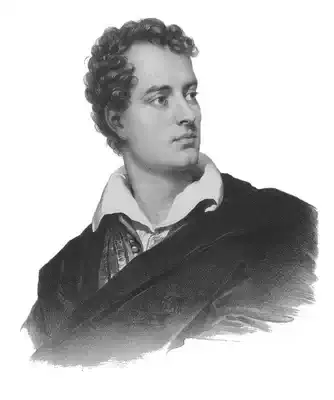
Lord Byron
Sonnet - to Genevra
Sonnet - to Genevra
Thy cheek is pale with thought, but not from woe,
And yet so lovely, that if Mirth could flush
Its rose of whiteness with the brightest blush,
My heart would wish away that ruder glow:
And dazzle not thy deepblue
eyesbut,
oh!
While gazing on them sterner eyes will gush,
And into mine my mother's weakness rush,
Soft as the last drops round Heaven's airy bow.
For, though thy long dark lashes low depending,
The soul of melancholy Gentleness
Gleams like a Seraph from the sky descending,
Above all pain, yet pitying all distress;
At once such majesty with sweetness blending,
I worship more, but cannot love thee less.
Thy cheek is pale with thought, but not from woe,
And yet so lovely, that if Mirth could flush
Its rose of whiteness with the brightest blush,
My heart would wish away that ruder glow:
And dazzle not thy deepblue
eyesbut,
oh!
While gazing on them sterner eyes will gush,
And into mine my mother's weakness rush,
Soft as the last drops round Heaven's airy bow.
For, though thy long dark lashes low depending,
The soul of melancholy Gentleness
Gleams like a Seraph from the sky descending,
Above all pain, yet pitying all distress;
At once such majesty with sweetness blending,
I worship more, but cannot love thee less.
638

Emily Dickinson
Speech—is a prank of Parliament—
Speech—is a prank of Parliament—
"Speech"—is a prank of Parliament—
"Tears"—is a trick of the nerve—
But the Heart with the heaviest freight on—
Doesn't—always—move—
"Speech"—is a prank of Parliament—
"Tears"—is a trick of the nerve—
But the Heart with the heaviest freight on—
Doesn't—always—move—
249

Ella Wheeler Wilcox
Theory And Practice
Theory And Practice
The man of God stands, on the Sabbath-day,
Warning the sinners from the broad highway
That leads to death. He rolls his pious eye,
And tells how wily demons hidden lie
To spring upon the thoughtless souls who pass
Along. He lifts his hands, and cries, 'Alas!
That such things be! O sinners! pause;
Gird on God's armor; let the devil see
Thou hast espoused a high and holy cause,
And all his arts are powerless on thee.'
'Tis thus the man of God in warning cries,
And tears of heart-felt sorrow fill his eyes;
And then he doffs his surplice and his gown,
And calls for wine to wash his sorrow down.
Ah! follower of the meek and lowly One,
And is it thus that thou wouldst have men shun
The road to death? Is this the better way,
Of which thou tellest on the Sabbath-day?
This wine you sip to quench your pious thirst,
Of all the devil's arts, he reckons first.
And countless legions go down to the dead,
Slain soul and body by the demon red.
Is this the holy principle you teach?
Or shall men practise, while you only preach?
The righteous churchman reads a tale of strife,
One of those countless tragedies of city life;
He sighs, and shakes his head, and sighs again,
And thanks his God he's not as other men.
And then he sips his glass of ale or rum,
And wonders if the time shall ever come
When such things cease to be. I answer, 'When
You who bear the names of Christian men
Shall with your wines, and ales, and beers dispense,
And choose the motto, 'Total Abstinence.''
The politician sighs at the nation's debt,
And groans at his heavy tax. And yet
He calls his jolly friends from near and far,
And does not sigh or groan before the bar,
But 'treats' them with a free and lavish hand,
Thus swelling the liquor tax upon the land.
And so the world goes; and will always go
As long as fools live. And their lives are long,
As all may see who look around, and so
I'll let it waggle on, and cease my song,
Hoping 'gainst hope, that some poor struggling ray
Of common sense may find its weary way
Into the stupid hearts and brains of those
Who prate of any evil this world knows,
And sip their wines and beer, and say to men,
'We only drink a little-now and then.'
The man of God stands, on the Sabbath-day,
Warning the sinners from the broad highway
That leads to death. He rolls his pious eye,
And tells how wily demons hidden lie
To spring upon the thoughtless souls who pass
Along. He lifts his hands, and cries, 'Alas!
That such things be! O sinners! pause;
Gird on God's armor; let the devil see
Thou hast espoused a high and holy cause,
And all his arts are powerless on thee.'
'Tis thus the man of God in warning cries,
And tears of heart-felt sorrow fill his eyes;
And then he doffs his surplice and his gown,
And calls for wine to wash his sorrow down.
Ah! follower of the meek and lowly One,
And is it thus that thou wouldst have men shun
The road to death? Is this the better way,
Of which thou tellest on the Sabbath-day?
This wine you sip to quench your pious thirst,
Of all the devil's arts, he reckons first.
And countless legions go down to the dead,
Slain soul and body by the demon red.
Is this the holy principle you teach?
Or shall men practise, while you only preach?
The righteous churchman reads a tale of strife,
One of those countless tragedies of city life;
He sighs, and shakes his head, and sighs again,
And thanks his God he's not as other men.
And then he sips his glass of ale or rum,
And wonders if the time shall ever come
When such things cease to be. I answer, 'When
You who bear the names of Christian men
Shall with your wines, and ales, and beers dispense,
And choose the motto, 'Total Abstinence.''
The politician sighs at the nation's debt,
And groans at his heavy tax. And yet
He calls his jolly friends from near and far,
And does not sigh or groan before the bar,
But 'treats' them with a free and lavish hand,
Thus swelling the liquor tax upon the land.
And so the world goes; and will always go
As long as fools live. And their lives are long,
As all may see who look around, and so
I'll let it waggle on, and cease my song,
Hoping 'gainst hope, that some poor struggling ray
Of common sense may find its weary way
Into the stupid hearts and brains of those
Who prate of any evil this world knows,
And sip their wines and beer, and say to men,
'We only drink a little-now and then.'
374

William Shakespeare
Sonnet 108: What's in the brain that ink may character
Sonnet 108: What's in the brain that ink may character
What's in the brain that ink may character
Which hath not figured to thee my true spirit?
What's new to speak, what now to register,
That may express my love, or thy dear merit?
Nothing, sweet boy, but yet, like prayers divine,
I must each day say o'er the very same,
Counting no old thing old—thou mine, I thine—
Even as when first I hallowed thy fair name.
So that eternal love in love's fresh case
Weighs not the dust and injury of age,
Nor gives to necessary wrinkles place,
But makes antiquity for aye his page,
Finding the first conceit of love there bred
Where time and outward form would show it dead.
What's in the brain that ink may character
Which hath not figured to thee my true spirit?
What's new to speak, what now to register,
That may express my love, or thy dear merit?
Nothing, sweet boy, but yet, like prayers divine,
I must each day say o'er the very same,
Counting no old thing old—thou mine, I thine—
Even as when first I hallowed thy fair name.
So that eternal love in love's fresh case
Weighs not the dust and injury of age,
Nor gives to necessary wrinkles place,
But makes antiquity for aye his page,
Finding the first conceit of love there bred
Where time and outward form would show it dead.
279
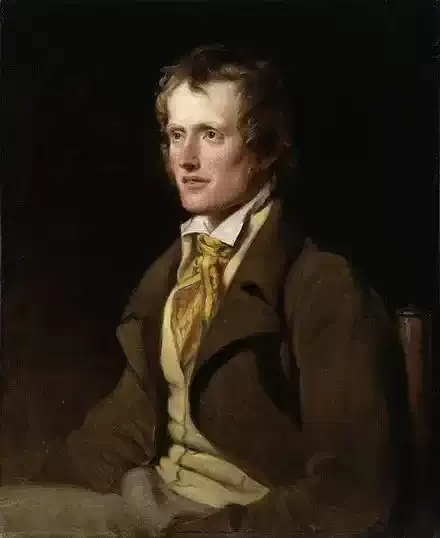
John Clare
The Fox
The Fox
The shepherd on his journey heard when nigh
His dog among the bushes barking high;
The ploughman ran and gave a hearty shout,
He found a weary fox and beat him out.
The ploughman laughed and would have ploughed him in
But the old shepherd took him for the skin.
He lay upon the furrow stretched for dead,
The old dog lay and licked the wounds that bled,
The ploughman beat him till his ribs would crack,
And then the shepherd slung him at his back;
And when he rested, to his dog's surprise,
The old fox started from his dead disguise;
And while the dog lay panting in the sedge
He up and snapt and bolted through the hedge.
He scampered to the bushes far away;
The shepherd called the ploughman to the fray;
The ploughman wished he had a gun to shoot.
The old dog barked and followed the pursuit.
The shepherd threw his hook and tottered past;
The ploughman ran but none could go so fast;
The woodman threw his faggot from the way
And ceased to chop and wondered at the fray.
But when he saw the dog and heard the cry
He threw his hatchet--but the fox was bye.
The shepherd broke his hook and lost the skin;
He found a badger hole and bolted in.
They tried to dig, but, safe from danger's way,
He lived to chase the hounds another day.
The shepherd on his journey heard when nigh
His dog among the bushes barking high;
The ploughman ran and gave a hearty shout,
He found a weary fox and beat him out.
The ploughman laughed and would have ploughed him in
But the old shepherd took him for the skin.
He lay upon the furrow stretched for dead,
The old dog lay and licked the wounds that bled,
The ploughman beat him till his ribs would crack,
And then the shepherd slung him at his back;
And when he rested, to his dog's surprise,
The old fox started from his dead disguise;
And while the dog lay panting in the sedge
He up and snapt and bolted through the hedge.
He scampered to the bushes far away;
The shepherd called the ploughman to the fray;
The ploughman wished he had a gun to shoot.
The old dog barked and followed the pursuit.
The shepherd threw his hook and tottered past;
The ploughman ran but none could go so fast;
The woodman threw his faggot from the way
And ceased to chop and wondered at the fray.
But when he saw the dog and heard the cry
He threw his hatchet--but the fox was bye.
The shepherd broke his hook and lost the skin;
He found a badger hole and bolted in.
They tried to dig, but, safe from danger's way,
He lived to chase the hounds another day.
355
Emily Dickinson
South Winds jostle them
South Winds jostle them
86
South Winds jostle them-
Bumblebees comeHover-
hesitate-
Drink, and are gone-
Butterflies pause
On their passage CashmereI-
softly plucking,
Present them here!
86
South Winds jostle them-
Bumblebees comeHover-
hesitate-
Drink, and are gone-
Butterflies pause
On their passage CashmereI-
softly plucking,
Present them here!
268
Lord Byron
Song For The Luddites
Song For The Luddites
I.
As the Liberty lads o'er the sea
Bought their freedom, and cheaply, with blood,
So we, boys, we
Will die fighting, or live free,
And down with all kings but King Ludd!
II.
When the web that we weave is complete,
And the shuttle exchanged for the sword,
We will fling the winding sheet
O'er the despot at our feet,
And dye it deep in the gore he has pour'd.
III.
Though black as his heart its hue,
Since his veins are corrupted to mud,
Yet this is the dew
Which the tree shall renew
Of Liberty, planted by Ludd!
I.
As the Liberty lads o'er the sea
Bought their freedom, and cheaply, with blood,
So we, boys, we
Will die fighting, or live free,
And down with all kings but King Ludd!
II.
When the web that we weave is complete,
And the shuttle exchanged for the sword,
We will fling the winding sheet
O'er the despot at our feet,
And dye it deep in the gore he has pour'd.
III.
Though black as his heart its hue,
Since his veins are corrupted to mud,
Yet this is the dew
Which the tree shall renew
Of Liberty, planted by Ludd!
655
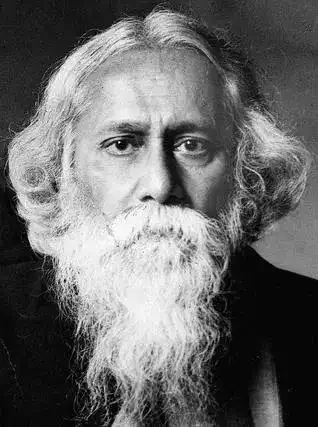
Rabindranath Tagore
The Gardener XLVI: You Left Me
The Gardener XLVI: You Left Me
You left me and went on your way.
I thought I should mourn for you
and set your solitary image in my
heart wrought in a golden song.
But ah, my evil fortune, time is
short.
Youth wanes year after year; the
spring days are fugitive; the frail
flowers die for nothing, and the wise
man warns me that life is but a
dewdrop on the lotus leaf.
Should I neglect all this to gaze after
one who has turned her back on me?
That would be rude and foolish,
for time is short.
Then, come, my rainy nights with
pattering feet; smile, my golden
autumn; come, careless April, scattering
your kisses abroad.
You come, and you, and you also!
My loves, you know we are mortals.
Is it wise to break one's heart for the
one who takes her heart away? For
time is short.
It is sweet to sit in a corner to muse
and write in rhymes that you are all
my world.
It is heroic to hug one's sorrow and
determine not to be consoled.
But a fresh face peeps across my
door and raise its eyes to my eyes.
I cannot but wipe away my tears
and change the tune of my song.
For time is short.
You left me and went on your way.
I thought I should mourn for you
and set your solitary image in my
heart wrought in a golden song.
But ah, my evil fortune, time is
short.
Youth wanes year after year; the
spring days are fugitive; the frail
flowers die for nothing, and the wise
man warns me that life is but a
dewdrop on the lotus leaf.
Should I neglect all this to gaze after
one who has turned her back on me?
That would be rude and foolish,
for time is short.
Then, come, my rainy nights with
pattering feet; smile, my golden
autumn; come, careless April, scattering
your kisses abroad.
You come, and you, and you also!
My loves, you know we are mortals.
Is it wise to break one's heart for the
one who takes her heart away? For
time is short.
It is sweet to sit in a corner to muse
and write in rhymes that you are all
my world.
It is heroic to hug one's sorrow and
determine not to be consoled.
But a fresh face peeps across my
door and raise its eyes to my eyes.
I cannot but wipe away my tears
and change the tune of my song.
For time is short.
476
William Shakespeare
Sonnet 107:
Sonnet 107:
Not mine own fears, nor the prophetic soul
Of the wide world dreaming on things to come,
Can yet the lease of my true love control,
Suppos'd as forfeit to a confin'd doom.
The mortal moon hath her eclipse endur'd
And the sad augurs mock their own presage;
Incertainties now crown themselves assur'd
And peace proclaims olives of endless age.
Now with the drops of this most balmy time
My love looks fresh, and Death to me subscribes,
Since, spite of him, I'll live in this poor rhyme,
While he insults o'er dull and speechless tribes;
And thou in this shalt find thy monument,
When tyrants' crests and tombs of brass are spent.
Not mine own fears, nor the prophetic soul
Of the wide world dreaming on things to come,
Can yet the lease of my true love control,
Suppos'd as forfeit to a confin'd doom.
The mortal moon hath her eclipse endur'd
And the sad augurs mock their own presage;
Incertainties now crown themselves assur'd
And peace proclaims olives of endless age.
Now with the drops of this most balmy time
My love looks fresh, and Death to me subscribes,
Since, spite of him, I'll live in this poor rhyme,
While he insults o'er dull and speechless tribes;
And thou in this shalt find thy monument,
When tyrants' crests and tombs of brass are spent.
253
Edward Lear
Limerick: There was an Ol Man of Quebec
Limerick: There was an Ol Man of Quebec
There was an Ol Man of Quebec,
A beetle ran over his neck;
But he cried, 'With a needle,
I'll slay you, O beadle!'
That angry Old Man of Quebec.
There was an Ol Man of Quebec,
A beetle ran over his neck;
But he cried, 'With a needle,
I'll slay you, O beadle!'
That angry Old Man of Quebec.
167
Emily Dickinson
Soto! Explore thyself!
Soto! Explore thyself!
832
Soto! Explore thyself!
Therein thyself shalt find
The "Undiscovered Continent"-
No Settler had the Mind.
832
Soto! Explore thyself!
Therein thyself shalt find
The "Undiscovered Continent"-
No Settler had the Mind.
356
Lord Byron
So We'll Go No More a-Roving
So We'll Go No More a-Roving
So we'll go no more aroving
So late into the night,
Though the heart still be as loving,
And the moon still be as bright.
For the sword outwears its sheath,
And the soul outwears the breast,
And the heart must pause to breathe,
And love itself have rest.
Though the night was made for loving,
And the day returns too soon,
Yet we'll go no more aroving
By the light of the moon.
So we'll go no more aroving
So late into the night,
Though the heart still be as loving,
And the moon still be as bright.
For the sword outwears its sheath,
And the soul outwears the breast,
And the heart must pause to breathe,
And love itself have rest.
Though the night was made for loving,
And the day returns too soon,
Yet we'll go no more aroving
By the light of the moon.
582
Ella Wheeler Wilcox
The Yellow-Covered Almanac
The Yellow-Covered Almanac
I left the farm when mother died and changed my place of dwelling
To daughter Susie’s stylish house right on the city street:
And there was them before I came that sort of scared me, telling
How I would find the town folks’ ways so difficult to meet;
They said I’d have no comfort in the rustling, fixed-up throng,
And I’d have to wear stiff collars every weekday, right along.
I find I take to city ways just like a duck to water;
I like the racket and the noise and never tire of shows;
And there’s no end of comfort in the mansion of my daughter,
And everything is right at hand and money freely flows;
And hired help is all about, just listenin’ to my call –
But I miss the yellow almanac off my old kitchen wall.
The house is full of calendars from the attic to the cellar,
They’re painted in all colours and are fancy like to see,
But in this one in particular I’m not a modern feller,
And the yellow-covered almanac is good enough for me.
I’m used to it, I’ve seen it round from boyhood to old age,
And I rather like the jokin’ at the bottom of the page.
I like the way its ‘S’ stood out to show the week’s beginning,
(In these new-fangled calendars the days seem sort of mixed) ,
And the man upon the cover, though he wa’n’t exactly winnin’,
With lungs and liver all exposed, still showed how we are fixed;
And the letters and credentials hat was writ to Mr. Ayer
I’ve often on a rainy day found readin’ pretty fair.
I tried to buy one recently; there wa’n’t none in the city!
They toted out great calendars, in every shape and style.
I looked at them in cold disdain, and answered ‘em in pity –
‘I’d rather have my almanac than all that costly pile.’
And though I take to city life, I’m lonesome after all
For that old yellow almanac upon my kitchen wall.
I left the farm when mother died and changed my place of dwelling
To daughter Susie’s stylish house right on the city street:
And there was them before I came that sort of scared me, telling
How I would find the town folks’ ways so difficult to meet;
They said I’d have no comfort in the rustling, fixed-up throng,
And I’d have to wear stiff collars every weekday, right along.
I find I take to city ways just like a duck to water;
I like the racket and the noise and never tire of shows;
And there’s no end of comfort in the mansion of my daughter,
And everything is right at hand and money freely flows;
And hired help is all about, just listenin’ to my call –
But I miss the yellow almanac off my old kitchen wall.
The house is full of calendars from the attic to the cellar,
They’re painted in all colours and are fancy like to see,
But in this one in particular I’m not a modern feller,
And the yellow-covered almanac is good enough for me.
I’m used to it, I’ve seen it round from boyhood to old age,
And I rather like the jokin’ at the bottom of the page.
I like the way its ‘S’ stood out to show the week’s beginning,
(In these new-fangled calendars the days seem sort of mixed) ,
And the man upon the cover, though he wa’n’t exactly winnin’,
With lungs and liver all exposed, still showed how we are fixed;
And the letters and credentials hat was writ to Mr. Ayer
I’ve often on a rainy day found readin’ pretty fair.
I tried to buy one recently; there wa’n’t none in the city!
They toted out great calendars, in every shape and style.
I looked at them in cold disdain, and answered ‘em in pity –
‘I’d rather have my almanac than all that costly pile.’
And though I take to city life, I’m lonesome after all
For that old yellow almanac upon my kitchen wall.
333
William Shakespeare
Sonnet 105: Let not my love be called idolatry
Sonnet 105: Let not my love be called idolatry
Let not my love be called idolatry,
Nor my belovèd as an idol show,
Since all alike my songs and praises be
To one, of one, still such, and ever so.
Kind is my love today, tomorrow kind,
Still constant in a wondrous excellence;
Therefore my verse to constancy confined,
One thing expressing, leaves out difference.
"Fair, kind, and true" is all my argument,
"Fair, kind, and true" varying to other words;
And in this change is my invention spent,
Three themes in one, which wondrous scope affords.
Fair, kind, and true, have often lived alone.
Which three till now never kept seat in one.
Let not my love be called idolatry,
Nor my belovèd as an idol show,
Since all alike my songs and praises be
To one, of one, still such, and ever so.
Kind is my love today, tomorrow kind,
Still constant in a wondrous excellence;
Therefore my verse to constancy confined,
One thing expressing, leaves out difference.
"Fair, kind, and true" is all my argument,
"Fair, kind, and true" varying to other words;
And in this change is my invention spent,
Three themes in one, which wondrous scope affords.
Fair, kind, and true, have often lived alone.
Which three till now never kept seat in one.
283
John Clare
The Flitting
The Flitting
I've left my own old home of homes,
Green fields and every pleasant place;
The summer like a stranger comes,
I pause and hardly know her face.
I miss the hazel's happy green,
The blue bell's quiet hanging blooms,
Where envy's sneer was never seen,
Where staring malice never comes.
I miss the heath, its yellow furze,
Molehills and rabbit tracks that lead
Through beesom, ling, and teazel burrs
That spread a wilderness indeed;
The woodland oaks and all below
That their white powdered branches shield,
The mossy paths: the very crow
Croaks music in my native field.
I sit me in my corner chair
That seems to feel itself from home,
And hear bird music here and there
From hawthorn hedge and orchard come;
I hear, but all is strange and new:
I sat on my old bench in June,
The sailing puddock's shrill 'peelew'
On Royce Wood seemed a sweeter tune.
I walk adown the narrow lane,
The nightingale is singing now,
But like to me she seems at loss
For Royce Wood and its shielding bough.
I lean upon the window sill,
The trees and summer happy seem;
Green, sunny green they shine, but still
My heart goes far away to dream.
Of happiness, and thoughts arise
With home-bred pictures many a one,
Green lanes that shut out burning skies
And old crooked stiles to rest upon;
Above them hangs the maple tree,
Below grass swells a velvet hill,
And little footpaths sweet to see
Go seeking sweeter places still,
With bye and bye a brook to cross
Oer which a little arch is thrown:
No brook is here, I feel the loss
From home and friends and all alone.
--The stone pit with its shelvy sides
Seemed hanging rocks in my esteem;
I miss the prospect far and wide
From Langley Bush, and so I seem
Alone and in a stranger scene,
Far, far from spots my heart esteems,
The closen with their ancient green,
Heaths, woods, and pastures, sunny streams.
The hawthorns here were hung with may,
But still they seem in deader green,
The sun een seems to lose its way
Nor knows the quarter it is in.
I dwell in trifles like a child,
I feel as ill becomes a man,
And still my thoughts like weedlings wild
Grow up to blossom where they can.
They turn to places known so long
I feel that joy was dwelling there,
So home-fed pleasure fills the song
That has no present joys to hear.
I read in books for happiness,
But books are like the sea to joy,
They change--as well give age the glass
To hunt its visage when a boy.
For books they follow fashions new
And throw all old esteems away,
In crowded streets flowers never grew,
But many there hath died away.
Some sing the pomps of chivalry
As legends of the ancient time,
Where gold and pearls and mystery
Are shadows painted for sublime;
But passions of sublimity
Belong to plain and simpler things,
And David underneath a tree
Sought when a shepherd Salem's springs,
Where moss did into cushions spring,
Forming a seat of velvet hue,
A small unnoticed trifling thing
To all but heaven's hailing dew.
And David's crown hath passed away,
Yet poesy breathes his shepherd-skill,
His palace lost--and to this day
The little moss is blossoming still.
Strange scenes mere shadows are to me,
Vague impersonifying things;
I love with my old haunts to be
By quiet woods and gravel springs,
Where little pebbles wear as smooth
As hermits' beads by gentle floods,
Whose noises do my spirits soothe
And warm them into singing moods.
Here every tree is strange to me,
All foreign things where eer I go,
There's none where boyhood made a swee
Or clambered up to rob a crow.
No hollow tree or woodland bower
Well known when joy was beating high,
Where beauty ran to shun a shower
And love took pains to keep her dry,
And laid the sheaf upon the ground
To keep her from the dripping grass,
And ran for stocks and set them round
Till scarce a drop of rain could pass
Through; where the maidens they reclined
And sung sweet ballads now forgot,
Which brought sweet memories to the mind,
But here no memory knows them not.
There have I sat by many a tree
And leaned oer many a rural stile,
And conned my thoughts as joys to me,
Nought heeding who might frown or smile.
Twas nature's beauty that inspired
My heart with rapture not its own,
And she's a fame that never tires;
How could I feel myself alone?
No, pasture molehills used to lie
And talk to me of sunny days,
And then the glad sheep resting bye
All still in ruminating praise
Of summer and the pleasant place
And every weed and blossom too
Was looking upward in my face
With friendship's welcome 'how do ye do?'
All tenants of an ancient place
And heirs of noble heritage,
Coeval they with Adam's race
And blest with more substantial age.
For when the world first saw the sun
These little flowers beheld him too,
And when his love for earth begun
They were the first his smiles to woo.
There little lambtoe bunches springs
In red tinged and begolden dye
For ever, and like China kings
They come but never seem to die.
There may-bloom with its little threads
Still comes upon the thorny bowers
And neer forgets those prickly heads
Like fairy pins amid the flowers.
And still they bloom as on the day
They first crowned wilderness and rock,
When Abel haply wreathed with may
The firstlings of his little flock,
And Eve might from the matted thorn
To deck her lone and lovely brow
Reach that same rose that heedless scorn
Misnames as the dog rosey now.
Give me no high-flown fangled things,
No haughty pomp in marching chime,
Where muses play on golden strings
And splendour passes for sublime,
Where cities stretch as far as fame
And fancy's straining eye can go,
And piled until the sky for shame
Is stooping far away below.
I love the verse that mild and bland
Breathes of green fields and open sky,
I love the muse that in her hand
Bears flowers of native poesy;
Who walks nor skips the pasture brook
In scorn, but by the drinking horse
Leans oer its little brig to look
How far the sallows lean across,
And feels a rapture in her breast
Upon their root-fringed grains to mark
A hermit morehen's sedgy nest
Just like a naiad's summer bark.
She counts the eggs she cannot reach
Admires the spot and loves it well,
And yearns, so nature's lessons teach,
Amid such neighbourhoods to dwell.
I love the muse who sits her down
Upon the molehill's little lap,
Who feels no fear to stain her gown
And pauses by the hedgerow gap;
Not with that affectation, praise
Of song, to sing and never see
A field flower grown in all her days
Or een a forest's aged tree.
Een here my simple feelings nurse
A love for every simple weed,
And een this little shepherd's purse
Grieves me to cut it up; indeed
I feel at times a love and joy
For every weed and every thing,
A feeling kindred from a boy,
A feeling brought with every Spring.
And why? this shepherd's purse that grows
In this strange spot, in days gone bye
Grew in the little garden rows
Of my old home now left; and I
Feel what I never felt before,
This weed an ancient neighbour here,
And though I own the spot no more
Its every trifle makes it dear.
The ivy at the parlour end,
The woodbine at the garden gate,
Are all and each affection's friend
That render parting desolate.
But times will change and friends must part
And nature still can make amends;
Their memory lingers round the heart
Like life whose essence is its friends.
Time looks on pomp with vengeful mood
Or killing apathy's disdain;
So where old marble cities stood
Poor persecuted weeds remain.
She feels a love for little things
That very few can feel beside,
And still the grass eternal springs
Where castles stood and grandeur died.
I've left my own old home of homes,
Green fields and every pleasant place;
The summer like a stranger comes,
I pause and hardly know her face.
I miss the hazel's happy green,
The blue bell's quiet hanging blooms,
Where envy's sneer was never seen,
Where staring malice never comes.
I miss the heath, its yellow furze,
Molehills and rabbit tracks that lead
Through beesom, ling, and teazel burrs
That spread a wilderness indeed;
The woodland oaks and all below
That their white powdered branches shield,
The mossy paths: the very crow
Croaks music in my native field.
I sit me in my corner chair
That seems to feel itself from home,
And hear bird music here and there
From hawthorn hedge and orchard come;
I hear, but all is strange and new:
I sat on my old bench in June,
The sailing puddock's shrill 'peelew'
On Royce Wood seemed a sweeter tune.
I walk adown the narrow lane,
The nightingale is singing now,
But like to me she seems at loss
For Royce Wood and its shielding bough.
I lean upon the window sill,
The trees and summer happy seem;
Green, sunny green they shine, but still
My heart goes far away to dream.
Of happiness, and thoughts arise
With home-bred pictures many a one,
Green lanes that shut out burning skies
And old crooked stiles to rest upon;
Above them hangs the maple tree,
Below grass swells a velvet hill,
And little footpaths sweet to see
Go seeking sweeter places still,
With bye and bye a brook to cross
Oer which a little arch is thrown:
No brook is here, I feel the loss
From home and friends and all alone.
--The stone pit with its shelvy sides
Seemed hanging rocks in my esteem;
I miss the prospect far and wide
From Langley Bush, and so I seem
Alone and in a stranger scene,
Far, far from spots my heart esteems,
The closen with their ancient green,
Heaths, woods, and pastures, sunny streams.
The hawthorns here were hung with may,
But still they seem in deader green,
The sun een seems to lose its way
Nor knows the quarter it is in.
I dwell in trifles like a child,
I feel as ill becomes a man,
And still my thoughts like weedlings wild
Grow up to blossom where they can.
They turn to places known so long
I feel that joy was dwelling there,
So home-fed pleasure fills the song
That has no present joys to hear.
I read in books for happiness,
But books are like the sea to joy,
They change--as well give age the glass
To hunt its visage when a boy.
For books they follow fashions new
And throw all old esteems away,
In crowded streets flowers never grew,
But many there hath died away.
Some sing the pomps of chivalry
As legends of the ancient time,
Where gold and pearls and mystery
Are shadows painted for sublime;
But passions of sublimity
Belong to plain and simpler things,
And David underneath a tree
Sought when a shepherd Salem's springs,
Where moss did into cushions spring,
Forming a seat of velvet hue,
A small unnoticed trifling thing
To all but heaven's hailing dew.
And David's crown hath passed away,
Yet poesy breathes his shepherd-skill,
His palace lost--and to this day
The little moss is blossoming still.
Strange scenes mere shadows are to me,
Vague impersonifying things;
I love with my old haunts to be
By quiet woods and gravel springs,
Where little pebbles wear as smooth
As hermits' beads by gentle floods,
Whose noises do my spirits soothe
And warm them into singing moods.
Here every tree is strange to me,
All foreign things where eer I go,
There's none where boyhood made a swee
Or clambered up to rob a crow.
No hollow tree or woodland bower
Well known when joy was beating high,
Where beauty ran to shun a shower
And love took pains to keep her dry,
And laid the sheaf upon the ground
To keep her from the dripping grass,
And ran for stocks and set them round
Till scarce a drop of rain could pass
Through; where the maidens they reclined
And sung sweet ballads now forgot,
Which brought sweet memories to the mind,
But here no memory knows them not.
There have I sat by many a tree
And leaned oer many a rural stile,
And conned my thoughts as joys to me,
Nought heeding who might frown or smile.
Twas nature's beauty that inspired
My heart with rapture not its own,
And she's a fame that never tires;
How could I feel myself alone?
No, pasture molehills used to lie
And talk to me of sunny days,
And then the glad sheep resting bye
All still in ruminating praise
Of summer and the pleasant place
And every weed and blossom too
Was looking upward in my face
With friendship's welcome 'how do ye do?'
All tenants of an ancient place
And heirs of noble heritage,
Coeval they with Adam's race
And blest with more substantial age.
For when the world first saw the sun
These little flowers beheld him too,
And when his love for earth begun
They were the first his smiles to woo.
There little lambtoe bunches springs
In red tinged and begolden dye
For ever, and like China kings
They come but never seem to die.
There may-bloom with its little threads
Still comes upon the thorny bowers
And neer forgets those prickly heads
Like fairy pins amid the flowers.
And still they bloom as on the day
They first crowned wilderness and rock,
When Abel haply wreathed with may
The firstlings of his little flock,
And Eve might from the matted thorn
To deck her lone and lovely brow
Reach that same rose that heedless scorn
Misnames as the dog rosey now.
Give me no high-flown fangled things,
No haughty pomp in marching chime,
Where muses play on golden strings
And splendour passes for sublime,
Where cities stretch as far as fame
And fancy's straining eye can go,
And piled until the sky for shame
Is stooping far away below.
I love the verse that mild and bland
Breathes of green fields and open sky,
I love the muse that in her hand
Bears flowers of native poesy;
Who walks nor skips the pasture brook
In scorn, but by the drinking horse
Leans oer its little brig to look
How far the sallows lean across,
And feels a rapture in her breast
Upon their root-fringed grains to mark
A hermit morehen's sedgy nest
Just like a naiad's summer bark.
She counts the eggs she cannot reach
Admires the spot and loves it well,
And yearns, so nature's lessons teach,
Amid such neighbourhoods to dwell.
I love the muse who sits her down
Upon the molehill's little lap,
Who feels no fear to stain her gown
And pauses by the hedgerow gap;
Not with that affectation, praise
Of song, to sing and never see
A field flower grown in all her days
Or een a forest's aged tree.
Een here my simple feelings nurse
A love for every simple weed,
And een this little shepherd's purse
Grieves me to cut it up; indeed
I feel at times a love and joy
For every weed and every thing,
A feeling kindred from a boy,
A feeling brought with every Spring.
And why? this shepherd's purse that grows
In this strange spot, in days gone bye
Grew in the little garden rows
Of my old home now left; and I
Feel what I never felt before,
This weed an ancient neighbour here,
And though I own the spot no more
Its every trifle makes it dear.
The ivy at the parlour end,
The woodbine at the garden gate,
Are all and each affection's friend
That render parting desolate.
But times will change and friends must part
And nature still can make amends;
Their memory lingers round the heart
Like life whose essence is its friends.
Time looks on pomp with vengeful mood
Or killing apathy's disdain;
So where old marble cities stood
Poor persecuted weeds remain.
She feels a love for little things
That very few can feel beside,
And still the grass eternal springs
Where castles stood and grandeur died.
372
Lord Byron
Saul
Saul
Thou whose spell can raise the dead,
Bid the prophet's form appear.
'Samuel, raise thy buried head!
King, behold the phantom seer!'
Earth yawn'd; he stood the centre of a cloud:
Light changed its hue, retiring from his shroud.
Death stood all glassy in his fixed eye:
His hand was wither'd, and his veins were dry;
His foot, in bony whiteness, glitter'd there,
Shrunken and sinewless, and ghastly bare;
From lips that moved not and unbreathing frame,
Like cavern'd winds, the hollow acccents came.
Saul saw, and fell to earth, as falls the oak,
At once, and blasted by the thunderstroke.
'Why is my sleep disquieted?
Who is he that calls the dead?
Is it thou, O King? Behold,
Bloodless are these limbs, and cold:
Such are mine; and such shall be
Thine tomorrow,
when with me:
Ere the coming day is done,
Such shalt thou be, such thy son.
Fare thee well, bur for a day,
Then we mix our mouldering clay.
Thou, thy race, lie pale and low,
Pierced by shafts of many a bow;
And the falchion by thy side
To thy heart thy hand shall guide:
Crownless, breathless, headless fall,
Son and sire, the house of Saul!'
Thou whose spell can raise the dead,
Bid the prophet's form appear.
'Samuel, raise thy buried head!
King, behold the phantom seer!'
Earth yawn'd; he stood the centre of a cloud:
Light changed its hue, retiring from his shroud.
Death stood all glassy in his fixed eye:
His hand was wither'd, and his veins were dry;
His foot, in bony whiteness, glitter'd there,
Shrunken and sinewless, and ghastly bare;
From lips that moved not and unbreathing frame,
Like cavern'd winds, the hollow acccents came.
Saul saw, and fell to earth, as falls the oak,
At once, and blasted by the thunderstroke.
'Why is my sleep disquieted?
Who is he that calls the dead?
Is it thou, O King? Behold,
Bloodless are these limbs, and cold:
Such are mine; and such shall be
Thine tomorrow,
when with me:
Ere the coming day is done,
Such shalt thou be, such thy son.
Fare thee well, bur for a day,
Then we mix our mouldering clay.
Thou, thy race, lie pale and low,
Pierced by shafts of many a bow;
And the falchion by thy side
To thy heart thy hand shall guide:
Crownless, breathless, headless fall,
Son and sire, the house of Saul!'
551
Emily Dickinson
Some, too fragile for winter winds
Some, too fragile for winter winds
141
Some, too fragile for winter winds
The thoughtful grave encloses-
Tenderly tucking them in from frost
Before their feet are cold.
Never the treasures in her nest
The cautious grave exposes,
Building where schoolboy dare not look,
And sportsman is not bold.
This covert have all the children
Early aged, and often cold,
Sparrow, unnoticed by the Father-
Lambs for whom time had not a fold.
141
Some, too fragile for winter winds
The thoughtful grave encloses-
Tenderly tucking them in from frost
Before their feet are cold.
Never the treasures in her nest
The cautious grave exposes,
Building where schoolboy dare not look,
And sportsman is not bold.
This covert have all the children
Early aged, and often cold,
Sparrow, unnoticed by the Father-
Lambs for whom time had not a fold.
324
Rabindranath Tagore
The Gardener XLIV: Reverend Sir, Forgive
The Gardener XLIV: Reverend Sir, Forgive
Reverend sir, forgive this pair of
sinners. Spring winds to-day are
blowing in wild eddies, driving dust
and dead leaves away, and with them
your lessons are all lost.
Do not say, father, that life is a
vanity.
For we have made truce with death
for once, and only for a few fragrant
hours we two have been made immortal.
Even if the king's army came and
fiercely fell upon us we should sadly
shake our heads and say, Brothers,
you are disturbing us. If you must
have this noisy game, go and clatter
your arms elsewhere. Since only for
a few fleeting moments we have been
made immortal.
If friendly people came and flocked
around us, we should humbly bow to
them and say, This extravagant good
fortune is an embarrassment to us.
Room is scarce in the infinite sky
where we dwell. For in the springtime
flowers come in crowds, and the
busy wings of bees jostle each other.
Our little heaven, where dwell only
we two immortals, is too absurdly
narrow.
Reverend sir, forgive this pair of
sinners. Spring winds to-day are
blowing in wild eddies, driving dust
and dead leaves away, and with them
your lessons are all lost.
Do not say, father, that life is a
vanity.
For we have made truce with death
for once, and only for a few fragrant
hours we two have been made immortal.
Even if the king's army came and
fiercely fell upon us we should sadly
shake our heads and say, Brothers,
you are disturbing us. If you must
have this noisy game, go and clatter
your arms elsewhere. Since only for
a few fleeting moments we have been
made immortal.
If friendly people came and flocked
around us, we should humbly bow to
them and say, This extravagant good
fortune is an embarrassment to us.
Room is scarce in the infinite sky
where we dwell. For in the springtime
flowers come in crowds, and the
busy wings of bees jostle each other.
Our little heaven, where dwell only
we two immortals, is too absurdly
narrow.
466
William Shakespeare
Sonnet 103: Alack, what poverty my Muse brings forth
Sonnet 103: Alack, what poverty my Muse brings forth
Alack, what poverty my Muse brings forth,
That having such a scope to show her pride,
The argument all bare is of more worth
Than when it hath my added praise beside.
O, blame me not if I no more can write!
Look in your glass, and there appears a face
That overgoes my blunt invention quite,
Dulling my lines, and doing me disgrace.
Were it not sinful then striving to mend,
To mar the subject that before was well?
For to no other pass my verses tend
Than of your graces and your gifts to tell;
And more, much more than in my verse can sit,
Your own glass shows you when you look in it.
Alack, what poverty my Muse brings forth,
That having such a scope to show her pride,
The argument all bare is of more worth
Than when it hath my added praise beside.
O, blame me not if I no more can write!
Look in your glass, and there appears a face
That overgoes my blunt invention quite,
Dulling my lines, and doing me disgrace.
Were it not sinful then striving to mend,
To mar the subject that before was well?
For to no other pass my verses tend
Than of your graces and your gifts to tell;
And more, much more than in my verse can sit,
Your own glass shows you when you look in it.
309
Edward Lear
Limerick: There was a Young Person of Smyrna,
Limerick: There was a Young Person of Smyrna,
There was a Young Person of Smyrna,
Whose Grandmother threatened to burn her;
But she seized on the cat,
And said, 'Granny, burn that!
You incongruous Old Woman of Smyrna!'
There was a Young Person of Smyrna,
Whose Grandmother threatened to burn her;
But she seized on the cat,
And said, 'Granny, burn that!
You incongruous Old Woman of Smyrna!'
243
Emily Dickinson
Some things that fly there be
Some things that fly there be
89
Some things that fly there beBirds-
Hours-the Bumblebee-
Of these no Elegy.
Some things that stay there beGrief-
Hills-Eternity-
Nor this behooveth me.
There are that resting, rise.
Can I expound the skies?
How still the Riddle lies!
89
Some things that fly there beBirds-
Hours-the Bumblebee-
Of these no Elegy.
Some things that stay there beGrief-
Hills-Eternity-
Nor this behooveth me.
There are that resting, rise.
Can I expound the skies?
How still the Riddle lies!
308
Lord Byron
Remind Me Not, Remind Me Not
Remind Me Not, Remind Me Not
Remind me not, remind me not,
Of those beloved, those vanish'd hours,
When all my soul was given to thee;
Hours that may never be forgot,
Till Time unnerves our vital powers,
And thou and I shall cease to be.
Can I forgetcanst
thou forget,
When playing with thy golden hair,
How quick thy fluttering heart did move?
Oh! by my soul, I see thee yet,
With eyes so languid, breast so fair,
And lips, though silent, breathing love.
When thus reclining on my breast,
Those eyes threw back a glance so sweet,
As half reproach'd yet rais'd desire,
And still we near and nearer prest,
And still our glowing lips would meet,
As if in kisses to expire.
And then those pensive eyes would close,
And bid their lids each other seek,
Veiling the azure orbs below;
While their long lashes' darken'd gloss
Seem'd stealing o'er thy brilliant cheek,
Like raven's plumage smooth'd on snow.
I dreamt last night our love return'd,
And, sooth to say, that very dream
Was sweeter in its phantasy,
Than if for other hearts I burn'd,
For eyes that ne'er like thine could beam
In Rapture's wild reality.
Then tell me not, remind me not,
Of hours which, though for ever gone,
Can still a pleasing dream restore,
Till Thou and I shall be forgot,
And senseless, as the mouldering stone
Which tells that we shall be no more.
Remind me not, remind me not,
Of those beloved, those vanish'd hours,
When all my soul was given to thee;
Hours that may never be forgot,
Till Time unnerves our vital powers,
And thou and I shall cease to be.
Can I forgetcanst
thou forget,
When playing with thy golden hair,
How quick thy fluttering heart did move?
Oh! by my soul, I see thee yet,
With eyes so languid, breast so fair,
And lips, though silent, breathing love.
When thus reclining on my breast,
Those eyes threw back a glance so sweet,
As half reproach'd yet rais'd desire,
And still we near and nearer prest,
And still our glowing lips would meet,
As if in kisses to expire.
And then those pensive eyes would close,
And bid their lids each other seek,
Veiling the azure orbs below;
While their long lashes' darken'd gloss
Seem'd stealing o'er thy brilliant cheek,
Like raven's plumage smooth'd on snow.
I dreamt last night our love return'd,
And, sooth to say, that very dream
Was sweeter in its phantasy,
Than if for other hearts I burn'd,
For eyes that ne'er like thine could beam
In Rapture's wild reality.
Then tell me not, remind me not,
Of hours which, though for ever gone,
Can still a pleasing dream restore,
Till Thou and I shall be forgot,
And senseless, as the mouldering stone
Which tells that we shall be no more.
485
Ella Wheeler Wilcox
The World's Need
The World's Need
So many gods, so many creeds,
So many paths that wind and wind,
While just the art of being kind,
Is all the sad world needs.
So many gods, so many creeds,
So many paths that wind and wind,
While just the art of being kind,
Is all the sad world needs.
296