
Poems List
Explore poems from our collection

Emily Dickinson
Superfluous were the Sun
Superfluous were the Sun
999
Superfluous were the Sun
When Excellence be dead
He were superfluous every Day
For every Day be said
That syllable whose Faith
Just saves it from Despair
And whose "I'll meet You" hesitates
If Love inquire "Where"?
Upon His dateless Fame
Our Periods may lie
As Stars that drop anonymous
From an abundant sky.
999
Superfluous were the Sun
When Excellence be dead
He were superfluous every Day
For every Day be said
That syllable whose Faith
Just saves it from Despair
And whose "I'll meet You" hesitates
If Love inquire "Where"?
Upon His dateless Fame
Our Periods may lie
As Stars that drop anonymous
From an abundant sky.
308
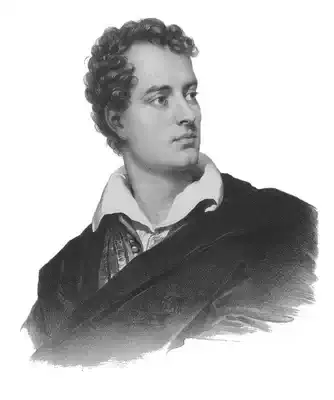
Lord Byron
Stanzas To A Hindoo Air
Stanzas To A Hindoo Air
Oh! my lonelylonelylonelyPillow!
Where is my lover? where is my lover?
Is it his bark which my dreary dreams discover?
Farfar
away! and alone along the billow?
Oh! my lonelylonelylonelyPillow!
Why must my head ache where his gentle brow lay?
How the long night flags lovelessly and slowly,
And my head droops over thee like the willow!
Oh! thou, my sad and solitary Pillow!
Send me kind dreams to keep my heart from breaking,
In return for the tears I shed upon thee waking;
Let me not die till he comes back o'er the billow.
Then if thou wiltno
more my lonely Pillow,
In one embrace let these arms again enfold him,
And then expire of the joybut
to behold him!
Oh! my lone bosom!oh!
my lonely Pillow!
Oh! my lonelylonelylonelyPillow!
Where is my lover? where is my lover?
Is it his bark which my dreary dreams discover?
Farfar
away! and alone along the billow?
Oh! my lonelylonelylonelyPillow!
Why must my head ache where his gentle brow lay?
How the long night flags lovelessly and slowly,
And my head droops over thee like the willow!
Oh! thou, my sad and solitary Pillow!
Send me kind dreams to keep my heart from breaking,
In return for the tears I shed upon thee waking;
Let me not die till he comes back o'er the billow.
Then if thou wiltno
more my lonely Pillow,
In one embrace let these arms again enfold him,
And then expire of the joybut
to behold him!
Oh! my lone bosom!oh!
my lonely Pillow!
459
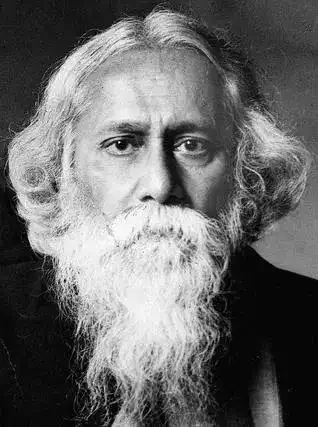
Rabindranath Tagore
The Gardener XXII: When She Passed by Me
The Gardener XXII: When She Passed by Me
When she passed by me with quick
steps, the end of her skirt touched
me.
From the unknown island of a
heart came a sudden warm breath of
spring.
A flutter of a flitting touch brushed
me and vanished in a moment, like a
torn flower petal blown in the breeze.
It fell upon my heart like a sigh of
her body and whisper of her heart.
When she passed by me with quick
steps, the end of her skirt touched
me.
From the unknown island of a
heart came a sudden warm breath of
spring.
A flutter of a flitting touch brushed
me and vanished in a moment, like a
torn flower petal blown in the breeze.
It fell upon my heart like a sigh of
her body and whisper of her heart.
487

William Shakespeare
Sonnet 118: Like as to make our appetite more keen
Sonnet 118: Like as to make our appetite more keen
Like as to make our appetite more keen
With eager compounds we our palate urge,
As to prevent our maladies unseen,
We sicken to shun sickness when we purge.
Even so being full of your ne'er-cloying sweetness,
To bitter sauces did I frame my feeding;
And, sick of welfare, found a kind of meetness
To be diseased ere that there was true needing.
Thus policy in love t' anticipate
The ills that were not, grew to faults assured,
And brought to medicine a healthful state
Which, rank of goodness, would by ill be cured.
But thence I learn and find the lesson true:
Drugs poison him that so fell sick of you.
Like as to make our appetite more keen
With eager compounds we our palate urge,
As to prevent our maladies unseen,
We sicken to shun sickness when we purge.
Even so being full of your ne'er-cloying sweetness,
To bitter sauces did I frame my feeding;
And, sick of welfare, found a kind of meetness
To be diseased ere that there was true needing.
Thus policy in love t' anticipate
The ills that were not, grew to faults assured,
And brought to medicine a healthful state
Which, rank of goodness, would by ill be cured.
But thence I learn and find the lesson true:
Drugs poison him that so fell sick of you.
437

Edward Lear
Limerick: There was an Old Man of Bohemia
Limerick: There was an Old Man of Bohemia
There was an Old Man of Bohemia,
Whose daughter was christened Euphemia,
Till one day, to his grief,
She married a thief,
Which grieved that Old Man of Bohemia.
There was an Old Man of Bohemia,
Whose daughter was christened Euphemia,
Till one day, to his grief,
She married a thief,
Which grieved that Old Man of Bohemia.
193
Lord Byron
Stanzas For Music: There's Not A Joy The World Can Give
Stanzas For Music: There's Not A Joy The World Can Give
There's not a joy the world can give like that it takes away
When the glow of early thought declines in feeling's dull decay;
'Tis not on youth's smooth cheek the blush alone, which fades so fast,
But the tender bloom of heart is gone, ere youth itself be past.
Then the few whose spirits float above the wreck of happiness
Are driven o'er the shoals of guilt, or ocean of excess:
The magnet of their course is gone, or only points in vain
The shore to which their shivered sail shall never stretch again.
Then the mortal coldness of the soul like death itself comes down;
It cannot feel for others' woes, it dare not dream its own;
That heavy chill has frozen o'er the fountain of our tears,
And though the eye may sparkle still, 'tis where the ice appears.
Though wit may flash from fluent lips, and mirth distract the breast,
Through midnight hours that yield no more their former hope of rest,
'Tis but as ivyleaves
around the ruined turret wreath—
All green and wildly fresh without, but worn and grey beneath.
Oh, could I feel as I have felt, or be what I have been,
Or weep as I could once have wept, o'er many a vanished scene;
As springs in deserts found seem sweet, all brackish though they be,
So, midst the withered waste of life, those tears would flow to me.
There's not a joy the world can give like that it takes away
When the glow of early thought declines in feeling's dull decay;
'Tis not on youth's smooth cheek the blush alone, which fades so fast,
But the tender bloom of heart is gone, ere youth itself be past.
Then the few whose spirits float above the wreck of happiness
Are driven o'er the shoals of guilt, or ocean of excess:
The magnet of their course is gone, or only points in vain
The shore to which their shivered sail shall never stretch again.
Then the mortal coldness of the soul like death itself comes down;
It cannot feel for others' woes, it dare not dream its own;
That heavy chill has frozen o'er the fountain of our tears,
And though the eye may sparkle still, 'tis where the ice appears.
Though wit may flash from fluent lips, and mirth distract the breast,
Through midnight hours that yield no more their former hope of rest,
'Tis but as ivyleaves
around the ruined turret wreath—
All green and wildly fresh without, but worn and grey beneath.
Oh, could I feel as I have felt, or be what I have been,
Or weep as I could once have wept, o'er many a vanished scene;
As springs in deserts found seem sweet, all brackish though they be,
So, midst the withered waste of life, those tears would flow to me.
371
Emily Dickinson
Summer Shower
Summer Shower
A drop fell on the apple tree,
Another on the roof;
A half a dozen kissed the eaves,
And made the gables laugh.
A few went out to help the brook,
That went to help the sea.
Myself conjectured, Were they pearls,
What necklaces could be!
The dust replaced in hoisted roads,
The birds jocoser sung;
The sunshine threw his hat away,
The orchards spangles hung.
The breezes brought dejected lutes,
And bathed them in the glee;
The East put out a single flag,
And signed the fete away.
A drop fell on the apple tree,
Another on the roof;
A half a dozen kissed the eaves,
And made the gables laugh.
A few went out to help the brook,
That went to help the sea.
Myself conjectured, Were they pearls,
What necklaces could be!
The dust replaced in hoisted roads,
The birds jocoser sung;
The sunshine threw his hat away,
The orchards spangles hung.
The breezes brought dejected lutes,
And bathed them in the glee;
The East put out a single flag,
And signed the fete away.
230

Ella Wheeler Wilcox
Thought-Magnets
Thought-Magnets
With each strong thought, with every earnest longing
For aught thou deemest needful to thy soul,
Invisible vast forces are set thronging
Between thee and that goal.
‘Tis only when some hidden weakness alters
And changes thy desire, or makes it less,
That this mysterious army ever falters
Or stops short of success.
Thought is a magnet; and the longed-for pleasure
Or boon, or aim, or object, is the steel;
And is attainment hangs but on the measure
Of what thy soul can feel.
With each strong thought, with every earnest longing
For aught thou deemest needful to thy soul,
Invisible vast forces are set thronging
Between thee and that goal.
‘Tis only when some hidden weakness alters
And changes thy desire, or makes it less,
That this mysterious army ever falters
Or stops short of success.
Thought is a magnet; and the longed-for pleasure
Or boon, or aim, or object, is the steel;
And is attainment hangs but on the measure
Of what thy soul can feel.
415
William Shakespeare
Sonnet 115: Those lines that I before have writ do lie
Sonnet 115: Those lines that I before have writ do lie
Those lines that I before have writ do lie,
Even those that said I could not love you dearer;
Yet then my judgment knew no reason why
My most full flame should afterwards burn clearer,
But reckoning Time, whose millioned accidents
Creep in 'twixt vows, and change decrees of kings,
Tan sacred beauty, blunt the sharp'st intents,
Divert strong minds to the course of alt'ring things—
Alas, why, fearing of Time's tyranny,
Might I not then say, "Now I love you best,"
When I was certain o'er incertainty,
Crowning the present, doubting of the rest?
Love is a babe; then might I not say so,
To give full growth to that which still doth grow.
Those lines that I before have writ do lie,
Even those that said I could not love you dearer;
Yet then my judgment knew no reason why
My most full flame should afterwards burn clearer,
But reckoning Time, whose millioned accidents
Creep in 'twixt vows, and change decrees of kings,
Tan sacred beauty, blunt the sharp'st intents,
Divert strong minds to the course of alt'ring things—
Alas, why, fearing of Time's tyranny,
Might I not then say, "Now I love you best,"
When I was certain o'er incertainty,
Crowning the present, doubting of the rest?
Love is a babe; then might I not say so,
To give full growth to that which still doth grow.
304
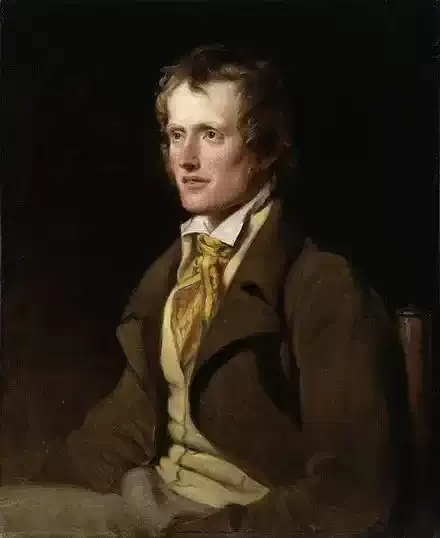
John Clare
The Landrail
The Landrail
How sweet and pleasant grows the way
Through summer time again
While Landrails call from day to day
Amid the grass and grain
We hear it in the weeding time
When knee deep waves the corn
We hear it in the summers prime
Through meadows night and morn
And now I hear it in the grass
That grows as sweet again
And let a minutes notice pass
And now tis in the grain
Tis like a fancy everywhere
A sort of living doubt
We know tis something but it neer
Will blab the secret out
If heard in close or meadow plots
It flies if we pursue
But follows if we notice not
The close and meadow through
Boys know the note of many a bird
In their birdnesting bounds
But when the landrails noise is heard
They wonder at the sounds
They look in every tuft of grass
Thats in their rambles met
They peep in every bush they pass
And none the wiser get
And still they hear the craiking sound
And still they wonder why
It surely cant be under ground
Nor is it in the sky
And yet tis heard in every vale
An undiscovered song
And makes a pleasant wonder tale
For all the summer long
The shepherd whistles through his hands
And starts with many a whoop
His busy dog across the lands
In hopes to fright it up
Tis still a minutes length or more
Till dogs are off and gone
Then sings and louder than before
But keeps the secret on
Yet accident will often meet
The nest within its way
And weeders when they weed the wheat
Discover where they lay
And mowers on the meadow lea
Chance on their noisy guest
And wonder what the bird can be
That lays without a nest
In simple holes that birds will rake
When dusting on the ground
They drop their eggs of curious make
Deep blotched and nearly round
A mystery still to men and boys
Who know not where they lay
And guess it but a summer noise
Among the meadow hay
How sweet and pleasant grows the way
Through summer time again
While Landrails call from day to day
Amid the grass and grain
We hear it in the weeding time
When knee deep waves the corn
We hear it in the summers prime
Through meadows night and morn
And now I hear it in the grass
That grows as sweet again
And let a minutes notice pass
And now tis in the grain
Tis like a fancy everywhere
A sort of living doubt
We know tis something but it neer
Will blab the secret out
If heard in close or meadow plots
It flies if we pursue
But follows if we notice not
The close and meadow through
Boys know the note of many a bird
In their birdnesting bounds
But when the landrails noise is heard
They wonder at the sounds
They look in every tuft of grass
Thats in their rambles met
They peep in every bush they pass
And none the wiser get
And still they hear the craiking sound
And still they wonder why
It surely cant be under ground
Nor is it in the sky
And yet tis heard in every vale
An undiscovered song
And makes a pleasant wonder tale
For all the summer long
The shepherd whistles through his hands
And starts with many a whoop
His busy dog across the lands
In hopes to fright it up
Tis still a minutes length or more
Till dogs are off and gone
Then sings and louder than before
But keeps the secret on
Yet accident will often meet
The nest within its way
And weeders when they weed the wheat
Discover where they lay
And mowers on the meadow lea
Chance on their noisy guest
And wonder what the bird can be
That lays without a nest
In simple holes that birds will rake
When dusting on the ground
They drop their eggs of curious make
Deep blotched and nearly round
A mystery still to men and boys
Who know not where they lay
And guess it but a summer noise
Among the meadow hay
425
Emily Dickinson
Such is the Force of Happiness
Such is the Force of Happiness
787
Such is the Force of Happiness-
The Least-can lift a Ton
Assisted by its stimulus-
Who Misery-sustain-
No Sinew can afford-
The Cargo of Themselves-
Too infinite for Consciousness'
Slow capabilities.
787
Such is the Force of Happiness-
The Least-can lift a Ton
Assisted by its stimulus-
Who Misery-sustain-
No Sinew can afford-
The Cargo of Themselves-
Too infinite for Consciousness'
Slow capabilities.
233
Lord Byron
Stanzas Composed During A Thunderstorm
Stanzas Composed During A Thunderstorm
Chill and mirk is the nightly blast,
Where Pindus' mountains rise,
And angry clouds are pouring fast
The vengeance of the skies.
Our guides are gone, our hope is lost,
And lightnings, as they play,
But show where rocks our path have crost,
Or gild the torrent's spray.
Is yon a cot I saw, though low?
When lightning broke the gloom
How welcome were its shade!ah,
no!
'Tis but a Turkish tomb.
Through sounds of foaming waterfalls,
I hear a voice exclaim
My wayworn
countryman, who calls
On distant England's name.
A shot is firedby
foe or friend?
Another'
tis to tell
The mountainpeasants
to descend,
And lead us where they dwell.
Oh! who in such a night will dare
To tempt the wilderness?
And who 'mid thunderpeals
can hear
Our signal of distress?
And who that heard our shouts would rise
To try the dubious road?
Nor rather deem from nightly cries
That outlaws were abroad.
Clouds burst, skies flash, oh, dreadful hour!
More fiercely pours the storm!
Yet here one thought has still the power
To keep my bosom warm.
While wandering through each broken path,
O'er brake and craggy brow;
While elements exhaust their wrath,
Sweet Florence, where art thou?
Not on the sea, not on the seaThy
bark hath long been gone:
Oh, may the storm that pours on me,
Bow down my head alone!
Full swiftly blew the swift Siroc,
When last I pressed thy lip;
And long ere now, with foaming shock,
Impelled thy gallant ship.
Now thou art safe; nay, long ere now
Hast trod the shore of Spain;
'Twere hard if aught so fair as thou
Should linger on the main.
And since I now remember thee
In darkness and in dread,
As in those hours of revelry
Which Mirth and Music sped;
Do thou, amid the fair white walls,
If Cadiz yet be free,
At times from out her latticed halls
Look o'er the dark blue sea;
Then think upon Calypso's isles,
Endeared by days gone by;
To others give a thousand smiles,
To me a single sigh.
And when the admiring circle mark
The paleness of thy face,
A halfformed
tear, a transient spark
Of melancholy grace,
Again thou'lt smile, and blushing shun
Some coxcomb's raillery;
Nor own for once thou thought'st on one,
Who ever thinks on thee.
Though smile and sigh alike are vain,
When severed hearts repine
My spirit flies o'er Mount and Main
And mourns in search of thine.
Chill and mirk is the nightly blast,
Where Pindus' mountains rise,
And angry clouds are pouring fast
The vengeance of the skies.
Our guides are gone, our hope is lost,
And lightnings, as they play,
But show where rocks our path have crost,
Or gild the torrent's spray.
Is yon a cot I saw, though low?
When lightning broke the gloom
How welcome were its shade!ah,
no!
'Tis but a Turkish tomb.
Through sounds of foaming waterfalls,
I hear a voice exclaim
My wayworn
countryman, who calls
On distant England's name.
A shot is firedby
foe or friend?
Another'
tis to tell
The mountainpeasants
to descend,
And lead us where they dwell.
Oh! who in such a night will dare
To tempt the wilderness?
And who 'mid thunderpeals
can hear
Our signal of distress?
And who that heard our shouts would rise
To try the dubious road?
Nor rather deem from nightly cries
That outlaws were abroad.
Clouds burst, skies flash, oh, dreadful hour!
More fiercely pours the storm!
Yet here one thought has still the power
To keep my bosom warm.
While wandering through each broken path,
O'er brake and craggy brow;
While elements exhaust their wrath,
Sweet Florence, where art thou?
Not on the sea, not on the seaThy
bark hath long been gone:
Oh, may the storm that pours on me,
Bow down my head alone!
Full swiftly blew the swift Siroc,
When last I pressed thy lip;
And long ere now, with foaming shock,
Impelled thy gallant ship.
Now thou art safe; nay, long ere now
Hast trod the shore of Spain;
'Twere hard if aught so fair as thou
Should linger on the main.
And since I now remember thee
In darkness and in dread,
As in those hours of revelry
Which Mirth and Music sped;
Do thou, amid the fair white walls,
If Cadiz yet be free,
At times from out her latticed halls
Look o'er the dark blue sea;
Then think upon Calypso's isles,
Endeared by days gone by;
To others give a thousand smiles,
To me a single sigh.
And when the admiring circle mark
The paleness of thy face,
A halfformed
tear, a transient spark
Of melancholy grace,
Again thou'lt smile, and blushing shun
Some coxcomb's raillery;
Nor own for once thou thought'st on one,
Who ever thinks on thee.
Though smile and sigh alike are vain,
When severed hearts repine
My spirit flies o'er Mount and Main
And mourns in search of thine.
503
Rabindranath Tagore
The Gardener XX: Day After Day He Comes
The Gardener XX: Day After Day He Comes
Day after day he comes and goes
away.
Go, and give him a flower from my
hair, my friend.
If he asks who was it that sent it, I
entreat you do not tell him my name-for
he only comes and goes away.
He sits on the dust under the tree.
Spread there a seat with flowers and
leaves, my friend.
His eyes are sad, and they bring
sadness to my heart.
He does not speak what he has in
mind; he only comes and goes away.
Day after day he comes and goes
away.
Go, and give him a flower from my
hair, my friend.
If he asks who was it that sent it, I
entreat you do not tell him my name-for
he only comes and goes away.
He sits on the dust under the tree.
Spread there a seat with flowers and
leaves, my friend.
His eyes are sad, and they bring
sadness to my heart.
He does not speak what he has in
mind; he only comes and goes away.
463
William Shakespeare
Sonnet 113: Since I left you, mine eye is in my mind
Sonnet 113: Since I left you, mine eye is in my mind
Since I left you, mine eye is in my mind,
And that which governs me to go about
Doth part his function, and is partly blind,
Seems seeing, but effectually is out;
For it no form delivers to the heart
Of bird, of flower, or shape which it doth latch;
Of his quick objects hath the mind no part,
Nor his own vision holds what it doth catch;
For if it see the rud'st or gentlest sight,
The most sweet-favour or deformed'st creature,
The mountain or the sea, the day or night,
The crow or dove, it shapes them to your feature.
Incapable of more, replete with you,
My most true mind thus maketh mine untrue.
Since I left you, mine eye is in my mind,
And that which governs me to go about
Doth part his function, and is partly blind,
Seems seeing, but effectually is out;
For it no form delivers to the heart
Of bird, of flower, or shape which it doth latch;
Of his quick objects hath the mind no part,
Nor his own vision holds what it doth catch;
For if it see the rud'st or gentlest sight,
The most sweet-favour or deformed'st creature,
The mountain or the sea, the day or night,
The crow or dove, it shapes them to your feature.
Incapable of more, replete with you,
My most true mind thus maketh mine untrue.
364
Edward Lear
Limerick: There was an Old Man in a boat
Limerick: There was an Old Man in a boat
There was an Old Man in a boat,
Who said, 'I'm afloat! I'm afloat!'
When they said, 'No! you aint!'
He was ready to faint,
That unhappy Old Man in a boat.
There was an Old Man in a boat,
Who said, 'I'm afloat! I'm afloat!'
When they said, 'No! you aint!'
He was ready to faint,
That unhappy Old Man in a boat.
196
Lord Byron
Sonnet, To The Same (Genevra)
Sonnet, To The Same (Genevra)
Thy cheek is pale with thought, but not from woe,
And yet so lovely, that if Mirth could flush
Its rose of whiteness with the brightest blush,
My heart would wish away that ruder glow:
And dazzle not thy deepblue
eyesbut,
oh!
While gazing on them sterner eyes will gush,
And into mine my mother's weakness rush,
Soft as the last drops round heaven's airy bow.
For, through thy long dark lashes low depending,
The soul of melancholy Gentleness
Gleams like a seraph from the sky descending,
Above all pain, yet pitying all distress;
At once such majesty with sweetness blending,
I worship more, but cannot love thee less.
Thy cheek is pale with thought, but not from woe,
And yet so lovely, that if Mirth could flush
Its rose of whiteness with the brightest blush,
My heart would wish away that ruder glow:
And dazzle not thy deepblue
eyesbut,
oh!
While gazing on them sterner eyes will gush,
And into mine my mother's weakness rush,
Soft as the last drops round heaven's airy bow.
For, through thy long dark lashes low depending,
The soul of melancholy Gentleness
Gleams like a seraph from the sky descending,
Above all pain, yet pitying all distress;
At once such majesty with sweetness blending,
I worship more, but cannot love thee less.
484
Emily Dickinson
Struck, was I, not yet by Lightning
Struck, was I, not yet by Lightning
925
Struck, was I, not yet by LightningLightning-
lets away
Power to perceive His Process
With Vitality.
Maimed-was I-yet not by Venture-
Stone of stolid Boy-
Nor a Sportsman's Peradventure-
Who mine Enemy?
Robbed-was I-intact to Bandit-
All my Mansion tornSun-
withdrawn to Recognition-
Furthest shining-done-
Yet was not the foe-of any-
Not the smallest Bird
In the nearest Orchard dwelling
Be of Me-afraid.
Most-I love the Cause that slew Me.
Often as I die
Its beloved Recognition
Holds a Sun on Me
Best-at Setting-as is Nature's-
Neither witnessed Rise
Till the infinite Aurora
In the other's eyes.
925
Struck, was I, not yet by LightningLightning-
lets away
Power to perceive His Process
With Vitality.
Maimed-was I-yet not by Venture-
Stone of stolid Boy-
Nor a Sportsman's Peradventure-
Who mine Enemy?
Robbed-was I-intact to Bandit-
All my Mansion tornSun-
withdrawn to Recognition-
Furthest shining-done-
Yet was not the foe-of any-
Not the smallest Bird
In the nearest Orchard dwelling
Be of Me-afraid.
Most-I love the Cause that slew Me.
Often as I die
Its beloved Recognition
Holds a Sun on Me
Best-at Setting-as is Nature's-
Neither witnessed Rise
Till the infinite Aurora
In the other's eyes.
302
Ella Wheeler Wilcox
They Shall Not Win
They Shall Not Win
Whatever the strength of our foes is now,
Whatever it may have been,
This is our slogan, and this our vow-
They shall not win, they shall not win.
Though out of the darkness they call the aid
Of the evil forces of Sin,
We utter our slogan unafraid-
They shall not win, they shall not win.
We know we are right, and know they are wrong.
So to God above and within-
We make our vow and we sing our song
They shall not win, they shall not win.
It rises over the shriek of shell,
And over the cannons' din:
Our slogan shall scatter the hosts of Hell-
They shall not win, they shall not win.
Whatever the strength of our foes is now,
Whatever it may have been,
This is our slogan, and this our vow-
They shall not win, they shall not win.
Though out of the darkness they call the aid
Of the evil forces of Sin,
We utter our slogan unafraid-
They shall not win, they shall not win.
We know we are right, and know they are wrong.
So to God above and within-
We make our vow and we sing our song
They shall not win, they shall not win.
It rises over the shriek of shell,
And over the cannons' din:
Our slogan shall scatter the hosts of Hell-
They shall not win, they shall not win.
400
William Shakespeare
Sonnet 111: O, for my sake do you with Fortune chide
Sonnet 111: O, for my sake do you with Fortune chide
O, for my sake do you with Fortune chide,
The guilty goddess of my harmful deeds,
That did not better for my life provide
Than public means which public manners breeds.
Thence comes it that my name receives a brand,
And almost thence my nature is subdued
To what it works in, like the dyer's hand.
Pity me then, and wish I were renewed,
Whilst like a willing patient I will drink
Potions of eisel 'gainst my strong infection;
No bitterness that I will bitter think,
Nor double penance to correct correction.
Pity me then, dear friend, and I assure ye
Even that your pity is enough to cure me.
O, for my sake do you with Fortune chide,
The guilty goddess of my harmful deeds,
That did not better for my life provide
Than public means which public manners breeds.
Thence comes it that my name receives a brand,
And almost thence my nature is subdued
To what it works in, like the dyer's hand.
Pity me then, and wish I were renewed,
Whilst like a willing patient I will drink
Potions of eisel 'gainst my strong infection;
No bitterness that I will bitter think,
Nor double penance to correct correction.
Pity me then, dear friend, and I assure ye
Even that your pity is enough to cure me.
226
John Clare
The Gipsy's Camp
The Gipsy's Camp
How oft on Sundays, when I'd time to tramp,
My rambles led me to a gipsy's camp,
Where the real effigy of midnight hags,
With tawny smoked flesh and tattered rags,
Uncouth-brimmed hat, and weather-beaten cloak,
Neath the wild shelter of a knotty oak,
Along the greensward uniformly pricks
Her pliant bending hazel's arching sticks:
While round-topt bush, or briar-entangled hedge,
Where flag-leaves spring beneath, or ramping sedge,
Keeps off the bothering bustle of the wind,
And give the best retreat she hopes to find.
How oft I've bent me oer her fire and smoke,
To hear her gibberish tale so quaintly spoke,
While the old Sybil forged her boding clack,
Twin imps the meanwhile bawling at her back;
Oft on my hand her magic coin's been struck,
And hoping chink, she talked of morts of luck:
And still, as boyish hopes did first agree,
Mingled with fears to drop the fortune's fee,
I never failed to gain the honours sought,
And Squire and Lord were purchased with a groat.
But as man's unbelieving taste came round,
She furious stampt her shoeless foot aground,
Wiped bye her soot-black hair with clenching fist,
While through her yellow teeth the spittle hist,
Swearing by all her lucky powers of fate,
Which like as footboys on her actions wait,
That fortune's scale should to my sorrow turn,
And I one day the rash neglect should mourn;
That good to bad should change, and I should be
Lost to this world and all eternity;
That poor as Job I should remain unblest:-(
Alas, for fourpence how my die is cast!)
Of not a hoarded farthing be possesst,
And when all's done, be shoved to hell at last!
How oft on Sundays, when I'd time to tramp,
My rambles led me to a gipsy's camp,
Where the real effigy of midnight hags,
With tawny smoked flesh and tattered rags,
Uncouth-brimmed hat, and weather-beaten cloak,
Neath the wild shelter of a knotty oak,
Along the greensward uniformly pricks
Her pliant bending hazel's arching sticks:
While round-topt bush, or briar-entangled hedge,
Where flag-leaves spring beneath, or ramping sedge,
Keeps off the bothering bustle of the wind,
And give the best retreat she hopes to find.
How oft I've bent me oer her fire and smoke,
To hear her gibberish tale so quaintly spoke,
While the old Sybil forged her boding clack,
Twin imps the meanwhile bawling at her back;
Oft on my hand her magic coin's been struck,
And hoping chink, she talked of morts of luck:
And still, as boyish hopes did first agree,
Mingled with fears to drop the fortune's fee,
I never failed to gain the honours sought,
And Squire and Lord were purchased with a groat.
But as man's unbelieving taste came round,
She furious stampt her shoeless foot aground,
Wiped bye her soot-black hair with clenching fist,
While through her yellow teeth the spittle hist,
Swearing by all her lucky powers of fate,
Which like as footboys on her actions wait,
That fortune's scale should to my sorrow turn,
And I one day the rash neglect should mourn;
That good to bad should change, and I should be
Lost to this world and all eternity;
That poor as Job I should remain unblest:-(
Alas, for fourpence how my die is cast!)
Of not a hoarded farthing be possesst,
And when all's done, be shoved to hell at last!
441
Lord Byron
Sonnet to Lake Leman
Sonnet to Lake Leman
Rousseau Voltaire
our
Gibbon De
Staël Leman!
these names are worthy of thy shore,
Thy shore of names like these! wert thou no more,
Their memory thy remembrance would recall:
To them thy banks were lovely as to all,
But they have made them lovelier, for the lore
Of mighty minds doth hallow in the core
Of human hearts the ruin of a wall
Where dwelt the wise and wondrous; but by thee
How much more, Lake of Beauty! do we feel,
In sweetly gliding o'er thy crystal sea,
The wild glow of that not ungentle zeal,
Which of the heirs of immortality
Is proud, and makes the breath of glory real!
Rousseau Voltaire
our
Gibbon De
Staël Leman!
these names are worthy of thy shore,
Thy shore of names like these! wert thou no more,
Their memory thy remembrance would recall:
To them thy banks were lovely as to all,
But they have made them lovelier, for the lore
Of mighty minds doth hallow in the core
Of human hearts the ruin of a wall
Where dwelt the wise and wondrous; but by thee
How much more, Lake of Beauty! do we feel,
In sweetly gliding o'er thy crystal sea,
The wild glow of that not ungentle zeal,
Which of the heirs of immortality
Is proud, and makes the breath of glory real!
551
Emily Dickinson
Spring is the Period
Spring is the Period
844
Spring is the Period
Express from God.
Among the other seasons
Himself abide,
But during March and April
None stir abroad
Without a cordial interview
With God.
844
Spring is the Period
Express from God.
Among the other seasons
Himself abide,
But during March and April
None stir abroad
Without a cordial interview
With God.
333
Rabindranath Tagore
The Gardener XVI: Hands Cling to Eyes
The Gardener XVI: Hands Cling to Eyes
Hands cling to hands and eyes linger
on eyes: thus begins the record of our
hearts.
It is the moonlit night of March;
the sweet smell of henna is in the air;
my flute lies on the earth neglected
and your garland of flowers is
unfinished.
This love between you and me is
simple as a song.
Your veil of the saffron colour
makes my eyes drunk.
The jasmine wreath that you wove
me thrills to my heart like praise.
It is a game of giving and withholding,
revealing and screening again;
some smiles and some little shyness,
and some sweet useless struggles.
This love between you and me is
simple as a song.
No mystery beyond the present;
no striving for the impossible; no
shadow behind the charm; no groping
in the depth of the dark.
This love between you and me is
simple as a song.
We do not stray out of all words
into the ever silent; we do not raise
our hands to the void for things
beyond hope.
It is enough what we give and we
get.
We have not crushed the joy to
the utmost to wring from it the wine
of pain.
This love between you and me is
simple as a song.
Hands cling to hands and eyes linger
on eyes: thus begins the record of our
hearts.
It is the moonlit night of March;
the sweet smell of henna is in the air;
my flute lies on the earth neglected
and your garland of flowers is
unfinished.
This love between you and me is
simple as a song.
Your veil of the saffron colour
makes my eyes drunk.
The jasmine wreath that you wove
me thrills to my heart like praise.
It is a game of giving and withholding,
revealing and screening again;
some smiles and some little shyness,
and some sweet useless struggles.
This love between you and me is
simple as a song.
No mystery beyond the present;
no striving for the impossible; no
shadow behind the charm; no groping
in the depth of the dark.
This love between you and me is
simple as a song.
We do not stray out of all words
into the ever silent; we do not raise
our hands to the void for things
beyond hope.
It is enough what we give and we
get.
We have not crushed the joy to
the utmost to wring from it the wine
of pain.
This love between you and me is
simple as a song.
435
William Shakespeare
Sonnet 11: As fast as thou shalt wane, so fast thou grow'st
Sonnet 11: As fast as thou shalt wane, so fast thou grow'st
As fast as thou shalt wane, so fast thou grow'st
In one of thine, from that which thou departest,
And that fresh blood which youngly thou bestow'st,
Thou mayst call thine when thou from youth convertest.
Herein lives wisdom, beauty, and increase;
Without this folly, age, and cold decay,
If all were minded so, the times should cease,
And threescore year would make the world away.
Let those whom Nature hath not made for store,
Harsh, featureless, and rude, barrenly perish;
Look whom she best endowed, she gave the more,
Which bounteous gift thou shouldst in bounty cherish.
She carved thee for her seal, and meant thereby,
Thou shouldst print more, not let that copy die.
As fast as thou shalt wane, so fast thou grow'st
In one of thine, from that which thou departest,
And that fresh blood which youngly thou bestow'st,
Thou mayst call thine when thou from youth convertest.
Herein lives wisdom, beauty, and increase;
Without this folly, age, and cold decay,
If all were minded so, the times should cease,
And threescore year would make the world away.
Let those whom Nature hath not made for store,
Harsh, featureless, and rude, barrenly perish;
Look whom she best endowed, she gave the more,
Which bounteous gift thou shouldst in bounty cherish.
She carved thee for her seal, and meant thereby,
Thou shouldst print more, not let that copy die.
279