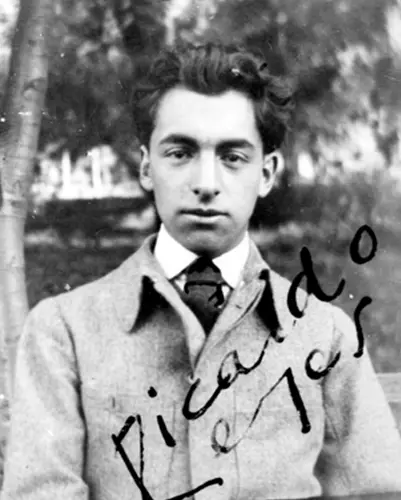
Pablo Neruda

Pablo Neruda

1904-07-12 Parral, Chile
1973-09-23 Santiago, Chile
44418
0
0


Awards and Movements

Nobel 1971Surrealism

Some Poems

The People

The People

I recall that man and not two centuries
have passed since I saw him,
he went neither by horse nor by carriage:
purely on foot
he outstripped
distances,
and carried no sword or armour,
only nets on his shoulder,
axe or hammer or spade,
never fighting the rest of his species:
his exploits were with water and earth,
with wheat so that it turned into bread,
with giant trees to render them wood,
with walls to open up doors,
with sand to construct the walls,
and with ocean for it to bear.


I knew him and he is still not cancelled in me.


The carriages fell to pieces,
war destroyed doors and walls,
the city was a handful of ashes,
all the clothes turned to dust,
and he remains to me,
he survives in the sand,
when everything before
seemed imperishable but him.


In the going and coming of families
at times he was my father or kinsman
or perhaps it was scarcely him or not
the one who did not return to his house
because water or earth swallowed him up
or a tree or an engine killed him,
or he was the saddened carpenter
who went behind the coffin, without tears,
someone in the end who had no name,
except those that metal or timber have,
and on whom others gazed from on high
without seeing the ant
for the anthill
and so that when his feet did not stir,
because the poor exhausted one had died,
they never saw what they had not seen:
already there were other feet where he'd been.


The other feet were still his,
and the other hands,
the man remained:
when it seemed that now he was done for
he was the same once more,
there he was digging again at the earth,


cutting cloth, minus a shirt,
there he was and was not, like before,
he had gone down and was once more,
and since he never owned graveyards,
or tombs, nor was his name carved
on the stone he sweated to quarry,
no one knew he had come
and no one knew when he died,
so that only when the poor man could
he returned to life once more, without it being noted.


He was the man, no doubt of it, without heritage,
without cattle, without a flag,
and he was not distinguished from others,
the others who were him,
from the heights he was grey like the subsoil,
tanned like the leather,
he was yellow reaping the wheat,
he was black down in the mine,
he was the colour of stone on the fortress,
in the fishing boat the colour of tuna,
and the colour of horses in the meadow:
how could anyone distinguish him
if he was inseparable, elemental,
earth, coal or sea vested in man?


Where he lived whatever
a man touched grew:
the hostile stones,
quarried
by his hands,
took on order
and one by one formed
the right clarity of a building,
he made bread with his hands,
moved the engines,
the distances peopled themselves with towns,
other men grew,
bees arrived,
and by man's creating and breeding
spring walked the market squares
between bakeries and doves.


The maker of loaves was forgotten,
he who quarried and journeyed, beating down
and opening furrows, transporting sand,
when everything existed he no longer existed,
he gave his existence, that's all.
He went elsewhere to labour, and at last
he was dead, rolling
like a stone in the river:
death carried him downstream.


I, who knew him, saw him descend
till he was no longer except what he left:
roads he could scarcely know,
houses he never ever would live in.


I turn to see him, and I await him


I see him in his grave and resurrected.


I distinguish him among all
who are his equals
and it seems to me it cannot be,
that like this we go nowhere,
that to survive like this holds no glory.


I believe that this man
must be enthroned, rightly shod and crowned.
I believe that those who made such things
must be the masters of all these things.
And that those who made bread should eat!


And those in the mines must have light!


Enough now of grey men enslaved!


Enough of the pale 'missing ones'!


Not another man passes except as a king.


Not a single woman without her crown.


Golden gauntlets for every hand.


Fruits of the sun for all the unknowns!


I knew that man and when I could,
when he still had eyes in his head,
when he still had a voice in his mouth
I searched for him among tombs, and I said
grasping his arm that was not yet dust:


'All will be gone, you will live on,


You ignite life.


You made what is yours.'


So let no one trouble themselves when
I seem to be alone and am not alone,
I am with no one and speak for them all:


Some listen to me, without knowing,
but those I sing, those who do know
go on being born, and will fill up the Earth.

From – Twenty Poems of Love

From – Twenty Poems of Love

I can write the saddest lines tonight.

Write for example: ‘The night is fractured
and they shiver, blue, those stars, in the distance’


The night wind turns in the sky and sings.
I can write the saddest lines tonight.
I loved her, sometimes she loved me too.


On nights like these I held her in my arms.
I kissed her greatly under the infinite sky.


She loved me, sometimes I loved her too.
How could I not have loved her huge, still eyes.


I can write the saddest lines tonight.
To think I don’t have her, to feel I have lost her.


Hear the vast night, vaster without her.
Lines fall on the soul like dew on the grass.


What does it matter that I couldn’t keep her.
The night is fractured and she is not with me.


That is all. Someone sings far off. Far off,
my soul is not content to have lost her.


As though to reach her, my sight looks for her.
My heart looks for her: she is not with me


The same night whitens, in the same branches.
We, from that time, we are not the same.


I don’t love her, that’s certain, but how I loved her.
My voice tried to find the breeze to reach her.


Another’s kisses on her, like my kisses.
Her voice, her bright body, infinite eyes.


I don’t love her, that’s certain, but perhaps I love her.
Love is brief: forgetting lasts so long.


Since, on these nights, I held her in my arms,
my soul is not content to have lost her.


Though this is the last pain she will make me suffer,
and these are the last lines I will write for her.

I'm Explaining a Few Things

I'm Explaining a Few Things

You are going to ask: and where are the lilacs?
and the poppy-petalled metaphysics?
and the rain repeatedly spattering
its words and drilling them full
of apertures and birds?
I'll tell you all the news.


I lived in a suburb,
a suburb of Madrid, with bells,
and clocks, and trees.


From there you could look out
over Castille's dry face:
a leather ocean.
My house was called
the house of flowers, because in every cranny
geraniums burst: it was
a good-looking house
with its dogs and children.
Remember, Raul?
Eh, Rafel? Federico, do you remember
from under the ground
my balconies on which
the light of June drowned flowers in your mouth?
Brother, my brother!
Everything
loud with big voices, the salt of merchandises,
pile-ups of palpitating bread,
the stalls of my suburb of Arguelles with its statue
like a drained inkwell in a swirl of hake:
oil flowed into spoons,
a deep baying
of feet and hands swelled in the streets,
metres, litres, the sharp
measure of life,
stacked-up fish,
the texture of roofs with a cold sun in which
the weather vane falters,
the fine, frenzied ivory of potatoes,
wave on wave of tomatoes rolling down the sea.


And one morning all that was burning,
one morning the bonfires
leapt out of the earth
devouring human beings -and
from then on fire,
gunpowder from then on,
and from then on blood.
Bandits with planes and Moors,
bandits with finger-rings and duchesses,
bandits with black friars spattering blessings
came through the sky to kill children


and the blood of children ran through the streets
without fuss, like children's blood.


Jackals that the jackals would despise,
stones that the dry thistle would bite on and spit out,
vipers that the vipers would abominate!


Face to face with you I have seen the blood
of Spain tower like a tide
to drown you in one wave
of pride and knives!


Treacherous
generals:
see my dead house,
look at broken Spain :
from every house burning metal flows
instead of flowers,
from every socket of Spain
Spain emerges
and from every dead child a rifle with eyes,
and from every crime bullets are born
which will one day find
the bull's eye of your hearts.


And you'll ask: why doesn't his poetry
speak of dreams and leaves
and the great volcanoes of his native land?


Come and see the blood in the streets.
Come and see
The blood in the streets.
Come and see the blood
In the streets!
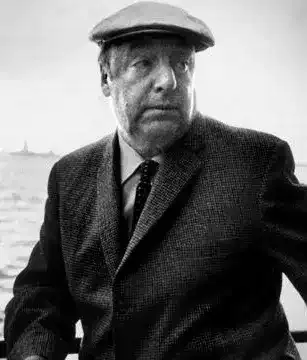
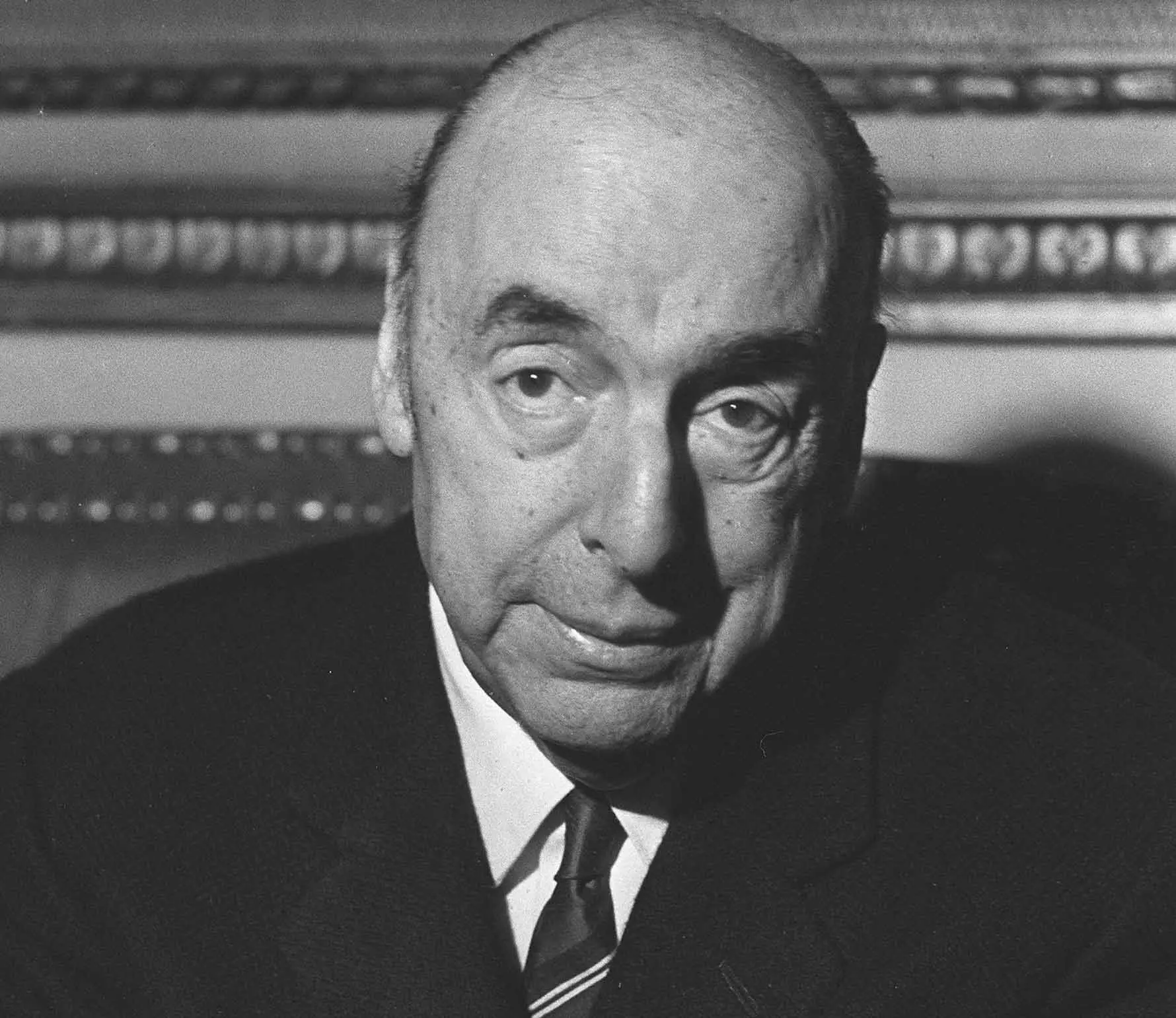
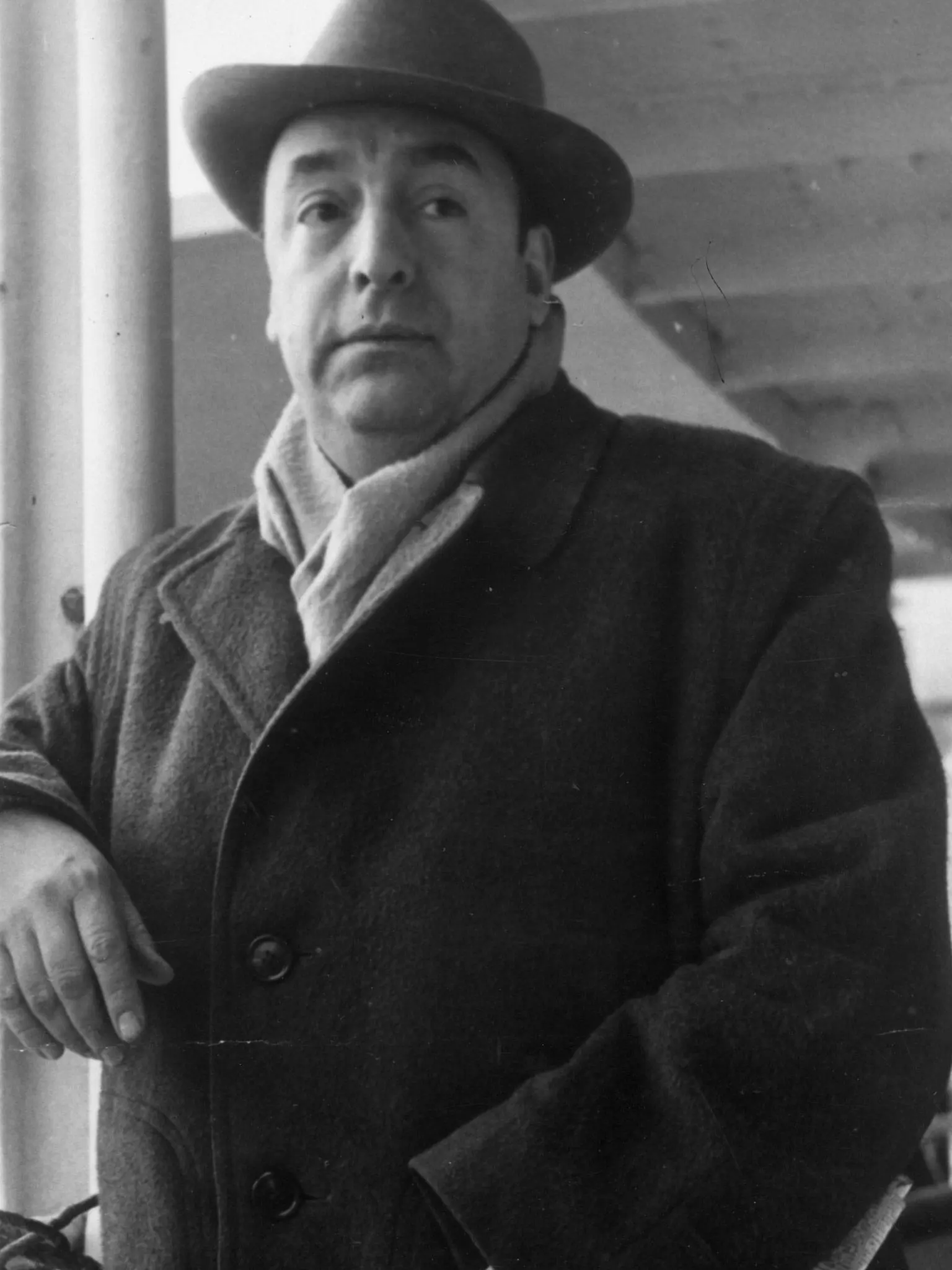
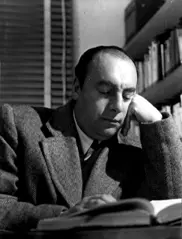
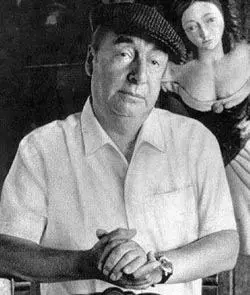
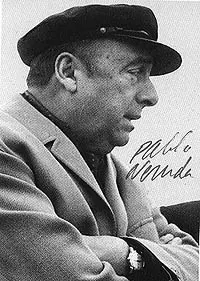
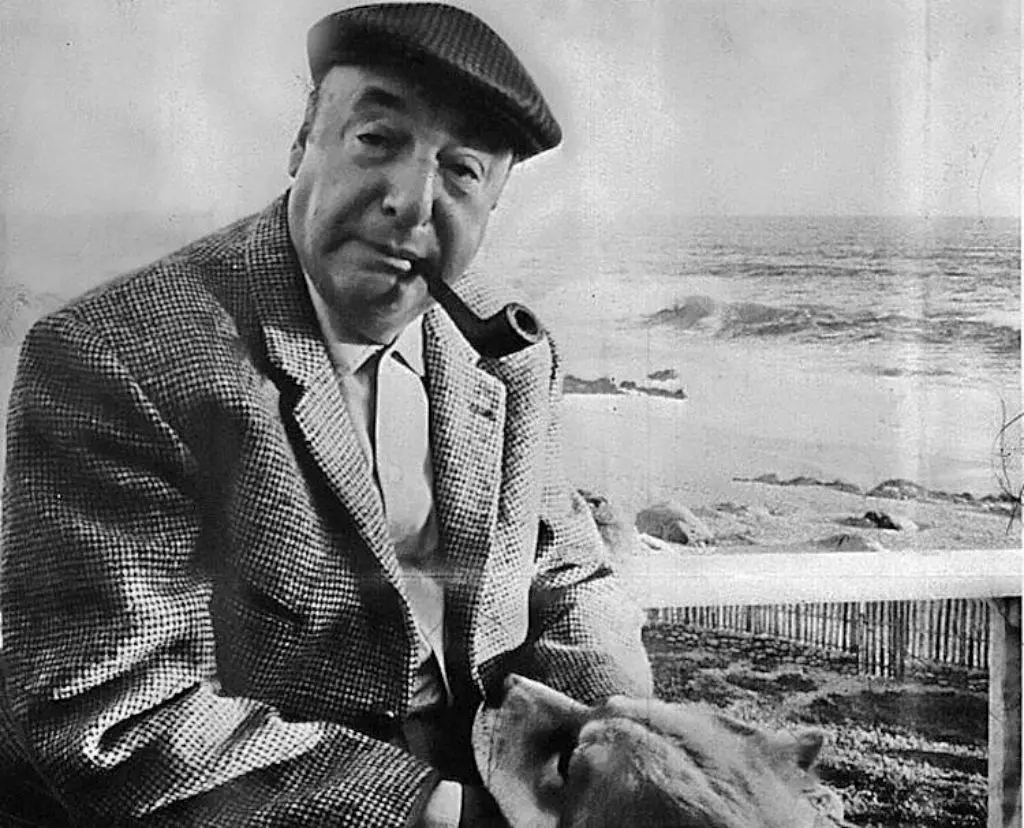
Pablo Neruda (1904-1973) Pablo Neruda was born in Parral, Chile. He studied in Santiago in the twenties. From 1927 to 1945 he was the Chilean consul in Rangoon, in Java, and then in Barcelona. He joined the Communist Party after the Second World War. Between 1970 and 1973 he served in Allende’s Chilean Government as ambassador to Paris. He died shortly after the coup that ended the Allende Government.
wer54w66sf32re2
- - - - - - - - -
If You Forget Me by Pablo Neruda | Powerful Life Poetry
PABLO NERUDA - I LOVE YOU Without Knowing How (poem)
POET, HERO, VILLAIN: The Complicated Life and Philosophy of PABLO NERUDA
Romance and revolution: The poetry of Pablo Neruda - Ilan Stavans
Pablo Neruda documentary
PABLO NERUDA | Poema 20 - Puedo escribir los versos mas tristes esta noche
Pablo Neruda - Tonight I Can Write The Saddest Lines // Spoken Poetry
Pablo Neruda - How I Met Your Mother
Pablo Neruda - If You Forget Me // Spoken Poetry Motivational Inspirational Video
Tonight I Can Write the Saddest Lines – Pablo Neruda (A Poem for Broken Hearts)
ഇനിയും ചുരുളഴിയാത്ത നെരൂദയുടെ മരണം | The Mystery Behind Neruda's Death | Pablo Neruda | The Cue
Tonight I Can Write The Saddest Lines by Pablo Neruda
PABLO NERUDA - NO CULPES A NADIE
Keeping Quiet by Pablo Neruda
Ti Amo ♥ Pablo Neruda
Tonight I Can Write by Pablo Neruda
Patch Adams (I do not love you)(100 Love Sonnets XVII from Pablo Neruda)
Deep Meaningful Life Poetry | Pablo Neruda Poem | Spoken Word
Pablo Neruda - I Like For You To Be Still
Biografía de Pablo Neruda | Premio Nobel de Literatura
ലോകം നെഞ്ചേറ്റിയ കവിയും കവിതയും | Pablo Neruda | Book Talk
Te Amo - Pablo Neruda
Here I Love You ~ Pablo Neruda
Poetry: "Clenched Soul" by Pablo Neruda (read by Tom Hiddleston) (12/07)
Poesia "É assim que te quero amor" [Pablo Neruda]
Always by Pablo Neruda - Poetry Reading
Poesia "Te Amo" [Pablo Neruda]
Pablo Neruda - Poema 20 (con letra)
Poesia "O Teu Riso" [Pablo Neruda]
"Se tu mi dimentichi" di Pablo Neruda, letta da Paolo Rossini
Sabrás que te amo — Pablo Neruda // Poema
PABLO NERUDA. 20 POEMAS DE AMOR Y UNA CANCIÓN DESESPERADA
Saudade | Poema de Pablo Neruda com narração de Mundo Dos Poemas
Quem foi PABLO NERUDA I 50 FATOS I VRATATA
Poetry by Pablo Neruda - Poema 20
If You Forget Me - Pablo Neruda (Madonna)
Pablo Neruda: Forensic experts say Chilean poet was poisoned
The Illusionist | If You Forget Me by Pablo Neruda
Jean Ferrat - Complainte de Pablo Neruda
Tonight I Can write The saddest lines Pablo Neruda Balachandran Chullikkad
The Life and Poetry of Pablo Neruda | ADVANCED | practice English with Spotlight
Pablo Neruda - Te Amo
Douglas Cordare | Te Amo | Pablo Neruda
Vassoler responde: Por que a ditadura chilena envenenou Pablo Neruda?
I Do Not Love You As If You Were Salt-Rose ~ Pablo Neruda
Patch Adams - Poesia Pablo Neruda ITA
PABLO NERUDA - Te Amo (English Translation)
IL TUO SORRISO. Pablo Neruda
Jean Ferrat - Complainte de Pablo Neruda (de Louis Aragon) - HQ STEREO 1995
Absence by Pablo Neruda - Poetry Reading

See also

Who likes

Followers