

Poemas neste tema
Morte e Luto
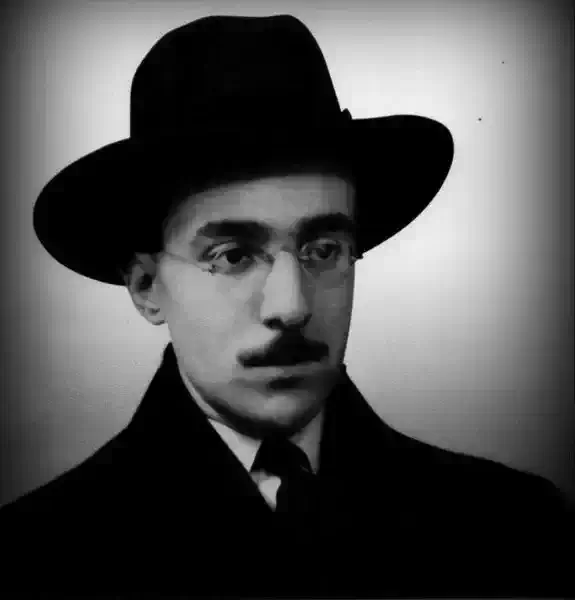
Fernando Pessoa
Now are no Janus’ temple-doors thrown wide
Now are no Janus' temple‑doors thrown wide
To utter thougts of war upon the land.
Now doth no double facing God divide
Him from himself, that sight of him may brand
The symbol of opposed things upon
Our hearts that at our eyes on him are thrown.
Now do no pagan cults tremble at Mars' name
Because bad‑auguring birds like clouds have flown
O'er nations' frontiers, nor do oracles frame
Strange answers unto ears of armoured chiefs,
Replies that leave perplexed their perplexed eyes
That know not whether that heart‑pang they hear
Is the first grief heralding their peoples' griefs
Or the strange cold that the Gods' mysteries
Speak to his soul that is to conquest near.
No. All is dead that wreathed war round with Gods.
Nor omens mute, nor the foiled sacrifice,
No dim words spoken by spilt blood on sods.
Nay, nor the later sense that vice and sloth,
When in a people's heart they nestle both
Do on them call the wrath of heaven, us move.
Our souls are void, like a stage mummer's cries
And our hate and our love mock hate and love.
Something of coldness, like the coming winter,
Crosses our autumn like a profecy.
Round our leaves now no swallows circle and twitter.
No more, no more, shall we heart‑wholesome be.
There is a sadness that with us doth stay
Like a billetted guest, and far away
Our ultimate death awaits us like a sea.
Alas! that even the poesy of wars
Should, like a tired thing, have gone where things go.
Alas! alas! that we have come thus far
Knowing still the same nothing that we know,
To meet more than ourselves, nor no throe
That shall be herald of a newer man.
And ever as the old woes the cold new woe
Fills with its deathless measure our life's span.
No, even the Christian manner of love or hate
Is dead. No God that lives in us survives
The winter in us that snow‑kills God and Fate
And has iced o'er the rivers of our lives.
With cuirass and with pike we laid aside
All that made battle worth the death in it.
Our science‑made war‑gestures now deride
The great eternal things that war doth fit
With helm and armour.
With mortal pomp yet pomp. We are on death's side.
All is as if were not part of it.
All clashes, rings and turmoils as if far.
The foiled imagining within our wit
Ousts war's clear image with bare thought of war.
Our plans are cold, our courage cold, our eyes
When they look inwards dream but the far plain
And vague, picture‑seen faces and their pain
Touches no sense of ours, nor do dreamed cries
Rise in us. What cold thing has become of
Our very hatred? What way has strength gone?
We die as if the sky were not above
Our heads and beneath us sand, grass and stone.
The great eternal presence of all things
No longer doth with us collaborate
To lift our hearts up on invisible wings
And bid us tremble at the thrill of Fate.
The possible fall of empires doth no more
Touch us with that great and mysterious dread
That John on Pathmos saw rise o'er his head
Like a space‑filling sea without a shore.
Alas! our nobler fear has gone away
Where our weariness pointed. We are blind
And learned to blindness. Our wild gestures stray
From us like leaves that fall far off with the wind,
And we fight clearly, coldly, night and day.
These things I thought, knowing that far behind
My visible horizon war was slave
Of that Invisible Master who doth wave
His speechless hand o'er continents and seas
And men like reaped things fall, and the blind wind
With groping hands that in the night are blind
Touches the dead men's faces' mysteries.
This I thought when, lo! before me there was
A door of iron, or what iron seemed,
An unsized portal, and its live‑seeming lock
Seemed all the uses of a lock to mock.
To see that door was to know none could pass
Through it, nor could its other‑side be dreamed.
A ribbon of broad stairs led up to it
But had no meaning, like a laugh unseen,
I looked and the door seemed to sway as hit
By blows, but no blows fell on it. That screen
Was interposed between me and no scene,
Yet, like an eye staring from out the night,
It touched my heart cold with its iron mean.
And this was not in space nor in a light.
Somewhere in me where dreams do themselves show
And have an inner meaning God doth know,
The door was set, and it seemed to my soul
That there since some inner eternity
It ever had been and I something had seen,
Yet half forgot, that like a half‑shown scroll,
Concealed its sense in what it showed to me.
And lo! as my heart looked, the door grew clear
As a near‑lit thing seen in a black night,
And a great sense of a great coming fear
Was fear already in my heart's affright.
Then as I looked I saw - yet it did seem
That in my vision that had ever been -
From beneath the strange door down the steps flow
A string of silent blood, that step by step,
Fell with a motion desolate and slow.
The thin red stream seemed conscious of its course
Though its course seemed to be none, but to fall.
I looked and it fell ever, with a force
Of relinquishment to its fall, a knell
To some hope in me, and the blood
That ever was but a small line did flood
All my pained soul and made it red. The spell
Of its thin redness spreade o'er my thought's mood
And all my thoughts became a great red wall
Set up in front of what in me doth brood.
Then everything shifted, yet was the same.
I looked on as one who sees a child's game
And finds its eyes at interest in it
And knows not why. A sense of end did hit
My power of having feelings with a rain
That did with deep red all my dim soul stain
As it had stained that soul.
Then all the outer world was dashed to night
And, though no floor remained, no sides, no light
To that space‑missed new world, set far from being,
Yet by some clearer virtue of my seeing
All I saw was without nor left nor right
With a name to it, without a place
Even in itself, without an I to see.
The mere great door and the red blood's thin trace
And all the rest was void and mystery.
Then all again seemed changing unto some
New, unimaginable and fearful thing.
The door and that blood‑line seemed to come
A strange new‑featured Face looking out through
The Universe's whole frame, traversing
It like light an invisible glass - a wing
Belonging to no bird our thoughts construe.
Then the door seemed to recede - nay, to have
Receded, when I knew not, nor was there
A when, for Time seem'd as seems a far wave
On a wide sea, something gone past. The bare
Eternal door seemed to have gone to the end
Of a visible infinity, and all
That now remained on which my soul could spend
Its terror was the blood ever at its fall.
Then, though still the same small line of red,
The blood seeemed to grow glass and in it I saw
A mighty river full of strange things - dead
Men, children, wrecks of bridges, cities, thrones,
And still the line was a small red line, (...)
Of other meaning than that
That before God for the clear world atones.
But the (...) visions in that line contained
Seemed wide as space. The red line seemed a slit
In a thin door through which our eyes can see
Large fields, a city and the whole sky stained
With clouds, and all this in the line could be;
And from some unknown where I looked on it.
It seemed the edge of a cube opening
Sideways to sides of visions, more and more.
Now and then across its glass - like being a wing
Passed a tremor ran over everything
That had in it a clear and tragic being.
Then ceased. And from, past space, the door
Still held my unconscious consciousness of seeing.
It seemed sometimes a bright, red moving veil
And through it as through a stained window I guessed
A night and stars on a vague pale day pressed,
On a same horizon desolate and pale.
Then, as I stared, suddenly before me,
Like a fan suddenly opened, the blood‑line
Took space from side to side, leaving naught to me
Left or right of it. Its red (...) fact
Became a red Niagara, a cataract.
But there were no steps, nothing: it did fall
As if drawn in the air, over no edge, and all
Was this and this was its own mystery.
Then lo! over the edge, no longer now,
But empires rolled, and I saw Greece and Rome
Pass. And still over the eternal flow
Reddened from left to right my inner sight's home
Of seeing. And all like to God's blood did come
Like a great rain off a huge thorn‑crowned brow.
And I saw more and more strange empires roll
Down and some I knew not, nor seeing them, guessed.
Awhile their falling the fall's brink caressed
Then they sunk down somewhere within my soul,
And my soul was the soul of all the world,
And from my (...) eyes that saw all this
Suddenly I felt, as if a flag unfurled,
God in me look out at these mysteries.
My eyes seemed windows of another sight
Of someone set behind my soul in the night
Looking through my eyes and my sight, mine own
Was but a glass those unknown eyes looked through,
And still the vision was blood falling down
In cataracts into Mystery, red and slow.
I became one with world and Fate and God,
And the great River that came on and fell
Let me see through its veil of (...) blood
The stars shine and a vague moonlight, then fell
Something from me. The cataract came more near
To my sight; then it seemed into mine eyes
To creep to become with them and the fear
To pass behind them into some soul (...).
Then all that did remain was the stars light
And again in the dark infinity
My pity and my dread alone with me
And my dream's meaning like a paling night.
To utter thougts of war upon the land.
Now doth no double facing God divide
Him from himself, that sight of him may brand
The symbol of opposed things upon
Our hearts that at our eyes on him are thrown.
Now do no pagan cults tremble at Mars' name
Because bad‑auguring birds like clouds have flown
O'er nations' frontiers, nor do oracles frame
Strange answers unto ears of armoured chiefs,
Replies that leave perplexed their perplexed eyes
That know not whether that heart‑pang they hear
Is the first grief heralding their peoples' griefs
Or the strange cold that the Gods' mysteries
Speak to his soul that is to conquest near.
No. All is dead that wreathed war round with Gods.
Nor omens mute, nor the foiled sacrifice,
No dim words spoken by spilt blood on sods.
Nay, nor the later sense that vice and sloth,
When in a people's heart they nestle both
Do on them call the wrath of heaven, us move.
Our souls are void, like a stage mummer's cries
And our hate and our love mock hate and love.
Something of coldness, like the coming winter,
Crosses our autumn like a profecy.
Round our leaves now no swallows circle and twitter.
No more, no more, shall we heart‑wholesome be.
There is a sadness that with us doth stay
Like a billetted guest, and far away
Our ultimate death awaits us like a sea.
Alas! that even the poesy of wars
Should, like a tired thing, have gone where things go.
Alas! alas! that we have come thus far
Knowing still the same nothing that we know,
To meet more than ourselves, nor no throe
That shall be herald of a newer man.
And ever as the old woes the cold new woe
Fills with its deathless measure our life's span.
No, even the Christian manner of love or hate
Is dead. No God that lives in us survives
The winter in us that snow‑kills God and Fate
And has iced o'er the rivers of our lives.
With cuirass and with pike we laid aside
All that made battle worth the death in it.
Our science‑made war‑gestures now deride
The great eternal things that war doth fit
With helm and armour.
With mortal pomp yet pomp. We are on death's side.
All is as if were not part of it.
All clashes, rings and turmoils as if far.
The foiled imagining within our wit
Ousts war's clear image with bare thought of war.
Our plans are cold, our courage cold, our eyes
When they look inwards dream but the far plain
And vague, picture‑seen faces and their pain
Touches no sense of ours, nor do dreamed cries
Rise in us. What cold thing has become of
Our very hatred? What way has strength gone?
We die as if the sky were not above
Our heads and beneath us sand, grass and stone.
The great eternal presence of all things
No longer doth with us collaborate
To lift our hearts up on invisible wings
And bid us tremble at the thrill of Fate.
The possible fall of empires doth no more
Touch us with that great and mysterious dread
That John on Pathmos saw rise o'er his head
Like a space‑filling sea without a shore.
Alas! our nobler fear has gone away
Where our weariness pointed. We are blind
And learned to blindness. Our wild gestures stray
From us like leaves that fall far off with the wind,
And we fight clearly, coldly, night and day.
These things I thought, knowing that far behind
My visible horizon war was slave
Of that Invisible Master who doth wave
His speechless hand o'er continents and seas
And men like reaped things fall, and the blind wind
With groping hands that in the night are blind
Touches the dead men's faces' mysteries.
This I thought when, lo! before me there was
A door of iron, or what iron seemed,
An unsized portal, and its live‑seeming lock
Seemed all the uses of a lock to mock.
To see that door was to know none could pass
Through it, nor could its other‑side be dreamed.
A ribbon of broad stairs led up to it
But had no meaning, like a laugh unseen,
I looked and the door seemed to sway as hit
By blows, but no blows fell on it. That screen
Was interposed between me and no scene,
Yet, like an eye staring from out the night,
It touched my heart cold with its iron mean.
And this was not in space nor in a light.
Somewhere in me where dreams do themselves show
And have an inner meaning God doth know,
The door was set, and it seemed to my soul
That there since some inner eternity
It ever had been and I something had seen,
Yet half forgot, that like a half‑shown scroll,
Concealed its sense in what it showed to me.
And lo! as my heart looked, the door grew clear
As a near‑lit thing seen in a black night,
And a great sense of a great coming fear
Was fear already in my heart's affright.
Then as I looked I saw - yet it did seem
That in my vision that had ever been -
From beneath the strange door down the steps flow
A string of silent blood, that step by step,
Fell with a motion desolate and slow.
The thin red stream seemed conscious of its course
Though its course seemed to be none, but to fall.
I looked and it fell ever, with a force
Of relinquishment to its fall, a knell
To some hope in me, and the blood
That ever was but a small line did flood
All my pained soul and made it red. The spell
Of its thin redness spreade o'er my thought's mood
And all my thoughts became a great red wall
Set up in front of what in me doth brood.
Then everything shifted, yet was the same.
I looked on as one who sees a child's game
And finds its eyes at interest in it
And knows not why. A sense of end did hit
My power of having feelings with a rain
That did with deep red all my dim soul stain
As it had stained that soul.
Then all the outer world was dashed to night
And, though no floor remained, no sides, no light
To that space‑missed new world, set far from being,
Yet by some clearer virtue of my seeing
All I saw was without nor left nor right
With a name to it, without a place
Even in itself, without an I to see.
The mere great door and the red blood's thin trace
And all the rest was void and mystery.
Then all again seemed changing unto some
New, unimaginable and fearful thing.
The door and that blood‑line seemed to come
A strange new‑featured Face looking out through
The Universe's whole frame, traversing
It like light an invisible glass - a wing
Belonging to no bird our thoughts construe.
Then the door seemed to recede - nay, to have
Receded, when I knew not, nor was there
A when, for Time seem'd as seems a far wave
On a wide sea, something gone past. The bare
Eternal door seemed to have gone to the end
Of a visible infinity, and all
That now remained on which my soul could spend
Its terror was the blood ever at its fall.
Then, though still the same small line of red,
The blood seeemed to grow glass and in it I saw
A mighty river full of strange things - dead
Men, children, wrecks of bridges, cities, thrones,
And still the line was a small red line, (...)
Of other meaning than that
That before God for the clear world atones.
But the (...) visions in that line contained
Seemed wide as space. The red line seemed a slit
In a thin door through which our eyes can see
Large fields, a city and the whole sky stained
With clouds, and all this in the line could be;
And from some unknown where I looked on it.
It seemed the edge of a cube opening
Sideways to sides of visions, more and more.
Now and then across its glass - like being a wing
Passed a tremor ran over everything
That had in it a clear and tragic being.
Then ceased. And from, past space, the door
Still held my unconscious consciousness of seeing.
It seemed sometimes a bright, red moving veil
And through it as through a stained window I guessed
A night and stars on a vague pale day pressed,
On a same horizon desolate and pale.
Then, as I stared, suddenly before me,
Like a fan suddenly opened, the blood‑line
Took space from side to side, leaving naught to me
Left or right of it. Its red (...) fact
Became a red Niagara, a cataract.
But there were no steps, nothing: it did fall
As if drawn in the air, over no edge, and all
Was this and this was its own mystery.
Then lo! over the edge, no longer now,
But empires rolled, and I saw Greece and Rome
Pass. And still over the eternal flow
Reddened from left to right my inner sight's home
Of seeing. And all like to God's blood did come
Like a great rain off a huge thorn‑crowned brow.
And I saw more and more strange empires roll
Down and some I knew not, nor seeing them, guessed.
Awhile their falling the fall's brink caressed
Then they sunk down somewhere within my soul,
And my soul was the soul of all the world,
And from my (...) eyes that saw all this
Suddenly I felt, as if a flag unfurled,
God in me look out at these mysteries.
My eyes seemed windows of another sight
Of someone set behind my soul in the night
Looking through my eyes and my sight, mine own
Was but a glass those unknown eyes looked through,
And still the vision was blood falling down
In cataracts into Mystery, red and slow.
I became one with world and Fate and God,
And the great River that came on and fell
Let me see through its veil of (...) blood
The stars shine and a vague moonlight, then fell
Something from me. The cataract came more near
To my sight; then it seemed into mine eyes
To creep to become with them and the fear
To pass behind them into some soul (...).
Then all that did remain was the stars light
And again in the dark infinity
My pity and my dread alone with me
And my dream's meaning like a paling night.
1 650

João Fortunato
História Triste
Ao Vasco Granja
Debaixo da magnólia
No jardim sossegado
O menddigo adormecera…
Agora,
Já não tinha calor
Aquele corpo enregelado,
Ali, no banco, abandonado,
A vida, dele se esquecera.
Uma flor que caíra
Ao velho chapéu se lhe prendera…
E os raros que passavam
Na noite silencioso,
Não passavam,
E, de mais não cuidando,
Riam
Da caricatura
Do chapéu roto florido!
Somente um cão vadio
Que se fora aproximando
Tentou saber quqlquer coisa;
Mas logo também se ia,
Soltando triste latido,
Ao sentir a mão tão fria
Que, do banco, imóvel, pendia…
Neste momento fugiu
Um pássaro que se assustou;
A magnólia estremeceu,
E mais uma flor tombou…
Já longe, o cão vadio,
Aos pávidos astros uivou…
(in Antologia de Poetas Alentejanos)
Debaixo da magnólia
No jardim sossegado
O menddigo adormecera…
Agora,
Já não tinha calor
Aquele corpo enregelado,
Ali, no banco, abandonado,
A vida, dele se esquecera.
Uma flor que caíra
Ao velho chapéu se lhe prendera…
E os raros que passavam
Na noite silencioso,
Não passavam,
E, de mais não cuidando,
Riam
Da caricatura
Do chapéu roto florido!
Somente um cão vadio
Que se fora aproximando
Tentou saber quqlquer coisa;
Mas logo também se ia,
Soltando triste latido,
Ao sentir a mão tão fria
Que, do banco, imóvel, pendia…
Neste momento fugiu
Um pássaro que se assustou;
A magnólia estremeceu,
E mais uma flor tombou…
Já longe, o cão vadio,
Aos pávidos astros uivou…
(in Antologia de Poetas Alentejanos)
837

Jorge Fonseca Jr.
Haicai
Este abacateiro
acende, ante a luz do luar,
suas suaves lâmpadas...
Ah! Uns olhos sem luz
vêm ver jasmins florescer
diante de uma cruz...
acende, ante a luz do luar,
suas suaves lâmpadas...
Ah! Uns olhos sem luz
vêm ver jasmins florescer
diante de uma cruz...
1 253
João Fortunato
Estela
Para Manuel Ribeiro de Paiva
Orgulho natural,
Integridade,
Um corpo que não se vende,
Humilha, ou trai.
Só agora,
Toda claridade,
Sua alma a nós se rende
E não se retrai.
E alva,frágil,
Agreste como flor de esteva,
Acima do turbilhão
Da cidade que a colheu,
Liberta, se eleva…
Orgulho natural,
Integridade,
Um corpo que não se vende,
Humilha, ou trai.
Só agora,
Toda claridade,
Sua alma a nós se rende
E não se retrai.
E alva,frágil,
Agreste como flor de esteva,
Acima do turbilhão
Da cidade que a colheu,
Liberta, se eleva…
767
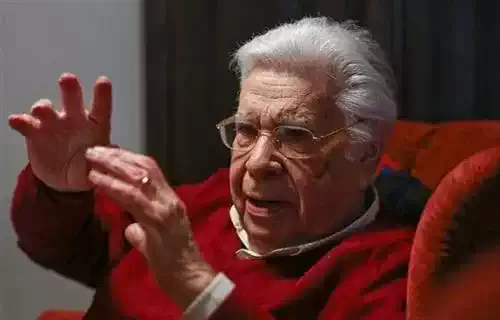
José Fernandes Fafe
Sonho
A sua presença de mulher foi-se ausentando...
A um gesto seu, diáfano, alou-se o sofrimento...
Tudo era sua voz, mas sem significar
mais que o murmúrio dum encantamento...
Prendia-nos um fio de segredo, murmurado
pelos seus olhos baixados, antes dum sorriso,
com que a meus olhos as coisas se velaram
para lá do seu rosto assim preciso...
Pudor na sua alma ou nos meus dedos?
Como é indizível essa experiência de morrer!
O que me resta é regressar à Vida,
amá-la, delicadamente, como os mortos
— se os mortos pudessem reviver.
A um gesto seu, diáfano, alou-se o sofrimento...
Tudo era sua voz, mas sem significar
mais que o murmúrio dum encantamento...
Prendia-nos um fio de segredo, murmurado
pelos seus olhos baixados, antes dum sorriso,
com que a meus olhos as coisas se velaram
para lá do seu rosto assim preciso...
Pudor na sua alma ou nos meus dedos?
Como é indizível essa experiência de morrer!
O que me resta é regressar à Vida,
amá-la, delicadamente, como os mortos
— se os mortos pudessem reviver.
973
José Fernandes Fafe
Testamento, entre os pinheiros e o mar
Se eu morrer primeiro do que tu,
salva a ternura que salvei.
Depois, se te doer, firma o olhar
nas ondas mais longínquas do mar largo,
destrói a dor nas lágrimas, e o vento
que te esvoace a saia e o cabelo,
pinheiro firme, cego dos sentidos,
entre as flores silvestres e a espuma...
E o indício de tudo ter passado
(eu, um tempo feliz que se recorda)
é sentires o longo, íntimo afago
do marulho do mar, mão pelos cabelos...
salva a ternura que salvei.
Depois, se te doer, firma o olhar
nas ondas mais longínquas do mar largo,
destrói a dor nas lágrimas, e o vento
que te esvoace a saia e o cabelo,
pinheiro firme, cego dos sentidos,
entre as flores silvestres e a espuma...
E o indício de tudo ter passado
(eu, um tempo feliz que se recorda)
é sentires o longo, íntimo afago
do marulho do mar, mão pelos cabelos...
928
Fernando Pessoa
ON BABY'S DEATH
With the doleful dead man's bell
Ring, oh, ring not Baby's knell!
Let her calmly, calmly sleep,
But with the flow’rs fresh from the dell
Make thou a music wild and deep,
Such as men can but know well
When their souls have learnt to weep.
As if Love's self had gone from earth
Oh, sing a music that has birth
In the suspension of commotion
For thus hath death made our emotion.
Sing thou a song more deep and true
Than the vague, soft song of ocean
The quiet darkness moaning through.
Sing into sad tears our distress!
Oh, let soft sorrow be thy strain!
She's gone beyond our love's caress,
Giving to life more loneliness
And to mystery more pain.
Ring, oh, ring not Baby's knell!
Let her calmly, calmly sleep,
But with the flow’rs fresh from the dell
Make thou a music wild and deep,
Such as men can but know well
When their souls have learnt to weep.
As if Love's self had gone from earth
Oh, sing a music that has birth
In the suspension of commotion
For thus hath death made our emotion.
Sing thou a song more deep and true
Than the vague, soft song of ocean
The quiet darkness moaning through.
Sing into sad tears our distress!
Oh, let soft sorrow be thy strain!
She's gone beyond our love's caress,
Giving to life more loneliness
And to mystery more pain.
1 528
Fernando Pessoa
A folha insciente, antes que a própria morra
A folha insciente, antes que a própria morra
Para nós morre, Cloé,
Para nós, que sabemos que ela morre
Assim, Cloé, assim
Antes que os próprios corpos, que empregamos
No amor, ela envelhece.
Assim, diversos, somos, inda jovens,
Só a mútua lembrança.
Ah, se o que somos é sempre isto, e apenas
Uma hora é o que somos,
Com tal fúria nessa hora nos usemos
Que arda sua lembrança
Como vida, e nos beijemos, Cloé,
Como se, findo o beijo
Único, houvesse de ruir a súbita
Mole do morto mundo.
Para nós morre, Cloé,
Para nós, que sabemos que ela morre
Assim, Cloé, assim
Antes que os próprios corpos, que empregamos
No amor, ela envelhece.
Assim, diversos, somos, inda jovens,
Só a mútua lembrança.
Ah, se o que somos é sempre isto, e apenas
Uma hora é o que somos,
Com tal fúria nessa hora nos usemos
Que arda sua lembrança
Como vida, e nos beijemos, Cloé,
Como se, findo o beijo
Único, houvesse de ruir a súbita
Mole do morto mundo.
957
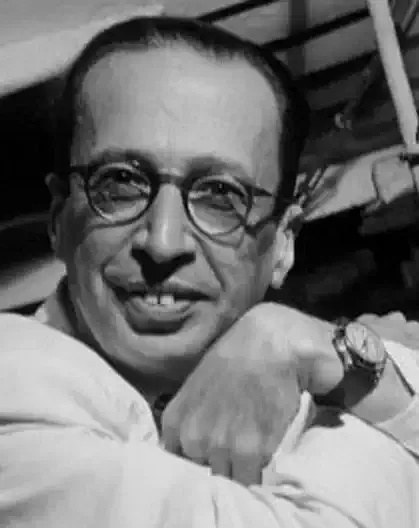
Manuel Bandeira
Balada do Rei das Sereias
O rei atirou
Seu anel ao mar
E disse às sereias:
— Ide-o lá buscar,
Que se o não trouxerdes,
Virareis espuma
Das ondas do mar!
Foram as sereias,
Não tardou, voltaram
Com o perdido anel.
Maldito o capricho
De rei tão cruel!
O rei atirou
Grãos de arroz ao mar
E disse às sereias:
— Ide-os lá buscar,
Que se os não trouxerdes,
Virareis espuma
Das ondas do mar!
Foram as sereias,
Não tardou, voltaram,
Não faltava um grão.
Maldito o capricho
Do mau coração!
O rei atirou
Sua filha ao mar
E disse às sereias:
— Ide-a lá buscar,
Que se a não trouxerdes,
Virareis espuma
Das ondas do mar!
Foram as sereias...
Quem as viu voltar?...
Não voltaram nunca!
Viraram espuma
Das ondas do mar.
Petrópolis, 25.3.1943
Seu anel ao mar
E disse às sereias:
— Ide-o lá buscar,
Que se o não trouxerdes,
Virareis espuma
Das ondas do mar!
Foram as sereias,
Não tardou, voltaram
Com o perdido anel.
Maldito o capricho
De rei tão cruel!
O rei atirou
Grãos de arroz ao mar
E disse às sereias:
— Ide-os lá buscar,
Que se os não trouxerdes,
Virareis espuma
Das ondas do mar!
Foram as sereias,
Não tardou, voltaram,
Não faltava um grão.
Maldito o capricho
Do mau coração!
O rei atirou
Sua filha ao mar
E disse às sereias:
— Ide-a lá buscar,
Que se a não trouxerdes,
Virareis espuma
Das ondas do mar!
Foram as sereias...
Quem as viu voltar?...
Não voltaram nunca!
Viraram espuma
Das ondas do mar.
Petrópolis, 25.3.1943
1 848
Fernando Pessoa
I love this world and all these men because
I love this world and all these men because
I shall not love them long. That we do die
I believe not, bound fast to higher laws,
But that we lose this world do not deny.
This light that in the sea makes many a light,
This breeze so soft when least we feel it most,
May be replaced by a diviner sight
Or by a truer breeze; but these are lost.
Like some strange trick of childhood that was ill
Yet had the childhood, in it I regret
Perchance in some far world sublime and stiIl,
The childhood that I never shall forget —
No, nor these toys of sense —this world, these men —,
Dear now when had because dear when lost then.
I shall not love them long. That we do die
I believe not, bound fast to higher laws,
But that we lose this world do not deny.
This light that in the sea makes many a light,
This breeze so soft when least we feel it most,
May be replaced by a diviner sight
Or by a truer breeze; but these are lost.
Like some strange trick of childhood that was ill
Yet had the childhood, in it I regret
Perchance in some far world sublime and stiIl,
The childhood that I never shall forget —
No, nor these toys of sense —this world, these men —,
Dear now when had because dear when lost then.
1 506
Fernando Pessoa
P-HÁ
Hoje, que sinto nada a vontade, e não sei que dizer,
Hoje, que tenho a inteligência sem saber o que querer,
Quero escrever o meu epitáfio: Álvaro de Campos jaz
Aqui, o resto a Antologia grega traz...
E a que propósito vem este bocado de rimas?
Nada... Um amigo meu, chamado (suponho) Simas,
Perguntou-me na rua o que é que estava a fazer,
E escrevo estes versos assim em vez de lho não saber dizer.
É raro eu rimar, e é raro alguém rimar com juízo.
Mas às vezes rimar é preciso.
Meu coração faz pá como um saco de papel socado
Com força, cheio de sopro, contra a parede do lado.
E o transeunte, num sobressalto, volta-se de repente
E eu acabo este poema indeterminadamente.
Hoje, que tenho a inteligência sem saber o que querer,
Quero escrever o meu epitáfio: Álvaro de Campos jaz
Aqui, o resto a Antologia grega traz...
E a que propósito vem este bocado de rimas?
Nada... Um amigo meu, chamado (suponho) Simas,
Perguntou-me na rua o que é que estava a fazer,
E escrevo estes versos assim em vez de lho não saber dizer.
É raro eu rimar, e é raro alguém rimar com juízo.
Mas às vezes rimar é preciso.
Meu coração faz pá como um saco de papel socado
Com força, cheio de sopro, contra a parede do lado.
E o transeunte, num sobressalto, volta-se de repente
E eu acabo este poema indeterminadamente.
1 422
Fernando Pessoa
Bem sei que tudo é natural
Bem sei que tudo é natural
Mas ainda tenho coração...
Boa noite e merda!...
(Estala, meu coração!)
(Merda para a humanidade inteira!)
Na casa da mãe do filho que foi atropelado,
Tudo ri, tudo brinca.
E há um grande ruído de buzinas sem conta a lembrar
Receberam a compensação:
Bebé igual a X,
Gozam o X neste momento,
Comem e bebem o bebé morto,
Bravo! São gente!
Bravo! São a humanidade!
Bravo: são todos os pais e todas as mães
Que têm filhos atropeláveis!
Como tudo esquece quando há dinheiro.
Bebé igual a X.
Com isso se forrou a papel uma casa.
Com isso se pagou a última prestação da mobília.
Coitadito do Bebé.
Mas, se não tivesse sido morto por atropelamento, que seria das contas?
Sim, era amado.
Sim, era querido
Mas morreu.
Paciência, morreu!
Que pena, morreu!
Mas deixou o com que pagar contas
E isso é qualquer coisa.
(É claro que foi uma desgraça)
Mas agora pagam-se as contas.
(É claro que aquele pobre corpinho
Ficou triturado)
Mas agora, ao menos, não se deve na mercearia.
(É pena sim, mas há sempre um alívio.)
O bebé morreu, mas o que existe são dez contos.
Isso, dez contos.
Pode fazer-se muito (pobre bebé) com dez contos.
Pagar muitas dívidas (bebezinho querido)
Com dez contos.
Pôr muita coisa em ordem
(Lindo bebé que morreste) com dez contos.
Bem se sabe é triste
(Dez contos)
Uma criancinha nossa atropelada
(Dez contos)
Mas a visão da casa remodelada
(Dez contos)
De um lar reconstituído
(Dez contos)
Faz esquecer muitas coisas (como o choramos!)
Dez contos!
Parece que foi por Deus que os recebeu
(Esses dez contos).
Pobre bebé trucidado!
Dez contos.
Mas ainda tenho coração...
Boa noite e merda!...
(Estala, meu coração!)
(Merda para a humanidade inteira!)
Na casa da mãe do filho que foi atropelado,
Tudo ri, tudo brinca.
E há um grande ruído de buzinas sem conta a lembrar
Receberam a compensação:
Bebé igual a X,
Gozam o X neste momento,
Comem e bebem o bebé morto,
Bravo! São gente!
Bravo! São a humanidade!
Bravo: são todos os pais e todas as mães
Que têm filhos atropeláveis!
Como tudo esquece quando há dinheiro.
Bebé igual a X.
Com isso se forrou a papel uma casa.
Com isso se pagou a última prestação da mobília.
Coitadito do Bebé.
Mas, se não tivesse sido morto por atropelamento, que seria das contas?
Sim, era amado.
Sim, era querido
Mas morreu.
Paciência, morreu!
Que pena, morreu!
Mas deixou o com que pagar contas
E isso é qualquer coisa.
(É claro que foi uma desgraça)
Mas agora pagam-se as contas.
(É claro que aquele pobre corpinho
Ficou triturado)
Mas agora, ao menos, não se deve na mercearia.
(É pena sim, mas há sempre um alívio.)
O bebé morreu, mas o que existe são dez contos.
Isso, dez contos.
Pode fazer-se muito (pobre bebé) com dez contos.
Pagar muitas dívidas (bebezinho querido)
Com dez contos.
Pôr muita coisa em ordem
(Lindo bebé que morreste) com dez contos.
Bem se sabe é triste
(Dez contos)
Uma criancinha nossa atropelada
(Dez contos)
Mas a visão da casa remodelada
(Dez contos)
De um lar reconstituído
(Dez contos)
Faz esquecer muitas coisas (como o choramos!)
Dez contos!
Parece que foi por Deus que os recebeu
(Esses dez contos).
Pobre bebé trucidado!
Dez contos.
1 403
Fernando Pessoa
I. - Take me up in thine arms, oh some mother.
[I.]
Take me up in thine arms, oh some mother.
Take me up in thine arms, make me a child.
An endless lack of joy every joy doth smother
That rises in me, sudden or great or mild.
Take me up in thine arms, rock me to sleep.
Rock me to sleep in a great meaningless way.
And may I hear, like one who sleeps in a house by a bay,
A great loud wind rise like a life from the deep
And cease as I fall asleep like a life that passes away.
II.
All I have wished to do, mother, I have not done.
Even what I wish to feel makes mistakes within me.
I grow tired, dimly tired, of the calm and constant sun,
And restless beside the happier restlessness of the sea.
Oh for a boat to believe I might sail in it and go,
Beyond the walls of my sensations' world and become
A floating absence from my worn self, a discarded woe
Trailing behind me likes a ship's trail, shining through
My consciousness of having dropt my life like a lamp in a home.
III.
Mother, my cheeks grow thin with cares I forget to know.
With things I forget to feel, nor know how to think, I pine.
Mine envy, mother, is with the figure of the sturdy man at the wheel,
That does his duty in storms and is salt at soul with good brine.
My heart is lost to a perillous life full of achievement and breath.
My thoughts are given like gifts to a life I could never live.
Teach me how to myself my own life I can forgive.
Teach me how to love life, at least how not to fear death,
And be all that you teach in the sense of a mute kiss you give.
IV.
Rock me to and fro in your arms, mother. It is night.
There is something of endless motion, of final ceasing of care,
In your rocking of me now from now into the light
That the cottage lamp sheds on your rocking fire with the same yellow flare.
Let me sleep, let me sleep, outsleep the ages and Time.
Drift far away from space like a hulk away from shore.
Be your arms around me like a land or a day or a clime,
Be your casual lips on my brow like forgiveness of crime.
Rock me till I lose being, mother, rock me still more.
V.
My pain outgrows my power to feel pain. I am numb. I am faint.
I sicken from having lived no life, but all dreams, dreams, dreams,
My soul is poisoned, mother, with an old and mysterious tai[nt]
And now that you have stopped rocking full on my brow the lamp gleams.
Hide me, mother, from the light for it seems that it sees.
Hide me, make me be blurred against your breast and the night.
Lo! outside the great swell of the dim and eternal seas!
Mother, whom do we wait, to return from beyond the seas?
Is it for anyone at sea that the joy of our lamp we light.
VI.
The wind hath risen, the wind hath risen. Something is colder and truer.
Something of life and its mystery creeps into the room.
Mother, stop the window chinks, make the door fast and sure.
We never know what horror it is that out of the Night may come.
We know not whom we await. It may be worse than the dark.
It may be shapeless unto our thought and dread as God if he be...
Mother, new sounds are creeping like snakes through the darkness. Hark!
Is it the wind you fear? Is it the sea you remark?
Mother, make me to sleep at once, ere I may hear or see.
VII.
When will it born. Mother, this fear and this smart,
This ache as of something lost or something near to be found,
Coils like a viscous impossible manner of snake round the heart
And the night, mother, the night without being nor bound!...
Put your arms so much around me, so much, so close so fast
That they cover the eyes of my fancy and cling round my thought's quick ear.
Mother, let us not see if the night will pass or last.
Let us not think nor be... Let life be as if past.
Let our total and infinite death be the day and the ceasing of fear.
Take me up in thine arms, oh some mother.
Take me up in thine arms, make me a child.
An endless lack of joy every joy doth smother
That rises in me, sudden or great or mild.
Take me up in thine arms, rock me to sleep.
Rock me to sleep in a great meaningless way.
And may I hear, like one who sleeps in a house by a bay,
A great loud wind rise like a life from the deep
And cease as I fall asleep like a life that passes away.
II.
All I have wished to do, mother, I have not done.
Even what I wish to feel makes mistakes within me.
I grow tired, dimly tired, of the calm and constant sun,
And restless beside the happier restlessness of the sea.
Oh for a boat to believe I might sail in it and go,
Beyond the walls of my sensations' world and become
A floating absence from my worn self, a discarded woe
Trailing behind me likes a ship's trail, shining through
My consciousness of having dropt my life like a lamp in a home.
III.
Mother, my cheeks grow thin with cares I forget to know.
With things I forget to feel, nor know how to think, I pine.
Mine envy, mother, is with the figure of the sturdy man at the wheel,
That does his duty in storms and is salt at soul with good brine.
My heart is lost to a perillous life full of achievement and breath.
My thoughts are given like gifts to a life I could never live.
Teach me how to myself my own life I can forgive.
Teach me how to love life, at least how not to fear death,
And be all that you teach in the sense of a mute kiss you give.
IV.
Rock me to and fro in your arms, mother. It is night.
There is something of endless motion, of final ceasing of care,
In your rocking of me now from now into the light
That the cottage lamp sheds on your rocking fire with the same yellow flare.
Let me sleep, let me sleep, outsleep the ages and Time.
Drift far away from space like a hulk away from shore.
Be your arms around me like a land or a day or a clime,
Be your casual lips on my brow like forgiveness of crime.
Rock me till I lose being, mother, rock me still more.
V.
My pain outgrows my power to feel pain. I am numb. I am faint.
I sicken from having lived no life, but all dreams, dreams, dreams,
My soul is poisoned, mother, with an old and mysterious tai[nt]
And now that you have stopped rocking full on my brow the lamp gleams.
Hide me, mother, from the light for it seems that it sees.
Hide me, make me be blurred against your breast and the night.
Lo! outside the great swell of the dim and eternal seas!
Mother, whom do we wait, to return from beyond the seas?
Is it for anyone at sea that the joy of our lamp we light.
VI.
The wind hath risen, the wind hath risen. Something is colder and truer.
Something of life and its mystery creeps into the room.
Mother, stop the window chinks, make the door fast and sure.
We never know what horror it is that out of the Night may come.
We know not whom we await. It may be worse than the dark.
It may be shapeless unto our thought and dread as God if he be...
Mother, new sounds are creeping like snakes through the darkness. Hark!
Is it the wind you fear? Is it the sea you remark?
Mother, make me to sleep at once, ere I may hear or see.
VII.
When will it born. Mother, this fear and this smart,
This ache as of something lost or something near to be found,
Coils like a viscous impossible manner of snake round the heart
And the night, mother, the night without being nor bound!...
Put your arms so much around me, so much, so close so fast
That they cover the eyes of my fancy and cling round my thought's quick ear.
Mother, let us not see if the night will pass or last.
Let us not think nor be... Let life be as if past.
Let our total and infinite death be the day and the ceasing of fear.
1 422
Fernando Pessoa
DILUENTE
DILUENTE
A vizinha do número quatorze ria hoje da porta
De onde há um mês saiu o enterro do filho pequeno.
Ria naturalmente com a alma na cara.
Está certo: é a vida.
A dor não dura porque a dor não dura.
Está certo.
Repito: está certo.
Mas o meu coração não está certo.
O meu coração romântico faz enigmas do egoísmo da vida.
Cá está a lição, ó alma da gente!
Se a mãe esquece o filho que saiu dela e morreu,
Quem se vai dar ao trabalho de se lembrar de mim?
Estou só no mundo, como um peão de cair.
Posso morrer como o orvalho seca.
Por uma arte natural de natureza solar,
Posso morrer à vontade da deslembrança,
Posso morrer como ninguém...
Mas isto dói,
Isto é indecente para quem tem coração...
Isto...
Sim, isto fica-me nas goelas como uma sanduíche com lágrimas...
Gloria? Amor? O anseio de uma alma humana?
Apoteose ás avessas...
Dêem-me Agua de Vidago, que eu quero esquecer a Vida!
A vizinha do número quatorze ria hoje da porta
De onde há um mês saiu o enterro do filho pequeno.
Ria naturalmente com a alma na cara.
Está certo: é a vida.
A dor não dura porque a dor não dura.
Está certo.
Repito: está certo.
Mas o meu coração não está certo.
O meu coração romântico faz enigmas do egoísmo da vida.
Cá está a lição, ó alma da gente!
Se a mãe esquece o filho que saiu dela e morreu,
Quem se vai dar ao trabalho de se lembrar de mim?
Estou só no mundo, como um peão de cair.
Posso morrer como o orvalho seca.
Por uma arte natural de natureza solar,
Posso morrer à vontade da deslembrança,
Posso morrer como ninguém...
Mas isto dói,
Isto é indecente para quem tem coração...
Isto...
Sim, isto fica-me nas goelas como uma sanduíche com lágrimas...
Gloria? Amor? O anseio de uma alma humana?
Apoteose ás avessas...
Dêem-me Agua de Vidago, que eu quero esquecer a Vida!
1 339
Fernando Pessoa
Nada fica de nada. Nada somos. [1]
Nada fica de nada. Nada somos.
Um pouco ao sol e ao ar nos atrasamos
Da irrespirável treva que nos pese
Da húmida terra imposta,
Cadáveres adiados que procriam.
Leis feitas, estátuas vistas, odes findas —
Tudo tem cova sua. Se nós, carnes
A que um íntimo sol dá sangue, temos
Poente, porque não elas?
Somos contos contando contos, nada.
Um pouco ao sol e ao ar nos atrasamos
Da irrespirável treva que nos pese
Da húmida terra imposta,
Cadáveres adiados que procriam.
Leis feitas, estátuas vistas, odes findas —
Tudo tem cova sua. Se nós, carnes
A que um íntimo sol dá sangue, temos
Poente, porque não elas?
Somos contos contando contos, nada.
999

João Gulart de Souza Gomos
batalha final
se amanhã me condenarem à morte
ou se o halley beijar sofregamente a terra
quero ver por último o brilho dos teus olhos
quando a praia vier dar no meu quintal
e todo magma exsudar na minha sala
vou inalar profundamente os teus cabelos
quando toda lava do vesúvio e
todo suspiro dos vendavais
assomarem à minha rua
será no teu colo que estarei deitado
(des)esperando o último momento
ainda que todo o sal dos oceanos
e toda terra das montanhas
aterrissem no meu teto
só teus lábios soterrarão meu corpo
os tanques cinzas do tio sam estacionarão no abaeté
e ferirão o farol com seus punhais
mas eu estarei deitado
acima, abaixo, sob, sobre, ao lado
em você, de qualquer jeito
quando todos se forem, míssil indetonado
e quando os patriots e exocets desfizerem minhas nuvens
não haverá dia seguinte:
estarei no túmulo dos teus braços
explodindo em milhões de átomos, desintegrando:
o último soldado desconhecido...
Goulart Gomes, Salvador, BA
ou se o halley beijar sofregamente a terra
quero ver por último o brilho dos teus olhos
quando a praia vier dar no meu quintal
e todo magma exsudar na minha sala
vou inalar profundamente os teus cabelos
quando toda lava do vesúvio e
todo suspiro dos vendavais
assomarem à minha rua
será no teu colo que estarei deitado
(des)esperando o último momento
ainda que todo o sal dos oceanos
e toda terra das montanhas
aterrissem no meu teto
só teus lábios soterrarão meu corpo
os tanques cinzas do tio sam estacionarão no abaeté
e ferirão o farol com seus punhais
mas eu estarei deitado
acima, abaixo, sob, sobre, ao lado
em você, de qualquer jeito
quando todos se forem, míssil indetonado
e quando os patriots e exocets desfizerem minhas nuvens
não haverá dia seguinte:
estarei no túmulo dos teus braços
explodindo em milhões de átomos, desintegrando:
o último soldado desconhecido...
Goulart Gomes, Salvador, BA
928
Fernando Pessoa
O Suspiro do mundo: - Vida, morte,
Vida, morte,
Riso, pranto
É o manto
Que me cobre.
Natureza,
Amor, beleza,
Tudo quanto
A alma descobre.
O Mistério
Deste mundo
Teu profundo
Olhar leu;
D'além dele —
Cerra a alma
De pavor! —
Venho eu.
Nada, nada
Já acalma
Tua dor.
Tu bem sabes
Ser minha voz
Mais atroz
De mudo horror
No que não diz,
E só tu sentes
E compreendes.
Cerra, infeliz
Cerra a (tua) alma
Ao meu pavor!
(Fausto, com os olhos fechados, encolhido na cadeira, treme como que dum grande frio.)
Riso, pranto
É o manto
Que me cobre.
Natureza,
Amor, beleza,
Tudo quanto
A alma descobre.
O Mistério
Deste mundo
Teu profundo
Olhar leu;
D'além dele —
Cerra a alma
De pavor! —
Venho eu.
Nada, nada
Já acalma
Tua dor.
Tu bem sabes
Ser minha voz
Mais atroz
De mudo horror
No que não diz,
E só tu sentes
E compreendes.
Cerra, infeliz
Cerra a (tua) alma
Ao meu pavor!
(Fausto, com os olhos fechados, encolhido na cadeira, treme como que dum grande frio.)
1 524
Fernando Pessoa
Eu no tempo não choro que me leve
Eu no tempo não choro que me leve
A juventude, o já encanecer
A cabeça que pouco ainda esteve
Sob o Sol solto e a tarde a arrefecer.
Nem choro que não me ames, que faleça
O amor que vi em ti, que também haja
Uma tarde do amar, que desfaleça
E a noite fique, (...)
Mais que tudo choro já não te amar,
Sim, choro a tragédia de não ser o mesmo na alma,
De te ser infiel sem infidelidade,
De me ter esquecido de ti sem propriamente te aborrecer.
Não é o tempo ido em que te amei que choro.
Choro não te amar já por isso ser natural.
Choro ter-te esquecido, choro não me poder lembrar
Com saudade do tempo em que te amei.
Isso é que choro, sim, com as verdadeiras lágrimas
Que contém em si os piores mistérios —
A morte essencial das coisas,
O acabar das almas, mais grave que o dos corpos,
O abismo onde a única esperança é poder haver Deus
E um outro sentido desconhecido a tudo que se teve e se foi
Um outro lado, nem côncavo nem convexo à curva da vida.
A juventude, o já encanecer
A cabeça que pouco ainda esteve
Sob o Sol solto e a tarde a arrefecer.
Nem choro que não me ames, que faleça
O amor que vi em ti, que também haja
Uma tarde do amar, que desfaleça
E a noite fique, (...)
Mais que tudo choro já não te amar,
Sim, choro a tragédia de não ser o mesmo na alma,
De te ser infiel sem infidelidade,
De me ter esquecido de ti sem propriamente te aborrecer.
Não é o tempo ido em que te amei que choro.
Choro não te amar já por isso ser natural.
Choro ter-te esquecido, choro não me poder lembrar
Com saudade do tempo em que te amei.
Isso é que choro, sim, com as verdadeiras lágrimas
Que contém em si os piores mistérios —
A morte essencial das coisas,
O acabar das almas, mais grave que o dos corpos,
O abismo onde a única esperança é poder haver Deus
E um outro sentido desconhecido a tudo que se teve e se foi
Um outro lado, nem côncavo nem convexo à curva da vida.
1 578
Fernando Pessoa
Não combati: ninguém mo mereceu.
Não combati: ninguém mo mereceu.
A natureza e depois a arte, amei.
As mãos à chama que me a vida deu
Aqueci. Ela cessa. Cessarei.
A natureza e depois a arte, amei.
As mãos à chama que me a vida deu
Aqueci. Ela cessa. Cessarei.
1 360
Fernando Pessoa
O CARRO DE PAU
O carro de pau
Que bebé deixou...
Bebé já morreu
O carro ficou...
O carro de pau
Tombado de lado...
Depois do enterro
Foi ali achado...
Guardaram o carro
Guardaram bebé.
A vida e os brinquedos
Cada um é o que é.
Está o carro guardado.
Bebé vai esquecendo.
A vida é p'ra quem
Continua vivendo...
E o carro de pau
É um carro que está
Guardado num sótão
Onde nada há...
Que bebé deixou...
Bebé já morreu
O carro ficou...
O carro de pau
Tombado de lado...
Depois do enterro
Foi ali achado...
Guardaram o carro
Guardaram bebé.
A vida e os brinquedos
Cada um é o que é.
Está o carro guardado.
Bebé vai esquecendo.
A vida é p'ra quem
Continua vivendo...
E o carro de pau
É um carro que está
Guardado num sótão
Onde nada há...
2 422

Levi Bucalem Ferrari
Afeto
Como demonstrar afeto no espaço contido?
É preciso muita sutileza
Olhares vagos
Palavras tímidas
Gestos quase gestos
E no entanto
Há um intenso
Por enquanto tenso
Olhar imenso
Infelizmente imerso
No universo
Do contido
O grito litro de sangue do afeto perdido
O leite derramado no leito solitário
A pele atrai a pele
Como o olhar o olhar
Enquanto desce o decote
Lentamente
Discretamente
Infelizmente
A vida é mente
A vida mente
Avidamente
E a morte vence
No espaço do contido
Obviamente
É preciso muita sutileza
Olhares vagos
Palavras tímidas
Gestos quase gestos
E no entanto
Há um intenso
Por enquanto tenso
Olhar imenso
Infelizmente imerso
No universo
Do contido
O grito litro de sangue do afeto perdido
O leite derramado no leito solitário
A pele atrai a pele
Como o olhar o olhar
Enquanto desce o decote
Lentamente
Discretamente
Infelizmente
A vida é mente
A vida mente
Avidamente
E a morte vence
No espaço do contido
Obviamente
828
Fernando Pessoa
Gela-me a ideia de que a morte seja
Gela-me a ideia de que a morte seja
O encontrar o mistério face a face
E conhecê-lo. For mais mal que seja
A vida e o mistério de a viver
E a ignorância em que alma vive a vida,
Pior me relampeja pela alma
A ideia de que enfim tudo será
Sabido e claro — e este mistério imenso,
Que não entendo já, do que é de grande
Para não ser sabido e adivinhado,
Me pesa n'alma, venha a ser sabido
E a realidade em todo o seu horror
Desabe sobre a minha consciência
Condenada ao horror de ser consciente.
Pudesse eu ter por certo que na morte
Me acabaria, me faria nada
E eu avançara para a morte, pávido,
Mas firme do seu nada.
Mas para este mistério do universo
Que solução de realidade outra
Que uma realidade enfim real
E terrível de real, e pavorosa
De ter de ser com consciência suportada?
O encontrar o mistério face a face
E conhecê-lo. For mais mal que seja
A vida e o mistério de a viver
E a ignorância em que alma vive a vida,
Pior me relampeja pela alma
A ideia de que enfim tudo será
Sabido e claro — e este mistério imenso,
Que não entendo já, do que é de grande
Para não ser sabido e adivinhado,
Me pesa n'alma, venha a ser sabido
E a realidade em todo o seu horror
Desabe sobre a minha consciência
Condenada ao horror de ser consciente.
Pudesse eu ter por certo que na morte
Me acabaria, me faria nada
E eu avançara para a morte, pávido,
Mas firme do seu nada.
Mas para este mistério do universo
Que solução de realidade outra
Que uma realidade enfim real
E terrível de real, e pavorosa
De ter de ser com consciência suportada?
1 194
Manuel Bandeira
Soneto em Louvor de Augusto Frederico Schmidt
Nos teus poemas de cadências bíblicas
Recolheste o som das coisas mais efêmeras:
O vento que enternece as praias desertas,
O desfolhar das rosas cansadas de viver,
As vozes mais longínquas da infância,
Os risos emudecidos das amadas mortas:
Matilde, Esmeralda, a misteriosa Luciana,
E Josefina, complicado ser que é mulher e é também o Brasil.
A tudo que é transitório soubeste
Dar, com a tua grave melancolia,
A densidade do eterno.
Mais de uma vez fizeste aos homens advertências terríveis.
Mas tua glória maior é ser aquele
Que soube falar a Deus nos ritmos de sua palavra.
10 de setembro de 1940
SONETO PLAGIADO
DE AUGUSTO FREDERICO SCHMIDT
E de súbito n'alma incompreendida
Esta mágoa, esta pena, esta agonia;
Nos olhos ressequidos a sombria
Fonte de pranto, quente e irreprimida.
No espírito deserto a impressentida
Misteriosa presença que não via;
A consciência do mal que não sabia,
Aparecida, desaparecida...
Até bem pouco, era uma imagem baça.
Agora, neste instante de certeza,
Surgindo claro, como nunca o vi!
E nesse olhar tocado pela graça
Do céu, não sei que angélica pureza,
— Pureza que não tenho, que perdi.
Recolheste o som das coisas mais efêmeras:
O vento que enternece as praias desertas,
O desfolhar das rosas cansadas de viver,
As vozes mais longínquas da infância,
Os risos emudecidos das amadas mortas:
Matilde, Esmeralda, a misteriosa Luciana,
E Josefina, complicado ser que é mulher e é também o Brasil.
A tudo que é transitório soubeste
Dar, com a tua grave melancolia,
A densidade do eterno.
Mais de uma vez fizeste aos homens advertências terríveis.
Mas tua glória maior é ser aquele
Que soube falar a Deus nos ritmos de sua palavra.
10 de setembro de 1940
SONETO PLAGIADO
DE AUGUSTO FREDERICO SCHMIDT
E de súbito n'alma incompreendida
Esta mágoa, esta pena, esta agonia;
Nos olhos ressequidos a sombria
Fonte de pranto, quente e irreprimida.
No espírito deserto a impressentida
Misteriosa presença que não via;
A consciência do mal que não sabia,
Aparecida, desaparecida...
Até bem pouco, era uma imagem baça.
Agora, neste instante de certeza,
Surgindo claro, como nunca o vi!
E nesse olhar tocado pela graça
Do céu, não sei que angélica pureza,
— Pureza que não tenho, que perdi.
1 194
Manuel Bandeira
Mozart no Céu
No dia 5 de dezembro de 1791 Wolfgang Amadeus Mozart entrou no céu, como um artista de circo, fazendo piruetas extraordinárias sobre um mirabolante cavalo branco.
Os anjinhos atônitos diziam: Que foi? Que foi?
Melodias jamais ouvidas voavam nas linhas suplementares superiores da pauta.
Um momento se suspendeu a contemplação inefável.
A Virgem beijou-o na testa
E desde então Wolfgang Amadeus Mozart foi o mais moço dos anjos.
Os anjinhos atônitos diziam: Que foi? Que foi?
Melodias jamais ouvidas voavam nas linhas suplementares superiores da pauta.
Um momento se suspendeu a contemplação inefável.
A Virgem beijou-o na testa
E desde então Wolfgang Amadeus Mozart foi o mais moço dos anjos.
1 272